Retail News CRM

Tag: adidas

  • Adidas exploring strategic options for Reebok – including sale

    Adidas exploring strategic options for Reebok – including sale

    German sportswear maker Adidas AG said on Monday it is considering strategic options, including a potential sale, for Reebok, 15 years after it bought the U.S.-focused brand to take on archrival Nike Inc on its home turf.

    The decision will be announced on March 10, when the company officially presents its new strategy, Adidas said.

    The company bought Boston-based Reebok for $3.8 billion in 2005, but a lack of progress in turning it around led to repeated calls from investors to dispose of the brand.

    It might be an attractive target for a private equity firm or another smaller sports retailer that will use it, like Adidas did, to break into the U.S. marketplace, said Michael Faherty, a portfolio manager at Adidas and Nike investor Seilern Investment Management.

    Adidas said the strategic alternatives it is considering include both a potential sale of Reebok as well as the brand remaining a part of the company.

    “There is still a material chance that nothing will come out of it,” Colin Wong, a portfolio manager at Nike shareholder Mawer Investment Management, said.

    Wong said some potential options for Adidas include spinning Reebok off as a stand-alone public company, or selling the brand to private equity, another major sports retailer or a multi-brand player like VF Corp.

    Reebok’s net sales fell 7% in the third quarter of 2020 to 403 million euros ($489.40 million), after falling as much as 44% in the preceding quarter. In 2019, Adidas wrote down Reebok’s book value by nearly half, compared with 2018, to 842 million euros.

    Recent collaborations with celebrities like Cardi B and a refreshed focus on women’s apparel have put the brand in a better place, said Jessica Ramirez, retail analyst at Jane Hali & Associates.

    “Reebok won’t be much of a burden for whoever takes it on if there is a sale,” Ramirez added.

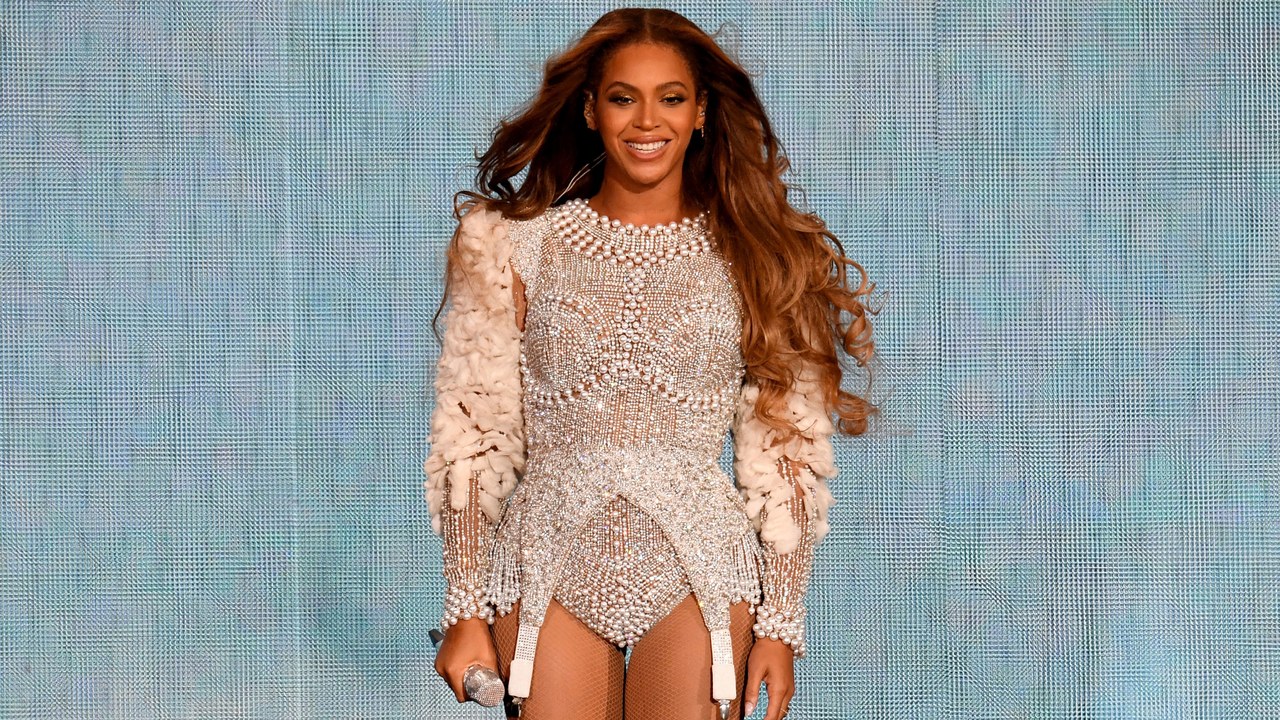
    Adidas said earlier in November that it was expecting a drop in overall sales for the last three months of the year as the reimposition of lockdowns in Europe would likely offset a return to growth in China and strong demand for running gear and products designed by singer Beyonce.
  • Adidas in talks to lay off Reebok

    Adidas in talks to lay off Reebok

    For some sneakerheads who may be unaware, Reebok is owned by Adidas. Back in 2005, the brand was bought by the Three Stripes for a large sum of $3.8 billion and they have been sharing warehouses and website assets, ever since. Now, however, this business relationship could very well be coming to an end, based on a brand new report from Manager Magazin.

    This publication is based out of Germany and typically has the inside track when it comes to what’s happening over at Adidas Headquarters. Based on the report, it noted that the brand is putting together a team that will try to have Adidas sell-off Reebok by early 2021. This news comes in the midst of a disappointing Q2 sales report that showed Reebok’s revenues dip by 42 percent as a result of COVID-19.

    As for potential buyers, Manager Magazin claims Anta Sports in China or the VF Corporation are suitors. The VF Corporation is certainly an interesting candidate as it boasts properties such as Timberland, Vans, and The North Face.

    So far, Adidas nor Reebok has commented on this story. Keep it locked to HNHH as we will be sure to keep you updated on this story. Also, stay tuned as plenty of other sneaker content is coming down the pipeline.

  • Adidas China sales goes flat but bright outlook

    Adidas China sales goes flat but bright outlook

    German sportswear firm Adidas says it expected a rebound in profits in the third quarter after it plunged to a big loss in the second quarter when the majority of its stores were closed due to coronavirus lockdowns.

    Adidas reported a second-quarter operating loss of US$396 million, worse than the $344 million expected by analysts on sales down 35 percent to $4.25 billion.

    The company said its sales were flat for the second quarter in China, however it saw double-digit growth in May and June.

    But CEO Kasper Rorsted said the company expects to benefit from more people exercising and dressing down with around three-quarters of companies planning to allow staff to continue to work from home.

    “The work environment will have changed forever,” he said, noting that sales of plastic slip-on Adilette bath sandals had tripled during the crisis.

    The loss included coronavirus-related charges of around $297 million, mainly due to an increase in inventory and bad-debt allowances, as well as the impairment of retail stores and the trademark of its struggling Reebok brand.

    Adidas expects a material improvement in third-quarter sales assuming there are no new major lockdowns, but still down on last year by a mid to high-single-digit rate.

    It sees an operating profit of between $712 million and $831 million in the period. The company declined to give an outlook for the full year.

    “We are now seeing the light at the end of the tunnel as the normalization in the physical business continues,” said Rorsted in a statement.

    E-commerce sales jumped 93 percent in the quarter and remained at a very high level even as stores started to reopen, with 92 percent already back in business, albeit with reduced opening hours.

    Rivals Nike and Puma also reported quarterly losses, while Nike saw a 75-per-cent rise in online sales.

  • Adidas Malaysia opens first-ever Brand Centre

    Adidas Malaysia opens first-ever Brand Centre

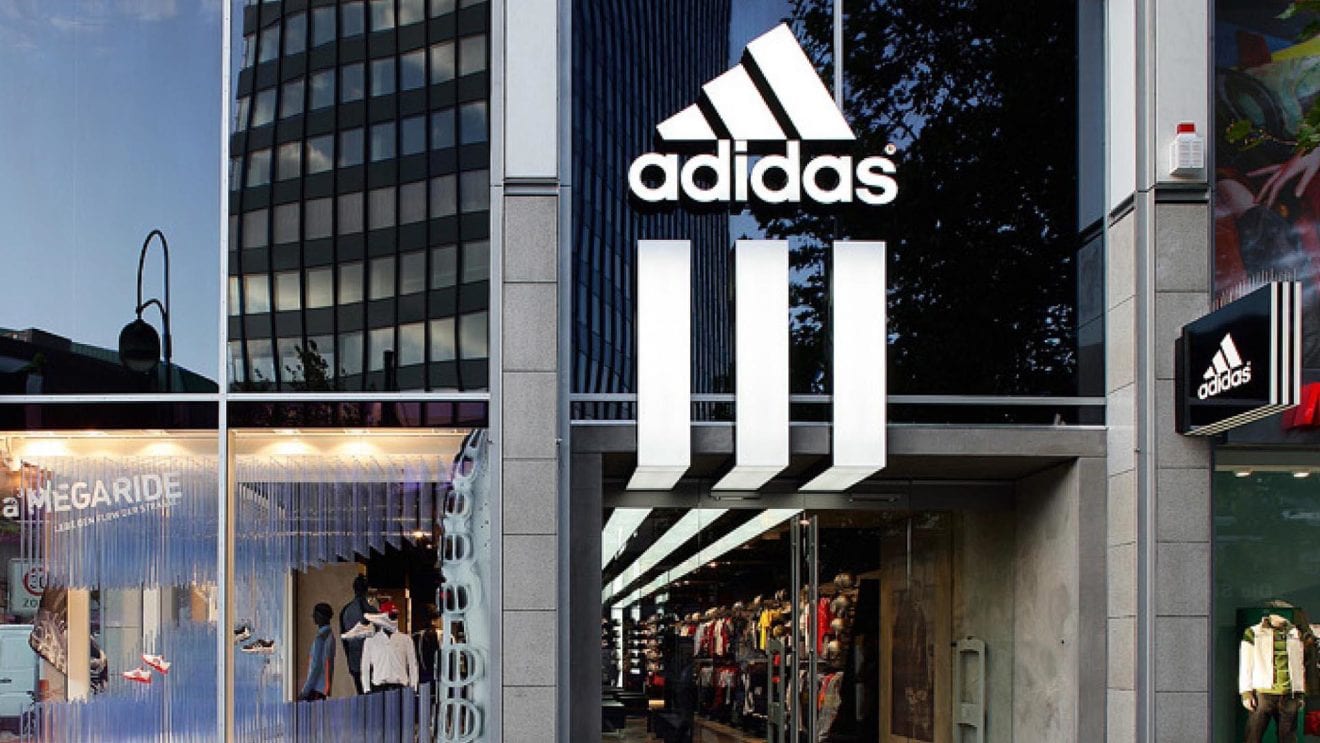
    Adidas Malaysia has launched a new Brand Centre at Kuala Lumpur’s Sunway Pyramid as it expands in the Southeast Asian market.

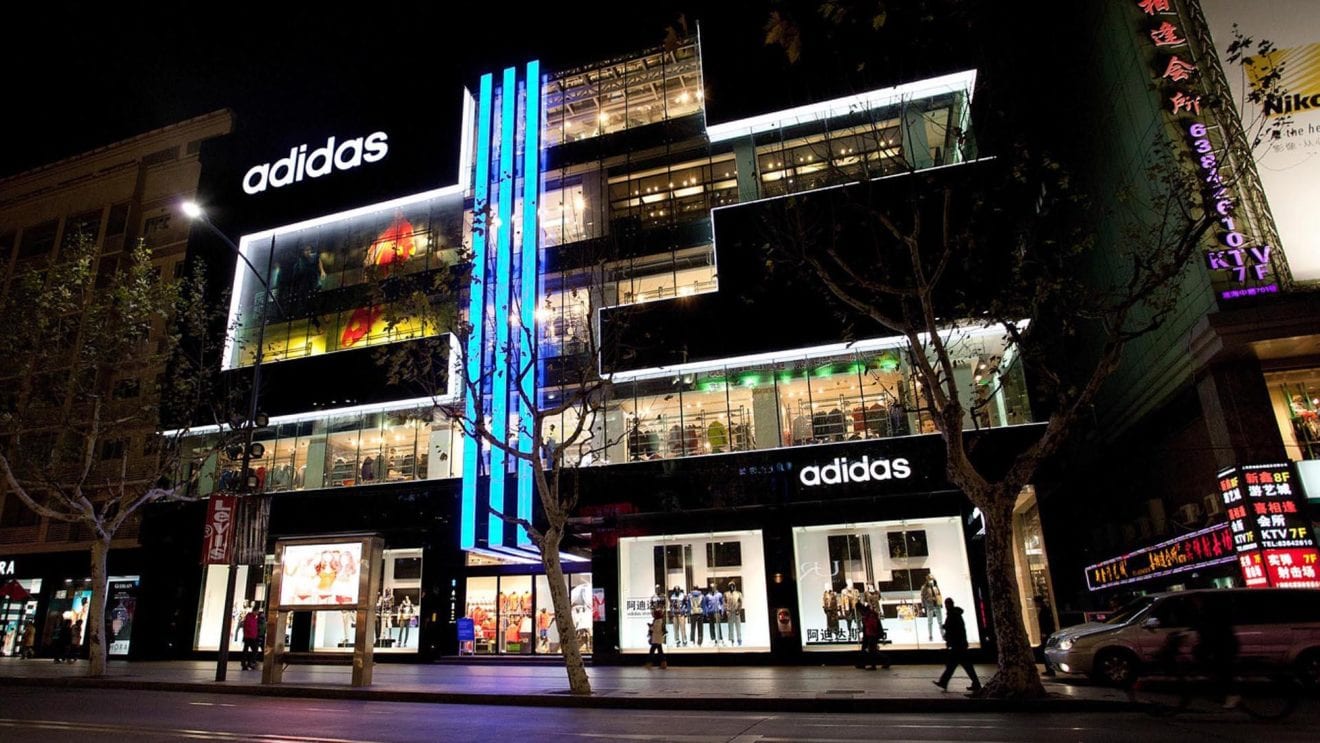
    The new 1328sqm “stadium-style” outlet stocks the full Adidas range from performance to fashion items. Its retail concept design is inspired by iconic city landmarks and cultural hues. The store facade features two large floor-to-ceiling LED screens.

    “The all-new brand center is Adidas Malaysia’s largest store to date, showcasing the latest retail concept and innovations from Adidas as well as our commitment as the No 1 global sports brand,” said Adidas Malaysia country manager Philip Ho. “[We want to be] the best sports company in the world to provide Malaysian consumers with the best products, best experiences and best services, and we intend to inspire the city further with our brand’s unique strength and creativity.”

    Features inside the store include a jersey customization hub, a footwear testing treadmill, and an area for original collections. Space will also serve as a consumer activation and engagement hub.

  • Adidas LDN – our store of the year

    Adidas LDN – our store of the year

    Retailers regularly spruik the line of ‘reimagining retail’ when launching a new concept store – but the new Adidas LDN flagship genuinely delivers on that promise.

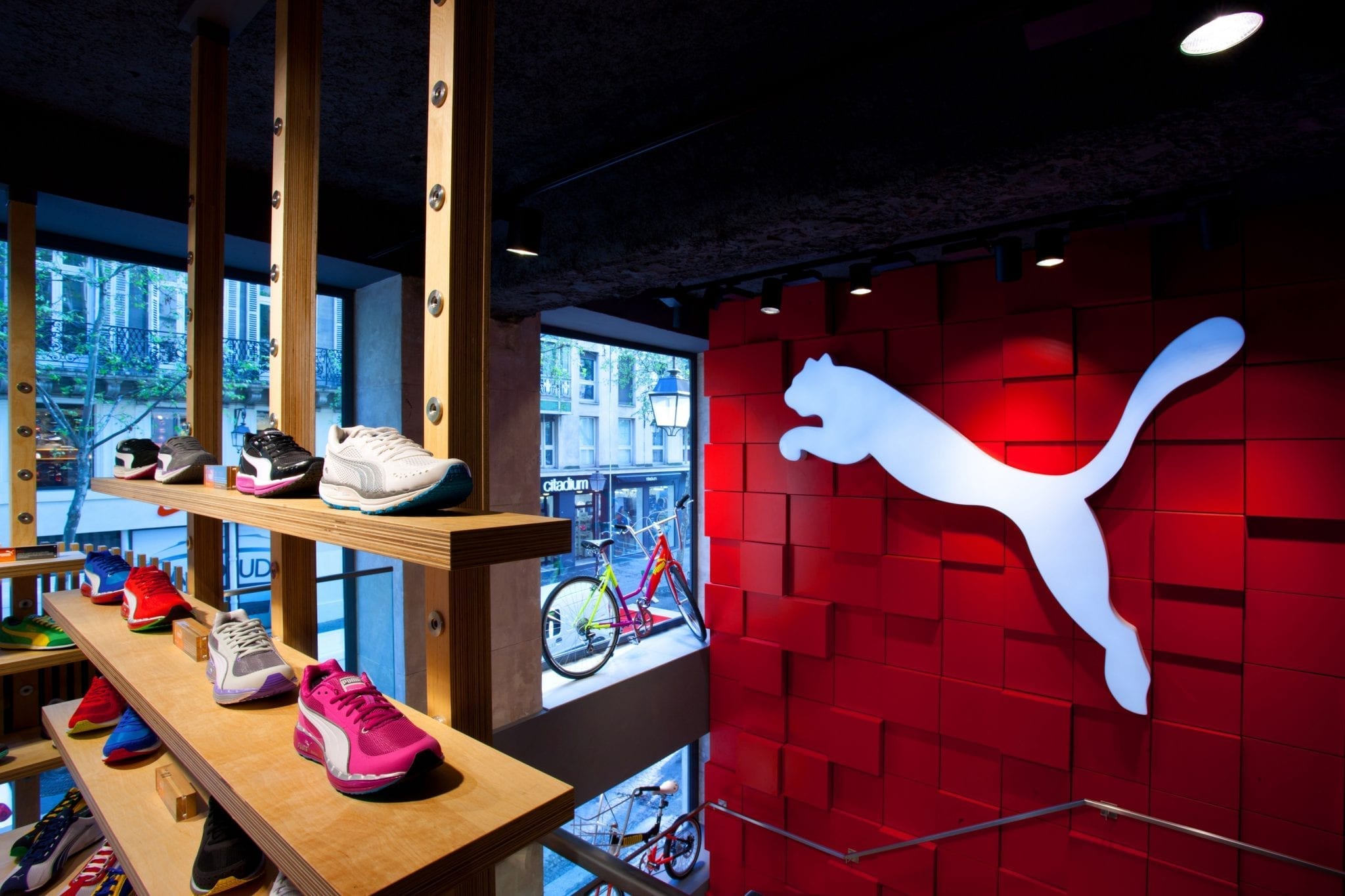
    The four-story Adidas LDN (London) store features a myriad of unique shopper activations and experiences which make it stand out from rivals like Nike’s Houses of Innovation in Shanghai and New York, and Puma’s own flagship alongside on Fifth Avenue. The Adidas LDN store may be a latecomer to the party, but it outperforms its rivals by truly embracing customer engagement.

    Adidas has created a space to cultivate London’s creative scene, with the store housing installations and artworks from local artists and featuring products designed exclusively for the store. Keeping the theme localized, the German brand has a team of staff that collectively speaks 31 different languages to cater to the 20 million tourists of London.

    There are many interactive action points across each floor with the MakersLab being one of the focal points of the store. The customization section not only allows consumers to personalize football jerseys but opens up the creativity to people of all ages with its workshop area. Apart from artist-led group classes, customers can choose from the pick-and-mix of patches to add to their newly purchased garments on the spot.

    Shoppers can also immerse themselves in the in-store experience by testing their new kicks on a treadmill run, signing up for a fitting appointment with an expert, or attending regular community events.

    Magical experiences

    The Adidas LDN store did not win this store race without help from a team of retail-tech experts. One of its foremost innovations is its smart fitting rooms with interactive mirrors, powered by RFID through Avery Dennison’s intelligent labels, Detego software, Pyramid Computer and Nordic ID.

    When a customer walks in, the mirrors detect the item via its RFID tagging and display product information subtly but resourcefully on the mirror – providing an instant magical experience. The customer can call for assistance from staff, requesting sizes and colors without leaving the room. Personal services such as fitting appointment with experts and tailors are also available in-house – highly unusual for a sportswear brand.

    Additional fitting rooms with LED screens provide a vibrant and dynamic Instagrammable backdrop for the Gen Zs looking to show off their new Adidas gear.

    The digital innovation continues through Adidas’ omnichannel app. Apart from being able to shop within and book sneaker-cleaning services, the app enables geo-tracking for staff in-house to locate the consumer in-store for additional assistance. The “Bring It To Me” feature allows shoppers to scan products, request size and purchase on the spot without queuing – removing the need for designated cashier spaces.

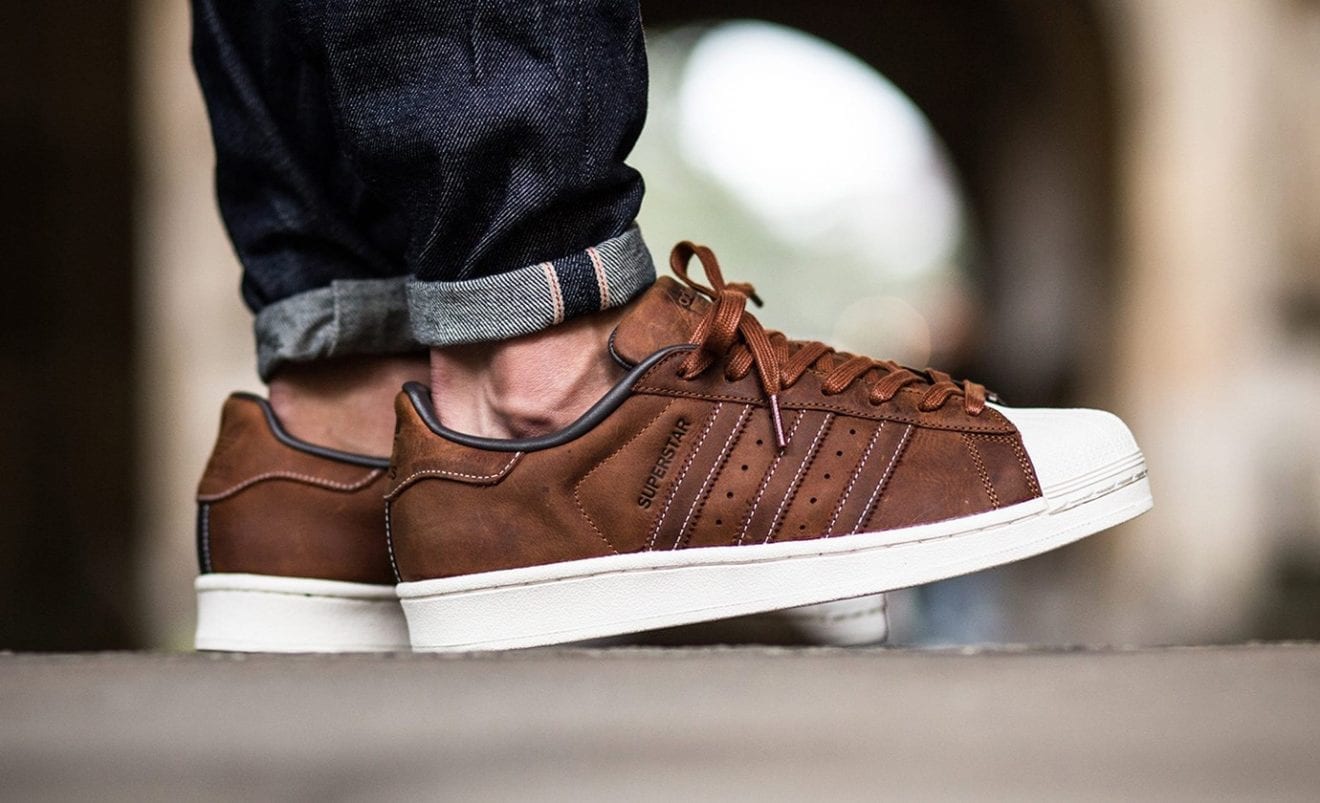
    Realistic augmented reality features are also available within the app’s product pages for their signature shoe collections such as the Alphaedge, Gazelle, Superstar or Stan Smiths. Provided by Vyking, the AR technology allows the user to try on shoes virtually atop the consumer’s feet and project the shoe realistically in 3D, complete with its detailed textures.

    Sneakerheads can also book reminders for upcoming sneaker drops through the app or by interacting with the digital “Hype Wall” to preview pending collections.

    Adidas has always been a leader in sustainability efforts. Aside from its long-term partnership with Stella McCartney, an advocate and environmental enthusiast alongside its successful recycled ocean plastic Parley line, the brand has just launched the second generation of its first 100-per-cent recycled performance running shoe that once again, can also be recycled. Adidas has also pledged to eliminate virgin polyester in its products and to use only recycled plastic by 2024.

    In-store, more than 100 of its digital touchpoints are fully powered by green energy. Prompted by the London mayor’s water-fountain initiative to cut down on plastic waste in the city, shoppers can refill their water bottles through fountains scattered around the store.

    The new Adidas LDN store did not make my Store of the Year just for building a large-scale flagship. Unlike many flagships more often than not designed for marketing purposes, this store was truly designed with the consumer in mind.

    The entire store concept – from interactive workshops and events to the technologies embedded – fully elevate and improve the customer journey. It is a must-see store

  • Taipei Adidas pop up features capsule collection with Descendant

    Taipei Adidas pop up features capsule collection with Descendant

    Wtaps founder Tetsu Nishiyama’s casual label Descendant has released a collaboration with Adidas.

    “Keep Rolling” is a capsule collection of graphic tee shirts, tracksuits, and sneakers, now offered at a special pop-up store at Taiwan’s Invincible store in Taipei.

    According to a Hypebeast report, the collaboration includes the new “Crustar” silhouette that “merges the Campus and Rivalry sneaker styles … additionally, the sneaker is paired with a matching series of wearables including paneled track jackets, complementing pants, a high-necked pullover, and the monochrome ‘Game Jersey’”.

    The collaboration will also be available on the Adidas Japan web store until November 17.

  • Adidas and Beyonce Relaunch in Ivy Park

    Adidas and Beyonce Relaunch in Ivy Park

    Adidas and Beyonce are teaming up to relaunch the superstar’s Ivy Park label.

    The sportswear firm has announced a multi-layered partnership with the performer to “inspire and empower the next generation of creators; drive positive change in the world through sport; and identify new business opportunities”.

    “This is the partnership of a lifetime for me,” said Beyonce. “Adidas has had tremendous success in pushing creative boundaries. We share a philosophy that puts creativity, growth and social responsibility at the forefront of business. I look forward to re-launching and expanding Ivy Park on a truly global scale with a proven, dynamic leader.”

    The partnership will result in the co-creation of new products – from performance to lifestyle – and a unique purpose-driven program focused on empowering and enabling the next generation of athletes, creators and leaders.

    According to a joint statement, meaningful and rich storytelling will be the foundation for both Beyonce’s collection with Adidas as well as the re-launch of her Ivy Park brand.

    “As the creator sports brand, Adidas challenges the status quo and pushes the limits of creativity through its open source approach,” said executive board member – global brands Adidas Eric Liedtke.

    “Beyonce is an iconic creator but also a proven business leader, and together we have the ability to inspire change and empower the next generation of creators.”

  • Adidas Test to Sell Shoes Made of Ocean Plastic was So Successful

    Adidas Test to Sell Shoes Made of Ocean Plastic was So Successful

    Adidas has spent the last four years curbing ocean pollution by recycling plastic beach waste into shoes – and because their customers have been so eager for the product, the company is kicking it up a notch. Adidas produced more than five million pairs of recycled plastic waste shoes in 2018, and they plan to incorporate the waste into at least 11 million this year.

    The upcycled plastic waste is made into a yarn which has since become a key component of the upper material of Adidas footwear. In addition to shoes, the company has also used it to make the first ever football jerseys made from recycled materials.

    The sporting goods manufacturer first started making the shoes in collaboration with environmental group Parley for the Oceans back in 2015. They developed the slick kicks using plastic waste intercepted on beaches, such as the Maldives, before it can reach the oceans. The Parley shoes are recreated from editions of their UltraBoost shoe, and a new version of their Adidas Originals shoe.

    And, in 2016, Adidas stores stopped using plastic bags.

    “We also continue to improve our environmental performance during the manufacturing,” said Gil Steyaert, who is responsible for global operations. “This includes the use of sustainable materials, the reduction of CO2 emissions and waste prevention.

    “In 2018 alone, we saved more than 40 tons of plastic waste in our offices, retail stores, warehouses and distribution centers worldwide and replaced it with more sustainable solutions.”

    Additionally, Adidas is committed to using only recycled polyester in every product and application where a solution exists by 2024. As a founding member of the Better Cotton Initiative, Adidas meanwhile sources only sustainably produced cotton.

    Recently, Adidas signed the Climate Protection Charter for the Fashion Industry at the UN Climate Change Conference in Katowice, Poland—and agreed to reduce greenhouse gas emissions by 30% before 2030.

  • Instagram users can now buy items from ads inside the App

    Instagram users can now buy items from ads inside the App

    Instagram is taking its Shopping ads one step further by making it possible for people to buy the products in the ads without leaving the app.

    The feature, called Checkout on Instagram, is currently being tested in a closed beta program by nearly two dozen businesses and is only available to users in the US.

    Retail News has asked for details about if and when the feature will be available outside the US but had not received a reply at the time of this writing.

    Adidas, Burberry, Dior, H&M, Michael Kors, Nike, Outdoor Voices, Uniqlo and Zara are among the 23 fashion, beauty and accessories brands now rolling out the feature. Others will be added in future, according to Instagram, which is owned by Facebook.

    When users tap on a product in a Shopping ad from one of these businesses, they now see a “Checkout on Instagram” button. By tapping the button, they can select the size and colour of the item they want and enter their payment and shipping details to purchase.

    Users receive notifications about shipment and delivery within the Instagram app, and the platform saves all their information for future purchases.

    In the past, if users wanted to purchase a product linked to a Shopping ad, they were redirected to the brand’s website. The new feature removes this step and – crucially for Instagram – keeps consumers in the app.

    “Social selling is really taking shape both in Australia and globally and it’s great to see Instagram leading the way through the next stage of the social selling journey. Giving consumers the option to complete a purchase right then and there in the app will simplify the shopping process and allow brands to connect more easily with shoppers,” said Jordan Sim, group product manager at BigCommerce, an e-commerce platform that has been active in offering integrations with Shopping on Instagram to its users.

    “We’ve seen our merchants both globally and locally in Australia have a great deal of success using BigCommerce’s integration with Shopping on Instagram and are looking forward to unlocking the power of this new integration for our Aussie retailers in the near future. We know the value of simplifying the checkout process to drive sales and this new function on Instagram will facilitate just that.”

    Many brands have said that Shopping ads drive sales, but there’s a trade-off: visibility and control over their customer data. As Instagram continues to make the purchasing process more seamless – that is, takes control of the process – some businesses will undoubtedly question whether the trade-off is worth it.

    It is unclear whether the Checkout feature applies to Shopping posts in Instagram Stories, or only to posts in the feed. Last June, Instagram revealed that of the 500 million people using Instagram every day, 300 million use Stories every day.

  • Puma pips rivals, becomes top sportswear brand in India

    Puma pips rivals, becomes top sportswear brand in India

    German sportswear major Puma on Monday claimed that it has become the top sportswear retailer in India, surpassing rivals such as Nike, Adidas, Skechers and Reebok in terms of yearly sales. Puma, the third-largest sportswear manufacturer in the world, has reported sales of Rs 1,157 crore for the 12-month period ending December 2018 against Rs 958 crore reported in the year ago period.

    The company follows the January-December calendar year, while its Nike, Adidas, Skechers and Reebok go by the April-March financial year (FY) cycle.

    In FY 2017-18, Puma’s compatriot Adidas had registered sales of Rs 1,132 crore, up from Rs 1,100 crore reported in FY 2016-17.

    During the same period, American sportswear giant Nike reported sales of Rs 828 crore against Rs 807 crore reported in the previous fiscal.

    Reebok, which is owned by Adidas, saw its sales drop from Rs 416 crore in FY 2016-17 to Rs 391 crore in FY 2017-18.

    Another American brand Skechers, which is relatively new in the Indian market, reported sales of Rs 440 crore in FY 2018-19, up from Rs 282 crore reported in FY2016-17.

    “We are making strong progress in both sports performance and sport style categories,” Puma India Managing Director Abhishek Ganguly was quoted as saying.

    Interestingly, India is the only country where Puma’s sales have crossed the sales of other sportswear giants such as Adidas and Nike.

    Over the past few years, India has rapidly caught up with the wider global fitness trends. From 2015 to 2016, the Indian sportswear market grew 22 per cent, outpacing the segment’s global increase of 7 per cent, according to Euromonitor International. By 2020, it is expected to grow an additional 12 per cent CAGR (compound annual growth rate) with sales expected to reach $8 billion.

    The bitter rivalry between Puma and Adidas goes beyond mere corporate competition. It was in fact a sibling fallout that created two of the world’s biggest sportswear brands.

    In the 1920s, German brothers Adolf and Rudolf Dassler launched a shoe company together. Their business picked up after Dassler shoes were used by medal-winning Olympians through out the 1930s.

    But along with sales, tension also spiked between the Dassler brothers, which reached a boiling point during World War II. While it was not clear what exactly caused the rift, it was said to be a result of miscommunication.

    The brothers eventually split in 1947 with Rudolf forming a new firm that he called Ruda – from Rudolf Dassler – later rebranded Puma, while Adolf, who preferred to be called Adi, named his business Adidas.

  • The coolest men’s sneakers from Paris Fashion Week

    The coolest men’s sneakers from Paris Fashion Week

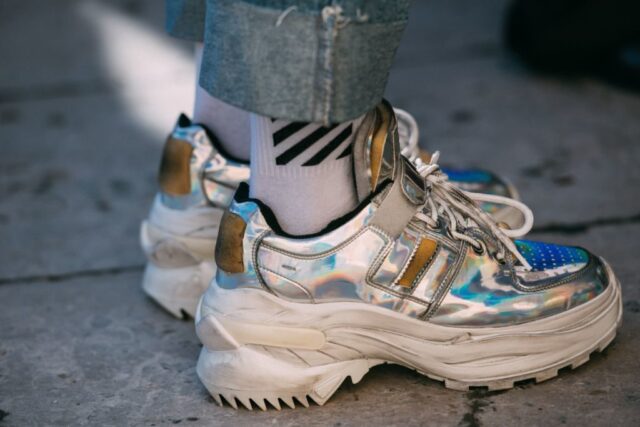
    Paris Fashion Week Men’s was not lacking in head-turning street-style looks this year. Attendees brought their sartorial A-game to take in new fall ’19 collections from the hottest designers. A guest paired trendy Off-White socks with shiny silver Maison Margiela sneakers that featured a chunky platform sole and an iridescent finish. Cuffed denim jeans highlighted the pairing perfectly.

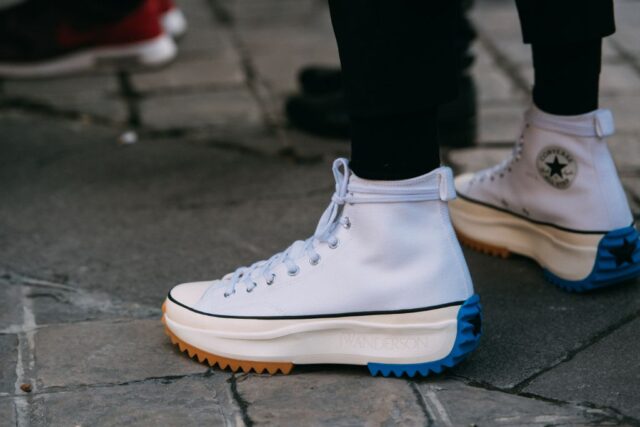
    Elsewhere, a guest showed off J.W. Anderson’s new Converse collab sneakers, which feature a rubber jagged platform sole. The high-tops debuted on the catwalk at Anderson’s spring ’19 show.

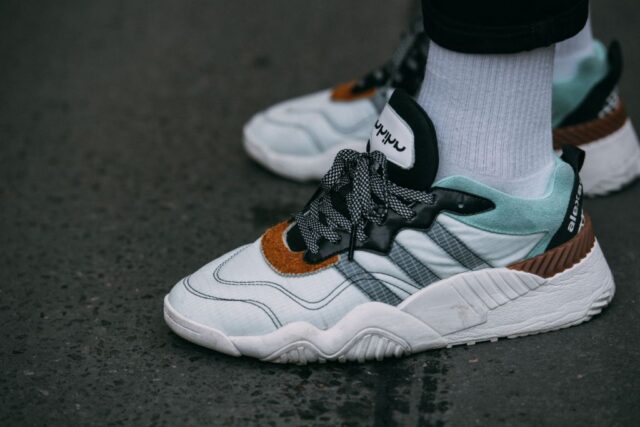
    Meanwhile, Adidas x Alexander Wang Turnout Mint White runners caught our attention with its chunky midsole design, a mash-up inspired by several previous Adidas sneakers.

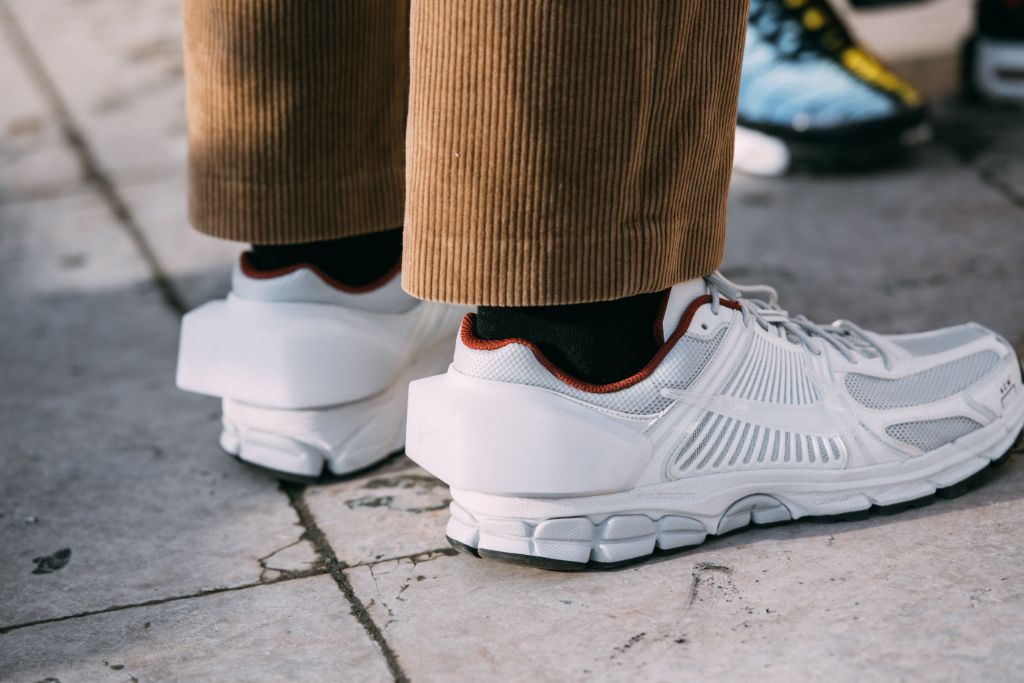
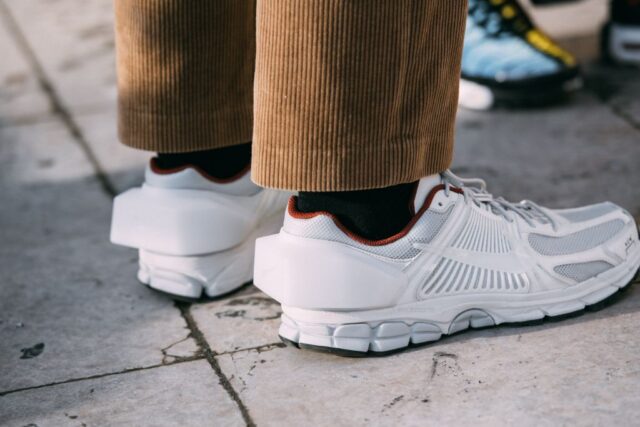
    The Nike x A-Cold-Wall Zoom Vomero +5, designed by Samuel Ross, undeniably stands out with its enlarged heel counter. The style, which dropped in November, blends retro and futuristic elements.

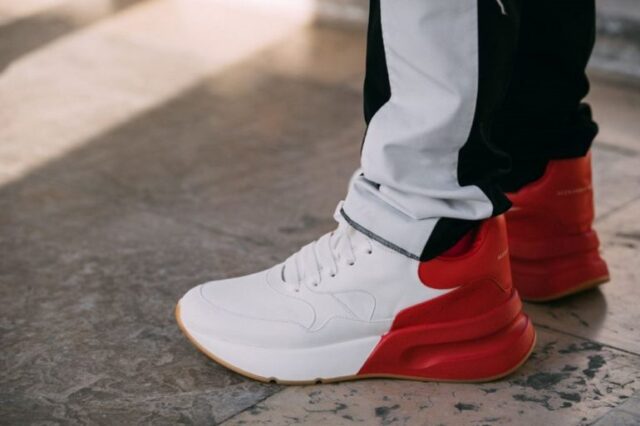
    Lastly, the oversized red and white contrast leather sneakers by Alexander McQueen, which Timothée Chalamet has worn on the red carpet, of course, made an appearance at fashion week.

  • US sports apparel firm mulls ditching China for Vietnam

    US sports apparel firm mulls ditching China for Vietnam

    U.S. sports apparel company Brooks Running is considering shifting its manufacturing operations from China to Vietnam to avoid trade war tariffs. The firm’s CEO Jim Weber said Monday that the impact of President Donald Trump’s trade war with China is going to put a 45-percent tariff on his company’s running shoes.

    “We’re preparing for a 25 percent tariff on our business and that’s on top of 20 percent already on running shoes. It’s really going to be upsetting for us,” Weber said.

    Vietnam will be a “possible” new supply chain for Brooks, Weber said, adding that the transition will likely cost “millions” of dollars.

    Weber said he was confident that the move will allow his company to be more competitive in the U.S. and in the world as the tariffs are lower in Vietnam.

    He added that the transition, if it happened, would likely to be permanent.

    The U.S.-China trade war escalated last month as the U.S. levied new tariffs of 10 percent on about $200 billion worth of Chinese products, with the tariffs to go up to 25 percent by the end of this year.

    China retaliated immediately with 5 and 10 percent tariffs on $60 billion worth of U.S. products.

    The announcement by Brooks, which sells sports footwear, apparel, bras and accessories in 50 countries worldwide, came after Adidas CEO Kasper Rorsted said in May that his company is shifting footwear sourcing from China to Vietnam.

    Vietnam has in fact overtaken China as Adidas’ top supplier, with Vietnamese factories producing 44 percent of its shoes by volume last year against 19 percent by Chinese manufacturers, according to the company’s data.

    This is also true of Adidas’rival Nike, which had 46 percent of its footwear made in Vietnam last year, against 27 percent in China.

    Vietnam’s footwear exporters seem to be benefiting from the ongoing trade war.

    In the first nine months this year, Vietnam’s footwear exports were worth $11.74 billion, a 10.2 percent year-on-year increase.

    Vietnam is the second biggest exporter of footwear to the U.S. behind China, shipping 404 million pairs of shoes last year.

    Last year, Vietnam’s footwear exports were worth $14.65 billion.

  • Vietnam footwear exports benefit from US-China trade spat

    Vietnam footwear exports benefit from US-China trade spat

    Vietnamese footwear exporters seem to be benefiting from the ongoing trade war between the U.S. and China. According to customs statistics, Vietnam’s footwear exports in the first nine months of this year were worth $11.74 billion, a 10.2 percent year-on-year increase. Its exports to China in the period have risen by 28.5 percent, to Japan by 14.7 percent, and to the U.S. by 13.5 percent.

    Vietnam is the second biggest exporter of footwear to the U.S. behind China, shipping 404 million pairs of shoes last year.

    The upward trend is likely to continue, too, as rising wages in China increase the cost of goods produced there and the country is thus directing more of its manufacturing resources toward higher-priced goods like electronics, according to the global footwear news outlet Footwearnews.

    Foreign companies are moving to other countries like Vietnam to cut cost.

    Adidas CEO Kasper Rorsted said last May that his company is shifting sourcing of footwear from China to Vietnam.

    Vietnam has in fact overtaken China as its top supplier, with Vietnamese factories producing 44 percent of its shoes by volume last year and Chinese manufacturers supplying 19 percent, according to Adidas.

    This would help shield the company from potential tariffs or supply chain disruptions if President Donald Trump’s trade war with China continues to escalate, a fact its competitors also seem to be taking notice of.

    Vietnam may see export orders surging as footwear importers shun China to avoid high U.S. tariffs and choose the Southeast Asian nation instead, local media quoted Diep Thanh Kiet, vice chairman of the Vietnam Leather, Footwear and Handbag Association (Lefaso), as saying.

    “Vietnam’s leather and footwear export can reach $19.5 billion or slightly higher this year depending on the situation,” he said. Vietnam’s footwear exports were worth $14.65 billion last year.

  • Adidas Thailand Enjoys 40% Growth Online Thanks to DHL E-Commerce

    Adidas Thailand Enjoys 40% Growth Online Thanks to DHL E-Commerce

    DHL eCommerce, a division of the world’s leading logistics company Deustche Post DHL Group, has facilitated growth of over 40% for adidas Thailand’s retail revenue by enabling deliveries for the adidas.co.th site.

    The e-commerce channel launched in June 2015 and since co-operating with DHL in May 2017, Thai consumers are able to have their purchases delivered same-day or next-day within greater Bangkok and 2-3 days to other remote areas.

    adidas.co.th offers a wide range of adidas products including limited edition items which may not be available in the physical stores. Customers can browse online and shop for unique styles and sizes without having to hop from store to store. With 18 physical stores across Thailand, DHL eCommerce will begin to leverage adidas’ retail footprint for e-commerce fulfilment by picking up orders from adidas stores and delivering to customers by Q2 2019.

    Jirot Paowisit, adidas’ Senior Manager of Operations for Thailand said, “E-Commerce is making a true impact not only in the way we sell and deliver our products, but also in how we engage our consumers. We are pleased to make adidas products more easily and conveniently available and we are excited to work with a strong logistics partner like DHL. Besides the excellent delivery service to our customers, their solutions have enabled us to fulfil more orders a day by optimizing our operations for fast e-commerce fulfillment.”

    “E-Commerce is a growing channel for adidas and with Thailand’s increasing e-commerce adoption with the total share of e-commerce expected to more than double in the coming years, we are certain that there will be more adidas fans choosing to shop on our online store. We are pleased with DHL eCommerce’s high quality delivery performance which plays an important role in our e-commerce strategy.” said Suphalada Chalitpattanangkune, E-Commerce Manager for adidas Thailand.

    “Over 57% of shoppers will likely not shop with a retailer again if they had a bad delivery experience, showing how important the quality of delivery is for a retailer’s brand image and customer loyalty. We are proud to enable adidas to deliver quickly and conveniently to their consumers with a successful delivery performance of 99% consistently since we started shipping for them in 2017,” said Kiattichai Pitpreecha, Managing Director, Southeast Asia, DHL eCommerce.

    “With DHL’s fully-owned domestic delivery network with full nationwide coverage across Thailand, adidas fans from anywhere in Thailand will be able to shop online easily with the assurance of a great delivery experience.”

  • IconSiam Bangkok due to open November 9

    IconSiam Bangkok due to open November 9

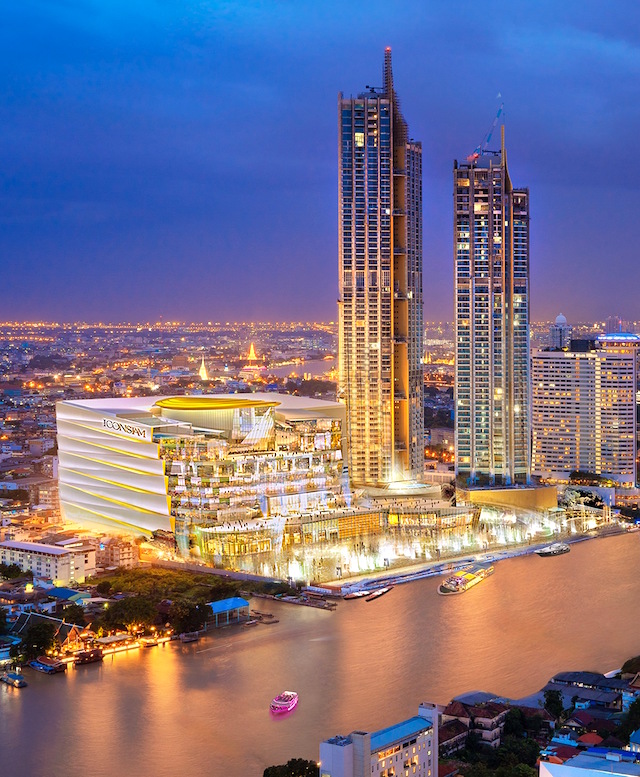
    Bangkok’s massive IconSiam development will open on November 9, its developers have confirmed.

    The US$1.67 billion complex being constructed on a 400-metre-long stretch of the Chao Phraya River will feature 14 flagship stores of internationally renowned brands, many of them taking space in the ultra-luxury 25,000sqm glass pavilion called IconLuxe, located next to the river and featuring the longest pillarless glass facade in the world.

    The development will be home to two shopping centres, whose tenants will include 188 brands and store concepts from around the world making their debut in Thailand, including duplex maisons for luxury brands.

    IconSiam CEO Supoj Chaiwatsirikul says IconSiam will represent “a completely new business model for destination development” in Thailand.

    “We are committed to making IconSiam a new national landmark and an exciting global destination. We have therefore placed particular emphasis on becoming the location of choice for the flagship stores of the world’s finest brands as well as introducing many firsts and innovations at the various outlets.”

    The development will comprise a 750,000sqm mega-destination featuring not only two shopping precincts, but theme parks, a museum, hotel and apartment towers.

    “IconSiam will excite visitors with a rich diversity of offerings, including art and culture, in addition to extraordinary dining and shopping possibilities,” said Chaiwatsirikul. “The project is co-designed and co-activated in collaboration with enterprises of all sizes and with people from all walks of life, and the benefits of the project are shared among all parties.

    “We have made every participant in IconSiam – whether they be outlets selling products, or designers and artists showcasing their creations, or even neighborhood communities helping in our operations – an inseparable part of our business model and they play a part in shaping our development.”

    Flagships line up

    Flagship stores at IconSiam will include the largest Adidas Original store in Asia, H&M-owned fashion label Cos, an Aland lifestyle concept store from Korea, and local accessories brand Naraya. H&M will open a three-level store.

    UK retailer JD Sports will open its first Thai store at the development and Nike’s store will be the first in Asia with a Kicks Lounge.

    The retail development is anchored by Thailand’s first Takashimaya department store from Japan which plans to introduce 170 brands into the market for the first time.

    Details have yet to be released about world-class restaurants and a rooftop bar planned for the complex. Besides those, IconSiam will feature seven food and beverage zones, each with a different atmosphere and concept. Tenants will include Singapore’s Jumbo seafood restaurant and Taiwan’s Harbour restaurant.

    Fitness First will open its largest Thai venue yet.

    Opening festival

    Chaiwatsirikul says IconSiam has budgeted THB1 billion (US$31 million) on an opening and launch festival, including extensive international communications.

    “Because IconSiam will be a showcase for the very best that Thailand has to offer and serve as a platform to propel Thai brands, products, artists, artisans and Thai culture onto the global stage, we are investing heavily to make IconSiam globally visible. We want IconSiam to be a magnet for the country, capable of drawing hundreds of thousands of international and local visitors a day, and to bring honour to Thailand,” he said.

    Meanwhile, the development’s two luxury residential towers remain under construction. The 70-floor, luxury Magnolia Waterfront Residences with 379 residential units is 90 per cent complete, while the 52-floor, super luxury The Residences at Mandarin Oriental Bangkok with 146 units is 80 per cent complete.

    IconSiam is being developed by three Thailand companies: shopping centre operator Siam Piwat, which owns Siam Center, Siam Paragon and Siam Discovery; residential developer Magnolia Quality Development Corporation; and multinational conglomerate Charoen Pokphand Group.