Retail News CRM

Tag: agreement

  • Closer Trade Ties Between Indonesia and Philippines

    Closer Trade Ties Between Indonesia and Philippines

    Indonesia and the Philippines, as immediate neighboring countries, have many to offers in the fields of among other things trade, culture and security.

    In fact, the Philippines is  a significant trade partner as its contributed around US$2.3 billion in trade surplus to Indonesia last year.

    Indonesian Ambassador to the Philippines Johny J Lumintang said recently that the surplus was the third largest for Indonesia in its international trade.

    Data from the Philippine Statistics Authority revealed that the countrys imports from Indonesia during the period between January and December 2015 stood at $2.927 billion, while exports to Indonesia were only valued at $628.2 million.

    However, the figures declined from the previous year when Philippines imports and exports from and to Indonesia reached $3.037 billion and $759.658 million, respectively.

    Three major Indonesian products imported by the Philippines, include automotive, coal, and coffee, with total values of $619.8 million, $519.4 million, and $208.6 million, respectively.

    There are great demands for coal for Filipino power plants, the diplomat said.

    The two nations have also intensified bilateral cooperation in various fields such as in economic, politic, socio-culture, and sea patrol security.

    “With the Philippines, Indonesia should not compete but cooperate as our products are mostly similar,” the ambassador said.

    Indonesias Trade Attach in Manila Irawan said 16 Indonesian food and beverage products have been marketed widely in Filipino supermarkets.

    Philippine President Benigno Aquino (R) speaks with Indonesian President Joko Widodo (L) at the presidential palace in Manila on February 9, 2015.  Widodo is meeting with Aquino to sign bilateral agreements and discuss various issues, possibly including territorial conflicts in the South China Sea.   AFP PHOTO / POOL / FRANCIS R. MALASIG
    Philippine President Benigno Aquino (R) speaks with Indonesian President Joko Widodo (L) at the presidential palace in Manila.

    Among the products as Kopiko 78 Degree, Indofood instant noodles, Bimoli and Mitra cooking oil, Tiger and Oreo biscuits, Extra Joss, You C-1000, Fruit Tea, nata de coco, Kopiko candy, Energen, and Diabetasol biscuits and powder milk.

    Indonesias food and beverage product market share in the Philippines is 8.13 percent.

    Last year, the Philippines imported food and beverages worth US$ 452.1 million from Indonesia, and exported US$15.8 million.

    Having economic growth at 6.9 percent, the Philippine is a potential market as its population is also big, he said.

    He hoped more small and medium scale industries products could be marketed in the Philippine.

    Eight food and beverage producers participated in the ASEAN Salon International de l Agroalimentaire held in Manila on May 31-June 2 2016.

    In the meantime, The Philippine government is also eager to promote its products in Indonesian markets.

    Filipino retail brands were exhibited at the “Lifestyle Philippines” event in Jakarta, on June 10, 2016.

    “Lifestyle Philippines” was a branding initiative led by the Philippine Trade and Investment Center (PTIC) in Jakarta which aimd to promote and create more awareness of Filipino-made products.

    During her remarks, Philippine Ambassador to Indonesia Maria Lumen Isleta stated that, It is an initiative to which our Embassy with the support of the Filipino community, have given our best efforts because we believe it can contribute to the friendship and close cooperation between our two countries.

    The event included a fashion show featuring Karimadon and Rusty Lopez, two iconic brands in the Philippines that have begun to create a following in the Indonesian forward-clientele market.

    Other brands displayed were Plains and Prints, Cruzzini Barong Tagalog, and Barong Batik, a fashion innovation that has successfully fused Philippine barong and Indonesian batik, a creation that many diplomats and dignitaries have begun to favor for its elegance.

    Apart from apparel, the event also showcased Filipino food products, hand-woven crafts, cosmetics and neutraceutical, tourism and travel, as well as education services.

    Flavors Philippines featured products with potentials to be exported here such as Goldilocks polvoron, Mama Sitas sauces and mixes, Leslies snack products, Destilleria Limtuacos spirits and liquors, among others.

    Artisanal food products sourced from the various regions in the Philippines such as dried fruits and nuts, jams and marmalades, bottled sardines, and chocolate dipped dried mangoes will be at the exhibition as well.

    Woven Chic, a special section on hand-woven crafts will show indigenous textiles from the Philippines, traditional dresses, linens, and modern and traditional pieces of jewelry.

    “This initiative hopes to increase trade with Indonesia, which in 2015 stood at US$3.6 billion. The Philippines exported about US$628.27 million of goods and services to Indonesia, while the Indonesia had US$2.93 billion trade with its counterpart,” Philippine Embassy Trade Representative Alma Argayoso said in a statement recently.

    “The regional integration in ASEAN presents opportunities for Philippine companies to expand to Indonesia and other ASEAN markets, and we certainly would like to actively take part in supporting Philippines companies in their regional expansion. We look forward to make Filipino products more available in the Indonesian market, particularly since there are many Indonesians who have visited and studied in the Philippines who look for our products,” she added.
  • One of the final hurdles for biggest beer deal almost cleared

    One of the final hurdles for biggest beer deal almost cleared

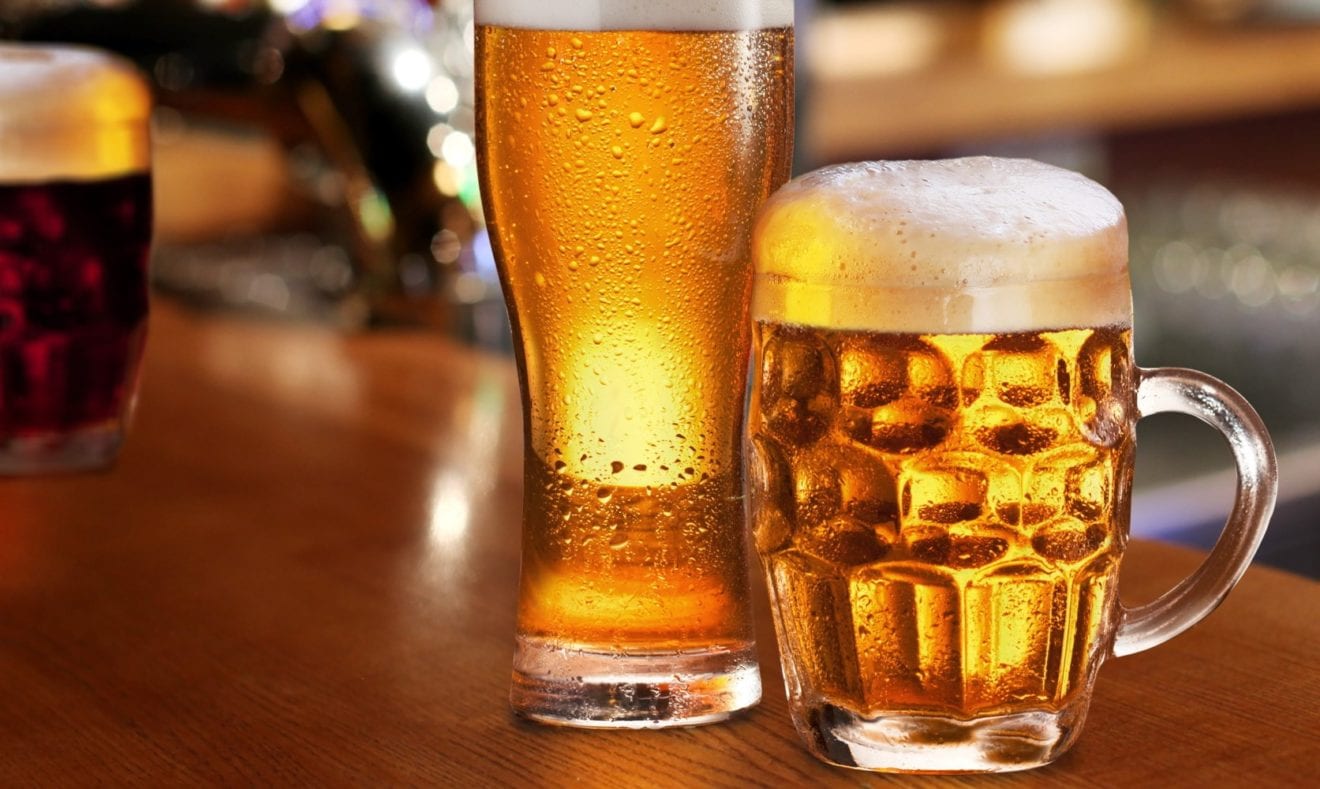
    Anheuser-Busch InBev’s $107bn acquisition of SABMiller is nearing Chinese approval after the companies agreed to divest the maker of Snow beer, the world’s top-selling brand, according to people familiar with the matter.

    Approvals for both transactions could come as soon as this month based on typical review timelines, clearing one of the final hurdles for the biggest beer deal in history.

    DEBT BREWING: AB InBev agreed to buy SABMiller in October for about $110bn. Picture: REUTERS

    Though China’s Ministry of Commerce may attach some conditions to the deal, including the Snow divestiture, regulators see no major hurdles, said one of the people, asking not to be identified because the deliberations are private. Some local beermakers told the ministry that they don’t object to the takeover as it won’t have a big impact on the Chinese market, another person said.

    SABMiller shares closed up 3 pence to £43.06 in London, erasing an earlier decline. AB InBev shares fell less than 1% to €114.95 in Belgium.

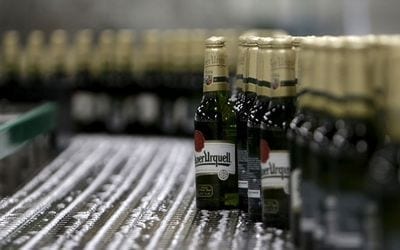
    The merged company would redraw control of the global beer market. Following divestitures, the deal will keep Budweiser, Beck’s and Stella Artois under AB InBev’s roof, while ceding control of brands including Miller in the US and Peroni and Pilsner Urquell in Europe.

    In China, the companies agreed to sell SABMiller’s 49% stake in its joint venture with China Resources Beer, which controls Snow beer, back to its partner.

    Deals unravelled

    In clearing these global hurdles, the beer megadeal contrasts with other big proposed tie-ups that unravelled amid antitrust scrutiny, including Halliburton’s failed bid for Baker Hughes, Staples’s foiled merger with Office Depot and General Electric’s decision to abandon the sale of its appliance business to Electrolux. In the beer deal, the sides were aggressive in offering divestitures from the start — including the plan for SABMiller to sell Snow — which may have ultimately helped reduce regulatory resistance, antitrust lawyers have said.

    The US Justice Department may clear the tie-up as soon as this month, people familiar with the process have told Bloomberg News. SA has yet to bless the deal, which has hit some obstacles amid protests from local unions.

    AB InBev and SABMiller declined to comment. China Resources and the commerce ministry didn’t immediately respond to queries.

    The merger plan, which the two companies reached in November as a way to gain access to emerging markets, has already won antitrust approval in more than a dozen jurisdictions, including the European Union.

    In March, China Resources announced it would buy out SABMiller’s stake in their Chinese venture for $1.6-billion. That deal is also nearing approval from China’s commerce ministry, the people said.

    In the US, AB InBev has agreed to sell SABMiller’s stake in the MillerCoors joint venture. It may also have to agree to further conditions related to beer distribution, according to people familiar with the matter. Smaller brewers and wholesalers want officials to restrict AB InBev’s control and influence over how beer gets on to store shelves, according to the people.


  • Suning-Inter Milan is just a beginning of a Giant Dream

    Suning-Inter Milan is just a beginning of a Giant Dream

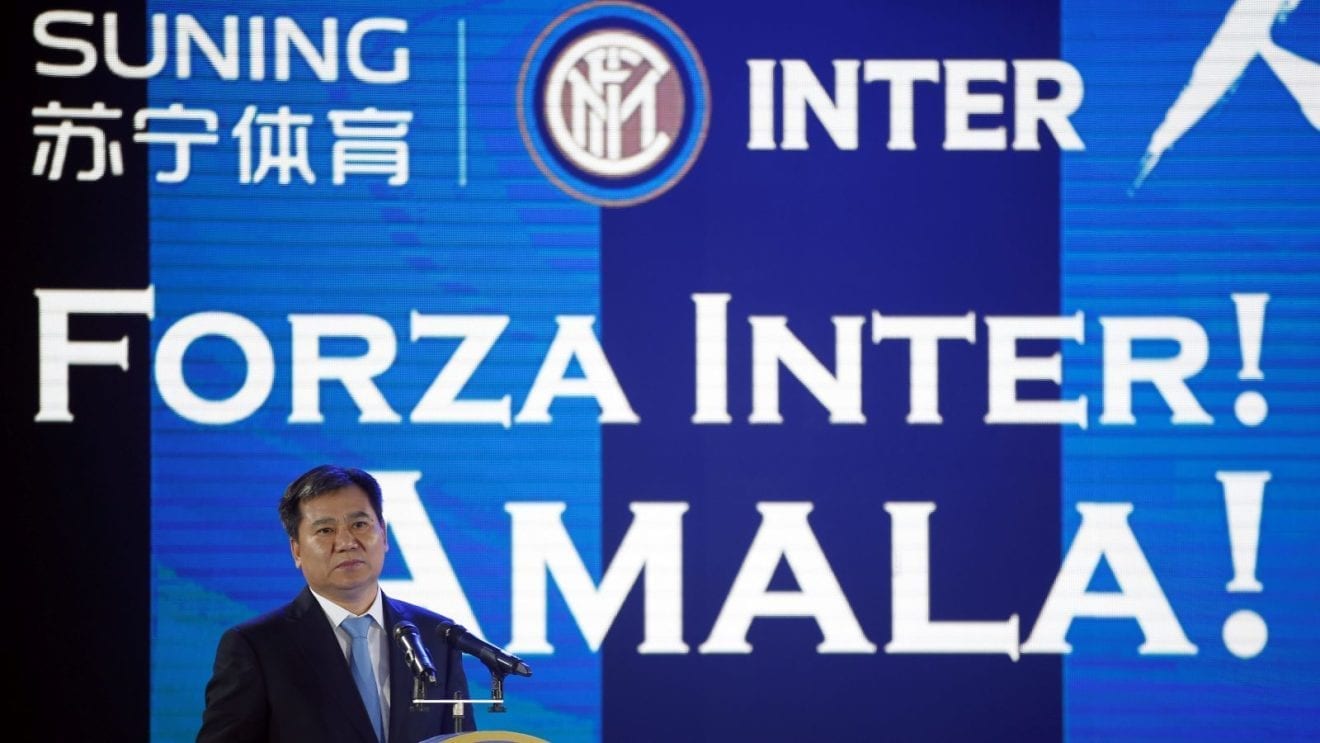
    The new Suning-Inter Milan deal marks just the first step in a far greater ambition for Chinese retail giant Suning, which plans to run a global sports empire including online broadcasting.

    Suning and Inter Milan are scheduled to make an announcement in Nanjing today, confirming the retailer will buy a majority stake in the soccer club. However, Reuters reports that Suning is seeking deals to help create a global sporting “ecosystem”, including not only club ownership, but sports media rights, player agencies, training institutions, broadcast platforms, content production and sports-related eCommerce.

    Having a majority stake in Inter Milan would make Suning the first mainland Chinese business to control a major European soccer entity. With annual revenues exceeding US$20 billion, Suning already owns local soccer club Jiangsu Suning and has spent millions of dollars bringing in players including Brazil’s Alex Teixeira and former Chelsea midfielder Ramires.

    It also has ties with Spanish champion FC Barcelona and England’s Liverpool FC, and has a stake in Chinese online content platform PPTV.

    Suning’s moves are echoed by other Chinese investors who have taken minority stakes in England’s Manchester City, Spain’s Atletico Madrid and New York City FC. Spanish club Espanyol and England’s Aston Villa are Chinese-owned, while Inter Milan rival AC Milan is discussing the sale of a majority stake to a group of Chinese investors.

    Inter Milan is currently owned by Indonesian tycoon Erick Thohir, while former owner Massimo Moratti retains a nearly 30 per cent stake.

  • Malaysia’s DFI approves Heinemann sale agreement

    Malaysia’s DFI approves Heinemann sale agreement

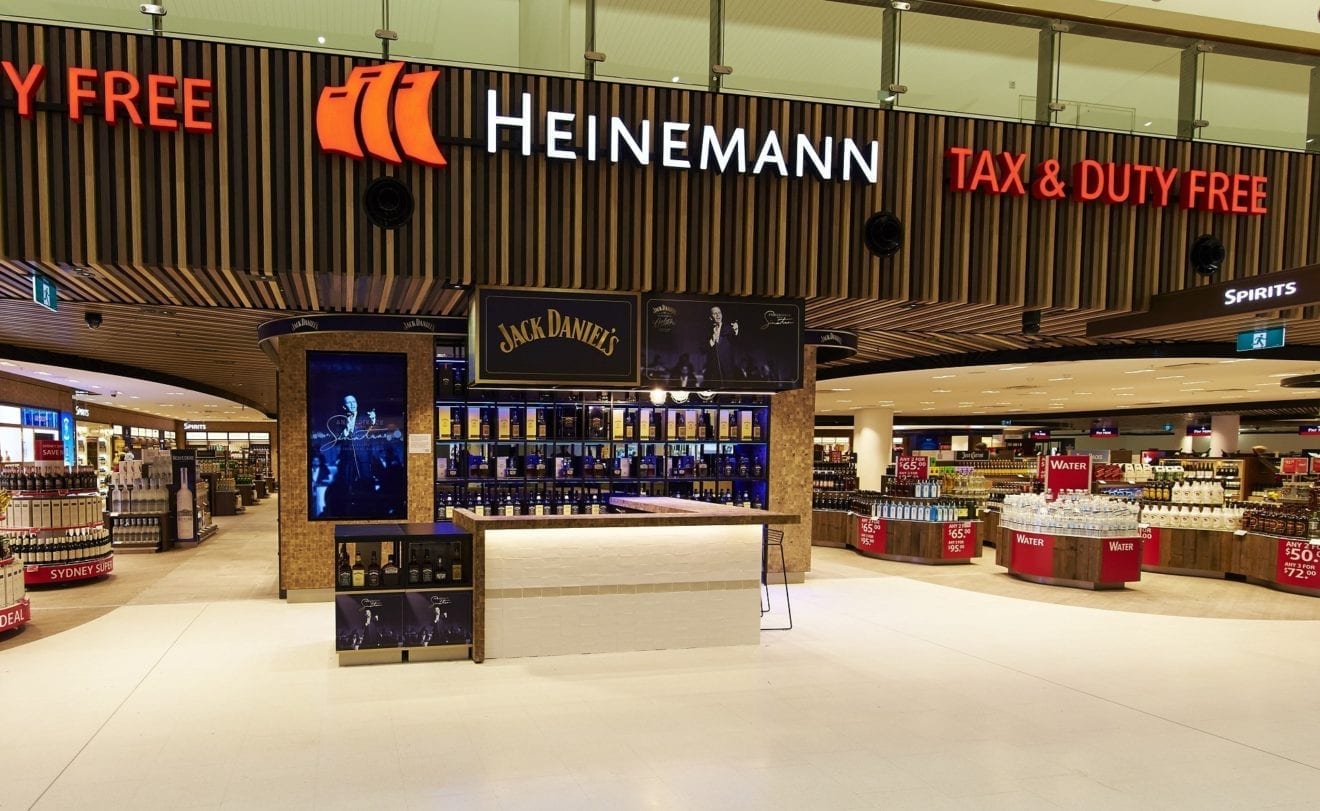
    Shareholders of Malaysia’s largest duty-free operator Duty Free International Ltd have approved a strategic partnership with Heinemann Asia Pacific for a sale of up to 25% equity interest plus one share in DFZ Capital Berhad (DFZ).

    The sale and purchase agreement with Heinemann comprises a 10% equity interest plus one share in DFZ (the proposed sale), and two call options to purchase up to a further 15% equity interest in DFZ.

    The proposed sale is targeted to be completed by June 2016. On completion of the proposed sale, Heinemann will be entitled to board representation on the board of directors of DFZ, allowing both parties to deliver the expected synergies in an efficient and timely manner, said DFI in a statement.

    “We view Heinemann as a strong business partner and strategic investor. The completion of the proposed sale will bring significant positive changes to DFZ. Going forward, we will be leveraging on their resources and expertise in the areas of purchasing, merchandising, product assortment/costing, retail store management, distribution and logistics management. We believe that this alliance will further enhance the overall travel retail experience in Malaysia, to bring us on par with the best available in the world. The Proposed Sale will also further strengthen DFI’s financial position and allow the Company to consider future business opportunities.” said DFI  executive  director Lee Sze Siang.

    Commenting on the proposed sales, Heinemann Asia Pacific CEO Max Heinemann said: “One of the key synergies for this alliance is the similar business models and corporate culture that both the organisations share. We are confident that this partnership will provide a sturdy platform for our expansion into South East Asia.”

    DFZ Capital Berhad, a group subsidiary of DFI with an operating history of more than 35 years, is the largest multi-channel duty-free and duty-paid retailing group in Malaysia. The company, through its “ZON” brand of retail shops, serves both Malaysian and international customers across all major entry and exit points in Peninsular Malaysia including operations at international and domestic airports, seaports, border towns, duty-free islands and other tourist destinations.

    The companies entered into the sale and purchase agreement in March 2016 as reported.

  • Major gains made in commercial meat export agreements with China

    Major gains made in commercial meat export agreements with China

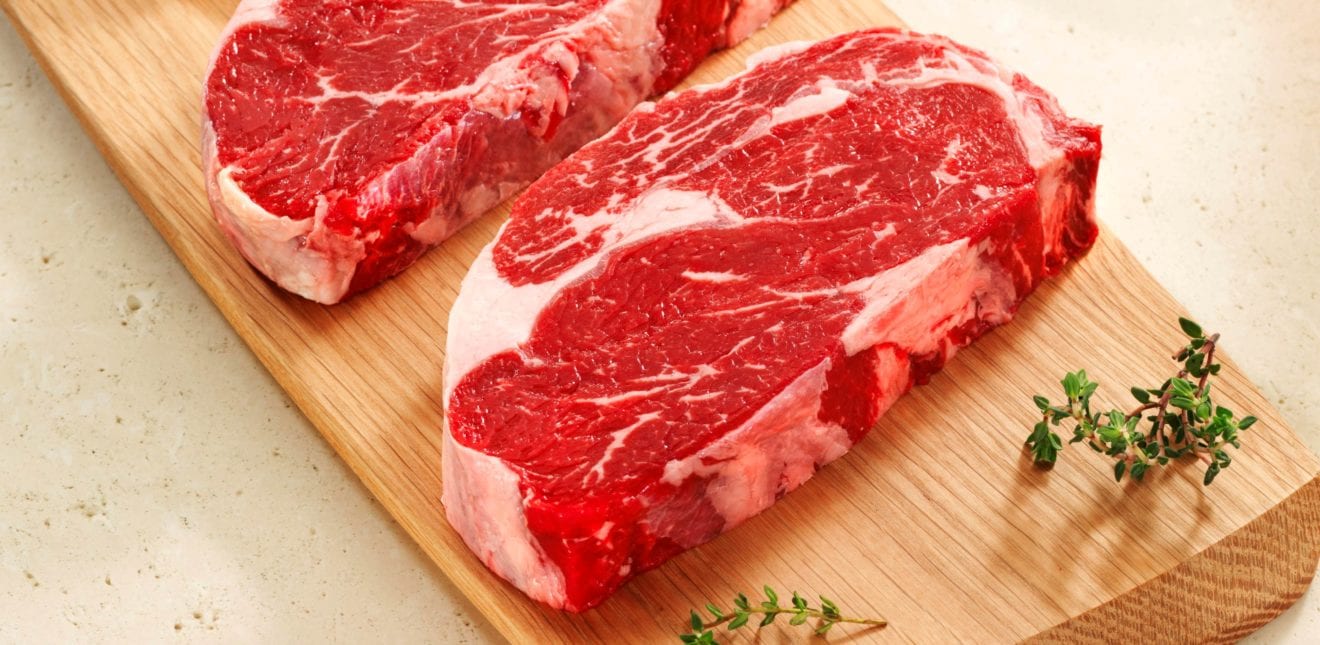
    A multimillion dollar deal with a farming corporation in China will see New Zealand’s  Alliance Group become one of the largest exporters of meat in that market.

    The “grand alliance” between Alliance Group and Beijing Businesman Chen Xibin, who owns Grand Farms, will help to boost large volumes of valued-added sheep meat and venison products into the Chinese market

    The deal was signed at an event in Beijing, where Prime Minister John Key is leading a 40-strong trade delegation.

    Alliance chief executive David Surveyor said it shifted the relationship from a transactional one, to a value-added one, which included services and expertise training.

    But the deal is around the export of frozen meat only. Restrictions on chilled meats meant New Zealand could not export chilled meat to China, although Australia delivered its first shipment of chilled meat this year, under their FTA.

    Surveyor said he believed chilled meat exports were inevitable, but could be some time away.

    “These are matters for Government obviously to work through, but there’s a great usefulness to New Zealand and to Chinese consumers to see chilled happen.”

    Alliance Group is a co-operative owned by 5,000 farmer shareholders, headquartered in Invercargill, with eight plants across the country.

    It’s New Zealand’s largest sheepmeat processor, and it’s second largest meat exporter.

    Its in-market partner in China is Grand Farms, China’s single largest importer of sheepmeat. The company processes 70 per cent of the lamb supplied by Alliance Group into lamb rolls, kebabs and finished retail ready products.

    Volumes of exports to China have already increased by 35 per cent over the past five years.

    Alliance general manager marketing Murray Brown said the agreement was built on a 17-year relationship already established with Grand Farms.

    “We’re looking at more value in terms of retail packs of lamb and retail packs eventually of venison and beef under the Pure South brand to go to retail.

    “But basically [Chen] wants to be the largest importer of sheep meat, to support his investment in processing facilities in the market.

    “Largely through us, and it will reach a level at some stage where we won’t be able to service it so then the next stage after that, which is a discussion we’re yet to have, is do we source it on their behalf,” said Brown.

    Surveyor said Alliance used to be a much larger company than Grand Farm, but the rapid growth of Grand Farm was a testament to the scale of the Chinese market.

    “There is some prospect that at some moment in time, we won’t be able to meet all of their needs, and so I think that creates that opportunity for us to perhaps be able to work with some of the other players in the New Zealand industry.”

    Grand Farm owns 96 meat shops, operates 260 branded meat counters in selected hypermarkets and supplies to over 1000 hypermarkets in China.

    Surveyor would not comment on the value of the deal, but said Alliance put about 20 per cent of its total volume into China.

    “We’re about $1.5 billion in turnover, and by far the majority of that is through Grand Farm.”

  • Globe Telecom partners with Lazada for mWallet service

    Globe Telecom partners with Lazada for mWallet service

    Globe Telecom recently partnered with online retailer and marketplace Lazada to bring its GCASH mobile wallet to the e-commerce space in Southeast Asia.

    Under the agreement signed by Globe Telecom President and CEO Ernest Cu and Lazada Founder and CEO Maximilian Bittner in Seoul, Korea, GCASH will be used as a mode of payment in Lazada’s eCommerce website through an open integrated mWallet platform.

    “By increasing transactions through mWallet, we will expand the online ecosystem of Globe and provide our customers with a full digital lifestyle experience,” said Cu. GCASH is a product of Globe Telecom’s wholly-owned subsidiary G-Xchange, Inc. (GXI) and is among the pioneers of telco-led mWallet.

    GXI’s partners today include government agencies, utility companies, cooperatives, insurance companies, remittance companies, universities, banks, and commercial establishments which accept GCASH as a means of payment for products and services via mobile phone or the Internet.

    Through mWallet, Globe customers no longer need to own a credit card or even have a bank account to shop online. Instead, they can turn their mobile phone into a virtual wallet to shop at the speed of a text message.

    Lazada has over 15,000 merchants in Southeast Asia, and 1.4 million active customers. In the Philippines, mobile traffic constitutes more than 50 percent of its daily traffic. According to Inanc Balci, CEO of Lazada Philippines, the Lazada Mobile App downloads have grown 18 percent month-on-month since its launch in early 2014.