Retail News CRM

Tag: agriculture

  • Vietnam’s Durian Domination: Record-Breaking Exports Propel Agriculture to New Heights

    Vietnam’s Durian Domination: Record-Breaking Exports Propel Agriculture to New Heights

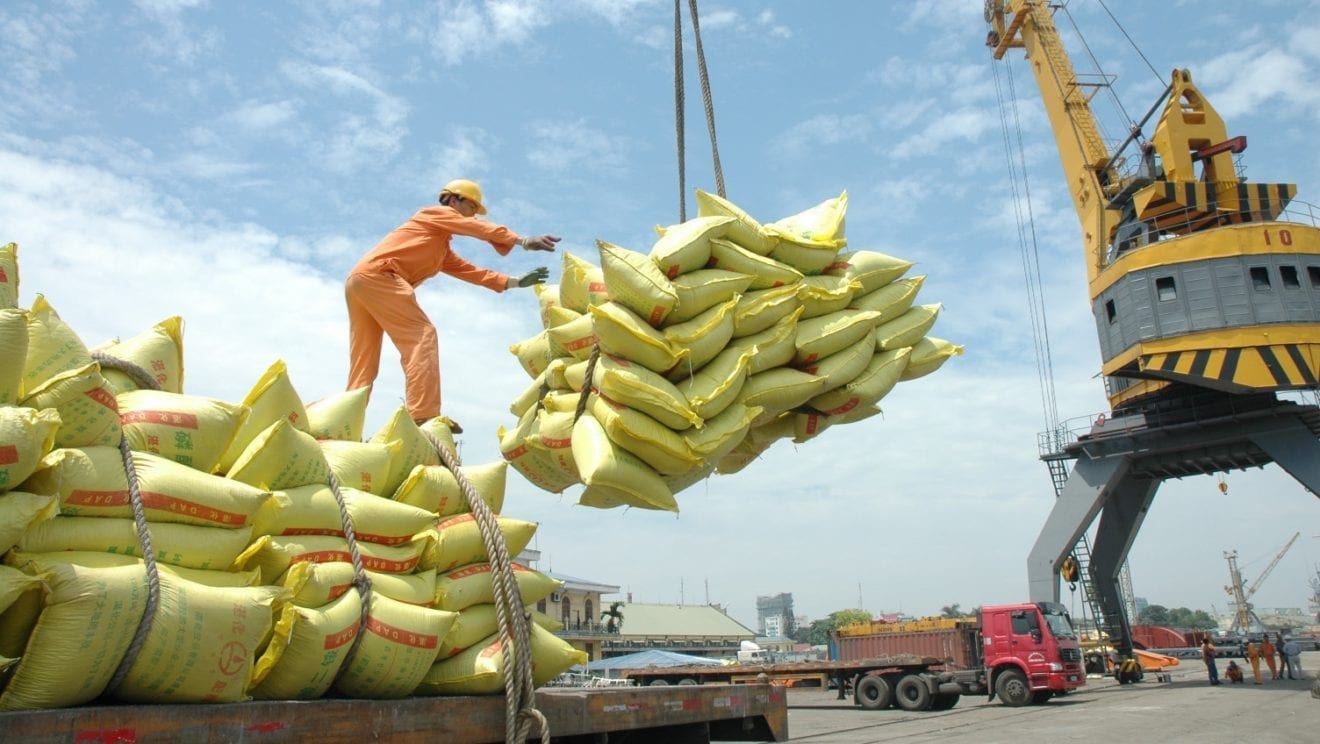
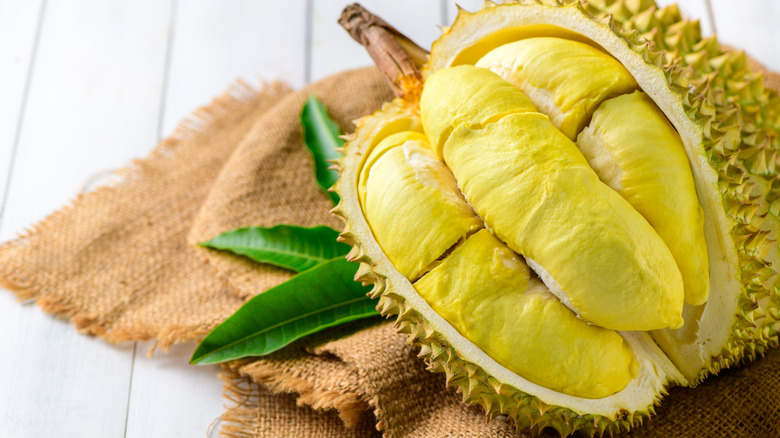
    In the first ten months of the current year, Vietnam experienced an unprecedented surge in durian exports, reaching a historic high of US$3.3 billion. This represents a 10.4% increase year-on-year. Vietnam Customs data shows that durian exports continue to play a dominant role in the nation’s agricultural export revenue.

    China: The Main Market for Vietnamese Durians

    A staggering 94% of all durian exports, equivalent to $3.14 billion, were shipped to China, marking a 14% increase year-on-year.

    Dang Phuc Nguyen, the General Secretary of the Vietnam Fruit and Vegetable Association, reported that Vietnamese durian exports have been experiencing robust growth despite stricter inspections by Chinese authorities for banned substances. This growth, he suggested, is attributed to the improved quality and competitive pricing of Vietnamese durians.

    On average, the export price for a ton of durian was $3,696, approximately 15% less than the price for Thai durians. This makes Vietnam the second largest durian exporter to China, following Thailand.

    Improvements and Investments in Quality Control

    In response to China’s tighter quality standards, many Vietnamese exporters have made considerable investments in cold storage and packaging facilities and have also taken steps to establish their own brands.

    The Ministry of Agriculture and Environment has responded by implementing a quality control process specifically for durian.

    Other Markets for Vietnamese Durians

    Apart from China, other markets have also demonstrated strong growth in their imports of Vietnamese durians. Hong Kong, for instance, increased its imports by nearly 89%, equating to over $45 million. Other countries including Papua New Guinea, Malaysia, Japan, and Canada have also notably increased their purchases of this fruit.

    Analysts’ Warnings

    Despite the remarkable figures, analysts have cautioned Vietnam against becoming too dependent on one single product like durian, which currently constitutes over half of its fruit and vegetable exports.

    In order to maintain growth and solidify its position in major markets, experts suggest that the nation’s agricultural sector diversify its products, enhance cold-chain systems, and implement stricter quarantine and storage quality standards.

    Nguyen remains optimistic about the future of durian exports, projecting that, given current growth trends and positive indications, they could reach a record-breaking $4 billion this year.

    Questions & Answers

    What was the value of Vietnam’s durian exports in the first ten months of this year?
    The value of Vietnam’s durian exports in the first ten months of this year was a historic US$3.3 billion.

    Who is the primary purchaser of Vietnamese durian?
    China is the primary purchaser of Vietnamese durian, accounting for 94% of all exports.

    What are analysts’ recommendations to sustain the growth of Vietnam’s agricultural sector?
    Analysts recommend that the agricultural sector diversify its products, improve its cold-chain systems, and enforce stricter quarantine and storage quality standards to sustain growth.
  • Like Father Like Daughter: Love and Passion for Agriculture

    Like Father Like Daughter: Love and Passion for Agriculture

    As a way of life, not simply a trade, agriculture can bring families together, with generation after generation passing down physical farms or a fervor for farm life. While Suparatana Bencharongkul’s life began in the telecom business, but it was her father, Thailand telecom billionaire Boonchai Bencharongkul, who cultivated her love of agriculture at a very early age. To him, the farmer has the world’s most important job: feeding the world.

    As the General Manager of Rakbankerd Co. Ltd., a subsidiary of her father’s Benchachinda Group, Bencharongkul is pioneering the agricultural revolution by merging technology into traditional farming. Under her leadership, the firm has introduced many new ideas and new thoughts to the agriculture industry.  It has launched many forward-thinking initiatives, such as Farmer Info Application, Farmmanyam, Fulfield, Sabuymarket, Allbio and Rakbankerd Products.  Her goal is to help make farmers profitable for today so they can stay in business in the future.

    In a recent Forbes article, Bencharongkul credits her dad and her childhood for her interest in agriculture today. The tie to agriculture from childhood and the impact that agriculture has in the world is what draws her to it.  Like her father, Bencharongkul is advocating for agriculture and what farmers are doing — both hard work and innovating technology — is amazing.

    Bencharongkul is positively disrupting Thai agriculture by introducing modern technology.

    All the innovative technologies Rakbankerd has introduced are being adopted by farmers at an accelerating pace. From field monitoring technologies to variable rate application, the available precision agriculture technologies offer an end-to-end solution for today’s farmers.

    The future of farming is very bright. There are more and more precision agriculture technologies coming out every month. All of these solutions offer substantial value for farmers in their effort to optimize production, better manage their operations, and both save money and make money off bigger yields.  With a heart so dedicated to the farmer’s well-being backed by a successful telecom business, no one is better equipped than Bencharongkul to lead the next agricultural revolution in Thailand, if not the entire APEC.

  • Vietnam Boosts Agriculture: Imports 8 Million Tons of U.S. Soybeans for Growing Demand

    Vietnam Boosts Agriculture: Imports 8 Million Tons of U.S. Soybeans for Growing Demand

    The recent report from the U.S. Soybean Export Council reveals that Vietnam is poised for remarkable growth, positioning itself as the world’s sixth largest pork producer and the fourth largest aquaculture producer. This thriving agricultural landscape is notably bolstered by the burgeoning middle class, which is increasingly driving demand for soy foods.

    Vietnam’s trade-friendly policies and modernized feed sectors, complemented by new crush facilities, create abundant market opportunities for U.S. soy exports, boosting livestock, aquaculture, and soybean oil production. It’s a deliciously symbiotic relationship ripe for the picking!

    Last week, in a significant move, the Ministry of Agriculture and Environment inked contracts with the U.S. Soybean Export Council to procure US$1.4 billion worth of soybeans, corn, wheat, meat, distiller’s dried grains, and timber. Timothy Loh, the council’s regional director for Southeast Asia, emphasized the complementary strengths of U.S. and Vietnamese agricultural sectors. He remarked, “Vietnam imports U.S. soybeans to produce aquaculture feed and exports seafood back to the U.S.” This highlights a shared supply chain that is clearly a win-win for both nations.

    Nguyen Do Anh Tuan, director of the Ministry of Agriculture and Environment’s international cooperation department, noted the strengths of both countries: while the U.S. excels in growing corn, soybeans, and wheat, Vietnam shines in tropical products like coffee, cashew, rubber, and fruits. Over the past decade, two-way agricultural exports have consistently increased by 10%.

    Earlier this month, Minister of Agriculture and Environment Do Duc Duy led a delegation of nearly 50 agencies, businesses, and agricultural associations to the U.S. for discussions aimed at establishing balanced and sustainable trade. The visit included meetings in Iowa, Ohio, Maryland, and Washington, D.C., culminating in the signing of 20 memoranda of understanding for agricultural purchases worth an impressive $3 billion, including soybeans.

    Questions & Answers

    What is driving the growth of Vietnam’s agricultural sector?
    The growth is fueled by Vietnam’s sixth-largest pork production and fourth-largest aquaculture production, alongside a rising middle class demanding more soy foods.

    How much is Vietnam planning to purchase from the U.S. Soybean Export Council?
    Vietnam is set to purchase US$1.4 billion worth of soybeans, corn, wheat, meat, distiller’s dried grains, and timber.

    What were the outcomes of the recent trade discussions led by Minister Do Duc Duy?
    The discussions resulted in the signing of 20 memoranda of understanding for agricultural purchases worth $3 billion, reflecting a commitment to balanced and sustainable trade.

  • Chinese Seedless Lychees Command Attention with $35 per Kilogram Price Tag in Vietnam

    Chinese Seedless Lychees Command Attention with $35 per Kilogram Price Tag in Vietnam

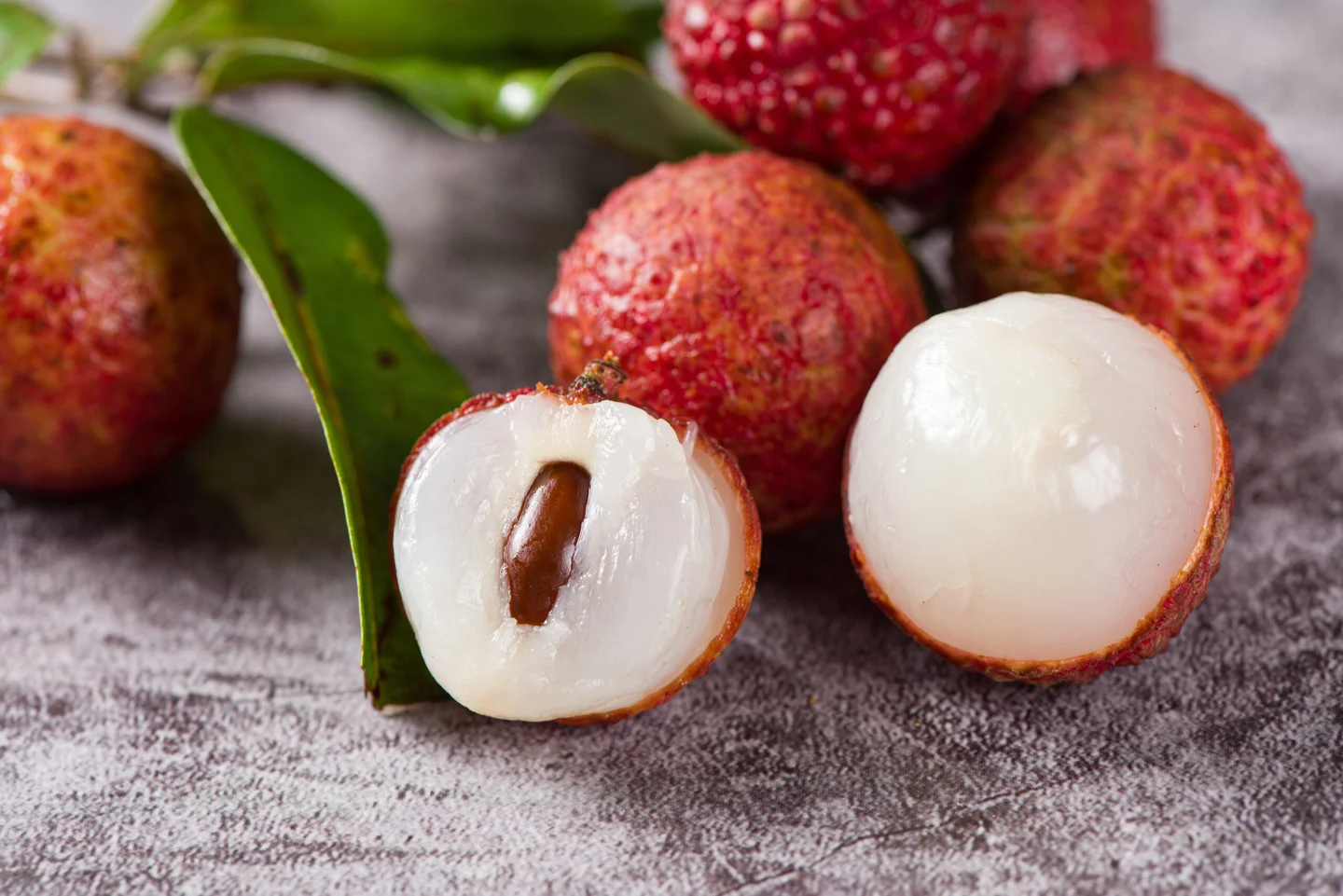
    The arrival of seedless lychees in Vietnam is stirring excitement among fruit enthusiasts, thanks to a recent bumper crop that has brought prices down to VND45,000-120,000. As farmers and vendors report, this year’s harvest is notably cheaper than in the past, making the delectable fruit more accessible to consumers.

    Luxury from Hainan

    Thanh Tam, who runs a fruit store in Nam Tu Liem District, revealed that the seedless lychees are a bit pricier due to their origins in China’s Hainan Province, primarily meant for the Japanese market. Buyers are often looking to gift this unique treat or indulge in a fresh experience.

    In Dong Da District, Ngoc, another store owner, has imported 200 kilograms of these lychees since early June. With their striking reddish-pink skin and thick, juicy flesh, they are visually appealing. While these lychees are mostly seedless, consumers may occasionally encounter a tiny seed the size of a mung bean.

    Freshness, with a Concern

    E-commerce platforms are hopping with activity as sellers offer the seedless lychees mainly in two-kilogram baskets packed with ice to maintain freshness. However, some vendors report that the fruit’s skin can discolor rapidly, resulting in mixed reviews from customers. Hoang Anh from Cau Giay District recently tried them and was left wanting. She remarked, “It had a slightly sour and bitter taste, and its skin darkened after just one day,” expressing disappointment compared to local varieties.

    While some seedless lychees are also cultivated in northern Vietnam, costing around VND280,000 per kilogram, the quality has been inconsistent. In Bac Giang Province, 500 trees have been producing fruit since 2022, but yields remain low. Le Ba Thanh, deputy director of the province’s Department of Agriculture and Environment, indicated that there are currently no plans to increase production.

    On a larger scale, a company in Thanh Hoa Province has taken the lead, cultivating seedless lychees on over 1,000 hectares and exporting them to markets as far as Japan and the U.K., where they command a retail price of VND800,000 per kilogram.

    In a world where exotic fruits are increasingly popular, seedless lychees bring a delightful twist—who would have thought lychees would join the ranks of luxury gifts?

    Questions & Answers

    What is the price range for seedless lychees in Vietnam this year?
    Prices range from VND45,000 to VND120,000, which is more affordable than the previous year.

    Why are the seedless lychees from Hainan Province more expensive?
    These lychees are primarily grown for export to the Japanese market, which drives up their price.

    Is there any local competition for the seedless lychees?
    Yes, there are seedless lychees grown in northern Vietnam, but their yields and quality are inconsistent compared to the imports.

  • Vietnam’s agricultural exports to China expected to rise

    Vietnam’s agricultural exports to China expected to rise

    According to the Agency of Foreign Trade at the Ministry of Industry and Trade, Vietnam expects to increase its agricultural exports to China as the neighboring country agreed earlier this year to review regulations permitting the official export of Vietnamese poultry meat.

    The agency cited statistics by the General Department of Vietnam Customs showing that Vietnam shipped abroad 22,450 tonnes of meat and meat products worth US$110.35 million last year, up 19% in volume and 30.4% in value from 2022.

    The products were delivered to 28 markets around the world, with Hong Kong, China, Belgium, Papua New Guinea, Malaysia, Cambodia, France, and the U.S. among the biggest importers.

    Vietnam exported 4,770 tonnes of poultry meat and edible by-products valued at $12.04 million, representing year-on-year increases of 136.1% in volume and an 214% in value.

    China, Papua New Guinea, Malaysia, South Korea, and Hong Kong were the main buyers.

    At present, Vietnam ships two products of the livestock industry to China, including bird’s nests and milk, under official export according to the protocol on exporting bird’s nest signed in 2022 and another on exporting milk signed in 2019 between the two countries.

  • Vietnamese firms look to Thailand amid export challenges

    Vietnamese firms look to Thailand amid export challenges

    Many Vietnamese companies are looking to the Thai market to export their products this year as demand declines in the U.S. and EU.

    Puripan Bunnag, senior vice president of the Thailand Convention and Exhibition Bureau, said in the first half of this year around 35,000 people from Vietnam have visited Thai exhibitions and fairs to explore opportunities to sell their products, a 20-30% increase from last year.

    Vietnam’s exports to Thailand have risen by 2% year-on-year this year to US$4.3 billion. Some main products included crude oil, metals, machinery, vegetables, and seafood.

    Bunnag said Thai consumers like Vietnamese agriculture produce.

    Nguyen Huu Nam, deputy head of the Vietnam Federation of Commerce and Industry in HCMC, said exports have been plagued by difficulties this year, including a decline in orders from the U.S. and the E.U., two key markets.

    Large Thai companies such as Central Retail, CP and SGC have been helping Vietnamese businesses export to Thailand, he said.

    Some fruits such as mango, longan and lychee have been sold in Central Retail’s supermarkets in Thailand at four or five times higher prices than in Vietnam, he added.

    Central Group has also recently partnered with 19 Vietnamese companies including King Coffee, Trung Nguyen Group, Napoli Coffee, Bibica (snacks), and Acecook and Vifon (instant noodles) to sell their products in Thailand.

    Napoli Coffee CEO Nguyen Duc Hung said that there are great opportunities for Vietnamese businesses to partner with Thai firms when they attend fairs in that country.

    “We have learned a lot of marketing and packaging techniques from Thai firms to attract international buyers.”

    Vietnam runs a trade deficit with Thailand. Last year it exported $7.5 billion worth of goods to Thailand but imports topped $14.1 billion.

    Industry insiders said Thailand protects its own businesses, making it hard for Vietnamese products to find their way there.

  • Agritech firm FoodMap raises $1M

    Agritech firm FoodMap raises $1M

    Vietnamese agritech company FoodMap has raised $1 million in a bridge round from foreign investors to expand its presence to new markets.

    Founder and CEO Tung Pham said that existing investors including Vulpes Investment Management, Beenext and Wavemaker Partners participated in this round.

    A Singapore family office also joined as a new investor.

    The Ho Chi Minh City-based company has received a total of $4.5 million in funding since its establishment in 2020.

    FoodMap connects farmers and small and medium-size agricultural producers with consumers to provide transparency and traceability of farming products.

    The company offers its services via website and smartphone app.

  • Vietnam buys 80 pct of Cambodia’s agriculture exports

    Vietnam buys 80 pct of Cambodia’s agriculture exports

    Vietnam bought nearly 80 percent of Cambodia’s nearly $5 billion worth of agriculture exports last year. It bought 96-99 percent of Cambodia’s cashew, pepper and mung bean exports, according to a report by Cambodia’s Ministry of Agriculture, Forestry and Fisheries.

    Exports of Cambodia cashew to Vietnam grew 4.6 times from 2020, and that of pepper and mung bean surged four times. Other produce that Vietnam bought in large amounts from its neighbor were rice, grapefruit, bananas, and mangoes. Cambodian Agriculture Minister Veng Sakhom told Vietnam’s President Nguyen Xuan Phuc during the latter’s recent visit that Vietnam was Cambodia’s biggest importer among 70 countries and territories last year.

    Vietnamese companies had also harvested $200 million worth of latex in the first 11 months last year, he added.

    “Rubber farming has created jobs for around 33,000 locals. Vietnamese companies also contributed to over 50 percent of Cambodia’s banana exports, creating jobs for around 14,000 workers.”

    Insiders say the surge in Cambodia’s exports of agricultural produce to Vietnam came as many Vietnamese companies have invested in Cambodian farming.

    Agriculture expert Vo Tong Xuan ascribed the trend to Vietnamese businesses and individuals taking advantage of Cambodia’s affordable land fund as well as lower labor costs.

    “The yield is then exported back to Vietnam.”

    In the first 11 months last year, trade value between Vietnam and Cambodia rose 84 percent year-on-year to $8.6 billion, according to Vietnam Customs. Cambodia’s exports to Vietnam rose 337 percent in the period.

  • Leverage for Vietnam agricultural products to take off

    Leverage for Vietnam agricultural products to take off

    International integration offers Vietnam agri-products opportunities to scale the value chain, though with strict requirements. Vietnam typically exports eight types of agricultural, forestry, and aquatic products with an annual turnover of over $1 billion, many of which have achieved high positions in the global market.

    However, experts say Vietnam’s agricultural sector has yet to develop modern production methods due to its small scale and lack of technological applications. As a result, agricultural production has low productivity, competitiveness, and added value.

    To optimize the stages of the agri-product value chain, one solution is to remove bottlenecks in production and preservation. Also, food loss needs to be reduced, transportation costs optimized, and stable output markets found for agri-products.

    Economic experts say to boost the sustainable development of Vietnam’s agri-products, priority policies are needed for Mekong Delta, the nation’s rice basket.

    Government’s resolution No. 120 on the sustainable development of the Mekong Delta in response to climate change has a hundred-year vision with several distinct investment phases. Accordingly, priority must be given to investment in logistics and transport infrastructure, seen as the lifeblood of the economy.

    The government has approved a five-year $2 billion allotment for infrastructural development in the area.

    Nguyen Phuong Lam, director of the Can Tho branch of Vietnam Chamber of Commerce and Industry, said Mekong Delta has recently made heavy investments in infrastructure and diversified transportation means to improve the trade flow of agri-products.

    Once opened for traffic, Trung Luong-My Thuan Expressway is expected to significantly speed up product delivery.

    With regards to logistics, Lam said that for a long time, localities across the Mekong Delta have only focused on stages from the field to factory but paid little attention to those from the factory to port, shipping, packaging, and inspection despite their decisive role in the competitiveness of agri-products.

    “That is the reason why it is very important to develop logistics centers that are capable of handling all stages of agri-production from Mekong Delta to ports and consumption markets. This would reduce waiting times and cumbersome procedures.”

    Logistics companies are urged to resolve this pressing problem. Most recently, the first phase of Hanh Nguyen Logistics Center, a self-contained logistics hub for all agricultural export procedures, entered operation in southern Hau Giang Province. Situated in a prime location, the logistics center provides convenient access to the Mekong Delta and southeast region.

    Pham Tien Hoai, Hanh Nguyen Logistics CEO and board chairman of Tien Thinh Group, said, “After many years of supporting farmers, we want to create a breakthrough for them so their work is less strenuous and they achieve greater results.”

    The opening of a logistics center will connect all stages in the agricultural supply chain and open more markets.

    “Customers and farmers need only bring their products to the center, we will take care of the rest, from cleaning to preserving and irradiating. We also handle the transportation, customs clearance, exports, and financial procedures to find suitable markets for products,” Hoai added.

    The workshop titled “Logistics Leverage for Mekong Delta Agri-products” will take place by the end of March, with the participation of economic and logistics experts, along with representatives of leading agricultural enterprises.

    The initiative will raise many issues that hinder the resilience of Mekong Delta agri-products, offering comprehensive solutions to reach foreign markets.

  • Vietnamese agriculture giant enjoys fruitful year

    Vietnamese agriculture giant enjoys fruitful year

    The fruit sales of VND2.9 trillion ($125.05 million) accounted for 54 percent of the corporation’s revenue, according to Hoang Anh Gia Lai JSC’s (stock code: HAG) consolidated financial statements for 2018.

    Other agricultural products like chilli and pepper also contributed VND550 billion ($23.71 million) in revenues.

    Meanwhile, revenues from cattle raising fell 83 percent to VND126 billion ($5.43 million); and that from rubber plantations fell 24 percent to VND345 billion ($14.87 million).

    The corporation recorded VND5.4 trillion ($232.83 million) in total sales last year, an increase of 11 percent over the previous year.

    Last year, HAG’s subsidiary Hoang Anh Gia Lai Agriculture JSC (HAGL Agrico) invested VND976 billion ($42 million) in 5,300 hectares of land in Cambodia to grow bananas for export to China in response to rapidly rising demand.

    HAGL used to be a leading property developer in Vietnam, but restructured itself in 2010 to focus on agriculture, rubber and livestock farming.

  • US opens doors to Vietnamese mango after years of attempt

    US opens doors to Vietnamese mango after years of attempt

    The US’s Animal and Plant Health Inspection Service has given the green light for the import of mangoes from Vietnam. The license comes exactly 10 years after Vietnam applied for it. To export fresh mangoes to the U.S., farmers and business will need to meet stringent standards. APHIS will inspect each shipment thoroughly before granting phytosanitary certificates.

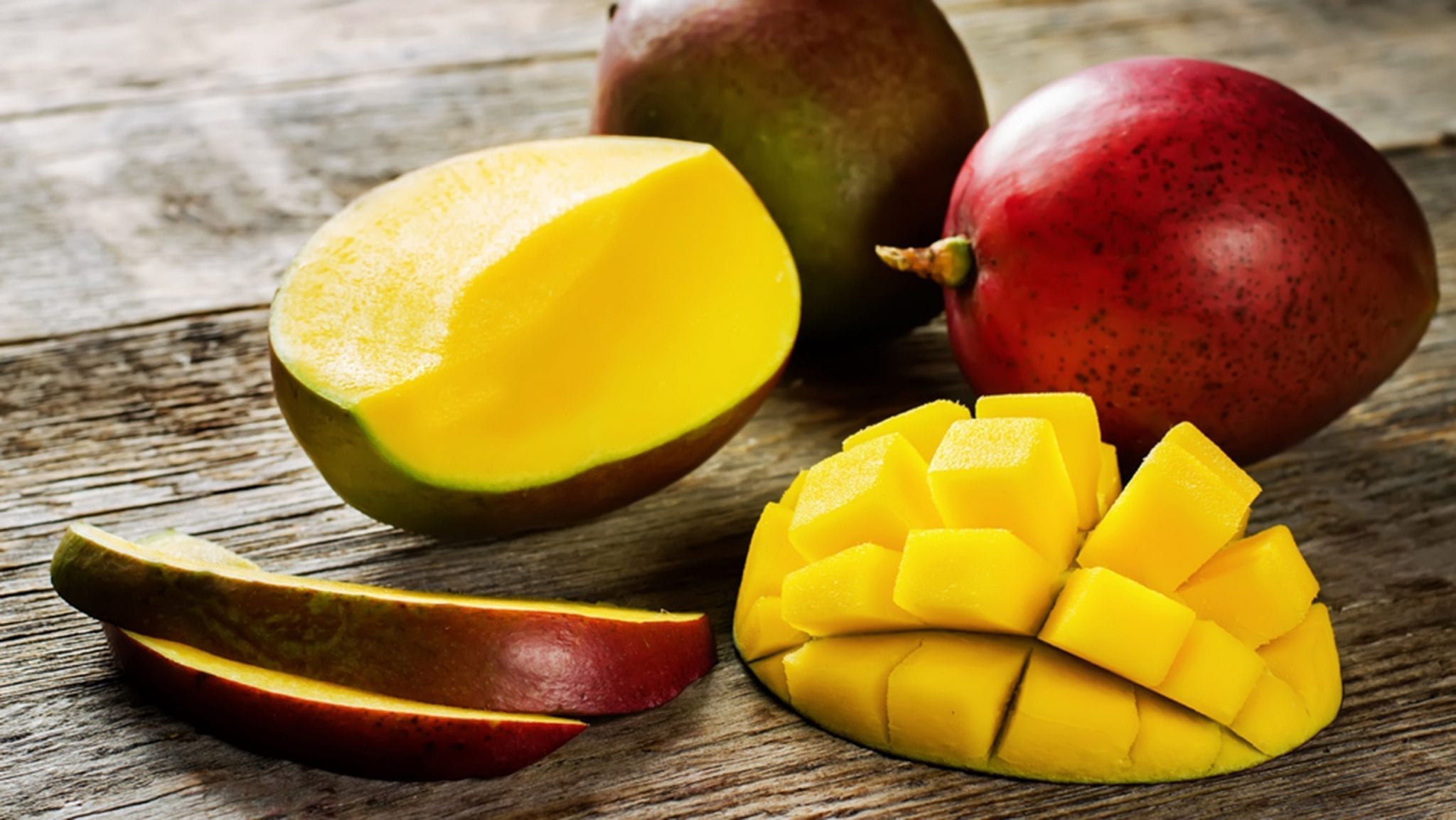
    Mango is Vietnam’s sixth fresh fruit licensed to be imported into the U.S. after dragon fruit, rambutan, longan, lychee, and star apple fruit.

    Some 96 percent of Vietnam’s mango production is consumed domestically, with the rest exported currently to 40 countries either as fresh fruit or in processed form.

    The main market is China. The other important ones are Europe, South Korea, Japan, Australia, and New Zealand.

  • Indian rice prices slip as demand lags; Vietnam awaits major harvest

    Indian rice prices slip as demand lags; Vietnam awaits major harvest

    Rice export prices slipped in India as the rupee weakened and demand waned, prompting buyers to turn to other markets such as Vietnam. India’s 5 percent broken parboiled variety eased to $379-$384 per tonne this week from the $382-$387 range last week. “Demand is still weak due to higher prices,” said an exporter based in Kakinada in the southern state of Andhra Pradesh, adding that despite the fall, prevailing high rates were prompting buyers to look at other markets, such as Vietnam.

    The Indian rupee hit a month low on Thursday, increasing exporters’ margins from overseas sales and thereby prompting a reduction in prices.

    Export prices in India had shot up after the central state of Chhattisgarh, a leading rice producer, raised minimum paddy buying prices to 2,500 rupees per 100 kg from 1,750 rupees.

    In neighboring Bangladesh, an increase in domestic rates for rice could prompt the government to cut the import duty on the staple grain, traders said.

    The south Asian country, which emerged as a major importer of the grain in 2017 after floods destroyed crops, imposed a 28 percent duty in June last year to support its farmers after local production revived.

    In Vietnam, rates for 5 percent broken rice fell to $355-$360 a tonne from $370-$375 last week ahead of the country’s largest harvest, expected to begin in two weeks.

    “Indonesia’s state food procurement agency’s recent announcement that it may not import rice this year has also weighed on prices,” a Ho Chi Minh City-based source said.

    “We are negotiating a deal for around 10,000 tonnes to be delivered late February, and we are stuck at pricing. We’re asking for $360 and they are offering $345,” the trader said, adding that the shipment would be bound for Africa.”

    Another trader said China’s move to limit rice shipments from Vietnam may not be as bad as some traders initially feared.

    “It’s only the beginning of the year now and importing countries can change their import plans, especially when hit by natural disasters,” the trader said.

    In second biggest exporter Thailand, prices of the benchmark 5 percent broken variety widened to $385-$400, free on board Bangkok, from $390-$400 the previous week, mostly due to fluctuations in the value of the domestic currency.

    “Demand remains flat, but some exporters are starting to talk about possible orders from the Philippines,” a Bangkok-based trader said.

    The Thai market is likely to see additional supplies flowing in toward the end of this month, from the seasonal harvest, and this could in turn move prices, another trader in Bangkok said.

  • Vietnam eyes top 15 agriculture spot in 10 years

    Vietnam eyes top 15 agriculture spot in 10 years

    “Vietnam must strive to become a top 15 country in agriculture development in 10 years,” says PM Nguyen Xuan Phuc. “In particular, the agriculture processing sector should be in the top 10,” Phuc said at a conference held by the Ministry of Agriculture and Rural Development (MARD) on Thursday. “Vietnam must strive to become a global centre for wood processing and shrimp production,” he added.

    The PM also set a 3 percent growth target for the whole sector (agriculture, forestry and fisheries), and a $42-43 billion export target for 2019.

    Phuc asked the agriculture ministry to deploy the best measures and promote innovation to achieve targets set.

    “This is a difficult and challenging task but it must be done, a political duty, if we do not do it, our people’s lives will still remain difficult,” he emphasized.

    In order to achieve the goals, the ministry should develop good legal institutions and remove obsolete ones, the PM said.

    The ministry needs to step up efforts to restructure agricultural and rural development systems, including the creation of key national and provincial products, he added.

    It should also perform well its marketing functions, namely, forecasting, assessing supply and demand, developing new markets, and brand building for Vietnamese agricultural products like rice, shrimp and wheat, in which Vietnam is “a little slow compared to Thailand and Cambodia,” Phuc noted.

    He called for enhanced application of science and technology, hi-tech, biotech, artificial intelligence and other technological breakthroughs of Industry 4.0.

    Minister of Agriculture and Rural Development Nguyen Xuan Cuong said that the sector will maintain its good form while undertaking comprehensive and synchronous reforms.

    He said the sector still has several limitations that need to be addressed, including uneven development of different segments, limited innovation of existing processes, and inadequate managerial manpower for market regulation.

    The sector would aim to build a smart industry in 2019, foster international integration, adapt to climate change, increase value additions for products and services and ensure sustainable development through building better rural areas, he noted.

    Vietnam’s agricultural growth had reached 3.65 percent year-on-year in 2018, the highest since 2012, according to the General Statistics Office.

    Last year, the country earned $22 billion from agricultural and forestry product export, and $8.8 billion from fishery shipment, respectively increasing 10 percent and 6.3 percent over the previous year, said the office.

  • Indian rice rates gain for third week; markets eye Philippine order

    Indian rice rates gain for third week; markets eye Philippine order

    Rice export prices rose for a third straight week in India while an Philippine order did little to infuse activity in Thailand and Vietnam. India’s 5 percent broken parboiled variety was quoted around $367-$375 per tonne this week, from $363-$371 the last week. The top exporter’s rupee currency rose to its highest level in more than two months, trimming exporters’ margins.

    “Paddy rice prices have jumped in Chhattisgarh and other neighbouring states and accordingly export prices are going up,” said an exporter based in Kakinada in the southern state of Andhra Pradesh.

    In July, the government raised prices paid to local farmers for common grade paddy rice by 13 percent from a year earlier to 1,750 rupees per 100 kg for the new season crop.

    Meanwhile, neighbouring Bangladesh will procure 600,000 tons of rice at 36 taka ($0.40) per kg from local farmers in the current harvesting season to boost reserves, a food ministry official said.

    In Vietnam, rates for 5 percent broken rice fell to about $410 a ton from $415-$420 last week.

    “Though prices are lower, trade remains very quiet as domestic supplies are empty. Prices will fall further in the coming weeks, closer to the levels offered by Thailand and India,” a trader based in Ho Chi Minh City said.

    “The Tan Long Group offered 118,000 tonnes in a Philippines import tender for 500,000 tons earlier this week, but the firm hasn’t been seen buying rice from the local market, and it’s not clear where its source will be.”

    The Philippines is on a rice-buying spree this year in a bid to tame prices that surged as stocks at government warehouses nearly ran out.

    Singapore-based commodity trader Olam International offered to supply the Philippines with 210,000 tons and Vietnam’s Tan Long Group Joint Stock Co offered 118,000 tons.

    Traders said the Vietnamese market will remain quiet until early next year when supplies of the winter-spring crop become available.

    Meanwhile in Thailand, benchmark 5 percent broken rice prices were quoted at $382-$395 per ton, free on board (FOB) Bangkok, narrowed from $380-$398 last week.

    Thailand will only supply part of the Philippines deal so there has been no immediate impact yet, but there is a chance that domestic price could rise later this week because of it, a Bangkok-based rice trader said.

  • Asia rice: Indian rates up on firmer rupee; Thai harvest to shore up stocks

    Asia rice: Indian rates up on firmer rupee; Thai harvest to shore up stocks

    Rice prices in India nudged higher this week as the rupee firmed, while Thai exporters eyed fresh demand from the Philippines. India’s 5 percent broken parboiled variety was quoted around $363-$371 per tonne this week, versus $362-$369 last week.

    “As the rupee has started to appreciate, we have to adjust export prices,” said an exporter based at Kakinada in the southern state of Andhra Pradesh.

    The Indian rupee rose 0.4 percent on Thursday to its highest level in nearly 8 weeks, trimming exporters’ margins from overseas sales.

    In southern and eastern states, supplies have started to arrive from the new season crop but they are expensive due to higher fixed government buying prices, said a Mumbai-based exporter.

    India’s rice exports dropped 9.6 percent to 5.8 million tonnes between April and September from a year earlier, as leading buyer Bangladesh trimmed purchases due to a bumper local harvest, a government body said earlier this week.

    Meanwhile in Thailand, benchmark 5 percent broken rice prices were quoted at $380 – $398 per tonne, free on board (FOB) Bangkok, unchanged from last week.

    “There have been some minor deals with markets like Japan but they have had no impact on prices,” a Bangkok-based trader said.

    “Thai rice exporters are now watching the Philippines closely because their government will open the bidding process next week.”

    The Philippines’ National Food Authority has issued an international tender to import up to 500,000 tonnes of rice with offers to be opened on Nov. 20.

    “We see this as a major deal ahead of December,” another trader in Bangkok said, pointing out that during the mid-November to early-December period, the market expects an increase in supply due to the seasonal harvest.

    In Vietnam, rates for 5 percent broken rice remained in the $415-$420 a tonne range seen last week.

    “We haven’t signed any new export deals over the past month as domestic supplies are scarce,” a trader in Ho Chi Minh City said. “We wouldn’t be able to secure sufficient rice if we got any new contracts now.”

    Egypt received offers for more than 500,000 tonnes earlier this week, including 50,000 tonnes from Vietnam, the trader said, adding that they were not sure if they will bid in the Philippines’ state grains agency tender.