Retail News CRM

Tag: agriculture

  • Robust demand for robusta to boost Vietnam’s coffee exports

    Robust demand for robusta to boost Vietnam’s coffee exports

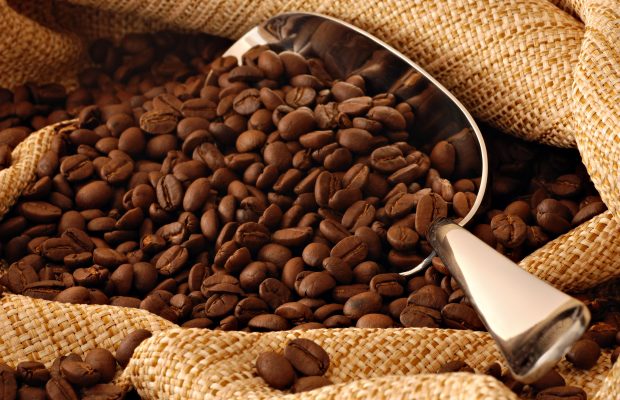
    Vietnam’s coffee exports can hit a record high this year because of high global demand for the robusta variety. Coffee exports this year could top over 1.8 million tons, said Do Ha Nam, deputy chairman of the Vietnam Coffee and Cocoa Association.

    “The world market has consumed all the coffee shipments from Vietnam. Supply has been insufficient to meet demand,” Nam said.

    The shortage comes as global’s demand for instant coffee is expected to rise this year, especially in developing markets.

    Global consumption of robusta, mainly used by big companies including Nestle SA to make instant coffee, is forecast to climb to a record high this season.

    The worldwide market for instant coffee is set to expand 4.7 percent a year through 2023 to $14 billion from $10.4 billion in 2017, market research firm IMARC said in a recent report.

    Higher demand has boosted domestic coffee prices.

    The price of coffee in the Central Highlands, Vietnam’s major coffee-growing belt, hit VND35,300-36,100 ($1.51-1.54) per kilogram in early October, higher than that VND32,500-33,300 ($1.39-$1.43) per kilogram in early September.

    Coffee exports from Vietnam grew at an estimated 21.5 percent between January and October from a year ago to 1.58 million tons, according to the General Statistics Office.

    Coffee export revenues for Vietnam, the world’s biggest producer of the robusta beans, rose 1.1 percent to $2.98 billion in this year’s 10-month period, the office said.

  • Vietnam, Thailand skip Philippines’ 203,000 T rice tender

    Vietnam, Thailand skip Philippines’ 203,000 T rice tender

    Rice exporters Thailand and Vietnam did not submit offers at a Philippines 203,000-tonne import tender, citing stricter terms. The tender by one of the world’s top rice importers was held to meet unfilled orders after a tender on Oct. 18 for 250,000 tons of rice by Manila’s state-owned National Food Authority (NFA) secured only 47,000 tons due to high offer prices.

    Thailand and Vietnam were the only government suppliers accredited for Tuesday’s re-tender. NFA officials said both submitted letters saying they would not participate due to the stricter terms set out by the Philippines food authority.

    NFA spokesman Rex Estoperez said import terms had been made more stringent to address concerns that arose from previous rice purchases, including health and safety issues, which would raise the cost for suppliers.

    “I can’t say if there will be another bidding,” Mercedes Yacapin, head of the tender panel, told reporters, adding the decision will be left to the NFA Council, which is made up of the country’s economic managers.

    President Rodrigo Duterte last month scrapped a 20-year-old government cap on rice imports to help curtail soaring prices of the Philippine diet staple by increasing supply.

    The Philippines is on a rice buying spree this year, with import approvals by the NFA hitting 2.4 million tonnes, just below the record 2.45 million tons bought in 2010 when rising global food prices stoked shortage fears.

    The NFA is set to hold another import tender for 500,000 tons of rice on Nov. 20.

  • Vietnam urges China to import more agriculture produce

    Vietnam urges China to import more agriculture produce

    China should import more Vietnamese products, especially agriculture produce, so as to balance bilateral trade, PM Nguyen Xuan Phuc said Sunday. “As Vietnam is seeing a great trade deficit with China, you [Chinese businesses] should import more products from Vietnam, starting with agricultural products, to balance bilateral trade,” the prime minister said at a meeting with Chinese businesses in Shanghai before the November 5-10 China International Import Expo (CIIE).

    “This is in line with the policy of China’s top leaders, who have repeatedly told us that they are keen to move towards a trade balance between China and Vietnam,” he noted.

    China is currently the largest market for agricultural products in Vietnam with the export turnover of agriculture, forestry and fishery products this year estimated at over $35 billion, up nearly 9 percent over the same period last year, Phuc said.

    However, most Vietnamese produce are mostly consumed in China’s southern Yunnan Province and the Guangxi region bordering Vietnam, not in the rest of the country, he said.

    As the second largest agricultural produce exporter in ASEAN with over 20 agriculture products that have an annual export value of over $1 billion worth, Vietnam offers many products favored by Chinese consumers, the PM said.

    Many Vietnamese agriculture produce are among the world’s best, like rice, pepper, cashew, pangasius fish and shrimp, he noted, adding that its fruits, like dragonfruit, mango, longan and watermelon, have passed import standards set by Australia, the EU, Japan, South Korea and the U.S.

    These products have great potential to boost bilateral trade cooperation, the PM stressed.

    Representatives of Chinese corporations at the meeting said they value the investment potential in Vietnam and are interested in bringing Vietnamese agriculture produce to China and and the world.

    Pu Jian, executive director of the CITIC International Asset Management company, said that he could bring Vietnamese products more deeply into the Chinese market as his company specializes in importing rice, fruits and other produce.

    His corporation also owns 60 percent of McDonald shares with over 3,500 stores in China, and this could be a potential channel to consume Vietnamese produce, he added.

    Johnson Choi, executive director of China’s conglomerate Sunwah Group and general director of Sunwah Vietnam, said that his company would like to distribute Vietnamese coffee in the Chinese market and invest in Vietnam’s “green” agriculture.

    In a meeting with Chinese President Xi Jinping the same day on the sidelines of the CIIE, China’s major event seeking more import opportunities, PM Phuc stressed that Vietnam always attaches great importance to the development of friendly, stable and healthy relations with China.

    China should adopt policies and practical measures to reduce the current large trade deficit with Vietnam, he added.

    Xi said that his country doesn’t want to pursue a trade surplus with Vietnam, and will increase imports from Vietnam towards more balanced and sustainable bilateral trade.

    Vietnam-China trade reached $93.69 billion last year, up 30.2 percent from 2016. Vietnam earned $35.46 billion from exports to China, up 61.5 percent, while spending $58.22 billion on imports from the country, up 16.4 percent.

    In the first nine months this year, bilateral trade between the two countries reached $76.06 billion, up 18.7 percent over the same period last year.

    China continues to be Vietnam’s largest trading partner and the one with which it has the largest trade deficit. It is also Vietnam’s second largest export market after the U.S, according to Vietnam Customs.

  • Vietnam’s low-tech agriculture startups fail to interest investors

    Vietnam’s low-tech agriculture startups fail to interest investors

    Failure to incorporate market needs and hi-tech elements into their projects is costing Vietnam’s agriculture startups dear, experts say.

    Experts and other participants at the opening ceremony of the Saigon Times Startup Club recently agreed Vietnam comes up short on agricultural startups that appeal to investors.

    “Previous capital investment reports show that funds for agriculture only account for 10 percent (of total investment),” Nguyen Viet Duc, CEO of Innovation Capital Management, said.

    Explaining some of the reasons for this low investment rate, Duc said young startup companies do not satisfy the market demand and fail to factor artificial intelligence (AI) and Internet of Things (IoT) in their operations.

    Taking this analysis further, Hoang Minh Ngoc Hai, general director of Value Commerce Hub, a startup facilitator and business consultancy firm, said not many Vietnam agricultural start-up companies were attractive to Japanese investors since they only want to fund companies that carry the promise of stable output, have more than one founder, and have founders with long-term commitment.

    “We do not have many startups that meet all these factors,” Hai said.

    Commenting on the fact that there are fewer successful projects in the sector, General Director of Dong A Solutions, Tran Bang Viet, said that agricultural startups face more challenges than those in other sectors.

    “Launching an agriculture startup is tough, time consuming, expensive and very complicated,” he said. “Not to mention quality products getting mixed up with bad and fake ones. The money that has to be spent on gaining customers’ trust is very high,” he said.

    However, Viet also felt that agriculture, education and health are promising sectors for startups, because there are longstanding problems that can be tackled with innovative solutions.

    Prime Minister Nguyen Xuan Phuc last month called for a drastic reduction in administrative procedures and easier access to agricultural loans.

    Phuc said he wanted Vietnam to be listed among the top 10 countries in agricultural production and for the nation’s agriculture sector to rank 15th in the world.

    Vietnam is currently ranked second in Southeast Asia and 13th in the world in agriculture production, according to Minister of Agriculture and Rural Development, Nguyen Xuan Cuong.

    Vietnam exported about $36.37 billion worth of agriculture and fisheries products last year.

  • Vietnam plans to make loans easier for agriculture investors

    Vietnam plans to make loans easier for agriculture investors

    Prime Minister Nguyen Xuan Phuc has called for a drastic reduction in administrative procedures and easier access to agricultural loans.

    He said at a recent conference in the Central Highlands city of Da Lat that relevant departments and ministries should reduce the number of administrative procedures by 50 percent, make it easier for enterprises investing in agriculture to get loans, and create opportunities to expand infrastructure for agriculture production.

    The Ministry of Planning and Investment told the conference that just 8 percent of businesses nationwide, or 49,600, had invested in agriculture sector, as of the second quarter of 2018.

    The ministry also noted that capital investment by foreign investors in agriculture accounted for just two percent of the total.

    Le Van Cuong, president of the hi-tech agricultural company Dalat GAP, said getting a loan from the banks was an investor’s biggest challenge.

    The banks only accept land use right certifcate as collateral, but the land’s value affixed by the bank for the loan is much lower than its market price. Furthermore, no preferential interest rate is offered, which means borrowers would have to pay 8-8.5 percent per year on large sums that are needed to build glasshouses and other equipment, Cuong said.

    an unnamed World Bank representative said Vietnam’s agriculture sector faced three big challenges – fragmented agricultural chain value; low FDI; and modest overall capital investment. The representative suggested that the government issues fresh regulations and offers tax breaks to attract more foreign investors.

    Phuc wanted Vietnam to be listed among Top 10 agricultural production countries and for the nation’s agriculture sector to rank 15th, globally.

    Vietnam currently ranks second in Southeast Asia and 13th in the world in agricultural production, said Minister of Agriculture and Rural Development, Nguyen Xuan Cuong.

    Vietnam exported about $36.37 billion worth of agriculture and fisheries products last year.

  • Collectivize, industrialize, Vietnam farmers urged

    Collectivize, industrialize, Vietnam farmers urged

    Instead of working individually, Vietnamese farmers should band together and become “industrial workers,” an expert says.

    Dang Kim Son, former director of research with the Ministry of Agriculture and Rural Development, said at the Vietnam Economic Forum on Tuesday that farmers need to join forces to take Vietnamese agriculture to the next level, applying advanced technology and engaging in large scale production.

    He said farmers need to work together under a co-operative system where their combined produce is sold by one representative organization, which will give them greater control over both input and output, Son said.

    Vietnam also needs to establish a research institute that provides data helping farmers to focus on cultivating the most productive fruits, he added.

    One of the downsides of Vietnamese agriculture is that produce quality is not guaranteed, said Tran Thanh Hai, deputy director of the Import-Export Department under the Ministry of Industry and Trade.

    “When farmers industrialize agriculture, manufacturing costs will be lower and produce quality higher,” Hai said.

    Technology, especially blockchain technology, should be applied in farming, said Vu Truong Ca, CEO of Lina Network.

    He said a standardized supply chain should be applied in growing fruits to yield higher value, Ca added.

    Other experts at the forum reiterated what they’ve been saying for many years now, that Vietnam needs to reduce export of raw produce and focus more on processing produce after harvest.

    With 90 percent of exports being raw material, the country’s produce value will continue to be low, said Nguyen Quoc Toan, acting director of the Department of Processing and Market Development of Agricultural Products.

    “Produce like lychee have short cycles, so we need to improve processing before exporting,” Toan said.

    Vietnam’s agriculture export-import turnover reached $17.5 billion last year, an increase of 16 percent from 2016. Vegetable, fruits and cashew each account for 20 percent of total agriculture produce exports, while coffee makes up 19 percent, according to Vietnam Customs.

  • Vietnam launches new agency to ‘rescue’ farm products

    Vietnam launches new agency to ‘rescue’ farm products

    Farmers are growing more food than the population can eat due to a breakdown in communication. Vietnam’s Ministry of Agriculture and Rural Development (MARD) launched a new department on Wednesday aiming to “rescue” the country’s farm products.

    Despite its agricultural strengths, Vietnam simply isn’t consuming its own agro-products. Weak connections between farmers and traders and an inability to forecast the market have led to overproduction, leaving farmers and producers on the brink of bankruptcy.

    Local people have even been asked to step in and buy up excess supplies of bananas, watermelons and pork since the beginning of the year.

    The department will offer market forecasts and monitor the consumption of domestic farm products, then coordinate with relevant agencies to balance supply and demand as well as work with the trade ministry to control imports and exports, said MARD on its website.

    According to MARD chief Nguyen Xuan Cuong, Vietnam has managed to shift from a hungry country to a major food exporter in the past 30 years.

    Last year, Vietnam raked in $32 billion from agro-forestry-fishery exports. Of that figure, 10 items enjoyed export revenue of over $1 billion.

    However, the Southeast Asian country is facing three main challenges. Firstly, Vietnam has over 10 million farming households whose productivity remains lower than that of the region and the world. Secondly, Vietnam is among the world’s top five nations hardest hit by climate change, especially in agriculture. Thirdly, in the age of integration, the country faces fierce competition from overseas.

    To address these challenges, Cuong said the sector needs to restructure and focus more on processing and marketing.

    “Currently, processing and marketing remain weak in Vietnam as production and marketing are not linked, which results in the overproduction of many agricultural products,” said Cuong.

    The new department is expected to work closely with ministries, associations and businesses to connect production and marketing with the aim of tapping the world’s 7 billion population and the 92 million people in the domestic market, Cuong said.

  • Sompo Japan to Release in Indonesia Weather Index Insurance for Farmers

    Sompo Japan to Release in Indonesia Weather Index Insurance for Farmers

    Sompo Japan Nipponkoa Insurance will start selling insurance products that compensate farmers hit by drought in Indonesia as early as this autumn.

    Earlier this month, Sompo Japan signed a memorandum to partner with BMKG, Indonesia’s meteorological bureau, to gather weather data. The Japanese insurer will provide weather index products that pay a certain amount to contract farmers when rainfalls drop below the forecast amount of the past three months.

    Such technologies and services provided by companies in disaster-prone Japan are likely to become promising exports to Southeast Asia. With an insurance premium of 50,000 rupiah ($3.76), contract farmers will be entitled to recuperate up to 500,000 rupiah if a drought occurs.

    Sompo Japan is narrowing down potential insurance agencies to partner with, such as local financial institutions. The company plans to test-run products in some areas as early as this autumn and go full swing in 2018.

    Sompo Japan started selling weather index insurance products for banana producers in Thailand in 2010 and in the Philippines in 2014. The company plans to release policies in Myanmar as soon as it gets government approvals.

    The company plans to boost its lineups of countries of sale and products to increase contracts fivefold to 30,000 in Southeast Asia by 2025.

    In the wake of increasing damage due to drought caused by unusual weather patterns, governments in Southeast Asia are taking measures to improve infrastructure, such as building irrigation facilities and providing financial coverage for damage claims.

    There are two major strategies for dealing with climate change. One is climate change mitigation, which is any action taken to reduce greenhouse gases such as carbon dioxide. The other is adaptation, which is the ability of a system to adjust to climate change to moderate any potential damage.

    The Paris Agreement, an international framework implemented to slow global warming, requires countries to set a goal of cutting greenhouse gases and taking adaptation measures. Emerging and developing countries — which are often hit by drought and heavy rains — are showing interest in the adaptation route.

    The United Nations Environment Programme, or UNEP, estimates the costs of adaptation could range from $140 billion to $300 billion a year by 2030, and between $280 billion and $500 billion a year by 2050.

    The market for adaptation solutions is expected to spread globally with the help of multinational funds and local governments. Some companies have started offering products and services catering to these demands.

    Japanese companies are well-positioned to help developing countries adapt to climate change, such as by contributing to better infrastructure, developing cultivation technologies so crops can withstand warmer temperatures, and increasing preparedness for power outages.

    However, Mari Yoshitaka, chief consultant of Mitsubishi UFJ Morgan Stanley Securities, said many Japanese companies have not shown much interest in the global adaptation business. But focusing on environmental measures needed to cope with the situation presents business opportunities.

  • Vietnam moves towards high-tech agriculture

    Vietnam moves towards high-tech agriculture

    Cau Dat Farm Da Lat, famed in the central highlands town of Da Lat since 1927, has applied IoT to its crops since mid-2016. Though occupying a large land area, productivity at the farm has been quite low under traditional farming methods and an unpredictable climate.

    It is, however, one of the first farms in Vietnam to apply IoT in its farming.

    Mr. Pham Ngoc Anh Tung, former Director of Cau Dat Farm and founder of the startup Demeter, which introduced an IoT system at Cau Dat Farm, said that the reason why he decided to apply IoT at the farm is because it’s become common internationally.

    It also provides various benefits to farmers, in management, productivity, and product quality.

    Nine months after introducing IoT, the farm began to see positive signs, with flowers, green tea, and fruit and vegetables reaching productivity targets and being of high quality.

    One outstanding benefit was automation replacing almost all human tasks.

    Initial applications

    The IoT system Demeter introduced at Cau Dat Farm includes three main parts. The first one is called Connected Edge – hardware that controls tasks like pumps, irrigation systems, micro-climate control systems, drones, weather stations, camera systems, and sensor systems.

    Data is connected and pre-handled through gateways before moving to the cloud.

    The second part is storage, with the processing and analysis of data or turning data into insight on the cloud.

    All data is arranged and analyzed in a secure environment. In the third part, all agriculture tasks are identified based on analyzed information and data.

    Therefore, users can fully understand what their production status is.

    Depending on the equipment, the system can provide information, actionable information, or even automated control and operations.

    Another provider of IoT solutions in agriculture is MimosaTEK. It was the first to build and develop high technology watering systems.

    Its solution has two key parts: sensor equipment to measure parameters and a smartphone app, with the latter showing water levels and providing advice to farmers on planting.

    The solution is supported for managing large farms. MimosaTEK’s equipment communicates with each other through radio frequency waves.

    The system can be applied in both an outdoor and glasshouse environment, but is applied more in glasshouses because enterprises usually invest in building automated watering systems outdoors.

    MimosaTEK was established in October 2014 and its first product focusing on watering was launched in June 2015. Ms. Le Lan Anh, Chief Operations Officer (COO) at MimosaTEK, told VET that the level of water and the time for watering is key to agricultural productivity but many farmers don’t focus enough on either.

    “Our target is to supply solutions that effectively use water sources, protect the environment, and bolster profit,” she said. Crops where MimosaTEK’s solutions have been used include vegetables in glasshouses, melons, corn, sugar cane, and pepper, while it’s been piloted with coffee.

    The agriculture startup Hachi, meanwhile, launched a solution last year that eases the planting of vegetables via a smartphone and seen remarkable results.

    CEO Dang Xuan Truong used IoT to build the crop app, which is suitable for customers living in the city.

    “The application of IoT reduces risks in the planting process, such as drought and a lack of soil nutrition,” he said. “Productivity increases from 30 to 50 per cent compared to traditional planting methods.”

    IoT can also be applied in growing rice, according to Mr. Tran Xuan Dinh, Deputy Director General of the Department of Crop Production under the Ministry of Agriculture and Rural Development.

    Farmers enter data relating to the status of their rice through a smartphone app, which is then sent to a processing unit.

    Based on information about soil, climate and plant growth, a quick summary with advice is then given to farmers.

    Tackling barriers

    Vietnam’s agriculture sector must cope with a range of serious challenges. The most pressing, according to Mr. Tung, is that most agriculture models are in a period of transformation, with small land plots and backward technology, making it difficult to apply IoT to large-scale agriculture.

    Agreeing, Mr. Dinh said that Vietnam’s agriculture sector is at a low level and inferior in both IT application and production compared to other countries regionally and internationally.

    “Vietnam has focused only on quantity for a long time, to the detriment of knowledge and crop methods,” he believes.

    Vietnam also lacks high quality human resources to manage and operate modern equipment.

    Training staff through new programs and practical lessons in high-tech agriculture is therefore vital.

    The application of IoT also requires significant investment capital while capital recovery is slow.

    As a developing country, it’s difficult to provide and support all the requirements for IoT applications nationwide. The internet is also problematic in country areas.

    “Rugged terrain in mountain areas presents a problem in applying IoT because internet networks can’t cover such areas, so building a good internet network throughout Vietnam is necessary,” said Ms. Lan Anh.

    Despite the challenges, it can’t be denied that IoT can have a positive effect on Vietnam’s agriculture sector. Mr. Dinh firmly believes that Industry 4.0 will provide breakthrough changes, but the problem is how to best apply IoT in agriculture.

    He also said that connecting to information technology applications will allow for forecasting and controlling the negative effects of environmental conditions on crops and livestock.

    “It will also help people calculate water needs and nutritional balance, and automatically connect to the command department to pump in more water and nutrients when required,” he said.

    With changes to high-tech agriculture being a global trend, Industry 4.0 will create a breakthrough in farming methods through actively controlling conditions and input factors to maximize potential yields and boost quality.

    Smart agriculture platforms have outstanding features, saving on inputs and cost while ensuring productivity and quality.

    IoT systems not only bring advantages to farmers but also support customers. Transparent production information is made available through IoT systems, allowing customers to research product origin.

    Given that Industry 4.0 and IoT are novel concepts for most Vietnamese, and especially farmers, it may take some time before such systems are adopted broadly, according to Mr. Dinh.

    Based on existing circumstances, he said, the best approach is slow and gradual application.
  • Philippines forges agri deals with Thailand in Duterte visit

    Philippines forges agri deals with Thailand in Duterte visit

    The Philippines on Monday signed agricultural deals with Thailand, three months before it scraps a quantitative restriction on rice imports under an agreement with the World Trade Organization (WTO).

    The agricultural agreement encompasses information exchange concerning best practices in irrigation, livestock and fisheries, and technology for soil and water conservation, said President Rodrigo Duterte in a joint statement with Thai Prime Minister Prayut Chan-o-cha.

    “The Philippines and Thailand have vibrant economic relations with a trade value of almost $8 billion in 2016. We have yet to reach the limit of our potentials. That is why we also recognize the importance of cooperation in agriculture…our agricultural sector should drive national growth,” he said.

    Thailand is one of the Philippines’ primary sources of imported rice. In December, the National Food Authority (NFA) said private traders would import 284,780 tons of rice from Thailand. This is in addition to 250,000 tons that the NFA bought in August last year from Vietnam and Thailand.

    Agriculture Secretary Emmanuel Pinol said last year that he would need 2 more years to strengthen Filipino rice farmers’ capacity to compete with their peers in Vietnam and Thailand.

    While cheaper imports would bring down retail costs of the country’s staple grain, it would pose a threat to Filipino farmers’ livelihoods, because production costs in those countries are cheaper and output more plentiful.

    The Philippines is set to host the Association of Southeast Asian Nations’ (ASEAN) Second Meeting of the Joint Agricultural Working Group in 2019.

    Aside from agriculture, the Philippines also forged agreements with Thailand regarding tourism, and the promotion of exchanges that aim to enhance their capacities for science and technology.

    The two countries also agreed to ensure security and stability in the region, and address issues particularly terrorism, sea piracy, and illegal trafficking of drugs and people.

    They also stressed the need to maintain peace and stability in the region, including the South China Sea.

    “We emphasize the need for the full and effective implementation of the Declaration of Conduct of Parties in the South China Sea, and express determination to complete the Framework of the Code of Conduct in 2017,” Duterte said.

    Duterte visited Myanmar on Sunday, before he flew to Thailand on Monday.

  • Vietnam trials hi-tech agriculture production zones

    Vietnam trials hi-tech agriculture production zones

    Vietnam plans to have at least 10 hi-tech agriculture production zones comprising 200 enterprises by 2020. To date, it has attracted 20 enterprises.

    1. Vietnam-Australia JSC, a foreign invested enterprise with a branch in Bac Lieu province, has pioneered shrimp super-intensive farming in greenhouses. The company has spent VND180 billion to farm shrimp on an area of 50 hectares, which brings a yield of 40-80 tons per hectare each crop, or 300 tons per hectare per annum, 10-15 times higher than traditional farming methods.

    In Vietnam, there are many different shrimp farming models. Under the extensive farming model, there are 3-6 shrimp per square meter. Meanwhile, under the super-intensive model, there are 300-500 shrimp per square meter. High technologies must be applied for super-intensive farming, including Israeli membrane technology, US and German periodic water filtration technology and biotechnology.

    With the investment rate of VND7 billion per hectare, it is 10 times more costly to follow the super-intensive farming model than the traditional model. However, the new model is believed to help Vietnam strengthen competitiveness to overcome technical and trade barriers set up by import markets.

    2. Japan, Dubai, South Korea and the Middle East are markets where FOHLA banana is favored. This banana is being grown by Huy Long An Company on an improved land area on which plants could not grow 20 years ago.According to Vo Quan Huy, director of Huy Long An, the investment rate is up to millions of dollars. There are about 2,500 banana trees on every hectare of land which give 20-30 tons of finished products. With the selling price of VND8,000-10,000 per kilo, the expected profit rate is 25-30 percent in good management conditions.

    With high quality, good taste and more competitive price than Filipino bananas, FOHLA bananas have hit the shelves at Japanese supermarkets

    3. A Vietnamese group of scientists headed by Prof Nguyen Quang Thach has successfully created a high-quality potato variety in aeroponic environment.

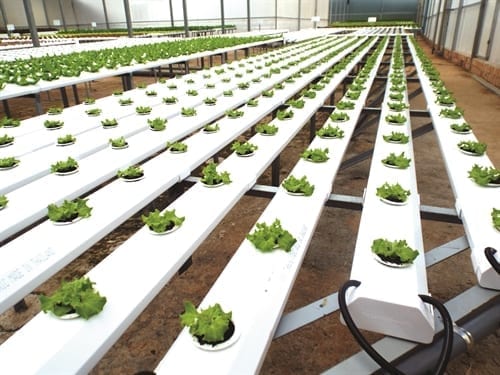
    Meanwhile, aeroponics farmed vegetables are now used by many Vietnamese.

    “With farming area of 200 square meters, I can provide 100 kilos of vegetables to the market everyday,” said Duong Minh Trung, director of Rau Sach Ngon.

    Trung said the farming model saves more water than other models, because water is sprayed on vegetables and collected back in water tanks for re-use. Regarding fertilizer, Trung buys waste meat and bone products from fish plants and processes it into fertilizer.

    4. The Dancing Lady Orchid garden of Pham Thi Nhung covers an area of 3 hectares in Lam Dong province. This is a greenhouse equipped with spraying irrigation system and high-capacity fans. The flowers bring nearly VND10 billion a month to Nhung’s family.

  • Programme for clean agriculture launched in City

    Programme for clean agriculture launched in City

    The Ministry of Agricultural and Rural Development launched a programme dubbed “Green Connection towards A Clean Agriculture” in HCM City yesterday to strengthen the linkages between various players in the agricultural production chain.

    It is also aimed at strengthening co-operatives and farmers’ ties with businesses, considered an important measure to improve the competitiveness of and add value to Vietnamese farm produce, enabling them to enter the international market, according to Lê Đức Thịnh, deputy director of the ministry’s Rural Development and
    Economic Co-operative Department.

    Amid the increasing international integration, Việt Nam’s agricultural production needs to focus more on quality, meeting international standards, on-time delivery and competitive prices.

    The food safety situation in the domestic market has become worrying, with many products failing to meet hygiene and safety standards still being sold in the market.

    Deputy Minister of Agricultural and Rural Development Trần Thanh Nam said, “Through the programme, we want to build a connecting chain for safe products, from production to consumption, produced based on VietGap, or GlobalGap or even organic standards.”

    Consumers should know where safe products meeting quality standards are produced and sold, he said.

    The programme also aimed to create confidence in foreign importers by showing them that Việt Nam has co-operatives and businesses producing products not only meeting Vietnamese standards but also the regulations of importing countries, he said.

    The programme, together with others, also aimed to raise awareness among producers about the need for following good agricultural practices to provide safe products to the market, he said.

    As part of the programme a fair titled “Green Address, Clean Products Of Agricultural Co-Operatives” is being held at the Co.opmart Foodcosa supermarket in HCM City’s Gò Vấp District on December 27 and 28.

    The fair has attracted 35 co-operatives who have set up 40 booths displaying a wide range of agricultural, forestry and seafood products meeting VietGap standards or with quality certification.

    They expect the fair to promote their products and enable them to enter into tie-ups.

    Speaking at a seminar on the real situation and measures to develop production and consumption of safe farm produce held yesterday in the city as part of the programme, Thịnh said 1-5 per cent of products obtained quality certifications from local and foreign organisations.

    Farmers should join hands through co-operatives or co-operative groups to meet the quality standards required by the market, he said.

    The co-operation would also help expand production and prevent traders from deflating prices, he said.

    The representatives of many co-operatives, including the Xuân Định Fruits Co-operative in Đồng Nai, Giồng Trôm Green Skin Co-operative, and Lộc Khê Safe Vegetables Co-operative, told the seminar that they faced difficulties in finding outlets for their safe products and expected to find distributors through the programme.

    Saigon Co.op, Việt Nam Farms and Agricultural Enterprises Association, the crop production and rural development and
    economic co-operative departments and others signed up for the programme.

  • CropLife Asia Signs Partnership with Asian Apiculture Association

    CropLife Asia Signs Partnership with Asian Apiculture Association

    CropLife Asia announced today that it has signed a Memorandum of Understanding (MoU) with the Asian Apicultural Association (AAA) to support a research initiative to catalogue and study the bee species and populations in Asia. CropLife Asia Executive Director Dr. Siang Hee Tan and AAA President Dr. Siriwat Wongsiri signed the agreement at Singapore’s M Hotel.

    It is estimated that at least 87 out 115 global primary food crops require some form of animal pollination, and insect pollination occupies a high value in the production of daily produce including vegetables, fruits, edible oil and spices.

    Comprehensive data on pollinators in Asia is scarce and much of the information that does exist has been derived using an array of different methods, making it difficult to draw comparisons across geographies and time. To better understand the state of Asia’s pollinators, a first step in protecting them and promoting their use in agriculture, CropLife Asia and AAA have agreed to collaborate in developing a harmonized method to survey the pollinators in key Asian countries.

    “When it comes to pollinators in Asia, there is a general lack of both awareness as to the important role they play in agriculture as well as reliable data reflecting their overall health,” said Dr. Tan. “Our industry has a responsibility to work with chief stakeholders who have unique perspective and expertise in this area, and our partnership with AAA is an important and impactful step forward on this front.”

    A key component of the MoU is developing a universally-applicable, harmonized method to capture the state of bee health in particular in key countries across the region. Specifically, this will entail surveying bee species in order to identify major pollinators (including indigenous subspecies) and their relative abundance.

  • India may import pulses from Myanmar, African nations

    India may import pulses from Myanmar, African nations

    Faced with the highest-ever surge in food prices in the past two years, the NDA government did some brainstorming on Wednesday to devise steps to check prices, especially of pulses.

    At a review meeting convened by Finance Minister Arun Jaitley here, it was decided to boost supply by increasing buffer stocks and imports.

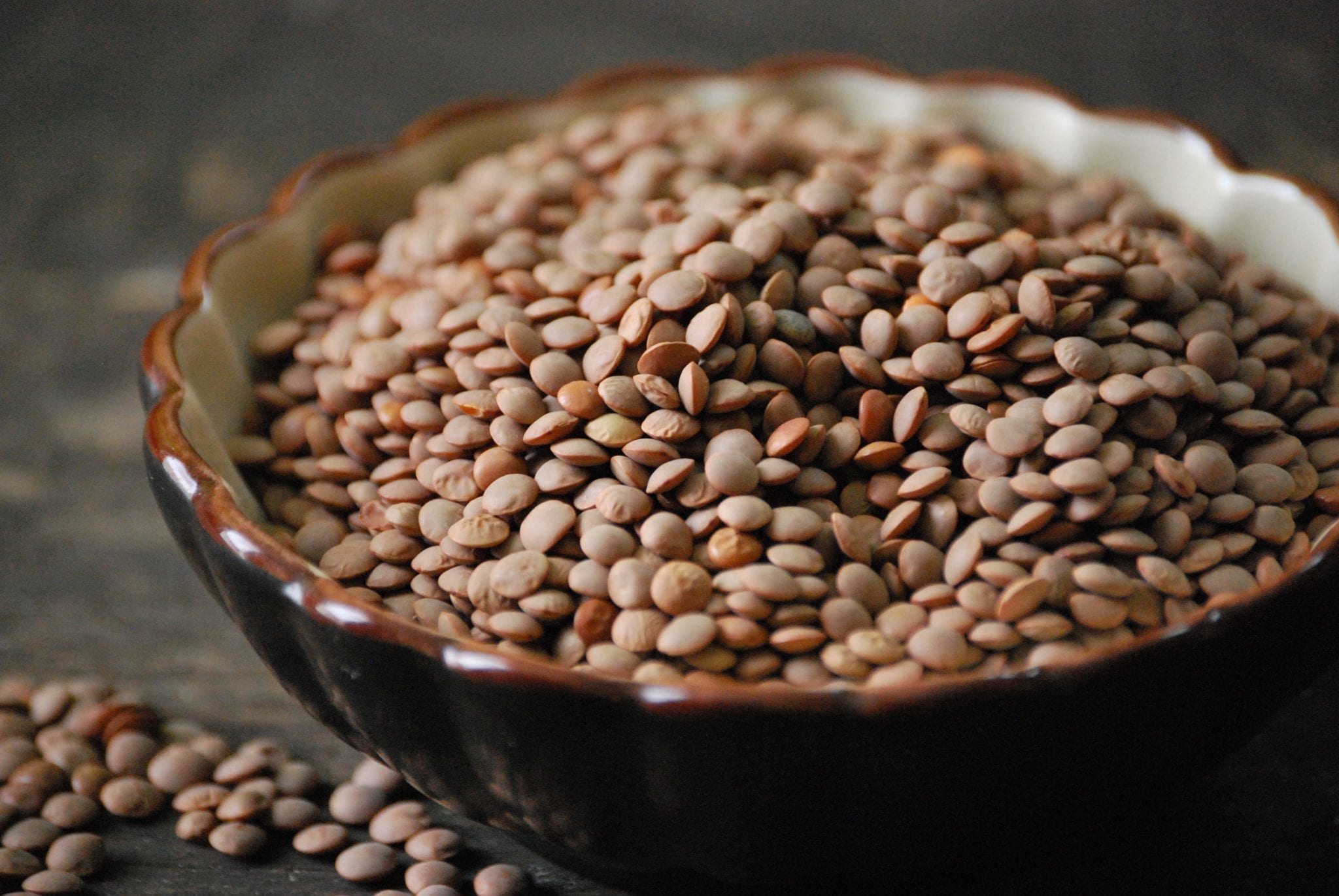
    The Centre may look to Myanmar and Africa to import lentils and pulses, it is learnt. India has already submitted a draft agreement for import of tur from Myanmar via the government route.

    Many African nations have also evinced interest in supplying lentils to India.

    “The Finance Minister said imports via public and private agencies should be strengthened to meet the deficit,” Food Minister Ram Vilas Paswan told newspersons after the meeting. He added that the demand-supply gap of about 7.6 million tonnes of pulses was being met by imports and local procurement to create a buffer stock of 1.5 lakh tonnes this year.

    It is not only the runaway increase in prices of pulses, which have soared to as much as ₹170/kg, that has hurt the aam aadmi; even vegetable prices have shot up in recent weeks.

    Tomato prices in most retail markets have doubled to ₹80-100/kg in the last fortnight due to sluggish supply owing to crop damage. Potato prices have also been on the rise.

    Besides Paswan, the high-level meeting was attended by Agriculture Minister Radha Mohan Singh, Transport Minister Nitin Gadkari, Commerce Minister Nirmala Sitharaman and Urban Development Minister Venkaiah Naidu.

    Discussions involved releasing more pulses from the buffer stock whenever there is a demand from the States. However, Paswan passed some of the blame for high prices to the States.

    “If prices rise despite this move, the Centre is not responsible. In a federal structure, States have equal responsibility in controlling prices,” he said, adding that the Centre had created a buffer stock, but “not many States had shown interest.”

    Against this year’s procurement target of 1.5 lakh tonnes of pulses for buffer stocks, 1.15 lakh tonnes has been purchased, he added.