Tag: air asia

  • AirAsia X enters U.S. market with flights to Honolulu

    AirAsia X enters U.S. market with flights to Honolulu

    Low-cost airline AirAsia X entered the U.S. market Wednesday, arriving in Honolulu on an inaugural flight for a new route between Malaysia and Hawaii.

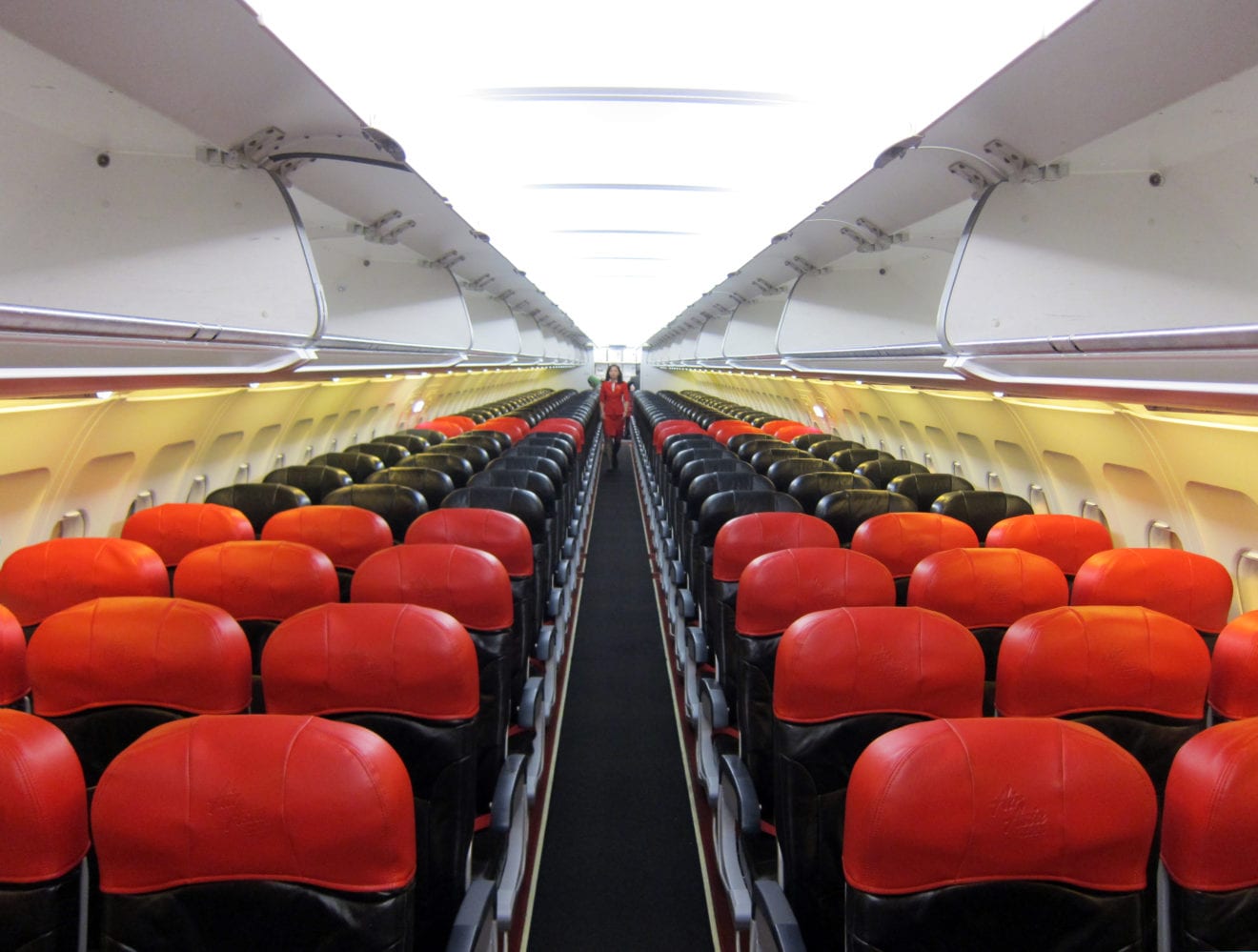
    The AirAsia X flight departed Kuala Lumpur, Malaysia, and stopped in Osaka, Japan, before landing at Honolulu International Airport. The new flight will operate four times per week utilizing Airbus A330-300 aircraft with 12 premium flatbeds and 365 economy seats.

    “We are here to democratize air travel for everyone so flying long haul would no longer be a luxury only a few could enjoy,” AirAsia X Group Chairman Tan Sri Rafidah Aziz, who held a news conference at The Royal Hawaiian hotel after landing in Honolulu, said in a statement. “This landmark route to Hawaii is a bold new chapter in that quest to help more people travel farther for less.

    “But this is just the beginning, and soon our guests will be able to enjoy flights to even more destinations in the US as we continue to grow our international footprint.”

    AirAsia X, an affiliate of the AirAsia Group, operates in 24 destinations in Asia, Australia, New Zealand and the Middle East.

  • Budget airline AirAsia announces discount fares

    Budget airline AirAsia announces discount fares

    There is good news for air travellers. Budget airline AirAsia has come out with ‘discount fares’ as part of its sales promotion campaign.

    The ‘discounted fares’ begin from as low as Rp1,099 for domestic destinations on flights operated by its Indian joint venture and Rp2,999 for international flights operated by other group airlines. However, these ‘discounted fares’ are for a limited period.

    Booking period

    Tickets for ‘discounted fares’ can be availed from June 4 to June 11 for travel between January 15, 2018 and August 28, 2018.

    “Travellers can enjoy fares as low as ₹1,099 to domestic destinations such as Bengaluru, New Delhi, Hyderabad, Kochi, Goa, Srinagar, Ranchi and Kolkata operated by AirAsia India. They can also fly to international destinations such as Kuala Lumpur, Bangkok, Phuket, Krabi and many more destinations operated by AirAsia Berhad, Thai AirAsia, AirAsia X Berhad and Indonesia AirAsia X at fares as low as Rp2,999,” said a release.

    “Guests travelling on AirAsia X will also be able to enjoy its award-winning Premium Flatbed to Sydney, Melbourne, Korea, Japan, Bali at a fare of ₹11,999.”

    “The lowest fare during this promo applies to all bookings made through www.airasia.com and the AirAsia mobile app,” the release added.

    “Big sale is the best time to lock down travel plans for next year. With so many fantastic destinations on offer, it is perfect for a long break or even just a quick weekend getaway,” said Amar Abrol, MD and CEO.

  • Air Asia X‘s Direct Flights from Bali Reduce Passengers Going through KL

    Air Asia X‘s Direct Flights from Bali Reduce Passengers Going through KL

    he number of tourists from China and India has seen huge improvements after e-visa services were made available, said Tourism Malaysia chairman Datuk Dr Siew Ka Wei.

    According to Siew in a statement, between March 2016 and April 2017, total of 284,606 and 323,173 Chinese tourists have applied for e-visa (electronic visa) and eNTRI (Electronic Travel Registration and Information), respectively. As for India, its tourists’ visas application also shot up by 91.1 per cent from 36,442 approved in March to 69,635 visas approved in April.

    “Following the green light from Prime Minister Datuk Seri Najib Razak to approve e-visa applications for multiple entries, the Home Affairs Ministry is working on the final details of the two-week multiple entry visa-free visit to Malaysia, which will boost this number even further.

    “In addition, they are also allowed to transit in Malaysia without a visa, on specific terms and conditions. “This improved facility is expected to help attract larger numbers of tourists from China and India to Malaysia who are looking for a holiday experience that offers diversity at an affordable price,” he said.

    He added that Chinese and Indian nationals can now apply for e-visa, eNTRI or VOA (Visa on Arrival), depending on the purpose of their visit to Malaysia. “These improvements have come at an opportune time to encourage more Chinese and Indian tourists to visit Malaysia.

    “Considering that visa arrangements are critical for the convenience of travellers, these facilities are expected to ease travel preparations, especially since it has the following features, namely online application system, faster processing time and reasonable fees,” he added.

    Meanwhile, Malaysian Association of Tours and Travel Agents (Matta) Inbound and Domestic vice president Datuk KL Tan said the number of tourists from China and India saw a drop lately due to aggressive promotions from neighbouring countries such as Indonesia, Thailand and Singapore.

    “These countries have increased their promotions and are targeting the Chinese and Indian tourists. “Indian tourists have dropped significantly as more countries such as Indonesia had extended free visa on arrival to Indian nationals. Thailand too had extended a similar policy until end of this year.

    “Their airlines have started to fly direct. Air Asia X Indonesia started direct flights from Bali to Mumbai and Bali to Kochi. These have reduced chances of passengers going through Kuala Lumpur,” said Tan.

    Tan added that most country’s tourist market have dropped especially in the ASEAN region.“Foreign tourists’ arrival such as those from Singapore, Thailand, Brunei and Indonesia has seen a decrease.“But for long haul markets, we are quite dependent on Chinese tourists.”

    He however applauded the improvements made by the government saying that an increase of visitors from any country is always good. “But India visitors dropped 35.1 per cent during the first quarter in 2017 compared to 11.6 per cent for whole of last year.

    “The visa fee is slightly on the high side. We would like to see for the government’s review on the visa fees, especially for India. “If everything goes right, we could get six million Chinese visitors and 1.5 million from India by 2020. Growth from the nine ASEAN nations will be steady, rising to 23.5 million by 2020 and the rest of the world, five million,” Tan said.

  • Air Asia: Cebu is a priority

    Air Asia: Cebu is a priority

    TO aid in the decongestion of the Manila airport, an airline executive disclosed that Cebu will be his company’s priority as it expands its fleet and increases the number of flights to various domestic and international destinations. “Cebu is a priority of AirAsia…We are looking at expanding our routes in Cebu,” said Philippines AirAsia director of flight operations captain Gomer Monreal in a press conference last Saturday.

    The airline company launched on Saturday new routes connecting Cebu to three domestic destinations, namely Davao, Boracay via Caticlan airport, and Puerto Princesa. AirAsia has added two new daily flights from Cebu to Davao, and to Puerto Princesa and Caticlan. This is on top of its existing routes Cebu-Singapore, Cebu-Taipei, Cebu-Kuala Lumpur, and Cebu-Incheon/Seoul. Aside from Cebu, AirAsia has also expanded its Davao routes to Cebu twice daily, added daily flights to Boracay, three times weekly to Palawan, and four times weekly to Clark.

    “The plans are on the table but these are variable. We already have a hub here. All we have to do is expand the frequency,” said Monreal. With AirAsia’s interest for expansion in Cebu, GMR-Megawide Cebu Airport Corp. (GMCAC) chief commercial adviser Ravishankar Saravu said this will make Cebu a more popular destination. “With more Cebu routes, this will reduce the congestion in Manila. (In Cebu airport) we are trying to improve the transfer of domestic and international flights,” said Saravu. Presently, MCIA is connected to 27 domestic destinations and 16 international destinations.

  • AirAsia joint venture’s prospects uncertain

    AirAsia joint venture’s prospects uncertain

    Talking to VIR, an official from the Department of Enterprise Management under the Ministry of Transport said that AirAsia has yet to submit an official application to establish a joint venture with Gumin and Hai Au Aviation.

    Civil Aviation Authority of Vietnam said the first time it heard of the news was from the media.

    “Hai Au, Gumin, and AirAsia. None of them has applied for a certificate to do business in air transport,” said Vo Huy Cuong, deputy director of CAAV.

    Hai Au has a license to provide general air transport for commercial purposes, with a fleet of four amphibious airplanes.

    Gumin, which operates in management consultancy, has only started operation on March 29.

    Official information is forthcoming only from Thien Minh Group.

    According to the company’s website, the new airline is going to start operation in 2018 after being ratified by the Vietnamese government.

    The new airline is going to provide “high-quality service at affordable prices.”

    An expert said that it is currently unclear whether this airline is going to be a new entity or part of Hai Au.

    However, given the time that it normally takes to obtain a license to fly commercially, the joint venture is unlikely to get a license by the end of 2018.

    Vietstar One-member Co., Ltd., which applied for a license to provide air transport services in July 2016, is still waiting.

    Narrow window

    This is AirAsia’s third attempt in 10 years to join hands with a Vietnamese partner to set up an airline.

    Earlier, Air Asia made an agreement with Vinashin (now Vietnam Shipbuilding Industry Corporation) in 2007 and with Vietjet in 2010 to set up the second foreign-invested airline in Vietnam after Jetstar Pacific.

    For one reason or another, these plans failed to materialise.

    At the moment, AirAsia has two airlines that fly frequently to Vietnam, Thai AirAsia (FD), which flies from Thailand, and AirAsia Berhad (AK) which flies from Malaysia.

    There was also Indonesia AirAsia which used to fly from Indonesia, but at the moment this activity has been suspended.

    The Vietnamese aviation market sees ripe competition from Vietnam Airlines and SkyViet/VASCO, as well as two low-cost airlines, namely Vietjet and Jetstar Pacific, the former of which is considered to be on par with big regional airlines, such as AirAsia, in terms of capital and governance ability.

    The growth in demand still outpaces the growth in supply. However, in the first quarter, demand  showed signs of slowing growth.

    Moreover, the price of airplane fuel is increasing sharply, affecting the profit of airlines.

    The average price in January this year was $65.15 per barrel, up 1.57 per cent compared to December 2016.

    CAPA Centre for Aviation expects that the profit margin for global air transport will decrease from 8.3 per cent in 2016 to 7.4 in 2017 and further to 6.6 in 2018, due to the increasing price of fuel and the surplus in airplanes as airlines have been buying too many of them recently.

    “AirAsia is very late to the party in Vietnam and as a result faces huge challenges,” said Brendan Sobie, Singapore-based chief analyst at CAPA Centre for Aviation at a recent interview with Bloomberg on the issue.

    “The market is now well served by two low-cost carriers, VietJet and Jetstar Pacific. The rate of growth will likely slow in the coming years as the market is now more mature.”

  • Air Asia Philippines cuts net loss to P1.2b

    Air Asia Philippines cuts net loss to P1.2b

    The Philippine unit of Southeast Asia’s largest budget airline said it reduced  net loss by 12 percent in the third quarter on higher passenger traffic.

    Air Asia Philippines said net loss amounted to P1.2 billion in July to September, down from the P1.4-billion loss it reported a year ago.

    Revenues increased 24 percent to P2.57 billion in the third quarter from P2.07 billion in the same period last year.

    “The increase in revenue can be attributed to higher passenger volumes which increased by 8 percent year-on-year and the increase in average fare by 21 percent year-on-year,” Air Asia Philippines said.

    Passengers carried by AirAsia Philippines increased 8 percent to 976,765 from last year’s 901,957, while load factor went down by 1 percentage point to 83 percent from 84 percent.

  • King Power buys 39% stake in Thai Air Asia

    King Power buys 39% stake in Thai Air Asia

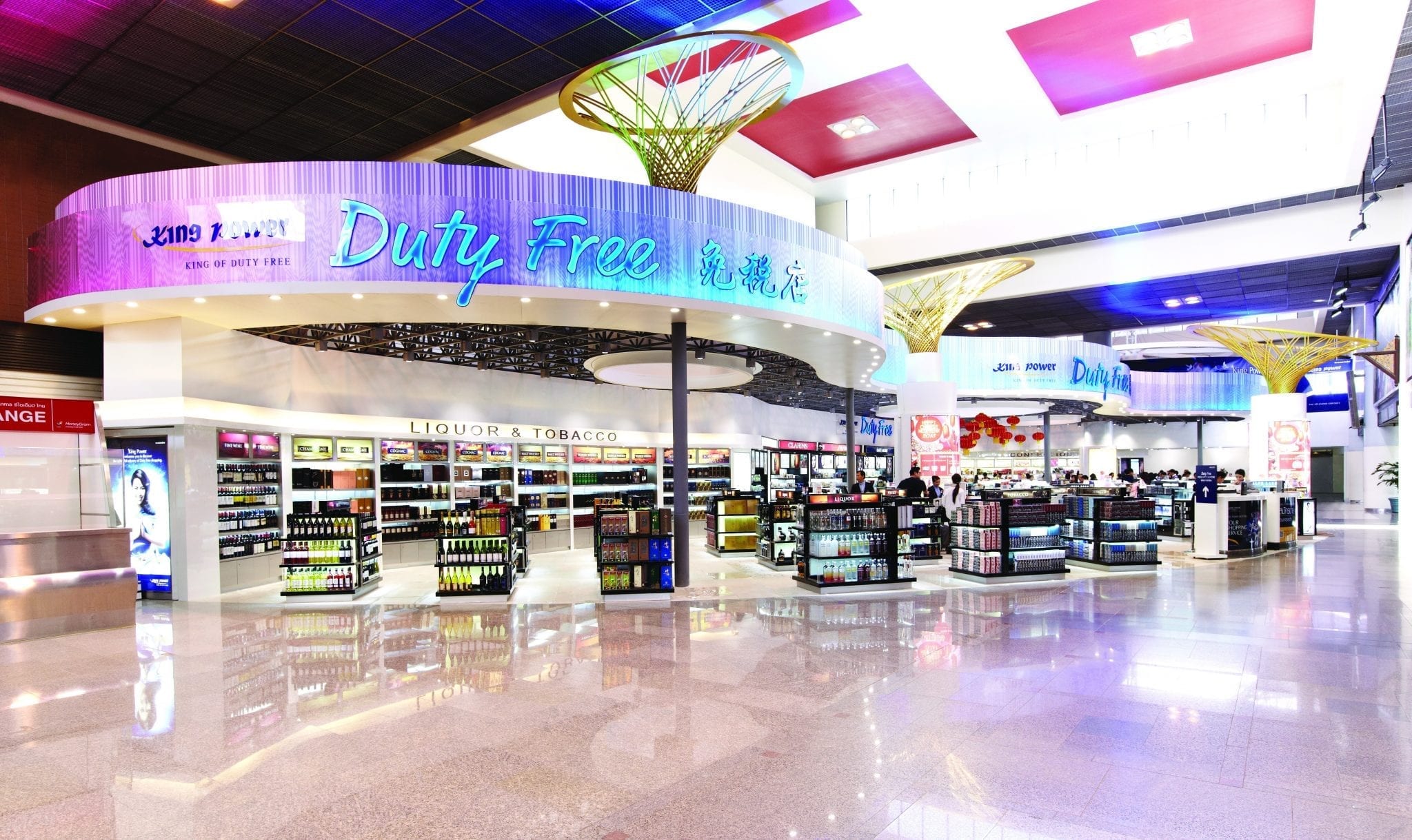
    King Power, the Thai duty-free conglomerate, has bought a US$225 million (S$305 million) stake in Thai Air Asia, the country’s largest budget airline.

    The purchase allows King Power’s billionaire owner Vichai Srivaddhanaprabha to further tap into Thailand’s booming tourism industry and expand beyond his duty-free and hotel portfolio.

    Thai Air Asia is 55 per cent owned by Asia Aviation, a Thai company, with the rest held by the Air Asia group founded by Malaysian entrepreneur Tony Fernandes.

    AirAsia Group Chief Executive Officer Tony Fernandes speaks during a press conference in Kuala Lumpur, Malaysia, Monday, Aug. 11, 2014. AirAsia launched its new "Premium Flex" services providing benefits to travellers.   (AP Photo/Vincent Thian)
    AirAsia Group Chief Executive Officer Tony Fernandes speaks during a press conference in Kuala Lumpur, Malaysia.

    King Power’s purchase of 39 per cent of Asia Aviation from its chief executive (CEO) Tassapon Bijleveld makes it the second largest shareholder of Thai Air Asia.

    Mr Bijleveld, who also serves as Thai Air Asia CEO, will keep 5 per cent of the shares and stay on as chief executive of Asia Aviation, King Power said in a statement yesterday, with the rest of Asia Aviation’s stock owned publicly.

    King Power CEO Aiyawatt Srivaddhanaprabha yesterday said the purchase represents new business opportunities.

    The group will join forces with Thai AirAsia to expand its distribution and retail business, he said.

    The King Power statement also said it was able to snap up the shares at a price “substantially lower” than the market rate because local airlines must legally be more than 50 per cent owned by Thais.

    “Given the restrictive nature of such rules, there are only a handful of Thai individuals who, realistically, would be interested in and could afford the purchase,” it said.

    Polo-loving Mr Vichai, 58, has carefully navigated Thailand’s treacherous political waters of recent years, while taking his King Power empire from strength to strength.

    He has built an estimated fortune of US$2.9 billion since establishing the firm in 1989 – starting with a single shop in Bangkok.

    He hit the jackpot in 2006 when King Power won a monopoly duty- free concession at Bangkok’s cavernous new Suvarnabhumi airport, and with it a captive market of tens of millions of travellers.

    He has since gone on to buy British football club Leicester City, which made history when it won this season’s Premier League.

    Last year, Thai Air Asia carried 14.8 million passengers, and it plans to serve 16.9 million this year. It has said it wants to expand in markets across South-east Asia, China and India.

    King Power said it plans to spend 12 billion baht (S$461.5 million) on buying the remaining 60 per cent of Asia Aviation.

    Mr Vichai’s group is required to make a mandatory offer for Asia Aviation shares it does not already own, the company said on Monday.

    Before the sale, the Thai management had a combined 45 per cent of Asia Aviation.


  • Lessons to be learned from South Korean TV

    Lessons to be learned from South Korean TV

    Stepping inside the Munhwa Broadcasting Corporation (MBC) in Seoul, you would be surprised how the Korean broadcaster has managed to turn its headquarters into a tourist spot.

    On the ground floor, booths are set up to allow visitors virtually learn singing and take pictures with the K­pop stars, or even pretend to be their girlfriends or boyfriends.

    Upstairs, visitors could take a further step to have a taste of being anchors in news castings or even acting as the empress in the signature dramas.

    Korean dramas have stirred up crazes in Asian countries over the past decade and created huge business opportunities. With the recent success of the military-­setting drama Descendants of the Sun, produced by another broadcaster KBS, many would wonder how Hong Kong, which sees a new free station ViuTV goes on air earlier this month, could learn from the Korean experience.

    It was important for the government to take a careful position, said the country’s envoy in Hong Kong, by pouring resources in nurturing talents in one hand but refraining from meddling in the production.

    “Even though the Korean government support the entertainment industry, they would not intervene directly,” said Yu Byungchae, the country’s consul in Hong Kong on culture. “The content of the dramas and movies depended on the creator’s ideas.”

    The more competitive environment in South Korea, with the rise of new cable broadcasters, has helped boosting the production’s quality, said Yu, and now the industry is eyeing not just locally but the huge overseas market.

    The Descendant of the Sun ­– the first TV series jointly produced by Korean and Chinese firms and aired in both nations simultaneously ­ — has already been sold to 32 countries, including United States, Germany and Russia.

    The drama’s success also helped giving a strong boost to the tourism and retail sectors, said Yu. One of the examples was the surging sale of red ginseng extract ­which the leading actor Song Joong­ki was seen drinking in Descendant of the Sun.

    “In the past, [promoting] culture, drama or K­pop are the responsibility of the Ministry of Cultural, Sports and Tourism,” he said. “But now financial ministers and other sectors are all interested in coordinating [to see] how the government can help those industries to develop more.”

    Yu also said Hong Kong’s advanced financial system actually was a great advantage the city enjoyed to develop its cultural industry, adding he believed the emergence of ViuTV would bring Hongkongers more diversified content.

    “Things we have not imagined before might [happen] now,” he said, referring to the new broadcasters’ all-female mixed martial arts reality show G-1 Fight Club which featured eight Hong Kong starlets beating on each other.

    “It’s natural that competition [boosts] creativity. To survive, [broadcasters] have to create things they have not done before.”

    But Korea watcher Steve Chung Lok­wai was not so optimistic at the city’s capacity in producing dramas of Korea’s quality in short run.

    ViuTV was placing its focus on entertainment or reality shows instead of dramas, he said, as the production of the latter required enormous and sustaining capital and it would be very tough for the newcomer to compete with the broadcaster giant TVB.

    The decades-­long monopoly of TVB has also made Hong Kong lag way behind South Korea, Chung, an assistant lecturer of Global Studies programme in Chinese University, lamented.

    “TVB used to sell its dramas to the overseas Chinese markets, but now even the expat Chinese communities have given up TVB to watch Korean or Japanese dramas instead,” he said.

    Chung said Hong Kong government did not have a macro cultural and entertainment policy and argued only by granting more free-to-air TV licenses, which facilitates true competition, would help improving the stagnant development.
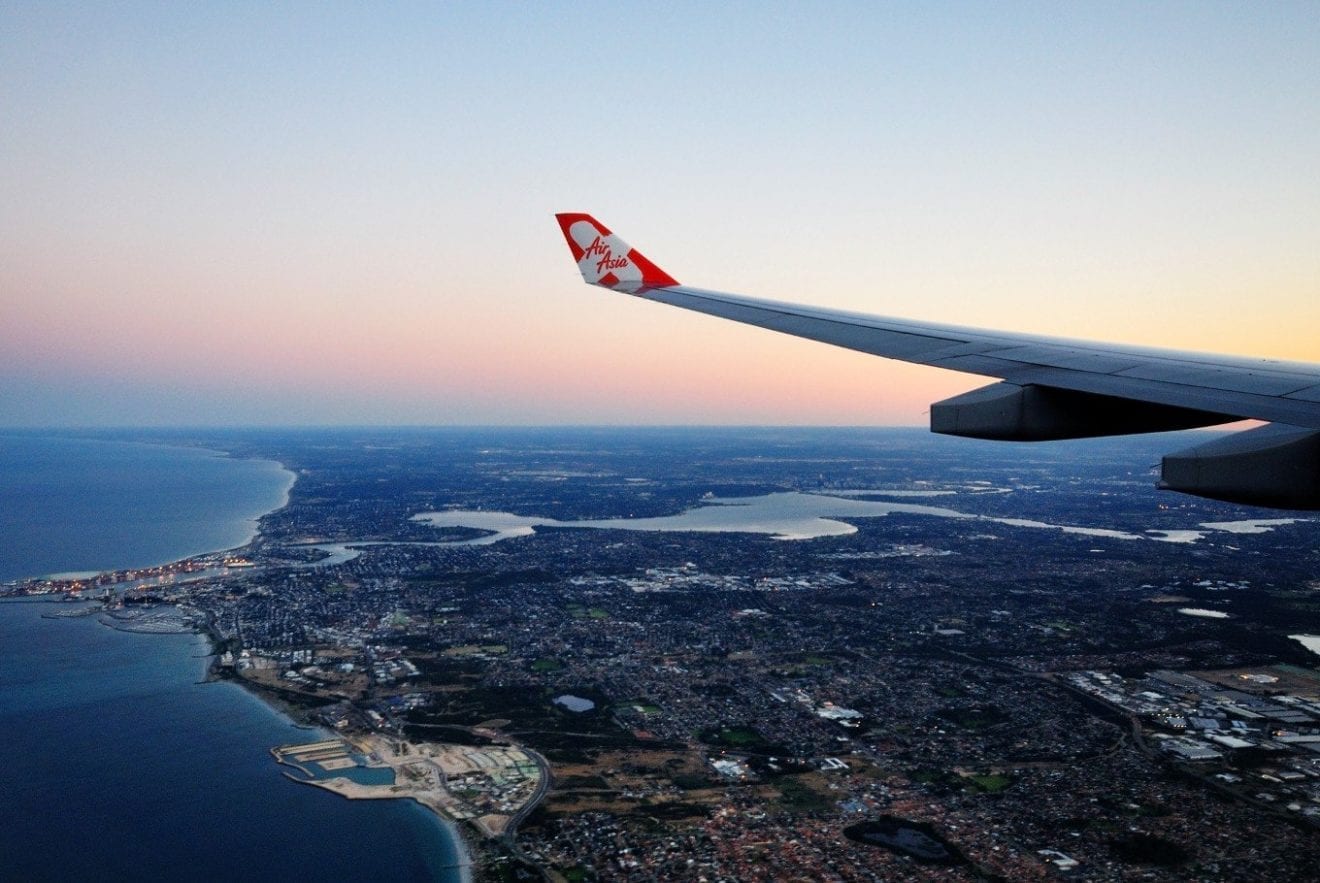

  • AirAsia swings to Q3 loss, dragged by Indonesia and forex losses

    AirAsia swings to Q3 loss, dragged by Indonesia and forex losses

    Malaysia-based AirAsia, the region’s biggest budget carrier by fleet size, said on Thursday (Nov 26) it suffered a loss in the third quarter, bogged down by foreign exchange losses and its Indonesian operations.

    AirAsia registered a net loss of RM405.72 million (US$95.9 million) in the quarter ending Sep 30. The company had registered a profit of RM5.4 million in the corresponding period of 2014.

    Revenue increased by 15 per cent to RM1.52 billion due to an increase in passenger numbers, fuelled in particular by increased demand from Chinese travellers, AirAsia said. The discount carrier, in a statement, added that foreign exchange losses were RM435.98 million, up from RM152.66 million a year ago.

    AirAsia’s flamboyant boss Tony Fernandes, a former record industry executive, remained optimistic for the rest of the year, insisting that in Malaysia, all signs were “pointing towards rational and sustainable growth in the coming quarters.”

    The company’s Indonesian operations, Indonesia AirAsia, (IAA) took a hit with a drop in passengers and revenue fell by 14 per cent to 1,483.7 billion rupiah.

    “IAA’s turnaround plan was solid but was affected by new regulations,” Fernandes said. “Demand during the quarter was affected due to the negative equity regulation introduced which was widely covered by both local and international media. This created uncertainty and prompted travel agents to divert bookings away from IAA.”

    Meanwhile, the company’s long haul arm AirAsia X posted on Wednesday a third quarter net loss of RM288.19 million. During the same period last year it suffered a net loss of RM210.85 million.

  • Air Asia Philippines Launched Red Hot P0.01 Flight Promo Sales

    Air Asia Philippines Launched Red Hot P0.01 Flight Promo Sales

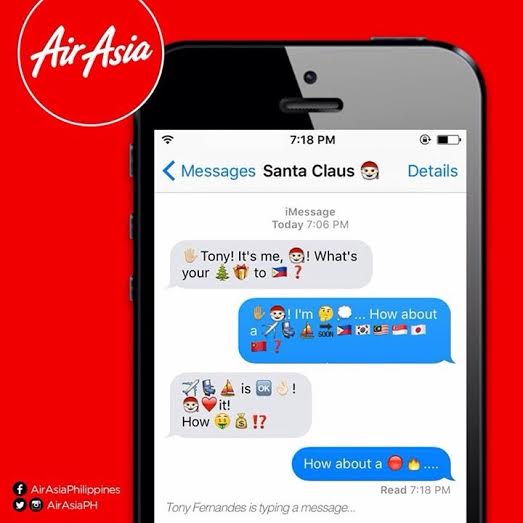
    This Christmas, Santa Clause won’t be the only one painting the skies red. AirAsia Philippines will also be coming to town with a Red Hot P0.01 Flight Promo Sale beginning on November 23.

    air asia peso promo sale

    The one-centavo seat sale includes promo fares to all domestic destinations from Manila including Tacloban, Cebu, Davao, Tagbilaran, Palawan, and Kalibo. International destinations are also included in the sale with popular cities such as Kuala Lumpur, Kota Kinabalu, Busan, Macau, and Hong Kong.

    AirAsia Group is also offering great promotional fares to more than 100 destinations across 20 countries including Australia. Passengers travelling from the Philippines can seamlessly connect in Kuala Lumpur to one of AirAsia Group’s many great destinations.

    AirAsia Promo Fares can be booked on the AirAsia website from today until November 29, 2015. Promotional fares are valid for travel from May 1, 2016 to February 5, 2017. As Philippines AirAsia’s Commercial Head, Gerard Peñaflor explains, the one-centavo sale comes at the perfect time for giving the gift of travel this Christmas.

    “Travelling with your friends and family to Palawan, Boracay, Bohol, Davao, or to Hong Kong, Korea, and other AirAsia destinations make an ideal holiday gift and our one-centavo seat sale makes the deal even sweeter,” said Peñaflor. “From as low as P201.00 all-in fare, travellers will get to discover new places here in the Philippines and across AirAsia’s massive network in the whole of ASEAN region and extending as far as China, India, Japan, and Korea.”

    air asia promo fares

    Peñaflor added that AirAsia will also be unveiling the latest in-flight menu to enhance the on-board experience before the busy Christmas season. “To enhance our guests’ flying experience, we are set to launch before Christmas, Philippines AirAsia’s latest in-flight menu which now includes new hot meals featuring Filipino favorites such as Bangus sisig, chicken curry including ASEAN-inspired dishes,” added Peñaflor. “Now, everyone can enjoy great value services on top of the promo seats that we are offering.”

  • Air Asia free seat promotion begins today

    Air Asia free seat promotion begins today

    The AirAsia and AirAsia X free seat promotion is back with three million seats on offer to all destinations.

    The promo seats are available at airasia.com from today until Sunday for those travelling between May 1, 2016 and Feb 5, 2017.

    AirAsia group chief commercial officer Siegtraund Teh said in a statement that the new promotion campaign would include many new destinations and connectivity in the airline’s network, such as exclusive routes to Maldives, Kaohsiung (Taiwan), Changsha (China), Goa (India) and Pattaya (Thailand).

    AirAsia BIG members can also enjoy the same priority flight redemption starting from Nov 22 with these introductory fares at airasiabig.com.

    The airline is also recommencing its direct flights from here to New Delhi with four flights weekly, starting from Feb 3.

    Passengers are offered an all-in-fare, from as low as RM399 one way to the Indian capital.

    Teh said AirAsia X’s award-winning Premium Flatbed seats were also on promotion with fares from as low as RM799 one way.

  • AirAsia launches all-new mobile app

    AirAsia launches all-new mobile app

    AirAsia has launched its all-new mobile application offering innovative new features, smoother functionality and an improved interface to provide guests with an enhanced and seamless flying experience.

    In a statement today, AirAsia said its mobile app has been nominated as the “World’s Leading Low-Cost Airline App’ at the upcoming World Travel Awards.

    AirAsia Group Chief Commercial Officer Siegtraund Teh said the company constantly invests in technology and innovation to make flying easier and more enjoyable for guests.

    “There have been over nine million downloads of the AirAsia mobile app on both iOS and Android platforms, and we hope that more people will discover the convenience of our new and improved mobile app,” he said.

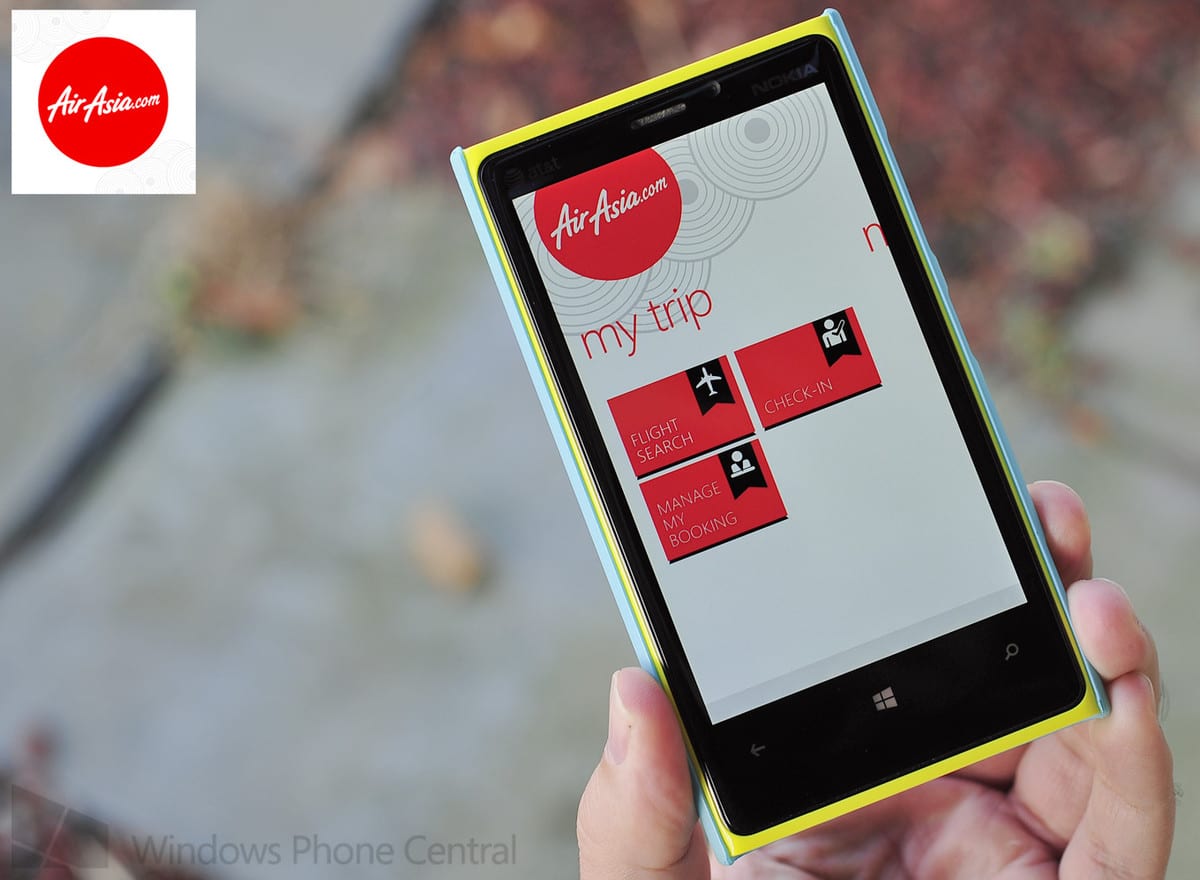
    The new app’s features include “Add to Calendar”, which automatically links upcoming flights to the calendar; faster and simpler flight booking process; and improved mobile check-in and Manage My Booking experience where guests can easily include various add-ons to their flight bookings.

  • PAL, Air Asia cancel 300 flights for Apec

    PAL, Air Asia cancel 300 flights for Apec

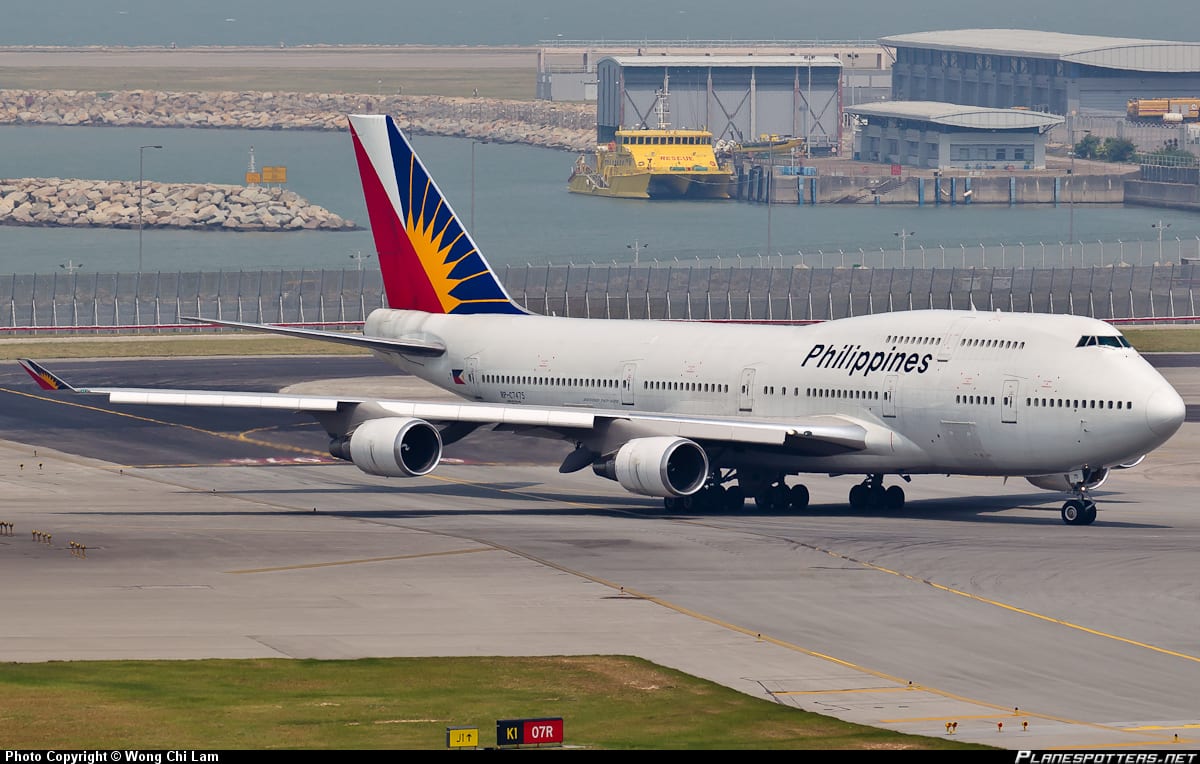
    The country’s flag carrier Philippine Airlines (PAL) and Air Asia Philippines cancelled nearly 300 domestic and international flights in anticipation of disruptions in runway operations on the week of the Asia-Pacific Economic Cooperation (Apec) Summit.

    In an advisory, PAL announced it was grounding 115 domestic and 96 international flights from Nov. 15 to 20 “to give way to the arrival and departure of Apec leaders.”

    The Manila International Airport Authority (MIAA) had announced periods of temporary runway closure at the Ninoy Aquino International Airport as part of the protocol for the arrival and departure of world leaders.

    Heads of state are expected to arrive on Nov. 16 and 17 for the summit which will be held on the 18th and 19th. They are expected to leave Manila on Nov. 19 and 20.

    “PAL assures affected passengers that the airline will reschedule their flights with rebooking and penalty charges waived,” the advisory said.

    Likewise, passengers with confirmed flights on Nov. 15, 16, 17, 18, 19 or 20 have the option to rebook within 30 days from their original schedule “for as long as the new schedule falls within the ticket validity period.”  They can also refund the full  ticket cost.

    PAL said that it may cancel more flights depending on the flight movements of the heads of state attending the summit.

    Meanwhile, Air Asia cancelled 74 domestic and 10 international flights from Nov. 17 to 20, also to give way to the arrival of heads of state.

    The airline gave passengers on the cancelled flights the option to rebook within 30 days of the date of their original flight schedule or get a refund.  Affected flyers may also avail of a credit shell within 90 days of the cancelled flight.

    A credit shell, according to Air Asia, is “a credit account where monies paid towards a booking  are stored.” The number issued, which is practically the booking number, in a credit shell account that may be used by passengers to transfer flights.

  • AirAsia India Rolls Out Promotional Fares Starting Rs 1,269

    AirAsia India Rolls Out Promotional Fares Starting Rs 1,269

    Budget carrier AirAsia India has yet again rolled out a promotional fare scheme, offering tickets as low as Rs 1,269 (all-inclusive). The offer ends on November 8, 2015 and is applicable on travel between January 15 and April 30, 2016.

    Under this AirAsia offer, tickets on Bengaluru to Kochi route are priced from Rs 1,269 (all-inclusive). Tickets on Bengaluru to Goa route is priced from Rs 1469 and Bengaluru to New Delhi at Rs 3,469.

    Its parent AirAsia is also offering fares starting from Rs 3,399 (all-inclusive) on overseas routes as part of a separate promotional scheme. This offer is open till November 8. For example, tickets from Kochi to Kuala Lumpur are priced from Rs 3,399.

    Many airlines have come up with promotional fares to tap the festive season demand.

    Air India’s offer christened ‘Diwali Dhamaka’ is valid till November 7 for travel between January 15 and April 15, 2016. Earlier, SpiceJet had also come up with ‘Diwali Sale’ with fares staring at Rs 749 (base fare-excluding taxes) for domestic sector and from Rs 3,999 (all-inclusive) on international sectors.

    Airlines have rolled out many promotional fares this year on the back of a sharp fall in oil prices. Domestic airlines in the first nine months of this year – January to September – have carried 590 lakh passengers, a growth of 20 per cent.

  • AirAsia Japan granted Air Operator’s Certificate

    AirAsia Japan granted Air Operator’s Certificate

    AirAsia Japan Co., Ltd. (CEO: Yoshinori Odagiri) recently announced that the airline has been granted the Air Operator’s Certificate by the Civil Aeronautics Act by Ministry of Land, Infrastructure, Transport and Tourism, under the air transport business, Japanese Aviation Law Article 100.

    AirAsia Japan is scheduled to commence operations from their base at Chubu Centrair International Airport in Aichi prefecture to Shin-Chitose Airport in Sapporo, Sendai Airport in Sendai and Taiwan Taoyuan International Airport in Taipei in Spring 2016.

    AirAsia Group CEO Tony Fernandes said, “We are very excited to be back in Japan. We have fantastic partners here and we are united in the vision to change the way people travel in Japan. Centrair Airport is a fantastic base and with our new routes, we look forward not only to enable the Japanese to enjoy our direct destinations but to connect them to the rest of Asia and beyond on our extensive network.”