Tag: airasia

  • KLIA Terminal 2 Retail Occupancy Reaches 93% Despite Traffic Dip

    KLIA Terminal 2 Retail Occupancy Reaches 93% Despite Traffic Dip

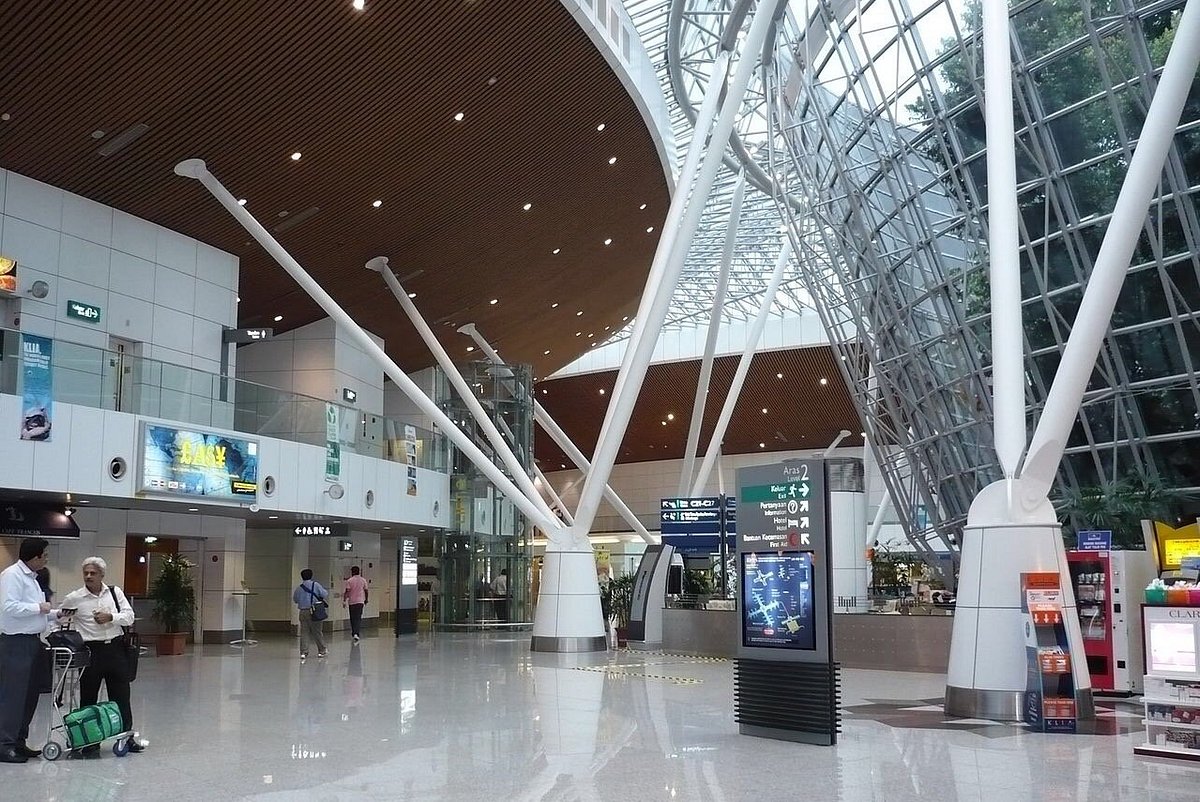
    Malaysia Airports Holdings Bhd maintained a 93 percent commercial occupancy rate at Kuala Lumpur International Airport Terminal 2 through August. That is up from 92 percent a year earlier.

    Tenancy held steady despite a 5 percent year-on-year drop in terminal passenger traffic to 17.48 million travellers across the first eight months of the year. Boarded-up storefronts across the concourse reflect terminal reconfigurations rather than retailer departures, the airport operator confirmed.

    Floor Layouts Under Reconfiguration

    Current hoardings inside the terminal cordon off spaces undergoing renovation to improve circulation and passenger processing. Selected commercial lots in those targeted zones will be phased out before the end of December.

    MAHB withheld tenant sales figures and per-passenger spend, citing commercial sensitivity. Shop revenues depend on traveller profiles, store placement, and individual retail categories rather than gross passenger volume alone, the operator noted.

    “Some of the hoardings currently visible within the terminal are part of a planned reconfiguration of space to improve passenger processing and circulation,” MAHB said in an email response to questions from The Edge Malaysia.

    Jet Fuel Volatility Pressures Low-Cost Carriers

    Traffic declines at Terminal 2 follow route and seat cuts by budget airlines reacting to elevated fuel overheads. Global average jet fuel prices touched US$194.90 per barrel in mid-September. That represents a 116.5 percent surge from the prior year, based on Platts and S&P Global tracking data.

    Fuel expenses represent between 30 percent and 50 percent of operating costs for regional carriers. Unhedged operators such as AirAsia Group Bhd and Batik Air Malaysia absorbed the bulk of the price shock. Both cut flight capacity by up to 30 percent starting in April.

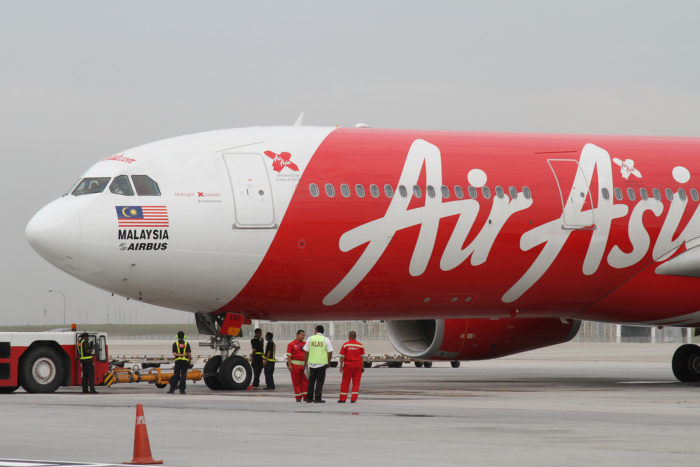
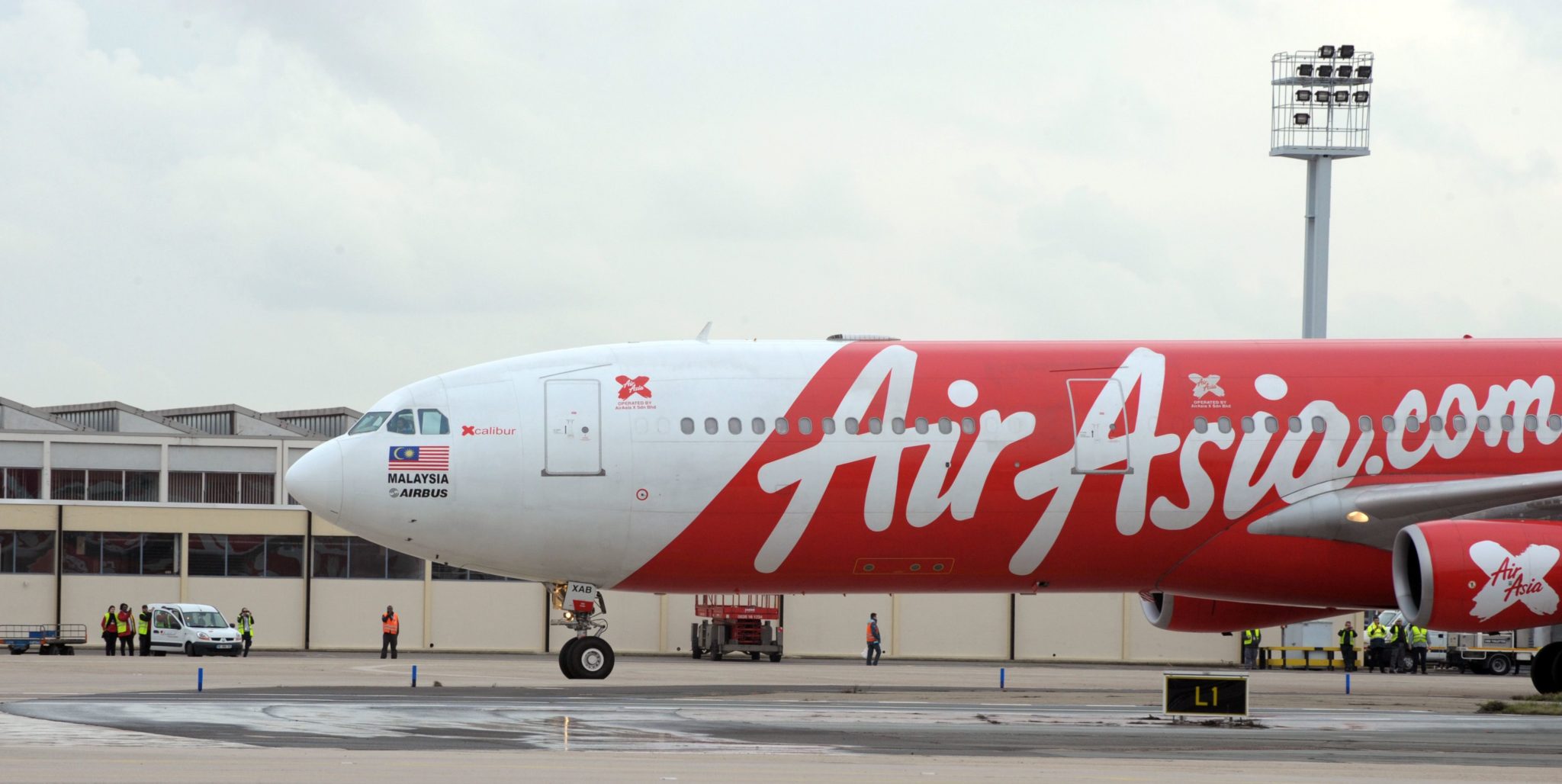
    AirAsia, the anchor operator at Terminal 2, trimmed third-quarter seat capacity by 20 percent to 25 percent. Other carriers using the terminal include Scoot, Spring Airlines, Cebu Pacific Airways, Lucky Air, Qingdao Airlines, and Shandong Airlines.

    Traffic Divergence Between Terminals

    Budget flight cuts created an operational split between the two KLIA terminals. Terminal 1, which houses full-service international carriers, recorded an 8 percent increase in passenger traffic to 24.46 million travellers between January and August.

    Total passenger volume rose 2.1 percent to 41.95 million travellers across the combined facility over the eight-month stretch. Terminal 2 footfall gained month on month during the third quarter. It rose from 1.83 million passengers in June to 1.86 million in July and 1.98 million in August.

    Across both terminals, monthly throughput reached 5.2 million passenger movements in August, up from 4.7 million in June and 5.0 million in July.

    Capacity Adjustments Ahead of Peak Season

    Reduced airline capacity directly alters the sales environment for airport concessionaires by concentrating footfall into tighter flight banks. Higher occupancy rates protect rental revenue for the landlord. However, extended capacity discipline risks dampening overall retail turnover if seat supplies do not rebound.

    Maybank Investment Bank Research calculated that every US$1 rise in jet fuel prices reduces AirAsia annual earnings by RM75 million. AirAsia shares closed at 52.5 sen on Monday, valuing the carrier at RM1.76 billion after a 70 percent drop since January.

    Attention now turns to AirAsia planned capacity restoration during the fourth quarter, alongside the completion of the airport layout modifications before the end of December.
  • Bursa Malaysia Opens Higher Before Trimming Gains to 1,666.81

    Bursa Malaysia Opens Higher Before Trimming Gains to 1,666.81

    Bursa Malaysia opened higher on Tuesday morning before trimming its advance, with the benchmark index easing 0.13 of a point to 1,666.81 at 9.10am.

    Trading volume reached 314.78 million shares valued at RM148.07 million, supported by selective bargain hunting across consumer, plantation, and financial counters.

    Market breadth stayed positive across the wider exchange in early trade. Advancers led decliners 265 to 150, while 294 counters were unchanged, 2,164 remained untraded, and 11 stayed suspended.

    Consumer and Energy Heavyweights Drive Divergent Moves

    Consumer goods companies posted sharp split movements during the morning session. Food and beverage manufacturer Fraser & Neave led the gainers board, rising 50 sen to RM23.10.

    Packaged food giant Nestle Malaysia moved in the opposite direction, dropping 48 sen to RM89.22. That drop positioned the food manufacturer among the session’s steepest decliners alongside insurer Allianz Malaysia, which fell 20 sen to RM21.10.

    Downstream fuel retailer Petron Malaysia advanced 21 sen to RM4.00, buoyed by shifting sentiment as easing tensions in West Asia pushed Brent crude oil prices lower. Semiconductor and technology equipment makers also found support, with Malaysian Pacific Industries adding 18 sen to RM42.98, while Pentamaster and MI Technovation each rose 16 sen to RM5.56 and RM5.82.

    Banking Stocks Draw Morning Capital

    Lenders provided steady support to the benchmark index as capital rotated into dividend-yielding financial counters. Malayan Banking added two sen to RM10.40, and CIMB Group rose four sen to RM7.69. Public Bank moved lower by one sen to RM4.78.

    Utility provider Tenaga Nasional shed 10 sen to RM12.94, while private hospital operator IHH Healthcare traded unchanged at RM7.62.

    Aviation and penny stocks dominated early trading activity. AirAsia rose two sen to 55 sen, building active retail turnover. Building materials firm BMS gained 1.5 sen to 15 sen, and Kinergy Advancement added half a sen to 40.5 sen. Artificial intelligence plays AIMAX and Zetrix AI traded flat at one sen and 20 sen, respectively.

    Valuations and Sector Rotations

    Rakuten Trade Sdn Bhd vice-president of equity research Thong Pak Leng noted that the domestic equity market presented attractive entry levels following softer trading last week. “Market valuation remains decent, currently at below the 16.5 times price-to-earnings average,” Thong said.

    Institutional and retail flows have increasingly concentrated on domestic-facing cash generators. For retail operators and consumer goods suppliers, pricing discipline and raw ingredient costs continue to dictate corporate margins on the ground, creating clear performance gaps between diversified beverage producers and legacy packaged food manufacturers.

    Plantation operators saw mixed pricing in morning trade. United Plantations fell 12 sen to RM33.30 despite modest underlying gains across the broader agricultural sector. Sunway Healthcare retreated nine sen to RM2.20.

    Mid-Cap and Shariah Gauge Gains

    Broader market indices traded in positive territory despite the slight retreat on the headline composite gauge. The FBM Mid 70 Index climbed 51.93 points to 17,741.07, and the FBM ACE Index rose 19.87 points to 5,336.30.

    The FBM Emas Index gained 12.17 points to 12,410.78, while the FBM Top 100 Index added 8.48 points to 12,198.93. The FBM Emas Shariah Index advanced 8.07 points to 12,244.83.

    Sector-specific indices tracked upward across the board. The Financial Services Index gained 25.65 points to 19,517.12, the Energy Index picked up 2.14 points to 847.57, the Plantation Index added 1.10 points to 9,411.59, and the Industrial Products and Services Index rose 0.69 of a point to 184.19.

    Market participants are tracking whether the benchmark composite index holds within its expected range between 1,665 and 1,680 points as institutional volume builds through the trading week.

  • AirAsia Defends Finances After Reporting 831 Million Ringgit Q2 Loss

    AirAsia Defends Finances After Reporting 831 Million Ringgit Q2 Loss

    AirAsia co-founder Tony Fernandes defended the airline’s financial resilience in Hong Kong on Friday, arguing that higher fuel prices pose far less disruption than the pandemic.

    The carrier controls roughly 60 percent of Malaysia’s domestic aviation market and operates 100 aircraft across the country. Fernandes spoke after Malaysian authorities examined whether competing carriers could absorb domestic routes if financial pressures mount.

    Government Contingency Plans

    Malaysian officials approached Malaysia Airlines and Batik Air to evaluate whether either operator could absorb domestic capacity on short notice. The inquiry formed part of government scenario planning as regulators tracked the balance sheet of the region’s largest budget carrier.

    Fernandes rejected the feasibility of such a shift during his Hong Kong briefing, stating that rival operators cannot replace 100 operational aircraft overnight. The airline’s shares fell 21 percent on Thursday following reports of the government inquiries, bringing year-to-date equity losses past 70 percent.

    Fuel Costs and Second-Quarter Deficit

    Spike in aviation fuel prices delivered an 831 million ringgit net loss for the second quarter ended June 30. Jet fuel surged 66 percent quarter-on-quarter to an average of $183 per barrel following military conflicts in the Middle East.

    Foreign exchange losses compounded the deficit, adding 331 million ringgit in extra costs during the quarter. Balance sheet disclosures show current liabilities reached 18.4 billion ringgit ($4.52 billion) on June 30, matched against cash and bank balances of 954 million ringgit.

    Regional Route Recovery

    Passenger traffic metrics show steady volume across core Southeast Asian corridors despite fare increases. Load factors across the network reached 80 percent in the third quarter, supported by advance passenger bookings for the final three months of the year.

    Management expects operating margins to stabilize as ticket prices adjust upward to cover elevated fuel surcharges. Operating units in Indonesia, Thailand and the Philippines maintain stable booking patterns heading into peak year-end travel periods.

    Liquidity and Capacity Pressures

    Fernandes told investors the second quarter represented the peak operational strain for the group’s network. The carrier is relying on ticket repricing and regional flight demand to service short-term debts without cutting its scheduled Malaysian frequencies.

    Attention turns to fourth-quarter operating results and whether passenger demand absorbs the higher fare brackets needed to offset $183-a-barrel jet fuel.

  • AirAsia Rejects Bailout Talk and Targets 1 Billion Dollar Debt Refinancing

    AirAsia Rejects Bailout Talk and Targets 1 Billion Dollar Debt Refinancing

    AirAsia co-founder Tony Fernandes rejected calls for state aid on Friday. The budget carrier plans to raise over 1 billion dollars by January to refinance its balance sheet.

    His comments follow reports that Malaysian authorities approached rivals Malaysia Airlines and Batik Air. Officials wanted to evaluate whether the carriers could absorb AirAsia’s 60 percent domestic market share.

    Speaking at a briefing in Bangkok, Fernandes dismissed the need for intervention. He said operations remain cash generative despite severe cost inflation. The airline recorded current liabilities of 18.4 billion ringgit, or 4.52 billion dollars, against cash balances of 954 million ringgit as of June 30.

    Balance sheet pressures and jet fuel volatility

    Jet fuel prices climbed 66 percent in the second quarter to average 183 dollars per barrel. AirAsia operates without fuel hedges. That unhedged position leaves margins exposed to oil spikes that have already pushed carriers in North America and Europe into restructuring.

    Management is working to secure international bond financing alongside 700 million ringgit in domestic credit facilities. Fernandes confirmed that a Middle Eastern investor submitted a 1 billion dollar funding term sheet. Executives are negotiating terms before committing to an agreement.

    Rival positioning and market control

    Replacing AirAsia’s domestic footprint would require competitors to deploy roughly 100 aircraft immediately across Malaysian hubs. Neither Malaysia Airlines nor Batik Air possesses the spare fleet capacity to absorb that volume without starving regional routes.

    For consumer travel and airport retailers across Southeast Asia, an abrupt pullback in low-cost capacity would quickly contract footfall in secondary hubs. The risk rests on whether fare hikes can offset fuel costs before short-term debt repayments come due in late 2026.

    We’ve never received any government support in the last 25 years. And as of today, we haven’t got any and that’s it.

    Fleet restructuring and route adjustments

    AirAsia has cut unprofitable destinations and returned 25 older aircraft to lessors to lower monthly fixed overheads. No planes have been repossessed or involuntarily reclaimed by leasing firms during this period.

    Fleet strategy centers on replacing widebody A330 aircraft with narrower, more fuel-efficient A321LR and XLR variants. Stable passenger volumes across units in Thailand, Indonesia and the Philippines supported an average load factor of 80 percent during the third quarter.

    Current pressures trace back to mid-2026, when escalating fuel costs accelerated equity losses and triggered a 70 percent drop in the stock price. Malaysia’s Ministry of Finance subsequently hired Alton Aviation Consultancy to review the group’s financial position.

    Talks with Airbus on a strategic fleet update are scheduled for next month, ahead of concluding the primary debt restructuring round by January 2027.

  • Malaysia Asks Airlines to Prepare to Absorb AirAsia Routes

    Malaysia Asks Airlines to Prepare to Absorb AirAsia Routes

    Malaysia’s government has asked Malaysia Airlines and Batik Air whether they could absorb AirAsia’s domestic routes and passengers if necessary, as authorities carry out contingency planning while monitoring the budget carrier’s financial health.

    The discussions come as the airline, acquired by Tune Air for RM1 (US$0.25) in 2001, faces mounting financial pressure from debt and a sharp rise in fuel costs.

    AirAsia has stated that it remains focused on maintaining stable operations and that underlying travel demand remains strong, while officials noted that no takeover or transfer of operations has been decided.

    Contingency Planning and Operating Pressure

    The carrier’s operating entity, Capital A, faces the combined burden of debt accumulated during the pandemic and high operating expenses. In the second quarter of 2022, the group’s average fuel costs jumped 68 per cent year-on-year to US$151 a barrel, consuming 51 per cent of aviation revenue. Currency weakness across Southeast Asian markets against the US dollar has amplified those costs, particularly for aircraft maintenance and dollar-denominated aircraft leases.

    Both AirAsia X and parent entity Capital A previously fell into Bursa Malaysia’s PN17 classification for financially distressed listed firms. AirAsia X completed a debt restructuring in March 2022, but Capital A remains under requirements to regularise its financial condition to preserve its stock exchange listing.

    Shifting Regional Capacity Dynamics

    For regional travel retail, airport concessionaires, and tourism operators, any capacity reduction from AirAsia would alter passenger footfall patterns overnight. AirAsia built the low-cost model that feeds primary transit hubs like Kuala Lumpur International Airport Terminal 2 and regional secondary airports across Thailand, Indonesia, and the Philippines. If routes are transferred or curtailed, legacy carriers and competing hybrid operators will absorb higher-yielding corporate traffic while budget-sensitive discretionary travel slows down.

    Rival full-service and hybrid carriers stand to gain market share on key domestic trunk routes, yet taking over budget volume presents immediate fleet and staffing hurdles for Malaysia Airlines and Batik Air. Low-cost passenger yields cannot easily support legacy cost structures without state subsidies or substantial fare increases. The direct risk rests with consumer ticket pricing, where reduced seat capacity inevitably pushes up average domestic fares.

    From Token Purchase to Pandemic Shock

    Entrepreneurs Tony Fernandes and Kamarudin Meranun bought AirAsia through Tune Air in September 2001 for a token RM1, absorbing RM40 million in debt. The carrier transformed regional aviation by introducing high-density Airbus A320 fleets, online direct bookings, and low fares, surpassing 500 million passengers carried by 2018.

    Financial strains began surfacing before the global health crisis. AirAsia reported a net loss of approximately RM283 million in 2019 after fuel price increases added RM703 million to its operating costs in 2018. When border closures halted international travel in 2020, group revenue dropped 74 per cent to RM3.1 billion and full-year net losses widened to RM5.9 billion, forcing the shutdown of AirAsia Japan and a retreat from AirAsia India.

    Regulators and investors are tracking Capital A’s submission of a complete regularisation plan to exit PN17 status on Bursa Malaysia, alongside fleet reactivation milestones across its Southeast Asian subsidiaries.

  • Thai AirAsia Trims Seat Capacity by 30% Amid Soaring Fuel Prices and Slowing Travel Demand

    Thai AirAsia Trims Seat Capacity by 30% Amid Soaring Fuel Prices and Slowing Travel Demand

    In response to escalating aviation fuel costs and a decrease in mid-year travel demand, Thai AirAsia is set to curtail its overall seat capacity by about 30% for the months of May and June.

    Adapting to Market Changes

    The airline stated on Tuesday that it would meticulously adjust flight frequencies for domestic routes. Internationally, the airline has temporarily suspended and decreased frequencies, primarily on Indian routes, due to elevated operating costs.

    Phairat Pornpathananangoon, the CEO of the budget airline, reported that they are actively working on cost management strategies to counterbalance the sustained surge in aviation fuel prices and the expected mid-year travel downturn.

    Managing Seat Capacity and Flight Frequencies

    The airline is also focusing on effectively managing seat capacity to aptly meet the travel demand. Simultaneously, it is maintaining a balance by ensuring the fares reflect actual costs while remaining affordable for its customers.

    In the case of Thailand’s domestic network, the airline plans to reduce its flight schedules at Suvarnabhumi Airport. During May and June, it will only maintain direct services from Suvarnabhumi to Chiang Mai and Phuket.

    Meanwhile, for Don Mueang Airport, the airline intends to persist with its complete network across all destinations. The flight frequencies will be strategically adjusted to mirror actual passenger demand.

    Questions & Answers

    What measures is Thai AirAsia taking in response to the increase in aviation fuel prices and decreased mid-year travel demand?
    Thai AirAsia is reducing its overall seat capacity by approximately 30% for May and June. It is also adjusting flight frequencies for domestic routes and has temporarily suspended and decreased frequencies on certain international routes.

    How is Thai AirAsia managing its fares amid these changes?
    The airline is working to ensure that fares remain reflective of actual costs while still being reasonable for its customers.

    What changes will be made to Thai AirAsia’s domestic network?
    The airline plans to scale back its flight schedules at Suvarnabhumi Airport, retaining only direct services from Suvarnabhumi to Chiang Mai and Phuket during May and June. However, it will continue to operate its full network at Don Mueang Airport, adjusting flight frequencies to match passenger demand.

  • AirAsia strengthens Asean connectivity with new Phuket-Penang Route

    AirAsia strengthens Asean connectivity with new Phuket-Penang Route

    AirAsia Malaysia (flight code AK) today announced the strengthening of its Asean network with the launch of a new route connecting Phuket to Penang.

    Penang stands out as one of Malaysia’s leading medical-tourism hubs and a key tourism gateway in Southeast Asia, offering world-class hospitals alongside a rich heritage and vibrant food culture. Phuket, meanwhile, is globally recognised for its beaches, wellness centres and dynamic lifestyle appeal. A direct Penang–Phuket service connects these complementary strengths to create a compelling leisure and medical travel corridor, giving guests greater convenience, flexibility and choice while supporting year-round demand and two-way economic activity.

    Penang’s medical-tourism sector continues to show strong momentum, recording over 200,000 foreign patients and nearly RM500 million in revenue as of August 2025, with international arrivals growing steadily since 2023 led by Indonesia, China and Thailand. This growth also mirrors broader regional travel patterns, including Malaysia’s position as Thailand’s top source of foreign tourist arrivals with more than four million Malaysians visiting the kingdom as of November this year – further reinforcing the potential and relevance of enhanced connectivity between the two destinations.

    With four weekly flights between Malaysia and Thailand, the airline continues to expand its second route to Thailand from Penang hub, further enhancing seamless travel and providing more options through its network, which connects to over 130 destinations across Asean and beyond.

    Dato’ Captain Fareh Mazputra, CEO of AirAsia Malaysia, said: “As we approach Visit Malaysia 2026, we remain committed to supporting the nation’s tourism ambitions by strengthening inbound connectivity to key local destinations. Thailand consistently ranks among Penang’s top five sources of foreign tourists and in 2025 alone we have flown nearly 200,000 guests between Penang and Bangkok. With the launch of the new Penang–Phuket route, both inbound and outbound tourist traffic will increase and AirAsia is further enhancing its role in driving tourism growth from this important market.”

    As one of AirAsia’s five major hubs in Malaysia, Penang offers direct connections to 12 domestic and international cities including Singapore, Jakarta, Ho Chi Minh City, Medan and Shenzhen. With the new Penang–Phuket route, we are offering Thai travellers from Phuket and travellers across Asean more convenient, affordable, and seamless travel options. This expansion strengthens Penang’s role as a key regional hub and supports the state’s efforts to boost tourism and economic activity, while highlighting its famous beaches, hawker cuisine, cultural heritage, medical facilities and vibrant nightlife.

    As part of the launch celebrations, AirAsia is offering special promotional fares from Penang to Phuket starting from just THB 1,690 all in one-way*. Flights from Phuket to Penang are also available from THB 1,690 all in one-way*. The promotion is available for booking starting today until 21 December 2025, for travel between 13 March and 24 October 2026, exclusively on the AirAsia MOVE app and the website.

  • AirAsia X Eyes Expansion: Unveils Plans for New Long-Haul Routes to Europe

    AirAsia X Eyes Expansion: Unveils Plans for New Long-Haul Routes to Europe

    AirAsia X, a budget airline based in Malaysia, recently commenced operations on its Istanbul route and has intentions to further extend its long-haul services to Europe in the coming year, according to CEO Benyamin Ismail. This move signifies the airline’s return to the European market, following a period of corporate restructuring in response to operational challenges caused by the Covid-19 pandemic.

    Currently, AirAsia X provides four flights weekly, connecting Istanbul and Kuala Lumpur. This service offers over 150,000 seats per year; however, the company has plans to increase this capacity by offering daily flights between the two cities.

    Expanding its airline’s reach beyond Asia, AirAsia X aims to bridge Asian and European cities through its Istanbul hub. The company also has plans to introduce additional long-haul routes to Europe.

    CEO, Benyamin Ismail, indicated that the company aims to add “at least one or two cities in one year”. However, he did not disclose the exact European destinations that the company is exploring.

    Questions & Answers

    What are AirAsia X’s plans for expansion in Europe?
    AirAsia X intends to extend its long-haul services to Europe in the coming year, providing a bridge between Asian and European cities through its Istanbul hub.

    How often does AirAsia X currently operate flights between Istanbul and Kuala Lumpur?
    Presently, AirAsia X operates four flights weekly between Istanbul and Kuala Lumpur.

    What is the company’s strategy to increase its flight capacity?
    AirAsia X plans to increase flight capacity by offering daily flights between Istanbul and Kuala Lumpur, as opposed to the current four flights per week.

  • AirAsia Launches Direct Cebu-Macao Service Reinforces Support for Disaster Resilience

    AirAsia Launches Direct Cebu-Macao Service Reinforces Support for Disaster Resilience

    AirAsia today launched new direct routes, with Cebu-Macao among them, expanding its regional network while reinforcing its commitment to supporting recovery efforts in calamity-hit Cebu through its ‘To the Philippines with Love’ campaign.”

    The new route forms part of AirAsia’s broader network expansion, which includes five additional Philippine routes comprising two international and three domestic connections. This development strengthens the airline’s global network of over 160 destinations across its group operations.

    Alongside this network growth, AirAsia continues to support disaster resilience initiatives in Cebu. As part of its rebuilding efforts, AirAsia will donate PHP15 for every seat sold from November 15 to January 14, 2026 to support earthquake and typhoon relief and recovery programs in Cebu.

    Through its philanthropic arm, AirAsia Foundation, AirAsia will disburse up to PHP 9 million to assist local communities through its support for grassroots organizations such as Bike Scouts, a social enterprise with more than a decade of on-ground disaster response experience across the Philippines.

    Tony Fernandes, Capital A CEO and Advisor at AirAsia Aviation Group, said: “Connectivity has always been at the heart of what we do, and it goes beyond flights or routes. As one Asean family, in times like these, uniting to help one another is not just the right thing to do, it is who we are. Our hearts are with everyone affected in the Philippines, including our own Allstars. We hope AirAsia’s contribution can bring hope, and help rebuild businesses and enable local residents to get back on their feet.”

    AirAsia Philippines CEO and President Capt. Suresh Bangah said, “We are deeply committed to partnering with the people of Cebu during the rebuilding process by providing affordable travel options that can spur economic activity and aid in recovery. As we expand our network, we also continue to make meaningful journeys by uplifting the communities we serve.”

    Yap Mun Ching, Executive Director of AirAsia Foundation, said, “At AirAsia Foundation, one of our main priorities involves helping communities rebuild stronger after a disaster. As the focus shifts from emergency relief to recovery in these communities, we leverage our network of social enterprises and trusted partners to connect resources with communities in need, supporting them to restore homes and livelihoods and make a meaningful difference for those affected.”

    The pledge was made by AirAsia Philippines CEO and President Capt. Suresh Bangah during the receiving ceremony of AirAsia’s inaugural Kuala Lumpur–Cebu flight, which was welcomed with a traditional water cannon salute at Mactan Cebu International Airport. The flight also marked the official launch of AirAsia’s Cebu hub, strengthening the airline’s commitment to expanding connectivity across the Philippines and the wider Asean region.

    In Macau, The inaugural flight was celebrated with a special event at the Macau International Airport, where passengers received welcome gifts from the Macao Government Tourism Office and limited-edition AirAsia merchandise.

    The Kuala Lumpur and Macao international services are among five additional routes in the Philippines added to the broader AirAsia network. Meanwhile, new domestic connections from Cebu to Davao, Iloilo, and Caticlan further reinforce the Queen City of the South’s position as a strategic hub, offering travelers more value-driven options across the region.

    “AirAsia’s goal is to accelerate Southeast Asia’s position as a global low-cost megahub,” Capt. Bangah added. “By linking our Cebu hub with cities like Macao, we’re connecting Visayas and Mindanao to a broader global network.”

    The new Cebu service expands AirAsia’s existing network from Hong Kong and Macao, which already includes direct flights to Kuala Lumpur, Kota Kinabalu (Sabah), Bangkok (Don Mueang), Manila, and Okinawa.

    Among recent recipients of the Foundation’s disaster resilience grants in 2024 is Bike Scouts, a social enterprise with more than a decade of on-ground disaster response experience across the Philippines, to provide critical communication access to communities isolated by typhoons, floods and other natural events. In 2025, AirAsia Foundation approved a grant for Arkomjogja, the implementer of past rebuilding and resilience programmes in Indonesia, to document lessons learnt and disseminate knowledge on the organisation’s community-driven post-disaster recovery model.

    AirAsia Foundation has a long-standing record of helming AirAsia’s post-disaster campaigns in Asean. Since its establishment in 2012, the Foundation has raised and distributed over USD 4 million to fund responses to Typhoon Haiyan in the Philippines (2013), the Palu tsunami (2018), and the Malaysian floods (2021), among others. AirAsia Foundation has also awarded over USD 670,000 in social enterprise grants across seven Asean countries, supporting impactful ventures that address poverty alleviation, promote sustainable livelihoods, and build climate resilience.

    The donation from AirAsia is in addition to the airline’s ongoing post-earthquake support for government partners through humanitarian flights. In coordination with government authorities, AirAsia transported search-and-rescue teams of the Metropolitan Manila Development Authority (MMDA) and critical rescue equipment to support emergency relief missions in Cebu.

  • AirAsia Launches New Ad Campaign “AirAsia: Always Making Every Moment Matter” Reinforcing On-Time Commitment

    AirAsia Launches New Ad Campaign “AirAsia: Always Making Every Moment Matter” Reinforcing On-Time Commitment

    Thai AirAsia has recently launched a fresh advertising initiative titled “AirAsia: Always Making Every Moment Matter”. This strategic move aligns perfectly with the arrival of the peak holiday period. The campaign emphasizes the airline’s unwavering dedication not only to timely departures and arrivals, but also to optimizing every single moment of their patrons’ travels. This optimization is achieved through well-planned flight timings, multiple schedules, and a broad network of routes, which all collectively contribute to an uninterrupted and enjoyable journey.

    AirAsia’s Commitment

    Tansita Akrarittipirom, the Director of Commercial at Thai AirAsia, discussed the surge in travel demand domestically and overseas as the year draws to a close. Akrarittipirom explained that the new ad campaign serves as a reminder of their brand’s solid assurance: the company doesn’t merely strive for timeliness, rather, they aim to make every instant of the journey remarkable.

    Akrarittipirom stated, “From the moment of planning to departure, due to the country’s extensive domestic route network and numerous international routes, to arrival, we aim to provide our guests with options that best suit their needs. We aspire to provide a service on board that leaves a lasting positive impression, highlighting our dedication to making every moment truly outstanding as a way of expressing gratitude to our guests for their faith in us.”

    The Campaign’s Message

    The campaign revolves around the narrative of a passenger who travels home on an AirAsia flight and ends up in a fervent disagreement with her boyfriend upon her return. He abruptly instructs her to “go wherever you want.” The passenger takes this as a cue to embark on a new journey of self-discovery, prompted by her flight’s perfectly timed arrival. With AirAsia accompanying her, she rediscovers her independence and creates unforgettable moments throughout her journey.

    Questions & Answers

    What is the key message of Thai AirAsia’s new advertising campaign?
    The main message of the campaign is AirAsia’s commitment to making every moment of the journey remarkable for its passengers, not just ensuring punctuality.

    What does AirAsia aim to provide to its guests according to Tansita Akrarittipirom?
    According to Akrarittipirom, AirAsia aims to provide options that best suit their guests’ needs, from planning through to arrival. Moreover, they aim to deliver a service that leaves a lasting positive impression.

    What is the story featured in the campaign?
    The campaign features the story of a passenger who ends up in a disagreement with her boyfriend upon returning home on an AirAsia flight. This conflict leads her to embark on a new journey of self-discovery, facilitated by AirAsia’s seamless travel experience.

  • AirAsia Sets Sights on Vietnam Expansion, Overcoming Previous Challenges for a Fresh Start

    AirAsia Sets Sights on Vietnam Expansion, Overcoming Previous Challenges for a Fresh Start

    CEO Tan Sri Tony Fernandes recently shared insights about AirAsia’s long-cherished ambitions to penetrate the Vietnamese market, emphasizing the discussions currently in progress, but reminding that agreements can be elusive. “I have long wanted to operate in Vietnam. As an ASEAN airline, it makes sense to be in one of the region’s most promising markets,” he stated in an interview.

    A Regional Expansion Agenda

    In addition to Vietnam, AirAsia is exploring opportunities in Laos and Brunei. Curiously, Myanmar and Singapore remain the only ASEAN markets untouched by the airline’s expansion efforts. On the prospects in Singapore, Fernandes remarked, “I have always fought for operations in Singapore; however, I think we have given up on the plan.” This candid admission reflects the strategic challenges AirAsia faces in one of Southeast Asia’s most competitive aviation hubs.

    A Dream Deferred

    As Fernandes approaches retirement, he remains resolute in his vision to broaden AirAsia’s regional footprint. “My dream before I leave this job is to be in as many ASEAN countries as possible. I am very keen on Vietnam,” he declared. Operating under investment holding company Capital A, AirAsia already boasts air operator certificates in Malaysia, Thailand, Indonesia, the Philippines, and Cambodia, laying a solid groundwork for ambitious growth.

    Building Bridges in Vietnam

    While specifics remain under wraps, discussions in August between representatives from T&T Group and Capital A with leaders from Quang Tri Province marked a significant step forward. The talks revolved around creating an aerospace industrial complex and urban airport area in the province. T&T Group, with diverse interests in property, agriculture, and infrastructure, aims to establish a comprehensive aviation ecosystem that encompasses logistics and airline operations.

    The company is also on track with the construction of Quang Tri Airport, investing over VND5.8 trillion (approximately US$220 million). Currently, AirAsia services international flights to Vietnam from regional countries like Thailand, Malaysia, and Cambodia, but it has yearned to enter the domestic aviation market for two decades. Unfortunately, previous partnerships have not materialized, curiously resembling a romantic chase that ends time and again in the friend zone. The most recent attempt in 2019, when AirAsia and local company Hai Au severed ties regarding their joint venture, was a disappointing turn in its Vietnamese ambitions.

    Historically, the airline has engaged with various partners, including Pacific Airlines, Vinashin, and Vietjet, but none have successfully taken flight. Nevertheless, Fernandes’s determination to secure a position in Vietnam signals an unwavering commitment to AirAsia’s future in one of Asia’s aviation leaders.

    Questions & Answers

    What challenges has AirAsia faced in entering the Vietnamese market?
    AirAsia has grappled with unsuccessful partnerships over the years, including failed ventures with local companies like Hai Au, and has struggled to formalize agreements despite ongoing negotiations.

    What are AirAsia’s current expansion plans in ASEAN?
    AirAsia aims to extend its operations not only in Vietnam but is also in preliminary discussions regarding market entries in Laos and Brunei, while focusing on tightening its grip on existing operational countries.

    How is T&T Group involved in AirAsia’s plans for Vietnam?
    T&T Group has been in talks with AirAsia to develop an aerospace industrial complex and airport urban area in Quang Tri Province, contributing to AirAsia’s aspirations to create a comprehensive aviation ecosystem in Vietnam.

  • Airasia Move And Air Macau Partnership Bolsters Asia Travel Opportunities

    Airasia Move And Air Macau Partnership Bolsters Asia Travel Opportunities

    AirAsia Move has broadened its network of airline alliances by including Air Macau to its roster. This new collaboration will create more travel opportunities for passengers journeying between Kuala Lumpur, Macau, and a host of other destinations in China and the wider Asian region. The partnership also aims to bolster Macau’s goal of welcoming 39 million visitors by 2025.

    Partnership Launch Promotions

    In celebration of this new partnership, AirAsia Move is offering its users the chance to book Air Macau flights from Kuala Lumpur to Macau via its app for prices starting from just 470 ringgit (US$111). These promotional fares will be available for booking until September 12, 2025, and are applicable for travel between September 1, 2025, and February 7, 2026.

    Extended Flight Options and Perks

    Apart from Air Macau, AirAsia Move also directly collaborates with over 70 other international carriers, such as Royal Brunei Airlines, Air Mauritius, and Etihad. In addition, the platform provides flight options from approximately 700 other airlines through authorized suppliers. It also features a selection of over a million hotels worldwide, giving users ample choices for their accommodations. Further enhancing the travel experience, the platform provides first- and last-mile connectivity with airport transfers and a plethora of other ancillary travel products, including online duty-free shopping and travel insurance.

    Contributing to Macau’s Tourism Goals

    Nadia Omer, the CEO of AirAsia Move, shared her enthusiasm about the new partnership with Air Macau. She expressed that having Air Macau as a direct airline partner on the Move platform will not only offer convenience to travelers, but it will also provide them with the opportunity to explore the fascinating city of Macau at the best possible value. She added that the company is thrilled to make Macau more accessible to its users and contribute towards the city’s tourism objectives.

    Questions & Answers

    What are some of the benefits of this new partnership between AirAsia Move and Air Macau?
    This partnership will offer more travel options for passengers traveling between Kuala Lumpur, Macau, and other destinations in China and Asia. It also supports Macau’s aim of attracting 39 million visitors by 2025.

    What promotional offers are available to mark the partnership?
    AirAsia Move users are able to book Air Macau flights from Kuala Lumpur to Macau via the app starting from just 470 ringgit (US$111). These promotional fares are available for booking until September 12, 2025.

    What other airlines does AirAsia Move partner with?
    AirAsia Move has direct partnerships with over 70 other international airlines including Royal Brunei Airlines, Air Mauritius, and Etihad. It also offers flight options from around 700 other airlines through authorized suppliers.

  • Airasia Launches Direct Routes From Malaysia To Indonesia, Boosting Regional Connectivity And Economic Growth

    Airasia Launches Direct Routes From Malaysia To Indonesia, Boosting Regional Connectivity And Economic Growth

    AirAsia, signified by the flight code AK, has expanded its offerings, introducing two direct air routes from the Malaysian cities of Kuala Lumpur and Kuching to Pontianak, Indonesia. This development furthers its reputation as the airline with the most extensive network connecting these two countries. It also upholds AirAsia’s dedication to enhancing regional connectivity and fostering economic growth throughout the region.

    Celebratory Reception

    Upon its return, flight AK1782 from Pontianak received a warm reception at Kuching International Airport. The occasion was celebrated with cultural performances and attending guests from Pontianak were welcomed by dignitaries, including Deputy Minister for Tourism, Creative Industry and Performing Arts Sarawak, YB Datuk Snowdan Lawan, and AirAsia Malaysia CEO, Dato’ Captain Fareh Mazputra. Representatives from various Malaysia Airports, government departments and private hospitals in Kuching also attended the event.

    In Kuala Lumpur International Airport Terminal 2, passengers on the inaugural flight AK491 from Pontianak were greeted by Tourism Malaysia and members of the AirAsia Management.

    First International Services at Supadio Airport

    These flights are the first international services to take place at Pontianak’s Supadio Airport since it regained its international status in June 2025. This significant event involved a special welcoming ceremony for dignitaries, headed by the Governor of West Kalimantan, Drs Ria Norsan, and the Malaysian Consul in Pontianak, En Azizul Zekri Abdul Rahim.

    Minister for Transport Sarawak, YB Dato’ Sri Lee Kim Shin, expressed his delight regarding the reinstatement of the Kuching-Pontianak route after a five-year pause. He emphasised the positive impact of this move, which will substantially reduce travel times, boost tourism, and strengthen connections between Sarawak and West Kalimantan.

    AirAsia’s Expansion

    AirAsia is proud of its recent route expansions, with Indonesia remaining a key market for the airline. CEO of AirAsia Malaysia, Dato’ Captain Fareh Mazputra, highlighted the significance of reintroducing the Pontianak route, which will increase convenience for passengers and open up new opportunities for tourism and business between Malaysia and Indonesia.

    CEO of Sarawak Tourism Board, Mdm Sharzede Salleh Askor, expressed her excitement over the reinstatement of direct air connectivity between Kuching and Pontianak. This development will make travel more convenient for those in West Kalimantan, strengthen Sarawak’s role as the gateway to Borneo, and attract more visitors from Pontianak and beyond.

    Currently, AirAsia Malaysia serves 18 destinations in Indonesia from Kuala Lumpur, with a new route to Banjarmasin set to commence on 20 October 2025.

    Questions & Answers

    What is the significance of the new AirAsia routes?
    These routes not only improve travel convenience but also open up new opportunities for tourism and business between Malaysia and Indonesia.

    What other Indonesian cities does AirAsia Malaysia connect with?
    AirAsia Malaysia currently connects with 18 Indonesian cities, including Jakarta, Bali (Denpasar), Medan, Yogyakarta, and more.

    What’s the impact of reinstating the Kuching-Pontianak route?
    This development will reduce travel times, boost tourism, and strengthen connections between Sarawak and West Kalimantan.

  • AirAsia X soars into its next chapter of growth with Istanbul

    AirAsia X soars into its next chapter of growth with Istanbul

    AirAsia X (AAX) is soaring into its next chapter of growth with the announcement of a long-awaited route to Istanbul, Türkiye, a city where East meets West. Travellers from Hong Kong and Macao can now access the heart of Türkiye with smooth Fly-Thru connectivity via Kuala Lumpur.

    The new direct service between Kuala Lumpur and Istanbul will commence on 14 November 2025 with four weekly flights, strengthening AAX’s global footprint and offering more affordable travel options to one of the world’s most iconic destinations.

    This strategic launch marks AAX’s long-anticipated entry into Europe, opening a vital gateway linking Southeast Asia to Europe via one of the world’s most historically rich and geographically unique destinations. Straddling two continents across the Bosphorus Strait, Istanbul offers travellers the rare opportunity to experience the best of both worlds.

    The airline will operate from Istanbul Sabiha Gökçen International Airport (SAW), a major hub with connections to over 117 international and 40 domestic destinations. This provides guests from Southeast Asia even greater onward travel options, while giving travellers from Istanbul and beyond seamless access to AirAsia’s network of 130 destinations at unbeatable value.

    Benyamin Ismail, CEO of AirAsia X said: “Istanbul has always been a dream destination for many of our guests, and its launch marks another proud moment in our journey to rebuild stronger than ever. Hot on the heels of our recent expansion into Central Asia, this long-awaited route takes us one step closer to delivering longer connectivity across continents. As the only city in the world built on two continents, Istanbul perfectly captures our vision to bridge Asia and beyond through affordable, medium-haul travel. This is a strategic decision that strengthens our network, creates more pathways for business collaboration, and enhances access to new experiences for travellers around the world.

    With our seamless Fly-Thru services via Kuala Lumpur, travellers from Hong Kong and Macao can now also enjoy convenient one-stop access to Istanbul without the hassle of baggage recheck. Likewise, travellers from Europe and beyond can now access the wonders of Southeast Asia and beyond with ease through our extensive network.”

    In celebration of this milestone, AAX is offering introductory first-come first-served promotional fares from HKD1,023 / MOP1,207 all-in one way for the Fly-thru service in Hong Kong and Macao. Flights are available for booking starting today until 20 August 2025 for the travel period between 14 November 2025 and 14 September 2026, on airasia.com and the AirAsia MOVE app.

    As Türkiye’s largest city and economic powerhouse, Istanbul is a captivating destination that offers opportunities to travellers from all walks of life. From iconic landmarks like the Blue Mosque, Hagia Sophia and Topkapi Palace, to the lively Grand Bazaar and Spice Market, the city is a treasure trove of history and vibrant local life.

  • AirAsia’s Cebu-Kaohsiung service Started August 1st

    AirAsia’s Cebu-Kaohsiung service Started August 1st

    AirAsia is set to commence operation of its direct service to Kaohsiung International Airport in Taiwan from Mactan-Cebu International Airport (MCIA) in Cebu beginning Thursday, August 1, 2019.

    AirAsia will service the Cebu-Kaohsiung route thrice weekly every Tuesday, Thursday, and Saturday using an Airbus A320 aircraft with 180 all-economy seats.

    GMR Megawide Cebu Airport Corporation (GMCAC), together with the Mactan-Cebu International Airport Authority (MCIAA), welcomed this development, with some officials saying they are excited, as it will help position Cebu as a hub not just in the country but in Southeast Asia.

    “We at the MCIA community are excited by the opening of AirAsia’s Cebu-Kaohsiung route. GMCAC is committed to positioning Cebu as a hub in Southeast Asia and in the Philippines. Our location makes MCIA the ideal jump-off point to other tourist destinations in the central and southern islands, and we are making this happen through strategic airline marketing efforts and partners such as AirAsia,” GMCAC President Louie Ferrer said.

    Ferrer also expressed his thanks to the carrier.

    “AirAsia has been one of our most dynamic partners in developing international connectivity and we thank them for their continued support of MCIA and Cebu,” he said.

    A water cannon salute will welcome the inaugural flight from Kaohsiung to Cebu and its passengers on Thursday, August 1, at 4:40 p.m.

    “The Philippines continues to be one of the top holiday destinations for Taiwanese. As the only Philippine airline to connect Cebu and Clark directly to Kaohsiung, we are pleased to be able to contribute to Philippine tourism and bring Cebuanos and Kapampangans closer to southern Taiwan as well,” said Philippines AirAsia President and CEO Dexter Comendador in a statement.

    AirAsia will also launch the Clark-Kaohsiung route on the same day marking Kaohsiung as the airline’s 10th international destination to be launched this year.

    “While Taipei has been one of the recently favored travel destinations of Filipinos, we urge the Cebuanos to explore the different sights and distinct flavors that can only be experienced in Kaohsiung,” said Aines Librodo, GMCAC Airline Marketing and Tourism Development head.

    From Mactan-Cebu International Airport, AirAsia flies to 13 destinations, namely, Manila, Clark, Davao, Cagayan De Oro, Puerto Princesa, Caticlan, Kuala Lumpur, Singapore, Seoul, Shenzhen, Macau, Taipei, and Kaohsiung.

    With the addition of this new route, Mactan-Cebu airport is now connected to 28 domestic destinations and 23 international destinations with nine Philippine-based and 17 foreign airline partners.