Retail News CRM

Tag: aircraft

  • Vietnam Airlines and Sun PhuQuoc Airways Ink Historic $30B Deal for 90 Boeing Aircraft

    Vietnam Airlines and Sun PhuQuoc Airways Ink Historic $30B Deal for 90 Boeing Aircraft

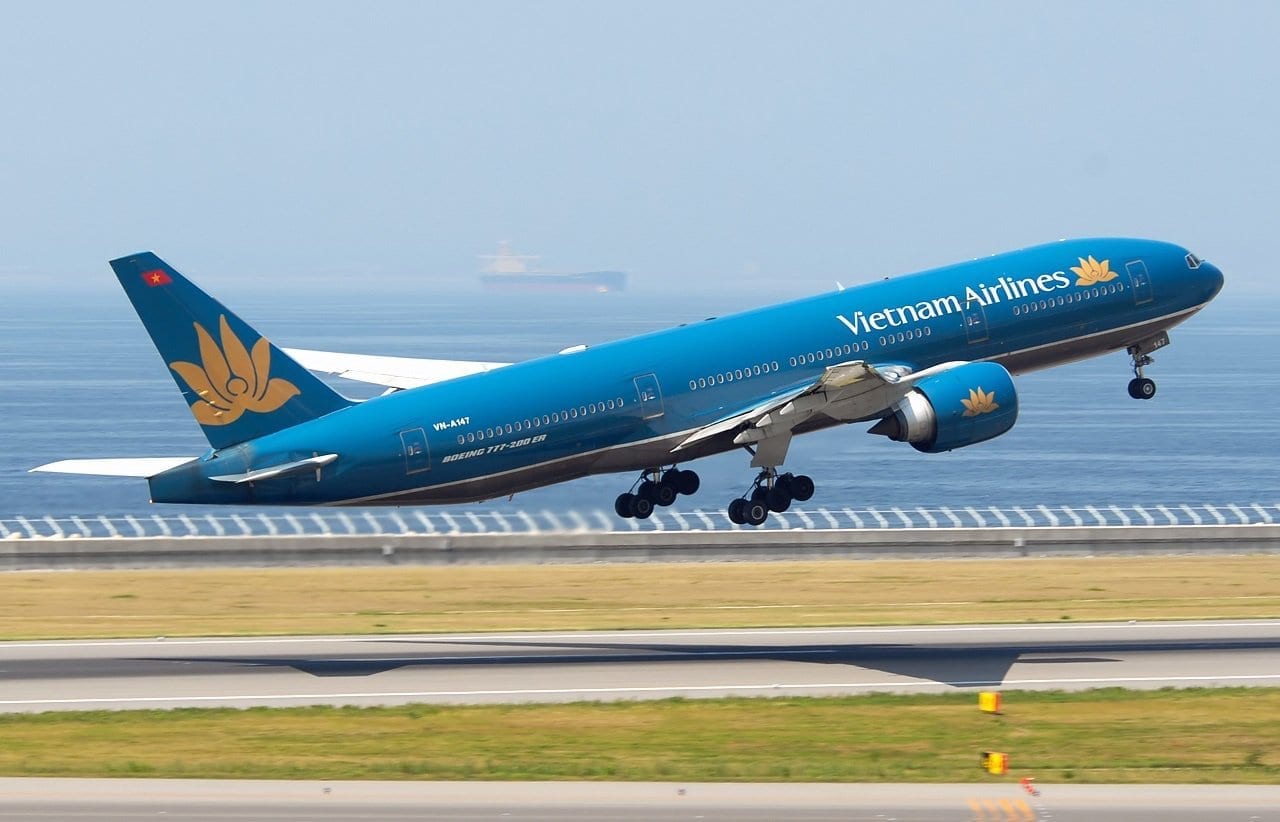
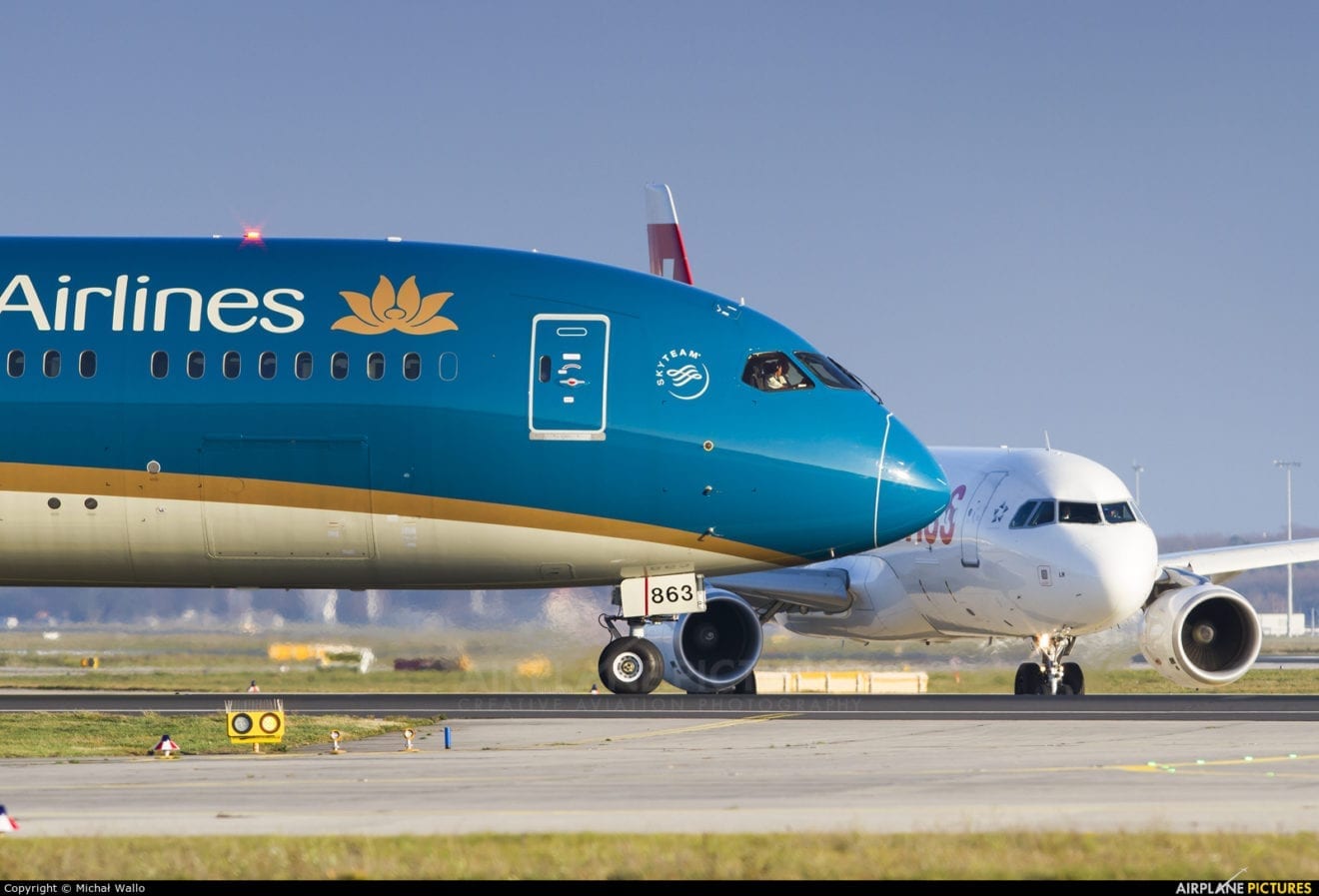
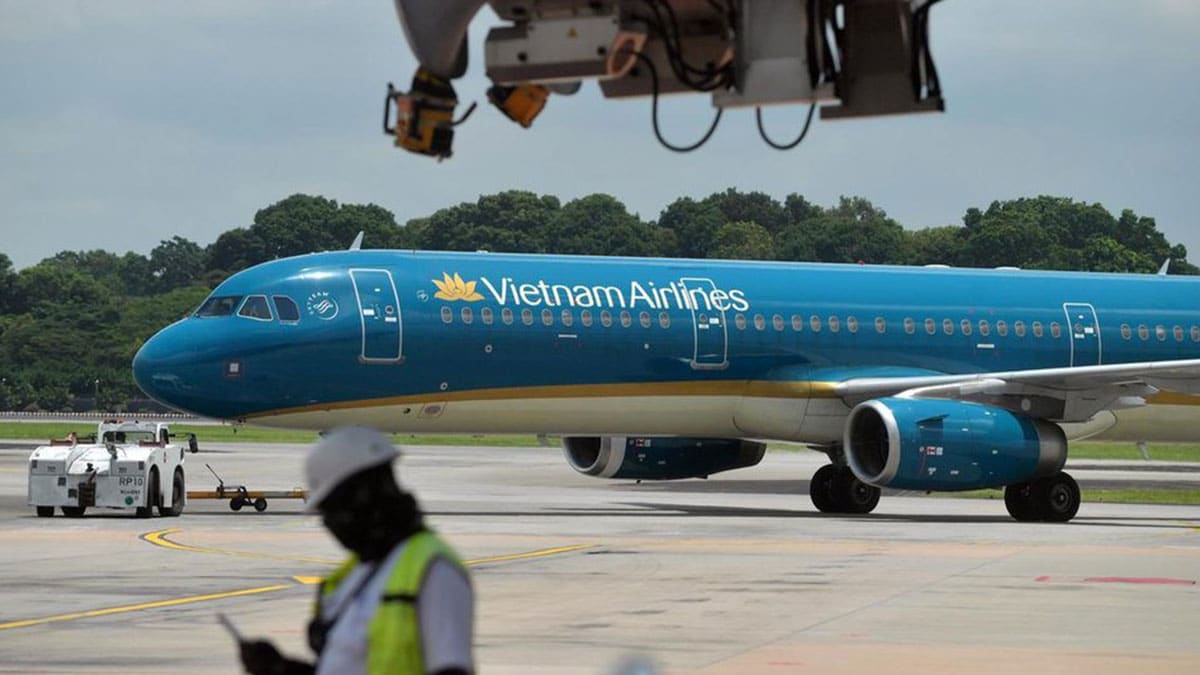
    Vietnam Airlines and Sun PhuQuoc Airways have entered into a significant agreement to acquire a total of 90 Boeing aircraft in a deal estimated to be worth over US$30 billion. The high-profile contract signing event was held in Washington, D.C., with the participation of Vietnam’s Party General Secretary To Lam and his official delegation.

    Purchases by Vietnam Airlines

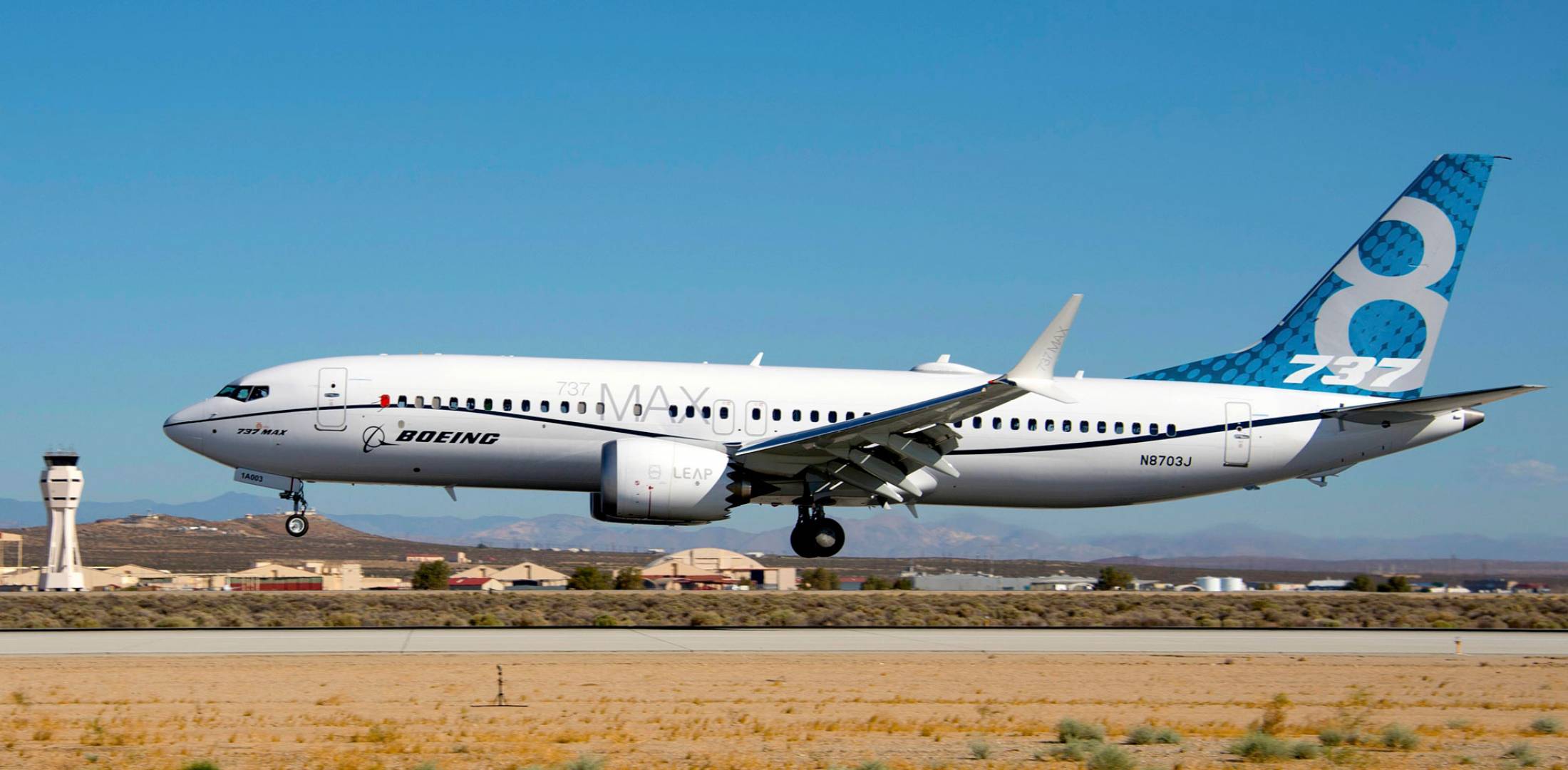
    Vietnam Airlines aims to enrich its fleet with the addition of 50 Boeing 737-8 planes, a purchase valued at $8.1 billion. The carrier has planned the procurement timeline between 2030 and 2032. The airline’s strategic intent behind this acquisition is to leverage the new aircraft on its domestic routes as well as for reaching various destinations across Asia.

    Boeing’s best-selling aircraft, the 737-8, comes with a seating capacity of up to 200 passengers and a flight range of 6,570 km. This makes it an ideal choice for the airline’s regional and medium-haul routes.

    Purchases by Sun PhuQuoc Airways

    Sun PhuQuoc Airways, on the other hand, plans to invest $22.5 billion in purchasing 40 Boeing 787-9 Dreamliner aircraft. The 787-9 is a long-haul, wide-body aircraft with a flight range exceeding 14,000 km and the capability to seat 290 passengers.

    At present, Vietnam Airlines is the sole operator in the country of wide-body aircraft. Sun PhuQuoc Airways, having started its operations in the last quarter of 2025, has received its eighth narrow-body aircraft recently and is poised to acquire two more Airbus planes by the end of this month.

    The country’s largest private airline, Vietjet Air, also secured strategic partnerships during this event. These partnerships involve deals worth more than $6.3 billion with leading U.S. financial institutions and corporations.

    Questions & Answers

    What is the value of the Boeing aircraft purchase agreement between Vietnam Airlines and Sun PhuQuoc Airways?

    The total value of the agreement is estimated at over US$30 billion.

    How many aircraft does Vietnam Airlines plan to buy and for what purpose?

    Vietnam Airlines plans to buy 50 Boeing 737-8 planes, costing $8.1 billion, to operate on domestic and Asian routes.

    What type of aircraft does Sun PhuQuoc Airways intend to acquire?

    Sun PhuQuoc Airways intends to purchase 40 Boeing 787-9 Dreamliner aircraft, which are long-haul, wide-body planes.
  • AirAsia Group eyes growth, 19 more aircraft in 2023

    AirAsia Group eyes growth, 19 more aircraft in 2023

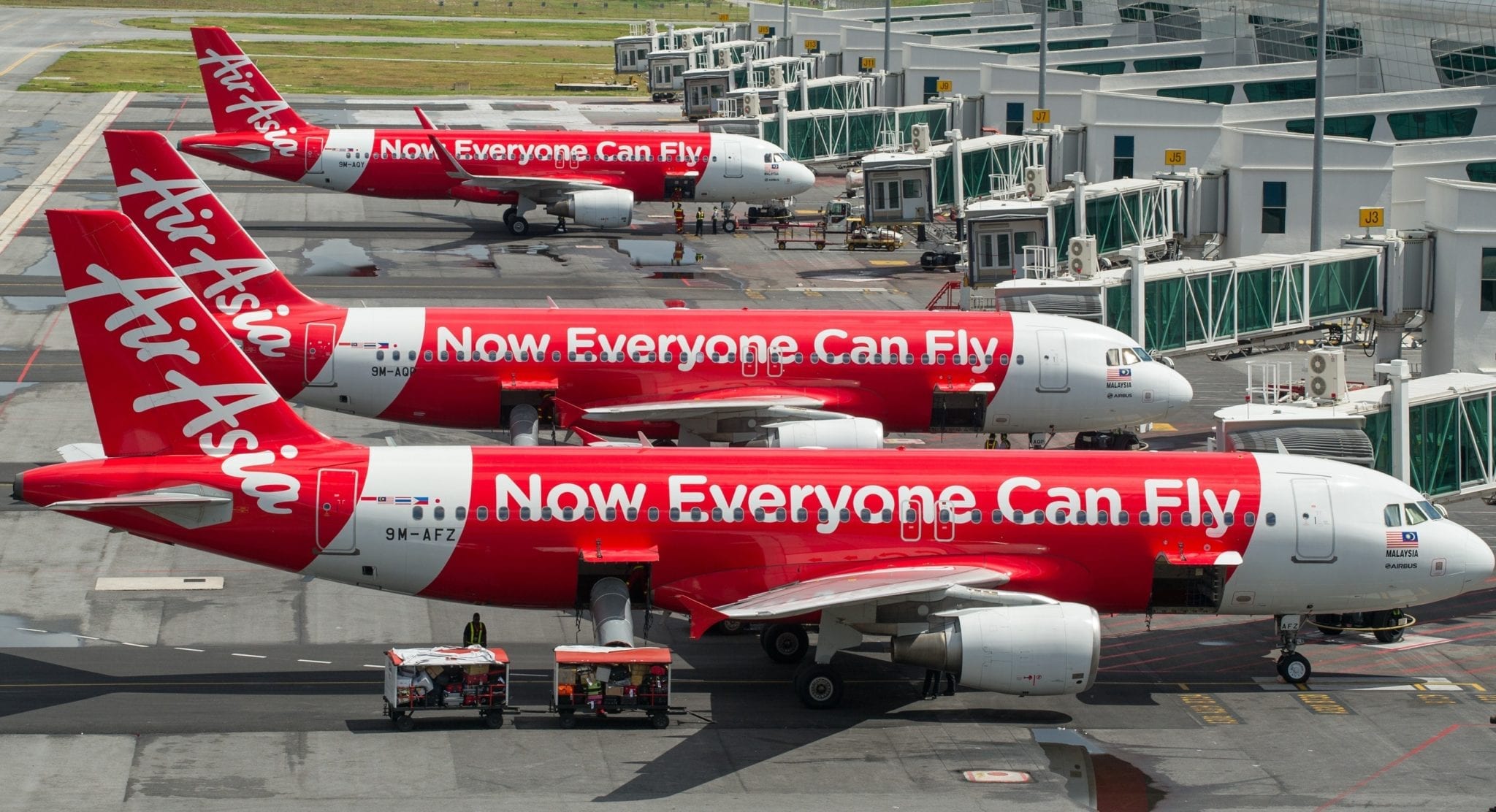
    Capital A expects to increase its fleet by nineteen A320s this year and return all remaining parked planes to service by August, according to Tony Fernandes, group CEO, has said.

    “We have already signed up 19 aircraft, and are negotiating for more,” Fernandes told media at the Paris Air Show. “AirAsia also expects to have all 204 of its aircraft reactivated by the end of August this year, and achieve 100% of pre-pandemic capacity in the coming months.”

    The group’s airline interests include AirAsia, AirAsia X, Philippines AirAsia, Indonesia AirAsia, Indonesia AirAsia X, Thai AirAsia, and Thai AirAsia X. Later this year, in conjunction with a local investor, Capital A will launch AirAsia Cambodia. Fernandes says that he expects the first of the additional 19 aircraft to arrive in July. The ch-aviation fleets advanced modules has already identified three of those aircraft. They are an ex-AirAsia Japan A320-200, formerly registered as JA01DJ (msn 6702), now stored at Kuala Lumpur International Airport; and two ex-AirAsia India A320-200s, VT-SXR (msn 4562) and VT-IXC (msn 5109), now also at Kuala Lumpur.

    Beyond 2023, Fernandes says 362 A321-200NX are on order, with deliveries scheduled from 2024. He said the long-haul AirAsia X operations would get an additional fifteen 15 widebodies (the three AirAsia X airlines operate A330-300s) and “up to twenty” A321-200NY(XLR)s. He added that the A330s would also begin flying into the Philippines, albeit not specifying a timeline for this. Capital A’s cargo and logistics business, Teleport, is also expected to take the first of three A321Fs in July.

    Fernandes says the AirAsia stable of airlines is performing well, with services in and out of Thailand a standout. He likes that market for its short to medium-term growth prospects. The Capital A currently operates under Bursa Malaysia Practice Note 17 (PN17) status, which the stock exchange assigns to financially distressed listed companies. After almost 18 months as a PN17 company, Fernandes told media in Paris that he expects the group to exit the PN17 list later this year.

  • AirAsia’s Fernandes teases large aircraft order

    AirAsia’s Fernandes teases large aircraft order

    The AirAsia group of airlines “will definitely” be placing a large order for aircraft over “the next two years”, although it will not be adding to the flurry of order announcements at this year’s Paris air show.

    Tony Fernandes, chief executive of AirAsia parent company Capital A, tells FlightGlobal that the group has other priorities at this stage.

    “I think it’s crazy for me to talk about orders now when I haven’t got all my planes back [in service],” he says. “But this is a business…and you need to plan quite a few years ahead, of course. I would say… over the next two years, we will definitely be placing large orders.”

    Fernandes says AirAsia expects to have put all of its aircraft back into service later this year

    At the 2011 edition of the Paris air show, AirAsia made headlines when it placed an order for 200 A320neos. Then at 2019’s show, it became the largest A321neo customer in the world after converting 253 of its A320neo orders to the larger variant.

    With existing Airbus narrowbody commitments in place, Fernandes says the group is looking at “potentially acquiring” more widebody aircraft as an immediate priority – pointing to a robust recovery in the medium-haul market.

    Low-cost medium-haul operator AirAsia X currently operates most of the group’s widebodies, flying a fleet of Airbus A330-300s.

    Moving forward, Fernandes says the group is “agnostic at the moment” about which airframer it would source its new fleet of widebodies from.

    “You would think we would take the A330neo as new aircraft; we will see what is available. Growth in the medium-haul market has been very strong and AirAsia X is doing very well,” Fernandes says, adding that the new aircraft would be a mix of leases and direct orders.

    “We would like to put widebodies into Indonesia and the Philippines, and more in Malaysia and Indonesia,” he adds, listing the countries with AirAsia units in operation.

    For the rest of the year at least, the group will remain “realistic” in its fleet strategy, as it moves from what Fernandes calls “survival mode” to the start of its “growth mode”.

    “We want to be sensible – we will definitely look at placing more narrowbody orders, but let’s fully recover first,” he says.

    AirAsia units are working to return their stored fleet of A320-family narrowbodies to service. Fernandes says about 170 aircraft are flying, with the remaining 35 jets likely to be back in service by August.

  • Vietnam Airlines to sell 11 aircraft

    Vietnam Airlines to sell 11 aircraft

    National flag carrier Vietnam Airlines has said it will auction 11 Airbus A321 CEO aircraft manufactured in 2004, 2007 and 2008.

    The sale, which is set to take place this year, is part of its program to replace old-generation aircrafts that have been used for over 12 years. It also aims to increase its cash flow at a time of trouble for the pandemic-hit aviation sector.

    The carrier had sold nine aircraft last year and five in 2019. It had a fleet of 107 aircraft at the end of last year, including 51 Airbus A321 CEO aircraft.

    The carrier posted its largest quarterly loss ever in Q1 at VND4.97 trillion ($216 million), pushing its accumulated loss to VND14.22 trillion, marginally surpassing its charter capital.

    If its performance continues in the same vein, the airline’s HVN ticker on the Ho Chi Minh Stock Exchange (HoSE) might be delisted. It has already received a warning from the bourse on April 15.

  • Vietnam considers airspace permission for 737 MAX aircraft

    Vietnam considers airspace permission for 737 MAX aircraft

    Vietnam aviation authorities have proposed that the Boeing 737 Max aircraft be allowed to pass through the country’s airspace after two years of grounding.

    The proposal was made after the Civil Aviation Authority of Vietnam (CAAV) reviewed Boeing’s efforts to improve the aircraft and the evaluation of major aviation authorities such as the U.S. Federal Aviation Administration and the European Union Aviation Safety Agency.

    The U.S. allowed the resumption of Boeing 737 Max operations in December and Europe did so in January.

    China and Russia have not opened up their airspace, and when restrictions are lifted in these countries the CAAV will propose that this aircraft is allowed to operate in and imported into Vietnam.

    The Boeing 737 Max was grounded worldwide in March 2019 after 346 people were killed in two crashes in the space of a few months in Indonesia and Ethiopia.

  • AirAsia X Asks To Put Off Aircraft Lease Payments

    AirAsia X Asks To Put Off Aircraft Lease Payments

    AirAsia X leases 17 A330-300 aircraft from nine lessors. While the majority of lessors have one or two aircraft each flying under AirAsia X colors, BOC Aviation and ICBC Leasing have three aircraft each at AirAsia X.

    We have approached AirAsia X to confirm this. They declined to address our questions, citing a blackout period pending release of the latest financial information later in February.

    One unidentified lessor says they value their relationship with AirAsia X. However, the depth and breadth of that relationship does not extend to, say, letting the airline skip lease payments for three months.

    AirAsia X is the long-haul sibling airline to AirAsia. AirAsia X has been around for over 12 years and now flies to 22 destinations around the Asia Pacific rim with its 24 aircraft.

    Even before the coronavirus outbreak in January, AirAsia X was encountering financial turbulence. The airline lost nearly USD$39 million in the first half of 2019. This was a ten-fold increase on its loss for the first half of 2018.

    Ongoing financial problems at AirAsia X have caused the airline to ask for lease payment holidays before.

    The coronavirus outbreak and subsequent downtown in travel demand will deepen AirAsia X’s financial woes and is likely behind this latest request from the airline.

    AirAsia X is highly reliant on Chinese tourism, dedicating 30% of its available seat capacity to the country. China is usually Malaysia’s third-biggest source of tourists. Now flights on nine of AirAsia X’s twelve Chinese routes are either suspended or canceled.

    Besides China, most of Malaysia’s tourists come from within Asia. As a low-cost tourist airline, AirAsia is a proverbial canary in the coalmine when tourist travel patterns shift.

    There is considerable speculation that the coronavirus and its impact on airlines will send some over the financial edge. Some of this speculation has come from the CEOs of stronger airlines. One CEO said he expected “weaker” airlines in the Asian region to be consolidated or go out of business.

    Despite its mediocre financial performance, AirAsia X does have significant financial firepower behind it. The airline was floated on the Malaysian stock exchange in 2014. The largest shareholder is Tune Group (the investment company for AirAsia’s Tony Fernandes and Kamarudin Meranun). AirAsia itself and various AirAsia subsidiary businesses all have significant stakes.

    AirAsia X probably has the financial muscle to pull through the current downturn in travel demand. But it will not be easy. Having to go cap in hand to aircraft lessors to ask for a payment holiday is a sign of that.

    It makes me wonder how airlines under the Lion Air group are going to survive. Two of them in mind are Malindo (of Malaysia), and Thai Lion Air. They don’t publish their financial results, do they? Or do they?

    RH Hastings

    As per the recent Airbus bribery settlement (31Jan20) and in addition to their financial issues AirAsia executives may have been bribed by Airbus to buy planes. So, the UK Serious Fraud Office (SFO) and Malaysia’s government’s are investigating further. Reports suggest their payment was to AirAsia executives’ now defunct Caterham F1 car racing team. Do airline manufacturers or their representatives rank the financial and airline’s regional reputation during sales negotiations? In the west it is common to research via the likes of a Dun & Bradstreet report to ascertain reliability and condition of a seller or buyer.

  • AirAsia India plots growth to 100 aircraft by 2025

    AirAsia India plots growth to 100 aircraft by 2025

    AirAsia India is planning to accelerate its growth and hopes to increase its fleet fourfold to 100 aircraft in the next five years, an unnamed company source told industry publication TravelBiz Monitor.

    “We have firmed up plans to add 14-15 planes every year starting next year for the next five years. We have remained a small player in the Indian market till now with just 23 planes, which will increase to 29 planes by the end of December,” the executive said.

    According to the ch-aviation fleets advanced module, the Indian LCC, a 51/49 joint venture between Tata Sons and AirAsia Group, currently operates twenty-three A320-200s and is in the process of adding the twenty-fourth unit.

    The airline will be adding aircraft both transferred from other AirAsia Group units and directly from lessors. Out of its current 23-strong fleet, 11 aircraft were previously operated by AirAsia, while the remaining 12 came from other carriers.

    The carrier said earlier this year that its growth plans for 2020 include the addition of the first A320-200neo.

    AirAsia India will focus its growth on existing routes as it plans to add more frequencies rather than launch new, low-frequency routes.

    “There is no point staying a marginal airline on various routes. The focus will rather be on strengthening our position on routes that we are in,” the executive said.

    According to the ch-aviation capacities module, AirAsia India has a 6.8% market share by capacity on the Indian domestic market, compared to 46.4%, 16.0%, and 10.5% shares of its LCC rivals IndiGo Airlines, SpiceJet, and GoAir.

    Meanwhile, the carrier’s Malaysian parent said it will add capacity on its Kuala Lumpur Int’l-Singapore Changi route, using A330-300s operated by AirAsia X to launch an additional two daily services between the cities. According to the ch-aviation schedules module, AirAsia currently operates 59x weekly between Kuala Lumpur and Singapore with all flights operated by A320-200s.

    The carrier’s A320s seat up to 180 passengers, while AirAsia X’s A330-300s have 365 economy class seats and 12 premium class seats. AirAsia has a 21.6% market share by capacity on the Kuala Lumpur Int’l-Singapore Changi market.

  • Vietnam aircraft fleet to quadruple in 20 years

    Vietnam aircraft fleet to quadruple in 20 years

    Vietnam’s aircraft fleet, at 200 now, will quadruple by 2038 as air travel demand increases and the market sees new players.

    These figures were cited by Darren Hulst, aircraft manufacturer Boeing’s marketing director for China & Northeast Asia, at a recent press briefing.

    The current number of aircraft in the country is set to double in the next two years. Single-aisle aircraft are set to be the main type used for Vietnam’s domestic and regional flights, Hulst said.

    He noted that aviation growth has been rapid in Vietnam for several years now. In 2009, all Vietnamese airlines provided 800,000 seats a month, but by this year, the figure had reached 3.3 million.

    In the last five years, the number of passengers taking flights has tripled and the number of aircraft doubled, he added.

    Southeast Asia will need 4,500 new aircraft by 2038, and Vietnam is set to account for a large portion of that demand, Hulst said.

    Vietnam now has six domestic carriers and three companies that have applied for aviation permits.

    Last year, Vietnam’s 21 state-run airports served 103.5 million passengers, up 11 percent year-on-year, and the figure is set to rise to 112 million this year, according to the Airports Corporation of Vietnam.

  • Cebu Pacific receives highest ranking for safety

    Cebu Pacific receives highest ranking for safety

    Cebu Pacific has now achieved the highest ranking for safety with 7-stars from the world’s only safety and product rating agency AirlineRatings.com

    After careful evaluation and feedback from the airline and aviation industry AirlineRatings.com has upgraded its seven-star safety rating system to give more importance to IOSA and this move elevates Cebu Pacific up to 7-stars – the highest ranking.

    IOSA – the International Air Transport Association Operation Safety Audit – was first introduced in 2003 to curb the disturbing trend in airline accidents that could be attributed to simple processes and maintenance programs.

    Since it was introduced airlines that have completed IOSA have up to a four-fold safer safety record than airlines that do not do the audit.

    In 2017, the all accident rate for airlines on the IOSA registry was nearly four times better than that of non-IOSA airlines (0.56 vs. 2.17 accidents per million flights) and it was nearly three times better over the 2012-16 period.

    Of significant importance to Airlineratings.com is that the audit is done every two years and covers over 1060 parameters.

    AirlineRatings.com now awards an airline that has completed IOSA three stars.

    AirlineRatings.com Editor-in-Chief Geoffrey Thomas congratulated Cebu Pacific on this achievement.

    “Cebu Pacific has become a major part of the fabric of life in the Philippines bringing affordable travel to most,” said Thomas.

    “The airline has a very modern fleet and operationally is now up there with the best.”

    “That is great news for the traveling public,” said Thomas.

    The rating agency has reduced the stars allocated for ICAO compliance from two to one.

    The International Civil Aviation Organization (ICAO) was created to promote the safe and orderly development of international civil aviation throughout the world.

    It sets standards and regulations necessary for aviation safety, security, efficiency, and regularity, as well as for aviation environmental protection.

    It has 8 audit parameters that pertain to safety and they are; Legislation, Organization, Licensing, Operations, Airworthiness, Accident Investigation, Air Navigation Service and Aerodromes.

    If the country meets between 6 and 8 of the audits one star is awarded to the airline. Five secures 1/2 star. However, if any of the criteria are below the average by less than 5 percent it is considered a pass. If the country only meets up to four criteria no star is given.

    The other main criteria are; Is the airline on the European Union (EU) Blacklist; has it a fatality free record for the past 10 years and is the airline FAA (USA) endorsed?

    Cebu Pacific commenced services in March 1996, initially only domestic operations but launched international operations in November 2001.

    It now flies to 64 tourist/business destinations within Asia and operates 67 mainly Airbus aircraft

    Cebu was the first local airline to introduce e-ticketing, prepaid excess baggage and seat selection in the Philippines.

  • Cebu Pacific Set To Accelerate Expansion with Neos

    Cebu Pacific Set To Accelerate Expansion with Neos

    The Philippines’ Cebu Pacific Air plans to add at least 10 new-generation aircraft to its fleet this year, as it steps up its fleet renewal and expansion plans in a bid to accelerate growth. The country’s largest airline expects to take delivery of five A320neos and five A321neos as part of an ongoing strategy to replace aging aircraft, broaden its network, and up-gauge flights at Manila’s congested Ninoy Aquino International Airport.

    In January, Cebu Pacific took delivery of its first A321neo from Airbus as part of a larger order for 32 of the type. Additional plans call for one ATR 72-600 to arrive sometime this year. The airline now operates a fleet of 35 Airbus A320s, seven A321s, eight ATR 72-500s, 12 ATR 72-600s, and eight A330 widebodies.

    In a securities filing on Monday, the airline announced a 50 percent decline in earnings in 2018, citing challenging market conditions such as high fuel prices, increased competition, the six-month closure of Boracay Airport, and operational limitations at key airports. Net profits fell to $73.8 million from 2017’s $149 million while passenger revenue rose 9 percent year-over-year to $1.4 billion; ancillary revenue grew by 6 percent. The airline generated a 19 percent increase in cargo carried, while passenger numbers rose by 3 percent to 20.3 million.

    “Despite the pressures posed in 2018, we remained resilient,” said Cebu Pacific COO Michael Shau. “We were able to expand our network by up-gauging our flights touching congested airports. 2019 will be a different story though; we have already received the first of our fuel-efficient A321neo orders from Airbus and we expect 10 more new-generation aircraft this year. We also just announced four new domestic routes; 2019 is definitely the year we accelerate our growth.”

    While the airline is planning to add more passenger flights out of its Clark and Cebu hubs, it also sees more opportunity in cargo, reflected in plans to convert two of its ATR 72-500s to large-cargo-door freighters. Once it completes the conversion, Cebu Pacific will become the first low-cost carrier in the world to operate freighters of any type. With operations set for the first quarter of this year, the incoming ATRs will allow the airline to serve smaller airports in the Philippines, thereby allowing for new routes and increased connectivity.

  • Vietjet not operating any flights with Boeing 737 MAX aircrafts

    Vietjet not operating any flights with Boeing 737 MAX aircrafts

    Vietjet does not operate any flights with Boeing 737 MAX aircraft. We are currently operating with a fleet entirely composed of new Airbus aircraft from the A320 family aircraft. The average age of our fleet is 2.82 years. We are also using latest generation of Airbus aircraft, A320-A321 neo.

    Furthermore, Vietjet’s operations meet the highest international standards with regard to safety and maintenance. In particular, we have complied with all of the regulations and met the latest standards which have been set out by the European Aviation Safety Agency (EASA), the Federal Aviation Administration of the United States (FAA) and the Civil Aviation Authority of Vietnam (CAAV), including the approval of aircraft type for our operation.

    The safety for passengers is always Vietjet’s highest priority. Now we are closely monitoring the Boeing 737 MAX case and our decisions related to these aircraft will be made after the official conclusions and guidelines of the world’s aviation authorities and the CAAV. We are doing this to ensure the development of our modern fleet and to meet the highest quality and safety standards. Vietjet has well managed our fleet so far and our transport business plans are unchanged.

  • Bamboo Airways to sign deal for 10 Boeing planes during Trump-Kim summit

    Bamboo Airways to sign deal for 10 Boeing planes during Trump-Kim summit

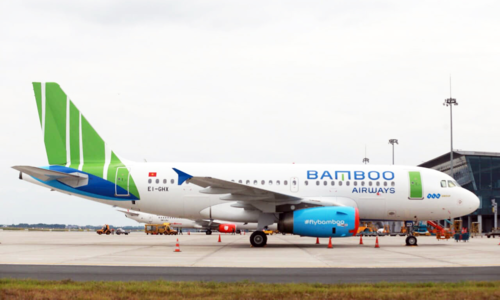
    Vietnam’s newest carrier, Bamboo Airways, which began flying last month, is set to sign a deal with Boeing to buy 10 aircraft. The signing will take place on the sidelines of the second summit between U.S. President Donald Trump and North Korean leader Kim Jong-un in Hanoi on Wednesday and Thursday, an unnamed airline executive said. In July last year the airline had signed a provisional deal to buy 20 Boeing 787-9 wide-body jets worth $5.6 billion at list prices.

    “We will sign with Boeing a deal to buy 10 Boeing 787s,” the executive said. “This is different from the deal signed earlier for 20 Boeing planes.”

    The U.S. Federal Aviation Administration (FAA) recently allowed Vietnam to operate direct flights to the U.S.

    Bamboo Airways and other Vietnamese airlines have expressed interest in operating direct flights to that country.

    Bamboo was set up by private conglomerate FLC in 2017 with a charter capital of VND700 billion ($30 million), which it recently increased to VND1.3 trillion ($55.68 million).

    Budget airline Vietjet also plans to sign on the sidelines of the summit a deal to buy 100 narrow-body Boeing aircraft.

    Vietnam’s aviation industry is booming demand. The country welcomed 12.5 million air passengers last year, up 14.4 percent from 2017, according to the General Statistics Office.

  • Vietjet to ink $13 billion Boeing deal during Trump-Kim summit

    Vietjet to ink $13 billion Boeing deal during Trump-Kim summit

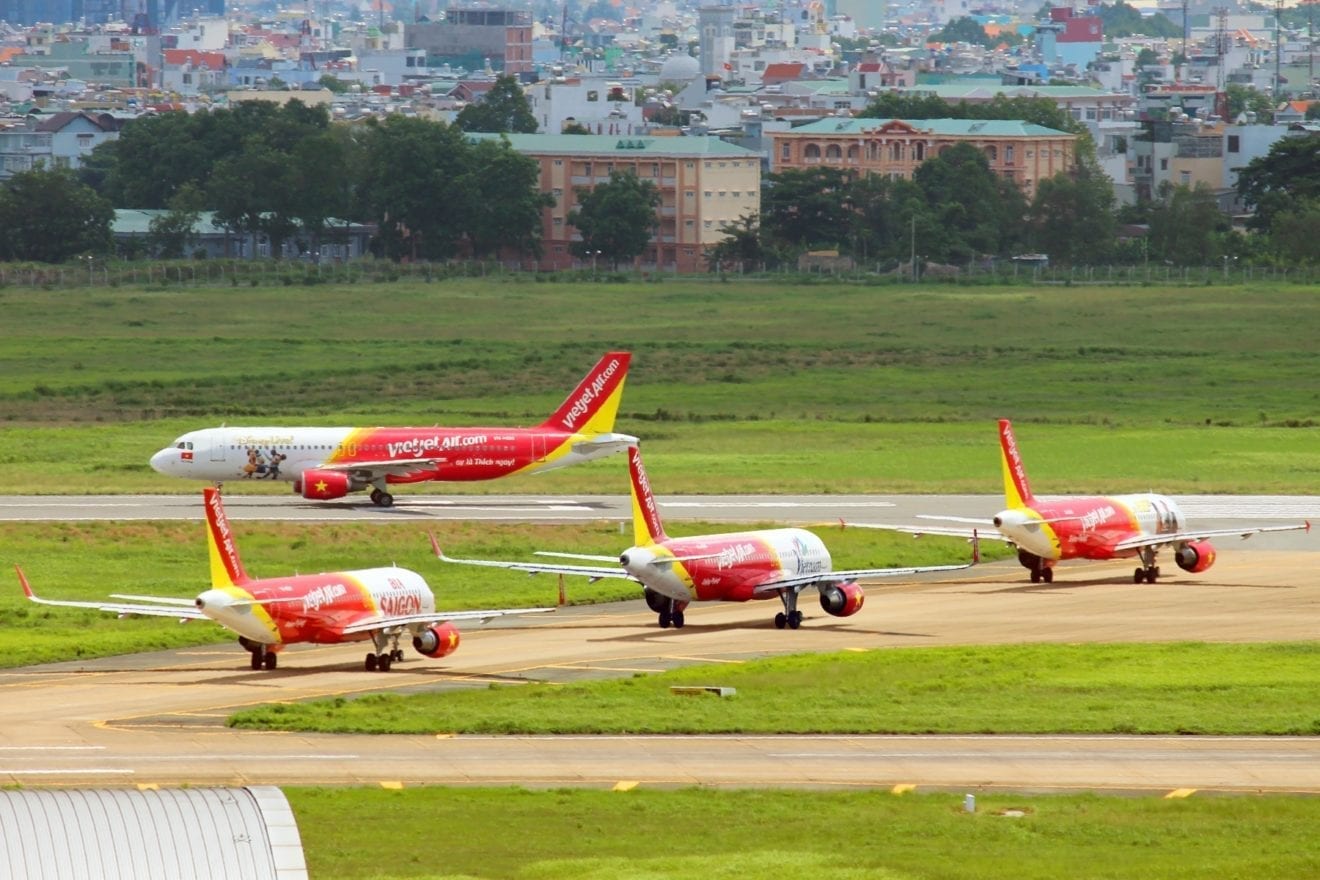
    Vietnamese budget airline Vietjet will sign next week a deal to buy 100 narrow-body Boeing aircraft. The signing will take place on the sidelines of the upcoming Trump-Kim summit, sources said. The sources also said Vietjet will finalize next week a provisional deal agreed last year to buy 100 narrow-body Boeing 737 MAX jets worth almost $13 billion at list prices.

    The U.S. Federal Aviation Administration (FAA) last week gave Vietnam a Category 1 safety rating, allowing local airlines to operate direct flights to the U.S.

    Vietjet, along with other local airlines, had previously expressed interest in operating direct flights to the U.S.

    The carrier, the largest private airline in Vietnam, had also signed a deal to buy Boeing 737 MAX narrow-body jets when former U.S. President Barack Obama visited Hanoi in 2016.

    It also finalized a deal in November last year with Airbus for 50 A321neo jets during a visit to Hanoi by French Prime Minister Edouard Philippe.

    Vietjet currently operates 40 domestic routes and 66 international routes. It has 385 flights daily within Vietnam and to places such as Japan, Hong Kong, South Korea, Taiwan, Singapore, mainland China, Thailand, Myanmar and Malaysia.

  • Vietnam retains current price ceilings on domestic flights

    Vietnam retains current price ceilings on domestic flights

    While several carriers want the price ceilings for domestic flights raised, inflation concerns have prevailed, for now. The current price ceiling, fixed by the Transport Ministry in August 2015, is set to remain unchanged for the time being as a new draft circular on air transportation rates.

    Under the draft circular on air transportation prices, prices for five different classifications range from VND1.6 million ($68) to VND3.75 million ($160) per one-way ticket.

    The lowest ceiling applies to flights for distances of 500 kilometers and less to remote rural areas, islands and mountainous areas that require a socioeconomic development boost.

    The highest price ceiling of VND3.75 million ($160) applies for flights of more than 1,280 kilometers.

    The maximum service charges listed above are for economy seats, not including value added tax and other charges like baggage, service and security fees.

    In July, several carriers had suggested that the price ceilings be raised since fuel prices were higher than when the current ceilings were introduced in 2015.

    But the Civil Aviation Administration of Vietnam (CAAV) advised that current price levels be maintained to follow the government’s directive on curbing inflation.

    As of now, the ticket prices listed by carriers are 76-79 percent of the ceiling.

    The CAAV acknowledged that the ceiling prices need to be adjusted, especially for long flights, adding that it will re-assess the situation next year and propose new price brackets if needed.

    Vietnam’s aviation industry has been booming in recent years. The country served more than 94 million air passengers in 2017, up 16 percent from the previous year, including 13 million foreigners.

  • Malaysia, Japan in talks on Asian aircraft project

    Malaysia, Japan in talks on Asian aircraft project

    Malaysia is in discussions with the Japanese government for an Asian aircraft project, which is still at the ideation stage, with Malaysia looking at possibly supplying components. Entrepreneur Development Minister Datuk Seri Mohd Redzuan Yusof said the idea, envisioned to be like Airbus, for an Asian aircraft came from the Japanese government.

    “They (Japanese government) invited us to consider participating in the Asian aircraft project in view that we have the base here in relation to what we do to support the global aircraft industry, namely CTRM (Composites Technology Research Malaysia Sdn Bhd) is supplying tier 2 (aerospace parts) to Airbus. That will become our base to open up more if the ideation from Japan do materialise in the near future,” he told a press conference at the Malaysian Economic Summit 2018 today.

    He said it has not prepared the framework of its understanding between the various countries in Asia for the project, given that there is only an ideation coined.

    Adding that it has yet to have the first meeting, he hopes the next engagement will be held in late November in Japan.

    “I interacted with the Japanese counterpart. They coined the idea of having an Asian aircraft using the entrepreneurship kind of approach to develop this vendor (system), which is already in the industry, expand their capacity and capability, reaching certain level then combining our resources and technology to realise (this project).”

    Meanwhile, he said the Ministry of Entrepreneur Development (MED) is reviewing all the policies and initiatives regarding the development of entrepreneurs and SMEs with the intent to make it more holistic, integrated and targeted.

    Mohd Redzuan said it is the ministry’s mission to widen and coordinate entrepreneurial activities to be more targeted, inclusive, encompassing all segments of society including the B40s and M40s.

    “MED will focus among others on providing proper training and facilitation for entrepreneurs based on industry needs such as business advisory, loans and funding to stimulate the interest of potential and new entrepreneurs to establish their own startups. At the same time, assistance will be extended to them to ensure growth and sustainability of their businesses,” he said.

    He said it is the mandate of MED to provide support and facilitation to local entrepreneurs so that they may move forward and withstand the competition and challenges of the global market.