Tag: airways

  • Cathay Pacific Airways Sees Skyrocketing Profits on the Horizon Amidst Rising Global Demand

    Cathay Pacific Airways Sees Skyrocketing Profits on the Horizon Amidst Rising Global Demand

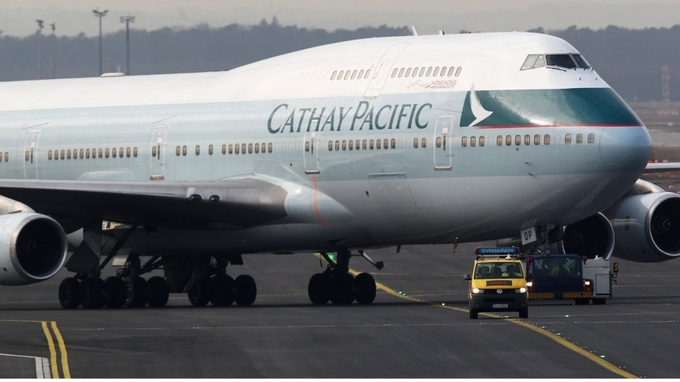
    Cathay Pacific Airways, the third most highly ranked airline globally last year, has announced its potential to realize a profit surge of up to 76% for the first half of this year. This surge, driven by robust passenger and cargo demand, is in comparison with the corresponding period last year.

    Financial Forecasts and Market Performance

    On Wednesday, the airline group projected a profit ranging from HKD6 billion to HKD6.5 billion ($765.39 million to $829.12 million) for the six months concluding on June 30. This projection marks a significant jump from HKD3.7 billion recorded during the same period last year. These estimations integrate a one-off gain of around HKD1.4 billion, attributable to the airline’s partial dilution of its stake in Air China.

    Without this one-off item, the sound underlying performance is reliant on robust demand within both passenger and cargo operations. This prediction shows resilience, as the wider aviation industry contends with a drastic surge in fuel costs. The International Air Transport Association (IATA) had projected that airlines’ fuel expenditures would skyrocket to $350 billion this year from $252 billion in 2025, driven by average jet fuel prices of $152 per barrel—nearly 70% higher than 2025 levels. Despite this, Cathay has acknowledged this hurdle whilst also reporting stronger earnings.

    Shares of Cathay, listed in Hong Kong, climbed more than 3% in the afternoon session after experiencing a slight dip in the morning. This rise was attributed to the optimistic profit prediction, which outperformed some analysts’ forecasts.

    Operational Performance

    The cargo division of Cathay, in June, transported 9% more cargo than the previous year, resulting in a 9% increase in total tonnage for the first half of the year. Lavinia Lau, Chief Customer and Commercial Officer, attributed this growth to semiconductor and pharmaceutical shipments which fuelled their specialist product lines, Cathay Expert and Cathay Pharma.

    On the passenger front, Cathay Pacific recorded a 12% increase in passenger numbers in June year-on-year, coupled with a 6% rise in available seat kilometers. For the first half of the year, passenger numbers swelled by 17%.

    Despite June traditionally being a more relaxed month, load factors remained stable, partially boosted by rerouted traffic via Hong Kong amidst the ongoing Middle East conflict. Demand in premium cabins also sustained strong corporate and premium leisure travel. “The outlook for the summer peak remains encouraging, particularly across our long-haul network,” Lau stated.

    HK Express, the group’s budget unit, experienced a slight dip with passenger numbers falling by 4% in June after the carrier reduced capacity to counterbalance higher fuel costs. However, Lau stated that bookings for July were trending ahead of the previous year.

    The group’s complete interim results are anticipated to be released in August. Cathay Pacific Airways clinched the third spot in 2025’s Skytrax’s ranking of the world’s best airlines, only surpassed by Qatar Airways and Singapore Airlines.

    Questions & Answers

    What is Cathay Pacific’s projected profit for the first half of this year?
    Cathay Pacific predicts a profit ranging from HKD6 billion to HKD6.5 billion ($765.39 million to $829.12 million) for the first half of this year.

    What contributed to Cathay Pacific’s robust performance?
    The airline attributed its sound performance to strong demand across both its passenger and cargo operations, along with a one-time gain from partially diluting its stake in Air China.

    Despite a dip in June, how is HK Express, Cathay Pacific’s budget unit, performing in July?
    July bookings for HK Express are currently outpacing those from last year, despite a 4% drop in passenger numbers in June.
  • Vietjet and Bamboo Airways Hike Checked Baggage Fees Prior to Peak Summer Travel Rush

    Vietjet and Bamboo Airways Hike Checked Baggage Fees Prior to Peak Summer Travel Rush

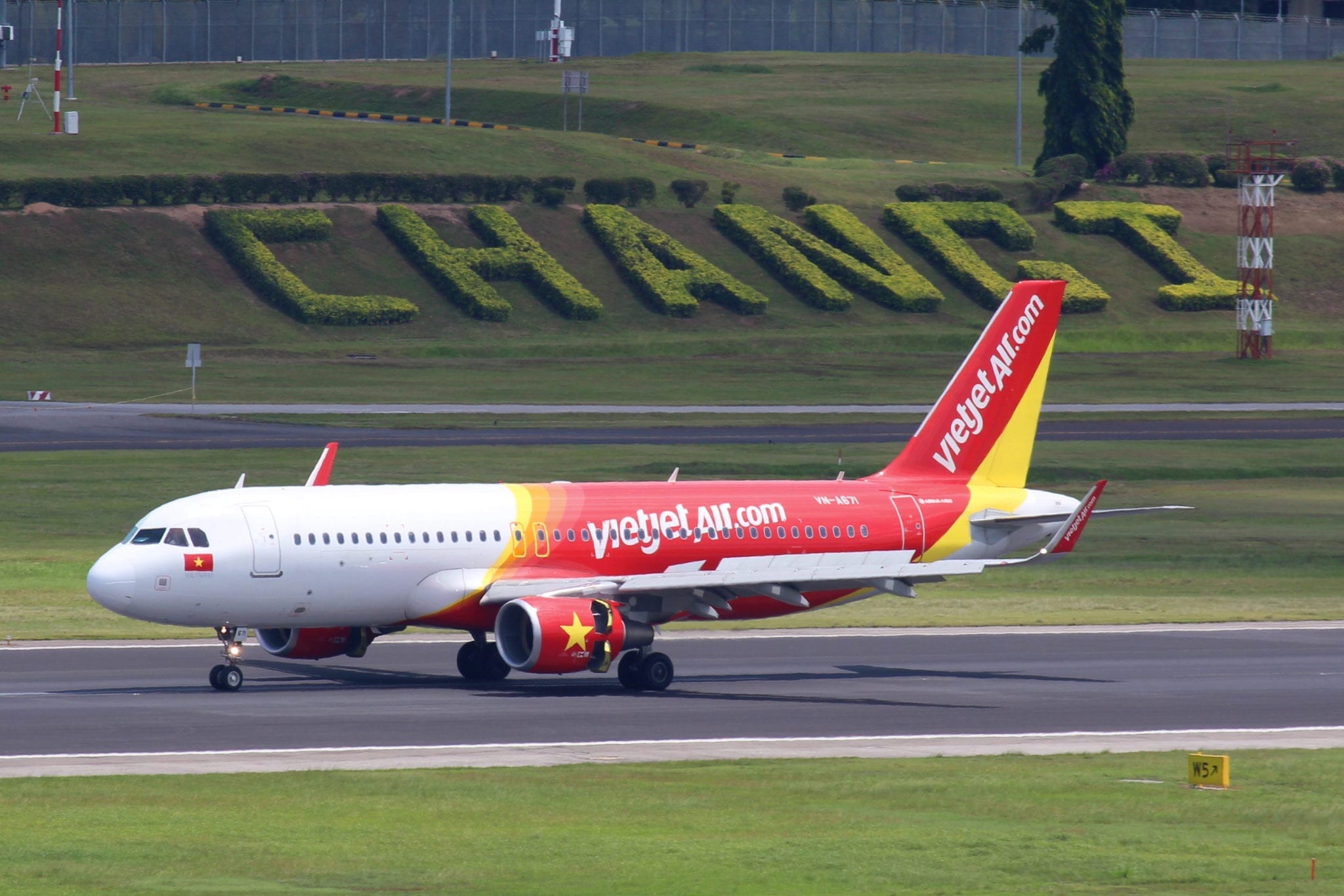
    Vietjet Air and Bamboo Airways, two leading airline companies, have recently increased their rates for checked luggage by 15-25%. This price surge has come into effect just before the beginning of the high-demand summer travel season.

    Revised Baggage Prices

    According to a recently released pricing schedule, checking in 20 kg on Vietjet’s domestic flights has become 25% more expensive, now costing VND250,000 (equivalent to US$9.5) plus tax. For 30 and 40 kg luggage, the prices have risen by 20%, costing VND360,000 and VND480,000 respectively. Furthermore, the pricing for oversized bags and extra carry-on allowance has also seen an increase of approximately 20%.

    The price adjustments also apply to various international routes. For instance, the price for checked baggage weighing 20 kg on Southeast Asia flights has increased by 21%, amounting to VND580,000. Meanwhile, on flights to Hong Kong, Taiwan, and mainland China, the rate has similarly increased to VND700,000.

    Bamboo Airways has also implemented an approximate 15% increase on their domestic flights during peak seasons such as Tet (the Lunar New Year) and summer. The summer fees are set to be applicable from May 20 to August 15 as well as from August 27 to September 2.

    Implications of Rising Costs

    A flight booking agency in Ho Chi Minh City noted that several airlines have been increasing fares and other prices, such as checked baggage, seat selection, and in-flight meals, in response to the escalating fuel costs. It has been observed that customers, who previously focused solely on ticket prices, are now showing heightened awareness of baggage fees when planning their travel expenses, particularly families and long-term travelers who may end up adding millions of dong to each trip due to these charges.

    According to a report by the Civil Aviation Authority of Vietnam, the prices of Jet A1 aviation fuel have consistently remained high in Asia, occasionally reaching US$214-216, as a result of Middle East tensions. This fluctuation in fuel prices has significantly impacted airlines’ operating costs and airfares in recent years.

    Questions & Answers

    What is the percentage increase in Vietjet Air and Bamboo Airways’ checked baggage prices?
    Answer: Their checked baggage prices have increased by 15-25%.

    How is the increase in baggage prices affecting customers’ travel planning?
    Answer: Customers are now more conscious of baggage fees when planning their travel expenses.

    What has contributed to the increasing operating costs for airlines in recent years?
    Answer: Fluctuating fuel prices, particularly of Jet A1 aviation fuel, have significantly impacted airlines’ operating costs and airfares in recent years.

  • Vietnam Airlines and Sun PhuQuoc Airways Ink Historic $30B Deal for 90 Boeing Aircraft

    Vietnam Airlines and Sun PhuQuoc Airways Ink Historic $30B Deal for 90 Boeing Aircraft

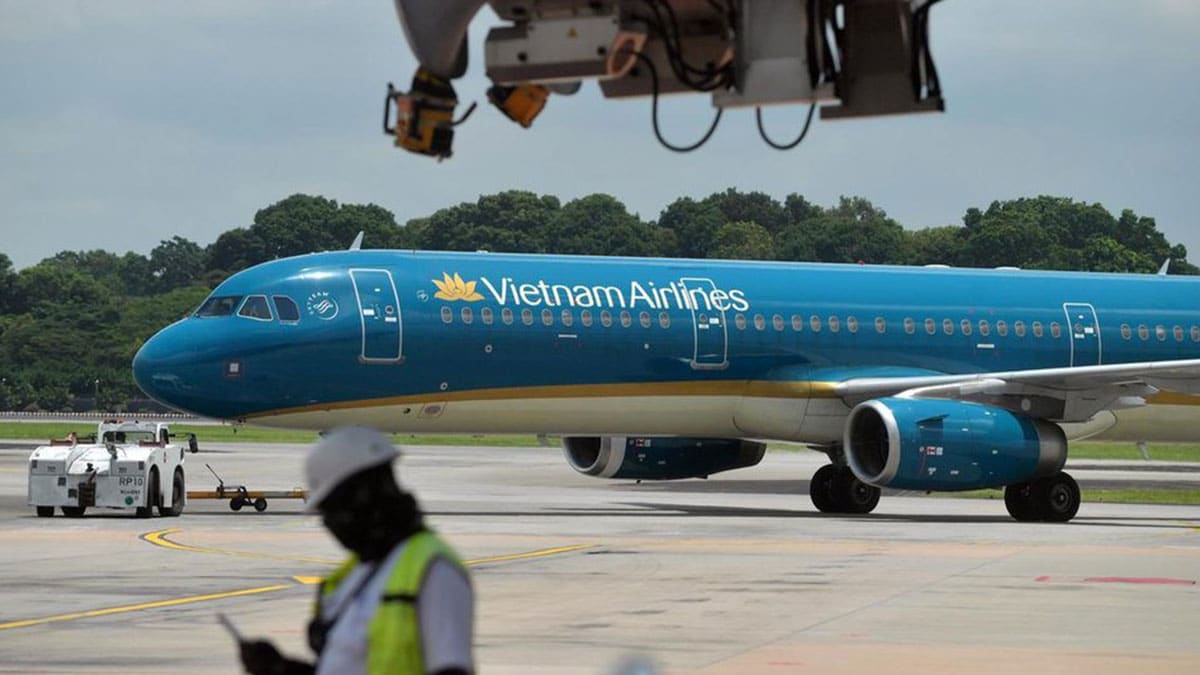
    Vietnam Airlines and Sun PhuQuoc Airways have entered into a significant agreement to acquire a total of 90 Boeing aircraft in a deal estimated to be worth over US$30 billion. The high-profile contract signing event was held in Washington, D.C., with the participation of Vietnam’s Party General Secretary To Lam and his official delegation.

    Purchases by Vietnam Airlines

    Vietnam Airlines aims to enrich its fleet with the addition of 50 Boeing 737-8 planes, a purchase valued at $8.1 billion. The carrier has planned the procurement timeline between 2030 and 2032. The airline’s strategic intent behind this acquisition is to leverage the new aircraft on its domestic routes as well as for reaching various destinations across Asia.

    Boeing’s best-selling aircraft, the 737-8, comes with a seating capacity of up to 200 passengers and a flight range of 6,570 km. This makes it an ideal choice for the airline’s regional and medium-haul routes.

    Purchases by Sun PhuQuoc Airways

    Sun PhuQuoc Airways, on the other hand, plans to invest $22.5 billion in purchasing 40 Boeing 787-9 Dreamliner aircraft. The 787-9 is a long-haul, wide-body aircraft with a flight range exceeding 14,000 km and the capability to seat 290 passengers.

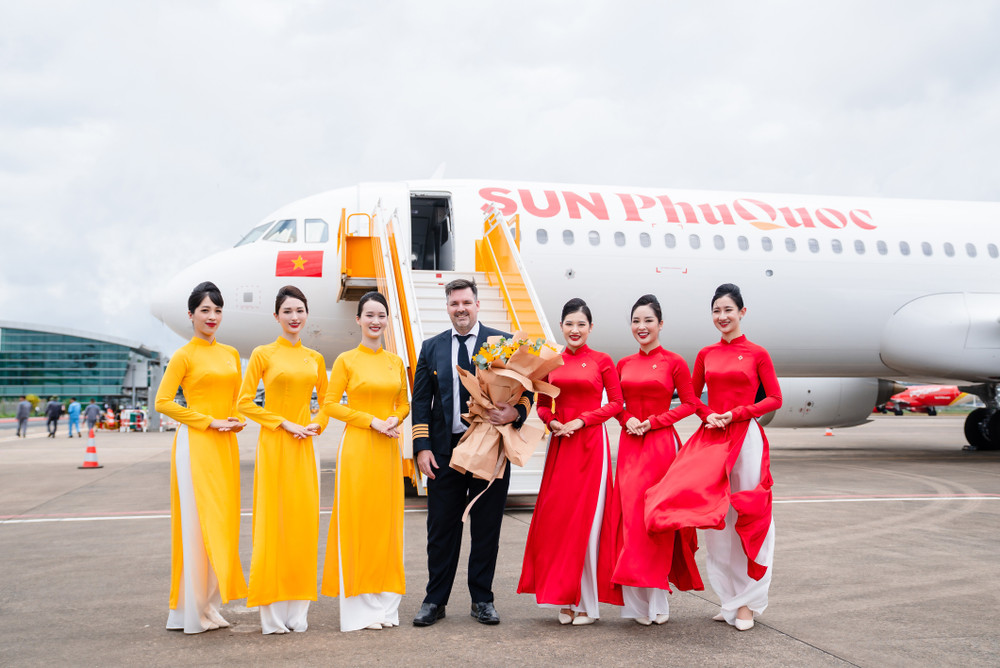
    At present, Vietnam Airlines is the sole operator in the country of wide-body aircraft. Sun PhuQuoc Airways, having started its operations in the last quarter of 2025, has received its eighth narrow-body aircraft recently and is poised to acquire two more Airbus planes by the end of this month.

    The country’s largest private airline, Vietjet Air, also secured strategic partnerships during this event. These partnerships involve deals worth more than $6.3 billion with leading U.S. financial institutions and corporations.

    Questions & Answers

    What is the value of the Boeing aircraft purchase agreement between Vietnam Airlines and Sun PhuQuoc Airways?

    The total value of the agreement is estimated at over US$30 billion.

    How many aircraft does Vietnam Airlines plan to buy and for what purpose?

    Vietnam Airlines plans to buy 50 Boeing 737-8 planes, costing $8.1 billion, to operate on domestic and Asian routes.

    What type of aircraft does Sun PhuQuoc Airways intend to acquire?

    Sun PhuQuoc Airways intends to purchase 40 Boeing 787-9 Dreamliner aircraft, which are long-haul, wide-body planes.

  • Pattaya Airways Bolsters Southeast Asia Air Freight Access via WebCargo by Freightos Partnership

    Pattaya Airways Bolsters Southeast Asia Air Freight Access via WebCargo by Freightos Partnership

    Freightos, a global frontrunner in online reservation and payment systems for the international freight industry, has recently confirmed the addition of Thai carrier, Pattaya Airways, to the WebCargo by Freightos’ platform. This collaboration enables freight forwarders to digitally reserve and pay for cargo space throughout Pattaya’s robust Southeast Asia network.

    Platform Integration and Expansion Plans

    The integration provides freight forwarders on the platform with digital access to Pattaya Airways’ regional routes. This facilitates connections between several major economic centres of the Association of Southeast Asian Nations (ASEAN). The initial phase of this integration will allow bookings between Bangkok and Ho Chi Minh City. Future plans include expansion to other countries such as Thailand, Myanmar, Cambodia, Vietnam, and Laos.

    Freightos CEO, Zvi Schreiber, expressed great enthusiasm about the integration, stating that welcoming Pattaya Airways to their platform is a significant step towards streamlining global trade and enhancing responsiveness. As Thailand continues to bolster its position in global trade networks, having immediate digital access to regional carriers like Pattaya Airways enables freight forwarders to build more adaptable supply chains for their clients.

    Digital Transition and Enhanced Accessibility

    Nat Boonyavichkanont, CEO of Pattaya Airways Company Ltd., emphasised that the transition to digital is not just about modernisation, but also about staying attuned to the realities of contemporary freight movement. He expressed pride in the company’s collaboration with WebCargo by Freightos, stating that it will significantly improve digital air-cargo accessibility across Southeast Asia.

    Boonyavichkanont also highlighted that this partnership reinforces their commitment to providing quicker booking capabilities, increased transparency, and seamless regional connectivity for their customers. In the current scenario, forwarders want to compare routes, make bookings swiftly, handle cargo payments, and ensure customer satisfaction. The expansion of Pattaya Airways’ services on the WebCargo by Freightos platform allows them to cater to these evolving needs, benefiting everyone involved in the process, from local shippers to large regional players.

    Questions & Answers

    What is the significance of Pattaya Airways joining the WebCargo by Freightos’ platform?
    The integration of Pattaya Airways into the platform allows freight forwarders to digitally reserve and pay for cargo space across Pattaya’s Southeast Asia network. This enhances transparency, efficiency, and connectivity in the region’s freight industry.

    What are the future expansion plans for this integration?
    Initially, bookings will be available between Bangkok and Ho Chi Minh City. There are plans to expand this service to other Southeast Asian countries such as Thailand, Myanmar, Cambodia, Vietnam, and Laos.

    What are the benefits of this digital transition for freight forwarders?
    This digital transition facilitates quicker booking capabilities, increased transparency, and seamless regional connectivity. It allows forwarders to compare routes, make bookings swiftly, and handle cargo payments, thereby ensuring higher customer satisfaction.

  • Bamboo Airways Amplifies Fleet Post-FLC Acquisition, Aims to Elevate Flight Frequency and Launch New Routes

    Bamboo Airways Amplifies Fleet Post-FLC Acquisition, Aims to Elevate Flight Frequency and Launch New Routes

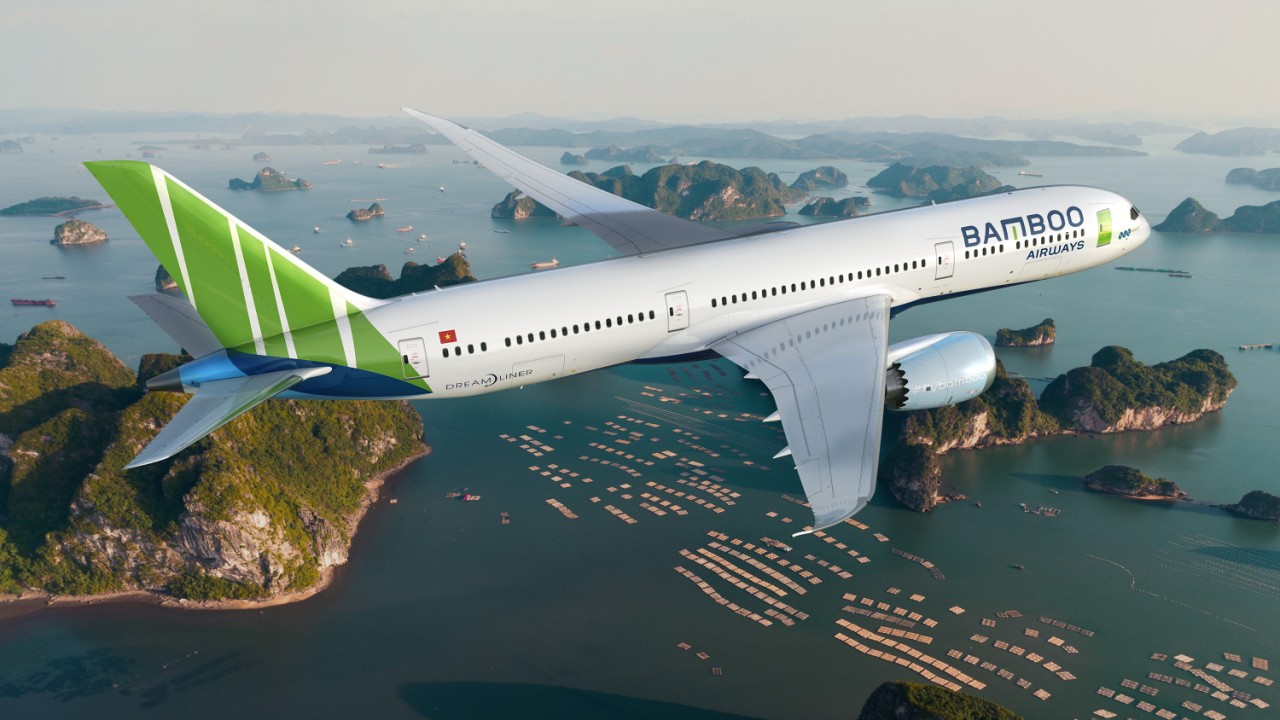
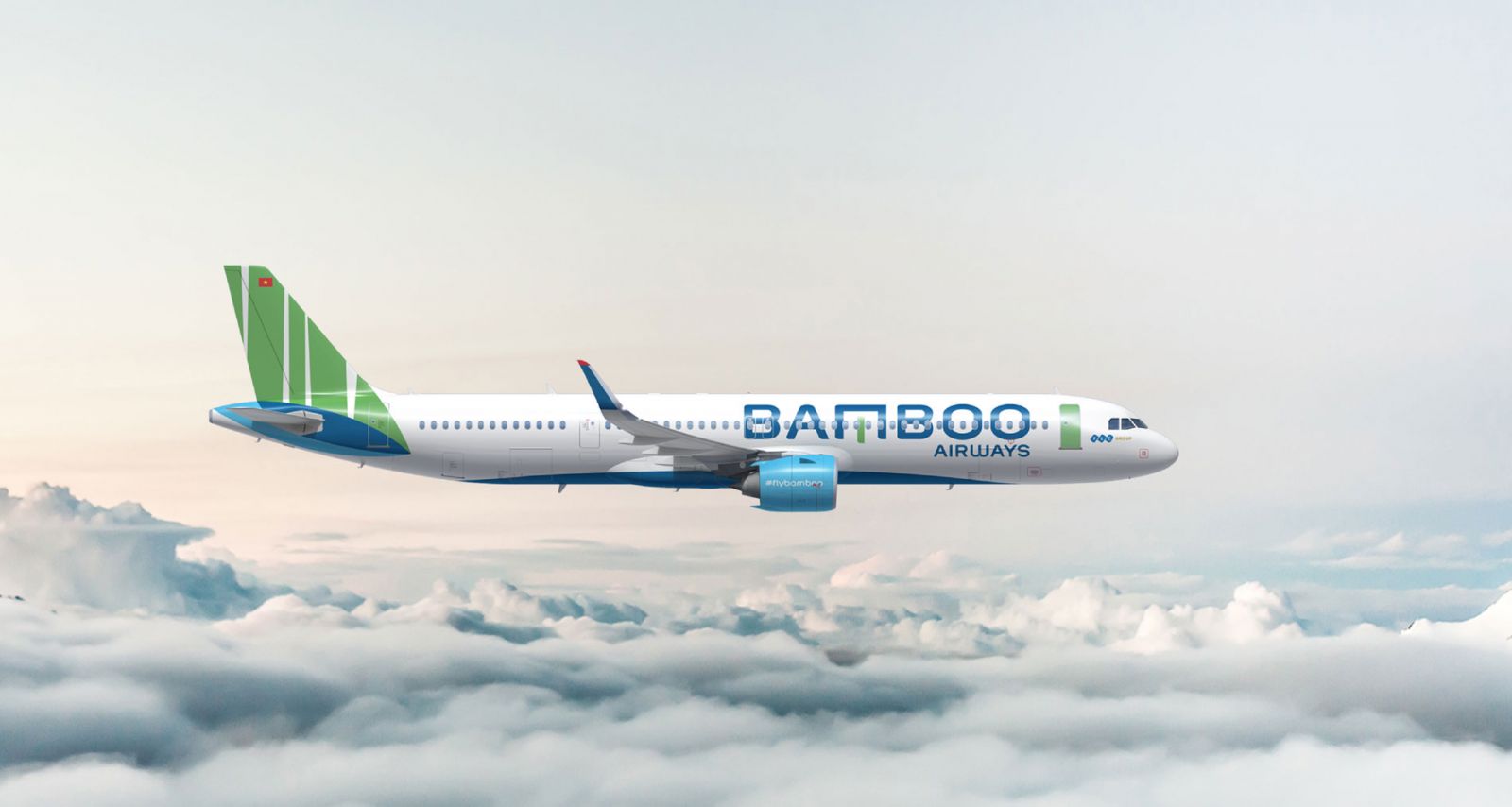
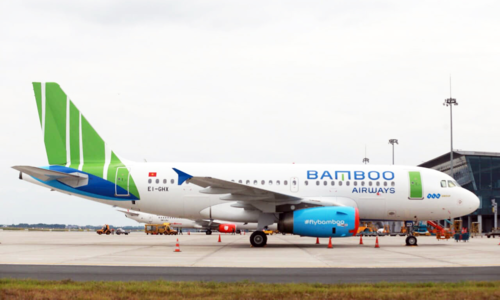
    Bamboo Airways has recently expanded its fleet with the addition of an Airbus A320 aircraft, taking its total count to eight. This move comes as part of an augmentation strategy laid out by the airline, which was recently re-acquired by property developer FLC.

    Expansion and Frequency

    Bamboo Airways’ CEO, Truong Phuong Thanh, regards this fleet expansion as a crucial foundation for increasing flight frequencies and initiating new routes. The airline has an ambitious goal of adding eight to ten aircraft annually which includes wide-body aircraft for long-haul flights, with the aim of expanding its fleet to 30. As of now, the airline only operates narrow-body jets.

    Increased Capacity and Route Resumption

    In light of the new aircraft acquisition, Bamboo Airways anticipates a 16% increase in seat capacity during the Lunar New Year holidays in early February. Additionally, the airline plans to recommence services on several routes that had been previously put on hold.

    Capital for Expansion

    In November, FLC CEO Bui Hai Huyen disclosed that the company was in discussions with various partners to secure funding for the fleet expansion and other related tasks. The property developer had re-purchased Bamboo Airways in September from a consortium of investors, two years after it had initially divested its ownership.

    Expansion among Vietnamese Airlines

    Bamboo Airways is not the only Vietnamese airline in an expansion phase. Vietjet has acquired seven Airbus and two Comac aircraft, while Sun PhuQuoc Airways has added a fifth plane to its fleet.

    Questions & Answers

    What is the goal of Bamboo Airways in terms of fleet expansion?
    Bamboo Airways aims to add eight to ten aircraft annually with the objective of expanding its fleet to 30.

    How does Bamboo Airways plan to increase its flight frequency and capacity?
    The airline plans to increase its flight frequency and capacity by adding to its fleet and increasing the number of seats available with the help of new aircraft.

    How are other Vietnamese airlines expanding their fleet?
    Other Vietnamese airlines such as Vietjet and Sun PhuQuoc Airways are also expanding their fleet by acquiring new aircraft.

  • Sun PhuQuoc Airways Soars Globally: Vietnam’s Airline Gains License for International Flights, Boosts Regional Tourism

    Sun PhuQuoc Airways Soars Globally: Vietnam’s Airline Gains License for International Flights, Boosts Regional Tourism

    Sun PhuQuoc Airways, a Vietnamese airline company, recently received extended certification from the Civil Aviation Authority of Vietnam, which now permits it to operate international flights. This significant development, following a stringent evaluation process involving the application of the highest safety standards, allows the airline to provide commercial flights to international destinations within the MID/ASIA region.

    Transition to International Services

    This certification marks a substantial milestone in Sun PhuQuoc Airways’ journey from being a domestic airline to becoming an international carrier. It opens up a wealth of opportunities in thriving tourism markets across the region.

    The airline is set to start offering international flights to South Korea and Taiwan in the upcoming year. Initially, the service will commence with flights from Phu Quoc to Seoul and Taipei in March, which will then be followed by flights to Busan in September and Kaohsiung in October. Tourist visits to Phu Quoc Island in Vietnam from these regions have witnessed a steady growth in recent years, making these markets a strategic choice for the airline’s expansion into major economic and tourism hubs in Northeast Asia.

    Strategic Partnerships

    To facilitate the smooth launch of its international services, Sun PhuQuoc Airways has aligned with general sales agents (GSAs) in both South Korea and Taiwan. The airline will be represented in South Korea by Pacific Air Agency, a reputable and experienced GSA group, which will be responsible for sales, distribution, and market development.

    In Taiwan, the airline has partnered with Hongyi Travel Service, a leading outbound operator and the first company to bring tourists from Taiwan to Vietnam in the 1990s. This collaboration will enhance the airline’s connectivity with the rapidly growing outbound travel market in Taiwan. These GSAs will facilitate the development of distribution networks, marketing activities, and tailored products for each customer segment before the new routes are launched.

    Fleet Expansion

    In addition to its service expansion, Sun PhuQuoc Airways has been investing in its fleet. On November 24, the airline’s fourth aircraft, an Airbus A321NX, was officially put into commercial service to accommodate the increased travel demand during peak seasons. The airline also expects to add another aircraft to its fleet this month.

    The airline views these developments as strategic steps toward establishing Phu Quoc as a new regional hub for tourism and aviation. The introduction of direct international routes will not only improve market access to two of Vietnam’s largest visitor sources but will also contribute to the integrated tourism ecosystem of Phu Quoc. Travellers will enjoy a seamless journey that encompasses flights, resorts, dining, entertainment, and leisure.

    The airline’s expansion into international markets aligns with Phu Quoc’s selection as the host city for APEC 2027. The island is making rapid strides in infrastructure and urban development projects to prepare for this global event. The airline’s growth is expected to enhance the island’s competitiveness and attract a higher calibre of visitors to Vietnam in the future.

    Questions & Answers

    What significant milestone has Sun PhuQuoc Airways recently achieved?
    Sun PhuQuoc Airways has recently been granted certification to operate international flights, marking a significant transition from being a domestic carrier to an international airline.

    Which international routes is Sun PhuQuoc Airways planning to introduce next year?
    Sun PhuQuoc Airways is planning to introduce flights to South Korea and Taiwan next year, beginning with Seoul-Phu Quoc and Taipei-Phu Quoc in March, followed by Busan-Phu Quoc in September and Kaohsiung-Phu Quoc in October.

    How is Sun PhuQuoc Airways preparing for the launch of its international routes?
    To facilitate the smooth launch of its international routes, Sun PhuQuoc Airways has appointed general sales agents in both South Korea and Taiwan to manage sales, distribution, and market development. Additionally, the airline is also expanding its fleet to meet the increased travel demand.

  • Bamboo Airways Shuffles Top Management: Vice Chairman Bui Quang Dung Promoted to Helm

    Bamboo Airways Shuffles Top Management: Vice Chairman Bui Quang Dung Promoted to Helm

    Bui Quang Dung has been appointed as the new chairman of Bamboo Airways, replacing Le Thai Sam. The announcement was made on Thursday, confirming that the change would take effect from the preceding Wednesday. Dung simultaneously holds the position of deputy CEO at property development firm FLC Group, which is also the parent company of Bamboo Airways.

    A Wealth of Experience

    Dung brings with him a wealth of experience from several senior management roles at various firms including the investment management firm Colliers International, the multi-industry BIM Group, and property developer Empire Group. He is a proud alumnus of Southern Columbia University in the U.S., where he earned a master’s degree in business administration. With more than 15 years of experience in real estate investment management, Dung is set to contribute significantly to the airline’s growth. The airline confirmed that Sam, the outgoing chairman, would continue to serve as a member of the board.

    The History of Bamboo Airways

    Bamboo Airways was founded by FLC Group in 2017 and commenced operations in early 2019. It changed hands in May 2023 when it was fully sold to Sam, only to be repurchased by FLC Group in September of the same year.

    The recent reshuffle at the helm is part of a wider board restructuring initiated after the airline was reintegrated into the FLC Group. The company has witnessed several leadership changes, with Dung being the seventh chairman since 2022. The frequent changes were precipitated by the financial challenges faced by FLC Group.

    Plans for the Future

    Bamboo Airways has ambitious plans for the future, aiming to restructure its operations and expand its fleet and route network over the next five years. The airline has plans to add a new aircraft ahead of the peak travel season at the end of the year and another one before the Lunar New Year holidays in February 2026.

    At an extraordinary shareholders’ meeting held on Tuesday, Bui Hai Huyen, FLC’s CEO, announced that the company is currently in discussions with several local and international partners. The prospective collaborations would involve experience in aircraft leasing, purchasing, and financing.

    Questions & Answers

    Who is the new chairman of Bamboo Airways?
    Bui Quang Dung has been named as the new chairman of Bamboo Airways.

    What previous experience does Bui Quang Dung bring to his new role at Bamboo Airways?
    Dung has held senior management roles at several firms including Colliers International and the BIM Group. He also possesses over 15 years of experience in real estate investment management.

    What are Bamboo Airways’ plans for the future?
    Bamboo Airways intends to restructure its operations and expand its fleet and route network within the next five years. It also plans to add new aircraft to its fleet in the near future.

  • Qatar Airways Divests $897M Stake in Cathay Pacific, Streamlining Investment for Future Growth

    Qatar Airways Divests $897M Stake in Cathay Pacific, Streamlining Investment for Future Growth

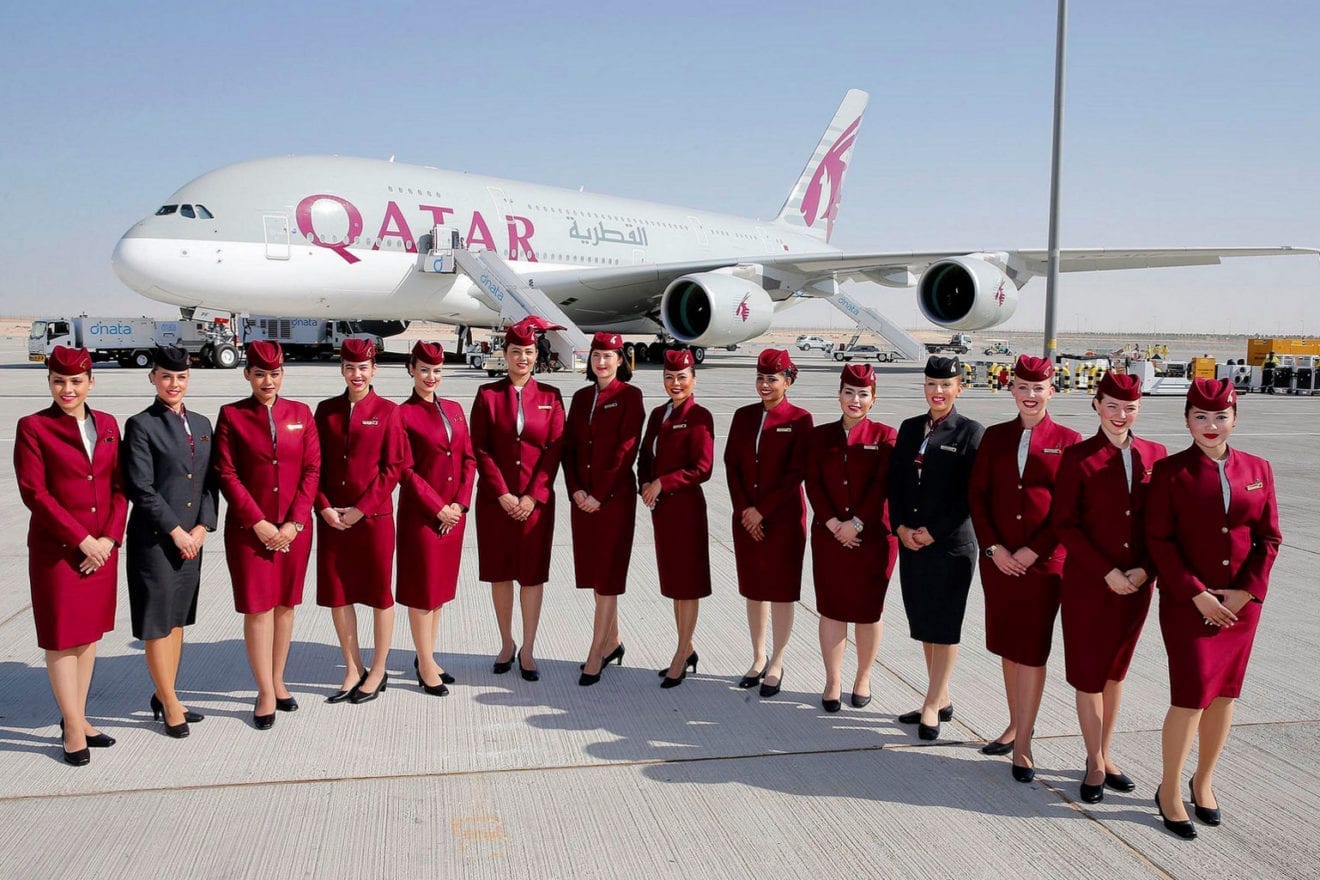
    Qatar Airways, the Doha-based airline, is set to divest its entire stake in Cathay Pacific Airways, a move that will mark its departure from the Hong Kong airline after an eight-year association. The transaction is estimated to be worth approximately $897 million.

    Stake Sale and Repurchase

    Late on Wednesday, Cathay Pacific reported that Qatar Airways had expressed an interest in offloading its 9.7% stake in the company. In response, Cathay intends to buy back the shares at a rate of HK$10.8374 (or $1.39) per share. This represents a roughly 4% discount to the closing share price prior to the announcement.

    Qatar Airways had initially acquired the stake in November 2017 from Kingboard Chemical Holdings, a Hong Kong firm. This investment made it the third-largest shareholder in Cathay Pacific, trailing behind Swire Pacific and Air China.

    Strategic Investment and Exit

    The investment in Cathay Pacific marked Qatar Airways’ first significant venture into an Asian airline. The move was intended to expand its global footprint and to increase passenger volumes through its Doha hub.

    According to Qatar Airways’ CEO, Badr Mohammed Al-Meer, the decision to exit Cathay Pacific aligns with the company’s disciplined investment strategy. This strategy has facilitated a period of strong performance, allowing the company to reassess its investments and plan for long-term growth.

    As part of its competitive strategy, the Middle Eastern airline has made a series of investments in airlines around the world. These investments include stakes in IAG, the parent company of British Airways, South American carrier LATAM, and Virgin Australia.

    Premium Buyback and Future Plans

    To acquire the stake, Cathay Pacific is set to pay a premium of approximately 35% over the original price paid by Qatar Airways. The Hong Kong airline plans to fund the transaction through its internal resources and existing credit lines.

    Patrick Healy, Chairman of Cathay Pacific, indicated that the stake buyback signals the company’s strong confidence in its future. The airline has proposed an ambitious investment plan amounting to HK$100 billion over the next seven years. This plan encompasses fleet renewal, cabin products, and lounge facilities.

    Upon completion of the deal, Swire Pacific, the controlling shareholder, will see its stake rise to 47.69%, up from 43.12%. Similarly, Air China’s shareholding will increase to 31.78%, up from 28.74%.

    Despite Qatar Airways’ planned exit, both airlines have committed to continuing their partnership via the Oneworld Alliance.

    Questions & Answers

    Why has Qatar Airways decided to sell its stake in Cathay Pacific?
    The decision aligns with the company’s disciplined investment strategy and follows a period of strong performance, allowing the company to reassess its investment portfolio.

    How will Cathay Pacific fund the buyback of the stake?
    Cathay Pacific will fund the transaction through its internal resources and existing credit lines.

    What impact will the stake sale have on Cathay Pacific’s shareholding structure?
    If the deal is approved, controlling shareholder Swire Pacific’s stake in Cathay will rise to 47.69%, while Air China’s shareholding will increase to 31.78%.

  • Thai Airways Partners With Unilode For Advanced Uld Management: A Leap Towards Operational Excellence And Sustainability

    Thai Airways Partners With Unilode For Advanced Uld Management: A Leap Towards Operational Excellence And Sustainability

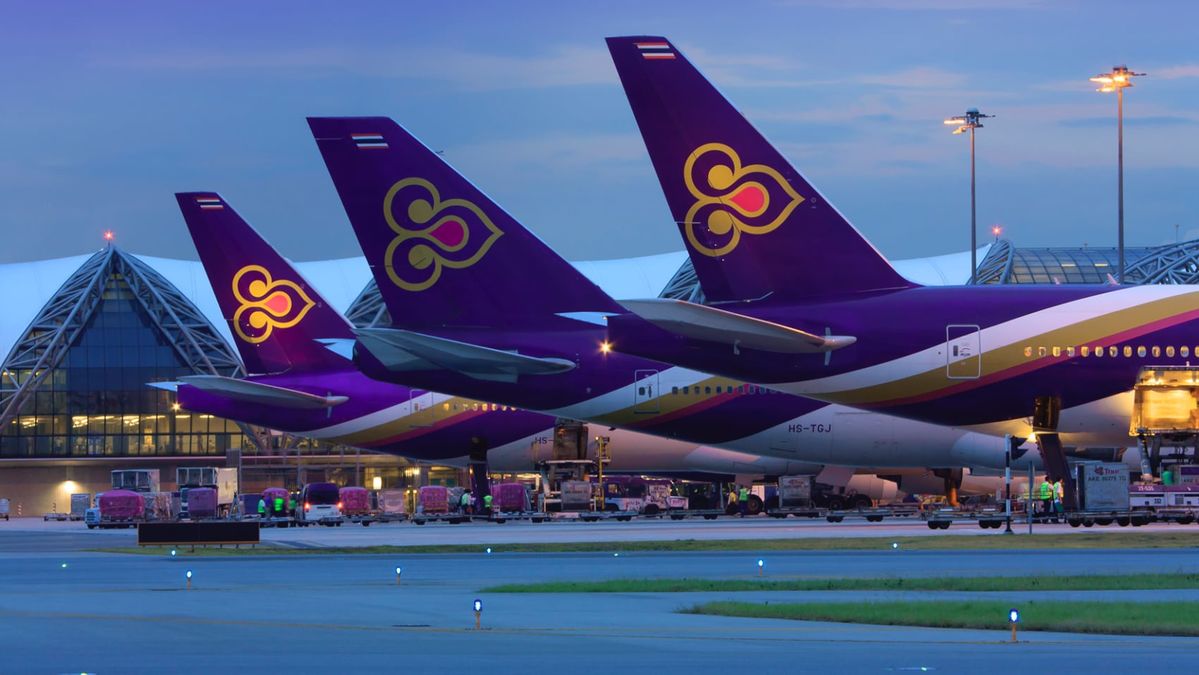
    THAI Airways, Thailand’s national airline, has named Unilode Aviation Solutions, a leader in the Unit Load Device (ULD) management, repair, and digital solutions realm, as its provider for comprehensive ULD management services.

    Advancing THAI Airways’ Transformation

    The partnership with Unilode Aviation Solutions signifies a significant stride in THAI Airways’ ongoing evolution, underlining the airline’s commitment to operational excellence, digital innovation, and long-term sustainability throughout its international network.

    After a successful business rehabilitation, THAI Airways is embarking on a new chapter of growth and modernization. The airline’s five-year strategic plan includes a focus on operational excellence, fleet renewal, and digital transformation. It also aims to nearly double its fleet to approximately 150 aircraft by 2033 and expand its market share across essential international markets.

    In collaboration, Unilode will deliver extensive ULD management, maintenance, repair, and digital tracking services across THAI Airways’ international network. This partnership will enhance fleet utilization, decrease operational complexity, and boost reliability for THAI Airways’ passenger and cargo operations.

    Sustainability Goals Alignment

    The alliance with Unilode Aviation Solutions aligns closely with THAI Airways’ sustainability objectives. The pooling of assets across Unilode’s international network results in fewer ULDs required to support operations, thereby diminishing raw material consumption, minimizing waste, and reducing carbon emissions. Unilode’s centralized repair and refurbishment service further prolongs asset lifecycles, promoting circular economy principles and more responsible resource use.

    Unilode’s digital platforms and data-driven insights, leading the market, will offer THAI Airways real-time visibility, improved asset utilization, and enhanced sustainability reporting throughout its operations. Unilode’s Operations Control Centre in Bangkok and a global team of over 800 ULD experts further support the partnership, ensuring local responsiveness and customer success at every interaction.

    Investment and Expansion

    Unilode has made significant investments over recent years, strengthening its infrastructure, expanding its Maintenance, Repair and Overhaul (MRO) footprint, and enhancing its workforce through advanced training, development, and external education programs. These initiatives, coupled with ongoing innovation in digital technology and product development, enable a broader international network and a larger, more flexible pool of assets, yielding higher efficiency, resilience, and service reliability for all airline partners.

    Unilode’s expanding asset base across an increasing number of airports and regions continues to provide tangible benefits to its entire customer network. These benefits include improved operational agility, quicker turnaround times, and greater access to resources and repair capabilities. These investments underscore Unilode’s commitment to long-term growth and customer value creation, reinforcing its position as a global leader in sustainable ULD management.

    As airlines worldwide prioritize sustainability and efficiency, ULD pooling and complete service management are rapidly becoming the industry norm. THAI Airways’ collaboration with Unilode emphasizes its leadership in adopting innovative, environmentally responsible solutions that combine operational excellence with long-term sustainability.

    Expert Opinions

    Ross Marino, Chief Executive Officer at Unilode Aviation Solutions, expressed his delight and pride in becoming THAI Airways’ comprehensive ULD management service provider. He believes that their partnership will yield measurable results, improve efficiency, foster digital transformation, and support THAI Airways’ sustainability goals.

    The Head of Cargo & Mail Commercial at THAI Airways acknowledged the partnership with Unilode as a critical step in their transformation strategy. They believe Unilode’s expertise, global network, and digital solutions will help streamline operations, fortify reliability, and make substantial progress towards sustainability goals.

    Questions & Answers

    What does the partnership between THAI Airways and Unilode Aviation Solutions signify?
    The partnership signifies a significant stride in THAI Airways’ ongoing evolution, reinforcing the airline’s commitment to operational excellence, digital innovation, and long-term sustainability throughout its international network.

    How will Unilode Aviation Solutions assist THAI Airways?
    Unilode will deliver extensive ULD management, maintenance, repair, and digital tracking services across THAI Airways’ international network. This collaboration will enhance fleet utilization, decrease operational complexity, and boost reliability for THAI Airways’ passenger and cargo operations.

    How does this collaboration align with THAI Airways’ sustainability goals?
    By sharing assets across Unilode’s international network, fewer ULDs are required to support operations, thereby diminishing raw material consumption, minimizing waste, and reducing carbon emissions. Unilode’s centralized repair and refurbishment service further prolongs asset lifecycles, promoting circular economy principles and more responsible resource use.

  • Bamboo Airways Chairman Steps Down: What’s Next for the Airline’s Future?

    Bamboo Airways Chairman Steps Down: What’s Next for the Airline’s Future?

    Bamboo Airways is set for a leadership transition as chairman Phan Dinh Tue has submitted his resignation, pending shareholder approval at an extraordinary general meeting scheduled for July 5.

    New Leadership on the Horizon

    The airline announced that a new director will be elected to succeed Tue, who has been at the helm since February 2024 after joining the company as a director in June 2023. The board currently consists of five directors, including Tue.

    With an extensive background in finance and banking spanning four decades, Tue previously served as a deputy general director at Sacombank starting in 2012. During his tenure at Bamboo Airways, he played a critical role in the airline’s restructuring efforts, shaping its business model, fleet structure, and financial strategies to ensure viability in a competitive market.

    This year, Bamboo Airways has reported promising results, particularly on significant routes and popular tourist destinations. The airline achieved a remarkable flight load factor of 90% in June, showcasing its recovery and operational efficiency. Its fleet, which includes Airbus A320 and A321 aircraft, has recently expanded with the addition of a leased Boeing 737-900E.

    With changes on the board, the question now is how Bamboo Airways will navigate the skies of Asian aviation—and whether the new leadership will continue to steer the airline toward success. After all, in the ever-evolving airline industry, change is the only constant, and sometimes that change can fly by faster than a jet engine!

    Questions & Answers

    Why did Phan Dinh Tue resign?
    Phan Dinh Tue has resigned as chairman of Bamboo Airways, with the resignation awaiting approval from shareholders at a meeting on July 5.

    What role did Tue play in the airline’s development?
    Tue was instrumental in spearheading the airline’s restructuring, contributing to its business model and financial capabilities.

    How has Bamboo Airways performed this year?
    Bamboo Airways has reported a successful operational performance, particularly with a flight load factor of 90% in June, indicating strong demand for its services.

  • British Airways attendant caught dancing naked mid-flight after suspected drug meltdown

    British Airways attendant caught dancing naked mid-flight after suspected drug meltdown

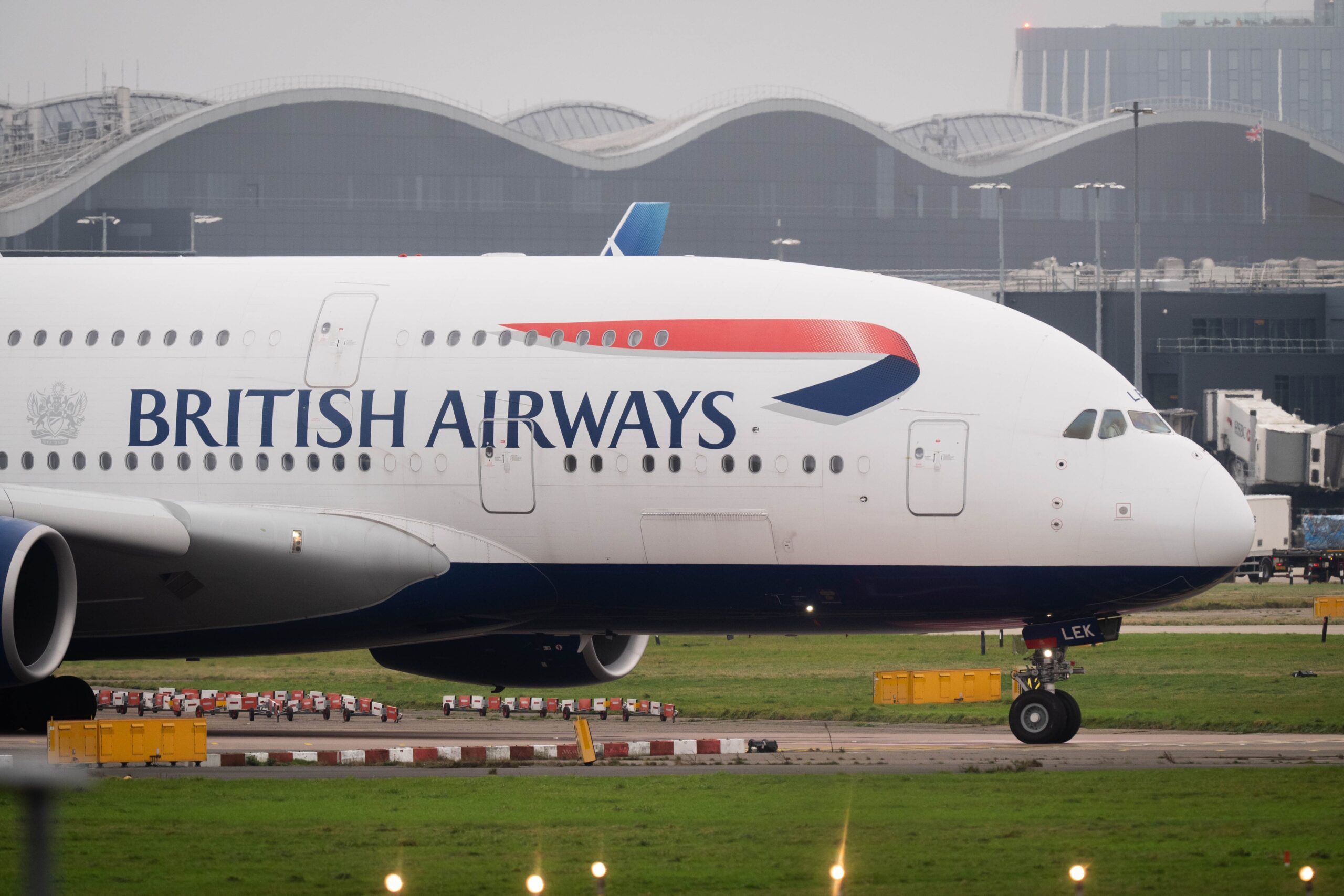
    On a recent British Airways flight from San Francisco to London, an unusual incident occurred high above the clouds. A male flight attendant was discovered in the throes of an unorthodox dance, completely unclothed, inside a business class restroom. Allegedly, he was under the influence of drugs during the scene.

    This unexpected episode unfolded mid-flight on the long, 10.5-hour journey aboard an Airbus A380-800. The airline crew member, whose duty it was to serve meals during the flight, vanished shortly after takeoff. This sudden disappearance sparked worry among his fellow crew members.

    The subsequent search of the sprawling double-decker aircraft reached a startling conclusion when the missing attendant was discovered in a state of undress. He was not merely naked, but also engaged in erratic dance movements in the confines of a Club World restroom.

    Upon the discovery, fellow crew members acted promptly to defuse the situation. The man was escorted out of the restroom and placed securely in a premium seat for the rest of the flight. There, he was restrained and kept under constant supervision, while the remaining crew members scrambled to take on the task of caring for the flight’s 470 passengers. Impressively, they reportedly managed this without taking any breaks.

    The flight touched down at Heathrow Airport around 11 a.m. on May 25, where authorities and medical personnel were waiting. The crew member was removed from the aircraft in a wheelchair. In the aftermath of the incident, he has since been suspended from his duties.

    Questions & Answers

    What was the flight route?
    The flight was from San Francisco to London.

    What actions were taken by the crew upon discovering the incident?
    The crew moved the man from the lavatory and secured him in a premium seat for the rest of the flight. They also supervised him while taking over his duties and serving the passengers.

    What actions were taken against the crew member involved in the incident?
    He was removed from the aircraft upon landing and has since been suspended from his duties.

  • Qatar Airways Cargo and Cainiao strengthen partnership to meet global e-commerce demand

    Qatar Airways Cargo and Cainiao strengthen partnership to meet global e-commerce demand

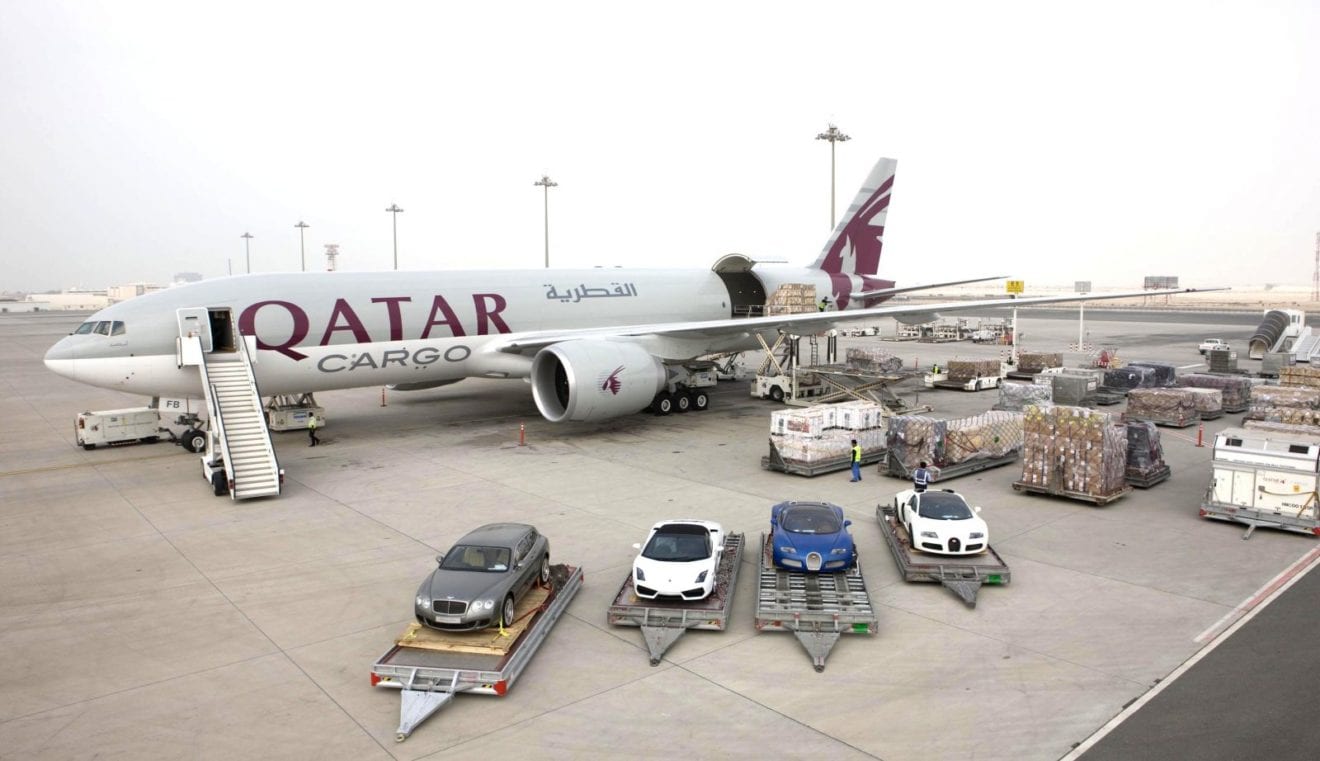
    Qatar Airways Cargo, the world’s leading air cargo carrier, and Cainiao, a global leader in e-commerce logistics, agree to strengthen their existing partnership, aiming to support the growth of cross-border e-commerce and enhance consumer experiences worldwide.

    Cainiao, with its deep e-commerce insights and technological expertise, and Qatar Airways Cargo, with its extensive global connectivity, will together leverage their complementary strengths through this partnership to enhance global e-commerce logistics and stimulate economic growth at both regional and global levels.

    Mark Drusch, Chief Officer Cargo at Qatar Airways Cargo, said: “Since the inception of our collaboration with Cainiao in 2021, the partnership has seen strong growth, driven by ongoing flying agreements and a shared vision to support the burgeoning e-commerce industry.”

    “We are now further deepening our ties with Cainiao to work even closer together. By utilising the Qatar Airways Cargo hub at Hamad International Airport in Doha, we aim to expedite shipments to customers in Europe, the Middle East, and Africa, reinforcing our commitment to Cainiao.”

    Wan Lin, Chief Executive Officer of Cainiao, said: “At Cainiao, we’re committed to building a smart, future-proof logistics network for e-commerce. We are pleased to strengthen our partnership with quality players like Qatar Airways Cargo to build a more robust global express network and better support our global customers with faster deliveries and enhanced supply chain efficiency.”

    E-commerce remains the largest driver of air cargo capacity demand worldwide. Qatar Airways Cargo’s extensive global network and state-of-the-art fleet have positioned it as an essential partner in meeting this demand. Through this collaboration, both companies continue to enhance connectivity and reliability for businesses and consumers across the globe.

    Qatar Airways Cargo looks forward to further developing this strategic relationship, reinforcing its position as a leader in the air cargo industry.

  • Vietnam Railways reports record half-year revenue

    Vietnam Railways reports record half-year revenue

    Vietnam Railways, the monopoly state-owned railroad operator, has reported record half-yearly revenues of VND4.5 trillion (US$177.13 million), surpassing its full-year earnings for the years 2019-2021.

    At a recent conference, it announced that revenues had increased by more than 10% compared to the same period last year. It targets revenues of VND6.258 trillion for the full year.

    It said passenger numbers increased by nearly 21%. It launched specialized services such as the “heritage connection” train between Hue and Da Nang, and charter trains, offering custom itineraries and services in March, and the “Da Lat night train journey” in April.

    It has expanded international freight transport, including to Russia, Europe, Mongolia, and Central Asia.

    Last year VNR turned the corner after three years of losses, reporting a profit of VND77 billion. But it had accumulated losses of over VND2.08 trillion.

    The company has 25 subsidiaries, 17 directly managed units and eight joint venture and associated companies, and manages a railway infrastructure totaling 3,143 km of tracks on 15 routes that run from north to south.

    Hanoi Railway Transport and Saigon Railway Transport are the two largest members, and last year they reported profits of VND14 billion and VND11 billion.

    Thanks to surging passenger demand, their profits were three times their full-year target in the first quarter of this year.

    The two companies are soon set to merge after receiving shareholder approval. They are in the process of completing the procedures for this.

  • Bamboo Airways to raise $425M through rights issue

    Bamboo Airways to raise $425M through rights issue

    Bamboo Airways plans to make a rights issue of shares to increase its capital by 54%, or nearly VND10 trillion (US$425.44 million), to fund operations and pay off debts.

    It will offer 35 new shares for every 100 held and the issuance will be made this year.

    It currently has a charter capital of VND18.5 trillion.

    The proposal will be presented to shareholders at an extraordinary general meeting on Apr. 10.

    The airline has said it has found a buyer to take it over.

    Former chairman Trinh Van Quyet, arrested last year for alleged stock manipulation, owns a 55.5% stake in it.

    The buyer, whose identity has not been revealed, has agreed to take over the entire debts and provide Quyet with the money he might have to pay as fines and indemnification for the stock manipulation that led to his arrest.

  • Bamboo Airways set to list its stocks

    Bamboo Airways set to list its stocks

    Bamboo Airways plans to list on the Unlisted Public Company Market next quarter while preparing for an IPO in the U.S.

    Prices of the ticker BAV will be at least VND60,000 ($2.65), CEO Nguyen Khac Hai said in a statement Friday.

    UPCoM serves as a market to encourage companies to go public. Vietnam’s two main bourses are the Ho Chi Minh Stock Exchange and the Hanoi Stock Exchange.

    The company targets to raise $200 million by issuing shares on the New York Stock Exchange, giving the startup airline a market cap of $4 billion.

    The airline plans to begin regular services to the U.S. city of San Francisco from HCMC by the end of this year, with five return flights a week initially and later daily.

    It has been operating charter flights to the U.S. since the end of September.

    The airline also announced plans to fly to the U.K. this year with six flights a week from Hanoi and HCMC to London.