Tag: Alfamart

  • SM Investments to consolidate its retail assets under one entity

    SM Investments to consolidate its retail assets under one entity

    SM Investments Corp (SM), the holding company of Philippine-based conglomerate SM Group of Companies, is merging its retail arm SM Retail Inc with related retail firms earning revenues up to $1 billion.

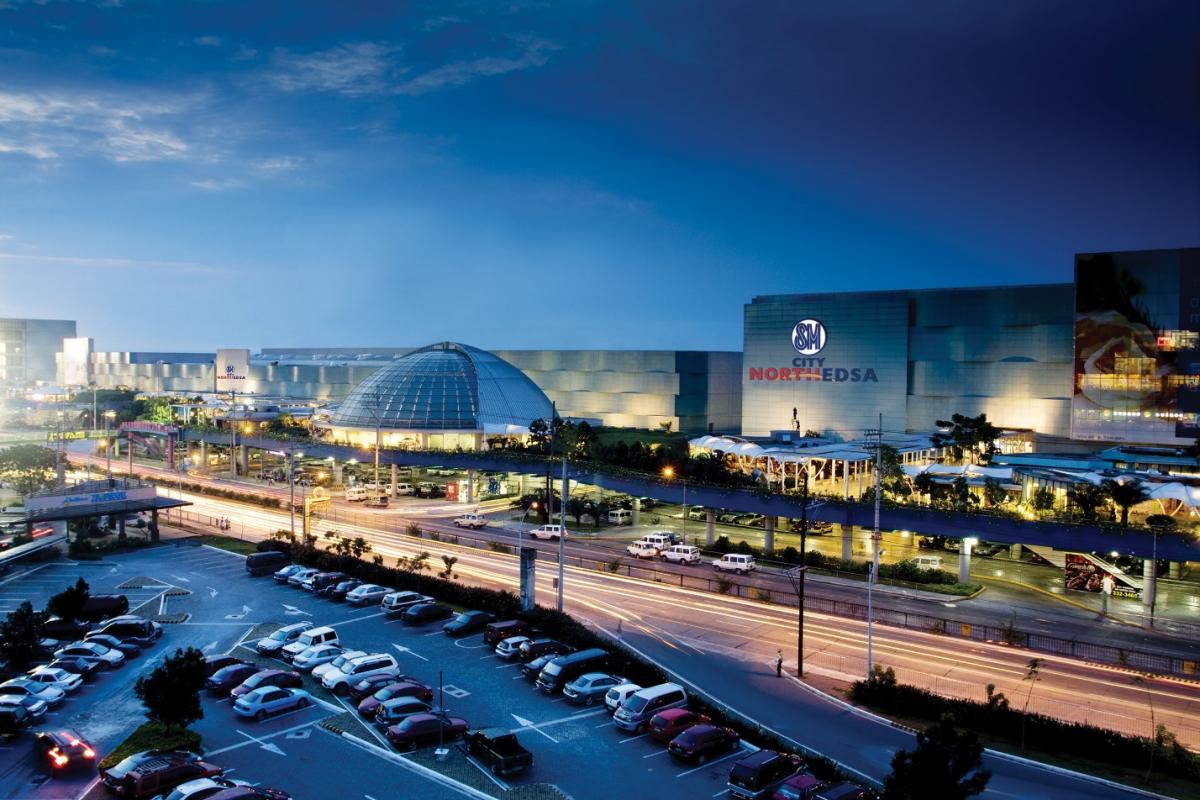
    SM earlier disclosed that its board of directors approved the merger of SM Retail with companies operating leading local retail chains such as Ace Hardware, SM Appliance Center, Homeworld, Our Home, Toy Kingdom, Watsons, Kultura, Baby Company, Sports Station and several other specialty stores. Together they operate 1,374 outlets and in 2015 delivered total revenues of P53 billion.

    SM is expected to own 77.3 per cent of the enlarged SM Retail.

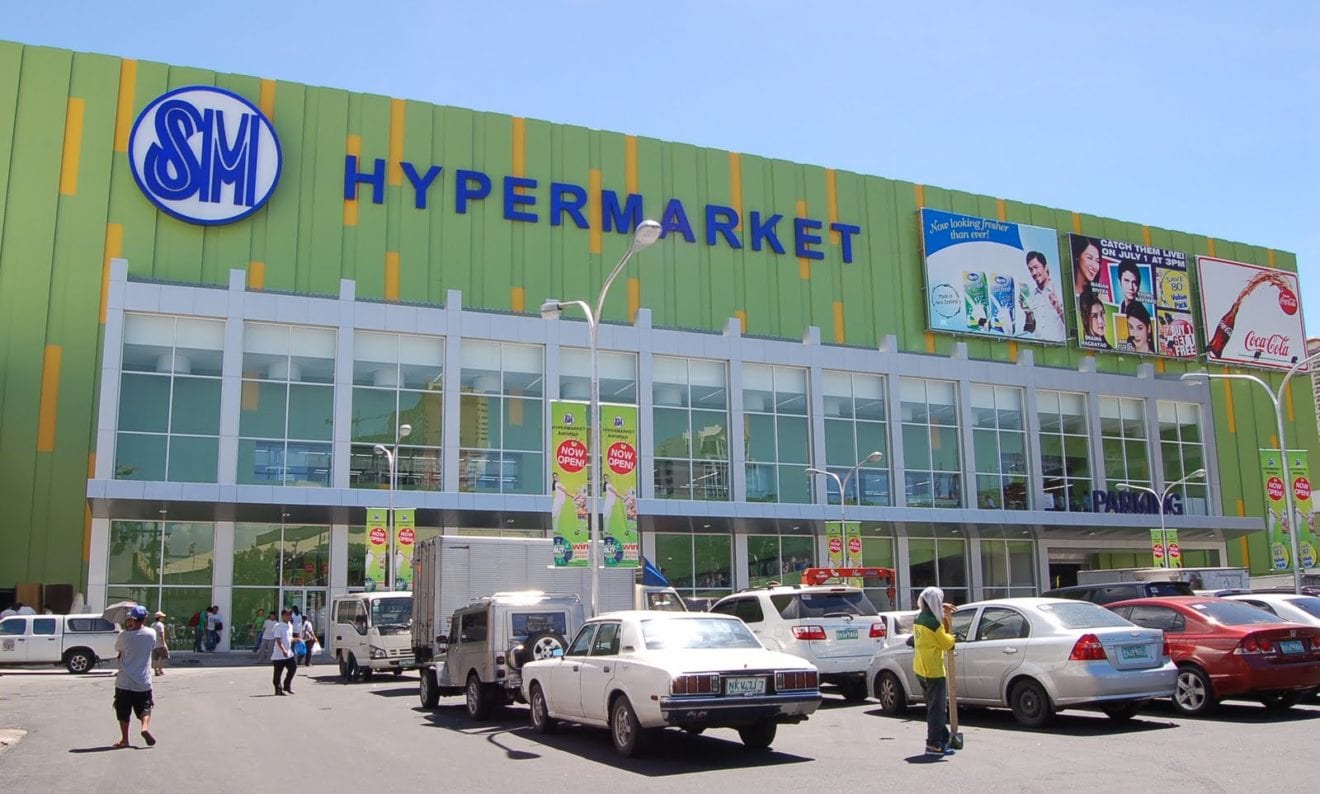
    The merger will complement the existing retail portfolio of SM Retail which includes 53 SM department stores, 44 hypermarkets and 213 supermarkets as well as majority stakes in the local operations of Alfamart, Forever21, Crate & Barrel and other specialty and apparel retailers in addition to a minority stake in Uniqlo.

    The combined entity will have 1,927 outlets and 2.4 million sq m of gross floor area across a diverse portfolio of food, household appliances, DIY, furniture, apparel, footwear, pharmaceuticals/cosmetics and specialty retailing stores. The portfolio will serve a wide range of Filipino consumer needs in both staple and discretionary goods categories and will continue to leverage extensive synergies across the SM group.

    SM president Harley Sy said, the move is similar to the consolidation the company undertook in 2013 to create its large-scale, mixed-use property business.

    “The merger adds greater diversity and a more extensive footprint to SM Retail’s portfolio and is consistent with our goal of simplifying our corporate structure,” Sy said. “As a result, SM Retail will be even better positioned to address the growing needs of Filipino consumers and we expect the merger to be accretive to SM Retail earnings in future years.”

    SM’s net income increased 13 per cent in 2015, while consolidated net income stood at P28.4 billion, posting the same level in 2014. Consolidated revenues grew 7 per cent to P295.9 billion for the period.

    “Our strong underlying earnings growth in 2015 was due to favorable domestic market conditions and improved efficiencies which helped us widen our margins particularly in retail and property,” Sy noted.

    SM’s underlying earnings increase was driven by a 17 per cent growth in retail earnings, 14 per cent growth in property recurring net income and 10 per cent growth in bank net income. For 2015, banks accounted for 40 per cent of SM’s consolidated earnings, property 38 per cent and retail 22 per cent.

    SM’s last trading price decreased 2.96 per cent or P25 to close at P820.
     

  • Indonesia retail Japanese convenience stores think small to survive

    Indonesia retail Japanese convenience stores think small to survive

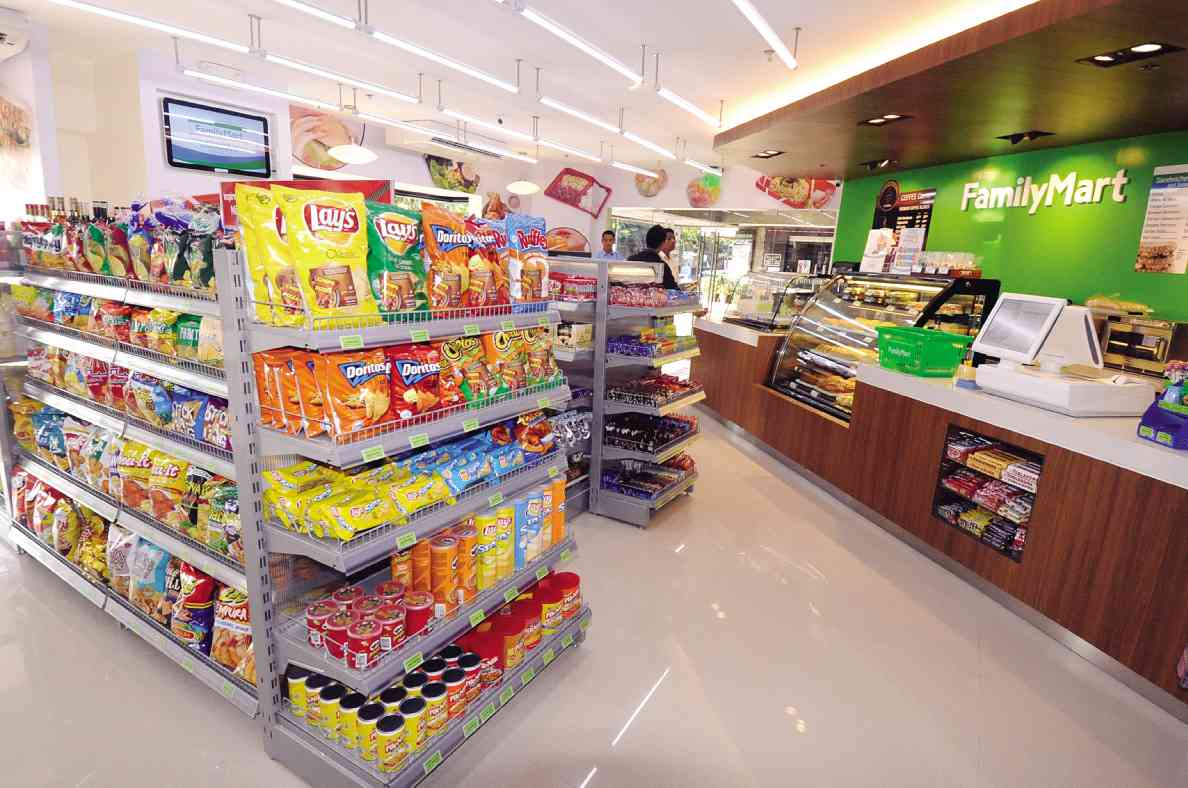
    Japanese convenience store operators are shrinking the size of their outlets in Indonesia amid growing competition from local rivals. But the strategy of pursuing profitability over scale runs the risk of downsizing the companies out of the market.

    In Jakarta, the two leading local operators — Indomaret and Alfamart — have over 10,000 outlets each. Japanese rivals are finding it difficult to stay competitive with their traditional focus on larger shops, which often include cafes. To fight back, Lawson and Seven-Eleven Japan plan to increase the number of smaller stores in office and commercial buildings.

    During lunchtime in an office building in Jakarta, people form long lines to buy bento box lunches, bread products and other items at a Lawson outlet. A karaage, or deep-fried chicken, bento sells for 45,000 rupiah ($3.20). “It’s my turn to pick up lunch today,” said a female office worker as she carried a shopping bag full of food from the store.

    The outlet, which opened in August, is Lawson’s first small store in an office building. It is less than half the size of a typical Lawson shop in Indonesia and has only one row of shelves. Midi Utama Indonesia, the local retailer that runs the stores, has been considering such new locations as shopping malls and train stations, one official said.

    Lawson entered Indonesia in 2011 after granting Midi a license to operate its stores. The Japanese company was ambitious, with plans to open 10,000 outlets in the first 10 years. But in mid-2013, after having opened just 80 shops in the country, sluggish profits forced it to withdraw from Bali. Lawson cut the number from 60 to 50 in 2014. Today, there are only some 40 Lawsons in Indonesia.

    In the meantime, Indomaret and Alfamart have been steadily increasing their store networks. They have adopted some of the techniques brought in by Japanese rivals, such as in-store cooking and in-store cafes. Duskin, a Japanese housekeeping equipment company, chose Indomaret over Japanese players as its local partner to run Mister Donut when it entered the market this year.

    Following the money  

    With their limited number of stores, Japanese operators are finding it hard to continue offering the level of product and service quality associated with Japan while still turning a profit. As a result, they are betting on small outlets in commercial buildings to drive earnings. In explaining the shift, a FamilyMart official cited “the high income level of customers and the easy-to-predict demand structure.”

    FamilyMart plans to start opening stores in office buildings and upscale condominiums in 2016. Its existing 25 outlets are in stand-alone buildings or buildings shared with Japan’s Yoshinoya chain of gyudon beef bowl restaurants.

    Seven-Eleven Japan, the largest Japanese convenience store operator in Indonesia, is considering opening more small stores in train stations, commercial buildings and other busy locations, according to Modern Internasional, the operator of 7-Eleven stores there.

    Ministop, which has six Indonesian outlets, the fewest among Japanese companies, plans to cut costs by operating smaller stores and revamping its product lineup. For example, the matcha green tea-flavored soft ice cream it is promoting is selling three times as well as the chocolate flavor, the company said.

    According to Alfamart, Indonesia’s convenience store market grew about 13% by sales in the first nine months of this year. Though that is down from 19% in the same period last year, the growth is still significant compared with midsize retailers such as supermarkets, which saw 3.6% growth.

    Japanese players are not alone in their “go small” approach. Local operators are also increasing the number of smaller outlets in train stations and other facilities amid a shortage of space to build stand-alone stores, and also because of the difficulty in obtaining approval from authorities in the metropolitan area.

    With local rivals not only adding more stores to their already-large networks but also adopting strategies similar to those used by their foreign counterparts, the pressure on Japanese operators to find new ways to remain competitive will likely increase.

  • SM Retail posts solid sales growth

    SM Retail posts solid sales growth

    SM Retail of the Philippines has reported a 6.5 per cent increase in sales over the first nine months of the year to PHP145.3 billion (US$3.1 billion).

    Profit rose 21 per cent to PHP4.6 billion (US$98.2 million).

    Reviewing its operating divisions over the period, the company said its SM Food Retail Group (SM Markets) continued to expand in both urban and rural communities in various parts of Luzon, Visayas and Mindanao, adding 20 new stores, most of which are standalone Savemore stores.

    From historically operating anchor stores based in malls, SM Markets now follows a multi-format growth strategy to address the lack of organised retail in many parts of the country.

    SM Markets also recently invested in the minimart business with Alfamart, a successful minimart operator in Indonesia, and forged partnerships with WalterMart and Citymalls to further facilitate its provincial growth. Acquisition of existing chains of stores is another part of its growth strategy, the latest of which was the three stores of Cherry Foodarama.

    The SM Store will maintain its strategy of growing as an anchor store in SM Malls which are targeting expansion in the provincial areas. The SM Store continues to be the leading player in the country’s department store business, enjoying a wide-reaching and loyal customer base. It competes by providing the widest assortment of products and services, complemented by well-designed stores.

    As at the end of September, SM Retail had 294 stores, comprising 51 The SM Stores, 41 SM Supermarkets, 43 SM Hypermarkets, 130 Savemore stores and 29 WalterMart stores

  • Indonesia’s Alfamart to expand retail footprint in the Philippines

    Indonesia’s Alfamart to expand retail footprint in the Philippines

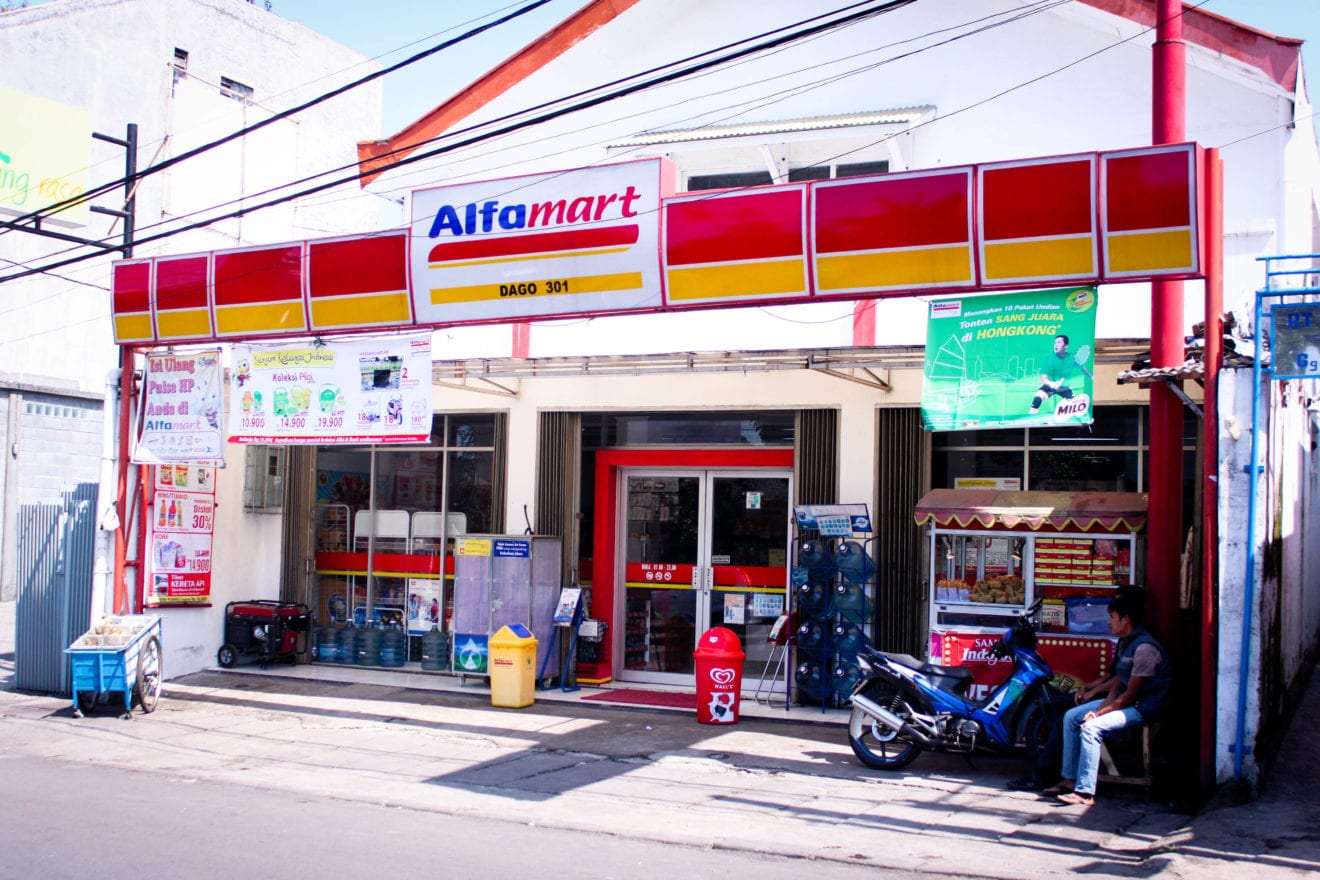
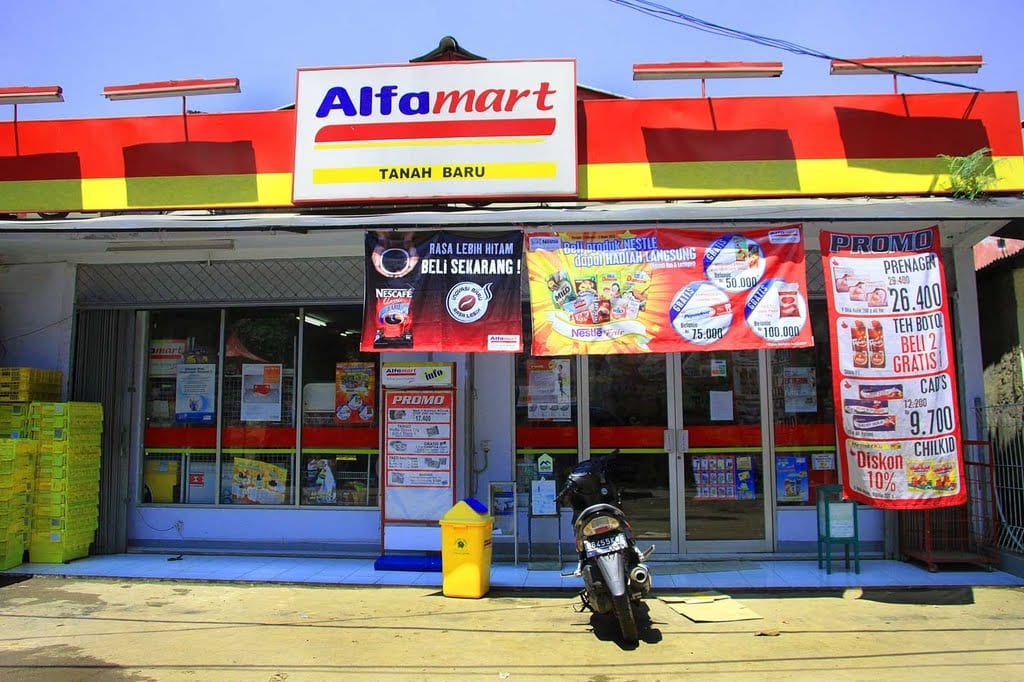
    PT Sumber Alfaria Trijaya Tbk (Alfamart), an Indonesia based convenience store chain operator, is planning to expand its footprint in the Philippines to about 160 stores by the end of this year. The move is expected to help strengthen the company’s presence in the south east Asian region and help boost income from exports.

    As of August, the company has 60 Alfamart outlets in the Philippines.

    According to Hans Prawira, president director of Alfamart, the company is targeting to operate over than 100 outlets in the Philippines, through its unit, Alfamart Retail Asia. “The project will be funded by loans from Philippine banks,” he added in an official statement.

    Alfamart and Philippine-based SM Retail Supermarket, a subsidiary of SM Group has set a joint venture company (JVC) to operate the retail outlets. Alfamart holds a 35 per cent stake in the JV and SM Retail Supermarket holds 65 per cent.

    Indonesia’s heavily regulated retail market – particularly relating to the aspects of franchising and foreign investment  – may have driven Alfamart to look for growth overseas.

    Indonesian franchise regulation requires 40 per cent of all stores to be company-owned and the remaining shares owned by franchisee holder, while 80 of product offerings have to be locally sourced for two years.

    The smaller format of mini-marts will provide SM with the flexibility to foray into urban area. At the same time, it will be able to rely on Alfamart’s know-how and experience of operating the stores under comparable market conditions in Indonesia.

    In Indonesia, the company plans to open 1,200 new outlets by the end of this year. “More than 50 per cent will be opened outside Java. We already have a distribution channel in Pontianak, Banjarmasin, Manado, and the latest one, in February, in Batam,” Hans said.

    As of March 31, the company had 10,068 Alfamart outlets, of which 2,958 are managed under a franchise scheme, while the rest are owned by the company.

    The company also operates 809 Alfamidi and 48 Lawson convenient stores with larger size than Alfamart.

    With over 10,000 stores in the portfolio, Alfamart controls about 50 per cent of Indonesia’s convenience store market through multiple brands – Alfamart, Alfamidi, and Lawson.

  • Alfamart Set to Open Up To 120 Shops in Philippines

    Alfamart Set to Open Up To 120 Shops in Philippines

     Sumber Alfaria Trijaya, the operator of the Alfamart comfort retailer chain, plans to open between 100 and 120 new shops within the Philippines via its subsidiary Alfamart Retail Asia, as a part of the corporate’s regional enlargement plan.

    The corporate has estimated the brand new shops will value Rp 50 billion ($three.eight million) and has secured a mortgage from banks within the Philippines to fund the funding.

    The corporate’s Philippines shops are operated as a part of a three way partnership between Alfamart Retail Asia and native retailer SM Retail Grocery store. Alfamart Retail Asia has 35 % fairness within the enterprise.

    Presently the enterprise operates 44 shops.

    Sumber Alfaria Trijaya plans to open 1,200 shops in Indonesia this yr, and has set apart Rp 2 trillion from its inner money fund for the enlargement. The retailer had 10,086 shops in Indonesia on the finish of March, together with 2,958 franchise shops.

  • Alfaria to Raise Rp 2.5t From Bonds, Private Placement

    Alfaria to Raise Rp 2.5t From Bonds, Private Placement

    Sumber Alfaria Trijaya — the operator of Alfamart, Alfamidi, Alfa Express, and Lawson minimarkets — plans to raise Rp 2.5 trillion ($193 million) from selling bonds to the public and from the sale of new shares to affiliated companies, in order to pay back bank loans.

    The company will sell 3-year and 5-year bonds on May 4 and May 5, eying to raise Rp 1 trillion from the proceeds, Alfa said in a statement on Thursday. BCA Sekuritas, HSBC Securities Indonesia, and Mandiri Sekuritas act as the underwriter for the bonds, which rated AA- by global rating agency Fitch Ratings.

    Alfaria will also sell 2.91 billion new shares, or 7.5 percent of paid-up capital, at Rp 510 apiece to Sigmantara Alfindo, currently the largest Alfaria shareholder, and to an affiliate Amanda Cipta Persada.

    The company will use proceeds from the bond sales and private placement to pay back loans, including those from private lender Bank Central Asia and state-owned lender Bank Mandiri, Indonesia’s largest lender. Alfaria has Rp 1.45 trillion in debt outstanding to BCA, and Rp 1 trillion debt to Bank Mandiri, according to the company’s latest financial statement. Both loans have a 10 percent annual interest.

    “[The proceeds are] expected to reduce the company’s liability and risks against third-party creditors. In turn, the company can expand its business,” Alfaria said.


  • Alfamart Philippines targets 3000 stores

    Alfamart Philippines targets 3000 stores

    Indonesian c-store format Alfamart is making steady progress in the Philippines after local retail giant SM Group entered a joint venture.

    Alfamart operates some 8500 convenience stores in Indonesia and now the brand is expanding into Philippines, where the c-store sector is still in its development stage.

    SM Supermarkets president Joey C. Mendoza told the Philippine Star newspaper that at the end of 2014, his company had opened 22 Alfamart branches after the two companies partnered in July. The first store in Trece Martires in Cavite, near Manila.

    Another eight have opened already this year.

    Alfamart Philippines stores stock basic groceries, foods, medicines and convenience foods 24 hours a day.

    SM expects strong growth during the next five years, believing critical mass for the chain is between 1000 and 3000 stores.

    Alfamart Indonesia is providing SM Group with experience and advice on the format’s expansion, stocking and rollout.

    Each store ranges from 150 sqm to 300 sqm in size and costs a maximum of P30 million (US$681,000) to open.