Retail News CRM

Tag: APAC

  • FedEx Smooths APAC Business Compliance with New US Product Safety E-file Requirements

    FedEx Smooths APAC Business Compliance with New US Product Safety E-file Requirements

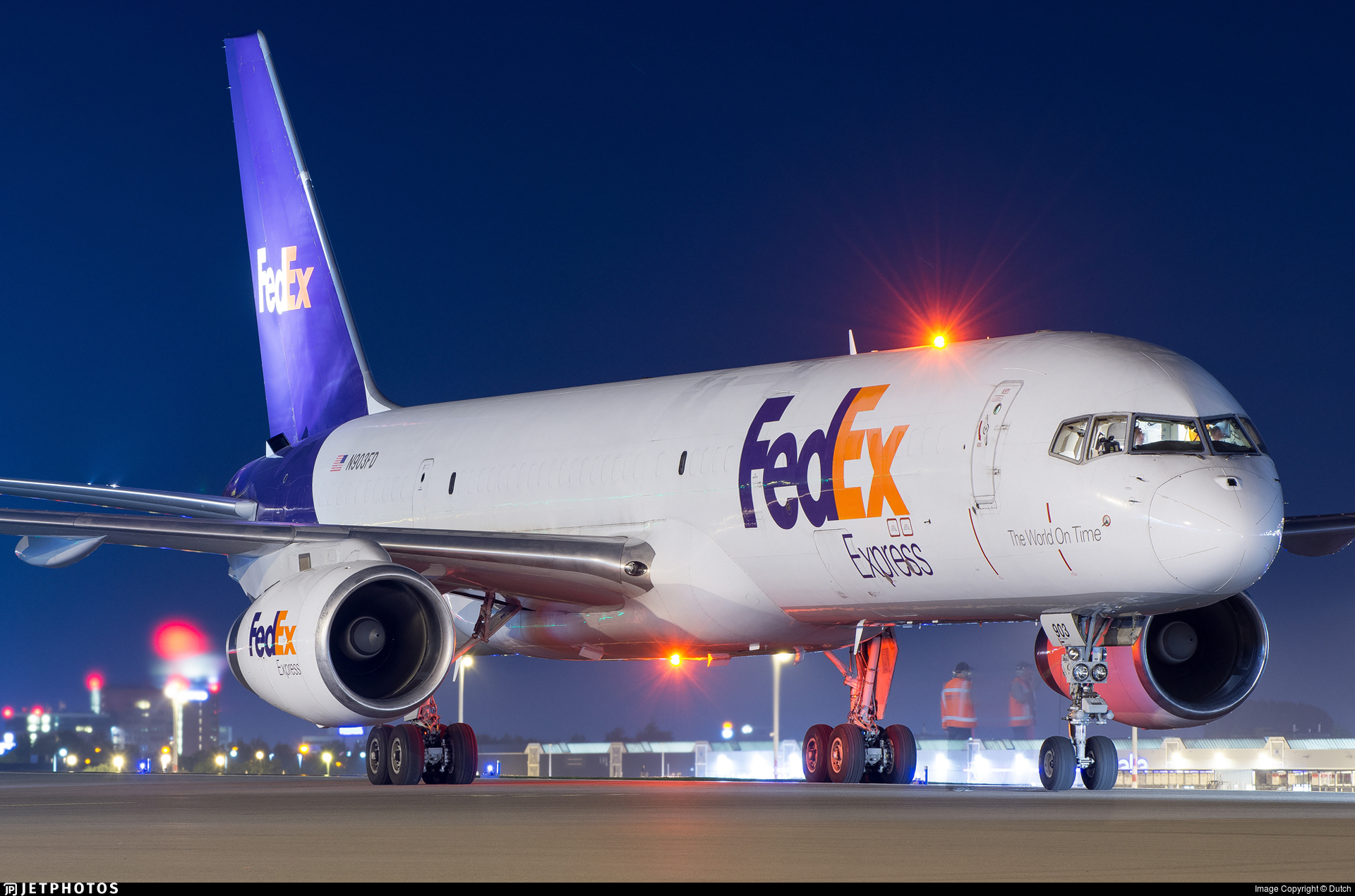
    FedEx Corporation, a major global express transportation company, is intensifying its support for businesses in the Asia Pacific (APAC) as they gear up for the forthcoming compulsory U.S. Consumer Product Safety Commission (CPSC) e-filing requirements, which are scheduled to become effective on July 8, 2026.

    The incoming requirement stipulates that all U.S. importers of CPSC-regulated products must e-file the necessary data elements for clearance when the goods enter the United States. This is designed to enhance safety supervision and improve compliance transparency. U.S. importers of CPSC-regulated products are required to include the complete CPSC PGA message set for each product imported. To make the process more efficient, importers have the option to pre-file product information in CPSC’s Product Registry, which allows them to send a condensed CPSC message set. This signifies a noteworthy change for APAC exporters, as this product information will now be made available before shipment.

    Awareness Versus Readiness

    While overall awareness of the mandatory CPSC e-filing is on the rise, operational readiness remains limited. Almost two-thirds (64%) of APAC businesses exporting consumer products to the U.S. are not yet prepared, with 28% understanding the requirements but yet to act, and 18% anticipating significant disruptions to U.S.-bound shipments. Only 15% of businesses are currently fully operational. Those businesses that have not yet addressed product safety data requirements, electronic documentation standards, and certificate referencing may face clearance delays, penalties, or denial of entry at U.S. borders.

    Businesses need clarity on identifying products within the CPSC scope which is the primary need (32%), followed by digital tools for pre-validating data (23%) and simplified guidance on scope, registration, and documentation (19%). In preparation for the new requirements, businesses are looking for solutions that minimize clearance delays and integrate compliance into their operations.

    The Role of FedEx

    Salil Chari, President, Asia Pacific, FedEx, noted that changes of this scale can introduce complexity for businesses operating across borders. His focus is on making compliance effortless for customers, so they can continue moving goods seamlessly while confidently meeting new standards.

    FedEx is assisting customers in navigating this transition more confidently through integrated digital solutions, regulatory guidance, and operational expertise. By simplifying compliance processes and integrating requirements into existing shipping workflows, FedEx aims to reduce disruptions while supporting timely, accurate submissions.

    Questions & Answers

    What is the new requirement set by the U.S. Consumer Product Safety Commission (CPSC)?
    The new requirement mandates all U.S. importers of CPSC-regulated products to e-file the needed data elements for clearance at the time of entry into the United States.

    What are the top needs of APAC businesses in relation to these new requirements?
    The primary need is clarity on identifying products within the CPSC scope, followed by digital tools for pre-validating data and simplified guidance on scope, registration, and documentation.

    What is FedEx doing to help businesses navigate these changes?
    FedEx is enabling customers to manage this transition more confidently through integrated digital solutions, regulatory guidance, and operational expertise.


  • Saxo Bolsters APAC Growth Strategy with New Institutional Business Head

    Saxo Bolsters APAC Growth Strategy with New Institutional Business Head

    Saxo, a leading digital broker, has named Gift Muthita Anankaphannan as their new Regional Head of Institutional Business for Asia-Pacific, in a move to strengthen their foothold in a prime market. Anankaphannan will be based in Singapore, and her role will involve leading the institutional business throughout the Asia-Pacific region while partnering with clients to enhance the offerings of Saxo.

    Anankaphannan’s Wealth of Experience

    Anankaphannan has an impressive career history, having previously served as a Senior Relationship Manager at Saxo. She brings over 16 years of experience spanning both the technology and institutional financial services sectors.

    Before her tenure at Saxo, she spent over a decade at Google, holding senior positions in sales, product strategy, and go-to-market execution, with her work encompassing AI-powered solutions. Anankaphannan kick-started her career in financial services at Bloomberg, where she specialized in equities and equity derivatives. Here, she provided data-driven insights to traders, analysts, and portfolio managers.

    Mahesh Sethuraman, the CEO of Saxo Singapore, praised Anankaphannan’s extensive experience with institutional partners and her deep understanding of Saxo’s FinTech DNA. He cited her excellent ability to foster long-term client relationships and lead high-performance teams.

    Saxo’s Institutional Business Growth

    Institutional clients make up a significant portion of Saxo’s international business, contributing to nearly one-third of the group’s overall income. Over the past year, the number of global institutional end-clients witnessed a 23 percent growth.

    Saxo recently collaborated with Singapore’s Trust Bank to roll out TrustInvest, a unique in-app investment tool that enables users to directly trade US stocks and exchange-traded funds (ETFs) via the Trust Bank app, with investments starting from a minimum of $10.

    Anankaphannan’s main role will be to steer the next stage of Saxo’s institutional growth in the Asia-Pacific. She stated that the region remains a crucial growth market for Saxo, and the company is dedicated to further scaling their institutional offering in the region.

    Questions & Answers

    What is Gift Muthita Anankaphannan’s new role in Saxo?
    She is the new Regional Head of Institutional Business for Asia-Pacific at Saxo.

    What is Anankaphannan’s professional background?
    She has over 16 years of experience in the technology and institutional financial services sectors, having previously worked at companies like Google and Bloomberg.

    What efforts is Saxo making to grow their institutional business?
    Saxo is focusing on enhancing their offerings and has recently launched an in-app investment tool called TrustInvest in collaboration with Trust Bank.

  • Besi APac Partners with DHL Express to Slash Greenhouse Emissions through Sustainable Aviation Fuel

    Besi APac Partners with DHL Express to Slash Greenhouse Emissions through Sustainable Aviation Fuel

    Besi APac Sdn. Bhd., the Malaysian unit of top semiconductor assembly equipment manufacturer BE Semiconductor Industries N.V., has entered into a partnership with DHL Express by joining their GoGreen Plus programme. This programme aims to lower the emissions generated from Besi APac’s urgent global deliveries through the utilization of sustainable aviation fuel (SAF). The partnership is projected to result in a reduction of over 400 tonnes in Well-to-Wheel (WTW) CO₂e emissions.

    Reducing Emissions Through Responsible Practices

    Besi APac is dedicated to the energy transition and acknowledges the importance of decreasing operational emissions through responsible business operations. Henk Jan Jonge Poerink, Managing Director of Besi APac and Senior Vice President of Global Operations at Besi N.V., stated that the company’s sustainability strategy extends to its supply chain activities. They are striving to incorporate environmental considerations into their procurement processes. SAF is seen as one of several methods that can assist in reducing aviation-related emissions. The company eagerly anticipates the opportunity to support the expansion of renewable alternatives.

    Introduced in 2023, GoGreen Plus allows its clients to utilise SAF to decrease their indirect Scope 3 emissions, which arise from upstream and downstream transportation and distribution. This service is made possible through numerous SAF contracts that DHL has signed with its partners.

    SAF, which is made from sustainable feedstocks like used cooking oil and other residues, can lower lifecycle greenhouse gas emissions by approximately 80% compared to standard jet fuel. The ‘book & claim’ approach enables DHL to replace fossil fuels with sustainable fuels within its network directly and assign the associated lifecycle emission reductions to clients like Besi APac.

    Besi APac’s Commitment to Sustainability

    Besi APac’s subscription to GoGreen Plus is applicable across its international trade routes, covering major markets in the Asia Pacific, Europe, Americas, and Middle East. The initiative is aligned with the company’s 2025-2029 strategic plan, which includes minimising its environmental impact as a primary goal. Besi APac has significantly reduced its Scope 1 & 2 emission intensity ratio, fuel consumption intensity ratio, and increased electricity usage from renewable sources since 2019.

    Alex Lee, Vice President of Commercial at DHL Express Malaysia, stated that DHL is committed to increasing the availability of emissions-reduced logistics solutions. Partnerships like this one showcase the practical application of this commitment.

    DHL is one of the largest global users of SAF. The company increased the percentage of SAF in its own aircraft fleet to 10 percent in 2025, a significant increase from the 3.5 percent the previous year. DHL currently uses SAF at airports worldwide.

    Questions & Answers

    What is Besi APac’s strategy to reduce emissions in their operations?
    Besi APac is committed to decreasing operational emissions through responsible business practices. This includes integrating environmental considerations into their procurement processes and using SAF to reduce aviation-related emissions.

    How does DHL’s GoGreen Plus programme help to reduce emissions?
    GoGreen Plus allows its customers to utilise SAF to reduce their indirect Scope 3 emissions arising from upstream and downstream transportation and distribution. It replaces fossil fuels with sustainable fuels within its network, attributing the associated emission reductions to its customers.

    What progress has Besi APac made in reducing its environmental impact?
    Besi APac has made significant strides in reducing its environmental impact. The company has greatly reduced its Scope 1 & 2 emission intensity ratio and fuel consumption intensity ratio. Additionally, it has increased its electricity usage from renewable sources to 99 percent since 2019.

  • Electrolux Gains Competitive Edge with New Apac Head, Dyson Prodigy Bernard Chong

    Electrolux Gains Competitive Edge with New Apac Head, Dyson Prodigy Bernard Chong

    Bernard Chong has been named the new leader of the Asia-Pacific (APAC) region for Electrolux Group. His tenure will commence from the first day of June. Formerly serving as the president of Greater China at Dyson, Chong proactively oversaw operations and managed a workforce of over a thousand employees.

    A New Chapter at Bangkok

    With his office in Bangkok, Chong will be rendering reports directly to Yannick Fierling, the CEO of Electrolux Group. “I am pleased to welcome Bernard to our team,” Fierling stated. “Throughout his career, Bernard has demonstrated his ability to build brands and execute successful turnarounds, leveraging his unique approach of merging market insights, data-driven strategy, and unyielding focus. His skills will be of great value to our team. I look forward to seeing him drive the region and working with him.”

    Chong possesses a diverse and rich work history, having held several senior leadership positions across Asia and Europe. His experience spans various markets, including Southeast Asia, Portugal, and Japan. Previously, he has also collaborated with renowned organizations such as Sony Mobile Communications and Nike Southeast Asia.

    Recent Developments at Electrolux

    In other recent news, Electrolux’s Kelvinator, a seller of electronics and appliances such as refrigerators, air conditioners, and washing machines, was acquired by Indian retailer Reliance Industries last year.

    Questions & Answers

    Who has been appointed as the new head of the APAC region for Electrolux Group?
    Bernard Chong has been appointed as the new head of the APAC region for Electrolux Group.

    What are some of the previous organizations that Bernard Chong has worked with?
    Bernard Chong has previously worked with Dyson, Sony Mobile Communications, and Nike Southeast Asia.

    Who acquired Electrolux’s Kelvinator last year?
    Electrolux’s Kelvinator was acquired by Indian retailer Reliance Industries last year.

  • Jason Archer Ascends to APAC MD Role at Canada Goose: Driving Expansion and Luxury Presence in Asia

    Jason Archer Ascends to APAC MD Role at Canada Goose: Driving Expansion and Luxury Presence in Asia

    Canada Goose, the luxury outerwear retailer, has recently appointed Jason Archer as Managing Director (MD) of the Asia Pacific region (APAC). This move signifies the brand’s strategy to strengthen its luxury positioning and extend its market footprint in the region.

    Role and Responsibilities

    Jason Archer, based in Hong Kong, will report directly to the President of APAC for Canada Goose, Daniel Binder. His key responsibilities will involve steering the region’s strategy, managing commercial execution, and supervising operations.

    Archer brings more than twenty years of professional experience to the role. Prior to his promotion, he held the position of Senior Vice President, APAC operations and business development for Canada Goose.

    Impressive Track Record

    Over his tenure at Canada Goose, Archer has already made significant strides in the company’s development. His accomplishments include driving double-digit revenue growth within the APAC region, enhancing the brand’s direct-to-consumer performance, and ensuring brand consistency across various markets.

    Binder expressed his confidence in Archer, stating that his excellent work has significantly strengthened the company’s regional operations. He further stated, “With his global experience and strong leadership, Archer is the right person to guide us forward and unlock the brand’s full potential.”

    Noteworthy Appointments

    In another significant move in 2024, Canada Goose had appointed French designer Haider Ackermann as its inaugural Creative Director, thereby highlighting its commitment to further enhancing its luxury positioning.

    Questions & Answers

    Who is the newly appointed MD of APAC for Canada Goose?
    Jason Archer has been appointed as the new Managing Director of APAC for Canada Goose.

    What are the key responsibilities of his new role?
    His main responsibilities will be to steer the region’s strategy, oversee commercial execution, and supervise operations.

    What has Jason Archer accomplished in his tenure at Canada Goose?
    Archer has driven double-digit revenue growth in the APAC region, enhanced the brand’s direct-to-consumer performance, and ensured brand consistency across various markets.

  • Revolutionizing Logistics: FedEx Unveils Expanded Taiwan Hub, Boosting APAC Supply Chain Capabilities

    Revolutionizing Logistics: FedEx Unveils Expanded Taiwan Hub, Boosting APAC Supply Chain Capabilities

    FedEx, a leading express transportation company worldwide, is bolstering its Asia Pacific network by unveiling its recently expanded Transhipment Centre at Taoyuan International Airport. This development symbolizes FedEx’s most substantial investment in Taiwan throughout its 35 years of presence. The expansion greatly optimizes the centre’s sorting capacity, catering to the escalating logistics demands originating from high-tech, semiconductor, and e-commerce industries within Taiwan and the broader APAC region.

    Overview of the New Facility

    The freshly expanded facility is twice the size of the previous location, covering approximately 19,000 square meters. It integrates an advanced automated sorting system capable of handling up to 9,000 packages every hour. The efficiency of the new facility outmatches the previous one, with imports being 2.5 times more efficient and exports 1.2 times more efficient. Enhanced abilities to manage express parcels, freight, and specialized shipments, including hazardous materials and cold-chain goods, bolster operational safety and supply-chain resilience. This development contributes significantly to businesses engaging in cross-border shipping by promising greater speed and reliability.

    Supporting Technological Advancements

    The new facility mirrors the rising significance of the APAC region as a global technology force. The region is responsible for over 80% of the global semiconductor production. The rapid progression in AI and other burgeoning technologies is spurring the need for a logistics infrastructure that can seamlessly connect technology hubs, manufacturing centers, and high-growth markets.

    Shipping high-value, time-sensitive products such as semiconductors and precision instruments compels exceptional reliability, real-time visibility, and strict security throughout the shipping process. FedEx addresses these prerequisites by incorporating FedEx Surround® Monitoring and Intervention, and SenseAware ID sensor technology into its cross-border shipping.

    Investment in Trade Support

    Salil Chari, the regional president of Asia Pacific for FedEx, commented on the need for a robust logistics network in a world where economies are becoming more interconnected through trade and investment. The expansion of the Taiwan Transhipment Centre showcases FedEx’s dedication to develop a logistics infrastructure that delivers agility, speed, and reliability that customers need to strengthen their supply chains and expand their reach across emerging markets.

    With 40 weekly flights linking Taiwan to the United States, Europe, and other Asia Pacific markets, the new facility upgrades FedEx’s network capabilities. Businesses can tap into intra-Asia’s trade growth and access new opportunities in Europe and the US.

    In line with FedEx’s 2025 network enhancements, this investment strengthens intra-Asia trade corridors. New flight routes connecting South Korea with Vietnam and Taiwan have improved transit times for high-tech and e-commerce shipments. Also, extended connectivity between the FedEx Asia Pacific Hub in Guangzhou with key Southeast Asian markets has further boosted FedEx’s value proposition.

    To meet the growing demand along the Asia-Europe trade lane, FedEx has added five weekly flights connecting the Asia-Pacific to its European hub in Paris, making the total weekly frequencies 26. These network investments enable more flexible and efficient cross-border movement of goods, helping reduce trade barriers and accelerate access to international opportunities for small and medium-sized enterprises (SMEs) across APAC.

    Supporting Asia-Pacific’s growth as a global trade engine, FedEx continues to invest in air networks, logistics infrastructure, and smart digital solutions that aid businesses to flourish along the world’s most dynamic trade corridors.

    Questions & Answers

    Q: What capacity does the new automated sorting system at FedEx’s expanded Transhipment Centre have?
    A: The advanced automated sorting system at the center can process up to 9,000 packages per hour.

    Q: How does the new Transhipment Centre support high-tech supply chains?
    A: The facility can handle the movement of high-value, time-sensitive products like semiconductors and precision instruments with exceptional reliability, real-time visibility, and strict security.

    Q: What are FedEx’s plans to support intra-Asia trade growth?
    A: FedEx is planning more direct flights within Asia, connecting South Korea with Vietnam and Taiwan. It has also expanded connectivity between the FedEx Asia Pacific Hub in Guangzhou and key Southeast Asian markets.

  • APAC SMEs Prioritize Sustainability: FedEx Study Reveals Green Business Imperative in Supply Chain

    APAC SMEs Prioritize Sustainability: FedEx Study Reveals Green Business Imperative in Supply Chain

    FedEx, a leading global express transportation company, has recently disclosed significant insights from its Asia Pacific (APAC) research. The study examines consumer and business perspectives on sustainability and international trade, spotlighting key areas of interest for businesses throughout the region.

    APAC Businesses Show High Environmental Awareness

    The study reveals that majority (80%) of the region’s small and medium-sized enterprises (SMEs) take into account environmental issues when carrying out trade activities with Europe. This showcases how sustainability is progressively playing a more significant role in logistics-based decisions. SMEs from Southeast Asian markets, including over 55% of those in Malaysia and Indonesia, are at the forefront of this trend, with a keen focus on sustainable supply chain alternatives. This demonstrates an escalating awareness and proactive approach towards environmental concerns among regional businesses and consumers.

    Consumer Influence on Business Sustainability

    According to the study, consumers are the primary force behind the demand for eco-friendly business practices. 84% of APAC consumers are encouraging businesses to establish environmentally conscious e-commerce alternatives. Environmental responsibility is increasingly becoming a key differentiator that is impacting purchasing choices.

    The study shows that 81% of APAC consumers show a preference for companies that visibly integrate sustainability into their operations, as opposed to competitors providing similar products without clear sustainable practices. While product authenticity and competitive pricing remain crucial for e-commerce consumers, nearly 40% are willing to pay higher prices for products with sustainable packaging. As environmental consciousness increases, businesses are responding accordingly, recognizing that sustainable practices are vital for maintaining competitiveness in the digital marketplace. This consumer-driven environmental focus could directly influence business profitability.

    Salil Chari, the regional president for Asia Pacific at FedEx, commented, “Sustainability is transitioning from being merely a compliance requirement to being a critical element for growth, resilience, and differentiation in global commerce. At FedEx, we are dedicated to supporting this transition by aiming to achieve carbon-neutral operations globally by 2040.”

    Innovative Steps Towards Sustainable Logistics

    FedEx is responding to the growing demand for sustainable logistics by investing in advanced technologies and infrastructure that not only reduce environmental impact but also enhance operational efficiency.

    An illustration of this innovative approach is FedEx’s AI-powered Stops Sequencing tool, which intelligently organizes delivery routes in real-time based on package volume and customer requirements. By minimizing unnecessary mileage, this tool has the potential to lower carbon emissions and improve operational efficiency.

    Moreover, FedEx offers customers the transparency needed to make informed decisions about sustainability. FedEx® Sustainability Insights, a cloud-based platform, provides improved transparency into environmental impact. Using up-to-the-minute FedEx network data, the platform estimates CO2e emissions for individual tracking numbers and entire FedEx shipping accounts.

    In addition to these efforts, FedEx has started using sustainable aviation fuel (SAF) at Chicago O’Hare and Miami International Airports. This is another step towards reducing aviation-related emissions within its global air network. In urban delivery, FedEx is going electric. Electric vehicles have been deployed across several APAC markets and account for over 20% of the company’s delivery fleet in China. In Taiwan, electric tricycles have been introduced to navigate dense urban environments more efficiently, resulting in lower emissions and improved delivery efficiency.

    As international trade evolves, FedEx maintains its commitment to providing faster, smarter, and more sustainable shipping solutions. These solutions will not only enable customers to succeed but also contribute to a more sustainable future.

    Questions & Answers

    What percentage of APAC SMEs consider environmental issues in their trade activities with Europe?
    Around 80% of APAC SMEs take environmental issues into account when trading with Europe.

    What proportion of APAC consumers are willing to pay premium prices for sustainable packaging?
    Nearly 40% of APAC consumers are ready to pay higher prices for sustainable packaging.

    What is FedEx’s goal for carbon-neutral operations?
    FedEx aims to achieve carbon-neutral operations globally by 2040.

  • Chinese Firms Reign Supreme in APAC Investment Banking: Rapid IPO Rise and Offshore Bonds Fuel 2025 Success

    Chinese Firms Reign Supreme in APAC Investment Banking: Rapid IPO Rise and Offshore Bonds Fuel 2025 Success

    In 2025, prominent positions in Asian investment banking fee generation were predominantly filled by Chinese corporations, spearheaded by a surge in offshore bond issues and a remarkable initial public offering (IPO) boom in Hong Kong.

    Leading Positions Dominated By Chinese Companies

    Citic Securities, based in Beijing, took the lead in investment banking fees generated in the Asia Pacific region (excluding Japan) for 2025, raking in $1.45 billion. This figure represented a 5.8 percent share of the total fees generated across the region. Citic Securities was trailed in the ranking by fellow Chinese counterparts, including China Securities, Bank of China, China International Capital, and Guotai Haitong Securities. Notably, Morgan Stanley, headquartered in New York, filled the sixth slot.

    Chinese investment banks asserted their dominance throughout the industry’s regional positions. This success was largely credited to their robust performance in issuing yuan-denominated dim sum bonds and in orchestrating mainland listings in Hong Kong.

    The Global Market Share

    In a broader perspective, investment banking fees across the Asia Pacific region witnessed a 19 percent year-on-year increase in 2025, amassing a total of $24.9 billion. This accounts for 18 percent of the global total fees earned, in contrast to 55 percent from the Americas and 21 percent from Europe.

    The investment banking fees referenced in this report encompass a range of activities including equity capital markets, debt capital markets, mergers and acquisitions (M&A) advisory, and syndicated lending services.

    Questions & Answers

    Who was the leading generator of investment banking fees in the Asia Pacific region in 2025?
    Beijing-based Citic Securities led the pack in 2025, generating $1.45 billion in investment banking fees.

    What factors contributed to the success of Chinese investment banks in 2025?
    Chinese investment banks benefitted significantly from strong performances in the issuance of yuan-denominated dim sum bonds and mainland listings in Hong Kong.

    How much of the global total of investment banking fees did the Asia Pacific region account for in 2025?
    In 2025, the Asia Pacific region accounted for 18 percent of the total global investment banking fees.

  • BBIX and RETN Bolster APAC Presence: Partnership Expansion Takes Digital Interconnectivity to New Heights in Hong Kong and Singapore

    BBIX and RETN Bolster APAC Presence: Partnership Expansion Takes Digital Interconnectivity to New Heights in Hong Kong and Singapore

    BBIX, Inc., commonly known as BBIX, has recently announced the growth of its strategic alliance with RETN. This enhancement of their collaboration is built upon a prosperous long-term relationship in Japan, where RETN has been serving as an official reseller of BBIX’s services. The partnership is now broadening its horizons to include Hong Kong and Singapore, both of which are key digital centers in the region.

    Driving the Value of BBIX’s Established IX Platforms

    This new development significantly boosts the worth of BBIX’s well-established IX platforms in Tokyo, Hong Kong, and Singapore. It offers RETN the opportunity to make use of BBIX’s trustworthy, high-speed interconnection environments to enhance the delivery of services to its worldwide customers. By employing BBIX’s carrier-neutral peering platforms along with RETN’s Flex IX solution, businesses can gain access to an extensive range of networks throughout Asia without the requirement of significant local infrastructure investments.

    Commitment to Strengthen Interconnectivity

    Both BBIX and RETN are committed to bolstering interconnectivity throughout the Asia-Pacific region. As part of this commitment, they strive to provide customers and partners with a reliable, high-quality international network environment.

    Lisa Lu, VP of Global Business at BBIX, noted the success of the longstanding partnership with RETN in Japan and expressed her excitement over extending this collaboration to include Hong Kong and Singapore. She emphasized that this expansion would allow them to offer better support to international businesses seeking reliable, seamless connectivity in these dynamic markets. Moreover, she underlined their shared commitment to spurring growth and innovation across the Asia-Pacific region.

    Similarly, William Manzione, Product Manager at RETN, voiced his delight over the expansion of their collaboration with BBIX beyond Japan to include Hong Kong and Singapore. He emphasized that this milestone was indicative of their commitment to expanding their global service portfolio and supporting customers with access to Asia’s vibrant markets. He also highlighted the benefits of combining BBIX’s robust network with RETN’s innovative Flex-IX solution, which would provide their customers with unparalleled connectivity options.

    Questions & Answers

    What is the significance of the expanded partnership between BBIX and RETN?
    The expanded collaboration will allow businesses to access a wide range of networks across Asia without significant local infrastructure investments. It also signifies the shared commitment of the two companies to promote growth and innovation across the Asia-Pacific region.

    What benefits will the partnership bring to the customers?
    The partnership will provide customers with a reliable, high-quality international network environment. By combining BBIX’s robust network with RETN’s Flex-IX solution, customers will gain unparalleled connectivity options.

    Which new regions are included in the expanded partnership?
    The expanded partnership now includes Hong Kong and Singapore, in addition to the existing collaboration in Japan. These two regions are seen as key digital centers in the Asia-Pacific region.

  • APAC SMEs Eye European Trade Boom: FedEx Survey Unveils Surging Confidence & Growth Trends

    APAC SMEs Eye European Trade Boom: FedEx Survey Unveils Surging Confidence & Growth Trends

    Federal Express Corporation, a global leader in express transportation, has released the findings of a survey focusing on trade lane trends between the Asia Pacific (APAC) and Europe. The study illuminates the main drivers and obstacles to cross-border trade.

    Survey Details and Findings

    The survey, carried out in September 2025, gathered responses from 850 small- and medium-sized businesses (SMEs) across 13 APAC markets and over 1,200 SMEs across nine European markets. The study sought to understand business sentiment, readiness, and challenges in the context of cross-border expansion among APAC firms looking towards Europe and European firms eyeing APAC.

    The results show a significant upswing in European trade among APAC SMEs, with 76% of respondents noting elevated export volumes over the previous year. The United Kingdom (42%), Germany (40%), and France (38%) were identified as the chief markets propelling business growth.

    European SMEs also displayed strong confidence, as 87% of businesses are tilting their trade balance in favor of the APAC region or maintaining their current levels. China (55%), Japan (36%), and South Korea (24%) were identified as the top growth markets for the next two years. Importantly, this mutual optimism among SMEs mirrors the broader market dynamics, as the Asia–Europe trade lane witnessed thirty consecutive months of growth up to August 2025, underlining the impressive growth momentum in this critical business corridor.

    Trade Lane Developments and Challenges

    The escalation in Asia-Europe trade is attributable to several key factors. In the APAC region, robust consumer demand in Europe, better price competitiveness for Asian products and services, and strategic expansion opportunities have been instrumental, with 68% of participants attributing growth to these elements. A notable 85% of APAC businesses plan to inaugurate or expand trade with Europe in the next 12–24 months.

    Conversely, European businesses are attracted to APAC due to strategic potential, comprehensive logistics solutions, and favorable trade agreements. Despite the strong interest from both APAC and European SMEs to broaden cross-border trade, they also recognize the hurdles that lie ahead. Changes in regulations, intricate customs procedures, and worldwide market volatility are major apprehensions, affecting 86% of APAC SMEs and 78% of European SMEs.

    To address these issues, SMEs are exploring solutions. 30% of APAC and 41% of European firms are seeking digital tools to enhance supply chain visibility, simplify shipping, and decrease delivery times. Moreover, 27% of APAC and 41% of European SMEs are calling for improved customs expertise to steer through shifting regulations, avert delays, and manage costs effectively.

    Supporting Asia-Europe Trade

    Salil Chari, senior vice president, Marketing and Customer Experience at FedEx, Asia Pacific, asserted, “In the face of ongoing changes in global trade, it’s heartening to witness APAC and European SMEs exhibiting strong confidence in expanding along the Asia–Europe trade corridor. At FedEx, we’re aiding our customers to unlock their next growth phase by combining the reach of our global network, the strength of digital innovation, and our profound trade expertise, helping them trade smarter, more efficiently, and with greater confidence.”

    To bolster the growing trade, FedEx added five weekly flights connecting Asia to Europe during this month. Additionally, FedEx improved connectivity between Vietnam and Europe, lessening shipment time by one day. FedEx currently operates 26 weekly flights connecting APAC shipments to Europe, ensuring express shipments reach major European destinations within 48 hours.

    FedEx’s integrated air-and-road network, one of the fastest in Europe, guarantees swift deliveries across the region. With logistics hubs in Paris, France, and Liege, Belgium, the network supports over 550 pick-up and delivery stations across 45 countries and territories, sorting more than two million packages daily.

    FedEx also provides a wide array of smart digital solutions and specialized trade expertise to simplify cross-border trade. Their tools allow customers to streamline customs declarations by uploading Electronic Trade Documents digitally, track clearance status through the FedEx Import Tool, and access the FedEx Go-To Europe Hub – a platform with multimedia resources, trade guidelines, and local market insights.

    Questions & Answers

    What percentage of APAC SMEs reported an increase in export volumes to Europe over the past year?
    76% of APAC SMEs reported an increase in export volumes to Europe over the past year.

    What are the main concerns for SMEs conducting business across borders?
    Regulatory shifts, complex customs procedures, and global market volatility are major concerns for SMEs conducting business across borders.

    What measures has FedEx taken to support the growing trade between APAC and Europe?
    FedEx has added five weekly flights connecting Asia to Europe, improved connectivity between Vietnam and Europe, and offers a suite of smart digital solutions and specialized trade expertise to facilitate cross-border trade.

  • Fiber Broadband Boom: Dominating the APAC Market and Powering Digital Transformation Through 2030

    Fiber Broadband Boom: Dominating the APAC Market and Powering Digital Transformation Through 2030

    The fixed communications services market in the Asia Pacific (APAC) region is expected to experience steady growth through to 2030. This growth is likely to be facilitated by the ongoing expansion of fiber broadband in both emerging and developed markets.

    Growth Projections for APAC

    According to recent predictions, there will be a rise in fixed communications service revenue in APAC from $386 billion in 2025 up to $405 billion by 2030. This represents a compound annual growth rate (CAGR) of 1%. The primary driver behind the forecasted increase is the continuous expansion of broadband networks and governmental investments in fiber infrastructure. This is particularly the case in emerging markets such as India, Malaysia, and the Philippines.

    It is also anticipated that fixed broadband account penetration in the region will increase from 22.6% in 2025 to 24.6% in 2030. The rise is expected to stem from nationwide fiber rollout programs and increased consumer adoption in developing economies.

    In Malaysia, for instance, the JENDELA Phase 2 program has extended broadband coverage to 97.95% of populated areas. This has resulted in fiber connectivity being provided to over 9.48 million premises as of July 2025. In India, the government is accelerating the BharatNet Phase 3 program. Backed by an investment of $18 billion, the initiative aims to extend fiber broadband to more than 250,000 villages by 2027, thereby ensuring affordable access for millions of rural households.

    Developed APAC Markets

    In contrast, developed APAC markets such as Australia, New Zealand, and Singapore already have high broadband penetration, thanks to long-standing national broadband network initiatives. By 2030, it is predicted that fiber-optic access lines will account for approximately 87% of total fixed access lines in developed APAC markets and around 90% in emerging APAC markets.

    The rise in demand for high-speed internet and competitively priced fiber broadband plans, which often include unlimited data and access to subscription video-on-demand platforms, is expected to drive fiber adoption in APAC.

    Furthermore, China remains the largest fiber broadband market in the APAC region, with 99% of broadband subscriptions already on fiber as of 2025. Singapore is also anticipated to have almost 100% of broadband connections via fiber-to-the-home/building by 2030, largely due to continued investments by NetLink NBN Trust.

    Voice Telephony Services

    In relation to voice telephony services, it is predicted that the sector will remain stagnant, with fixed voice penetration expected to stay at around 10% between 2025 and 2030. Despite this, there is expected to be an expansion in packet-switched lines at 2.8%, driven by fiber rollouts that are encouraging consumers to transition to VoIP-based services. However, overall fixed voice revenue is anticipated to continue to decline over the forecast period due to the growing use of mobile voice and OTT voice services.

    Through to 2030, fiber broadband is expected to remain the dominant fixed access technology in the APAC region, thereby reinforcing its position as the backbone of the region’s digital infrastructure and future network innovation.

    Questions & Answers

    What is the projected growth rate for the fixed communications services market in APAC?
    The fixed communications services market in APAC is expected to grow at a compound annual growth rate of 1%, increasing from $386 billion in 2025 to $405 billion by 2030.

    What factors are driving the growth of the fixed communications services market in APAC?
    The growth of the fixed communications services market in APAC is being driven by the ongoing expansion of broadband networks, governmental investments in fiber infrastructure, and rising demand for high-speed internet.

    What is the future of voice telephony services in the APAC region?
    Despite an expected expansion in packet-switched lines, driven by fiber rollouts, overall fixed voice revenue is predicted to decline due to the increasing usage of mobile voice and OTT voice services.

  • Forrester Predicts Imminent Bust for Majority of APAC Stablecoin Ventures in 2026

    Forrester Predicts Imminent Bust for Majority of APAC Stablecoin Ventures in 2026

    In the coming year, the majority of stablecoin launches in Asia are predicted to fail, according to recent projections from research and advisory firm Forrester. In their 2026 Payments Predictions report, they estimate that 80% of local stablecoin launches in Asia Pacific will not succeed. The report cites several reasons for this projected failure, including a lack of practical uses, high compliance costs, and competition from Central Bank Digital Currencies (CBDCs) and tokenized deposits.

    The Future of Stablecoins in Asia

    Forrester’s predictions suggest that stablecoins pegged to the US dollar will continue to dominate the global supply. This is anticipated to occur as regional banks and regulatory authorities prioritize the development of scalable alternatives such as mBridge, ISO 20022, and CBDCs.

    However, stablecoins as a whole are not expected to find scalable use cases within the retail payments sector during 2026. This is due to several factors, including a poor user experience, complex infrastructure requirements, trust issues, and competition from existing digital payment options. The firm proposes that there may be more practical applications for stablecoins in the realms of B2B cross-border payments and the crypto-native economy.

    Predictions on AI Agents

    In addition to their projections on stablecoins, Forrester has also predicted trends for artificial intelligence (AI) agents. They anticipate that “true agentic payment” – transactions executed autonomously by AI – will make its debut in the B2C space in 2026. However, this technology is expected to remain experimental due to technical challenges and issues around consumer trust. Widespread implementation is predicted to start in 2027.

    In the B2B sector, AI agents are forecasted to execute one-third of all payments, as the technology can effectively address complexities in associated processes like invoicing and accounts payable.

    Senior Analyst at Forrester, Meng Liu, remarked, “Agentic and stablecoin payments are set to reshape global payment ecosystems by 2026, introducing diverse standards, protocols, business models, and blockchains that will drive significant fragmentation.”

    Questions & Answers

    Why are most stablecoin launches in Asia projected to fail in 2026?
    Forrester cites reasons such as lack of utility, high compliance costs, and competition from Central Bank Digital Currencies and tokenized deposits.

    What is the future outlook for stablecoins in retail payments?
    Forrester predicts that stablecoins will not find scalable use cases for retail payments in 2026 due to a range of challenges including poor user experience and trust issues.

    What are the predictions around AI agents in the B2B sector?
    In the B2B sector, AI agents are expected to handle one-third of all payments by resolving complexities in adjoining processes like invoicing and accounts payable.

  • Adapting To Trade Changes: Fedex Bolsters Support For Asia Pacific Businesses Amid Market Shifts

    Adapting To Trade Changes: Fedex Bolsters Support For Asia Pacific Businesses Amid Market Shifts

    Federal Express Corporation, a world-leading express transportation company, is enhancing its support for businesses throughout the Asia Pacific. This move is in response to adapt to shifting market priorities, alterations in tariffs, and changes in customs regulations.

    In response to recent modifications to the U.S. de minimis exemption rules, FedEx arranged a series of webinars across nine markets in the Asia Pacific. These sessions attracted over 3,800 customers ranging from small- and medium-sized enterprises to multinational corporations. The webinars offered valuable insights on maintaining operational efficiencies, customs clearance, avoiding unexpected costs, and enhancing shipping automation. This has equipped businesses with the necessary tools and guidance to navigate the intricate trade environment of today.

    Trade Priorities and Market Shifts

    Feedback received after the webinars underlined two significant trends in cross-border trade priorities: Delivered Duty Paid disbursement fees and shipment duties and taxes.

    Whilst one-fourth of the APAC businesses surveyed still regard the United States as their primary market, over 40% are planning to redirect their attention to Intra-Asia (22%) and Europe (21%) over the coming year.

    Cost control and duty visibility are key concerns, with 25% of APAC businesses emphasising the need for clear pre-regulatory volatility. The difficulty of keeping pace with ever-changing rules has been cited by 27% of businesses as a significant barrier to trade.

    Salil Chari, Senior Vice President of Marketing and Customer Experience for the Asia Pacific at FedEx, stated, “We are working closely with our customers to ensure they maintain efficient access to vital markets. We are leveraging our deep regulatory expertise, innovative digital tools, and the strength of our global network to help Asia Pacific businesses improve cost and duty transparency, reduce clearance friction, and unlock new growth opportunities across the region and Europe with confidence.”

    Strengthening Cross-Border Business

    In response to businesses’ increasing demand for greater trade guidance and digital solutions to support supply chain diversification and cross-border trade expansion, FedEx plans to expand its comprehensive suite of offerings.

    FedEx is one of the leading entry-filers in the U.S. and provides 24/7 support to ensure smooth shipment movement across more than 220 countries and territories. For U.S.-bound trade requiring particular attention, FedEx’s U.S. Tariff Hub offers updated guidance on tariffs, required documentation and customs policies.

    Furthermore, 27% of APAC businesses are seeking automated tools to expedite customs clearance. To this end, FedEx continues to invest in digital trade solutions, such as the industry-leading AI-enabled Harmonized Tariff Schedule code-lookup feature and a Customs AI chatbot.

    FedEx is also working to strengthen connectivity across critical intra-Asia and Asia-Europe trade corridors to support Asia Pacific businesses looking to diversify beyond the U.S.

    Questions & Answers

    What initiatives has FedEx introduced to support businesses in the Asia Pacific?
    FedEx has arranged a series of webinars providing insights on maintaining operational efficiencies, customs clearance, and cost management. They are also expanding their suite of offerings to include automated tools for customs clearance and strengthening connectivity across critical trade corridors.

    What are the top concerns of APAC businesses according to the feedback received by FedEx?
    The top concerns are cost control, duty visibility, and the difficulty of keeping pace with changing trade regulations.

    What digital solutions has FedEx introduced to support customs clearance?
    FedEx has introduced an AI-enabled Harmonized Tariff Schedule code-lookup feature and a Customs AI chatbot to help expedite the customs clearance process.

  • Facing Job Insecurity at 40: Why I Accepted a $300 Monthly Salary

    Facing Job Insecurity at 40: Why I Accepted a $300 Monthly Salary

    For many workers in Asia, the reality of job security and career advancement often feels like a distant dream. An anonymous employee, who has spent over a decade in a role defined by administrative tasks, describes a life caught in a rut. The monotony of data entry and paperwork may seem predictable, but for him, it signals both safety and stagnation.

    A Vicious Cycle of Fear and Despair

    At 40, he faces a grip of anxiety over job prospects that weighs heavier than any clipboard he has balanced for years. Friends and family encourage him to pursue better opportunities, yet the thought of venturing into the job market fills him with dread. The fear of rejection looms large, turning resume submissions into exercises in agony.

    Attempts to break free have been met with silence or outright rejection, largely due to the demands of employers for skills he lacks—English proficiency, technological know-how, and managerial experience. A pointed question from one recruiter still haunts him: “You are 40, can you keep up with a high-pressure job?” Left speechless, he ultimately chose to remain in his role, a lifeline to ensure his family’s basic needs are met.

    Stuck in a Comfort Zone

    Each day is a cycle of repetition, with the clock ticking down to monthly bills that must be paid. His job may not promise promotions or skills development, but the stability it provides is invaluable. The threat of long-term unemployment looms even larger, particularly for workers in his demographic. He worries constantly about being a financial burden, even as he grapples with the frustrations of professional stagnation.

    The Invisible Struggle of Middle-Aged Workers

    Voices of encouragement from others suggest he should leap outside his “comfort zone” and embrace new learning opportunities or entrepreneurial ventures. However, for him, these options seem like a luxury reserved for the youth deliriously unaware of the risks that come with age. Health issues and familial responsibilities magnify his reluctance to take chances.

    In his own words, life at 40 feels like precariously balancing on a rotting bridge: every step forward feels risky, yet standing still only delays inevitable decline. His job, which pays VND8 million a month, isn’t an act of love or passion; it’s a decision made from sheer necessity.

    Through this account, he reaches out to younger generations: the struggles of middle-aged workers often go unspoken, trapped between the fear of change and the harsh realities of unemployment. The past choices may reflect a temporary comfort, but they can transform into a lifetime of regret. He urges the younger workforce to remain proactive, to learn, adapt, and prepare for an unpredictable future filled with opportunities yet to be grasped.

    Questions & Answers

    What keeps the individual from pursuing a new job?
    The fear of rejection and the anxiety associated with change prevent him from seeking better job opportunities, compounded by a lack of required skills.

    How does the individual view his current job?
    He sees his administrative role as a necessary lifeline for his family, even though it offers no potential for growth or fulfillment.

    What advice does he offer to younger workers?
    He encourages them to continually learn and improve their skills, warning that complacency can lead to a precarious future as they age.

  • AI Agents Spark a Revolutionary Transformation in Software Development

    AI Agents Spark a Revolutionary Transformation in Software Development

    In the rapidly evolving commercial landscape of the Asia-Pacific (APAC) region, businesses are making significant investments in agentic AI in a bid to maintain their competitive edge. According to IDC, a striking 70 percent of APAC companies anticipate that agentic AI will revolutionize business models within the next 18 months. By 2025, nearly 40 percent of these organizations are expected to integrate AI agents into their operations, with over half planning implementation by 2026.

    Opportunities and Risks in the AI Landscape

    While the adoption of AI agents presents vast opportunities, it comes with an array of risks attributable to their high degree of autonomy. Each data source, static AI model, and agent—whether internal or external—acts as an additional potential point of failure, prompting increased vigilance at the board level. Recent research from Lenovo indicated a lack of confidence among IT leaders; only 48 percent felt equipped to manage the risks associated with AI development and deployment, with more than 60 percent acknowledging the emergence of AI agents as a new form of insider threat that they are ill-prepared to handle.

    Expanding Horizons: The Complex Layer of Risks Beyond Security

    The surge of AI agents has transformed not only the methods of software creation but also how it is governed and managed, introducing a host of new challenges. IDC estimates that one-third of organizations in APAC are apprehensive about vulnerabilities tied to security and data privacy associated with AI agents—yet these concerns extend far beyond those parameters.

    Failing to appropriately score common vulnerabilities and exposures (CVEs) could allow threats to slip through, while overly strict thresholds may inundate developers with false positives, draining time and resources that could be better spent addressing genuine incidents. The entanglements in the software supply chain compound these challenges, as many agentic systems leverage open-source software and pretrained models, making them vulnerable to exploitation. Just one compromised package or even a mere leaked token in a public repository can unleash failures that propagate far beyond their initial source.

    Navigating Governance and Compliance in the Age of AI

    The risks associated with governance and compliance cannot be overlooked. The inherent autonomy of agentic systems raises unique challenges, including opaque decision-making that impairs accountability, potentially unsafe or rogue behaviors that defy human intent, and biases embedded in training data that can lead to unjust outcomes. Adding to this complexity are shadow AI/ML agents operating outside institutional oversight, creating an environment rife with undetectable risks.

    Revolutionizing Software Security and Delivery: The Workload is Massive

    With stakeholders demanding full transparency—right down to the binary level of machine learning models—policymakers are moving swiftly to address these risks through stricter regulations. In India, for instance, lawmakers are advocating for mandatory AI bills of materials. This intensifies the pressure on businesses across APAC to demonstrate compliance and provide clarity on the actions of their AI agents, adding a colossal compliance burden across development teams. The focus is shifting from merely accelerating the rollout of AI agents to ensuring the security, explainability, and compliance of every component in real time.

    Forging Sustainable Strategies Amid an Agentic Software Revolution

    Today’s developers are expected to juggle roles as compliance officers, AI custodians, and security experts. However, simply adding more tools will likely result in greater silos and blind spots. To effectively manage these risks while fostering a culture of trust, enterprises must pivot their approach. Here are some actionable strategies:

    Create a Trusted AI Agent System of Record: Position agents as pivotal assets in the software supply chain by maintaining comprehensive tracking of code, configurations, prompts, and credentials. By ensuring cryptographic audit trails and contextual metadata, enterprises can streamline agentic innovation while satisfying regulatory demands.

    Embrace a Human-Agent Hybrid Development Model: Automatic oversights alone cannot safeguard compliance. Developers should focus on overarching architecture, governance, and intent, while agents take on tasks such as coding and testing. Automating vulnerability remediation is a practical step toward freeing developers to focus on secure innovation.

    Nurture the Next Generation of Agentic Engineers: A new hybrid role is emerging—combining programming skills with machine learning expertise and compliance knowledge. These agentic engineers will design systems that foresee risks, embed governance into workflows, and facilitate real-time monitoring of agent behaviors, thus paving the way for more secure and compliant software delivery.

    The Path Ahead: AI Agents in a Transformative Era

    The seismic shifts in software development are undeniable, compelling organizations to adapt or risk obsolescence. Much like how the rise of open source necessitated a focus on secure software supply chains, the emergence of agentic AI demands an evolved approach to audit and trust infrastructure. APAC organizations that embrace this holistic strategy stand to not only mitigate risks but also equip their teams for swift innovation using AI agents and other transformative technologies on the horizon.

    Questions & Answers

    What is agentic AI, and why is it significant for APAC businesses?
    Agentic AI refers to autonomous AI systems that can independently perform tasks and make decisions. Its significance lies in its potential to disrupt business models and operations, prompting companies in APAC to adopt it to stay competitive.

    What primary concerns do IT leaders have regarding AI agents?
    IT leaders are primarily concerned about managing the risks of AI agents, with many feeling inadequately prepared to handle issues like insider threats and compliance challenges that arise from increased autonomy in these systems.

    How can organizations improve their approach to AI governance?
    Organizations can enhance their governance strategies by creating comprehensive systems to track AI assets, adopting a hybrid development model that incorporates both human oversight and automation, and investing in training for a new breed of engineer skilled in AI, compliance, and risk management.