Retail News CRM

Tag: app

  • Google Translate gets new design, new languages and new gestures

    Google Translate gets new design, new languages and new gestures

    Google announced a bunch of new features for its services and the first Android 14 preview the first Android 14 preview, all in just a few days. Google Translate is one of the apps that got some love from the Mountain View company, so if you’re using it regularly, you’ll notice some significant changes.

    In a time when AI has become more prevalent in our day to day lives, companies are trying to power some of their products with artificial intelligence. The most recent Google Translate update introduces many AI-powered features that further enhance the app’s functionality.

    For starters, thanks to the AI-related features added, Translate will now provide users with more contextual translation options with descriptions and multiple examples in the translated language. This will work with several languages, including English, French, German, Japanese, and Spanish, but don’t expect these improvements to be available for a few more weeks.

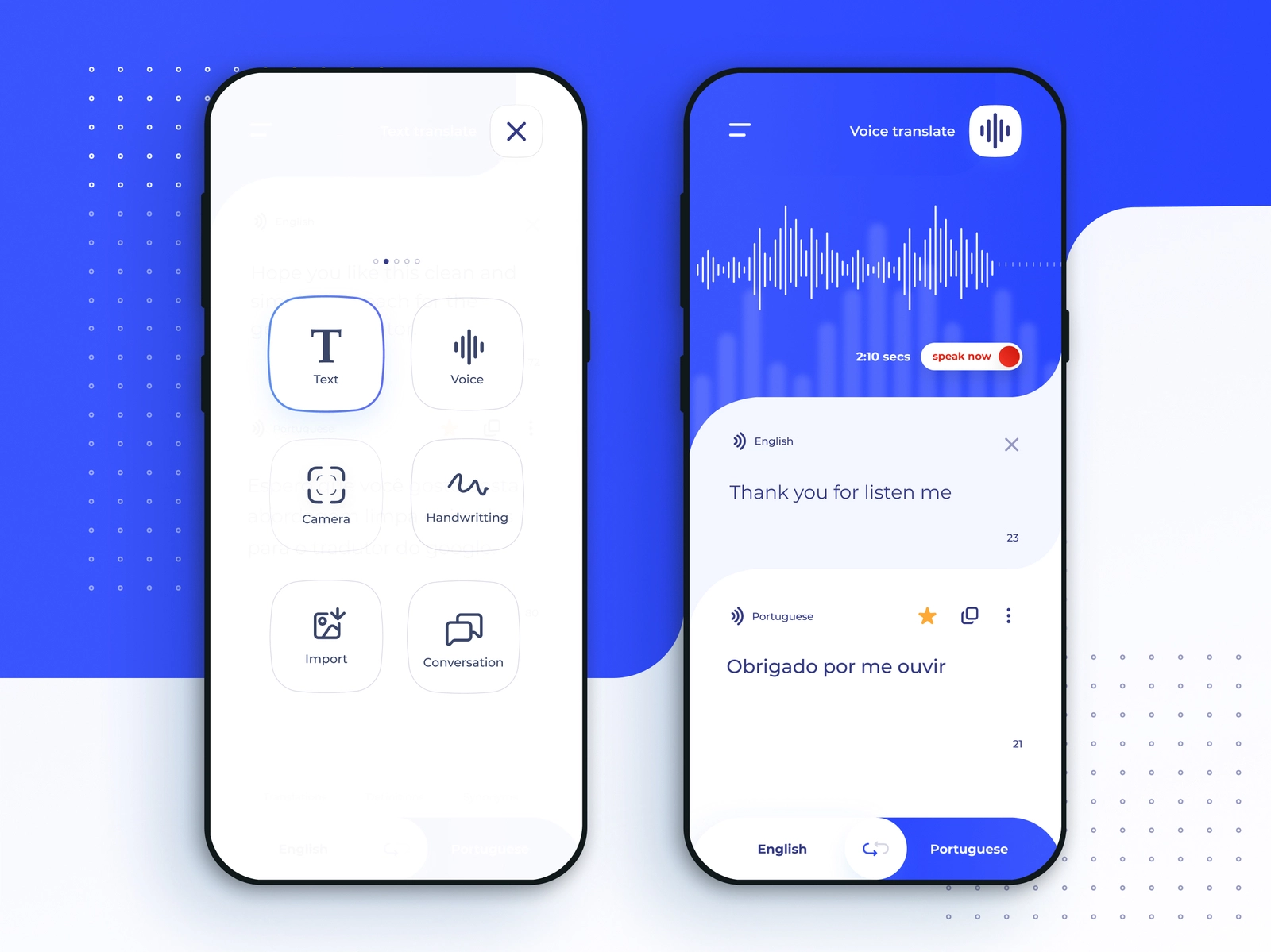
    The most obvious change revealed this week is the new design that Google Translate is getting. The Translate app on Android has just received a brand-new design, while the iOS version will be getting its own fresh look in just a few weeks. The redesign Translate experience includes larger canvas, voice input, as well as Lens camera translation.

    Another important part of the update is related to gestures. To make the app more accessible, Google has added new gestures such as the ability to select a language with fewer taps, holding the language button to pick a recently used language with a swipe, and swiping down on the home screen text area to bring up recent translations.

    Finally, the update expands the number of languages by an additional 33, which are also available on-device in the Translate app. The new languages include Basque, Corsican, Hawaiian, Hmong, Kurdish, Latin, Luxembourgish, Sundanese, Yiddish and Zulu, among others.

  • Tinder introduces safety features to make the online dating experience more comfortable

    Tinder introduces safety features to make the online dating experience more comfortable

    The developers of the popular dating platform Tinder are looking to equip users with more tools for safety. And with Valentine’s Day fast approaching — which is also your kind reminder to check out our Valentine’s Day deals guide — is it any wonder at all?

    But, come on — how can an app that matches strangers provide more safety? Well, through an Incognito Mode, of course. While it may seem counterintuitive at first, it makes sense, as when turned on, only the users you’ve liked can view your profile.

    That may limit your reach, per say, however it also sounds like adding a higher success rate into the mix, as you’ll have a larger say in who gets to mingle with you. But that’s not all: you can outright block users straight from your feed, if you are certain in your abilities to judge a book by its cover photo.

    There is more too! Users will get the option to long press a message in order to send a report to Tinder staff regarding the user in question. The company hopes this will help them moderate their community in a way thath punishes inappropriate behavior.

    The app also received minor tweaks to its “Are You Sure” and “Does This Bother You” features, which basically nudge users into being more considerate when talking to one another. And it seems to be working, as ever since the latter was introduced, the company has been receiving 46% more user reports. Yay?

    In case you are becoming stressed about your dating habits, you can always turn to the official Tinder dating online guide, which has been drafted up in an attempt to end sexual harassment. Definite yay! The update is rolling out for the Tinder app right now, so if you haven’t checked recently, it may be high time to do so.

  • Screenshot reveals a new feature is coming to the Google Messages app

    Screenshot reveals a new feature is coming to the Google Messages app

    Some of the better third-party messaging apps, like WhatsApp, allow you to create a profile that includes a picture or avatar. On WhatsApp you can check out the profile created by one of your contacts by tapping the magnifying glass icon found on the upper right of the display and typing in his or her name in the search bar when that name appears on the top of your chat page, press on it. You will see that person’s WhatsApp profile.
    It would appear that Google is going to allow Android users employing the Google Messages app to create their own profiles. The page was discovered by going to settings and searching for profiles. We need to point out that Android Police says that Esper’s Mishaal Rahman actually discovered the Profile page, so we should give credit where credit is due. The page, currently, is not functional though.
    The tipster says that if implemented by Google, Google Messages users can create a profile with a photo, name, and email address. Based on the screenshot, it appears that users will be able to decide who can view their profiles. We’d expect the options to include one setting that would allow anyone who sends you a message to view your profile if you send back a response. Another setting would allow only your contacts to see your profile, and the third and most restrictive option would allow only you to view your profile.
    Other controls would allow you to receive a notification when one of your contacts makes a change to his/her profile, and one that would send you a notification when a new contact is found.
    Currently, we have no idea when or if Google plans to launch this feature. It’s probably a good idea since most people are not going to remember every person they’ve ever engaged in an online chat. A quick look at a user’s profile might restore their memories.
  • Apple fined $17.4 million by Russian agency because the App Store is a monopoly

    Apple fined $17.4 million by Russian agency because the App Store is a monopoly

    The App Store continues to land Apple in hot water, this time in Russia. The country’s Federal Antimonopoly Service (FAS) fined Apple the equivalent of $17.4 million because Russian developers were forced to use Apple’s in-app payment platform. Apple forces developers to use its payment platform and takes a 15% to 30% cut of in-app subscriptions and payments. Any attempt to bypass the platform results in Apple kicking the offending app out of the App Store as it did with Epic Games and its hit title Fortnite.

    Apple’s actions were previously found to violate Russian competition rules and the tech giant is being told that it must pay the new fine within two months. You might recall that back in April 2021 the company was hit with a $12 million fine from the same agency after losing a lawsuit filed by Russian cybersecurity firm Kaspersky. In 2018, the developer was planning to update its Safe Kids parental control app but Apple blocked the update as it released its own Screen Time feature in iOS 12.

    At the time, the FAS released a statement that said, “Apple was found to have abused its dominant position in the distribution of mobile applications on the iOS operating system through a series of actions that led to a competitive advantage for its own products, and at the same time worsened the distribution conditions for competing products.” Apple claimed that it removed a number of parental tracking apps from the App Store because they were invasive and “put users’ privacy and security at risk.”
    At the time, the FAS also ordered Apple to remove from its terms and conditions any terms that allow Apple to “reject third-party applications from the App Store for any reason, even if they meet all requirements.” The agency also demanded that Apple no longer give its in-house apps precedence over third-party apps. While Apple was allowed to appeal the $12 million fine, it isn’t clear whether the Russian regulators are allowing Apple to contest the latest action. While under appeal, the FAS orders that Apple must obey are temporarily suspended.

    The App Store monopoly could be coming to an end thanks to the European Union’s Digital Markets Act (DMA). Apple reportedly is working to allow iPhone users, in Europe at first, to sideload apps. This merely means allowing users to download apps from third-party iOS app storefronts. Apple claims that for security reasons it prevents iPhone owners from sideloading apps.

    Apple isn’t totally wrong about this since its walled garden does give it control over the apps installed on an iPhone. On the other hand, people don’t like to be told what to eat or drink or put into their bodies and many feel that they should be allowed to make their own decision whether or not to risk having their iPhone attacked by a malware-infected app that contains a banking trojan (which will steal the log-in info to their banking apps).
    It should be pointed out that Google allows Android users to sideload apps and this writer has done so without issue in the past. Look at the comments section for red flags before installing apps from developers you’ve never heard of before.
    Whew! Did we take a detour! Anyway, should Apple allow sideloading on the iPhone, the company would no longer be accused of being a monopoly. Right now though, there is only one official way to install an app on an iPhone and that is through iOS. And this means that developers have to pay the Apple tax on in-app purchases. And regardless of the fines imposed on Apple, it still remains more profitable for it to demand that developers pay the 15% to 30% tax.
  • Netflix app has just become more fluid on iPhone

    Netflix app has just become more fluid on iPhone

    Netflix has made headlines quite a few times in the last couple of months, but we’ve mostly talked about the company’s attempts to prevent password sharing and its new ad-based plan, which might or might not be as popular as it was expected.

    Today’s headline is about the Netflix app, the gateway to the service’s library of entertainment and the first thing customers see before diving deep into their favorite TV shows and movies. This is why the app is getting updates all the time, some adding new features, while others simply improving already existing perks.

    Early this week, a new update for the Netflix app dropped, although it’s limited to iOS. The good news is the update is supposedly making the app more fluid, as seen in the video embedded below. Also, former Netflix UI designer Janum Trivedi revealed some of the changes he worked on last year before leaving the company.

    Here are some of the most significant changes included in this update, besides the under-the-hood improvements that make the app run more fluid than ever:

    • New billboard layout responds as you move your device, with a subtle lighting effect
    • Beautiful wallpaper gradients that are created on-the-fly from the art
    • A new card transition that’s fully interruptible/interactive
    • New launch/profile animations, haptics, and more

    Meanwhile, Netflix’s new Basic plan with ads is available for customers in the United States, Australia, Brazil, Canada, France, Germany, Italy, Japan, South Korea, and United Kingdom. Depending on how well the adoption among customers will go, we’ll probably see the new ad-based plan introduced in other territories.

    Surprisingly, Netflix’s cheapest plan doesn’t work on Apple TV yet, regardless of location. Perhaps that will change in the future, but we currently have no explanation as to why it doesn’t work yet.

  • Google testing new look for Android YouTube app

    Google testing new look for Android YouTube app

    Some Android users employing the YouTube app might have noticed that a change has been made to the progress bar on the video player when in Dark mode. This is the line under the video that appears when watching streaming content in portrait orientation. The bar moves to the right as a video plays and also shows how much of a video has loaded. Typically, the progress bar is red although some Android users, including this writer, now see a white or gray progress bar instead.
    With the white/gray progress bar showing, you will no longer see the part of the line that shows how much of a particular video has been loaded on the app. Touching the line to move ahead or to go back (an activity known as scrubbing) will bring back the red color as will tapping on the video to get back the controls. When the progress bar returns to the original red color, it will once again show how much of the currently selected video has been loaded.
    When watching in landscape orientation, you don’t see the progress bar unless you tap the screen, and then it will appear for a second. The progress bar in landscape is in red and hasn’t been changed-at least not yet. And we need to point out again that the change to the color of the progress bar in portrait is seen only when you are watching YouTube in Dark mode. In Light mode, the progress bar is red so it can stand out. It makes sense that a white/gray progress bar would be more easily seen with a dark background.

    If your YouTube app doesn’t exhibit this change, don’t fret. This could be the usual A/B test that Google is famous for running. For what it’s worth, the Pixel 6 Pro used by yours truly does have the white/gray progress bar but it is running Android 13 QPR2 Beta 1.

  • Google testing new look for Android YouTube app

    Google testing new look for Android YouTube app

    Some Android users employing the YouTube app might have noticed that a change has been made to the progress bar on the video player when in Dark mode. This is the line under the video that appears when watching streaming content in portrait orientation. The bar moves to the right as a video plays and also shows how much of a video has loaded. Typically, the progress bar is red although some Android users, including this writer, now see a white or gray progress bar instead.
    With the white/gray progress bar showing, you will no longer see the part of the line that shows how much of a particular video has been loaded on the app. Touching the line to move ahead or to go back (an activity known as scrubbing) will bring back the red color as will tapping on the video to get back the controls. When the progress bar returns to the original red color, it will once again show how much of the currently selected video has been loaded.
    When watching in landscape orientation, you don’t see the progress bar unless you tap the screen, and then it will appear for a second. The progress bar in landscape is in red and hasn’t been changed-at least not yet. And we need to point out again that the change to the color of the progress bar in portrait is seen only when you are watching YouTube in Dark mode. In Light mode, the progress bar is red so it can stand out. It makes sense that a white/gray progress bar would be more easily seen with a dark background.

    If your YouTube app doesn’t exhibit this change, don’t fret. This could be the usual A/B test that Google is famous for running. For what it’s worth, the Pixel 6 Pro used by yours truly does have the white/gray progress bar but it is running Android 13 QPR2 Beta 1.

  • Location-tracking app Zenly shutting down

    Location-tracking app Zenly shutting down

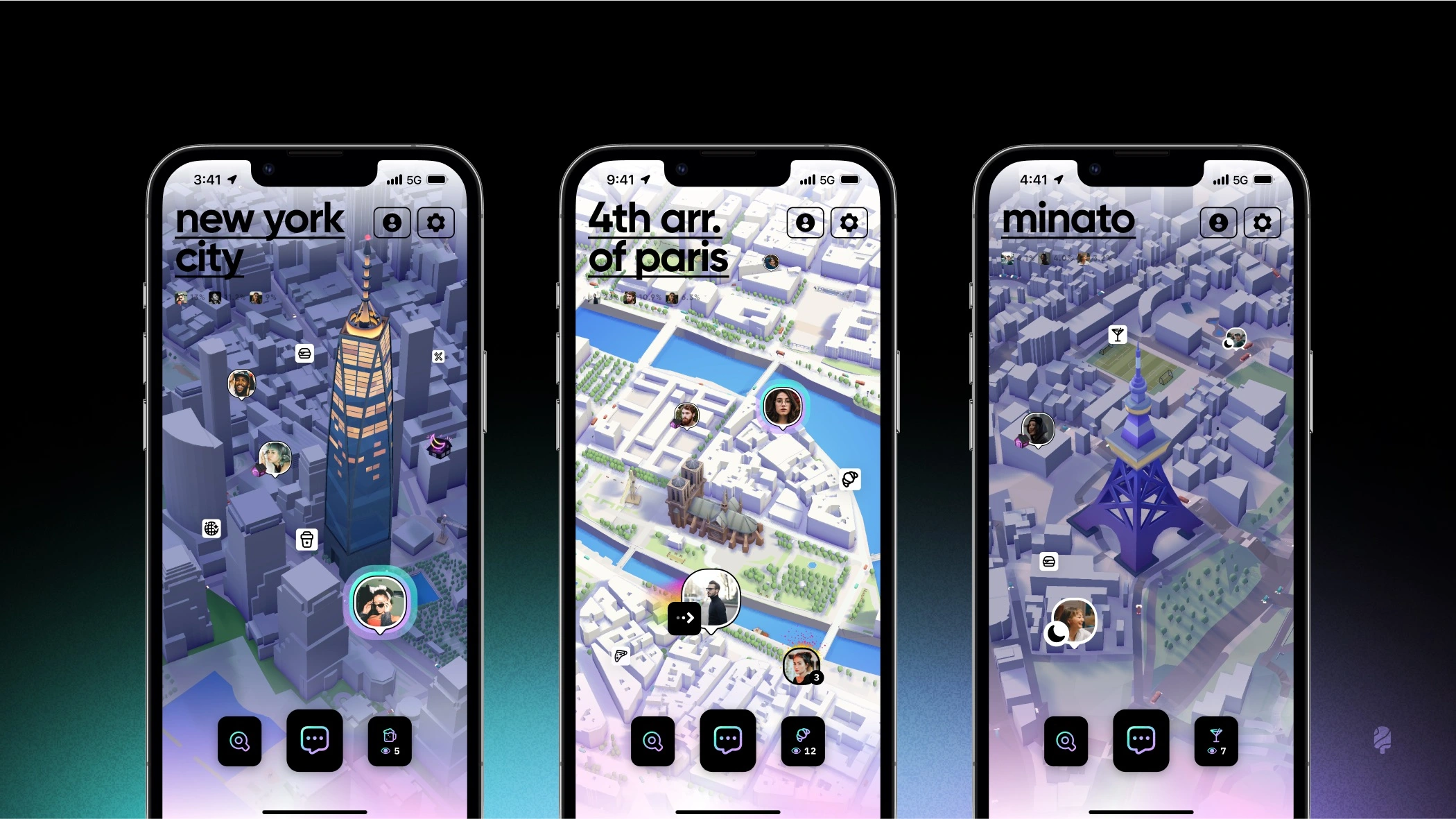
    The popular location-tracking social media platform Zenly will shut down February 3 as its operator Snap Inc undergoes restructuring.

    “Time to say goodbye,” read a notification to all users of the app Tuesday morning. The notification said the platform would shut down in 59 days.

    It also urged users to switch to the app Snap Map, operated by Snap Inc, which bought Zenly in 2017.

    Zenly is used by many Vietnamese who want to track the location of their friends of family members. It has been among the most downloaded apps here for years.

    It is currently Vietnam’s sixth most downloaded iOS social media app and ninth on Android.

    Zenly, launched in 2014, is one of the best performing apps in Asia and Europe, with 160 million downloads and 35 million active users, according to a report by Data.ai earlier this year.

    The app has caused controversy for using key personal data such as location, contacts, micro and camera, all of which are at risk of being leaked.

    Some users have admitted to installing Zenly secretly on someone else’s phone to covertly track that person.

    Rumors of a Zenly shutdown have been circulating since September, when Snap Inc said it would undergo restructuring – including letting go of 20% of its staff.

  • Samsung to increase Vietnam investment to $20B

    Samsung to increase Vietnam investment to $20B

    South Korean electronics giant Samsung announced plans Tuesday to increase its investment in Vietnam from $18 billion to $20 billion.

    “Samsung has clear goals to implement projects in Vietnam effectively. We want to invest in developing new, young human resources, and promote research in artificial intelligence and big data, ” Samsung Electronics vice chairman and CEO Han Jong-hee said while meeting with visiting Vietnamese President Nguyen Xuan Phuc in Seoul on Tuesday.

    Phuc encouraged Samsung to continue investing in auxiliary industries and smart technology, with a goal of building research and development centers in Vietnam.

    Samsung’s new Research and Development Center in Vietnam has been completed and will soon come into operation, focusing on research on phones, computers, and network systems, Vietnam News Agency quoted Han as saying.

    In upcoming big fairs, Samsung will exhibit leading hi-tech products and solutions, and if there are partners, the firm will manufacture them in Vietnam, he said.

    Samsung Electronics Vietnam reported export turnovers of $65.5 billion in 2021, helping turn Vietnam into a global smartphone manufacturing hub.

    The Vietnamese president also met Tuesday with Hyosung chairman Cho Hyun Joon, who said the South Korean industrial group has invested $3.5 billion in Vietnam.

    Then Phuc met with New Korea Development Bank (KDB) chairman Kang Seog Hoon, who said the South Korean lender will soon launch new financial services in Vietnam as part of its expansion into its Southeast Asian neighbors.

  • New useful features to hit the Google Play store app soon

    New useful features to hit the Google Play store app soon

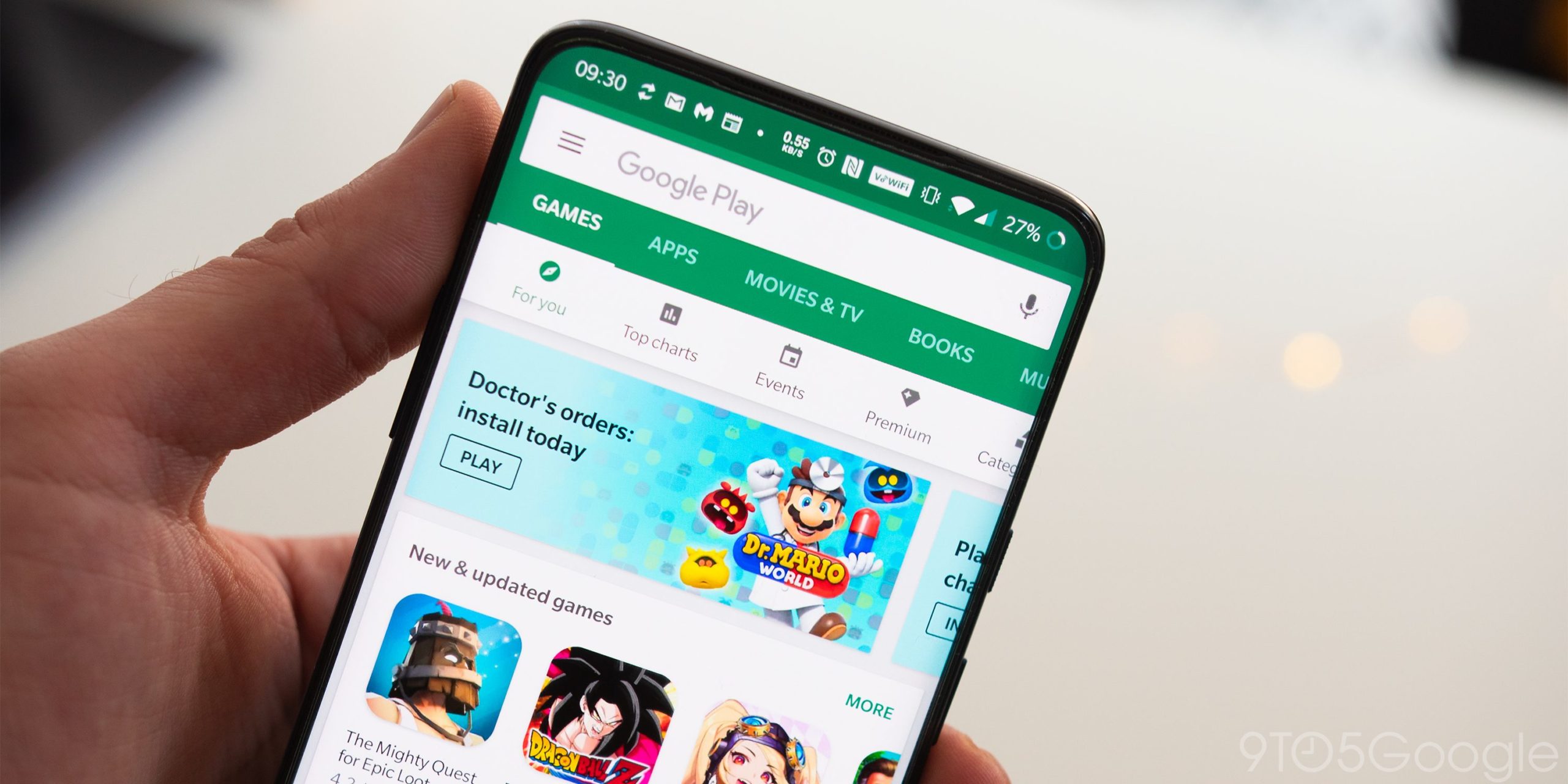
    Two new features are headed to Google’s Play store app on Android and they are aiming at improving the user experience in different but notable ways. We’re to see a brand new download progress indicator and the option to archive apps.

    Currently, if you want to check how much longer you’ll have to wait before that new app gets installed, you’ll have to bring down the quick settings menu. The download progress will be displayed just underneath it, along with your notifications.

    While that is great, it is somewhat limiting, as you don’t have a persistent indicator. Having one always-on screen – or the option to enable it – might help out people with limited connection speeds, who need to wait until one download is done before starting another.

    Hence, the new download bubble is the upcoming solution. Reportedly, it will hang around on your screen and showcase your download’s progress, allowing you to browse the store or do something else until the installation is done.

    If you are one of those folks who aren’t interested in such a feature: don’t worry! If you don’t want to see it, you can never enable it. And if you do, it allows you to move it or dismiss it, so even if you turn it on, you can always quickly send it away.

    Great? Great! What’s better? Having options. Another new feature is expected, namely the ability to Archive apps, instead of outright uninstalling them. This one was also officially announced, so it’s not as much of a surprise.

    Archiving basically allows you to delete an app, but keep the personal data associated with it. Personal data typically contains your settings, login information, and, for gamers – save data.

    This option is meant to help out users with phones with smaller storage capacities. So, if you ever find yourself in a situation where you are running low on space, you could always Archive an app, without having to worry about losing any progress or settings.

    At any point, after you’ve Archived an app, you could visit its page on Google Play and hit the Restore button, which at that point would’ve replaced Install. Whenever you do that, the app will download its missing files, allowing you to use it again fully.

    Well, given that we’ve got this info thanks to an App teardown, that would mean that these functions are already in there in some capacity. Though that doesn’t mean that they are ready for release, it means that they are being actively tested.

    As such, we can expect these features to become available soon to the public. If you happen to notice that you’ve got an update for the Play store pending, you should make a mental note to check for these in your app settings.

  • Airasia Super App achieves record high growth in average monthly active users

    Airasia Super App achieves record high growth in average monthly active users

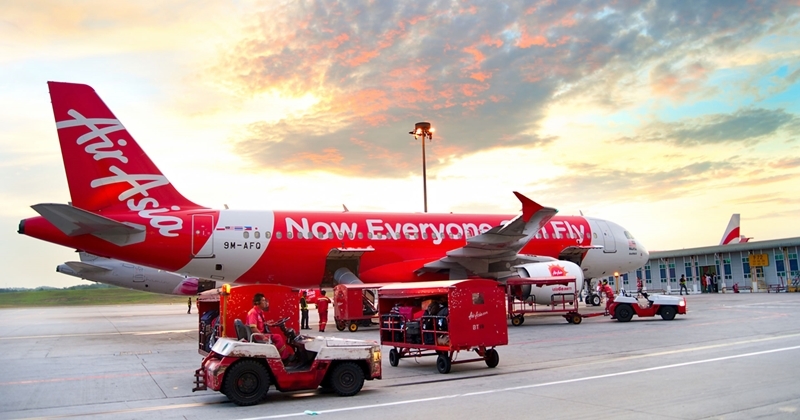
    Capital A Berhad‘s digital businesses airasia Super App achieved a record high growth in average monthly active users (MAU) which stood at 10.6 million in the second quarter of 2022, up 236 percent compared to the same period last year.

    Capital A said in a statement on Monday the growth is primarily underpinned by the strong return of travel and increased user acquisition on the mobile app.

    Additionally, the number of transactions increased 70 percent for quarter on quarter comparison and climbed five times as compared to the second quarter last year. These were driven primarily by increasing transactions from flights, airasia ride, FlyBeyond, and SUPER+.

    Meanwhile, BigPay reached 1.2 million carded users in the second quarter, a 62 percent increase from the same period last year.

    This was mainly driven by strong market adoption over the past year and throughout this year in line with the travel recovery and the expansion of product offerings, such as DuitNow payments and transfers, additional remittance corridors, and one of the first digital lending products in Malaysia.

    For Capital A’s logistics business, Teleport transported slightly lower cargo tonnage by 27 percent year on year due to the extended lockdowns imposed in China that began in March.

    Delivery, on the other hand, improved significantly, up 630 percent year on year.

    Teleport achieved a record-breaking total of 1.15 million deliveries in the second quarter. This was in part due to Teleport’s onboarding of a large new ecommerce platform in the second quarter which accounted for 10 percent of delivery volume.

    The new platform is expected to boost growth in the industry significantly with Teleport’s robust expansion plans across the region this year.

    Capital A consolidated airlines continues to post significant performance improvement, with a notable load factor of 84 percent, akin to its pre-pandemic levels, signalling that air travel revival is well underway.

    The consolidated airlines carried over 5.6 million passengers, a 633 percent increase year-on-year and 48 percent increase quarter-on-quarter.

    The consolidated airlines flew more than 35,000 flights in the quarter, up 483 percent year on year compared to the same period last year, supported by the growing domestic demand and the resumption of international travel in ASEAN countries.

    Correspondingly, available seat kilometres (ASK) rose by 456 percent year on year and revenue passenger kilometres (RPK) increased by 582 percent year on year.

    In the second quarter, total operating aircraft for AirAsia Malaysia, AirAsia Indonesia and AirAsia Philippines were 45, 12 and 8 respectively.

    AirAsia Malaysia posted a stronger load factor of 84 percent in the second quarter, up by 20 percentage points (ppts) year on year and 10 ppts quarter on quarter.

    Passengers carried and capacity increased significantly by 1276 percent year on year and 955 percent year on year to 3.8 million and 4.6 million respectively, with more operating aircraft added to support the huge surge in demand for both domestic and international flights.

    Load factor for international flights achieved 81 percent with 31 additional destinations reinstated and the highest number of international passengers carried post pandemic, attributed mainly from Malaysia-Singapore routes, followed by Malaysia-Indonesia and Malaysia-India routes.

    AirAsia Indonesia, meanwhile, recorded an encouraging load factor of 77 percent in the second quarter, an increase of 10 ppts year on year.

    Domestic flights achieved a healthy load factor at 73 percent while the load factor for international flights was stronger at 86 percent.

    Passengers carried and capacity improved by 132 percent year on year and 102 percent year on year respectively, on the back of the resumption of international flights, with 29 percent of the total number of seats sold from international flights.

    The number of flights flown has also increased by 102 percent year on year.

    AirAsia Philippines, on the other hand, posted the highest load factor among the group’s airlines at 93 percent, which grew by 15 ppts year on year.

    In the second quarter, the number of passengers carried increased by 480 percent year on year and capacity expanded 388 percent year on year.

    Flight frequencies were added on popular routes to meet strong demand which increased ASKs by 309 percent and the number of flights flown jumped 388 percent year on year.

    In June, AirAsia Philippines resumed international routes to Kota Kinabalu, Seoul, Hong Kong and Guangzhou.

    In the second quarter, AirAsia Thailand carried over 1.7 million passengers, up 133 percent year on year with a load factor of 75 percent, rising 14 ppts compared to the prior corresponding period.

    The airline added flight frequencies and routes to meet rising demand, resulting in an 87 percent increase in flights flown, to a total of 12,326 flights with 25 operating aircraft during the quarter.

    More international flights were reinstated during the quarter, operating 19 routes to 8 countries by the end of the second quarter.

    As a result, the ASK and seating capacity significantly rose by 116 percent and 90 percent respectively as compared to the same period last year.

    Additionally, the average sector length grew by 16 percent, mainly driven by flights from the South Asian market.
  • Grocery delivery app Instacart founder Mehta to step down as chairman

    Grocery delivery app Instacart founder Mehta to step down as chairman

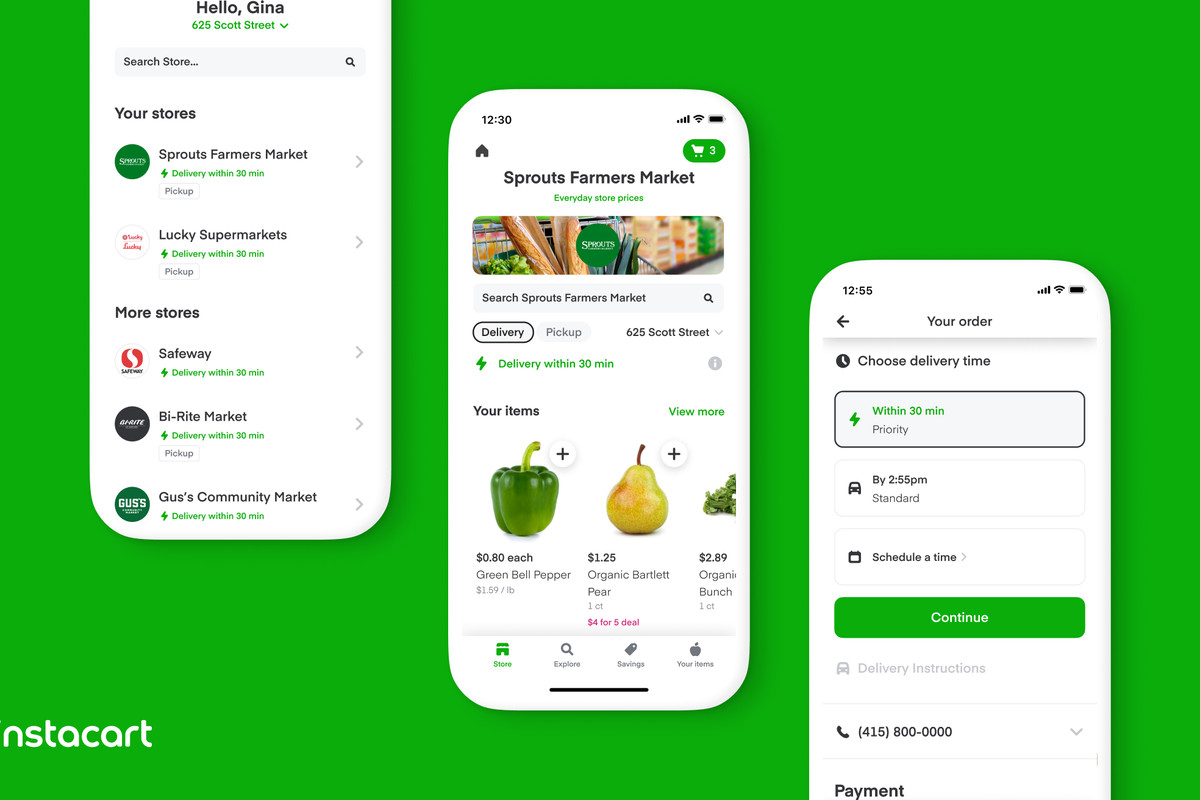
    Grocery delivery app Instacart said on Friday founder Apoorva Mehta would step down from his role as chairman and leave the company once it goes public.

    Chief Executive Fidji Simo, the former head of Meta Inc’s Facebook app, will succeed Mehta. She joined Instacart as CEO in August 2021 after Mehta transitioned to executive chairman.

    Mehta said in a Twitter post that stepping down from the company’s board would allow him to pursue other opportunities.

    However, there will be no change in his ownership in the company, a source close to Instacart said.

    Instacart in May said it had confidentially filed with the US securities regulator to go public. Reuters had reported that the company was considering going public through either a direct listing or a traditional IPO.

    In March, the San Francisco-based firm slashed its valuation by nearly 40% to about $24 billion, following market turbulence that impacted leading technology companies.

    Launched in 2012, Instacart benefited from the pandemic-led boom for doorstep delivery, although it faced stiff competition from companies such as DoorDash Inc and SoftBank-backed delivery startup GoPuff, which is also gearing up for a US IPO.

  • Google announces five new features coming to Chrome for iPhone and iPad

    Google announces five new features coming to Chrome for iPhone and iPad

    If you have an iPhone and don’t like Safari, chances are you’re using Google’s internet browser, Google Chrome. If that’s the case for you, you’ll be delighted to hear that Google Chrome’s latest update for iOS is now bringing some very useful features, including improved security, a redesigned main screen, and more.

    Google has recently been bringing loads of updates to its Chrome browser. Now, some update love is being sent to its iOS version, and Google has announced some new features coming our way. Let’s see what these are.

    First off, we have Google’s Enhanced Safe Browsing feature. This one is a security-centered feature that proactively warns you about dangerous websites you are about to visit. Enhanced Safe Browsing has been available on Android and desktop for months now, and it’s finally made its way to iPhone users.

    The feature works by sending real-time data to Google Safe Browsing to check for malware, phishing, and other dangerous animals that lurk in the Internet’s dark corners. This way, you’ll get warned if you encounter a dangerous website.

    Speaking about security, Chrome for iOS also gets another useful feature: alerts for compromised credentials. iOS’ own password service does warn you about those, but it’s never a bad thing to get two warnings if you have a compromised password: you know, hackers can use this to access some of your accounts, so better be vigilant about it.

    To enable Enhanced Safe Browsing, update your Chrome app, and then go to Chrome > More > Settings > Enhanced Safe Browsing (you can do that from iPhone or iPad).

    Moving on, another useful features coming to Chrome for iOS is called “Chrome Actions”. This is a quality-of-life feature that lets you easily perform a certain tasks without having to dive deep into the app’s settings to find it.

    To use Chrome Actions, you simply need to type into the address bar of Chrome what you want to do. Examples include typing “Clear Browsing Data” or “Open Incognito Tab”, and even “Set Chrome as Default Browser”.

    Additionally, Chrome can also predict when you will need a Chrome Action by the words you are typing in the address bar, so you don’t need to memorize all the commands to benefit from this feature. Since 2020, the desktop version has had it, and Android users got it in April 2022, but it’s never too late to get something useful like that.

    But that’s not all. This new update lets you set Google Password Manager as your Autofill provider, if you want to do so. This comes as an alternative to Apple’s own password service, as well as third-party tools such as 1Password or Dashlane.

    The app’s main screen also has a new look now with this new update. The main screen now includes more than just your recent tabs, adding access to your Discover feed. Unlike the previous features, that’s something the Android version of Chrome is yet to get, and Google has stated it will be available in the future.
    The update also brings some minor changes as well. There are improvements of Google’s website translation feature. This will help you see websites in your preferred language (the feature uses on-device machine learning), and it is now getting an updated language identification model. Pretty much, this means the app will be able to more accurately recognize the language of a webpage and whether it needs to be translated for you.
    Other minor tweaks include the ability to manage camera and mic permissions for specific sites, and the ability to download and add iCalendar files to your Calendar.
  • Woolworths launches rapid delivery app Metro60

    Woolworths launches rapid delivery app Metro60

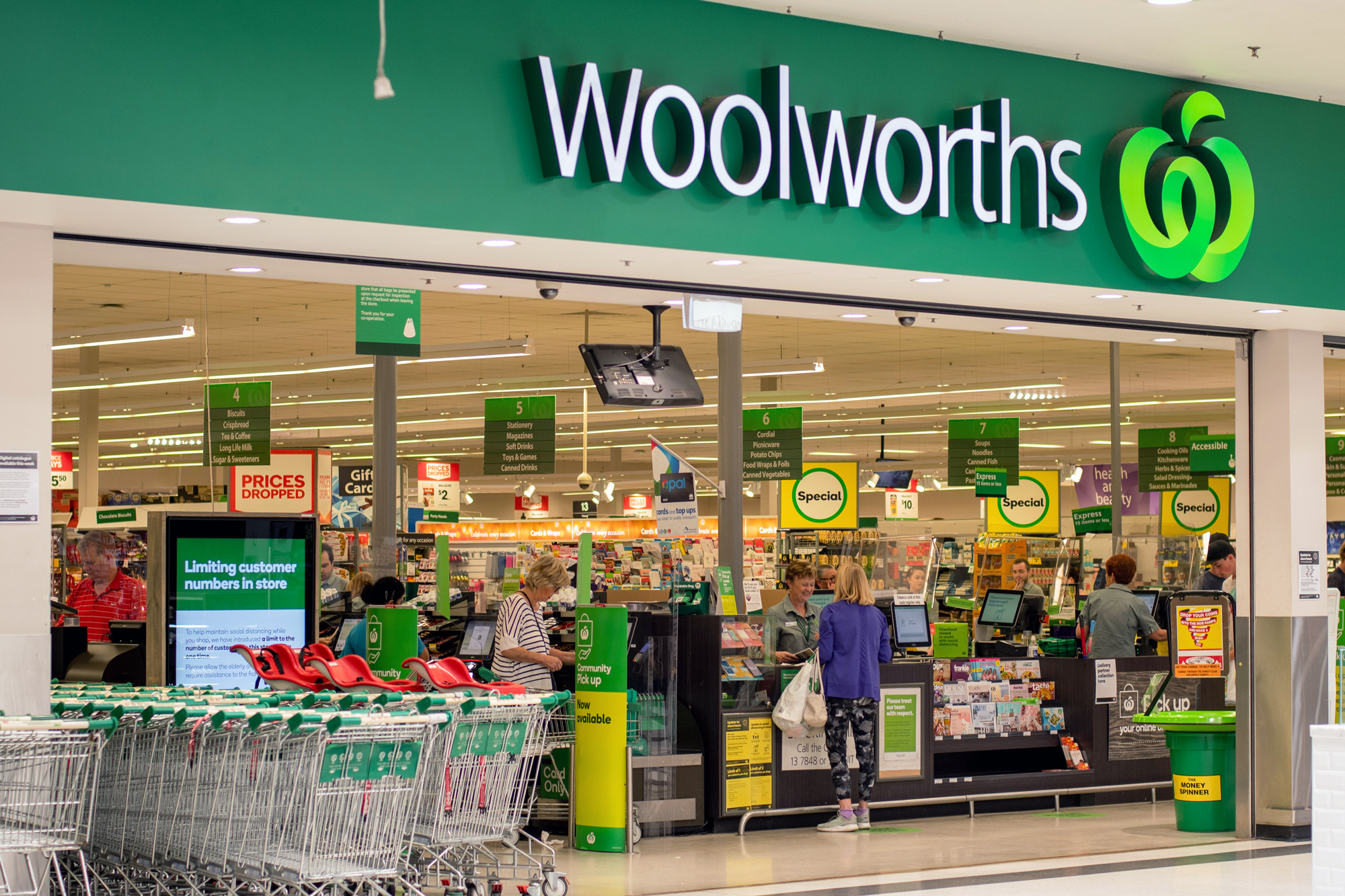
    Woolworths has launched a new app that promises groceries door-to-door within an hour for a $5 fee in a move that poses a huge challenge for a crop of start-ups that offer a similar service but a boon for consumers who have grown used to speedy deliveries during the pandemic.

    The app, Metro60, launched this week in 11 eastern Sydney suburbs, including Bondi, Vaucluse and Rose Bay, to little fanfare. The supermarket giant plans to roll it out in hundreds more neighbourhoods across NSW and other states in coming months as it fights for market share in the $100 billion-a-year sector during an economic downturn.

    About 4000 products from fresh produce to cleaning supplies will be available from Woolworths’ small format Metro stores via Uber couriers. The first three deliveries are free, with a $5 delivery fee and $20 minimum order thereafter.

    Woolworths’ chief transformation office, Von Ingram, described Metro60 as a way for customers to quickly get last-minute snacks, ingredients or meals.

    “Our busy customers are already familiar with the convenience a Woolworths Metro provides when
    they’re on the go, and we see Metro60 as an opportunity to offer a new level of ultra convenience and help customers save even more time,” Ingram said.

    Woolworths’ move follows a string of start-ups in Australia that sprung up last year offering supermarket deliveries in 10 or 15 minutes, including Milkrun, Voly and Send.

    Send collapsed in May while The Sydney Morning Herald and The Age revealed Voly had cut staff and stores earlier this month amid a technology downturn that has made it harder for start-ups to raise money.

    But Woolworths poses an even greater challenge for the two surviving firms. Even compared to Milkrun, which has announced capital raises totalling $86 million, Woolworths is a financial colossus with a market capitalisation of more than $42 billion, an established supply chain and a huge store network across the country.

    Its partnership with Uber means it will likely save on labour costs too because the gig economy company uses contractors who have flexible working arrangements and are paid per job rather than a minimum hourly wage.

    Milkrun and Voly use employees and offer faster delivery times, with Milkrun in particular also displaying a particular flair for branding, such as wrapping vehicles in its eye-catching blue and white logo.

    Metro60’s launch comes at a hard time for the retail sector, which is dealing with shortages of vegetables such as lettuce and suppliers demanding price rises to cover the increased cost of things like fuel, power and fertiliser.

    The Reserve Bank of Australia, charged with controlling inflation, has also been trying to convince consumers to cut back their discretionary spending by increasing interest rates.

    Woolworths currently offers deliveries for fees ranging from nothing to $15, depending on the time frame, using a range of couriers that includes Uber for some of its fastest services.

    Last year it announced a partnership with Uber Eats to offer about 1200 products at Woolworths Metros on the US giant’s app.

    Coles has a partnership with another gig economy delivery company, DoorDash.

  • TikTok wants you to stay away from the app some time

    TikTok wants you to stay away from the app some time

    TikTok wants its users to find other things to do instead of spending all day creating short-form videos and browsing through the app. In a message to the TikTok community that the company disseminated on Thursday, TikTok announced some steps it is taking to help users develop positive digital habits. Users can already set daily screen time limits and in a few weeks, they will be able to control the amount of time that they spend on TikTok in a single setting by enabling regular screen time breaks.
    These prompts will remind TikTok users to take a break from the app after a certain amount of uninterrupted screen time has passed. The amount of screen time can be set as long or as short as the user desires. TikTok members aged between 13 and 17 who have used the app for more than 100 minutes in a single day will be reminded the next time they open TikTok that they can use the screen time limit tool.
    Carolyn Bunting MBE, CEO of Internet Matters, said, “The research showed that younger users would welcome the introduction of built-in features and settings that prompt them to both think critically about the time that they are spending online, but also encourage them to use settings to actively manage the time they spent on the app. It is important that they feel in control of their online experiences and are helped to make considered choices. We look forward to TikTok developing further features that will put children’s wellbeing at the heart of their design choices.”

    The Digital Wellbeing screen time summary shows the amount of time users spent on TikTok during the daytime and during the night. As TikTok recently stated, “We love working with talented creators to educate the TikTok community about online safety, wellbeing, and the tools and options available to them. The energy and enthusiasm these creators have for their community helps them connect with other users and leads to a better understanding of the platform.”

    TikTok was the most downloaded app globally during the first quarter of 2022. It also was just the fifth app in history to record lifetime installations of more than 3.5 billion; the other four apps were all developed by Meta (Instagram, Facebook, WhatsApp, and Messenger).
    Earlier this year, TikTok made some major changes to its short-form video platform. Looking to take on YouTube, TikTok increased the length of its maximum videos from 60 seconds to 180 seconds (or from one minute to three minutes). It then increased the video length once again from 180 seconds to six hundred seconds (3 minutes to ten minutes). Now, the more than one billion monthly active users on the app have a reason to spend some more time on TikTok.
    On August 1st, 2020, then President Donald Trump, in the middle of his trade war with China, announced that “We’re looking at TikTok, we may be banning TikTok. We may be doing some other things. There’s a couple of options. But a lot of things are happening, so we’ll see what happens. But we are looking at a lot of alternatives with respect to TikTok.”
    Eventually, Trump decided that he wanted TikTok to be owned by a U.S. company and said that for the app to be allowed to be used in the states, it would have to have U.S. ownership. Three U.S. firms appeared to be interested including (quite surprisingly) Oracle and Walmart. Microsoft also had a strong interest in buying the U.S. version of TikTok.