Retail News CRM

Tag: app

  • Kacific Launches Mobile App to Simplify End-User Experience

    Kacific Launches Mobile App to Simplify End-User Experience

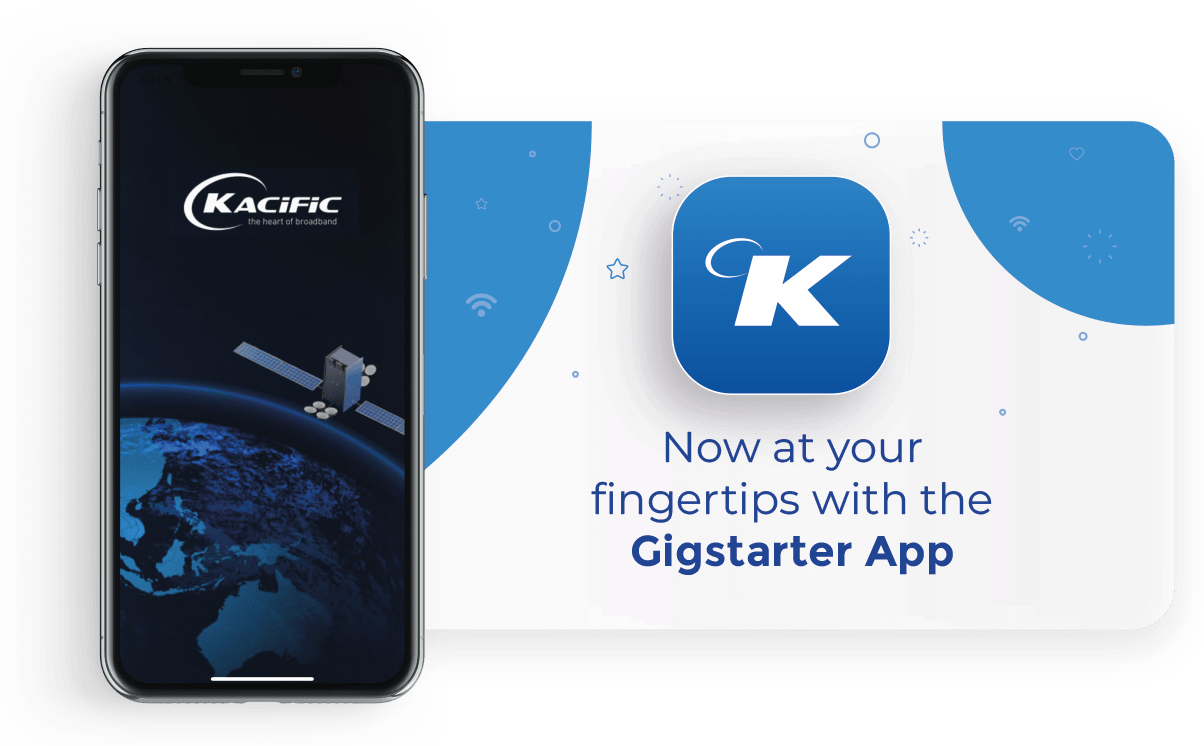
    Kacific has launched its first Kacific Gigstarter mobile app for all end-users on the Kacific Gigstarter service, across 25 markets it operates in. The mobile app is the next step in helping its Internet Service Providers (ISP) and Kacific Authorised Distributors (KADs) add value and understand their customers better. The app simplifies the end-user experience by providing the ability to track data usage, upgrade their Gigstarter plans, request support and more.

    With the Kacific Gigstarter app, end-users under the respective ISPs and KADs can easily track and manage their data usage on a daily, weekly and monthly basis. It provides details on different tiers of broadband plans, driving the opportunity for end-users to upgrade their plan as their needs grow.

    Thoughtfully designed to offer the best possible user experience, the app ensures a consistent service standard for end-users and makes it even easier to contact their service provider for on-ground 24-7 support at the touch of a button.

    The app will also drive business to the local KADs by providing prospective end-users with the ability to locate the nearest ISP or KAD in their area.

    “We’re focused on providing our channel partners with everything they need to be the most competitive brands in the broadband market. The Gigstarter mobile app adds to the marketing and sales support we provide, giving our partners the user-friendly tools to keep their customers satisfied and informed,” said Brandon Seir, Chief Commercial Officer, Kacific.

    “With the app, we can drive new end-users to our customers, promote and upsell services, and provide responsive customer service – ultimately streamlining the end-users’ day-to-day experience with the Gigstarter product.”

    To respond to the high retail demand created by the Covid-19 pandemic, Kacific diversified its business model – adding a franchise retail broadband model to its traditional wholesale model. The flagship product for the retail arm is Gigstarter, a pre-packaged, prepaid, monthly broadband service, delivered over small, light, and easy-to-install VSAT terminals.
  • Your App Store subscriptions could now charge you more without explicit permission

    Your App Store subscriptions could now charge you more without explicit permission

    Apple’s auto-renewable subscriptions, just like any other automated payment method, can save you a lot of time, especially if you pay for many services. But Cupertino has recently updated its policy, and if you are on a tight budget, you should be even more careful from now on.

    In a blog post, the Cupertino company announced that — starting now —, if the price of a subscription rises and certain criteria are met, the developers could bill you automatically for the next period without requiring you to opt in again for the service. In terms of the specific conditions for this to happen, Apple stated that the price increase must occur only once a year, must not exceed $5 and 50% of the subscription fee, or $50 and 50% for an annual membership price, and must be permissible by local law.

    Apple will, of course, notify you in advance of the price increase via email, push notification, and a message within the app. If you wish, it will also inform you how to view, manage, and cancel your subscriptions.

    It’s important to know that for all subscription price increases above the thresholds, exceeding the annual limit, or occurring within territories where the law requires it, the subscription won’t automatically renew. In this case, you have to manually opt in for the service before the increase takes effect.

    Previously, when there was a price increase, Apple notified you of the change in pricing, and you were automatically opted out of the service. Then you had to manually choose to re-subscribe if you wanted to continue paying for the app in question. But, according to Apple, this method has led to unintentionally interrupted services, as many users just missed or forgot about the opt-in prompt. This is why the Cupertino company decided to introduce the new policy and now, if you are willing to pay the higher price, you don’t have to do anything, because the service will continue to work.

    Of course, it’s very probable that you could miss Apple’s opt-out notifications as well, or forget to cancel your subscription in time before the price change goes into effect. Presumably, this is why the Cupertino company decided to set a threshold. Furthermore, in most cases, you can cancel your subscription at any time, so if you forgot to opt out when it was time, in the worst-case scenario, you lose a few extra bucks.

  • YouTube Shorts are finally coming to iPads and Android tablets

    YouTube Shorts are finally coming to iPads and Android tablets

    Social media apps borrow features from each other all the time to keep up with the trends. Snapchat, Instagram, TikTok and YouTube have been adding new features that have similar functionalities for a long time, something that has become very common in the last couple of years for many other industries.

    Introduced back in 2020, Shorts, YouTube’s take on TikTok’s short-form videos, have amassed five trillion total views as of January 2022. The number includes all platforms where YouTube Shorts are available such as Android phones and laptops but does not include tablets, which don’t support the feature.

    However, YouTube fans will be happy to know that Shorts will soon be coming to Android and iOS tablets. Although they won’t be available on both platforms at the same time, at least we know YouTube plans to make them available on tablets too sooner rather than later.

    According to YouTube, the Shorts option should be rolled out on YouTube’s apps for Android and iOS tablets “in the coming weeks.” Once the new feature will go live, tablet users should see a Shorts tab within the YouTube app. More details about how to create a Short using a song from YouTube’s library are available on the support page.

  • Apple’s plan to allow alternative payment platforms for Dutch dating apps is reportedly rejected

    Apple’s plan to allow alternative payment platforms for Dutch dating apps is reportedly rejected

    Apple could be fined this coming week by the Netherlands’ ACM (Authority for Consumers and Markets) for continuing to take a cut of 15% to 30% of in-app payments for dating apps in the country that are downloaded from Apple’s App Store. Apple does not allow developers to offer alternative payment platforms for their apps and any developer that does faces expulsion, along with their related apps, from the App Store.

    By failing to fully comply with the ACM, Apple currently owes over 45 million euros ($49 million) in penalties. The watchdog agency has charged Apple 5 million euros weekly since January for continuing to block alternative payment platforms for dating apps from the App Store. This past week was the ninth that saw Apple fined for failing to follow the order and once the amount Apple owes reaches 50 million euros, subsequent fines could be higher.

    Reuters reports that Apple submitted a new proposal to the ACM last week hoping to get the weekly fines halted. However, an unnamed official at the ACM told the news agency that Apple’s proposal does not comply with its order. Earlier this month Apple told the agency that it was following the agency’s request by telling developers of Dutch dating apps that they could provide users with a third-party in-app payment platform.

    However, Apple wants the developers to essentially create a separate app for the Dutch App Store and another for the App Stores used in other countries. Apple felt that this request was fair and would make sure “that Apple complies with its legal obligations in the Netherlands while at the same time having the ability to maintain its standard terms and conditions in the rest of the world.”

    The ACM begged to differ responding that Apple’s plan created an unnecessary barrier. Back in 2019, the watchdog agency started an investigation to determine whether Apple was abusing its dominant market position. That investigation was later reduced in scope to cover dating apps only, including Tinder.

    Apple, according to the agency, abuses its domination of the market and has been ordered to revise its ban on third-party App Store payment platforms. Apple says that it does not abuse its position in the marketplace.

    Last week we told you that if the Digital Markets Act (DMA) becomes law in the EU, Apple may be forced to allow iPhone users to sideload apps from third-party app stores which is a practice it currently does not allow anywhere due to security concerns.

    If the DMA does become law in the EU, Apple will also have to allow alternative payment platforms to collect in-app payments in the App Stores found in member countries. EU’s antitrust chief, Margrethe Vestager says that the Act could become law as soon as this coming October, or it could take until 2023 to pass.

    Apple is also caught up in Epic’s appeal of the aforementioned court case that saw Judge Yvonne Gonzalez Rogers release a 185-page decision that said Apple is not a monopoly, and that the company cannot be punished for being successful. The judge did order an injunction that prevents Apple from blocking the use of third-party app payment platforms, but the tech giant won a last second stay blocking that injunction from the Ninth U.S. Circuit Court of Appeals.

    So for now, at least in the U.S., Apple can continue to block alternative app payment platforms from entering the walled garden. In other regions of the world, Apple might have to make some changes.

  • Ads on Facebook are starting to recover from Apple’s App Tracking Transparency effect

    Ads on Facebook are starting to recover from Apple’s App Tracking Transparency effect

    Recently, Facebook has been struggling with its market share as it predicted a $10 billion loss in revenue due to Apple’s App Tracking Transparency. However, the company might be starting to recover its ad revenue.

    For those of you who don’t know, with iOS 14.5, Apple introduced a feature dubbed App Tracking Transparency (ATT), which allowed iPhone and iPad users to opt-out of tracking of their activity for targeted ads. Before this change, apps could track you across websites in order to offer you relevant ads, but Apple’s feature prevented that. And, as you can imagine, a vast majority of iOS users decided they didn’t want to be tracked.

    Facebook was among the companies that vocally disagreed with ATT, accusing Apple of harming small businesses with the move. And, as we could see later, Facebook ended up suffering quite a lot from ATT, and its ad revenue dropped significantly.

    As nothing is without consequence in this world, Facebook’s share value then plummeted because investors started selling their Facebook stock.

    However, things seem to be starting to improve, at least according to some small businesses owners on Facebook or Instagram. Many small businesses are claiming that their ads are performing better than usual. The reason for this change is… surprise, surprise – unknown at the moment.

    Earlier, Meta stated that it is working on adapting its advertisement systems to the new situation, so they can maximize the performance of ads. At the same time, many advertisers are reportedly still skeptical, but Meta seems to be working hard to maintain the improvement.

  • Twitter rolls back an update that angered many users

    Twitter rolls back an update that angered many users

    If you were one of the people who were upset by the recent change to Twitter’s timeline and were angry that you couldn’t easily see all of the latest tweets, you canrelax now because Twitter has restored its timeline to what it was before. Yes, Twitter ditched its latest timeline change, which displayed algorithm-based suggestions in your timeline by default. So you no longer have to go to a separate tab to see the most current tweets.

    In a tweet regarding its decision to roll back the change to the timeline, Twitter stated, “We heard you –– some of you always want to see latest Tweets first. We’ve switched the timeline back and removed the tabbed experience for now while we explore other options.”

    Twitter’s reverting to the previous state of the timeline is completely understandable. When Twitter divided chronological and algorithmic tweets into two tabs on its iOS app and announced that the change would be rolled out to the Android and Web versions of the platform soon, many Twitter users lashed out against the change to their timeline.

    According to many Twitter users, the change to their timeline meant that they would no longer be able to see the latest tweets easily. Furthermore, Twitter configured its app to display the algorithm-based suggestions first by default when you open the app. This meant that users had no control over what they would see when they launched Twitter’s app.

    Twitter stated in its tweet that it would “explore other options.” Let’s just hope that Twitter learned its lesson and won’t make the same mistakes again by introducing changes that will upset many of its users.

  • AirAsia partners with Avolon to create ride sharing platform in Southeast Asia

    AirAsia partners with Avolon to create ride sharing platform in Southeast Asia

    AirAsia has signed a non-binding memorandum of understanding to lease a minimum of 100 VX4 eVTOL aircraft from Avolon. The eVTOL aircraft is expected to enable AirAsia to further revolutionize air travel by providing advanced air mobility to a whole new range of passengers.

    In addition to the eVTOL aircraft, Avolon, through its investment and innovation affiliate Avolon-e, will partner with AirAsia to commercialize zero-emissions eVTOL aircraft and develop an industry-leading urban air mobility (UAM) platform in Southeast Asia. Avolon and AirAsia will form a working group to pursue local certification, research potential market opportunities and infrastructure requirements for UAM. AirAsia will also leverage its successful travel and lifestyle mobile app, the AirAsia Super App, to help support and build an eVTOL ride-sharing platform with Avolon.

    Tony Fernandes, CEO, Capital A, formerly AirAsia Group, commented: “Innovation has always been in our DNA and using technology to look at more efficient and sustainable ways of doing things is a core focus across Capital A (formerly AirAsia Group). We are now much more than just an airline with over 20 products and services on our super app leveraging off each other including flights, hotels, food, retail, delivery, ride-hailing and more. I am truly excited about this partnership between Avolon and AirAsia and the potential for zero-emissions ultra-short-haul air travel in Southeast Asia. The digital era is now. In the VX4, we have identified what we believe will be the eVTOL aircraft of choice and we are thrilled to be the launch airline for the aircraft in Southeast Asia. We are also delighted to extend our long-standing relationship with Avolon, which has a proven track record of delivering for its customers and is in sync with our goal to become the leading one-stop travel and delivery platform in Asean.”

    Dómhnal Slattery, CEO, Avolon, added: “Tony Fernandes is an aviation pioneer who has built AirAsia into one of the leading airlines in the world and has now also created Southeast Asia’s fastest-growing Super App anchored on travel. We are delighted to partner with AirAsia and share our vision of revolutionizing the future of air travel. We look forward to working with Tony, and the AirAsia team, on their eVTOL journey. Together we will develop a ride-sharing platform and bring the zero-emissions VX4 aircraft into service, positioning AirAsia as the operator of choice for sustainable air travel in the region.”

    In June 2021, Avolon ordered 500 VX4 eVTOL aircraft from Vertical Aerospace, valued at US $2 billion. Since announcing that order, Avolon placed 250 VX4 aircraft with Gol and Grupo Comporte in Brazil, up to 100 aircraft with Japan Airlines in Japan, and a minimum of 100 aircraft with AirAsia. As a result, Avolon has now placed up to 90% of its initial order book, underlining the demand for VX4 aircraft from the world’s leading airlines.

  • Android users will love this hidden Gboard trick for sharing images

    Android users will love this hidden Gboard trick for sharing images

    Android’s Gboard virtual keyboard is full of tricks and is quite versatile. You can even set it up to “float” all over the screen making it easier to type with one hand. There are several different ways you can set up Gboard and the one that this writer uses allows a long-press to type numbers and punctuation instead of having to open another keyboard.

    There is another Gboard “trick” that the app has up its digital sleeves that is perfect for those attaching an image to an email or a message. Gboard will allow you to make a copy of the image and keep it stored on Gboard until you need to paste it. It certainly is not time-consuming and could save you time and effort in the future.

    Ready? Here’s what you need to do to enable this feature. First, open Gboard by tapping on any text field that is open. On a Pixel, you can press the Google Search field at the bottom of the home screen. On other Android models, you can open the messages app and tap the text field as though you are going to send a new message.

    If there is a clipboard icon at the top row of the keyboard, press on it. If not, go to the three-dot menu icon on the right of Gboard’s top row. Tap it. Now tap on the small toggle switch on the top row of Gboard to enable the feature.

    The last step is to open the settings menu on Gboard. You can tap the settings “gear” icon on the top of the keyboard. Tap on Clipboard and you’ll see three toggle switches. Make sure that they are all toggled on.

    Okay, so now your Gboard app is all set. When you see an image on your Android browser that you want to share via an email or message, long-press on it and select the “Copy image” option. If you own a Pixel and you want to copy an image from an Android app that doesn’t offer a built-in copy option for images (such as Google Photos and Twitter), you can open the phone’s Overview area and long-press on any image to get an option to copy it.

    Next, open the messaging or email app you are using such as Gmail or Messages, and find the thread or message you want to place the image in. Gboard will usually show a recommended placement of the image in the top bar at the center of the email or message. This process will also work with screenshots.

    If Gboard doesn’t show a recommended placement for your image, tap on the clipboard icon in Gboard to retrieve your saved image. Tap that image while in Gboard and it will show up as an attachment on your email or message.

    If you find that you are sharing certain images often, you can pin them in Gboard and have them ready for a quick two-tap placement into your email and messages. To do this, copy the image or screenshot you want to share. Open Gboard by tapping on an open text field.

    Now, tap on the clipboard icon on Gboard’s top row or the three-dot menu on the keyboard. Select clipboard. Press and hold your finger on the image which will be on the top of Gboard’s clipboard list. From a menu of options, select “Pin.” The next time you open the clipboard, the pinned image will show up right under the most recently copied items.And that is all you need to do to more quickly and easily add images you want to share in your emails and messages!

  • Uber Forecasts Adjusted Earnings Of $5 Billion By Fiscal 2024

    Uber Forecasts Adjusted Earnings Of $5 Billion By Fiscal 2024

    Uber Inc’s Chief Financial Officer Nelson Chai on Thursday forecast $5 billion in a measure of adjusted earnings by fiscal 2024, with gross bookings expected to be between $165 billion and $175 billion.

    He was speaking at the company’s first investor day after it went public.

  • Snapchat announces changes to protect teens from strangers, drugs

    Snapchat announces changes to protect teens from strangers, drugs

    It’s a jungle out there, and in the 21st century, it’s a cyber jungle we’re talking about. According to research done by Pew Research Center back in 2018, “95% of teens have access to a smartphone, and 45% say they are online almost constantly.”

    The most popular platforms among teenagers are YouTube, Instagram, and Snapchat, and the companies behind these services are constantly launching new features in order to protect the youth.

    Instagram, for example, introduced a slew of features back in December last year that let parents set time limits, and urge teens to “take a break.” And now it’s time for Snapchat to follow suit. The company announced on its official blog a couple of changes aimed to protect teens from strangers, potential harassment, and drugs. A new feature has been added to Quick Add –
    Snapchat will no longer show users aged 13-17 as friend suggestions to other people unless they have a certain number of friends in common.

    “We recently added a new safeguard to Quick Add, our friend suggestion feature, to further protect 13 to 17-year-olds. In order to be discoverable in Quick Add by someone else, users under 18 will need to have a certain number of friends in common with that person — further ensuring it is a friend they know in real life,” reads part of the official announcement.

    Another sensitive topic when it comes to minors is drugs. Eight teens lost their lives after overdosing on drugs allegedly bought on Snapchat during the past two years, and the company faced heavy criticism and demand to up its drug-fighting game.

    In the latest update, Snapchat shared the progress it made with its drug-detecting algorithms, and also introduced two new partners to the Heads Up portal – Community Anti-Drug Coalitions of America (CADCA), and Truth Initiative.

    “88% of drug-related content we uncover is now proactively detected by our machine learning and artificial intelligence technology, with the remainder reported by our community. This is an increase of 33% since our previous update. When we find drug dealing activity, we promptly ban the account, use technology to block the offender from creating new accounts on Snapchat, and in some cases proactively refer the account to law enforcement for investigation,” wrote the company.

    Snapchat is also working on new parental control features that will allow parents to monitor their children’s activity on the app. These tools have been in the making since last Fall, and according to Snapchat, they will be rolling out in the coming months.

    “In the coming months, we will be sharing more details about the new parental tools we are developing, with the goal of giving parents more insight into who their teens are talking to on Snapchat, while still respecting their privacy.”

    Snapchat started the year with a slew of new features – including Bitmoji reactions, Poll Stickers, Chat Reply, and an improved Calling interface, although they are all related to the user experience on the platform. It’s nice to see that the company is also trying to make the popular chatting app a safer place for teens.

  • After update, Google Maps disappears from Android Auto

    After update, Google Maps disappears from Android Auto

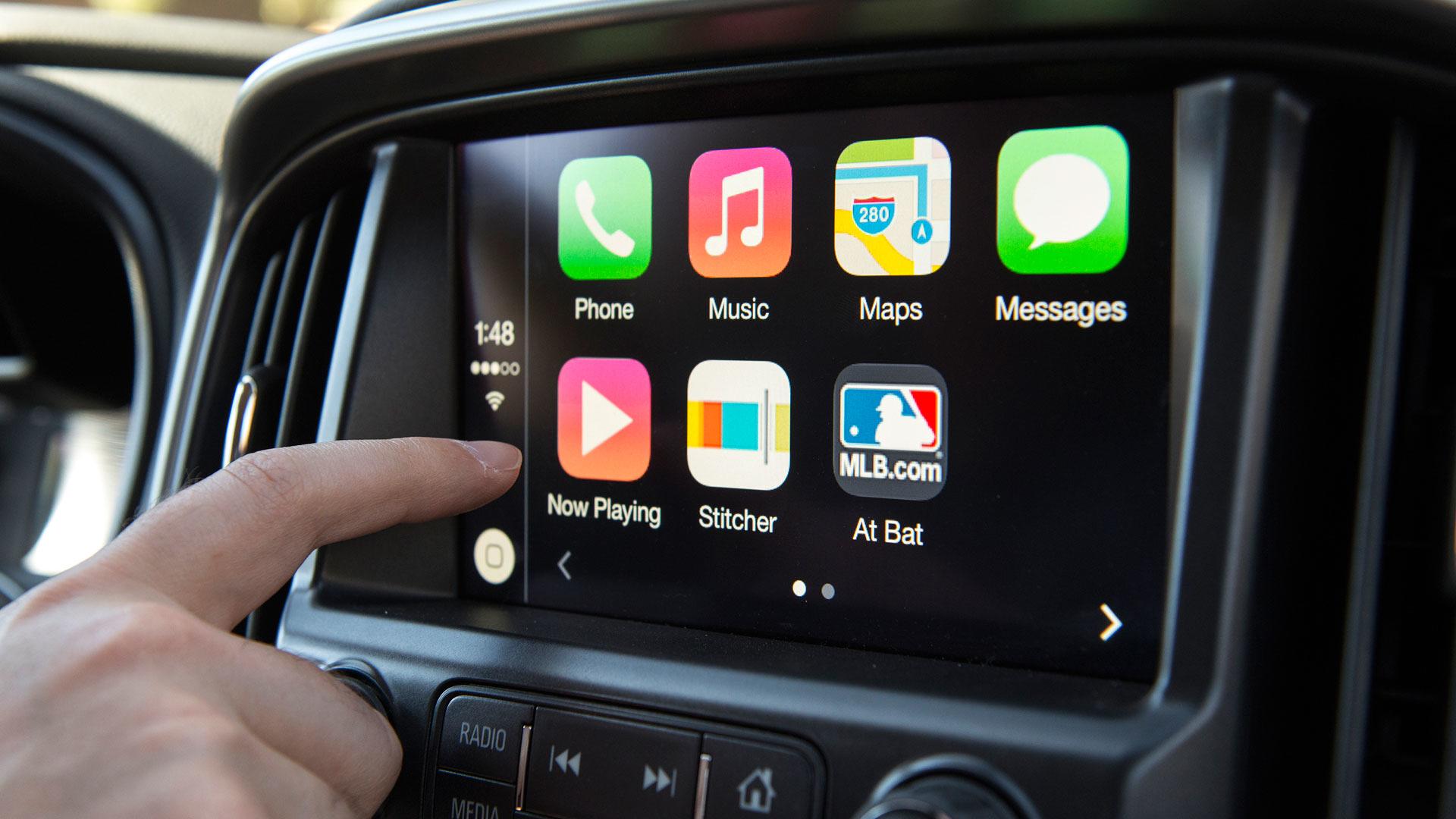
    Google Maps helps users get from point “A” to point “B” using the most environmental-friendly and fastest route. And once you get to “B,” the app helps you find a place to eat, a place to sleep, things to see, and more. In other words, many travelers depend on the app and use it almost every day to help them make their daily commute without running into traffic jams, accidents, and speed traps.

    According to several posts made on Google’s support forums, after the latest update to Android Auto 7.2, Google Maps just upped and disappeared. The app still shows up on the user’s handset and can still be accessed as long as the car is not connected to the phone. Outside of an Android Auto community specialist, Google has yet to acknowledge that this problem exists and with that in mind, the search giant has yet to issue a workaround.

    There is a solution, however, users with this problem can switch to another navigation and mapping app like Waze. Also owned by Google, Waze uses crowdsourced data to help it deliver the fastest and safest routes for users to follow. Unlike Google Maps, Waze concentrates on navigation although it can still lead you to gas stations and restaurants. Or, if using Google Maps is a must, just run the app through your phone instead of using Android Auto.

    One user who posted on Google’s forum said that prior to the latest Android Auto update, everything worked perfectly on his 2018 Audi Q7 and his Samsung S21 Ultra. Once he installed the update, Android Auto no longer appeared as an app on his phone home screen and could not be reinstalled. The Q7 display no longer includes Maps; after using his voice to call for the Google Maps app, he is told that “This application is not available on your device.”

    While he can navigate using Google Maps on his Galaxy S21 Ultra, his car no longer displays maps and the turn-by-turn directions can not be heard from his car’s speaker. After talking with Samsung, the man says that he was told that the issue is not with his Galaxy S handset, but with Android Auto.

    In his post, he notes that he tried uninstalling and reinstalling updates, rebooting the phone, and re-setup Android Auto on his car, all to no avail. A subsequent post was sent in by a person with a similar story who uses a Galaxy S20 Ultra running Android 12. This person also lost Google Maps on Android Auto.

    The aforementioned community specialist with the Android Auto team responded by saying, “Thanks for reporting this issue. We have reached out to you via email to collect more information. Please share the required details.” So at this point, we have to assume that Google is not totally familiar with the issue.

    If you are affected by this bug,, you should simply use Google Maps on your handset, or switch to Waze on Android Auto. Either way, you will need to wait for Google to make the necessary repair through an OTA software update.

    Speaking of updates, Android Auto 7.2, the one that caused Google Maps to disappear, was released at the beginning of this year with no changelist.

    Have any of you found that Google Maps has disappeared from your Android Auto screen after installing the 7.2 update? If so, which one of our suggestions are you using? Did you decide to simply turn to your phone to run Google Maps, or are you continuing to use Android Auto and have switched to Waze. Let us know by dropping your comment in the box below.

  • Apple to change App Store prices in some regions

    Apple to change App Store prices in some regions

    Apple is bumping up prices in the App Store in some regions, the company announced on Wednesday. Citing taxes and foreign exchange rate changes, Apple says that apps will become more expensive in the following regions:

    • Bahrain: Increase of value-added tax from 5% to 10%
    • Ukraine: New value-added tax of 20%
    • Zimbabwe: New digital services tax of 5%

    Furthermore, there are some changes that involve the proceeds for developers. Prices will remain unchanged in the following regions but developers’ proceeds will be adjusted to account for some tax changes

    • The Bahamas: Decrease of value-added tax from 12% to 10%
    • Oman: New value-added tax of 5%
    • Tajikistan: Decrease of value-added tax from 18% to 15%

    Finally, three other regions will be subject to changes, again this involves the proceeds that developers receive from the App Store.

    • Austria: Value-added tax rate reversion to 10% after temporary decrease to 5% for qualifying e-books and audiobooks
    • Latvia: Value-added tax rate decrease from 21% to 5% for qualifying e-books and e-publications
    • Romania: Value-added tax rate decrease from 19% to 5% for qualifying e-books, audiobooks, and e-publications

    What does it mean for you?

    If you live outside the aforementioned regions – absolutely nothing. Otherwise, expect prices of apps to go up if you live in Ukraine, Bahrain, or Zimbabwe. As for the other six countries, it would be up to the developers.

    Some might choose to bump up the prices in order to keep the same level of proceeds from the App Store, while others might leave their app prices alone. Apple leaves the choice to the developers with the following statement:

    “You can change the price of your apps and in-app purchases (including auto-renewable subscriptions) at any time in App Store Connect. If you offer subscriptions, you can choose to preserve prices for existing subscribers.”

    The changes are expected to go into effect in the following days. When this happens, the Pricing and Availability section of My Apps will also be updated.

  • The Uber Apple Watch app is now discontinued

    The Uber Apple Watch app is now discontinued

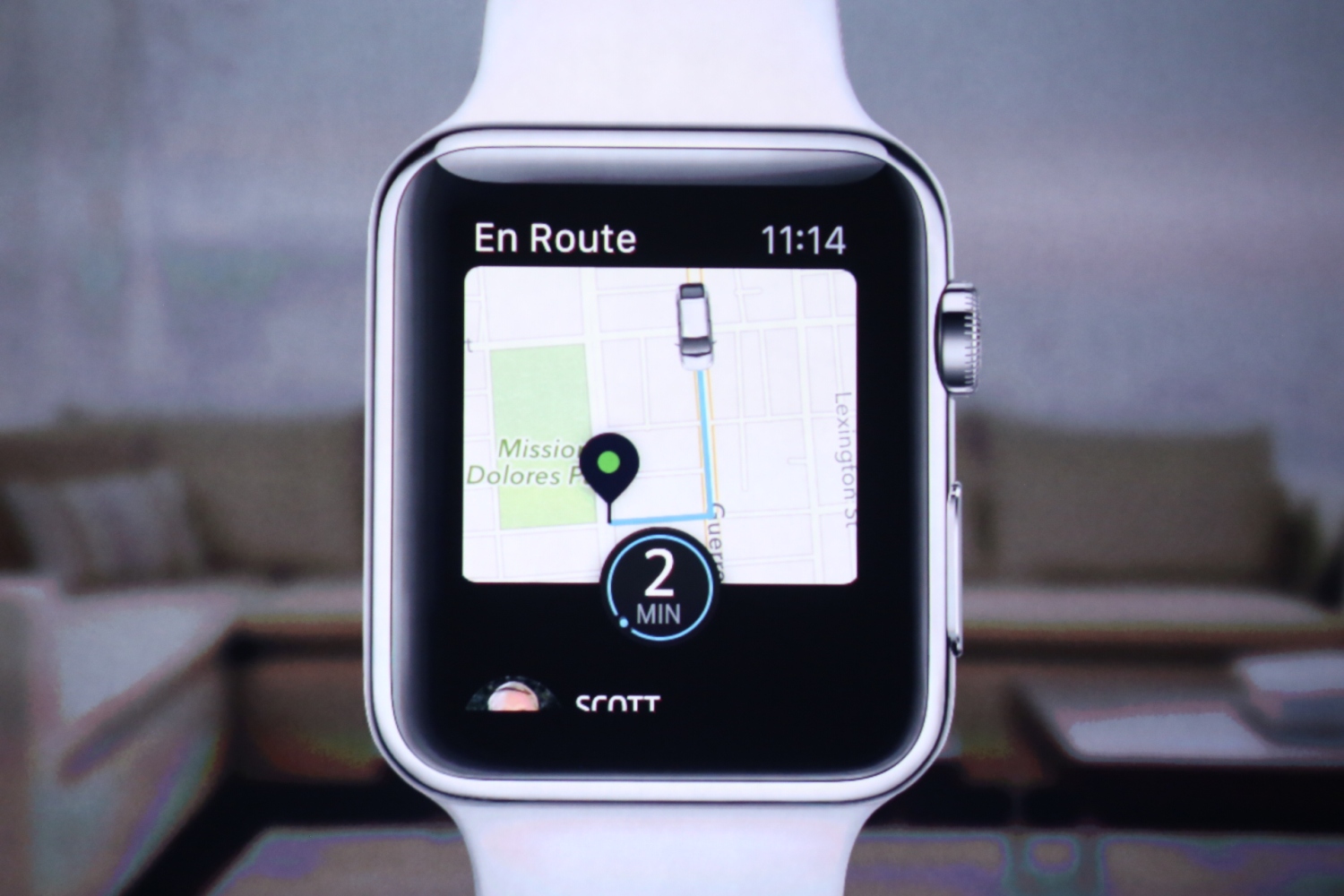
    It appears that Uber has ended support for its Apple Watch app. Many users noticed that they no longer have the ability to use Uber’s Apple Watch app to order a ride.

    When a user opens Uber’s Apple Watch app, the app displays a message that Uber no longer supports this app and suggests users use the mobile app instead.

    Confusingly, although Uber’s Apple Watch app doesn’t work anymore, it is still available in the App Store and can still be downloaded and installed. Uber also didn’t reflect the change on its support site. The support site still says that users can use Uber’s Apple Watch app to order a ride.

    In 2015, Uber launched its app for the Apple Watch, which always had a few limitations compared to the iPhone version. Uber’s Apple Watch app didn’t support uberPOOL for sharing a ride with someone headed in the same direction as you. Uber’s Apple Watch app also lacked the fare splitting option and the ETA sharing feature through which you can share your trip details with friends or family. You also couldn’t use your Apple Watch to contact the Uber driver.

    It appears that users were unhappy with the way Uber’s Apple Watch app worked. Users on Reddit have complained about the little information the Apple Watch version offered. A Reddit user also mentioned having “bad experiences” with Uber drivers owing to the inability to select a destination via their Apple watch when ordering an Uber.

    Uber is not the first to end support for its Apple Watch version of the app. Back in 2018, Uber’s competitor Lyft pulled out its Apple Watch app from the app store and ended its support.

    Around 2020, Uber also silently ended the support for its wearOS version of the app. Users then had reported the inability to log into the app. Many users had also complained about having various problems with the wearOS version. Some users even had said that Uber’s wearOS app never really worked for them. It is possible that due to the numerous issues the Uber wearOS app had, many users preferred using the mobile version instead. And if this is the case, there is no surprise why Uber decided to stop supporting the WearOS app.

  • B2B shopping app taps Vietnam’s e-commerce potential

    B2B shopping app taps Vietnam’s e-commerce potential

    The ranking of businesses in Vietnam’s map of e-commerce changed in the second quarter of 2021, with the volume of Google searches for essential online stores skyrocketing, according to an iPrice Group study.

    The study showed online groceries were the only category to maintain steady and consistent growth since the beginning of the pandemic. Google searches related to online grocery stores in the second quarter of this year increased by 223 percent against the first quarter. The number of searches increased 11 times in July compared to May, and 3.6 times compared to June when the social distancing order under Directive 16 was implemented in some provinces and cities.

    People pay more attention to fresh food, beverages, pre-packaged items, fruits, and veggies as the searches of these items surge by 99 percent, 51 percent, 30 percent, and 11 percent, respectively, compared to the previous quarter. Thus, social distancing could be one of the factors driving the surge in demand for online supermarkets. With the growing necessity of purchasing essentials online, retailers are more likely to adapt to the digital platform.

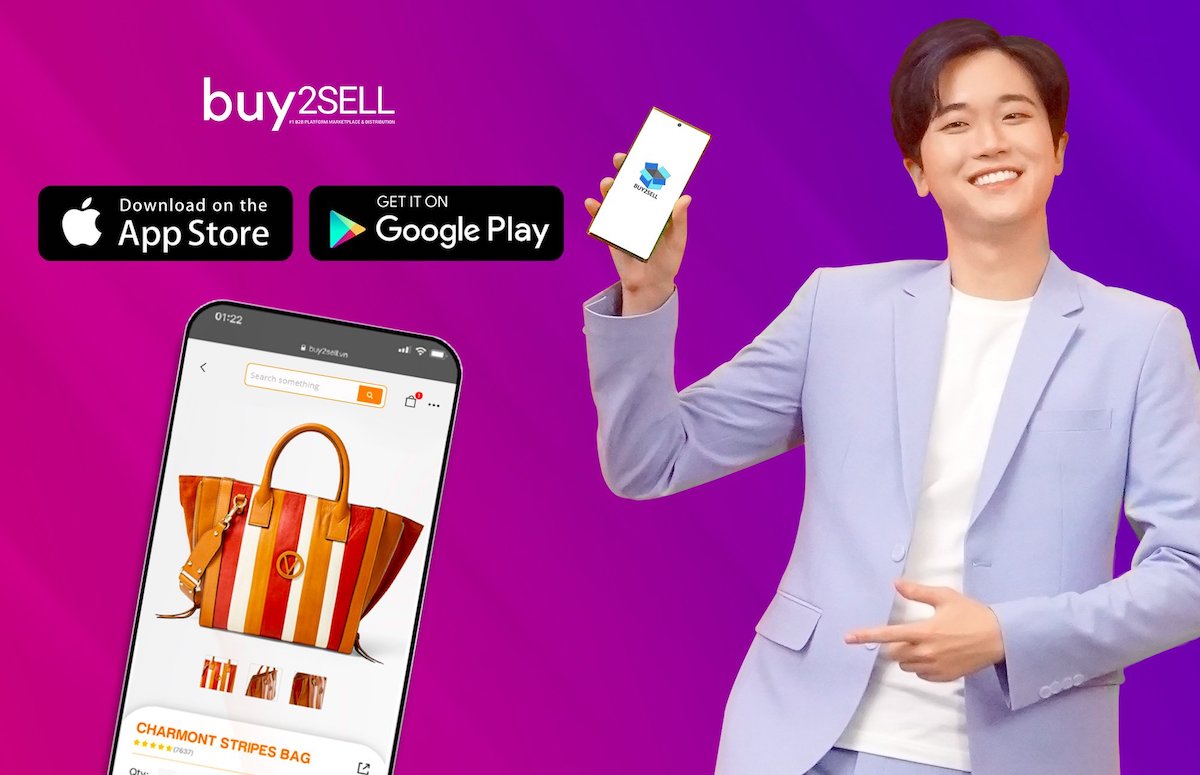
    Buy2Sell, a B2B platform for imported goods, launched a new application in December to compete in the e-commerce race in Vietnam. Buy2Sell’s application focuses on high-end products, especially imported organic food, genuine cosmetics, and other lifestyle items.

    From 2022, Buy2Sell will expand to allow domestic sellers on its platform instead of only international vendors as previously. It would still enable any buyer matching a seller’s MOQ (order minimum) to purchase goods at wholesale prices.

    Buy2Sell has established a flexible delivery policy between sellers and buyers on its platform and application, where sellers can deliver the goods themselves to buyers instead of waiting for a long period of time. This helps buyers receive the goods quicker.

    All goods displayed on Buy2Sell will be authenticated from their origin. The quality of origin guarantees no imitations, fake goods, low-quality goods to be distributed through this platform. Buy2Sell established a consumer protection policy on selling prices and warranties, under the commitment for all sellers.

    Through its elaborate distribution system (both wholesale and retail) since 2015, and with a completely different market segment from other e-commerce players, Buy2Sell will become a known name. In the coming years, the company intends to strongly contribute to the development of Vietnamese technologies and bring changes to the consumer landscape.

  • Search bar placement and design changes are being tested for the Google app

    Search bar placement and design changes are being tested for the Google app

    Changes are taking place behind the scenes for the popular Google app. According to Mishaal Rahman, former Editor-in-Chief at XDA and currently the Senior Technical Editor at Esper, members of the Google News-Telegram group are seeing different placements and designs for the search bar in the Google app. There are both positives and negatives to these changes.

    For example, one design change puts your profile picture inside the Google app’s search bar where it can be tapped to access the settings (see image at the top of this article). Of course, the downside here is that the search bar is placed at the top of the display requiring you to have Jimi Hendrix’s legendary fingers to reach it. The integration of the settings with the search bar is no different than what you’ll find on Gmail and the Google Play Store.

    Another change being tested is one that moves the search bar to the bottom of the display. However, images show that in this test, the user’s profile picture, and thus access to the Google app’s settings, is no longer integrated inside the search bar.

    Google loves to run so-called A/B tests where in this case we’d assume that some Android users will get the new search bar with the integrated settings access at the top of the screen, and others get the version with the search bar on the bottom of the display without the settings integration.

    After the test is run over a period of time, Google grills Android users to find out which one they would like to see made permanent, “A” or “B.” Which change will Google select, or will it decide to keep the status quo? Right now, it is anyone’s guess.