Retail News CRM

Tag: #apparel

  • VIPshop Cash-In: Lunar New Year Boosts Quarterly Profits Amid Strong Apparel Sales

    VIPshop Cash-In: Lunar New Year Boosts Quarterly Profits Amid Strong Apparel Sales

    Chinese retail giant, VIPshop, has recently announced an increase in their first-quarter profits, a result of robust clothing sales and enhanced margins during the Lunar New Year shopping period.

    The firm revealed a total net revenue of RMB26.6 billion (US$3.9 billion) for the quarter which concluded on March 31, marking an increase of 1.2 per cent compared to the previous year.

    In addition to this, the number of active customers saw a moderate rise to 41.7 million, and total orders experienced a growth of 3.2 per cent, equating to 172.6 million.

    Key Factors Behind The Growth

    Eric Shen, the Chairman and CEO, attributed the company’s successful quarter to robust clothing sales and escalated expenditure by high-value customers throughout the Lunar New Year shopping period. He stated that their SVIP client base saw commendable growth in both numbers and contribution, showcasing their continued attractiveness to high-value consumers.

    Shen stated, “In conjunction with these outcomes, we have made consistent progress in our product range, customer engagement, and AI integration. All these factors are aiding us in further capitalizing on our off-price retail model for expansion. We remain committed to the brand-discount space and are confident in our capacity to ensure sustainable, profitable growth in the long term.”

    Mark Wang, the CFO, further elaborated that consumer expenditure was primarily concentrated within the first two months of the quarter. This was due to the earlier occurrence of the Lunar New Year holiday. This, combined with a more robust product mix and disciplined cost management, led to an improvement in profitability.

    Projected Future Revenue

    Looking forward, VIPshop anticipates their second-quarter revenue to fall between RMB24.5 billion (US$3.6 billion) and RMB25.8 billion (US$3.79 billion). This represents a prospective year-over-year decrease of approximately 5 per cent to 0 per cent.

    Questions & Answers

    What was the key factor contributing to VIPShop’s increased first-quarter profits?
    High apparel sales and improved margins during the Lunar New Year shopping season were significant contributors to the increased profits.

    How has the SVIP customer base been significant to VIPShop’s success?
    The SVIP customer base has demonstrated solid growth in both numbers and contributions, indicating the brand’s sustained appeal to high-value consumers.

    What are VIPShop’s expectations for the second-quarter revenues?
    VIPShop anticipates their second-quarter revenue to be between RMB24.5 billion (US$3.6 billion) and RMB25.8 billion (US$3.79 billion), indicating a potential year-over-year decrease of approximately 5 per cent to 0 per cent.

  • Fast-Fashion Titan Shein Acquires Everlane in $100M Deal: A New Dawn in US Apparel Retail

    Fast-Fashion Titan Shein Acquires Everlane in $100M Deal: A New Dawn in US Apparel Retail

    Fast-fashion digital platform, Shein, is set to acquire Everlane from its predominant owner, L Catterton, in a transaction that estimates the US-based clothing retailer at roughly US$100 million. As part of the agreement, those possessing common stock in Everlane will not receive a payout, with no details disclosed regarding whether preferred shareholders will be compensated with cash or Shein shares.

    Disrupting the Retail Landscape

    Companies such as Shein and Temu have significantly disturbed the local retail sector, employing aggressive pricing, strategic marketing, and capitalising on tax loopholes. These tactics originally provided them with a substantial advantage over their local competitors.

    Reports surfaced in March that private equity firm L Catterton, along with Everlane CEO Alfred Chang, were on the lookout for an investor to alleviate their approximately $90 million debt. The private equity company expressed a willingness to contribute further funds if a co-investor was found. However, they also remained open to the possibility of a sale.

    Questions & Answers

    What is the estimated worth of the US-based retailer Everlane in the proposed acquisition by Shein?
    The acquisition by Shein values Everlane at about US$100 million.

    What impact have brands like Shein and Temu had on the local retail landscape?
    Shein and Temu have significantly disrupted the local retail industry through aggressive pricing, strategic marketing, and exploiting tax loopholes.

    What was the financial situation of Everlane and L Catterton prior to the acquisition?
    Before the acquisition, L Catterton and Everlane’s CEO Alfred Chang were seeking an investor to manage their approximately $90 million debt.

  • Zendaya And On Unveil Collaborative Sneaker, Cloudzone Moon, In Apparel Collection Celebrating Individuality

    Zendaya And On Unveil Collaborative Sneaker, Cloudzone Moon, In Apparel Collection Celebrating Individuality

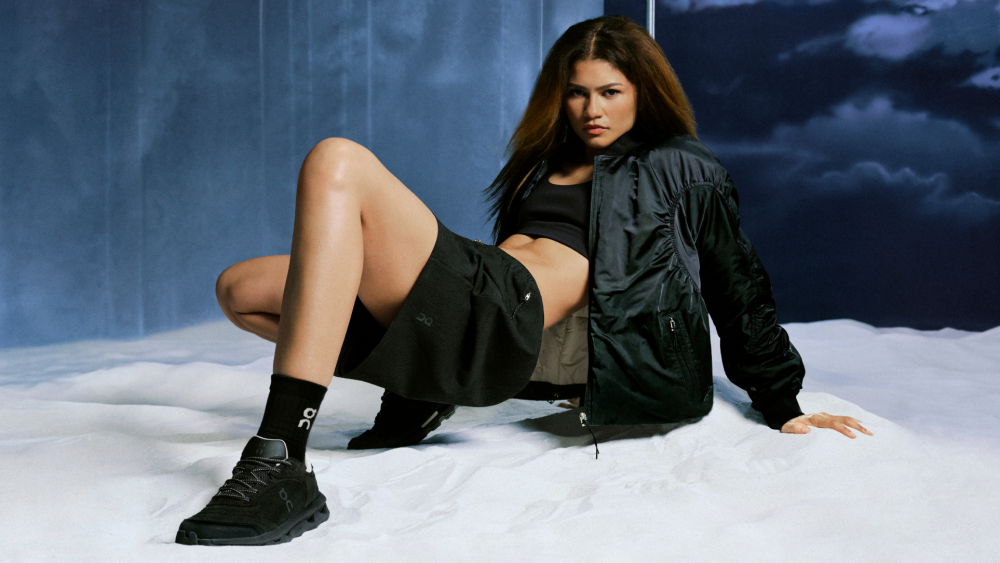
    Swiss athletic apparel company On has joined forces with acclaimed actress and producer Zendaya to introduce a new collection featuring her debut co-designed sneaker.

    The Collaboration

    The noteworthy partnership unveils the Cloudzone Moon, a meticulously engineered sneaker characterized by a breathable mesh top, a well-supported heel, and plush cushioning for maximum comfort. The collection is not limited to footwear alone; it also sees the introduction of various apparel pieces, including bomber jackets, bodysuits, and tracksuits.

    The Creative Vision

    In addition to her role as co-designer, Zendaya also contributed significantly to the creative direction of the promotional campaign for the collection.

    The actress expressed how this collaboration resonated with her personal connection to movement, a vital aspect of her self-expression. “Movement is a personal experience, unique to every individual,” she shared.

    She further articulated how the collection is a tribute to the diverse facets of all individuals, reminding us that our complexity and unique traits make us complete.

    Questions & Answers

    What is the name of the sneaker co-created by Zendaya and On?
    The sneaker co-created by Zendaya and On is called the Cloudzone Moon.

    What other apparel items are included in the collection launched by On and Zendaya?
    The collection also features bomber jackets, bodysuits, and tracksuits.

    What role did Zendaya play in the promotional campaign for the collection?
    In addition to co-designing the collection, Zendaya also contributed to the creative direction of the promotional campaign.

  • Mountain Dew And Pyra Unveil High-performance Urbanwear In Unique Fashion Collaboration

    Mountain Dew And Pyra Unveil High-performance Urbanwear In Unique Fashion Collaboration

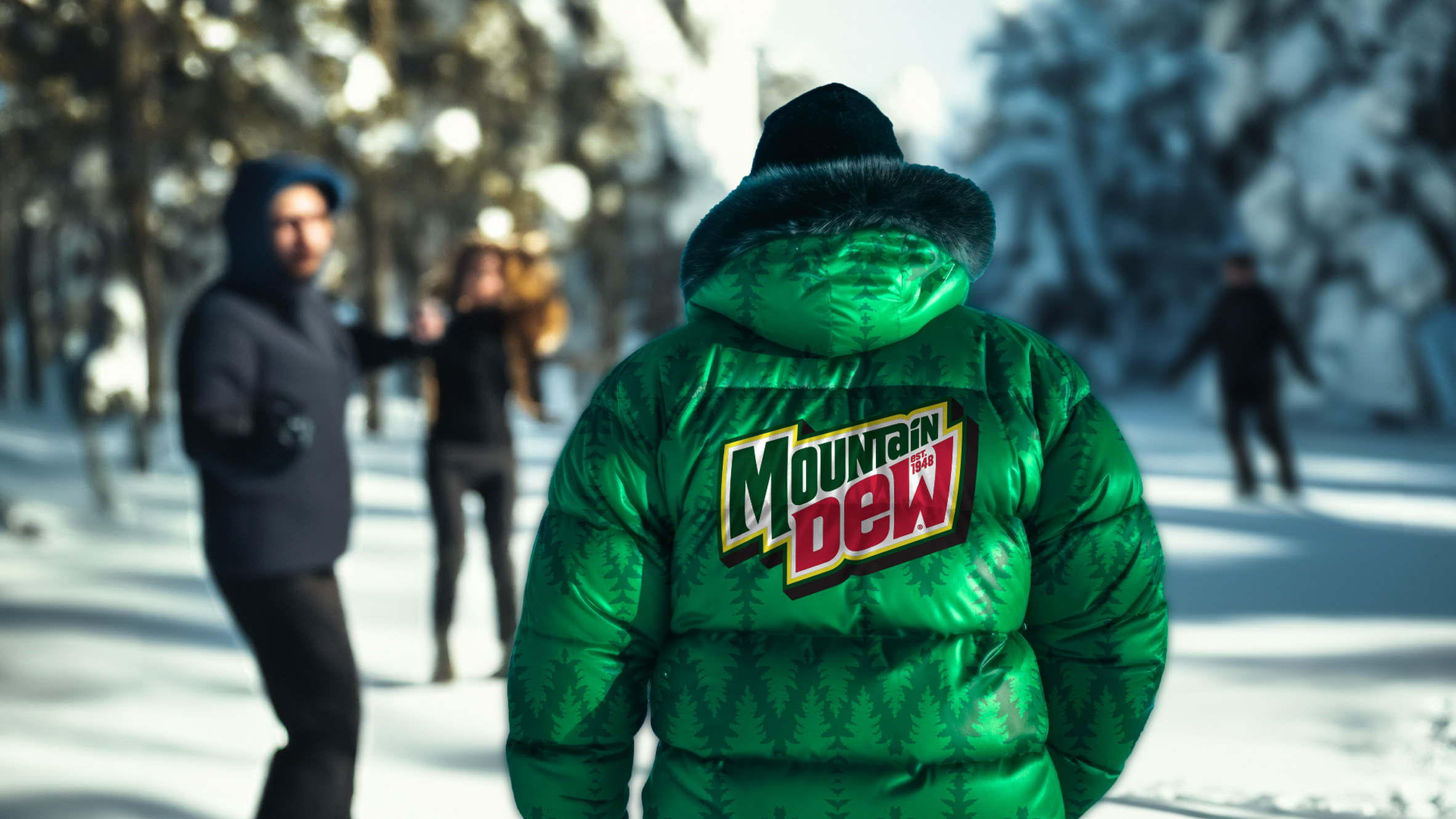
    Mountain Dew, in collaboration with the acclaimed Australian outdoor brand, Pyra, is launching its inaugural apparel line. This innovative collection harmoniously fuses practical, high-performance elements with an urban, stylish aesthetic.

    Artful Blend of Performance and Style

    Drawing inspiration from the iconic Volt Green color, symbolic of both brands, the collection contains a wide variety of unique pieces. Highlights include a versatile, reversible puffer jacket insulated with 3M Thinsulate featherless down, a sherpa fleece balaclava hoodie and a versatile multi-pocket camouflage vest bearing a Realtree print.

    A Fresh Take on Streetwear

    The collection also features a range of organic cotton graphic tees, generously cut nylon cargo pants, and innovative antimicrobial accessories. These items are not only trail-ready but also promise to make a significant style statement on city streets.

    Rachel Siu, Mountain Dew’s brand manager, spoke enthusiastically about the new collection. “Mountain Dew has always represented a vibrant, bold approach to life. This collection allows us to extend that ethos into the world of fashion. While the gear is indeed technically proficient, it also captures a fun, playful spirit in the best way imaginable.”

    Building on Previous Success

    This new Mountain Dew x Pyra collection comes on the heels of the brand’s previous viral hit: the Mountain Dew Djorts. The success of this previous launch has generated significant anticipation for the brand’s latest venture into the fashion world.

    This limited-edition collection is currently available exclusively through the Pyra online store.

    Questions & Answers

    What inspired the new clothing line by Mountain Dew and Pyra?
    The line is inspired by the iconic Volt Green color, symbolic of both brands, and a desire to blend high-performance outdoor gear with street-smart design.

    What are some standout pieces in the collection?
    The collection features a reversible puffer jacket, a sherpa fleece balaclava hoodie, a multi-pocket vest in Realtree print, organic cotton graphic tees, nylon cargo pants, and antimicrobial accessories.

    Where can consumers purchase items from the collection?
    The limited-edition collection is currently available exclusively through the Pyra online store.

  • US apparel companies seek speedy vaccination of Vietnamese workers

    US apparel companies seek speedy vaccination of Vietnamese workers

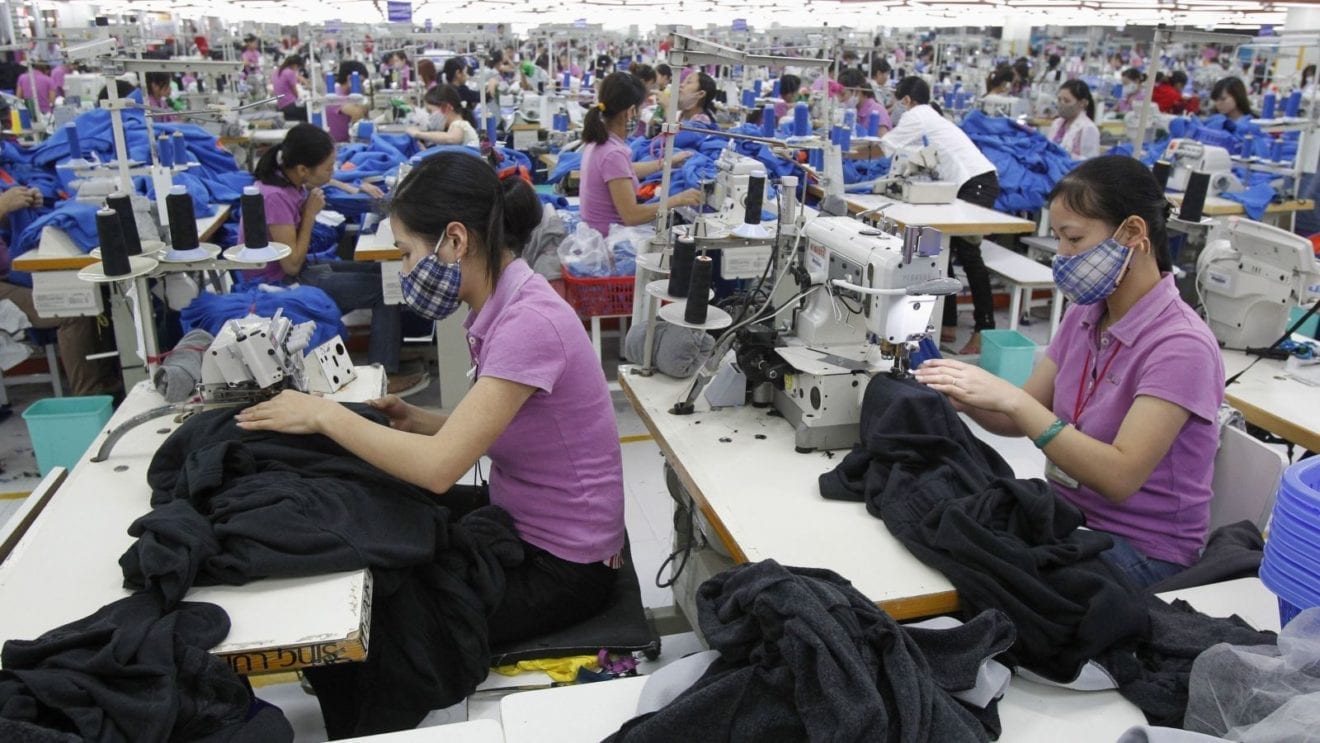
    The American Apparel & Footwear Association (AAFA) has requested the U.S. and Vietnam governments to speed up the distribution of vaccines to major suppliers of Adidas, Gap and other brands.

    “We urge you to dramatically ramp up distribution of vaccines, including America’s stockpile of AstraZeneca vaccines, to countries like Vietnam now,” Steve Lamar, president and CEO of the association, said in a letter to U.S. President Joe Biden.

    Immediate and dramatic action by the U.S. will not only save millions of lives worldwide but could also promote America’s economic recovery, he added.

    Vietnam is the second-largest supplier of apparel, footwear and travel goods to the U.S., accounting for 20 percent of all U.S. imports, he said.

    “This is why the success of the U.S. apparel and footwear industry, and our three million American workers, is directly dependent on our suppliers around the world, including those in Vietnam, having healthy workforces,” he wrote.

    In a separate letter to Prime Minister Pham Minh Chinh, Lamar urged that the Vietnamese government takes “several key emergency actions to help control the spread of Covid-19, particularly in the south, to thwart a growing humanitarian crisis.”

    The U.S. has already provided five million doses, but the association is advocating that the government supplies more on an urgent basis, he said.

    Vietnam, particularly southern localities, is experiencing a severe Covid-19 wave that has recorded over 116,900 infections since the end of April, in which Ho Chi Minh City accounts for 66 percent.

    Major suppliers for global brands like Adidas and Nike in the country have shut down operations or operating at limited capacity under strict social distancing orders.

  • Gap mulls sale of China business

    Gap mulls sale of China business

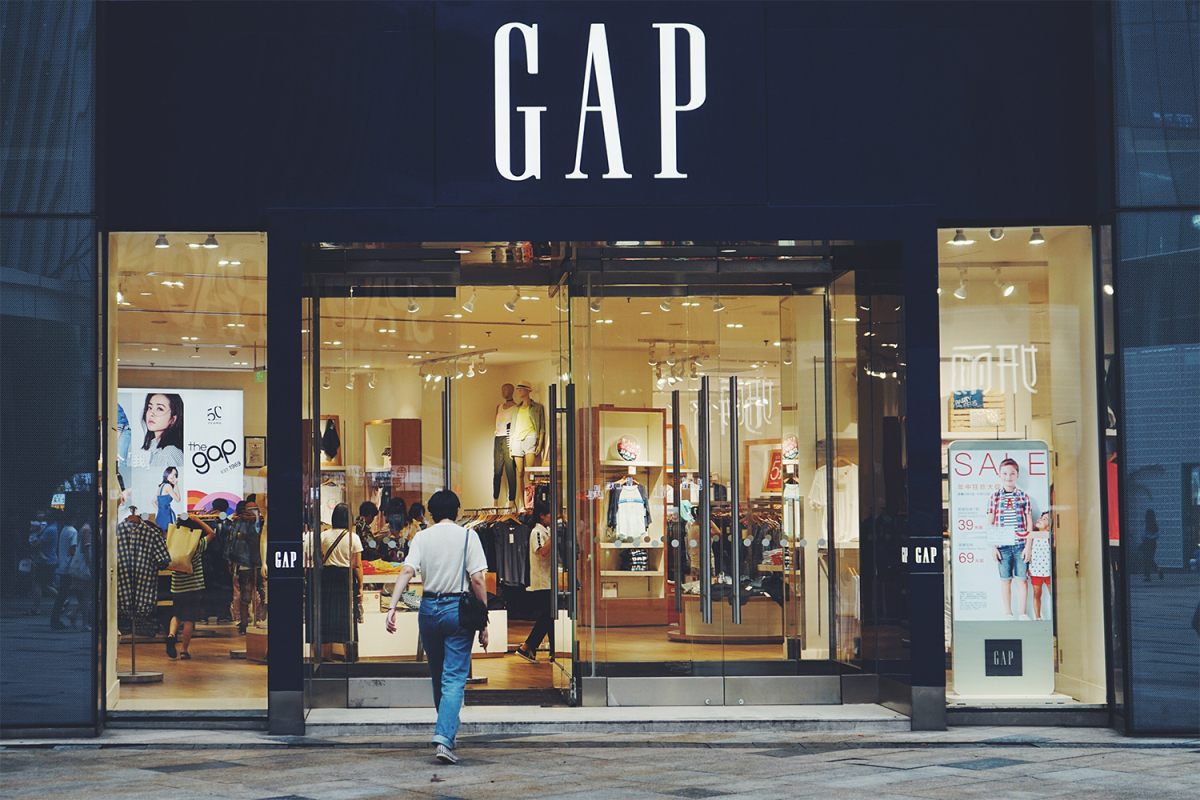
    Apparel retailer Gap is weighing options including a potential sale of its China business, citing people with knowledge of the matter.

    The report said the Old Navy parent was working with an adviser to explore its options and has contacted prospective suitors. It added there was a possibility that Gap could also keep the business.

    The company, owner of Banana Republic and Athleta brands, said it does not comment on rumors when contacted by Reuters.

    Gap entered the Chinese market about a decade ago, betting on rising incomes in the world’s second-largest economy to boost its sales. However, it stopped selling Old Navy apparel in the country last year to sharpen its focus on North America.

    Gap’s Asian market accounts for about 5 percent of its overall net sales, according to its latest regulatory filing. The company does not break out country-specific sales.

    Shares of Gap, up 43 percent this year, rose about 1 percent in extended trading after the report.

  • Apparel retailers cut orders while Asian factories fight to survive

    Apparel retailers cut orders while Asian factories fight to survive

    Clothes retailers in Europe and America sit on excess inventory and cut back on spring orders. Sourcing agents face late payments. Garment factories in Bangladesh are on the rack.

    The global apparel industry, reeling from a punishing 2020, is seeing its hopes of recovery punctured by a new wave of COVID-19 lockdowns and patchy national vaccine rollouts.

    Some major retailers are still nursing last year’s clothes, which would have been sold off in clearance sales in normal times. British chain Primark, for example, said it was housing around 150 million pounds ($205 million) worth of 2020 spring/summer stock and 200 million pounds from autumn/winter.

    In an indication of the scale of the backlog, consultancy McKinsey says the value of unsold clothing worldwide, in stores and warehouses, ranges from 140-160 billion euros ($168-192 billion) – more than double normal levels.

    Britain’s Marks & Spencer and Germany’s Hugo Boss  said they had placed smaller orders than usual for this year’s spring collection.

    Retailers are keeping volumes small and lead times tight, according to Ron Frasch, former president at Saks Fifth Avenue who is now operating partner at private equity firm Castanea Partners, which works with a number of apparel brands.

    “Most of the brands now are pretty tight on shipping and the factors are very tight. I think everyone was very conservative with their purchasing,” he said. “I know many have been slow-paying. That is for sure.”

    Indeed, Hong Kong-based sourcing agent Li & Fung, which manages more than 10,000 factories in 50 countries for retailers including global players, said that some retailers had requested later payment terms, but declined to provide specifics.

    The pain is consequently flowing to  major garment manufacturing centres like Bangladesh, whose economies rely on textile exports. Factories are struggling to stay open.

    Fifty factories surveyed by the Bangladesh Garment Manufacturers and Exporters  Association said they had received 30% fewer orders than usual this season, as pre-Christmas lockdowns in much of Europe followed by another clampdown in January hit their businesses hard.

    “Orders usually arrive three months in advance. But there are no orders for March,” said Dhaka-based factory owner Shahidullah Azim, whose clients include North American and European retailers.

    “We are operating at 25% of capacity. I have some orders to run the factory till February. After that, I don’t know what future holds for us. It’s difficult to say how we will survive.”

    Miran Ali, who represents the Star Network, an alliance of manufacturers in six Asian countries, and himself owns four factories in Bangladesh, faces similar problems.

    “At this point in time, I should have been entirely full until March at least, and looking at a healthy quantity for autumn/winter coming in already. Across the board, that is coming slow,” he told Reuters from the capital Dhaka.

    “Brands are buying less from fewer people.”

    Asif Ashraf, another factory owner in Dhaka who makes clothes for global retailers, said it was tough to adjust. “We’ve produced the fabric and we’re ready to stitch the garments, but then they say the order is on hold.”

    With store closures threatening to carry into summer, some retailers are attempting to sell off as much of their excess stock as possible before placing new orders, textile recycling firm Parker Lane Group told Reuters.

    CEO Raffy Kassardjian said his business went from processing an average of 1.5 million items of excess apparel per month to over 4 million in January, its busiest month ever.

    Last year was dire for the clothing industry, which saw sales slide by about 17% versus 2019, according to Euromonitor. And the future is uncertain.

    Estimates for 2021 range from pessimistic forecasts of a 15% sales drop from McKinsey, to an 11% recovery from Euromonitor.

    So are there bright spots? Well, a lockdown pyjama boom is offering some minor relief.

    “If you want to know what the Great British public is doing – it’s wearing pyjamas again,” Marks & Spencer CEO Steve Rowe said last month, while Hugo Boss alluded to the same phenomenon, saying it had “streamlined our range of classic business clothing and expanded the range of casual wear”.

    But that’s cold comfort for some factory owners.

    “Demand for pyjamas is at a life-time high,” Ali in Dhaka acknowledged. “But not everyone can make pyjamas!”

  • VF Corp to relocate business operations out of Hong Kong

    VF Corp to relocate business operations out of Hong Kong

    VF Corp. (VFC), a provider of branded lifestyle apparel, footwear and accessories, announced a transformation plan for its Asia Pacific operations, with relocations over the next 12 to 18 months with the first moves expected in April 2021.

    VF plans to move the center of its brand operations from Hong Kong to Shanghai where the company currently employs approximately 900 office and retail associates.

    In addition, VF also plans to relocate its Asia Product Supply Hub from Hong Kong to Singapore.

    The company also plans to establish an additional shared services center for the region in Kuala Lumpur, Malaysia.

    VF noted that Hong Kong will remain a key retail market for the company and its brands.

    “Today’s announcement reinforces our commitment to investing in our business across the Asia Pacific region, while also supporting VF’s overall transformation plan to become a more consumer-minded, retail-centric, and hyper-digital enterprise,” said Steve Rendle, VF’s Chairman, President and Chief Executive Officer.

  • Jordan launches first women’s apparel capsule collection

    Jordan launches first women’s apparel capsule collection

    Athletic apparel fashion label Jordan has launched a new capsule collection prominently featuring a flight suit design.

    The function-first jumpsuit design with a streetwear edge signals the collection’s style ethos; delivering a selection of new everyday items specifically for women, with “a defiant transformation of archetypical clothing”.

    Jordan Women’s Flight Utility Apparel Capsule Collection is available at Hong Kong’s Her boutique with fashion and gastronomy, complemented by Jordan-themed drinks and treats from the Her cafe, through to March 31.

    The new flight suit, along with other items in the collection, takes inspiration from the Wings lines of Michael Jordan’s mid-80s flight.

    “The capsule collection is a beautiful blend of streetwear utility with fashion influence and is underpinned by the authenticity of the brand’s heritage,” said Jordan Women’s Apparel design director Michelle Walter. “For example, traditional elements from MJ’s original flight suit are brought to life within the Bomber Jacket’s silhouette and featured Wings lines.”

    All pieces in the inclusive capsule are designed to serve a range of body types, and most are also available in Asian fit and plus sizing.

  • VF Corporation sales lower in China

    VF Corporation sales lower in China

    Apparel manufacturing and retailing giant VF Corporation has reported a 30-per-cent increase in sales in China in its third quarter, to December 28.

    The huge increase helped fuel a global 6-per-cent rise in revenues to US$3.4 billion, excluding its troubled workwear business for which it has announced a strategic review, with its potential sale in the offing.

    The company’s activewear segment improved by 8 percent, with the Vans brand up by 12 percent; and the outdoor segment by 3 percent including 8-per-cent growth by The North Face.

    Group direct-to-consumer revenue rose by 7 per cent and digital revenue by 16 percent.

    Operating income from continuing operations increased 11 percent and adjusted operating income from continuing operations by 14 percent when the workwear business was excluded. “Our third-quarter performance was strong and our year-to-date results are at the high end of our long-term growth objectives,” said VF Corporation chairman Steve Rendle.

    “Despite a mixed holiday season in the US, we’re on track to deliver solid performance and are well-positioned for continued growth and value creation in the fiscal year 2021.”

  • VF Corporation to collaborate with Redress

    VF Corporation to collaborate with Redress

    Global apparel, footwear and accessories retailer VF Corporation is entering an exclusive collaboration with environmental charity Redress to deliver the Redress Design Award 2019 x VF Challenge in Hong Kong.

    The award is the world’s largest sustainable fashion design competition and works to educate emerging fashion designers around the world about sustainable design techniques to drive growth towards a circular fashion system.

    The collaboration is being supported by financial contributions from VF and charitable grants from the VF Foundation, a private philanthropic foundation funded by VF Corporation.

    “This collaboration presents a unique opportunity for VF to provide mentorship to the next generation of fashion leaders while also learning from them,” said VF executive VP & group president APAC region Kevin Bailey, “all with an emphasis on advancing a more sustainable business model for our industry.”

    VF’s collaboration with Redress will provide 10 shortlisted emerging designers the opportunity to learn from one of the world’s foremost leaders in apparel and footwear.

    Designers will present their competition collections on September 5th at the live Grand Final at Centrestage in Hong Kong.

  • Muji Singapore opens Large store at The Jewel

    Muji Singapore opens Large store at The Jewel

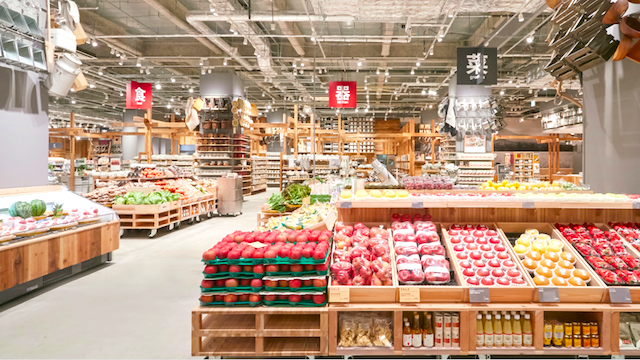
    Muji Singapore has opened a two-storey store at Jewel Changi. The 12th outlet of the popular Japanese minimalist brand houses more than 4000 products and an 88-seat Cafe&Meal dining area.

    The product range includes apparel, furniture, kitchenware, toiletries, stationery and food items.

    Designed by Tokyo-based design company Super Potato, the store also offers the largest range of Muji’s fitness line, the Walker series.

    The store also features an interior-advisory service, available to recommend customisable solutions to customers.

    Muji Singapore chose Jewel Changi as its newest location to showcase the ‘world of Muji’ to Southeast Asian customers.

    Naoki Kadoike, MD at Muji Singapore and Malaysia, expects about 40 per cent of customers will be tourists, the remainder locals.

    “When I was posted here in January, I realised how similar Singaporeans are to the Japanese. People are very conscious of having a good lifestyle and there is a common understanding of Muji’s philosophy,” Kadoike said.

    Meanwhile, Muji Singapore plans to introduce the Muji Passport app, providing local customers with information about the brand and promotions, along with weekly newsletters.

  • Zivame Lingerie raises expansion capital to expand in India

    Zivame Lingerie raises expansion capital to expand in India

    Indian lingerie retailer Zivame has raised about US$8.6 million to fund expansion.

    The funds were raised through Allana Investment and Trading Company, in a round led by existing investor Zodius Technology and individual investors.

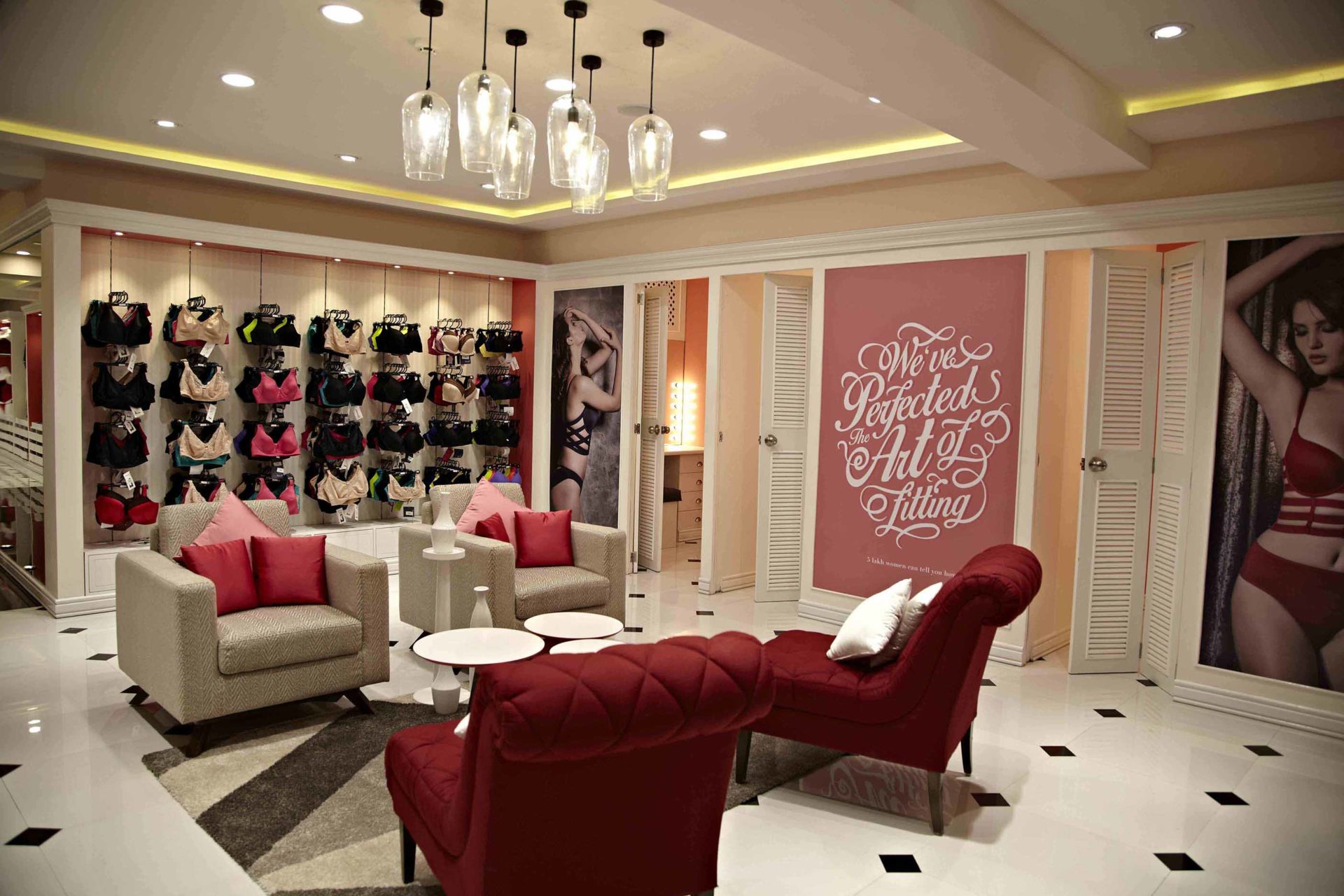
    The new capital will be used for store expansion, technology augmentation, product development and omnichannel strategy. Zivame now has more than 30 offline retail stores, and aims to expand to more than 60 in the next year.

    “The funding will enable us to further enhance our footprint and leadership in existing and newer markets as we continue to build on our mission to be the destination for women for all her intimate needs,” said Amisha Jain, Zivame CEO.

    “We continue to build the category as the Indian lingerie market is largely unorganised and under-served.”

    The company plans to a larger fundraising round in coming months.

    Founded in 2011 as a marketplace for lingerie brands, Zivame has expanded into fashion apparel, activewear, sleepwear, and shapewear as well as developed its private labels including Penny and Coucou.

  • UNIQLO to Launch UTs Celebrating Megahit Capcom Game Series  Monster Hunter and Street Fighter

    UNIQLO to Launch UTs Celebrating Megahit Capcom Game Series Monster Hunter and Street Fighter

    UNIQLO, Japanese global apparel retailer, announces that it will launch a special UT (UNIQLO graphic T-shirts) collaboration collection that celebrates the megahit game series Monster Hunter™ and Street Fighter® from Capcom, a leading worldwide developer and publisher of video games. The Game by Street Fighter UT collection will begin rolling out at UNIQLO stores and through UNIQLO.com starting Monday, April 15. The Game by Monster Hunter UT collection will be available in Mid-June.

    Making its arcade debut in 1987, the Street Fighter game series is considered the progenitor of the fighting game boom that began in the 1990s. A new collection of unique UT designs celebrating the Street Fighter franchise highlights world warriors such as Ryu and Ken in various designs. Street Fighter®UTs include designs with controller button commands, as well as a pixel art rendition of a rare double K.O. from the game. Artwork from the latest Street Fighter title popular in the international esports scene, Street Fighter® V: Arcade Edition, features dramatic illustrations of the games’ iconic characters.

  • Supermarket, apparel sales not looking good in Japan

    Supermarket, apparel sales not looking good in Japan

    Japanese supermarket sales edged down 0.2 per cent in a third consecutive year of declines, according to figures released by an industrial body this week showing last year’s financial performance. The data for last year shows sluggish consumption regardless of the country’s current period of economic growth. Observers have attributed the slump to a low demand for apparel in supermarkets relative to stronger sales in food.

    Apparel sales fell 5.3 per cent, the 27th straight year of declines, influenced by the warm winter and increased competition with retailers online. Food, by comparison, saw 0.4 per cent higher sales with an uptick in prices for vegetables and sweltering summer temperatures.

    While total sales rose 0.5 per cent to ¥12.99 trillion ($118.71 billion) last year, they still fell short of the hoped-for ¥13 trillion mark for the second year in a row.

    “Spending is weak as a deflationary mindset is still deeply rooted among consumers”, said Atsushi Inoue, a senior official of the Japan Chain Store Association.