Retail News CRM

Tag: #apparel

  • Tech startup Blinq to focus on Southeast Asia

    Tech startup Blinq to focus on Southeast Asia

    Tech startup Blinq is targeting Southeast Asia with software which allows users to virtually try on and purchase designer apparel and accessories from online luxury and contemporary fashion retailers globally. “Blinq uses AR and algorithmic patterns to provide users with the latest trends and personalised fittings from their digital devices,” explains entrepreneur and Blinq founder Bob Chua.

    “It also allows users to choose how they would like to consume fashion, which may not necessarily be to buy, but to also rent, subscribe, or pay later for latest luxury designs from major and upcoming brands across Southeast Asia.”

    A rental-subscription model provides users the option of renting designer apparel and accessories, while the back-end automated warehousing operation enables brands to fulfil their products throughout the Asia-Pacific region.

    Citing McKinsey’s global fashion report, Chua says the personal luxury market is predicted to grow to US$500 billion by next year, with close to 44 per cent coming from Asia.

    “There is clear retail disruption happening everywhere, and e-commerce adoption in the luxury space is growing at a staggering rate here in Asia. We see a major opportunity.

    “In a way we are fusing the successful models of Asos, Farfetch, Rent-the-Runway and The Real Real into a single platform, while targeting affluent Asians.”

    Chua says the company plans to monetise its platform by white-labelling its virtual changing room AR features to other e-commerce sites, which will ultimately reduce returns and increase purchasing propensity for retailers.

    He says Blinq has secured significant seed funding and is currently en route to a next fundraising round.

  • Apparel has lost its appeal

    Apparel has lost its appeal

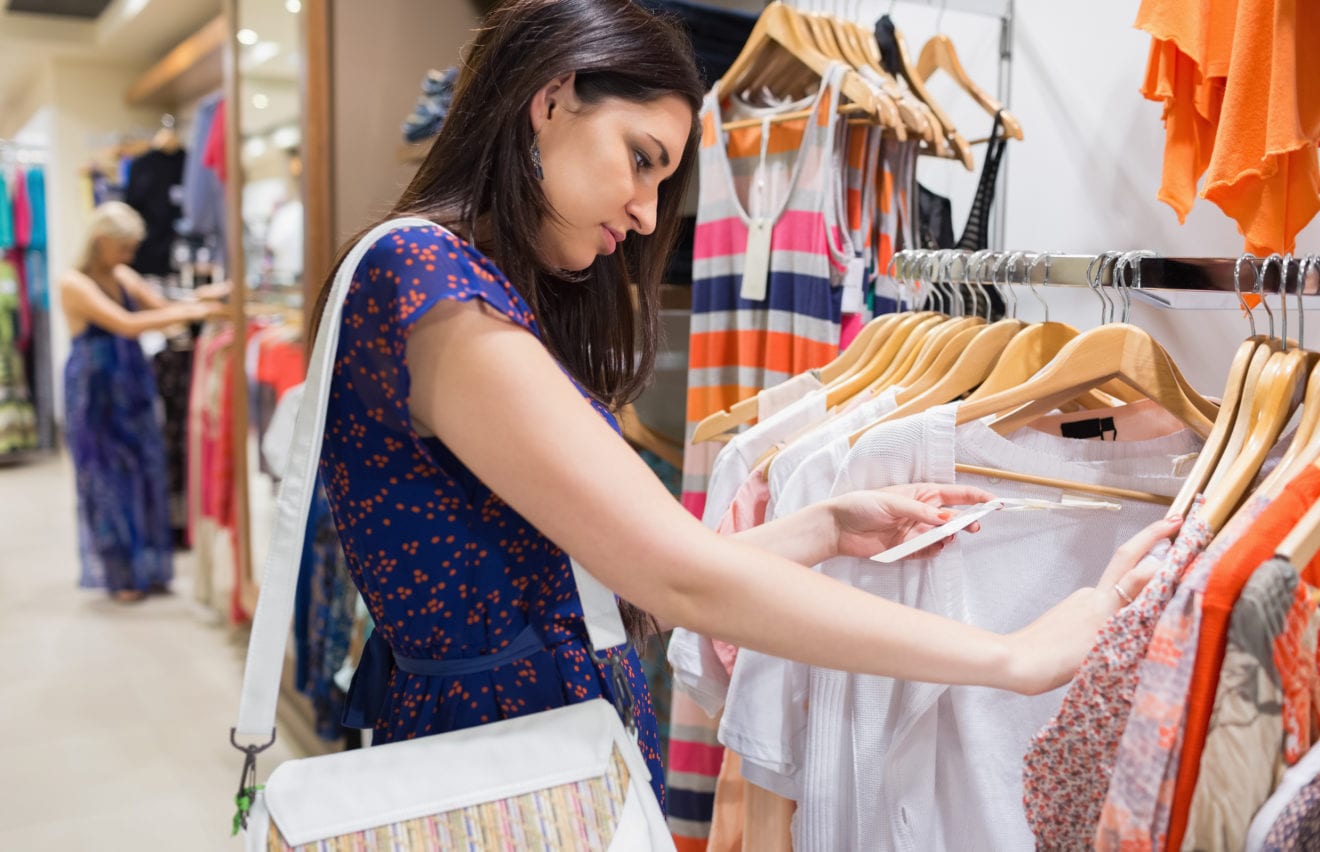
    The apparel industry has a big problem. At a time when the economy is growing, unemployment is low, wages are rebounding and consumers are eager to buy, Americans are spending less and less on clothing.

    The woes of retailers are often blamed on Amazon.com Inc. and its vise grip on e-commerce shoppers. Consumers glued to their phones would rather browse online instead of venturing out to their local malls, and that has crushed sales and hastened the bankruptcies of brick-and-mortar stalwarts from American Apparel to Wet Seal.

    But that is not the whole story. The apparel industry seems to have no solution to the dwindling dollars Americans devote to their closets.

    Many upstarts promising to revolutionize the industry drift away with barely a whimper. Who needs fashion these days when you can express yourself through social media? Why buy that pricey new dress when you could fund a weekend getaway instead?

    Apparel has simply lost its appeal. And there does not seem to be a savior in sight. As a result, more and more apparel companies—from big-name department stores to trendy online startups—are folding.

    The ingredients for this demise have been brewing for decades. In 1977, clothing accounted for 6.2 percent of U.S. household spending, according to government statistics. Four decades later, it is plummeted to half that.

    Apparel is being displaced by travel, eating out and activities—what’s routinely lumped together as “experiences”—which have grown to 18 percent of purchases. Technology alone, including data charges and media content, accounts for 3.4 percent of spending. That now tops all clothing and footwear expenditures.

    Several reasons are behind this shift. Some are beyond the control of apparel companies, as societal changes drove different shopping behavior. But missteps by these companies along the way have hastened the death of clothing.

    It used to be that office workers needed suits and ties or pleated pants, long skirts and heels to get through the week. By the early 1990s, that seemed to change. The genesis is debatable, but many chalk it up to tech firms in Silicon Valley pushing a business-casual look dominated by khakis. That trickled into other industries, as casual Fridays became common. Now, office apparel is just as casual on Monday as on Friday for many workers.

    Over the past five years, there has been a 10 percentage point spike in employers that permit casual dress any day of the week. The upshot of this is that Americans increasingly need just one wardrobe, because there is so little differentiation between what people wear to work and on the weekends.

    Neckties are disappearing, even in industries such as finance. Sneakers can be worn to any occasion, including weddings and religious services. And about half of Americans say they can wear jeans to their professional offices, according to a survey by NPD Group.

    It is easy to see why this is bad news for apparel companies. When you cut out an entire category of attire, there’s less need to buy new clothes when fashions change. When there’s a hot new color or pattern, maybe a twentysomething buys one new blouse to stay on trend and wears it to work and out at night. Before, she might have purchased two pieces, one for each setting.

    There has been general deflation in the clothing industry. Apparel has become cheaper to make in recent years, especially as more production shifts to less expensive labor markets.

    Take a pair of men’s Levi’s 501 original-fit jeans. The price of this wardrobe staple used to steadily climb, but no longer. They cost $58 in 2009, then rose to $64 three years later, only to fall back down to $59.50 last year.

    This downward price pressure coincides with the emergence of low-cost, fast-fashion retailers in the U.S. Walmart and Target have long conditioned Americans that they can get items they want without spending a lot. Now, retailers such as H&M can mimic runway fashions for $35, or men’s jeans for $25, and can typically beat other retailers to market with trendy designs.

    For years, this seemed like a recipe for success. The chain expanded rapidly in the U.S. and generated $3.2 billion last year. Its growth coincided with the rapid expansion of fast-fashion competitors Forever 21 and Zara, too.

    But cracks and chasms are emerging in fast-fashion’s success story. While the number of U.S. H&M locations is still growing, the pace of new store openings is at a two-decade low. The retailer has struggled to clear out products that shoppers didn’t want, in part because customers are skipping messy stores in favor of a streamlined online experience.

    The fashion industry used to have a lot of sway over how people dressed. Retailers, magazines and high-end designers were fashion kingmakers. From their lofty perches, they dictated a season’s trends, and shoppers largely abided. A decade ago, teens wore Abercrombie & Fitch from head to toe.

    But in today’s consumer-driven economy, social media influencers often call the shots. These online personalities build followings with posts of their outfits, makeup routines and lifestyles. And they’re less loyal to upscale brands.

    An Instagram celebrity might combine Tory Burch, T.J. Maxx finds, consignment wares and basics from Target. Consumers have discovered they can invest in certain pieces and buy runway knockoffs to put together a unique, selfie-worthy look. With smartphones, these same shoppers easily compare prices, even using apps to snap a picture and find a cheaper alternative.

    Retailers are devoting more of their marketing spending to digital ads, developing a social media image, paying for promoted posts and conscripting influencers to endorse their products. The hope is that these ads seem more authentic and intimate than a television ad featuring a celebrity.

    But because there are now millions of tastemakers online—with a hodgepodge of aesthetics—it’s harder for new trends to really break through. That has made many apparel brands gun-shy and less prone to taking design risks. Designers used to spend months working on a collection of boundary-pushing styles in an attempt to make a statement for the brand.

    The variety came with the risk of sinking a lot of time and money into a design that flops. To cut costs and speed up products that are known to sell, many brands now buy fabrics in bulk that can be made into multiple designs and patterns, resulting in fewer, “safer” options for consumers. With fewer fashion changes, there are fewer reasons to replenish wardrobes.

    Micro-trends tend to flare up and flame out quickly, leaving larger trends in place for a longer time. Take skinny jeans, which roared onto the fashion scene in 2006 and haven’t left. They’re more distressed than ever, but the silhouette remains the same.

    When you consider all these varied pressures on the clothing industry, it’s not surprising that apparel store closures peaked last year. This doesn’t simply reflect a shift to online shopping. E-commerce startups were founded to take advantage of the disruption in retail. But even they have stumbled, a sign of the deeper problems plaguing apparel.

    Online darling NastyGal went bankrupt in 2017. Others have sold out to established retailers, rather than making it on their own. That includes Bonobos, the once-hot menswear brand that was bought by Walmart last year.

    Stitch Fix Inc., an e-commerce clothing seller that was founded in 2011, has been an exception. The retailer pairs algorithms and data to select customized outfits for its subscribers, giving shoppers a feeling of personalization and an easy, at-home experience. The company had its debut on the Nasdaq Stock Market in November, and the shares have gained 34 percent. Experts have said more retailers should learn from Stitchfix’s ability to leverage technology for customization, though they face the added challenges of a store base that e-commerce companies largely avoid.

    Even if retailers can thread that needle, the underlying problem of weak demand is expected to dog the apparel industry for years, meaning more store closures and more bankruptcies lie ahead—with or without Amazon.

  • Korea domestic fashion market to grow in 2018

    Korea domestic fashion market to grow in 2018

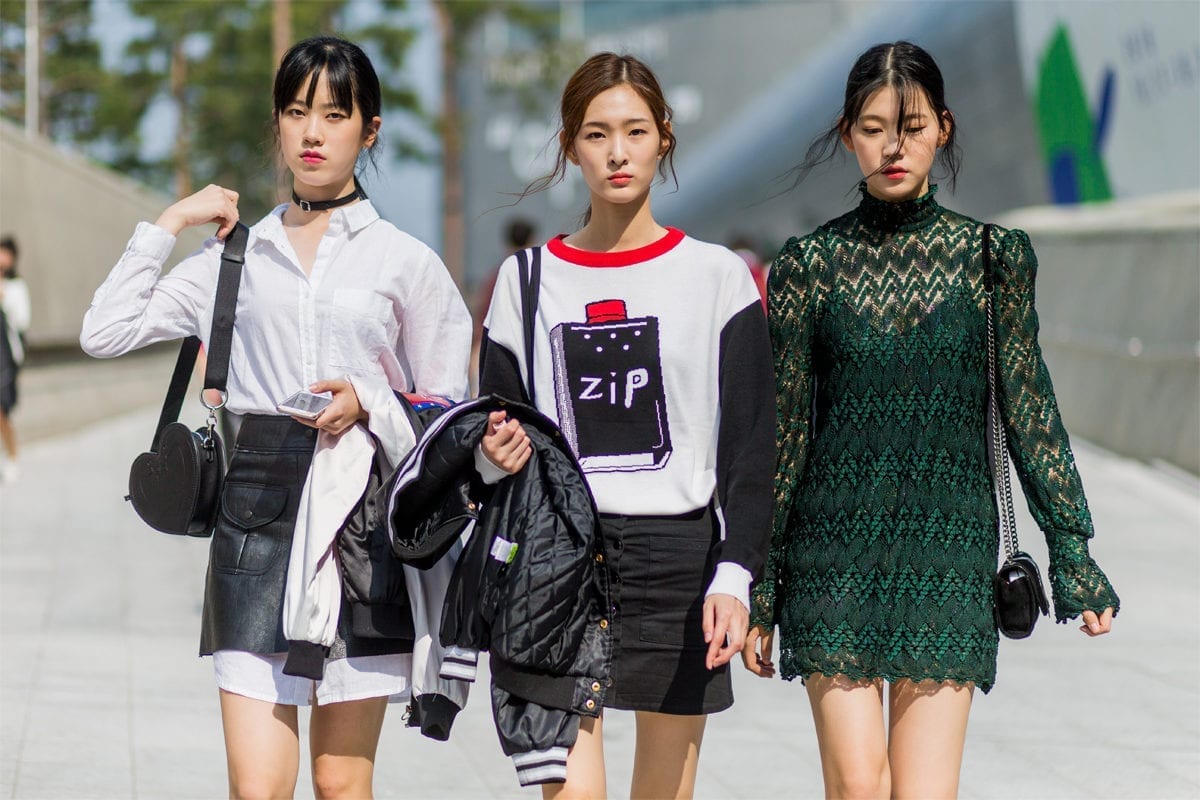
    Korea domestic fashion market is expected to reach 44.32 trillion won, up 3 percent in 2018.

    Korea Federation of Textile Industries predicted that the fashion market will recover  in the next year as the Consumer Confidence Index is improving in the second half of 2017.

    Thus, Korea domestic fashion market is expected to grow by 3 percent thanks to the recovery in consumer sentiment index affected by the 2018 PyeongChang Winter Olympics and the growth of online and outlet distribution.

    As consumers are showing signs of improvement in the second half compared to the first half of the year, this trend will last until 2018.

    In addition, the fashion product purchasing index has been steadily declining compared to 2016, but the trend is gradually rising from the bottom of 2016, which is why we are looking at the domestic fashion market in 2018 positively.

    When it comes to categories, casuals are expected to continue to grow positive thanks to global SPA and online street-based casuals, and the market is expected to exceed 15 trillion won in 2018.

    In particular, the new bag market, which is emerging as a market, is also positively analyzed. On the other hand, the price of sportswear, men’s wear and women’s wear has been declining steadily, so they will have difficult time in 2018.

    Meanwhile, 2017 domestic fashion market is expected to fall by 0.3 percent compared to last year to 43.38 trillion won, as the economic instability caused by the North Korea’s provocation and THAAD e has also affected the domestic fashion market negatively.

  • Myanmar sets daily wage minimum to boost apparel manufacturing

    Myanmar sets daily wage minimum to boost apparel manufacturing

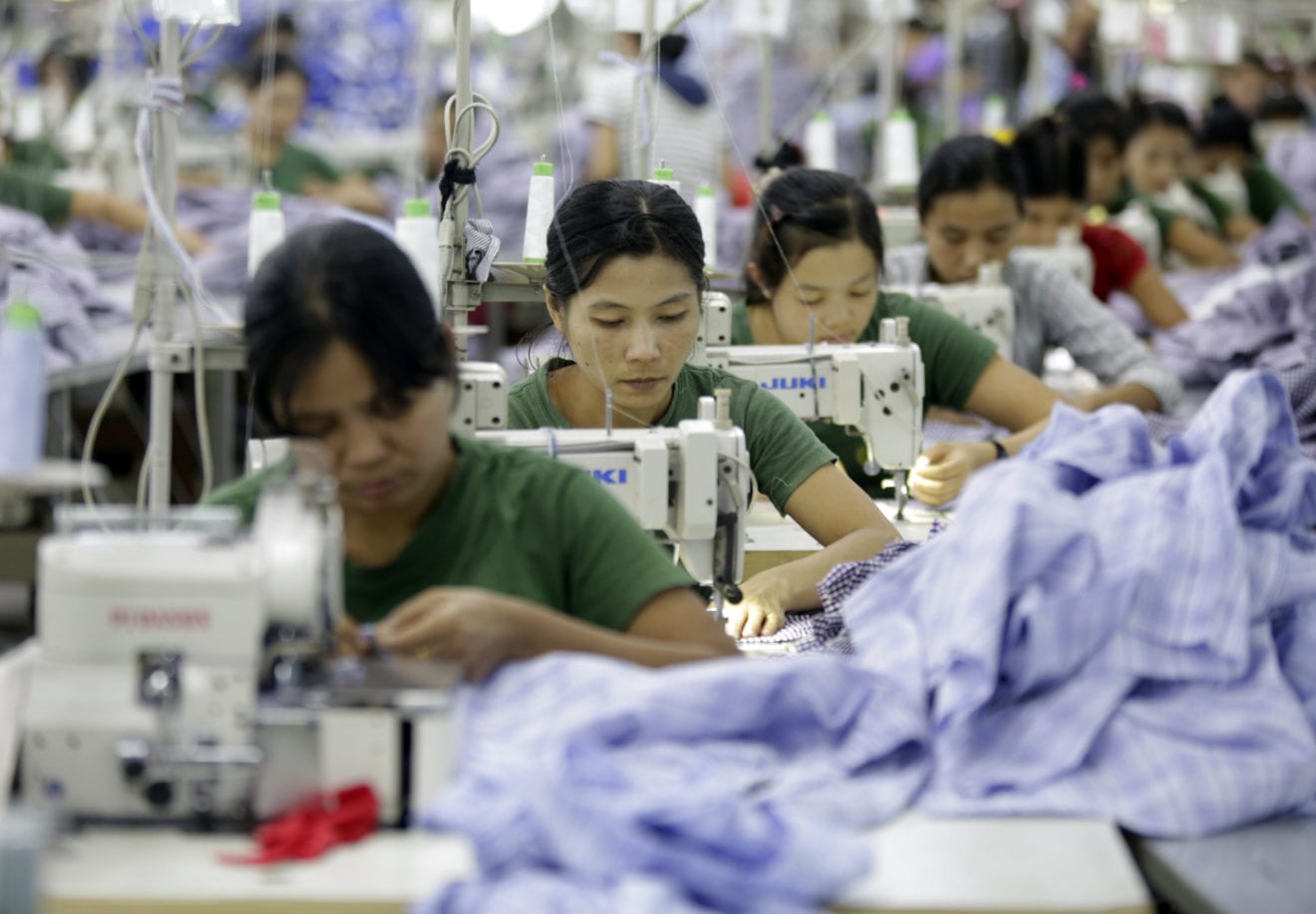
    Last year Gap Inc. was the first U.S. retailer to return to Myanmar for its apparel manufacture, a major sign of the potential return of the country’s once-thriving garment industry.

    But demonstrations by labor unions over working conditions and pay have hampered progress in the three years since U.S. sanctions were lifted, after which Myanmar also attempted its first minimum wage boost.

    Even with the increase in minimum wage that is apparently acceptable to most labor groups and factory owners, Myanmar will still have among the lowest wages in the world. And its standards for factory conditions are seen as lower than in Bangladesh, the site one of the deadliest garment factory collapses in history.

    The government was under pressure not to raise the wage too high out of fear that retailers would turn to South Korea, China, and other countries with established manufacturing. The wage is for eight-hour days in a six-day week; it doesn’t address overtime pay or working conditions. Last year Myanmar exported $1.5 billion of clothes and materials, up from $1.2 billion in 2013 and $947 million in 2012, according to the Global Trade Atlas.

    Still, the stability and the raise, if slight, is seen as an encouragement to more investment by U.S. and other apparel retailers, which can now count on an official wage structure to help them determine costs. Gap and H&M already source goods from there. The country’s economy is predicted to grow 8% this year, according to the World Bank.

  • Singapore attire market stagnant

    Singapore attire market stagnant

    The Singapore attire market progress has been nearly stagnant since 2010 based on a brand new market report.
    The Singaporean attire retail business had complete revenues of US$2.four billion in 2014, representing a compound annual progress fee (CAGR) of 1.6 per cent between 2010 and 2014.
    However the report, Attire Retail in Singapore, forecasts CAGR of two.9 per cent for the five-years from 2014 to 2019, which might drive the business to a worth of $2.eight billion by the top of 2019.
    The womenswear phase was the business’s most profitable in 2014, with complete revenues of $1 billion, equal to 42.9 per cent of the business’s general worth.
    The business profile, one in every of a collection of reviews on Asian attire retail markets, is out there to buy on-line.
    It accommodates descriptions of the main gamers together with key monetary metrics and evaluation of aggressive pressures inside the market.
  • Koreans purchase Supra Footwear, KR3W Denim

    Koreans purchase Supra Footwear, KR3W Denim

    South Korea’s E-Land Group has purchased two US style retail manufacturers – KR3W Denim Co and Supra Footwear.

    E-Land subsidiary Okay-Swiss International Manufacturers has purchased the 2 manufacturers’ father or mother One-Distribution, a skate-inspired attire and footwear producer.

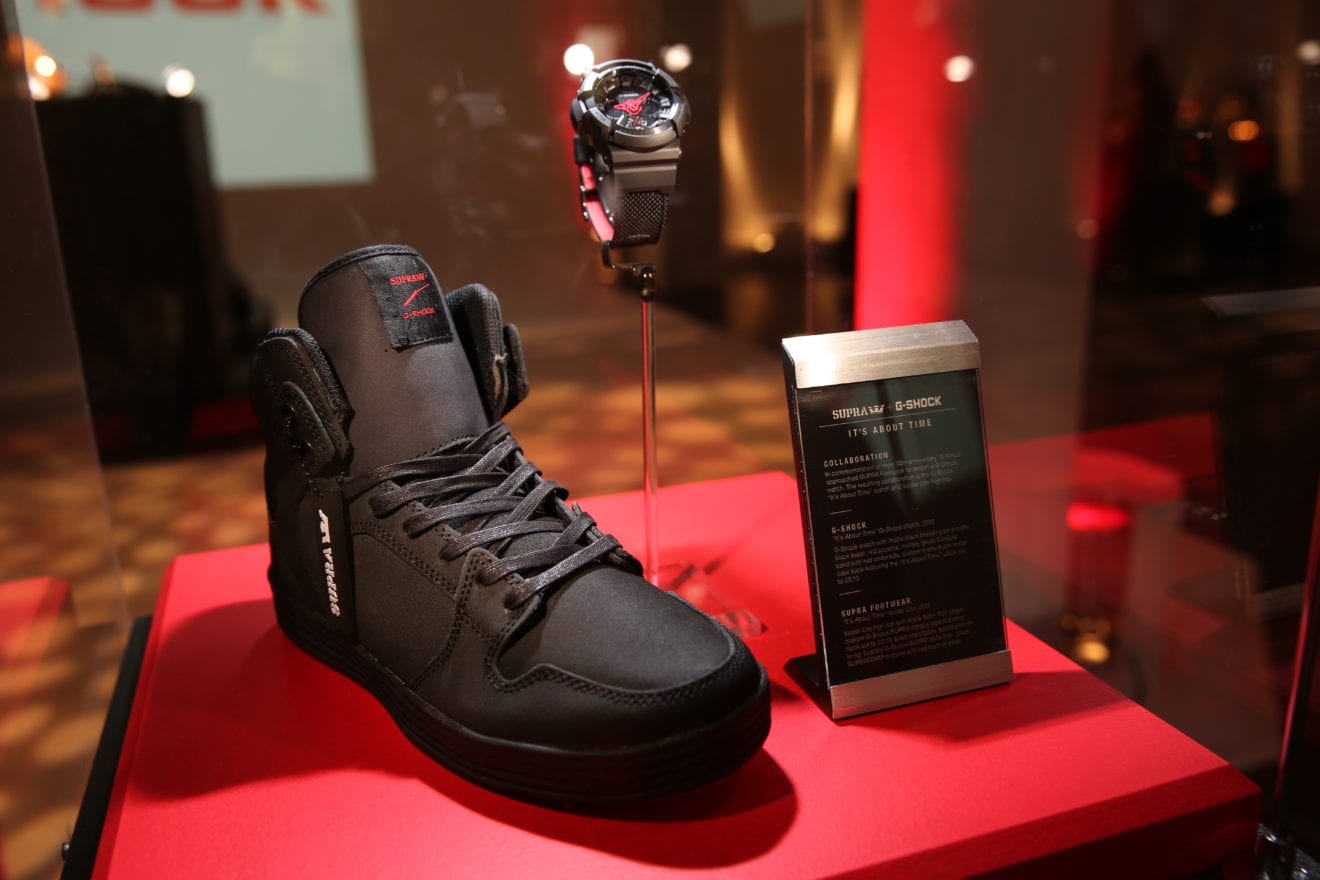
    Based in 2006, Supra shortly turned one of many largest and most profitable unbiased sneaker manufacturers by way of innovation and elegance, fusing style, music, skateboarding, artwork and road to deliver basic silhouettes to those that demand distinctive designs.

    Supra has flagship shops in Tokyo, Santa Monica, New York Metropolis, Paris and Mexico Metropolis and distributes to over 60 nations by way of a community of choose skate outlets and high-end boutiques.

    KR3W, an attire model born from skate tradition, started in 2003, influenced by Southern California tradition. The model made its identify in denim, and altered the younger males’s denim paradigm with the introduction of its Okay Slim Denim Jean utilizing an progressive stretch material and a slender profile. KR3W has since expanded its attire vary, efficiently blurring the strains between skate and style, whereas sustaining its ‘Darkish Americana’ aesthetic.

    E·Land Group is a South Korean conglomerate headquartered in Chanjeon-dong Mapo-gu Seoul, South Korea.

    KSGB acquired the Fountain Valley, California-based agency from a gaggle of shareholders together with Bertram Capital, a San Mateo, personal fairness agency, and a small group of personal buyers together with One-Distribution Founders Scott VanDerripe, Angel Cabada and Scott Bailey. The worth was not disclosed.

    KSGB has appointed Robert ‘Cape’ Capener because the model president of each Supra and KR3W, reporting to Larry Remington, President and CEO of KSGB.

    “Having shaped KSGB simply two years in the past, we’re on an aggressive monitor to grow to be one of many world’s main multi-brand corporations,” stated KSGB President and CEO, Larry Remington.

    “Supra and KR3W are manufacturers that meet the distinctions we’re on the lookout for in our portfolio: authenticity, robust model consciousness, a monitor document of product innovation and alternatives for long-term, international progress. We’re excited to hitch forces with the One-Distribution group and to put a basis for the longer term.”

    This acquisition takes the KSGB portfolio to a complete of six globally distributed manufacturers, together with Okay-Swiss, Palladium, PLDM, OTZ Footwear, KR3W and Supra. E-Land Group, a $10 billion group of corporations with over 200 manufacturers, 10,000 retail shops and enterprise throughout attire, footwear, retail, lodges, leisure and leisure.

    One-Distribution at present has workplaces in California, Barcelona, Sydney and Dongguan, China.

  • China PE investor buys Ports

    China PE investor buys Ports

    Chinese language personal fairness firm Oriental Fortune has agreed to buy a 20 per cent stake in Hong Kong listed Ports HK.

    Ports HK is the subsidiary of Ports BVI which owns considerably all the group’s present trend and attire enterprise and is looking for to exit the attire and style enterprise.

    A Framework Settlement signed by each events offers for Oriental Fortune to introduce an unbiased third celebration purchaser to accumulate the remaining 80 per cent 90 days after the primary deal is settled.

    The 20 per cent stake will carry a money worth of HK$600 million (US$77.35 million).

    Ports plans to make use of the proceeds from the 20 per cent sale for funding in “associated sectors of the PRC financial system”.

    At this stage, no legally binding settlement has been reached relating to acquisitions, and Ports BVI says it’ll make additional bulletins referring to reinvestment later.

    Ports BVI is at present managed by personal fairness group Blackstone, CFS and PIEL who, mixed, maintain 79.three per cent, and have agreed to the sale.

    The seller says administration think about the longer term prospects of the normal style and attire enterprise are “troublesome and difficult”, mirrored within the downward development within the firm’s monetary efficiency over the previous few years.

    “The downward development has been brought on by numerous elements, together with shoppers’ transfer from conventional retailing to web purchases and the macro political surroundings within the PRC,” Ports BVI stated.

    The corporate says shareholders’ pursuits can be higher served by the corporate reinvesting in different areas of the PRC financial system which give shareholders with a greater return.

  • I.T. Restricted beats the blues

    I.T. Restricted beats the blues

    Hong Kong attire retailer I.T. Restricted has boosted turnover by 6.four per cent on an expanded retail footprint, regardless of the retail downturn that has been squeezing its rivals.

    Complete gross sales reached HK$7.18 billion, with retail gross sales in Hong Kong, its largest market, up by zero.three per cent to HK$three.577 billion with similar retailer gross sales up zero.7 per cent.

    It added almost one per cent of retail flooring area in Hong Kong to 631,292 sqft.

    Mainland China offered probably the most progress, nevertheless, with gross sales up 18. 2 per cent to HK$2.56 billion and similar retailer gross sales up four.5 per cent.

    It added 12.three per cent of flooring area in China, reaching 978,854 sqft.

    And in Japan, the place the financial system had a sluggish yr, I.T.’s gross sales rose 5.four per cent in Hong Kong greenback phrases, or 14.5 per cent on Japanese foreign money, to HK$434 million.

    In Macau, complete retail gross sales rose 1.6 per cent to HK$221.three million.

    I.T. posted a gaggle revenue improve of 10.four per cent to HK$four.464 billion with a gross revenue margin of 62.2 per cent – up on the earlier yr’s 59.9 per cent. Internet revenue elevated 11.7 per cent to HK$312.9 million.

    In its earnings assertion, the corporate stated the enterprise setting throughout Hong Kong, mainland China and Japan had stabilised steadily.

    “Nevertheless, the financial restoration on a worldwide scale remained subdued and unsure. A number of home and peripheral elements, alongside the intensified regional tensions, continued to have appreciable impacts on the retail enterprise. Particularly, the political demonstration which started in late September 2014 in Hong Kong triggered a degree of disruption to our operations.”

    The corporate cited a “prudent but versatile strategy” to its enterprise in Hong Kong for weathering the storm out there which accounts for 50.6 per cent of its turnover.

    “The political demonstration, which lasted for greater than two months, extremely affected our retail enterprise in the course of the interval. While the shift of the Chinese language New Yr interval from January final yr to February this yr prolonged the normal buying season, the tempo of restoration progressed very slowly. In consequence, spending momentum and retailer visitors amongst native shoppers and inbound guests confirmed no signal of noticeable enchancment.”

    Shifting ahead, the corporate stated it might keep “a dominant and balanced retail presence” in Hong Kong, with extra greater measurement shops “to facilitate new concepts and new purchasing pleasure together with numerous in-store advertising campaigns which allow us to increase direct interplay with our clients”.

    Because of much less proactive reductions provided in the course of the yr, gross margin elevated 1.four proportion factors to 60.7 per cent. “Nevertheless, such achievement in gross margin has but to completely offset the rise in working prices, resembling rental and employees prices which remained probably the most good portion of our working bills.”

    In the meantime, Macau confirmed “modest progress” following the downturn in gaming spend.

  • American Eagle to open in two new Asian markets

    American Eagle to open in two new Asian markets

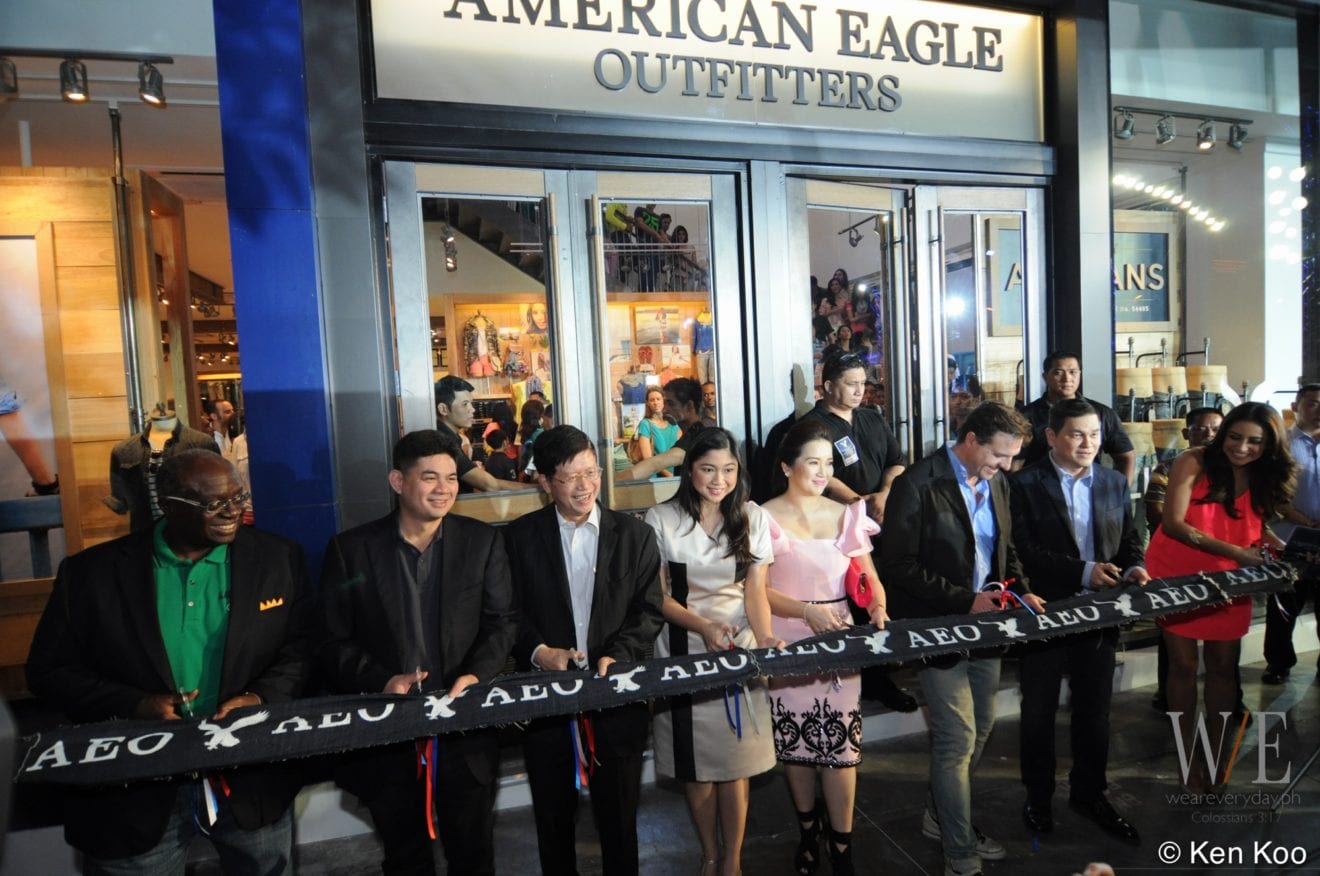
    “We look forward to bringing our casual American style and iconic American Eagle Outfitters jeans brand as well as Aerie intimates to new customers,” said Simon Nankervis, executive VP of global commercial operations.

    “Together with our licensed partners, we will offer the very best brand experience. Our partners bring vast knowledge in their respective markets, an expertise in building businesses and a strong passion for our brands.”

    In Korea, SK Networks has vast fashion brand experience, representing international brands including Tommy Hilfiger, DKNY, Donna Karan Collection, Club Monaco and Calvin Klein. Store openings will begin in mid-2015, with several shops planned to be trading byyear end.

    In Singapore, Trendz 360 is an established distributor and retailer of international brands,representing Patagonia, DKNY Kids, Nike Equipment and Patrick. It plans to open the first store in mid-2015.

    American Eagle Outfitters currently has 111 licensed stores in 17 countries, including Hong Kong, the UAE, Kuwait, Russia, Saudi Arabia, Lebanon, Jordan, Morocco, Egypt, Israel, Japan, Poland, the Philippines, Colombia, Panama, Thailand and Indonesia. The company currently expects to open approximately 40 licensed stores in fiscal 2015.

  • S Korea’s E.Land to optimise provide chain operation by implementing Manhattan’s know-how

    S Korea’s E.Land to optimise provide chain operation by implementing Manhattan’s know-how

    E.Land World Ltd, the most important attire model in South Korea and the core attire subsidiary of worldwide retail group E.Land, is implementing Manhattan’s Provide Chain Commerce Options to assist fulfil on its service promise to clients and allow future enterprise progress.

    With Manhattan’s know-how, E.Land World will have the ability to present a speedy and constant fulfilment expertise to its clients. The answer deployment is already underway on the firm’s Cheonan distribution centre (DC) in South Korea, a newly constructed 1 million sq. ft. facility using 300 individuals and dealing with 340,000 stock-keeping models.

    The implementation is being carried out by a joint workforce from Manhattan Associates, E.Land IT subsidiary E.Land Techniques Ltd. and native Manhattan associate Worth Chain Consulting & Applied sciences.

    “As a market-leading style model, it’s crucial that E.Land World is supported by an environment friendly, strong and agile provide chain infrastructure,” defined Choon Woo Leem, vice chairman of Logistics at E.Land World. “The Manhattan options will assist us optimise our provide chain operation and provides us a extremely versatile fulfilment functionality, making certain we will meet the more and more refined necessities of our clients.”

    Whereas the primary part of the challenge is focussed on the South Korean distribution centre supporting the attire retail subsidiary, dad or mum firm E.Land plans to roll out the Manhattan know-how to different group companies in a number of geographies. E.Land expects the second part of the challenge to begin with deployments at distribution centres supporting its retail enterprise in China.

    E.Land’s retail operations span a number of markets all over the world together with China, Japan, Sri Lanka, UK, US and Vietnam. It operates companies within the restaurant, leisure, grocery, e-business and development sectors. The attire division of the group boasts 60 totally different style manufacturers and group annual turnover exceeds USD7 billion. In recent times, it has acquired the worldwide advertising rights for Okay-Swiss, the worldwide tennis shoe model and launched the SPAO and MIXXO style manufacturers in Japan.

  • Birlas to merge Madura Clothes into Pantaloons Trend

    Birlas to merge Madura Clothes into Pantaloons Trend

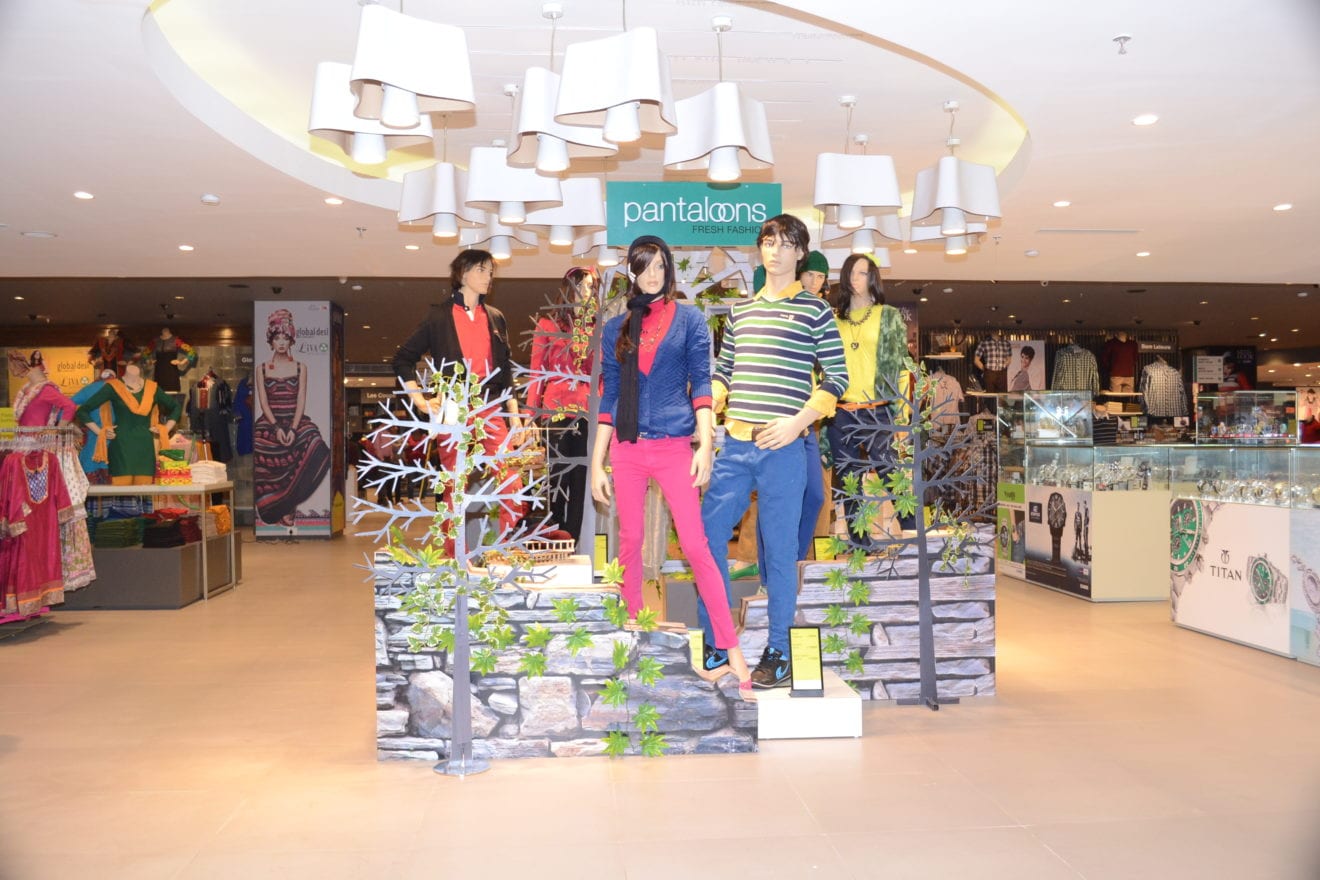
    The Kumar Mangalam Birla-controlled group on Sunday introduced a plan to merge its Aditya Birla Nuvo Ltd (ABNL)-operated trend retailing enterprise with Pantaloons Trend & Retail. This can create India’s largest branded attire participant, valued at Rs 12,000 crore.

    In accordance with the plan, Madura Trend (the branded attire retail division) and Madura Way of life (the posh branded attire retailing arm of ABNL) will probably be demerged into Pantaloons Fashions, a listed subsidiary of the group.

    After the restructuring, Pantaloons Style might be renamed Aditya Birla Trend & Retail Restricted, and have 1,900 shops throughout India. The mixed entity may have a debt of Rs 1,775 crore, after loans of about Rs 475 crore can be handed from Madura to Pantaloons.

    Underneath the merger plan, ABNL shareholders will get 26 new fairness shares of Pantaloons for each 5 ABNL fairness shares held, following the demerger of Madura Style. Equally, shareholders of Madura Clothes will get seven new fairness shares of Pantaloons for each 500 Madura Garment fairness shares held, pursuant to the demerger of Madura Way of life. The choice shareholder of Madura Clothes Way of life will get one new fairness share of Pantaloons. After the deal, Pantaloons’ fairness base will improve from 92.eight million to 772.eight million shares.

    “The thought is to unlock worth for our shareholders in each ABNL and Pantaloons Style,” stated Aditya Birla Group Chairman Kumar Mangalam Birla. He additionally stated style retailing was doing much better than the nation’s financial system, with the mixed entity’s income rising by 40 per cent and Ebitda by 43 per cent, prior to now two years.

    Normal Chartered Financial institution was the advisor for the transaction, and Worth Waterhouse & Co LLP and Bansi S Mehta & Co have been the valuers.

    With this restructuring, an ABNL shareholder holding 100 shares will get 520 Pantaloons shares, along with the 100 ABNL ones. The promoters will personal near a 60 per cent stake in Pantaloons after the restructuring, in contrast with the current 72 per cent. The group determined to maintain its ‘Extra’ branded grocery shops out of the merger scheme, and stated it might not supply any stake within the new firm to non-public fairness gamers.

    “This consolidation will create India’s largest pure-play trend & way of life firm, with a robust bouquet of main style manufacturers and retail codecs. This transfer brings India’s number-one branded menswear and womenswear gamers collectively,” the chairman stated. He added the corporate’s inner accruals have been sufficient to fund its progress plans and the transaction can be accomplished in six to 9 months.

    “Buyers of ABNL had been asking for a demerger for a very long time. This entity will create the most important pure-play trend firm within the nation and take away the holding firm low cost of ABNL,” Kumar Mangalam Birla stated. The Pantaloons model will proceed on the degree of shops, whilst the corporate’s identify will change. The debt-to-equity ratio of Pantaloons will enhance after the scheme.

    “This may also convey all branded attire companies beneath one roof, speed up the expansion of those companies, and assist exploit rising alternatives introduced by the quickly rising Indian attire market,” stated Pranab Barua, the group’s enterprise director (attire & retail enterprise).

    The consolidation would additionally allow tapping of operational synergies on numerous fronts, reminiscent of sourcing, actual property and know-how platforms, the group stated in a press release.

    Commonplace Chartered Financial institution was the advisor for the transaction whereas Worth Waterhouse & Co. LLP and Bansi S. Mehta & Co have been the valuers.