Tag: application

  • Kakao’s blockchain gets 9 development partners

    Kakao’s blockchain gets 9 development partners

    Nine companies have agreed to develop apps for Kakao’s new Klaytn blockchain system. The public platform was developed by Ground X, Kakao’s blockchain subsidiary. It was offered on Oct. 8 on a test basis, or testnet. Kakao, Korea’s largest messenger app company, announced the introduction on Monday.

    The companies building the apps are from a wide range of industries from gaming to health care. They are planning to use Klaytn for the development and operation of dApps, or decentralized applications.

    Service operators are attracted to dApps because of their decentralized nature, transparency and ability to incentivize users through in-app rewards.

    Wemade Tree, a subsidiary of game developer Wemade Entertainment, is one of the Klatyn partners. Wemade said it wants to use blockchain because it allows for smooth and speedy operations. Wemade’s games, including its popular Legend of Mir massively multiplayer online role-playing games (Mmorpg) series, have over 200 million accumulated users.

    Piction Network, which helps web comic and novel creators retain ownership over their works while making them available for users, has also partnered with Klaytn. Piction Network plans to provide its Klaytn-powered network to webtoon platform Battle Comics, which currently has over a million active users.

    A blockchain-based food data project called Hint Chain, operated by Vital Hint, has also announced a plan to utilize Klaytn. Vital Hint first gained popularity for providing recipe recommendations through apps like Foodiest. Hint Chain goes one step further and analyzes individual tastes and eating habits. Hint Chain plans to use Klaytn to help consumers manage their eating and purchasing habits, and make this information available to restaurants, convenience stores, supermarkets and hospitals.

    Other notable industry partners include Nabu Studio, a sports simulation game developer, Airbloc, a data marketplace for businesses interested in gathering personal information for research and advertising, and Humanscape, a data marketplace specifically dealing with health information related to rare and incurable illnesses.

    Cosmochain, another partner, is a beauty information platform that incentivizes users to provide feedback on cosmetics products.

    VETTA is a crowdfunding platform for games selected by GTR, a game accelerator. Rayon connects borrowers and lenders.

    “It’s important to prove the value and utility of blockchain in order for the technology to commercialize,” said Han Jae-sun, chief executive of Ground X. “We will soon gradually begin presenting high-quality services that we worked on together with partners.”

    After the selected partners complete a test run, Klaytn plans to launch in the first quarter of 2019. Until the official release, Klaytn will continue forming new partnerships with qualified companies.

    “Service providers and developers interested in using Klaytn’s testnet can still register on the official Klaytn homepage,” said a Kakao spokesperson.
  • ZTE, Intel developing vEPC application

    ZTE, Intel developing vEPC application

    ZTE and Intel have released a white paper covering an NFV reference design for a containerized vEPC application as part of the two companies’ joint research into virtualization of telecoms networks.

    The two companies are jointly researching cloud native and NFV technologies. Intel is helping ZTE develop virtual evolved packet core applications based on cloud native architecture.

    The white paper highlights that such vEPC applications are compatible with and open to cloud platforms based on open source container technology. The vEPC application uses s microservice design to achieve network function atomization to speed delivery of new services.

    Each microservice is also run, upgraded and deployed separately to improve flexibility, the companies said.

    A vEPC microservice adopts a stateless design to achieve 99.999% carrier-grade reliability in commercial off the shelf hardware.

    The vEPC solution is expected to be fully compatible with 5G, with guaranteed upper layer service continuity for future wireless network evolution and upgrades.

  • SCB Easy Application on the Fritz Pending Upgrade

    SCB Easy Application on the Fritz Pending Upgrade

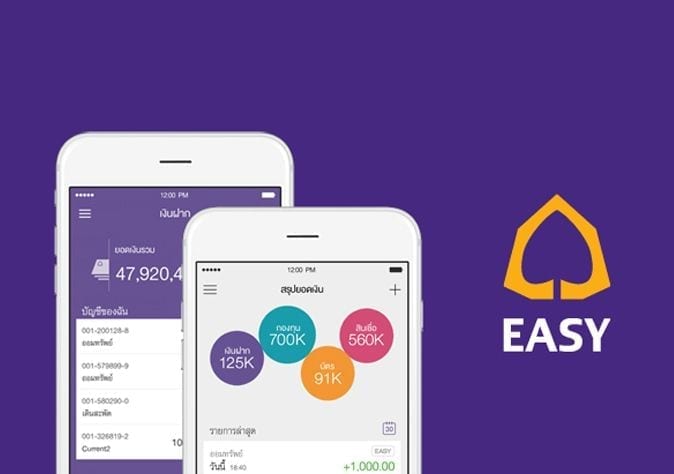
    Customers of Siam Commercial Bank (SCB) might have recently found out the hard way that the SCB Easy App is on the fritz and hasn’t been working as properly as it should’ve been.

    SCB has already suspended the service of the app yesterday, in order to be able to properly update the system.

    According to SCB, the disruption of service was due to the increased use of system for financial transactions. However, the app will hopefully be up and running again by Sept. 10 after the system upgrade.

    Customers, fortunately, are still able to use the bank’s services through other channels, including their website: www.scbeasy.com

  • Would you ever take investment advise from an app?

    Would you ever take investment advise from an app?

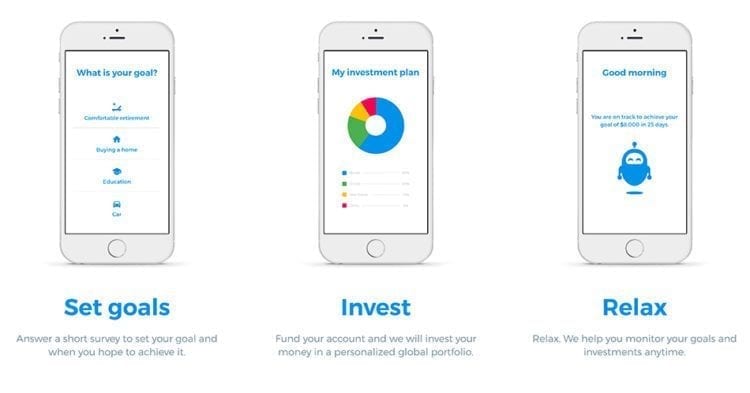
    Fintech firm 8 Securities said on Monday it plans to launch Hong Kong’s first so-called robo-investment advisor app in the next quarter, which it is calling “Chloe”, but experts remained divided on whether such an idea will every catch on in the city.

    Asia, and especially Hong Kong, is seen as lagging other international markets on the adoption of robo-advisors.

    Assets held by such robo-advisors in Hong Kong are expected to expand exponentially to US$20.6 billion by 2020 from the current US$400 million, according to a Boston-based research firm Aite Group’s latest robo-advisor forecast.

    The apps are powered by artificial intelligence and machine-learning technologies developed in-house, and effectively learn day by day as a system’s user base and database grows, matching products to customers with different financial needs.

    That’s very different, of course, to what is offered by around 450 local brokers in Hong Kong, who have traded for decades, by offering personalised services based on close relationships, to hold onto clients.

    Mathias Helleu, 8 Securities’ executive chairman and co-founder, expects the Chloe app’s popularity to grow fast thanks to higher mobile penetration and lower entrance levels for users.

    “Chloe users will have the freedom to deposit or withdraw money from their portfolio anytime and with no penalty,” said Helleu. “The minimum investment amount with Chloe will be under HK$1,000.”

    In the West, the fledging robo-advisor industry is growing fast.

    By the end of 2015, US robo-advisor services had US$53 billion in assets under management, up from US$2 billion in 2013, according to statistics from the Aite Group. Key players include both startups such as FutureAdvisor, Bettermont and WealthFront, and big industry names, such as Bank of America Merrill Lynch.

    I do not expect robo-advisor apps to prove attractive in mature markets like Hong Kong. Here, retail investors consider their brokers or wealth managers more reliable

    Benny Mau, chairman of Hong Kong Securities Association

    However, that number of managed assets is still small compared with the US$20 trillion total investable assets by US retail investors.

    Traditional Hong Kong brokers, however, questioned on Monday whether local retail investors, many of whom still like going to bank branches or brokers shops to buy and discuss their investments, will ever use such an app.

    Benny Mau, chairman of Hong Kong Securities Association, the industry body, said: “I do not expect robo-advisor apps to prove attractive in mature markets like Hong Kong. Here, retail investors consider their brokers or wealth managers more reliable [than robo-advisors].”

    chloe app

    Mau also added Hong Kong investors are more rational than in other developing markets and a lot more cautious and selective as to which investment services they use.

    However, he did concede some young investors could find the service appealing.

    But Brett McGonegal, chief executive of Capital Link International, said robo-advisors are sweeping the investment world as they represent the pioneering wave of the fintech revolution.

    “This is critical in addressing the needs of a new investing group around the world — that’s millennials. “Platforms that blend human contact with technology will prove to be very successful amongst the new generation that often feel more comfortable communicating over electronic means rather than face to face,” McGonegal said.

    Jenny Lau, a recent graduate whose basic monthly salary is HK$21,000, said she would try her hand at Chloe because it has no penalty and is convenient to operate on her mobile phone.

    “The minimum investment of under HK$1,000 is no big deal for me,” she added.

    “But it will just be to satisfy my curiosity and I do not expect any high investment returns. I’ll not use it for my life saving goals.”

  • Starbucks rolls out mobile pay app in China

    Starbucks rolls out mobile pay app in China

    Starbucks this week launched its mobile payment system in China, marking another step forward in two areas the company sees huge growth potential: China and mobile technology.

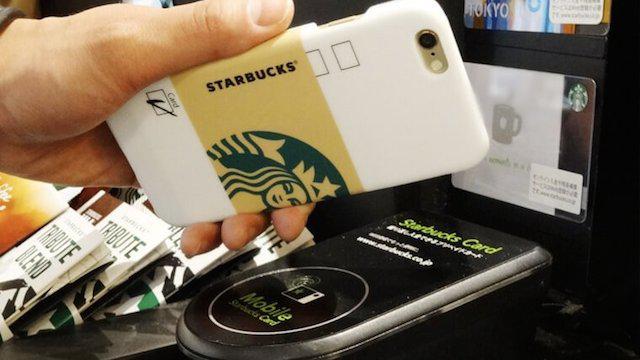
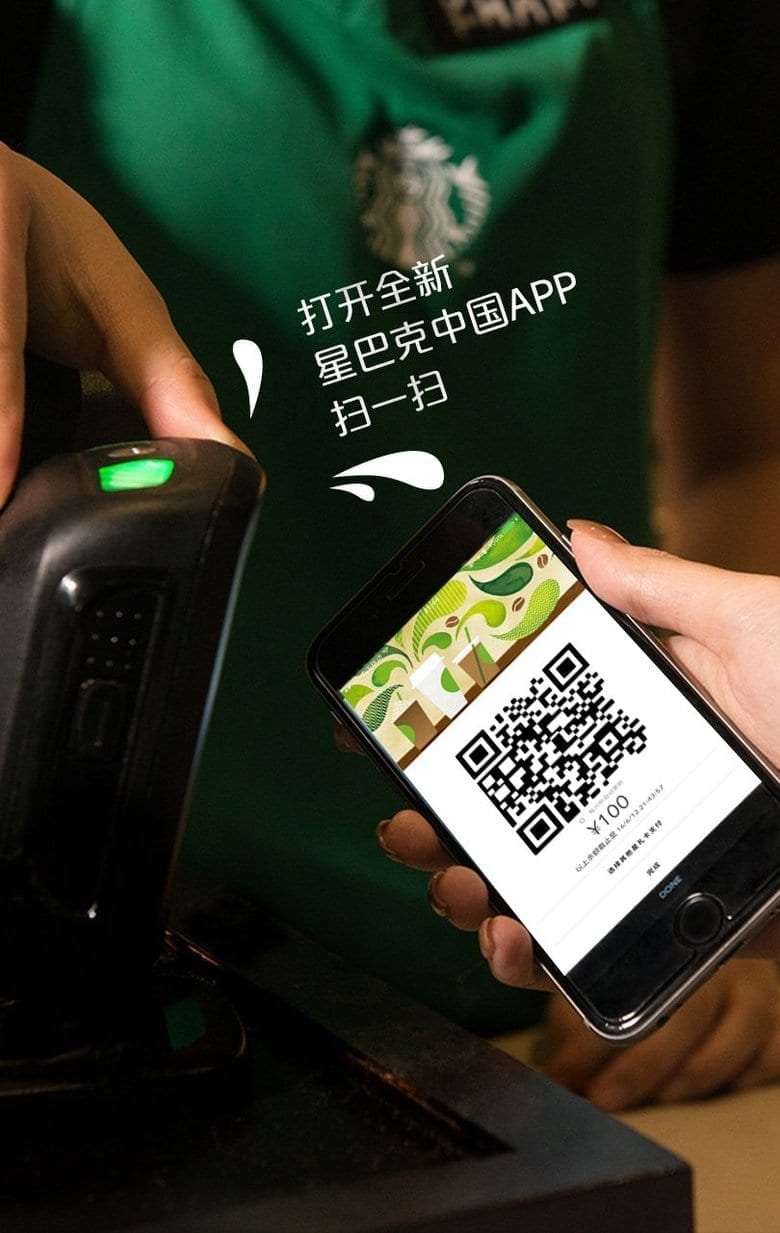
    Customers can now pay for their Starbucks purchases at some 2,200 stores in China by using the Starbucks app on their phone, linked to a pre-loaded Starbucks gift card.

    “With the ongoing seismic shift in consumer behavior due to mobile technology, Starbucks is committed to exploring new ways to leverage digital innovations to deliver an elevated Starbucks Experience to our customers,” Belinda Wong, president of Starbucks China, said in a news release.

    “We are confident our social, web, mobile, loyalty and card assets will deliver greater value and convenience to our customers, while further differentiating the brand in China.”

    Starbucks is betting big on China, where the company is adding 500 stores a year. It plans to have 3,400 stores there by the end of 2019.

    1bfaa232-492f-11e6-85c2-6f67e37b8616-780x1233

    In June, it opened a store at Shanghai Disney Resort — a location that Starbucks CEO Howard Schultz said earlier this year could become “Starbucks’ highest-grossing retail store overnight.”

    In the most recent quarter, Starbucks’ China market saw 18 percent revenue growth — likely due to new stores the company is opening there — and 5 percent transaction growth, according to the company.

    The 5 percent transaction growth is the “highest anywhere in the world,” said Scott Maw, Starbucks’ chief financial officer.

    The mobile app lets customers in China not only use their phones to pay for their coffee drinks but also manage their Starbucks Card account, find nearby Starbucks stores and track and redeem rewards.

    Starbucks’ mobile app has been a big success for the company.

    About 21 percent of all transactions in its company-owned U.S. retail stores take place through its mobile app, according to Bloomberg News.

    In the U.S., where the company has rolled out a “mobile order and pay” that lets customers bypass store lines by ordering and paying for their drinks ahead of time on their phones, usage doubled year-over-year in the most recent quarter.

    Starbucks processes 8 million mobile order and pay transactions per month, the company said.

    The company has also closely linked its loyalty rewards program with its mobile app, tying payments made via the app toward earning rewards, and displaying prominently progress made toward earning a reward.

  • ShopBack Singapore enhances the “Shop-and-Save” lifestyle with mobile app launch

    ShopBack Singapore enhances the “Shop-and-Save” lifestyle with mobile app launch

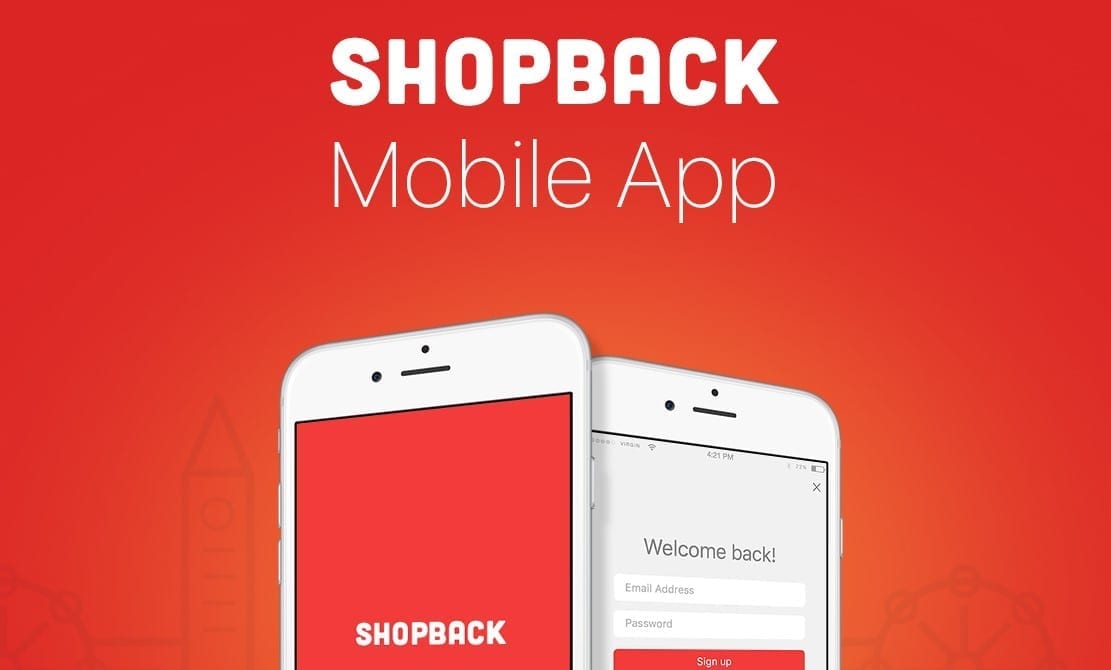
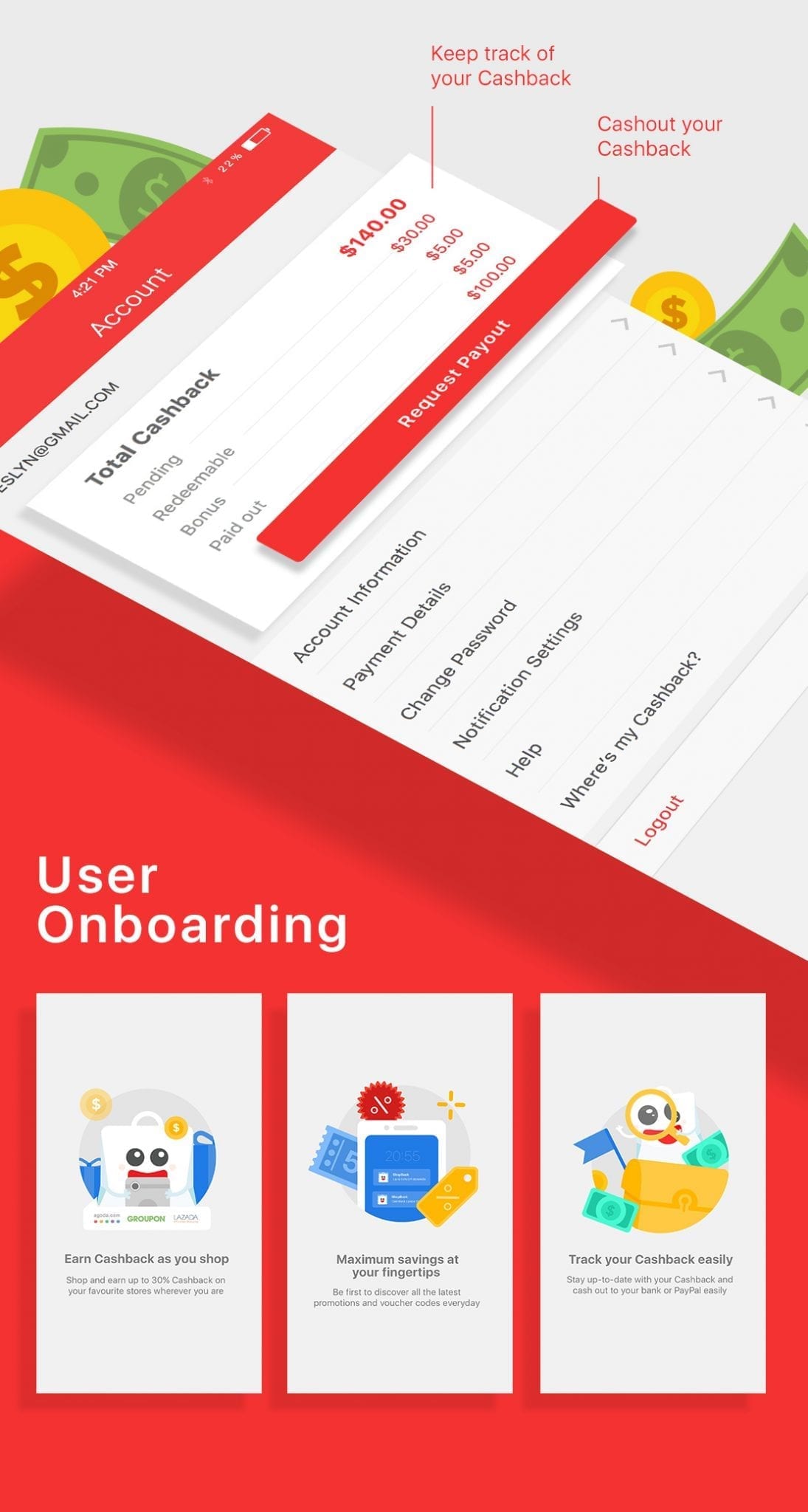
    Before ShopBack Singapore hits its two-year mark, the local start-up revs up its presence with a mobile app launch today. From now onwards, shoppers are able to shop with greater convenience, at anytime, anywhere from computers and tablets to Apple iOS and Android apps.

    Expanding its move beyond desktop and mobile-optimised sites, ShopBack aims to make the “Shop-and-Save” lifestyle ubiquitous and accessible not only in Singapore, but in the rest of its markets. Currently, ShopBack is present in Singapore, Malaysia, the Philippines, Indonesia and India.

    “Today, we help consumers save on their shopping with up to 30% Cashback offering. When we give shoppers Cashback, we’re returning them some of the money that they’ve used for their purchases via ShopBack,” said Ms. Josephine K Chow, Country Head of ShopBack Singapore. “An average shopper can save about $500 a year with just an extra click on desktop.”

    ShopBack SG - Mobile App - Pic 2

    “With ShopBack app, shopping smart just gets simpler. Now you only need to download one app to shop and access offers at over 500 online stores like LAZADA, Groupon, ASOS and more,” said Ms. Chow.

    Key Features of ShopBack Singapore Apple iOS and Android apps

    • Cashback Shopping – Earn up to 30% Cashback at over 500 stores.
    • Upsized Cashback – View stores offering upsized Cashback to access better deals! Simply look out for the money bag icon on the top left corner of the store front.
    • Coupon Codes – Get access to unique coupon codes that can be easily copied and applied before checkout.
    • Popular Stores – Check out what other ShopBack Singapore users frequently shop at.
    • Staff Picks – Staff recommendations of the latest stores as well as latest deals served in a tab.
    • Highest Cashback – Find out the shops that offer the highest amount of Cashback to gain the most out of shopping trips.
    • My Total Cashback – Access ShopBack wallet to view the amount of savings earned. Consumer can also easily trace their Cashback using this function.
    • Notification Settings – Stay updated with trending deal, Cashback earned and payment alerts.

    To encourage user adoption of the “Shop-and-Save” lifestyle, ShopBack Singapore is offering a $5 cash bonus which can be unlocked with a minimum purchase of $25 for any necessities and niceties from 4 July 2016 (midnight onwards) to 5 July 2016 (before the clock strikes twelve).

    Topped with up to 80% in-store clearance offers as well as ShopBack’s up to 30% Cashback, users can achieve as high as 50% savings for their steals using a single app.

    Cathay Cineplexes, Guardian and Uber amidst the latest stores riding the “Shop-and-Save” wave

    With more than 250,000 ShopBack Singapore shoppers championing the “Shop-and-Save” lifestyle, the start-up begins to see more online retailers joining the league. ShopBack Singapore refreshes its store offerings with new partnerships of up to three stores per week, including the traditionally brick-and-mortar brands that are seeking effective ways to get a piece of the growing e-commerce pie.

    “Our retail partners pay us on a performance-driven commission model. If we don’t channel sales to them, they’re not required to pay us,” said Mr. Henry Chan, Co-Founder of ShopBack. “This attractive business proposition allows us to bring actual measurable value to our retail partners in the online space.”

    Apart from brands that are established in the brick-and-mortar realm, renowned online stores like Naiise and Honestbee are the latest additions to ShopBack Singapore – all signing up to provide the “Shop-and-Save” way of life to shoppers.

    Entirely developed in-house in Singapore, the mobile app has gone through several rigorous rounds of testing before its launch as a power-up to boost ShopBack’s status as The Smarter Way to Shop.

    With the app, ShopBack Singapore expects users to double their engagment with the brand and aims to achieve app downloads from at least 20% of ShopBack Singapore’s users within the first day of launch.

  • Under Armour app gets personal with fitness freaks

    Under Armour app gets personal with fitness freaks

    Under Armour has launched UA Shop, a mobile app dedicated to elevating the consumer shopping experience built on the Under Armour Connected Fitness platform.

    Under Armour appIntegrating data from the world’s largest digital fitness community allows the Under Armour app provides “a deeply personalised experience” based on athlete inspiration, workout history and previous purchase history. UA Shop is available for download on the App Store and will be available soon on Google Play.

    “UA Shop is the next step in our connected fitness evolution as Under Armour becomes a true Math House,” said Jason LaRose, senior VP, revenue, at Under Armour. “This app was created to maximise our digital platform and complement our existing in-store experiences by bringing consumers a way to find the products they want, when they want it. We are now able to provide custom experiences across our various categories specific to our diverse customer base.”

    The UA Shop app will bridge the brand’s digital communities with Under Armour’s core business – performance apparel, footwear and equipment. UA Shop will connect consumers to the right gear driven by data through in-app recommendations. For example, a consumer living in a warmer climate who has logged several runs through MapMyRun might be exposed to UA CoolSwitch apparel and running footwear, a technology that pulls heat away from the skin and allows the user to feel cooler, longer. Meanwhile a customer in the Northeast who prefers hiking might see the latest Armour baselayer and outerwear. The Under Armour app is the only retail app on the market powered by the health and fitness information of more than 170 million members worldwide.

    UA Shop is also the first app in the Under Armour Connected Fitness suite that will launch with the new Under Armour Account – the creation of a single profile for all Under Armour apps. Members of UA Record and MapMyFitness can sync their existing account information to UA Shop, with MyFitnessPal and Endomondo integration being added soon. Additional features of UA Shop include one-touch purchasing with Apple Pay, expanded product content and customer reviews, and apparel tag scanners for enhanced in-store experiences.

  • Naver uses VisualOn platform to power Line TV application

    Naver uses VisualOn platform to power Line TV application

    VisualOn’s OnStream MediaPlayer+ is now integrated into Korea’s Naver Player for Line TV service for iOS and Android devices.

    The aim is to enable scalable cross-platform media playback for global streaming media brands for a high-quality video playback experience,

    Naver Player enables Naver’s various live broadcasts and VOD videos to be viewed on iOS and Android devices with higher stability, quality, and scalability than the built-in device video player. Additionally, the platform features a one-touch notification function and an audio-only mode.

    Ranked one of the top 100 companies that matter most in online video by Streaming Media Magazine, VisualOn was chosen by Naver for the partnership for its market-proven multimedia software. Naver’s customers can now access high-quality, live TV streams and recorded shows on all the connected iOS and Android devices anywhere and at any time.

    “The Korean market is a crucial region for Naver and VisualOn due to its high volume of mobile consumers that expect a high-quality viewing experience no matter where they are,” said Andy Lin, CEO, VisualOn.

  • Central Department Store app launched

    Central Department Store app launched

    A Central Department Store app has been launched to keep customers informed about in-store promotions, aiming to drive traffic in the lacklustre market in Thailand.

    In the Thai language, Central Smart Shopper lets users key in such factors as date, store branch and budget. It then shows a list of available promotions from about 20 credit-card companies.

    Executive VP for marketing Piyawan Leelasompop says the aim is to capture younger-generation shoppers. “They are eager to change, and one day we could foster the relationship and build brand loyalty.”

    Part of retail giant Central Group, the department store has invested more than 10 million baht (US$280,000) to develop the app, and targets 100,000 downloads by year-end. It plans to further develop the app to link to online shopping.

    This follows Central Group acquiring the Thai market for online fashion marketplace Zalora, as well as a slump in Thai spending. Thailand’s retail sector slowed to 2.8 per cent growth last year, according to the Thai Retailers Association.

    Central Group will kick off a one-and-a-half-month sale on Friday at its 64 branches nationwide, including Central Department Stores. It will invest 100 million baht in the campaign to offer discounts of up to 80 per cent.

  • Generation Z to make big retail impact

    Generation Z to make big retail impact

    New challenges lie ahead for retailers in Asia as Generation Zers embrace technology and earn more.

    In its newly released report How We Like to Shop Online, CBRE says Generation Z is expected to have significant influence over the retail market in the coming years as their income levels are set to increase rapidly upon joining the job market.

    Generation Z refers to people born after the Millennial Generation, loosely defined as from around 2000.

    “Having spent most of their lives using the internet and other related technology, Generation Z’s demographic of consumers has distinct shopping behaviors in comparison to other demographic segments,” says Jonathan Hsu, head of occupier markets research, CBRE Asia Pacific.

    “Key aspects of their online shopping habits include stronger trust in online information; more activity on social media; and needing a sense of differentiation. These factors demonstrate the increasingly important role of technology in shaping the decision-making process of consumers,” said Hsu.

    In order to remain competitive in the digital age, retailers and landlords need to be proactive in reaching out and engaging with their consumers. Mobile shopping is most prevalent in emerging markets, and in many places, smartphones are the first – and sometimes only – point of internet access for many consumers, therefore, are playing a key role in driving the growth of online retail.

    Smartphone apps and social media can provide valuable information and insights into consumer behavior, for example, push notifications for smartphone apps or social media platforms based on consumers’ shopping history, location and preferences can help personalise their shopping experience.

    “Landlords and retailers need to be more digital-savvy, keeping pace with the latest trends in smartphone applications and social media so they can build a stronger relationship with consumers especially those from Generation Z,” said Joel Stephen, senior director, head of retailer representation, CBRE Asia.

    “These digital platforms are two essential mediums of online retailing, which should be integrated into retailers’ omni-channel strategies in order to capture Online-to-Offline (O2O) business opportunities.”

    With around 70 per cent of consumers in Asia Pacific collecting their online orders in-store – and 90 per cent of them purchasing additional items when picking up their online order – click-and- collect services are also an effective way to drive in-store sales, creating a synergy between both online and offline platforms.

    CBRE says landlords should thus collaborate with tenants to help merge their online and offline offering by providing the necessary facilities and regular renovations.

  • Walmart China launches app-based retailer

    Walmart China launches app-based retailer

    Walmart China says it needs its clients to take pleasure in its services “anytime and anyplace”. So this week it has launched its hypermarket app retailer Walmart To Go in Shenzhen.

    The platform consists of the newly launched Walmart cellular buying app, To Go Service Middle in shops for self decide up and a number of on-line and offline e-payment choices.

    Walmart will pilot “Walmart To Go” in Shenzhen (excluding Yantian and Dapeng) and supply high quality E-Commerce expertise to clients with its community of 23 shops. Walmart To Go can be adjusted and upgraded in response to clients’ feedbacks and progressively broaden its service nationwide.

    Clients can now obtain the  app for each iOS and Android app shops.

    At present the app provides greater than 10,000 gadgets, with 1000 recent/dairy/frozen SKUs in addition to merchandise masking grocery, well being and wonder merchandise and family chemical compounds. Extra gadgets bought in bodily shops can be added progressively.

    Walmart To Go goals to offer “a top quality buying expertise to clients” the corporate stated in a press release.

    “From ordering on the app, choosing merchandise from the shelf, to residence supply or in retailer self-pick-up, clients will expertise a considerate service by Walmart devoted groups.”

    President and CEO of Walmart China, Sean Clarke, described Walmart To Go as “an necessary milestone”.

    “It’s an enhancement and extension to our brick and mortar enterprise. We’re uniquely positioned to combine bodily and digital retail seamlessly. Walmart needs to be an actual O2O firm. We’ll proceed to innovate each on-line and offline to satisfy the altering calls for of our clients, and would be the most trusted omni-channel retailer in China.”

    To offer the perfect supply providers to Chinese language shoppers, Walmart leveraged its expertise within the US, UK, and different comparably more experienced eCommerce markets. Each bodily retailer acts as an unbiased customer support and operation middle with a devoted staff of Walmart employees answerable for app orders. The employees will cowl the order preparation course of from product choosing, packaging, to delivering or handing the merchandise to clients in retailer. For recent meals that require a sure storage temperature, the Walmart supply staff will use particular insulated luggage to ensure the identical off-the-shelf freshness a buyer expects in a Walmart retailer.

    In the meantime, Walmart works with skilled logistics firm to construct devoted supply group accountable just for Walmart orders, and every supply van has a vivid Walmart To Go emblem on it.

    If clients select home-delivery providers and full an order earlier than 11 am, the merchandise could be delivered on the identical day. Supply charge can be freed from cost if the acquisition is over 188 RMB. Clients may also determine to select up their order in any retailer they need. The assigned retailer will put together the gadgets inside about 4 hours based on buyer choice of the pick-up time.

    After clients obtain the reminder message on their cell phone, they might go to the To Go Middle to select up the order by order quantity. For instance, a working mom, who lives in Nanshan however works in Futian, can determine what to have for dinner at midday and place her order on the app. After work, she will decide up her order from a retailer close to her home and convey the meals house to organize for dinner. It’s fear free and time saving for patrons demanding for comfort.

    Merchandise bought on the app are the identical as those bought in bodily shops. This ensures that the merchandise are from genuine sourcing channel. App customers additionally take pleasure in the identical worth and after gross sales providers as in bodily shops. As an example, app consumers can convey the merchandise bought on-line with the supply notice to any Walmart retailer for refund, and their cash will probably be returned to their cost account. Walmart’s 100 per cent Fear Free Recent Assure additionally applies on app. If app customers aren’t glad with the recent merchandise they purchased, they might refund inside 14 days of buy.

    Clients pays with Union Pay, Alipay and E present playing cards on Walmart app. Bodily shops may even have particular e-payment checkouts to simply accept Alipay and different cellular cost strategies. Walmart will add extra e-payments within the shops and on the app sooner or later to offer extra immediate, environment friendly, and handy cost providers.