Tag: art

  • agnès b. brings art to Hong Kong

    agnès b. brings art to Hong Kong

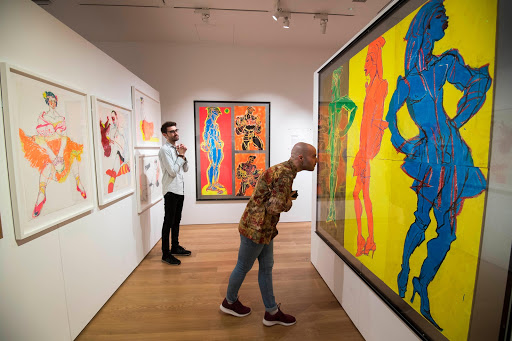
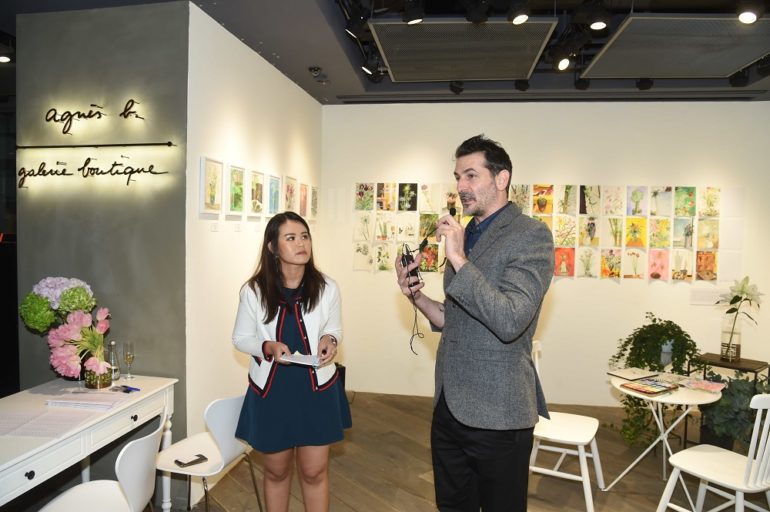
    agnès b. Galerie Boutique has always brought beautiful and artistic works to Hong Kong. In January, agnès b. Galerie Boutique was pleased to welcome renowned, published Belgian cartoonist turned artist, François Olislaeger, who has participated in exhibitions at the Contemporary Art biennal in Le Havre in France, at the Cité de l’Architecture and at the Gaité Lyrique.

    In Hong Kong for the first time, François exhibits his Une Fleur Par Jour (A flower a day) project inspired by his obsession with heavenly flowers.

    In 2016, François Olislaeger turned himself into a florist crafting an incredible herbarium of Cacti, Bougainvillea, Lysis, Daisies and Tulips with the utmost care and attention to detail. It is here that he honed in on his craft using gentle, pastel watercolours to depict “simply” feeling the power of flowers and paint.

    Through each flower’s lifecycle François focused on the emerging blossoms, changes of colour palettes, the variation of gestures and movement from each unique bloom, he then reinterpreted it through soft watercolours onto canvases with a sense of artistic freedom and playfulness.

    François Olislaeger’s flowers don’t have the precision of botanic boards – it is not his vocation. They don’t have the radicalness of those of Ellsworth Kelly yet. The creativity is somewhere else, in the context, in the setting, some details more or less noticeable – a colour, an incongruous presence, and petals hanging. François Olislaeger’s flowers are innocent. For the moment, they talk mainly about love – of art, of life, of a father for his young daughter Lila – and about the transformation of a very talented cartoonist becoming a painter.

    agnès b. Galerie Boutique is showcasing more than 80 pieces of François’s collection in this exhibition, some of the artworks were previously exhibited in agnès b. Galerie du jour in Paris, however for the majority of his collection – this is their first showcase and the exhibition is now open to public until 30 June 2019.

    agnès b. Galerie boutique was delighted to welcome François Olislaeger to the vernissage of his exhibition at the agnès b. Galerie Boutique on the night of 31 January 2019.

    Media and KOL friends were treated to a personal recollection of what inspired him to create his artwork as well as witness François live paint the Lily and two other artworks exclusively for the Hong Kong exhibition. agnes b. Galerie Boutique also designed 7 styles of temporary tattoo stickers that guests were about to take home a memory of his art.

  • Buying Art Online Goes Mainstream

    Buying Art Online Goes Mainstream

    While overall art sales contracted in 2020 amid the Covid-19 pandemic, online sales doubled in value. Aggregate online sales reached a record high of $12.4 billion, doubling in value from 2019, while the share of online art sales grew from 9 percent of total sales by value in 2019 to 25 percent in 2020, according to the fifth Global Art Market Report, published by Art Basel and UBS.

    This was the first time the share of e-commerce in the art market exceeded that of general retail. This growth also came despite a 22 percent dip in sales of art and antiques globally, which stood at $50.1 billion in 2020

    According to Christl Novakovic, CEO UBS Europe SE, head wealth management Europe and chair of the UBS Art board, called 2020 a «turning point for digital innovation in the art market, which traditionally relies on discretionary purchasing, travel and personal contact.

    The crisis also provided the impetus for change and restructuring, the most fundamental shift being the rollout of digital strategies and online sales, which had lagged behind other industries up to now, said Clare McAndrew, founder, Arts Economics, who authored the report.

    The report incorporated a survey of 2,569 high-net-worth (HNW) collectors, of which 66 percent felt the pandemic had increased their interest in collecting, while 32 percent reported it had significantly done so. Some 57 percent said they planned on purchasing more artwork in 2021.

    And while the pandemic prompted the cancellation of high-profile art fairs – where the largest deals traditionally are sealed – some 45 percent of collectors also said they made a purchase through an art fair’s online viewing room.

  • Black Riot in Hong Kong reflects the art of curation

    Black Riot in Hong Kong reflects the art of curation

    A Mexican who made Hong Kong home has redefined bespoke with a gallery-like retail experience, Black Riot in Hong Kong.

    Eight years ago, Rene Suarez landed in the territory from Mexico City to take up an office job with a logistics company, the next step in a 20-year-long career. He was single, had no children and not one tattoo.

    “Now I have 12 tattoos and one wife and three babies,” he laughs. “Hong Kong has changed me for good.”

    On top of those accomplishments, he has now set up a bespoke retail store in an industrial building in North Point, selling high-end accessories and apparel for motorcycle enthusiasts, a business which is attracting growing custom from all over the world and has already spurned a spin-off space in Jakarta.

    Black Riot in Hong Kong is a store literally lie no other – save for in Indonesia, that is.

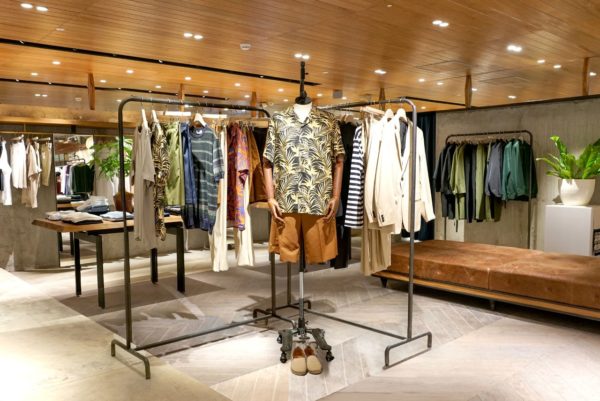
    The space is very much a ‘third place’ as Starbucks might call it – a place outside work and home where people with an interest in motorcycles or the culture can hang out, enjoy a drink with Rene, share tall stories and browse an array of products that even the most jaded shopper would covet something from. You don’t even have to own a motorcycle.

    “Some people like to collect this nice stuff like masks and designer stuff and they buy a few things just to put on display in their living room.”

    “Hong Kong is a small community,” Rene said over a locally-brewed Moonzen Thunder God Ale on a balmy April evening at his space, which feels much more like a gallery than a store.

    “So if you count the number of motorcycle riders it is very tiny. If you take out the delivery guys, then the racing bikes – because that’s another market altogether – then it gets even smaller. So we are in a very, very niche market.”

    He openly confesses he sometimes goes a few days without a customer – but compensates for that when a family wanders in unannounced and splurges HK$60,000 on apparel and souvenirs.

    In part, that is a function of his location: you have to know where the store is, on the 8th floor of Block B at Sea View Estate on Watson Road. His neighbors include a school-uniform shop, a wine shop, a marketing consultancy, and an architectural practice. This is not the sort of place you get walk-ins from a footpath.

    But it also very much reflects Black Riot in Hong Kong’s niche market. This is a destination for true enthusiasts, its presence largely known through word of mouth.

    “The kind of stuff we sell, it doesn’t mean we will sell more if we move to a ground-floor location. We might sell a few more t-shirts or socks, but that is not going to make up for the higher rent.”

    No-one, he says, walks in off the street and on a whim buys a US$1000 motorcycle helmet.

    But conversely, he doesn’t need a street frontage to market his wares.

    “I don’t have to sell stuff here. Every brand, my customers already know. It’s like if you have an ice-cream shop. You don’t have to stand outside yelling “Ice cream, ice cream!” People already know you have ice cream.”

    Word of mouth

    People visit Black Riot in Hong Kong because they have heard their friends talk about it, or they have seen it on Instagram.

    “We are very active on Instagram. We don’t do Facebook because it stopped being a good marketing tool a long time ago. Basically now it is just like a gossip [channel]. Instagram is a good marketing tool because there is no way they can skip the pictures. But mainly it is word of mouth.”

    Some 70 percent of Black Riot’s customers are tourists, largely driven by Instagram. And of them, about 85 percent are Filipinos. Others come from Canada, even Brazil.

    Indeed, it was Instagram that brought such strong custom from the Philippines.

    “When we first opened we had a Filipino actor visit. I did not recognize him, of course. After he bought something he said thank you, brother, and asked if it was OK if he posted about Black Riot on his Instagram page. I said, yes, please go ahead. Then I saw he had 5 million followers!”

    Since then he has hosted a steady stream of cashed-up Filipinos visiting the store and buying merchandise to take home.

    The evening before our visit Rene opened Black Riot at midnight for a Filipino customer who was unable to make it during daylight hours because he had been visiting Disneyland with his wife and children.

    ”I said, I don’t mind. I live five minutes from here. You just let me know 30 minutes before you want to come – 12, one, two – it’s fine for me. Come and enjoy. You don’t have to buy anything.

    “But, of course, when you open the door for somebody at midnight they feel they obliged,” he grins.

    In fact, most Black Riot visitors inevitably buy something. “It’s a very driven market. People walk in through the door and sometimes they don’t even say hi – they go straight to what they are looking for. And that means that 95 percent of the time when someone comes through the door they buy. They don’t come to window shop.”

    On another occasion, a family spent more than $50,000 in the store. So he booked an Uber Black to take them back to their hotel. He will personally deliver purchases to a customer’s hotel at the end of a working day – which often results in sharing a few drinks and enjoying the kind of kindred fellowship only devoted motorcycle enthusiasts can really understand.

    Born in Mexico

    The idea of creating Black Riot in Hong Kong was born in Mexico City, Rene’s hometown. Ten years ago, he went to buy a new helmet, discovering a small store where people could go and chill as well as shop. He started to meet fellow riders and got chatting to them, and before he knew it he was doing business with people there.

    “If you ride, everyone’s the same. Immediately you break the ice. It is very easy.

    “So I thought: I want to do this thing. I want to create this here in Hong Kong. It started as a hobby and then eventually I said: OK, now it’s good to do the job full time.”

    The name Black Riot – rejected as a registered business name by the Hong Kong government wary of its connotations – is not intended to convey violence. Black signifies luxury, much like Black Label whiskey or Cathay Pacific’s black-colored Diamond status card. Riot has nothing to do with rioting. “It is the spirit of the people, perhaps a tribute to the rock-and-roll era.”

    And so is summed up the essence of Black Riot: “It’s for those kinds of people who still like rock N roll but they like luxury too.”

    The owner of the Mexican store was happy to share contacts of suppliers. One of the first agencies he secured was for Ruby helmets from Paris, which he sells to customers all over the world. Included in the client list is the leader of a high-profile Asian nation to whom he hand-delivered a custom-designed helmet earlier this year, bearing the nation’s flag on the lid.

    “They only sell about 600 helmets a year, from US$1000 to $3000. So, when compared to Western helmets, which sell for like $300–400, this is luxury. These are the Hermes of helmets.”

    Other brands sold by Black Riot include Schott leather jackets – a 123-year-old brand made famous by Marlon Brando in the 1952 movie The Wild One. “You’re buying a piece of history. All the bad boys from then on wore those jackets.”

    While Veldt helmets provide a more space-age alternative to Ruby, there are Philippe V sunglasses, including a HK$25,000 limited-edition model; colorful Holy Freedom socks made in Italy, apparel from Ride & Sons and work boots from Red Wing – designed for oil riggers and construction workers but ideal for motorcyclists because of their blend of strength and style. Riding boots and shoes from a Japanese brand sell for more than US$1000.

    There are also occasionally motorcycles on display for sale as well. The iconic Indian brand does not have a showroom in Hong Kong, but would-be buyers can arrange a test drive through Black Riot. The model on display is the only one light enough for the building’s elevator to carry to the eighth floor, but Rene can show customers a full catalog. The other is a limited edition model from Zero Engineering of Japan, worth about US$50,000 second hand and one of only eight known to be in Hong Kong. It is owned by a friend of Rene’s who was in no great hurry to sell it. With its brown leather seat and trim, white bodywork and mechanicals of chrome and black, it is as much a work of art as a motorcycle and simply adds to the gallery style of the Black Riot store.

    And just as in a gallery, the range of products on display at Black Riot are curated, carefully chosen, “made with passion and joy,” says Rene.

    “When people come here, I can explain to them the story behind every brand and why we carry it. Because every brand has a vision. We buy from people who know what they do and you can see the result in their products. If it is just something made on a production line it loses all its detail.”

    Golden rule 

    His golden rule in ranging: “I have to like it myself. If not, I cannot recommend it.”

    Another rule is eschewing online sales.

    “I don’t do online sales. Until today, I can say I remember all of my customers after three years. There is one who comes from the Philippines every December. When he came the second time I asked him how his MBA was going.”

    That sort of memory and attention to detail cannot be naturally replicated online. Rene believes Black Riot is a very personal business by nature, not mass market.

    A few Hong Kong celebrities shop there, but when they visit, he doesn’t make a fuss of them.

    “In fact, it’s the opposite. You know for celebrities it feels nice when you go somewhere and people are not bothering you because you have that every single day of your life.”

    Exercising discretion, Rene doesn’t reveal the names of his more famous customers, but he says some of them feel comfortable relaxing and talking about bikes, including the three Rene owns: two Harley Davidsons and a BMW, all of them single-seater models.

    One customer he does talk about is from Indonesia, a guy who literally fell in love with the Black Riot store. He is the person who opened the satellite store in Jakarta, which Rene describes as “a dream shop” with coffee, a tattooist, a barber on site. But Jakarta rents allow such decadence: for the same rent he pays in a month in North Point – about US$10,000 – he could lease the same square footage in Jakarta for a whole year.

    Rene has people are begging him to open a store in the Philippines, where there is a strong bike culture, perhaps dating back to the American influence there – and there are many bike shops trained to copy the Black Riot model. Most of the brands Black Riot stocks are available in stores in Manila – but not all of them in one place.

    For now, he is keeping his options open.
  • Art meets fashion at The Shoppes at Marina Bay Sands, Singapore

    Art meets fashion at The Shoppes at Marina Bay Sands, Singapore

    The Shoppes at Marina Bay Sands has created a host of activities for shoppers to “rediscover luxury” in celebration of the Fall-Winter 2019 fashion season.

    A chic installation will be located at the Grand Colonnade Bay Level of The Shoppes until September 17, housing an immersive art showcase by local artists @Lioncolony and Esther Goh.

    Both artists, who have made their own marks in the visual arts and fashion scene, will illustrate their interpretations of fashion and its influence on society.

    Here, shoppers may also view the latest Fall-Winter collections by brands including Balmain, CH Carolina Herrera, Chloe, Ferragamo, Gentle Monster, Gianvito Rossi, Kenzo, Longchamp, and Tom Ford.

    Following the recent opening of Paul Smith’s second boutique in Singapore, The Shoppes at Marina Bay Sands continues to welcome a host of luxury brands this year. Italian luxury labels Missoni and Pomellato will be opening their first flagship boutiques in Singapore, bringing The Shoppes’ flagship assembly to more than 40 stores and counting. Luxury watchmaker Panerai will add to the mall’s line-up of luxury watch brands, while French luxury label Celine will further expand its current single unit store into a duplex by next year, offering both men’s and women’s collections.

    Other anticipated premium fashion and lifestyle brands slated to join The Shoppes at Marina Bay Sands this year include Aesop, CK Calvin Klein, Evisu, as well as La Mer’s first standalone boutique in Singapore which will house an exclusive facial cabin.

  • Upcoming free app for the Apple iPad might turn you into the next Michelangelo

    Upcoming free app for the Apple iPad might turn you into the next Michelangelo

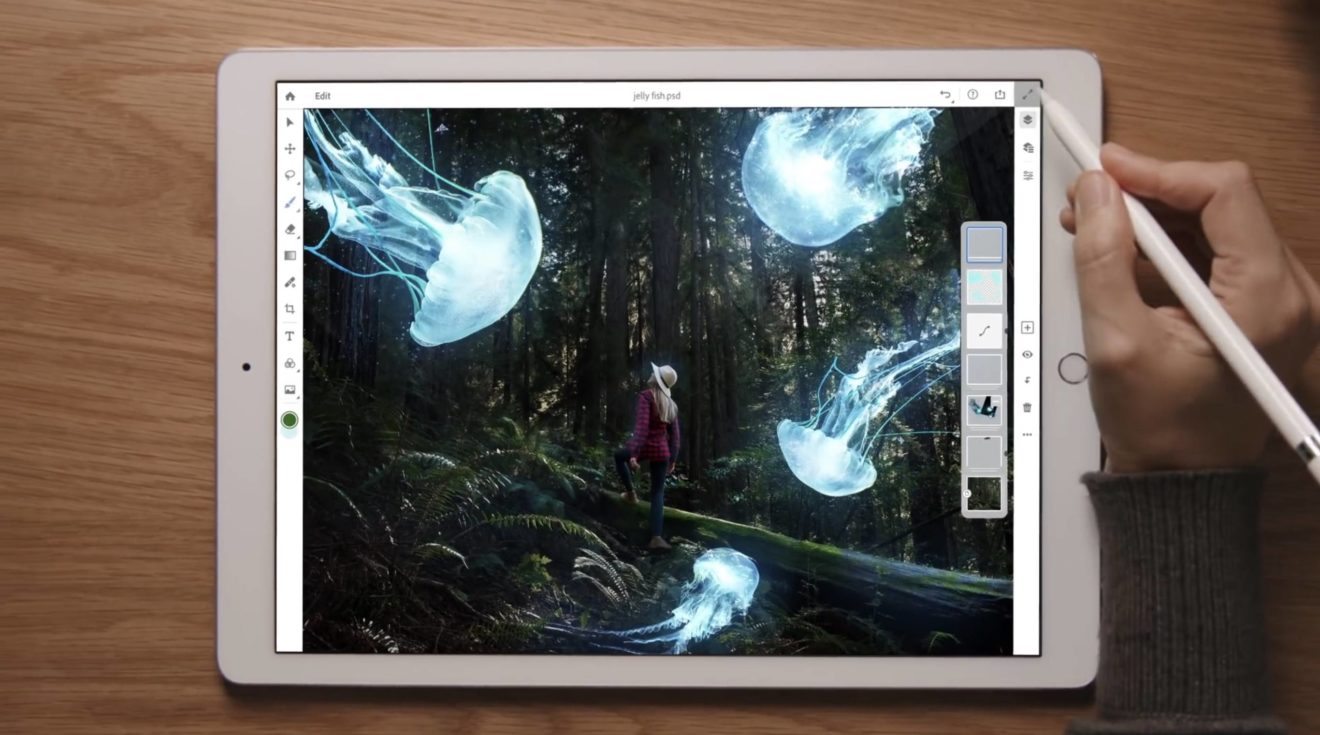
    Adobe announced that its drawing and painting app for the iPad originally called “Project Gemini,” will be known as Adobe Fresco when it launches later this year. Fresco is an old technique used for hundreds of years that involves painting on wet plaster. It requires the artist to complete the painting before the plaster dries. That type of “spontaneous creativity” is at the center of Adobe Fresco. The app will first be available for iPads with Apple Pencil support, which means that users can unleash their creativity wherever they are. Eventually, Fresco will be offered for other stylus supporting touchscreen devices.

    The app uses Adobe’s AI-based Sensei platform for the Live Brushes feature. This allows users to “paint” on the app using watercolors and oils and experience the same response as a painter would in real life. Adobe says that those using the app can even paint with virtual water to dilute colors. The company has gone to the trouble of determining how certain paint pigments interact on different types of surfaces and has recreated these experiences for the Adobe Fresco app.

    Brushes used in Photoshop can also be employed in Adobe Fresco and users have access to digital brushes from the artist and digital brush creator Kyle Webster. The app is equipped with vector brushes to allow the artist to “create clean, crisp, and infinitely scaleable lines and shapes.” And users will be able to create their own brushes thanks to Adobe Capture.

    “Drawing is fundamental to developing creative literacy. It is most people’s first connection to creativity, and every great painting, sculpture, film, or building began with a drawing. And today, more than ever, it’s essential for everyone to develop creative literacy. As artificial intelligence takes over more and more repetitive and mundane tasks, creativity is the unique human quality that sets each of us apart and helps us succeed.

    Connecting brain and hand through drawing unlocks creative magic. To forge that connection, a digital generation needs a digital tool, which is why we’re developing a powerful and sophisticated drawing and painting application.”-Adobe

    While Fresco will have professional features like layers, masking, and selection, Adobe points out that the app has what it calls a “streamlined” interface that even children can use. And Fresco users will be able to move their project between the app and Photoshop seamlessly. The art can also be exported to PDF where it can be edited using Adobe Illustrator.

    Whether you’re a professional artist or just sketch for a hobby, Adobe Fresco is all about creating. The app will be free and if you’re an iPad user, you can submit a request to try the beta version of the app by registering here.

  • Museum of Modern Art Hong Kong store planned to Open

    Museum of Modern Art Hong Kong store planned to Open

    New York’s Museum of Modern Art will open a Design Store in Hong Kong.

    The Museum of Modern Art Hong Kong store will open in the new K11 Musea art mall. It will be the largest in Asia following two locations in Japan.

    The 6000sqft retail store, which celebrates innovative design in products from around the world and serves as a platform for emerging artists and designers, will showcase works from leading Hong Kong artists such as Kaws and Yayoi Kusama. Every product at the store is exclusive and undergoes a series of eight criteria filters to ensure a strong fit with Moma’s vision of good design.

    K11 Group founder Adrian Cheng, who was recently named the first Council of Fashion Designers of America global ambassador, is a board member of Moma and led the introduction of the store in Hong Kong.

    The Museum of Modern Art Hong Kong store will open in August.

  • The dying art of a good conversation

    The dying art of a good conversation

    What with Facetime, Skype, Whatsapp and Snapchat, for many people, face-to-face conversation is used less and less often.

    These apps allow us to converse with each other quickly and easily – overcoming distances, time zones and countries. We can even talk to virtual assistants such as Alexa, Cortana or Siri – commanding them to play our favourite songs, films, or tell us the weather forecast.

    Often these ways of communicating reduce the need to speak to another human being. This has led to some of the conversational snippets of our daily lives now taking place mainly via technological devices. So no longer do we need to talk with shop assistants, receptionists, bus drivers or even coworkers, we simply engage with a screen to communicate whatever it is we want to say.

    In fact, in these scenarios, we tend to only speak to other people when the digital technology does not operate successfully. For instance, human contact occurs when we call for an assistant to help us when an item is not recognised at the self-service checkout.

    And when we have the ability to connect so quickly and easily with others using technological devices and software applications it is easy to start to overlook the value of face-to-face conversation. It seems easier to text someone rather than meet with them.

    Bodily cues

    My research into digital technologies indicates that phrases such as “word of mouth” or “keeping in touch” point to the importance of face-to-face conversation. Indeed, face-to-face conversation can strengthen social ties: with our neighbours, friends, work colleagues and other people we encounter during our day.

    It acknowledges their existence, their humanness, in ways that instant messaging and texting do not. Face-to-face conversation is a rich experience that involves drawing on memories, making connections, making mental images, associations and choosing a response. Face-to-face conversation is also multisensory: it’s not just about sending or receiving pre-programmed trinkets such as likes, cartoon love hearts and grinning yellow emojis.

    When having a conversation using video you mainly see another person’s face only as a flat image on a screen. But when we have a face-to-face conversation in real life, we can look into someone’s eyes, reach out and touch them. We can also observe the other person’s body posture and the gestures they use when speaking – and interpret these accordingly. All these factors, contribute to the sensory intensity and depth of the face-to-face conversations we have in daily life.

    Speaking to machines

    Sherry Turkle, professor of social studies of science and technology, warns that when we first “speak through machines, [we] forget how essential face-to-face conversation is to our relationships, our creativity, and our capacity for empathy”. But then “we take a further step and speak not just through machines but to machines”.

    In many ways, our everyday lives now involve a blend of face-to-face and technologically mediated forms of communication. But in my teaching and research I explain how digital forms of communication can supplement, rather than replace face-to-face conversation.

    At the same time though, it is also important to acknowledge that some people value online communication because they can express themselves in ways they might find difficult through face-to-face conversation.

    Look up from your phone

    Gary Turk, is a spoken word poet whose poem Look Up illustrates what is at stake by becoming entranced by technological ways of communicating at the expense of connecting with others face-to-face.

    Turk’s poem draws attention to the rich, sensory aspects of face-to-face communication, valuing bodily presence in relation to friendship, companionship and intimacy. The central idea running through Turk’s evocative poem is that screen-based devices consume our attention while distancing us from the bodily sense of being with others.

    Ultimately the sound, touch, smell and observation of bodily cues we experience when having a face-to-face conversation cannot be fully replaced by our technological devices. Communicating and connecting with others through face-to-face discussion is valuable because it is not something that can be edited, paused or replayed.

    So next time you’re deciding between human or machine at the supermarket checkout or whether to get up from your desk and walk to another office to talk to a colleague – rather than sending them an email – it might be worth following Turk’s advice and engaging with the human rather than the screen.

  • Is Asia the Art Market’s New Frontier?

    Is Asia the Art Market’s New Frontier?

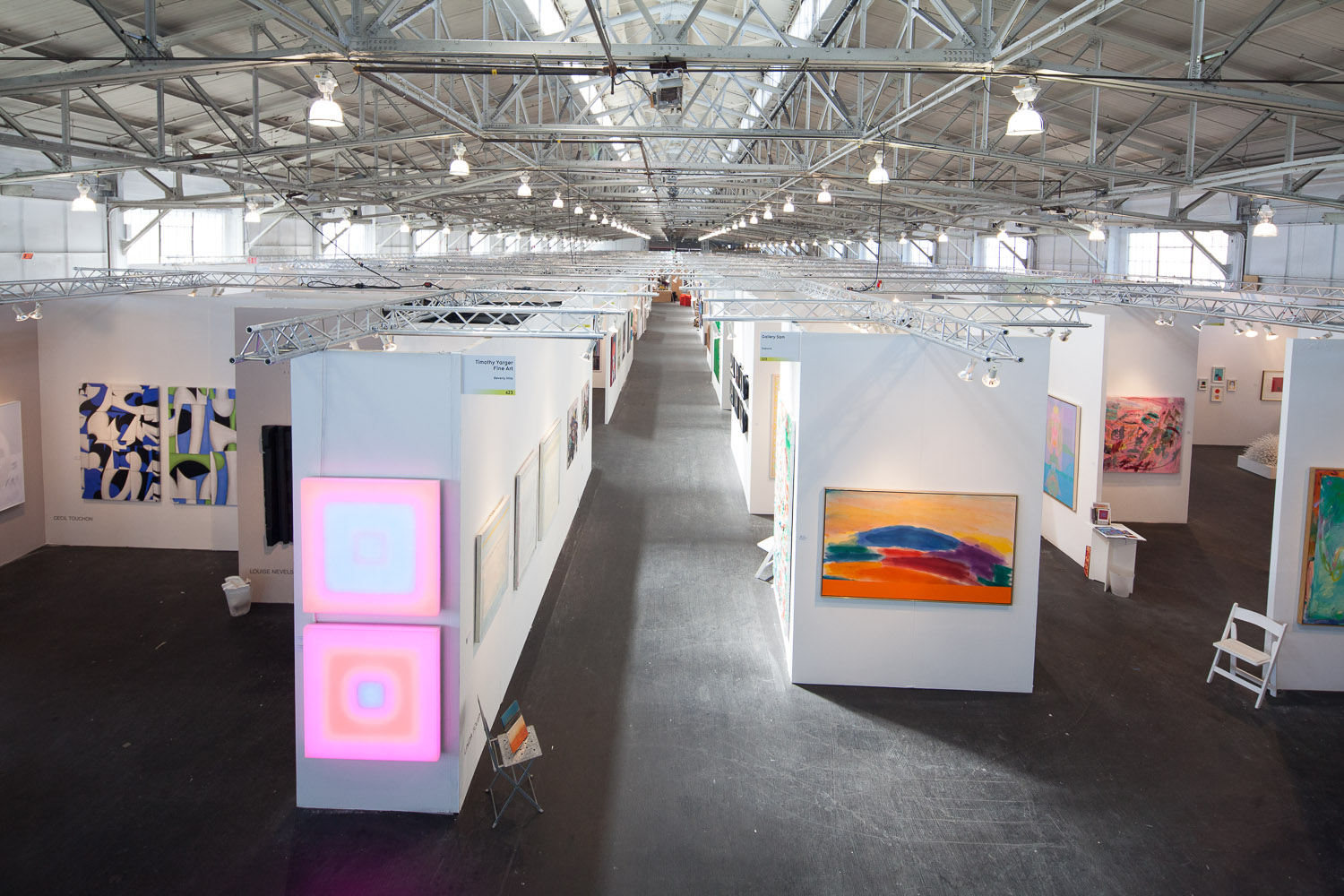
    Despite pre-opening jitters over the state of the Chinese economy, Art Basel Hong Kong has already reported brisk sales at its seventh edition, which opened to the public today.

    With the region’s growing wealth and appetite for art, art fairs like Art Basel Hong Kong, which opened to the public today, are big business, drawing collectors from China and across Asia, as well as farther afield. Of the 80,000 visitors expected at the Hong Kong Convention and Exhibition Centre, 40,000 are coming from abroad, Art Basel said.

    The Art Market, a report jointly published by Art Basel and UBS earlier in March noted that art fairs are highly important in Asia, with between 92–97 percent of HNWI collectors from Hong Kong and Singapore having purchased from an art fair in the past.

    It’s not just China—it’s Singapore, it’s Malaysia, it’s Taipei. It’s not one market, Artnet quoted New York-based dealer Sean Kelly as saying about the fair, which has 242 galleries from 35 countries participating through the weekend.

    Increasingly, the market’s center of gravity does feel as if it is being pulled eastward,» Artnet reported from the exhibition floor, while Artnews reported «high energy» at the fair and quoted a dealer as saying, The quality of this fair is now on par with the great European fairs. It is highly sophisticated.

    Swift Sales

    The Art Newspaper also reported swift sales among the 107 galleries – 75 percent of which are Asian – at the Art Central fair concurrently taking place just around the corner from Art Basel. Here at we’re meeting a lot of Australian and Chinese collectors. Hong Kong is a very good market, a dealer exhibiting from the Philippines was quoted as saying.

    Art Basel reported that sales already concluded include a significant work by Andy Warhol at White Cube for $2.85 million, a work by Alice Neel for $1.7 million at David Zwirner, and a painting by George Condo at Almine Rech Gallery for between $1.2 million to $1.4 million. David Zwirner sold its entire booth, including four new sculptures by Carol Bove for $400,000 to $500,000 each, on Wednesday, the first VIP day.

    China Dominates

    We previously reported that the global art market grew by 6 percent in 2018, reaching total sales of $67.4 billion – its second-highest level in 10 years.

    Asia’s has recorded a growing share of world imports of art and antiques in the past decade, which mirrors the growing regional wealth. In particular, sales in China reached $12.9 billion in 2018. China accounted for 45 percent of all art imports into Asia (compared to 17 percent in 2000), with 95 percent of these imports going into Hong Kong, according to «The Art Market» report.

  • Vietnam’s fashion enters the world market

    Vietnam’s fashion enters the world market

    The aim of both My and Tri was to open shops that sell high-end made-in-Vietnam fashion products in the US.

    “What I am concerned about is whether we can approach a new market after the event. I attended fashion week not just to polish the brand name, which can help boost sales in Vietnam,” My said.

    He has been working with leading music stars to popularize his design brand. In 2017, Rhihana chose a design of Tri in his Em Hoa Collection introduced at Tokyo Fashion Week for a shoot to advertise a shoe brand. Meanwhile, Katy Perry ordered Tri three outfits for her world tour Witness.

    Phuong My, a graduate of the Academy of Art University in California, has appeared in prestigious catwalks and fashion journals. She has stated that her designs target the one percent of ultra-wealthy people.

    My’s products are available in 30 shops in 20 countries, mostly in the Middle East and Asia. Lydia Hearst appeared on Genlux’s cover with My’s design in 2014. Elizabeth DiPrinzio chose My as her designer and Coco Rocha chose My’s products for her working days in Vietnam in March 2017.

    Another Vietnamese designer, Tom Trandt, has gained big success despite his young age.

    Graduating from Parsons The New School for Design and spending five years in New York, he is one of very few young designers who want to ‘tell their own stories’.

    In 2016, Moi-Dien, a clothing brand created by Tom Trandt, debuted and immediately caught attention. Each product sells at VND600,000-2 million.

    Trandt is the only Vietnamese representative out of 16 designers  chosen for the International Fashion Showcase 2019 (IFS) in London.

    Hai Minh, who lived and worked in France, has returned to Vietnam to build the Leinne brand, specializing in bags and hat accessories, with a family-run workshop which has been operating for 20 years. Minh is making hectic preparations to participate in Paris Fashion Week later this year.

    Meanwhile, foreign designers can see bright future for Vietnam’s fashion. Luis Antonio Torres, one of the top luxury designers in Vietnam, said in an interview to the local press that the country could become Southeast Asia’s biggest fashion hub.

  • Retail meets art in HK for Chinese New Year

    Retail meets art in HK for Chinese New Year

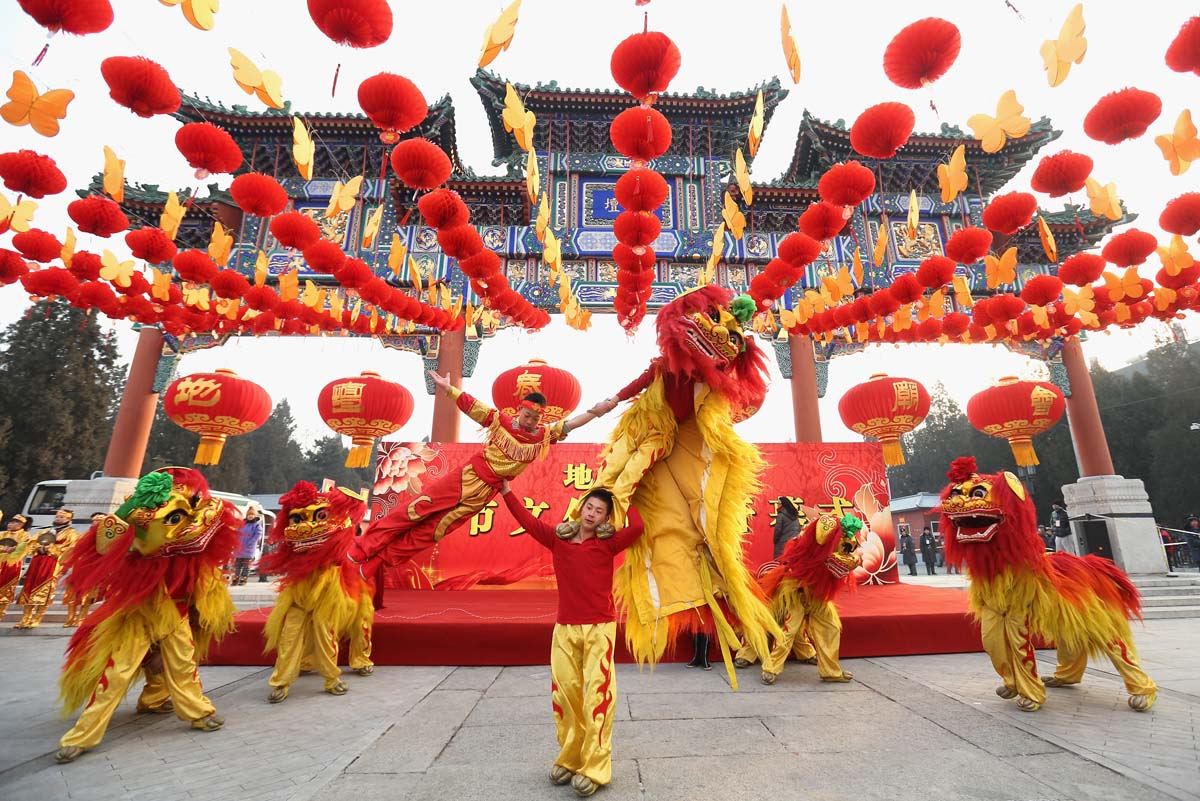
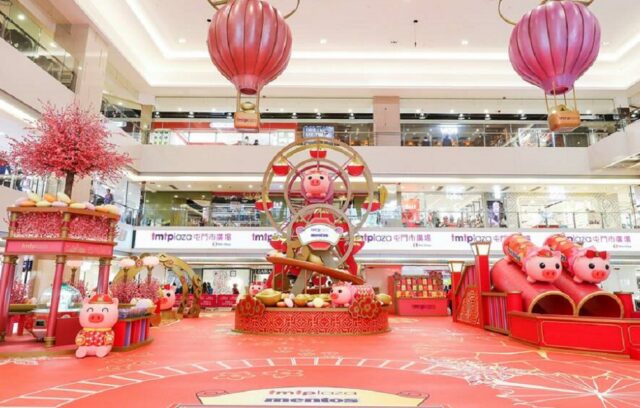
    Next week it Chinese New Year. It officially begins on February 5th, 2019, and ends on February 19th. This year will be the year of the Pig. It is the most important festival for Chinese people, so the city is fully decorated with festive installations. The retail world celebrates it with decorations and promotions. In Hong Kong, all shopping malls have already unveiled their gigantic installations.

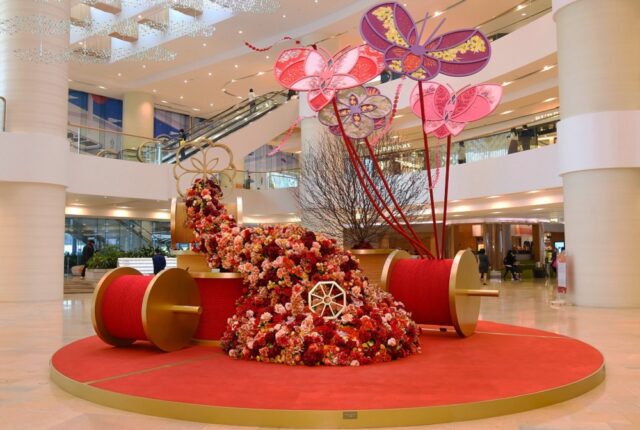
    In the financial heart of the city,  the floral pinwheels have turned IFC into the Garden of Fortune.

    Dedicated to providing memorable and engaging experiences for guests beyond shopping and dining, the Chinese New Year is no exception for IFC mall as it presents The Garden of Fortune, a splendid installation featuring pinwheels to welcome good fortune and embrace new changes along with incorporating floral elements for a contemporary spin.

    From 26 January to 17 February 2019, shoppers can visit the interactive display and enjoy music performances to ring into an auspicious new year.

    Pinwheels have long been a symbol of luck with fascinating roots in Chinese culture. Traditionally associated with welcoming wealth, pinwheels are constructed using a variety of bright colors to greet the god of fortune, which are believed to bring prosperity and blessings to both homes and businesses. Playing on the Chinese tradition that pinwheels attract good luck, The Garden of Fortune is embellished with this auspicious symbol.

    The pinwheels are designed in the shape of peach blossoms, peonies and begonias – flowers that represent prosperity and fortune in Chinese culture – to empower guests with positive vibes as they walk through the Garden of Fortune.

    Upon entering the installation, guests are invited to play an interactive pinwheel game to start the new year with blessings to share and bestow upon friends and loved ones. ifc mall has collaborated with young local calligrapher, Rita Lee, to create downloadable “fai chuns” to share with family and friends after completing the game.

    Lee started learning Chinese calligraphy at the age of 6 and has nurtured her talent with over 20 years of experience. She is known for blending different styles to create art that balances the tradition of Chinese calligraphy with contemporary flair. “I’m excited about this partnership with ifc mall as it allows me to use my craft to extend blessings to all Hong Kongers who visit the Garden of Fortune,” says Lee. “The installation’s fusion of traditional pinwheels with modern floral elements also reflects the same juxtaposition in my style of calligraphy.”

    Pacific Place has built “Where Fortune Takes Flight” to welcome the Chinese New Year 2019. Queenie said that her design ideas come from the traditional Chinese New Year Candy box and chocolate from her childhood. Thus, they became the patterns of the kites, flying in the shopping mall. Queenie used vibrant colors and energetic brush strokes to draw on the kites, symbolizing a colorful and fruitful new year.An exquisite spring garden filled with blossoming flowers and over 60 flying kites, symbolising “Where Fortune Takes Flight”. Exclusively designed by Queenie Law, the kites soar to the highest heights and spread Chinese blessings throughout the mall and into the new year ahead.

    In Tsim Sha Tsui, Harbour City will welcome the Year of the Pig with the “HAPPIG New Year” celebration, featuring a seven-metre tall gigantic “Wishing Treasure Bowl” at Ocean Terminal Forecourt from 25 Jan to 19 Feb 2019.

    The treasure bowl is structured with multiple frames, on which colorful ropes were tied delicately to create geometrical festive patterns from cherry blossoms to gold coins.

    The contemporary design is a stylish take on the Chinese New Year classic, wishing everyone joy and fortune for the Year of the Pig.

    Newly introduced this year is an interactive wishing experience, inviting visitors to win a lucky pouch by taking part in a mini game and donating HK$20 near the“Wishing Treasure Bowl” installation.

    Each lucky pouch contains a Good Fortune Card with predictions for the coming year, and a “Wishing Gold Coin” which can be deposited into “Make a Wish Piggy Bank” for making a wish. The coin will roll through a lucky tunnel connecting the piggy bank to the gigantic “Wishing Treasure Bowl”, bringing fortunate blessings to everyone for the New Year.


  • Sam’s Club plans to have 40 stores in Chinese mainland by 2020

    Sam’s Club plans to have 40 stores in Chinese mainland by 2020

    Sam’s Club China plans 40 more stores across China by the end of the year – with online sales anticipated to account for 13–15 per cent of its income throughout the territory by that time. The company says it will shortly launch a Sam’s Club store in Shanghai’s Qingpu, the second in Shanghai for the brand, which first opened in the city eight years ago in Pudong.

    Sam’s Club operates as a members-only retail chain with a 2 million-strong membership.

    “As we expand our business across China we also want to control quality and to make sure shoppers enjoy the shopping experience”, said president of Sam’s Club China Andrew Miles.

    Sam’s Club’s existing Shanghai store underwent renovations that were completed last month, adding a wine tasting space, pharmacy, jewellery counter and optical center for eyewear.

    “The remodelling of existing storefronts doesn’t just reflect a newer format but the way we treat our members and how we recruit members and introduce Sam’s Club” said Miles.

    Membership of Sam’s Club China costs CNY260 (US$39) per annum, with premium memberships available at CNY680 ($100) annually. The majority of members join via WeChat.

  • Siri House opens in Singapore with new concept

    Siri House opens in Singapore with new concept

    Hybrid showroom, restobar, retail space and gallery Siri House has opened in Dempsey Hill as a taste test for a planned flagship in Thailand.

    The venue combines multiple concepts into a single interconnected area, including mock interiors for Bangkok apartments, display spaces for Thai artists, and discrete retail corners focusing on Thai culture and designer items, with jewellery, apparel, accessories and various collectibles available for purchase.

    The store is currently trading seven labels, ranging from homeware and souvenirs to crafts and ceramics. Most products on sale have a quirky or artistic vibe.

    The venue also houses a 48-seat restaurant with art deco stylings, serving a colourful Asian-influenced menu alongside a selection of wines and cocktails.

    The Siri House flagship is scheduled to open in Bangkok by March.

    View gallery below for images of the store :

  • Xiqu Centre finally opens in Hong Kong

    Xiqu Centre finally opens in Hong Kong

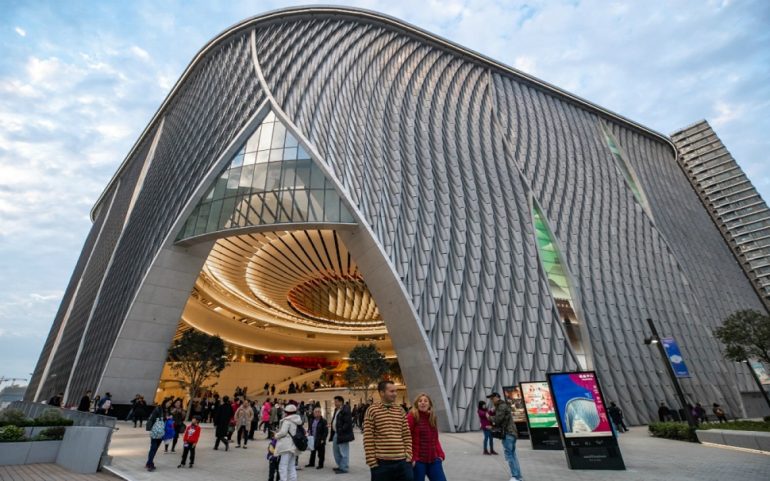
    Hong Kong’s new performing arts venue dedicated to Xiqu (Chinese Opera), has just opened. Located on the Eastern edge of the West Kowloon Cultural District, at the junction of Canton Road and Austin Road, the Xiqu Centre is directly accessible from the Hong Kong West Kowloon Station and Austin MTR station, and easy to reach by public transport from all parts of Hong Kong.

    The building’s striking design, created by Revery Architecture (formerly Bing Thom Architects) and Ronald Lu & Partners, was inspired by traditional Chinese lanterns and blends traditional and contemporary elements to reflect the evolving nature of the art form.

    Stepping through the main entrance, shaped to resemble parted stage curtains, visitors are led directly into a lively atrium with a raised podium and space for presenting the rich and ancient culture of Chinese traditional theatre.

    The eight-storey building has a total area of 28,164 sq m and houses a Grand Theatre, accommodating 1,073 seats, a Tea House Theatre, with a capacity of up to 200 seats, eight professional studios and a seminar hall, all specially designed for different types of xiqu-related functions and activities.

    The design details of each of the facilities have also been created in response to the practical requirements and aesthetic features of the art form. A unique feature of the venue is the location of the Grand Theatre at the top of the building, which allows for a large open atrium below with space for exhibitions, stalls, and xiqu demonstrations and workshops.

    Carrie Lam Cheng Yuet-ngo, the Chief Executive of Hong Kong, gave a speech at the opening ceremony of Xiqu Centre. “The launch of Xiqu Centre is not only a significant international cultural event, but Hong Kong also takes it as a great honor and we all are very proud of it.”

    In fact, Chinese opera has been inscribed in the UNESCO Intangible Cultural Heritage Lists for a decade, Carrie Lam hopes the Xiqu Centres would help promote Hong Kong as an international arts hub and consolidate the city’s position in the development of Cantonese opera.

  • Love Yourself a BTS-themed coca cola

    Love Yourself a BTS-themed coca cola

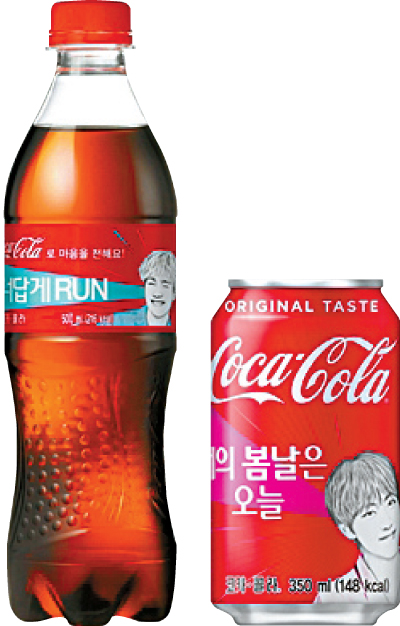
    Coca-Cola launched BTS-themed bottles as part of its “Share a Coke” campaign on Monday. The bottles come in seven different designs – each one representing a member of the K-pop boy group – with inspirational messages referencing the group’s song titles. This year, the special Coke bottle labels read in Korean “Your spring day is today,” “I’m fine if it’s you,” “Run like yourself,” “You’re really dope,” “You are my idol,” “Go instead of worry” and “This year is blazing fire.”

    Bottles are also decorated with images of the members’ faces and vivid colors like pink, yellow and green.

    The BTS-themed drinks are available in grocery stores and convenience stores across Korea. They come in 350-milliliter (12-ounce) aluminum cans and 500-milliliter, 1.5-liter and 1.8-liter bottles.

    Coca-Cola in Korea has been launching special edition Coke bottles as part of its Share a Coke storytelling campaign since 2014. The campaign’s goal is to help consumers share hopeful messages with friends and family by exchanging the drinks with one another.

  • ‘KAWS:HOLIDAY’ lands in Taipei

    ‘KAWS:HOLIDAY’ lands in Taipei

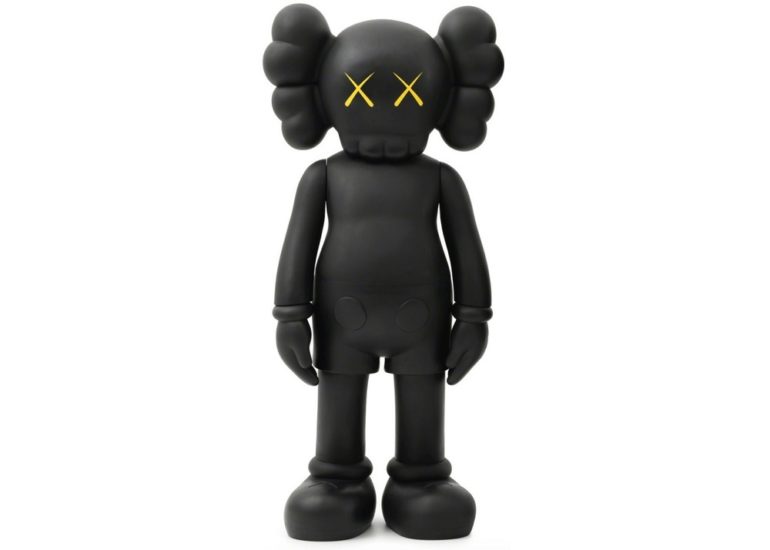
    After KAWS announced that a massive 36-meter-long COMPANION piece would be making its debut in Taipei, the collaborative project with creative studio AllRightsReserved has finally been revealed to the public. The largest sculptural work by the artist to date, KAWS:HOLIDAY depicts the recognizable COMPANION character in a seated position, overlooking Liberty Square in front of the famed Chiang Kai-shek Memorial Hall.

    Teaming up with Singaporean singer JJ Lin’s JFJ Productions, the exhibition kicked off with a grand opening event Friday evening, coupled with an exclusive merch release.

    The items include a range of vinyl figurines, ceramic plates, tees and tote bags that are available online and offline at the exhibition’s pop up shop.