Retail News CRM

Tag: art

  • London National Gallery opened first Delicious Art cafe in South Korea

    London National Gallery opened first Delicious Art cafe in South Korea

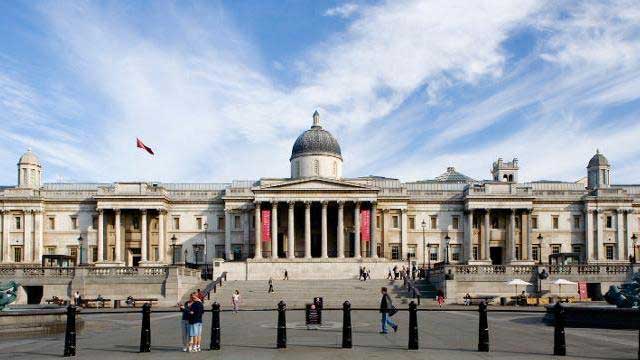
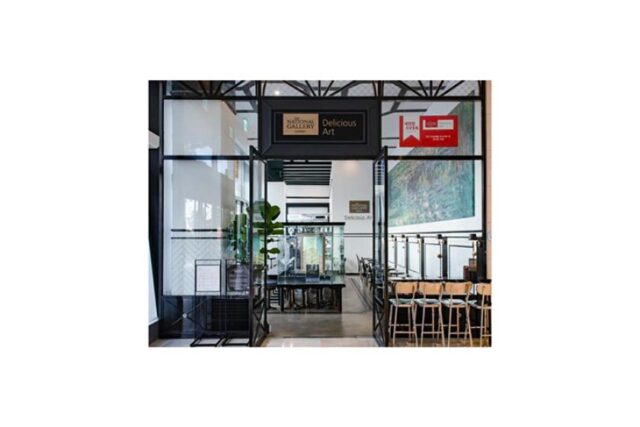
    The National Gallery Company has launched its first overseas cafe in Seoul. The cafe, “Delicious Art”, has opened at Lotte World Mall, designed with features to reflect London’s National Gallery building, along with replicas of famous artworks.

    “This is a very exciting project opening the first Delicious Art international cafe in South Korea,” said The National Gallery Company’s buying and merchandising director Judith Mather.

    “This is great for the global reach of the Delicious Art brand and the National Gallery, London. I am looking forward to opening other cafes in the region in 2019.”

    A second Delicious Art Cafe is expected to open in February at the L7 Hotel Myeongdong.

  • Culture complexes blooms in Asia

    Culture complexes blooms in Asia

    In recent years, the term “culture complex” has often been seen on social media. Postings showing people spending time at these spaces are shared often, attached with hashtags that read “culture life,” “leisure time” and “relaxation.” Culture complexes have risen as popular city destinations for young Seoulites. Buildings housing exhibition halls, cafes, restaurants and design shops bill themselves as culture complexes.

    According to last year’s “Where to Live,” a book by Yoo Hyun-joon, an architect and professor, the younger generation has been exhibiting their identities on social media by sharing the kind of clothes that they wear and the kind of food that they eat. Now, it is about the space — the kind of spaces where you spend your time.

    To satisfy such desires, culture complexes compete to house the trendiest tenants. What also matters is how well such culture complexes go with the neighborhoods they inhabit.

    The Wooran Foundation building in Seongsu-dong, eastern Seoul, is a case in point. The neighborhood is often referred to as the Brooklyn of Seoul, as young artists and hipsters have flocked to the old abandoned factories in the area.

    The new 12-story building stands out in the generally low-rise neighborhood. But the architectural design shares the Brooklyn mood with layers of gray concrete and an industrial mood.

    Cafe Dorrell, a Jeju Island import, on the first floor is one of the trendiest coffee franchises of 2018. The interior is decorated with skateboards, matching the young and hip atmosphere of the area.

    The culture complex has five halls for exhibitions and performances, ready to host all genres of artistic activities.

    Founded in 2014, the Wooran Foundation, is a cultural foundation that aims to create sustainable arts and culture ecosystem. President Chey Ki-Won is the younger sister of SK Group Chairman Chey Tae-Won.

    Some culture complexes serve as showrooms for companies. For example, Simmons Terrace showcases Simmons mattresses while the Monami Concept Store displays the brand’s stationery products.

    Flask Namsan in central Seoul is operated by Market m, a lifestyle design select shop. Located near Myeongdong, the first floor space features design products from interior decorations to furniture. Upstairs, visitors can relax with a cup of Moonshine Coffee from Australia.

    The cafe lounge on the third floor is a culture space for lectures, seminars and mentoring sessions. The yet-to-open upper part of the building, from the fourth to sixth floor rooftop, will house more showrooms and restaurants.

    “In Korea, we usually meet people at cafes and restaurants. While meeting friends, we can visit these shops and share our lifestyles. I get to know more about what others like and what I like, too,” Kim Ji-hye, an office worker her mid-20s in Seoul, said.

    “On the other hand, I sometimes wonder why these places call themselves culture complexes, when they are just spaces for businesses,” Kim said. “I feel like they should have something more than just sales.”

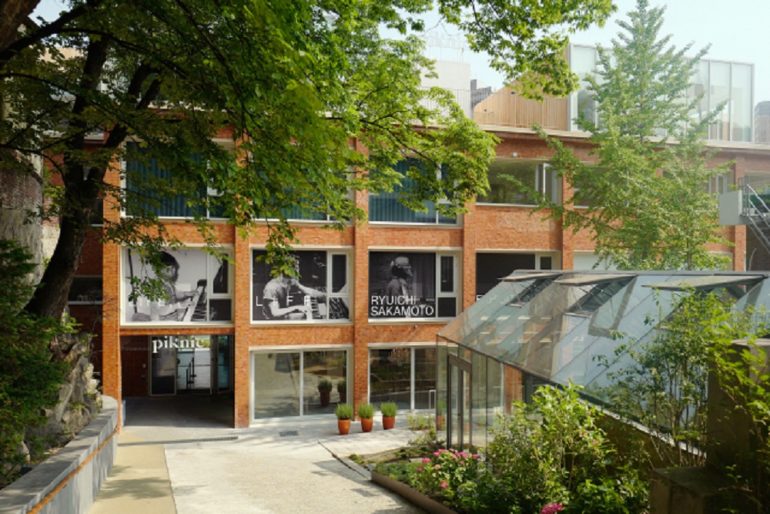
    Originally a pharmaceutical company building from the 1970s, Piknic, a culture complex in Hoehyeon-dong, central Seoul, houses Kafe Piknic, a cafe by day and tapas bar by night. Michelin-starred french restaurant Zero Complex is on the third floor.
    However, what has made Piknic a popularly recognized name is the exhibition space. Designer brand SJYP held a runway show here during the last Seoul Fashion Week. The space also hosted “Ryuichi Sakamoto: Life Life,” a media art exhibition of the life of the Japanese composer and musician.

    The culture space is currently holding “Jasper Morrison: Thingness,” an exhibition of work by the famed British industrial designer. After enjoying the exhibition, visitors can dine at the Kafe Piknic, sitting on a chair designed by Morrison.

  • What’s the new luxury?

    What’s the new luxury?

    Luxury brands are increasingly leveraging music festivals to turn young and affluent attendees into customers, with some going as far as to run their own events and concerts.

    Luxury brands would have once distanced themselves as far as possible from the mud and grime of a music festival. Today, however, they cannot get enough of the summer festival season with some even running their own concerts and events. What has caused this change in tune? And how can luxury brands best position themselves alongside music and festivals?

    Why Festivals Matter
    Luxury consumers can be found in abundance at racecourses, regattas and other seasonal sporting events. Every year brands compete for sponsorship rights in the hope that some of their attendees will turn into customers.

    Younger generations spend their time differently, however. While some of their forebears would not be seen dead at a music festival, a growing number of affluent millennials and Gen Z attend several festivals and concerts every year.

    Most of the 14 million people in the UK (OnePoll) and 32 million in the US (Billboard) who have attended a festival in the past two years fall into these age brackets and luxury brands can no longer ignore them: Bain & Co predicts that by 2025 millennials will count for 40 percent of the global luxury market and Gen Z five percent; figures that will only build beyond 2020.

    Festival Fashion and Instagram Installations
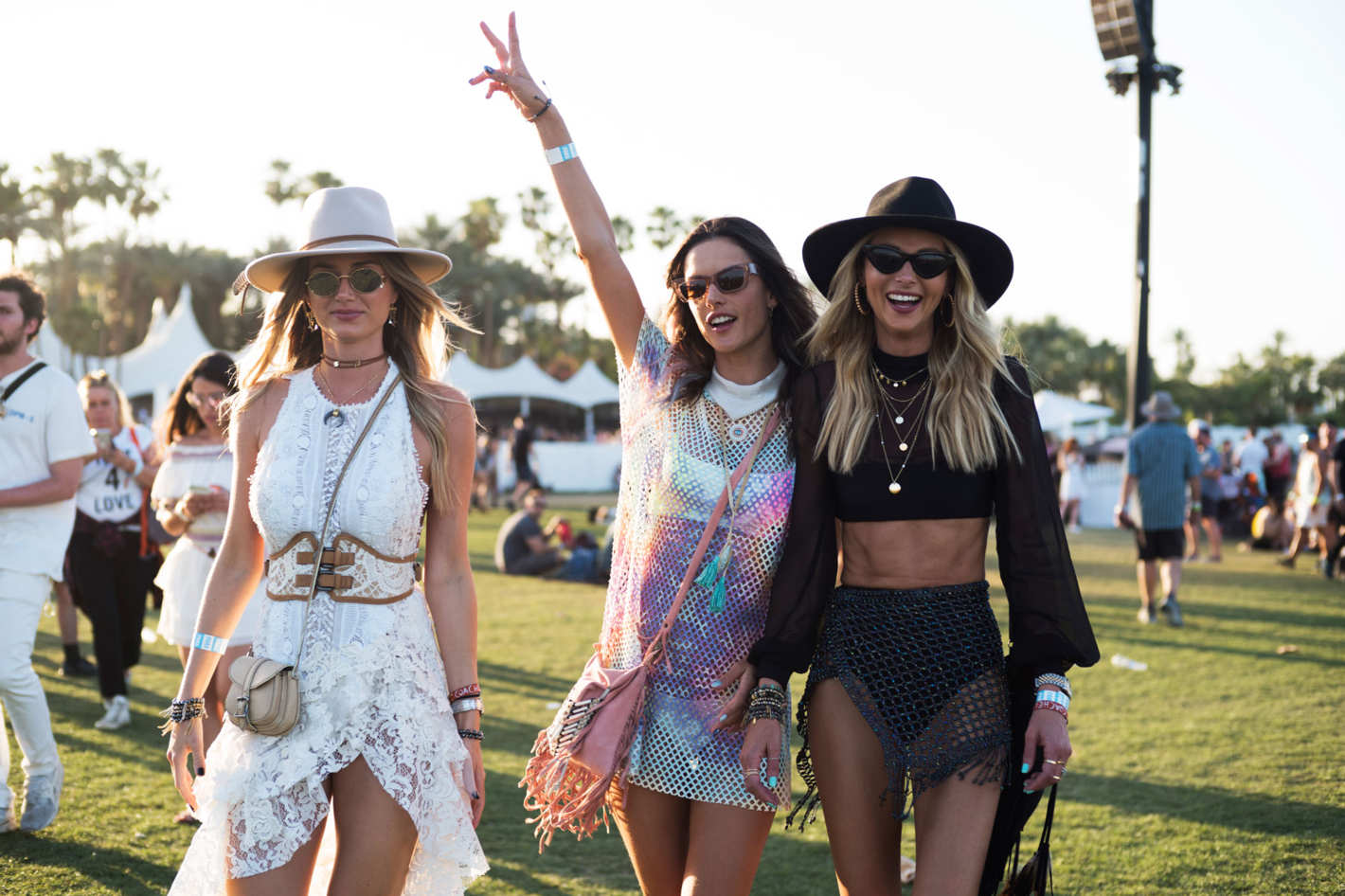
    Coachella traditionally kicks off the annual festival season and, in the build-up to April’s big event, luxury fashion houses ready seasonal festival fashion lines. Their target audience is less about the quarter of a million attendees at Coachella than the quarter of a billion reached through social media.

    Through social media, the music festival becomes a little more than a backdrop to the involuntary catwalk that is beamed across the world to millions. Influencers and celebrities are clad in the latest lines for the occasion and countless others coaxed into branded installations designed for maximum Instagram-ability.

    This year saw Swarovski send Chiara Ferragni to Coachella in a new jewellery line, Gigi Hadid announced a new Moschino collaboration with H&M and Revolve styled over 450 influencers for the festival.

    Music Matters
    For most festival goers, however, music is more important than fashion. Unexpected hits between live music and luxury include Burberry Acoustic, a series of performances and recordings of young British artists pioneered by former CEO Christopher Bailey. As well as accompanying catwalks, Burberry Acoustic acts as another social media channel, attracting nearly 3 million views on YouTube.

    Luxury department stores have also used music to get more young consumers through their doors, picking up on research that millennials prefer experiences over goods. Macy’s hosts ‘mini-concerts’ in New York, Selfridges has ‘Music Matters’ in London and Galeries Lafayette hosts ‘Music Machines’ in Paris. These live performances are often run in-line with other festival-esque experiences such as yoga classes, cookery courses and other pop-ups.

    Beyond the Music
    One major change to festivals over the past decade has been a focus on other attractions to appeal to a wider audience. Whereas food and drink were merely prerequisites to performances, their roles are now often reversed.

    This provides another avenue for luxury brands to gain exposure at festivals. Mulberry have hosted picnics at Wilderness Festival in the UK, an event that spends and promotes as much on its food as music. The same event hosts a Veuve Clicquot bar while other champagne houses are touring the country this year: Laurent Perrier is at Cornwall’s Great Estate Festival and Bollinger at Hay Festival.

    Branded Festivals
    Few luxury brands have managed to marry the commune-spirit with the commercial by running their own festival. Krug Champagne pioneered the luxury festival with their 2016 ‘Krug Island’ and 2017 ‘Into the Wild’ one-day festivals in the English countryside which paired little known artists with big name chefs and, of course, Krug Champagne. With no plans for a 2018 event, however, Krug seems to have abandoned the concept.

    It is not only luxury brands who have struggled to get their own festivals off the ground. Drinks brand Innocent have dropped their ‘Un-plugged’ festival series, Apple their Apple Music Festival and Virgin their V Festival among countless others. Organisers have cited low ticket sales and high start-up costs among the reasons for ceasing these events.

    Getting the Balance Right
    The dichotomy of a festival organiser is to balance commercial forces against the bohemian utopia that runs deep in every festival. When one outweighs the other – as it often does at a branded festival – it puts people off.

    But the same forces apply to existing festivals. Attendees of Coachella recently felt it had become overly commercial and started the #Nochella movement boycotting the event. Though tickets prices and the personal views of its billionaire backer were blamed, major retail outlets on the festival grounds did it for some.

    These successes and failures show the careful balance that luxury brands need to strike when it comes to music and festivals. Like traditional sponsorship, however, the best results will come when a brand is paired with an event of similar values.

  • MCM stores become art hubs

    MCM stores become art hubs

    MCM offers a harmony of art and fashion, introducing works of art and artists.

    MCM starts art activities in ‘MCM House’ store, Hongdae ‘MCM Popup’ store located in Hongdae youth street in Mapo-gu, and other flagship stores in Seoul.

    All activities take inspiration from the brand’s identity, and the 70s, years in which the brand was established  in Munich, Germany.

    Germany in the 1970s, when art culture flourished, and at the same time, combined with modern cutting-edge materials and design are att he core of the brand. Music, art, travel, and technology are the four priorities, giving Millennials a lifestyle experience that goes beyond fashion.

    The ‘MCM House’ in Cheongdam-dong allows customer to meet art by decorating the 5th floor and the 1st basement floor as a sole art space. The MCM Culture Program, which was launched in July 2017, is a representative example.

    This program is a lecture program of first-generation interior designers and representative photographers in Korea. It is a place where content creators can communicate with the public and meet with their audience.

    As the ‘MCM House’ is being used as a cultural space, the simple structure in which visitors experience the exhibition is transformed into a virtuous cycle structure in which visitors who visit the store look at the products as they were artworks.

    The ‘Kunst Project’, which is currently holding a photo exhibition at Hongdae’s MCM pop-up store, is a representative cultural and artistic campaign for MCM. Kunst means art and has been steadily opening 3-4 projects a year since 2014.

    In the meantime, it collaborated with artists from various art fields such as tattoo, toy art, molding art, sculpture, photography, installation art, graffiti, digital neon art and pop art.

    MCM will continue to carry out arts and cultural activities in the future.

    The ‘MCM Culture Program’ will host the remaining 5 lectures in the MCM House in the first half of 2018. The Kunst Project is also expected to continue throughout the year and is looking for the 12th collaborative artist.

  • KUHO’s flagship store combines fashion and art

    KUHO’s flagship store combines fashion and art

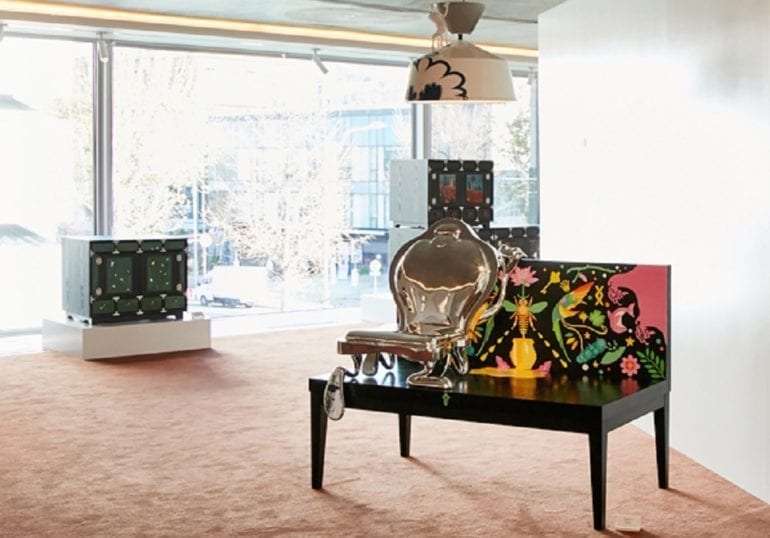
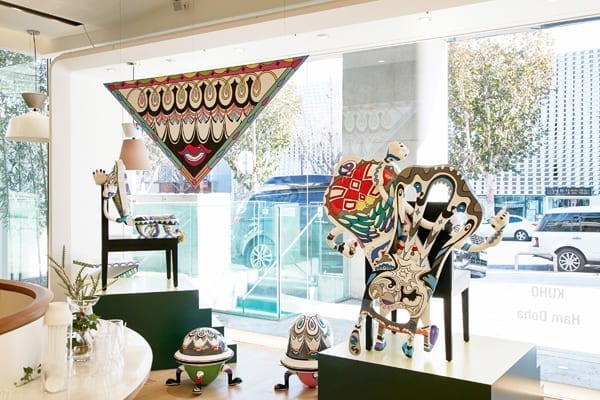
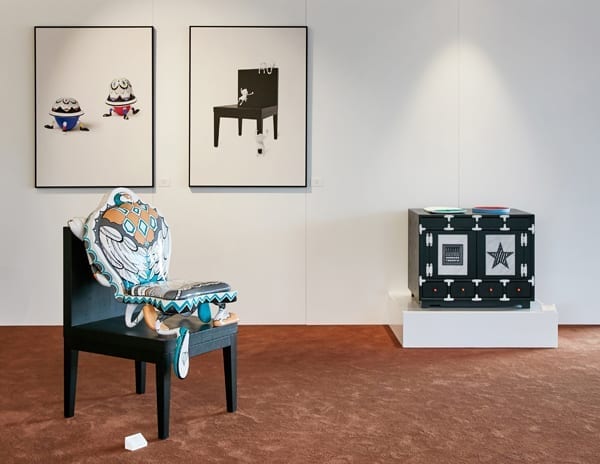
    Samsung C & T’s womenswear “KUHO” showcases the exhibition and collaboration line “Artisan” with Doha, a furniture designer to build its image of a lifestyle brand.

    Ham-Doha Collaboration is held under the theme of “Sentiment” in the showroom on the second floor of the flagship store in Hannam-dong, Seoul, until the 31st of this month.

    Hannam-dong, a lively neighborhood in central Seoul near Itaewon, is becoming a popular spot for all kinds of cultural experiences, including fashion.

    It is in this area full of designer stores and galleries that KUHO, a Korean fashion label, launched its first flagship store, called “The House of KUHO”.

    KUHO introduced ‘Artisan’, an exclusive line to attract young customers. This line is combined with Ham Doha, a famous furniture designer, and artwork with distinctive colors and curves. It has a limited edition including sweatshirts, eco bags, pouches and brooches.

    The exhibition displays 31 works including furniture, lighting, and painting.

    The designer creates a personalized work by projecting the concept of ’emotion’, which is accompanied by all the acts that people feel and sympathize with, in  their interaction feel  furniture.

    Visitors can feel various subjective interpretations about the meaning and expression of the household and change the emotion.

    Park Ji-na, director of “KUHO” said “We have organized exhibitions to share a brand identity that pursues total lifestyle beyond clothing and enhance customer communication. We will strengthen brand identity through the works of Ham designer and Artisan line to deliver differentiated values.”

  • South African conservationist-turned-artist Bruce Little entrusts his latest exhibition to Tigers

    South African conservationist-turned-artist Bruce Little entrusts his latest exhibition to Tigers

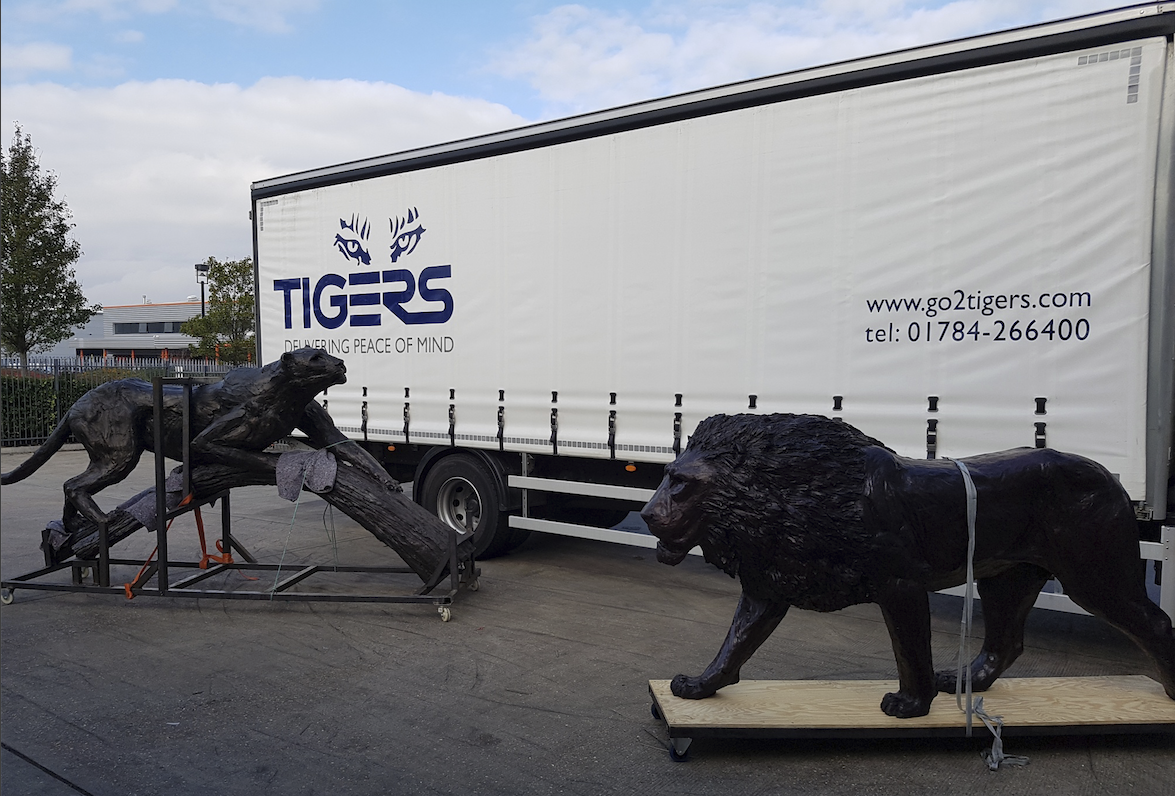
    Tigers has transported 29 large bronze wildlife sculptures from Cape Town, South Africa to London, United Kingdom for conservationist-turned-artist Bruce Little’s largest exhibition to date, held at the Mall Galleries. 

    The sculptures ranged from a tiny Harvester Mouse, measuring just 10cm long, 10cm wide, and 10cm high, and weighing three kilograms, to a Leopard, measuring 450cm long, 160cm wide, and 120cm high, and weighing 250 kilograms.

    “We loaded the sculptures under the watchful eye of the artist himself, Bruce Little, and re-palletised and delicately wrapped them to ensure a safe and secure movement to the gallery,” said Trevor Weeks, Branch Manager, London Heathrow Airport, Tigers. 

    “Twenty-nine large sculptures arrived in an ocean freight container at Tigers’ London Heathrow Airport facility, and were cleared as temporary import with a view to possible sale, providing the customer with the most cost-effective solution.

    “A further 31 smaller sculptures were moved from an address in the UK, and were delivered together at the Mall Galleries, using a vehicle mounted forklift truck to assist the gallery team with offloading.”

    Tigers collected the sculptures from the Mall Galleries after the exhibition had ended, and delivered them to another location in the UK for a private show.

    “Hosting an exhibition, the scale of which we have just had in London, is no easy feat particularly when the source of work has come from thousands of kilometres away,” said Bruce Little.

    “Fortunately, we have companies like Tigers at our disposal that have assisted seamlessly in delivering our bronzes where and when they are supposed to be. 

    “Last year they moved a monumental lion for me from Cape Town to Longleat, Wiltshire, UK, which weighed approximately five tonnes and this too went without a hitch.

    “I am most grateful for Tigers and their associates that have made it possible for me to exhibit around the world.” 

    Tigers operates seven offices in the United Kingdom, including London Heathrow Airport, Gatwick Airport, Felixstowe, Cardiff, Banbury, and Leeds.

  • American Airlines Cargo transports priceless art to Hong Kong

    American Airlines Cargo transports priceless art to Hong Kong

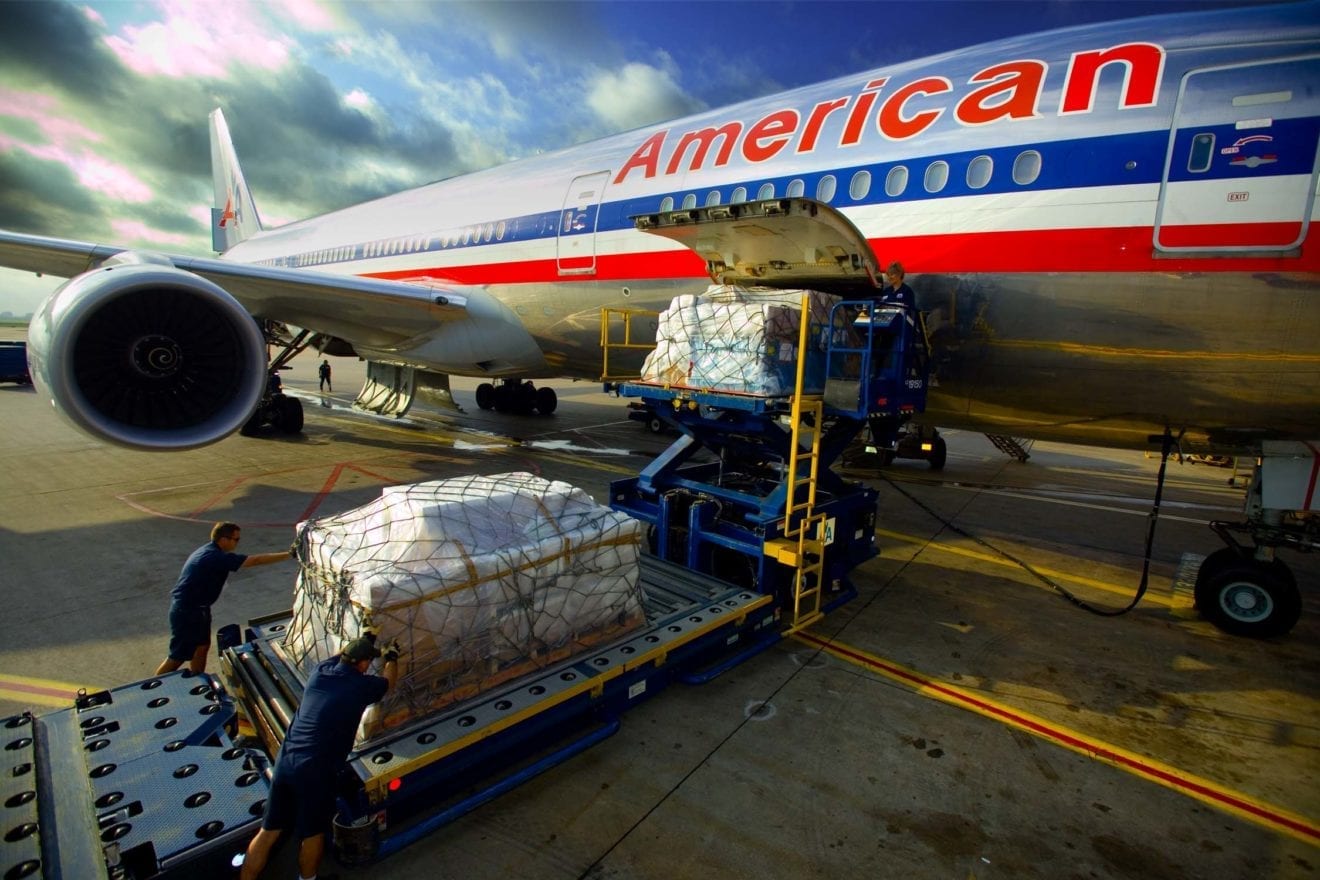
    American Airlines Cargo safely delivered more than 3,000 pounds (1,500 kilograms) of priceless artifacts belonging to the Kinsey African American Art and History Collection from Los Angeles (LAX) to Hong Kong (HKG).

    Working with Cookes Crating, one of America’s oldest and most respected fine art shippers, over 100 artifacts, including paintings, sculptures, rare first editions, manuscripts and official records, were transported to The University of Hong Kong Museum and Art Gallery. The three month long exhibition tells the story of African American achievement and contribution.

    “With priceless artifacts like those in this collection, we offer customers peace of mind with our High Value service, which includes enhanced safety and security measures, such as special handling and surveillance at every touch point,” said Joe Goode, American Airlines Cargo’s managing director, Cargo Sales – Western Division. “Plus, with our direct flight from LAX to HKG, we were able to quickly and successfully deliver the shipment in prime condition before the exhibition’s debut in Hong Kong.”

    The Kinsey family’s long-standing relationship with American was just recently extended to the Cargo division for the shipment of their invaluable collection because of the carrier’s experience in handling high-value shipments.

    “My family and I have been loyal customers of American Airlines for nearly 40 years, beginning with my parents who have visited 100 countries and flown millions of miles,” said Khalil Kinsey, general manager and chief curator – The Kinsey Collection. “American has played an integral role in our business from a travel perspective, and we are excited to expand our relationship to the cargo and logistics aspect. The Cargo division provided a smooth and efficient experience that gave us great comfort and confidence that our crates full of priceless contents would be handled with the utmost care, as well as arrives safely and on time.”


  • Siam Center Unleashed the Creativity in  “Siam Center Art Traction” Art Exhibition

    Siam Center Unleashed the Creativity in “Siam Center Art Traction” Art Exhibition

    Siam Center, the Ideopolis, sparks the creative ideas in “Siam Center Art Traction”, on the 1st and 2nd floor of Siam Center until July 2016. The exhibition displays a wide range of well-selected art pieces by several artists from various fields of art, such as world-renowned Malaysian artists Jun Ong, well-known Thai artists like Jitsing Somboon, Anon Pairot and Rukkit Kuanhawate, and young artists from four leading universities in Thailand. Last but not least, the art lovers will meet Mr. P Water, the art installation by Propaganda.

    Chanisa Kaewruen, Senior Deputy Managing Director for Marketing Events and Business Relations, Siam Piwat Co., Ltd., revealed that Siam Center has played the leading role as the center of arts, fashion, technology and lifestyle. It always seeks for the world-class work of art to inspire people. Now, Siam Center is hosting Siam Center Art Traction between June and July 2016 to display the masterpieces of famous artists in different fields. The exhibition starts with Jun Ong and his PLASTIC PARTITIONS, using mixed art to serve as the board of idea. It displays questions and let the visitors give comments by pressing the button on LED screen, which projects the different levels of brightness. When the visitor presses the button three times, the blinking light will appear. It means the visitor absolutely agrees with the question. If pressed twice, the button will show the still light, which means the visitor simply agrees. If pressed once, the button will project the dim light, which represents the visitor’s disagreement.

    11. Artpiece from Museum road selected by Jitsing Somboon

    Two more exhibitions are held to promote the talent of students from the leading universities. First, Jewelry Degree Showcase by Silpakorn University displays the theses of senior students of Jewelry Design Department, Faculty of Decorative Arts, Silpakorn University. Moreover, the art workshops are weekly conducted on cold enamel, wire bending, drawing, gold leaf covering, knitting, crochet, stamping letters on metal plate and making wool accessories respectively. This exhibition will take place until July 31, 2016, at the area connected to BTS on the 2nd floor of Siam Center. Live Design Functional Art Project by Silpakorn University exhibits the theses of the senior students of Applied Art Study, Faculty of Decorative Arts, Silpakorn University, between June 23 and July 31, 2016, on the 1st floor of Siam Center.

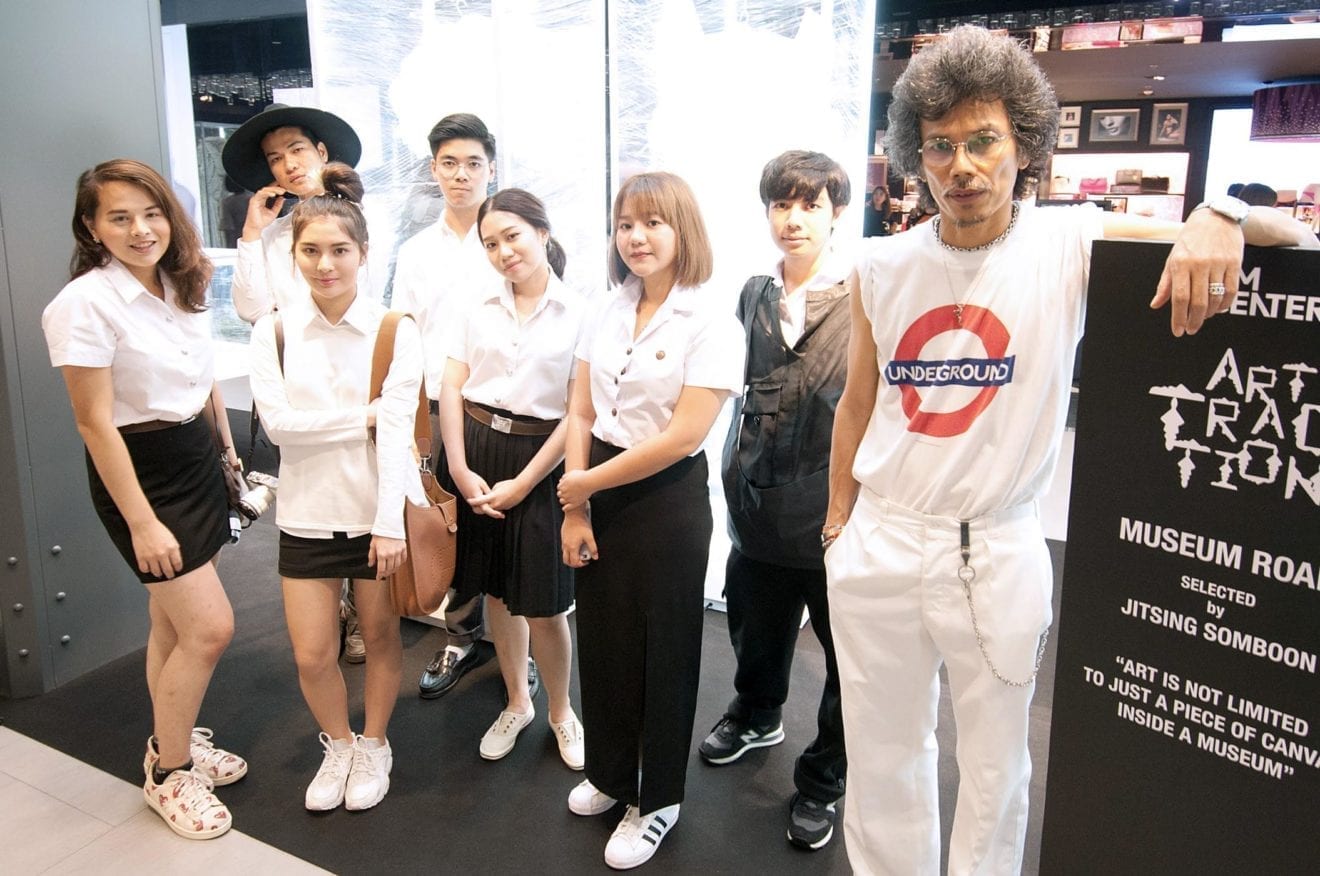
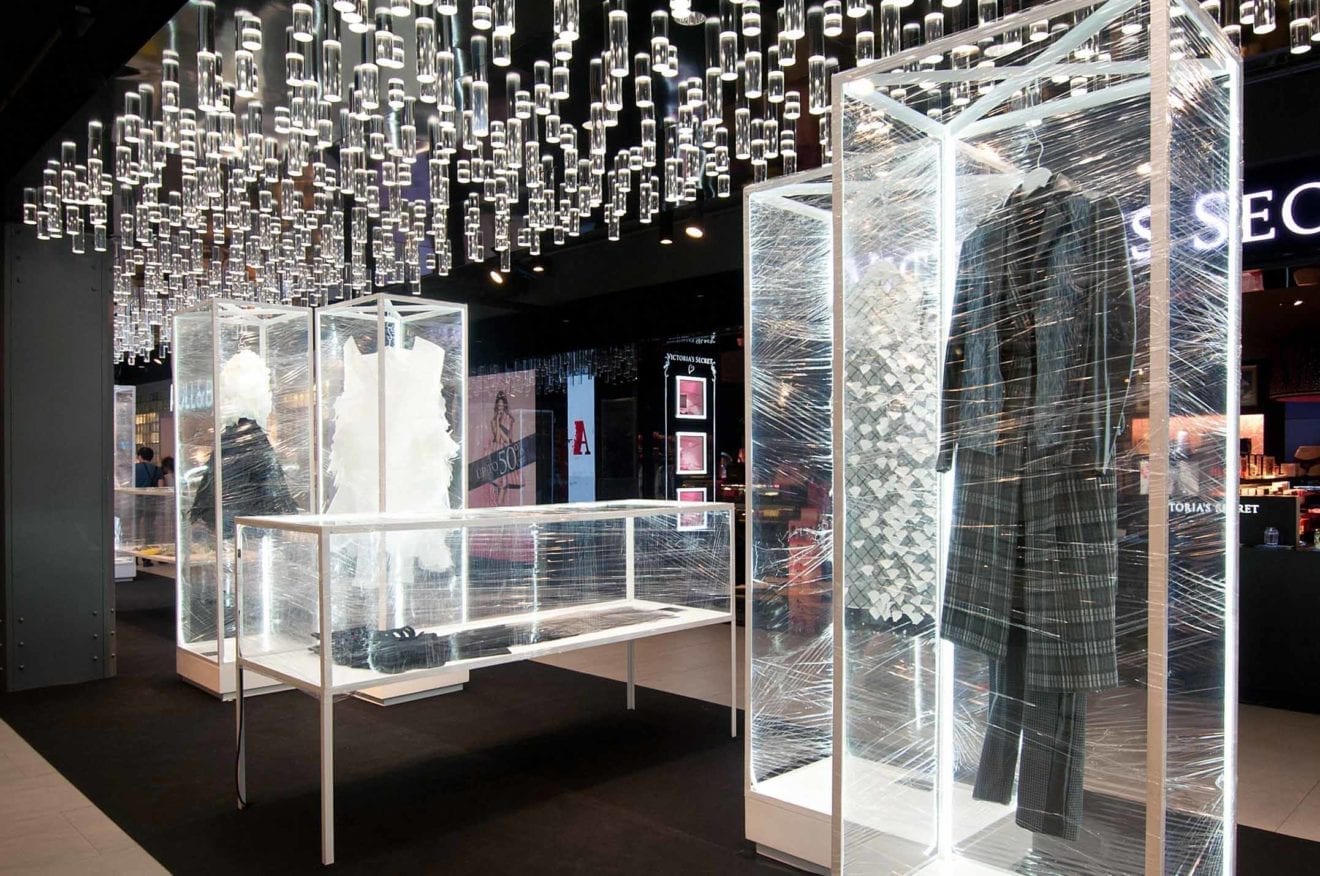
    Another must-visit exhibition is “Museum road selected by Jitsing Somboon”, which takes place until July 31, 2016, on the 1st floor of Siam Center. Jitsing Somboon, Creative Consultant of Greyhound, selected these impressive items from the fashion theses of senior students from four leading universities, namely Silpakorn University, Srinakharinwirot University, Rangsit University and Bangkok University. He admired the distinctiveness of these exhibits because they combined both old and new techniques. For the materials, some students selected the forgotten materials while others used new and bold materials to inspire the visitors. Therefore, the fashion items in this showcase were something beyond clothing. They were art objects displayed in one-sided glass cabinet covered with wrinkled plastic. He got this inspiration while taking a tour in museums and browsing through art pieces. That’s why he would like to reflect the value of the students’ work and their effort in an easily accessible way.

    In addition, Siam Center presents Art Installation by Rukkit Kuanhawate on the 1st floor of Siam Center and Donate It Forward by Anon Pairot, together with his partners, to encourage everyone in the society to do the good deeds. Moreover, the famous Mr. P by Propaganda comes back with his new look called Mr. P Water as an eye-catching art installation that welcomes everyone at Parc Paragon.

  • Top art dealer David Zwirner looking to open gallery in Hong Kong

    Top art dealer David Zwirner looking to open gallery in Hong Kong

    David Zwirner, one of the most powerful art dealers in the world, is looking for a place in Hong Kong to open his first Asia gallery.

    “A couple of years ago, we thought we would just come to the art fair. Now, I’m convinced we need a gallery here,” said the founder of the eponymous New York and London gallery during a whirlwind visit to meet local clients.

    Christopher D’Amelio, senior partner in the gallery, said it wanted to have a permanent presence in Hong Kong “as soon as possible” after witnessing a steady growth in its Asian business.

    To cultivate awareness of the 51 artists it represents, and demand for their works, the David Zwirner Galllery wants to be able to put on exhibitions in Hong Kong and engage in dialogue with Asian clients outside of the art fairs.

    The arrival of Zwirner, named the third most influential person in the contemporary art world by ArtReview magazine, would be a big vote of confidence in the long-term prospects of the Hong Kong art market amid economic uncertainty and growing competition from other cities in the region. Among the artists he represents are Jeff Koons, Yayoi Kusama and Richard Serra.

    The years 2011 and 2012 saw a flurry of major international galleries, such as Gagosian Gallery and White Cube, open in Hong Kong after auction sales in the city doubled from 2009 to 2010. But there have been few additions since Pace Gallery opened in 2014.

    One reason is the dearth of good gallery space, especially compared with what Zwirner is used to. In New York, for example, he had a new, five-storey building with 30,000 square feet of floor space put up in 20th Street three years ago so that he could put on museum-quality shows.

    “We are spoilt. We have large galleries that in some instances we’ve built from the ground up. What I’d like to have is a space that inspires artists. But that is difficult in Hong Kong, so we might start with something modest,” Zwirner said.

    He said he had yet to find a suitable space and was prepared to wait for Hong Kong’s retail rents to fall further.

    It is only because Hong Kong is by far the easiest place to trade that he would put up with the high cost of opening a gallery in the city and the space restrictions. The gallery believes it can find much better properties in Beijing and Shanghai, with the latter becoming more attractive in recent years because of the proliferation of private museums and the establishment in 2013 of a tax-free zone. But opening a branch in China is less urgent than setting up shop in Hong Kong.

    “For now, both us and our clients find it much easier to transact in Hong Kong than in mainland China. But for us, I know we’d like the sort of space that we can find in the mainland,” said Zwirner.

    Singapore, another Asian city where there’s been a proliferation of art market activities, is not yet on Zwirner’s radar. “It’s a perfectly interesting market but to us, it’s a secondary market,” he said.

    The art market veteran predicts 2016 will be “complicated”.

    “America has an election – that’s not good, there’s instability there. The auction houses are very weak right now. Chinese economy is decelerating. All kinds of external pointers suggest we will have a rougher year,” he said.

    This was a good time for the art market to focus on quality again, he said. “One problem in the art market is too much art that maybe is not of the greatest quality, but fetches too high a price,” Zwirner said.

    Artists who had relied on the support of auction results alone would see their works become less popular compared with those who had “real careers”, he said. “If you get a show at the Museum of Modern Art in New York or the Tate Gallery in London, and they acquire your work, then one can assume that your career is real. That’s an objective criteria,” he said.

    As an example, he cited Ai Weiwei as an artist who has a “real” career. “He really hit international fame as a dissident. When he was put into prison he became a worldwide celebrity and then people discovered his art. Be that as it may. He is widely collected by major museums and he just had a major show at the Royal Academy. I think it’s a healthy career,” he said.

    Zwirner will bring a wide selection of works by their artists to this year’s Art Basel Hong Kong. The gallery is presenting a group of artworks by Isa Genzken, a major name in Germany, in the “Encounters” section of the art fair. The works are free-standing sculptures she made in 2015 for her Schauspieler (Actors) series.

    The gallery’s booth will feature, among others, new works by Belgian artist Michaël Borremans, who will also visit Hong Kong during the fair.