Tag: Athleisure

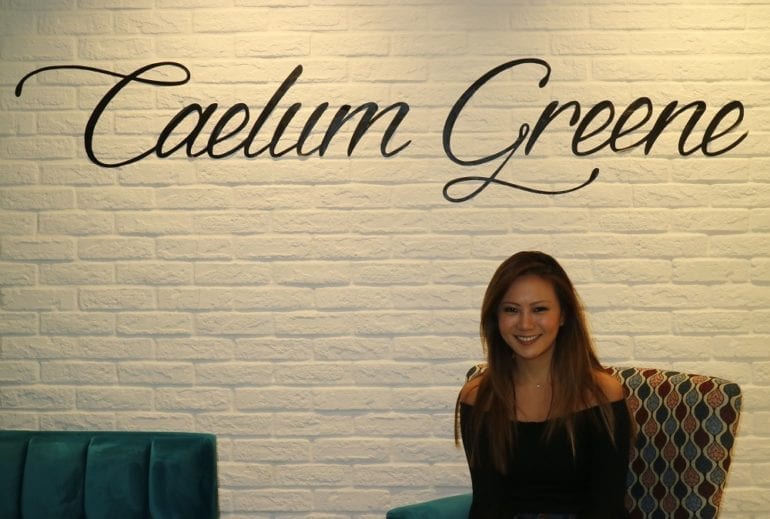
  • Caelum Greene, the first multi-brand fashion store in Hong Kong

    Caelum Greene, the first multi-brand fashion store in Hong Kong

    Featuring mannequins stretched out in graceful yoga poses, Caelum Greene is hard to miss on Hollywood Road.

    Hong Kong’s first multi-brand athleisure and lifestyle fashion store soft-opened in June 2016, attracting a clientele of health-conscious customers who love looking and feeling good.

    After only 1 year of operations, Caelum Greene is launching its e-commerce site on 5 January 2018.

    Designed and curated for the modern-day mindful customer, the brands offered readily merge wellness with fashion. With two elegant yet cozy, eco-friendly locations in Hong Kong, Caelum Greene is looking to extend its ethos to a wider audience with its upcoming online presence.
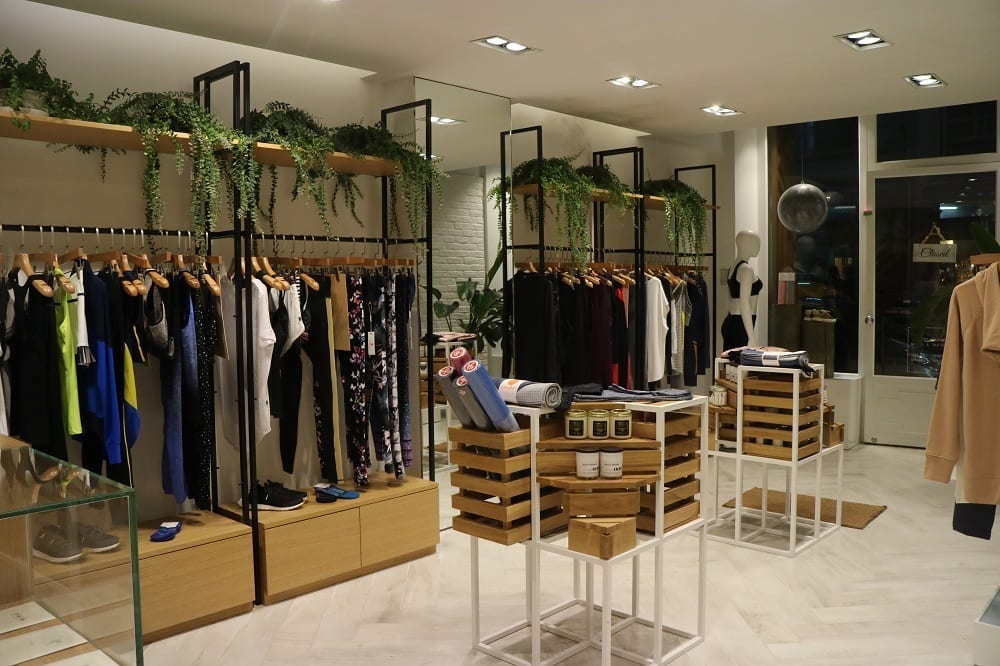
    Serving as the bridge between the modern day gal and sustainably conscious designers, Caelum Greene’s online presence will continue to showcase its outstanding ethos and dedication to a better world.

    Caelum Greene carries brands offering versatile, high-quality fabrics made with the heart and mind. These include high-tech athleisure brands Daquini, MICHI, Monreal London, as well as fashion and lifestyle brands Tach Clothing and Filippa K. Caelum Greene is committed to actively giving back to the community, and its online experience will be no different.

    Continuing its partnership with Asia’s largest sustainable fashion NGO, Redress, Caelum Greene will donate a percentage of the online sales to the organization for every order placed. The aligned missions and collaboration will give clothing a second chance at life, filtering it through the system to be upcycled or recycled. The collaboration aims to prove that together, we can reduce waste in the fashion industry.

    Together, the online platform and brick-and-mortar stores will allow Caelum Greene to maximize its positive impact.

    Founder Charlotte Tsuei emphasizes that “it is important to me that wherever Caelum Greene goes, it brings positive and meaningful change to the community.”

    Charlotte Tsuei describes Caelum Greene as “an alternative to shopping more sustainably without compromising on style and quality.” The brands at Caelum Greene are carefully curated based on their style, quality, value, uniqueness and their core ethics similar to Caelum Greene. “We hope to able to move the needle, even just ever so slightly, towards a more sustainable future for fashion.”
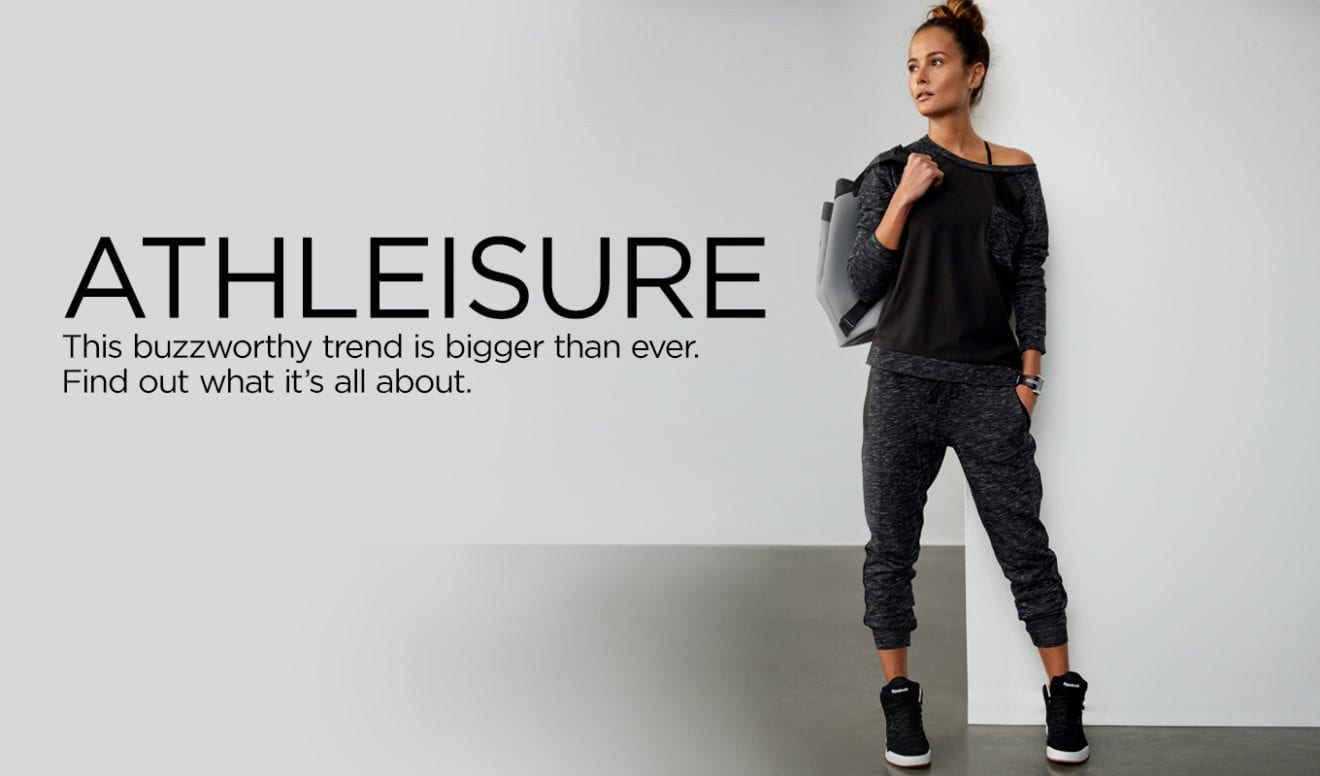
  • Athleisure slowdown fails to dent Lululemon

    Athleisure slowdown fails to dent Lululemon

    Someone forgot to inform Lululemon there is a slowdown in the growth of the athleisure category.

    The Canadian company’s latest results stand in direct contrast to those of many other sporting retailers, with both total and comparable sales surging ahead by 13 per cent and 7 per cent, respectively. Online sales surged 30 per cent.

    The numbers are a testament to Lululemon’s brand strength, the credibility of its products, and to its constant focus on innovation. They have enabled the group to take share in a crowded, competitive marketplace where consumer demand is a little more muted than it once was.

    While the North American market is far from saturated, it is encouraging to see it pursue international growth. The brand is already a hit with younger Chinese shoppers with both new physical stores in China and the digital Tmall store performing well above expectations. Given the embryonic stage of development, there is significant headroom for future growth in China. The same argument applies, albeit to a lesser degree, in Europe.

    The latest results also underscore the fact that many of the problems faced by players like Dick’s or Foot Locker stem, not solely from the fact that athletic wear demand is more subdued, but because consumers are increasingly switching to buying directly from brands. Lululemon is proof that a well-configured, focused brand can secure customer loyalty far better than a retailer selling a diffuse range of different products with little coherence.

    Despite the great sales numbers, a slight disappointment comes from the bottom line, where operating margin and net income ($48.7 million) both fell. Some of this was down to asset impairment and resulting costs, but even when this is factored out the results were still weaker than the prior year. All that noted, the softer profit numbers are perfectly acceptable, mainly as they are a consequence of the various investments and initiatives Lululemon is undertaking to strengthen its position in the market Given these are bearing fruit, the long-term prognosis still looks good.

    Among these initiatives was Lululemon’s first global brand campaign, which launched in May, and helped to raise the profile of the company. Although the marketing focused on overtly yogic themes of breathing, letting go, self-discovery, and humility – the more general imagery resonated with a much wider audience. From our data, it is clear that Lululemon has successfully connected with new groups of customers as a result.

    Another area of success, partly but not solely driven by the marketing push, has been the number of men buying Lululemon product. Numbers have risen consistently over the past year or so, but we now see evidence that the trend is accelerating. Among Lululemon’s male shoppers, average spend is up as is the average number of products purchased. Some of this is the result of a much more comprehensive range of men’s product, especially beyond bottoms, which is the traditional entry product to the brand. The focus on performance materials and features has also proved very popular.

    In successfully pivoting from being a women’s brand to one that now appeals to both genders, Lululemon stands in marked contrast to Under Armour, which has seen only limited success in attracting women. This augurs well for the future as Lululemon has much more runway with male shoppers.

    Despite making much more effort with men, Lululemon has not lost its focus on womenswear. The complaint about bland product lines has now largely been fixed, with new colors, patterns, and styles helping to drive interest and purchases among many female shoppers. Equally, the continued investment in new fabrics and designs has encouraged upgrading and new purchases alike.

    Looking ahead, the balance of this year should be positive for sales. We are particularly encouraged about the holiday quarter as we think Lululemon will, once again, be a key gifting brand. While we caution that the restructuring of Ivivva and further investments may weigh down on the bottom line, this does not change the upward trajectory for Lululemon.

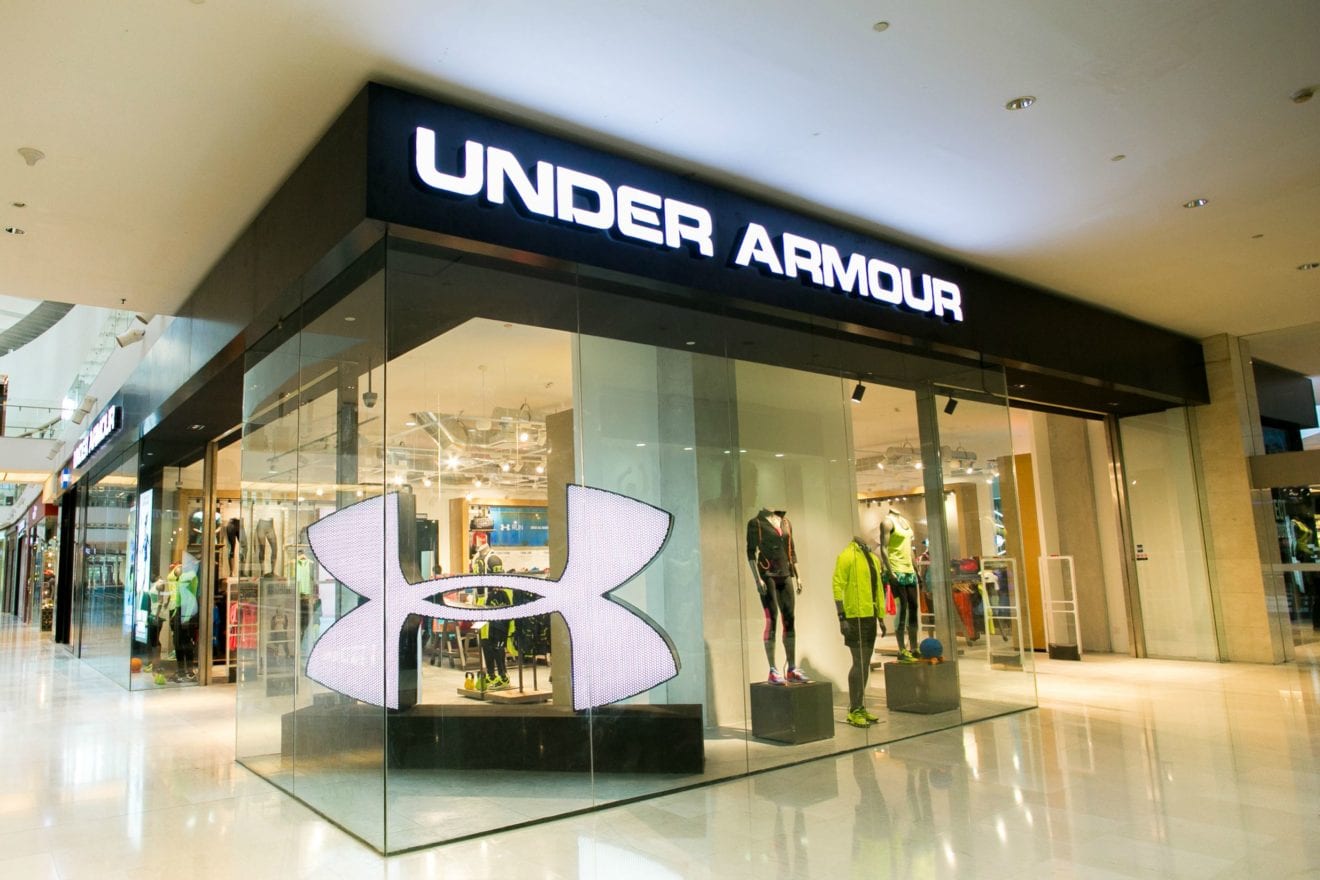
  • Under Armour China recruits star power

    Under Armour China recruits star power

    Star power is being used to connect fast-growing athleisure brand Under Armour with Chinese consumers.

    NBA All-Star Stephen Curry heads back to China next month for another promotional tour for sportswear brand Under Armour China (UA).

    As UA seeks to take market share away from rival Nike, the basketballer will be touring the greater China region, including Taiwan, from September 2 to 6.

    Under Armour CEO Kevin Plank plans to more than double the company’s annual revenue to $10 billion by 2020, identifying three key growth areas: channels, categories and geographies.

    “Our eCommerce in China has basically exploded for us,” he says, “so this is not just a bricks-and-mortar story.” He believes China may actually end up providing the script for the balance between digital and store sales.

    So far this year, UA has reported a 157 per cent increase over the same period last year from its eCommerce initiatives in China. In just 10 years, the company has grown its overseas business exponentially, to $454 million last year from $6 million in 2006.

    Probably trying to catch this wave, low-end Chinese sneaker manufacturer Tingfei Long Sporting Goods introduced its Uncle Martian apparel line in April with a logo similar to UA’s trademark intersecting arches. UA responded by saying it will pursue “all business and legal courses of action.”

    To thrive in China, brand recognition over knockoffs is key for UA, which is why it is sending spokesman Curry into play. Following his first tour two years ago, quarterly revenue in China grew three-fold (Nike had a 23 per cent gain).

    UA plans to open 120 stores in China, more than doubling its presence, by the end of this year. Adidas and Nike have between 8000 and 9000 stores in China already. Nike’s market share grew to 14.3 per cent last year from 11.2 per cent in 2011, while Adidas grew its market share to 13.8 per cent from 8.5 per cent over the same period, according to research company Euromonitor.