Tag: ATM

  • Fee-Free ATM Withdrawals in Malaysia: New Initiative Boosts Accessible Banking from July

    Fee-Free ATM Withdrawals in Malaysia: New Initiative Boosts Accessible Banking from July

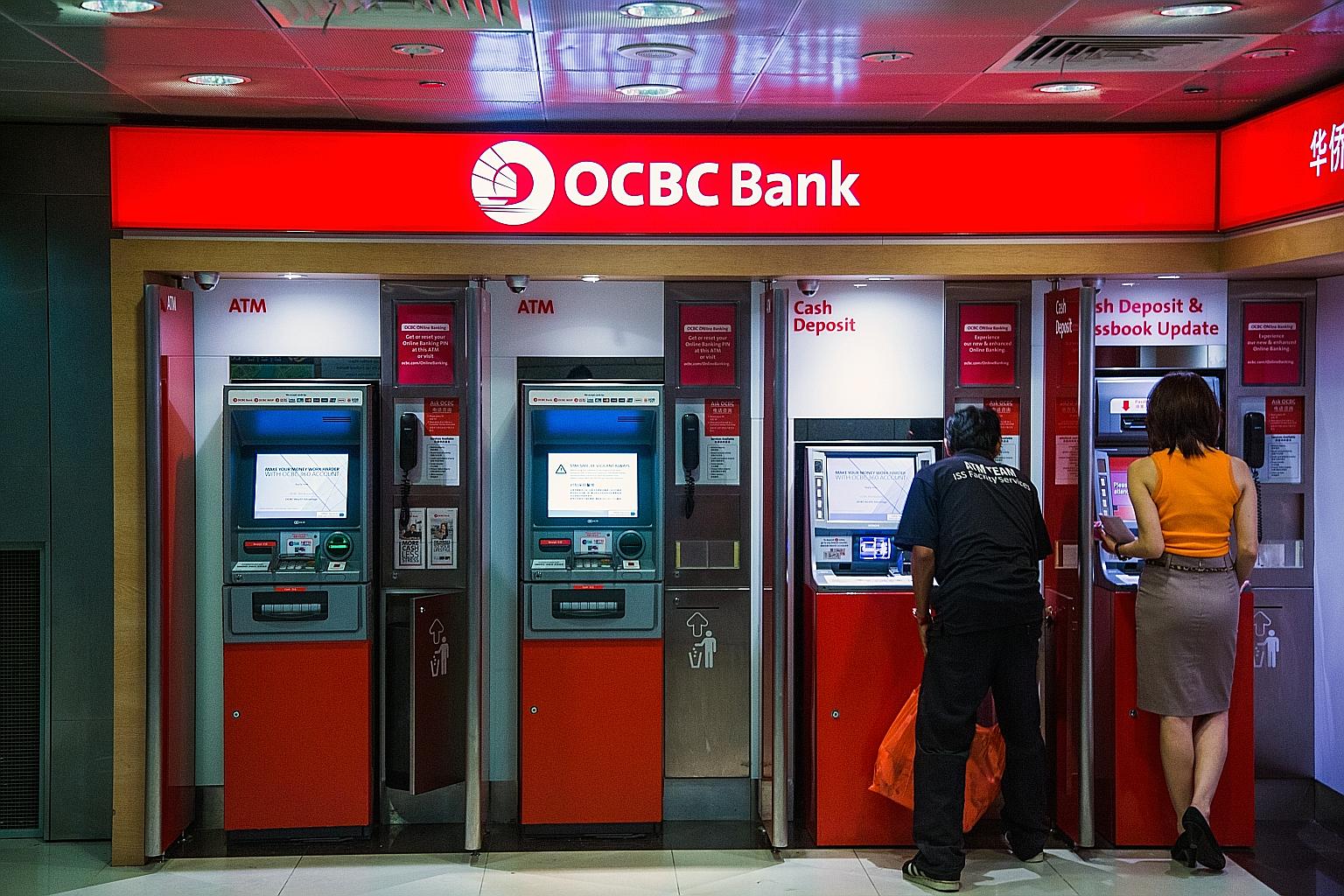
    Starting July 1st, Malaysians will have the ability to withdraw cash from any bank’s automated teller machines (ATMs) or smart recycler machines (SRMs) across the country without the usual RM1 (US$0.25) interbank fee. This new initiative will grant debit cardholders access to more than 14,000 ATMs and SRMs, regardless of the bank that issued their card. The announcement was made jointly by the Association of Banks in Malaysia, the Association of Islamic Banking and Financial Institutions Malaysia, and the Association of Development Finance Institutions of Malaysia.

    Making Financial Services Accessible

    The aforementioned associations have stated that this change, applicable to ATMs and SRMs run by Malaysian banks, was enacted in cooperation with Payments Network Malaysia (PayNet). The driving force behind this move is an ongoing effort to render financial services more attainable, all-inclusive, and affordable.

    It’s important to note that cash continues to play a crucial role as a necessary payment method for numerous Malaysians in their day-to-day lives. This elimination of the interbank fee is a reflection of the industry’s dedication to providing reliable, convenient, and cost-effective access to cash. Ultimately, it’s a measure aimed at alleviating the financial strain on consumers.

    Questions & Answers

    What is changing for debit cardholders in Malaysia?
    Starting July 1st, Malaysian debit cardholders will no longer be charged the usual interbank fee of RM1 (US$0.25) when withdrawing cash from any bank’s ATMs or SRMs nationwide.

    Who are the organizations behind this move?
    This change has been implemented jointly by the Association of Banks in Malaysia, the Association of Islamic Banking and Financial Institutions Malaysia, the Association of Development Finance Institutions of Malaysia, and Payments Network Malaysia (PayNet).

    Why has this fee waiver been introduced?
    The interbank fee waiver is a part of ongoing efforts to make financial services more accessible, inclusive, and affordable for all Malaysians, and to alleviate the financial burden on consumers.

  • First 24/7 Gold ATM Sparkles in Dubai: Emirates Gold Revolutionizes Bullion Trade

    First 24/7 Gold ATM Sparkles in Dubai: Emirates Gold Revolutionizes Bullion Trade

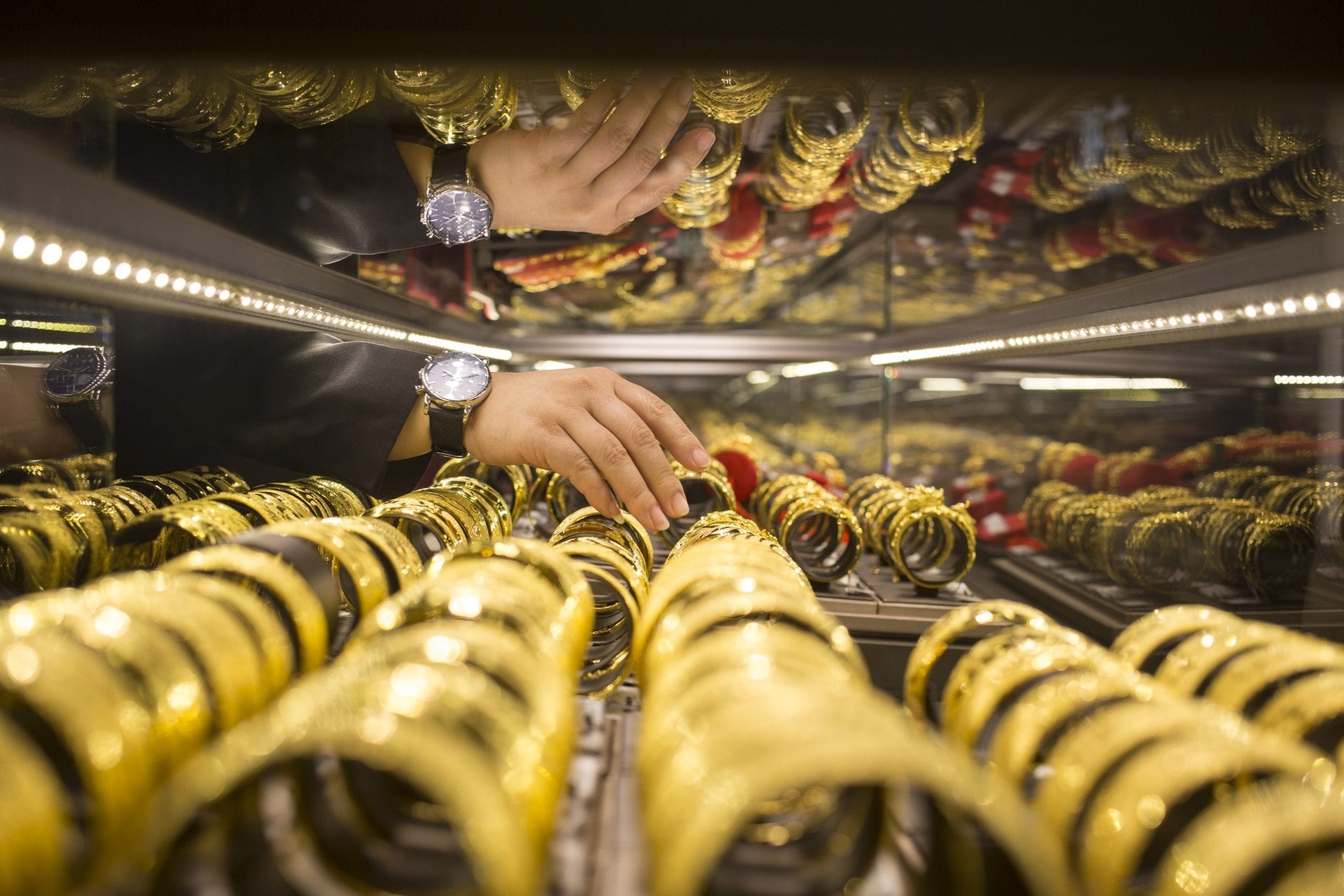
    Emirates Gold, a leading bullion retailer, has made history by unveiling the first-ever gold Automated Teller Machine (ATM) in the United Arab Emirates (UAE). This pioneering system gives customers the ability to withdraw and trade physical gold around the clock.

    Gold Trading at Your Fingertips

    Located within the towering architecture of Almas Tower in Dubai, this gold ATM is the inaugural installation of what is projected to be a network of up to 40 such machines, due to be set up within the current and coming year.

    The ATM gives users access to more than 70 diverse designs of gold and silver bars in smaller denominations, presenting them with a wide variety of options for collection, investment, or gifting purposes. The process is simple and efficient – users scan to make the payment, select their desired products at live spot prices and are able to receive their physical bullion in an instant.

    Future Prospects and Features

    In addition to the current offering, there are plans to incorporate additional features in the near future. These include options for online order collection as well as the conversion of cryptocurrency.

    Surge in UAE Gold Demand

    In recent years, the UAE has seen a significant influx in gold demand. In 2024 alone, gold demand reached an impressive 66 tonnes. This substantial demand is largely driven by tourist purchases, accounting for a substantial 30% of the total, and local residents seeking to diversify their portfolios beyond traditional real estate and equities.

    The sale of smaller bars, ranging from 1g to 100g in weight, has also seen a significant surge, constituting 40% of the retail market, a marked increase from the 25% in 2020.

    The Rise of Gold Recycle ATMs

    On a global scale, the popularity of gold recycling ATMs has also been on the rise. For instance, in May, a gold recycling ATM in China’s Shanghai attracted large crowds, particularly among older residents eager to cash in their long-held jewelry as global gold prices continue to climb.

    Questions & Answers

    What is a gold ATM?
    A gold ATM is an automated machine that allows customers to withdraw and trade physical gold around the clock.

    What future features are expected to be added to the gold ATMs?
    In the near future, the gold ATMs will incorporate features for online order collection and the conversion of cryptocurrency.

    What factors have led to the surge in UAE gold demand?
    The surge in UAE gold demand is largely attributable to tourist purchases and the growing interest of local residents to diversify their portfolios beyond traditional real estate and equities.

  • Bank of Commerce Philippines Enhances Service with Upgraded Systems for 140 Branches and ATMs!

    Bank of Commerce Philippines Enhances Service with Upgraded Systems for 140 Branches and ATMs!

    In a bold step towards modernizing its operations, Bank of Commerce (BankCom), a prominent Philippine bank, has successfully migrated to a new core banking system. This significant upgrade, which encompasses the bank’s 140 branches and expansive ATM network, was officially announced on September 15, 2025.

    A Collaborative Triumph

    BankCom’s ambitious project was brought to fruition through a partnership with Infosys, a leader in digital banking solutions, and IBM, renowned for its expertise in global hybrid cloud services and artificial intelligence. BankCom president and CEO Michaelangelo R. Aguilar highlighted the collaborative effort behind the migration, noting that it was completed in just one weekend due to the seamless coordination among employees, vendors, and partners.

    Enhancing Customer Experience

    Aguilar emphasized the importance of these advancements, stating, “These enhancements are a significant part of our digital transformation, as we continue to innovate to help ensure we’re delivering better banking experiences for our customers.” As part of the upgrade, BankCom aims to enhance flexibility in its product and service offerings while significantly improving the efficiency, reliability, and security of its banking experience.

    Financial Strength and Industry Position

    BankCom is not just any bank; it’s a publicly-listed universal institution and an affiliate of the San Miguel Corporation (SMC). The bank reported an impressive unaudited net income of PHP 1.86 billion as of June 30, 2025, further solidifying its position as a key player in the Philippine banking landscape.

    Questions & Answers

    What motivated BankCom to upgrade its core banking system?
    BankCom aims to innovate and enhance customer experiences through improved flexibility, efficiency, and security across its banking services.

    How long did the migration take and what facilitated its success?
    The migration was completed in just one weekend, thanks to the close cooperation among employees, vendors, and partners.

    What is BankCom’s recent financial performance?
    As of June 30, 2025, BankCom reported an unaudited net income of PHP 1.86 billion, strengthening its market presence and financial stability.

  • Shanghai’s First Gold ATM Attracts Crowds Amid Record High Prices

    Shanghai’s First Gold ATM Attracts Crowds Amid Record High Prices

    In an innovative twist on jewelry transactions, Shenzhen Kinghood Group’s Smart Gold Store concept has revolutionized how consumers engage with gold. The introduction of sophisticated gold ATMs in Shanghai’s bustling Global Harbor shopping mall has generated significant interest, with customers reportedly booking appointments days in advance to take advantage of the seamless service.

    Emergence of Gold ATMs: A New Trend in Retail
    The unique ATM experience allows users to insert gold jewelry, which is then weighed, melted, and evaluated on-site. In a striking example, a customer inserted a 40-gram gold necklace and received an impressive payout of CNY36,000 (approximately US$4,988) within just 30 minutes, according to China Times. This swift service reflects rising consumer demand and efficiency in gold exchanges.

    How the Smart Gold Store Works
    Managed by Kinghood Group, this groundbreaking ATM accepts gold items weighing over 3 grams and having at least 50% purity. The recycling process incorporates identity checks and melting at temperatures exceeding 1,000°C, followed by a second purity assessment. Additionally, a service fee of CNY18 (about US$2.50) per gram is applied, allowing for transparency in pricing.

    Strategic Expansion Plans
    Xie Chengcheng, Kinghood’s operations manager in Shanghai, revealed ambitious plans to deploy over 100 gold ATMs across the city, with existing units already in Beijing, Guangzhou, Shenzhen, and Hong Kong. Since its inception last year, Kinghood has expanded the Smart Gold Store concept to 40 cities throughout China, strategically placing these ATMs in banks, supermarkets, and retail spaces to enhance brand visibility and customer accessibility.

    Impact on Traditional Gold Buying
    The arrival of gold ATMs has disrupted the traditional gold-buying model in the region. Local “gold scalpers” and smaller buyers have reported significant losses attributed to the ATM’s efficiency and transparent transactions. Some have described challenges such as reduced cash flow and an inability to compete with the rapid service provided by the new machines.

    Market Context: Rising Gold Prices
    On April 16, when the Shanghai ATM debuted, gold prices soared to record highs, creating a favorable environment for long-term holders looking to cash in. The Shanghai Gold Exchange recorded real-time prices above CNY788 ($108) per gram. Xu Weixin from the Shanghai Gold Association noted, “The introduction of smart gold ATMs primarily serves a recycling function from a business perspective,” highlighting the increased value of gold possessions amid rising prices. However, he also advised consumers to consider holding onto their gold for longer, as there’s potential for further price increases.

    Conclusion: A Transformative Effect on Retail
    The innovative Smart Gold Stores may significantly influence the retail landscape, as brands adapt to evolving consumer trends. As demand for transparent and efficient transaction methods rises, the traditional avenues for buying and selling gold face new competition. This shift not only enhances convenience for consumers but also reshapes the dynamics of the gold market in China and beyond.

    Questions & Answers:

    1. What are Smart Gold Stores? Smart Gold Stores, managed by Shenzhen Kinghood Group, feature gold ATMs that allow users to sell gold jewelry quickly and efficiently for cash, revolutionizing traditional gold-buying processes.
    2. How do these gold ATMs operate? Users insert gold items, which are weighed, melted, and assessed for purity. Payouts are provided on-site, with a service fee applied for the transaction.
    3. What impact do gold ATMs have on the traditional gold market? Gold ATMs have disrupted traditional buying practices, leading to losses for local scalpers and smaller buyers while promoting transparency and efficiency in gold transactions.
  • Banking is Still About Branches and ATMs

    Banking is Still About Branches and ATMs

    A McKinsey Report reveals that retail banking makes up almost half of all financial sector profit worldwide.

    All that talk about structured products, discretionary investment mandates, M&A – even crypto – may have confused everyone about what banking is. Even now, according to McKinsey & Company, the humble local bank branch – and the ubiquitous convenience store ATM – reign supreme.

    At least that is what an October report on the future of retail banking by the consultancy’s financial services practice states unequivocally. In it, they claim retail banking makes up 48 percent or almost half of the global banking pool of profit, which they estimate at $680 billion.

    They believe the segment, by itself, is larger than entire industries, among them pharmaceuticals, telecommunications, and food manufacturing. In other words, those branches and ATMs count for more than an army of Nestles, Vodafones, Novartises, and Roches.

    Retail also appears to have avoided much of the convulsions, restructuring, and redundancies seen in many other parts of banking, with the 10-year average annual return on equity being a veritable beacon of relative stability at 8.9 percent. Indeed, it has even trended noticeably higher this year as the industry continues to recover from the pandemic. But, beyond that, there are some divergent trends as the picture gets more granular.

    The McKinsey report looked at revenue by product per individual client and came up with some surprising idiosyncrasies. In the US and Western Europe, retail banks tend to lose money with basic products such as credit cards and unsecured loans while they barely break even with them in China and Emerging Asia. In Latin America or the Middle East and North Africa, the latter being treated as one region, it manages to eke out significant profits.

    When it comes to more complex lending products such as mortgages and car loans, all regions are profitable except for the Middle East and Africa, which barely breaks even. All regions make money when it comes to providing top-tier retail services for wealth accumulation, insurance, and pensions even though, somewhat surprisingly, the least profitable part of the world for such products is in China.

    The emerging markets of Asia and China are also unique in that they are the first in the world where so-called digital-first models have reached maturity.

    It has allowed them to shrink an already thin branch network by a third over five years and is a key reason why they have been able to keep basic products on the threshold of profitability.

    However, profit pools for complex lending and wealth and protection services are low by global standards, and challenges to incumbent banks remain as innovative Big Tech and fintech organizations continue growing in terms of consumer adoption and product diversification.

    But such a wide-ranging report would not be replete without repeated suggestions of some impending, imminent threat about to strike the industry down, instilling fear into the hearts and minds of industry employees and executives, likely prompting the latter to find succor by summoning reams of available, well-prepared consultants.

    That fear appears to be big tech. According to McKinsey, digitalization has not only lowered the general barriers to entry but the IT budgets of the largest retail banks pale in comparison to that of big tech.

    They, and the fintech sector, already capture about 45 percent of the gross revenues in payments while digital investment apps manage a quarter of assets in the mass-affluent segment and are growing at twice the rate of traditional providers.

    But banks do have some trump cards left. According to McKinsey, when it comes to customer engagement, just over half, or 52 percent, of clients engage with their bank every week. On Amazon, however, only 22 percent of them buy that often.

    But they still haven’t learned how to use the information on clients that they already have.

    They should act fast while the window of opportunity is still open. The stakes could not be higher, the report stated.

  • Cryptocurrency ATM Installation Rates in the Doldrums

    Cryptocurrency ATM Installation Rates in the Doldrums

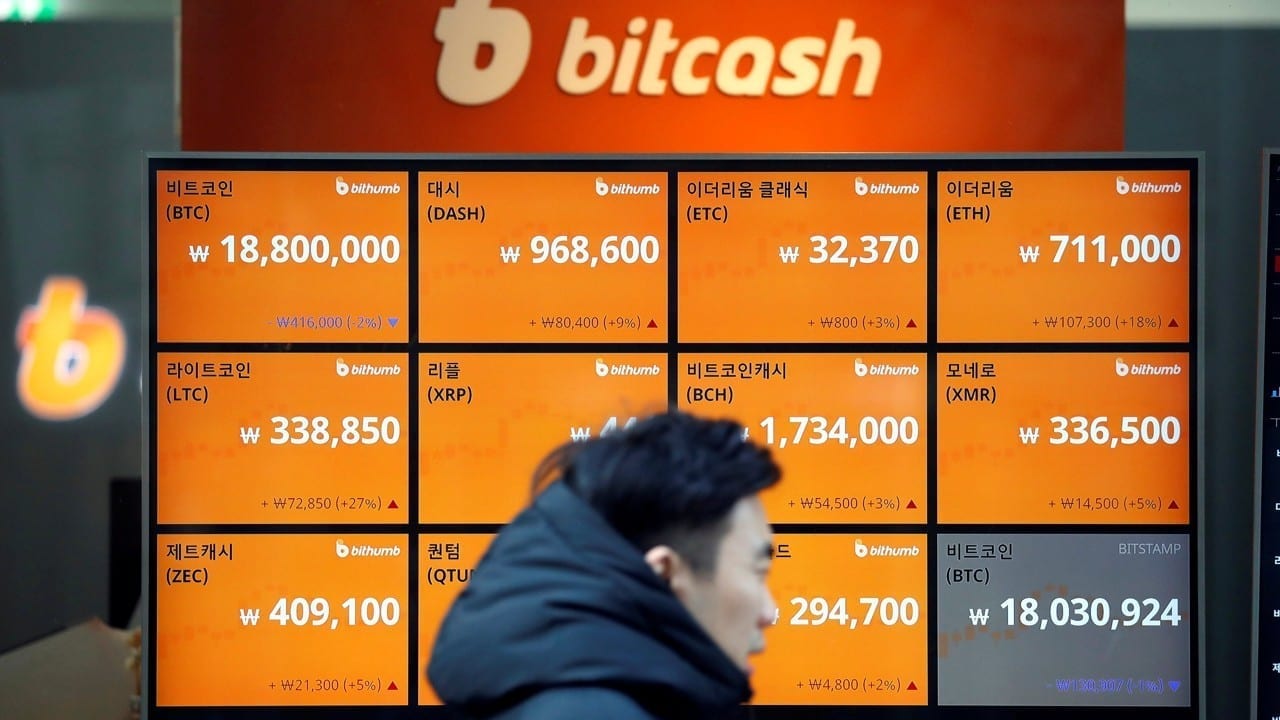
    As cryptocurrencies were booming, the number of cryptocurrency ATMs grew accordingly. Now that Bitcoin & Co are trading well below last year’s highs, the pace of installations is waning.

    There are currently around 39,000 cryptocurrency ATMs installed worldwide, corresponding to a nearly 4,000 percent increase since 2017. But since the beginning of 2022, installation rates have plummeted as the cryptocurrency market crashed.

    Crypto ATM installations saw a meteoric rise from January 2020 to January 2022, increasing fivefold to 34,388 machines worldwide. But since the start of the year, barely 5,000 new machines have been installed, and this month, a net total of 44 were even removed. The last time the net number dropped for an entire month was in November 2015, according to US business magazine Forbes.

    The customers are less active, hence the operators get less volume, hence (they) don’t grow that fast and don’t install that many ATMs Patrick Mueller of online service Coin ATM Radar told Forbes. As of July, the net increase in ATMs was 572, modest compared to the peak of 2000 set in 2021. «However if you compare to the last bull cycle in 2017-2018, there was only around 250 net growth per month. So in the current bear cycle, we are still 2 (times) higher than the previous bull cycle, Mueller notes.

    The first physical ATM was installed in Vancouver, Canada, in October 2013, and of the roughly 39,000 crypto ATMs in operation, 95 percent are in North America. The US has by far the largest share of the global market at 87.9 percent, followed by Canada at 6.3 percent and Spain at 0.6 percent.

    In Europe, a net of 15 machines has been removed this year, while 78 machines have been shut down in the United States. Switzerland currently has 150 cryptocurrency ATMs, according to Coin ATM Radar, with Zurich having the most with 46 ahead of Geneva’s 19 and 17 in Lausanne.

    Still Low Penetration

    Overall, the global installation rate of crypto ATMs is still very low. This may be partly because crypto ATMs do not function like typical ATMs, since they are rarely operated by financial institutions and do not link to bank accounts.

    Instead, users deposit cash that is transferred to a digital wallet via a cryptocurrency QR code. Despite the integration of new cryptocurrencies, bitcoin remains the leading asset with over 99 percent of crypto ATMs supporting it.

  • OCBC Deploys Facial Recognition ATMs

    OCBC Deploys Facial Recognition ATMs

    The technology taps on Singapore’s National Digital Identity (NDI) platform and biometric database to enable verification.

    OCBC wants to eliminate the need for customers to carry around an ATM card by introducing facial biometrics at its teller machines.

    The bank is launching facial recognition at eight of its ATMs tomorrow, which will allow customers to check their account balances. This service will then progressively roll out to OCBC’s entire ATM network of 550 machines for cash withdrawals from June 2021, it said in an announcement on Thursday.

    Singapore consumers are keen digital adopters – even the elderly. While cash is still a key mode of payment in Singapore, the digital overlay to get cash is very welcomed by consumers, Sunny Quek, OCBC Bank’s head of consumer financial services, said.

    According to the bank, ATM usage remains high with more than 2 million cash withdrawals monthly. At the same time, digital adoption among its customers has grown year-on-year in 2020 with more than 40 percent more customers signed up on PayNow, and PayNow transactions doubling, compared to 2019. QR code cash withdrawals at ATMs grew 88 percent year-on-year in 2020.

  • Malaysian startup installs ‘Coffee ATMs’ for frontline medical workers

    Malaysian startup installs ‘Coffee ATMs’ for frontline medical workers

    One-year-old Malaysian startup Coffee Star has provided self-service dispensing machines – dubbed ‘Coffee ATMs’ – to medical frontliners serving free beverages during the coronavirus pandemic.

    The machines were delivered to the Malaysia Agro Exposition Park Serdang (currently serving as a quarantine and treatment center for 600 patients) and Sungai Buloh Hospital, providing fresh coffee to frontliners for free, serving more than 10,000 cups of fresh coffee since April.

    The unmanned Coffee ATMs are completely automated machines allowing users to select drinks via a touchscreen panel.

    “Our frontliners who are courageously and selflessly serving the nation in the coronavirus crisis represent the best of who we are,” said MAEPS CEO Zaidi Shahrim. “We are honored to support this initiative by partnering, Coffee Star, to provide the heroes in our communities fresh coffees to recharge.”

    “We have tremendous admiration for all of the frontliners fighting in this unprecedented time,” said Coffee Star Malaysia “coffee enthusiastic officer” Raja Ahmad Fauzan bin Raja Hassan. “When we heard that they needed an energy booster to help them through their long days, we were eager to help.

    “We experience the impact of coronavirus directly throughout our business locations in airports, shopping malls and office towers. So, we are redeploying our machines from those locations and utilised for a greater good to serve fresh, free coffee to the frontliners. The machine serves fresh coffee on-demand at the right moment they need it.”

  • Xiaomi-Backed Virtual Bank Announces Hong Kong Pilot

    Xiaomi-Backed Virtual Bank Announces Hong Kong Pilot

    AirStar Bank has announced the launch of a pilot trial in Hong Kong, which will be conducted within the Hong Kong Monetary Authority’s Fintech Supervisory Sandbox.

    About 2,000 friends and families of the staff of Airstar, Xiaomi Hong Kong and AMTD Group will be onboarded to the virtual bank to gather user feedback and gauge requirements ahead of a full roll-out, according to an announcement by the bank on Tuesday.

    The bank is a joint venture virtual bank between Chinese electronics company Xiaomi and AMTD Group – Asia’s largest independent corporate finance and advisory house.

    According to the announcement, Airstar will offer tiered-pricing savings deposits and time deposits, and is promising up to 1 percent per annum for HKD saving deposits between HKD 500,000 ($64,500) and HKD 1,000,000. It will also offer unsecured lending products at transparent pricing with interest accrual on a daily basis.

    Airstar was among eight firms to receive a virtual bank license from HKMA in 2019. It is the second among the group to launch trials, following ZA Bank, which started operations in March this year.

    Currently Xiami has commenced pilot trial onboarding round 2,000 customers from friends and families of the staff of Airstar, Xiaomi Hong Kong and AMTD Group.

  • OCBC Enables Encashment of Cheques at ATMs

    OCBC Enables Encashment of Cheques at ATMs

    OCBC Bank has rolled out a cheque encashment service across all its next-generation ATMs at 23 branches, making it the first bank to offer such services in Southeast Asia.

    Recognizing that there are still segments of customers who require services like cheque encashments, OCBC has enabled its next-generation ATMs to process 90 percent of all the cheques usually encashed at its branch teller counters.

    It takes up a significant amount of time for a customer and counter teller staff just to fulfill a single such transaction. We have addressed this by enabling transactions such as cheque encashment to be performed seamlessly on our next-generation ATMs instead, said Sunny Quek, OCBC Bank’s Singapore head of consumer financial services, in a media statement on Thursday.

    Since February this year, customers have been able to encash cheques – for up to a maximum of $30,000 in a single cheque – by depositing them into the ATM to instantly get cash. As a result, the average cheque encashment transaction time has been reduced to under three minutes at the ATM, as customers can save about 60 percent of their time compared to waiting to be served at a branch.

    All the necessary security checks and verifications are performed by the lender’s «digital ambassadors,» or staff located at its branch on mobile tablets in real-time, to ensure security. The next-generation ATMs have already processed cheque encashments totaling close to S$17 million, the bank said.

    Even as Singapore pushes to become cheque free by 2025, cash cheques continue to be used by small and medium-sized enterprises (SMEs), typically to pay staff salaries, get cash for daily business operations, or pay vendors for services rendered.

    While cheque usage by OCBC Bank’s retail banking customers has fallen 40 percent since 2018, one in six cash transactions performed by OCBC Bank tellers over the counter are still cash cheque encashment, with 95 percent of these cheques issued by SMEs.

  • ATMs stutter during busy Lunar New Year lead-up

    ATMs stutter during busy Lunar New Year lead-up

    Many people in Hanoi and Saigon were unable to withdraw cash from ATMs while online bank transfers also took longer than usual during the weekend.

    Three ATMs belonging to a bank on Hanoi’s Pham Ngoc Thach Street stopped working several times in the past few days, including on early Saturday evening when all simultaneously flashed that services were “not available at the moment”.

    Nguyen Hoang, a customer who tried to withdraw money, said: “I came here because the ATM in Ha Dong District did not let me withdraw, but not only did the transaction fail but my card was also swallowed. I have urgent things that require cash but when I called the hotline, they said I had to wait until Monday to get my card back.”

    Two ATMs belonging to Vietcombank and BIDV in the area also failed to deliver cash, as did others belonging to VietinBank and PVCombank elsewhere in the capital.

    At around 5 p.m. on Saturday a long queue could be seen outside two ATMs in front of the Hanoi University of Science and Technology in Hai Ba Trung District.

    Lien, who had to queue for over 10 minutes to withdraw cash, said: “There are three BIDV ATMs next to each other on Ton That Tung Street, but two of them showed errors resulting in a large number of people queuing up. So I came here.”

    The ATMs have been frustrating customers in Ho Chi Minh City as well.

    Two ATMs on Le Duc Tho Road in Go Vap District saw dozens of customers entering and leaving the cubicles Sunday evening after being informed they had insufficient cash. Some of them said they had already tried four or five ATMs earlier.

    In an industrial zone in District 7, Minh Buu, a blue-collar worker, said many ATMs in the area reported errors when he tried to withdraw cash.

    “There are already very few ATMs in the suburb; now errors keep popping up, tiring us out.”

    The run-up to Lunar New Year is a peak time as demand for shopping and payments skyrocket, especially during weekends, causing even transfers through some banks’ online systems to become slow and error-prone.

    This month, especially during the past week, many Agribank customers have reported being unable to use the bank’s mobile application, which has been showing the “service not available at the moment” error.

    Some have also reported not receiving notifications about money being transferred to their account several days after transactions. The bank’s employees have claimed it was due to system maintenance.

    To meet the soaring demand, the State Bank of Vietnam (SBV) has instructed banks to make specific plans for ATM operations during the end of the year and the Lunar New Year holidays, and closely monitor their ATMs to ensure they operate normally.

    It also told them to take appropriate measures to reduce the load on ATMs in busy areas, warning they would be fined if an ATM is out of order for over 24 hours without customers and the local central bank branch being notified of it.

    But technical issues and local congestion could still occur during peak hours, especially in the case of banks that have yet to upgrade their ATM systems.

    According to the SBV, in addition to existing solutions to supply ATMs with enough cash, banks also need to promote cashless payment methods such as internet banking, mobile banking and paying through POS terminals and by scanning QR codes.

  • Facebook reportedly launching new cryptocurrency in June

    Facebook reportedly launching new cryptocurrency in June

    Facebook is expected to announce its digital currency at some point this month, as the social network company has found outside backers that will help strengthen the trust in its upcoming cryptocurrency.

    The report mentions the digital token used by Facebook will work as a borderless currency without transaction fees. Apparently, Facebook employees who work on the project are given the option to be paid in the cryptocurrency token instead of real money.

    The new cryptocurrency will be available through Facebook’s app, including WhatsApp and Messenger, and is meant to help users in developing countries with volatile currency. Moreover, Facebook plans to make the cryptocurrency available through customized ATM physical terminals.

    The project also mentions sign-up bonuses for merchants that will allow customers to pay with Facebook’s digital tokens. Although the report contains pretty in-depth the details about the cryptocurrency, it misses one important aspect: release date. Well, at least the timeframe is narrowed down to June, so we won’t have to wait too long now.

  • Startup Offers Bank Cash Points as ATMs

    Startup Offers Bank Cash Points as ATMs

    A Singapore fintech turns brick-and-mortar shops into alternative ATMs, potentially saving banks millions of dollars in maintaining their cash logistics. Banks can now tap on SoCash’s apps and existing brick and mortar point-of-sales to save on the huge costs associated with maintaining ATMs and the physical circulation of cash.

    So let’s say there are 3,000 ATMs in Singapore and they hold anywhere between S$150,000 to S$200,000 overnight. That’s a minimum of S$450 million of liquidity that is stuck in these machines, says SoCash founder Hari Sivan.

    The inefficiencies of leaving cash in ATMs has been bugging Singapore’s banks, which typically spend $200 million a year on ATM maintenance, logistics, insurance, counting and cleaning cash, and other expenses just to maintain the circulation of physical cash, the fintech firm estimates.

    With SoCash, banks pay only a transaction fee and a platform fee. Currently, banks using SoCash’s service include DBS, POSB, Standard Chartered and ICBC. With cash points set up in 1,300 locations in Singapore, the startup processes close to 200,000 transactions per month.

    Retailers are paid a fixed fee per transaction by SoCash, letting them tap on the store’s pool of cash earnings to generate a revenue stream while saving themselves the hassle of having to deposit their cash earnings at a physical branch, Sivan explains.

    This cash withdrawal service also helps the participating shops to generate walk-ins and push in-store promotions on the app’s platform.

    Once a user opens the Socash app, scans a QR code and inputs the withdrawal amount,  he or she can collect the cash from the cashier at a chosen cash point, such as a 7-Eleven. The user’s bank account is then debited while the retailer’s account is credited by the participating bank.

    Sivan, who spent about 13 years in the banking industry, is planning its Series B fundraising round in the next few weeks.

  • Diebold Nixdorf and Mastercard launch cardless ATMs

    Diebold Nixdorf and Mastercard launch cardless ATMs

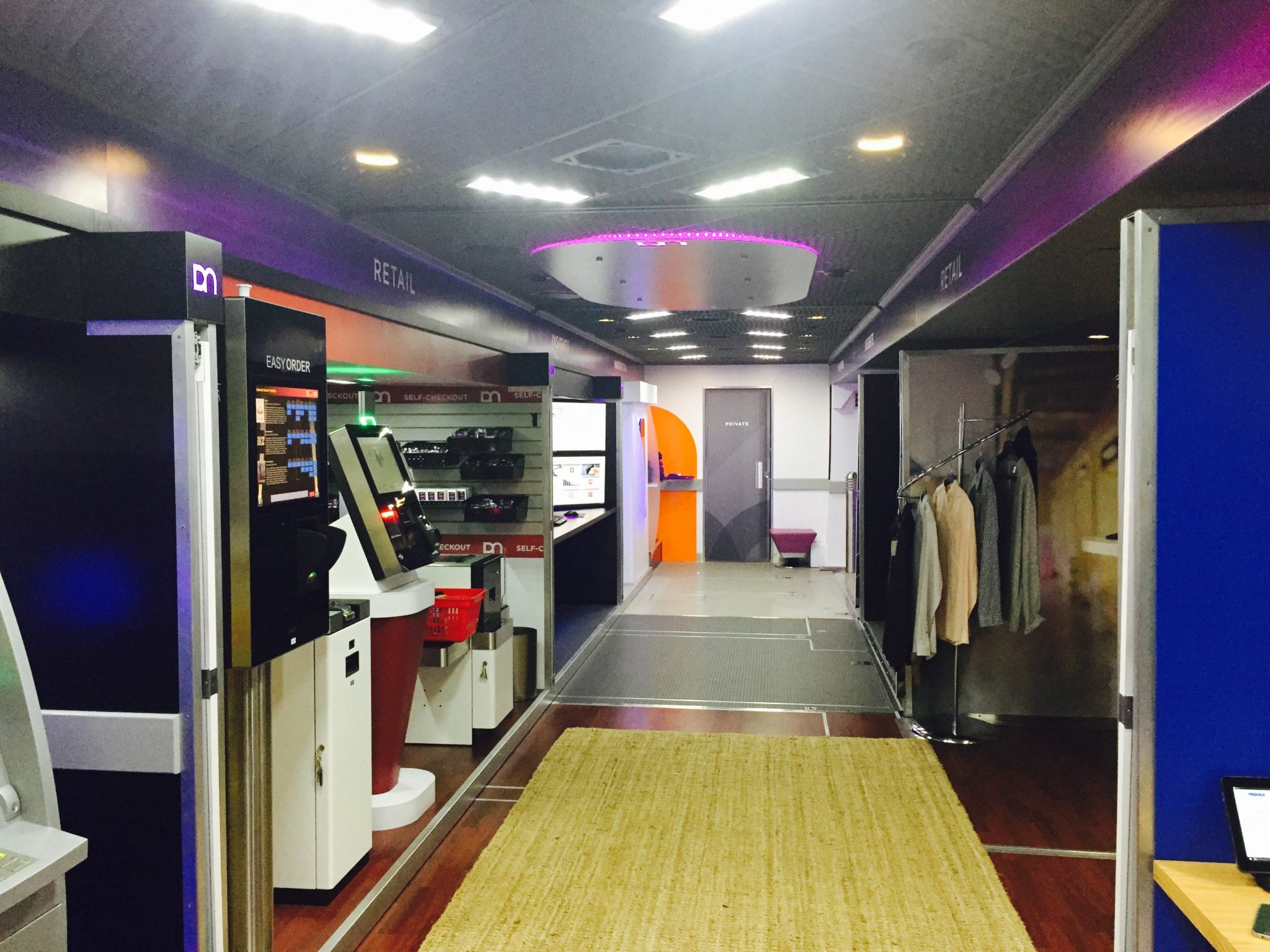
    Diebold Nixdorf is teaming up with Mastercard to trial two services that provide cash banking users on the go – Mastercard Cash Pick-Up and Cardless ATM powered by Mastercard.

    The cash pick-up service allows banks to deliver cash more quickly, securely and easily to any authenticated consumer – banked or unbanked – through enabled ATMs, without the use of a card. This opens the ATM channel to even the under-banked consumers and allows financial institutions and ATM deployers to increase their revenue through new transaction volumes.

    Cardless ATM powered by Mastercard meanwhile allows account holders to withdraw cash from the nearest ATM using the convenience of their mobile banking app.

    Once consumers are at the ATM, they can quickly move through the authentication process to receive their cash. Since the majority of the transaction is handled through the banking app and the cloud, sensitive information is never exposed.

    “As a technology company, we are always considering what the future can bring, and today we have a great opportunity with Diebold Nixdorf to define the next wave of digital products to the ATM channel,” Mastercard SVP of ATM product management Daniel Goodman said.

    “By bringing together the Mastercard network and Diebold Nixdorf’s large global scale, we can help move the ATM industry towards a globally scalable standard for driving digital innovation in the ATM channel.”

    “This partnership with Mastercard is another way we are continuing to securely bridge the digital and physical worlds of cash by innovating the ATM experience for consumers through our Vynamic suite of software solutions,” Diebold Nixdorf SVP for software Alan Kerr said.

    “Many of our customers are looking to retain consumers and drive incremental transactions to their self-service channels, and this partnership with Mastercard delivers on both of these fronts.”

  • American ATM provider bullish on Philippine expansion

    American ATM provider bullish on Philippine expansion

    The American company which has deployed more than half of all automated teller machines in the Philippines remains bullish on its expansion in the country despite the increase in cashless transactions made possible by electronic commerce.

    Diebold Nixdorf, the market leader of self-service banking technology in the Philippines that serves more than 40 banks with 11,500 ATMs or 58 percent of the total nationwide,  believes that it is well positioned to support the industry’s expansion.

    It has a team of over 400 associates around the Philippines, while its service call center team supports over 250 field techs through a dedicated helpdesk and an in-house depot repair center in Makati. It established its presence in the country in 2003 to take advantage of the growth potential in the banking sector where 70 percent of households did not have bank accounts.

    Diebold Nixdorf Philippines president and country manager Julius Servando says the Philippines is a growing market for the company. A study by consulting firm RBR predicts that the country will see a rise in ATM deployment by 48 percent to 29,400 terminals by 2022, from the current 19,851 terminals.

    “What sets us apart from other competitors is our ability to service ATMs and use terminals outside the metros because we do have engineers in those areas 7/24,” Servando says.

    Servando says the company is also instrumental in bringing the government aid closer to the country’s less unfortunate families who benefit from the conditional cash transfer program of the Social Welfare Department.

    Diebold Nixdorf is also one of the first companies to bring in financial solution to Tacloban City after the devastating typhoon Yolanda hit the Visayas in November 2013.

    “We were the first to set up an ATM terminal in the province when the Philippine government needed the support of a financial solutions provider like us. They believed in us and we delivered,” says. Servando says that in the retail sector, the Philippines is still far from closing the gap with other countries in the Asia Pacific in terms of e-commerce sales. Data show that of $140 billion in total retail sales in 2017, e-commerce sales accounted for only $3.9 billion or 2.1 percent.

    “We have seen mobile penetration contributing to an increase in the e-commerce transaction. We can expect Philippine e-commerce to grow though not as fast as in other markets in Asia. Growth will be measured by the limits of infrastructure on hand and some issues on online security,” Servando says.

    “Given this situation and the innate fear of Filipinos to shop on the net especially cashless buying, we see the potential of physical stores still growing. They will be needing support from solution providers like us. We continue to see growth in 30 years,” he says.

    Diebold Nixdorf will soon introduce the use of QR codes and biometrics in automated transactions as well as for retail.

    A local bank plans to adopt the technology to provide better security for its clients. Deibold is celebrating 15 years in the Philippines with a host of new solutions for both the banking and retail sectors.

    Globally, Diebold Nixdorf has the presence in over 130 countries, supported by 15,000 service members and 1,900 software experts.