Retail News CRM

Tag: audio

  • Revolutionizing Tunes: Spotify Unveils Massive Upgrade for Apple TV App Experience

    Revolutionizing Tunes: Spotify Unveils Massive Upgrade for Apple TV App Experience

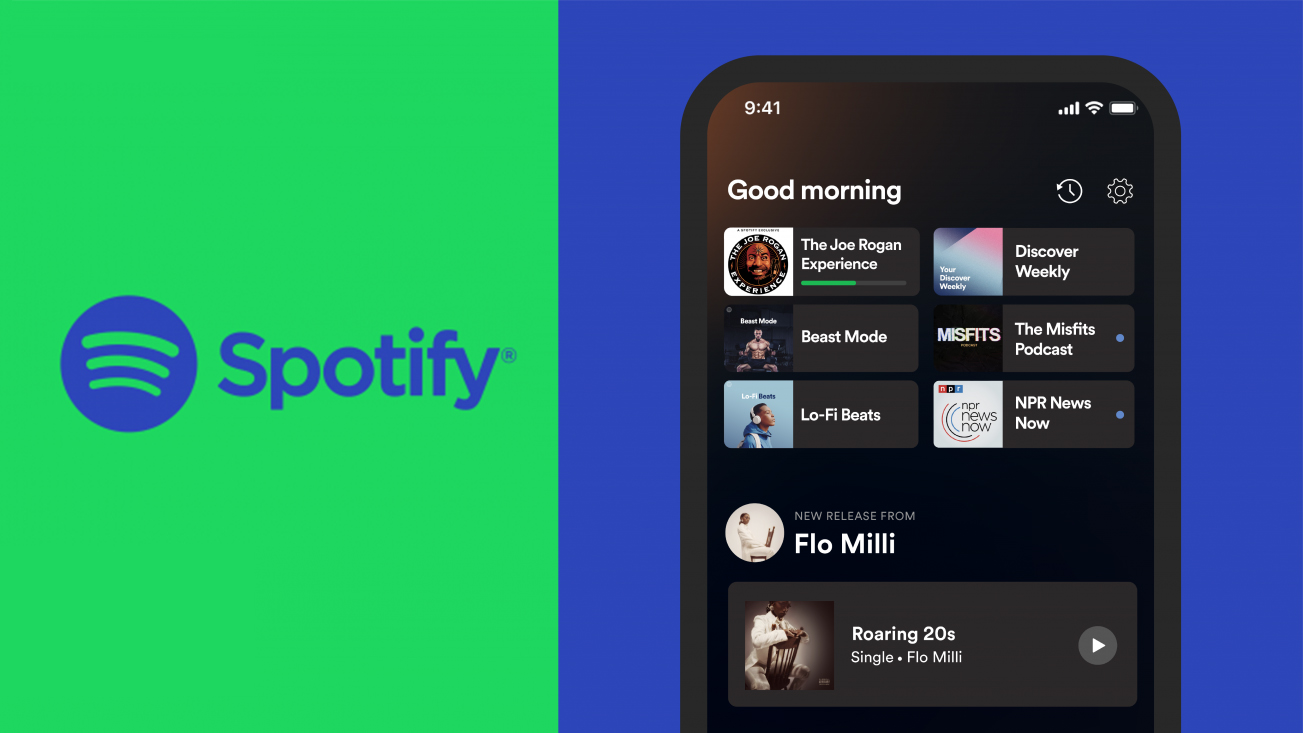
    Spotify has decided to give some much-needed attention to its Apple TV application by conducting a comprehensive revamp. The upgraded experience boasts improved speed, a significantly better aesthetic, and incorporates vital features that have been absent for a considerable amount of time.

    Revamping Spotify on Apple TV

    Previously, using Spotify on an Apple TV could be described as adequate at best. It functioned, but it seemed more like an afterthought and an awkward adaptation of the original. Spotify is now changing the narrative.

    The company has unveiled a freshly enhanced experience, totally reconstructed from scratch exclusively for tvOS. The reconstruction is not merely a superficial makeover. It’s a fundamental refurbishment based on user feedback, primarily criticisms. The aim is to provide a “faster, smarter, and more visually appealing experience.” The update is currently being rolled out worldwide via the App Store and is expected to reach all users with automatic updates by mid-November.

    What’s New in the Upgraded Spotify Apple TV App

    The revamped app comes with several new features:

    Smarter listening: Users will experience uninterrupted playback, superior remote control via Spotify Connect, and recommendations from an AI-powered DJ.

    Designed for the big screen: A modern interface that genuinely seems at home on tvOS, rather than a magnified phone app.

    Video improvements: Music videos and video podcasts can now be viewed directly on the TV.

    Additional notable features: At last, proper queue management is available. Users can also see lyrics and adjust the playback speed for podcasts.

    The primary motive behind the revamp is to catch up with the competition. The older version of Spotify’s app was not just awkward; it was subpar compared to native rivals. Apple Music on Apple TV is deeply integrated, visually appealing, and comes with features such as Apple Music Sing (the karaoke mode), which maximizes the use of the large screen.

    For quite some time, Spotify subscribers who also used Apple TV were subjected to a substandard experience. It seemed like Spotify had disregarded the platform. This update signifies Spotify’s commitment to improving the user experience and not conceding its position in the market.

    This is particularly relevant for the large number of users who are part of Spotify’s ecosystem but prefer Apple’s hardware. Users no longer have to feel disadvantaged for not using Apple Music.

    Spotify users who primarily use Apple TV for streaming have been eagerly waiting for this upgrade. The old app was reportedly quite poor, slow, unattractive, and lacked basic features such as queue management. Hopefully, this update will elevate the app to a satisfying status.

    Questions & Answers

    What is the goal of the Spotify Apple TV app revamp?
    The goal is to provide a “faster, smarter, more visually appealing experience” for Apple TV users.

    What are the new features in the revamped Spotify Apple TV app?
    The new features include smarter listening, a modern interface designed for a big screen, video improvements, and additional features such as proper queue management, viewing lyrics, and adjustable playback speed for podcasts.

    Why was this update necessary?
    The previous version of the Spotify Apple TV app provided a substandard user experience compared to native apps like Apple Music. The update aims to improve the user experience and make the app competitive in the market.

  • Samsung Strengthens Global Audio Dominance With Strategic Acquisition Of Prominent Audiophile Brands

    Samsung Strengthens Global Audio Dominance With Strategic Acquisition Of Prominent Audiophile Brands

    Samsung, through its subsidiary Harman, has further solidified its standing in the global audio market following the acquisition of a number of prominent audiophile brands. This move builds on the Korean corporation’s already robust audio portfolio, which was boosted by an $8 billion deal to acquire Harman in 2016.

    Notable Acquisitions

    Samsung has significantly deepened its footing in the global audio industry by acquiring a host of legendary brands, including Bowers & Wilkins, Denon, Marantz, Polk, and others. These brands were acquired when Harman purchased Sound United, previously the consumer audio wing of Masimo. This move follows a significant legal payout by Masimo to Apple, amounting to $250.

    The acquisition, valued at $350 million and initially announced in May, is set to further enhance Samsung’s already impressive audio brand offerings. Prior to this deal, Samsung, via Harman, owned such popular brands as Harman Kardon, JBL, and AKG. The purchase of Sound United is referred to as a “strategic milestone” by Harman.

    Impacts on Samsung’s Products Line

    While the acquisition of Sound United is undoubtedly significant, it is unlikely to bear immediate changes in Samsung’s product line. For instance, consumers shouldn’t expect to find a Bowers & Wilkins speaker or headphones included with the Galaxy S26. Sound United will continue to function as a standalone business within Harman’s lifestyle division. The intent behind this arrangement is to allow each audio brand to maintain its distinct identity.

    Despite the preservation of individual brand identities, the newly acquired brands will have access to Harman’s resources to facilitate growth and expansion. Concurrently, Harman anticipates leveraging the expertise and talent that will be introduced via Sound United. This approach mirrors Samsung’s strategy with Harman, which operates autonomously.

    The Preference for Convenience Over High Fidelity

    While there is potential for Samsung to enhance its phone audio capabilities and dive deeper into mobile hi-fi, the overall market trend leans towards convenience. The majority of consumers prefer the comfort and ease of listening to compressed audio from streaming services via Bluetooth. This trend, which appears to have overcome the demand for high fidelity audio, is unlikely to change in the foreseeable future.

    Questions & Answers

    What brands did Samsung recently acquire?
    Samsung’s subsidiary, Harman, recently acquired several prominent audio brands, including Bowers & Wilkins, Denon, Marantz, Polk, and others through the purchase of Sound United.

    What impact will this acquisition have on Samsung’s product line?
    The acquisition is not expected to bring immediate changes to Samsung’s product line. Sound United will operate as a separate business under Harman’s lifestyle division, and each audio brand will retain its unique identity.

    What is the current trend in the audio market?
    The current trend in the audio market leans towards convenience, with most consumers preferring to listen to compressed audio from streaming services via Bluetooth. This trend seems to have overtaken the demand for high fidelity audio.

  • Revox Reimagines Tomorrow: The Triumphant Return of the Swiss Audio Legend

    Revox Reimagines Tomorrow: The Triumphant Return of the Swiss Audio Legend

    With roots firmly planted in high-quality audio engineering, Revox is shaking off a subdued past to reclaim its prominence on the global stage. Based in Dietikon, the Swiss brand is transforming its rich legacy into a vibrant future, aiming for a bold resurgence in the audio world.

    Much like Patek Philippe represents excellence in timepieces, Revox stands as a bastion of quality in audio. Founded in 1948 near Zurich by the visionary Willi Studer (1906–1996), the names Revox and Studer quickly ascended to international renown, with Revox known for its iconic tape recorders and Studer becoming the industry benchmark for professional recording studios worldwide.

    Harmony in Design

    Revox has long been a favored choice among music-savvy interior designers and custom installation experts, with its devices gracing high-end venues like The Chedi in Andermatt. Yet, in recent decades, the brand seemed to fade into the background, leaving many aficionados longing for its revival.

    A Symphony of Sound

    Enter Beat Frischknecht, the current owner of Revox, who is orchestrating a comeback like none other. On a balmy summer evening, he welcomed guests to the opening of the new Revox World location. The expansive atrium buzzed with energy as the reels of a legendary tape machine whirred to life, filling the 600-square-meter space with the captivating sound that defined a generation.

    History Comes Alive

    Among more than 400 exhibits, visitors can find a Studer mixing console that served in Switzerland’s own federal parliament, courtesy of passionate collector Walti Stutz, who has lovingly restored it to its former glory. This blending of nostalgia with modernity is exactly what Frischknecht hopes to achieve with Revox.

    Charting a New Course

    Just a stone’s throw away, Revox is unveiling its future. Proudly presenting his vision, Frischknecht shared, “With the opening of our center, we’re demonstrating what Revox stands for: Swiss quality, technical innovation, and a passion for music.” This commitment to reinvention is part of a unique strategy to engage a younger demographic.

    From Shareholder to Visionary

    Frischknecht’s journey to ownership was anything but ordinary. Initially a real estate entrepreneur, he became captivated by Revox 25 years ago when the brand sought investors. “The quality and design fascinated me,” he recalled. Now, he holds 99.9 percent of the company, confidently declaring himself “an owner, investor, and a fan of Revox.”

    Innovative Product Lines

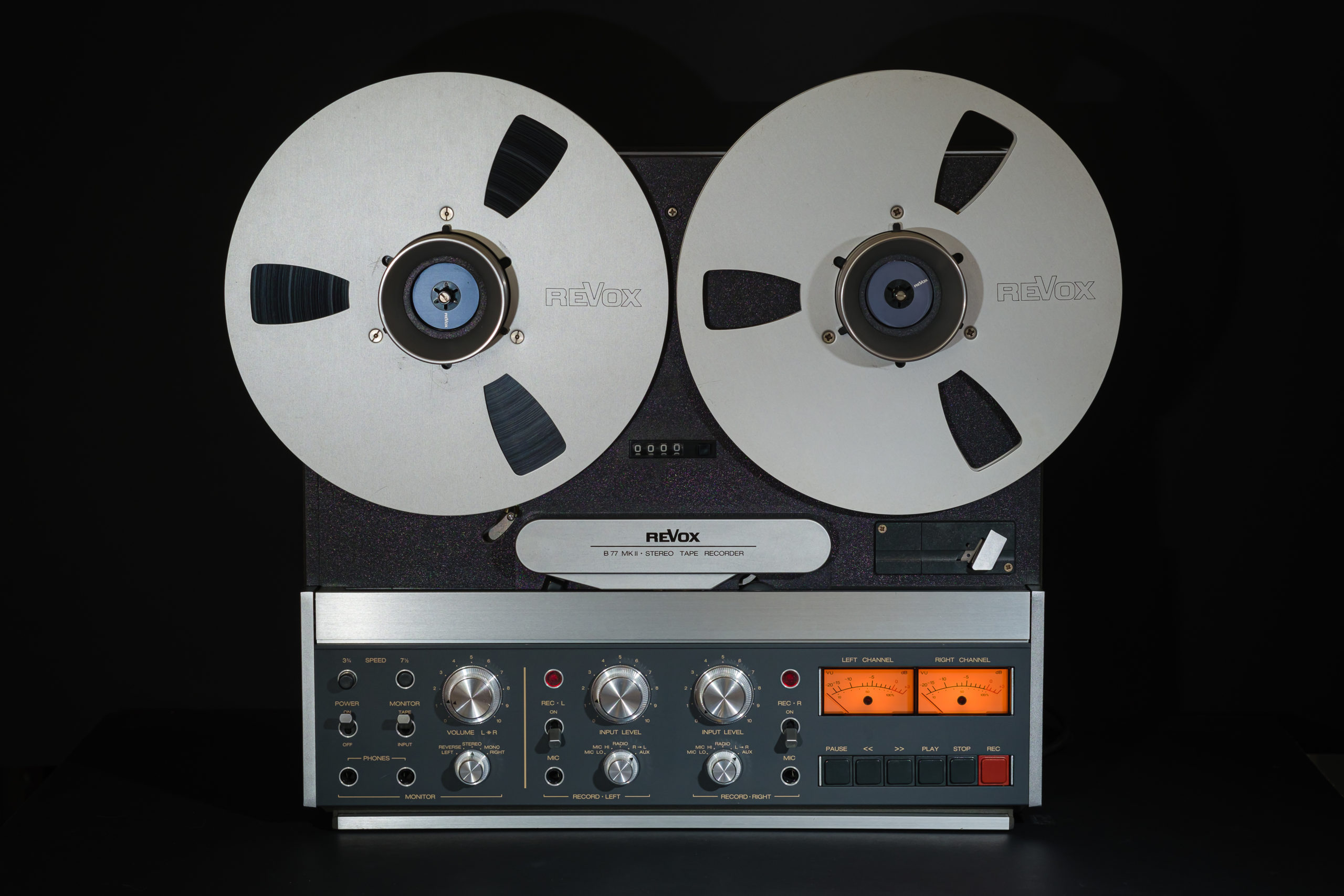
    The brand is now embarking on a transformative journey, structuring itself around three primary product categories: multiroom systems, compact streaming speakers, and a groundbreaking return of analog tape recorders. For the tech-savvy crowd, the Studiomaster A200—a portable speaker with Bluetooth capabilities and app control—has been introduced. And for the nostalgic at heart, the revamped B77 MK III promises a fresh experience for traditional tape enthusiasts, integrating seamlessly with modern systems.

    The Sound of Analog

    With an eye on filling the shelves with quality music, Revox has acquired Vienna’s Horch House, a master tape specialist, and begun collaborations with labels like Ear Music and Warner to produce new master tapes from original recordings. Already offering around 130 tapes—classics and contemporary music alike—Revox is set to expand its selections monthly. “Even young people want to own something again. A tape provides the ultimate-quality experience,” Frischknecht noted, highlighting the allure of analog in a digital age.

    Back on Track

    Frischknecht is optimistic and driven, declaring, “Back to the top—that’s our mantra.” With a robust development focus and a commitment to premium quality, Revox is ready to reignite its legacy. Production has been rooted in Villingen, Germany, since the 1960s, yet the essence of the brand thrives in Switzerland—a blend of Swiss ingenuity and German engineering poised to restore Revox to its rightful place on the world stage.

    Questions & Answers

    What types of products is Revox focusing on for its future?
    Revox is promoting three main product categories: multiroom systems, compact speakers aimed at streaming users, and a revival of analog tape recorders.

    What notable partnership has Revox recently entered into?
    Revox has acquired the Vienna-based master tape specialist Horch House and teamed up with music labels like Ear Music and Warner to create new master tapes derived from original studio recordings.

    How is Revox appealing to younger audiences?
    The brand has launched products like the Studiomaster A200, a portable speaker designed for modern convenience with Bluetooth and app control features, aiming to attract a younger customer base.

  • Spotify Premium prices jump again in the US

    Spotify Premium prices jump again in the US

    Spotify raised its subscription prices in the US last July, increasing the Premium individual plan by $1 to $10.99. This was just two years after a similar price hike for the Family plan in 2021. Now, a year later, Spotify is bumping up prices again. This time, all plans, including Premium Duo and Family, are affected.

    Beginning in July 2024, Spotify Premium will see a $1 increase, bringing its price to $11.99. Meanwhile, the Premium Duo plan will experience a $2 hike, raising its cost to $16.99. The Family plan will undergo the biggest increase, jumping $3 from $16.99 to $19.99.

    New users trying out Spotify will pay the current rate for the first month of their trial. After that, they will start getting charged at the higher price from their next billing cycle. Wondering why Spotify is hiking its premium plan prices again? Well, the company says:

    We’re increasing the price of Premium Individual plan so that we can continue to invest in and innovate on our product offerings and features, and bring you the best experience.

    Spotify dropped the news about the price hike in a blog post and plans to send emails to its current users. This bump in the US comes hot on the heels of a similar move in key global markets like the UK and Australia, announced just recently.

    However, the increase in prices probably won’t slow down Spotify’s expansion. Despite the hike last year, the Swedish company managed to reel in a whopping 113 million free users and 31 million paid ones in 2023. Along with some layoffs, this move helped the company bounce back, reaching more than 600 million users and almost $4 billion in revenue in Q4 2023.

  • Spotify launches pilot Voice Translation for podcasts

    Spotify launches pilot Voice Translation for podcasts

    While everyone is anxious to learn more about Spotify’s HiFi tier, the streaming company announced the launch of a much smaller new feature: Voice Translation for podcasts.

    The pilot Voice Translation for podcasts is a new feature powered by AI, which does exactly what the name suggests: it translates podcasts into additional languages in podcaster’s voice.

    Developed in partnership with OpenAI, Voice Translation will match the original speaker’s voice for a more authentic listening experience. Thanks to the new feature, a podcast episode originally recorded in English will be available in other languages while keeping the speaker’s speech characteristics.

    In the same piece of news, Spotify announced that it has worked with popular podcasters such as Dax Shepard, Monica Padman, Lex Fridman, Bill Simmons, and Steven Bartlett as part of the pilot.

    According to Spotify, the first voice-translated episodes from pilot creators will be available worldwide to Premium and free users. However, the initial bundle of translated episodes will only be available in Spanish, with French and German rolling out in the coming days and weeks.

    Starting today, the following podcast episodes will be rolled out to users on the respective Now Playing View:

    • Lex Fridman Podcast – “Interview with Yuval Noah Harari”
    • Armchair Expert – “Kristen Bell, by the grace of god, returns”
    • The Diary of a CEO with Steven Bartlett – “Interview with Dr. Mindy Pelz”

    In other news, Spotify revealed that more than 100 million people regularly listen to podcasts on its streaming platform, which shows that there’s a huge audience for those willing to create this type of content.

  • Spotify has officially crossed 200 million premium subscribers

    Spotify has officially crossed 200 million premium subscribers

    The recently concluded holiday shopping season may not have been as auspicious for the global smartphone market as we’ve expected over the years, but for some reason, the music streaming industry doesn’t appear to be suffering any consequences of a tough economic climate around the world.

    Not yet, at least, and not as far as said industry’s heavyweight champion is concerned, with some of Spotify’s key success indicators surging higher than initially anticipated during the final quarter of 2022 compared to the same period of 2021 and last year’s third calendar quarter.
    There are now 205 million people worldwide paying for Spotify’s “Premium” service tier, up no less than 10 million from Q3 2022 and a cool 25 million versus Q4 2021. How does the new milestone compare to the competition? Unfortunately, there’s no way to know… for sure.
    That’s because Apple effectively stopped making those kinds of figures public back in 2019, when around 60 million people were subscribed to the company’s paid Music platform. Of course, many unofficial guesses and estimates followed, with one from 2021 boosting that number to 78 million and one from last year circling 88 million.
    What’s crystal clear is that Apple Music still has a long way to go before hoping to catch up to Spotify’s usage digits, which also include 295 million ad-supported monthly active users (up from 273 million in Q3 2022) and a grand total of 489 (!!!) million Q4 2022 MAUs, representing a massive increase from 456 million the previous quarter and 406 million in Q4 2021.
    It’s equally true that Apple is very clearly prioritizing the profitability of its “Services” division as a whole over the subscriber growth of each individual platform, while Spotify continues to bleed money as it brings in more and more listeners.
    We’re talking a €231 million ($250 million) operating loss for the Sweden-based company behind the world’s most popular audio streaming product between October and December 2022 alone, and although things like “higher personnel costs” and “higher advertising costs” are blamed for this latest financial deficit, the truth is Spotify last posted a quarterly profit all the way back in 2019.
    Looking ahead to the near future, Spotify doesn’t expect its financials to bounce back all of a sudden despite predicting another boost to 207 million premium subscribers and, yes, half a billion total monthly active users. Now that’s a number for the ages!
  • Apple Music Rewind 2023 is available for those subs who can’t help but track everything

    Apple Music Rewind 2023 is available for those subs who can’t help but track everything

    Apple Rewind. Like Spotify Wrapped, right? No, not really. Spotify keeps things under wraps and surprises you with stats at the end of the year, while Apple Rewind is a feature that lets you check what you are listening to most at all times.

    Redundant, since you’d be doing it in real time, but hey — remember that you can do it for the entire year! As in, if you feel like checking your playlist history from months ago, through this feature you can do that, so it’s not that surface level.

    And if that got you interested in checking it out, you can do that right now. Apple Rewind for 2023 is live now, and it allows you to check what you expect: top songs, albums, artists and so forth. But it also starts automatically drafting you a playlist with your most played songs of the year, which is always neat.

    If you want to check out your own playlist, you can open your Apple Music app under the Listen Now tab. At the very bottom, you should be able to see all of the yearly playlist that the service has drafted for you, ever since you were a subscriber and as far back as 2015, when Apple Music initially launched.

    At the end of the year, however, Apple will give you a quick hit of dopamine and release a more in-depth overview of your musical journey. If you’d like to follow how the entire process is going, you can check back with the website every Monday, as usually the data is refreshed every Sunday.

    You’ve had to have reached a certain threshold of listening activity in order for the feature to kick in for your account. In other words: If you aren’t seeing anything by next Monday, you might want to add “Listen to more music” to your list of goals to achieve in 2023.

  • Tesla Could Adopt Apple’s AirPlay To Improve In-Car Audio

    Tesla Could Adopt Apple’s AirPlay To Improve In-Car Audio

    Tesla has often bashed Apple with Elon Musk claiming that the Cupertino-based tech giant is a graveyard of ex-Tesla engineers. Tesla has also famously not adopted Apple’s phone streaming technology called CarPlay, but Elon Musk could be warming up to the idea of Apple’s Airplay audio streaming technology which works over Wi-Fi for gadgets like the Apple TV and HomePod.

    Tesla’s audio system has often been well received by car enthusiasts and reviewers alike. Musk himself has claimed that many of the audio engineers at the company come from the iconic Danish audio company Bang & Olufsen (B&O) and said that sound systems have been engineered in such a way that they cost a fraction of what an actual B&O system would cost.

    When a Twitter user asked the world’s wealthiest human if Tesla would consider adopting Apple’s AirPlay protocol which streams audio via Wi-Fi rather than Bluetooth opening avenues for high-resolution audio as the protocol has more bandwidth, Musk seemed open to the idea.

    “Tesla audio engineers come from B&O & many other companies. They literally rock. Our system is highly programmable, so we keep improving it via OTA codec updates,” he said.

    “Will discuss this and other improvements with Tesla audio engineering. The new Model S and X sound system is incredible,” he added.

    Apple only recently opened up AirPlay for third party devices as now it doesn’t only have Apple Music as an audio streaming service, but it has a video service called Apple TV+ which works on Android TVs by brands like Samsung and Sony.

    Tesla was also rumoured to be building a native app for Apple Music in 2021 but that never surfaced. Automakers have been often cagey about adopting platforms by tech majors as they feel the data they will share will eventually enable those majors to enter the auto industry as a rival as cars become more like computers with the advent of electrification, autonomy and connected car trends.

  • Clubhouse gets a text chat feature for live audio rooms

    Clubhouse gets a text chat feature for live audio rooms

    Clubhouse, an audio chat app that debuted back in 2020 as an exclusive social network, is now adding a feature that seems to be contrary to its initial live audio chat purpose. 9to5Mac reports that there is a major change to the app coming, and will let users interact in voice rooms with text chat.

    Clubhouse’s live audio chat was an idea that was quickly followed by competitors such as Twitter and Reddit. Now, the app is going to add a text chat option for people who don’t feel like they want to talk in the live audio chat rooms.

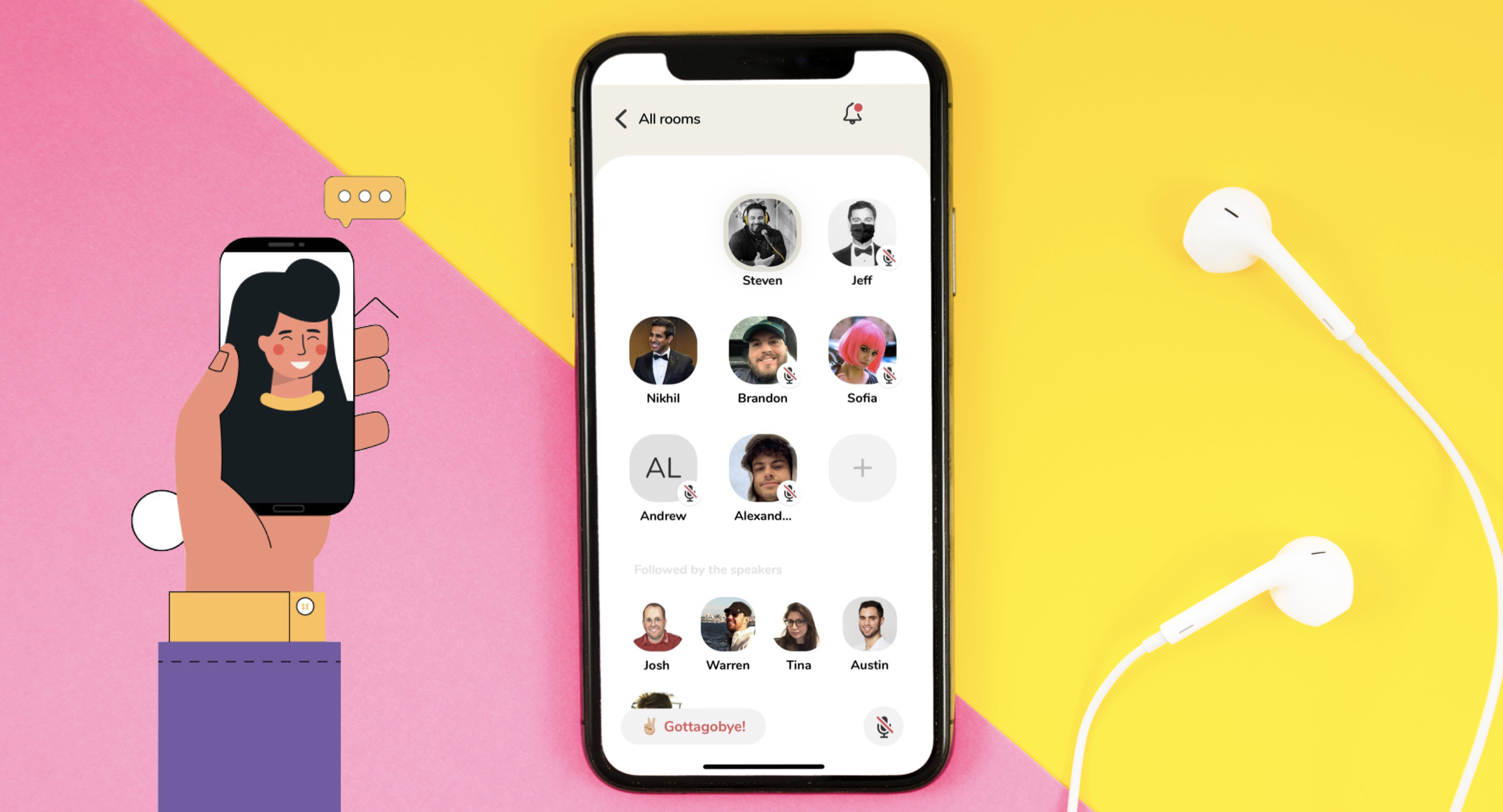
    The app has announced in its official blog that there is a new feature that would allow everyone to be able to join live conversations, whether by voice or text. The new addition to Clubhouse’s feature set is dubbed “In-Room Chat”, and it works in a similar manner to Zoom or Skype. Basically, you will be able to chat within a live audio room.

    The blog post reads that the feature will be useful to share jokes, request songs, or send emojis as reactions to what’s being talked about.

    On top of that, voice room moderators will be able to delete chat messages. Basically, creators can appoint mods to keep an eye on the chat and delete messages if found inappropriate.

    Understandably though, if the room has hundreds or thousands of people, the task of moderating chat comments will indeed prove to be quite difficult.

    As a creator, you will also be able to delete chat messages at any moment, and even after the live session has ended. Additionally, you will be able to turn off the In-Room chat at any moment as well, if it proves to be unproductive or annoying.

    Creators can choose to disable text chat when starting a new audio room if they don’t feel like having the feature. Additionally, the audience will also be able to report comments in the chat and provide feedback to moderators, so that the text chat is safe from trolls.

    Another useful feature of the In-Room chat option is that you will be able to delete your comment during the live room or after the live room has ended.

    Audio rooms that have chat enabled will appear with a dedicated icon at the bottom left of the screen. When the live audio ends, all messages sent during the session will be available for reading to anyone listening to the Replay of the session.

    But that’s not all the new feature is expected to bring. The social network says that the text chat will give creators an option to make quick polls or ask questions in a live chat with multiple people.

    The new In-Room Chat feature is currently rolling out with the latest version of the Clubhouse app from the App Store.

    As you may probably know, initially, the Clubhouse app was available only on iOS and Android devices. In January though, Clubhouse expanded its platform to the web, and with this, anyone could listen to a live chat. However, it is still not possible to join from the web as a speaker during live audio sessions.

    The option to listen to a live audio chat on Clubhouse from your desktop doesn’t require you to be logged in, so basically creators can share live audio chats with multiple people (only for listening on the web though, as we said, it is not possible to join to talk from your PC or Mac).

  • Apple has just killed off the last Beats-branded speaker

    Apple has just killed off the last Beats-branded speaker

    After discontinuing the Beats Powerbeats wireless earbuds, Beats EP wired on-ear headphones, and high-end Beats Solo Pro wireless on-ear headphones just a couple of months ago, Apple appears to have also pulled the Beats Pill+ plug more recently.

    This was of course a long time coming, as the portable Bluetooth speaker made its commercial debut all the way back in 2015, but seeing the $229 product officially and permanently going away is still notable for a number of different reasons.

    First and foremost, as you can easily notice, the disappearance of the Pill Plus leaves both the official Beats website and Apple’s own US e-store without a single Beats-branded speaker option. This bad boy was also the first of its kind to see daylight after the Dre-founded company was acquired by the Cupertino-based tech giant in 2014 in exchange for a whopping $3 billion.

    That highlights the minimal attention Apple gave its audio-focused subsidiary all these years, at least on the surface. Of course, the Beats name was at one point rumored to go extinct altogether for marketing purposes, which hasn’t yet happened and is unlikely to happen anytime soon given that the true wireless Studio Buds and Fit Pro earbuds are still under a year old.

    The only speaker Apple is selling at the time of this writing is the in-house $99 HomePod Mini, which features significantly more advanced technology than the Beats Pill+ in a few key departments while forcing its users to hug a wall at all times.

    If that sounds too inconvenient, you might be happy to know the fully portable battery-powered Pill Plus is still available (in presumably limited numbers) from major US retailers like Walmart or Target at or around its original list price.

    Then again, our complete roundup of the best portable Bluetooth speakers money can buy includes several great alternatives at comparable or lower prices, all of which are alive, kicking, and younger than Apple’s Beats Pill+.

  • Google to add spatial audio, auto-switching, and more to Android this year

    Google to add spatial audio, auto-switching, and more to Android this year

    Google is going to be making some changes to Android this year that according to the tech giant in a blog post, will allow the operating system to pick up some audio features that iPhone and AirPods users already have on their devices. This will reportedly be done by updating its Fast Pair technology to allow for auto-switching and spatial audio. The addition of these features and some others are expected to take place in the coming weeks and months.

    Fast Pair is Google’s system for pairing Bluetooth devices together using a pop-up window instead of forcing users to take a deep dive into the settings menu. With Fast Pair, Android users are able to sync their headphones to multiple devices that are under their account. Whereas Apple’s system for quick Bluetooth pairing is complete and works fine, Google still has some work to do on its version.

    Still, over 100 million users have already used Fast Pair in order to connect their Android phones with Bluetooth accessories. Google says that it wants to “extend Fast Pair’s functionality beyond audio connectivity with wearables, headphones, speakers, and cars by extending it to TVs and smart home devices.

    While you can now unlock your Chromebook with your Android phone, Google will bring this feature to paired Wear OS smartwatches allowing those with such a device on their wrist to unlock and access their Android handsets, Android tablets, and Chromebooks.

    What Google wants to do is put a skin on Bluetooth to make it easier for users to manage their Bluetooth devices. Google says that your Bluetooth devices should instinctively know which of them you want to use and when. The company says that it is building technology for Bluetooth-enabled headphones that will enable them to automatically switch the audio to whatever device you’re listening to.

    For example, let’s say you’re streaming the latest episode of Dexter: New Blood (which has topped all expectations, we might add) on your Android tablet using a headphone and a call comes in on your Android phone. With Auto-Switching, the television show will pause and the headphone audio will switch to your Android phone and switch back to the movie when done.

    To reiterate, when the call comes in, the streaming will pause and the audio from the phone call will be heard over the headphones. When the call ends, the streaming video picks up from where it left off and audio the television show will be heard once again over the headphones.

    Google will also offer spatial audio on Android with sound heard over compatible headphones based on users’ head movements. Which streaming music services, headphones, and versions of Android will support spatial audio is not yet clear. With this feature, audio sounds like it is coming from all of the spaces that surround you.

    Auto-switching and spatial audio will be available sometime in the next few months on supported headsets.

    A digital car key will soon allow you to use your Pixel or Samsung handset to open the door and start your compatible BMW car using your phone. And on Android handsets with Ultra Wideband (UWB) technology, you won’t have to take your phone out of your pocket to use it as a car key. In addition, when your friends and family members need to borrow your car,  the key can be shared remotely.

    Google says that it is working to bring digital car keys to more Android phones and vehicles later this year. The company is also working on developing applications for other platforms including a way to connect Android phones to Windows PCs using Fast Pair allowing users to “quickly setup Bluetooth accessories, sync text messages and share files using Nearby Share.”

    Google has partnered with Acer, HP, and Intel to have the aforementioned features available on select PCs sometime later this year.

  • End-to-end encryption now covers Messenger video and audio calls

    End-to-end encryption now covers Messenger video and audio calls

    In this era where privacy reigns, end-to-end encryption (E2EE) is an important feature because it keeps messages private and only the sender and the recipient know what it says. It prevents law enforcement, employees of the platform being used, and others from reading something that was not meant for their eyes. Facebook Messenger has offered end-to-end encryption for messages since 2016 and Facebook has announced in a blog post that it is now extending this privacy protection to both Messenger voice and video calls.

    As Facebook pointed out on Friday, 150 million video calls a day are handled by Messenger, and voice calls are now being added to this chat mode to protect both video and audio calls with the same encryption protection. Facebook states that “End-to-end encryption is already widely used by apps like WhatsApp to keep personal conversations safe from hackers and criminals. It’s becoming the industry standard and works like a lock and key, where just you and the people in the chat or call have access to the conversation.

    The content of your messages and calls in an end-to-end encrypted conversation is protected from the moment it leaves your device to the moment it reaches the receiver’s device. This means that nobody else, including Facebook, can see or listen to what’s sent or said. Keep in mind, you can report an end-to-end encrypted message to us if something’s wrong.”

    Facebook also announced that it updated its disappearing messages feature within its E2EE chats. With the newly updated controls, users will be given more options as to when they want their messages to disappear. The new range runs from just five seconds to as long as 24 hours. Not only will these messages be encrypted, they could also be set to fall off of the platform by the time five seconds can be counted.

    Over the next few weeks, Facebook will test end-to-end encrypted group chats and calls in Messenger. This includes both video and voice calls for family members that have an existing chat thread or are already connected. As noted by Facebook, “We’ll also begin a test for your delivery controls to work with your end-to-end encrypted chats. That way, you can prevent unwanted interactions by deciding who can reach your chats list, who goes to your requests folder, and who can’t message you at all.”

    Instagram users will also share in this bid to expand end-to-end encryption. In certain countries, adult Instagram users will be allowed to opt-in to end-to-end encrypted messages and calls for one-on-one conversations. You will need to have an existing chat or be following each other to start an encrypted DM (the same conditions needed to start an end-to-end encrypted voice or video call in Messenger).

    Facebook points out that you can always block someone that you don’t want to DM with. The option to make video and voice calls end-to-end encrypted on Messenger, along with updated controls for disappearing messages, will start rolling out today. “People expect their messaging apps to be secure and private, and with these new features, we’re giving them more control over how private they want their calls and chats to be,” Facebook says.
    The U.S. Justice Department under William Barr in 2020 issued a statement along with Australia, Canada, New Zealand, and the United Kingdom in favor of strong encryption. A statement issued by this group, called the Five Eyes, said that end-to-end encryption “plays a crucial role in protecting personal data, privacy, intellectual property, trade secrets and cybersecurity…and also serves a vital purpose in repressive states to protect journalists, human rights defenders and other vulnerable people.”

    Yet just the year before, the Trump administration reportedly weighed the idea of outlawing end-to-end encryption, and there was talk about the DOJ asking Apple to add a backdoor to the iPhone that would allow law enforcement to read certain messages related to investigations of drug trafficking, terrorism, and child pornography. Ironically, Apple itself plans on scanning iPhones seeking images that could be considered child abuse including child porn.

  • Yet another streaming service beats Spotify to the Apple Watch offline listening punch

    Yet another streaming service beats Spotify to the Apple Watch offline listening punch

    Apple, Amazon, and even Google’s music streaming platforms have been in the limelight of late for a couple of different reasons, and now it’s Deezer’s turn to make headlines as it (ineffectively) tries to keep up with the world heavyweight champion of the thriving industry.

    Unfortunately for audiophiles, the French service, which is mainly popular on the old continent and less so stateside, is not ready for an Apple and Amazon Music-rivaling discount of its existing HiFi tier… just yet.

    While you still need to pay $19.95 a month (in the US) to access a library of around 36 million tracks in FLAC quality, the latest killer feature added to Deezer’s Spotify-challenging arsenal is available completely free of charge… for “premium” subscribers.

    We’re talking about offline listening functionality delivered straight to your wrist by the Apple Watch Series 6, and in case that doesn’t sound like such a big deal, you may want to know the world’s most popular smartwatch is actually not in the same boat as far as Spotify integration is concerned.

    Of course, Deezer is not breaking entirely new ground here either, following in the footsteps of Apple Music (duh) and Pandora while beating the likes of YouTube Music and Tidal in addition to Spotify to the offline punch (the latter of which doesn’t even have an official Apple Watch app to begin with).

    As long as you own the newest high-end edition of the immensely successful Apple Watch and are already paying Deezer for a Premium, Student, Family, or HiFi subscription, it should be extremely easy to start using the feature.

    All you have to do is choose the playlist you want to download to your intelligent timepiece, and depending on its amount of free storage space, you can then listen to your favorite tunes on the fly without keeping your iPhone nearby or staying connected to the internet.

    The Apple Watch Deezer app was obviously already capable of controlling your iPhone’s music streaming action, and on top of everything else, each member of a paid Family account can now download playlists and favorites from their own individual profiles.

    In case you’re wondering, Deezer also allows offline listening on select Tizen-powered Samsung Galaxy Watches while lacking the functionality on Google’s Wear OS platform, which could well change in the very near future.

  • Facebook set to announce new audio products – Recode

    Facebook set to announce new audio products – Recode

    Facebook will announce a series of products under the umbrella of “social audio” on Monday, including its take on audio-chat app Clubhouse and a push into podcast discovery and distribution, Recode reported on Sunday.

    These plans include an audio version of Rooms, a video-conferencing product Facebook launched a year ago. The Clubhouse-like product will let groups of people listen to and interact with speakers on a virtual “stage”.

    Facebook will also launch a product allowing its users to record brief voice messages and post them in their newsfeeds, and a podcast discovery product that will be connected with Spotify, according to the report, which cited sources.

    The announcement will be made on Monday but some products will not show up for a while, the report added.

    A Facebook spokeswoman declined to comment. Spotify did not immediately respond to a request for comment on

    Facebook started public testing of a new application dubbed Hotline earlier this month, where creators can speak and take live questions from an audience.

    This Q&A product combines audio with text and video elements and comes as social media platforms experiment with a rush of new live audio features.

    The success of the invite-only, year-old app Clubhouse, which has reported 10 million weekly active users, has demonstrated the potential of audio chat services, particularly during the COVID-19 pandemic.

    Twitter has been testing its audio feature Spaces and Facebook is also dabbling with a live audio room offering within its Messenger Rooms.

  • Spotify launches Group Session feature for Premium users

    Spotify launches Group Session feature for Premium users

    Spotify introduced two weeks ago a special premium plan for couples, which allows two users who reside at the same address to get similar benefits for just $12.99 per month. While the new plan does make sense for a certain category of customers, it’s limited by the fact that both users must have the same address to be eligible for the Spotify Premium Duo plan.

    Spotify announced a new feature that will allow multiple Premium users to share control of their listening sessions with others in real-time. Basically, Spotify Premium users will be able to listen together to their favorite tune, regardless of their location.

    Group Session, as Spotify calls it, enables groups of two to five people to use the feature by sharing a “join” link via messaging apps or social media with each other. Initially released in beta back in May, the new Group Session feature is only available to Premium users and lets both host and guests pause, skip, play, and select tracks in the queue.

    Also, Group Session includes the option to add in choices whenever the host or guests feel like. All changes are made instantaneously, so if you want to change add a new song to the list or skip the current one, these actions will be reflected on all participant devices immediately.

    Spotify Premium users can start taking advantage of the new feature by heading to the Connect menu and tapping on the “Start a group session” option. Then, they will be able to share the invite link they get with their friends or have them scan the Spotify code to join the session.