Tag: Australia

  • Quips Shakes Up Australian Alcohol Industry With Innovative Resealable Cocktail Pouches

    Quips Shakes Up Australian Alcohol Industry With Innovative Resealable Cocktail Pouches

    In a first for the Australian alcoholic beverages industry, cocktail brand Quips has launched a novel range of cocktails housed in a unique pouch packaging.

    Unique Cocktail Packaging

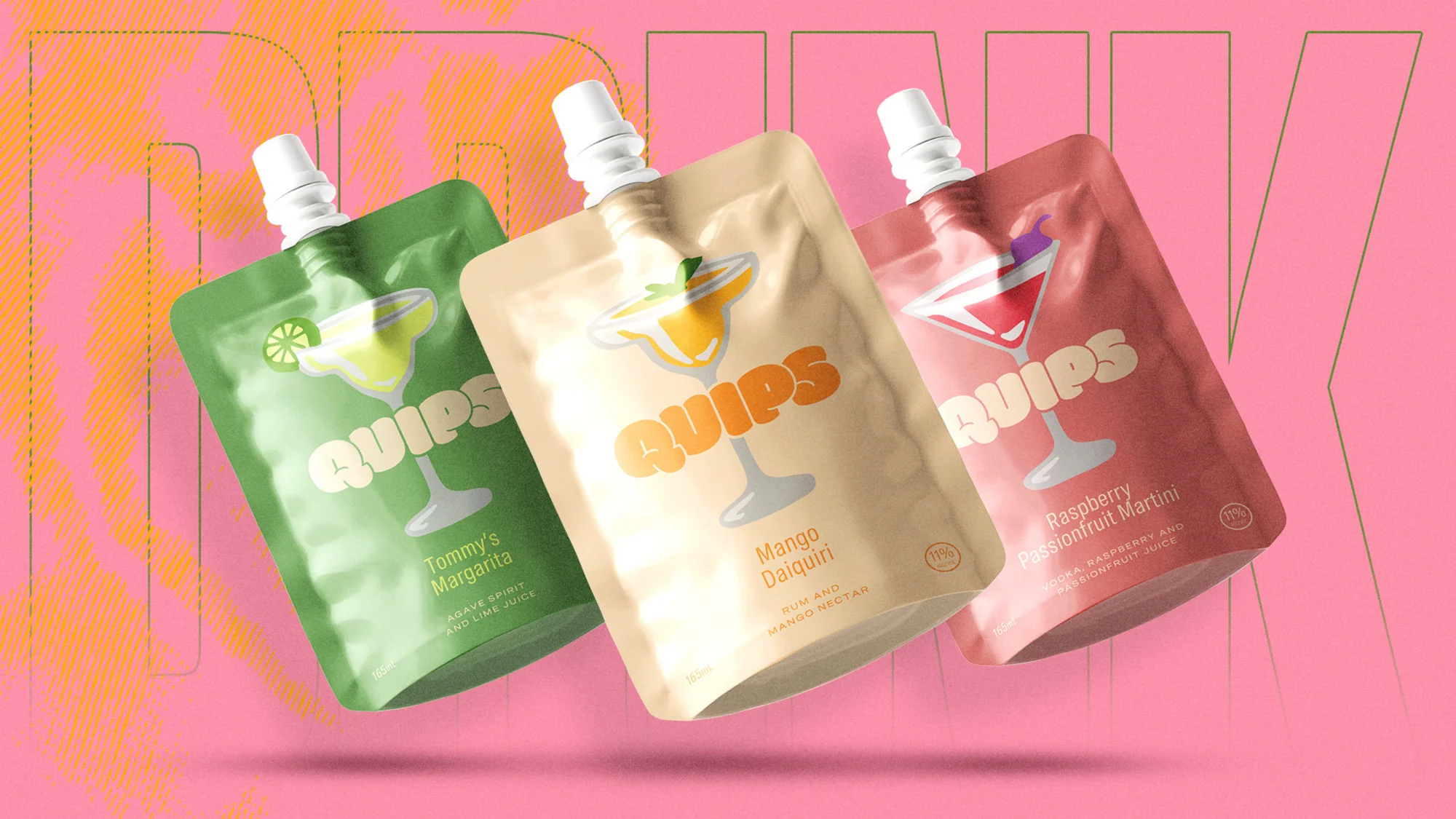
    The pioneering Quips cocktail pouch range boasts an impressive 11 percent ABV. Adding to its distinctiveness, the packaging is resealable, marking a significant industry innovation. This new product line from Quips is launched with three delightful flavours: Margarita, Daiquiri, and Passionfruit Martini.

    Quips’ co-founder, Calvin Koder, underscored that the brand’s offerings provide safer alternatives for consumers, particularly during social gatherings. Key features such as a tamper-proof resealable lid, convenient portability, and options that are devoid of carbonation, ensure enhanced consumer safety and satisfaction.

    Wide Availability

    Quips pouches are currently available for purchase at bottle shops, bars, and public festivals across New South Wales and Victoria. The company also revealed its ambitious plans for a nationwide distribution expansion.

    Questions & Answers

    What is unique about the Quips cocktail pouch range?
    The Quips cocktail pouch range is the first of its kind in Australia’s alcoholic beverage market. It boasts a high ABV of 11 percent and comes with resealable packaging.

    What flavours are available in the Quips cocktail pouch range?
    The Quips cocktail pouch range is launched with three flavours: Margarita, Daiquiri, and Passionfruit Martini.

    Where can Quips pouches be purchased?
    Quips pouches are currently available in bottle shops, bars, and public festivals across New South Wales and Victoria. The company has plans to expand distribution nationally.

  • Sydney’s Data Centre Vacancy Rate Plummets to 5.2% in First Half of 2025!

    Sydney’s Data Centre Vacancy Rate Plummets to 5.2% in First Half of 2025!

    In a remarkable shift, Sydney’s data centre market is on the rise, evidenced by a drop in the vacancy rate from 9% to a striking 5.2%. This shift emphasizes the city’s growing stature as a regional hub for data centres, as highlighted in a recent report by Cushman and Wakefield. Even without significant increases in operational capacity during the first half of 2025, robust fundamentals are sustaining the market’s upward trajectory.

    Demand Surge Driven by Cloud Services and AI

    The report notes that sustained demand for cloud services and artificial intelligence (AI) workloads has been a key driver of this decline in vacancy rates. The development pipeline remains vibrant, with new players entering the data centre landscape. Notably, ISPT, a major real estate investment firm, has submitted plans for a 170MW data centre in North Ryde, reinforcing Sydney’s appeal as a strategic centre for data management.

    Major Investments Are Reshaping the Landscape

    Adding to the momentum, Macquarie Data Centres has initiated a deal to acquire a land parcel in Sydney valued at US$157 million, slated for a potential 150MW data centre campus. Meanwhile, Stack Infrastructure, with an eye on the future, is planning a substantial 450MW campus at Erskine Park, backed by an investment of US$405.3 million—one of the largest single-site developments in Sydney’s history. This isn’t just a case of numbers; it’s a multifaceted strategy where the data centre sector is becoming as enticing as a new flavor of bubble tea in downtown Sydney.

    Acquisitions Fuel Growth in Connectivity

    In a notable move, Partners Group has expanded its footprint by not only acquiring Digital Halo in Singapore but also GreenSquareDC in Australia for a hefty US$759 million. This investment signifies a commitment to establishing GreenSquareDC as a forward-thinking data centre platform, tailored to meet the burgeoning demands of hyperscalers and AI.

    Moreover, in the connectivity sector, Vocus Group is set to acquire TPG Telecom’s fibre infrastructure assets, alongside its Enterprise, Government, and Wholesale (EG&W) business. The Australian government has approved this US$3.42 billion acquisition, expected to finalize by year-end, marking a significant consolidation in the telecom landscape.

    Accelerating Cloud Adoption

    Cloud adoption continues to accelerate across industries in Australia. The Commonwealth Bank of Australia recently completed its migration to Amazon Web Services (AWS), heralding a new era of digital capabilities. Similarly, the Department of Defence has signed a five-year, US$324.71 million contract with Microsoft for cloud services, further solidifying partnerships within the tech ecosystem. CareSuper, a leading superannuation fund, is also transitioning its applications and data to Microsoft Azure.

    In conclusion, Sydney’s data centre market not only remains resilient but is also dynamically evolving, driven by strong demand, strategic investments, and an ongoing digital transformation across various sectors.

    Questions & Answers

    What has caused the decline in Sydney’s data centre vacancy rate?
    The sharp decline from 9% to 5.2% in vacancy rates is primarily driven by sustained demand for cloud services and AI workloads, reflecting a robust interest in data management solutions.

    What major developments are expected in Sydney’s data centre sector?
    Key developments include ISPT’s proposed 170MW data centre in North Ryde and Stack Infrastructure’s ambitious 450MW campus at Erskine Park, signaling significant investments in the region.

    How is cloud adoption changing in the Australian market?
    Cloud adoption is accelerating, as seen with the Commonwealth Bank’s migration to AWS and the Department of Defence’s substantial agreement with Microsoft, underscoring a broader trend of digital transformation in various sectors.

  • Australian Beef Exports Surge Amid Us-china Trade Tensions: A Shift In Global Market Dynamics

    Australian Beef Exports Surge Amid Us-china Trade Tensions: A Shift In Global Market Dynamics

    The Australian beef industry has recently experienced a surge in exports to China, taking market share formerly held by the US. This shift has transpired in the wake of US President Donald Trump’s return to the White House and the ensuing trade tensions between the US and China. The shift of trade from the US to Australia has channelled hundreds of millions of dollars that were once funneled into the US cattle industry into Australian coffers.

    A Shift in Beef Trade

    US beef exports to China, which were valued at approximately A$182 million per month, experienced a significant decline when permits at several American meat facilities were allowed to expire by Beijing in March. This situation was further exacerbated by the trade war initiated by Trump. Other agricultural exports from the US to China have also taken a hit since Trump resumed power. The most notable among these is soybeans, with US farmers missing out on billions of dollars’ worth of exports in the current harvest season.

    In addition to these factors, US beef exports have generally been on a downward trend in recent years due to drought conditions shrinking the national cattle herd, leading to reduced production and record high prices. However, the slump in trade with China has been both more sudden and severe.

    According to Chinese trade data, the value of US beef exports to China dropped dramatically to just $12 million in July and $14 million in August, compared to $179 million and $189 million during the same period a year earlier.

    Australia’s Beef Boom

    Simultaneously, Australia has seen a surge in its beef exports to China. These shipments have soared from $212 million a month in the two years leading up to March to $335 million in July and $342 million in August. From April through August, US beef exports to China were valued at $587 million less than if trade had remained at the average levels from the previous two years. During this same period, Australian shipments were worth $474 million more.

    While Brazil, China’s largest beef supplier, has also increased its exports in recent months, Australia has reaped the most benefits due to its grain-fed beef, which most closely resembles US products.

    Matt Dalgleish, a meat and livestock analyst at Australian consultancy firm Episode 3, noted that this shift has been beneficial for Australia, helping to drive up cattle prices.

    The Future of Beef Trade

    Despite these changes, there is potential for US beef exports to rebound. Trade negotiations between Beijing and Washington could potentially end the current impasse, according to Joe Schuele, a spokesperson for the US Meat Export Federation.

    Even in the case of a trade agreement being reached, it could still take several years for the US to regain its former market share, according to Dalgleish. This is due in part to Australia’s beef production reaching an all-time high and its meat being significantly cheaper than that of the US.

    Adding another layer of complexity to the situation is an ongoing investigation by Beijing into beef imports, which could potentially result in trade restrictions to address a surplus of beef in China. The outcome of this investigation is expected to be released by November 26.

    Questions & Answers

    What caused the shift in beef exports from the US to Australia?
    This shift can be attributed to a combination of expired permits for American meat facilities, initiated trade war by President Donald Trump, and drought conditions in the US which led to reduced beef production.

    How has this shift impacted Australia’s economy?
    This shift has resulted in a boom for the Australian beef industry, driving up cattle prices and channeling hundreds of millions of dollars into the Australian economy.

    What could potentially alter the current state of beef trade?
    Potential changes in the beef trade could be prompted by the ongoing Beijing investigation into beef imports and the outcome of ongoing trade negotiations between the US and China.

  • Haigh’s Chocolates Unveils ‘best Of Australia’ Collection Inspired By Nation’s Distinctive Flavours

    Haigh’s Chocolates Unveils ‘best Of Australia’ Collection Inspired By Nation’s Distinctive Flavours

    Haigh’s Chocolates, a renowned confectionery brand, has recently unveiled a unique collection, the ‘Best of Australia’. This collection draws inspiration from the fascinating landscapes, breathtaking coastlines, and distinctive regional flavours that Australia is known for.

    Australian Essence Captured in Chocolates

    Peter Millard, the CEO of Haigh’s Chocolates, praises the creativity of the brand’s chocolatiers in curating this special collection. He says it effectively encapsulates the diverse and remarkable flavours of Australia.

    Unveiling the Collection

    The ‘Best of Australia’ collection is a gourmet assortment featuring:

    – Dark Cabernet Sauvignon Ganache: A white chocolate ganache, flavoured with Cabernet Sauvignon from Margaret River, enrobed in dark chocolate.
    – Milk Chardonnay Ganache: A milk chocolate ganache infused with Chardonnay from the Hunter Valley, cloaked in milk chocolate.
    – Milk Leatherwood Honey & Walnut Nougat: A nougat that uniquely combines Tasmanian Leatherwood Honey and Australian walnuts, coated in milk and white chocolate.
    – Dark Bush Spiced Almonds: South Australian almonds covered in dark chocolate that’s been infused with bush spices.
    – Australian Collection Box: A collection of nine milk and dark chocolates, perfectly paired with wines from regions such as the Hunter Valley, Margaret River, and McLaren Vale.

    Their offerings also include the Australian Single Origin Milk Chocolate Tablet, made from cocoa beans cultivated in the northernmost part of Queensland.

    Special Launch Collaboration

    In celebration of the collection’s launch, Haigh’s has collaborated with Robert Gordon Australia to create a custom pottery mug. The mug is beautifully painted in red ochre and comes filled with Haigh’s Milk Scorched Almonds. Hannah Gordon, director of Robert Gordon Australia, expressed her delight and honour at being able to contribute her family’s craftsmanship to the esteemed Haigh’s Chocolates.

    Availability

    The ‘Best of Australia’ collection will go on sale starting October 7. It will be available in Haigh’s Chocolates stores located in Adelaide, Melbourne, Sydney, and Canberra. Additionally, the collection will also be sold online for those who prefer e-shopping.

    Questions & Answers

    What inspired the ‘Best of Australia’ collection by Haigh’s Chocolates?

    The collection was inspired by Australia’s captivating landscapes, stunning coastlines, and unique regional flavours.

    What can we expect in the ‘Best of Australia’ collection?

    The collection includes a variety of chocolates such as Dark Cabernet Sauvignon Ganache, Milk Chardonnay Ganache, Milk Leatherwood Honey & Walnut Nougat, and Dark Bush Spiced Almonds. It also features an Australian Collection Box consisting of nine milk and dark chocolates.

    When and where will the ‘Best of Australia’ collection be available?

    The collection will be available from October 7 in Haigh’s Chocolates stores across Adelaide, Melbourne, Sydney, and Canberra. It will also be available for purchase online.

  • Zooper Dooper Unveils Fan-inspired Summer Carnival Range: A Celebration Of Australian Flavours

    Zooper Dooper Unveils Fan-inspired Summer Carnival Range: A Celebration Of Australian Flavours

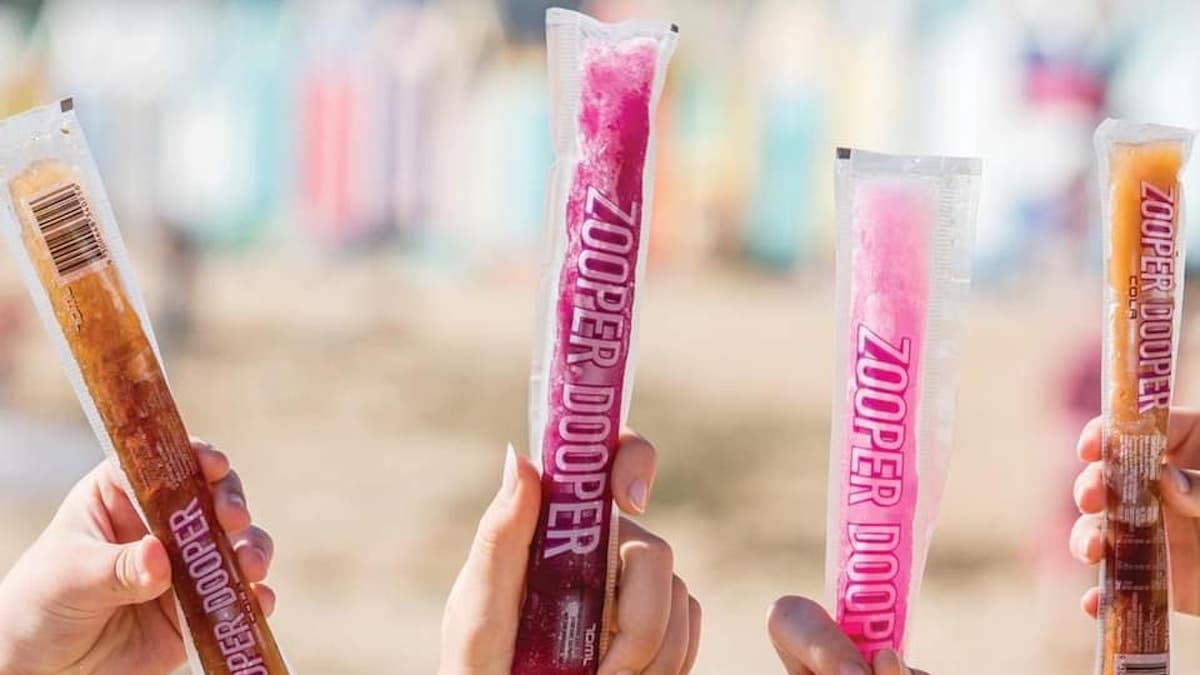
    Zooper Dooper, the popular Australian ice confection brand, has recently launched its Summer Carnival range. This exciting new line features six unique flavours inspired by suggestions from the brand’s dedicated fan community.

    Flavours of The Summer Carnival Range

    The Summer Carnival collection includes the following flavours: Orange Mango, Musk, Cola Spider, Pineapple Passionfruit, Blueberry Raspberry, and Toffee Apple. This diverse range of flavours is sure to cater to the wide taste preferences of the brand’s customer base.

    Engaging the Fan Community

    The development of the Summer Carnival range was not a singular effort. Over a year ago, Zooper Dooper made an appeal to its fan base via Instagram, encouraging them to share their ideal flavours. This initiative sparked extraordinary engagement, garnering over 815,000 views and receiving 720 comments.

    Georgia Fink, the brand manager at Bega Group, expressed her appreciation for the Zooper Dooper community’s enthusiastic response. “We were overwhelmed by the passion of our Zooper Dooper community,” said Fink. “This launch is a celebration of that energy and our way of expressing gratitude to the Aussies who make Zooper Dooper what it is today, with their desired flavours.”

    Availability of The New Range

    Consumers eager to try the new Summer Carnival range can now find it at Woolworths and independent retail outlets. Furthermore, for a limited period, the range will also be available at Coles stores across the country.

    Questions & Answers

    What are the flavours included in Zooper Dooper’s new Summer Carnival range?
    The Summer Carnival range features six flavours: Orange Mango, Musk, Cola Spider, Pineapple Passionfruit, Blueberry Raspberry, and Toffee Apple.

    How were the flavours for the Summer Carnival range chosen?
    Zooper Dooper engaged its fan community on Instagram for flavour suggestions, resulting in the selection of the six flavours for the Summer Carnival range.

    Where can consumers purchase Zooper Dooper’s Summer Carnival range?
    The new range is available at Woolworths and independent stores, and for a limited time, at Coles stores nationwide.

  • Wanderlust Unveils Biohack: A New Wellness Range Promising Enhanced Mental And Physical Performance

    Wanderlust Unveils Biohack: A New Wellness Range Promising Enhanced Mental And Physical Performance

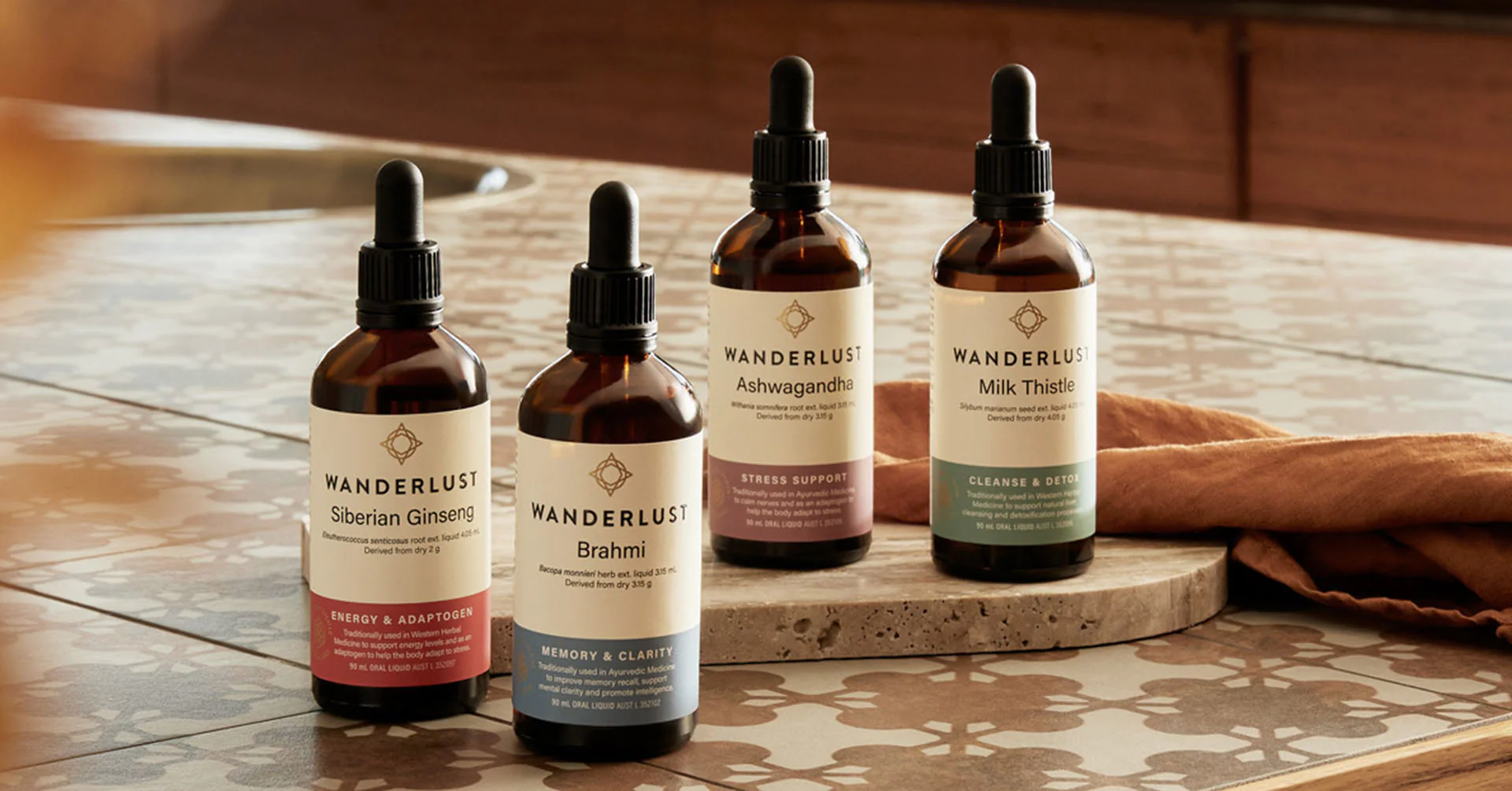
    Australian health and wellness brand, Wanderlust, has unveiled a new product range, BioHack by Wanderlust. This supplement collection aims to enhance both mental and physical performance, promoting vitality, focus, resilience, and energy.

    The product line, which will be accessible online and in Chemist Warehouse locations, consists of a diverse selection of 23 formulations. Each is specifically designed with the goal of supporting various aspects of human wellness, ranging from vitality and focus to resilience and energy.

    One notable product in this collection is the NAD+ Boost. This unique supplement features the NAD+ precursor ingredient, known for its beneficial role in energy metabolism and cellular vitality.

    Wanderlust Chairman, Radek Sali, expressed the company’s philosophy and goal behind the new product line. “We believe that age is a privilege and our mission is to assist individuals in embracing their current stage of life,” he said. “This way, they can optimise their journey moving forward. BioHack by Wanderlust is not a fringe experiment in biohacking. Instead, it represents intelligent, science-supported decisions that empower individuals to take control of their evolution.”

    Questions & Answers

    What is the goal of Wanderlust’s new product line, BioHack?
    BioHack by Wanderlust is designed to enhance mental and physical performance. The products aim to promote vitality, focus, resilience, and energy.

    Where can consumers access the BioHack by Wanderlust collection?
    The BioHack by Wanderlust collection is available online and at Chemist Warehouse locations.

    What is the function of the NAD+ precursor ingredient in the NAD+ Boost supplement?
    The NAD+ precursor ingredient helps to boost energy metabolism and cellular vitality.

  • Jatcorp Appoints Sustainable Development Strategist Dr. Sean Li As New Ceo

    Jatcorp Appoints Sustainable Development Strategist Dr. Sean Li As New Ceo

    Jatcorp recently announced the appointment of Dr Sean Li as its new CEO, succeeding Sunny Liang who resigned earlier this month. The appointment, on a three-year contract, comes after Dr Li served as the acting CEO following Liang’s departure.

    Dr Sean Li’s Professional Background

    Dr Li brings a wealth of experience to his new role, having previously held the position of executive director with Jatcorp. His professional portfolio boasts over 10 years of international experience that spans commercialization, investment analysis, business operation, and development. Furthermore, Dr Li has shown strong dedication to sustainable development and strategic investment throughout his career.

    Prior to joining Jatcorp, Dr Li held several high-ranking positions at Power Construction Corporation of China (PowerChina). Here, he played a crucial role in facilitating multiple cross-border acquisitions and spearheaded projects worth millions of dollars in Mainland China, Germany, and Hong Kong.

    Dr Li’s expertise is not limited to business and leadership roles, as he has also undertaken technical and research roles at the University of Sydney and UNSW Canberra. His work in these institutions centered around chemistry and sustainable technologies, underscoring his commitment to creating a sustainable future.

    Questions & Answers

    Who is the new CEO of Jatcorp?
    Dr Sean Li has been appointed as the new CEO of Jatcorp.

    What experience does Dr Sean Li bring to Jatcorp?
    Dr Li has over 10 years of international experience in areas like commercialization, investment analysis, business operation, and development. He also has a strong focus on sustainable development and strategic investment.

    What roles did Dr Sean Li hold before joining Jatcorp?
    Before joining Jatcorp, Dr Li held senior leadership positions at Power Construction Corporation of China (PowerChina) and has also held technical and research roles at the University of Sydney and UNSW Canberra, with a focus on chemistry and sustainable technologies.

  • Bubs Australia Announces Board Reshuffle: Paul Jensen Steps In As Independent Chair

    Bubs Australia Announces Board Reshuffle: Paul Jensen Steps In As Independent Chair

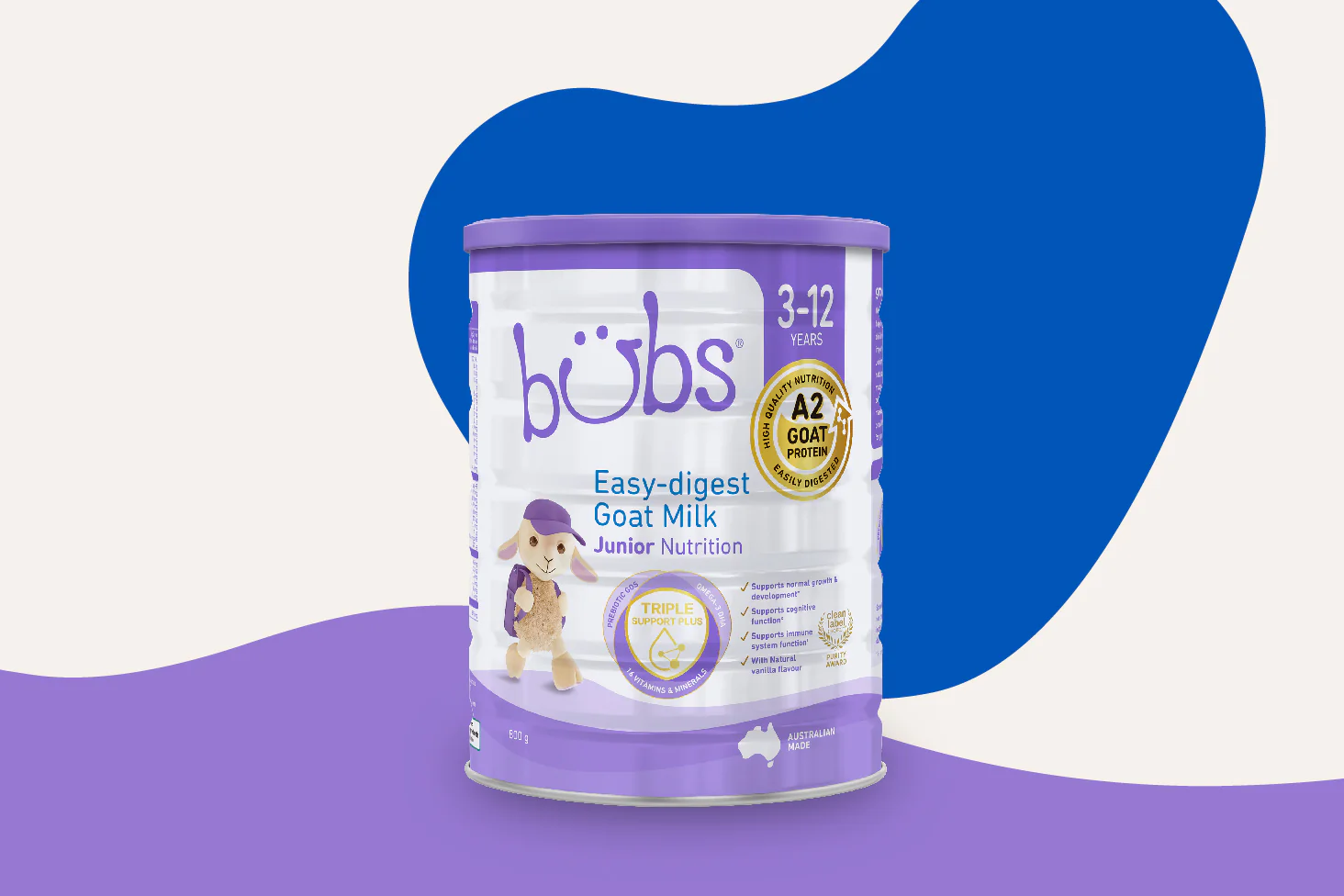
    Bubs Australia, a prominent infant nutrition company, has recently undergone changes in its executive board. Paul Jensen, one of the non-executive directors, has been appointed as the independent chair. This announcement was made following the exit of the previous chair, Katrina Rathie.

    New Appointments

    Paul Jensen, who has been an integral part of the board since 2023, has now taken on the role of independent chair. Throughout his tenure, Jensen has not only led the company’s audit and risk committee but has also brought to the table more than twenty years of experience. His expertise spans across various industries and includes both ASX-listed and unlisted boards.

    Additionally, Joe Coote, who assumed the position of CEO earlier this year, has been appointed to the board as Managing Director (MD). Coote has a deep-seated background in leadership roles, with over two decades of global experience in consumer products, dairy, and infant formula industries.

    Stronger Outlook

    Expressing his enthusiasm about the future of Bubs and his new role, Jensen said, “I am excited about the future of Bubs and the opportunity to serve as chair and welcome Joe to the board as MD.”

    Jensen further highlighted their commitment to advance board evolution throughout the current financial year. This strategic move aims to make certain that the right blend of skills and experience are on board to oversee their corporate strategy, and to align with corporate governance standards.

    Questions & Answers

    Who has been appointed as the new independent chair of Bubs Australia?
    Paul Jensen, a non-executive director of Bubs Australia, has been appointed as the new independent chair.

    Who has joined the board as the managing director?
    Joe Coote, CEO of Bubs Australia, has joined the board as the managing director.

    What is the main aim of the board evolution at Bubs Australia?
    The main aim of the board evolution at Bubs Australia is to ensure a balanced mix of skills and experience to oversee the corporate strategy and comply with corporate governance standards.

  • Australia’s Surf Giants Face Competitive Surf as Retail Powerhouses and Newcomers Ride the Wave

    Australia’s Surf Giants Face Competitive Surf as Retail Powerhouses and Newcomers Ride the Wave

    As surfers hit the waves off Torquay on August 17, the challenges that lie ahead for the Australian surfing industry seem as vast as the ocean itself. Among the leading names in surfing gear—Rip Curl, Quiksilver, and Billabong—there is an unmissable concern: how to appeal to both die-hard surf enthusiasts and the casual fans of the surf lifestyle.

    Chasing the Cool Factor

    These iconic brands find themselves at a crossroads, pivoting their strategies to remain relevant in a rapidly evolving market. Some analysts suggest that Rip Curl, Quiksilver, and Billabong are becoming more synonymous with shopping malls than with the beaches they once epitomized. As their products fill shelves in retail outlets across Asia, the surf culture they represent risks losing its edge and allure.

    Market Dynamics in Asia

    In Asia’s burgeoning retail landscape, these brands are not just competing against one another but also with local surfwear companies that have learned to tap into regional trends. The challenge is exacerbated by a consumer base that is increasingly discerning, preferring authentic experiences over mere labels. Traditional marketing strategies, once effective, now seem inadequate in an environment where social media influence reigns supreme.

    Rediscovering Authenticity

    To combat this dilution of identity, brands are attempting to strike a dynamic balance between maintaining a hardcore surfing ethos and catering to the mainstream consumer. Limited-edition product lines, collaborations with local artists, and a focus on sustainability are some of the strategies being employed to reconnect with their roots and recapture that coveted “cool” factor. After all, who could resist a surfboard made from recycled materials, adorned with a stunning local design? That’s the kind of storytelling that can reel in consumers.

    The Path Forward

    Retail experts suggest that understanding the different segments of the audience—serious surfers versus aspirational shoppers—will be critical as these brands navigate their next moves. As competition heats up in both retail spaces and social media, only time will tell if the big three can adapt without losing their soul. Surfers, after all, crave authenticity. And let’s be honest, surfing gear that screams “beach vibes” yet looks great in a café doesn’t hurt either!

    Questions & Answers

    How are traditional surf brands adapting to changing consumer preferences?
    These brands are introducing limited-edition collections and collaborating with local artists to maintain relevance while staying true to their roots.

    What challenges do these brands face in the Asian market?
    They are vying for attention not only from one another but also against emerging local companies tapping into regional trends, which puts their traditional marketing strategies to the test.

    Is there still a market for hardcore surfing culture among casual consumers?
    Indeed, balancing appeals to both hardcore surfers and casual fans is essential for growth; authenticity remains a vital piece in keeping the surf culture alive.

  • Amazon, Temu, and Shein Surge in Australia, Leaving Local Retailers Struggling to Compete

    Amazon, Temu, and Shein Surge in Australia, Leaving Local Retailers Struggling to Compete

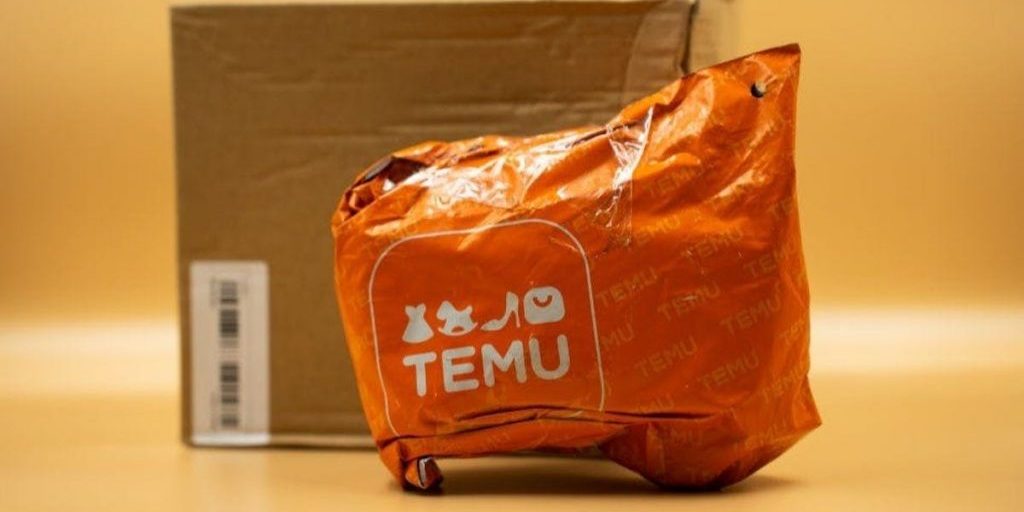
    Online retail giants Amazon, Temu, and Shein have made remarkable strides in capturing the hearts—and wallets—of Australian consumers, according to fresh insights from Roy Morgan. As traditional retail players struggle to maintain their foothold, these digital marketplaces are flourishing, shaking up the industry in ways we never expected.

    Amazon Tops the Charts

    Leading the charge is Amazon, boasting a staggering 8.8 million Australian shoppers making purchases at least once a year. This figure marks an impressive rise of 900,000 customers compared to the previous year, translating into an 11% growth rate. It’s clear that the online retail behemoth has solidified its presence in the Australian market.

    Temu and Shein: Rising Stars

    Meanwhile, Temu has emerged as a formidable contender, attracting 4.7 million shoppers—an increase of 900,000 or 24% growth in just one year. Shein isn’t far behind, pulling in 2.6 million buyers, up by 600,000, which equates to a 27% rise in its customer base. Combine this with Temu and Shein’s growth, and you’ve got a retail revolution that’s generating billions in additional sales.

    The Financial Impact

    The impact of this growth is nothing short of staggering. Together, Temu and Shein have added an impressive $1.3 billion to their collective sales over the past year. Temu’s sales are soaring, now hitting approximately $2.6 billion annually in Australia, a substantial increase from $1.6 billion just a year prior. Shein, with its trend-driven appeal, has also seen its sales swell to $1.3 billion, climbing from $1 billion.

    A Shrinking Landscape for Traditional Retailers

    In stark contrast, several well-established retailers have faced steep declines in customer numbers. Companies like eBay, Kogan, The Reject Shop, and Best & Less are struggling to maintain their market presence. It’s been a tough year for fashion retailers as well, with names such as Millers, Rivers, Noni B, Katies, Autograph, Crossroads, Rockmans, and Wittner exiting the market entirely.

    The Shift in Consumer Expectations

    Catherine Jolley, Roy Morgan’s head of retail and consumer products, notes that this swift transformation is reshaping the industry. “As discount platforms reset consumer expectations, established retailers, especially those that have relied on a low-cost position, must grapple with their standing in this new retail order,” she explains. It’s a tough lesson for traditional players, who might have once thought they were invincible.

    As this saga unfolds, it’s evident that the retail landscape in Australia is not just changing; it’s being revolutionized. So, watch out – the only constant in this digital age seems to be relentless growth and unexpected outcomes in the online space.

    Questions & Answers

    What recent figures highlight Amazon’s growth in Australia?
    Amazon now boasts 8.8 million Australians shopping on its platform at least once a year, reflecting an 11% increase from the previous year.

    How have Temu and Shein performed over the past year?
    Temu’s customer base grew by 900,000 to reach 4.7 million, while Shein increased by 600,000 to 2.6 million, showcasing growth rates of 24% and 27%, respectively.

    What challenges are traditional retailers facing?
    Many established retailers, including eBay and Kogan, are seeing significant declines in their customer bases, with several fashion brands exiting the market entirely.

  • Aldi Australia Expands Affordable Solar Energy Program To East Coast Cities

    Aldi Australia Expands Affordable Solar Energy Program To East Coast Cities

    Aldi Australia has revealed plans to expand its residential solar energy program to key urban areas along the East Coast, offering residents an affordable and uncomplicated route to renewable energy.

    Program Expansion

    The initiative, which had its pilot run in Victoria, is now accepting pre-orders in New South Wales, Queensland, Victoria, and the Australian Capital Territory. The company plans to start installations in early November.

    The basic package, which starts at $6999, includes a 6.6kW solar system coupled with a 5.5kW inverter, and an option for battery storage. Each system comes with a 10-year product warranty and a 25-year performance assurance for the solar panels.

    Simon Padovani-Ginies, group director at Aldi Australia, spoke about the expansion. “Making Aldi Solar available to more Australians along the Eastern Seaboard is an exciting advancement for us, as we extend our commitment to delivering exceptional quality and affordability beyond our grocery offerings,” he said.

    He added that with transparent pricing, flexible battery storage options, installations by licensed professionals, and an impressive return on investment period, Aldi Solar is empowering households ready to take charge of their energy expenses.

    Digital Management

    Aldi has stated that the program is completely managed through the Aldi Solar online portal. Here, customers can schedule assessments, receive cost estimates, and stay updated on their installation timeline. All systems will be installed by SAA-accredited professionals, with the majority of installations expected to be completed within a day.

    The service is now accessible to residents in various Australian cities, including Sydney, Newcastle, Wollongong, Melbourne, Canberra, Brisbane, Gold Coast, and Sunshine Coast.

    Questions & Answers

    What does Aldi’s basic solar package include?
    The basic package includes a 6.6kW solar system coupled with a 5.5kW inverter and an optional battery storage.

    How is the Aldi Solar program managed?
    The program is entirely managed through the Aldi Solar online portal, where customers can schedule assessments, receive cost estimates, and monitor their installation timeline.

    Where is the service available?
    The service is now available to residents in Sydney, Newcastle, Wollongong, Melbourne, Canberra, Brisbane, the Gold Coast, and the Sunshine Coast.

  • Australia Surpasses Who Sugar Guidelines: A Three-decade Journey To Healthier Diets

    Australia Surpasses Who Sugar Guidelines: A Three-decade Journey To Healthier Diets

    Australia has achieved the World Health Organization’s (WHO) sugar guidelines that suggest keeping sugar below 10% of daily energy intake. The Australian Bureau of Statistics (ABS) reveals that the country has reduced its consumption of sugar from food and beverages over the past three decades.

    In 1995, sugar constituted about 12.5% of our daily energy intake. This percentage fell to 10.9% in 2011-12 and further to 8.2% in 2023, even as our overall food and drink energy intake decreased by less than 5%.

    Reducing Sugary Drink Consumption

    Notably, Australians are consuming far fewer sugary drinks than in previous years. This includes beverages sweetened with sugar or artificial sweeteners, or both, such as soft drinks, cordials, fruit juices, and energy drinks.

    In 2011-12, approximately 42% of the population consumed at least one sugary drink daily. By 2023, this percentage had decreased to under 29%.

    In 1995, nearly three-quarters of children (72%) consumed a sugary drink every day. By 2023, this percentage had fallen to a mere 25%.

    Why Is Sugar Reduction Important?

    Consuming high amounts of sugar is detrimental to our health. Sugary foods and beverages are discretionary or occasional foods, offering little nutritional value while adding empty calories to our diet.

    Increased sugar intake can lead to obesity, type 2 diabetes, and tooth decay. Sweet beverages do not satiate us like regular meals do, making it easy to overlook the energy we are consuming.

    Average soft drinks contain about 40 grams (10 teaspoons) of sugar per serve, which is near the daily limit. Energy drinks may contain up to double that amount, while sports drinks may contain slightly less.

    Trends Over Three Decades

    Between 1995 and 2023, there was a 65.28% drop in children consuming sugary drinks. The percentage of adults consuming sugary drinks dropped from 40.2% in 2011-12 to 29.9% in 2023. However, adults still consume about 5% more sugary drinks than children.

    On average, Australians have less sugar in their diet than a decade ago. This shift isn’t just about soft drinks – we’re also reducing the sugar in our tea and coffee, eating fewer candies and desserts, and reaching less often for fruit juice.

    Children have seen the most significant changes. In the mid-1990s, children derived almost one-fifth of their daily energy from sugar. Today, that figure is closer to one-eighth, with our overall energy intake remaining quite similar.

    What’s Driving the Change?

    The new data suggests that efforts by individuals, families, communities, and some food manufacturers to reduce sugar intake over the past few years may be effective.

    A decline in sugary drink consumption may indicate growing awareness of the damaging effects of sugar, possibly due to social media campaigns, improved labelling on food and beverage products, increased public messaging, and industry changes, such as more brands offering lower-sugar alternatives.

    A Segment of the Larger Picture

    Despite a decrease in sugar consumption, obesity rates continue to rise among both children and adults.

    Research suggests that sugar is just one factor and that overall diet quality and broader eating patterns play a significant role in our health.

    Discretionary foods, including snacks, chips, convenience meals, chocolate, and other highly processed foods, still constitute around a third (31.3%) of the average Australian diet.

    This means many individuals are still regularly consuming sweet drinks and highly processed foods, which are sources of added sugars and excess energy, viewed as empty calories that pose their own health risks with little nutritional value.

    What’s Next?

    The new data shows progress in tackling the amount of sugar in our diets, but there’s still work to be done.

    To sustain these positive trends, we need to consider stronger government action to support all communities in addressing broader food system challenges, such as food insecurity and limited access to healthy food, which often results in people consuming more highly processed foods.

    Policies such as sugary drink taxes, restrictions on marketing junk food to children, and clear front-of-pack labels should be considered. Additionally, more incentives for industry to reformulate products to lower-sugar options where possible are needed.

    Education campaigns can help communities and schools where high-sugar habits are common to learn about healthier alternatives without stigma. Furthermore, collecting additional data to understand where dietary sugar comes from, beyond sugary drinks, is also necessary.

    Even though Australia may be shedding its historically high sugar consumption, ensuring a permanent change will require sustained effort.

    Questions & Answers

    What has been the trend in sugar intake in Australia over the past three decades?
    The Australian Bureau of Statistics reports a consistent decrease in sugar intake from food and drinks over the past thirty years in Australia.

    What are the health risks of high sugar intake?
    High sugar intake can increase the risk of obesity, type 2 diabetes, and tooth decay.

    What actions can be taken to sustain the positive trend in reducing sugar consumption?
    Actions that can help sustain the positive trend include stronger government action, implementing policies such as sugary drink taxes, clear labeling, promoting lower-sugar alternatives, educational campaigns, and further data collection.

  • Suntory Expands Rtd Portfolio With ‘minus 196’ Lemon Vodka, Eyes New Zealand Market By 2026

    Suntory Expands Rtd Portfolio With ‘minus 196’ Lemon Vodka, Eyes New Zealand Market By 2026

    Suntory Beverage and Food Oceania has recently announced the launch of its ‘Minus 196’ lemon vodka brand throughout Australia. This marks the firm’s debut rollout of a ready-to-drink (RTD) product line from its Queensland-based beverage facility.

    High-tech Brewing Method

    The lemon vodka range, boasting two distinct Japan-inspired double lemon options, is formulated using Suntory’s cutting-edge freeze technology. The choices, which include 4.5% and 9% alcohol by volume (ABV), offer consumers a unique twist on traditional vodka beverages.

    Extensive Product Line

    The ‘Minus 196’ lemon vodka introduction enhances Suntory Oceania’s existing fruit vodka range, which includes peach and grape flavors. These products are available for purchase in either single cans or packs of 10 cans at major retailers across Australia. This extends the company’s current offering of more than 20 RTD products, which includes a variety of branded beverages, now produced at their Swanbank manufacturing plant.

    Future Expansion

    Suntory Oceania also has an ambitious plan to expand its footprint to the New Zealand market by January 2026. This marks the fruition of a significant investment in a $3 billion multi-beverage powerhouse in Australia.

    Questions & Answers

    What is unique about Suntory’s new ‘Minus 196’ lemon vodka?
    The ‘Minus 196’ lemon vodka is unique as it is formulated using Suntory’s innovative freeze technology and offers two distinct Japan-inspired double lemon options with 4.5% and 9% alcohol by volume (ABV).

    What other products does Suntory Oceania offer?
    In addition to the ‘Minus 196’ lemon vodka, Suntory Oceania offers more than 20 other ready-to-drink (RTD) products, including various fruit vodka flavours like peach and grape.

    What are Suntory Oceania’s future plans?
    Suntory Oceania plans to expand its business to the New Zealand market by launching a new multi-beverage offering in January 2026. This move comes after significant investment in a $3 billion multi-beverage powerhouse in Australia.

  • Amazon Launches New AWS Cloud Region in Asia Pacific, Boosting New Zealand’s Tech Landscape

    Amazon Launches New AWS Cloud Region in Asia Pacific, Boosting New Zealand’s Tech Landscape

    Amazon’s announcement of the AWS Asia Pacific (New Zealand) Region marks a significant expansion of its global cloud framework, bringing new opportunities to developers, startups, enterprises, and nonprofits across various sectors including retail, education, and government. With the launch of this new location, users can now enjoy greater flexibility to run applications and engage their audiences through data centers firmly rooted in New Zealand.

    A Long-Term Investment in New Zealand’s Digital Future

    In a move that signals its long-standing commitment to New Zealand, Amazon plans to invest over NZD 7.5 billion into the construction, connection, operation, and upkeep of its data centers. Initial plans for the AWS Asia Pacific (New Zealand) Region include three Availability Zones, adding to a robust global tally of 120 Availability Zones across 38 regions, revealing a cloud network so extensive that even a flock of sheep might get lost in it — and that’s quite a feat in New Zealand!

    Enhancing AWS’s Role in Cloud Computing

    In addition to the new Kiwi expansion, AWS has ambitious plans to introduce ten more Availability Zones and establish three additional regions in Chile, Saudi Arabia, and its forthcoming European Sovereign Cloud. Designed with sovereignty at its core, the New Zealand region will provide secure and compliant cloud infrastructure, allowing customers to access a comprehensive suite of AWS services, including analytics, computing, content delivery, databases, generative AI (GenAI), machine learning (ML), networking, and storage.

    Empowering the Next Generation of Cloud Professionals

    To address the growing demand for cloud technology throughout the Asia Pacific, Amazon is also focusing on digital skills development, launching initiatives such as AWS Academy, AWS Educate, and AWS Skill Builder. Under a memorandum of understanding with the New Zealand government, AWS has pledged to train 100,000 individuals in cloud competencies, with over 50,000 already equipped with these essential skills. Moreover, AWS intends to hire and develop additional local talent to support this new region, further underscoring its dedication to New Zealand’s digital evolution and economic progress.

    Questions & Answers

    What are the key features of the AWS Asia Pacific (New Zealand) Region?
    The new AWS region will initially host three Availability Zones and will provide a wide range of services including analytics, computing, generative AI, and machine learning, tailored to secure and compliant cloud infrastructure.

    How much is Amazon investing in New Zealand’s cloud infrastructure?
    Amazon plans to invest over NZD 7.5 billion, focusing on the construction and operation of its data centers, reflecting a long-term commitment to the region.

    What initiatives is Amazon implementing to develop local cloud skills?
    Amazon has committed to training 100,000 individuals in cloud technology through programs like AWS Academy, with over 50,000 already trained, demonstrating a serious dedication to enhancing local expertise in the tech sector.

  • Marquise Baby Expands Retail Reach: Baby Essentials Now More Accessible In Australian Convenience Stores

    Marquise Baby Expands Retail Reach: Baby Essentials Now More Accessible In Australian Convenience Stores

    Marquise Baby, a well-known Australian baby care brand, is set to increase its retail reach by making its products more readily available in convenience store chains throughout the country.

    Expansion Into Convenience Stores

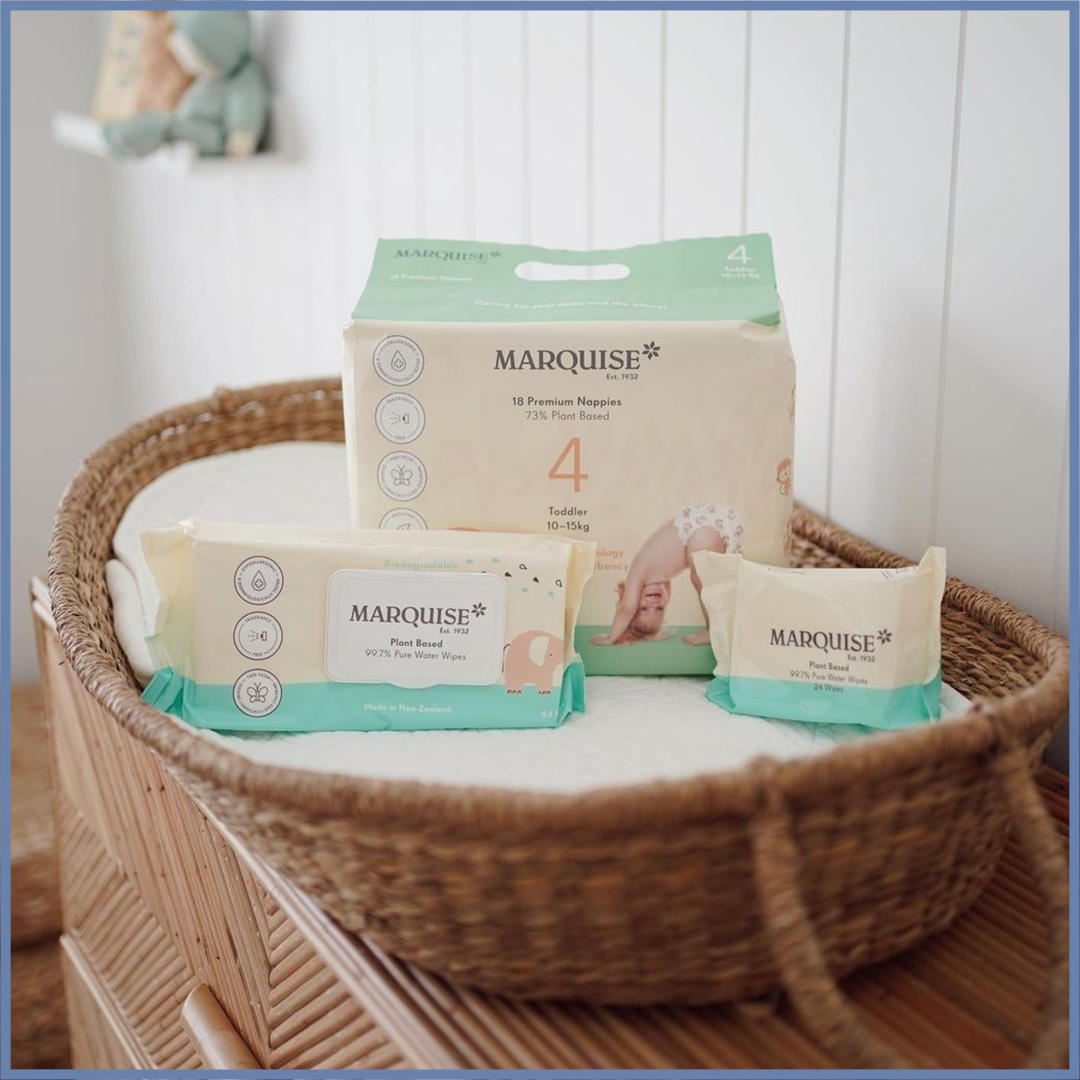
    The brand has initiated the distribution of its main line of nappies across Ampol service stations nationwide. The distribution expansion also includes the ongoing rollout of both nappies and wipes to as many as 700 7-Eleven stores across Australia.

    Meeting Customer Demand

    This strategic move by Marquise Baby is in response to a growing demand from parents for more conveniently accessible baby essentials.

    Sam Griffin, the director of Marquise Baby, expressed the company’s commitment to catering to the evolving needs of today’s busy parents. He emphasized the brand’s dedication to being available to consumers wherever they need them the most. This includes offering services such as direct-to-consumer subscriptions, availability in thousands of convenience stores across the country, and delivery services through retail partners via platforms like Uber Eats and DoorDash.

    Brand Legacy and Recognition

    Having been in the market for over nine decades, Marquise Baby has built a reputation for its minimalist, sensitive skin-friendly products. Their baby wipes, composed of 99.7 percent water and manufactured in New Zealand, have become one of the brand’s most purchased products.

    The company’s commitment to quality has been acknowledged with several awards in the recent past. These include the Silver for Best Nappy at the 2025 Mum Central Awards, the Silver for Best Baby Wipes at the Clean & Conscious Awards, and two Expert Choice Awards at the Kiindred Awards.

    Questions & Answers

    What is the reason for Marquise Baby’s expansion into convenience stores?
    The company has noted an increase in demand from parents for easily accessible baby essentials, which motivated them to make their products more readily available in convenience stores nationwide.

    What are some of the other services offered by Marquise Baby?
    The brand is keen on meeting the needs of its customers wherever they are. As such, Marquise Baby offers direct-to-consumer subscriptions, availabilities in local convenience stores, and a delivery service through its retail partners via platforms like Uber Eats and DoorDash.

    What awards has Marquise Baby recently won?
    Marquise Baby has been recognized with several awards, including the Silver for Best Nappy at the 2025 Mum Central Awards, the Silver for Best Baby Wipes at the Clean & Conscious Awards, and two Expert Choice Awards at the Kiindred Awards.