Retail News CRM

Tag: Auto

  • Vietnam’s Auto Association Alerts: Proposed Fuel Standard Could Eliminate 96% of Cars by 2030!

    Vietnam’s Auto Association Alerts: Proposed Fuel Standard Could Eliminate 96% of Cars by 2030!

    In a significant move for the automotive sector, the Ministry of Construction is inviting input from various agencies regarding a bold proposal to mandate that all passenger cars achieve a fuel efficiency of 4.83 liters per 100 kilometers by 2030. This regulation notably exempts electric vehicles, allowing them to steer clear of stringent fuel efficiency requirements.

    Fuel Consumption Credits as a Safety Net

    Under this proposed regulation, manufacturers unable to meet the efficiency standard will have the option to purchase fuel consumption credits from those who do. This system mirrors the carbon credit trading mechanisms found globally, suggesting a creative approach to encouraging fuel efficiency.

    Manufacturers Urged to Innovate

    The message is clear: manufacturers are encouraged to innovate by upgrading technology, phasing out fuel-hungry vehicles, and expanding their lineup of fuel-efficient models. Failure to comply after a three-year grace period could lead to the discontinuation of production or importation until a viable alternative plan is conceived.

    Industry Concerns About Stringent Standards

    However, not everyone is on board with this aggressive approach. The Vietnam Automobile Manufacturers Association (VAMA), representing 17 manufacturers, has labeled the proposed efficiency threshold as “too strict.” They warn that a staggering 96% of gasoline vehicles and 14% of hybrid models would not meet these ambitious requirements. For example, Toyota’s widely popular Vios would fall short at 5.08 liters per 100 kilometers in its most efficient variant, while the Yaris Cross Hybrid performs admirably at 3.56 to 3.8 liters per 100 kilometers.

    A Shift Towards Electrification

    VAMA argues that to meet the proposed standards while sustaining current sales volumes, the industry would need to boost the share of electrified vehicles nearly tenfold over the next five years. Given the current limitations in charging infrastructure and consumer hesitance toward electric vehicles, this target may be a bit like trying to fit a square peg into a round hole.

    A Compromise on Fuel Efficiency Targets

    In light of these challenges, VAMA has suggested a more gradual approach. Their alternative proposal recommends achieving fuel efficiency targets of 6.7 liters per 100 kilometers by 2027, 6.5 by 2028, 6.3 by 2029, and finally reaching 6 liters in 2030. This roadmap would involve a 34% reduction in gasoline vehicle production, alongside a dramatic 366% increase in electric vehicle sales — a far more feasible scenario, according to industry leaders.

    Questions & Answers

    What is the proposed fuel efficiency target for passenger cars by 2030?
    The proposed target is 4.83 liters per 100 kilometers for all passenger cars by 2030.

    How will manufacturers who fail to meet the efficiency standards be penalized?
    Manufacturers who do not meet the standards after three years may have to halt production or importation until they establish an appropriate alternative plan.

    What alternative targets has VAMA suggested instead of the initial proposal?
    VAMA suggests a more realistic gradual approach: 6.7 liters per 100 kilometers in 2027, 6.5 in 2028, 6.3 in 2029, and 6 liters in 2030.
  • Vietnam’s Gasoline Prices Surge to Two-Month High – What It Means for Consumers

    Vietnam’s Gasoline Prices Surge to Two-Month High – What It Means for Consumers

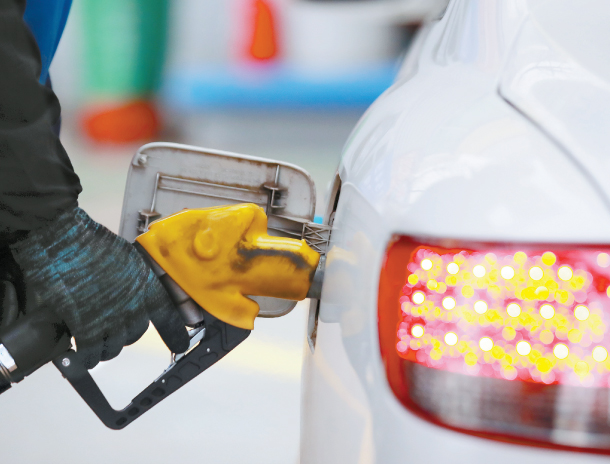
    On Thursday afternoon, gasoline prices in Vietnam soared to their highest levels since July 1, driven by a surge in global market rates.The widely used fuel RON95 saw a significant increase of 1.34%, now priced at VND20,360, while the biofuel E5 RON92 jumped 1.59% to VND19,770. Diesel fuel also experienced a notable rise, climbing 2.51% to VND18,350.

    Market Forces Behind the Trend

    Recent fluctuations in the global oil market have been influenced by various factors, including the U.S. imposing higher tariffs on imports from India and escalating tensions between Ukraine and Russia, particularly concerning conflicts over energy resources, as outlined by the Ministry of Industry and Trade. In the international arena, RON95 reached $81.3 per barrel, marking a 1.6% increase, while diesel saw a 2.9% rise to $85.9 per barrel. It’s almost as if global oil supply and geopolitical strife are engaged in a dramatic tango, each step affecting consumers back home.

    Questions & Answers

    How have Vietnam’s gasoline prices changed recently?
    Gasoline prices in Vietnam have recently risen to their highest levels since July 1, with RON95 increasing by 1.34% and biofuel E5 RON92 by 1.59%.

    What external factors are driving these price hikes?
    The increases are influenced by the U.S. increasing tariffs on imports from India, and escalating conflict between Ukraine and Russia impacting their energy infrastructure.

    What do current international oil prices look like?
    As of the latest reports, RON95 has reached $81.3 per barrel, while diesel prices have risen to $85.9 per barrel, indicating a broader trend of escalating costs on the global stage.

  • VinFast Dominates Small Crossover Utility Market with Innovative Offerings and Exceptional Performance

    VinFast Dominates Small Crossover Utility Market with Innovative Offerings and Exceptional Performance


    VinFast is dominating the small crossover utility vehicle (CUV) market in Vietnam, capturing more than 64% of sales in the first half of 2025, leaving competitors like Toyota far behind.
    In a remarkable surge, the VinFast VF 3 model emerged as the star performer, racking up sales of over 23,000 units. This impressive figure represents 28% of the total 83,100 small CUVs sold in Vietnam during this period. Not far behind, the VF 5 sold 21,800 vehicles, while the VF 6 claimed third place with 8,500 units.

    In stark contrast, Toyota managed to secure only a 12.8% share of the market, with its Yaris Cross and Corolla Cross models ranking fourth and sixth, respectively, having sold 5,400 and 3,600 vehicles. Mitsubishi’s Xforce followed closely in fifth place with 4,500 sales, while other contenders like Hyundai Creta, Kia Seltos, Honda HR-V, and Kia Sonet rounded out the competitive landscape.

    Once a formidable force in the small CUV sector, Kia has found itself facing increasing challenges. The brand, which led the market in 2023-2024 with its Sonet and Seltos models, has seen its sales dwindle to just above 5,000 vehicles for a market share of 6.1%. Competing Japanese brands and the rising trend of affordable electric vehicles have contributed to this shift.

    Mitsubishi and Hyundai are closely matched, each holding just over 5% of the market share, while Honda and Mazda account for 3% apiece. In a market where electric vehicles are becoming the new black, will Kia find a way to revitalize its appeal, or is it merely a case of letting the ‘bigger fish’ swim ahead?

    Questions & Answers

    What percentage of the small CUV market did VinFast capture in the first half of 2025?
    VinFast captured over 64% of the small CUV market in Vietnam.

    Which VinFast model topped the sales, and how many units were sold?
    The VinFast VF 3 topped the sales charts with over 23,000 units sold, accounting for 28% of the small CUVs sold in the country.

    How are Toyota’s models performing in comparison to VinFast’s?
    Toyota’s top models, the Yaris Cross and Corolla Cross, ranked fourth and sixth, respectively, but combined, they only secured a 12.8% share of the market.

  • BYD Dominates Singapore’s New Car Market with Thriving Registration Numbers

    BYD Dominates Singapore’s New Car Market with Thriving Registration Numbers

    Singapore has witnessed a significant shift in its automotive landscape, with BYD solidifying its position as the city-state’s top car brand. Recent data from the Land Transport Authority, reveals an impressive 5.6 percentage point increase in BYD’s market share.

    In a competitive market featuring a total of 23,957 new car registrations, BYD stood out with 4,667 vehicles registered—a remarkable year-on-year surge of over 80%. In a world where change is the only constant, who would’ve guessed that the underdog would rise to the top so swiftly?

    Toyota, a longstanding titan in Singapore’s automotive sector, claimed second place with 3,461 new registrations, reflecting a 9.4% annual growth and capturing a 14.4% share of the new passenger car market, which is a slight increase of 0.5 percentage points. German luxury brands BMW and Mercedes-Benz followed closely, landing in third and fourth places with 2,664 and 2,537 vehicles registered, respectively. Rounding out the top five, Honda made notable strides with 2,268 registrations, marking a substantial 50.5% increase from last year.

    BYD’s dominance is no fleeting moment—since early this year, the company has shown strong traction, outselling Toyota with 3,002 vehicles to Toyota’s 2,050 in the first four months. This marks a significant transformation, as Toyota had held the crown with 7,876 units sold in 2024 compared to BYD’s 6,191.

    James Ng, the managing director at BYD Singapore and the Philippines, expressed confidence in the brand’s appeal during the recent launch of the Sealion 6 DM-i plug-in hybrid. He highlighted June as the brand’s stellar month, boasting 840 vehicles sold, according to AsiaOne.

    The Sealion 6 DM-i is now available for enthusiasts at a launch price of S$212,888 (US$165,500), which includes a guaranteed certificate of entitlement, a necessity in Singapore’s unique car-buying ecosystem.

    Questions & Answers

    What makes BYD’s rise in Singapore particularly striking?
    BYD’s extraordinary growth, with an over 80% increase in registrations compared to last year, contrasts sharply with the more modest gains seen from traditional market leaders like Toyota, making it a fascinating case study in the evolving automotive sector.

    How did Toyota perform in the latest new car registrations?
    Toyota maintained its status as a significant player, with 3,461 new vehicles registered, representing a 9.4% increase year-on-year, though falling behind BYD for the first time in recent history.

    What is notable about the Sealion 6 DM-i plug-in hybrid?
    The Sealion 6 DM-i is attracting attention not just for its hybrid efficiency, but also for its launch price of S$212,888, which includes a guaranteed certificate of entitlement—an essential aspect of owning a car in Singapore.

  • Honda Set to Rev Up Vietnam with the Exciting Launch of ADV 350 Scooter!

    Honda Set to Rev Up Vietnam with the Exciting Launch of ADV 350 Scooter!

    Honda is set to introduce its ADV 350 touring scooter in Vietnam, a model that enthusiasts previously had to source through private importers. Anticipation is building as shipments are scheduled to commence by the end of this quarter, with Honda dealers now accepting deposits for what promises to be a thrilling addition to the Vietnamese market.

    This new arrival boasts a 330cc engine and will be imported from Honda’s factory in Thailand, marking a significant step for the brand, as this adventure-style scooter will not be available in Japan.

    The Honda ADV 350. Photo by courtesy of Honda

    The smaller counterpart, the ADV 160, has already made its debut in Vietnam through private import channels, paving the way for its larger sibling.

    With a sturdy design that measures 2,200 millimeters in length and 1,430 millimeters in height, the Honda ADV 350 offers an impressive 11.7-liter fuel tank. Weighing in at 188 kilograms, it features a smart key system, LED headlights, and a five-inch TFT display. Riders can look forward to enhanced control thanks to its inverted front fork and single disc brakes equipped with anti-lock braking.

    Adding to its innovative features, the ADV 350 incorporates an adjustable front windscreen and a spacious 48-liter storage compartment, complete with a Type-C charging port for those who refuse to unplug from the modern world. Under the hood, this scooter is powered by a liquid-cooled, 330cc SOHC engine capable of delivering 28.8 horsepower and 31.8 Nm of torque. One can’t help but wonder if it’s the perfect companion for urban commutes or weekend escapes through the Vietnamese countryside!

    While the price remains a mystery for now, previous imported units have ranged from VND250-300 million (approximately US$9,500-11,000), hinting at a competitive position against the Yamaha XMax 300, which retails for VND140 million.

    Questions & Answers

    What distinguishes the Honda ADV 350 from the ADV 160?
    The Honda ADV 350 is a larger touring scooter with a 330cc engine, whereas the ADV 160 is a smaller variant that has already been available in Vietnam through private imports.

    How does the ADV 350 enhance rider experience?
    The ADV 350 features an adjustable windscreen, smart key system, LED headlights, and a TFT display, offering a blend of comfort and advanced technology for both urban commuting and adventure riding.

    What is the anticipated impact of the ADV 350 on the Vietnamese scooter market?
    With its robust design and premium features, the ADV 350 is expected to create stiff competition for models like the Yamaha XMax 300, potentially reshaping consumer preferences in the market.

  • Porsche Macan Review: A Testament to Zuffenhausen’s Enduring Legacy in Luxury SUVs

    Porsche Macan Review: A Testament to Zuffenhausen’s Enduring Legacy in Luxury SUVs

    Driving the Future: Porsche’s All-Electric Macan Takes Center Stage

    Porsche has long carved a niche for itself not through flamboyant stunts but by meticulously refining its craft. The new all-electric Macan is a testament to this philosophy, setting out to elevate the driving experience while adhering to the brand’s storied heritage.

    In an automotive landscape often overshadowed by bold designs and revolutionary technology, the Zuffenhausen-based manufacturer sticks to its roots. Instead of chasing after trends, it concentrates on the qualities that have earned the loyalty of its fans: flawless steering precision, exceptional cornering stability, and an exhilarating connection between driver and machine.

    A Poised Beast, Even at Rest

    Anyone familiar with Porsche understands that even when at a standstill, these cars emanate an electrifying energy — as if they’re coiled and ready to spring into action. The fully electric Macan represents an ambitious leap for the brand, aiming to distill the essence of a sports car into a battery-operated SUV. Far from being a mere experiment in silence, this model embodies Porsche’s commitment to providing a thrilling driving experience, proving that it’s not just about getting from point A to B.

    Confidence Redefined

    For electric vehicle enthusiasts, the figures behind the Macan are impressive: an impressive range of up to 641 kilometers, cutting-edge 800-volt technology, and a robust 100 kWh battery. But what truly sets the Macan apart becomes evident with the first turn of the wheel. Its uncompromising craftsmanship fills drivers with confidence; you can sense the precision in every detail. With steering so direct, each bend invites a rewarding challenge, while the body remains rigid and responsive, even during swift directional changes.

    Effortless Power at Your Fingertips

    The Macan feels remarkably nimble, even in its entry-level version. With a punchy output of up to 360 hp (Overboost) and 563 Nm of torque, this 2.2-ton SUV accelerates from 0 to 100 km/h in a commendable 5.7 seconds. Instead of a jarring burst, the power delivery feels smooth and measured, catering to driving enthusiasts. For those craving an extra dose of performance, Porsche offers higher-spec variants known as Macan 4, 4S, and Turbo.

    The Dance of Technology and Design

    The Macan doesn’t just perform; it captivates visually with its design choices that honor Porsche’s legacy. Sporting a sleek front hood, pronounced fenders, and elegant frameless doors, it commands attention without being ostentatious. Even with its striking 22-inch wheels, the SUV maintains a lean profile that remains unmistakably Porsche, capturing the essence of style and aerodynamics with a drag coefficient of 0.25.

    A Cutting-Edge Cockpit Awaits

    Stepping inside the Macan reveals a glimpse into the future, featuring a 12.6-inch curved display for the driver and a 10.9-inch screen for the passenger, complemented by a head-up display with augmented reality. Porsche ensures that despite the digital advancements, the cabin retains an intuitive layout; everything operates seamlessly from the get-go—forget the frustrating fumbling of wireless connections many drivers have encountered elsewhere.

    Charging: Fast and Efficient

    The Macan boasts an impressive 800-volt structure, allowing charging speeds of up to 270 kW. This technological marvel translates into charging from 10 to 80 percent in a mere 21 minutes. If that doesn’t sound like a pit stop: quick pause, rapid recharge, and back on the track—then what is? The craftsmanship of Porsche’s engineers ensures that electric mobility is delivered with the excellence the brand is known for.

    In summary, Porsche has successfully extended its reputation into electric mobility with the Macan, combining sportiness, practicality, and efficiency into a striking automotive experience—all at a relatively accessible entry point.

    Questions & Answers

    What are the standout features of the Porsche Macan?
    The Macan features impressive specifications including up to 641 kilometers of range, a powerful 100 kWh battery, and advanced 800-volt technology for fast charging capabilities.

    How does the Macan compare with traditional Porsche sportscars?
    While the Macan embraces its SUV form, it incorporates traditional Porsche qualities such as precise steering feedback and robust acceleration, ensuring it is still a driver’s car at heart.

    What is the expected range of the Macan on a single charge?
    The Macan is projected to provide a range of up to 641 kilometers, with real-world tests achieving around 540 kilometers comfortably under normal driving conditions.

  • Mercedes-Benz India Achieves Record Quarterly Sales Driven by Unprecedented Demand

    Mercedes-Benz India Achieves Record Quarterly Sales Driven by Unprecedented Demand

    Mercedes-Benz has announced a landmark achievement in India, reporting a surge in first-quarter sales that has reached an unprecedented 4,238 units, a 10% increase from the previous year. This noteworthy growth is largely fueled by a robust demand for its luxury and electric vehicle offerings, reflecting a significant shift in consumer behavior in one of the world’s fastest-growing automotive markets.

    The demand for luxury vehicles in India, which ranks as the third-largest car market globally, has been on the rise, particularly among younger consumers who are embracing the allure of high-end vehicles. This emerging demographic has found itself drawn to luxury as India continues to experience rapid economic growth.

    Currently, luxury cars comprise just over 1% of India’s annual market of 4 million vehicles, but that percentage is on the rise, with more aspirational buyers stepping into showrooms.

    “Our sharp focus on bolstering the top-end luxury segment has been pivotal in shaping customer preferences,” said Santosh Iyer, CEO of Mercedes-Benz India. The company has successfully tapped into this growing appetite with its flagship models.

    Sales of high-end models, including the emblematic S-Class and the opulent Mercedes-Maybach lineup, soared by 20% in the April to June period. Meanwhile, electric vehicle sales skyrocketed more than twofold, now accounting for 8% of Mercedes-Benz India’s overall sales—a dazzling illustration of Indian consumers’ shifting preferences towards eco-friendly luxury.

    The core segment, which encompasses the popular C- and E-Class sedans along with the GLC and GLE SUVs, also saw a healthy growth of 10% in the quarter, solidifying its importance as it represents 60% of the firm’s total sales in India.

    In the competitive realm of luxury vehicles in India, Mercedes-Benz holds the lead, with BMW and Tata Motors-owned Jaguar Land Rover hot on its heels. The company’s manufacturing operations, including the assembly of several key models and EVs, take place at their facility in Chakan, Maharashtra, further solidifying its commitment to the Indian market.

    Questions & Answers

    What factors contributed to Mercedes-Benz’s record sales in India?
    The company’s focus on high-end luxury models and a growing interest in electric vehicles among consumers significantly boosted its sales, leading to a 10% increase in the first quarter.

    How does Mercedes-Benz’s sales performance compare to the overall luxury car market in India?
    While luxury car sales make up just over 1% of India’s total vehicle market, Mercedes-Benz has established itself as a leader in luxury vehicle sales, outpacing competitors like BMW and Jaguar Land Rover.

    What specific models have driven sales growth for Mercedes-Benz in this period?
    The S-Class and Mercedes-Maybach portfolios saw a remarkable 20% increase in sales, alongside a significant jump in electric vehicle sales, which rose by more than two-fold.

  • Auto Producers Set to Benefit from New Favorable Import Tariff Policies

    Auto Producers Set to Benefit from New Favorable Import Tariff Policies

    A new decree taking effect on July 8 has introduced changes to the minimum production volume requirements for automotive companies looking to enjoy preferential import tariffs on components. This policy aims to bolster the capabilities of domestic vehicle manufacturers and assemblers, especially those investing in eco-friendly models.

    The decree modifies prior regulations, allowing manufacturers of petrol or diesel vehicles that also produce electric cars, fuel cell vehicles, hybrids, and vehicles powered by biofuels or natural gas to have their environmentally friendly vehicle outputs factored into both overall and model-specific production calculations. This combined output will play a crucial role in determining eligibility for preferential import tariffs related to petrol and diesel categories.

    Streamlining Production to Boost Eco-Friendly Vehicles

    In a notable provision, companies holding more than 35% of the charter capital in affiliated automotive firms, recognized by the Ministry of Industry and Trade, can consolidate the production figures from these associated entities. This collective output will be counted toward satisfying the minimum production volume needed for the preferential tariff program. The parent company carries the responsibility of verifying total eligible production and ownership percentages throughout the assessment period.

    Customs authorities at the local level will handle tax refunds based on the number of vehicles fabricated and assembled during the eligibility timeframe. However, firms making inaccurate declarations risk facing tax recovery actions and penalties as specified in tax regulations.

    Shifting Tax Structures for a Competitive Edge

    Accompanying this decree is an increase in export and preferential import taxes for certain commodities. Notably, yellow phosphorus will see a steep rise in export duties, launching from a current rate of 5% to 10% starting January 1, 2026, and further increasing to 15% by January 1, 2027. This vital input material, instrumental in sectors from fertilizer production to high-tech applications like semiconductors and lithium-ion batteries, is critical for Vietnam’s strategic industries.

    The updated tariff policies reflect a concerted effort to protect national resources, minimize environmental impacts, and support the development of industries focused on chip production, electric vehicle battery manufacturing, and advanced industrial chemicals.

    Meanwhile, the import duty on tin-mill blackplate—used in tin-coating—will remain at 0% until August 31, 2025, when it will jump to 7%. Additionally, a new 2% import duty has been enacted for various polyethylene categories, which previously enjoyed a 0% rate.

    In short, these regulatory adjustments represent a balancing act, aiming to propel domestic automotive growth while safeguarding environmental concerns—a move that highlights the complexity and dynamism of the industry.

    Questions & Answers

    What new incentives does the decree provide for manufacturers of environmentally friendly vehicles?
    The decree allows manufacturers of petrol and diesel vehicles that also produce eco-friendly models—like electric and hybrid vehicles—to combine their production outputs when calculating eligibility for preferential import tariffs.

    How will the changes affect tax rates for yellow phosphorus?
    Starting January 1, 2026, the export duty on yellow phosphorus will increase from 5% to 10% and then to 15% in 2027, reflecting the government’s intent to manage key resources while boosting industries reliant on this critical material.

    What changes have been made regarding import duties on polyethylene products?
    Several polyethylene categories, which had a 0% import duty, are now subject to a new 2% import duty, showcasing an immediate shift in the cost structure for these materials.

  • Ferrari Unveils Ambitious Plans for Next Showstopper Model in Exciting New Era!

    Ferrari Unveils Ambitious Plans for Next Showstopper Model in Exciting New Era!

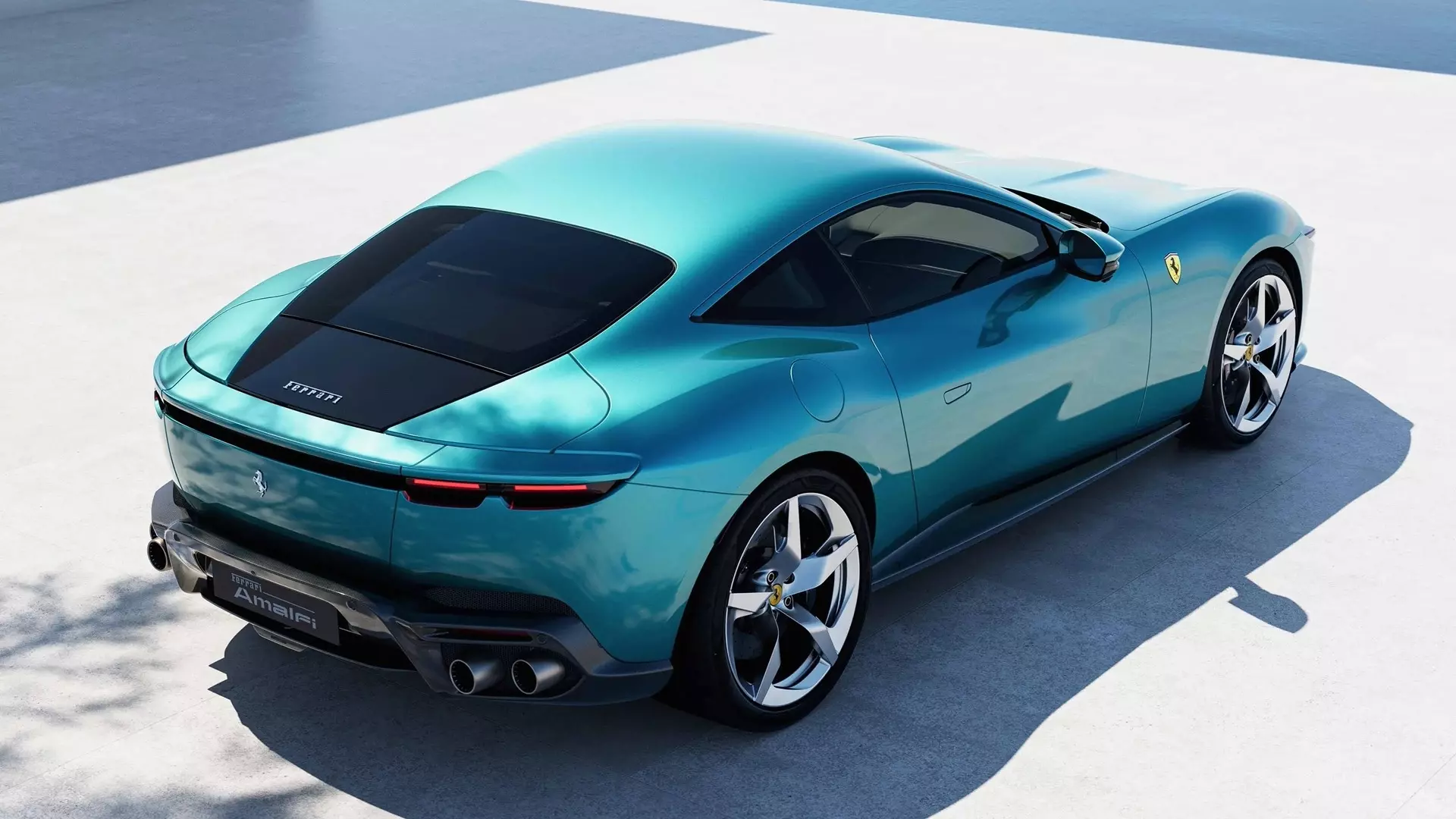
    New Model: Ferrari’s Enchanting Amalfi Steals the Spotlight

    Ferrari’s latest masterpiece, the Amalfi, made its debut in an extraordinary unveiling in Maranello, where an air of palpable excitement filled the room. With journalists present under strict embargo, the event showcased a car designed not just for speed, but to captivate the senses. And for those longing for a touch of nostalgia, the Amalfi brings back the iconic start button—much to the relief of fans who missed it in the Roma.

    The Amalfi, a front-mid-mounted V8 coupé, aims to enchant rather than overwhelm. With a formidable 640 horsepower and a top speed of 320 km/h, it’s the kind of car that impresses with its capability, yet remains inviting for those seeking a less aggressive take on Ferrari’s renowned automotive artistry.

    Learning from Success: A Shift in Ferrari’s Strategy

    Ferrari’s approach has already demonstrated success with its Roma model. Launched in 2019 and available since 2020, the Roma has effectively attracted a new clientele with its blend of elegance and modernity. The Swiss market offers a telling illustration of this trend, where the Roma has surpassed the more provocative F8 in popularity, with a total of 413 registrations since its introduction.

    Interestingly, the Roma appeals particularly to those drawn to a more lifestyle-oriented Ferrari. Swiss registration statistics show that while the 812 remains a powerhouse with 482 registrations, the more understated Roma has proven that demand exists for a Ferrari that prioritizes beauty and daily usability over sheer performance. It’s like finding that perfect balance between a coffee shop ambiance and high-octane racing fuel—who knew elegance could fuel such fervor?

    The Amalfi: Designed to Delight

    Starting at approximately 240,000 euros, the Amalfi positions itself competitively against models like the Porsche 911 Carrera GTS and Aston Martin DB12. Its pricing, combined with elegant design and friendly demeanor, may entice first-time buyers who may be ready to say “yes” to Ferrari. Remarkably, around half of the clientele for these new models consists of individuals new to the brand.

    Equipped with innovative features such as a brake-by-wire system and an active rear wing that generates up to 110 kg of downforce at high speeds, the technical prowess of the Amalfi is impressive. However, its true allure lies within, where Ferrari has opted to reintegrate beloved physical controls—like the start button—into the driving experience.

    The Human Touch in a Digital Age

    This shift aims to cater to those who crave a tangible connection with their vehicles. Ferrari’s marketing chief, Enrico Galliera, noted during the unveiling, “It’s an admission that drivers are human—and humans love to feel.” The car’s interior not only reflects this philosophy but also retains the Roma’s minimalist elegance while adding a sharper, sculptural look. A redesigned center tunnel enhances a sense of space, complemented by three main displays, including a striking 10.25-inch central screen for modern convenience.

    For those who desire an indulgent experience, amenities like ventilated massage seats and a premium Burmester audio system promise to transform every drive into a memorable journey—whether coasting along the coastal roads of Italy or tackling the dynamic bends of Alpine passes.

    The Amalfi’s name is inspired by Italy’s iconic coastal region, symbolizing what Ferrari hopes to convey: an open invitation to experience “La Dolce Vita” on four wheels. It’s an enticing call to immerse oneself in the exceptional world of Ferrari.

    Questions & Answers

    What is the main appeal of the Ferrari Amalfi?
    The Amalfi is designed to enchant rather than overwhelm, featuring a blend of beauty, functionality, and authentic Ferrari performance that prioritizes everyday usability.

    How has the Roma influenced Ferrari’s market strategy?
    The Roma has successfully attracted a new customer base with its contemporary design, proving that there’s a significant demand for Ferraris that emphasize elegance over raw aggression.

    What notable features does the Amalfi bring back?
    The Amalfi reintroduces the beloved physical start button, reflecting Ferrari’s commitment to providing a tactile and engaging driving experience in a digital age.

  • Volvo XC40 Electric Teased Ahead Of Reveal

    Volvo XC40 Electric Teased Ahead Of Reveal

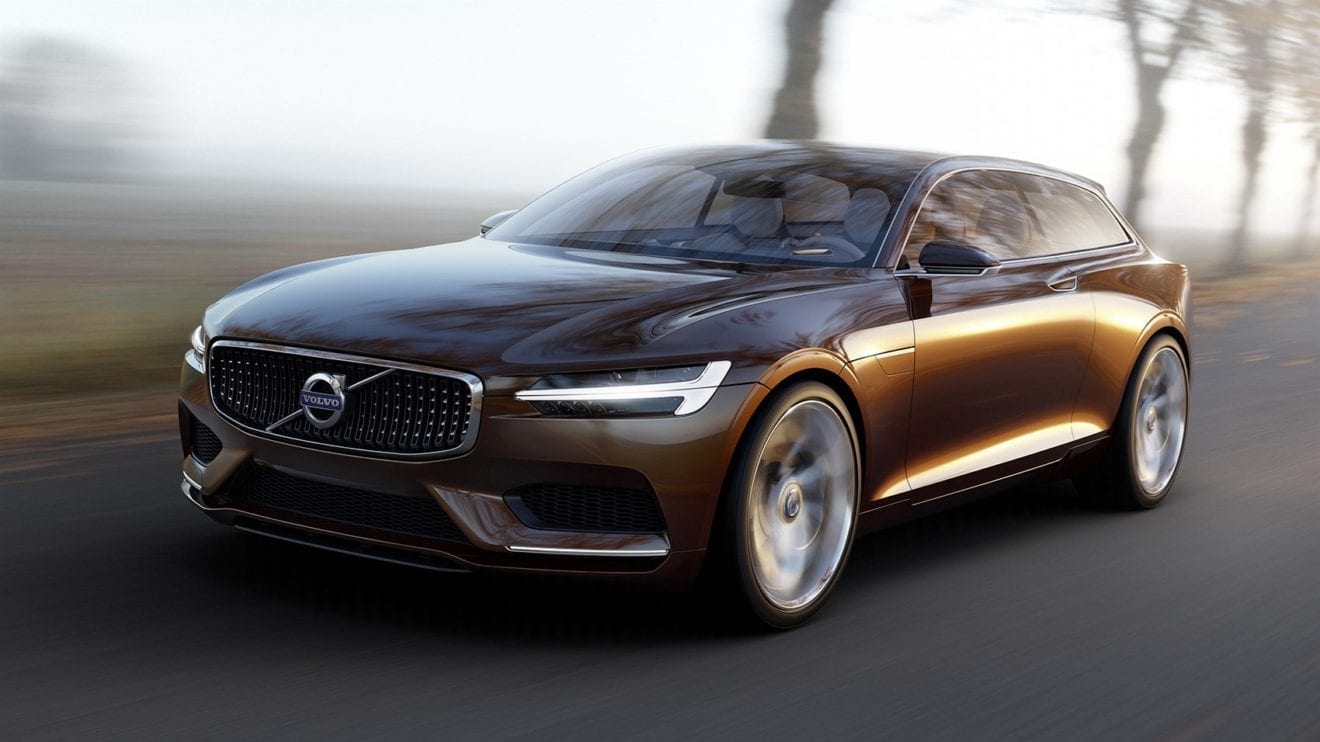
    Volvo is all set to reveal the all-electric XC40 on October 16, 2019. This will be the company’s first fully electric car and the company has teased the car ahead of its official reveal. But this time around the company gives us a glimpse into what the car will look like. For the first time in the company’s history, there’ll be a car that will move without petrol or diesel engine in the engine bay and have a battery in the floor, which will, of course, change the car’s dynamics.

    As you can see in the images, the car will no longer need tailpipes or a large grille for cooling purposes, while the removal of an internal combustion engine creates extra room for even more storage space under the front hood and that’s exactly what the company is providing.

    Robin Page, head of design at Volvo Cars said, “The roots of Scandinavian design are based on visual clarity and the reduction of element. The XC40 is a great example of this. Without the need for a grille we have created an even cleaner and more modern face, while the lack of tailpipes does the same at the rear. This is

    The front grille is covered in body colour and creates a distinct visual identity at the front of the car, made possible by the fact that an electric car needs less air flow for cooling purposes. The grille also neatly packages the sensors for the new Advanced Driver Assistance Systems (ADAS) sensor platform. The Volvo XC40 electric will be available in eight exterior colours, including a brand new Sage Green metallic option, while a contrasting black roof comes as standard. The XC40 electric will come with new 19 and 20-inch wheel options.

    Inside, the Volvo XC40 electric gets a brand new driver interface specifically designed for electric cars keeps drivers up to date on relevant information such as battery status, while the interior design package features sporty styling details as well as carpets made of recycled materials.

    The electric SUV is based on Volvo’s Compact Modular Architecture (CMA), which was designed from the outset with electrification in mind, the battery pack is integrated into the floor of the car without affecting interior space. There’s more functional storage space in the doors and under the seats, a fold-out hook for small bags and a removable waste bin in the tunnel console.

    The Volvo XC40 electric provides around 30 litres of extra load space because an electric motor takes less space

    Unique to the electric XC40, a special front load compartment (or ‘frunk’) located under the front hood provides around 30 litres of extra load space because an electric motor takes less space than a combustion engine. Volvo Cars will reveal more details about the fully electric XC40 in the coming weeks, before it will be first shown to the public on October 16.

  • Tesla Surmounts Supply Chain Woes With Blockbuster Q4 Deliveries

    Tesla Surmounts Supply Chain Woes With Blockbuster Q4 Deliveries

    Tesla Inc on Sunday reported record quarterly deliveries that far exceeded Wall Street estimates, riding out global chip shortages as it ramped up China production.

    It was the sixth consecutive quarter that the world’s most valuable automaker posted record deliveries. Tesla, led by billionaire CEO Elon Musk, delivered 308,600 vehicles in the fourth quarter, far higher than analysts’ forecasts of 263,026 vehicles. Tesla’s October-December deliveries were up about 70% from a year earlier and nearly 30% higher from record deliveries the preceding quarter.

    “Great work by Tesla team worldwide!” Musk wrote on Twitter.

    His electric car company ramped up production in China even though competition rose and regulatory pressure mounted following consumer complaints over product safety. On an annual basis, the automaker boosted its deliveries by 87% from a year earlier to 936,172 vehicles in 2021. Tesla ships China-made models to Europe and some Asian countries.

    On an annual basis, the automaker boosted its deliveries by 87% from a year earlier to 936,172 vehicles in 2021.

    Musk said in October last year that Tesla will be able to maintain an annual growth rate of more than 50% for “quite a while.”

    “They have beaten all the odds,” Gene Munster, managing partner at venture capital firm Loup Ventures, said on Sunday.

    “The first is the demand for their products is through the roof. And the second is they’re doing a great job of meeting that demand,” he said.

    Munster said he expected Tesla’s deliveries to grow to 1.3 million vehicles this year despite headwinds in production at its new factories and supply chain problems.

    Tesla Chief Financial Officer Zachary Kirkhorn said in October that it was difficult to predict how quickly the company will be able to boost production at new factories in Texas and Berlin, which will use new vehicle technologies and new teams.

    Tesla said in October that it aimed to build its first production cars at both facilities by the end of 2021, but it is not known whether it met that target. Tesla did not respond to a question from Reuters about the plants. Its Berlin factory had initially been scheduled to begin production last summer.

    Deutsche Bank said in a report on Friday that it expected Tesla to make nearly 1.5 million vehicle deliveries this year, although chip shortages remain a risk to production.

    In 2020, automakers cut chip orders as the pandemic and lockdown measures hit demand. But Tesla never reduced its production forecast with suppliers to support its rapid growth plan, which helped it weather the chip shortage, Musk has said.

    Tesla, which designs some chips in-house unlike most automakers, also reprogrammed software to use less scarce chips, according to Musk.

    Musk, who previously said, “2021 has been the year of super crazy supply chain shortages,” said in October that he was optimistic that those issues would pass in 2022.

    The strong sales came even after Tesla hiked U.S. vehicle prices sharply this year to offset higher supply chain costs.

    Tesla hit over $1 trillion in market capitalization in October after rental car company Hertz said it ordered 100,000 of its vehicles. The company’s shares lost some ground after Musk wrote on Twitter in November that he was considering selling 10% of his stake in Tesla.

  • Hyundai Motor India drops 6% in debut after country’s biggest IPO

    Hyundai Motor India drops 6% in debut after country’s biggest IPO

    Shares of Hyundai Motor India dropped as much as 6% in their market debut on Tuesday, after a tepid response from retail investors to the pricing of the country’s largest initial public offering.

    The stock listed at 1,934 rupees on the National Stock Exchange, below its offer price of 1,960 rupees, and traded down 4% at 1,882.10 rupees by 12.48 p.m. (Hanoi time), giving the company a valuation of 1.53 trillion rupees ($18.2 billion).

    Hyundai, India’s No. 2 carmaker with a market share of 15%, was targeting a valuation of $19 billion through the IPO.

    Its record $3.3-billion IPO was oversubscribed more than two-fold last week, led largely by institutional investors, but pricing concerns deterred retail investors who worried they would not be able to make gains on the listing.

    Shares of Indian rivals have also slipped in recent weeks as car sales slow after two years of record highs, with customers delaying purchases on worries about stubborn inflation.

    “Hyundai’s issue has been stiffly priced and that seems to be weighing down on its listing as well,” said Arun Kejriwal, founder of Kejriwal Research.

    “Besides, the volumes seen so far are driven only by institutional investors, and is rather poor for an IPO of Hyundai’s size.”

    Tuesday’s listing in Mumbai is Hyundai Motor’s first debut outside its home market of South Korea and comes at a time when India’s equity markets have risen sharply.

    With competition from domestic rivals Tata Motors and Mahindra & Mahindra, Hyundai Motor plans to use proceeds from its sale of a stake of 17.5% in the Indian unit to invest in research and launch new products.

    “Hyundai Motor will play a crucial role in Hyundai Motor India’s long-term growth through our collaboration in R&D, design, manufacturing,” the Korean automaker’s CEO, Jaehoon Chang, said at a listing ceremony in Mumbai.

    Seven of India’s 10 largest IPOs, including Hyundai India, reported listing day losses ranging from 5% to 27%, according to data from Dealogic.

    While Hyundai’s market valuation is much smaller than Indian market leader Maruti Suzuki’s $45 billion, analysts have expressed concerns over the narrower gap in their price-to-earnings (P/E) ratios.

    The issue had valued Hyundai at 26 times its fiscal 2024 earnings, not far off the multiple of 29 for Maruti.

    Some major brokerages, however, see long-term value in the stock.

    Nomura started coverage of Hyundai with a “buy” rating and price target of 2,472 rupees. The brokerage said it liked Hyundai’s high concentration of SUVs in the portfolio, which accounted for 67% of sales in the April-to-June 2024 quarter.

    Similarly, Macquarie analysts began coverage with an “outperform” rating and price target of 2,235 rupees, saying Hyundai’s SUV-centric portfolio commanded a P/E premium.

    “We shall leverage our deep understanding of consumer preferences to successfully expand our passenger vehicle portfolio,” Hyundai India’s chief operating officer Tarun Garg said at the listing ceremony.

    Shares of Maruti and Tata Motors were down 1%, in line with the Nifty Auto index.

  • VW investors demand faster progress in dieselgate reforms

    VW investors demand faster progress in dieselgate reforms

    Volkswagen needs to do more to regain the confidence of investors in the wake of its emissions scandal, despite a swift recovery in earnings, several shareholders told the German carmaker at its annual meeting on Wednesday.

    The world’s largest automaker reported better-than-expected first-quarter profits and has announced a raft of plans to recover from the biggest business crisis in its history, including cost cuts and investment in cleaner cars.

    But some shareholders said its emissions test cheating on diesel engines would continue to haunt it for years if it did not publish the results of an investigation into the scandal, address outstanding claims and improve corporate governance.

    “I am shocked and speechless, that was the case at the time and it still is today,” said Gerd Kuhlmeyer, head of staff shareholders group Community of VW, referring to a scandal that broke 20 months ago. “An end of ongoing investigation proceedings and possible further effects is not in sight.”

    Volkswagen (VW) has agreed to spend up to $25 billion in the United States to address claims from owners, environmental regulators, states and dealers and offered to buy back about 500,000 polluting U.S. vehicles.

    But it still faces billions of euros in claims from about 3,500 customer lawsuits and about 2,000 investor suits globally.

    The German group, which is tightly controlled by its founding families and home state of Lower Saxony, rejected calls by Kuhlmeyer and other investors for it to publish the results of a company-commissioned investigation by U.S. law firm Jones Day into the scandal, saying it couldn’t for legal reasons.

    “There is no written concluding report by Jones Day and there will not be one,” VW Chairman Hans Dieter Poetsch said.

    “I ask for your understanding that VW for legal reasons is prevented from publishing such a final report,” he told the gathering of about 3,000 shareholders.

    TRUST

    The carmaker initially pledged to inform shareholders about the findings of the Jones Day report which was used as the basis for a $4.3 billion settlement with the U.S. Justice Department, but has since abandoned this plan.

    It says the report was incorporated in the “statement of facts” published by the Justice Department, and that as part of the settlement deal it cannot publish separate findings.

    But some shareholders criticized this explanation.

    “Your reference to the statement of facts agreed in the U.S. is completely insufficient and almost insulting to all those who are interested in complete clarification of responsibilities,” said Christian Strenger, supervisory board member at DWS Deutsche Asset Management GmbH.

    Hermes EOS, representing large institutional investors, called on VW to seek agreement with U.S. authorities to be allowed to publish at least a summary of Jones Day’s findings.

    “That’s the only way to regain lost trust with investors and to win back customers,” Hans-Christoph Hirt, head of Hermes EOS said. “Only then, it can be found out whether the company is drawing the right conclusions.”

    VW shares have bounced back from their post-scandal lows, but are still trading below the level when it broke in September 2015. At 1500 GMT, the stock was up 0.2 percent at 144.6 euros.

    Separately, Chief Executive Matthias Mueller said VW would support without reservation Larry Thompson, a former U.S. deputy attorney general, who has been picked by the Justice Department to oversee the company for three years.

    Thompson and his team will have access to VW documents and assess the efforts of its board of management and senior management to comply with environmental laws.

    “I see this as an opportunity,” Mueller said. “The work of the monitor can and will contribute to bringing risk management, compliance and integrity within the group to new levels.”

  • Geely Defies Global Expansion Pause with Plans for New Auto Plant in Vietnam

    Geely Defies Global Expansion Pause with Plans for New Auto Plant in Vietnam

    Geely’s ambitious plan is to construct a US$168-million manufacturing plant in northern Vietnam is set to unfold as scheduled, despite broader concerns cast by its chairman and founder, Li Shufu. Just last Saturday, Shufu pointed out the global automotive industry is grappling with a “serious overcapacity,” leading Geely to pause new plant constructions and expansions at existing facilities, according to British news agency Reuters.

    Geely’s Promising Venture in Vietnam

    The Vietnam plant is a collaboration between Geely and local distributor Tasco, with Geely holding a significant 64% stake. Groundbreaking is slated for this quarter in Thai Binh Province, where a sprawling 30-hectare site will eventually operate at a capacity of 75,000 vehicles annually in its initial phase.

    These vehicles will include models from Geely and its Chinese counterpart, Lynk & Co, specifically designed to cater to domestic demand and facilitate exports to countries with free trade agreements with Vietnam. The factory holds the potential for future expansion as it may begin assembling a wider variety of Geely vehicles.

    All cars produced at the plant will be constructed from “completely knocked down” kits—meaning they are assembled from parts sourced from various locations. The first vehicles are expected to hit the Vietnamese market early next year, while Geely currently offers the Coolray CUV imported from Malaysia.

    Geely is a prominent player in China’s automotive sector, boasting a diverse portfolio that includes brands like Zeekr and Galaxy, along with a stake in the premium Swedish manufacturer Volvo. With 22 factories in China and three spread across the globe, Geely’s growth ambitions are clear.

    The Race for Automotive Investment in Vietnam

    Interestingly, Geely isn’t the only Chinese automaker eyeing Vietnam. Chery, another industry titan, plans to break ground on their own factory in Thai Binh Province in the third quarter through its partner Geleximco. With an investment of $800 million, Chery’s venture will focus on producing Omoda and Jaecoo models, with other potential vehicles in the pipeline.

    While Chery sets its sights on this strategic investment, major players such as BYD and SAIC have also explored opportunities in Vietnam but have yet to make significant moves. At present, the majority of Chinese passenger vehicles sold in Vietnam are imported from China, Thailand, or Malaysia.

    In a noteworthy development, the number of Chinese automotive brands in Vietnam jumped to 14 last year, surpassing Japan’s nine for the first time. However, their market presence remains relatively small compared to established Japanese and Korean brands, as well as the domestic contender, VinFast.

    As Geely prepares to roll out its manufacturing plant, the automotive landscape in Vietnam is likely to get even more interesting—where the thrill of competition could soon turn up the heat among industry giants.

    Questions & Answers

    What is Geely’s investment in the Vietnam plant?
    Geely is investing US$168 million in its new manufacturing facility in northern Vietnam.

    What models will be produced at the new plant?
    Initially, the factory will produce vehicles from Geely and Lynk & Co, catering to both domestic and export markets.

    When will the first vehicle arrive for Vietnamese consumers?
    The first vehicle is expected to be available to Vietnamese customers early next year.

  • Pham Nhat Vuong, Vietnam’s richest man, donates $800M to boost automaker VinFast’s ambitions

    Pham Nhat Vuong, Vietnam’s richest man, donates $800M to boost automaker VinFast’s ambitions

    Billionaire Pham Nhat Vuong, the chairman of the private conglomerate Vingroup and recognized as Vietnam’s wealthiest individual, has injected a staggering VND20.5 trillion (approximately US$790 million) into the automaker VinFast between November and May. This generous contribution is part of his promise of VND50 trillion made last year, as disclosed by the company on Monday.

    Financial Support Fuels Expansion

    In the past six months, VinFast has also secured a loan of VND30.57 trillion from its parent company, reinforcing its financial backbone. Vingroup remains committed to supporting VinFast, pledging a maximum of VND35 trillion to ensure the company’s sustained growth. Vuong, who wears multiple hats as CEO and founder of VinFast, experienced a remarkable surge in his wealth—an increase of $3 billion over the last two months—bringing his total fortune to over $10 billion, according to Forbes.

    Impressive Growth Amid Losses

    VinFast reported exceptional growth for the first quarter, showcasing a 150% increase in revenues year-on-year, reaching VND16.31 trillion. The company delivered a remarkable 36,330 electric cars and an astonishing 44,904 motorcycles and bicycles during this period, translating to impressive increases of 296% and 473% respectively. However, despite these successes, VinFast also reported a loss of VND17.69 trillion, which marks a 20% rise in losses compared to the previous period. To respond to the challenges and capitalize on its momentum, the company plans to adjust its sales target for the year from 200,000 to 280,000 units, as shared by deputy CEO Thai Thi Thanh Hai.

    Who knew the complex world of electric vehicles could be this exhilarating?

    Questions & Answers

    How much has Pham Nhat Vuong invested in VinFast?
    Pham Nhat Vuong has gifted VinFast VND20.5 trillion (around US$790 million) over the past six months.

    What has been VinFast’s recent sales performance?
    VinFast delivered 36,330 electric cars and 44,904 motorcycles and bicycles in the first quarter, marking significant increases in both categories.

    What loss did VinFast report despite impressive growth?
    The company reported a loss of VND17.69 trillion, a 20% increase compared to the previous period, even amid record revenue growth.