Tag: automotive retail

  • Thailand Faces 26,000 EV Charger Deficit as Landowners Target Motorist Dwell Time

    Thailand Faces 26,000 EV Charger Deficit as Landowners Target Motorist Dwell Time

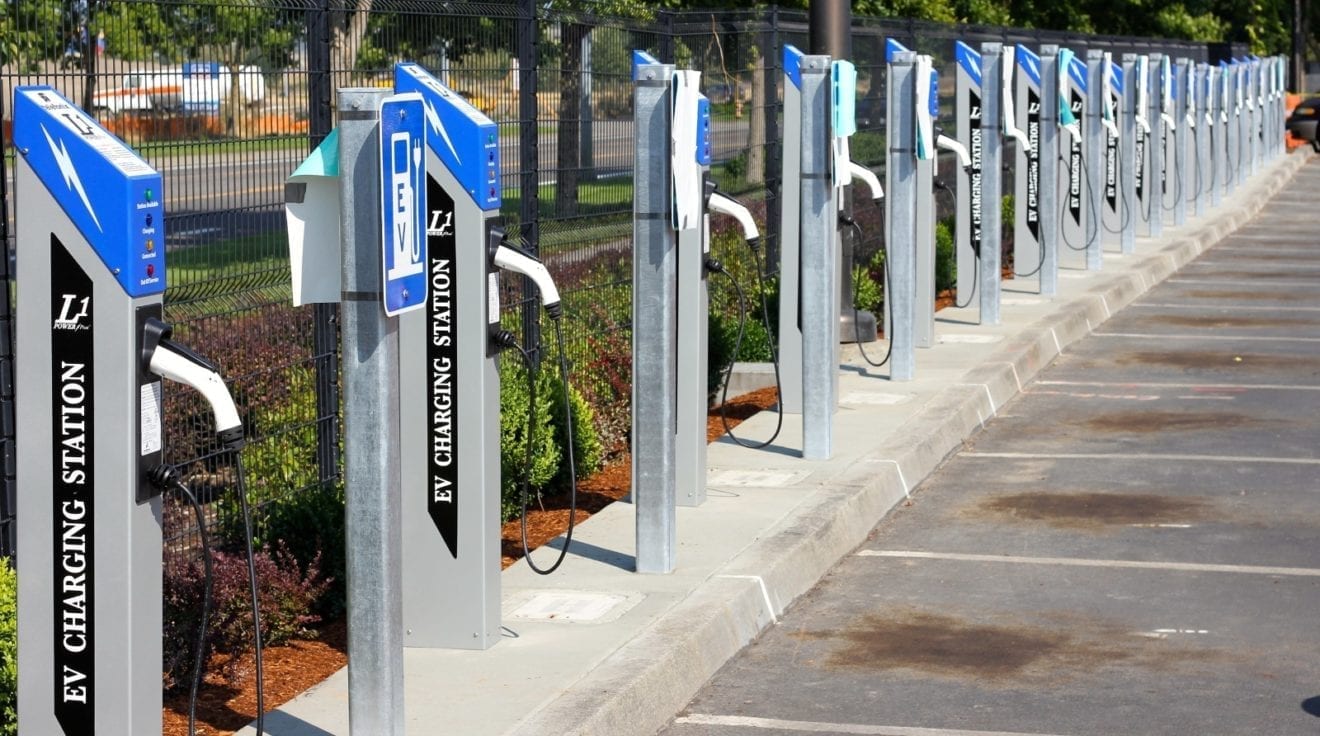
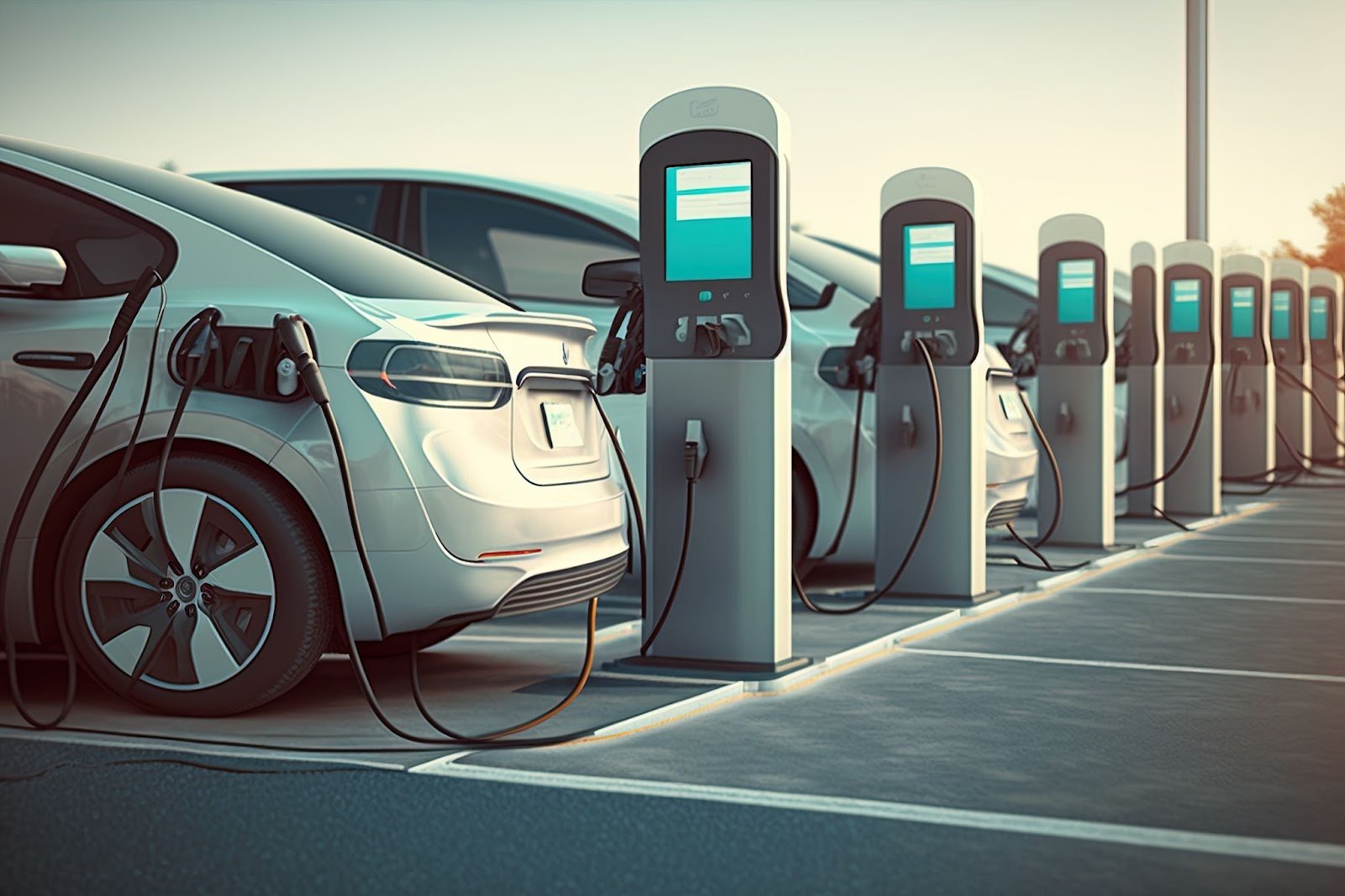
    Thailand needs roughly 26,000 additional electric vehicle charging outlets to build an adequate public network of about 41,000 points, according to data from Sharge Management Co.

    Battery EV registrations reached 169,638 units during the first nine months of 2026, up 93 percent year-on-year. That lifted total battery electric vehicles on Thai roads past 456,000 by late September.

    Network expansion is falling behind the fleet. Thailand counts more than 5,000 public charging locations hosting around 15,000 outlets, leaving a vehicle-to-charger ratio of roughly 30:1 compared to an international average of about 11:1.

    The Fast Charger Bottleneck

    Direct-current fast chargers present the sharpest deficit. The national ratio for DC fast units sits at 47:1, leaving drivers waiting during rush hours along key highway networks.

    Congestion clusters along routes out of the capital. The links connecting Chon Buri and Pattaya, sections between Saraburi and Nakhon Ratchasima into the northeast, and the Prachuap Khiri Khan-Chumphon highway heading south remain underserved by large-scale charging parks despite heavy traffic.

    Peerapatr Sirichantaropart, managing director of Sharge Management, said:

    Looking back over the past three years, EVs across personal, commercial and corporate segments have recorded average annual growth of 155%, highlighting a transition to the EV era that is happening faster than many anticipated.

    Matching Charger Speed to Dwell Time

    For strip malls, souvenir stops, roadside cafes and hotels, charging points are shifting from decorative amenities into commercial real estate drivers. Drivers need to stop, and they spend while plugged in.

    Site planning hinges on duration. Highway rest stops require high-output DC chargers to turn cars around fast. Suburban community malls and lifestyle venues fit medium-capacity DC or AC equipment, while overnight hotels deploy standard AC chargers to refill batteries while guests sleep.

    Hardware choice determines economics. Privately owned land developments turning plots into charging hubs typically see payback periods of three to seven years, depending on location, plug hardware and daily utilisation rates.

    Revenue Shifts for Retail Landlords

    Commercial landlords capture two distinct revenue streams from an installation. Drivers pay directly for power, and they spend cash inside adjacent retail stores during charging intervals.

    Long queues form consistently during public holidays at major tourist stops. Landlords operating dining outlets and convenience retail on those corridors take foot traffic from drivers who would otherwise bypass smaller community venues.

    Sharge figures show battery EV registrations hit 122,384 units in 2025, up 72.1 percent from the previous year. That compounding volume means roadside commercial centres without charging facilities risk losing regular transit customers to nearby plots with open plugs.

    Operators now look to the remaining quarter of 2026 to see whether grid connection approvals and public charger additions can begin closing the 26,000-plug shortfall before seasonal holiday holiday travel peaks.
  • Jardine Matheson Southeast Asia Posts Mixed Results as S$221 Million Car Exit Refocuses Group

    Jardine Matheson Southeast Asia Posts Mixed Results as S$221 Million Car Exit Refocuses Group

    Singapore-based holding company Jardine Matheson Southeast Asia (JMSEA) delivered a mixed performance for the first nine months of 2026, according to a Singapore bourse filing on Tuesday.

    JMSEA is Jardine Matheson’s intermediate holding company in the region. Its parent, Jardine Matheson (Jardines), is headquartered in Hong Kong.

    The business update marks the holding company’s first operational report since completing the sale of longstanding automotive distributor and retailer Cycle & Carriage to Indonesia’s Chandra Asri Pacific, booking a S$221 million gain in August.

    Across its regional holdings, Indonesian diversified unit Astra reported a 1 per cent decline in net profit, excluding non-recurring items, in the third-quarter statement. Stronger retail appetite helped Astra’s automotive business increase earnings by 8 per cent after higher wholesale car and motorcycle volumes. Financial services profits rose 6 per cent alongside larger loan portfolios, countering a 28 per cent drop in mining and heavy equipment earnings hit by lower coal quotas and gold mining sales.

    Dealership Shifts in Indonesia

    In Indonesia, JMSEA maintains a 50.1 per cent controlling interest in Astra and a 49.9 per cent holding in automotive dealership group Tunas Ridean. Tunas Ridean achieved higher car sales and increased profits over the period, reinforcing the group’s retail distribution footprint across the country.

    Divesting Cycle & Carriage stripped out direct exposure to retail showrooms in Singapore and Malaysia, focusing JMSEA’s automotive capital directly on developing markets. That shifts group risk toward consumer credit cycles in Indonesia and price wars in mainland Southeast Asia.

    Margin Squeeze in Vietnam

    Vietnamese affiliate Truong Hai Group, known as THACO, in which JMSEA owns a 26.7 per cent stake, delivered higher net profit lifted by residential property handovers. Automotive sales volumes rose across THACO’s vehicle dealerships, but operating margins thinned under aggressive retail discounting from competing brands.

    Renewable energy and engineering associate REE, held at 41.7 per cent, posted earnings growth across most operating units during the nine-month period.

    Regional Showroom Pressures

    Auto distributors across Southeast Asia face structural changes as Chinese electric vehicle manufacturers enter regional markets with low retail pricing. Dealership groups that rely on volume incentives are finding gross margins squeezed even when unit deliveries increase, as THACO’s numbers demonstrate.

    JMSEA’s decision to exit mature Singapore and Malaysia retail networks locked in capital while leaving its remaining vehicle exposure tied to high-volume emerging markets. Success now depends on Astra’s financing arm maintaining loan quality while showroom competition intensifies.

    Capital Moves and Outlook

    The August sale of Cycle & Carriage ended decades of direct vehicle distribution under the brand in Singapore and Malaysia. That transaction handed Chandra Asri Pacific control of long-established regional distribution franchises.

    Shares of JMSEA rose 1.6 per cent, or S$0.37, to finish at S$24.08 on Tuesday prior to the release of the interim management statement.

    Attention turns to year-end consumer finance collections at Astra and vehicle margin recovery at THACO as fourth-quarter auto promotions conclude.

  • Nio Adds ES8 Special Edition in Guangzhou as Overall Deliveries Slip

    Nio Adds ES8 Special Edition in Guangzhou as Overall Deliveries Slip

    Nio will introduce a special edition of its third-generation ES8 sport utility vehicle at the Guangzhou Auto Show on November 27, leaning on a model that drove half its brand sales in September.

    The current variant retails between 382,800 yuan ($57,010) and 446,800 yuan with a battery pack, or from 274,800 yuan under the company’s battery subscription service.

    Trade reports indicate the special edition will focus on visual tweaks and dedicated exterior colors rather than structural powertrain revisions. Technical specifications and final showroom pricing remain unannounced ahead of the exhibition opening at the Canton Fair Complex.

    Carrying the Core Brand

    The third-generation ES8 has delivered 160,000 units since customer handovers started on September 21, 2025. It took 33 days to log the final 10,000 units in that run, crossing the threshold on October 23.

    Volume peaked early in the year, hitting 17,658 units in January before settling into a steady pace through late summer. Deliveries reached 10,546 vehicles in September, accounting for 49.5 per cent of all cars sold under the main Nio badge.

    Showrooms currently stock five variants across five-, six-, and seven-seat cabin layouts. A five-seat configuration joined the lineup in July, followed by an optional package in September that bundled 22-inch forged wheels and gold-painted brake calipers.

    Delivery Run Breaks Under Pressure

    Product adjustments at the top of the catalogue arrive as group-level volume contracts across Chinese showrooms. Nio Inc delivered 34,246 vehicles across all its nameplates in October, falling 15.2 per cent from a year earlier and ending 31 straight months of annual expansion.

    Deliveries for the flagship Nio badge stood at 18,125 vehicles during the month, up 5.7 per cent year-on-year but down 15.0 per cent from September. Volume shortfalls at the mass-market Onvo division wiped out gains recorded by the primary marque and the smaller Firefly brand.

    That pressure leaves retail networks leaning heavily on top-tier metal to protect dealer cash flows and average selling prices. In September, the ES8 and the newer ES9 SUV combined to generate 85.6 per cent of all deliveries booked by the core brand.

    Defending High-Ticket Margins

    Automakers in China routinely deploy cosmetic packages late in a vehicle’s second year to defend pricing floors without rewriting list prices. Premium buyers respond to distinctive trim lines, allowing manufacturers to hold transaction values steady while rivals discount older stock.

    For Nio, the risk sits in product concentration. Squeezing incremental volume out of a single large chassis works only while wealthy urban households keep buying; it does nothing to fix showroom traffic across the broader, cheaper model lines.

    Showroom teams also face internal overlap. The ES9 delivered 7,706 units in September, carving out 36.2 per cent of brand volume and competing for the same multi-car family budgets that supported the ES8 throughout late 2025.

    A Crowded Trade in Guangzhou

    Nio claimed first place in retail sales for China’s large SUV category over the first ten months of the year, though it withheld specific October figures for the vehicle. The nameplate logged 10,705 units in November 2025 and 22,276 in December 2025, setting a high hurdle for year-end comparisons.

    Trade attention now turns to the Canton Fair Complex, where regional operators will gauge whether cosmetic trims can reverse the October slide. Guangzhou Auto Show runs through December 6, when order intake figures will show whether buyers still pay full price for the platform.

  • Geely Adds Star Editions to Xingyuan EV Lineup Priced at 91,800 Yuan

    Geely Adds Star Editions to Xingyuan EV Lineup Priced at 91,800 Yuan

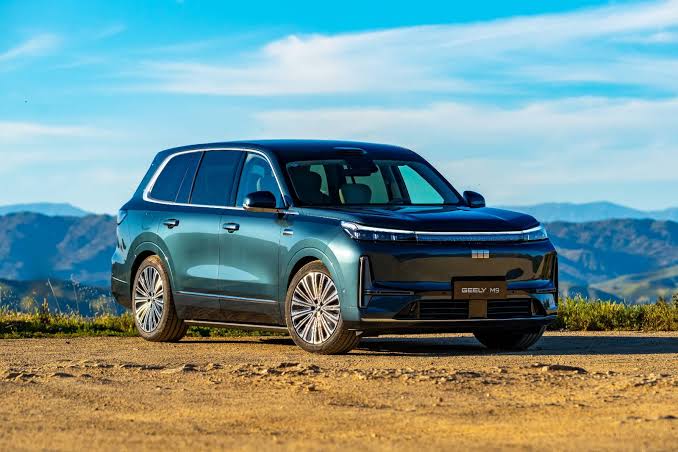
    Geely Galaxy launched two special edition variants of its Xingyuan electric hatchback in China on Friday, pricing both trims at 91,800 yuan ($13,670) to defend its volume share in entry-level passenger vehicles.

    Buyers securing orders through November 30 receive a 3,000-yuan trade-in subsidy that lowers the effective price to 88,800 yuan. The additions expand the Xingyuan lineup beyond its existing six baseline grades, which retail between 64,800 yuan and 94,800 yuan before temporary discounts.

    Hardware and Cabin Specifications

    The two new editions diverge on trim packages while sharing mechanical underpinnings. Geely styled the Star Ace with a sport exterior kit, an obsidian black contrasting cabin and three model-exclusive paint colors. The Star Chill variant uses a milky salt beige exterior paired with light beige interior upholstery.

    Both cars feature a 70-liter powered front trunk that opens via six automated methods, including a physical knock sensor on the bodywork. Inside, Geely installed its Eva animated robot display on the dashboard, designed with 60 degrees of motorized articulation and more than 50 interactive facial expressions.

    Cockpit electronics run on Geely’s Flyme Auto 2.0 operating system, backed by a 7-nanometer StarDragon 1 processor designed by affiliated chipmaker SiEngine. Driver-assist functions run on the Geely Afari Smart Driving H3 architecture, allowing navigation on autopilot across highways and elevated urban routes alongside automated memory parking.

    Chassis Dynamics and Powertrain Layout

    Dimensionally, the hatchback measures 4,135 mm long, 1,805 mm wide and 1,570 mm tall on a 2,650 mm wheelbase. Contemporary Amperex Technology Co. Ltd supplies cells as standard equipment across all configurations.

    Traction comes from a single rear-mounted electric motor delivering either 58 kW or 85 kW depending on the selected grade. Tested under China Light-Duty Vehicle Test Cycle standards, the platform delivers driving ranges of 310 kilometers, 410 kilometers or 480 kilometers between full charges.

    Rivalry in the Mass Market

    Geely is deploying consumer-tech amenities into lower price brackets to isolate rival models from BYD, specifically the Seagull and Dolphin hatchbacks. The segment demands frequent cosmetic updates and digital upgrades because buyer loyalty remains exceptionally price-elastic below 100,000 yuan.

    Squeezing automated parking chips and powered frunks into budget hatchbacks raises unit costs for Geely, leaving thinner room for dealer margins. Yet leaving the car unchanged invites direct cannibalisation in suburban showrooms, where young first-time drivers prioritise interior tech over powertrain pedigree.

    Rapid Assembly Milestones

    The Xingyuan entered the domestic market in October 2024 before expanding overseas under the Geely EX2 nameplate, including local assembly operations in Brazil established in June 2026. Production lines assembled the one-millionth unit on October 20, completing the final 200,000-unit increment in two months.

    October retail deliveries cleared 70,000 vehicles worldwide. Showroom performance now hinges on order conversion rates before the 3,000-yuan subsidy window expires on November 30.

  • Leapmotor Launches A10 SUV in Thailand with 30 Outlets Planned

    Leapmotor Launches A10 SUV in Thailand with 30 Outlets Planned

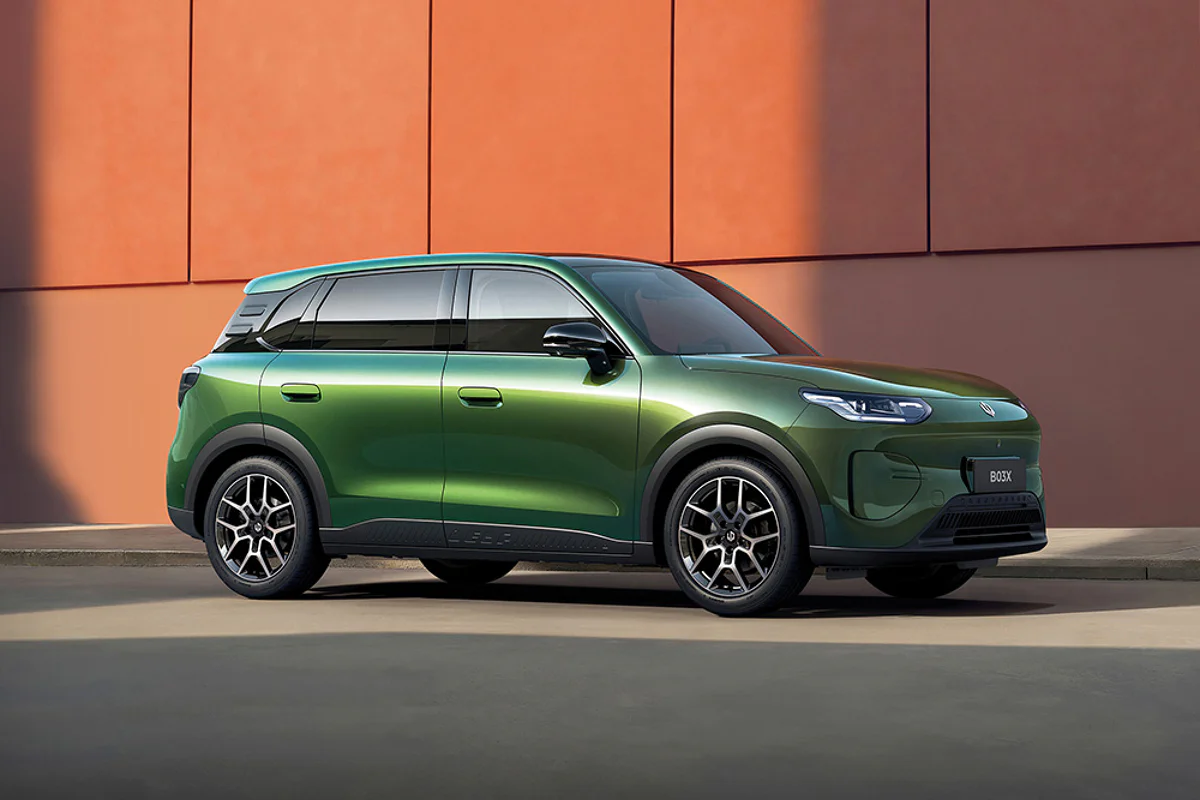
    Leapmotor launched its A10 compact electric sport utility vehicle in Thailand on Friday, sending the model to 19 local showrooms as it chases export volume across Southeast Asia.

    The carmaker plans to expand that sales and service footprint to 30 locations nationwide before the end of the year.

    Showroom rollout and vehicle specs

    Known internationally as the B03X, the small SUV features a long-range battery rated for 450 kilometers under NEDC testing standards. It accepts direct-current fast charging up to 133 kW, filling the battery from 30 percent to 80 percent in 16 minutes under test conditions.

    Cabin hardware includes a 14.6-inch 2.5K central display screen compatible with Apple CarPlay and Android Auto. Practical features focus on urban buyers, adding semi-autonomous driver aids alongside a 106-liter washable cargo bin fitted under the rear floorboards. Leapmotor did not release retail pricing or a delivery schedule during the Bangkok presentation.

    Dealership network and parts supply

    Expanding dealership coverage forms the core of the Thai strategy. Alongside the push to reach 30 retail points, the carmaker is building a dedicated regional parts distribution hub and a technical support depot to speed up repair turnaround.

    Chinese brands entering Southeast Asia regularly encounter resistance around replacement component delays and depreciating resale values. Setting up physical maintenance hubs alongside new showrooms addresses that dealer friction directly. It gives fleet operators and individual motorists a clearer operational backing than independent importers can provide.

    The export joint venture

    International distribution runs through Leapmotor International, an operating venture owned 51 percent by Stellantis NV. The European automotive group holds exclusive manufacturing and distribution rights for all Leapmotor vehicles sold outside Greater China.

    That corporate partnership provides instant scale, allowing the Chinese marque to bypass the slow, expensive process of constructing solo distribution networks across developing markets. It also gives the brand an established logistics apparatus to ship right-hand-drive vehicles across ASEAN ports without building regional factories first.

    Expanding product cadence

    Friday’s launch extends a product rollout that began when Leapmotor brought the larger C10 SUV to Thailand in 2024. The carmaker followed that introduction by rolling out the B10 electric SUV in October 2025.

    Deliveries outside China have become central to Leapmotor’s balance sheet. The automaker exported 27,454 vehicles in September, representing a 298.58 percent rise year-on-year and a 50.39 percent lift from August. Over the first nine months of the year, outbound shipments reached 159,572 units, climbing 322.46 percent year-on-year. Global deliveries across domestic and foreign operations reached 105,656 vehicles in September, pushing nine-month output to 666,539 cars.

    Thai retail pricing remains the immediate figure to watch, followed by the planned commercial debut of the refreshed C10 SUV in 2026.

  • Midland Bank Backs BYD Auto Loans up to Tk 80 Lakh

    Midland Bank Backs BYD Auto Loans up to Tk 80 Lakh

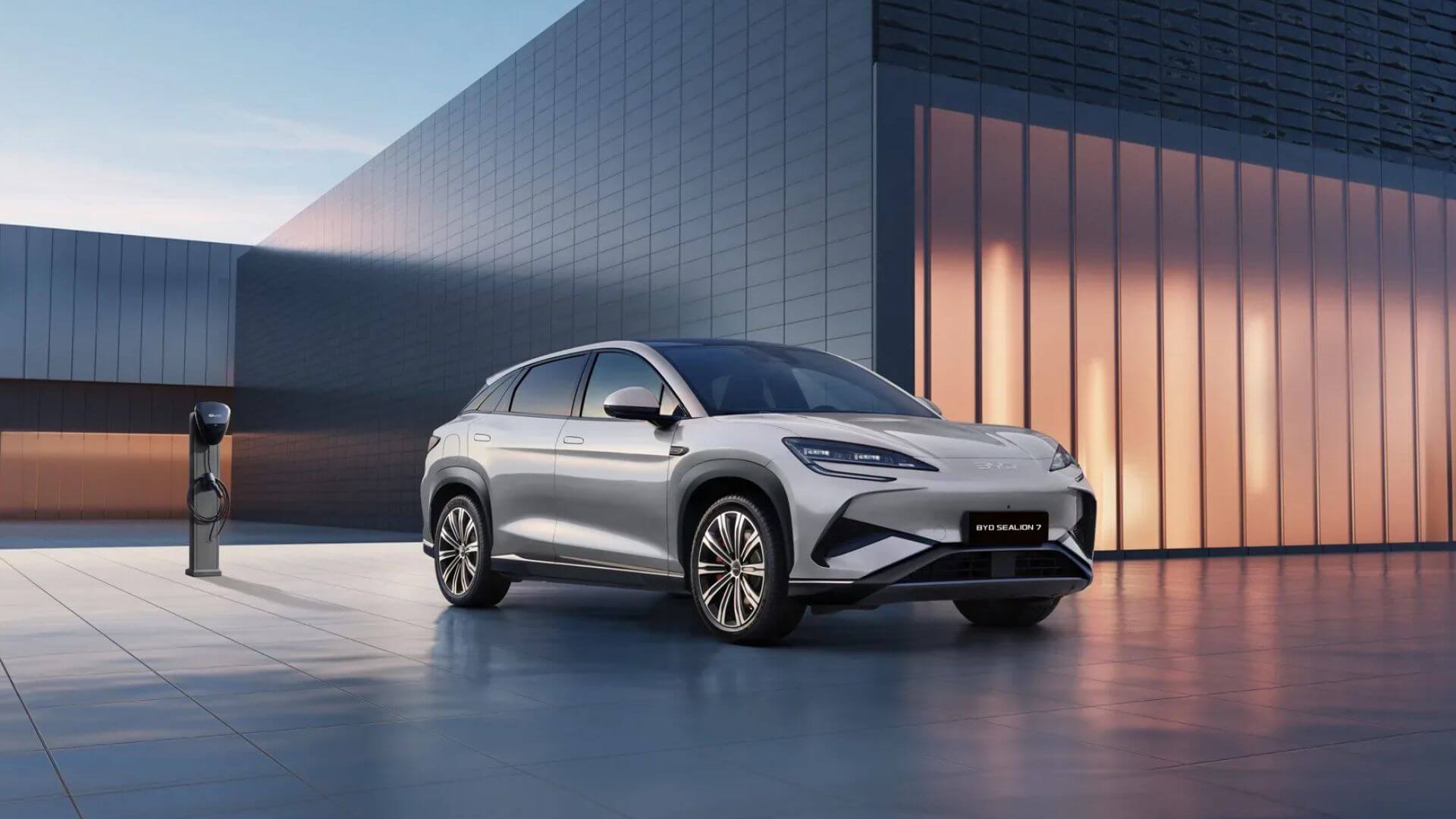
    Midland Bank PLC signed an agreement recently with CG Runner BD Ltd to finance customer purchases of BYD vehicles in Bangladesh, offering loans ranging from Tk 4 lakh to Tk 80 lakh.

    Managing director Imtiaz U Ahmed of Midland Bank and managing director Amid Sakif Khan of authorised distributor CG Runner BD completed the deal during a signing ceremony in Dhaka.

    Under the facility, the lender finances up to 80 percent of a vehicle’s value with flexible repayment tenures reaching six years, delivering competitive interest rates to buyers.

    Loan Terms and Processing Speed

    Under the memorandum of understanding signed with authorized distributor CG Runner BD Ltd, the bank commits to turnaround times within three working days after receiving paperwork. Approval remains tied to the commercial lender’s internal credit assessments.

    Midland Bank managing director Imtiaz U Ahmed and CG Runner BD managing director Amid Sakif Khan signed the deal in Dhaka. Institutional banking head Mohd Javed Tarek Khan, operations head Muhammed Noorunnabi, unit head Muhammad Majidul Haq Patwary and retail coordinator Mohammed Rashadul Anwar attended for the bank. Chief financial officer Md Ferdowsur Rahman and business development head Methun Bhattacharjee joined for the distributor.

    Commercial EV Distribution in Dhaka

    Commercial banks in South Asia rarely extended high-tenure consumer credit to new automotive brands without substantial down payments. By underwriting up to 80 percent of asset values, Midland Bank absorbs the residual value risk that typically slows down electric vehicle retail adoption in emerging markets.

    Dhaka’s passenger car segment relies heavily on imported reconditioned combustion vehicles. Dealerships selling factory-new battery electric models need institutional debt lines to match the installment structures that grey-market fleet importers routinely provide through non-bank financial institutions.

    Expanding South Asian Electric Mobility

    BYD has pushed aggressively across developing Asian territories through local franchise agreements, selecting commercial partners capable of handling both assembly licenses and retail floor plans. CG Runner serves as the brand’s primary channel to bring battery electric sedans and compact SUVs into Bangladesh’s urban centres.

    The agreement focuses strictly on retail financing for passenger buyers rather than commercial fleet operators or public transport bodies.

    Next Steps for Borrower Uptake

    Midland Bank now rolls the retail loan package through its branch network across the capital and regional commercial hubs. The immediate measure of demand will be loan booking volume as CG Runner delivers its upcoming batch of imported BYD units to showroom floors.

  • Li Auto Deliveries Fall to 29,025 in October

    Li Auto Deliveries Fall to 29,025 in October

    Li Auto delivered 29,025 vehicles in October, down 8.63 per cent from a year earlier as monthly volumes hit their lowest point since February. The figure slipped 8.78 per cent from the 31,817 units handed over in September, marking a second consecutive month of year-on-year contractions.

    Over the first ten months of 2026, the Chinese automaker delivered 322,461 vehicles, a 1.96 per cent drop compared to the same period last year. Total cumulative deliveries reached 1,862,676 units by October 31.

    Production Squeeze on Updated i6

    Li Auto launched the refreshed 2026 Li i6 on October 28 and started customer handovers the following day. The five-seat pure electric SUV keeps an unchanged sticker price of 249,800 yuan ($37,210), though early buyers securing allocations before November 30 receive promotional incentives lowering the cost to 239,800 yuan.

    Hardware updates include the proprietary Mach M100 driver-assist chip and a 96-kilowatt-hour Lianshan lithium iron phosphate battery pack. That combination yields a CLTC driving range of 780 kilometres on rear-wheel-drive configurations. Li Xinyang, head of the Li Auto product line, confirmed on October 30 that cumulative production of the i6 reached 200,000 units, but consumer wait times currently span seven to eight weeks.

    Flagship MPV Repositioning and In-House Tech

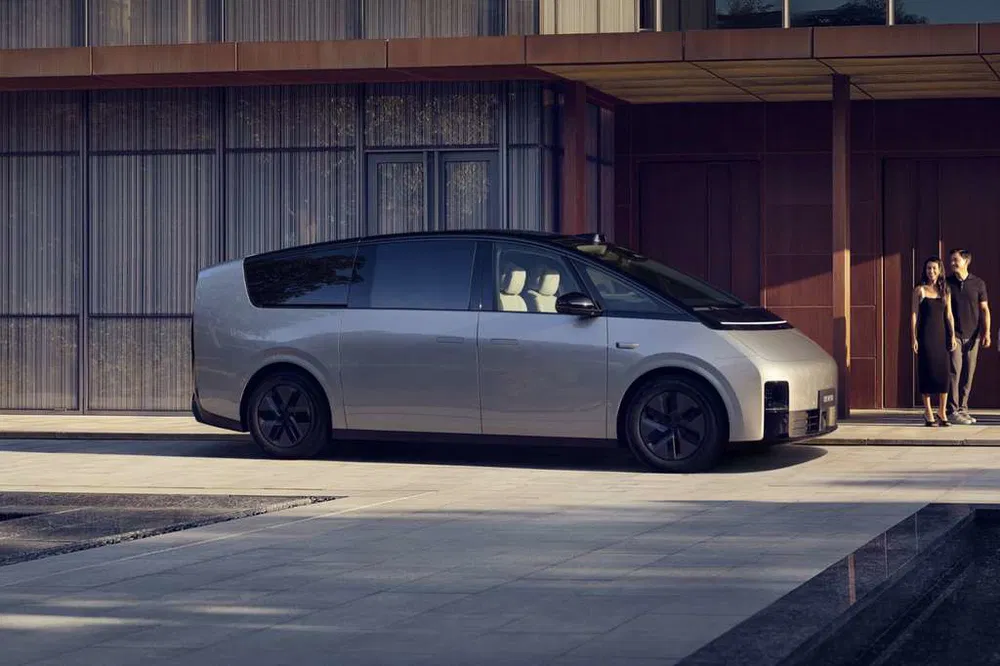
    Demand for the larger Mega multipurpose vehicle showed moderate recovery, topping 3,000 deliveries during October. Li Auto introduced the revised flagship electric van on September 2 with hardware revisions and a lower retail price designed to revive commercial momentum after a sluggish initial rollout.

    October also brought commercial deployments of Li Auto’s self-developed powertrain hardware, including the Lianshan drive system and dedicated traction pack warranty schemes. An over-the-air software upgrade, version 9.2, rolls out to owners in November to introduce Mach VLA 2.5 driver-assist functions alongside refreshed cockpit voice systems.

    Rivalry Shifts to Showroom Productivity

    Premium Chinese electric vehicle makers face an aggressive pricing war that penalises pauses in model renewal cycles. Rivals have expanded their sub-brands to defend entry-level volumes, while Li Auto relies on concentrated showroom throughput to protect dealer margins. The recent delivery dip demonstrates that consumer interest falters quickly when factory retooling delays customer handovers.

    Suppliers also face cash constraints as automakers bring proprietary silicon and battery assembly under direct control. Li Auto’s switch to its internal Mach processors and Lianshan battery platforms shifts margin risk straight to its balance sheet, raising the capital threshold required to compete in Tier 1 cities.

    Retail Expansion Ahead of Year-End Target

    The October setback follows a peak run in late 2024, when monthly deliveries crossed 50,000 units before market competition tightened across China. Li Auto responded by building out physical touchpoints in lower-tier regions while pruning low-traffic mall sites.

    By the end of October, the company’s retail network spanned 481 stores across 159 cities, supported by 527 service facilities in 217 cities. Its proprietary charging infrastructure expanded by 18 stations and 86 stalls in October, bringing totals to 4,206 supercharging stations and 23,163 plugs across China.

    Factory planners target monthly i6 assembly output of 20,000 units in November before pushing line rates higher in December to clear backlogs before the annual tax cut window closes.

  • China NEV Retail Sales Forecast at 1.07 Million in October

    China NEV Retail Sales Forecast at 1.07 Million in October

    China new energy vehicle retail sales are expected to reach roughly 1.07 million units in October, down 16.5 per cent year-on-year, according to a report released on Friday by the China Passenger Car Association. The decline extends a prolonged cooling period in the automotive market.

    Total passenger car retail volume across the country is projected to drop 28.9 per cent to 1.6 million units over the same period, deepening an annual slide from September’s 28.0 per cent fall. While new energy vehicle retail penetration remains high at an estimated 66.9 per cent, market share dipped by 0.1 percentage points from the record 67.0 per cent achieved in September.

    CPCA analysts noted that traditional seasonal sales boosts have weakened significantly, leaving overall demand sluggish despite high adoption rates for electric and hybrid models.

    Holiday Traffic Fails to Sustain Dealership Momentum

    Showroom traffic rose briefly during the National Day holiday in early October before dropping sharply across major dealership networks. Accumulated holiday orders lifted average daily retail sales to 58,000 units during the second week of the month, but daily volume slumped to 47,000 units by the third week.

    The association projected average daily sales to stabilize around 49,000 units in the fourth week as third-quarter vehicle launches clear delivery backlogs. A final month-end push is expected to lift daily transactions to 79,000 units in the fifth week.

    Between October 1 and October 18, actual passenger NEV retail sales reached 520,000 units, reflecting a 13 per cent drop compared to the same period in 2025 and a 2 per cent decline from September.

    Target Shortfalls and Price Discipline

    An early October survey of automotive manufacturers found that most leading brands achieved less than 60 per cent of their annual sales targets during the first three quarters of 2026. Automakers have grown increasingly cautious regarding final-quarter volume growth.

    Dealer profitability concerns and industry efforts to prevent excessive discounting have restricted further price reductions. Retailers are turning to defensive inventory strategies rather than using heavy dealer-subsidized promotions to generate turnover.

    High pump prices continue to drag on traditional gasoline vehicle sales, keeping consumer preference tilted toward electric and plug-in hybrid alternatives. Even with sustained consumer interest, longer stretches between product debuts, order books, and physical deliveries have stretched purchase cycles.

    Slowing Momentum Across the Sector

    The October forecast reflects a retail market struggling to generate organic foot traffic after aggressive promotional cycles in earlier quarters. Electric vehicle adoption in China has largely stabilized at two-thirds of all passenger retail sales, leaving volume expansion dependent on overall car market recovery rather than pure conversion from combustion engines.

    Retail operators face margin compression as showroom overhead persists while unit sales drop across combustion and electric formats alike. Automotive distribution groups that borrowed heavily to expand exclusive EV brand showrooms must now navigate lower throughput without relying on steep factory-backed consumer rebates.

    Nine Months of Contraction

    Retail sales for NEVs slipped 16.7 per cent year-on-year in September, marking the ninth straight monthly drop. Across the first nine months of 2026, cumulative NEV retail sales stood at 7.758 million units, down 12.8 per cent from the previous year.

    Year-to-date monthly data shows volume peaks in September at 1.084 million units and June at 1.007 million units, compared to much stronger monthly highs above 1.28 million units seen during late 2025.

    Car manufacturers now look to November delivery schedules and year-end showroom clearances to salvage annual volume commitments.

  • Australian Auto Retailers Fetch 11.2X Valuation as Apparel Slips to 6.4X

    Australian Auto Retailers Fetch 11.2X Valuation as Apparel Slips to 6.4X

    Australian automotive retailers traded at 11.2 times earnings in 2026 while apparel multiples slumped to 6.4 times, according to Grant Thornton Australia’s Dealtracker transaction data.

    The five-turn valuation divide reflects an aggressive buyer preference for cash-generative operations with locked-in distribution over discretionary fashion merchants struggling with discount cycles.

    Grant Thornton released the findings in the final installment of its four-part transaction study, warning retail boards that chasing top-line sector expansion will not insulate them from acquisition discounts. Dealmakers are pricing businesses based on procurement controls, balance-sheet resilience, and customer retention rather than broad category growth projections.

    Multiples Split Discretionary Categories

    Valuations across consumer discretionary assets show stark divergence within the same retail spending pools. Automotive businesses commanded double-digit multiples by pairing vehicle sales with parts supply, workshop servicing, and rigid customer replacement cycles.

    Apparel operators faced steep discounts as selective shoppers trimmed discretionary wardrobes and forced merchants into promotional price battles. Brand equity alone no longer commands premium deal pricing without evidence of repeat purchase loyalty that survives inflationary pressure.

    Tam Goldin, financial advisory partner at Grant Thornton Australia, pointed out that category classification accounts for only part of a target’s pricing. “The sector matters, but the underlying business model matters more,” Goldin said.

    Private capital in Australia has pivoted toward specialized operators that scale distribution networks without multiplying administrative overhead. Scaled retailers with integrated inventory pipelines hold pricing power, whereas mid-tier general merchants face margin compression across both physical stores and digital storefronts.

    Capital Discipline Replaces Platform Sprawls

    Technology spending in the sector has shifted from speculative platform rollouts to strict return hurdles. Retailers are halting open-ended artificial intelligence trials to focus on inventory visibility, demand forecasting, and operational productivity.

    Kirsten Ridgway, management consulting partner and head of retail and consumer products at Grant Thornton Australia, stated that board-level technology choices cannot center on software procurement alone. Executive teams must identify specific operational bottlenecks before committing capital to enterprise platforms or machine-learning tools.

    Enterprise cleanups now take priority over front-end digital additions. Merchandisers are overhauling fragmented legacy databases because untested algorithmic tools compound pricing errors when fed inconsistent stock records.

    RetailNews Asia sees this operational retrenchment as a defensive realignment across Australasia. Regional retail conglomerates in Singapore, Tokyo, and Sydney spent three years buying disparate commerce software packages, only to find that operational complexity wiped out expected margin gains.

    Second-Hand Marketplaces Erode Price Power

    Traditional clothing chains face mounting margin erosion from circular commerce platforms. Second-hand marketplace Vinted entered the Australian market and disrupted established local resale channels, drawing cost-conscious consumers away from full-price fast-fashion and mid-market apparel racks.

    Resale platforms operate without inventory carrying costs or physical store lease liabilities. That structural cost advantage lets them reset shopper expectations around everyday apparel pricing, penalizing conventional store operators whose rent and utility charges remain fixed.

    Online commerce penetration continues to anchor these digital shifts. Australia Post eCommerce data recorded that 82 percent of Australian households made online purchases during 2025, with 41 percent shopping online fortnightly or more.

    High e-commerce participation allows overseas circular platforms to scale rapidly across Australian metropolitan centres. Traditional apparel chains unable to justify their price premiums risk losing volume permanently to these asset-light competitors.

    Payment Reforms Squeeze Margin Buffers

    Regulatory mandates are compounding pressures on retail margins. The Reserve Bank of Australia removed payment surcharges on eftpos, Mastercard, and Visa transactions on October 1, 2026, forcing merchants to absorb payment processing fees rather than passing them directly to shoppers at the checkout.

    This surcharge prohibition hit high-frequency merchants immediately, narrowing cash gross margins that were already compressed by wage rises and freight volatility. Operators without volume-based acquiring discounts must now extract operating efficiencies elsewhere in their supply chains.

    Stored-value and loyalty instruments offer partial relief from transaction friction. Australia’s gift card market is projected to reach US$8.22 billion in 2026, expanding 10.9 percent annually as supermarket chains and department stores deploy closed-loop digital balances to defend basket sizes.

    Woolworths integrated its Everyday Gifting system directly into its rewards smartphone application, letting loyalty members buy and redeem electronic cards with stored loyalty balances. Supermarkets and department chains use these closed networks to capture prepaid sales, avoid merchant terminal surcharges, and keep spend locked within their retail ecosystems.

    The Australian Retail Council convenes its supply chain summit on October 27, 2026, where national logistics directors will assess port freight disruption and inventory holding costs ahead of the peak November shopping weekend.

  • Xpeng Begins Mona L03 European Deliveries with First Handover in France

    Xpeng Begins Mona L03 European Deliveries with First Handover in France

    Xpeng handed over its first Mona L03 in Paris, opening European customer deliveries for an electric crossover priced at 35,600 euros. Chairman and chief executive He Xiaopeng presented the keys personally on October 13 before meeting with local dealer partners.

    The Paris handover tests whether European drivers will pay 35,600 euros, or roughly 40,030 dollars, for a Chinese electric vehicle whose base version sells in China for 123,800 yuan, or about 18,420 dollars. European specifications include battery-electric power and the integration of Google Maps Auto SDK for real-time traffic and route planning, whereas domestic buyers also have access to an extended-range electric powertrain option.

    Pricing and the dealer network

    Local dealership partners will manage customer distribution in France, though Xpeng did not reveal how many orders the Mona L03 has accumulated across the country. European dealer groups have embraced Chinese brands to offset slowing consumer demand for domestic European electric models, yet retailer margins remain tightly squeezed by distribution costs and regional tariffs.

    He discussed long-term supply schedules with French dealership executives following the handover. The unnamed first French customer selected the vehicle primarily for its proprietary driver-assistance software suite, according to company statements that omitted the specific trim level delivered.

    Export volumes and showroom strategy

    Chinese electric vehicle makers are accelerating overseas rollouts to escape brutal price discounting across their home market. BYD and Geely have flooded continental showrooms with compact sport-utility vehicles, while Xpeng is betting that driver-assist software and competitive sticker prices will win over mid-tier buyers. The Mona L03 represents Xpeng’s bid to transition from premium niche exporter to high-volume player across 64 planned overseas territories.

    Selling a mass-market badge in Western Europe carries real channel risks. Distributors face established Japanese and European competitors with dense servicing operations, while buyers remain cautious about the resale values of newer Chinese automotive imports. Establishing local fleet and retail networks across France requires steady component shipments and heavy showroom subsidies that will test the Guangzhou-based manufacturer’s operating balance sheet.

    Expanding the overseas footprint

    Munich served as the launchpad for the Mona L03 on July 16, when the crossover became Xpeng’s first product to debut simultaneously in Europe and China. On October 11, the company introduced the model to Australia and New Zealand, making it the third vehicle in those markets alongside the G6 crossover and X9 multi-purpose vehicle.

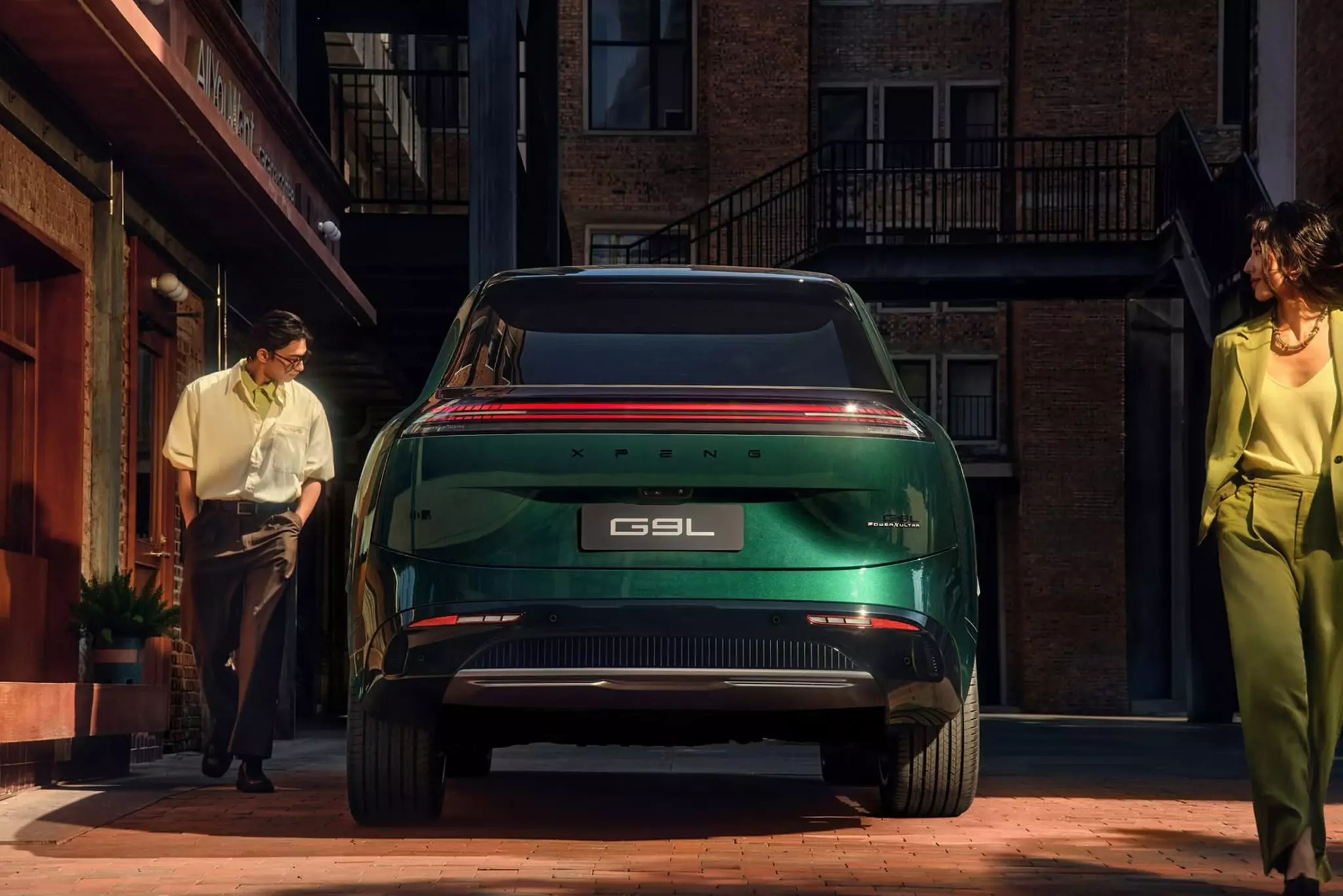
    Global demand helped push Xpeng’s monthly export deliveries past 10,000 units for the first time in September. That overseas surge reflects wider territory gains, including the Middle East where recent GX shipments passed 3,000 units, alongside the European introduction of the larger G9L sport-utility vehicle on October 12.

    The long-term sales targets

    Senior management has set a public target of selling 1 million vehicles annually by 2030, expecting European showrooms to supply half of that total volume. Delivering 500,000 cars a year in Europe requires vast scale across right-hand and left-hand drive territories, backed by dependable service logistics.

    Showroom momentum now shifts to the newer Mona L05, which opened customer pre-sales on October 15 to reinforce fourth-quarter deliveries. The carmaker’s next operational test will be the release of full European delivery figures for the final quarter, showing whether the Paris handover was an isolated photo opportunity or the start of sustained volume.

  • Li Auto Delays European Debut to First Quarter 2027 with Norway and Netherlands Rollout

    Li Auto Delays European Debut to First Quarter 2027 with Norway and Netherlands Rollout

    Li Auto pushed its European market debut to the first quarter of 2027 on Monday. The company revealed the battery-electric Li 6 SUV in Paris ahead of initial sales in Norway and the Netherlands.

    That timeline delays European showroom arrivals from late 2026. Management previously gave a fourth-quarter 2026 target during an August earnings call.

    Benjamin Baum, senior exterior design director at Li Auto, presented the vehicle on October 12 during the opening day of the Paris Motor Show. Known as the i6 in China, the export model carries the shorter Li 6 badge for European buyers. Deliveries will focus first on Norway and the Netherlands before expanding across other European markets. Localized versions of the brand’s extended-range hybrid models will arrive at an unannounced date.

    European Target Selection and Vehicle Architecture

    Norway and the Netherlands serve as proving grounds for Chinese electric carmakers entering Europe. Both countries offer dense charging networks and high EV adoption rates. Li Auto chose pure electric drivetrains for Western Europe while prioritizing extended-range hybrids in Central Asia and the Middle East to match local charging infrastructure. In July, it introduced the L9 extended-range SUV in Kazakhstan and Uzbekistan. That rollout drew technical support from an engineering center established in Munich in January 2025.

    Engineers built the European specification to meet Euro NCAP five-star crash test standards. Formal safety assessments will follow once local market deliveries begin. Under the floor sits a 96 kilowatt-hour fast-charging battery pack. It delivers an operating range of up to 780 kilometers under China Light-Duty Test Cycle standards. Li Auto designs the battery cells internally and outsources cell fabrication to suppliers CALB and Sunwoda, though it builds the completed packs in-house.

    Domestic Pressure Drives Overseas Export Push

    Selling abroad has become a commercial necessity for Chinese carmakers facing brutal price competition and slowing domestic volume growth. Li Auto delivered 31,817 vehicles in September. That was a 6.29 per cent drop from the same month last year and a 15.56 per cent slide from August. Total deliveries across the first nine months of the year reached 293,436 units, down 1.25 per cent compared to the identical period in 2025.

    Rivals like Nio and Xpeng have already built retail distribution channels across Northern Europe. They found that building brand recognition is expensive and sales accumulate slowly. Li Auto must now set up physical showrooms, service centers, and software localization across multiple languages while fighting established European premium marques. CEO Li Xiang stated on Weibo that the company will adapt to local conditions and enter when ready. He pointed to compact vehicle dimensions suited to European urban street layouts.

    Model Refresh Precedes Export Program

    In China, the i6 remains Li Auto’s primary volume driver. Cumulative domestic sales have exceeded 190,000 units since its debut. In August alone, the vehicle accounted for 16,979 deliveries, representing roughly 45 per cent of the manufacturer’s total monthly output. Order books for the initial model generation closed on September 11 to clear assembly lines for an updated 2026 edition.

    Dealerships across China began displaying static models of the refreshed 2026 i6 at 485 locations on October 11. The updated variant adds adaptive beam matrix headlights and twin 150-degree reclining zero-gravity front seats. It also includes a 29-inch panoramic front display, Li Auto’s proprietary Mach M100 driving assistance processor, and Qualcomm Snapdragon silicon.

    Customer test drives and official retail sales for the 2026 i6 begin across China on October 28. Initial customer handovers follow in early November ahead of planned European export shipments.

  • Smart Launches Electric #2 City Car in China at 112,999 Yuan

    Smart Launches Electric #2 City Car in China at 112,999 Yuan

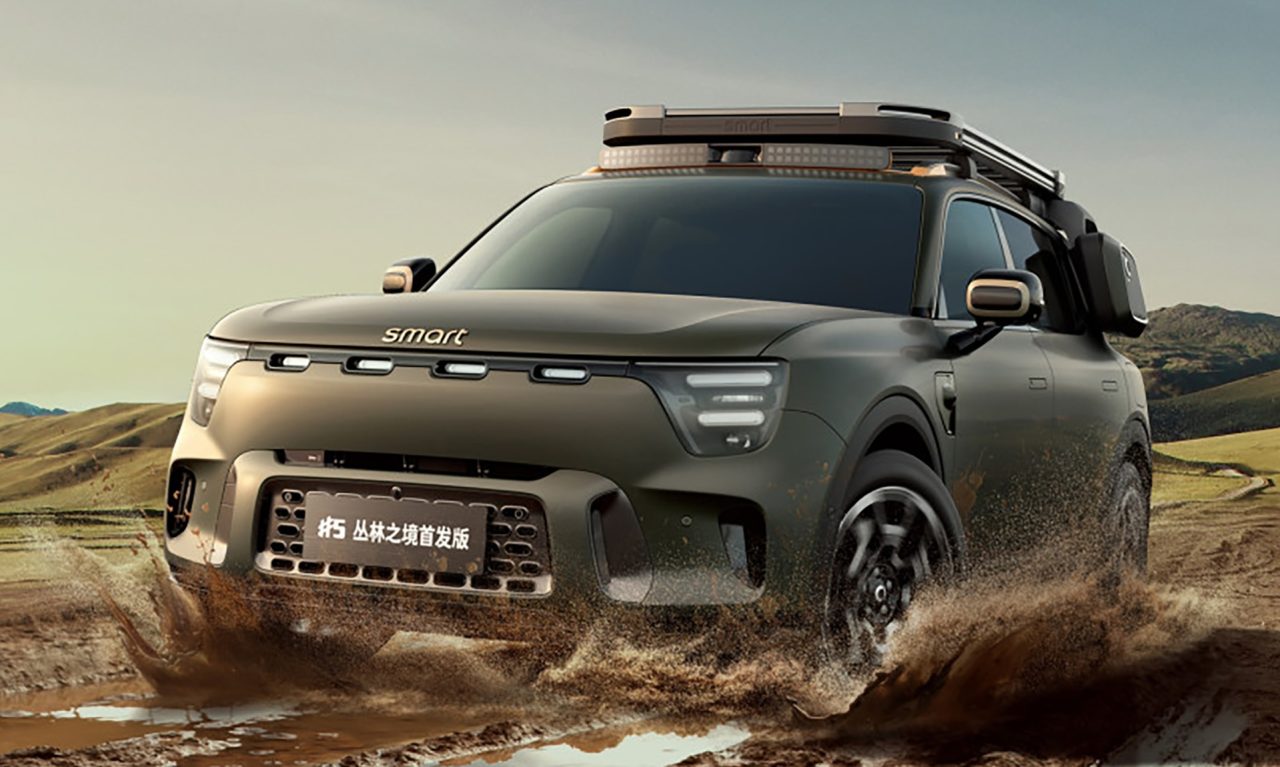
    Smart launched the Smart #2 Couture Edition in China for 112,999 yuan ($16,790). The release revives its signature two-seater city car format as an all-electric model.

    The joint venture between Mercedes-Benz and Geely Auto capped the initial Chinese run at 999 numbered units. That matches a separate 999-unit allocation earmarked for European buyers.

    Deliveries for immediate Chinese orders begin before year-end. Early ordering opens across Europe following the car’s global debut at the Paris Motor Show. European buyers face a pre-order entry price of 19,990 euros ($22,400). Chinese buyers will see pricing for standard Premium variants in November.

    Hardware and Architecture

    Built on Geely’s Electric Compact Architecture, the vehicle uses a platform engineered specifically for ultra-compact urban runabouts. Mercedes-Benz’s global design team handled the styling. They retained the proportions of the original ForTwo while adding LED lighting, flush surfaces and a capsule-patterned grille.

    A 35.8-kilowatt-hour lithium iron phosphate battery pack powers the vehicle, using cells supplied by CATL. It delivers a China Light-Duty Vehicle Test Cycle range of 410 kilometres. European testing targets a combined Worldwide Harmonised Light Vehicles Test Procedure range of 290 kilometres.

    Power comes from a single rear-mounted electric motor driving the rear axle. It produces 60 kilowatts of power and 130 Newton-metres of torque. The chassis pairs MacPherson strut front suspension with a five-link independent rear setup, delivering a tight turning radius of 3.35 metres. European models support 65-kilowatt direct-current fast charging, taking the battery from 10 per cent to 80 per cent in 20 minutes.

    Cabin Layout and Dimensions

    Dimensionally, the vehicle measures between 2,751 and 2,764 millimetres in length, 1,669 millimetres in width and 1,555 millimetres in height, riding on an 1,875-millimetre wheelbase. The exterior pairs matte white paint with a gold roof, gold grille accents and 16-inch alloy wheels. Staggered tyres measure 185/50 at the front and 205/45 at the rear.

    Inside, the cabin features an S-shaped dashboard, bench-style seating, turbine air vents and an infotainment display running the Flyme Link operating system. The car includes Level 2 driver assistance and remote automated parking. At the rear, the split tailgate retains a folding lower section that supports up to 120 kilograms when parked.

    Urban EV Market Strategy

    Smart’s return to the two-seater segment tests whether premium urban minicars can command retail margins in a domestic Chinese market crowded with budget micro-EVs. Geely and Mercedes previously repositioned Smart into mainstream compact crossovers with the #1 and #3 to chase broader sales volume. Bringing back the two-seater at nearly 113,000 yuan requires convincing city drivers to pay a substantial premium over mass-market urban runabouts that sell for half that amount.

    Production handled by Geely’s Zhejiang Haoqing Automobile Manufacturing gives the joint venture a low manufacturing cost base for export shipments to Europe. European urban centres tightly regulate vehicle emissions and parking footprints. That creates clearer commercial demand for micro-footprint electric vehicles than China’s wider highway networks require.

    Production History and Next Steps

    The original petrol-powered Smart ForTwo sold more than two million units globally after its 1998 debut under Daimler ownership. This revival follows an August regulatory filing by China’s Ministry of Industry and Information Technology, which confirmed technical specifications ahead of production clearance.

    Domestic pricing for the mass-volume Smart #2 Premium variant arrives in November, followed by local market rollouts and delivery schedules across European dealer networks.

  • Toyota to Expand ¥27 Million Century Luxury Brand Globally

    Toyota to Expand ¥27 Million Century Luxury Brand Globally

    Toyota Motor is preparing to expand sales of its ultra-luxury Century badge beyond Japan. The nameplate was historically reserved for domestic heads of state. Now, Toyota is positioning it above Lexus in international showrooms.

    The rollout follows the introduction of a Century sport utility vehicle priced from ¥27 million ($171,651) in Japan. Annual Century deliveries there dropped to roughly 500 units last year from 1,700 cars in 1997.

    Shipments of the Century SUV have already started to mainland China, alongside small export volumes to select markets in Asia and the Middle East. Executive leadership is now assessing wider entries, including North America. Chairman Akio Toyoda recently appeared at the Automotive Hall of Fame in Detroit in a custom Century SUV fitted with gold badging and bespoke trim.

    Building a Tier Above Lexus

    Carving out Century as a standalone crown brand resolves an internal ceiling that capped Lexus for decades. Lexus competes against volume luxury producers such as BMW, Mercedes-Benz and Audi. Yet it has struggled to justify price tags above $150,000 on standard production lines. Placing Century at the top allows Toyota to enter the ultra-luxury bracket without disrupting Lexus fleet and retail sales.

    Work on the shift began in October 2025 when Toyota unveiled a Century coupe concept at the Japan Mobility Show. Toyota then launched an English-language portal and opened a dedicated brand exhibition space in downtown Tokyo in March. The structure mimics European automotive groups by separating mass luxury from low-volume coachbuilding.

    Dealership networks and regional importers across Asia face a distinct retail model. Century models remain partly handmade, using traditional Japanese craftsmanship like Nishijin-ori brocade weaving and urushi lacquer trim. Output is tight. Because artisanal lines limit production, dealers will handle Century through bespoke allocations rather than standard floor inventory.

    Pricing Against European and Chinese Competitors

    Entering this tier puts Toyota against established European marques and aggressive Chinese electric vehicle makers. At ¥27 million, the Century SUV undercuts traditional benchmarks. The Bentley Bentayga starts near $230,000. Rolls-Royce commands base pricing around $355,000 for the Ghost sedan.

    Chinese automakers are also pushing into the bracket with software-heavy alternatives. BYD is marketing its Yangwang U8 SUV around $150,000. Meanwhile, Huawei-backed Maextro is preparing the S800 executive sedan to challenge the Mercedes-Maybach S-Class at roughly $100,000. These challengers rely on rapid software integration and extreme vehicle dynamics.

    Distributors plan to counter that tech pitch with mechanical refinement and quiet cabins. The Century nameplate dates back to 1967, giving it a pedigree newer Asian brands lack. But export networks still face a basic test: convincing overseas buyers to pay six figures for a Japanese badge with no European heritage.

    Powertrains and Production Hurdles

    Homologation presents an immediate hurdle under the hood. Historical Century sedans gained cult status through a proprietary 5.0-litre V12 engine introduced in 1997 and retired in 2017. Today’s variants rely on electrified setups. The sedan uses a V8 hybrid system, while the new SUV runs on a 3.5-litre V6 plug-in hybrid drivetrain.

    Engineers are evaluating future powertrain architectures for production iterations of the coupe concept. Automotive trade publications reported development of a modern V12 hybrid setup, but Toyota has declined to confirm specifications. Stricter emissions rules across Europe and tier-one Chinese cities make high-displacement engines costly to certify.

    Gray-market importers have already proved that international demand exists at lower price points. Under US laws exempting 25-year-old cars from modern safety rules, collectors buy 1990s V12 Century sedans through specialty dealers for around $25,000. Translating that niche enthusiasm into sales for a new $170,000 vehicle requires building elite retail infrastructure from scratch.

    The Next Steps for Export Markets

    Initial work to build global visibility started with diplomatic fleets and private previews across East Asia. The company is now gauging response from dealer groups in North America and Southeast Asia. Factory tooling for left-hand-drive variants at higher volume will wait on those findings.

    Toyota will review market feasibility studies and dealer allocation standards before presenting the Century lineup at international auto shows scheduled for 2027.

  • Mazda Adds Hesai LiDAR to Updated EZ-60 in China Starting at 113,900 Yuan

    Mazda Adds Hesai LiDAR to Updated EZ-60 in China Starting at 113,900 Yuan

    Changan Mazda launched its updated 2027 EZ-60 electric SUV in China on Saturday. Pricing starts at 113,900 yuan ($16,880) across four new LiDAR-equipped variants.

    The roof-mounted sensor package sits on upper trims, lifting the top of the nine-model range to 172,900 yuan before a promotional 6,000 yuan discount across all configurations. The baseline official guide price holds steady at 119,900 yuan. That matches the entry level from the model’s debut.

    Buyers pay a 12,000 yuan premium for the LiDAR options. The extended-range electric vehicle (EREV) Pro LiDAR variant costs 151,900 yuan, while the battery electric (BEV) Max LiDAR edition tops the lineup at 172,900 yuan. Dimensions stay unchanged. The SUV measures 4,850 mm long, 1,935 mm wide, and 1,620 mm tall on a 2,902 mm wheelbase.

    Sensor Package and Driver Assistance Architecture

    A single Hesai ATX LiDAR mounted on the roof line drives the driver assistance suite. The optical unit delivers a detection range of 200 meters. It works alongside three millimeter-wave radars, 11 high-definition cameras, and 12 ultrasonic sensors to scan forward past 250 meters.

    Software runs on an end-to-end architecture that handles highway navigation assistance between 0 and 130 km/h. Urban navigation assist operates between 0 and 80 km/h. Automated parking supports more than 300 bay geometries. Features like memory parking will arrive via over-the-air updates alongside 25 active safety functions.

    Powertrain Options and Battery Capacities

    Powertrains carry over unchanged. EREV trims pair a 70 kW 1.5-liter range extender with a rear electric drive motor producing 190 kW (255 hp) and 290 Nm of torque. A 31.73-kWh battery pack provides 200 kilometers of pure electric driving range under the CLTC cycle.

    Pure electric trims use a 77.94-kWh lithium iron phosphate pack with the same 190 kW rear-wheel-drive motor. That setup delivers a CLTC driving range of 600 kilometers per charge.

    Joint-Venture Rivalry in China’s Electric Market

    Legacy joint ventures face intense pricing pressure in China as domestic automakers make semi-autonomous driving standard in mass-market brackets. International brands have largely avoided putting LiDAR on mid-tier models to protect profit margins. That left their products exposed against high-specification Chinese rivals.

    Putting Hesai LiDAR and end-to-end software below 180,000 yuan takes direct aim at rivals like the Buick Electra E7 and the Nissan NX8. Japanese and American joint ventures need this equipment bundling to protect showroom share in China’s tier-two and tier-three cities.

    Global Export Track and Deployment Plans

    The EZ-60 anchors Mazda’s electrification export program developed with Changan Automobile. It serves as the production base for the CX-6e, which debuted at the Brussels Motor Show in January. Retail shipments to European distributors are already underway.

    Changan Mazda launched the original EZ-60 on September 26, 2025, bringing this refresh 12 months into the lifecycle. Other Japanese carmakers are also expanding electrified lineups in China. Nissan recently updated its N7 sedan, and Toyota plans to introduce localized extended-range models in April 2027.

    Deliveries of the LiDAR-equipped EZ-60 trims begin at dealerships across China next month. The 6,000 yuan launch subsidy will run through the initial intake window.

  • GAC and Huawei Joint Brand Aistaland Launches GX7 SUV from 229,900 Yuan

    GAC and Huawei Joint Brand Aistaland Launches GX7 SUV from 229,900 Yuan

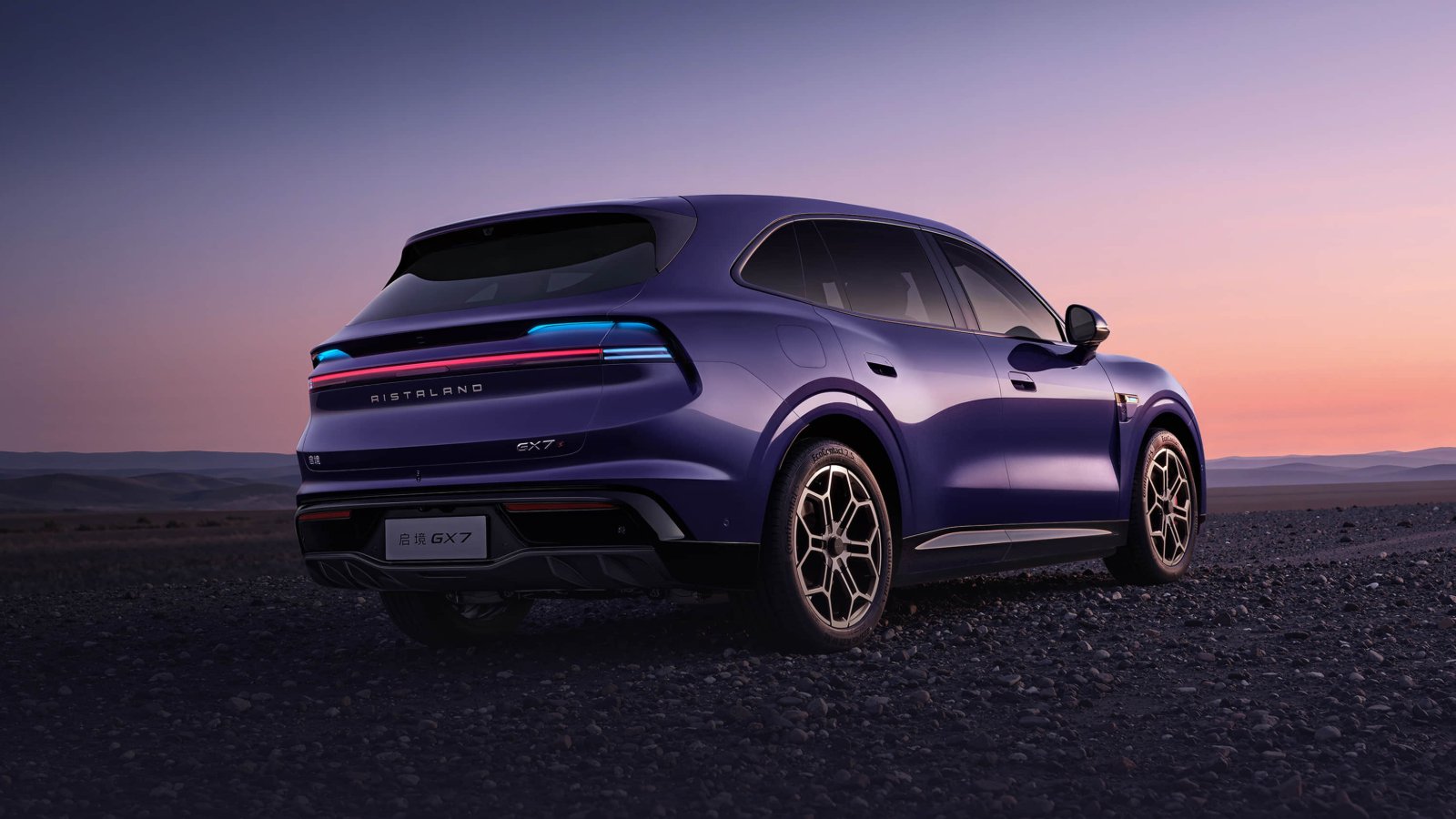
    Aistaland rolled out its second production vehicle on September 23 in Guangzhou. The carmaker priced the GX7 extended-range SUV at an introductory 229,900 yuan ($34,060) to fight sluggish brand sales.

    That promotional price sits 20,000 yuan below the pre-sales floor opened on September 4. Buyers also get a 10,000 yuan payment rebate and an optional 8,000 yuan trade-in subsidy.

    Standard sticker prices for the five-seat SUV span 239,900 yuan to 301,900 yuan across three variants. With the launch promotion, the base rear-wheel-drive Ultra sells for 229,900 yuan. The dual-motor all-wheel-drive version costs 249,900 yuan, and the tri-motor flagship tops the lineup at 291,900 yuan. Applying the trade-in allowance drops the entry point to 221,900 yuan.

    Pricing and Powertrain Variants

    Every GX7 variant runs on a 1.5-litre turbocharged petrol range extender paired with electric drivetrains. The single-motor Ultra delivers 200 kW (268 hp). It reaches 100 km/h in 7.6 seconds. Stepping up to the dual-motor model raises output to 340 kW and cuts the sprint time to 4.9 seconds. The range-topping tri-motor model produces 550 kW, hitting 100 km/h in 3.9 seconds.

    Contemporary Amperex Technology Co. Ltd. Supplies the battery systems. Buyers choose between a 52 kWh lithium iron phosphate pack and a 67 kWh ternary lithium pack. Pure electric range on China’s light-duty vehicle test cycle covers 325 km to 385 km. Total combined range reaches between 1,500 km and 1,580 km.

    Fast replenishment separates the flagship from entry variants. The tri-motor version adopts an 800-volt electrical architecture supporting 5C charging speeds, taking the battery from 30 per cent to 80 per cent in 10 minutes. The other two models require 15 minutes for the same charge.

    Autonomous Driving Architecture and Cabin Tech

    Driver-assist hardware forms the core marketing proposition for the new model. The GX7 is among the earliest vehicles fitted with Huawei’s Qiankun ADS 5 driver-assistance suite. That system relies on 38 sensor points and four LiDAR units, including an 896-channel dual-optical-path system. Aistaland built the vehicle with hardware redundancies across eight operational systems, power supply, braking, steering, computing, perception, communications, positioning, and user interaction, to support Level 3 autonomous driving requirements.

    Inside, the cabin draws heavily on Huawei software. The setup integrates the HarmonySpace 6 operating system, dual 15.6-inch console screens, an 88-inch augmented-reality head-up display, and a 21-speaker proprietary sound system. The rear seats fold into a flat bed in 20 seconds. That mechanism supports 12 layout adjustments inside a body that spans 5,099 mm in length, 2,006 mm in width, and 1,750 mm in height on a 3,070 mm wheelbase.

    Crowded Field in Family Extended-Range SUVs

    Targeting the full-size five-seat SUV segment shifts Aistaland directly into China’s most contested vehicle category. Extended-range models continue to take market share from pure battery-electric rivals because family buyers want road-trip reliability without charging station queues during holiday travel. The GX7 goes head-to-head with Li Auto’s Li L6, the Seres-built Aito M7, and Xiaomi’s upcoming YU7.

    Retail distribution and brand overlap present clear commercial risks. Huawei already supplies intelligent cockpit and driving systems across multiple automotive partnerships, including the Harmony Intelligent Mobility Alliance network. Because Aistaland operates under a separate bilateral structure, GAC must handle vehicle assembly and showroom footfall alone while pitching the GX7 against Huawei-equipped rivals in identical price bands.

    Reversing the GT7 Sales Slide

    GAC and Huawei based their collaborative team in Guangzhou to speed up product launches after signing their co-development pact. The joint venture introduced its debut vehicle, the GT7 shooting brake, on June 26 with a starting tag of 209,900 yuan. Deliveries peaked at 2,658 units in July. They dropped 58.62 per cent to 1,100 units in August, exposing limited demand for wagon body styles.

    Factory lines in Guangdong have now shifted production capacity to the higher-volume SUV platform. Deliveries for the three GX7 trims start across national dealership networks before the close of September, making fourth-quarter sales the decisive trial for the joint venture.