Retail News CRM

Tag: aviation

  • Reviving the Skies: Malaysia Launches Airfare Discounts & Financial Lifelines to Bolster Aviation Industry

    Reviving the Skies: Malaysia Launches Airfare Discounts & Financial Lifelines to Bolster Aviation Industry

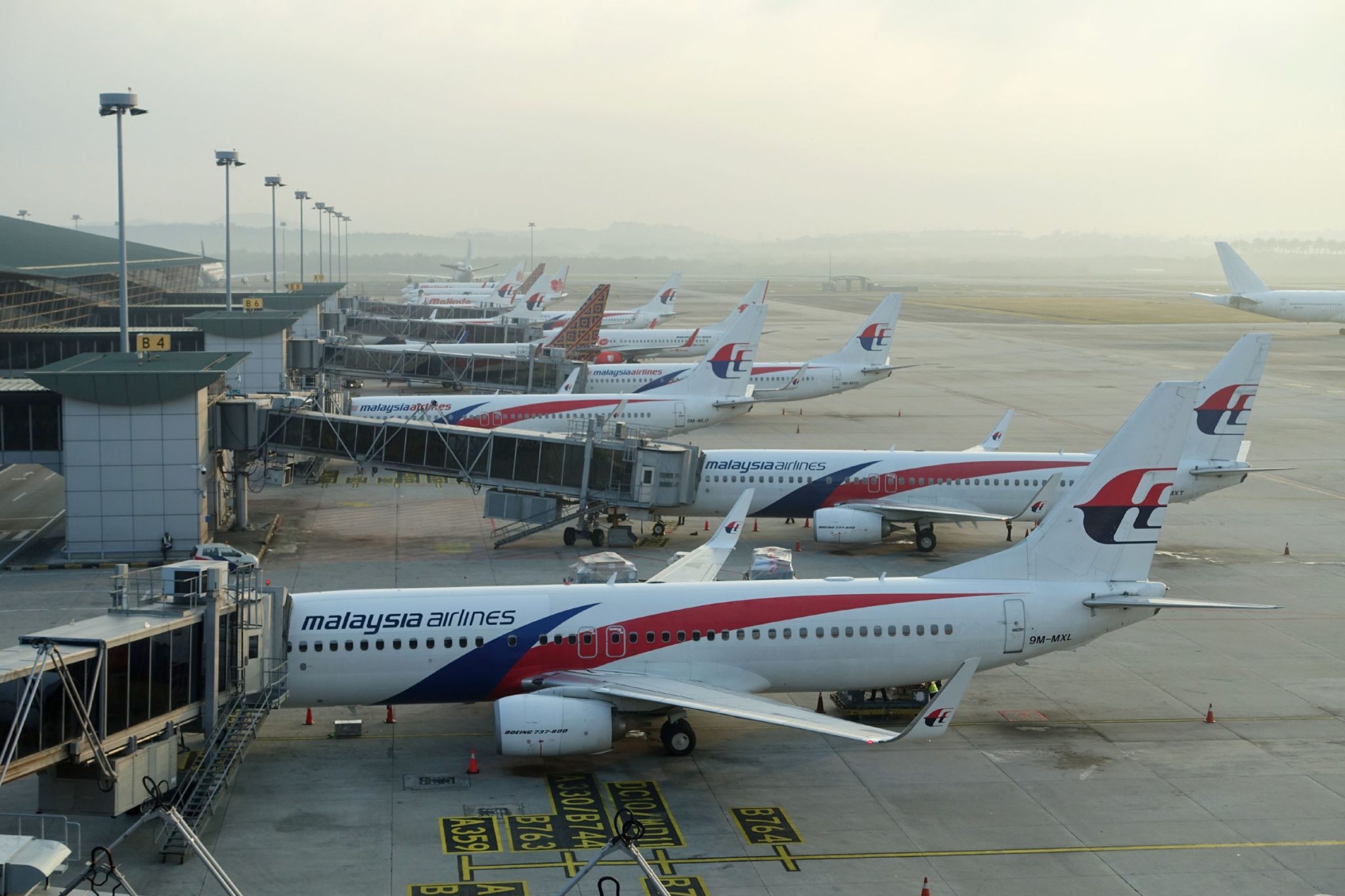
    In response to disruptions caused by the Middle East conflict, Malaysia has devised a financial strategy to support its aviation sector, featuring incentives such as discounted airfares during holiday periods. Travelers flying between Peninsular Malaysia and East Malaysia can look forward to airfare reductions of RM50 during the Gawai and Kaamatan festive seasons.

    Support for Aviation Sector

    The aviation authority has earmarked RM5 million for this initiative, which is projected to benefit approximately 100,000 passengers journeying between May 15 and June 14. In an additional effort to alleviate pressure on airlines, the Civil Aviation Authority of Malaysia plans to extend payment deadlines for aviation-related charges. From May 1, carriers will be granted up to 60 days to settle these dues.

    Maintaining Connectivity

    Anthony Loke, Malaysia’s Transport Minister, emphasized the importance of these measures in maintaining the country’s connectivity. According to him, as many as 75% of daily flights were cancelled at one point, potentially undermining trust in Malaysia’s tourism sector and the wider economy. He warned of potential losses ranging from RM15 to RM150 billion (US$3.8 to US$38 billion) this year if no countermeasures are taken.

    Loke also stated that these decisions were reached after thorough discussions between the Transport Ministry and industry stakeholders. The goal of these deliberations was to lessen financial burdens while ensuring the continuity of services.

    Lastly, he assured the public that the government will continue to liaise closely with all relevant bodies to ensure the resilience and responsiveness of Malaysia’s aviation sector.

    Questions & Answers

    What are some of the measures Malaysia has introduced to support its aviation sector?
    Malaysia has introduced a number of measures, including discounted airfares during holiday periods and extending payment deadlines for aviation-related charges.

    Who is expected to benefit from the discounted airfares?
    Approximately 100,000 passengers traveling between Peninsular Malaysia and East Malaysia during the Gawai and Kaamatan festive periods are expected to benefit from the discounted airfares.

    What is the potential economic impact of the disruptions in the aviation sector?
    According to Transport Minister Anthony Loke, without the introduction of these measures, Malaysia’s economy could face losses ranging from RM15 to RM150 billion (US$3.8 to US$38 billion) this year.

  • DHL Aviation Strengthens Economic Growth in Africa with Two New Boeing 737s in Lagos

    DHL Aviation Strengthens Economic Growth in Africa with Two New Boeing 737s in Lagos

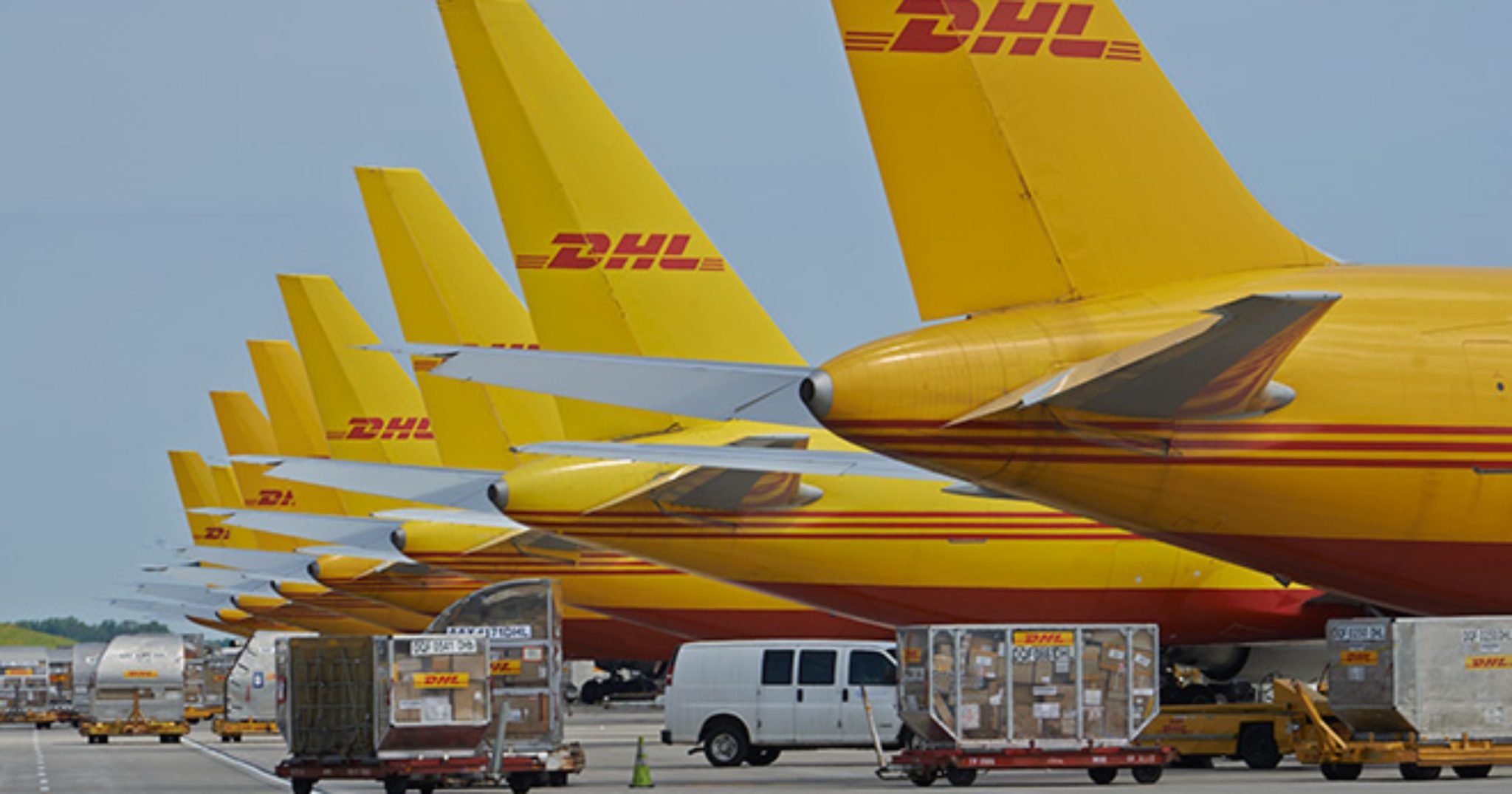
    DHL Aviation recently debuted two fully branded Boeing 737-400 aircraft at Murtala Muhammed International Airport in Lagos, marking a significant step forward in the company’s ongoing enhancement of Sub-Saharan Africa’s (SSA) logistics infrastructure. The increase in air transport capacity is set to bolster transit times, augment delivery predictability, and widen DHL’s scope to support businesses throughout West Africa and beyond.

    Air Network Expansion in Sub-Saharan Africa

    As the sole logistics provider with a dedicated air network in SSA, DHL is persistently extending its aviation uplift capacity to accommodate the increasing demands of West African businesses. The industries driving this growth comprise e-commerce, perishable goods, energy, and life sciences & healthcare.

    The African Continental Free Trade Area has ushered in a period of expanding commerce across the continent. Consequently, businesses are seeking reliable transit times and consistent delivery performance. The two exclusive aircraft will be incorporated into DHL Aviation’s African air network, fortifying connections on pivotal Africa-Europe and Africa-Asia trade lanes, said Anthony Beckley, VP Operations and Aviation at DHL Express SSA.

    Sustainable Growth and Digitalisation

    DHL’s investment in aviation capacity aligns with the company’s wider commitment to sustainable growth. DHL is proactively fostering digitalisation through AI-enhanced route optimisation and digital customs tools. Furthermore, the company is currently trialling renewable energy and alternative fuel projects across its facilities to aid its long-term environmental objectives.

    The latest investment further solidifies DHL Express’s standing as the go-to logistics partner for businesses aiming to expand their footprint in regional and global value chains, commented Riaan Vorster, Aviation Senior Director at DHL Aviation SSA.

    Questions & Answers

    What impact will DHL Aviation’s investment have on Sub-Saharan Africa’s logistics infrastructure?
    The investment, which includes two fully branded Boeing 737-400 aircraft, will improve transit times, enhance delivery predictability, and enable DHL to better support businesses across West Africa and beyond.

    Why is DHL expanding its aviation uplift in Sub-Saharan Africa?
    DHL is responding to the growing demand from West African businesses across key sectors, including e-commerce, perishables, energy, and life sciences & healthcare.

    How does DHL’s latest investment align with its broader commitments?
    By increasing its aviation capacity, DHL is demonstrating its commitment to sustainable growth. The company is also advancing digitalisation efforts through AI-enabled route optimisation and digital customs tools and piloting renewable energy and alternative fuel projects to support long-term environmental goals.

  • Starlink Soars into South Korea: A Game-Changer for Maritime, Aviation, and Emergency Connectivity

    Starlink Soars into South Korea: A Game-Changer for Maritime, Aviation, and Emergency Connectivity

    SpaceX’s Starlink has officially extended its services to South Korea, building upon its global Low Earth Orbit (LEO) satellite system. This expansion has positioned it as a crucial facilitator of consistent connectivity for South Korea’s maritime, aviation, and emergency-response sectors.

    Starlink Korea’s Offerings

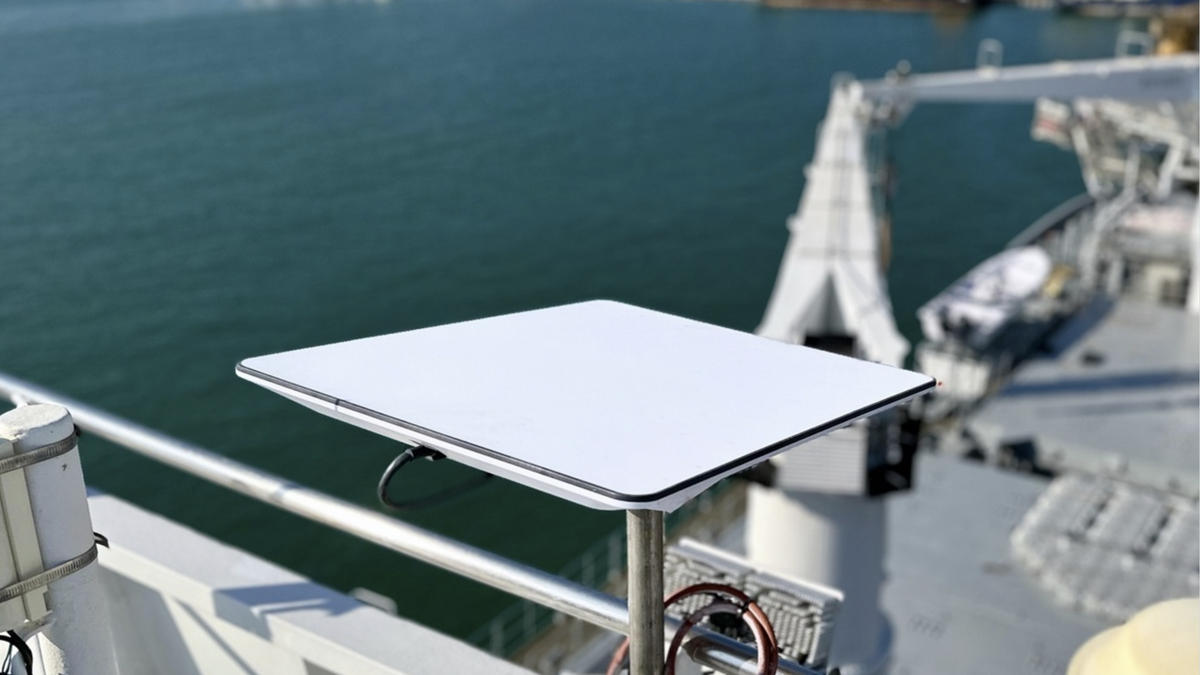
    Starlink Korea has initiated nationwide subscriptions through its official platform, providing services to both residential and enterprise customers. The residential package costs KRW 87,000 (USD 59) per month and offers unlimited data with projected download speeds of 135 Mbps and upload speeds of 40 Mbps. The pricing for customer hardware is set at KRW 550,000.

    Experts believe that Starlink’s most significant market potential in Korea is beyond residential use. Given that Korea already operates one of the world’s fastest terrestrial networks, with an LTE speed averaging 179 Mbps, LEO satellite broadband is likely to function as an additional layer in areas with limited ground-based coverage.

    The demand is anticipated to increase in the maritime, aviation, and emergency-response sectors, where traditional satellite services are expensive and provide slower performance. Despite Korea’s global rank of fifth in commercial shipping capacity, numerous vessels still encounter difficulties maintaining real-time connectivity at sea. LEO constellations, which orbit the Earth significantly closer than geostationary satellites, offer lower latency and more stable connections for ships and aircraft, thereby bolstering digital operations and mission-critical communication.

    Enterprise Services

    Starlink’s enterprise offerings aim at land-based mobile and fixed commercial users. The plans begin at KRW 90,000 per month for 50 GB and go up to KRW 755,000 for 2 TB. Data caps result in throttling to 1 Mbps download speeds and 0.5 Mbps upload speeds, although users have the option to purchase more data. These business packages incorporate prioritized bandwidth and service-level guarantees.

    Sales and technical support will be managed by local operators SK Telink and KT Sat. They will also create bespoke offerings for commercial vessels, low-cost airlines, and government agencies.

    Korea’s Strategic Direction

    The launch of Starlink also aligns well with Korea’s strategic intent to enhance disaster-resilient networks. LEO connectivity, which remains operational even when terrestrial base stations are compromised, offers a crucial backup layer for remote or mountainous areas or places with challenging infrastructure, as stated by the Electronics and Telecommunications Research Institute (ETRI).

    “This is the inception of a multi-layered communications architecture that integrates terrestrial and satellite networks,” said Song Young-geun, Head of Future Strategy at ETRI.

    Globally, Starlink operates over 7,600 satellites and caters to more than 8 million users across 115 countries, highlighting its increasing role in next-generation connectivity ecosystems.

    Questions & Answers

    What is the cost of Starlink’s residential package in Korea?

    The cost of the residential package is KRW 87,000 (USD 59) per month, which includes unlimited data with expected download speeds of up to 135 Mbps and upload speeds of up to 40 Mbps.

    Which industries are projected to benefit from increased demand for Starlink’s services in Korea?

    The maritime, aviation, and emergency-response sectors in Korea are projected to see increased demand for Starlink’s services due to their need for high-availability connectivity.

    What is the role of local operators SK Telink and KT Sat in Starlink’s operations in Korea?

    SK Telink and KT Sat will manage sales and technical support for Starlink in Korea. They will also develop tailored offerings for commercial vessels, low-cost airlines, and government agencies.

  • Starlink Powers Up South Korea: A New Era of Maritime, Aviation, and Emergency-Response Connectivity

    Starlink Powers Up South Korea: A New Era of Maritime, Aviation, and Emergency-Response Connectivity

    SpaceX’s satellite internet service, Starlink, has officially commenced operations in South Korea. By doing so, the company is expanding its worldwide low-Earth orbit (LEO) satellite coverage. It is positioning itself to be a crucial provider of high-availability connectivity across the country’s maritime, aviation, and emergency-response sectors.

    Starlink’s Korean Launch

    Starlink Korea has begun accepting nationwide subscriptions through its official website, introducing both residential and business offerings. The residential plan is priced at KRW 87,000 (USD 59) per month, providing unlimited data with anticipated download speeds of 135 Mbps and upload speeds of 40 Mbps. The cost for customer hardware is established at KRW 550,000.

    Analysts believe that Starlink’s greatest market potential in Korea is outside the domestic arena. Given that the nation already operates one of the fastest terrestrial networks globally, with LTE speeds averaging 179 Mbps, LEO satellite broadband is anticipated to serve as an additional layer in areas where ground-based coverage is limited.

    Maritime, Aviation, and Emergency-Response Sectors

    The demand is expected to increase in the maritime, aviation, and emergency-response sectors, where traditional satellite services are expensive and operate at a slower speed. Despite Korea’s ranking as the fifth largest commercial shipping capacity worldwide, many vessels continue to face difficulties in maintaining real-time connectivity at sea. LEO constellations, which orbit much closer to Earth than geostationary satellites, offer lower latency and more reliable links for ships and aircraft, supporting digital operations and crucial communication.

    Enterprise Offerings

    Starlink’s enterprise offerings are targeting land-based mobile and fixed business users. Packages start at KRW 90,000 per month for 50 GB and go up to KRW 755,000 for 2 TB. Once the data limits are reached, the speeds are reduced to 1 Mbps download and 0.5 Mbps upload, although users have the option to purchase additional data. The business packages include prioritized bandwidth and service-level guarantees.

    Local operators SK Telink and KT Sat will manage sales and technical support, as well as develop customized offerings for commercial vessels, budget airlines and government agencies.

    Aligning with National Strategy

    This initiative is in line with South Korea’s strategic aim to reinforce disaster-resilient networks. According to the Electronics and Telecommunications Research Institute (ETRI), satellite links, which remain operational even if terrestrial base stations are damaged, provide an essential backup layer for remote, mountainous, or infrastructure-challenged areas.

    Globally, Starlink operates over 7,600 satellites and provides service to more than 8 million users across 115 countries, emphasizing its growing significance in the future of connectivity ecosystems.

    Questions & Answers

    What are Starlink’s offerings in South Korea?
    Starlink has introduced both residential and business internet services. The residential plan provides unlimited data with download speeds of 135 Mbps and upload speeds of 40 Mbps. The business plans range from 50 GB to 2 TB with prioritized bandwidth and service-level guarantees.

    What sectors could benefit from the launch of Starlink in South Korea?
    The maritime, aviation, and emergency-response sectors in South Korea are expected to benefit from this launch due to the high-availability connectivity that Starlink provides.

    What is the strategic significance of Starlink’s launch in South Korea?
    The launch aligns with South Korea’s strategic push to enhance disaster-resilient networks. Satellite links can remain operational even when terrestrial base stations are damaged, providing a crucial backup layer for remote or infrastructure-challenged areas.

  • Thai Airways Partners With Unilode For Advanced Uld Management: A Leap Towards Operational Excellence And Sustainability

    Thai Airways Partners With Unilode For Advanced Uld Management: A Leap Towards Operational Excellence And Sustainability

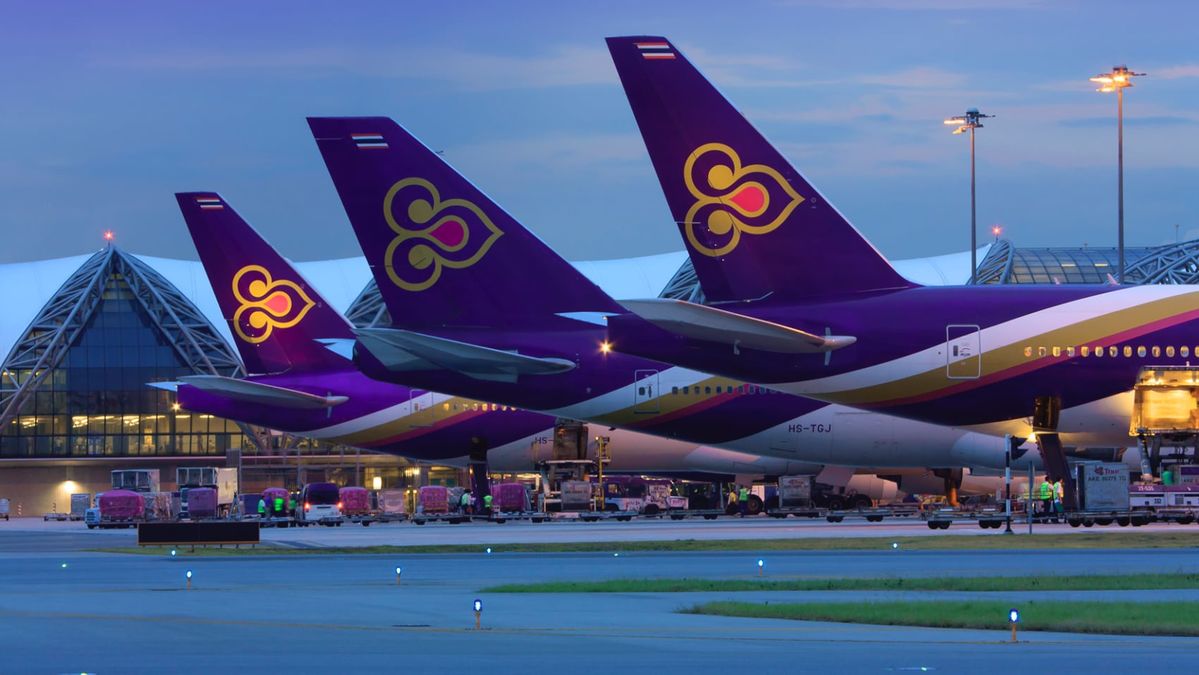
    THAI Airways, Thailand’s national airline, has named Unilode Aviation Solutions, a leader in the Unit Load Device (ULD) management, repair, and digital solutions realm, as its provider for comprehensive ULD management services.

    Advancing THAI Airways’ Transformation

    The partnership with Unilode Aviation Solutions signifies a significant stride in THAI Airways’ ongoing evolution, underlining the airline’s commitment to operational excellence, digital innovation, and long-term sustainability throughout its international network.

    After a successful business rehabilitation, THAI Airways is embarking on a new chapter of growth and modernization. The airline’s five-year strategic plan includes a focus on operational excellence, fleet renewal, and digital transformation. It also aims to nearly double its fleet to approximately 150 aircraft by 2033 and expand its market share across essential international markets.

    In collaboration, Unilode will deliver extensive ULD management, maintenance, repair, and digital tracking services across THAI Airways’ international network. This partnership will enhance fleet utilization, decrease operational complexity, and boost reliability for THAI Airways’ passenger and cargo operations.

    Sustainability Goals Alignment

    The alliance with Unilode Aviation Solutions aligns closely with THAI Airways’ sustainability objectives. The pooling of assets across Unilode’s international network results in fewer ULDs required to support operations, thereby diminishing raw material consumption, minimizing waste, and reducing carbon emissions. Unilode’s centralized repair and refurbishment service further prolongs asset lifecycles, promoting circular economy principles and more responsible resource use.
    Unilode’s digital platforms and data-driven insights, leading the market, will offer THAI Airways real-time visibility, improved asset utilization, and enhanced sustainability reporting throughout its operations. Unilode’s Operations Control Centre in Bangkok and a global team of over 800 ULD experts further support the partnership, ensuring local responsiveness and customer success at every interaction.

    Investment and Expansion

    Unilode has made significant investments over recent years, strengthening its infrastructure, expanding its Maintenance, Repair and Overhaul (MRO) footprint, and enhancing its workforce through advanced training, development, and external education programs. These initiatives, coupled with ongoing innovation in digital technology and product development, enable a broader international network and a larger, more flexible pool of assets, yielding higher efficiency, resilience, and service reliability for all airline partners.

    Unilode’s expanding asset base across an increasing number of airports and regions continues to provide tangible benefits to its entire customer network. These benefits include improved operational agility, quicker turnaround times, and greater access to resources and repair capabilities. These investments underscore Unilode’s commitment to long-term growth and customer value creation, reinforcing its position as a global leader in sustainable ULD management.

    As airlines worldwide prioritize sustainability and efficiency, ULD pooling and complete service management are rapidly becoming the industry norm. THAI Airways’ collaboration with Unilode emphasizes its leadership in adopting innovative, environmentally responsible solutions that combine operational excellence with long-term sustainability.

    Expert Opinions

    Ross Marino, Chief Executive Officer at Unilode Aviation Solutions, expressed his delight and pride in becoming THAI Airways’ comprehensive ULD management service provider. He believes that their partnership will yield measurable results, improve efficiency, foster digital transformation, and support THAI Airways’ sustainability goals.

    The Head of Cargo & Mail Commercial at THAI Airways acknowledged the partnership with Unilode as a critical step in their transformation strategy. They believe Unilode’s expertise, global network, and digital solutions will help streamline operations, fortify reliability, and make substantial progress towards sustainability goals.

    Questions & Answers

    What does the partnership between THAI Airways and Unilode Aviation Solutions signify?
    The partnership signifies a significant stride in THAI Airways’ ongoing evolution, reinforcing the airline’s commitment to operational excellence, digital innovation, and long-term sustainability throughout its international network.

    How will Unilode Aviation Solutions assist THAI Airways?
    Unilode will deliver extensive ULD management, maintenance, repair, and digital tracking services across THAI Airways’ international network. This collaboration will enhance fleet utilization, decrease operational complexity, and boost reliability for THAI Airways’ passenger and cargo operations.

    How does this collaboration align with THAI Airways’ sustainability goals?
    By sharing assets across Unilode’s international network, fewer ULDs are required to support operations, thereby diminishing raw material consumption, minimizing waste, and reducing carbon emissions. Unilode’s centralized repair and refurbishment service further prolongs asset lifecycles, promoting circular economy principles and more responsible resource use.
  • Vietnam Aviation under pressure

    Vietnam Aviation under pressure

    The Civil Aviation Authority of Vietnam has recommended a 3.7-percent increase in domestic fare caps to enable airlines to cope with surging fuel prices.

    In a proposal it submitted to the Ministry of Transportation, it said fuel costs have risen by 84 percent since September 2015, when the current caps were introduceThe price of aviation fuel Jet A1 has doubled in the period from US$61.6 per barrel to $132.6, according to data from the International Air Transport Association.

    CAAV has proposed hikes ranging between 2.2 percent for routes of up to 850 kilometers and 6.6 percent for those above 1,280 km. Currently, these fares are capped at VND2.2 million ($96.1) and VND3.75 million ($163.8).

    In 2019, Vietnam Airlines had called for abolishing the domestic price caps altogether.

    Last month it called for raising the caps and fuel surcharges. Vietnam is one of the few countries in the world to still cap airfares.

  • Aviation yet to gain takeoff momentum

    Aviation yet to gain takeoff momentum

    On Mar. 15, Vietnam fully reopened its borders to foreign tourists, allowing quarantine-free entry and reinstated its pre-pandemic visa policies, including waivers for nationals of 24 countries.

    “These positive moves have contributed to strengthening confidence in a brighter picture for the aviation industry this year,” Nguyen Huu Nam, deputy director of the HCMC chapter of the Vietnam Chamber of Commerce and Industry (VCCI), said at an event held last week to present the Vietnam International Aviation Exhibition (VIAE 2022) set to take place in September.

    Regarding this year’s prospects, brokerage Bao Viet Securities (BVSC) has said in recent report that if new coronavirus variants are not too dangerous, international routes can recover strongly from the end of the second quarter onwards.

    It has forecast the number of domestic and international passengers in 2022 at 30 million and five million, up 89.9 percent and 4.6 percent respectively over last year.

    Meanwhile, Viet Capital Securities JSC (VCSC) estimates the number of domestic flights has reached 94 percent of the pre-pandemic period (2019).

    The company expects that the total number of domestic passengers for Vietnam Airlines and Vietjet Air this year will be 92 percent and 91 percent of 2019, respectively; and that of international passengers will be 44 percent.

    Nguyen Phuoc Thang, Head of Science – Technology and Environment Department of Civil Aviation Authority of Vietnam, said from now until the end of August, carriers will increase the number of flights to serve tourists and the market will recover “very quickly.”

    The industry is coming out of two quiet years, resuming international commercial flights about a month ago.

    As for international flights, Vietnam officially resumed services on nine routes on Jan. 1 before reopening flights to all markets starting mid-February with several Covid related restrictions.

    According to the General Statistics Office, 91,000 foreigners arrived in Vietnam in the first quarter, up 89.1 percent against the same period last year. Of these, 90.5 percent came on flights, up 165.2 percent.

    In 2021, the number of passengers dropped to the lowest ever level in history, to 15.9 million, with that of foreign and domestic passengers dropping by 96.5 percent and 50.5 percent against 2020, respectively.

    As the fourth Covid-19 wave hit the country in April last year, domestic flights were put on hold late August and only a limited number of flights resumed early October.

    Between Oct. 10-20, only one return flight was allowed on 19 domestic routes compared to 58 routes in 2019. and it was not until after that pilot period that domestic flights resumed gradually.

    The demand for flying in Vietnam entered the “new normal” phase during the latest Tet, or Lunar New Year holiday, which last nine days starting Jan. 29.

    According to the Vietnam Air Traffic Management Corporation (VATM), Vietnamese carriers operated 10,711 flights on domestic routes between Jan. 29 and Feb. 2, an increase by more than 69 percent against the previous Tet holiday.

    However, the aviation industry has several obstacles to contend with before it gains a strong recovery momentum. One major obstacle is access to its major feeder markets before the pandemic, namely, China, South Korea, Japan and Russia.

    For now, China is still pursuing a “zero Covid” policy and South Korea still maintains tight border control. The ongoing Russia-Ukraine crisis will also prevent Russian tourists from going on tours abroad.

    The VCSC has suggested that Vietnam diversify its markets while waiting for the traditional ones to recover.

    According to Destination Insights with Google, the U.S. and Europe are among markets with the highest search demand for information on accommodation and air travel to Vietnam since the reopening was announced.

    The other obstacle airlines could face in the near future is fuel prices, which accounted for 29 percent and 43 percent of the input costs for Vietnam Airlines and Vietjet Air in the 2015-2019 period.

    In January, the average price of jet fuel rose to about $101 per barrel, higher than the $77.8 forecast by the International Air Transpo

  • Aviation industry to suffer $649 mln loss

    Aviation industry to suffer $649 mln loss

    Vietnamese carriers could suffer a loss of more than VND15 trillion ($649 million) this year with the suspension of commercial international flights still in effect.

    The Vietnam Aviation Business Association says in a report sent to the Ministry of Planning and Investment that domestic airlines had already posted a loss of over VND18 trillion last year, with revenues plunging by VND100 trillion year-on-year.

    In the first two months of this year, domestic carriers transported just 66,600 international passengers, down 98.8 percent year-on-year.

    The association has repeated its request for credit assistance from the government.

    Budget airline Vietjet Air has asked for a credit package of VND4-5 trillion for the 2021-2023 period, with an interest rate of 4 percent.

    The association has also proposed reducing the environmental tax on fuel to VND900 – 1,000 per liter and extending deadlines for paying taxes, including corporate income tax, value-added tax, and personal income tax.

    Bamboo Airways has called for a refinanced, zero interest long-term loan of VND5 trillion from commercial banks.

    Earlier, the government approved a bailout package for national flag carrier Vietnam Airlines, with the State Bank of Vietnam (SBV) allowed to provide a refinanced loan of up to VND4 trillion at zero interest.

    Aviation was among the worst hit sectors in 2020. The number of air passengers declined by 43 percent to 66 million, while cargo transport was down 15 percent to 1.3 million tons.

    Insiders have said that it will take at least until 2023 for the aviation industry to recover to pre-pandemic levels.

  • Vietnam among world’s 10 largest aviation markets

    Vietnam among world’s 10 largest aviation markets

    Its effective pandemic response has seen Vietnam become the 10th largest aviation market with a week-on-week growth of 12 percent in domestic seat capacity.

    Vietnam registered an additional 117,000 seats between March 8-15, raising its total scheduled capacity to 1.07 million seats, according to data released Tuesday by British aviation analysis company OAG.

    Despite this impressive growth, the figure was still down 31.4 percent against the pre-pandemic level in January 2020, the company said.

    China is still the world’s largest aviation market, with over 16 million seats, followed by the U.S. and India. Indonesia and Japan rounded out the top five.

    “The recent steady if not earth-shattering increases in global capacity are very welcome and reflect as much optimism rather than confidence in the recovery process through the next few months,” OAG said.

    “There remain far too many variables for anyone to be really confident about the shape of a recovery, but vaccine passports and other initiatives are all helping to build some momentum.”

    Experts have suggested that Vietnam test “vaccine passports” on certain groups of entrants before adopting an official policy for the holders.

    Vietnam has recorded 904 cases in its latest Covid-19 outbreak since Jan. 28, but most of the 13 affected localities have gone through many days without any domestic transmission of the novel coronavirus.

    With the pandemic more or less contained, air travel demand has returned to normal, with many cities and provinces, including Hai Phong, Hanoi, Ho Chi Minh City, and Quang Ninh, allowing tourism services to resume.

  • Aviation industry could see revival in second half of 2021

    Aviation industry could see revival in second half of 2021

    The aviation industry will recover in the second half of 2021 with the advent of coronavirus vaccines, SSI Securities Corporation has forecast.

    While it would be a difficult year since the coronavirus variant identified in the U.K. is spreading quickly and new outbreaks are emerging in many countries, “the future of the aviation industry could be brighter when large-scale Covid-19 vaccination is carried out,” SSI said. “This could only happen in the second half of 2021.”

    Airlines will mainly focus on the domestic market in 2021 since international travel would not resume until the end of 2021, and the international aviation market could recover in 2022.

    “In 2021, airlines strategies will include increasing the number of inbound commercial flights, providing better flight services and offering a range of fares so that passengers will have more options,” SSI analysts said.

    The baseline scenario is for airlines to suffer losses though they would be halved from 2020.

    The number of domestic passengers will rise to 75 million, the same as in 2019. The number of foreign visitors is expected to reach 12 million, or 34 percent of the pre-pandemic number.

    Besides the challenges posed by Covid-19, airlines also face rising fuel prices, while competition is increasing with Vietravel Airlines, Vietnam’s sixth carrier, set to enter the aviation market this month.

  • AirAsia fails again in Vietnam partnership bid

    AirAsia fails again in Vietnam partnership bid

    Malaysian budget carrier AirAsia says it will keep trying to crack the Vietnamese market even as analysts warn it has “missed the boat” after its latest failed attempt to set up a joint venture in the country.

    The airline announced on Wednesday that it has terminated an agreement with Thien Minh Group, under which it was to take a 30% stake in an airline company to be launched this year.

    AirAsia has already tried three times to set up a partnership in Vietnam, but AirAsia Group CEO Tony Fernandes is not ready to give up.

    “I am still optimistic about AirAsia being in Vietnam by end of the year,” Fernandes said in a Twitter post the day after the company’s announcement. He hinted in his tweet that the choice of partner was to blame for the failure, saying, “Watch this space. Picking the right one.”

    AirAsia and Thien Minh had agreed in December to set up a joint venture in which the Malaysian company would own a 30% stake, the maximum allowed under Vietnamese law. The company did not give a reason for ending the agreement in its official statement, though local analysts point to the country’s restrictive regulations on foreign aviation players as one possible hurdle.

    A spokesperson for Thien Minh told that the group will release an official statement on the move next week.

    AirAsia already offers international flights connecting to Vietnamese cities, but Fernandes has been trying to set up a partnership in the country since 2005.

    Travel demand in the market of 95 million grew 9% in 2018, according to the local aviation authority, and Fernandes has referred to Vietnam as the missing piece of the puzzle in AirAsia’s plan to tap demand from emerging markets.

    But according to Brendan Sobie of the Sydney-based CAPA Center for Aviation, now may be the time for AirAsia to rethink its approach.

    “After three failed attempts with three different partners, it’s time to let this one go and focus on international expansion using their affiliates from Malaysia, Thailand, Japan, etc.,” Sobie said.

    The Vietnamese market for budget travel, moreover, is already dominated by local players: Vietjet Aviation, which controls nearly half the market, Jetstar Pacific Airlines and Bamboo Airways.

    “The domestic market has become overcrowded and intensely competitive,” Sobie added. “Entering now would be risky and it would be nearly impossible to become a significant domestic competitor. AirAsia unfortunately missed the boat on the Vietnam domestic market.”

    Foreign players, moreover, are forbidden from operating domestic routes in Vietnam, even with a local partner. Licenses, moreover, are awarded on a case-by-case basis, and though newcomer Bamboo Airways received its license relative quickly, the process can take much longer. Vietstar Airlines, established in 2010, is still waiting for a license to begin passenger flights. Local analysts have pointed to these hurdles as one possible reason for AirAsia’s repeated setbacks in the country.

    The airline has a presence in Indonesia, India, Japan, Thailand and Philippines, and thrives on a feeder traffic business model of connecting second-tier cities to capitals, while keeping operating costs low with no-frills service.

    The stock market was little moved by the announcement. AirAsia’s share opened 0.4% higher on Thursday trade before closing at 2.43 ringgit.

    MIDF Research echoed Sobie’s sentiment, saying it is “not imperative” for the group to set up local operations in Vietnam as it can still fly to cities in the country from its regional network.

    The Malaysian investment outfit cited the recently inaugurated Kuala Lumpur-Can Tho route, AirAsia’s sixth route in Vietnam, as an example of the group’s ability to continue expanding regionally without Fernandes’ missing puzzle piece.

    AirAsia’s failed bid to penetrate into Vietnam means Vietjet will continue to dominate the market for now. Vietjet’s share price rose 0.44% on Thursday to close at 114,00 dong, and rose a further 0.79% on Friday.

  • AirAsia buys Irish leasing units; Citilink Indonesia bid rejected

    AirAsia buys Irish leasing units; Citilink Indonesia bid rejected

    Asia Aviation Capital Ltd (AACL), the aircraft leasing unit of AirAsia Group Bhd, has acquired four newly incorporated companies in Ireland. AirAsia said in a stock exchange filing that AACL — its indirect wholly-owned subsidiary — had acquired the entire issued and paid-up share capital of Merah Aviation Asset Holding Two Ltd, Merah Aviation Asset Holding Three Ltd, Merah Aviation Asset Holding Four Ltd, and Merah Aviation Asset Holding Five Ltd.

    AirAsia said the four Merah Aviation companies were incorporated under the laws of Ireland on Wednesday for the purpose of owning, leasing and/or financing of aircraft. Each of Merah Aviation has issued and paid-up share capital of US$1 (RM4.09).

    In a separate matter, the Jakarta Post reported yesterday that AirAsia Indonesia’s proposal to acquire low-cost carrier (LCC) Citilink Indonesia had been rejected by Garuda Indonesia, quoting Garuda president director Ari Askhara.

    Citilink is a subsidiary of Garuda, according to the Jakarta Post report that is based on a report.  Ari was quoted as claiming that “Citilink is doing better than AirAsia, even under Garuda’s new management”.

    He said there are no internal talks within Garuda and no order from shareholders to sell Citilink. He also said Garuda has not received an official proposal from AirAsia Indonesia to buy Citilink.

    Though he conceded that talks had taken place between Garuda and AirAsia, he gave assurance that they were about possible cooperation, not acquisition.

    The report came after AirAsia Indonesia president director Dendy Kurniawan said on Monday the company was interested in acquiring Citilink because of the similarities between the two LCCs.

    “Both are LCCs. We are strong in international routes, while they (Citilink) are strong domestically. We have also a similar rating of pilots and cabin crew members.

    “We are interested. If Citilink’s shareholders welcome our offer, we will thank God. But if not, it is no problem,” Dendy said, adding that both LCCs operate Airbus aircraft.

  • Vietnam aviation faces safety rating challenge

    Vietnam aviation faces safety rating challenge

    Vietnam might find it difficult to maintain its aviation safety rating due to a lack of qualified personnel, experts caution. The U.S. Federal Aviation Administration (FAA) Friday gave Vietnam a Category 1 safety rating, allowing local airlines to operate direct flights to the U.S. “Acquiring this rating is hard, keeping it is going to be even harder,” Dinh Viet Thang, head of the Civil Aviation Authority of Vietnam (CAAV) said.

    He said that the CAAV currently has only 30 aviation safety officers, meeting only 30 percent of the demand. They hire the rest from other airlines.

    The U.S. Federal Aviation Administration (FAA) has required that the CAAV has enough aviation safety officers on its own in upcoming years so that it doesn’t need to hire people from outside, and CAAV plans to meet this goal by 2025.

    However, training these officers is costly, with an individual bill costing over VND5 billion ($216,000).

    One of the biggest hiring difficulties is that aviation safety officers are attracted by the higher salaries offered by airlines compared to state-owned companies, Thang said.

    An aviation safety officer at CAAV earns only VND10 million ($432) a month, while local airlines pay them about VND300 million ($12,960).

    “The government gives us VND20-30 billion ($864,000-1.29 million) each year to hire aviation safety officers and VND10 billion ($432,000) to train new ones, but we really need more investment from the government to develop this team,” he noted.

    Another challenge is meeting FAA safety requirements as they conduct unannounced safety examinations. If Vietnam doesn’t meet these requirements, FAA will downgrade the rating to Category 2, meaning no direct flight to the U.S. is allowed.

    This has happened before in Thailand, Indonesia, Philippines and most recently India, he said.

    Local airlines, including state-owned Vietnam Airlines, budget airline Vietjet and new private airline Bamboo Airways, have previously expressed interest in operating direct flights to the U.S.

    Vietnam’s aviation industry has been growing rapidly in recent years. There were 12.5 million air passengers last year, up 14.4 percent from 2017.

    The number of flights in the country grew by 16 percent on average between 2010 and 2017, according to official data.

  • AirAsia’s Vietnam venture set to fly in August

    AirAsia’s Vietnam venture set to fly in August

    A new Vietnam-based airline set up by Malaysian budget carrier AirAsia and a local company is expected to fly by next August. Tran Trong Kien, CEO of Hanoi-based resort ooperator Thien Minh Group, AirAsia’s partner, said that applications for aviation licenses would be made next February and likely obtained in six months.

    Vietnam will become the newest market for AirAsia, the largest low-cost carrier in Southeast Asia, which has affiliates in India, Indonesia, Malaysia, the Philippines, and Thailand.

    Kien said Prime Minister Nguyen Xuan Phuc had expressed support for the airline, which has yet to be named.

    The airline plans to deploy five or six Airbus SE A320 and A321 aircraft on domestic and regional routes, and expand the fleet to 30 within three years, he added.

    Last week Thien Minh Group signed a memorandum of understanding with AirAsia for setting up the new airline with a capital of VND1 trillion ($44 million).

    AirAsia will hold a 30 percent stake in it, and Thien Minh, 70 percent.

    The new airline would be a direct competitor to Vietnam’s budget carriers Vietjet Aviation and Jetstar Pacific, according to industry insiders.

    Vietnam Airlines is currently the biggest airline in terms of passengers carried.

    Bamboo Airways, owned by private corporation FLC, last month received a license and expects to make its maiden flight on December 29. It is allowed to operate 10 aircraft on domestic and international routes.

    There are five carriers in Vietnam: Vietnam Airlines, Vietjet Air, Bamboo Airways, Jetstar Pacific and VASCO. Vietnam Airlines owns VASCO and has a 70 percent stake in Jetstar Pacific.

    Vietnam received 14.12 million foreigners in the first 11 months of the year, up 21.3 per cent year-on-year, according to the General Statistics Office. Eighty percent of foreign tourists arrive by air.

    Vietnam’s aviation market has averaged 17.4 percentage growth in the past decade, far higher than the 7.9 percent rate for the Asia-Pacific, according to the International Air Transport Association.

    AirAsia almost struck a deal with Vietjet, but in 2010 the deal collapsed.

  • AirAsia probe may ground Vistara international flights

    AirAsia probe may ground Vistara international flights

    Vistara, the joint venture airline of Tata Sons Ltd and Singapore Airlines Ltd (SIA), may face the cascading effect of an ongoing probe into AirAsia India’s operations. The Central Bureau of Investigation (CBI)-led probe into AirAsia India, in which Tata Sons own a 49% stake, may be forcing the government to withhold permission sought by Vistara to start international flights, two people familiar with the matter said.

    AirAsia India is being investigated by the central agency for allegedly lobbying the government for international flight permits and violating rules that prevent foreign airlines from controlling an Indian operator.

    According to the people cited above, Vistara had applied in June for rights to start international flights, after it took the delivery of its 20th aircraft, and was hoping to fly out from October. The deadline has now been moved to December, Vistara chief executive Leslie Thng said in July.

    “With the general elections coming up next year, bureaucrats may be wary of granting Vistara overseas flight permits in the backdrop of CBI investigating another airline,” one of the two people mentioned above said.

    CBI had in May raided the offices of AirAsia India and filed a complaint against Tony Fernandes, chief executive of the company’s Malaysian parent. Fernandes has rebutted the charges.

    Airlines were earlier required to fly for at least five years on domestic routes, and have a fleet of 20 aircraft before being allowed to fly international. Now, they can fly just by having 20 aircraft in its fleet or 20% of total capacity (in term of average number of seats on all departures put together), whichever is higher for domestic operations, according to the new civil aviation policy.

    Vistara became eligible to fly international in June when it added its 20th plane. The same month, it submitted a list of potential overseas destinations to the government.

    However, the civil aviation ministry is yet to clear Vistara’s proposal. “Once cleared, the Directorate General of Civil Aviation will also have to clear the airline to fly international. But, the file hasn’t moved from the ministry yet,” one of the two people mentioned above said.

    Civil aviation secretary R.N. Choubey did not respond to an email.

    A Vistara spokesperson said, “We await necessary approvals from the authorities and aim to start our international operations by end of this year. Vistara’s expansion plans are on course at present.”

    Vistara, which started operations in 2015, has a fleet of 22 Airbus A320s. The airline, which had listed out a plan to fly to destinations like Sri Lanka, Maldives, Thailand and other neighbouring countries, according to reports, may have seen rivals grab some of these routes in recent days.

    For instance, GoAir recently launched flights on Delhi-Phuket route, while Jet Airways will start flights on Pune-Singapore route from 1 December. Yet, Vistara is willing to wait it out to begin its international operations, the first person quoted in the story said.

    Vistara, in July, announced its decision to order 19 planes worth $3.1 billion from Airbus SE and Boeing Co. It plans to lease 37 new A320neo planes.

    The letter of intent with Airbus includes a firm order for 13 A320neo and A321neo jets, as well as options for seven more aircraft from the A320neo family. Another 37 new A320neo-family planes will be added from leasing companies.

    The Boeing order includes six firm-ordered 787-9 Dreamliner and purchase rights for four more from the 787 Dreamliner family.

    “The aircraft purchase will help Vistara expand both within and outside India and on all routes that this aircraft could support us on,” Vistara’s chief executive Leslie Thng said at that time.

    “For medium to long-haul destinations, we decided that Boeing 787-900 (Dreamliner) would be best for us and would allow us to start medium-haul operations from 2020,” Thng had said.

    “When India’s third FSC (full service carrier) launched, it did so with its eye on the opportunity in the international market. More than three years later Vistara remains a solely domestic carrier, thanks to Indian regulations,” said CAPA India’s Mid-Year Outlook for FY19. “Although the airline technically qualified to operate international services earlier this year when it inducted its 21st aircraft, it is experiencing delays in securing an international flying permit, which is surprising.”