Retail News CRM

Tag: Bags

  • British Sportswear Giant Castore Bags Historic Brand Grenson Shoes: A Strategic Move to Boost Profitability

    British Sportswear Giant Castore Bags Historic Brand Grenson Shoes: A Strategic Move to Boost Profitability

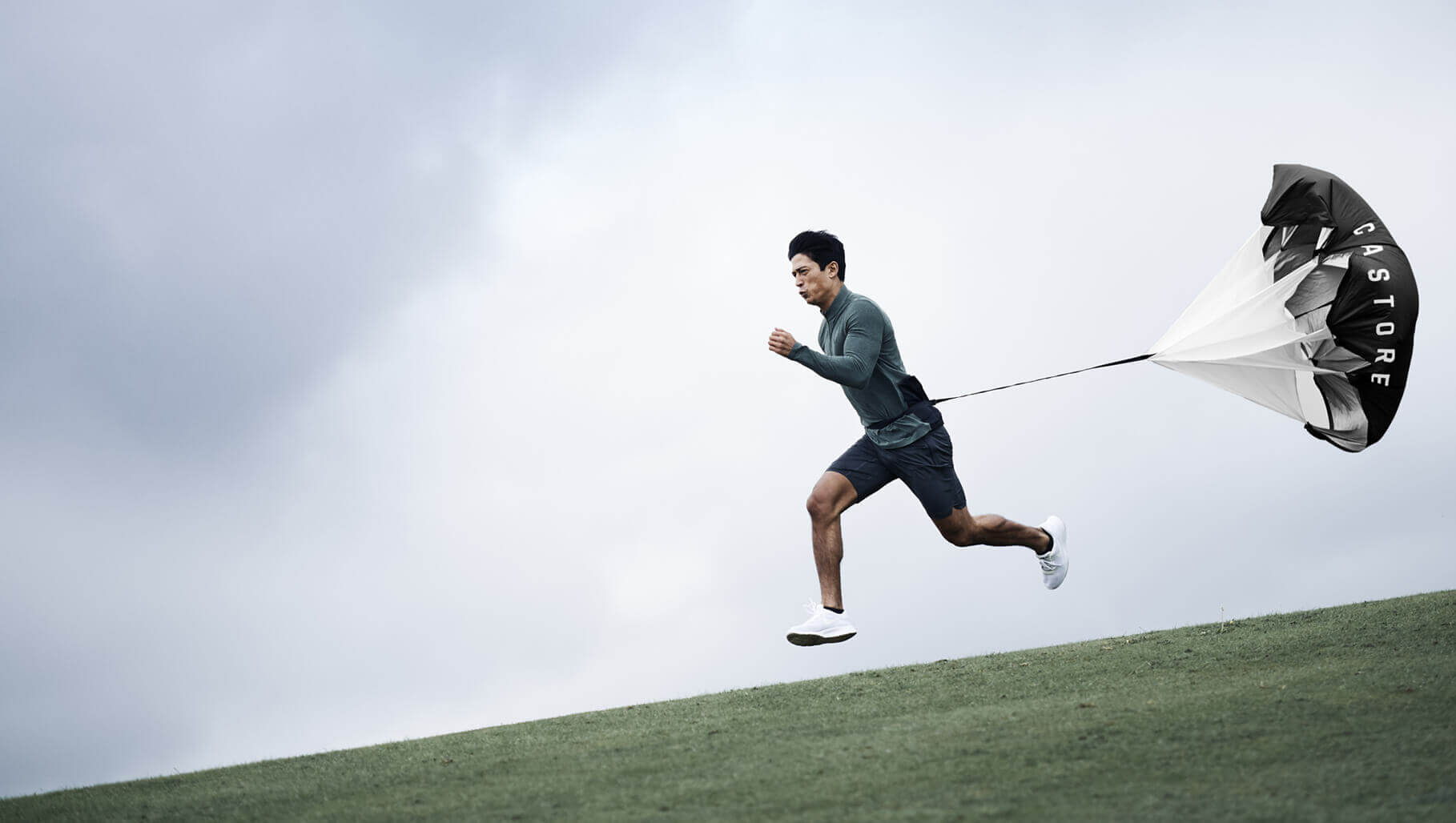
    UK-based sportswear retailer Castore has recently announced its acquisition of the longstanding footwear brand Grenson Shoes. This strategic move is aimed at bolstering Castore’s financial stability and expanding its product portfolio.

    Embracing Heritage Brands

    According to Thomas Beahon, co-founder of Castore, the acquisition of Grenson, a 160-year-old brand, underlines the company’s belief in the value of heritage brands. Grenson has built a diverse customer base over the years and has successfully partnered with some of the most renowned global brands.

    Beahon highlighted that the rich heritage that brands like Grenson possess is one of the key factors contributing to their enduring appeal. He believes that the historical legacy, born out of years of dedication, love, and passion, is an element that cannot be artificially recreated or replaced by advanced technologies like AI.

    Grenson, which is based in Northampton, England, has earned international acclaim for its high-quality leather shoes. Among its wide range of styles, the brand’s signature wingtip shoes are especially popular.

    Overcoming Common Challenges

    Throughout Castore’s decade-long journey, Beahon has observed that many brands grapple with similar issues, such as balancing growth and profitability, deciding between short-term and long-term goals, developing multi-channel distribution, and strategizing international expansion.

    He pointed out that it’s challenging for brands to achieve profitable growth without seeking external funding, which often leads to the dilution of the brand’s unique identity and values.

    However, Beahon argued that Castore’s new approach of investing in premium and established brands has effectively addressed the common issue of cash flow that many similar brands face. Moreover, he emphasized that Castore’s strategy is primarily focused on yielding long-term returns.

    He expressed his strong belief in the potential of great brands to continually strengthen over time with the right nurturing and management. As a company, Castore is deeply committed to promoting British brands’ competitive edge on the global platform.

    Questions & Answers

    Why has Castore acquired Grenson Shoes?
    Castore’s acquisition of Grenson Shoes is part of a strategic move to enhance its financial health and broaden its product range.

    What is Castore’s view on heritage brands?
    Thomas Beahon, co-founder of Castore, holds a high regard for heritage brands. He believes that their rich history and legacy, achieved over many years of dedication, love, and passion, contribute significantly to their lasting appeal.

    What are the common challenges that brands face according to Beahon?
    Beahon identified several common challenges that many brands face, including balancing growth and profitability, deciding between short-term and long-term goals, developing multi-channel distribution, and strategizing for international expansion.
  • Konvy Bags $15M from Cool Japan Fund to Boost Japanese Beauty Brands in Southeast Asia

    Konvy Bags $15M from Cool Japan Fund to Boost Japanese Beauty Brands in Southeast Asia

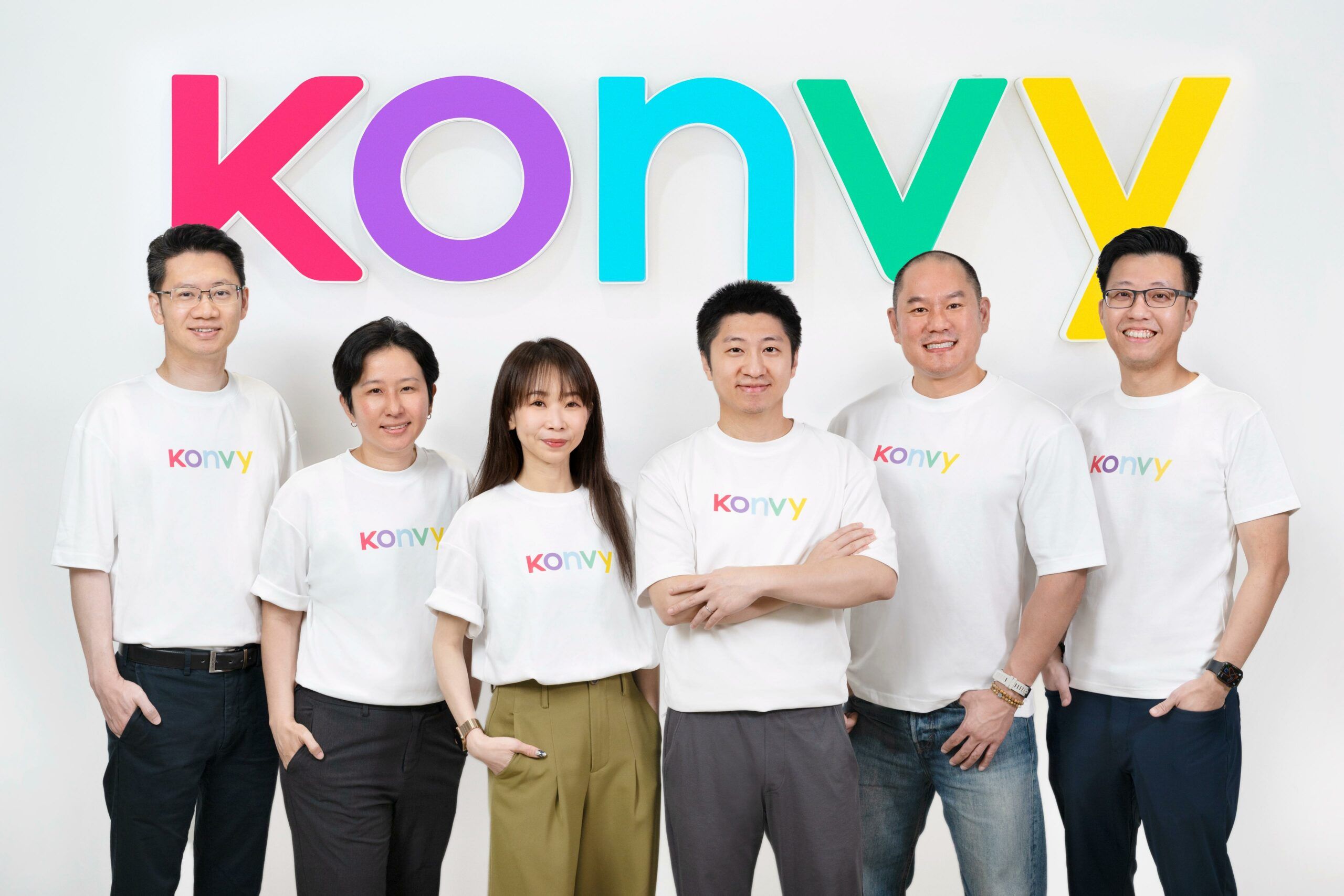
    Konvy, a renowned Thai retailer specializing in beauty and healthcare products, recently received a $15 million investment from Japan’s Cool Japan Fund (CJF). This strategic partnership aims to stimulate demand for Japanese beauty and healthcare brands across Southeast Asia.

    The Strategic Investment

    CJF’s investment into Konvy is intended to leverage the retailer’s robust multi-channel network and digital marketing prowess for the promotion of Japanese-brand products within the healthcare and beauty sectors in overseas markets. The main goal is to amplify the international appeal and consumption of these products, thereby cementing Japan’s position in these markets.

    Konvy, established in 2011, has rapidly developed into a frontrunner in Thailand’s beauty e-commerce scene. Its expansive product range boasts over 20,000 items from more than 1000 brands, spanning categories such as skincare, cosmetics, fragrances, and beauty accessories.

    Konvy’s Multi-Channel Retail Network

    Konvy’s retail operation utilizes a multi-faceted approach, leveraging both online and offline channels. The retailer operates its proprietary e-commerce platform and collaborates with prominent online marketplaces like Shopee and Lazada. It has also adopted social commerce, marking its presence on platforms like TikTok Shop.

    Further, Konvy has successfully expanded its brick-and-mortar footprint, with 16 stores in Thailand and one in the Philippines. The company also collaborates with retail partners such as Watsons to strengthen its offline presence. Apart from Thailand and the Philippines, Konvy operates in Malaysia as well.

    This recent investment signifies a continuation of Konvy’s previous partnership with Japanese companies under the Japan External Trade Organization’s Japan Mall Project that took place between 2022 and 2023. This project aimed at promoting Japanese products in overseas markets.

    Questions & Answers

    What is the purpose of the Cool Japan Fund’s investment in Konvy?
    The investment aims to increase the global demand for Japanese-brand products in the healthcare and beauty sectors, leveraging Konvy’s multi-channel retail network and digital marketing capabilities.

    What categories of products does Konvy offer?
    Konvy offers a wide range of products spanning categories such as skincare, cosmetics, fragrances, and beauty accessories.

    Where does Konvy operate?
    Konvy operates in Thailand, the Philippines, and Malaysia, both through its online platforms and physical retail stores.

  • Hermes Iconic Menswear Director Nichanian Steps Down Amid Luxury Fashion Industry Shake-up

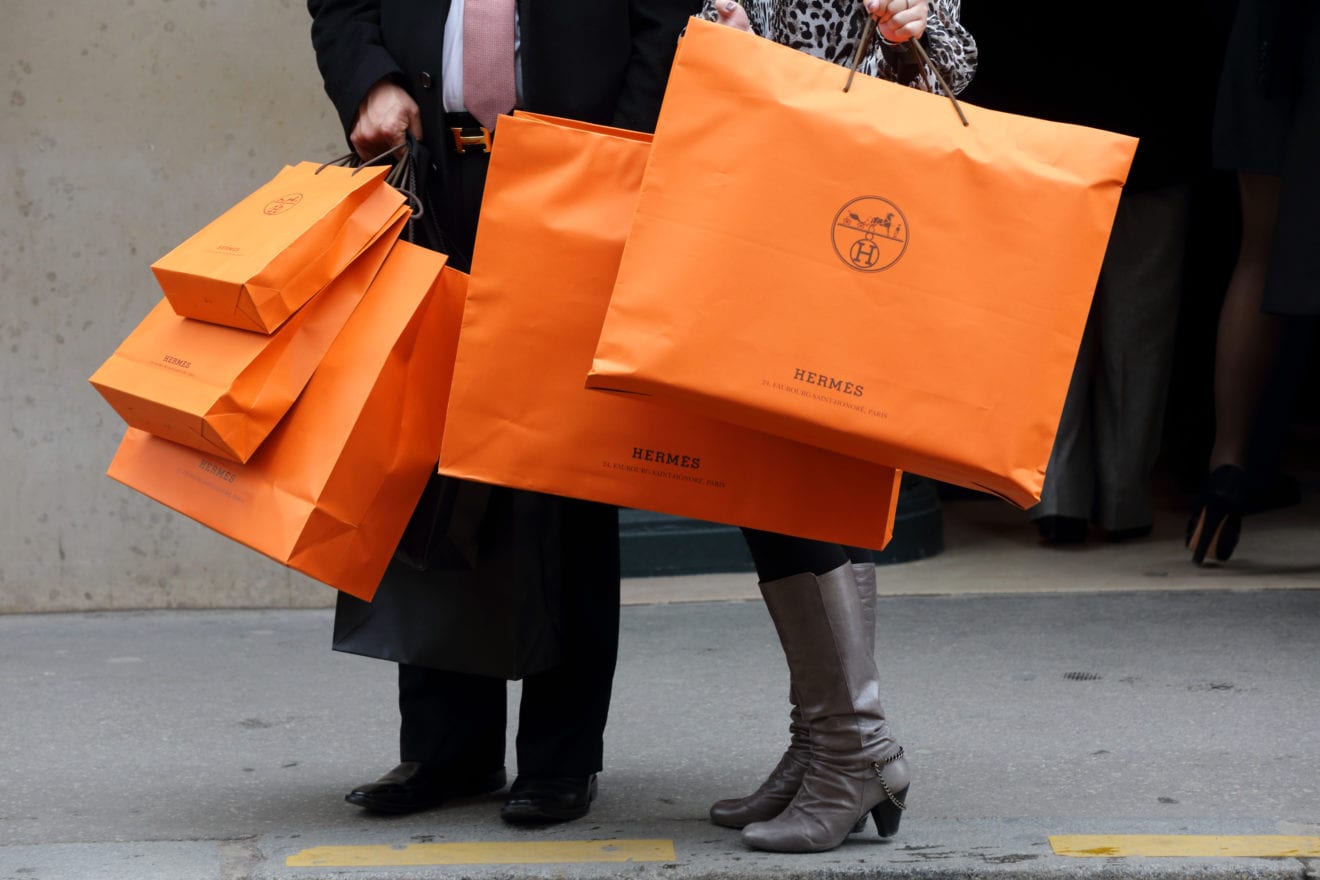
    Hermes Iconic Menswear Director Nichanian Steps Down Amid Luxury Fashion Industry Shake-up

    Veronique Nichanian, renowned artistic director of men’s fashion at Hermes, is set to leave the brand after a remarkable 37-year tenure. Her departure, officially confirmed by Hermes, comes as part of an industry-wide shake-up, with numerous luxury fashion labels including Chanel and Dior also bringing on board fresh design talent.

    Nichanian has been a cornerstone of Hermes’ menswear division since 1988, designing iconic styles that have left an indelible mark on the label’s identity. Her final fashion show is set to take place in January, marking the end of an era for the French fashion brand.

    This extensive overhaul of creative leadership within the luxury industry comes as upscale labels grapple with a prolonged financial downturn. They are striving to revive interest among their customers, many of whom are facing inflation-related constraints.

    However, Hermes has managed to buck this trend. The iconic luxury brand, famous for its Birkin-bag collection, has seen consistent sales growth, thanks largely to its affluent customer base who remain loyal to the brand’s timeless handbags.

    Questions & Answers

    Who is Veronique Nichanian?
    Veronique Nichanian is a celebrated artistic director who served at Hermes for 37 years, primarily focusing on men’s fashion.

    When will Veronique Nichanian’s last fashion show at Hermes take place?
    Her final fashion show is scheduled to occur in January.

    What is the current situation in the luxury fashion industry?
    The luxury fashion industry is experiencing a major shift in creative leadership amid a prolonged financial downturn. However, Hermes continues to thrive, seeing consistent sales growth.

  • KFC Unveils Butterbear Merchandise: New Trend Sweeps Fast-food Giant In Singapore

    KFC Unveils Butterbear Merchandise: New Trend Sweeps Fast-food Giant In Singapore

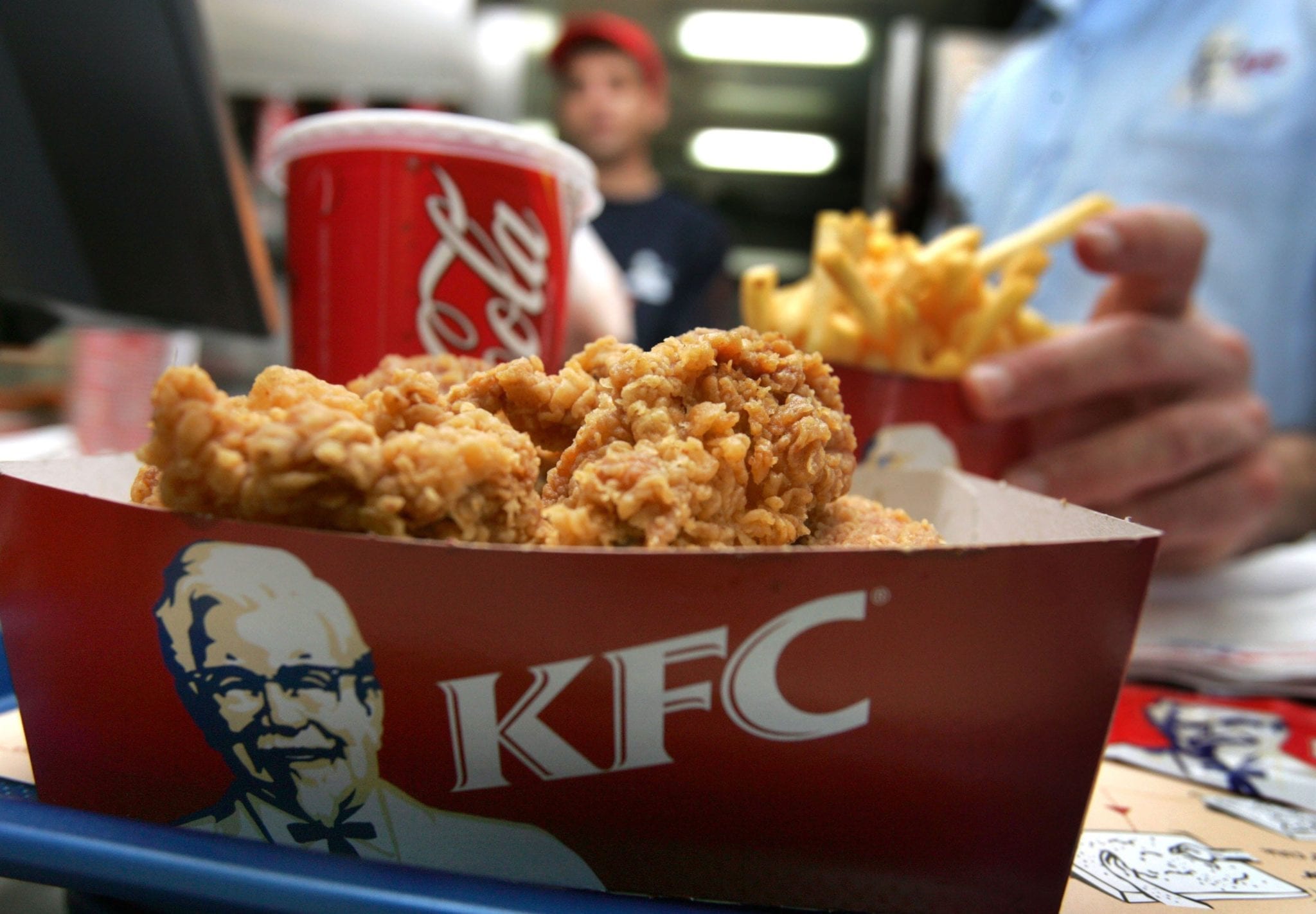
    Step aside, Labubu. A new captivating character is capturing our affections, and it doesn’t hail from Pop Mart. The Butterbear, a charming mascot from Thai bakery Butterbear, is quickly gaining fame. So, it was only a matter of time before brands jumped on the trend with an appealing collaboration. Leading the way in Singapore is the fast-food giant, KFC, which recently unveiled a delightful range of collectible Butterbear merchandise that fans will surely find irresistible.

    The Butterbear Boom

    This comes in the wake of the successful Mofusand launch for the Chinese New Year 2025. The launch included items like soft toy keychains, stickers, and red packets decorated with cats.

    KFC Meets Butterbear

    In keeping with the current rage for blind boxes, the KFC x Butterbear collection intriguingly includes surprise keychains. Collectors can seek out four different designs from October 15 to November 25, 2025, while stocks last. Each design draws inspiration from a different beloved item on the KFC menu: the egg tart, the Zinger, the drumstick, and the chicken bucket.

    To secure one of these keychains for $12.95, customers need to purchase either the Thai-Thai Saucy Chicken Box ($13.95) or the Thai-Thai Saucy Bites Box ($11.95). These are new limited-edition offerings that are part of the collaboration. The Thai-Thai Saucy Chicken Box offers a spicy, tangy, Thai-inspired version of KFC’s hot and crispy chicken, while the Thai-Thai Saucy Bites Box features boneless chicken pieces doused in the same distinctive sauce.

    Additionally, the menu features Thai fritters with condensed milk ($4.40 for four pieces), which can be thought of as the Thai twist on you tiao.

    A Rewarding Experience

    Early birds will be rewarded for their punctuality with Butterbear stickers. To claim these, they simply need to purchase two breakfast Twister buddy meals for $12. This offer is valid for both dine-in and takeaway orders. But fear not, night owls; those who prefer to order their Thai-Thai Saucy Chicken or Bites Box via KFC delivery can also snag a pair of red KFC Butterbear long socks for $5.95. If they choose to order via Grab, they can get a green version of the socks instead.

    Butterbear Plush Crossbody Bag

    One of the collection’s highlights is undoubtedly the KFC Butterbear plush crossbody bag. This accessory allows you to carry your essentials and your buttery buddy wherever you go. The bag, like the blind boxes, is purchasable with any order of the Thai-Thai Saucy Chicken or Bites Box. But act fast, as only 3,000 are available across selected KFC outlets in Singapore.

    These outlets include: Plaza Singapura, West Mall, Bedok Town Square, Causeway Point, HarbourFront Centre, Nex, Jurong Point, Lot One, Compass One, Northpoint City, Toa Payoh, Tampines Mall, Star Vista, Novena Square, and Admiralty Place.

    Questions & Answers

    What are some of the items included in the KFC x Butterbear collection?
    The KFC x Butterbear collection includes surprise keychains, Butterbear stickers, red and green KFC Butterbear long socks, and a KFC Butterbear plush crossbody bag.

    How can one acquire items from the KFC x Butterbear collection?
    The items can be obtained by purchasing certain meals from KFC, such as the Thai-Thai Saucy Chicken Box or the Thai-Thai Saucy Bites Box. Some items are offered as rewards for purchasing specific meals or placing orders through certain platforms.

    Where can the KFC x Butterbear collection be found?
    The collection is available at 15 selected KFC outlets across Singapore, including Plaza Singapura, West Mall, Bedok Town Square, and Causeway Point, among others.

  • Dior opens reinvented Galaxy Macau boutique

    Dior opens reinvented Galaxy Macau boutique

    Luxury fashion house Dior has launched its revamped Galaxy Macau boutique, offering more exclusive shopping experiences.

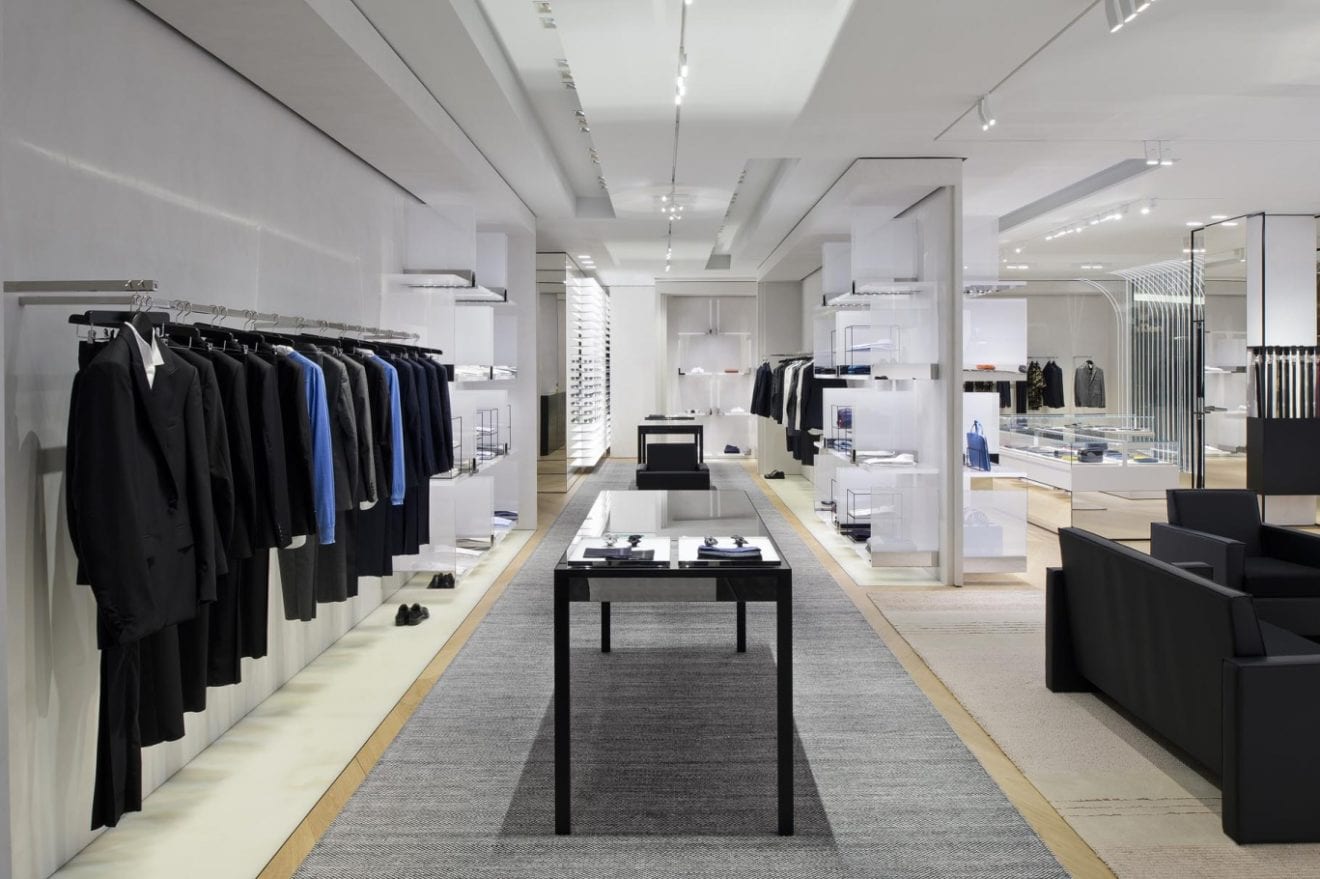
    The store, located at one of the finest shopping locations, Galaxy Promenade, has two floors and offers a varied range of items such as ready-to-wear and accessories designed by Maria Grazia Chiuri and Kim Jones, as well as watches and jewellery.

    The venue also features the My Dior fine jewellery line, the Dior autumn-winter 2024-2025 ready-to-wear collection with 30 Montaigne models, and Victoire de Castellane’s Rose des Vents and My Dior designs.

    The second store features men’s clothes from the Dior Winter 2024-2025 collection, as well as the Lifestyle Capsule, which focuses on board sports.

    In addition, the boutique offers VIP private shopping spaces.

  • Prada bags sales boost from China rebound

    Prada bags sales boost from China rebound

    Italian fashion group Prada’s sales and profits rebounded at the end of last year from a first-half slump due to the coronavirus pandemic, boosted by a strong performance in China and elsewhere in Asia, and the positive trend has carried on into 2021.

    Luxury fashion companies have been hit hard by the impact of the crisis on tourism and travel, but an improving backdrop in China, one of the world’s biggest luxury markets, has helped some companies to bounce back.

    Milan-based Prada, famous for its luxury bags and clothes, also benefited from a surge in online sales.

    The pandemic has accelerated the luxury goods industry’s move towards digital sales. Prada’s e-commerce sales more than tripled in 2020 versus 2019 levels, the Hong Kong-listed company said.

    Last year, Prada launched e-commerce in new key markets and revamped the Prada website.

    “We are just at the beginning of our growth trajectory and there is still a huge potential to unlock,” said marketing head Lorenzo Bertelli, son of Prada’s founders Miuccia Prada and Patrizio Bertelli, who are co-CEOs.

    CEO Patrizio Bertelli said: “We have 130 stores that are still closed due to the pandemic and group’s performance in early 2021 is quite good anyway. That give us the confidence to face the upcoming rebound, as soon as the most critical phase of the pandemic will end.”

    The first months of 2021 have seen a slight growth in sales compared with the early part of 2020 and are up from 2019 levels, CFO Alessandra Cozzani said conference call after the group’s results were published on Wednesday.

    CEO Bertelli said Prada had responded quickly to market changes, strengthening the relationship with local customers whose consumption in the second half of the year almost fully offset the absence of tourists.

    “All of these initiatives led to a full recovery in the second half to pre-pandemic profitability levels,” he said in a statement.

    The recovery in retail sales, which account for around 90% of Prada’s total, was driven in the second half by mainland China (+52%), Taiwan (+61%), Korea (+22%) and also by the Americas (+4%). Japan and Europe suffered from the lack of tourists and prolonged lockdowns.

    Full-year revenues fell by 24% to 2.42 billion euros ($2.9 billion) thanks to an improvement in the second half after a 40% slump in the first six months.

    Lockdown measures to stem the spread of coronavirus led to around 18% of the group’s store network being closed on average during the year and the restrictions also hit tourism.

    Earnings before interest and taxes (EBIT) totalled 20 million euros in the full-year, following a 216 million euro EBIT in the second half, broadly in line with the same period of 2019, after a 196 million euros operating loss in the first six months.

    Analysts had expected revenues at 2.44 billion euros and an EBIT of 13.8 million, based on a Refinitiv analyst consensus.

    Analysts did not expected any dividends, but Prada’s board decide

  • Uniqlo Singapore goes paper shopping bags

    Uniqlo Singapore goes paper shopping bags

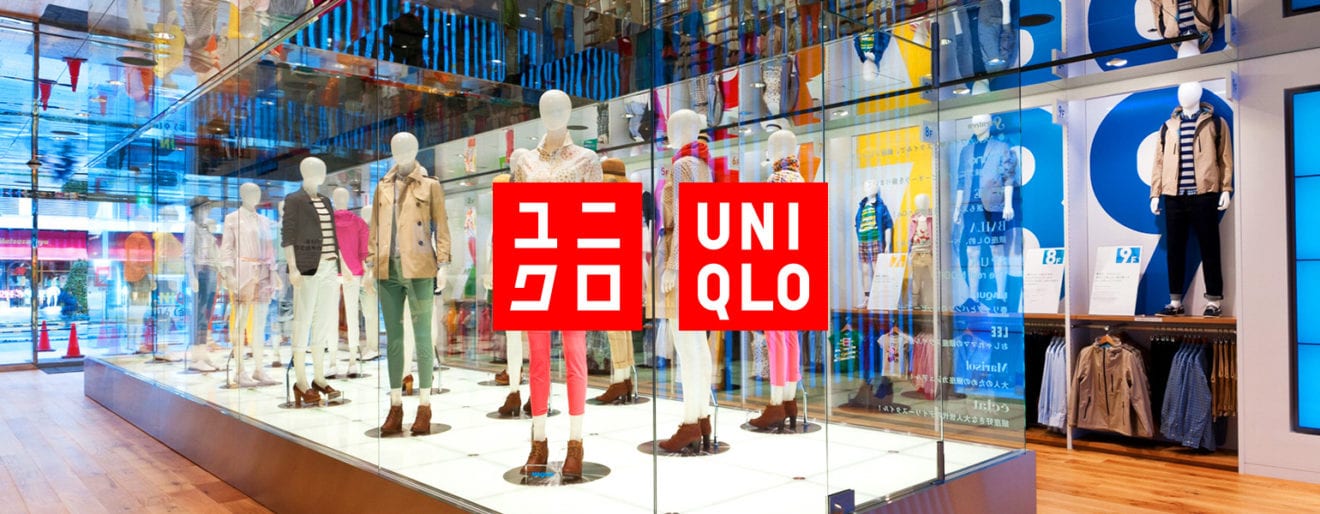
    Uniqlo Singapore is ditching its plastic shopping bags in favor of paper.

    The decision reflects a global move by the brand to become more environmentally friendly and reduce its reliance on single-use plastics. The new bags will retail at 10 cents each, with a more robust eco-friendly tote bag available at SG$2.90.

    Uniqlo’s Japanese parent Fast Retailing Group announced intentions to eliminate unnecessary plastics use throughout its supply chain in July last year. The firm plans to reduce single-use plastic by 85 percent (around 7800 tons annually) by the end of this year.

    Uniqlo is also addressing other factors in its supply chain, including reducing the volume of water used in its jeans washing process by an average of 90 percent as well as introducing new material in its clothing items – Dry-Ex – derived from recycled plastic bottles

  • Major Thai retailers stop giving out plastic bags

    Major Thai retailers stop giving out plastic bags

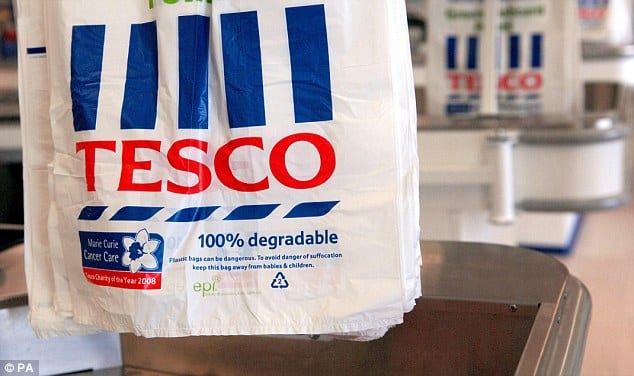
    Thai Retailers Association members have stopped providing customers with plastic bags as a ban took effect on January 1.

    A campaign titled Every Day Say No to Plastic Bags run by Thai Retailer Association will stop its 75 member chains from giving away plastic bags through 24,500 outlets, aiming to cut 13.5 billion plastic bags used in Thailand annually – about 30 per cent of the total.

    According to the Department of Pollution Control, 18 billion plastic bags (40 per cent) come from the fresh markets each year, while another 30 per cent or 13.5 billion bags come from local grocery stores. In Bangkok, each person uses eight plastic bags on average per day, creating around 80 million pieces of plastic waste daily.

    “Thailand was ranked sixth among the world’s top countries that dumps waste into the sea,” said Varawut Silpa-Archa, minister of natural resources and environment. “During the past five months, we were down to 10th … thanks to the cooperation of the Thai people.”

    The country reduced the use of plastic bags by 2 billion last year, in the first phase of a campaign to encourage consumers’ voluntary refusal of plastic bags from stores. Many department stores and supermarkets in Thailand already have their own programmes to cut down on plastic bags.

  • Strandbags unveils new retail store experience at Chadstone

    Strandbags unveils new retail store experience at Chadstone

    Luggage and handbag retailer Strandbags launched a new concept flagship store in Chadstone Shopping Centre over the weekend – the first step in a new bricks-and-mortar strategy which will see some stores triple in size over the next three to five years.

    With handheld payment devices freeing up staff and digital screens showing video and digital content, the Chadstone flagship store is Strandbags’ effort to deliver a world-class shopping experience.

    Strandbags managing director Felicity McGahan said the store was fitted to be unique and engaging, but also to give customers the freedom to shop for what they want, how they want, when they want.

    “Digitisation is giving the customers complete control. They’re in control of us, they’re savvy,” McGahan said.

    “Sixty-four percent of our customers have already researched online before they walk into our stores. So, how do we create a space that supports that? Where they can come in and really engage with the brand?

    “We’ve got to give them a reason to get off the couch and come in-store, and not let them down when they get in there. Trying to find that balance has been really important.”

    According to McGahan, the Chadstone flagship is the first in a new line of Strandbags stores, underpinning a complete redesign and refresh of the core brand.

    Contrary to many of its peers, this refresh is not part of a turnaround strategy, or an effort to stave off slowing sales – with the business selling a handbag every five seconds, a wallet sold every six seconds, and a suitcase every 12 seconds.

    “There’s a saying: The time to fix the roof is when the sun’s shining,” MacGahan said.

    “It’s not a broken business, and I’ve spent a lot of time understanding what makes it successful. This is about evolution. We’ve got to keep moving, keep changing. Retail is changing, and the experience is very important.”

    The luggage retail market is growing at a rate of five percent year-on-year, according to McGahan, which has enabled the brand to quietly grow its footprint.

    In the last year, Strandbags has up-sized 25 of its stores and is looking to do the same across many more over the next three to five years with the improvements seen in the Chadstone flagship to be rolled out across its store fleet.

    “We see a mega-store opportunity. We see large stores as well, and then obviously core stores as well. Chadstone is just another proof point to say that this is the right strategy,” McGahan said.

  • Anello opens at Changi, Singapore

    Anello opens at Changi, Singapore

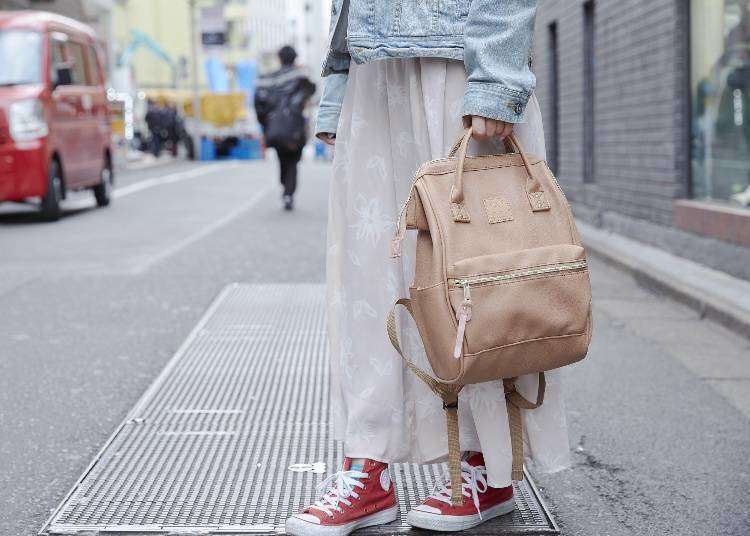
    Japanese backpack and accessories brand Anello has opened its first Singapore store, at Jewel Changi.

    Targeting Singapore residents and visitors alike, the 625sqft store offers a wide selection of designs as well as exclusive and limited-edition collections specifically for the Singapore market.

    From July 23 to 29, to mark its opening, Anello Jewel Changi will be offering a 50-per-cent discount for any second item purchased

    Founded in 2015, Anello – which means “ring” in Italian – is known for its minimalist, chic designs.

    The brand now has stores in China, Myanmar, Philippines, Singapore, Taiwan, Thailand, and Vietnam.

  • Asian expansion contributes to loss for Mulberry

    Asian expansion contributes to loss for Mulberry

    Expansion into Asia has weighed on British luxury bag label Mulberry’s bottom line, but the company is confident the foray will bear fruit.

    Mulberry reported a pre-tax loss of £5 million in the year to March 30, a sharp contrast to a £6.9 million pre-tax profit the previous year.

    The other major contributor to the loss was the collapse of British department store House of Fraser which cost it £2.1 million and worsening the impact of a “challenging” UK domestic market. Sales fell 2 per cent to £166.3 million.

    During the year, Mulberry opened new business subsidiaries in Japan and South Korea along with new stores in New York and Dubai as it focuses on international markets for sustained future growth. Revenue from overseas rose 7 per cent for the year, compensating in part for a 6 per cent drop in domestic sales. Online sales rose 27 per cent

    “The group has delivered results in line with expectations and is making good progress in advancing its international strategy and direct to customer model whilst managing a challenging UK market,” said CEO Thierry Andretta.

    “Looking ahead, we anticipate that international and digital sales will continue to grow whilst UK retail trading conditions are expected to remain uncertain. The group plans to invest further in its new Asian entities during this development phase, enhance its global digital platform and optimise the UK network,” he said.

    Sales in the 11 weeks to June 15 were up 13 per cent.

    Chloe Collins, senior retail analyst at GlobalData, said Mulberry needs to seek new and inspiring ways to attract new customers via increased social media and marketing campaigns.’

    She said Mulberry’s expansion of its lifestyle-product offer – it launched its first eyewear range last year – and its plans to increase the depth in its range of trainers are a wise move to capitalise on the trend for athleisure and competing with the likes of Isabel Marant and Golden Goose.

    “However, it must be careful that this does not distract design focus from its core handbags offer, where developments and upgrades are still necessary to maintain shopper appeal.”

    She said teaming up with fast-growing technology platform Farfetch for a new digital concession in April, will help Mulberry increase its reach and bolster sales, both in the UK and internationally.

  • Countdown Started to offer paper bags at checkout

    Countdown Started to offer paper bags at checkout

    Countdown will begin selling recyclable paper bags at checkout, as the government ban on the sale and distribution of single-use plastic bags takes effect on July 1st. The paper bags will cost 20 cents each, and be made of Forestry Stewardship Council (FSC) certified paper.

    “We’re really pleased to see single-use plastic carrier bags banned in New Zealand,” Countdown general manager of corporate affairs, safety and sustainability Kiri Hannifin said.

    “Bringing your own bags is a behaviour change that New Zealanders are really getting behind, and it’s always our first preference.

    “We’ve recently started accepting BYO containers in our deli, meat and seafood counters in selected stores and we’re hoping to roll this out nationwide shortly too.”

    According to Countdown, the move away from single-use plastic bags at the supermarket has meant 350 million fewer plastic bags are entering the New Zealand waste stream each year.

    The new legislation applies to all retailers in the country, and includes all single-use plastic bags under 70 microns thick.

    Retail NZ interim chief executive Greg Harford welcomed the legislation, stating that it is good for the environment and for the country.

    “Retailers large and small have been working hard over time to reduce or eliminate the number of plastic carrier bags being issued, and the formalisation of the phase out will ensure that there is a level playing field right across the retail sector,” Harford said.

    Countdown confirmed it has started work on a programme to look at the ways the supermarket uses plastic, the types being used and why, as well as alternatives that could be adopted that would be suitable for New Zealand’s waste infrastructure.

    “This includes reducing plastic where possible, trialling different bag options in bakery, installing produce misting systems to remove the need for packaging on fruit and veges, and supporting the return of the soft plastics recycling scheme in a number of Auckland stores,” Hannifin said.

  • Leather bag sales decline due to Activewear Offerings

    Leather bag sales decline due to Activewear Offerings

    For the second year in a row, leather bag sales have declined and nylon and other fabric options are now driving significant growth for the US women’s bag market, according to retail tracking service The NPD Group.

    According to the group’s analysis, the same casual athleisure wear trend that continues to drive growth in the active apparel and sport leisure footwear markets is starting to influence women’s fashion accessories.

    While leather still accounted for more than half of dollar sales in the women’s bag market as of the 12 months ending March this year, its decline accounted for 60 per cent of the category’s falling sales. Vinyl accounted for 20 per cent of market and 30 per cent of the declining sales.

    Much smaller in terms of overall sales, nylon, polyester, and cotton options accounted for just 11 per cent of all women’s bag dollar sales, but accounted for almost 90 per cent of the growth this past year.

    “Today, fashion is as much about comfort as it is about personal style, and that is carrying over into the way consumers are accessorising,” said The NPD Group fashion footwear and accessories industry analyst Beth Goldstein. “Women’s bags in new silhouettes and new materials are driving the industry forward.”

    Traditional leather silhouettes, such as shoulder bags, cross-body bags, totes, shoppers, and satchels, are all contributing to leather bag declines. These styles account for 90 per cent of total women’s leather bag sales by value, and drove as large a share of the losses during the year to March. The smaller, fast-growing categories of fanny/waist packs and fashion backpacks remain strong, as does leather in the designer space – but designer non-leather/non-vinyl alternatives grew at a faster rate and generated almost as many incremental dollars as did leather.

    Both established and emerging brands are promoting nylon and other alternative materials, such as “vegan leather”, neoprene and recycled options that may be lighter in weight and easier to clean than leather items. These options can appeal to a consumer looking for day-to-day practicality, as well as those looking for sustainable purchases.

    “New leather goods are facing competition from a multitude of angles – from the casualisation of today’s styles to the emphasis on sustainability, and a changing retail market that is helping to extend the life of pre-owned leather products,” said Goldstein.

    “At the same time, the recent focus on alternative materials and new styles signals opportunity for the fashion accessories market – the opportunity to capture the consumer’s attention again.”

  • Crumpler expands Stores Network in Hong Kong and the Philippines

    Crumpler expands Stores Network in Hong Kong and the Philippines

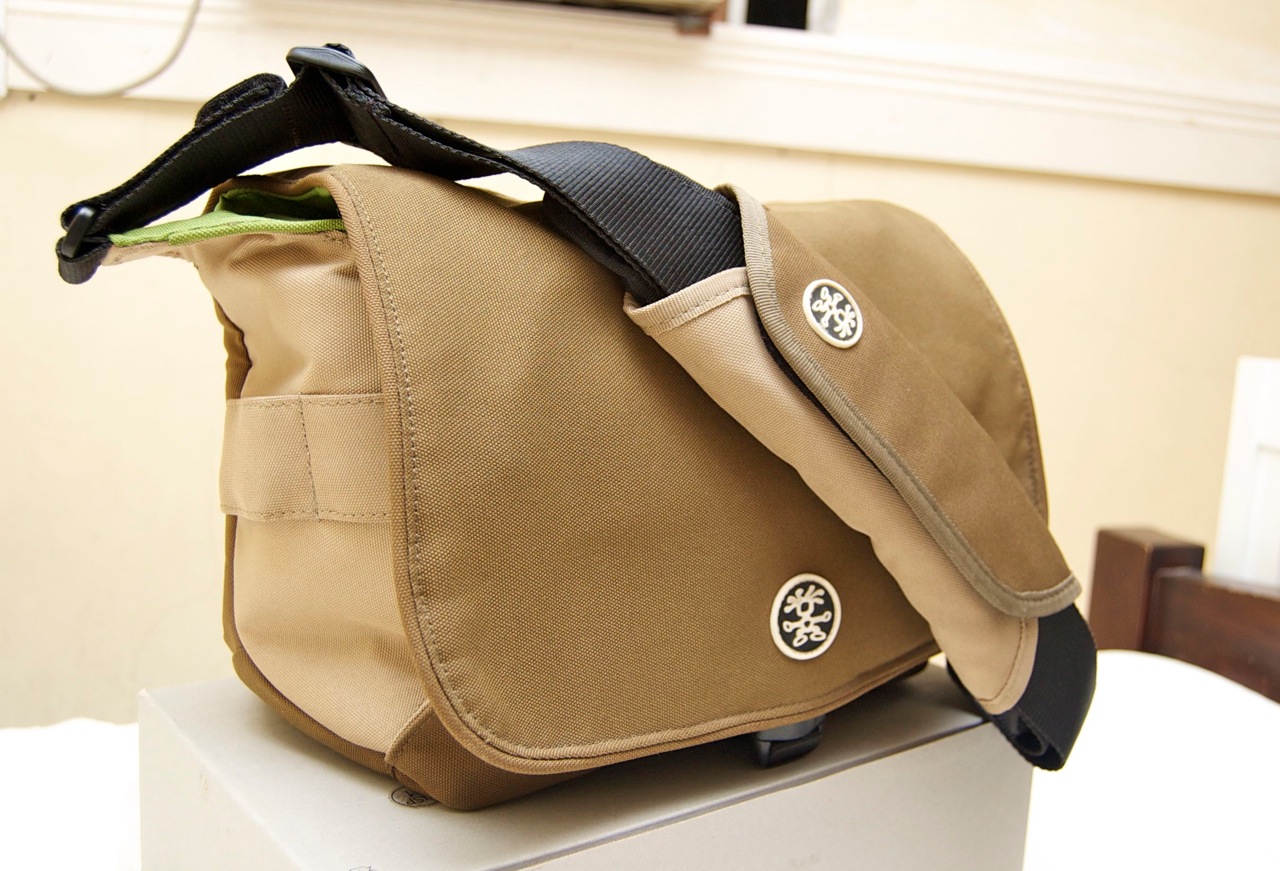
    Crumpler expands its distribution network in Hong Kong and the Philippines; plans pop-ups. Australian bag manufacturer Crumpler has taken on two new distribution partners in Asia.

    With the introduction of new partners Bauhaus Holdings in Hong Kong and Shoemakers Shop in the Philippines, the brand is now supported by seven distributors across seven countries in the region, has a presence in 10 retailers, and will unveil three new pop-up stores and one concession store in the coming months.

    Crumpler is now stocked at four Bauhaus outlets in Hong Kong, and two stores in Macau. It has also opened its first fully ranged standalone store in Hanguang department store, Beijing, in partnership with Sea To Summit China.

    In the Philippines, Shoemaker’s Shop will relaunch Crumpler this summer with three pop-up stores opening in Alabang Town Center, Trinoma and the Duty Free Philippines Fiesta Mall. This is only the beginning for Crumpler in the Philippines, with local e-commerce in the works.

    Crumpler is meanwhile continuously building its physical store and online presence in Australia, the US and Asia with more than 27 storefronts and distribution across 37 key department store and online retailers worldwide.

  • Vietnamese supermarkets go back to leave packaging

    Vietnamese supermarkets go back to leave packaging

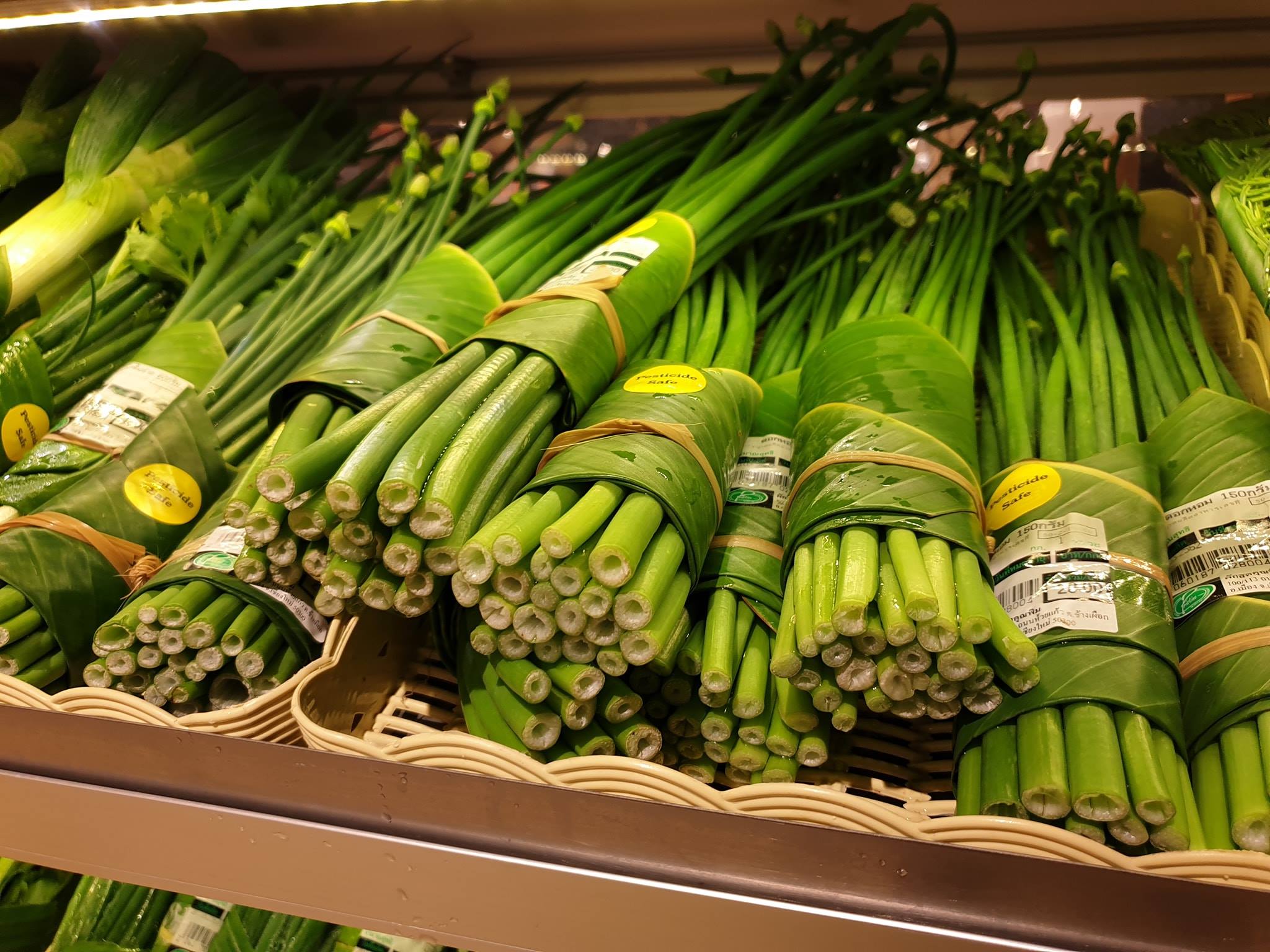
    Shoppers at Lotte Mart in Ho Chi Minh City’s District 7 were recently surprised to see scallions, okra and other vegetables produce wrapped in banana leaves.

    A representative of the supermarket chain said that the company is experimenting with using leaves to wrap veggies in one outlet, and plans to expand this later to the entire chain in the country.

    This is part of a plan to increase the use of environment-friendly products, not just for vegetables but also for fresh meat, the representative added.

    Local shoppers expressed support for the move. “When I see vegetables wrapped in these beautiful banana leaves I’m more willing to buy in larger quantities. I think this initiative will help locals be more aware of protecting the environment,” said Hoa, a District 7 resident.

    The Big C supermarket chain in Hanoi has also started using banana leaves to wrap veggies since Monday, and plans to do so in its central and southern supermarkets in the next few days. The trial is set to last a month.Saigon Co.op is also using banana leaves to wrap vegetables to replace their biodegradable wraps in some of its outlets in HCMC and other southern localities of Phan Thiet, Tay Ninh, Quy Nhon and Tam Ky.

    The supermarket chains are also providing customers with other environmental-friendly products. Lotte Mart said it is selling paper straws and food boxes made with sugarcane waste. Eggs are wrapped in paper packages instead of plastic boxes.

    Big C is offering shoppers bags made with corn powder which is completely biodegradable.

    These moves come after report highlights the large amount of plastic waste generated by Vietnamese people. The country disposes about 2,500 tons of plastic waste a day, according to official figures.

    Vietnam ranks fourth globally in the amount of plastic waste dumped into the ocean, according to the United Nations Environment Programme (UNEP).

    Some local cafes and restaurants have also been encouraging the reduction of plastic use by offering straws made with recyclable or biodegradable materials.