Retail News CRM

Tag: Bags

  • Rimowa opens in Tokyo first stand-alone store in Japan

    Rimowa opens in Tokyo first stand-alone store in Japan

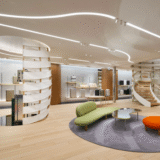
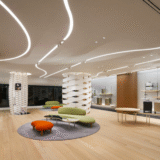
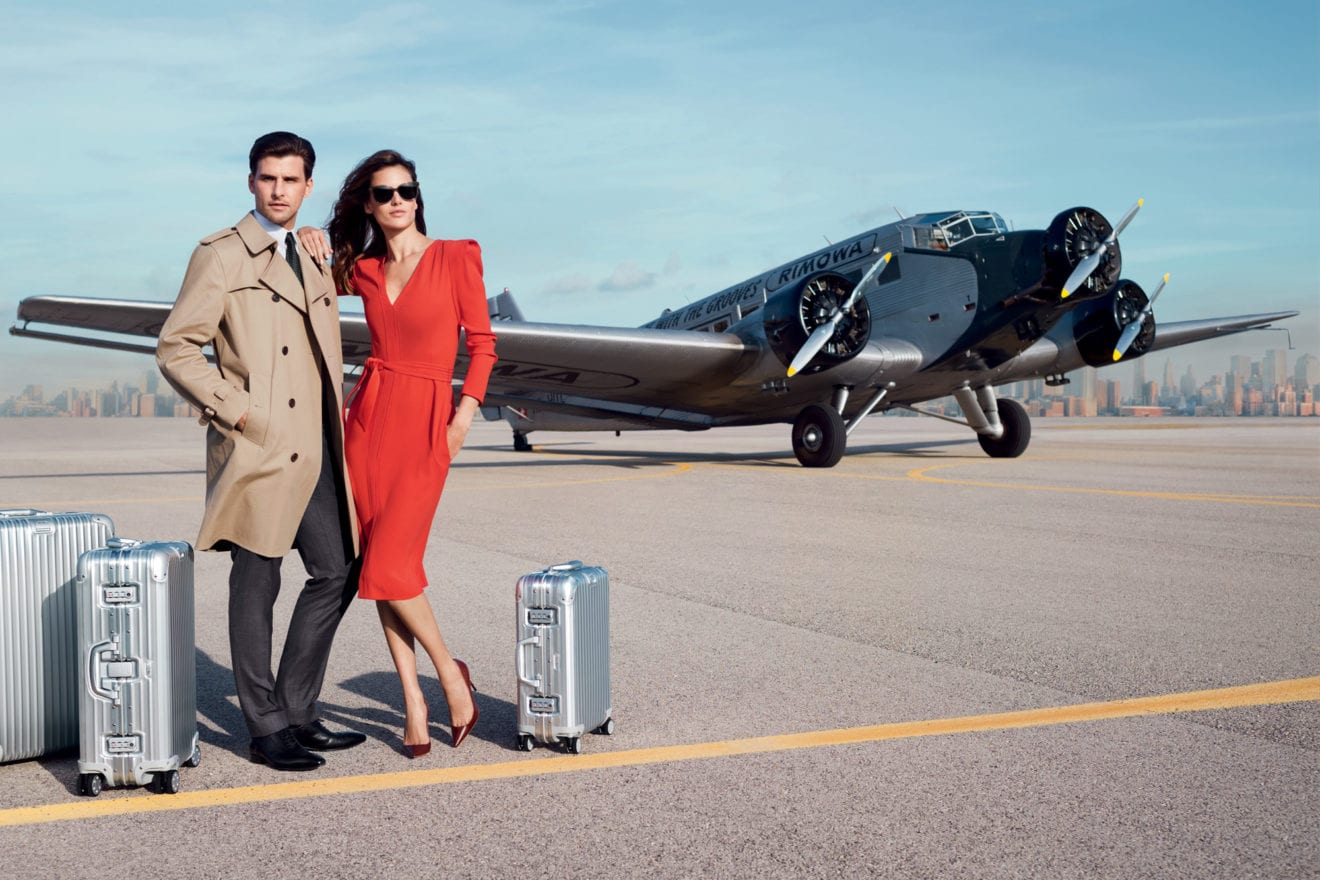
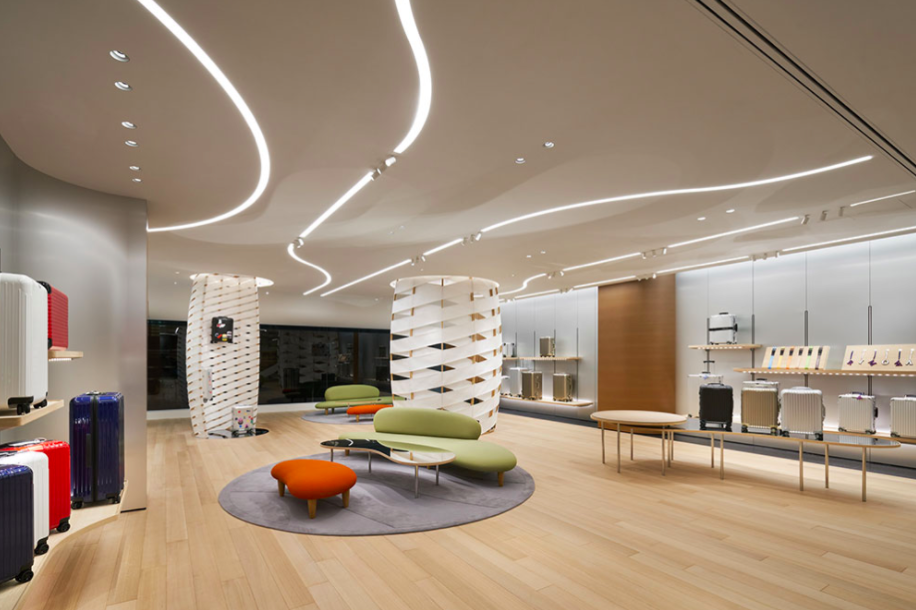
    Rimowa Japan has opened its first standalone store in Tokyo. The luxury luggage brand’s new 900sqm outlet in Ginza features a minimalist decor focused on a spiral staircase backed by a backdrop of basketweave, recalling a traditional Japanese craft design aesthetic. Rimowa Japan says the store is equipped to perform simple repairs, with staff speaking both English and Chinese, to cater for the tourist market.

    A heritage brand founded in Cologne, Germany, more than a century ago, the brand is primarily known for its aluminium and polycarbonate suitcase lines. LVMH owns a controlling 80 per cent stake in the brand.

    Browse the gallery below :

  • Da Milano aims for 100 stores by year end

    Da Milano aims for 100 stores by year end

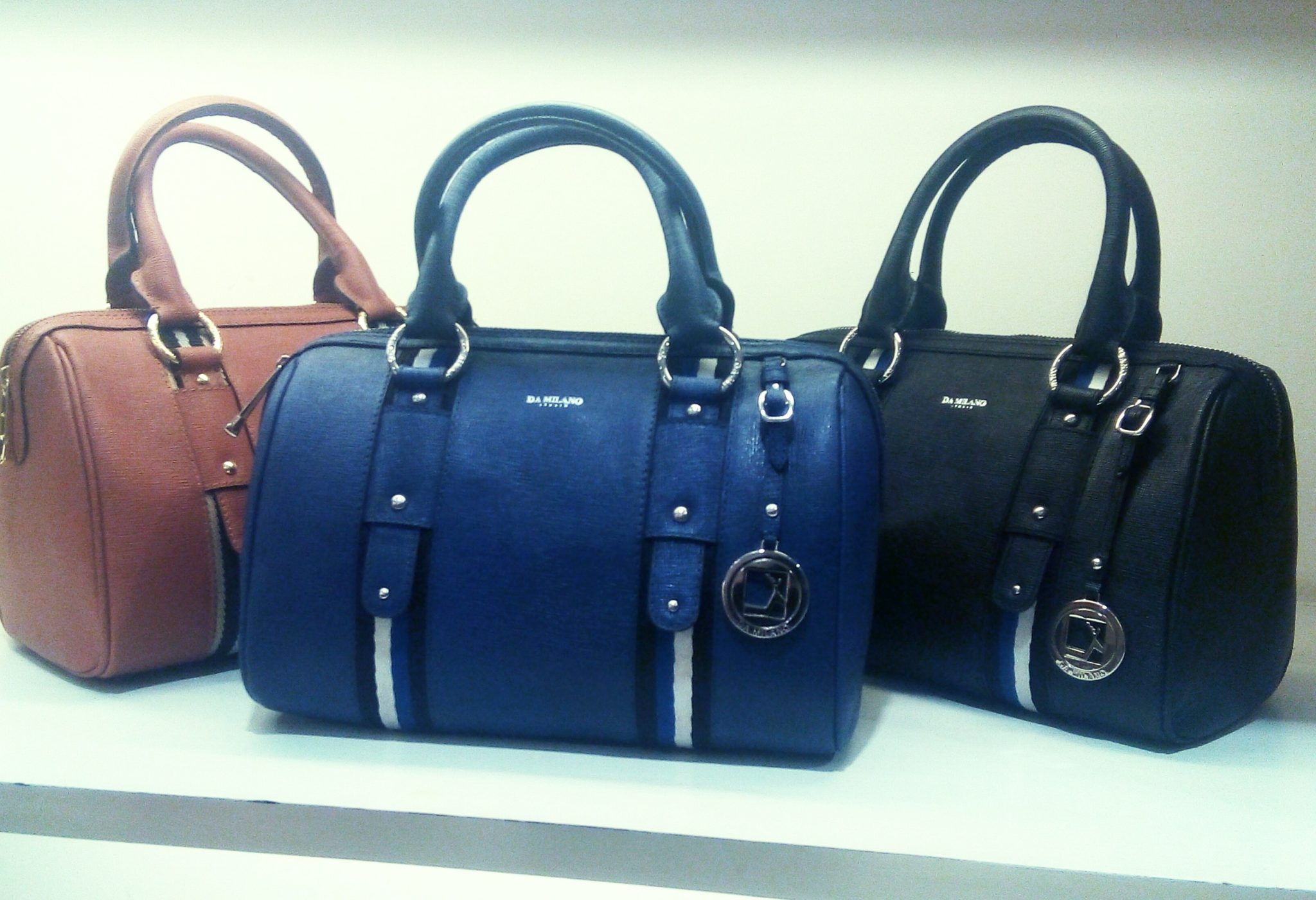
    Indian-Italian handbag and accessories retailer Da Milano is aiming to be operating 100 stores by the end of this financial year, including in Singapore. The company offers “affordable luxury” items and is likely to open further locations in airports and Tier II and III cities across India. It currently runs 80 stores across the country, as well as three in Dubai and one in Nepal.

    Stores are scheduled for launch in London, Singapore and more in Dubai. Its distribution network currently covers eight countries, retailing the brand’s more than 300 products per season. Designs are produced in collaboration between Italian and Indian teams.

    Da Milano sales grew 25 per cent over the last financial year, with expansion expected to continue through 2019. Efforts to promote the brand online are at the forefront as the brand approaches its 30th anniversary.

  • Tumi boosts Samsonite sales growth

    Tumi boosts Samsonite sales growth

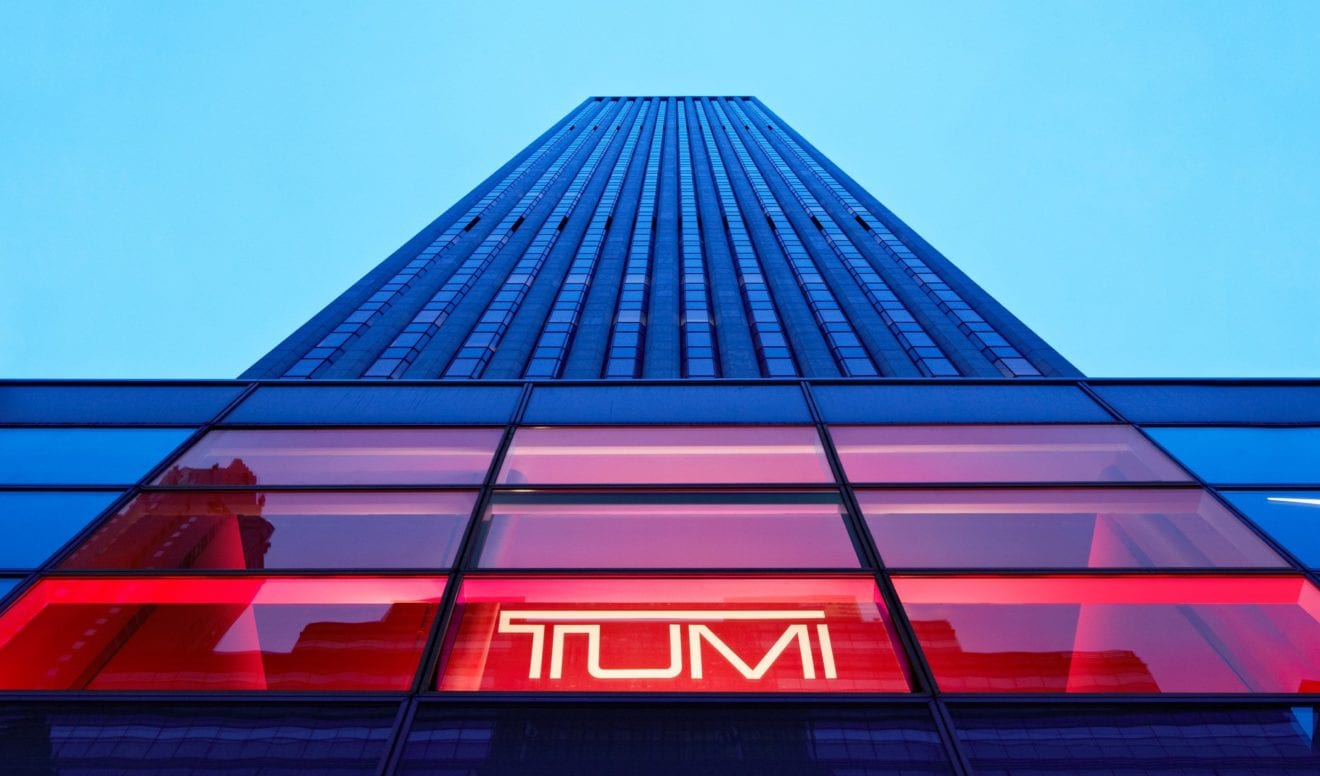
    Rapid Tumi expansion is powering solid sales growth for Hong Kong-listed luggage specialist Samsonite International. Group sales rose 5.2 per cent in the third quarter to US$945.2 million, with sales in Asia up 7.2 per cent to $324.2 million. Global sales for the first nine months were up 10.1 per cent.

    The company says the Asian sales growth was primarily driven by the Tumi, American Tourister, Kamiliant and High Sierra brands. Tumi sales in Asia surged 27.7 per cent year-on-year, driven by expansion in key Asian markets. Kamiliant, the group’s value-conscious, entry level brand, saw net sales increase by 31.8 per cent as the brand continued to gain market share, while the High Sierra and American Tourister brands grew by 22.2 per cent and 3.6 per cent respectively.

    In Japan, sales grew 12.5 per cent in the third quarter, driven by the Tumi and Samsonite brands.

    Net sales in Hong Kong increased by 23.5 per cent, driven by increased net sales from the Tumi and American Tourister brands, however Mainland China net sales decreased by 3.2 per cent due to weak consumer sentiment amid concerns about trade relations and a decrease in business-to-business orders. Excluding business-to-business orders for both periods, net sales in China increased by 4.1 per cent.

    The Samsonite, American Tourister and Kamiliant brands drove a net sales increase of 28.6 per cent in India. Sales in South Korea decreased by 4.1 per cent due to “continued challenging domestic market conditions”.

    CEO Kyle Gendreau said the group was pleased with the third quarter results and especially its continued progress in Asia.

    Sales in Europe rose 10 per cent and in Latin America by 13.4 per cent.

    Profit attributable to shareholders during the third quarter rose by $18.9 million, or 33.3 per cent, to $75.5 million, driven by a reduction in the group’s income tax expenses. For the nine months ended September 30, profit attributable to shareholders, excluding a non-cash charge to write-off the $53.3 million of deferred financing costs, increased by $42.9 million, or 30.6 per cent.

    Gendreau said the company is excited about the opportunities ahead, despite global concerns about the US-Sino trade war and subdued consumer sentiment in many markets.

    “With consumers still showing a strong propensity for travel, our industry continues to enjoy favorable long-term growth prospects. We will continue to invest in marketing, product innovation and development of our distribution channels, including direct to consumer. We are confident that we can continue to leverage our strong, diversified portfolio of brands to expand our global presence.”

  • Crumpler plans expansion into Mainland China, Taiwan

    Crumpler plans expansion into Mainland China, Taiwan

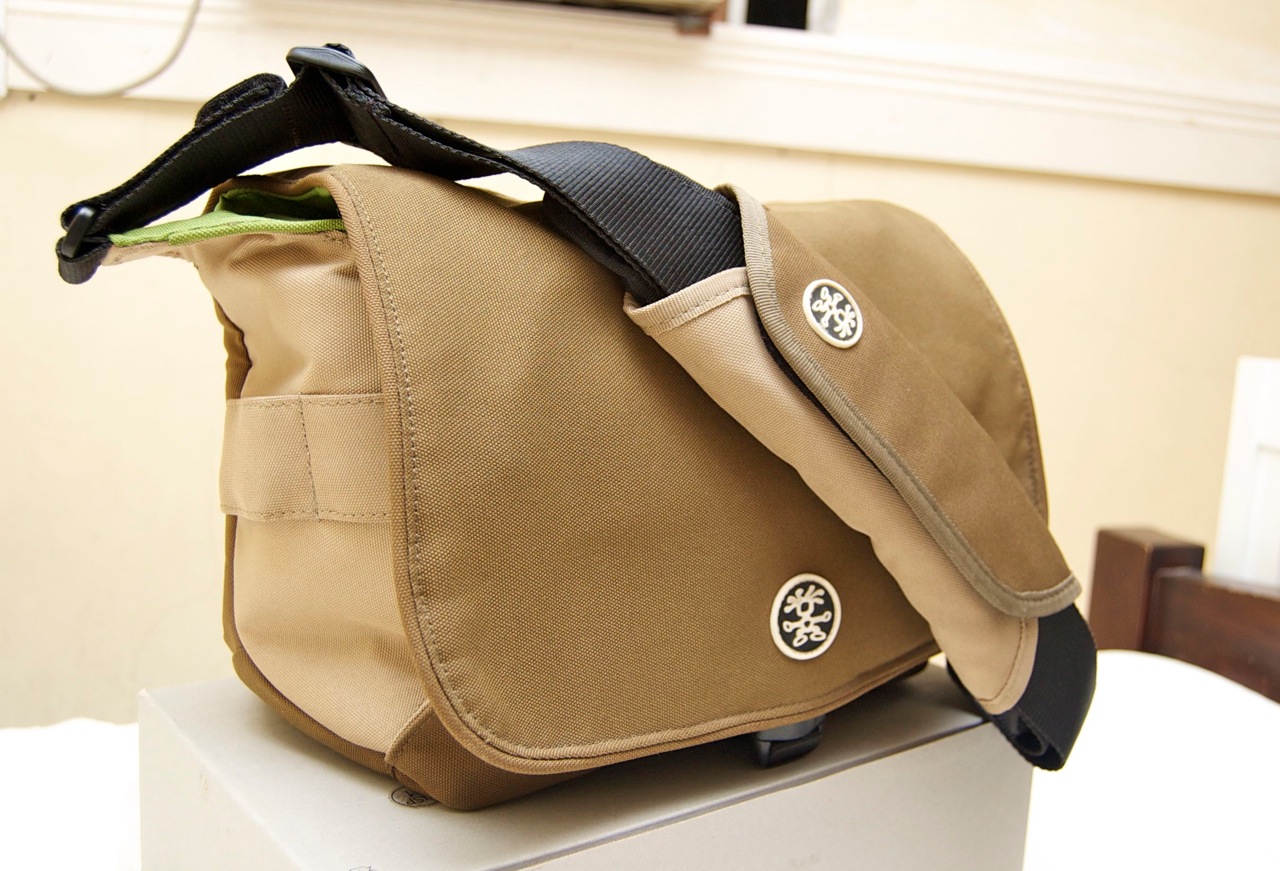
    Australian bag brand Crumpler has added distributors in Taiwan and Mainland China as it looks to expand sales in greater Asia and open new stores there. Crumpler CEO Adam Wilkinson says the region is the brand’s fastest-growing market outside Australia, so increasing its distributor network and retailer presence in Mainland China and Taiwan is “vital for us to meet the demands of current and new customers”.

    Sea to Summit has been appointed in Mainland China and HWA Yao Trading in Taiwan.

    Crumpler Asia now has five distributors in six Asian countries and at least six stores.

    “A lot of Chinese consumers are already fans of the Crumpler brand and with our middle-class rapidly growing, now is the time to re-introduce Crumpler’s premium travel, lifestyle and work bags and accessories to a wider market, with a particular focus on department stores and shopping malls,” said Barry Lin, sales director at Sea to Summit China.

    “Quality is our primary focus when aligning with a new brand which makes Crumpler a natural fit for HWA Yao. The retail market is evolving in Taiwan hence we’re excited to bring

    the reputable bagware brand into the market. We forecast it will be a successful ongoing partnership”, said Vincent Kao, CEO.

    Founded in Melbourne in 1995, Crumpler was created to address the needs of bicycle couriers looking for good-looking and cleverly designed messenger bags. The company has since expanded its range to include backpacks and a broad range of carrier solutions.

    Crumpler has a retail and online presence in Australia, the US and Asia, with more than 27 storefronts and distribution across 35 key department store and online retailers worldwide.

  • Coach enters KL’s SkyAvenue Genting

    Coach enters KL’s SkyAvenue Genting

    U.S. luggage, leather goods and accessories maker Coach has unveiled a new Malaysian boutique at Kuala Lumpur’s SkyAvenue, Genting Highlands. Located inside the Malaysia capital’s innovative shopping precinct on Level 2, Coach’s SkyAvenue store spans approximately 2,002 square-feet and stocks the New York brand’s ready-to-wear collections for both women and men, as well as its iconic hand bags, small leather goods, footwear, accessories and jewellery.

    Coach Creative Director Stuart Vevers in partnership with William Sofield, designer and president of Studio Sofield, were the talent behind the store layout.

    Embellished in modern luxury, as seen in the leather and natural wood finishes that reflect the sophisticated yet playfulness of Coach, the Kuala Lumpur store boasts custom-made cabinets – made from natural and ebonised ash.

    Other texture and material plays come via the use of blackened steel, vintage bronze and wood trimmings.

    Customers will also appreciate the pinewood floor, made of custom wool carpeting, and the tasteful mid-century furniture.

    The new Kuala Lumpur store even has a ‘Craftsmanship Bar’, offering personalised monogramming in addition to leather care and cleaning.

    With more than 100 retail options, SkyAvenue is one of Kuala Lumpur’s most unique shopping experiences.

    The mall is located 6,000 feet above sea level, and is home to a huge range of retail and F&B establishments spanning across five floors. The opening comes at a time when Coach is focusing on Asia, namely China.

    Last week, the New York brand revealed it will stage its next Pre-Fall 2019 runway show in Shanghai, in celebration of the brand’s 15th anniversary.

    Titled “Coach Lights Up Shanghai,” the collection of ready-to-wear, sneakers and accessories is scheduled to show December 8, and will be the first show of its kind that Coach has done outside of New York.

    Global sales at Coach, which makes up over 70% parent company Tapestry’s sales, rose 4% in the three months ended September 29.

    For the quarter period, Tapestry net sales rose to $1.38 billion. Net income was $122.3 million, compared with a loss of $17.7 million a year earlier.

  • One in five Australian Shoppers opposed to Plastic Bag ban

    One in five Australian Shoppers opposed to Plastic Bag ban

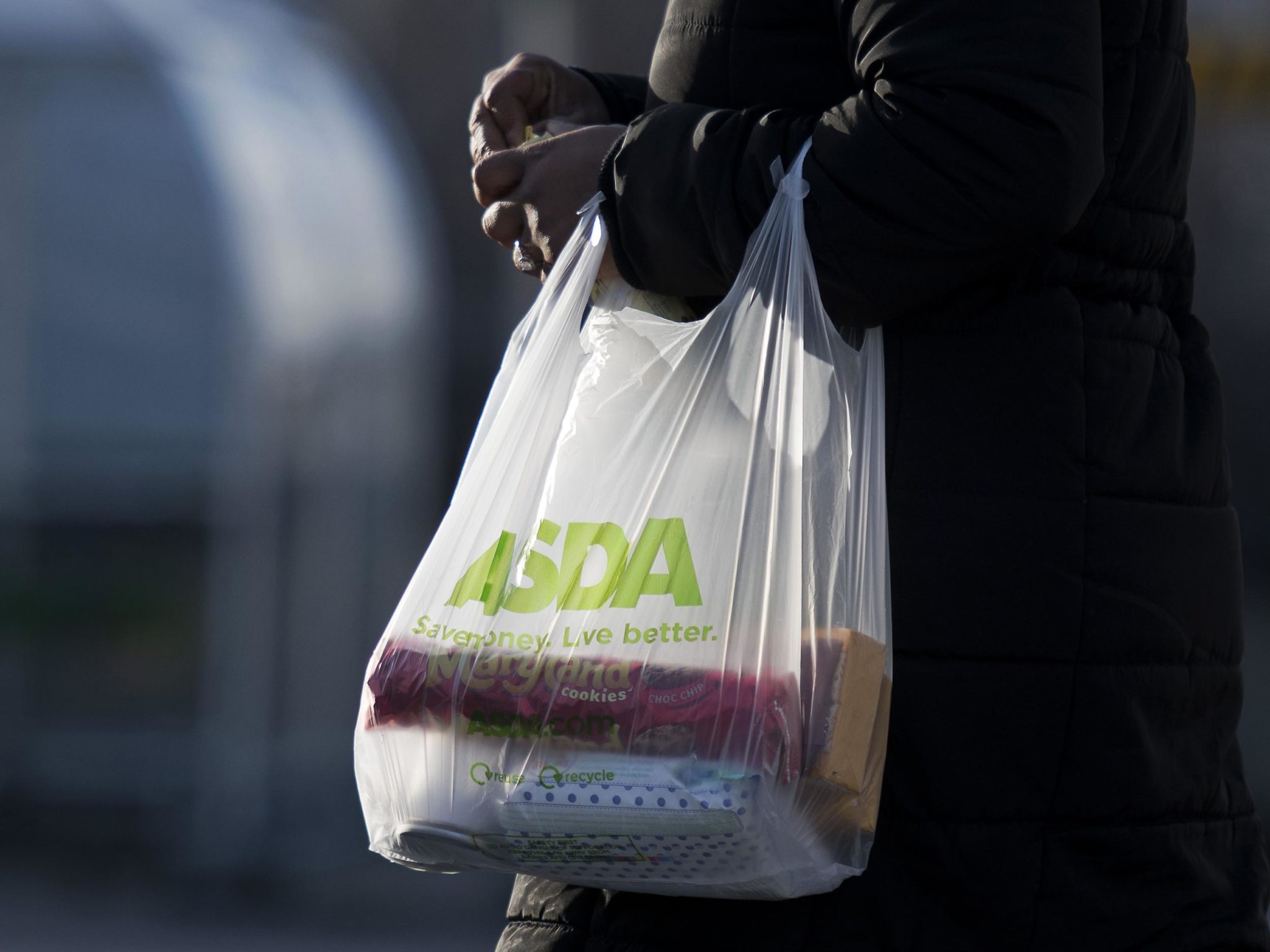
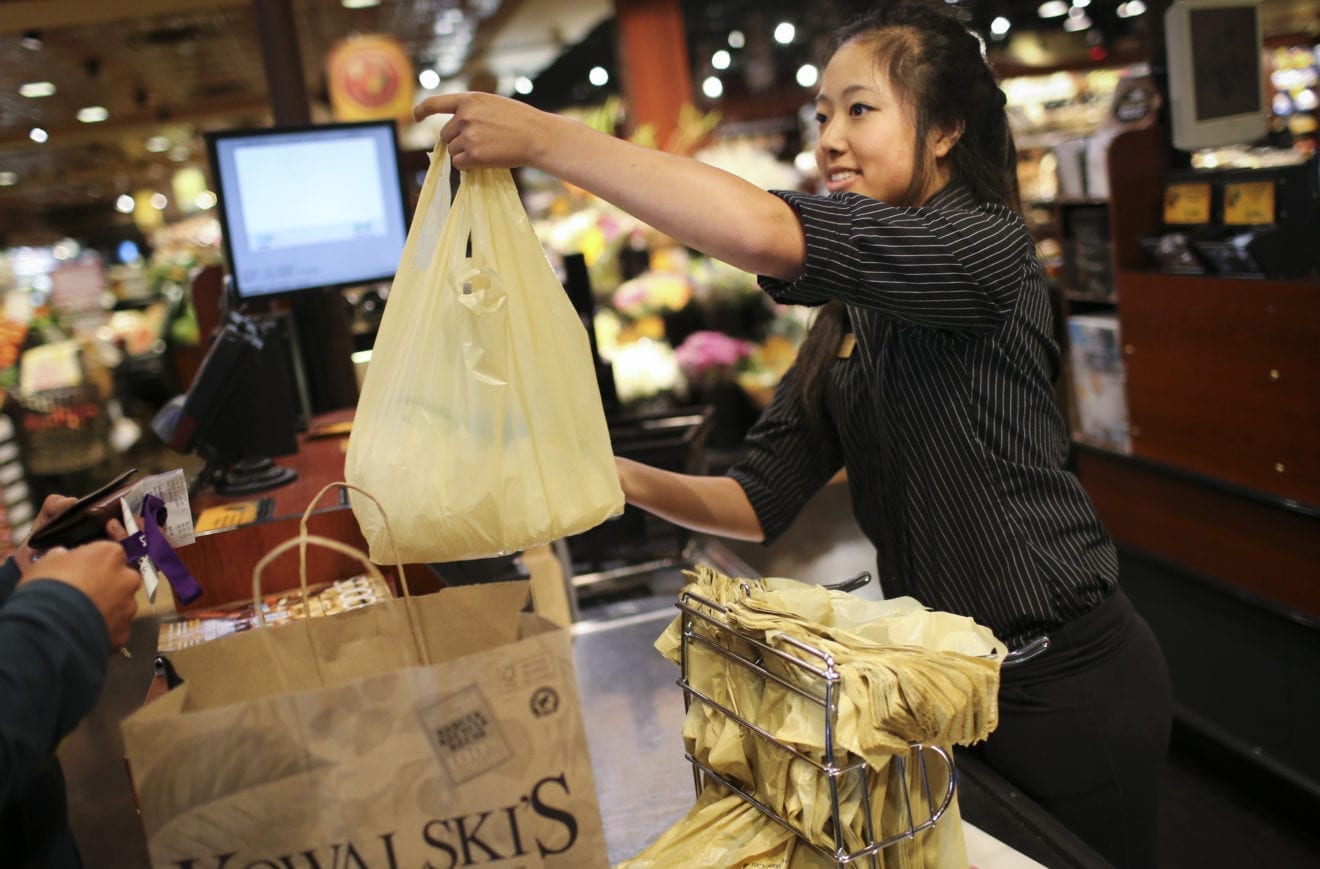
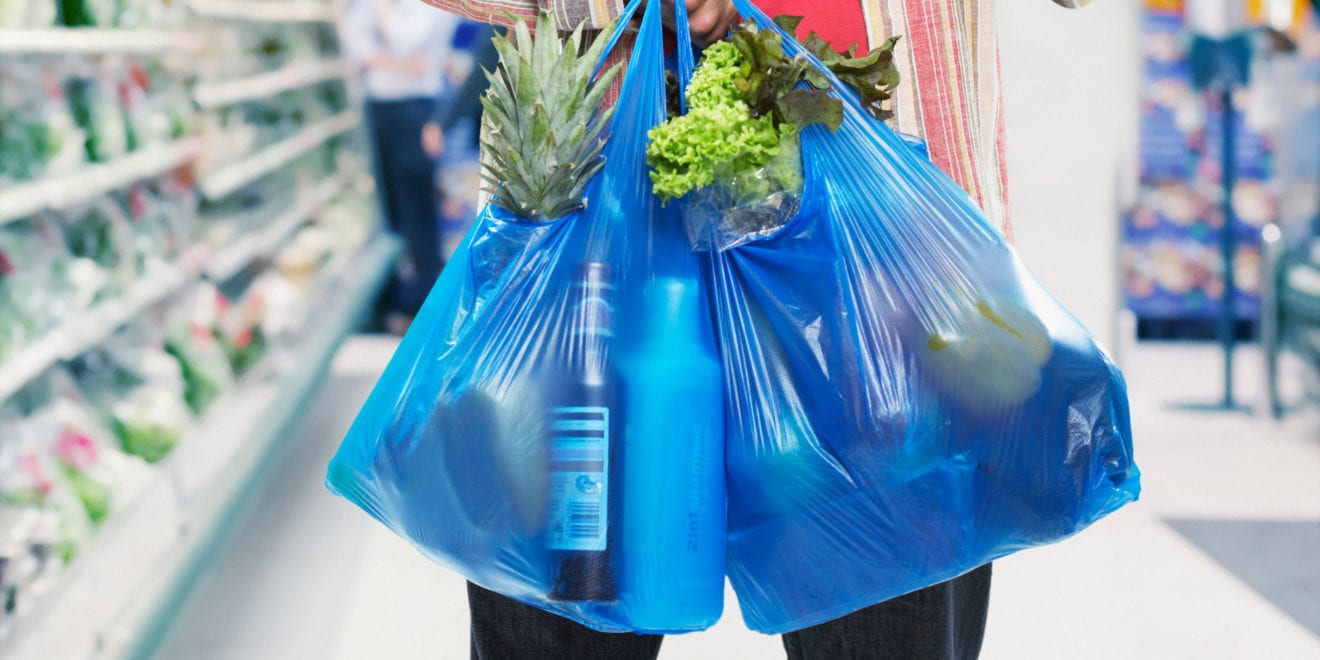
    One in five Aussie shoppers are opposed to retail giants Woolworths and Coles introducing bans on single-use plastic bags.

    While the bans have been welcomed by green groups and many shoppers, research by Canstar Blue shows 20 per cent don’t agree.

    Woolies introduces its ban on Wednesday, when the retail giant’s supermarkets, BWS, Metro and petrol outlets will stop offering free disposable bags to shoppers in NSW, Victoria, Queensland and Western Australia.

    Coles stores will follow suit on July 1.

    Canstar says more than half of shoppers have already begun stockpiling plastic bags at home, based on a survey of more than 2,200 people.

    While 71 per cent of those surveyed back the ban, 21 per cent disagree and eight per cent are undecided.

    Nearly half expect that taking their own bags to the shops would be a hassle.

    “While the plastic bag ban is supported by most, the supermarkets can expect some frustrated customers in the weeks ahead,” Canstar Blue Editor Simon Downes said on Monday.

    “While Coles and Woolworths have been trying to get the message across, there will still be lots of shoppers turning up unprepared and shocked that they’ll need to purchase one or more bags to carry their groceries home.”

  • Tumi Hong Kong expands

    Tumi Hong Kong expands

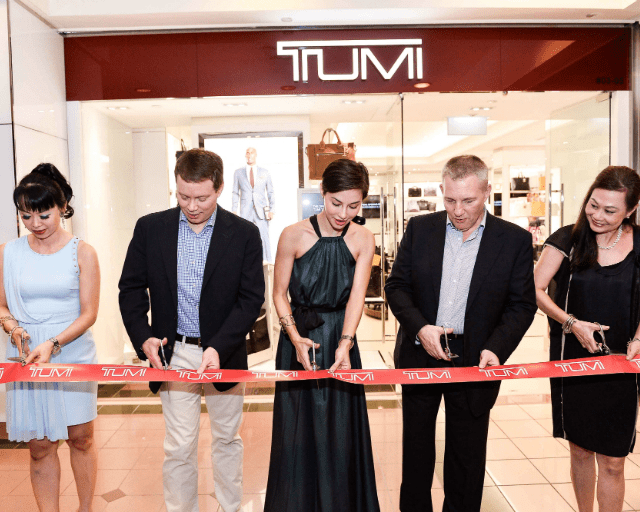
    Travel essentials brand Tumi Hong Kong has opened a boutique store at Elements Mall in Tsim Sha Tsui and unveiled a new look for its IFC outlet in Central.

    On Hong Kong Island, Samsonite-owned Tumi has introduced its new “Madison Concept” store design, originally created by award-winning designer/architect Dror Benshetrit for the brand’s New York City flagship. It features clean lines, light-coloured furnishings and custom shelving to display Tumi’s travel, men’s and women’s everyday bags, business bags and accessories. Angled display bays offer a 360deg view of the bags while ensuring they are more accessible to customers.

    Other features are polished metal fixtures, walnut-finished wood detailing and a flat-screen video wall sharing Tumi videos. There are such details as mirror-polished steel door handles in the shape of the brand’s “T” logo, and tone-on-tone glass panels that subtly reproduce the logo in miniature inside and outside the store.

    As with all other Tumi stores in Hong Kong, there is a monogramming station where shoppers can customise their purchases at no extra charge.

    To mark the Elements opening, the store introduced the new limited-edition 19 Degree travel case in matte black aluminium with rose gold. Exclusive to the store until the end of this month, the case comes in three sizes and features internal dividers and organisational pockets, a patented telescoping handle system and dual recessed wheels.

  • Weak green tax can lead to more single-use plastic bags

    Weak green tax can lead to more single-use plastic bags

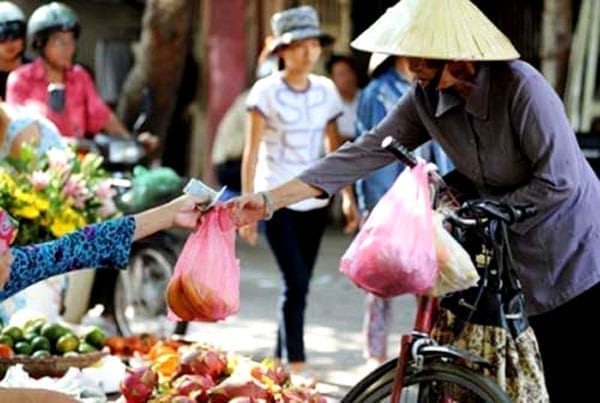
    The weight-based environmental tax can do more harm than good if businesses try to ease the burden by making and using thin plastic bags. The Vietnam Chamber of Commerce and Industry (VCCI) has weighed in on a debate involving changes to the country’s Environmental Protection Law.

    Lawmakers are considering raising the environmental protection duty imposed on petroleum products by up to three times to VND8,000 per liter, and on plastic bags from the current VND30,000-50,000 to VND40,000-80,000 per kilogram, according to a proposal prepared by the finance ministry.

    However, the VCCI, which represents thousands of businesses across the country, said in a statement that plastic bags should be taxed individually instead of by weight.

    It said that when plastic bags are taxed based on their weight, producers are tempted to produce thin plastic bags.

    While disposable, thin bags require less material, they are unlikely to be reused and are more difficult to recycle, which means these single-use bags are more harmful to the environment than thicker bags, it said.

    “Current taxes do not go far enough to protect the environment,” it said.

    The VCCI also said taxes should also be imposed on other plastic products like Styrofoam cups and boxes.

    The environment ministry estimates that Vietnamese use more than 800 tons of plastic bags every day.

    Official figures from 2014 showed that in Ho Chi Minh City, nine million, or more than 50 tons of plastic bags, were being used every day, which was twice the number from four years earlier.

  • Ban on plastic bags going well in Selangor

    Ban on plastic bags going well in Selangor

    Most folks in Selangor are responding well to the ban on plastic bags despite some feeling that they still need more time to get used to it.

    Some however felt more awareness must be created as to why it is necessary to ban plastic bags.

    Copywriter Trinity Alexandra, said she fully supports the ban as it “forces” her to do her part for mother nature but admitted it has been a challenge.

    “Even though I have recycle bags or containers in my car, I sometimes forget to take it out so I am forced to pay the 20 sen charge for the plastic bags,

    “So the challenge is mainly to remind myself to lug the bags and containers around,” said Trinity.

    Writer P. Deepika, 28, said more should be done on creating awareness about the reason for the ban.

    “People need to know why they are doing something, otherwise you are not addressing the issue. We won’t achieve much at the end of the day.

    “Having said that, I do think the ban is a necessary move,” she said.

    Praveen Reginald, 33, said she has practised packing food in her own containers and bringing along cloth bags even before the ban was enforced.

    She, however, felt merchants who are providing plastic bags with a price should be made to give out paper bags instead.

    “I think it’s a good effort to ban plastic as it is very timely but I think the Government should pressure merchants to provide paper bags,” she said.

    Selangor state exco member Elizabeth Wong said ample time had been given to retailers, traders and even consu­mers to get used to the No Plastic Bag Day campaign.

    “Our enforcement units from the local councils will begin their rounds very soon,” she said.

    “The maximum compound of RM1,000 will be imposed as it is the standard amount for any breach of licensing by-laws,” said Wong.

    The campaign, she added, was “encouraging and positive so far”.

    Malaysia Retail Chain Association president Datuk Garry Chua said its members were getting used to the ban, some of whom were now using environmentally-friendly bags.

    However, he hoped that there would be a grace period for retailers and consumers to get adjusted to the ruling.

    Fomca deputy president Mohd Yusof Abdul Rahman said the ban should be extended to all states via its local authorities.

    “This is an important environmental issue and I don’t see why it should not be implemented nationwide,” said Mohd Yusof.

    Ecotourism and Conservation Society Malaysia co-founder Andrew Sebastian said he hoped that any savings that the retailers and traders make from not giv­­­­­­­ing out plastic bags could be channelled back to the environment.

    Malaysian Nature Society president Henry Goh said it was in full support of using less plastic, adding that this should eventually lead to a total ban.

  • Honda recalls 668,000 more cars in Japan over Takata air bags

    Honda recalls 668,000 more cars in Japan over Takata air bags

    Honda Motor Co on Thursday said it was recalling about 668,000 vehicles in Japan to replace air bag inflators supplied by Takata, as part of an expanded nationwide recall announced earlier this year.

    Japan’s second-largest automaker said it had recalled models including its Fit subcompact hatchback model, and the Civic and Accord sedan models over passenger-side air bags. Vehicles produced between 2009 and 2011 were affected, it added.

    The latest announcement takes Honda’s global tally of recalled air bags to about 51 million, around half of the roughly 100 million slated for recall worldwide over inflators which are at risk of exploding with excessive force.

    Defective air bags have been linked to at least 14 deaths and 150 injuries worldwide, and are at the center of the auto industry’s biggest ever product recall.

    Thursday’s recall comes after Japan’s transport ministry in May ordered automakers to recall an additional 7 million vehicles in Japan equipped with Takata air bag inflators which do not contain a drying agent, in phases by 2019, following an expanded recall by U.S. transport authorities.

    Without a drying agent, the ammonium nitrate-based propellant used in Takata inflators has a tendency to explode violently following prolonged exposure to hot, humid conditions, spraying metal shrapnel into vehicle compartments.

    Honda, once Takata’s largest customer, has said that it would stop using Takata-made inflators in its new models, and has stopped procuring replacement inflators from the company.

    Battered by the recalls, Takata is looking for a financial backer to help overhaul its business and carry ballooning costs as its stock price has crumbled almost 90 percent since early 2014 and it faces potentially billions of dollars of liabilities.

  • Local Milan Station revenues plunge 81 pct in 2015

    Local Milan Station revenues plunge 81 pct in 2015

    Luxury branded handbag store chain Milan Station Holdings Ltd. saw its revenues plunge by 80.8 per cent year-on-year to HK$15.6 million (US$1.94 million) in Macau for 2015, following its closure of retail stores in the territory, according to its filing with Hong Kong Stock Exchange on Wednesday.

    ‘The gaming industry and tourism industry in Macau shrunk in recent years, which greatly bombarded the Group’s business locally. During the year, the Group closed the retail stores in Macau, while the points of sale in exclusive clubhouses also performed unsatisfactorily,’ the retailer noted in the filing.

    The company said it would adjust the product mix for its current sales points in local exclusive clubhouses as well as focusing on selling mid-priced brands in order to improve its revenues in the Special Administrative Region.
    For last year, the company generated total revenues of HK$400 million, a 35 per cent year-on-year drop compared to the HK$616 million it made in 2014. Meanwhile, it posted a narrowed net loss of HK$48 million for the year, some 9 per cent lower than the HK$53 million loss suffered one year ago.

    In addition to the sales drop in the city, Milan Station’s Hong Kong sales also fell 23.9 per cent year-on-year to HK$343.9 million. The company explained that the decline is due to the decreased number of Mainland China tourist visits to the HKSAR, weakening per capita consumption, and exchange rate fluctuations.

  • Indonesian Cities Now Charging Shoppers for Plastic Bags

    Indonesian Cities Now Charging Shoppers for Plastic Bags

    The policy is imposed on all retailers, including supermarkets, stores and vendors at traditional markets.

    Bandung is adopting a more conservative approach, charging customers the minimum Rp 200 per bag, mayor Ridwan Kamil said at the initiative’s launching ceremony in Jakarta. The world renowned architect said that by charging customers for plastic bags, the city will not only reduce waste but also generate revenue.

    “Buying plastic bags can generate Rp 1 billion a day for the city government. In a year we should have Rp 360 billion from plastic bag sales. That can be earmarked to buy dump trucks, build incinerators or a recycling plant,” he said.

    Bogor, in the outskirts of Jakarta, also demanded retailers and stores charge Rp 200 per plastic bag.

    “The government [central and local] have agreed that the lowest price for each plastic bag is Rp 200. What matters most is to reduce the use of plastic bags,” Bogor mayor Bima Arya said.

    “If we do not see a significant impact from the policy, then there might be a possibility to raise the price.”

    Roy Madey, chairman of the Indonesia Retailers Association (Aprindo), said that the association would also help the government educate the public about the negative environmental impact of plastic bags through various social media platforms and posters displayed at retail stores.

    During the public awareness campaign, retailers will subsidize each bag in order to maintain a price of Rp 200.

    “If the policy calls for the fee to go above Rp 200 per plastic bag, we are concerned that it will decrease the number of customers shopping at modern retail stores. The government has to protect every industrial sector to allow it to grow, including the retail industry,” Roy said.

    Indonesia is ranked the world’s second largest plastic waste producer, using 187.2 million tons each year according to a study published last year in the journal Science. China stands at number one, producing 262.9 million tons of plastic waste, most of which ends up in the ocean.

  • Rimowa leads the charge of new luxury retailers

    Rimowa leads the charge of new luxury retailers

    5 Martin Place, Sydney, the new home of German luxury luggage brand Rimowa. Photo: Supplied

    Rimowa, the German luxury luggage group, is set to call 5 Martin Place home as the retail sector looks to the upmarket brands for revenue growth.

    The label is being distributed exclusively through Hunt Leather, which itself has a presence in the MLC Centre.

    Sophie Hunt, whose parents founded Hunt, said the group also runs the Longchamp​ Boutique, of which there are four stores nationally and Hunt’s own five sites throughout Australia.

    Ms Hunt said the group opens a newly branded store in Australia every year and, despite the massive growth of its online business, it still invests in bricks and mortar.

    “Demand is high for luxury brands and over the years that we have stocked Rimowa, we have been pleased with the high turnover of the items,” Ms Hunt said.

    “Finding the right location was imperative to launch the store as a stand-alone and certainly, 5 Martin Place is where we want to be.”

    Ms Hunt said Rimowa is considered a destination brand and the demographics of Martin Place, being in the heart of bankers and lawyers, was the perfect fit.

    “We will be looking to expand and while online sales are strong, having a store is still our preferred option,” Ms Hunt said.

    DEXUS Property is leasing out 5 Martin Place as part of the redevelopment and has also signed up the H&M associate Collection of Style, and the Canadian apparel group Kit & Ace, in what was the former Commonwealth Bank chamber.

    Rimowa’s opening in December – the date is still be decided – comes as luxury retail is making a comeback.

    CBRE  Australia head of retail tenant representation said the country offers significant opportunities for luxury retailers at a time when the Asian market is reaching saturation point.

    In a new CBRE report, The Future of Luxury Retail in Asia Pacific: New Demand Drivers and Shifting Occupier Requirements, it says most major luxury retailers are now well established in Asia-Pacific with China and Hong Kong being two of the most penetrated markets at 89 per cent and 81 per cent respectively.

    “However, following several years of rapid expansion, these markets are approaching saturation point and several luxury brands have halted expansion amid sluggish sales,” the report says.

    “Conversely, the penetration rate of luxury retail in Australia is just 50 per cent – primarily due to the dominance of department stores in this segment of the market.”

    However, the tide is shifting, as luxury brands launch stand-alone stores in Australia to exert stronger control over their business operations and brand.

    In 2014, a total of 16 luxury retailers entered Australia or opened their first stand-alone store in five cities – double the total in 2012 and 2013 combined.

    “Australia, unlike much of Asia, is far from saturation point in terms of luxury retailing,” Mr Starling said.

    “At present we are witnessing the largest influx of new luxury brands in the country’s history. This is coming from two distinct sectors, with fashion/ready-to-wear and jewellery retailers being the most inquisitive.”

    Mr Starling said the inquiry was being driven by larger groups such as LVMH, Kering Group and Richemont, but brands such as Valentino and Moncler also had Australia on the radar.

    “Another trend we are witnessing involves brands being more willing to seek space in shopping-centre environments,” Mr Staring said.

    CBRE national director retail services Alistair Palmer said a new luxury precinct was also poised to open Pacific Fair on the Gold Coast in 2016, and Chadstone was planning to double its luxury offer.

    An increase in Chinese tourist arrivals was helping to support the luxury retail sector in Australia, Mr Palmer said, particularly in light of the fall in the Australian dollar.

    “Sydney Airport is also establishing a new luxury precinct, with many of the tier 1 and affordable luxury brands opening in order to capture the Asian tourist market,” he noted.
  • Gucci to check Chinese suppliers after TV exploitation charges

    Gucci to check Chinese suppliers after TV exploitation charges

    Italian fashion house Gucci said on Monday it would strengthen controls on its suppliers after a television program showed Chinese employees working more than three times their official hours to assemble its handbags.

    The head of a Gucci subcontractor told an investigative program broadcast by RAI state television on Sunday that Gucci was aware it irregularly employed Chinese workers.

    Aroldo Guidotti of subcontractor Mondo Libero (Free World) said the employees toiled away for as long as 14 hours a day, while they were supposed to work only for four hours, to assemble handbags that he sold to Gucci for EUR24 (USD29).