Tag: bangkok

  • Thai Airways returns to Brussels Airport in December 2024

    Thai Airways returns to Brussels Airport in December 2024

    As of December 1st, Thai Airways will again offer daily direct passenger flights between Brussels Airport and Bangkok, the capital of Thailand. This important destination, offered before the covid pandemic, is an important addition to Brussels Airport’s intercontinental network. As a Star Alliance airline, Thai Airways strengthens Brussels Airport’s role as a European hub. Thailand remains an important tourist destination that is now once again directly accessible to Belgian passengers.

    After a four-year hiatus in the wake of the covid pandemic, Brussels Airport may once again welcome Thai Airways. This Star Alliance airline was already operating at Brussels Airport until before the covid pandemic and now chooses Brussels Airport again as their hub within the Benelux.

    “It is great news to welcome Thai Airways back to Brussels Airport. This daily direct connection to Bangkok strengthens our position as a European hub and offers our passengers even more travel options to Asia. For Thai passengers too, our airport offers an ideal gateway to the rest of Europe. We look forward to a great collaboration,” says Arnaud Feist, CEO of Brussels Airport.

    As from 1 December 2024, Thai Airways will immediately start with a daily flight to Bangkok. The route will be flown with a Boeing 787-8, one of the most efficient aircraft on the market both in terms of emissions and noise.

    For Brussels Airport, this offers an important addition to its intercontinental network as a major destination, both for tourism as for business travel. As a Star Alliance airline, Thai Airways is also strengthening its Star Alliance hub at Brussels Airport with home carrier Brussels Airlines. This will reconnect Thai Airways directly to the heart of Europe, with all its European and international institutions and the network offered by their Star Alliance partners at Brussels Airport to the rest of Europe and beyond.

  • Auto distributor Tasco to begin assembling

    Auto distributor Tasco to begin assembling

    Tasco, a distributor for 14 auto brands, plans to branch into car assembling, and will launch its first products next year.

    At the annual general meeting last week, its management told shareholders about the plan without disclosing what brand or brands it plans to assemble.

    A person familiar with the matter told VnExpress that Tasco’s plan “might not necessarily be to assemble passenger cars.”

    Pham Van Dung, chairman of subsidiary Tasco Auto, said the company wants to work with a global top 10 auto producer.

    The partner is already selling “successfully” in Vietnam, he said.

    The products would be sold not only in Vietnam but also in markets with which it has free trade agreements, he said.

    Tasco Auto used to be Savico Holdings until its acquisition by Tasco in 2022.

    It has 84 dealerships nationwide that distribute Toyota, Ford, Honda, Mitsubishi, Volvo and other vehicles.

  • Levi’s opens its largest store in Bangkok

    Levi’s opens its largest store in Bangkok

    Levi Strauss & Co has reopened its 364 sqm store at CentralWorld in Bangkok, marking the brand’s largest location in Thailand.

    Located on the second floor of Bangkok’s mall district Chidlom, the store is home to the country’s second Levi’s Tailor Shop, an alteration, restoration and customisation station helmed by skilled tailoring professionals.

    “Thailand is an important strategic market for Levi Strauss & Co within Southeast Asia, and Bangkok is one of the world’s most popular destinations for international tourists,” said Sameer Koul, general manager for Southeast Asia and country manager for Levi Strauss & Co in Thailand.

    “Levi’s CentralWorld store opens as our largest store in Southeast Asia to date, and represents our commitment to this dynamic market as we continue to build deeper direct connections with both local and international shoppers in Thailand,” he added.

    The expanded store also houses collections that collaborated with key cultural figures from Thai artists, even seasonal exclusives, displayed on the opening day in the Beacon Zone.

    Levi Strauss & Co reopened its Levi’s store in Japan’s Kyoto last month, which features the brand’s NextGen format designed to elevate the shopping experience.

  • Vietnam beats Thailand at durian exports to China

    Vietnam beats Thailand at durian exports to China

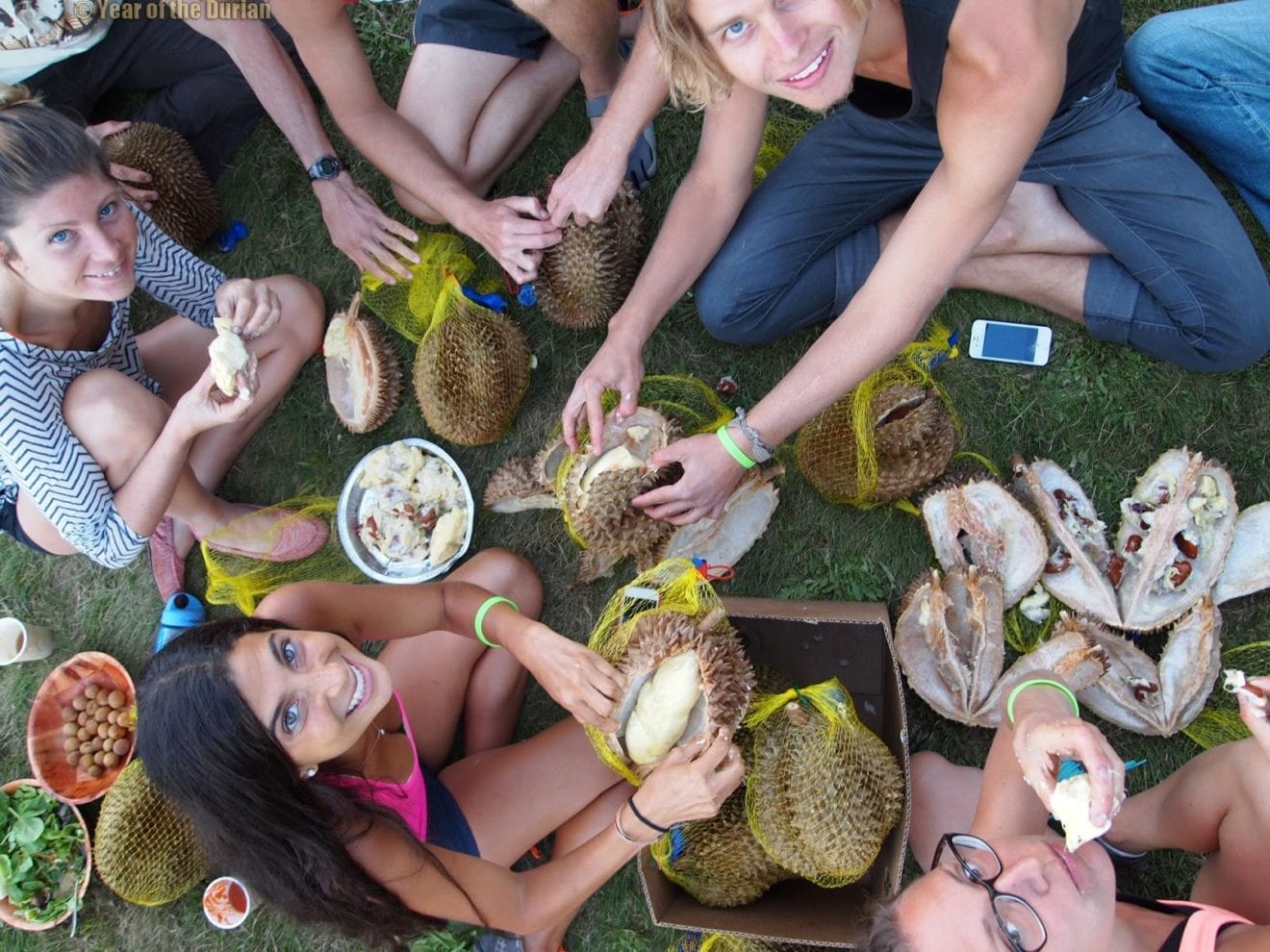
    Vietnam has surpassed Thailand as the top durian exporter to China, shipping 32,750 tons in the first two months of 2024.

    This accounted for 57% of China’s imports, up from 32% last year, according to Vietnam Customs.

    Vietnam’s export of the fruit to China rose by 2.4 times year-on-year.

    Thailand saw its exports plunge by half to 19,000 tons.

    At US$4,916 per container, Vietnam’s export price was almost 20% lower than Thailand’s.

    Dang Phuc Nguyen, general secretary of the Vietnam Fruits & Vegetables Association, said Vietnam’s weather allows durian to be grown all year round.

    It shares a border with China, which offers it an advantage in transportation.

    Farmers have been hiking durian prices in recent months thanks to high demand from China.

    In March the prices of the highest quality Monthong variety in the Mekong Delta were up 15% from a year earlier to VND218,000-230,000 ($8.7-9.2) per kilogram.

    Vietnam’s durian exports are expected to top $3.5 billion this year, up 66% from last year.

  • AirAsia flies to Okinawa

    AirAsia flies to Okinawa

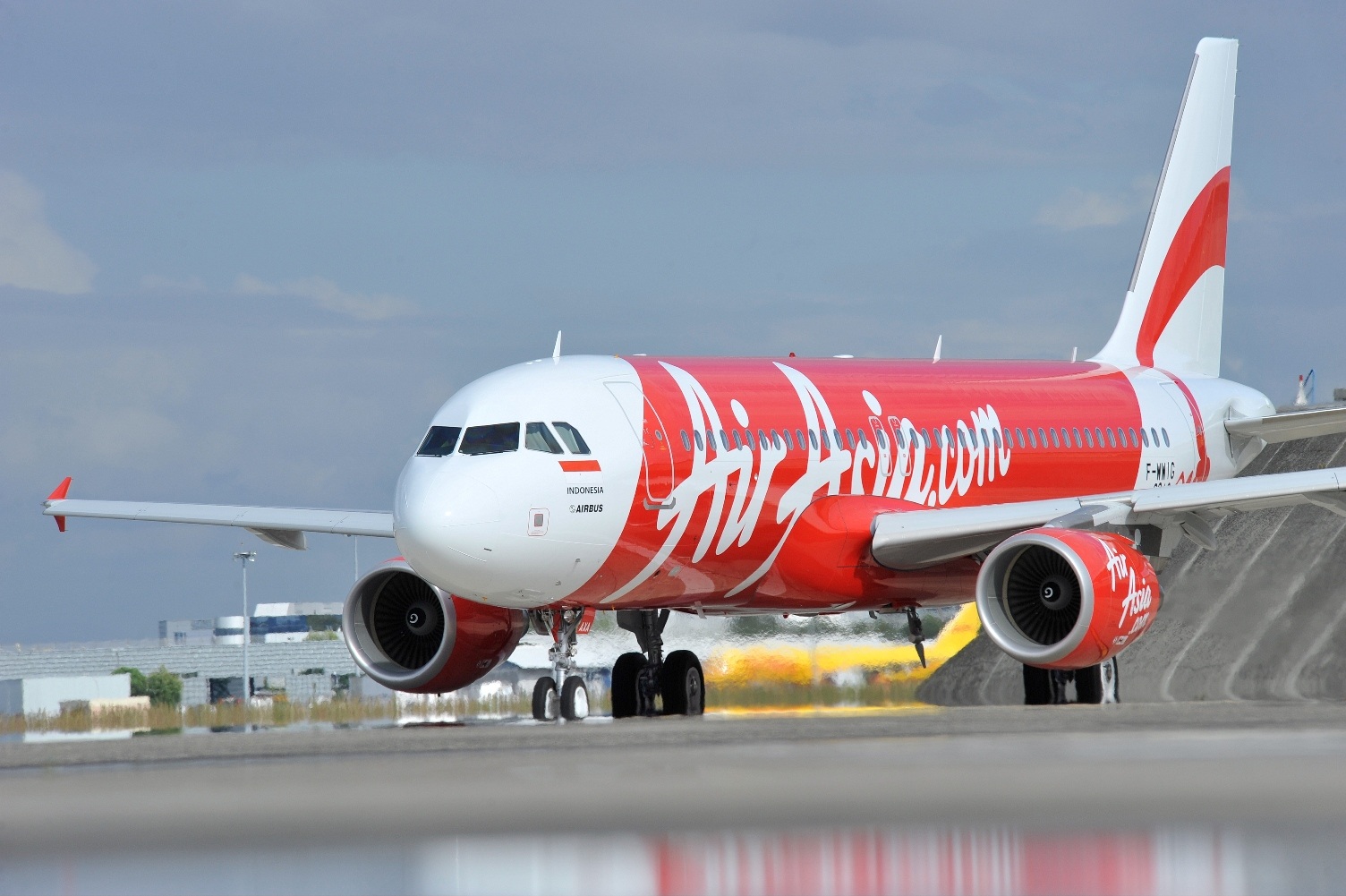
    AirAsia expands services to Japan from its Bangkok hub by introducing direct flights from Bangkok Don Mueang airport to Okinawa, a popular holiday destination in Japan’s south.

    Four weekly flights to Okinawa will start on 2 April 2024, with services scheduled on Tuesday, Thursday, Saturday and Sunday.

    Known as the “Hawaii of Japan,” it’s well known for the sightings of giant whale sharks, and foodies love its seafood cuisine. Fares are on sale starting at THB3,490 per trip for bookings through 21 February 2024 for travel from 2 April to 26 October 2024.

    AirAsia Thailand chief executive officer Santisuk Klongchaiya commented: “Based on  strong  demand, Thai AirAsia (FD) will now be flying direct to Okinawa in Japan for the very first time, marking the second route to Japan flown by Thai AirAsia after we re-introduced flights post-pandemic to Fukuoka in October 2022.”

    Okinawa is a major island in south Japan known for its white sand beaches, stunning sea, massive aquarium and unique culture. Home to various tourist destinations, the island also boasts one-of-a-kind Okinawan cuisine, making it an excellent choice for anyone looking for a new take on Japan.

    Thai AirAsia (FD) will operate two direct routes to Japan, Bangkok (Don Mueang) – Fukuoka with daily flights and Bangkok (Don Mueang) – Okinawa four times a week starting 2 April.

  • AirAsia boss pushes Bangkok as global aviation hub

    AirAsia boss pushes Bangkok as global aviation hub

    Based in Malaysia, AirAsia is operating low-cost airlines in four Asean countries, namely Malaysia, Indonesia, the Philippines, and Thailand. The company is planning to launch the newest addition, AirAsia Cambodia, in March.

    “We want to make Bangkok the next Dubai in terms of being a global aviation hub, as the Asean region has high potential with a population numbering more than 700 million,” Fernandes said on Wednesday. “However, Thailand’s airports cannot grow overnight. Therefore, we want to see infrastructure for low-cost airlines included in the country’s future airport expansion projects.”

    He went on to thank the Thai government for waiving the visa requirement for travellers from selected countries in a bid to boost tourism, which also benefits the airline industry in the region.

    Fernandes revealed that after meeting with Srettha, who also doubles as Finance Minister, the AirAsia group would file an official proposal to the Thai government, requesting a 40% reduction on excise tax for jet fuel, which is currently collected at 4.726 baht per litre, and is the highest among the four countries where AirAsia operates.

    The Philippines collect excise tax for jet fuels of 2.48 baht per litre, while Malaysia and Indonesia do not collect this tax.

    “Reducing fuel tax will also help expand the domestic tourism market by distributing Thai and foreign visitors to other provinces besides Bangkok and Phuket,” he said.

    AirAsia will also ask the Thai government to maintain the current rate of the air navigation service fee collected by the Aeronautical Radio of Thailand, which will help airline operators manage operational costs.

    The airline would also urge the Civil Aviation Authority of Thailand to consider increasing traffic rights on Thailand-India routes.

    Tassapon Bijleveld, executive chairman of Thai AirAsia and Thai AirAsia X, said on Wednesday that AirAsia group is planning to procure 412 new airplanes, about 25% of which or 100-150 airplanes have been earmarked for the Thai operation.

    He said Thai AirAsia and Thai AirAsia X airlines aim to serve 20-21 million passengers in 2024, up from 18 million people recorded in 2023. However, this estimation is still lower than the tally in 2019, before the pandemic, at 22 million people.

    Tassapon added that Thai AirAsia and Thai AirAsia X would not merge into a single airline immediately after the AirAsia Group announced a business structure adjustment on Monday (January 15), which will see the merger of airline businesses under Capital A with its sister company AirAsia X Bhd (AAX).

    “The merger of two airlines in Thailand may have to wait 2-3 years, until after Thai AirAsia X leaves the business rehabilitation plan, which should happen around late 2025,” he said.

  • KBank Financial Conglomerate acquires additional investments in Bank Maspion

    KBank Financial Conglomerate acquires additional investments in Bank Maspion

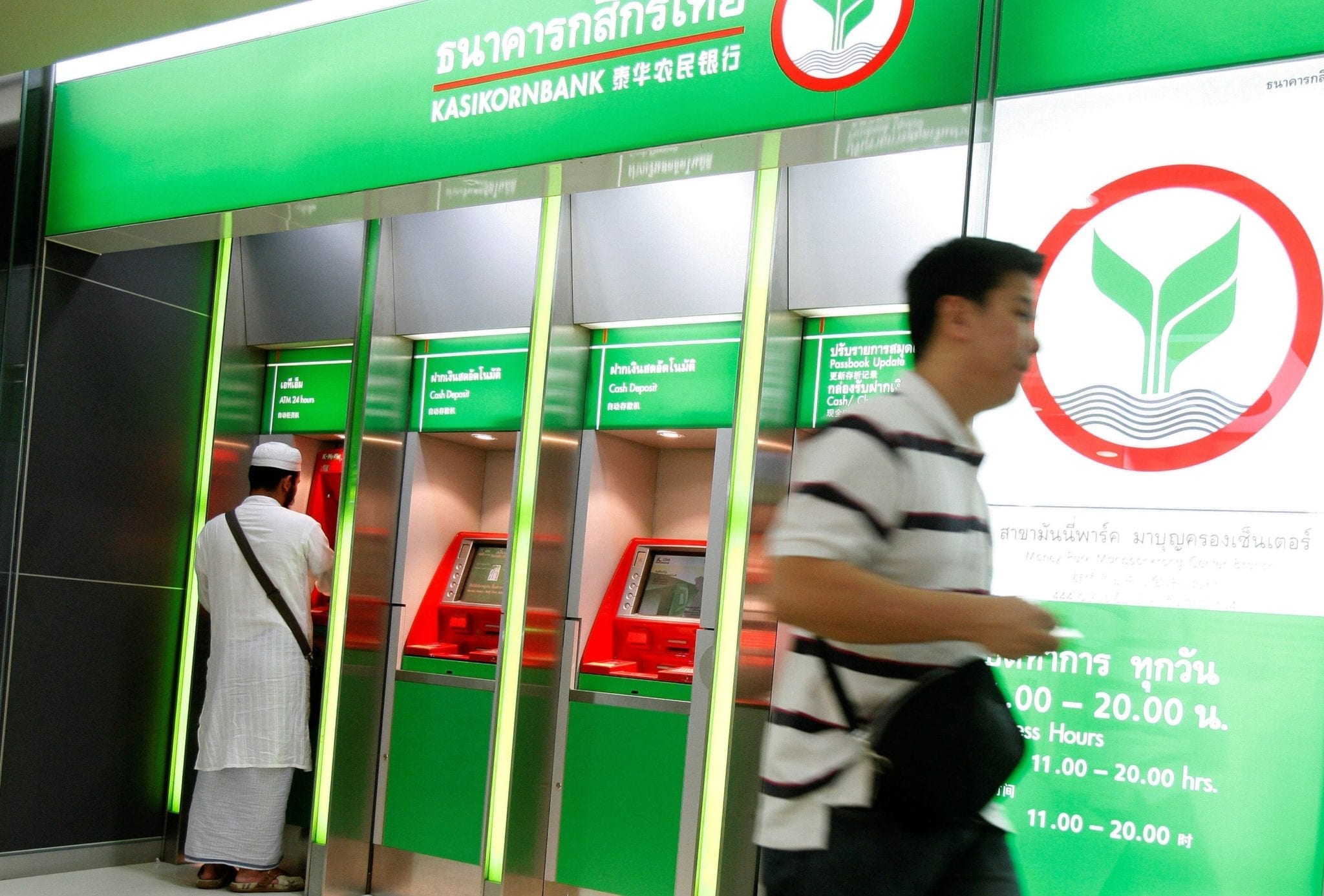
    KASIKORNBANK FINANCIAL CONGLOMERATE has acquired additional investments in PT Bank Maspion Indonesia Tbk (Bank Maspion) in Indonesia through KASIKORN VISION FINANCIAL PTE. LTD. (KVF) and PT. KASIKORN VISION FINANCIAL INDONESIA. Following the capital injection, the post-investment valuation of Bank Maspion stands at 15.441 billion Baht, an increase of 8.0 billion Baht. Therefore, the subsidiaries increased its stake in Bank Maspion to 84.55 percent, from 67.68 percent, reaffirming its position as a controlling shareholder in this Indonesian bank. The move also reinforces KBank’s goal of becoming the largest bank in East Java.

    Mr. Pattarapong Kanhasuwan, Chairman of KASIKORN VISION FINANCIAL COMPANY PTE. LTD. (KVF), said, “KASIKORNBANK FINANCIAL CONGLOMERATE initially acquired a stake in Bank Maspion in 2017. In the latest development, the subsidiaries have acquired additional shares in Bank Maspion, increasing its stake to 84.55 percent. The valuation of Bank Maspion after the capital injection amounted to 15.441 billion Baht, increasing 8.0 billion Baht. This strategic move will contribute significantly to the continuous growth of Bank Maspion, strengthening its operations and enhancing its customer service capabilities, while fortifying KBank’s position as the controlling shareholder of Bank Maspion.”
    KBank has leveraged its more than 78 years of experience in the banking business, along with its capability and expertise in financial innovations and technologies, to cement Bank Maspion’s strengths in all aspects. Such endeavors are intended to ensure that Bank Maspion becomes a “Right Financial Partner” that can provide services beyond traditional financial products in order to support the growth of customers’ businesses and facilitate Indonesia’s long-term economic growth through the implementation of business strategies that focus on three customer segments, namely corporate, SME and retail.

    • Corporate customer segment has exhibited bright growth prospects and is a major driver of the Indonesian economy. With that in mind, KBank intends to enhance Bank Maspion’s service provision capability and deepen client relationships in order to be a potential source of financing and offer comprehensive banking services.
    • For the SME customer segment, KBank has developed and improved products and services to make it easier to audit income, approve loans and lift various restrictions in order to respond to customers’ needs more quickly while also maintaining the security of related transactions. KBank is planning to offer P2P lending soon, as well.
    • As for the retail customer segment, KBank aims to expand its retail customer base through the design and development of various products and services, including Payroll, QRIS (Indonesian Standard QR Payment), deposit accounts, and personal loans, while introducing marketing campaigns to meet the diverse needs and behaviors of retail customers in their daily lives.

    Mr. Pattarapong added that the capital injection is in alignment with the Bank’s strategy of business expansion to become A Regional Bank of Choice within AEC+3. The focus is on enhancing capabilities in financial innovations and technologies to provide services beyond banking solutions in response to current changes. KBank’s competitive advantage of a service network in key strategic areas across the region will strengthen connectivity between Indonesia and the AEC+3 market. The effort is in line with KBank’s goal of becoming the largest bank in East Java by 2027.

  • DHL Express unveils newly expanded hub in Hong Kong

    DHL Express unveils newly expanded hub in Hong Kong

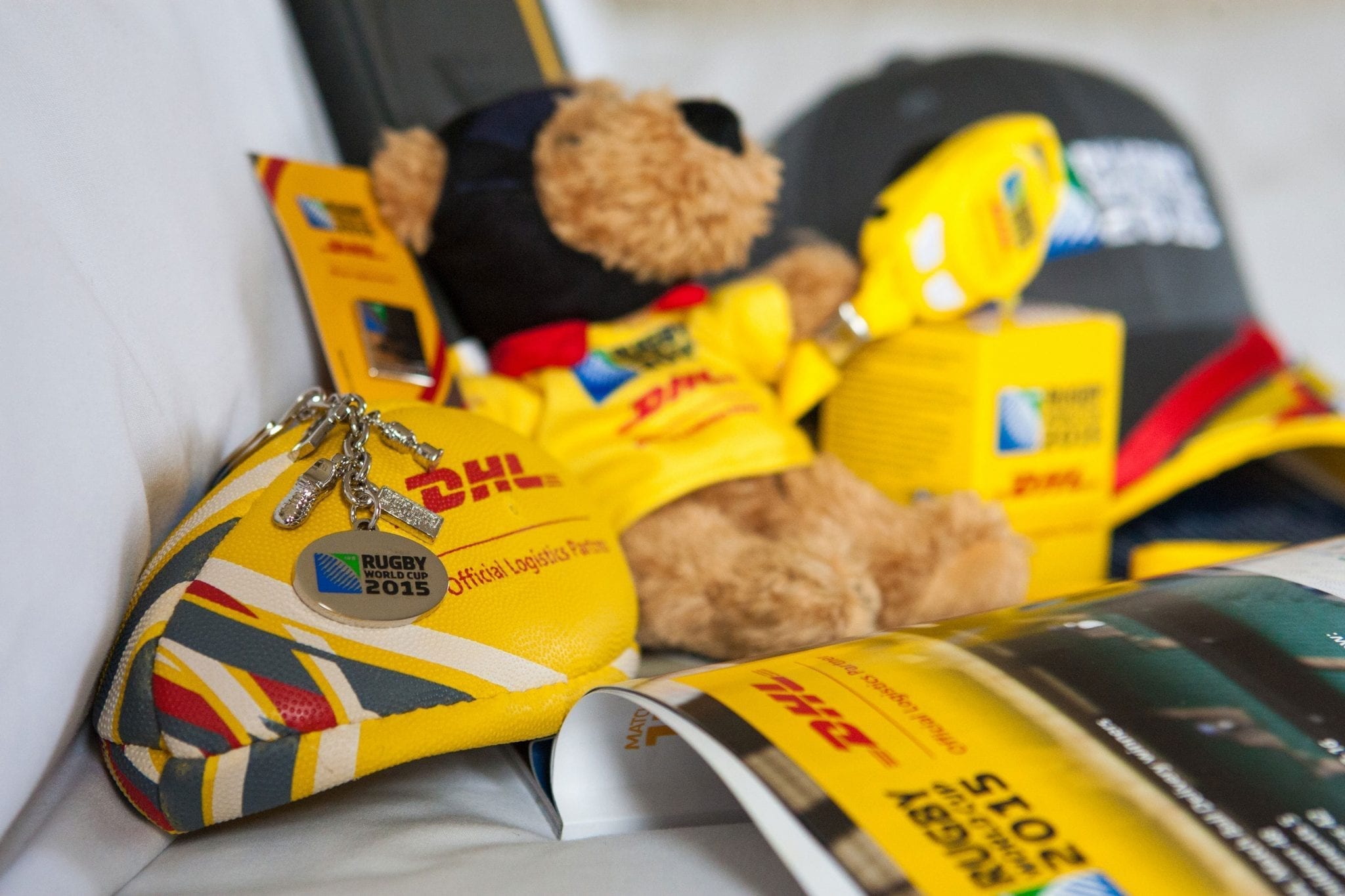
    DHL Express has completed the expansion of its Central Asia Hub or CAH in Hong Kong, which can now handle six times more shipment volume than when it was first established in 2004.

    The leading express operator has spent 562 million euros on the Hong Kong hub over the last 19 years with two phased developments in both 2008 and 2017. Given its location in Hong Kong, the hub is important gateway to Asia and the rest of the world and today it handles close to 20 percent of the company’s global shipment volume.

    DHL Express said it initiated the final expansion of the facility to complement the launch of Hong Kong International Airport’s three-runway system, which is set to be completed by 2024.

    With direct access to airside and landside, the newly expanded state-of-the-art facility, with double the total warehouse space at 49,500 square metres, is currently the only dedicated and purpose-built air express cargo facility at Hong Kong International Airport with an automated material handling system and peak handling capacity of 125,000 shipments per hour. It currently handles over 200 dedicated flights per week.

    DHL Express said that it expects to handle plus 50 percent of the current volume or up to 1.06 million tonnes per annum when operating at full capacity, six times the shipment volume of when the hub was first established in 2004.

    The company’s Asia Pacific air network operates with four hubs, one in Hong Kong, Shanghai, Singapore and Bangkok, linking to 900 express facilities in the region. The newly expanded hub in Hong Kong is expected to help strengthen the world city’s role as a trans-shipment hub for the Guangdong-Hong Kong-Macao Greater Bay Area, as well as support Hong Kong airport’s long-term goal to become the ‘e-commerce fulfillment centre of Asia’.

    To address the issue of sustainability, DHL has installed solar panels on the hub’s roof and deployed a battery storage system that can store excess solar power and release it as needed,saving 125,000 kWh of electricity annually and reducing 49 tonnes of carbon emissions. Other environmentally friendly features include electric forklifts, LED lights and highly efficient air-cooled chillers.

  • Sportswear label Anta opens outlet in Thailand

    Sportswear label Anta opens outlet in Thailand

    Chinese sportswear brands Anta has launched its first brick-and-mortar store in Thailand as part of its expansion plan in the Southeast Asia market.

    Located in Bangkok’s CentralWorld, the store covers an area 230sqm, embraces the Thai culture, and features designs in collaboration with local artists.

    Anta’s entry into Thailand marks the brand’s fourth expansion in the Southeast Asia market following the Philippines, Malaysia and Singapore.

    “You will also see that this is the first store in Anta where we devised a social space for customers to try on shoes, and while doing so able to engage in a bit of co-creation on the sticker bomb on the floor – we have additional stickers also for you to be a part of the co-creation process, to add onto the sticker bomb,” the brand wrote on its official statement.

    With more than 30 years of operation, Anta has a portfolio of brands including Fila, Descente, Kolon Sport, Arc’teryx, Salomon, Wilson, Peak Performance, and Atomic.

    The company is reportedly planning to launch its brand Fila in Thailand before the end of this year, and Salomon, Wilson and Descente by next year.

  • Duck Donuts opens its first Thailand store in Bangkok

    Duck Donuts opens its first Thailand store in Bangkok

    Pennsylvania-based Duck Donuts has opened its first store in Thailand in partnership with local franchisee The Great Restaurant Group Co.

    Located at the Siam Discovery shopping centre in Bangkok, the outlet is the first of 10 Duck Donuts stores The Great Restaurant Group Co. plans to open across Thailand by the end of 2028. “Bringing Duck Donuts to Bangkok is a momentous occasion for us.

    We’re excited to introduce our made-to-order donuts to the vibrant city of Bangkok and offer the local community a delightful, customizable experience. We believe in the power of sweet moments, and we can’t wait to create memorable experiences for our guests in Thailand,” said Betsy Hamm, CEO, Duck Donuts.

    Thailand is Duck Donuts’ third market entry in 2023, following its debut in Egypt and Qatar in February and August, respectively.

    Founded in North Carolina in 2007, the bakery café chain currently operates 131 stores across the US, alongside two stores in each of Canada and Puerto Rico and a single site in Saudi Arabia.

    Further international expansion is also on the cards, with Duck Donuts planning to open first stores in Pakistan and Curacao in 2024, alongside franchise agreements to enter the UK, Australia, the Bahamas and Iraq.

  • Siam Piwat commits to using 100 per cent renewable energy by 2030

    Siam Piwat commits to using 100 per cent renewable energy by 2030

    Retail developer Siam Piwat Group has pledged to target net-zero greenhouse gas emissions by 2050, starting with a commitment to using 100 percent renewable energy by 2030.

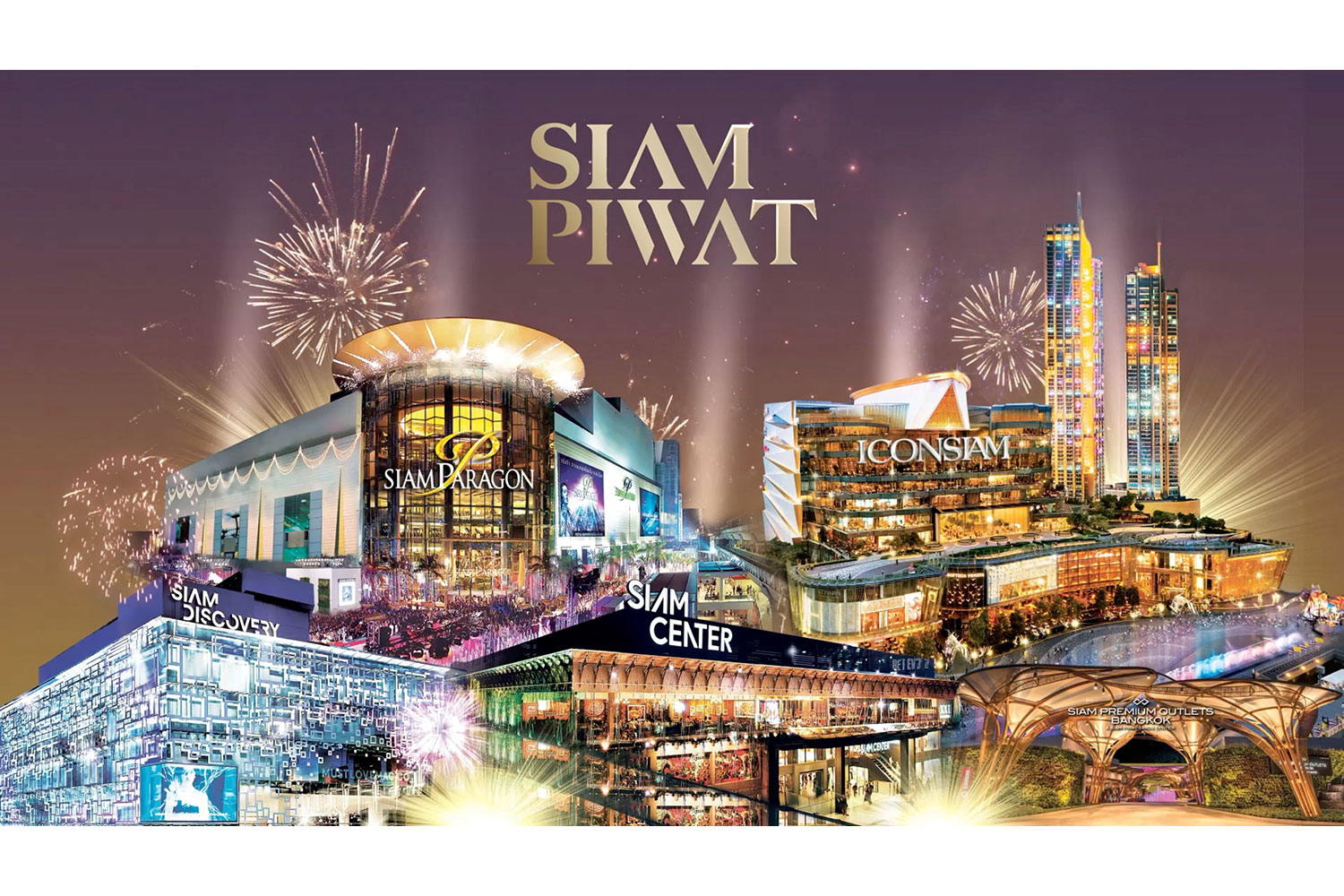
    Siam Piwat – the owner and operator of Siam Paragon, Siam Center, and Siam Discovery, and a joint venture partner of IconSiam and Siam Premium Outlets Bangkok – says it wants to “lead the charge” in developing a smart ecosystem across its properties.

    As part of its net-zero journey, the company will sign a memorandum of understanding with world-class companies on sustainability by early next year as it works to reinforce its leadership in world-class sustainable destination development.

    “Siam Piwat has long been recognised by various world-class brands for centring its business on sustainable concepts and practices,” said Naratipe Ruttapradid, COO of Siam Piwat Co.

    “Guided by the vision to benefit society at large and elevate the quality of life for all, we strive to use our business as a platform of opportunities, for developing individual capabilities, and to ensure that all parties involved grow and succeed with us. We also prioritise environmental conservation everywhere we operate and promote resource efficiency and reutilisation.”

    Siam Piwat will develop partnerships with government bodies, universities, suppliers, local authorities and tenants to connect its business to people, society, and the environment as it accelerates projects that will power the business with clean energy. It anticipates this will push forward the Siam Piwat 360° Waste Journey to Zero Waste waste management program, and help develop the Bangkok commercial district of Pathumwan into a model of a smart eco-district.

    Naratipe said Siam Piwat wants to become Thailand’s first retail property developer to collaborate with the world’s premier brands and organisations on sustainability in pursuit of the United Nations’ sustainability goals and meet new global standard of business practice.

    Siam Piwat continues to be as committed as ever to leveraging its capabilities and business networks to create an urban model for environmental revitalisation and to drive the adoption of renewable energy and 360° waste management.

    Associate Professor, Dr Singh Intrachooto, a consultant and expert in the field of sustainability, has been a key driver and co-developer of Siam Piwat’s sustainability initiatives and eco-projects for more than a decade. He said Siam Piwat has long been a pioneer in championing sustainability and is now embracing new eco initiatives across its operations.

    Among the green initiatives that Singh has worked with Siam Piwat to develop are eco-projects aimed at transforming shopping centres into learning centres on sustainability, and Kheo Siam, a book explaining environmental issues in Thailand and worldwide, eco-trends, and Siam Piwat’s approaches to environmental management.

    He also played a pivotal role in advancing eco-community development and bringing to life Ecotopia at Siam Discovery – Asia’s first and largest eco-lifestyle retail hub. This initiative was born from Siam Piwat CEO Chadatip Chutrakul’s vision to empower communities and producers of eco-friendly product at all levels.

    “I can say with confidence that Siam Piwat has robust and concrete environmental practices that meet and often endeavour to surpass internationally accepted standards,” said Singh.

    Clean power towards net-zero

    Siam Piwat has incorporated environmental management into its business operations, starting with energy conservation and energy efficiency enhancement. For example, it has replaced lighting with LED bulbs to save energy and it uses AI-powered environmental control systems within its buildings.

    The company has expanded its use of clean energy – as can be seen from the installation of rooftop solar panels at IconSiam which produce more than 1 million kWh annually and reduce greenhouse gas emissions by about 550 tCO2e per year. Siam Piwat also collaborated with Gunkul Engineering to develop and install a rooftop solar PV system covering more than 20,000sqm at Siam Premium Outlets Bangkok, generating more than 4.8 million kWh of electricity annually and reducing greenhouse gas emissions by approximately 4300 tCO2e per year.

    Working with partners, Siam Piwat has installed electric vehicle charging stations to serve customers of its shopping centres.

    All these initiatives form part of Siam Piwat’s efforts to lower greenhouse gas emissions and contribute to the creation of a low-carbon society.

    Currently, the company is collaborating with several leading clean energy organisations in Thailand – including SCG Cleanergy, a subsidiary of the Siam Cement, and B.Grimm Power – to procure renewable energy, with the goal of enabling every shopping centre under Siam Piwat Group to successfully transition towards renewable energy and reduce its reliance on electricity generated from fossil fuels. The target is to increase the use of renewable energy compared to the total electricity consumption across all areas under Siam Piwat’s direct management to 30 per cent by 2026 and to achieve 100 per cent renewable energy in all areas by 2030.

    Meeting waste management challenges

    Meanwhile, Siam Piwat is working to address Thailand’s waste management challenges by promoting the optimisation of resource efficiency by way of circular economy through the Siam Piwat 360° Waste Journey to Zero Waste. This program aims to promote efficient waste management through setting up a Recycle Collection Center in collaboration with various partners to collect and sort cleaned waste for recycling to be repurposed or upcycled for added value.

    Some of the upcycled products are also available for sale in Ecotopia, the group’s retailer of green products inside Siam Discovery. Siam Piwat’s goal is to divert 50 per cent of its waste from landfill by 2030.

    Aware of Thailand’s growing volume of electronic waste (e-waste), Siam Piwat has partnered with Synnex’s Trusted by Synnex E-Waste program to set up collection points for e-waste in Siam Paragon.

    Strategy for the development of Pathumwan as a smart model

    Along with a focus on its own properties, Siam Piwat is working to involve various communities in the Pathumwan business community in the heart of Bangkok to help create a world-leading smart ecosystem.

    To this end, the company is collaborating with Associate Profesor Niramon Serisakul, director of the Urban Design and Development Center, Center of Excellence in Urban Strategies (UddC-CEUS) at the Faculty of Architecture, Chulalongkorn University.

    “Pathumwan is the epicentre of shopping destinations for Thai and international visitors of all ages,” said Niramon. “It offers a diverse range of shopping centres, department stores, and community malls – both vertical and horizontal – catering to every individual’s lifestyle.

    “The area is home to educational institutions, tutoring schools, offices, mixed-use buildings, and more, so Siam Piwat’s role as a leader in elevating Pathumwan into a smart eco-district will enhance its competitive edge and enable it to maintain its position as a premier creative economic district and a driver of Thailand’s economy.”

    Siam Piwat’s key mission is to advance sustainability in order to enable Thailand to achieve its sustainable development goals and create a better world for all.

  • Gordon Ramsay’s group set to open 14 restaurants in Thailand

    Gordon Ramsay’s group set to open 14 restaurants in Thailand

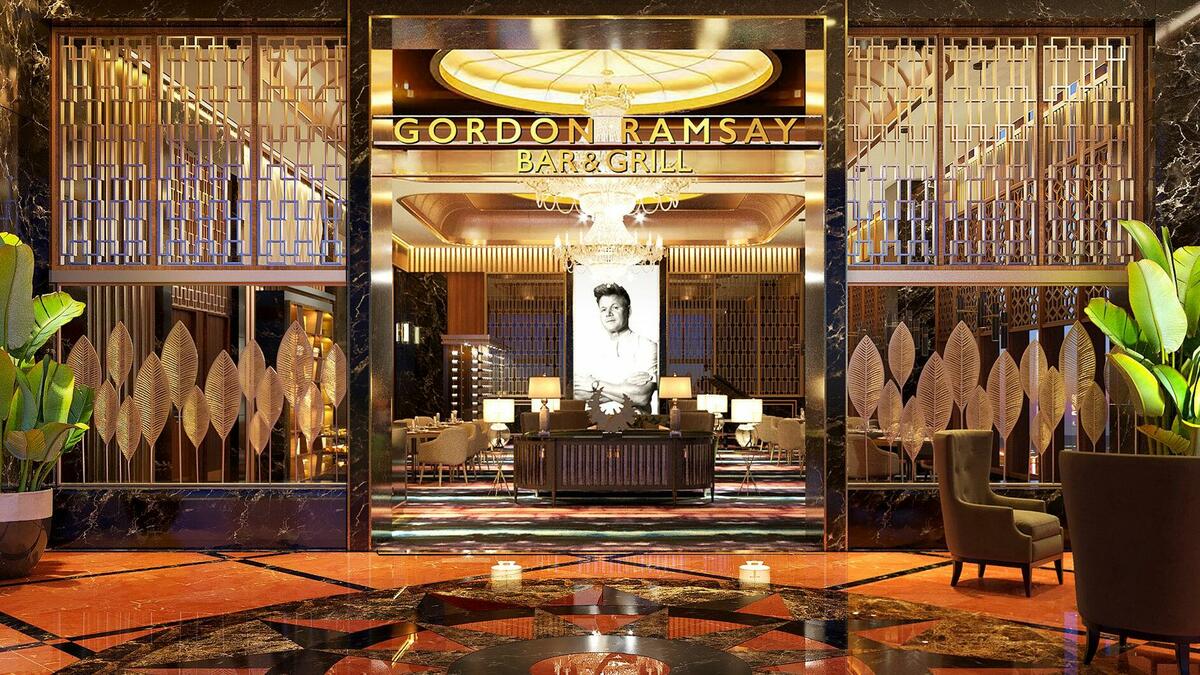
    Gordon Ramsay Restaurants, owned by the namesake world-renowned chef, is expected to open 14 locations in Thailand as part of its expansion in Asia.

    The first two restaurants will open at Emsphere Mall in Bangkok in December through a partnership with Tanachira Group. Twelve more outlets are to be opened in the coming years.

    Located on the mall’s ground floor, the Bread Street Kitchen & Bar will feature a sophisticated all-day dining experience, with the menu consisting of Gordon Ramsay classics such as Beef Wellington and Fish & Chips.

    The Street Pizza will be on the first floor, offering bottomless sourdough pizzas, hot wings, fries, beers and cocktails, along with live music in a vibrant atmosphere.

    “This new partnership with Tanachira Group continues our global growth, whilst bringing our fantastic casual and premium casual brands to a new audience in Bangkok,” said Andy Wenlock, CEO of Gordon Ramsay Restaurants.

    The expansion into Thailand follows the group’s recent openings of four restaurants in South Korea and two in Malaysia.

    Gordon Ramsay Restaurants currently operates 37 restaurants in the UK and 35 restaurants internationally, including the US, South Korea, Malaysia, France, Dubai, and Singapore.

  • Siam Piwat unveils US$28 million plan to attract visitors to Thailand

    Siam Piwat unveils US$28 million plan to attract visitors to Thailand

    Siam Piwat Co Ltd, has unveiled a four-pillar strategy it says will help boost its strengths as Thailand’s leading real estate and retail developer and maintain its leadership as a developer of global destinations, as part of its move to underpin the government’s plan to draw overseas visitors back in the post-pandemic era.

    As the owner and operator of world-renowned retail destinations including Siam Paragon, Siam Center, and Siam Discovery – and a joint venture partner of IconSiam and Siam Premium Outlets Bangkok – the company is well placed to support the government’s new tourism promotion policy.

    The company will invest more than 1 billion THB (US$28 million) during the fourth quarter to help the government achieve its target of 30 million overseas visitor arrivals into Thailand – and plans to double that investment next calendar year.

    “Siam Piwat is the leading developer of global destinations that have not only served as tourist magnets and solidified Thailand’s position as the top destination among global visitors for a long time, but are also highly successful and widely recognised in the global real estate industry,” said Chadatip Chutrakul, CEO of Siam Piwat Group.

    “Siam Piwat is prepared to move forward at full throttle. We are confident that the government will be able to transform our tourism sector into a formidable asset and create phenomena that will firmly establish Thailand as a premier destination on the map for travellers from all over the world,” she concluded.

    Siam Piwat’s four strategic pillars comprise world-class shopping leadership and leadership in luxury retail; hosting world-class events and MICE leadership; elevating Thai art and establishing Bangkok as a global art hub; and introducing Thailand’s soft power to the global stage.

    During the first eight months of this year, Siam Piwat’s shopping malls combined welcomed 14 million visitors, representing a 46 per cent increase over last year. Those visitors spent an average of 8500THB (US$238) each. The company also hosts the most affluent customer base in Thailand.

    As it works to help realise the country’s inbound tourism targets, Siam Piwat has developed four-pillar strategies of its own, in concert with the government’s.

    Leadership in creating extraordinary shopping experiences and strengthening its dominance in the luxury retail segment: Siam Piwat will join forces with luxury brands, tenants, and business partners to open 20 new shops of luxury brands during the fourth quarter – many of them making their Thai debut. The company will launch pop-up stores and world-class events in collaboration with more than 40 brands between now and the end of next year. All the leading luxury brands at Siam Paragon and IconSiam are preparing to expand their store spaces to become the regionally largest flagships.

    Leadership in world-class events and global MICE: Siam Piwat is working with state agencies, the Thailand Convention and Exhibition Bureau (TCEB) and the private sector to attract business travellers and high-spending tourists from across the world. The Royal Paragon Hall on the fifth floor of Siam Paragon and True Icon Hall on the seventh floor of IconSiam have this year hosted about 40 major events, while bookings are already at 70 per cent for next year. Siam Piwat will work within a global ecosystem of partners across businesses including airlines, hospitality, tourism and restaurants, to accommodate diverse event formats, and support Thailand in becoming the leading international MICE destination in Southeast Asia. In addition, Siam Piwat is currently in talks with a world-class event organiser to jointly invest and build a new convention centre in Bangkok.

    Leadership in promoting Thai art and establishing Bangkok as a global art hub: Siam Piwat has been a pioneer in supporting and hosting Thai artists for more than 15 years. It was the first company to publicly exhibit the works of Thai artists in shopping centres and has enhanced the role of Thai artists in supporting quality tourism. The company plans to work with the government and state agencies to establish Bangkok as Southeast Asia’s art hub to exhibit global art pieces, such as Art Basel and Frieze, in order to attract global artists to Thailand and create an opportunity for Thai artists to showcase their art alongside their global peers.

    In 2026, Siam Piwat plans to open the 8000sqm River Museum on the eighth floor of IconSiam. As Thailand’s first international-grade museum it will be able to showcase global masterpieces at the same level as leading museums in Europe and North America. This is part of a strategy to attract public art industry figures as well as collectors of artworks from around the world. In doing so, Siam Piwat hopes to attract a new category of affluent travellers that will help strengthen Thai tourism in the long term.

    Leadership in introducing Thailand’s soft power to the global stage: Over the past decade, Siam Piwat has developed a platform of opportunities to promote Thailand’s soft power and bring together the best of the best that Thailand has to offer from across industries including food, film, fashion and design. In addition, Siam Piwat has created SookSiam, bringing together more than 6000 independent SME businesses from across all 77 of Thailand’s provinces to showcase the many forms of Thai identity. SookSiam attracts at least 70,000 visitors daily and is widely shared by visitors on social media channels worldwide. Siam Piwat has also worked to develop Thai brands through its retail business, including IconCraft, ODS and Ecotopia – which have successfully helped businesses expand overseas. The company will continue working with Thailand’s Ministry of Commerce and Ministry of Interior and world-class partners to elevate Thailand’s soft power and draw global recognition.

    “Siam Piwat is ready to join hands with all parties to promote the tourism and hospitality industry, establish Thailand’s position as the top global destination, and support the government’s policy to bolster the tourism industry,” said Chadatip. “This will play a vital role in driving the Thai economy, stimulating economic activities, generating income, and creating employment for many people.”

    Siam Piwat says the tourism industry is vital to the nation, attracting many international visitors. The presence of those visitors yields far-reaching benefits, not only to tourism

  • Vietnamese firms look to Thailand amid export challenges

    Vietnamese firms look to Thailand amid export challenges

    Many Vietnamese companies are looking to the Thai market to export their products this year as demand declines in the U.S. and EU.

    Puripan Bunnag, senior vice president of the Thailand Convention and Exhibition Bureau, said in the first half of this year around 35,000 people from Vietnam have visited Thai exhibitions and fairs to explore opportunities to sell their products, a 20-30% increase from last year.

    Vietnam’s exports to Thailand have risen by 2% year-on-year this year to US$4.3 billion. Some main products included crude oil, metals, machinery, vegetables, and seafood.

    Bunnag said Thai consumers like Vietnamese agriculture produce.

    Nguyen Huu Nam, deputy head of the Vietnam Federation of Commerce and Industry in HCMC, said exports have been plagued by difficulties this year, including a decline in orders from the U.S. and the E.U., two key markets.

    Large Thai companies such as Central Retail, CP and SGC have been helping Vietnamese businesses export to Thailand, he said.

    Some fruits such as mango, longan and lychee have been sold in Central Retail’s supermarkets in Thailand at four or five times higher prices than in Vietnam, he added.

    Central Group has also recently partnered with 19 Vietnamese companies including King Coffee, Trung Nguyen Group, Napoli Coffee, Bibica (snacks), and Acecook and Vifon (instant noodles) to sell their products in Thailand.

    Napoli Coffee CEO Nguyen Duc Hung said that there are great opportunities for Vietnamese businesses to partner with Thai firms when they attend fairs in that country.

    “We have learned a lot of marketing and packaging techniques from Thai firms to attract international buyers.”

    Vietnam runs a trade deficit with Thailand. Last year it exported $7.5 billion worth of goods to Thailand but imports topped $14.1 billion.

    Industry insiders said Thailand protects its own businesses, making it hard for Vietnamese products to find their way there.

  • Thailand’s Big C to enter Hong Kong

    Thailand’s Big C to enter Hong Kong

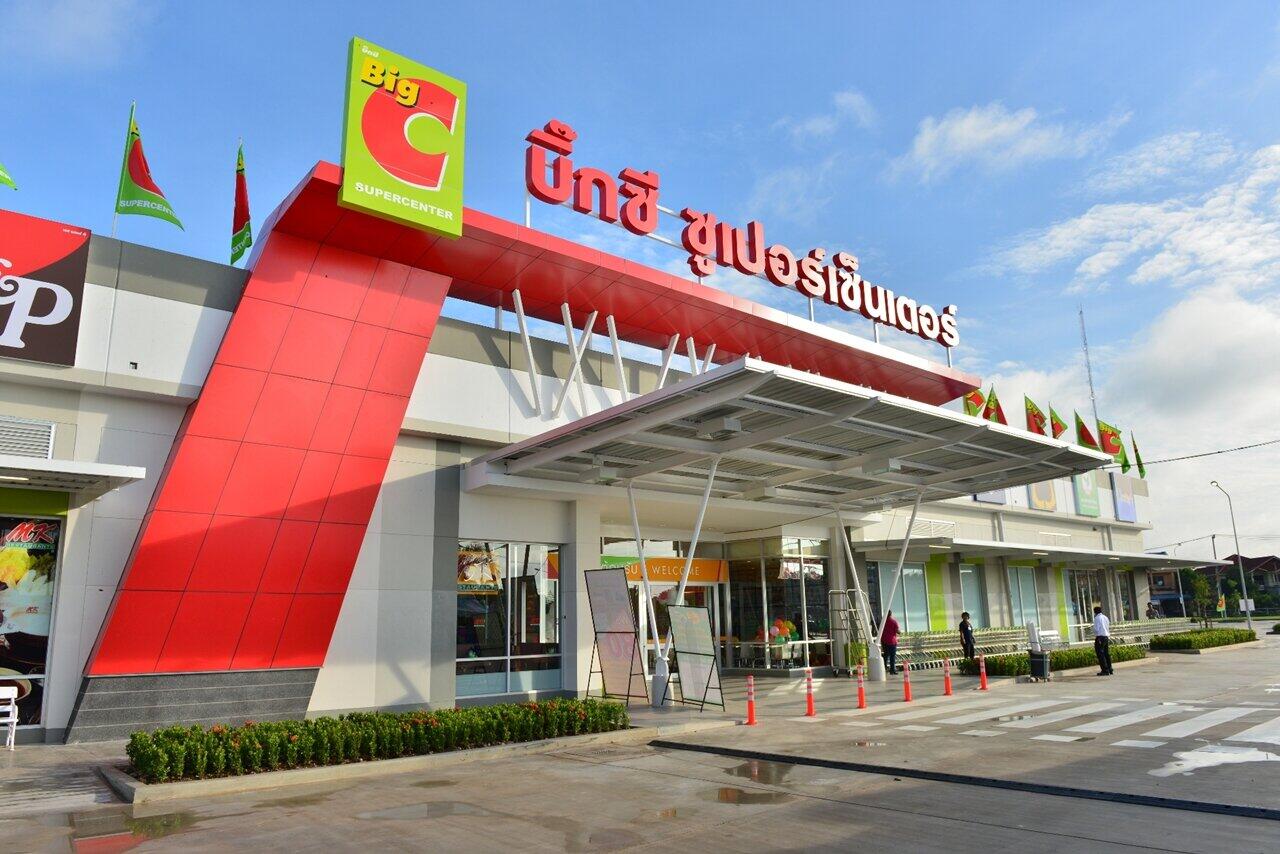
    Big C Supercenter, the Thai supermarket chain owned by one of the richest families in the Southeast Asian nation, will enter Hong Kong next month and also seek a dual listing in the city and Thailand as early as the fourth quarter, according to a top executive.

    The Bangkok-headquartered retailer has acquired grocery chain AbouThai, which operates 24 outlets in the city, and will rebrand them as Big C starting next month, Aswin Techajareonvikul, CEO and president of Big C Retail Corp, said in an exclusive interview with the Post on Monday.

    Aswin also separately met Financial Secretary Paul Chan Mo-po and Hong Kong Exchanges and Clearing (HKEX) CEO Nicolas Aguzin to discuss the group’s listing plan during his visit.

    “We all believe in Hong Kong’s prospects and growth potential,” he said. “Even though there were some challenges during Covid-19, Hong Kong can bounce back quickly. Hong Kong is a leading financial hub in Asia linking Southeast Asian markets with mainland China.”

    Hong Kong is Big C’s first foray outside Southeast Asia, taking on some the city’s retailers including Wellcome and ParknShop. The retailer is part of billionaire Charoen Sirivadhanabhakdi’s business empire, which includes Thai Beverage, the nation’s largest brewer and maker of Chang beer. Aswin is Charoen’s youngest son-in-law.

    Big C operates about 2,000 retail stores under the Big C Supercenter, Big C Market, Big C Foodplace and Mini Big C brands in its home market of Thailand, Laos, Cambodia and Vietnam.

    Big C, which did not disclose the acquisition price for AbouThai, will invest HK$158 million (US$20.2 million) in the next three years to open 25 stores a year for a total of 99 stores by the end of 2026 and hire more than 500 additional staff, Aswin said.

    “Ninety-nine is a lucky number, which means longevity in Chinese culture,” he said. “We also have a very long-term vision in Hong Kong, which is to turn Big C into the best premium Thai supermarket.”

    Big C Supercenter was founded in 1993 by Thai retail conglomerate Central Group and listed on the Stock Exchange of Thailand (SET) in 2012. It was delisted in 2017, a year after it was taken over by trading house Berli Jucker, owned by the Sirivadhanabhakdi family, for over US$6 billion. Berli Jucker’s sales rose 3.4 per cent in the second quarter to 39.4 billion baht (US$1.1 billion).

    Aswin said the group plans to have a dual listing in Hong Kong and Bangkok. Earlier this year it filed an application with SET to list Big C Retail Corp (BRC), the holding company of the Big C Supercenter. It is exploring a listing application in Hong Kong, he added.

    He expects the listings to take place as soon as the fourth quarter, but the final decision will depend on market conditions. Aswin declined to comment on the fundraising, but analysts expect the firm to raise as much as US$1 billion.

    “A listing in Hong Kong will pave the way for future opportunities to cooperate with other leading companies listed in the city,” Aswin said. “Hong Kong’s active trading volumes and exposure to Chinese and global investors make it an ideal location for BRC to list outside our home market.”

    The China Securities Regulatory Commission in March added international firms listed in Hong Kong to the southbound Stock Connect for mainland Chinese investors to trade.

    Aswin said the plan to list in the city was largely because of the active marketing efforts of the Hong Kong government and the HKEX.

    “Last year, when Chief Executive John Lee came to Thailand for the Apec meeting, he held a dinner meeting with a few Thai business executives, where a Hong Kong stock exchange representative invited us to list our company in Hong Kong,” he said. “Which is why we explored opportunities to list here.”

    Big C’s listing will be a huge achievement for Aguzin, a former JPMorgan banker who has helmed the HKEX since 2021, as he has been keen on attracting international companies. Towards that end, Aguzin has overseen the opening of HKEX offices in New York and London and has also visited the Middle East and Southeast Asia to market the city.

    The listing will also boost Big C’s links with mainland China, whose outlets are widely visited by Chinese tourists in Thailand, Aswin said.

    The Sirivadhanabhakdis have been operating a family office in Hong Kong for many years, through which they have been making investments. Aswin said the investments will increase in the coming years after the Hong Kong government in March offered additional benefits, including tax incentives, to encourage wealthy families to expand their family offices.

    “Both my father-in-law and I are of Chinese origin,” Aswin said. “We speak Chinese at home; all my three children speak Putonghua. We always travel to Hong Kong for good food and visit the Wong Tai Sin Temple. It is happy memories in Hong Kong.”