Tag: bangkok

  • Bangkok quake death toll rises to 17

    Bangkok quake death toll rises to 17

    The death toll in Bangkok from a massive earthquake that hit Myanmar and Thailand rose to 17 on Sunday, city authorities said.

    The Bangkok Metropolitan Authority said 32 people were injured and 83 still unaccounted for — most from the site of a 30-story tower block under construction that collapsed when the magnitude 7.7 quake struck Friday.

  • Thailand to tax influencers and online sellers

    Thailand to tax influencers and online sellers

    The Thai Revenue Department has urged social media influencers and online sellers to file their annual income tax by the end of March to avoid fines and penalties.

    Director-General Pinsai Suraswadi expressed concern that many young earners, including e-commerce vendors, influencers, and product reviewers, have never filed income tax returns.

    Thailand’s e-commerce platforms, such as Shopee, Lazada, and TikTok, host around 3 million online sellers, while an estimated 2 million full-time influencers and content creators generate billions in revenue. A recent survey found that many in this group, particularly younger individuals, fail to report their earnings or pay taxes.

    Pinsai warned that the Revenue Department can audit records up to five years back and that failure to file tax documents will lead to penalties. However, he reassured earners that filing errors can be corrected.

    A study by Tellscore, FutureTales LAB, and the Thailand Institute for Mental Health Sustainability (Tims) estimated that Thailand’s content creator industry contributes at least THB45 billion (US$1.25 billion) annually to the economy.

    The country has around 2 million full-time content creators, rising to 9 million when part-time creators and “micro-influencers” are included.

  • Thailand to lift 53-year ban on afternoon alcohol sales

    Thailand to lift 53-year ban on afternoon alcohol sales

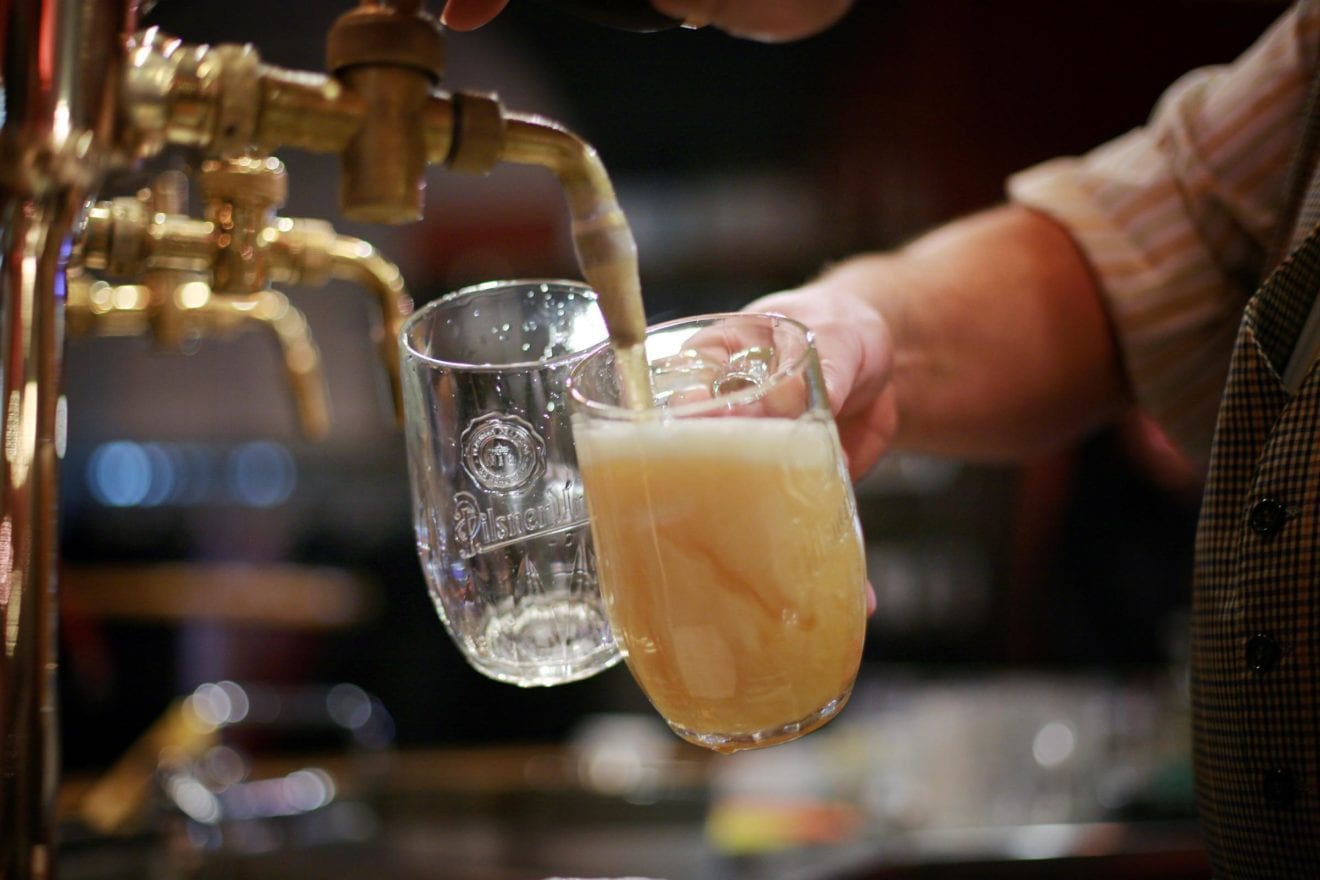
    Thailand is set to ease its restrictions on alcohol sales and advertising in an effort to support the beverage industry and boost tourism.

    Lawmakers of the House of Representatives on Wednesday voted to approve an amended alcohol control bill, though it still requires Senate approval to become law.

    The bill is set to repeal a 1972 military decree that prohibits alcohol sales before 11 a.m. and between 2 p.m. and 5 p.m

    The new regulations will also ease advertising advertising restrictions, permitting the promotion of alcoholic beverages.

    Current laws prohibit displaying the names, trademarks, or images of alcoholic products for promotional purposes.

    Lawmaker Chanin Rungtanakiat, a deputy head of the house committee overseeing the Bill, stated that the amendments aim to reduce “unreasonable control” to encourage economic growth.

    These relaxed regulations follow a broader trend of loosening control over Thailand’s alcohol market, which has historically been dominated by a duopoly of Singapore-listed Thai Beverage Pcl and Boon Rawd Brewery Co.

    Earlier in 2025, legislation was passed to support liquor production by microbreweries and small distilleries.

    Thailand is implementing various measures to enhance its appeal as a key tourist destination. It is the only Asian country with legal marijuana and is also planning to legalize casinos.

    Prime Minister Paetongtarn Shinawatra announced in February that the government would review several alcohol-related restrictions that could impact tourism, such as the prohibition on alcohol sales on Buddhist holy days and through online platforms.

  • Thai Airlines halts certain domestic flights due to air pollution

    Thai Airlines halts certain domestic flights due to air pollution

    Bangkok Airways, one of Thailand’s main airlines, said on Wednesday that it will suspend flights between Bangkok and a northern province for more than a month because of poor visibility caused by air pollution.

    The carrier said flights from Bangkok to the north-western town of Mae Hong Son will be suspended because smog is expected to make visibility too poor to land. The company experienced the same problem in 2024, when smog levels were extremely high.

    The airport authority in Mae Hong Son, a popular stop of travelers in northern Thailand, announced on Facebook last week that flights would be suspended from March 15 to April 20.

    Air pollution spikes in Thailand, especially in the north, between December and April as farmers burn stubble to prepare land for the next crop season. The Thai government banned crop burning early in 2025, with violators facing fines and legal action, although it is not yet clear what impact the measures are having.

    The air quality index for Mae Hong Son was 7.9 times greater than World Health Organization guidelines, according to IQ Air data, which measures global air pollution.

  • Thai Airways selects ECS Group’s Aero Cargo Belgium to enhance cargo connectivity

    Thai Airways selects ECS Group’s Aero Cargo Belgium to enhance cargo connectivity

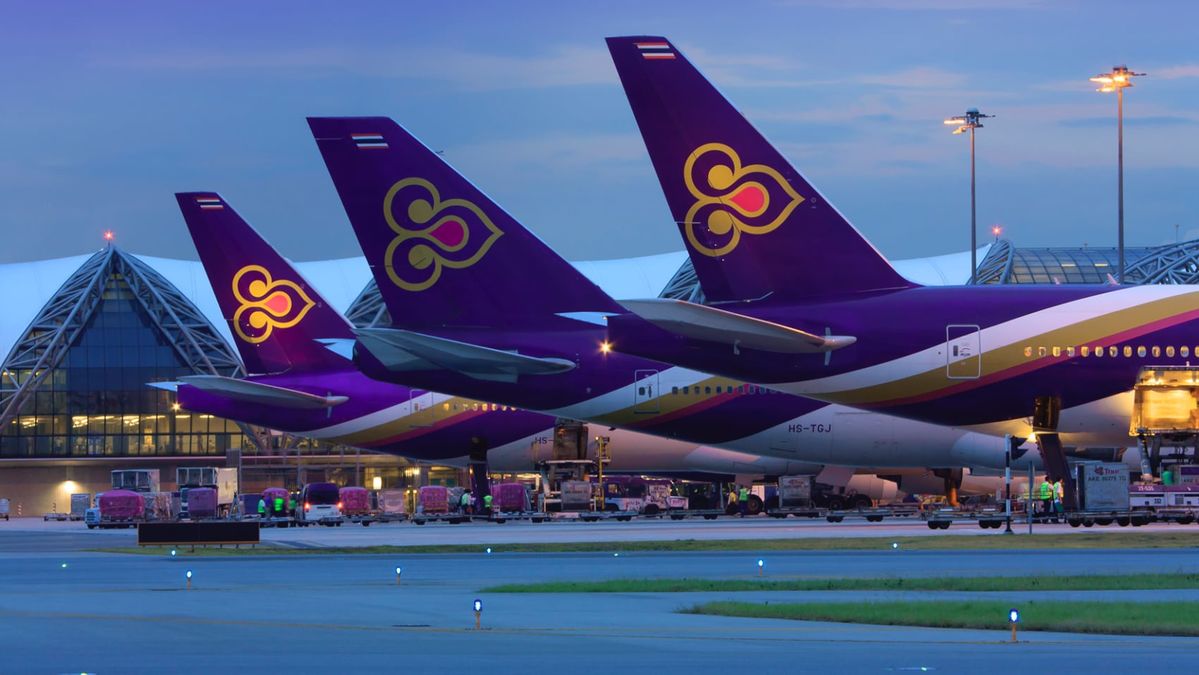
    ECS Group announced a new strategic partnership between its subsidiary Aero Cargo Belgium and Thai Airways, set to redefine cargo connectivity on essential routes between Europe and Asia.

    The agreement, which took effect on February 1st, focuses on the Brussels (BRU) to Bangkok (BKK) route, offering seamless transit options to destinations including Australia, Korea, India, Japan, Manila, and Singapore.

    Thai Airways operates daily flights using Boeing 787-800 aircraft, each providing a payload capacity of 15 tons. The airline will not only benefit from ECS Group’s in-house technology but also from the full deployment of CargoTech suite of digital tools.  This collaboration caters to a diverse range of cargo, with a particular focus on pharmaceuticals, ensuring reliable and efficient transport solutions for time-sensitive and specialized shipments.

    Jean Ceccaldi, CEO of ECS Group, commented: “ECS Group is proud to support this collaboration with Thai Airways, which reflects our commitment to building long-term, value-driven relationships with airlines. By enabling them to achieve operational excellence and deliver tailored solutions for their unique needs, we are setting a new standard for global connectivity and efficiency in the cargo industry.”

    “This agreement is a significant milestone for Aero Cargo Belgium,” added Bert Moortgat, Managing Director of Aero Cargo Belgium. “With daily flights and access to a network of vital destinations in Asia-Pacific, we are able to offer our customers unparalleled opportunities to connect their goods to global markets efficiently and reliably, particularly for high-value and sensitive commodities such as pharmaceuticals.”

    This partnership between Thai Airways and Aero Cargo Belgium marks a significant milestone in connecting Europe and Asia-Pacific with efficient and reliable cargo solutions. By combining Thai Airways’ extensive network with Aero Cargo Belgium’s expertise, the collaboration promises exceptional service and the strengthening of global trade routes for key industries.
  • Miniso opens first Thai flagship store in Bangkok

    Miniso opens first Thai flagship store in Bangkok

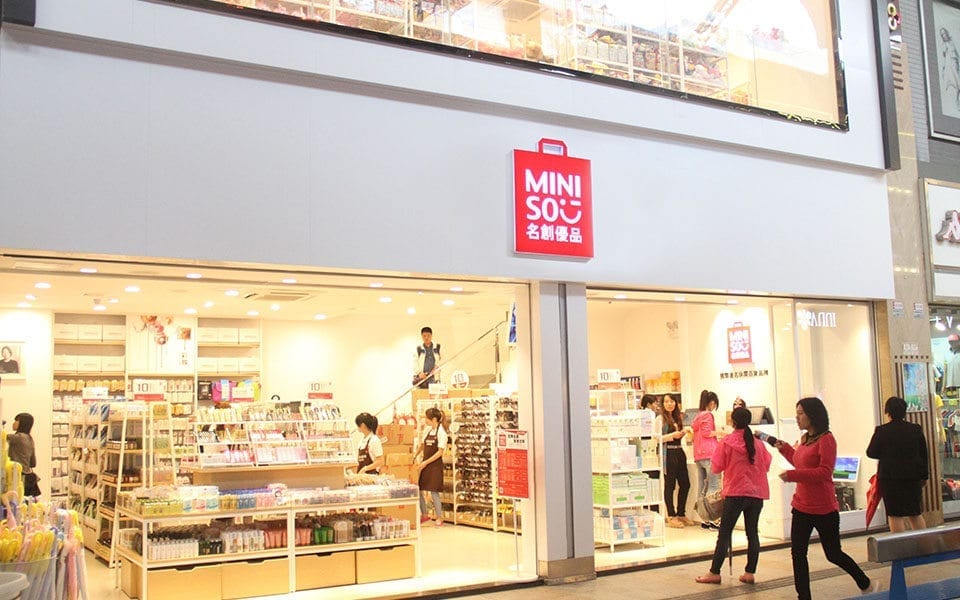
    Lifestyle brand Miniso is about to open its first theme park-style flagship store in Bangkok, Thailand.

    Located at Asiatique The Riverfront, the two-story, 600sqm space will feature more than 20 unique IP collections across various products, including plushies, toys, cosmetics, and stationery.

    The store will also introduce its Harry Potter collection to the country, showcased in a Hogwarts-inspired fireplace area. Additionally, themed zones and installations will feature characters such as Lotso Bear from Toy Story, Stitch, Winnie the Pooh, and a Minions zone.

    “By reimagining the shopping experience with IP collaboration at its core, we hope to capture the imaginations of shoppers around the world,” said the company.

  • Thailand’s luxury auto sales drop 25% in 2024

    Thailand’s luxury auto sales drop 25% in 2024

    Luxury auto sales in Thailand plunged 25% to 30,000 units last year as a struggling economy hurt buyers.

    The slow economic expansion rate (projected to be 2.4-2.7%) and banks’ tighter criteria for auto loans have resulted in a negative impact across the the automotive industry, said Teeraphong Rodloy, country manager of Wearnes Automotive Thailand.

    “Overall sales in the luxury car segment were affected by these economic circumstances,” he said.

    Wearnes Automotive Thailand, the importer of British sports car maker Lotus Cars, said that prospective buyers have been affected by the impact of the sluggish economy.

    The slowdown extended beyond luxury vehicles. Pickups was among the segments with steepest declines.

    In the first 10 months last year sales of pickups dropped 39.5% to 137,456 units, according to the Federation of Thai Industries.

    Sales hit the lowest in 23 years, said Ratthakarn Jutasen, managing director of Ford Thailand.

  • Thailand expects to collect global minimum corporate tax from Jan 2025

    Thailand expects to collect global minimum corporate tax from Jan 2025

    Thailand expects to implement a global minimum corporate tax of 15% on multinational companies from January 2025, its finance minister said on Friday.

    The government will urgently issue a law on the tax collection, Pichai Chunhavajira said on a local television program. Pichai’s comments came after a Reuters report that the cabinet on Wednesday approved draft legislation to collect the global minimum corporate tax.

    Under new rules being shepherded by the Organization for Economic Cooperation and Development (OECD), a minimum 15% tax will be charged on multinationals with an annual global turnover of more than 750 million euros (US$784.58 million), regardless of their location.

    Thailand’s corporate tax is currently set at 20%, but companies receiving incentives from the Thailand Board of Investment can get an exemption of up to 13 years.

    Vietnam’s parliament approved the minimum global tax rate last year.

    Indonesia, Southeast Asia’s largest economy, Malaysia and Singapore have also said they will implement the minimum tax rate in 2025.

  • Thailand loosen EV production regulations

    Thailand loosen EV production regulations

    Thailand’s Board of Investment (BoI) has announced that the government would extend deadlines for electric vehicle (EV) manufacturers to meet domestic production quotas, addressing weak local market demand.

    Under the current EV 3.0 incentive program, manufacturers must produce one locally assembled EV for every imported EV or a 1:1 ratio.

    Companies failing to meet this quota in 2024 will face a stricter 1.5:1 production-to-import ratio by 2025.

    The policy aims to encourage automakers to establish EV assembly plants in Thailand, which has attracted EV-related investments totaling 80 billion THB ($2.3 billion).

    To further support the struggling auto industry, the government will extend domestic EV production requirements to the end of 2027. This move comes as Thailand grapples with stagnant market conditions caused by slow economic growth and tight credit policies.

    The Federation of Thai Industries (FTI) recently revised its 2024 automobile production forecast down to 1.5 million units, the lowest since 2021, citing weak domestic demand.

    During January and October, total car sales in Thailand dropped 26.2% year-on-year to 476,350 units, with pickup truck sales plunging 43%.

    The decline is attributed to stricter auto loan regulations amid concerns over rising non-performing loans and Thailand’s high household debt.

  • Thailand inspection finds imported Shine Muscat grapes safe for consumption

    Thailand inspection finds imported Shine Muscat grapes safe for consumption

    All imported Shine Muscat grapes have met food safety standards, according to the Thai Food and Drug Administration (FDA), responding to public concern about recent reports of chemical contamination.

    The agency’s food and drug inspection division seized 6.93 tonnes of the grapes on Nov. 5 to run chemical residue tests, under its Hold Test Release protocol.

    The fruit met all regulatory standards, so the FDA approved them for import and domestic sale, its deputy director-general Lertchai Lertvut said. gtraPublic concern arose last month when the Thailand Consumers’ Council reported that 23 out of 24 Shine Muscat grape samples it tested were found to contain hazardous chemical residues beyond the acceptable legal limit.

    Some were contaminated with chlorpyrifos and endrin aldehyde, which are banned under Thai food safety laws.

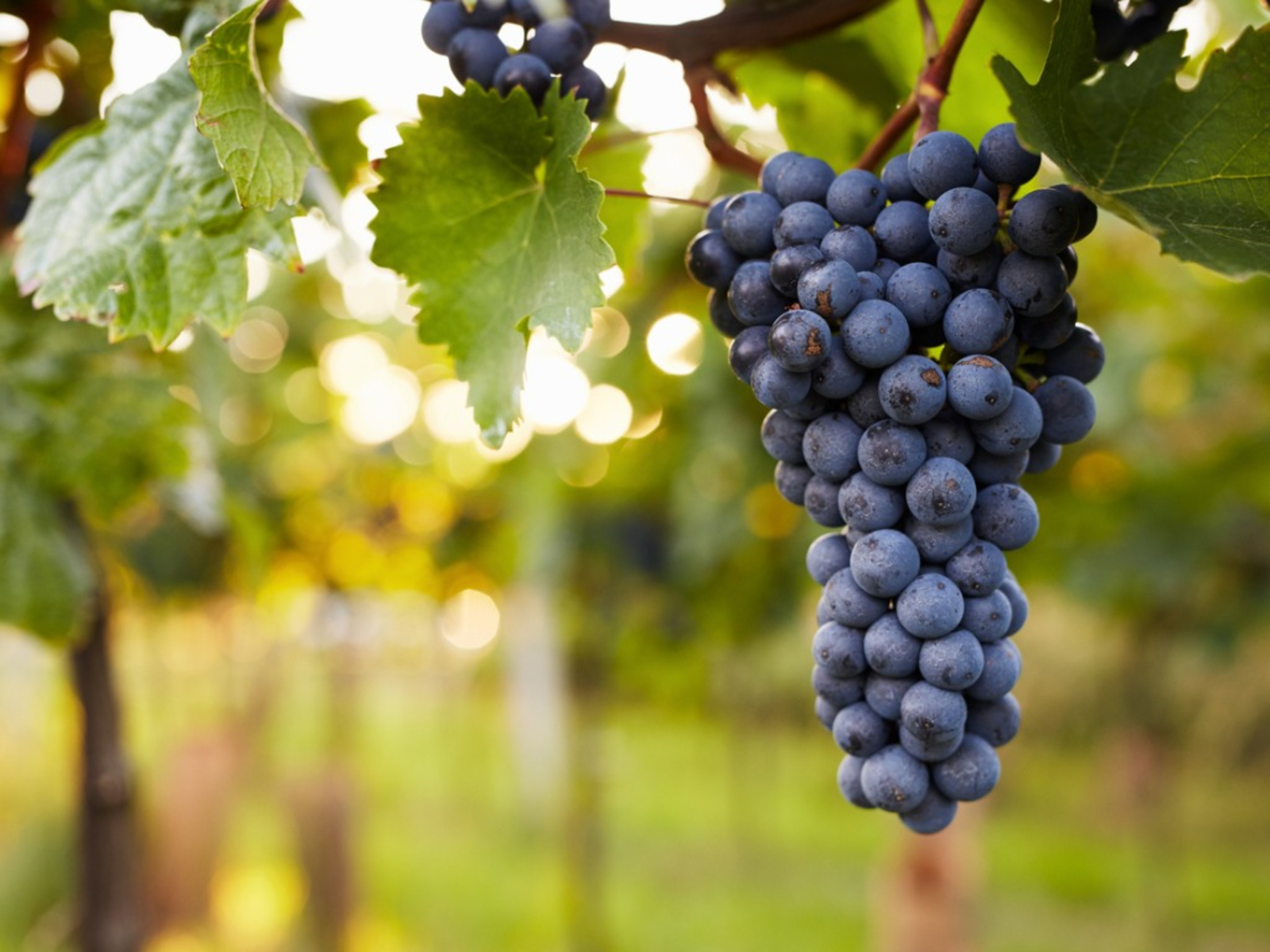
    Shine Muscat grapes are a variety originating from Japan that features a yellow-green hue, crisp flesh, no seeds, and delightful sweetness.

  • GDS to Invest USD 1B in Thai Data Hub with Amata Partnership

    GDS to Invest USD 1B in Thai Data Hub with Amata Partnership

    GDS has announced that they will invest up to USD 1 billion over the next five years in data center projects in Chonburi, in partnership with real estate developer, Amata.

  • Thailand’s Industrial Sector Takes a Leap Forward

    Thailand’s Industrial Sector Takes a Leap Forward

    The collaboration aims to support the IoT and AI Manufacturing Line Analysis Project through several key objectives. It focuses on advancing technology by promoting the integration and expansion of IoT and AI technologies within Thailand’s industrial sector.

    A core working group will be established to ensure the TGI stays ahead of technological advancements. The initiative will also create a knowledge transfer hub, serving as a central resource for sharing information on IoT and AI technologies related to production processes. Additionally, the partnership will organize seminars, training sessions, and educational activities to transfer specialized knowledge to industrial personnel and educational institutions.

    Under the terms of the MOU, Mobile Innovation Company Limited (MI) will provide significant support to the TGI, including offering training courses and technical education at no cost; supplying the necessary equipment, tools, and teaching materials; and co-organizing training sessions and educational activities aligned with the project’s objectives. In return, the TGI will develop and maintain the TGI Smart Factory room; assign dedicated staff to collaborate with MI in designing and implementing teaching content; and facilitate training, seminars, and consultations as part of the IoT & AI Manufacturing Line Analysis Project.

    Additionally, NTT Com will provide exhibits, educational materials, and services; implement related support activities such as exhibitions, training, seminars, and consultations; and promote understanding of the services and their details.

    This collaboration represents a significant advancement in Thailand’s industrial sector towards modernization and technological excellence. The partnership between TGI, MI, and NTT Com signifies a unified effort to equip Thailand’s workforce with the skills and knowledge needed to succeed in an increasingly automated and intelligent industrial environment.

  • Thailand’s rice export prices dip to 14-month low

    Thailand’s rice export prices dip to 14-month low

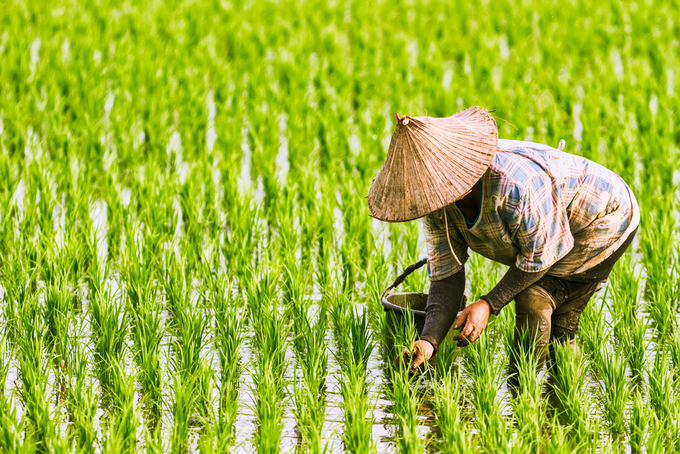
    Thai rice export prices fell to a 14-month low this week due to weak demand and competition from other rice exporting countries.

    Thai 5% broken rice was priced at US$560 per ton, the lowest level since July 20, 2023 and down from $565 last week.

    A Bangkok-based trader said on Thursday that prices could fall further if the Thai baht depreciates. Another trader said the market was waiting to see changes in Indian rice policy in the coming months and that supply was in the harvesting stages.

    Meanwhile, Vietnamese 5% broken rice was exported at $565 per ton on Thursday, according to the Vietnam Food Association, also down from around $580 last week.

    “Prices fell on competition from other suppliers such as Thailand, Cambodia and Myanmar,” a trader based in Ho Chi Minh City said.

  • Thailand mulls extending welfare benefits to freelancers

    Thailand mulls extending welfare benefits to freelancers

    The Thai Government is considering granting freelance workers the same welfare benefits as those registered with the Social Security Fund (SSF), given that they pay income taxes.

    According to Minister of Tourism and Sports Sorawong Thienthong, the Government is in discussion with several agencies to set up a welfare system to protect freelancers, such as tour guides, ride-hailing service drivers, and online content creators.

    Under the new system, freelancers could claim medical and other welfare benefits, just like other workers who are registered with the Social Security Office. However, they must declare their income and pay the required taxes, he said.

    Sorawong said the move followed a discussion with representatives from various civil and labor advocacy groups, during which they outlined the potential challenges in setting up such a system.

    The inputs from these groups will serve as the basis for a bill on welfare coverage for freelance workers that the government plans to present in the next parliamentary session, he said.

  • Thai wellness brand Panpuri opens first international flagship in Hong Kong

    Thai wellness brand Panpuri opens first international flagship in Hong Kong

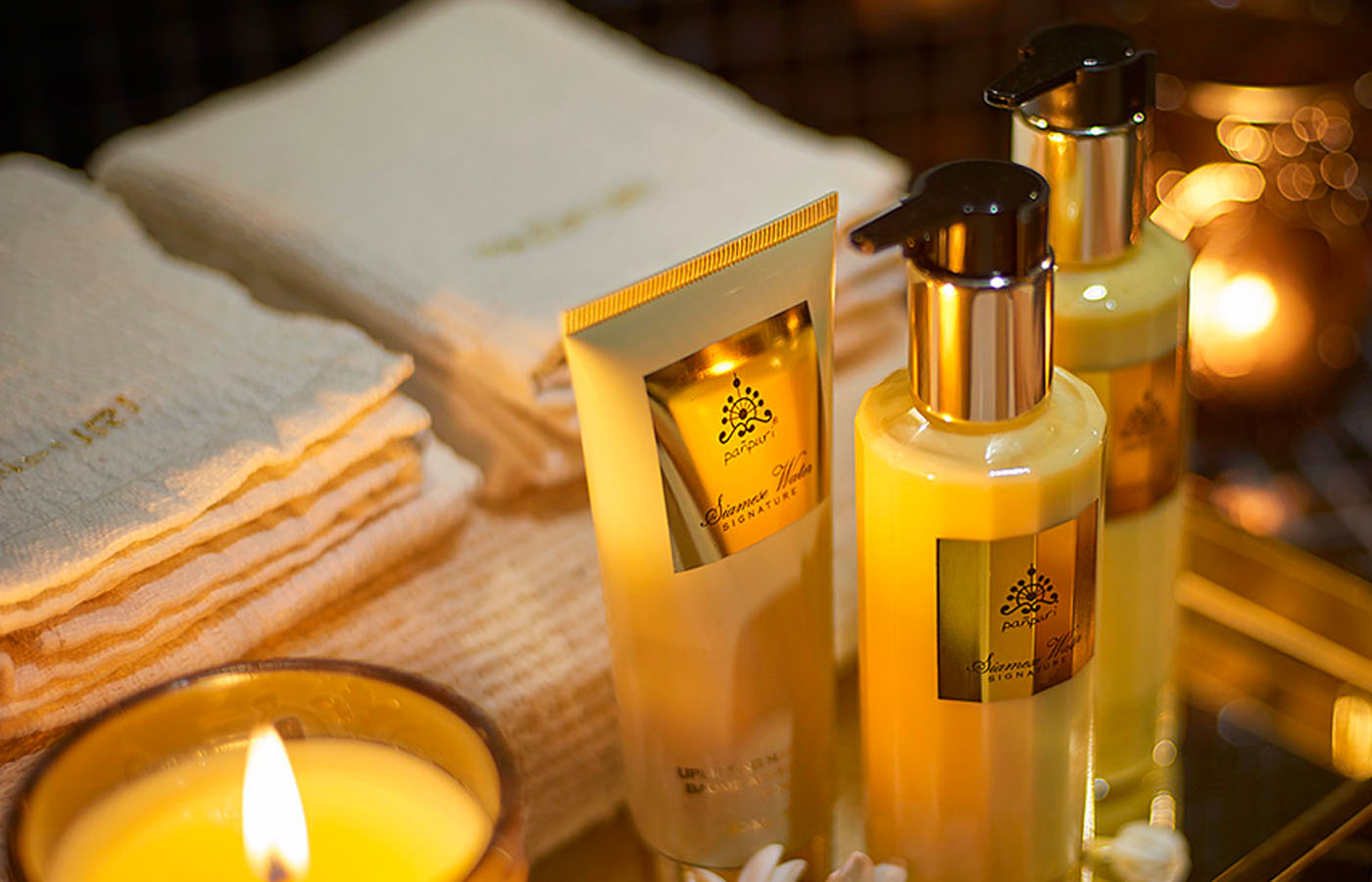
    Thai wellness brand Panpuri has made its international debut, beginning with its first flagship located in K11 Musea, Hong Kong.

    Designed in partnership with MLKK Studio, the boutique is inspired by the concept of “The Perfumist’s Chamber”, which combines the “elegance” of Thai culture with the “dynamic energy” of Hong Kong.

    The company said a key design element is the fusion of Thai-made, Hong Kong-familiar mosaic tiles locally known as Mak Suk. The terracotta shade – integral to Thai architecture – and Hong Kong’s urban landscape create a visual bridge between the two cultures.

    At the boutique’s core lies a Bespoke Sensorial Bar where customers can design their signature scent with the help of Panpuri Scent specialists. It has six product formats, from essential oils to perfume diffusers, and a collection of 65 fragrances.

    Pramote Dechaboonsiripanich, MD Panpuri, said the Hong Kong launch serves as the brand’s gateway to the Mainland and an ideal location for expansion.

    “Our data also shows that Hong Kong customers rank among our top clients, so this move allows us to serve both local and international customers better,” said Dechaboonsiripanich.

    The company aims to expand to three or four stores in Hong Kong and establish its main office, capitalising on the city’s status as a “strategic gateway” to the region.