Tag: bangkok

  • Thai Shoppers Cut Spending as Retail Confidence Declines

    Thai Shoppers Cut Spending as Retail Confidence Declines

    Retail confidence in Thailand saw a notable decline in July, with the nationwide Retail Sentiment Index (RSI) falling 4.9 points to 46.6. This dip was primarily attributed to a sharp reduction in the amount shoppers spent per visit, a trend indicating weakening household purchasing power across the country.

    While consumers maintained their shopping frequency, visits edged down by only 0.4 points, the spending-per-bill component experienced a significant 8.1-point drop, moving from 55.1 in June to 47.0 in July. This divergence suggests that while people continue to visit stores, their spending habits have become more constrained. Confidence in month-on-month same-store sales growth also decreased by 6.4 points to 46.2. All three key metrics now sit below the 50-point threshold, which typically separates expansion from contraction in sentiment.

    Household Spending Under Pressure

    The reduction in basket sizes reflects a broader trend of households limiting purchases to essential goods and cutting back on less necessary items. Consumers are increasingly opting for cheaper brands or private-label products, avoiding discretionary and lifestyle purchases. This behavior points to financial strain rather than a simple shift in preferred shopping channels. Despite government stimulus programs, such as the Thais Help Thais Plus 60/40 scheme, the underlying weakness in household income has not been fully offset. The majority of subsidised spending in July was directed towards fast-moving consumer goods, food, and beverages, leaving little personal spending power for other retail categories.

    Heavy rainfall and localized flooding in July further dampened retail activity by reducing visitor numbers at larger shopping centres. Elevated household debt and high living costs continue to restrain spending on non-essential items like fashion, electrical appliances, and home décor. These categories are crucial profit drivers for department stores, where sales remain subdued. While some recovery has been noted in department stores and lifestyle retailers, their confidence indices are still below 50, with improvements largely concentrated in Bangkok and its surrounding provinces.

    Regional Performance Varies

    Retail formats such as hypermarkets, supermarkets, and convenience stores received some benefit from the government’s stimulus program. However, even these segments experienced lower sales in provincial areas due to reduced customer spending per visit. Construction materials, home improvement, and maintenance retailers saw their confidence recover to 45-48 points after a significant dip earlier in the year, though this sector remains volatile due to its reliance on government budget disbursements and a slow property market.

    Tourism provided a limited boost to confidence in certain regions. Foreign visitors supported the southern Gulf coast and eastern provinces, while domestic travel during holiday periods aided the North and Central regions. Despite these localized improvements, retail confidence remained below the 50-point benchmark across all regions. The Northeast, in particular, faced additional pressure with a fourth consecutive month of declining tourist numbers. RetailNews Asia has observed similar pressures on discretionary spending in other Southeast Asian markets this year, as consumers grapple with inflation and economic uncertainty. The outlook for Thailand’s overall RSI remains cautious, with forecasts for the third quarter of 2026 placing it between 47 and 50, indicating continued hesitancy among retail operators.


  • Thailand Struggles with Lowest Economic Growth Amid Southeast Asian Titans: Rising Energy Prices Blamed

    Thailand Struggles with Lowest Economic Growth Amid Southeast Asian Titans: Rising Energy Prices Blamed

    Thailand’s economy, one of the six largest in Southeast Asia, experienced sluggish growth in the second quarter, trailing behind its regional counterparts. The meager 1.9% growth rate, as compared to the first quarter’s 2.8% expansion, was largely influenced by surging energy prices that counterbalanced the benefits of increased investment and government stimulus.

    The National Economic and Social Development Council revealed these figures, highlighting Thailand’s struggle to keep pace with the rest of the ASEAN economies. Regional frontrunners included Vietnam with an impressive 8.39% growth, followed by Singapore (5.9%), Malaysia (5.8%), and Indonesia (5.29%). The Philippines also outperformed Thailand, reporting a growth of 2.3%.

    Government Initiatives and External Factors Impact Growth

    Despite the Thai government’s attempts to bolster the economy with 400 billion baht in emergency loans, facilitating cash handouts and energy-transition projects, economic growth remained stagnant. The country’s prime minister, Anutin Charnvirakul, has been grappling with this economic slowdown amidst a complex interplay of domestic and international factors.

    Being heavily dependent on the Middle East for its oil and gas needs, Thailand’s economy has been significantly impacted by disruptions in supply chains stemming from the Iran war. This external pressure has been further compounded by weakened domestic demand and a dip in tourism, two of Thailand’s main GDP contributors. Increased energy costs have put a strain on household spending and business activities, resulting in subdued economic activity throughout the second quarter.

    Future Projections and Comparative Analysis

    Predictions from the National Economic and Social Development Council indicate a slight improvement in the economy, with an expected growth range of 2% to 2.5% in 2026. The Bank of Thailand shares a similar sentiment, stating that the economy hit its lowest point in the second quarter and is likely to rebound in the third, thanks to easing Middle East tensions and the implementation of government stimulus measures.

    In comparison, other Southeast Asian economies have set more ambitious targets. Vietnam is eyeing a 10% GDP growth this year, while Singapore has revised its forecast to 4.5%-5.5%, surged by a strong second-quarter performance.

    Questions & Answers

    What factors contributed to Thailand’s slow economic growth in the second quarter?
    Higher energy prices, disruptions in oil and gas supply from the Middle East, and decreased domestic demand and tourism have contributed to Thailand’s slow growth.

    What measures has the Thai government taken to boost the economy?
    The government has initiated an emergency borrowing of 400 billion baht to fund cash handouts and energy-transition projects.

    What are the growth projections for Thailand’s economy in 2026?
    The National Economic and Social Development Council predicts that the economy will grow between 2% to 2.5% in 2026.

  • Thai Shoppers Tighten Budgets: A Dive into Declining Spending-per-Bill Index

    Thai Shoppers Tighten Budgets: A Dive into Declining Spending-per-Bill Index

    In July, a decrease in consumer spending was observed among Thai shoppers, with the spending-per-bill index falling by 8.1 points to 47.0 from the previous month. The spending-per-bill component saw the greatest decrease among the main measures of the government’s Retail Sentiment Index.

    While the frequency of shopping only declined marginally (0.4 points), indicating that consumers continued to visit stores almost as regularly, the marked decrease in the spending-per-bill index illustrates a reduction in the quantity of items purchased. Households are limiting their spending to essential goods, removing less necessary items from their lists.

    Shift in Purchasing Habits

    There is also a noticeable shift towards less expensive brands or store-brand products, with discretionary and lifestyle purchases being avoided. This behavior indicates a strain on finances rather than a mere change in shopping locations. Despite the ongoing need for everyday goods, tighter budgets are resulting in both reduced quantities and lower value purchases.

    In July 2026, Thailand’s Consumer Price Index was reported to be 102.10, marking a 1.95% increase in headline inflation year-on-year from 100.15 the previous year.

    Impact of Government Stimulus Program

    In the same month, the government continued its Thais Help Thais Plus 60/40 stimulus program, with the total expenditure remaining similar to June’s figure, at roughly 43 billion baht, or about US$1.29 billion. Approximately 25.78-26 million people availed of the program, with average spending of around 1,600-1,700 baht per person.

    However, this cash injection was insufficient to counter the underlying weakness in household income. In June, the program’s inaugural month, consumers increased their spending to utilize unused entitlements. By July, users were more familiar with the program and began to distribute their spending more evenly.

    Following the use of the support for basic necessities, households had limited personal spending power for other product categories, thereby restricting the program’s wider economic impact.

    Adding to the pressure in July were heavy rains and floods in several regions, which resulted in decreased visitor numbers to medium-sized and large shopping centers.

    Questions & Answers

    What was the key reason for the decrease in the Thai spending-per-bill index in July?
    The primary reason was that households were limiting their purchases to essential goods and removing less necessary items from their shopping lists.

    How did the government’s stimulus program impact consumer spending in Thailand?
    The Thais Help Thais Plus 60/40 stimulus program helped sustain spending levels to some extent, but it was not enough to fully counter the underlying weakness in household income.

    What additional factors affected consumer spending and retail visits in July?
    Heavy rains and floods in several regions decreased the number of visitors to medium-sized and large shopping centers, thereby impacting consumer spending.

  • Satur: South Korean Fashion Sensation Makes a Stylish Debut in Thailand

    Satur: South Korean Fashion Sensation Makes a Stylish Debut in Thailand

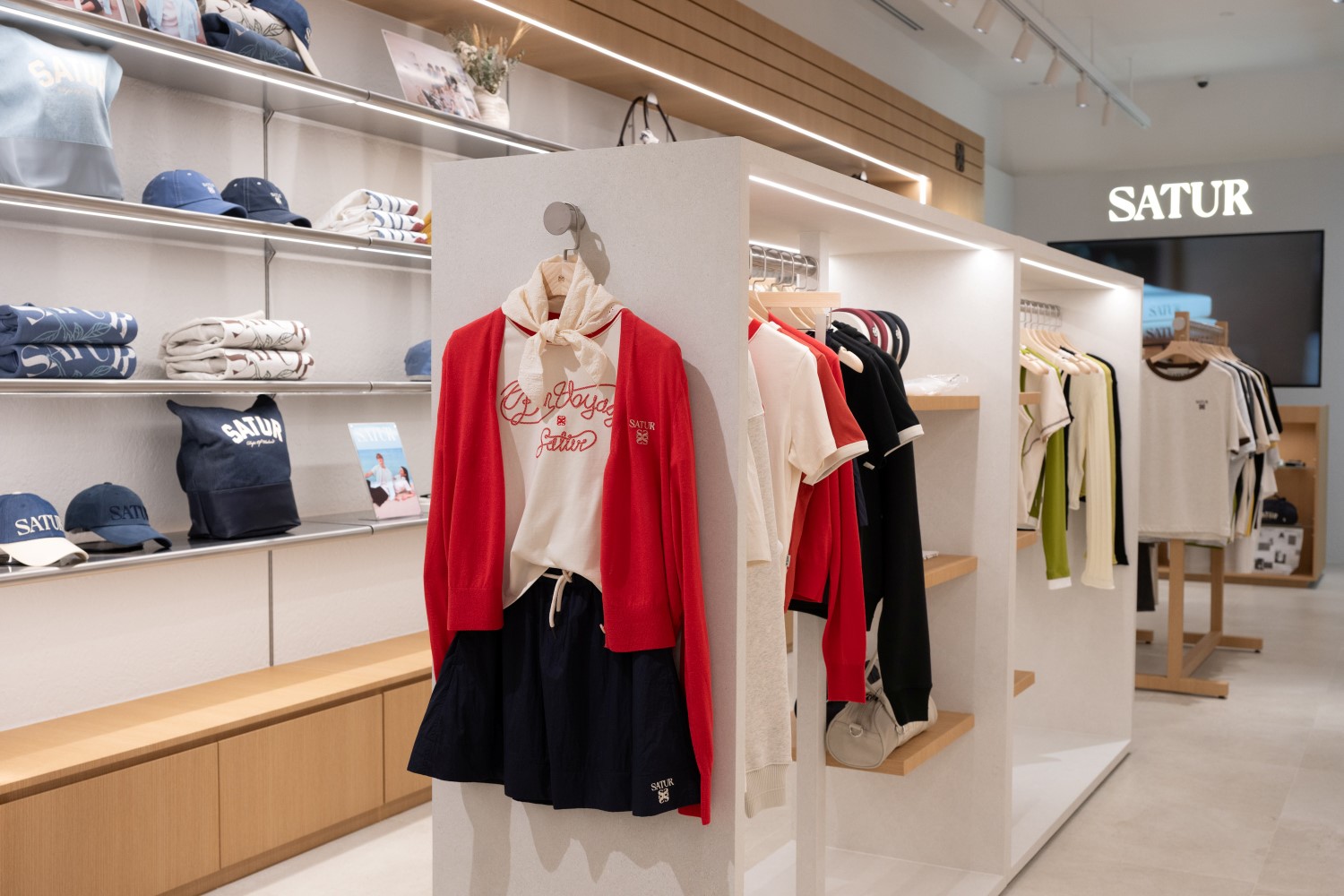
    South Korean fashion house, Satur, has announced its expansion into the Thai market, with its first flagship store opening in Central Ladprao. This move was made feasible through an exclusive partnership with the Jaspal Group, a renowned lifestyle and fashion conglomerate.

    About Satur

    Established in 2020 in Seoul by designer Son Ho-chul, Satur represents the leisurely and effortless spirit synonymous with Saturdays. The brand has garnered a reputation for its gender-neutral everyday wear, modern streetwear silhouettes, and resort-contemporary aesthetics. Its unique designs and fashion-forward approach has solidified Satur as a prominent player in the fashion industry.

    Jaspal Group’s CEO, Damien Corcoran, states that this strategic move aligns perfectly with their company’s ambition to evolve into a regional hub for fashion and lifestyle brands. Corcoran expressed his eagerness to introduce innovative and engaging brands from around the world to Thai consumers.

    He further stated, “Our mission is to leverage our strengths in nurturing and expanding our own brands, while also acting as a forward-thinking partner for international brands aiming to diversify their opportunities in Thailand and across the region.”

    Questions & Answers

    What is the South Korean fashion label that is expanding into Thailand?
    Satur, a fashion and lifestyle brand established in Seoul in 2020, is expanding into Thailand.

    Who is the exclusive distributor for Satur in the Thai market?
    The Jaspal Group will serve as Satur’s exclusive distributor in the Thai market.

    What kind of fashion does Satur offer?
    Satur is known for its gender-neutral everyday wear, modern streetwear silhouettes, and resort-contemporary aesthetics.

  • Thailand’s Online Scam Fallout: $273M Lost to Cyber Fraudsters in First Half of 2026

    Thailand’s Online Scam Fallout: $273M Lost to Cyber Fraudsters in First Half of 2026

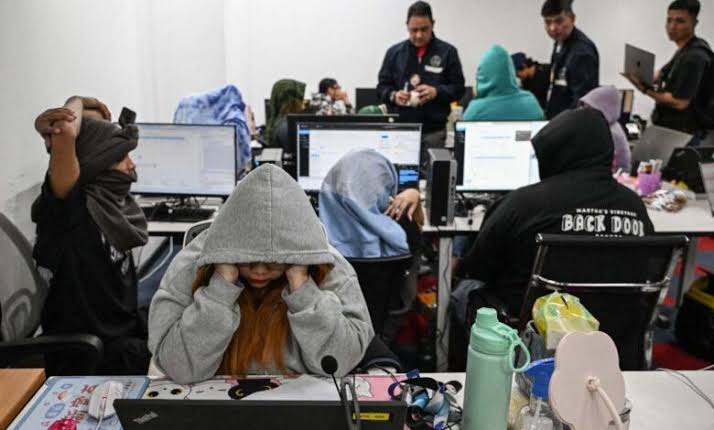
    In the first half of 2026, Thai citizens suffered significant losses from online fraud schemes, with the losses estimated to be nearly 9 billion Thai Baht (US$273 million). The frauds were executed through more than 170,000 reported cases of online deceit.

    According to the latest data from the Thailand Consumers Council (TCC), Facebook was identified as the primary platform for these scams, accounting for over 61% of all recorded cases. The types of scams varied, and included fraudulent pages and accounts, deceptive investment advertisements, schemes involving the buying and selling of merchandise, and cases of impersonation of individuals or organizations.

    Online Scams: A Widespread Concern

    While Facebook reported more fraud cases, the losses via the LINE platform were equally significant, illustrating that the problem is not restricted to one platform. The issue penetrates the entire digital ecosystem, which includes advertising, conversations, solicitations, and monetary transfers.

    As the losses have escalated, the TCC, along with affected consumers, have sought legal redress against the online platforms and associated financial institutions involved in the cases where victims were manipulated into investing via online channels.

    The lawsuits against these financial institutions revolve around alleged breaches of service contracts and deposit contracts, as well as claims of infringements on consumer rights. These legal actions aim not only to seek reimbursement for the initial group of 10 victims but also to tackle the broader issue of the level of responsibility digital platforms and associated service providers should shoulder for consumer safety.

    Legal Challenges and Future Measures

    There have been several challenges in the legal recourse process as some defendants have requested additional time to submit their defense statements. Others have leveraged their legal right to appeal on jurisdictional grounds, arguing the case does not constitute a consumer case.

    The TCC plans to continue pursuing these cases to ensure service providers take responsibility and establish enduring safeguards for consumer protection. The council emphasized that the scams extend beyond the creation of fake pages or accounts, pointing out that ‘mule’ accounts also serve as a key tool for swiftly transferring victims’ money.

    Plans are being developed to establish criteria for listing ‘mule accounts’ through collaboration between the Ministry of Digital Economy and Society, the Bank of Thailand, the Anti-Money Laundering Office, and the Thai Bankers’ Association. The central aspect of this plan is real-time data sharing among banks, a move that could lead to immediate suspension of accounts linked to fraudulent financial activities across all banks.

    Questions & Answers

    What is the estimated amount lost to online scams in the first half of 2026 in Thailand?

    The estimated loss is nearly 9 billion Thai Baht (US$273 million).

    Which platform recorded the highest number of scam cases according to the Thailand Consumers Council (TCC)?

    Facebook was identified as the primary platform for scams, accounting for over 61% of all cases.

    What measures are being taken to address this issue?

    Plans include pursuing lawsuits against online platforms and financial institutions implicated in scams, and initiating real-time data sharing among banks to quickly identify and suspend accounts linked to fraudulent financial activities.

  • Minor Group Takes Global Reins: Acquires Full Ownership of Korean Chain Bonchon

    Minor Group Takes Global Reins: Acquires Full Ownership of Korean Chain Bonchon

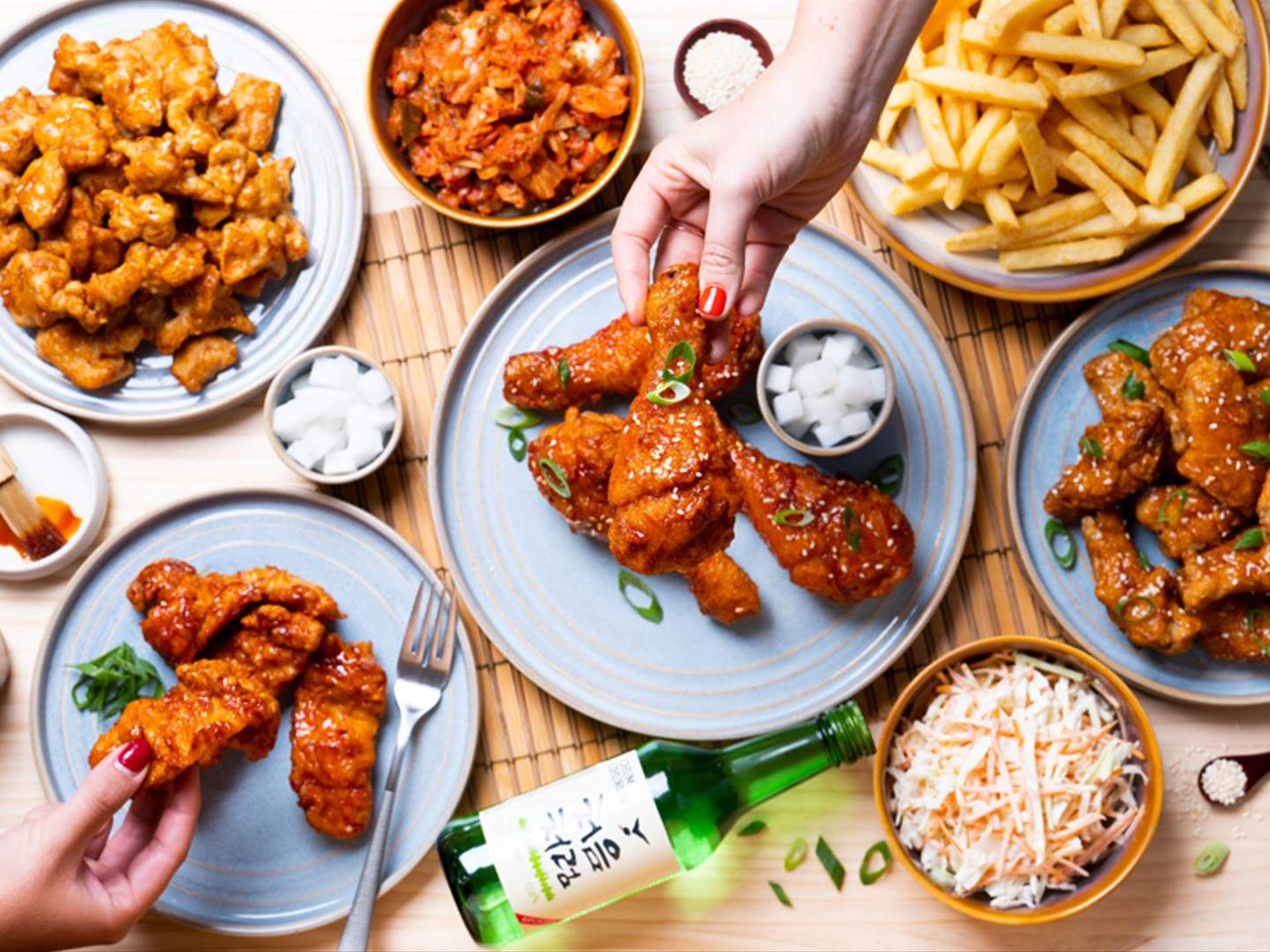
    Thailand’s Minor Group is set to acquire the remaining stake in Bonchon, a South Korean restaurant chain, thereby becoming its global owner. Headquartered in Bangkok, Minor Group has a significant presence in the restaurant industry with ownership of The Pizza Company, along with being a key franchisee for Burger King and Dairy Queen in Thailand. Since 2019, it has successfully managed over 100 Bonchon outlets across the country.

    A Strategic Acquisition

    Minor Group signed a stock purchase agreement on Monday with VIG Partners, a South Korean domestic private equity fund manager, to take over Bonchon International. It is reported that the sale includes the principal equity owned by VIG Partners as well as the stake held by Bonchon’s founder, Seo Jin-deok.

    Upon the finalization of this transaction, Minor Group will hold complete ownership of Bonchon International. Although the precise transaction amount remains undisclosed, the estimated corporate value of Bonchon is around 300 billion won or approximately US$212 million.

    Established in Busan, South Korea, in 2002, Bonchon embarked on its international journey in 2006 with its first venture in the United States. Since then, it has expanded into roughly 10 markets across North America, Asia, and Europe.

    VIG Partners became the largest shareholder of the restaurant chain in 2018 after purchasing a 55 percent stake for around 60 billion won. The remaining 45 percent stake is owned by Seo, who currently serves as the CEO of Bonchon International.

    The transaction between all parties involved is expected to be concluded by the end of the current month.

    Questions & Answers

    Who is acquiring the remaining stake in Bonchon?
    The Minor Group from Thailand is acquiring the remaining stake in Bonchon, resulting in full ownership of the South Korean restaurant chain.

    What is the estimated corporate value of Bonchon?
    The corporate value of Bonchon is cited to be around 300 billion won or approximately US$212 million.

    Who currently holds the majority stake in Bonchon International?
    Before the acquisition, the majority stake in Bonchon International was held by VIG Partners, a South Korean private equity fund manager. They held 55 percent stake whereas the remaining 45 percent stake was owned by Bonchon’s founder, Seo Jin-deok.

  • Bangkok’s $29M Green Transit: New Pedestrian, Cycling Bridge to Span Chao Phraya River

    Bangkok’s $29M Green Transit: New Pedestrian, Cycling Bridge to Span Chao Phraya River

    Bangkok’s local government recently announced a THB1 billion (US$29 million) project to construct a pedestrian and bicycle bridge across the Chao Phraya River. The project, led by Bangkok Governor Chadchart Sittipunt, aims to provide greener transportation alternatives to residents and visitors, with the goal of completion by 2030.

    Connecting Bangkok’s Historic Districts

    The planned bridge will connect the city’s MRT network with pedestrian pathways, providing an urban landmark that promotes a sustainable pedestrian environment. This will link the two historic districts of Songwat and Khlong San. The existing river crossings have been a problem for pedestrians and cyclists, as they’re primarily designed for heavy vehicle traffic. The ferry services’ operation hours are limited, leaving non-motorized commuters with few and frequently unsafe options.

    Governor Chadchart stated that the project aligns with his administration’s objective of developing people-centric infrastructure in conjunction with the city’s main road network. “The city needs a landmark, a bridge across the Chao Phraya River specifically for pedestrians and cyclists since there are enough bridges for cars,” he stated. The Governor also noted that this project would contribute positively to the local community economy and help bridge the gap between the historically overlooked Phra Nakhon and Thonburi districts.

    A New Urban Legacy

    The planned bridge will span 300 meters and be up to 10 meters wide. The project planners have assured that no further land appropriation would be necessary, thus reducing disruption to long-standing riverside communities. The design includes plans to utilize rooftop spaces on adjoining buildings for community shops and street food vendors to help promote local businesses.

    Pichai Wongwaisayawan, Dean of the Faculty of Architecture at Bangkok University, referred to the bridge as crucial “social infrastructure”. Rather than just providing a physical crossing, the bridge connects people, cultures, and transportation systems. “The real value of this bridge is in its ability to connect all transport systems – trains, boats, walkways, or bicycles,” said Pichai. He added that the city needs an interconnected network of public spaces more than landmarks. If the bridge becomes the start of a network of riverfront walkways linking communities and public transit, it will serve as an enduring urban legacy.

    Questions & Answers

    What is the purpose of the new bridge project in Bangkok?
    The bridge is designed to provide green transportation options for residents and tourists, linking two historic districts and connecting the city’s MRT network with pedestrian pathways.

    How will this project impact the local community?
    The project is expected to boost the local community economy by including plans for community shops and street food vendors. It also aims to bridge the gap between the Phra Nakhon and Thonburi districts, which were often overlooked in the past.

    What is the expected completion date for this project?
    The bridge is targeted for completion by 2030.

  • Thailand Elevates Trade Prospects with $750M Railway Project Boosting Port Connectivity

    Thailand Elevates Trade Prospects with $750M Railway Project Boosting Port Connectivity

    Thailand’s Ministry of Transport has confirmed its dedication to constructing a dual-track railway, a $750 million (27 billion baht) project that is viewed as a critical component in the nation’s logistics chain. Deputy Transport Minister Sanphet Boonyamanee, who talked about the project on Wednesday, highlighted it as a pivotal move towards bridging a “missing link” in Thailand’s nationwide logistics structure. This statement aligns with infrastructure strategies laid out by the government.

    The project in question is a 110-kilometer railway that will connect Chumphon and Ranong Port. This railway will directly link the country’s main rail system to its only deep-sea port, paving the way for a new trade conduit to the Indian Ocean. This railway is intended to facilitate an integrated multimodal transportation network that encompasses roads, railways, seaports, airports, and border crossings.

    Despite being smaller than many of Thailand’s main railway lines, this particular railway is predicted to function as a key land bridge. Once the railway is completed, freight from the agricultural and industrial areas in the north, northeast, central, and southern regions will be able to travel directly to Ranong Port via rail. This would render the need for road transport on the last leg of the journey obsolete.

    Another significant benefit of the new railway is that it will provide direct rail access to both Thailand’s coasts. The existing network links to the Gulf of Thailand ports, including Laem Chabang, Bangkok, and Map Ta Phut. However, the new route will create direct access to the Andaman Sea and the Indian Ocean, thereby broadening access to markets in the Middle East and Africa.

    A Project with Multiple Advantages

    In addition to facilitating international trade, officials also anticipate the project to stimulate economic growth in Chumphon and Ranong. They believe it will attract private investment towards warehouses, distribution centers, and logistics facilities.

    Government agencies are currently assessing the project’s economic, environmental, and social impacts. These studies are also determining whether to extend existing facilities at Ranong Port or to construct a new deep-sea terminal capable of accommodating larger container vessels.

    The State Railway of Thailand has finalized the project’s detailed engineering design and submitted its Environmental Impact Assessment report for review. The construction contract is expected to be up for bidding in 2027, subject to environmental approval later this year.

    The government had initially explored the possibility of this project in 2019 but later postponed it due to economic feasibility concerns.

    Questions & Answers

    What is the purpose of the new railway project in Thailand?
    The new railway is intended to establish a multimodal transportation network integrating roads, railways, ports, airports, and border crossings. It will also open a new trade gateway to the Indian Ocean.

    What benefits does the railway project bring to Thailand?
    The railway project is expected to boost international trade and spur economic growth in Chumphon and Ranong by attracting private investment in warehouses, distribution centers, and logistics facilities.

    When is the construction of the railway expected to start?
    Pending environmental approval, the bidding for the construction contract is expected to commence in 2027.

  • ThaiBev Mulls Over Sale of Thailands Premier KFC Franchise Amid Profit Drop

    ThaiBev Mulls Over Sale of Thailands Premier KFC Franchise Amid Profit Drop

    ThaiBev, owned by Charoen Sirivadhanabhakdi, is reportedly contemplating the sale of its KFC franchise business in Thailand – the largest of its kind in the country. The fast-food chain’s operations are overseen by The QSR of Asia. This takeover was initiated when the subsidiary purchased 240 restaurants from Yum Restaurants International in 2017 for an estimated US$335 million.

    ThaiBev’s Expanding Portfolio and Challenging Profits

    Since the initial acquisition, the number of outlets has more than doubled to over 500 across Thailand, solidifying QSR’s position as the country’s largest franchise. However, this expansion has brought its own set of challenges for ThaiBev. The company, known for producing Chang, has experienced a 21.7% decrease in profits, according to its latest annual fiscal statements.

    The drop in profits is reportedly due to the expenses incurred from the continual expansion of the restaurant chain. Nonetheless, ThaiBev remains a significant player in the market, despite the challenges and costs associated with operating a booming fast-food business.

    The Future of ThaiBev’s KFC Franchise

    Currently, ThaiBev is working with the Bank of America Corp to gauge interest in potential transactions relating to the KFC franchise. However, it is important to note that there are no guaranteed sales at this point. The future of the KFC franchise under ThaiBev’s ownership remains uncertain.

    Questions & Answers

    Who currently owns the largest KFC franchise business in Thailand?
    ThaiBev, owned by Charoen Sirivadhanabhakdi, currently holds the largest KFC franchise business in Thailand.

    What has been the impact of the franchise expansion on ThaiBev’s profits?
    The expansion of the franchise has led to a 21.7% drop in ThaiBev’s profits, largely due to the costs associated with the ongoing growth of the restaurant chain.

    What is the future of ThaiBev’s KFC franchise?
    ThaiBev is contemplating the sale of its KFC franchise and is working with the Bank of America Corp to assess interest in potential transactions. However, no sale is guaranteed at this time.

  • Tagi Breaks International Barriers with First Retail Store in Bangkok’s CentralWorld

    Tagi Breaks International Barriers with First Retail Store in Bangkok’s CentralWorld

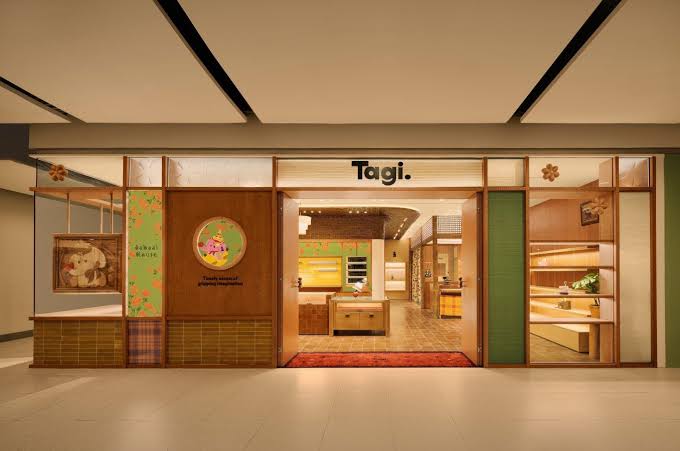
    Chinese lifestyle brand Tagi has embarked on its first international venture with the launch of a physical retail outlet at CentralWorld in Bangkok. Positioned on the second tier of the mall’s Eden Zone, this store presents a broad selection of the Shanghai-centric brand’s accessory collection to the Thai consumer market. This includes their signature bulky phone cases and puffer laptop bags, along with an assortment of other lifestyle products.

    Tagi, an acronym for ‘Timely access of gripping imagination’, was established in 2019 in Shanghai. The brand builds everyday accessories that incorporate an element of fun into their design. Tagi’s product lines are recognized for their vivid color contrasts, checkered motifs, and natural shapes, transforming functional items into statement fashion pieces.

    This brand has steadily grown in popularity, especially among Generation Z and young millennial consumers in China. This is largely credited to Tagi’s distinct visual branding and its effective use of social media platforms.

    The opening of the store in Bangkok denotes the beginning of Tagi’s global growth strategy. This strategic move also offers Thai customers direct access to the brand’s collections, thereby eliminating the need for cross-border pre-orders or shipping procedures.

    In addition to this, Tagi opened a temporary pop-up store at Changi Airport earlier this year.

    Questions & Answers

    What is Tagi known for?

    Tagi is known for its playful and colorful designs of everyday accessories, including phone cases and laptop bags. They incorporate bold color blocking, checkered patterns, and organic silhouettes into their designs, transforming functional items into fashion pieces.

    Who is Tagi’s primary consumer base?

    Tagi mainly targets Generation Z and young millennial consumers. Its distinctive visual identity and effective use of social media have helped it gain popularity among these demographics.

    What is the significance of Tagi’s store opening in Bangkok?

    The Bangkok store marks the first step in Tagi’s international expansion, giving Thai shoppers direct access to its collections. This eliminates the need for cross-border pre-orders or shipping, making it easier for customers to get their hands on Tagi products.

  • OCE Debuts in Bangkok: Nordic Brand Spreads Wings in Thai Retail Market

    OCE Debuts in Bangkok: Nordic Brand Spreads Wings in Thai Retail Market

    OCE, a lifestyle brand inspired by Nordic culture, has launched its first retail location in Thailand, marking another stride in its ongoing global expansion efforts. The brand, originally based in Guangzhou, set up shop in Bangkok’s Central Chaengwattana shopping centre, introducing the Thai market to its “Nordic laid-back aesthetics”. Customers are offered a diverse selection of over 2000 unique products to choose from within the store.

    A Positive Outlook on Thai Retail Market

    Kenneth Tng, the International Leasing Head at Central Pattana, the parent company of the shopping centre, expressed optimism about OCE’s new venture. He stated that the store’s launch underscored the growing vitality and appeal of Thailand’s retail sector.

    “It’s a privilege for Central Pattana to be chosen as a collaborator for such a pivotal moment in OCE’s worldwide growth,” Tng added. He further stated that the new concept was unveiled at Central Changwattana on June 19.

    Tng reassured that Central Pattana will persist in its commitment to deliver innovative, fresh, and globally pertinent retail experiences to its clientele. The company also plans to continue supporting international brands, like OCE, making their entry and expansion in the Thai market.

    OCE has a strong presence in Mainland China, operating over 50 stores, primarily in the major cities. Last year, the brand extended its reach to Europe with a flagship store opening in Copenhagen, Denmark, and also made its debut in Malaysia with a store launch in Kuala Lumpur.

    Questions & Answers

    What is OCE’s brand inspiration?
    OCE takes inspiration from Nordic culture to create its unique, laid-back aesthetic.

    Where is OCE’s first store in Thailand located?
    OCE’s first Thai store is positioned in Central Chaengwattana shopping centre in Bangkok.

    Does OCE have a presence outside of Asia?
    Yes, OCE expanded its reach beyond Asia in 2020 with the opening of its European flagship store in Copenhagen, Denmark.

  • Buccellati Unveils Palatial Asia-Pacific Flagship Store in Bangkok, Boosting Presence in Southeast Asia

    Buccellati Unveils Palatial Asia-Pacific Flagship Store in Bangkok, Boosting Presence in Southeast Asia

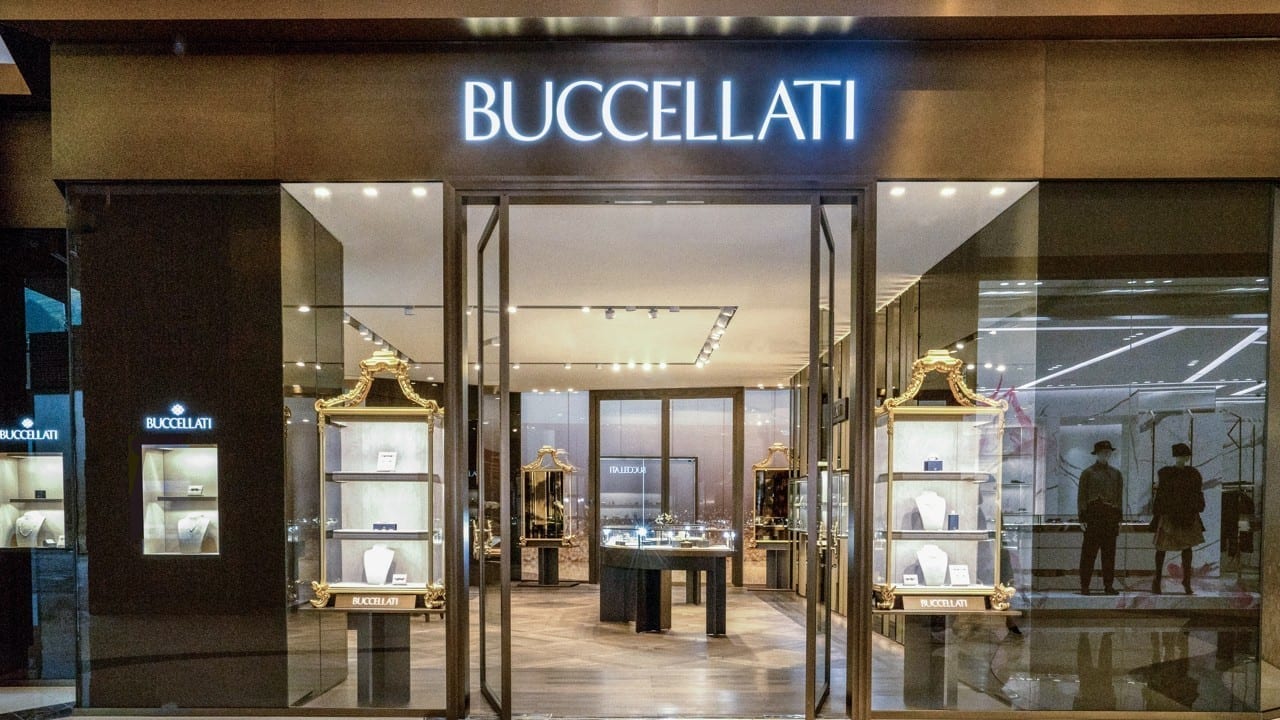
    Renowned Italian jewelers Buccellati have recently expanded their presence in the Asia-Pacific region with the inauguration of their largest store in Thailand. The store, situated on the M Floor of Siam Paragon in Bangkok, signifies the brand’s debut in the Thai market, contributing to its burgeoning retail network across the region.

    An Italian Heritage in a Modern Setting

    The design of the store is a tribute to Buccellati’s Italian lineage, featuring wooden paneling, handmade stucco finishes, and adornments reminiscent of European palaces. The store’s interior also includes a collection of antique furniture and mirrors from the 18th and 19th centuries. Two 16th-century mirrors from Naples, preserved with their original mirror plates and made using the traditional doratura a mecca gilding technique, are among the notable pieces on display. According to Buccellati, these mirrors were handpicked for the Bangkok location.

    The store offers a diverse range of Buccellati’s jewelry collections, such as Macri, Opera, and Tulle. In addition, customers can find high-end jewelry pieces, silverware, flatware, and giftware. The boutique also provides customers with an opportunity to witness the hand-engraving techniques that have become a signature of the Italian fashion house.

    Buccellati was established in Italy by Mario Buccellati and has since carved a niche for itself for its handmade jewelry and silverware. The brand is currently under the ownership of Richemont, and members of the Buccellati family continue to serve in key managerial positions of the enterprise.

    Questions & Answers

    What is unique about the new Buccellati store in Bangkok?
    The Buccellati store in Bangkok is the brand’s largest in the Asia-Pacific region and features a design that reflects the company’s Italian heritage.

    What does the store offer to its customers?
    In addition to offering a selection from Buccellati’s various jewelry collections, the store features high-end jewelry pieces, silverware, flatware, and giftware. Customers can also experience the brand’s signature hand-engraving techniques.

    Who currently owns the Buccellati brand?
    Buccellati is currently owned by Richemont, and members of the Buccellati family continue to hold senior management positions within the company.

  • Siam Piwat Elevates Luxury Ecosystem with Global Giants: A Bid to Become Thailands Hub for High-Net-Worth Clients

    Siam Piwat Elevates Luxury Ecosystem with Global Giants: A Bid to Become Thailands Hub for High-Net-Worth Clients

    Siam Piwat Group, a leading Thai developer and operator of renowned shopping outlets like Siam Paragon, Siam Center, and Siam Discovery, has announced a strategic alliance with four major luxury brands: Belmond, Galeries Lafayette, Insignia, and MJets. The partnership aims to establish a “borderless” ecosystem, providing high-end travel, shopping, and lifestyle services for their affluent clients. This collaboration is expected to reinforce Siam Piwat’s Global Privilege Partnership and take its ‘Global Luxury Ecosystem’ to the next level.

    Strategic Collaboration for Luxury Market

    The group, which controls over 70% of Thailand’s luxury market, aims to connect private aviation, ultra-luxury hotels and resorts, premier department stores, and bespoke lifestyle services, all under a single network of privileges available both domestically and internationally. Saruntorn Asaves, the first executive VP of customer centricity and relationship at Siam Piwat, outlined the group’s strategy as being centered on “co-creation and collaboration” with global partners to create unique experiences for both Thai and international customers.

    Siam Piwat’s expertise in serving high-net-worth individuals is demonstrated through its OneSiam membership base. Asaves reported that, in 2025, high-net-worth members spent over 1 million baht per transaction, with their annual spending exceeding average customers by 35 times. She emphasized this as proof of the “immense and unrivalled purchasing power” of their top-tier clients.

    Introducing New Partnerships

    The newly onboarded partners in the Global Privilege network contribute their expertise in various fields. Belmond, an LVMH Group member, provides an assortment of ultra-luxury properties and train journeys; Galeries Lafayette offers its flagship Paris Haussmann department store; Insignia contributes high-end lifestyle and membership services; and MJets offers private aviation and airport lounge access.

    These collaborations promise to offer unique services to OneSiam members. For instance, Belmond will provide personalized travel planning and VIP welcoming at their hotels and trains. Insignia will offer 24/7 bespoke services, including access to exclusive events and hard-to-obtain restaurant reservations. MJets aims to offer private jet services, premium lounges, and chauffeur transfers from the runway to Siam Piwat’s properties. Lastly, Galeries Lafayette will extend exclusive hospitality to Siam Piwat members, including complimentary gifts, VIP lounge access, and expedited tax refunds with qualifying purchases.

    Questions & Answers

    What is the main purpose of Siam Piwat’s strategic collaboration with Belmond, Galeries Lafayette, Insignia, and MJets?
    The main goal of this alliance is to create a “borderless” ecosystem that combines high-end travel, shopping, and lifestyle services for their affluent clients, both in Thailand and internationally.

    What special offers will be available to OneSiam members as a result of these partnerships?
    OneSiam members will have access to personalized travel planning, VIP welcomes at hotels and trains, 24/7 bespoke services, private jet services, access to premium lounges, chauffeur transfers, and complimentary gifts and VIP lounge access at Galeries Lafayette with qualifying purchases.

    How does Siaw Piwat plan to serve high-net-worth individuals?
    Siam Piwat plans to connect private aviation, ultra-luxury hotels and resorts, premier department stores, and bespoke lifestyle services under a single network of privileges, thereby providing a holistic luxury lifestyle experience to high-net-worth individuals.

  • Thai Beer Tycoon Dismisses Family Exec Following Brothers Abuse Claims

    Thai Beer Tycoon Dismisses Family Exec Following Brothers Abuse Claims

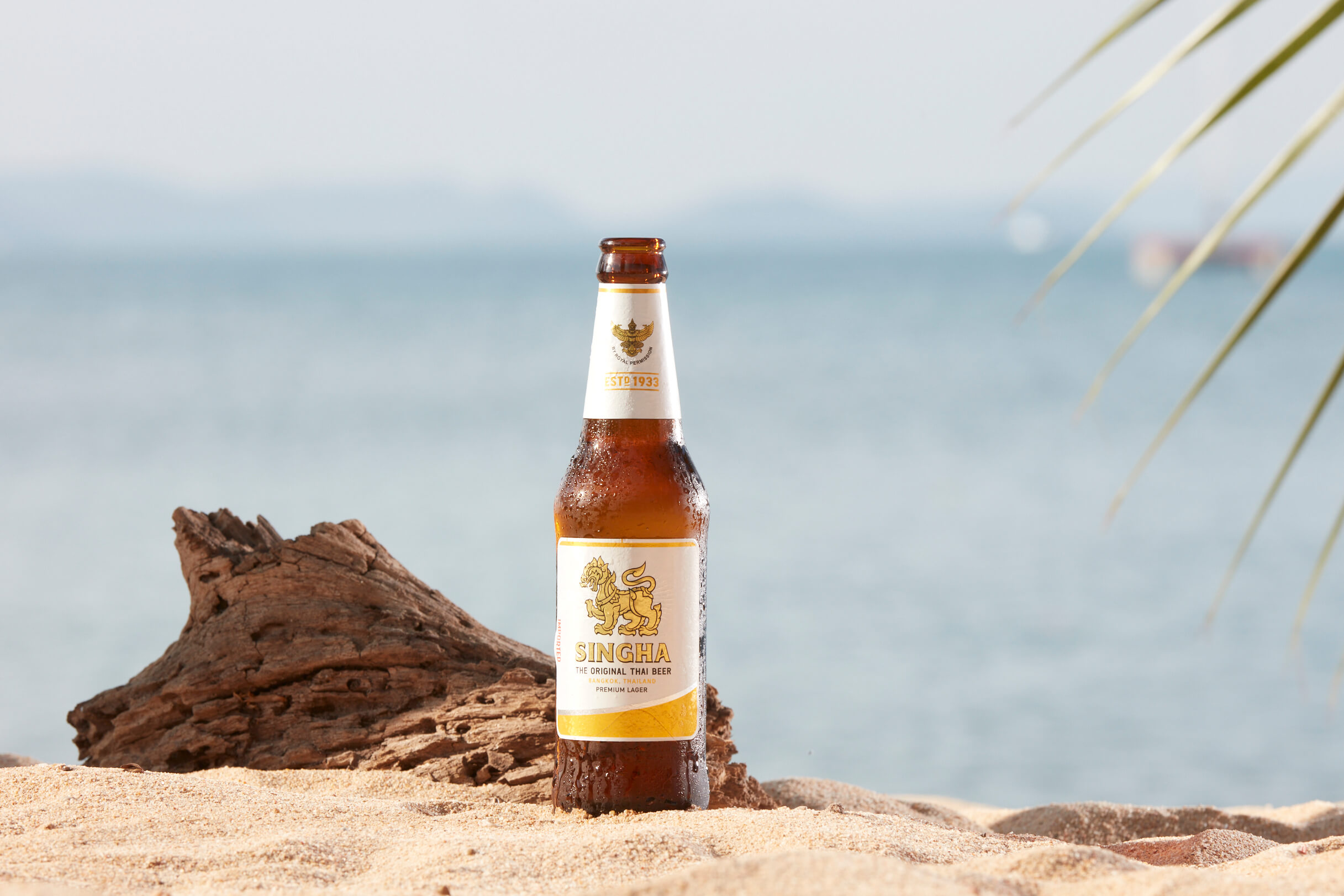
    A prominent member of Thailand’s Bhirombhakdi family, known for their control of Singha Beer, was dismissed from the family’s business empire due to allegations of sexual abuse. The dismissal followed several days of public controversy ignited by the allegations.

    A Family Rift

    Siranudh Scott, an environmental activist from the Bhirombhakdi family, accused his elder brother of sexually abusing him during his teenage years. Scott announced these allegations in an emotional video posted on his Facebook page. He claimed that his family was aware of the abuse, citing a taped confession as proof, but took no action against it.

    Scott expressed his disillusionment with his family, stating his unwillingness to be identified as a Singha heir and his desire to distance himself from a family that he felt lacked empathy for him. Scott, a marine conservationist known for his work with his group Sea You Strong in southern Thailand, is the son of a Scottish father.

    Company Response

    Following the allegations, the family’s business conglomerate, Boonrawd Brewery Company, announced the dismissal of Sunit, Scott’s brother, from all his positions within the company. In a statement, the company expressed regret for Scott’s experiences and declared their cooperation with authorities in ongoing investigations.

    The statement was given by the company’s CEO, Bhurit Bhirombhakdi, who is also a cousin of the two men. Bhurit additionally shared a letter from Sunit, in which the accused resigned from all his duties until the matter could be thoroughly investigated and resolved. Although Sunit has denied the allegations of sexual abuse, he admitted to instances of rough play between boys.

    The Bhirombhakdi family, who are identified as Thailand’s fifteenth wealthiest family by Forbes, with an estimated net worth of $1.75 billion, have interests extending beyond Singha Beer. They are also engaged in food manufacturing, hotel operations, power, and property.

    Questions & Answers

    What led to the dismissal of a member from the Bhirombhakdi family’s business empire?
    The dismissal occurred following allegations of sexual abuse made by Siranudh Scott against his elder brother, Sunit, which stirred public controversy.

    Who announced the dismissal from the family’s business empire?
    CEO Bhurit Bhirombhakdi, the cousin of the two men, announced the dismissal in a statement.

    What are the other business interests of the Bhirombhakdi family?
    Apart from Singha Beer, the family’s business interests include food manufacturing, hotels, power, and property.

  • Alaia Boosts Southeast Asia Presence with First Luxury Boutique in Bangkok

    Alaia Boosts Southeast Asia Presence with First Luxury Boutique in Bangkok

    Thai shoppers can now enjoy the elegant and sculptural designs of Alaia, as the brand has expanded its Southeast Asian presence by opening its inaugural boutique in Bangkok.

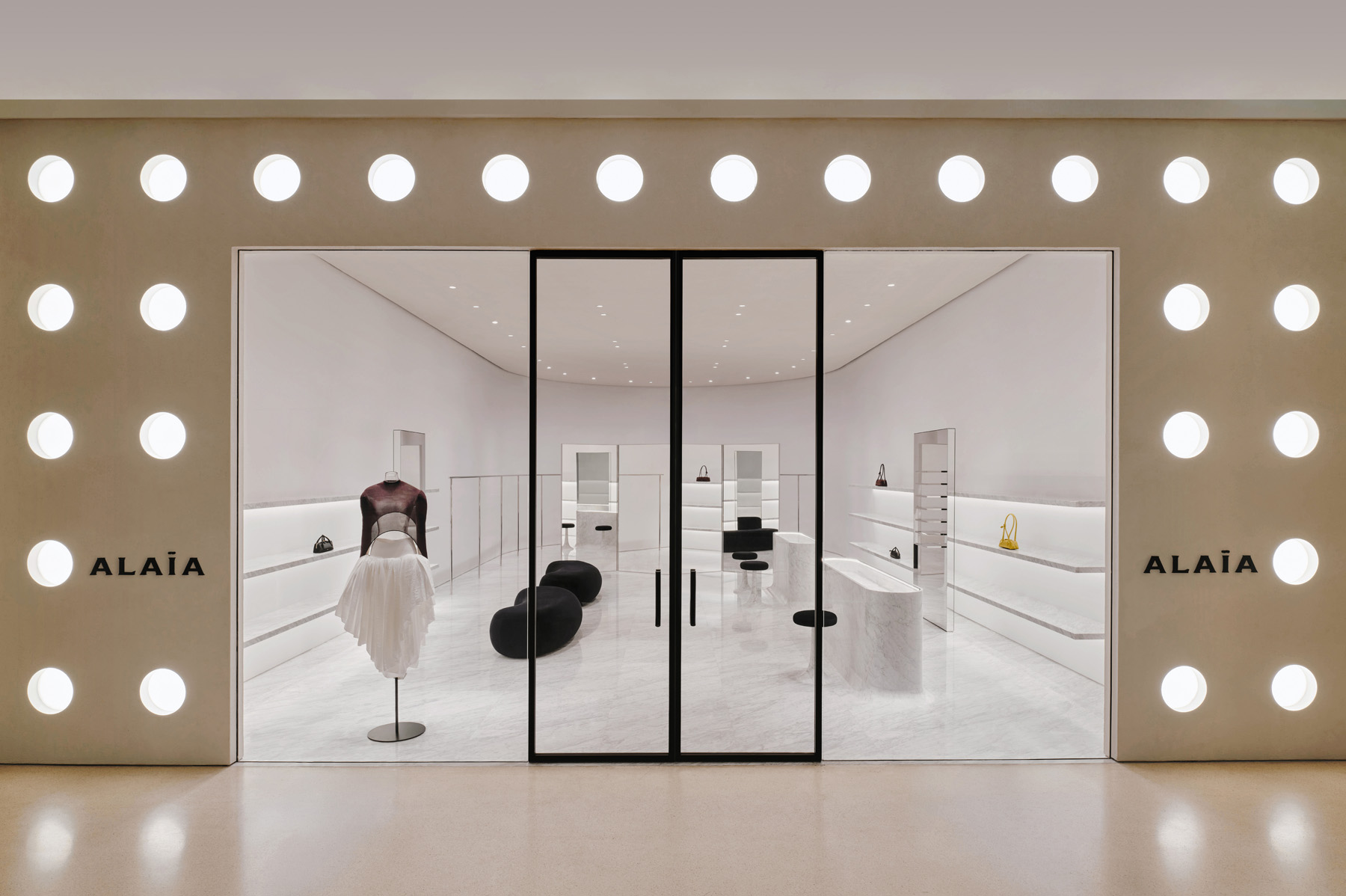
    The luxury retail venue, Central Embassy, is host to the new store. The boutique carries a robust product line consisting of ready-to-wear clothing, handbags, footwear, and accessories. These items reflect Alaia’s commitment to craftsmanship, style, and meticulous attention to detail.

    Architectural Design Enhances Shopping Experience

    The award-winning architecture firm, Halleroed, was tasked with designing the store’s interior, which showcases a minimalist aesthetic that enhances the shopping experience. The firm masterfully incorporated sculptural interiors and curved forms, with a color scheme marked by a neutral palette. The aesthetic choices are punctuated by the use of marble, stainless steel, and leather finishes throughout the store.

    The goal of this design strategy was to create a retail environment that stands as a testament to Alaia’s design philosophy and Parisian heritage. According to the brand, this immersive retail experience is meant to echo the maison’s design ethos, inviting shoppers into a space that feels as meticulously crafted as the products themselves.

    Alaia was first established in 1964 by Azzedine Alaia, a Tunisian couturier who made Paris his home. Since its inception, the brand has experienced a significant uptick in its global retail expansion, particularly throughout Asia. The brand was purchased by Richemont in 2007, marking another milestone in its growth trajectory.

    Questions & Answers

    What products does Alaia’s new boutique in Bangkok offer?
    The newly opened Alaia boutique in Bangkok offers a wide range of products, including ready-to-wear clothing, handbags, footwear, and accessories.

    Who designed the store’s interior and what style elements were used?
    The boutique’s interior was designed by the architecture firm Halleroed. The design highlights a minimalist aesthetic featuring sculptural interiors, curved forms, and a neutral color palette. Marble, stainless steel, and leather finishes were used to accent the space.

    What was the aim of the store’s design according to the brand?
    Alaia states that the purpose of the store’s design was to create an immersive retail environment that reflects the brand’s design philosophy and its Parisian heritage.