Tag: bangkok

  • World Bank Urges Thailand to Lift 12% AI Adoption Rate for 2037 Goal

    World Bank Urges Thailand to Lift 12% AI Adoption Rate for 2037 Goal

    Thailand must lift its corporate artificial intelligence adoption beyond the current 12 per cent rate to hit high-income status by 2037, according to the World Bank.

    Only about one in eight Thai businesses currently deploys AI tools, despite recent data centre investments and an established electronics manufacturing base. Speaking at the Bangkok Business Summit, World Bank vice-president for East Asia and Pacific Carlos Felipe Jaramillo warned that commercial adoption remains too concentrated among large corporations in the capital.

    Closing the SME technology gap

    Small, medium and micro-enterprises outside Bangkok account for the bulk of employment but lag in digital capabilities. The multilateral lender presented its “Building Thailand’s Future Today” report at the summit, hosted by the Joint Standing Committee on Commerce, Industry and Banking, setting out reforms for enterprise competitiveness.

    Thailand spends roughly 1 per cent of gross domestic product on research and development. Across the East Asia-Pacific region, that average sits at 2.5 per cent. World Bank senior economist Katherine Stapleton said closing that divide requires redirecting state R&D incentives toward smaller firms rather than limiting innovation programmes to top-tier conglomerates.

    RetailNews Asia notes that enterprise technology providers across Southeast Asia face a similar bottleneck: high digital consumer penetration alongside sluggish software uptake inside merchant supply chains. While Bangkok ranks among the region’s most connected consumer markets, commercial software integration across provincial retail and logistics networks remains sparse.

    Raising growth targets

    Meeting the government’s 2037 high-income target will require annual real GDP growth to jump to 5.4 per cent per person. Thai economic expansion has averaged 2.2 per cent per person since the pandemic.

    Exports generate roughly 70 per cent of Thailand’s gross domestic product, yet foreign direct investment continues to generate weak spillover gains for local suppliers. The World Bank argues that upgrading domestic software capabilities and fostering regional commercial hubs will determine whether the economy escapes middle-income stagnation.

    The Joint Standing Committee and state planning agencies are now reviewing corporate tax breaks and startup development programmes ahead of the next fiscal policy cycle.
  • Central Pattana Targets 10% Footfall Growth at Central Park Mall

    Central Pattana Targets 10% Footfall Growth at Central Park Mall

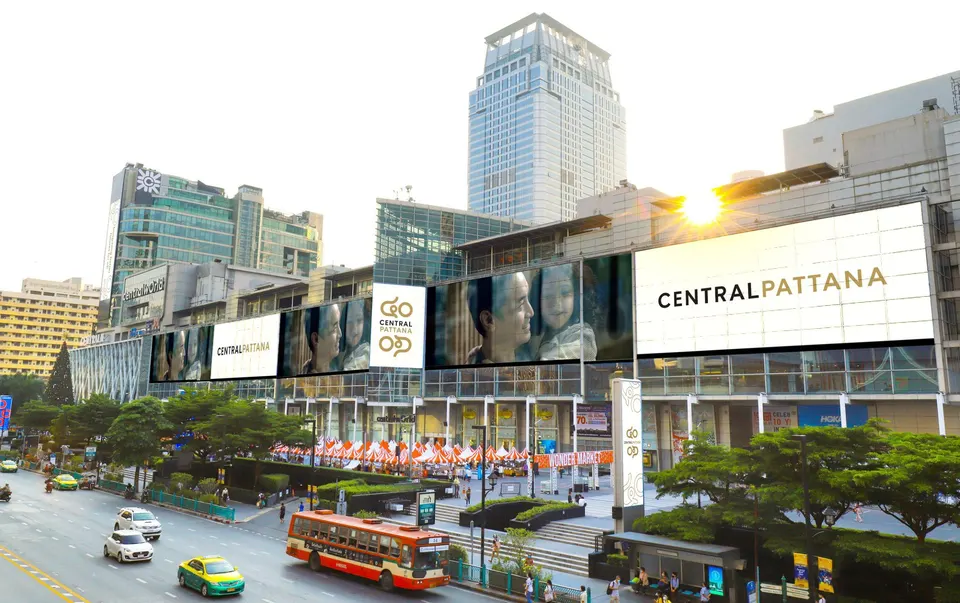
    Central Pattana aims to increase foot traffic at its Central Park mall in Bangkok by 10 per cent year on year during its second year of operation.

    The retail hub inside the Dusit Central Park mixed-use development drew roughly 25 million visitors in its first twelve months after opening on Sept 4, 2025. International tourists accounted for 10 million of those visits, while retail occupancy reached 98 per cent with daily visitor counts averaging between 65,000 and 75,000 people.

    Office tenants and residents drive traffic

    Office and residential handovers will feed additional pedestrian volumes into the retail podium over the coming quarters. Central Park Offices currently records an occupancy rate above 80 per cent, with corporate tenants finishing interior fit-outs before moving staff into the tower.

    Residential transfers at The Residences at Dusit Central Park will begin in the fourth quarter of 2026, following pre-sales that reached 96 per cent. Kunayudh Dej-udom, asset director of centralwOrld and Central Park at CPN, stated that these incoming occupants will provide a built-in customer base for the property’s food, service, and lifestyle tenants.

    Bangkok’s prime retail landlords increasingly rely on integrated mega-projects to shield themselves from retail oversupply in the city centre. By embedding high-density office towers and luxury residences directly above retail concourses, developers like CPN and rival One Bangkok secure regular baseline spend before counting on discretionary tourist inflows.

    Transit links and brand launches

    CPN is positioning the mall around first-in-Thailand brand debuts, exclusive merchandise drops, and cross-cultural art installations to broaden international visitor recognition. The strategy pairs global creative partnerships with experiential retail formats to capture high-spending travellers.

    Physical access will expand with a direct pedestrian connection linking the complex to the underground MRT Silom station, scheduled for completion between late first quarter and early second quarter of 2027.

  • Blackmores Targets 18.6% Growth in Thailand with Fizzy Granule Launch

    Blackmores Targets 18.6% Growth in Thailand with Fizzy Granule Launch

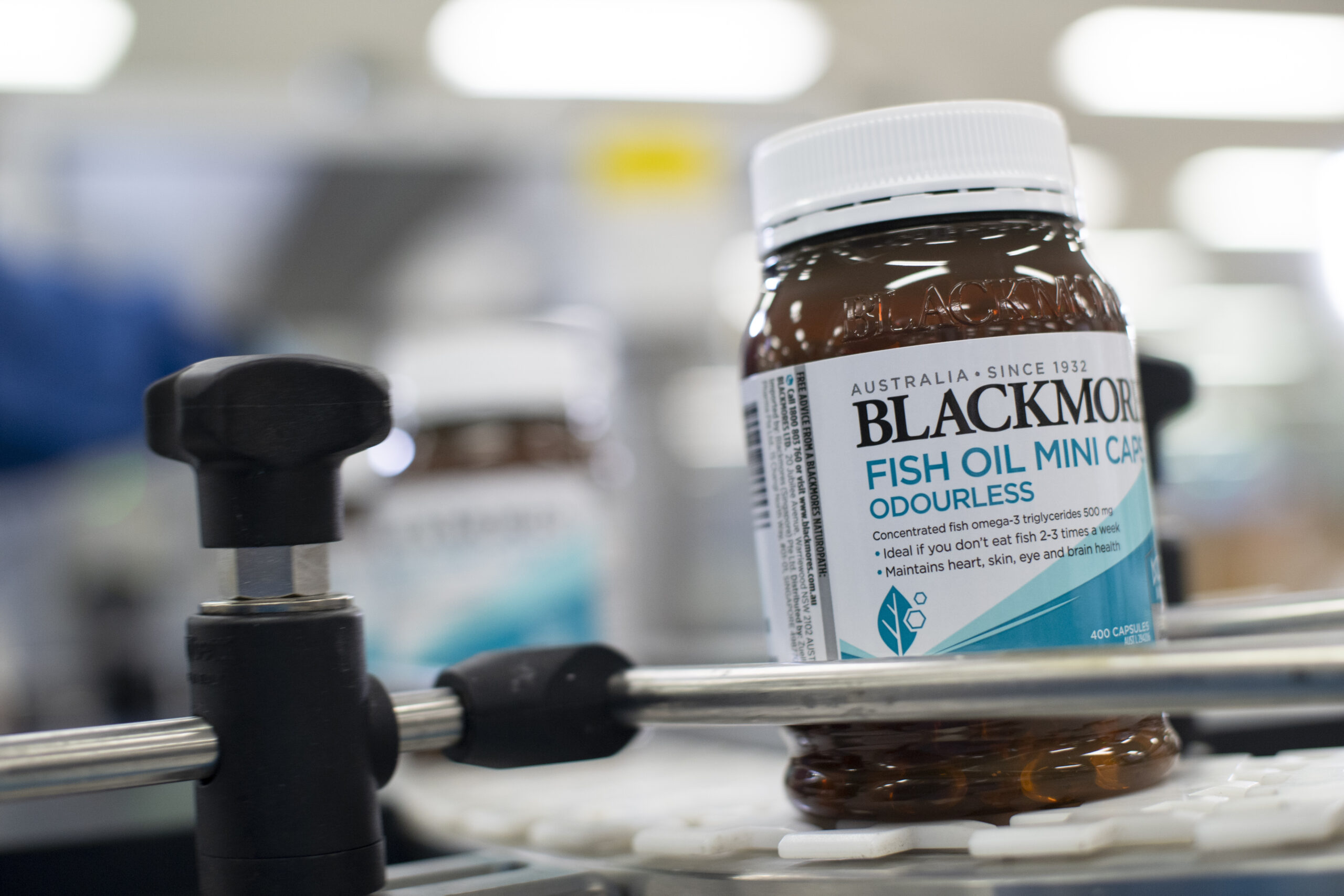
    Blackmores launched its first fizzy granule vitamins in Thailand as the Australian health brand targets 18.6 per cent revenue growth in the country for 2026.

    The target builds on a 16.8 per cent year-on-year sales increase recorded during the first half of the year.

    Three functional formulations

    Branded as Blackmores Fizzers, the line packages vitamins in single-serve sachets designed to be dissolved in cold water, melted directly on the tongue, or chewed. The format abandons traditional tablet designs to appeal to Gen Z and millennial consumers looking for portable options.

    The range includes three formulations aimed at specific health routines. Immu Plus combines vitamin D3, vitamin C, zinc, and L-leucine in an orange flavour for daily immune support. Nicotinamide Plus uses a mixed berry flavour containing nicotinamide, zinc, vitamin C, and L-leucine for skin health. Performance Plus carries a strawberry and apple flavour formulated with 225 milligrams of magnesium and L-leucine to aid muscle recovery.

    Influencer marketing and category competition

    Priti Halai, country manager of Blackmores Thailand, said the rollout reflects a shift toward product formats that match changing consumer habits in an increasingly crowded supplements market.

    Competition is fierce, and brands must deliver value that resonates with real consumer needs.

    Marketing for the launch will rely primarily on influencer partnerships across digital platforms to build awareness among younger demographics. The shift toward confectionery-style and water-soluble vitamin formats across Southeast Asian retail reflects how legacy supplement makers are defending shelf space against direct-to-consumer wellness brands.

    Retail performance in the final quarter will show whether the sachet line generates enough traction to hit the company’s full-year 18.6 per cent expansion target.

  • Central Retail First-Half Profit Jumps 35% to $155 Million

    Central Retail First-Half Profit Jumps 35% to $155 Million

    Central Retail posted a 35 per cent increase in first-half net profit to 5.0 billion baht ($155 million), driven by grocery gains and aggressive store pruning in Thailand and Vietnam.

    Total revenue from continuing operations rose 2.4 per cent to 123.7 billion baht ($3.9 billion), with grocery accounting for 46 per cent of all sales.

    Store and online sales rose 2.2 per cent across the network, beating a 2.2 per cent expansion in total retail selling area. Gross margins widened by 110 basis points to 24.8 per cent, outpacing operational cost growth. Finance costs dropped sharply, while profit contributions from a newly acquired 40 per cent stake in JD Sports lifted the bottom line.

    Pruning hardlines and shifting to athleisure

    The conglomerate closed 11 branches of Power Buy, B2S, and Officemate over the past 12 months. It also severed 39 stores in April by exiting the NK appliance retail business in Vietnam. Hardlines revenue fell 2.9 per cent during the half, or 0.5 per cent when excluding the NK divestiture.

    Fashion sales edged up 2.1 per cent. Central Retail took its minority stake in JD Sports partly to overhaul sports merchandising at its proprietary Supersports chain, shifting shelf space toward high-turnover athleisure ranges.

    Food delivered the bulk of operating momentum. Grocery sales increased 6.1 per cent, recording same-store sales growth of 2 per cent in the first quarter and 3 per cent in the second quarter. Overall group same-store sales slipped 0.1 per cent for the six months, dragged down by two-year stacked declines of 7.5 per cent in hardlines and 5 per cent in fashion.

    Uneven regional recovery

    Across Southeast Asia, diversified retail conglomerates have spent the past two years ditching fragmented specialty formats to defend supermarket cash flow against inflation. Central Retail mirrors regional peers that expanded fast into bulky non-food retail during low-rate cycles, only to find floor space unproductive once discounters and online platforms undercut consumer electronics and stationery.

    Trading conditions remain split between its two core markets. In Thailand, high household debt and slow tourism recovery continue to curb discretionary spending, even with the central bank lifting its 2026 economic growth forecast to 1.9 per cent. Vietnam provides stronger retail momentum, backed by rising inbound tourism and state efforts to lift domestic consumer spending.

    Central Retail now manages 3,834 stores and 75 shopping centres with 779,000 square metres of net leasable area across both countries. Investors are watching third-quarter same-store sales figures to see whether hardlines and fashion can pull out of negative territory.

  • Mitsubishi Motors Revives Pajero SUV Starting in Thailand

    Mitsubishi Motors Revives Pajero SUV Starting in Thailand

    Mitsubishi Motors has unveiled the reboot of its flagship Pajero sport utility vehicle, beginning a worldwide commercial rollout that starts in Thailand.

    The Tokyo-based carmaker is leaning on its best-known nameplate to protect sales volumes across Southeast Asia, where Japanese brands face intense competition from Chinese electric vehicle manufacturers.

    Defending the Southeast Asian Base

    Thailand serves as Mitsubishi’s primary manufacturing and export hub in the region. Launching the Pajero there first targets a domestic customer base that has historically favored rugged, ladder-frame utility vehicles and diesel-powered transport.

    Chinese brands such as BYD have expanded rapidly across Thai showrooms, cutting into market share long dominated by Japanese legacy marques. Mitsubishi is countering that push by committing further to full-sized utility models where brand loyalty and established dealership servicing networks remain strong.

    The Broader Regional Landscape

    Japanese automakers have spent decades building integrated supply chains and dealer networks across ASEAN member states. That dominance is eroding as regional governments roll out subsidies and lower tariffs to attract battery-powered vehicle manufacturing.

    While rivals accelerate software alliances and pure electric platforms, Mitsubishi is relying on proven model equity to maintain factory output and retail cash flow across its core export destinations.

    Mitsubishi will follow the Thai debut with rollout schedules, pricing and regional delivery dates for secondary export markets across Asia-Pacific and the Middle East.

  • Thai Brand Emily’s Rolls Out Konjac Version of Signature Chicken Noodles

    Thai Brand Emily’s Rolls Out Konjac Version of Signature Chicken Noodles

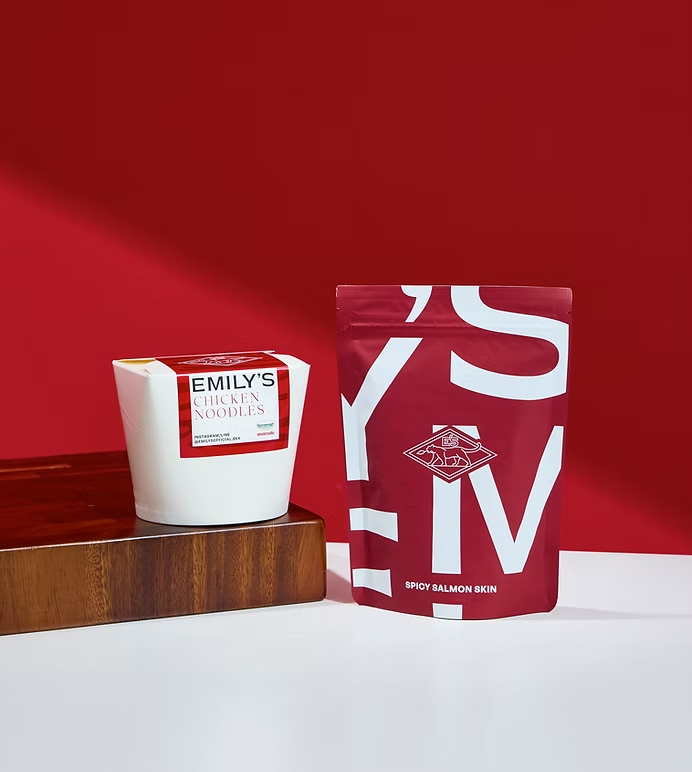
    Thai food brand Emily’s launched a limited-edition konjac version of its signature shredded chicken noodles on 20 August, targeting consumers seeking low-calorie dining options.

    The Bangkok-born business introduced the high-protein alternative as an adaptation of its core menu item, which drove the company’s initial viral retail growth across Thailand.

    Health-Focused Menu Shift

    Founders Naiyanachanok Patamasingh Na Ayutthaya and Thaparat Waerojruedee developed the dish by swapping traditional wheat-based noodles for konjac root substitutes. The formulation retains the brand’s original chicken seasoning while cutting net carbohydrates and overall calorie counts.

    Konjac noodles have gained traction across Southeast Asian quick-service and casual dining formats. Fast-casual concepts across Bangkok and regional capitals frequently use limited-run functional dishes to convert casual social media interest into repeat footfall without changing baseline kitchen inventory permanently.

    Limited-Edition Rollout

    The new recipe operates as a short-run promotional item across the brand’s sales channels. Emily’s built its retail footprint around packaged and ready-to-eat comfort food formats before branching into dedicated counter operations.

    Customer sales performance and reorder velocity during the initial promotion window will determine whether the brand integrates the konjac dish into its permanent daily menu.

  • Thailand Luxury Market Outpaces Singapore as Gen Z and Pop Culture Drive Sales

    Thailand Luxury Market Outpaces Singapore as Gen Z and Pop Culture Drive Sales

    Thailand has overtaken Singapore as Southeast Asia’s fastest-growing luxury market, led by surging demand from domestic Gen Z consumers and entertainment partnerships.

    High-end fashion houses are shifting resources and marketing budgets toward Bangkok as spending by younger Thai demographics outpaces historic regional benchmarks.

    Pop Culture Powers Store Footfall

    Luxury labels have accelerated brand ambassador appointments across both Korean and Thai entertainment industries. Global houses such as Dior, Gucci and Prada now regularly sign Thai actors and musicians, commonly grouped as T-pop talent, alongside established K-pop idols to front regional campaigns.

    These endorsements convert directly into store traffic across Bangkok’s prime shopping corridors. Flagship boutiques in malls such as Siam Paragon, IconSiam and EmSphere report elevated sales of ready-to-wear lines, leather goods and fine jewellery purchased by shoppers under 30.

    Regional Retail Balances Shift to Bangkok

    Singapore long served as the default gateway for luxury groups entering Southeast Asia, relying heavily on international business travellers and high-income expatriates. Bangkok, by contrast, combines resilient domestic demand with a rapid rebound in regional tourist arrivals from across Asia.

    Major European luxury groups are now expanding floor space in central Bangkok developments and revamping VIP salons rather than relying solely on Singaporean outposts. The shift marks a broader recalibration toward markets where pop culture fandom directly drives retail transaction volumes.

    Luxury brands will monitor upcoming mall completions along Bangkok’s Sukhumvit and Ploenchit corridors through 2024 to determine whether new retail square footage matches high-end consumer absorption rates.

  • Café Amazon Rolls Out Canned Sparkling Coffee Across 7-Eleven Thailand

    Café Amazon Rolls Out Canned Sparkling Coffee Across 7-Eleven Thailand

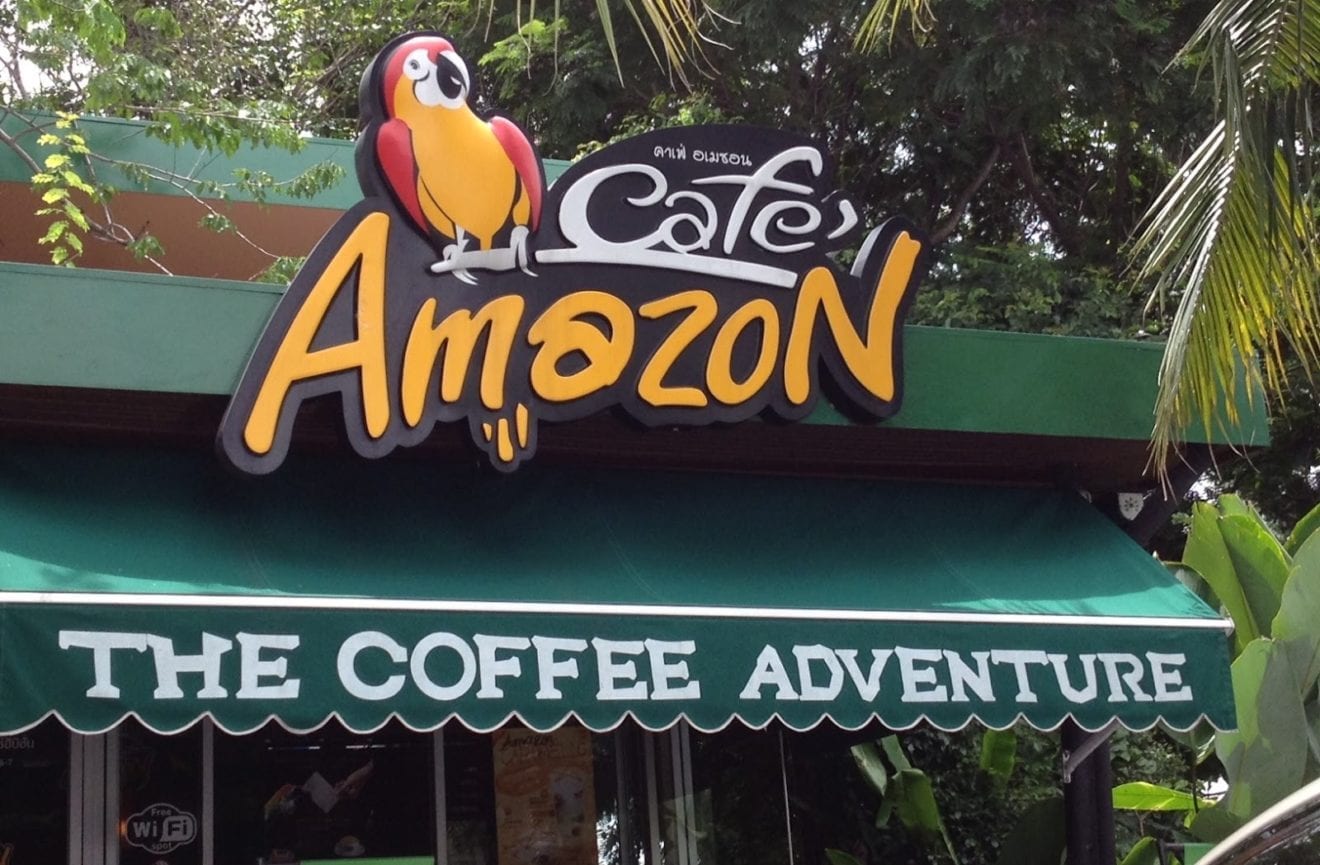
    Café Amazon has launched Amazon Fizzpresso across 7-Eleven stores in Thailand. The product brings zero-sugar sparkling ready-to-drink coffee to convenience shelves nationwide.

    Two fruit flavours lead the debut: Yuzu and Peach. Both combine carbonated water with instant coffee notes to mimic a coffee soda. Earlier sparkling coffees in Thailand stayed in specialty grocers at premium prices. 7-Eleven’s retail footprint will test whether the drink works as an everyday convenience purchase.

    Formulation and convenience distribution

    The Peach variant contains water, 0.53 per cent concentrated peach juice, and 0.38 per cent coffee powder. Sucralose and acesulfame potassium replace sugar to keep the drink low-calorie. Acidity regulators and standard preservatives round out the shelf-stable formulation.

    Selling through 7-Eleven gives the chain immediate access to thousands of high-traffic locations across Bangkok and provincial hubs. In grab-and-go coolers, the product competes directly against carbonated soft drinks, energy drinks, and traditional canned milk coffees.

    Regional push into fizzy brews

    Sparkling coffee has seen mixed consumer reception across Southeast Asia, though regional chains continue to back the format. Malaysian operator ZUS Coffee introduced its canned Coffizz line in Original and Zesty Lime variants in 2024. Those cans remain on retail shelves despite polarized early feedback.

    Independent roasters and smaller regional players have treated sparkling coffee as a novelty drink. Café Amazon brings the manufacturing scale of parent group PTT Oil and Retail Business. The real test is whether repeat purchases hold up in convenience chillers once initial curiosity fades.

  • Fairmont and Asset World Corp Open 474-Room Hotel in Bangkok

    Fairmont and Asset World Corp Open 474-Room Hotel in Bangkok

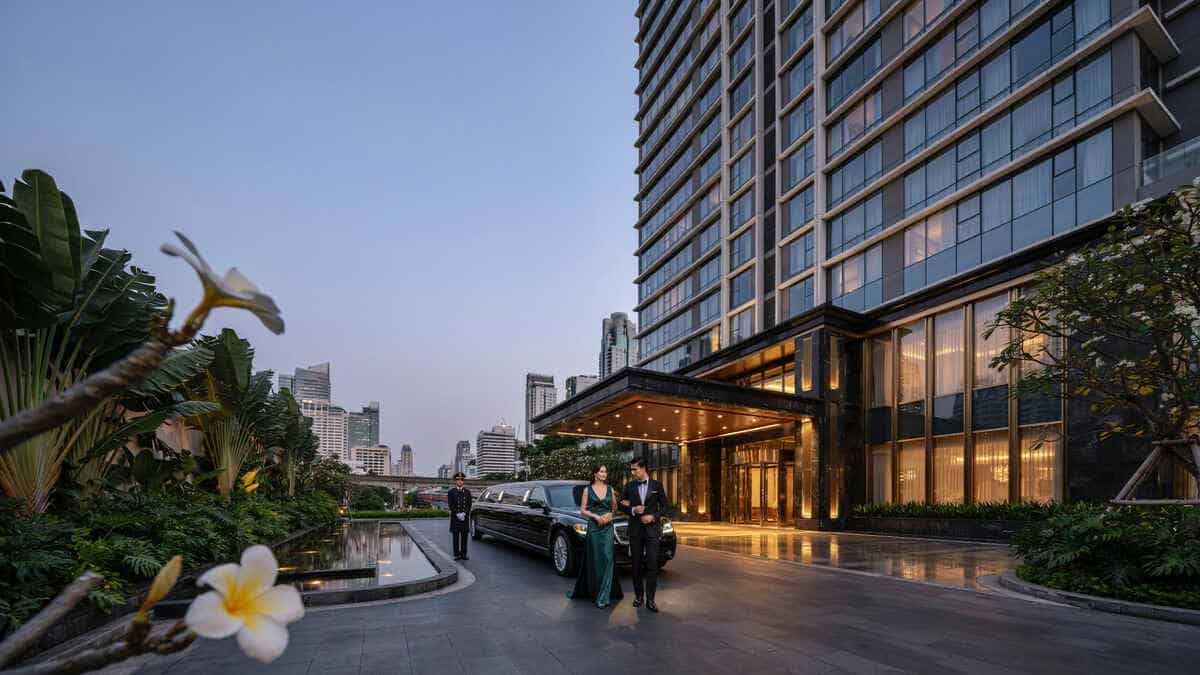
    Fairmont Hotels & Resorts and Asset World Corp have opened the 474-room Fairmont Bangkok Sukhumvit in Thailand. The property expands the luxury footprint of Accor’s heritage brand along Bangkok’s busiest commercial corridor.

    Located in the heart of Sukhumvit, the new property targets corporate travel, large-scale conferences and upscale leisure guests. Asset World Corp, the hospitality and property arm of Thai billionaire Charoen Sirivadhanabhakdi’s TCC Group, partnered with Fairmont to deliver the project.

    Sukhumvit pipeline gains scale

    Sukhumvit continues to draw major international operators. Hilton introduced its lifestyle banner nearby with the opening of the 174-room Canopy Bangkok Sukhumvit on Sukhumvit Soi 12, adding direct competition in the central retail and business district.

    Developers across Southeast Asia are accelerating high-end inventory deliveries. Luxury operators in Thailand are chasing high-spending regional visitors, relying on established global brands to lock in corporate accounts and loyalty program members.

    Regional network expansion

    The Bangkok addition mirrors broader hospitality development across Asia. Hilton opened the 170-room Conrad Nagoya in Japan with Mitsubishi Estate, while bringing its Tapestry Collection brand into Vietnam with the NHAAN Resort & Spa in Hoi An.

    Asset World Corp will monitor ramp-up metrics and room yield across its prime Bangkok portfolio through the upcoming high season.

  • Thai Exports Jump 21.6% in July on Surging Global Tech Demand

    Thai Exports Jump 21.6% in July on Surging Global Tech Demand

    Thai exports jumped 21.6 percent year on year in July, powered by surging international demand for artificial intelligence and technology hardware. Outbound shipments beat analyst expectations of a 17.75 percent increase, extending momentum from a 20.8 percent rise recorded in June.

    Data from the Ministry of Commerce showed imports surged even faster, climbing 36.7 percent during the month. That gap left Thailand with a monthly trade deficit of $3.61 billion, pushing the cumulative shortfall for the first seven months of 2026 to a record $34.35 billion.

    Tech demand fuels outbound shipments

    Shipments to the United States, Thailand’s largest export destination, increased 45.3 percent in July compared with the same month last year. Deliveries to China rose 15.2 percent. Across the first seven months of 2026, total exports gained 18.2 percent, following an overall expansion of 12.9 percent across 2025.

    Stronger tech orders prompted the Ministry of Commerce to raise its full-year export growth projection to more than 11 percent, up from an earlier target of 8 percent.

    Transshipment scrutiny and factory output

    The persistent gap between inbound and outbound volumes adds friction to Bangkok’s trade relationship with Washington. United States officials continue to monitor Thailand over transshipment risks, examining whether goods originating in China pass through Thai logistics channels to circumvent trade barriers. For regional supply chain operators, the expanding import volume shows how heavily Thai electronics and export assembly lines rely on foreign components.

    Domestic industrial activity showed modest recovery alongside trade flows. Thailand’s manufacturing production index rose 0.46 percent year on year in July, beating market expectations of a 1.0 percent drop and reversing a revised 2.4 percent decline in June.

    Factory output is now projected by the Ministry of Industry to expand 0.25 percent across 2026, trimmed from an earlier forecast range of 1.0 to 2.0 percent.

  • Moshi Moshi Lifts First-Half Profit 21.5% as Thai Network Expands

    Moshi Moshi Lifts First-Half Profit 21.5% as Thai Network Expands

    Thai lifestyle retailer Moshi Moshi increased its first-half net profit by 21.5 per cent to 352.83 million baht, driven by new store openings and stronger gross margins.

    Operating revenue rose 17.3 per cent year on year to 1,654 million baht across the six months, keeping pace with management’s annual growth target of 15 to 20 per cent.

    During the second quarter, operating revenue climbed 17.2 per cent to 956.1 million baht, while net profit gained 20 per cent to 161.86 million baht. Gross margin widened 140 basis points to 56.4 per cent. Same-store sales grew 4.0 per cent in the quarter, building on a 15.2 per cent jump in the prior-year period.

    The company operated 218 stores at the end of June, an increase of 37 outlets over 12 months. Most of Thailand’s 76 provinces and Greater Bangkok now host at least one location. Management plans 35 net new store openings for the full 2026 financial year, having completed roughly half that target by mid-year.

    Inventory Velocity and Mall Pipeline

    Product turnover drives customer traffic across the chain’s 13 merchandise categories, which span stationery, beauty, plush toys, apparel and home accessories. Moshi Moshi manages an inventory catalogue of more than 25,000 stock-keeping units and releases approximately 1,000 new items every month at accessible price points.

    Physical malls remain the core sales channel. Key landlords Central Pattana, Central Retail’s Robinson lifestyle malls, Berli Jucker’s Big C, and CP Axtra’s Lotus’s offer about 500 commercial sites nationwide. The company is also opening stand-alone outlets near some of Thailand’s 150 universities, including a campus branch at Chulalongkorn University in Bangkok.

    Wholesale revenue, which represents 11 per cent of total turnover, expanded at a slower rate during the half. Disruption from bridge construction near Bangkok’s Platinum Fashion Mall cut pedestrian traffic and limited tour bus access to the company’s wholesale unit. Digital channels accounted for just 3 per cent of total sales across Shopee, Lazada and TikTok.

    Regional Competition and Overseas Targets

    Domestic mall coverage will eventually hit saturation as Moshi Moshi fills out second-tier provincial cities and campus locations. Maintaining double-digit annual sales growth beyond Thailand requires entering neighbouring Southeast Asian markets with matching demographics.

    Competitors are already securing positions across the region. Singapore-based lifestyle brand Oh!some operates stores in Cambodia across three Aeon malls in Phnom Penh, runs outlets in Hanoi and Ho Chi Minh City, and trades from three stores inside Bangkok. For Moshi Moshi, replicating its format in Vietnam, Indonesia and Cambodia represents the logical next leg of expansion once Thai site availability narrows.

    The company continues store renovations and floor-space expansions across its domestic mall network while tracking toward its target of 35 net new store additions by December 2026.

  • Thai Ice-Cream Brand Hawell’s Put up for Sale for 165 Million Baht

    Thai Ice-Cream Brand Hawell’s Put up for Sale for 165 Million Baht

    Hawell’s founder Siripong Akkarasriyuk has put the Thai ice-cream chain up for sale for 165 million baht as he prepares to enter the Buddhist monkhood.

    The package covers seven rai of land, a production factory in Nonthaburi, recipes developed across 37 years, and the brand’s sole operating standalone outlet.

    What the 165 Million Baht Sale Includes

    Siripong announced the sale on Friday, offering a 5 million baht referral fee to anyone who secures a buyer. The assets bundled into the 165 million baht price tag include the Hawell’s trademark, operating licences, an office building, plant machinery, and proprietary formulas for both hard-scoop and soft-serve ice cream.

    The sale also comes with an expansion blueprint targeting 8.8 billion baht in annual revenue. That model requires rollouts across 300 soft-serve shops, 100 hard ice-cream stores, and 5,000 automated cup-dispensing machines nationwide, provided the incoming buyer secures capital within two years.

    From 22 Mall Stores to One Standalone Unit

    Founded in 1999, the brand opened its first branch at Central Pinklao and expanded to 22 mall locations within three years by positioning itself as an affordable, quality domestic alternative. Growth stalled when competing international and corporate-backed chains secured exclusive lease clauses with shopping centre operators, barring direct rivals from mall premises. The closures culminated in the shutdown of the original Central Pinklao branch in 2014.

    Retail landlords in Bangkok have long favoured well-funded conglomerate brands with exclusive tenancy covenants, squeezing independent operators out of prime foot-traffic corridors. Hawell’s pivot away from department stores toward standalone sites and automated vending mirrors broader efforts by local food operators across Southeast Asia to bypass mall lease restrictions and high occupancy costs.

    After opening a standalone restaurant in Bang Bua Thong in 2023, Siripong attempted to renegotiate entry into shopping complexes over the past two years without success. Having authored a book on Buddhist philosophy in 2016, he has committed to entering full monastic ordination within two years, making a complete transfer of the business his final operational deadline.

  • Ally Adds Collagen and Lifts Protein to 10G in Thailand Drink Relaunch

    Ally Adds Collagen and Lifts Protein to 10G in Thailand Drink Relaunch

    Thai functional beverage brand Ally has reformulated its Pro Fiber line in Bangkok, raising plant protein to 10 grams per bottle and adding collagen peptide.

    The updated ready-to-drink formula packs 20,000 milligrams of dietary fiber alongside psyllium husk to target digestive health and sustained fullness. Two new flavour profiles accompany the relaunch: Grape Berry, blending grape, blueberry, acai, and kale, alongside Apple Lemon, made with apple, pear, lemon, and kale.

    Upgraded formulation and new blends

    Ally originally launched the Pro Fiber line in 2025 with 8 grams of plant protein per unit. The revised 2026 iteration increases the protein dose extracted from pea and soy by two grams to support muscle maintenance while introducing marine collagen peptide aimed at skin hydration.

    Packaging changes reflect the formula shift. Psyllium husk, previously listed as a minor claim at the bottom of the bottle, now sits prominently on the front panel as a key functional selling point.

    Shift in convenience beverage positioning

    Thai beverage makers are packing multiple functional ingredients into single stock-keeping units rather than selling standalone protein or fiber drinks. Ally itself expanded into clear protein with creatine in May 2026 and rolled out ready-to-eat overnight oats in July 2026, building out a convenience-led functional nutrition portfolio in urban retail chains.

    Distribution continues across convenience store chillers and supermarket shelves in Thailand, where consumer uptake of high-fiber meal-replacement beverages will test whether multi-benefit RTD drinks can sustain premium shelf space against traditional dairy and juice competitors.

  • Blue Bottle Coffee Enters Thailand with Two Bangkok Cafes

    Blue Bottle Coffee Enters Thailand with Two Bangkok Cafes

    Blue Bottle Coffee will enter Thailand with two Bangkok locations developed alongside regional retail operator Valiram. The rollout at Dusit Central Park and the EmQuartier shopping mall follows the brand’s acquisition from Nestle by Chinese private equity firm Centurium Capital for less than $400 million earlier in 2026.

    Valiram is managing the Thai rollout after steering Blue Bottle Coffee’s entry into Singapore in 2024. The two companies are dividing the Bangkok launch across two distinct retail formats.

    Two Formats for Bangkok

    The Dusit Central Park cafe will operate as an open-format unit geared toward everyday foot traffic and core espresso drinks. The second site, at EmQuartier in the Sukhumvit commercial district, will serve as the brand’s flagship cafe in Thailand.

    That flagship will feature hand-brewed pour-overs, single-origin coffees and rotating seasonal menus. Both stores put the California-founded brand into direct competition with established specialty operators and international chains in Bangkok’s crowded cafe scene.

    Valiram Partnership and Centurium Ownership

    Blue Bottle Coffee already runs stores across Japan, South Korea, mainland China, Hong Kong and Singapore. Adding Bangkok extends its push into Southeast Asia under Centurium Capital, the private equity group that built Luckin Coffee into China’s largest coffee chain by store count.

    Valiram provides local operational muscle, bringing real estate relationships across luxury malls and transit hubs in the region. The group continues to handle store buildouts and staffing as the chain prepares to open doors at Dusit Central Park first before launching the EmQuartier flagship.

  • Thai Hypermarket Operators Face Slowing Growth Under Stiff Competition

    Thai Hypermarket Operators Face Slowing Growth Under Stiff Competition

    Thailand’s hypermarket operators face an uphill battle to expand as stiff competition and sluggish market momentum stall growth across large-format stores. The segment contends with difficult trading conditions where incremental gains require heavy operational effort against entrenched local rivals.

    Competition Slows Large Store Expansion

    Retail analyst Michael Baker reported that large-format grocery and general merchandise chains across Southeast Asia, led by Thailand, now operate in a grinding environment defined by slow forward momentum. Operators face intense rivalry that makes physical network expansion costly and difficult to sustain.

    Big-box retailers across the region have struggled to replicate past expansion rates as neighborhood formats, specialty retailers, and convenience networks pull shoppers away from suburban megastores. In markets like Thailand, where retail space per capita in urban centers is already high, winning market share requires squeezing efficiency out of existing floorspace rather than adding square footage.

    Market Headwinds Across Southeast Asia

    Large-format food and merchandise chains must resolve internal operating pressures while adapting store formats to retain foot traffic. Slower retail turnover across broad merchandise categories has forced chains to rethink store layout and inventory deployment.

    The next quarterly retail filings across Thai listed operators will show whether store rationalization and format downsizing can protect operating margins.