Tag: bangkok

  • Heytea Enters Thailand with Three-In-One Lab Flagship at CentralWorld

    Heytea Enters Thailand with Three-In-One Lab Flagship at CentralWorld

    Heytea opened its first store in Thailand at Bangkok’s CentralWorld on September 25, 2026. The launch brings its three-in-one Lab format to Southeast Asia for the first time.

    It gives the Chinese tea chain its third experimental Lab venue outside mainland China, following rollouts in New York and Toronto.

    Located on the first floor of CentralWorld in central Bangkok, the flagship combines a tea lab, a bake lab, and a gelato lab into a single retail unit. Customers order past open counters. Staff assemble teas, pastries, and ice creams in plain view of the floor. The store design takes cues from Thai floating markets, using curved timber joinery and boat-shaped counters across the dining area.

    Three formats under one roof

    Bangkok serves as the testing ground for teaAir, a proprietary foam preparation combining brewed tea, coconut, milk fat, and aerated texture. The chain launched the line with a Rock Oolong Jackfruit recipe. The drink blends oolong tea with jackfruit, papaya, and coconut bases.

    Next to the beverage bar, the bake lab sells localized pastries including a Thai Milk Tea croissant egg tart. The adjacent gelato section serves lime-infused Thai milk tea gelato. That puts its cold desserts in direct competition with established dessert cafes inside the mall.

    CentralWorld draws heavy foot traffic from Ratchaprasong commercial district office workers and downtown tourists. Heytea vice-president of communications and public relations Cheng Hao noted that the Thai capital combines high tourist volumes with consumers who scrutinize ingredient origins.

    “Bangkok is a global leader in trends. The heytea lab is designed for markets where consumers are not simply following trends but actively shaping them.”

    Battle for Southeast Asian tea market

    Heytea enters an entrenched field of domestic and regional tea operators across Bangkok’s prime shopping centres. CentralWorld already houses domestic giant ChaTraMue and Taiwanese boba chains. Chinese rival Mixue also competes nearby, targeting mass-market street locations on low price points.

    Deploying the capital-intensive Lab format rather than a standard kiosk targets premium spenders. The strategy relies on experiential dining and higher transaction values to offset prime retail rents in Bangkok’s top malls. For operators like Central Pattana, experiential food and beverage units generate steady daytime dwell time. Traditional fashion retail no longer delivers that traffic reliably.

    Suppliers in Thailand face tighter technical requirements as Chinese beverage brands import complex equipment and custom ingredient formulations. Meanwhile, regional operators must defend margin share. Well-funded Chinese chains continue to use cross-category merchandise, intellectual property partnerships, and proprietary drink textures to command price premiums.

    Ten years of retail evolution

    Founded nearly fifteen years ago, the business introduced cheese-foam tea to Chinese consumers before expanding across major metropolitan hubs. It created the experimental Lab concept in 2016 as a testing facility for new recipes, interior architecture, and retail formats.

    Management later took the Lab model overseas, opening standalone flagship sites at Times Square in New York and the Toronto Eaton Centre in Canada. Past brand marketing has relied on global partnerships with luxury house Fendi, artist Yayoi Kusama, and collectible toy maker POP MART.

    Bangkok now anchors the chain’s retail expansion across Southeast Asia. Management has not disclosed the number of secondary standard-format stores planned for the Thai capital. Real estate leasing teams and franchise partners will track sales productivity at CentralWorld through the final quarter of 2026.

  • Lay’s Thailand Launches 2 Unconventional Potato Chip Flavours

    Lay’s Thailand Launches 2 Unconventional Potato Chip Flavours

    Lay’s Thailand has launched 2 unconventional potato chip flavours across 7-Eleven convenience stores nationwide. The rollout introduces coriander and durian options to local snack shelves.

    Both items arrived in stores in September 2026 under the Lay’s Coriander Seasoned and Lay’s Durian Delight labels. Bright yellow bags house the durian crisps, designed to stand out against standard savoury snack lines in busy retail aisles.

    Convenience channel distribution

    Lay’s designed the coriander variant to mirror the savoury, aromatic profile of dishes cooked with fresh herbs. It provides a rich, savoury seasoning intended for easy snacking. Meanwhile, the durian edition releases a sweet, creamy aroma immediately upon opening, offering durian enthusiasts a crunchy chip format.

    Distribution relies entirely on the 7-Eleven retail network across Thailand’s provinces and urban centres. Placing the specialty runs directly into the country’s dominant convenience footprint secures maximum visibility at checkout counters.

    Regional taste experimentation

    Consumer fascination with coriander snacks across mainland China and Taiwan paved the way for the launch. Food manufacturers in East and Southeast Asia regularly use regional botanical ingredients for short-run flavour trials. These releases test shopper willingness to try unfamiliar profiles.

    Taiwanese snack makers have similarly tested experimental categories, including century egg crisps and fermented seasonings, to drive social media buzz and trial purchases. Durian remains an established flavour foundation in Southeast Asia. Even so, combining sweet fruit profiles with savoury potato bases continues to divide consumers.

    Portfolio risk and rotation

    Novelty flavours present distinct operational calculations for fast-moving consumer goods manufacturers and retail category managers. These limited batches rarely turn into permanent volume drivers. However, they generate valuable basket conversion when standard potato chip variants hit sales plateaus.

    Inventory risks mount quickly if repurchase rates drop after initial curiosity purchases fade. Convenience operators manage this exposure by running rapid stock rotations. They clear experimental stock before consumer fatigue sets in across key demographic clusters.

    Sales performance across Thai 7-Eleven branches will now determine whether the company pursues wider distribution across Southeast Asian convenience chains.

  • Thailand Absorbs 92 Billion Baht Deficit to Cushion Retail Fuel and Cooking Gas

    Thailand Absorbs 92 Billion Baht Deficit to Cushion Retail Fuel and Cooking Gas

    Thailand is subsidising retail diesel by 4.95 baht and gasohol by 4.20 baht per litre. The support has pushed the state energy fund into a 92.2 billion baht deficit.

    Cooking gas is capped at 423 baht per 15-kilogram cylinder through 31 October. That ceiling shields transport fleets, households and street food operators from volatile crude markets.

    Deficit Pressures on the Oil Fuel Fund

    Accumulated net losses at the state-backed Oil Fuel Fund reached 92.2 billion baht on 20 September. Higher crude prices drained cash as the fund held down retail caps on transport fuel and liquefied petroleum gas nationwide.

    Energy permanent secretary Prasert Sinsukprasert confirmed the ministry will avoid sudden market pass-throughs. If crude stays high, authorities will raise pump prices in small increments to ease pressure on the state ledger.

    Biofuel Shift and Targeted Tax Relief

    Future tax relief will focus on renewable blends rather than blanket cuts across all transport fuels. Finance Minister Ekniti Nitithanprapas said upcoming excise reductions will target gasohol E20 and biodiesel B20, both made from domestic agricultural feedstock.

    Gasohol E20 blends 20 per cent ethanol derived from local cassava and sugar cane. Biodiesel B20 uses 20 per cent palm oil methyl ester. Both fuels receive higher fund subsidies than lower-percentage blends, tying relief directly to farm earnings.

    What It Means for Retail and Fleet Costs

    For logistics fleets, delivery operators and restaurant owners, the subsidy keeps overhead predictable. Street food vendors rely on 15-kilogram LPG cylinders to protect daily margins, making the 423 baht cap critical for urban food pricing.

    This strategy creates a commercial preference for domestic biofuels over imported petroleum. Commercial fleet operators will find stronger financial incentives to switch trucks and delivery vans to B20 and E20 as taxes align behind local crops.

    Power Tariffs and What to Watch Next

    Power regulators will use the fuel tariff adjustment mechanism to manage utility bills against imported liquefied natural gas costs. They review the rate every four months to reflect actual fuel expenses and policy costs.

    Any excise tax cuts from the Energy and Finance ministries will take effect in fiscal 2027, starting 1 October. Before then, the retail price cap on cooking gas expires on 31 October.

  • Thailand Pivots Tourism Strategy to Target High-Value Visitors

    Thailand Pivots Tourism Strategy to Target High-Value Visitors

    Thailand has announced a pivot in its inbound tourism strategy toward high-value international travellers as of September 2026, dropping its long-standing pursuit of mass arrivals as visitor numbers struggle to reach pre-Covid levels.

    According to an analysis by Michael Baker, the Thai government is seeking to raise the demographic profile of its overseas visitors and spruce up the country’s international image.

    Targeting Quality Over Volume

    Marketing funds will now target higher-spending overseas visitors rather than mass-market volume. Across Asia, travel patterns are shifting under changing geopolitical conditions and government efforts to upgrade tourist spending.

    Total international arrivals still lag behind 2020 benchmarks. Instead of discounting package tours to fill hotel rooms and transport networks, state campaigns target visitors who spend heavily on premium hospitality, dining, and retail.

    Implications for Mall Operators and Brands

    Department store operators and luxury retailers in Bangkok and Phuket must now adjust customer acquisition. Upscale shopping centres could gain if basket sizes grow, even with footfall below historical peaks.

    Budget operators face steeper risks. Discount duty-free counters and mass souvenir chains rely on large tour groups for margins, leaving them exposed to sustained declines in passenger headcounts.

    Regional Shifts in Travel Demographics

    Destinations across Southeast Asia are fighting for the same affluent travellers. Thailand wants to lock in this spending base before rival hubs draw them away with flexible visa schemes and new luxury developments.

    Success depends on service quality and local infrastructure justifying higher trip expenses, especially as regional competition widens.

    Execution and Market Response

    Previous recovery drives relied on volume discounts to stimulate trade. Today, state tourism bodies and commercial partners must coordinate retail promotions, luxury offerings, and flight routes toward higher-yielding markets.

    Retailers and hotel operators are tracking quarterly per-visitor spending data to measure whether bigger individual receipts can offset the drop in total arrivals.

  • Thailand Rejects 5 to 10 per Cent Consumer Goods Price Hikes for October

    Thailand Rejects 5 to 10 per Cent Consumer Goods Price Hikes for October

    Thailand’s Department of Internal Trade has rejected manufacturer requests for 5 to 10 per cent price increases on essential consumer goods scheduled for October 1. Director-general Wittayakorn Maneenetr confirmed on September 24 that the agency refused to authorise the proposed increases across packaged groceries and household staples.

    Field inspections and supplier audits across major consumer goods manufacturers showed no formal approvals for pending price increases, according to the regulator. The department maintains active surveillance over 16 core consumer products, while the Central Committee on Prices of Goods and Services enforces statutory price caps across 59 controlled categories. These categories include meat, eggs, milk powder, tinned fish, seasonings, soap, shampoo, and washing powder.

    Promotions Rolled Back and Ceilings Tested

    Price increases felt by consumers in recent weeks stem from retailers pulling back promotional discounts rather than statutory ceiling adjustments. Brands have withdrawn multibuy promotions, including buy-one-get-one-free and buy-three-get-one-free deals, which returns shelf prices to their standard retail baseline without altering registered price caps.

    Manufacturers have also adjusted wholesale rates within previously approved statutory bands. A product with a 60 baht ceiling previously selling at 50 baht can shift to 52 or 55 baht without requiring fresh regulatory approval, though suppliers must still notify the department. Department officials stated that competitive pressures continue to discipline store shelves, as brands cutting promotions too aggressively risk ceding volume to discounting rivals.

    Input Pressures on FMCG Brands and Foodservice

    For fast-moving consumer goods suppliers, the refusal locks margins against persistent transport, packaging, and raw material cost inflation. Suppliers unable to lift base prices must either absorb higher overheads or rely on packaging redesigns to defend unit economics across modern trade channels. Retailers face thinner promotional support from suppliers, forcing grocers to balance footfall targets against lower co-marketing allowances.

    The margin squeeze extends directly into the foodservice sector. Sorathep Rojpotjanaruch, president of the Restaurant Business Club, projected selective 5 to 10 per cent menu price increases during the fourth quarter of 2026. Restaurants face steep seafood procurement costs driven by high fuel expenses alongside seasonal vegetable price spikes during the October and November rainy period.

    A Pattern of Incremental Surcharges

    Upward pricing pressure on Thai grocery shelves began building in April 2026 as manufacturers flagged higher energy, transport, and raw material outlays. Secondary price adjustments followed at mid-year, culminating in another round of supplier requests in mid-September.

    Field surveys recorded shelf price shifts across seasonings and staples, with monosodium glutamate rising by 5 to 10 baht per pack and 500-gram grain packets adding 10 baht. Wholesale chicken tenderloin moved from 100 to 105 baht per kilogram, while pork belly traded at 182.50 baht per kilogram and standard table eggs sold between 4.35 and 5.19 baht each.

    The Department of Internal Trade is now preparing joint retail discount programmes under the government’s Thais Help Thais scheme to curb fourth-quarter household living costs.

  • Bangkok Declares Disaster Zones Across All 50 Districts as Eastern Roads Submerge

    Bangkok Declares Disaster Zones Across All 50 Districts as Eastern Roads Submerge

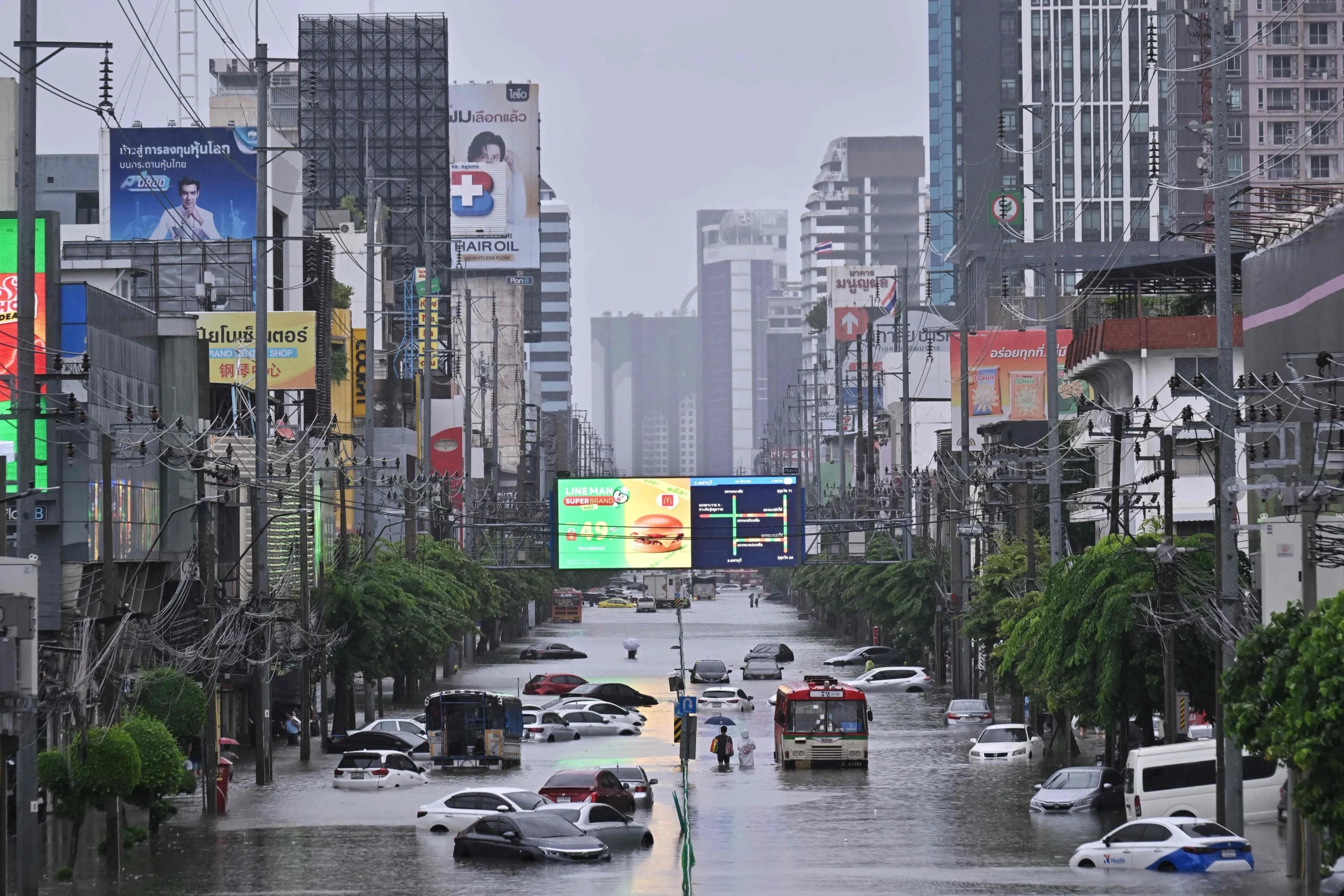
    Bangkok declared disaster zones across all 50 municipal districts after downpours dumped nearly 300 millimetres of rain on the eastern rim of the capital. The deluge flooded 15 major roadways.

    The declaration frees emergency city funding to clear transport blockages. These blockages have stalled commercial delivery routes and cut access to major retail corridors across eastern Bangkok.

    Rain began on Thursday afternoon and accelerated into the weekend. It overwhelmed drainage networks in Min Buri, Klong Sam Wa and Saphan Sung. Water levels reached waist depth at key junctions, including the Bang Kapi intersection near the Saen Saep canal. Runoff flowing south from neighboring Nonthaburi and Pathum Thani provinces worsened backlogs in primary drainage channels.

    Canal Networks Reach Capacity

    Bangkok Governor Chadchart Sittipunt confirmed that key canals in the eastern grid reached full capacity, including Saen Saep, Prawet Burirom, Lat Phrao and Prem Prachakorn. Overflow backed up into commercial side streets and market zones like Prachaniwet 1 in Chatuchak.

    In Lat Krabang district alone, more than 30,000 residents and business properties suffered direct flood damage. Street water reached 59 centimetres on Soi Senanikhom Road in Chatuchak, according to Drainage and Sewerage Department monitors. Lat Phrao 122 saw 54 centimetres, while Ngam Wong Wan Road at the Phong Phet intersection recorded 53 centimetres.

    We are trying to cope by pumping out floodwater, but all canals in eastern Bangkok are now full. People living near canals are at risk.

    Transport Gridlock Stalls Distribution

    Inundations hit critical logistics corridors linking central retail clusters to Suvarnabhumi airport and eastern manufacturing zones. Lat Krabang Road, Srinagarindra Road, Pattanakan Road and sections of Sukhumvit Road between Bang Na and Udom Suk saw prolonged traffic standstills. Water levels reached up to 46.6 centimetres at key intersections.

    Fleet operations halted on last-mile routes, forcing public transport operators to adapt. Commuter transit faced rolling delays. Commuter rail links including the Red Line suspended select services because of track submersion. To help drivers secure vehicles away from low-lying roads, major shopping complexes and transit stations opened elevated parking structures.

    For retailers and supply chain managers, the eastern Bangkok canal bottleneck is the primary operational vulnerability during the monsoon peak. Western Bangkok across the Chao Phraya River avoided major inundations. Eastern districts, however, hold a high concentration of suburban hypermarkets, distribution depots and residential consumer nodes.

    Logistics networks across the capital face persistent operational friction whenever rainfall exceeds 100 millimetres in a 24-hour cycle. Retailers with distribution hubs along Suwinthawong and Srinagarindra roads face recurring delivery rerouting costs whenever regional canals back up.

    Drainage Timeline and Recovery

    The Bangkok Metropolitan Administration mobilized heavy-duty pumps across affected districts and distributed sandbags from local municipal offices. Officials stated that standing water on major roads could drain within six hours once rainfall pauses. Mechanical pump faults along the Saen Saep canal slowed recovery efforts over the weekend.

    City Hall continues monitoring runoff coming down from central provinces. Municipal engineers are working to lower water levels in the Prawet Burirom canal network before the next weather front hits.

  • Thailand Resale Condo Transfers Surge 39 Percent in Second Quarter

    Thailand Resale Condo Transfers Surge 39 Percent in Second Quarter

    Thailand recorded a 39.4 percent year-on-year surge in second-hand condominium transfers in the second quarter of 2026, driven by buyers seeking affordable alternatives to costly new builds.

    Total transfer value for resale condos climbed 41 percent over the same period, making apartments the fastest-expanding segment in the country’s housing market, according to the Real Estate Information Center.

    Supply expanded in tandem with buyer activity. Listed resale condo inventory rose 25.2 percent year-on-year to 49,199 units during the quarter, while total listed value climbed 67.8 percent to 285 billion baht.

    Bangkok Captures Bulk of Secondary Trading

    Activity remained heavily concentrated in Greater Bangkok, which accounted for 42.3 percent of all secondary housing transfers and 47.4 percent of transaction value nationwide. Greater Bangkok saw 26,388 second-hand residential transfers, a 35 percent increase from a year earlier, with total value rising 29.4 percent to 59 billion baht. Bangkok proper alone recorded 13,910 transfers, up 38.7 percent, generating 38.3 billion baht in value.

    Condos outpaced all landed residential formats. Single detached house transfers rose 16.8 percent across the country, townhouses gained 24 percent, and semi-detached homes grew 22 percent. Resale condo volume expanded at more than double the pace of detached houses.

    Wage Lag Diverts Demand from Primary Projects

    The pivot to secondary properties reflects structural household constraints rather than a deficit of new construction. New home prices in Bangkok rose at a compound annual rate of 4.3 percent between 2012 and 2025, while labour wages grew just 2.8 percent over the same span, according to research by Krungthai Compass.

    That divergence is pricing first-time buyers out of newly launched developments in central locations. Resale properties offer established transit links and larger floor plans at discounts to primary launches, drawing cost-conscious buyers into older buildings.

    Mid-Priced Units Dominate Buyer Takeup

    Transaction growth clustered tightly around middle-tier price brackets. Units selling between 1.51 million baht and 5 million baht saw transfer volumes jump between 25 percent and 30 percent during the quarter. Condos priced between 2.01 million baht and 3 million baht captured 24 percent of total second-hand transaction value, the largest single share.

    Sub-1-million-baht properties generated 34.8 percent of all secondary unit transfers but represented only 10.2 percent of total market value. While entry-level transactions remain numerous, available stock in that bottom tier is shrinking. Secondary listings priced below 1 million baht fell 9.9 percent in unit count and 7 percent in total value during the period.

    Luxury Listings Expand as Primary Developers Pivot

    Upper-tier supply moved in the opposite direction. Secondary listings priced above 10 million baht jumped 32.4 percent by unit count and 39.6 percent in value, pushing total nationwide resale listing value up 24.9 percent despite a modest 6.1 percent gain in overall listed unit volume. Actual buyers, however, stayed concentrated in the affordable mid-market.

    Primary developers now face direct competition from older inventory in established corridors. With household debt high and borrowing capacity squeezed, builders can no longer rely on broad market expansion to absorb newly launched supply. They face sharper pressure to discount inventory and redesign upcoming pipelines around entry-level price thresholds.

    Krungthai Compass projects total secondary residential transfers in Bangkok will hit 195 billion baht by the end of 2026, accounting for roughly 40 percent of all residential property transfers in the capital.

  • HSBC Targets Thailand-Japan Corridor as FDI Stock Hits $104 Billion

    HSBC Targets Thailand-Japan Corridor as FDI Stock Hits $104 Billion

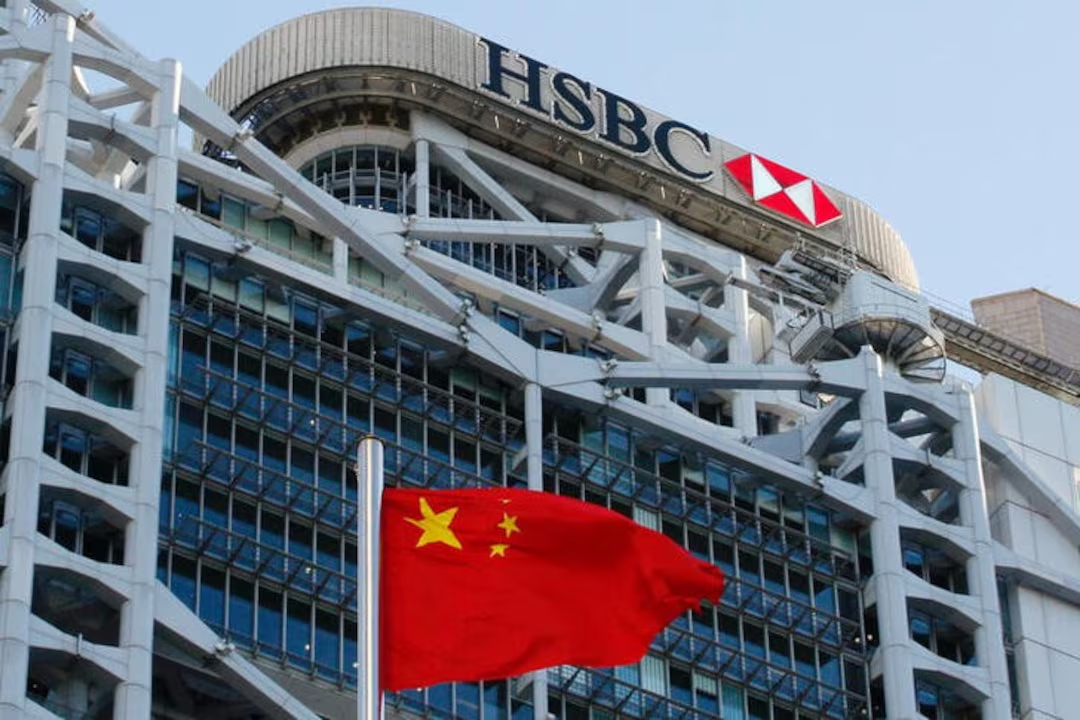
    HSBC expanded banking services across the Thailand-Japan corridor as Japanese foreign direct investment stock in the Southeast Asian economy reached $104 billion.

    Japanese capital represents more than a quarter of Thailand’s total foreign direct investment base, backed by more than 6,000 Japanese companies operating across the country.

    The push comes as Japanese corporations allocate fresh capital to Southeast Asian supply chains. Japanese firms invested $1.2 billion in Thailand in 2025 and committed another $1.1 billion through June 2026, targeting operations that serve both regional and global supply chains. Takeo Kaneko, chief executive and head of banking at HSBC Group Japan, visited Bangkok to meet commercial clients alongside Giorgio Gamba, chief executive and head of banking at HSBC Thailand.

    Shifting Capital Beyond Traditional Manufacturing

    Bilateral commerce between the two nations reached substantial volumes in 2025. Japan took $23.6 billion of Thai exports as Bangkok’s third-largest export destination and delivered $29.7 billion in goods as its second-largest source of imports. Trade between the two countries has more than tripled since 1998.

    Corporate investments are shifting away from basic assembly lines toward higher-value manufacturing and technology. Capital flows increasingly target electric vehicles, advanced electronics, smart appliances, digital infrastructure, and renewable energy transition projects. Both markets are pushing domestic industrial bases up the value chain to protect margins against rising labour costs elsewhere in Asia.

    For consumer brands and component suppliers, this migration changes factory floor requirements and vendor networks. Japanese automotive and electronics manufacturers in Thailand are retooling facilities for battery electric platforms and energy-efficient appliances, forcing local component vendors to meet stricter technological standards or risk displacement by regional competitors.

    Regional Networks and Multi-Market Expansion

    Kaneko’s Bangkok stop formed part of a regional tour covering Indonesia, Malaysia, Singapore, and Thailand. Japanese multinationals are no longer treating Thailand as a single standalone production outpost. Instead, corporate treasurers are linking Thai manufacturing hubs with logistics networks in Malaysia and regional treasury headquarters in Singapore.

    Managing operations across multiple Southeast Asian jurisdictions creates specific balance-sheet demands for corporate treasurers. Companies require cross-border cash pooling, trade finance, foreign exchange risk mitigation, and supply chain liquidity that function across multiple regulatory regimes simultaneously.

    What we are seeing now is a more complex expansion agenda: regional supply chains are being redesigned, technology and sustainability are reshaping production models, and companies are looking for partners who can support them across multiple markets, not just one.

    Long-Standing Ties and Industrial Reorganisation

    Decades of bilateral industrial integration laid the groundwork for the current investment volumes. Japanese automotive assemblers and consumer electronics groups began establishing Thai production clusters in the 1980s, turning the country into an export base for the broader Association of Southeast Asian Nations. HSBC has operated in both Japan and Thailand for more than 135 years.

    Commercial ties are expanding ahead of the 140th anniversary of formal Thailand-Japan diplomatic relations in 2027. Corporate treasurers and lenders are now tracking whether the $1.1 billion in commitments recorded in the first half of 2026 converts into completed factory retooling projects before year-end.

  • Thailand Targets $80 Billion in Semiconductor Investment by 2050

    Thailand Targets $80 Billion in Semiconductor Investment by 2050

    Thailand wants $80 billion in semiconductor investment by 2050 to build a domestic chip manufacturing sector, the Board of Investment announced on Thursday.

    Under the national roadmap, officials aim to generate $150 billion in annual revenue. The plan targets 230,000 technical jobs over the next quarter-century.

    Finance Minister Ekniti Nitithanprapas said the government will offer tax incentives, regulatory reforms, workforce training, infrastructure upgrades, and direct research funding to draw foreign chipmakers. The programme rolls out in stages. It starts with packaging and testing before advancing into wafer fabrication and integrated circuit design.

    Targeting Three Priority Technologies

    Bangkok designated photonics, power semiconductors, and sensors as priority subsectors. These categories feed into automotive electronics, industrial machinery, and artificial intelligence hardware. Thailand already maintains substantial export volume in these sectors.

    Local factories currently handle back-end assembly and testing, the lowest-margin link in the value chain. Moving upstream requires heavy capital expenditure. Industrial estates must now build cleanroom utilities from scratch.

    Supply Chain Realities for Southeast Asian Electronics

    For regional manufacturers and automotive supply chains, the roadmap alters the sourcing map across Southeast Asia. Car assemblers in the Eastern Economic Corridor have spent two years dealing with supply bottlenecks for specialised power management chips. Domestic fabrication plants would reduce component lead times for electric vehicle assembly lines and consumer tech exporters operating across ASEAN.

    Competition across the region is stiff. Malaysia holds an established lead in back-end packaging and advanced testing, while Singapore dominates regional wafer fabrication and Vietnam captures substantial front-end assembly investments. Thai officials bet that combining high tax breaks with domestic automotive demand will persuade global foundries to commit billions to local fabrication lines.

    Geopolitical Alignments and Investment Realities

    This policy push follows Prime Minister Anutin Charnvirakul’s July 2026 visit to China. Trade officials there discussed deepening bilateral industrial integration across electric vehicles and electronic hardware. Chinese state-backed industrial groups have expanded rapidly into Thai manufacturing estates, bringing price advantages and technical capacity while raising questions about supply chain concentration.

    The Board of Investment briefly withdrew its initial strategy statement on Thursday morning. It reissued the text without alterations to its headline capital and employment targets. Planners had faced scrutiny over whether the state budget could sustain long-term research subsidies alongside multi-year corporate tax holidays.

    The Timeline for Early Approvals

    State agencies will draft specific tax concession packages and workforce development grants for review by the cabinet. Next quarter, the Board of Investment plans to publish detailed application guidelines for advanced packaging and power semiconductor projects, establishing threshold capital requirements for incoming investors.

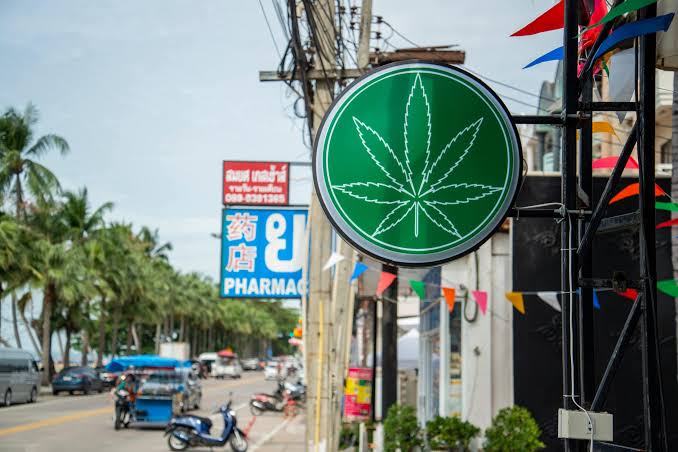
  • New Cannabis Bill to Shutter 50% of Khao San Dispensaries

    New Cannabis Bill to Shutter 50% of Khao San Dispensaries

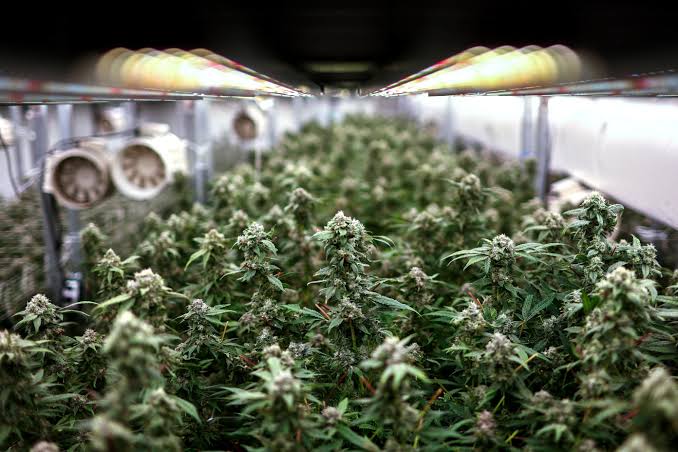
    A new cannabis control bill is expected to force more than 50 per cent of cannabis shops around Khao San Road out of business, according to Sanga Ruangwattanakul, president of the Khao San Road Business Association.

    The restriction requires dispensaries to employ medical personnel to prescribe the drug at stores, costing operators an additional 30,000 to 50,000 baht per month.

    Endorsed by the cabinet this week, the bill restricts cannabis use to medical purposes in an effort to close regulatory gaps following Thailand’s decriminalisation in 2022.

    Operating Costs Squeeze Small Dispensaries

    Hiring qualified medical practitioners presents a cost hurdle and a staffing deficit. Sanga Ruangwattanakul, president of the Khao San Road Business Association, questioned whether the country has enough qualified personnel to staff dozens of small tourist-facing dispensaries. Retailers unable to absorb the salary burden must pivot to other commercial trades or exit the street entirely.

    Local hospitality operators already face a soft market. Average hotel occupancy in the district slipped to 50 per cent during the third quarter. Forward accommodation bookings for the approaching peak season trail historical projections. That leaves landlords and shop owners with diminished footfall.

    Aviation Bottlenecks Hit Long-Haul Travel

    Geopolitical tensions in the Middle East continue to disrupt transit routes run by Gulf carriers. Those airlines supply the bulk of European long-haul backpackers heading to central Bangkok. Direct flight alternatives from other carriers carry steep ticket prices because of elevated jet fuel costs and limited seat capacity across Asian corridors.

    High airfares hit budget travellers hardest. Hostels and mid-tier accommodations dominate Khao San Road. Local businesses are directly exposed when visitors curtail trip spending or cancel itineraries altogether. Luxury properties in central Bangkok remain insulated by contrast.

    These circumstances severely hinder operators in the Khao San area as most of them are hostels or mid-range accommodations, meaning guests are price-sensitive, compared with premium or luxury properties in other parts of Bangkok.

    Enforcement Gaps and Black Market Risks

    Retail trade groups argue that strict store rules could push transaction volumes back into unmonitored channels. The business association previously pushed for designated tourism zoning rather than blanket clinical mandates. Licensed storefronts keep sales out of residential zones while protecting underage consumers, the group argued.

    Uncertainty over store inspections also clouds compliance. Numerous storefronts claim a medical transition. Operator groups warned that without robust physical enforcement, unregulated sales will persist while compliant shops shoulder the overhead.

    Decriminalisation Reversal Enters Final Stages

    Thailand removed cannabis from its Category 5 narcotics list in June 2022. The decision created a retail dispensary boom across Bangkok, Phuket, and Chiang Mai. The absence of comprehensive follow-up legislation left thousands of independent stores operating in a legal vacuum for four years.

    Parliament will now review the bill to establish statutory penalties and police enforcement powers against unlicensed distributors.

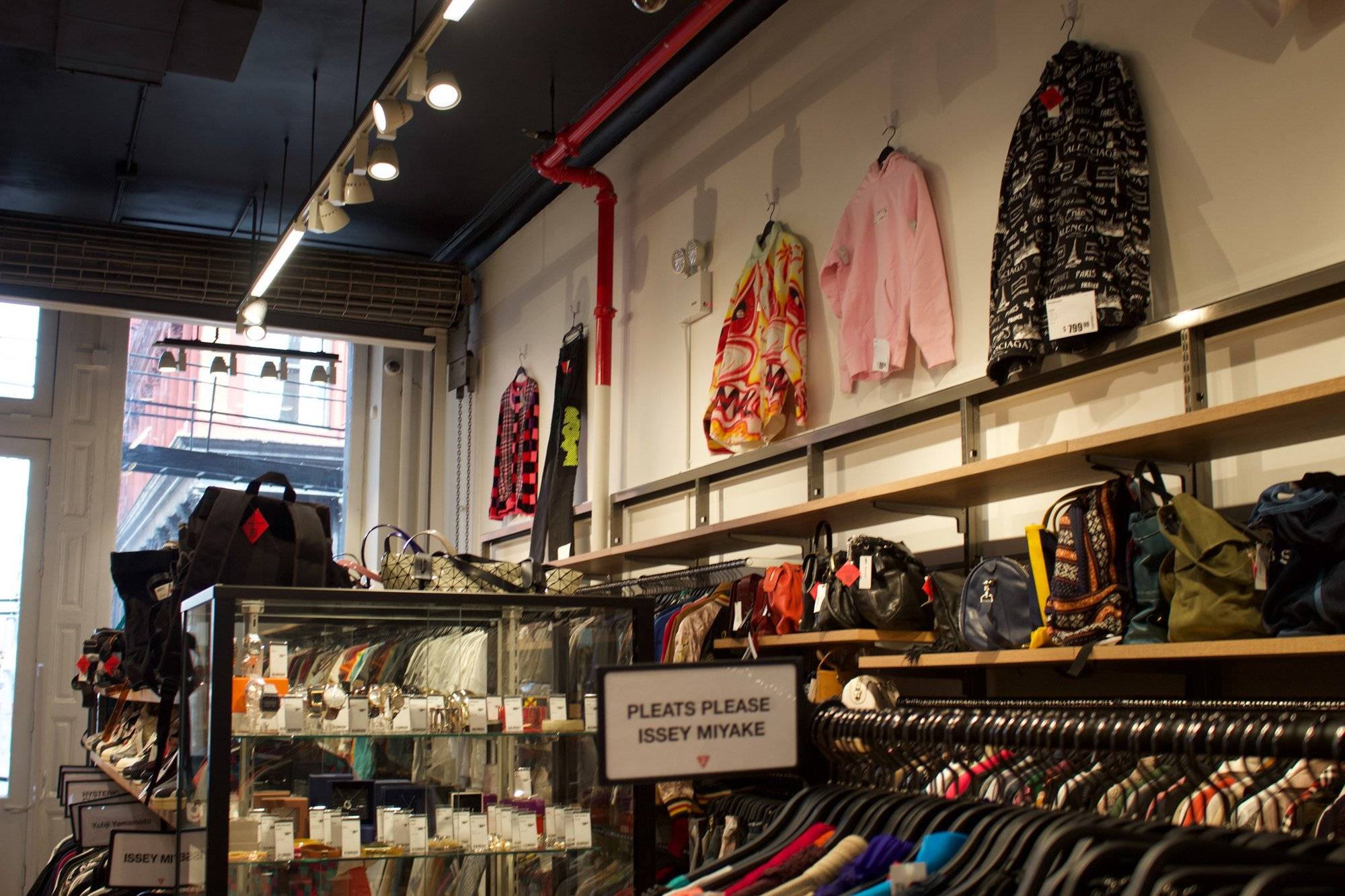
  • Second Street Opens 13Th Thai Store in Bangkok as Regional Network Reaches 111

    Second Street Opens 13Th Thai Store in Bangkok as Regional Network Reaches 111

    Second Street opened its 13th Thai store at Bangkok’s Siam Discovery mall on September 1. The launch advances parent company Geo Group’s plan to reach 111 regional outlets this year. Two more Bangkok locations will open before the end of December.

    The mezzanine floor site trades in curated used apparel and accessories in the city’s central shopping district. Adding the two upcoming Bangkok branches will expand the regional network across Thailand, Taiwan, Malaysia, and Singapore to 111 stores by the close of 2026.

    Expansion across four regional markets

    Geo Group focuses its overseas retail push on four Asian markets with steady foot traffic and sustained demand for Japanese second-hand goods. Taiwan holds the largest share of the regional store count. Malaysia, Thailand, and Singapore make up the rest.

    Southeast Asia’s clothing reuse sector remains fragmented between informal thrift vendors and peer-to-peer apps. Second Street places its shops inside high-traffic malls instead of street-level thrift alleys. It treats second-hand fashion as a formal department-store retail category.

    Mall positioning and luxury resale demand

    Securing prime commercial venues like Siam Discovery alters tenant economics for regional landlords. Department stores and lifestyle malls use curated vintage boutiques to draw younger shoppers who hunt for specific designer labels.

    Landlords gain steady rental income and consistent floor turnover from branded resale chains. Second Street relies on high customer volume. Its in-store buying counters give shoppers immediate cash or store credit for used designer items.

    Inventory sourcing and supply chain dynamics

    Running more than a hundred stores outside Japan requires a steady flow of inspected inventory. The chain relies on local trade-ins in Southeast Asian cities alongside imports from Geo Group’s collection network in Japan.

    Japanese stock carries strong buyer trust across the region due to strict anti-counterfeit standards in Japan. Sourcing counters in Bangkok and Singapore offset transport costs by buying clothes straight from local wardrobes.

    Targets for the year-end rollout

    Suburban shopping complexes housed the first batch of Thai branches before the company took units in downtown Bangkok. The Siam Discovery store puts the brand near major transit interchanges in the Pathum Wan retail belt.

    Two final Bangkok store handovers will wrap up in the fourth quarter of 2026, hitting the 111-store target across Thailand, Taiwan, Malaysia, and Singapore.

  • Thai Cabinet Approves Medical Cannabis Bill with 3-Year Licences

    Thai Cabinet Approves Medical Cannabis Bill with 3-Year Licences

    The cabinet on Tuesday approved a cannabis control bill that will restrict cannabis and its extracts strictly to medical treatment and research.

    Public Health Minister Pattana Promphat said the legislation represents Thailand’s third attempt to plug regulatory loopholes since the country decriminalised cannabis in 2022, aiming to prevent abuse and protect youth.

    Under the draft law, the cultivation, production, import, export and sale of cannabis will require three-year licences issued by the Department of Thai Traditional and Alternative Medicine, a regulatory shift expected to reduce the nation’s 11,000 dispensaries to about 2,000 approved clinics.

    Three-Year Licences and Strict Retail Zones

    Commercial operators face tightly restricted trading boundaries under the new framework. Dispensaries cannot operate near schools, university dormitories, temples, public parks, zoos or amusement parks, and retail transactions to buyers under 20 years old or pregnant women are banned entirely.

    Marketing channels will close as well. The bill outlaws all commercial advertising and promotional campaigns for cannabis buds, resin and consumption paraphernalia, penalising unauthorised commercial operators with criminal fines and prison terms.

    “This is to protect the health of people, especially children and youth, and prevent cannabis abuse,” said Public Health Minister Pattana Promphat.

    Clinic Conversions Squeeze Independent Operators

    For store owners, the shift from retail commerce to medical dispensing creates severe capital hurdles. Transitioning a lifestyle weed shop into a licensed health clinic requires retained medical staff, diagnostic oversight and clinical record-keeping systems that small operators cannot easily fund.

    Landlords in major entertainment districts face an immediate tenant shakeout. Prime commercial corridors in Bangkok, Phuket and Pattaya that filled vacant retail footprints with lifestyle dispensaries after 2022 will see substantial vacancy as uncertified storefronts exit the market.

    Supply Chain Realignment and Wholesale Pressure

    Growers and wholesale distributors must adjust output to pharmaceutical specifications rather than commercial recreational volumes. The requirement for three-year operating licences gives regulators direct control over production quotas and processing standards across local supply chains.

    Institutional healthcare networks stand to gain the market share surrendered by independent retailers. Hospital operators and licensed wellness clinics already possess the compliance infrastructure needed to handle regulated extracts and patient consultations.

    Legislative Route Since Decriminalisation

    The draft represents the third attempt by Thai lawmakers to regulate the sector since the government removed cannabis from the Category 5 narcotics list in June 2022. That move, overseen by current Prime Minister Anutin Charnvirakul during his tenure as health minister, eliminated criminal penalties without establishing statutory retail controls.

    Previous legislative efforts under both the Prayut Chan-o-cha administration and the subsequent Pheu Thai government under Paetongtarn Shinawatra stalled before reaching final enactment. The current bill cleared regulatory impact assessments and public hearings earlier this year before Tuesday’s cabinet endorsement.

    Parliamentary Debate Sets Three-Year Countdown

    Parliament will take up the draft legislation for readings and committee scrutiny before it passes into law. Public Health Minister Pattana Promphat estimated that the transitional clinic rules will reduce the country’s 11,000 storefronts to approximately 2,000 licensed medical operators over the three-year licensing cycle.

  • Thailand Extends 43 Billion Baht Consumer Subsidy Scheme for Two Months

    Thailand Extends 43 Billion Baht Consumer Subsidy Scheme for Two Months

    Thailand’s cabinet approved a 43 billion baht ($1.29 billion) consumer subsidy extension on Tuesday. The funding supports household spending through late November.

    Each registered recipient receives 1,000 baht ($30). That injects direct liquidity into local retail checkouts and neighbourhood merchants.

    Under the extension, the state covers 60 percent of eligible purchases. Daily government co-payments are capped at 200 baht per person. Finance Minister Ekniti Nitithanprapas confirmed the decision after a Bangkok briefing. He noted the scheme cushions shoppers against high fuel and living costs linked to Middle East instability.

    How the spending programme works

    Money for the extension comes from unused allocations in the state’s 400 billion baht borrowing programme, originally created for oil-price shocks. Shoppers must pay the remaining 40 percent of each transaction out of pocket. This requirement drives cash through checkout registers rather than letting recipients stash funds in savings.

    Daily caps spread spending across weeks rather than triggering a single-day rush. The 200-baht limit channels steady foot traffic into grocery stores, wet markets and small retailers. Demand centers on packaged food, personal care and household consumables.

    What it means for retail operators

    Suppliers of fast-moving consumer goods and national convenience chains gain a clear sales bridge into the fourth quarter. The co-payment model lifts sales for registered small merchants. In turn, it pulls business away from modern trade formats excluded from government vendor lists.

    Brand owners face promotional risks. Retailers stocking up on subsidised staples could see margins shrink if wholesale input costs stay high after state support ends.

    Earlier phases and growth projections

    An initial phase ran from June through September, giving 1,000 baht a month to roughly 40 million registered citizens. That rollout built the digital systems and merchant network now handling the November extension.

    Ekniti stood by projections that Southeast Asia’s second-largest economy will grow 2.5 percent this year. That matches the ministry’s July forecast. Growth depends on private spending holding up against external trade headwinds.

    The timeline through year-end

    Consumers must spend their allocated funds before the November 30 deadline, when unused balances lapse. Retailers and analysts will track October consumption data next to see if daily checkout volumes match the June-September run.

  • UOB Thailand Reaches 74.6 Billion Baht in Sustainable Financing

    UOB Thailand Reaches 74.6 Billion Baht in Sustainable Financing

    UOB Thailand extended 74.6 billion baht in cumulative sustainable financing through the end of 2025. The lender directed credit across contractors, corporate borrowers and commercial supply chains.

    That volume reflects a shift from broad environmental pledges to direct operational spending by local suppliers.

    Speaking at the Global Compact Network Thailand forum, UOB Thailand chief executive Richard Maloney said the bank is targeting practical industrial bottlenecks. Credit focuses on high electricity bills, aging factory boilers and chillers, vehicle fleet electrification and client-mandated carbon reporting.

    Targeting Supply Chains and Export Rules

    Thai suppliers face immediate operational pressure from export markets tightening compliance rules, including the European Union Packaging and Packaging Waste Regulation. To close those gaps, UOB has advised more than 1,800 local businesses through its Sustainability Compass advisory platform.

    Thamolwan Prougestaporn, senior vice president of ESG solutions at UOB, outlined a five-stage framework for small and medium-sized enterprises. Companies must understand sector-specific rules, measure current carbon baselines, set targets, execute factory changes and integrate sustainability into core operations.

    “A well-defined first project is easier to finance than an ambitious but vague five-year plan, and it builds the track that makes the next one, and the one after that, easier still,” said Maloney.

    Operational Hurdles for Factory Suppliers

    Capital access remains constrained by internal reporting limits across Thailand’s industrial base. Federation of Thai Industries representative Dr Saowanit Boonyasuwat noted that small enterprises often stall during loan underwriting. They run into complex compliance terminology, a lack of formal carbon audits, and an inability to turn energy audits into bankable loan applications.

    Industry bodies are now pairing with state-backed financing programs to standardize application channels. Thailand cannot hit its national net zero emissions targets without small manufacturing suppliers decarbonizing their shop floors.

    Data verification presents another test for regional exporters. Carbon analyst Soranee Achawanantakul pointed out that local firms need verifiable data records to prevent greenwashing claims. She advocated for transition credit frameworks modeled on Singapore, alongside bilateral government incentives to offset auditing costs.

    Financing Digital and Industrial Infrastructure

    Transition funding extends beyond factory equipment into heavy digital infrastructure. UOB arranged 7.3 billion baht in green credit for GSA Data Center 01, a joint venture between Gulf Development, Singtel and Advanced Info Service.

    The facility will run at 25.6 megawatts, engineered to LEED Gold green building standards. It serves as an operational template for commercial data centres running under severe power constraints across Southeast Asia.

    Longer-running bank programmes show similar measurable data. Since 2020, installations backed by the bank’s U-Solar programme in Thailand have cut more than 167,000 tonnes of carbon emissions across commercial and residential sites.

    The Compliance Test for Regional Trade

    Trade exposure will determine how quickly Thai manufacturers draw down transition lines. European supply chain audits and regional corporate procurement rules now mandate Scope 1 and Scope 2 emission disclosures from tier-two and tier-three component suppliers.

    For consumer brands and contract manufacturers across Bangkok’s industrial corridors, accessing low-cost capital requires audited energy baselines rather than high-level corporate pledges. The next test is how many mid-sized industrial borrowers convert initial energy efficiency loans into multi-year capital expenditure plans before regional carbon border rules take full effect.

  • Thailand to Enact New Postal Law by End of This Year

    Thailand to Enact New Postal Law by End of This Year

    The new postal law is expected to be enacted by the end of this year to address regulatory gaps and distortions in the rapidly expanding delivery and logistics market, according to Thailand Post president Dhanant Subhadrabandhu.

    The Digital Economy and Society (DES) Ministry, together with relevant state agencies, is revising the draft Postal Act nearly two years after drafting began to improve the regulatory structure and create an independent central regulator.

    Thailand Post is providing industry information and operational input to support the process, with Deputy Minister Nan Boonthidachai recently instructing officials to finish drafting the revised legislation within this year.

    Independent oversight for private carriers

    The core structural reform centres on establishing a neutral regulatory body to govern private and foreign-backed logistics companies. Thailand Post currently operates under specific state oversight while commercial rivals navigate fragmented rules without equivalent scrutiny. Creating a single regulator aims to align Thailand with standards used across European and Asian markets.

    Commercial carriers will compete under uniform licensing terms, service classifications, and pricing rules. The state postal operator will retain its baseline mandate to deliver universal social postal coverage nationwide, while private courier platforms handle merchant and consumer freight under the new commercial framework.

    Shifting dynamics across express delivery

    Price wars have destabilised Thailand’s parcel delivery ecosystem over recent years as venture-backed and regional express operators discounted shipping fees to secure volume from digital marketplaces. That aggressive discounting eroded transport margins across road freight networks. Establishing an independent watchdog creates a mechanism to penalise below-cost pricing and protect sector sustainability.

    For e-commerce platforms and merchant shippers, structured oversight will likely stabilise freight rates while raising operational compliance costs for discount couriers. Foreign-backed operators that scaled rapidly on lean administrative footprints will face formal licensing conditions, standardised reporting requirements, and clearer service liability rules.

    Two years of regulatory revisions

    Work on the postal legislation began nearly two years ago to replace an outdated legal framework that predated modern online shopping platforms. The amended bill completed public hearings under the previous administration before officials returned the draft for additional inter-agency review.

    Scrutiny during the review focused on three specific areas: the classification of express delivery categories, the composition and statutory powers of the regulatory committee, and the licensing structure for commercial operators. Deputy Minister Nan Boonthidachai instructed drafting officials to resolve those clauses to meet the year-end legislative schedule.

    Final terms before parliamentary review

    Final approval hinges on the working committee settling the formal scope of enforcement powers granted to the central postal regulator. Officials are scheduled to submit the finished draft of the Postal Act to the cabinet before December 2026, setting the stage for formal enactment across Thailand’s logistics market.