Tag: bangkok

  • Thai Headline Inflation Rises to 2.82% in September Below Market Forecasts

    Thai Headline Inflation Rises to 2.82% in September Below Market Forecasts

    Thailand’s headline consumer price index rose 2.82 per cent in September from a year earlier, driven by higher fuel and food costs across the country.

    The annual increase stepped up from 2.53 per cent in August but fell short of the 3.06 per cent rise projected in a Reuters market poll.

    Data released by the Ministry of Commerce on Tuesday showed the headline print remained within the Bank of Thailand’s official target range of 1.00 per cent to 3.00 per cent. Core consumer prices, which strip out volatile fresh food and energy expenses, climbed 1.50 per cent year on year against a forecast of 1.54 per cent.

    Ministry adjusts full-year price band

    Nantapong Chiralerspong, head of the ministry’s Trade Policy and Strategy Office, told a briefing that headline inflation will accelerate further in the fourth quarter. Officials expect the pace of price gains in October to exceed the September reading as seasonal patterns and distribution costs take effect.

    Recent regional flooding will have only a minor effect on consumer pricing across agricultural supply chains, Nantapong said. Taking flood damage into account, the ministry narrowed its full-year 2026 inflation forecast to a range between 1.80 per cent and 2.20 per cent, compared with an earlier projection of 1.50 per cent to 2.50 per cent.

    Margin pressure across consumer retail

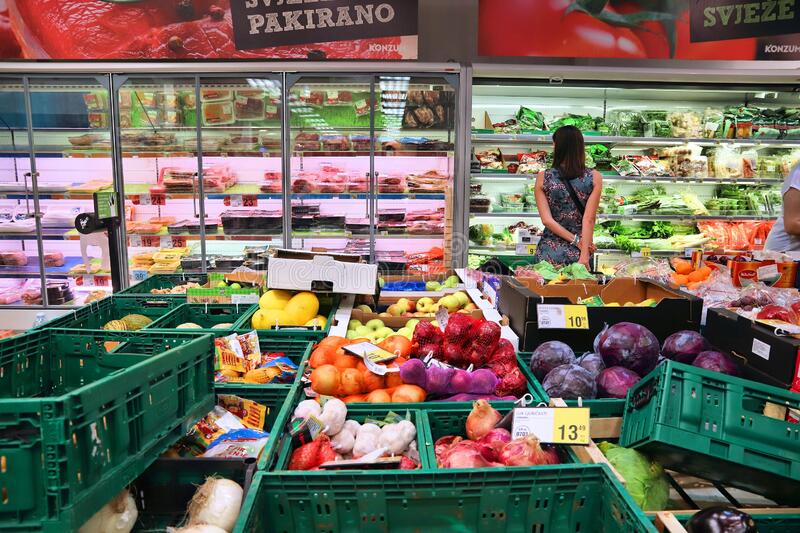
    For supermarket chains, convenience operators and food service groups in Thailand, the pickup in food and energy expenses tests gross margin buffers. Retailers face higher transport overheads while consumer demand remains sensitive to basket price increases at fresh markets and grocery aisles.

    Store operators that rely on imported staples or high-turnover packaged foods must absorb cost variations or risk losing volume to discount channels. The moderate core inflation rate indicates that underlying demand across discretionary categories is not overheating, limiting the pricing power of consumer brands.

    Central bank interest rate posture

    Subdued underlying price pressure gives monetary authorities room to support broader commercial activity without tightening borrowing costs abruptly. Higher retail lending rates would pinch consumer credit balances and stall store expansion plans for regional mall developers.

    The policy stance remains focused on stability as commercial lenders track household debt levels. Stable borrowing costs help mid-sized retail operators finance working capital and inventory requirements ahead of the peak year-end holiday shopping cycle.

    Monetary policy timeline

    Between January and September, headline consumer price inflation averaged 1.54 per cent across the Thai economy. That average sits in the lower half of the central bank’s target corridor, reflecting moderate price pressures over the first nine months of the year.

    Don Nakornthab, assistant governor at the Bank of Thailand, said last month that monetary policy is “very, very accommodative”. The central bank left its benchmark interest rate unchanged at 1.00 per cent during its monetary policy review in August.

    Rate setters at the central bank hold their next scheduled monetary policy review on October 28.

  • Thai Protesters Slam Foreign Companies as GDP Growth Slows to 1.9%

    Thai Protesters Slam Foreign Companies as GDP Growth Slows to 1.9%

    Thai activist groups staged protests in Bangkok against Chinese, Israeli and other foreign businesses accused of bypassing local ownership caps through nominee structures as quarterly growth slowed to 1.9 per cent in the second quarter.

    The pushback targets foreign entities operating in protected commercial sectors without direct statutory permits, prompting authorities to consider widening an ongoing enforcement campaign against proxy shareholding arrangements.

    Scrutiny on nominee corporate structures

    Demonstrators gathered outside foreign diplomatic missions, including the Israeli embassy, in October 2026, citing widespread evasion of foreign business limits and labor regulations. Under current corporate rules, foreign ownership in designated services, retail and agricultural sectors remains capped unless granted specific board exemptions or bilateral treaty waivers. Activists argue that overseas operators increasingly rely on silent local shareholders to secure operating control while running competing storefronts and logistics networks.

    Thai regulatory agencies have responded by reviewing business registrations in tourism hubs, retail districts and agricultural centers. Investigators examine voting rights, dividend distributions and bank accounts to identify enterprises where domestic shareholders act merely as legal fronts for overseas capital.

    Commercial tension across local supply chains

    For international operators and regional suppliers, heightened scrutiny on corporate structures raises immediate compliance hurdles. Foreign retailers, distributors and franchise networks operating through joint ventures must prove authentic domestic capital participation or risk sudden operational halts and corporate deregistration. The risk sits directly with joint-venture operators that structured majority-local equity on paper while retaining sole operational and financial authority.

    Local merchant groups continue to press trade authorities for tighter enforcement, arguing that foreign-backed entities flood consumer channels with subsidized imports and operate unlicensed supply chains. This pressure complicates commercial expansion for regional businesses seeking market entry through fast-tracked partnership arrangements.

    Slowing domestic momentum and investment friction

    The regulatory tightening coincides with a broader deceleration across the domestic economy, where second-quarter economic expansion reached only 1.9 per cent due to higher energy expenses and soft tourism receipts. A shifting public mood tests the country’s historic reliance on foreign commercial investment to support private sector employment.

    Yet capital inflows into capital-intensive industries remain elevated. Total investment applications filed with authorities climbed 37 per cent during the January to June period, propelled by data centers and advanced manufacturing projects that operate under statutory promotional exemptions rather than local proxy setups.

    Enforcement reviews expand into commercial hubs

    Scrutiny follows earlier municipal sweeps against foreign-operated wholesale markets and agricultural supply firms that used local nominees to trade goods reserved for Thai nationals. Commercial enforcement teams have since expanded document audits across hospitality and retail districts in Bangkok, Chiang Mai and Phuket.

    Commercial registries and enforcement agencies are now set to audit registered corporate shareholding structures across high-risk service sectors, with initial compliance findings expected before year-end.

  • Bangkok Luxury Home Prices Surge 75% over Past Decade

    Bangkok Luxury Home Prices Surge 75% over Past Decade

    Bangkok luxury home prices climbed 75 percent over the past decade. That outpaced value gains across premier residential markets including Singapore, Hong Kong and Los Angeles.

    Data compiled by Savills Research shows the Thai capital delivered faster ten-year capital appreciation than gateway cities like Sydney, Paris, Berlin and Miami.

    Prime residential prices in Bangkok average roughly $12,000 per square metre, or 404,000 baht. That sits far below Singapore at $25,400 per square metre and Hong Kong at $51,300 per square metre. Tokyo averages approximately 1.13 million baht per square metre, while Seoul stands near 703,000 baht.

    Valuation Gaps Across Asian Gateways

    This pricing spread keeps Bangkok accessible for regional capital seeking prime assets at a discount to traditional financial centres. A high-end condominium in Bangkok trades at less than half the square-metre rate of comparable real estate in Singapore. That gives private wealth desks room to pitch value plays to overseas buyers.

    Yield profiles also support the market. Bangkok luxury properties generate an average gross rental yield of 3.8 percent, ranking second across the Asia-Pacific region. This gives institutional landlords an income cushion that higher-priced gateway cities cannot match.

    Mid-Year Correction Tests Developer Pricing

    Market momentum hit resistance during the first half of 2026. Luxury residential sale prices and rents in Bangkok both dropped by more than 5 percent during the six-month period, according to Savills data.

    The pullback followed price adjustments across several large development completions, alongside softer purchasing demand from domestic buyers facing broader economic headwinds. Developers that loaded pipelines with ultra-luxury units now face prolonged inventory absorption cycles. That is forcing selective discounting in core central business district locations.

    Foreign Wealth and Tourism Inflows

    Recent softening follows an aggressive run for prime rental stock. Luxury residential rents in Bangkok jumped 15.4 percent in 2024. That surge was driven by incoming foreign high-net-worth individuals, expatriate relocations and a full-scale rebound in Thailand’s hospitality and tourism industry.

    Cross-border demand has kept occupancy steady in branded residences and prime riverfront projects. That shielded institutional landlords from the steeper occupancy drops seen in mass-market suburban condominium blocks.

    Inventory Pipeline and Absorption Targets

    Asset managers are now tracking second-half 2026 sales transaction figures to assess whether the 5 percent price slip represents a temporary correction or a broader structural reset. The key test arrives as major mixed-use developments along Rama IV and the Chao Phraya riverfront deliver their final residential phases through early 2027.

  • Toyota and Honda Halt Thai Production as Floods Cause $38M in Losses

    Toyota and Honda Halt Thai Production as Floods Cause $38M in Losses

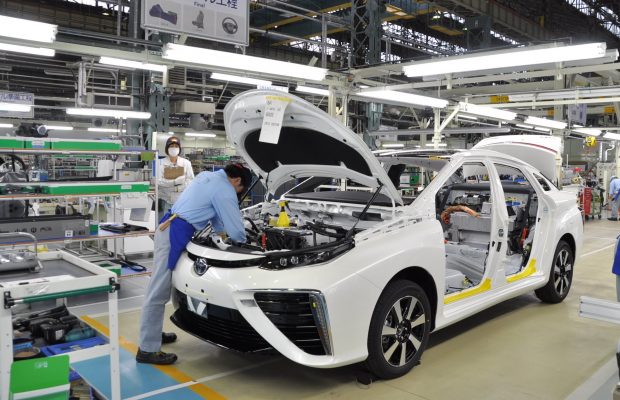
    Toyota Motor Thailand and Honda Automobile (Thailand) have temporarily suspended vehicle production at all their assembly plants in Thailand as severe flooding disrupts transport routes and parts deliveries.

    The disruption followed accumulated rainfall of more than 320mm in three days, leaving major transport corridors heavily flooded and preventing suppliers from reaching assembly lines.

    Honda Shuts Ayutthaya And Prachin Buri Lines

    Honda Automobile (Thailand) suspended vehicle production at its Prachin Buri and Ayutthaya plants from October 2 to 6 after suppliers in Chonburi and Rayong provinces were hit by flooding, cutting off component deliveries.

    Koji Iwanami, president and chief executive of Honda Automobile (Thailand), confirmed the target restart timetable while granting emergency leave to affected facility staff.

    “The company has temporarily suspended vehicle production at the Prachin Buri and Ayutthaya plants from Oct 2 to 6 because parts suppliers have been unable to deliver components required for vehicle production after being affected by flooding, particularly in Chonburi and Rayong provinces,” Iwanami said.

    Plant managers plan to introduce overtime shifts once lines restart to clear model order backlogs and recover lost output.

    Toyota Halts Four Thai Assembly Facilities

    Toyota Motor Thailand ceased work across its three primary manufacturing plants in Samut Prakan and Chachoengsao, alongside affiliate facility Toyota Auto Works. The company runs the Samrong facility in Samut Prakan together with the Ban Pho and Gateway plants in Chachoengsao.

    Submerged access routes broke the parts delivery cadences needed to support Toyota’s just-in-time production system. Plant managers are scouting alternate logistics bypasses and assessing inventory buffers to restart operations once floodwaters drain.

    Supply Chain Bottlenecks Expose Tight Logistics

    The manufacturing halts show how little inventory cushion exists in Southeast Asia’s primary automotive export hub. When arterial roads connecting the Eastern Economic Corridor’s parts cluster in Rayong and Chonburi get blocked, assembly lines outside Bangkok stall within hours regardless of plant floor safety.

    Car manufacturers in Thailand remain heavily exposed to single-route logistics risks. While suppliers upgraded localized drainage barriers after historic monsoon disasters in past cycles, external transport corridors between provinces remain vulnerable to acute flash flooding.

    Industrial Losses Mount Across Fifteen Provinces

    Federation of Thai Industries data show that flooding between September 24 and September 30 hit Bangkok and 14 surrounding provinces, affecting roughly 40 per cent of member operations in flooded districts. The group calculated preliminary losses of at least 1.018 billion baht ($38.7 million) across automotive assembly, parts suppliers, machinery damage, damaged vehicles and lost factory shifts.

    Industrial estates across Chonburi absorbed the bulk of direct supplier delays. Toyota and Honda are watching municipal drainage rates on key industrial arteries ahead of Honda’s scheduled production restart on October 7.

  • NBTC Board Resolves to Clear Backlog in 30 Days

    NBTC Board Resolves to Clear Backlog in 30 Days

    Six commissioners of Thailand’s National Broadcasting and Telecommunications Commission met without chairman Sarana Boonbaichaiyapruck on Friday. They pledged to clear an accumulated regulatory backlog within 30 days.

    It was the board’s first formal gathering since July. Twelve previous attempts had collapsed without a quorum because commissioners boycotted proceedings over the chairman’s disputed legal standing.

    Twice-weekly schedule to tackle stalled files

    Five commissioners attended the Friday session in person, while one joined by videoconference. Rather than voting on specific policy measures, the group established an operating schedule to process pending industry cases. Members agreed to meet twice a week throughout October. They targeted Wednesdays and Thursdays to work through accumulated files.

    Board members appointed Suphat Suphachalasai to preside over Friday’s meeting. For future sessions, they plan to select a presiding officer meeting by meeting. The members scheduled their next two gatherings for Oct. 6 and Oct. 8.

    Legal dispute surrounding the board chairmanship

    Dr Sarana, a cardiologist, has contested his removal since July. That was when an NBTC selection panel determined he lacked the qualifications to serve. An investigation concluded he continued to receive compensation for external medical work after joining the regulatory agency. That violated statutory prohibitions against commissioners holding outside paid employment or engaging in conflicting commercial activities. The commission’s chairmanship pays 450,000 baht a month in salary and official allowances.

    Citing a Central Administrative Court ruling, the selection panel ordered Dr Sarana to cease performing official functions within seven days of receipt. The panel transmitted that directive to the regulator’s offices on Sept. 30.

    Enforcement risks for commercial operators

    Sarana rejected the validity of separate board sittings. He argued that regulatory meetings must strictly adhere to administrative rules so subsequent rulings remain legally enforceable. An NBTC official speaking on condition of anonymity warned that resolutions approved without the official chairman could face challenges in administrative courts, given that Dr Sarana still claims statutory authority to convene formal meetings.

    For mobile network operators, broadband providers and digital media groups in Thailand, split leadership at the regulator prolongs uncertainty over licensing approvals, spectrum allocation and merger compliance monitoring. Corporate compliance officers must now balance the risk of implementing decisions that opposing factions may challenge in court.

    Administrative pressure on internal staff

    Commissioner Pirongrong Ramasoota defended the board’s independent action, stating that the regulator operates on collegial authority where royal appointment grants all six members equal legal weight. Meeting minutes from Friday’s session will head directly to the NBTC administrative office for execution.

    Pirongrong said: Everyone has equal rights under the law. She added that agency personnel who refuse or fail to carry out administrative instructions under the governing statute could face disciplinary or legal penalties.

    Agency staff must now decide whether to execute the resolutions submitted from the Oct. 6 and Oct. 8 sessions while Dr Sarana’s seven-day response window under the Sept. 30 panel directive elapses.

  • Est Thailand Adds Cotton Candy Mango and Black Coco to Soft Drink Lineup

    Est Thailand Adds Cotton Candy Mango and Black Coco to Soft Drink Lineup

    Thai soft drink brand est rolled out two carbonated flavours in Thailand. It added Mamuang Cotton Candy and Black Coco under its Explore Something New promotional banner.

    Both SKUs are stocked exclusively through Lotus’s hypermarkets and Lotus’s go fresh convenience outlets across the country. Distribution began in late September 2026.

    Flavour profiles and retail distribution

    The Mamuang Cotton Candy variant combines Nam Dok Mai mango flavouring with spun-sugar confectionery notes. Est paired the tropical fruit profile with high carbonation. The recipe targets younger shoppers who buy sweet beverages.

    Black Coco takes a different route, drawing on local roasted coconut profiles. Est markets the sparkling beverage as a darker, aromatic alternative to standard coconut water and coconut milk drinks.

    Shelf space competition in modern trade

    Beverage makers in Thailand rely heavily on short-run novelty flavours to defend shelf share against multinational giants Coca-Cola and Pepsi. Limited editions rotate rapidly through modern convenience networks. They drive foot traffic and immediate basket additions without requiring permanent changes to factory bottling lines.

    Buyers at convenience chains prefer these fast-turning SKUs because they encourage impulse purchases among Gen Z consumers. Inventory velocity remains the main risk. If a novel taste profile misses shopper expectations, leftover cans require steep markdown discounts within eight to twelve weeks.

    Rotation cycle for novelty carbonated drinks

    This launch follows a series of seasonal tests by est over the past eighteen months. The bottler released Est Shoot Salty Lemonade in June 2026. That came after it introduced the est Glow Edition in October 2025 and repackaged est Cola with brown sugar in March 2025.

    Store managers will track early sell-through rates across Lotus’s go fresh stores over the final quarter of 2026. Those numbers will decide whether to extend the run into independent grocers.

  • British Brand Hunter Opens First Thailand Flagship at IconSiam

    British Brand Hunter Opens First Thailand Flagship at IconSiam

    British heritage brand Hunter opened its first flagship boutique in Thailand on September 25, 2026, setting up shop inside Bangkok’s riverside IconSiam shopping centre.

    The retail site features the Scottish company’s complete product line, spanning its classic rainwear range alongside seasonal apparel and accessories. Founded in Scotland in 1856, the label made its name on vulcanised rubber Wellington boots before building out a wider lifestyle catalogue.

    Flagship layout and aesthetic

    Hunter designed the Bangkok interior with oak-inspired timber finishes, mint accent tones and natural greenery. The layout uses the brand’s signature red palette across key fixtures, drawing visual references from rural British coastal and countryside scenery.

    Merchandise on the floor includes the core waterproof boots that established the brand, alongside bags, outerwear and travel gear. Carrying the full range in one dedicated space allows the company to present itself as a comprehensive lifestyle label rather than a seasonal rubber boot specialist.

    Prime placement at IconSiam

    Securing space inside IconSiam gives the label direct exposure to high-spending domestic shoppers and international tourists. The riverside complex remains one of Bangkok’s premier luxury and premium lifestyle destinations, attracting heavy foot traffic across its retail floors.

    For mall operator Siam Piwat, adding a legacy British name strengthens its outdoor and casual footwear mix against competing upscale developments along Sukhumvit. Premium lifestyle brands continue to bid for prime ground and lower-level floor plans across Bangkok’s top retail properties.

    Tropical market dynamics

    Selling heavy-duty rainwear in a tropical Southeast Asian climate comes with specific operational demands. Bangkok’s prolonged monsoon season drives practical consumer demand for durable waterproof footwear and water-resistant bags, but styling must suit humid weather rather than cold northern European winters.

    The store’s inventory mix must balance heritage rubber boots with lighter footwear, lightweight apparel and everyday commuter accessories. Retailers that adjust regional assortments to local weather patterns protect sell-through rates and limit inventory markdowns.

    Regional brand expansion

    Hunter’s Bangkok launch follows years of shifting distribution across Asia-Pacific markets, where brand operators have sought deeper direct-to-consumer relationships. Establishing standalone brick-and-mortar stores allows the company to control brand presentation and pricing discipline better than wholesale distribution channels.

    Retail watchers will monitor sales momentum at IconSiam through the final quarter of 2026 to see whether Hunter adds concession counters across Central Group and The Mall Group department store networks in Bangkok.

  • Mini-Supermarkets Challenge Southeast Asia’s Large Food Formats

    Mini-Supermarkets Challenge Southeast Asia’s Large Food Formats

    In October 2026, neighbourhood convenience chains are driving deeper into provincial Southeast Asia, pulling daily food spending away from large-format hypermarkets as small-box networks expand across rural farming communities.

    The push into lower-tier population centres shows how compact grocery footprints now compete directly with destination retail hubs across markets such as Thailand.

    Rural Demand Shifts to Local Doors

    In farming hubs like Duan Yai in southern Sisaket province, where roughly 5,000 residents anchor the surrounding agricultural trade, consumer demand for modern retail is outstripping local physical supply. Shoppers in the district currently travel 10 kilometres west to Bu Sung, a town of 10,000 people, to access the nearest 7-Eleven branch.

    That distance illustrates the remaining runway for convenience operators. The appetite for modern trade in smaller towns creates immediate footfall whenever corporate operators consider new postcodes.

    Format Pressure on Destination Stores

    Large grocery formats built their business models on weekly car trips and high average basket sizes. Mini-supermarkets and convenience operators upend that calculation by positioning fresh staples and daily packaged goods within minutes of residential clusters.

    For regional operators, smaller floor plans lower upfront capital expenditure, shorten opening timelines and reduce exposure to mall lease cycles. The operational challenge shifts entirely to logistics density and cold-chain route efficiency across secondary highways.

    Supply Chains Adapt to Fragmented Stops

    Servicing fragmented rural stores requires automated replenishment schedules and higher delivery frequencies per route. Distributors that fail to match the delivery cadence of corporate convenience networks lose shelf space to direct operator contracts.

    Suppliers must also tailor packaging formats to smaller baskets, swapping bulk family packs for single-serve items and everyday portion sizes suitable for local farm workers and rural households.

    Network Density Decides Format Winners

    Convenience networks in Thailand have steadily filled urban corridors and are now systematically mapping tier-three administrative subdistricts. Each new branch in a secondary town cuts into the trade radius of the nearest regional commercial centre.

    Network expansion now hinges on whether store operators can maintain gross margins on rural logistics routes as store density spreads into districts with fewer than 10,000 residents.

  • Thai Airways Shares Slide 3.3% as Bangkok Floods Disrupt Airport Operations

    Thai Airways Shares Slide 3.3% as Bangkok Floods Disrupt Airport Operations

    Thai Airways International shares fell 3.31 per cent on Wednesday. Severe ground handling failures at Suvarnabhumi Airport left 5,600 passenger bags stranded across three days.

    That drop followed a 1.63 per cent slide on Monday. Acute staff shortages wiped out market value while triggering flight delays, cancellations, and intense public backlash.

    Chief executive Chai Eamsiri publicly apologised for the operational breakdown and set a 72-hour target to clear the backlog. Severe flooding across Bangkok prevented staff from reaching Suvarnabhumi. That crippled ground operations, leaving thousands of travellers without luggage while official communication stalled.

    Ground handling breakdown rattles investors

    Flight capacity was curbed for two to three days while Thai Airways managed the baggage backlogs. Krungsri Securities analyst Dithanop Vattanawakin warned the disruption will generate immediate one-off expenses. These include passenger compensation, overtime wages, and outsourced ground staff fees, alongside revenue losses from grounded aircraft.

    Yuanta Securities analyst Teerat Taranapipnun noted the incident hurts near-term equity sentiment. However, the direct financial drag will stay contained if flight operations normalise quickly as floodwaters recede across the capital.

    High season window tightens for flag carrier

    For regional airlines, the final three months of the calendar year generate crucial passenger revenue as tourism peaks across Southeast Asia. Carriers typically run fleet maintenance during the slower second and third quarters. That ensures every available aircraft enters service in October.

    A prolonged breakdown puts Thai Airways at a sharp disadvantage against regional competitors like Singapore Airlines and low-cost carriers expanding capacity into Bangkok. If baggage chaos and crew shortages persist, international tour operators and business travellers will divert traffic to rival regional hubs.

    Back-office weaknesses surface after restructuring

    Operational bottlenecks exposed persistent structural vulnerabilities inside the carrier as it handles peak-season traffic volumes. Suwat Sinsadok, managing director and head of research at Globlex Securities, pointed out that lingering state-enterprise administrative rigidities continue to hamper rapid adjustments during external shocks.

    Broader weather-related transport disruptions across central Thailand have compounded the luggage crisis. Thai Airways had already suspended cargo intake earlier in the week after floodwaters disrupted supply chains and hit automotive manufacturing facilities outside Bangkok.

    Deadlines for operational recovery

    Aviation analysts give the airline a one-to-two-week window to restore service stability before booking patterns for the critical fourth quarter suffer permanent harm.

    Management must now clear the remaining stranded bags and restore scheduled ground shifts before international flight schedules expand for the winter peak.

  • Thailand Backs Small Modular Reactors in 50,000MW Clean Energy Push

    Thailand Backs Small Modular Reactors in 50,000MW Clean Energy Push

    Global Power Synergy Plc signed an agreement with South Korea’s Korea Hydro & Nuclear Power to evaluate small modular reactor technology as Thailand targets 50,000 megawatts of clean energy.

    The pact covers potential investment, operations and maintenance for advanced units generating up to 300 megawatts each, roughly one-third the size of conventional nuclear plants.

    Sirimet Leepagorn, president and acting chief operating officer of GPSC, said the power generation arm of PTT Plc is preparing for reactor development to cover long-term grid demand. The technology assessment aligns with Thailand’s 2026 Power Development Plan, which requires clean capacity to expand beyond 50,000 megawatts to reduce dependence on imported liquefied natural gas.

    State agencies build nuclear partnerships

    Thailand’s state utilities are testing multiple international designs rather than committing to a single vendor. The Electricity Generating Authority of Thailand, tasked with developing the country’s initial pilot project, recently signed a feasibility study agreement with the US Trade and Development Agency covering American reactor designs.

    Egat also maintains a nuclear collaboration agreement signed with China National Nuclear Corporation in 2024, alongside a human resources and technology exchange pact signed with South Korea’s KHNP in June 2025. The Office of Atoms for Peace held separate discussions over the past two years with Chinese state affiliates regarding both land-based modular reactors and floating nuclear power units.

    Private capital eyes floating reactors

    GPSC previously branched out into alternative compact cooling systems. The company signed a 2024 agreement with Denmark-based Seaborg Technologies, now operating as Saltfoss Energy, to study compact molten salt reactors deployed on floating power barges. Those units use liquid salt fuel instead of solid fuel rods and are built in commercial shipyards before towing to coastal industrial sites.

    For heavy industrial power consumers and data centre operators across Southeast Asia, modular nuclear plants offer round-the-clock baseload electricity without carbon emissions or the land footprint demanded by solar farms. The economic viability hinges on capital expenditure per kilowatt, with commercial units still needing to prove cost parity against combined-cycle gas turbines running on regional fuel supplies.

    Regulatory roadmap and local suppliers

    Higher Education, Science, Research and Innovation Minister Yodhachanat Wongsawas, who heads the Nuclear Energy for Peace Committee, confirmed the panel approved a regulatory structure based on International Atomic Energy Agency standards. The cabinet roadmap focuses on drafting statutory legislation, expanding engineering education, setting spent fuel storage policies, and qualifying domestic industrial suppliers for component manufacturing.

    The policy push aims to shift Thailand from an equipment buyer into a regional service provider for specialized nuclear supply chains across Southeast Asia. Neighboring markets including Indonesia, the Philippines and Vietnam are assessing similar modular proposals to replace aging coal-fired fleets over the next decade.

    What to watch in the development cycle

    Regulators are drafting the statutory legislation required before state agencies can issue commercial site licenses or commission pilot reactor construction. Energy planners expect public hearings on the 2026 Power Development Plan and the pilot site selection study to determine the timeline for Thailand’s first operational reactor unit.

  • Over 1,500 Telecom Leaders Gather in Bangkok for Telecoms World Asia 2026

    Over 1,500 Telecom Leaders Gather in Bangkok for Telecoms World Asia 2026

    More than 1,500 telecommunications executives gathered in Bangkok on 27 October 2026 for Telecoms World Asia 2026 to address how operators can turn network scale into profit.

    The two-day conference, held at the Centara Grand and Bangkok Convention Center at CentralWorld, brings together mobile network operators, MVNOs, wholesalers, regulators, and technology companies from across Asia and international markets.

    Terrapinn Managing Director (Asia) Paul Clark noted that the region’s industry has reached a critical inflection point, with more than 130 leaders speaking across five tracks and over 120 exhibitors showing network platforms and infrastructure solutions.

    Monetising Generative AI and Advanced Networks

    Day One opened with an executive panel assessing whether generative artificial intelligence can generate direct commercial returns for carriers rather than inflating software costs. Speakers included Telekom Malaysia Group Chief Executive Amar Huzaimi Md Deris, XLSMART President Director and Chief Executive Rajeev Sethi, Circles.Life Chief Revenue Officer Sanjay Kaul, and Jazz Chief AI Officer Hamza Khokhar. EQator Director Jayanth Nagarajan moderated the session.

    Network evolution remains a major operational challenge across Southeast Asia. Average revenue per user remains compressed across the region, even with heavy capital outlays on spectrum and fiber backhaul. Vodafone Business International President Bhupinder Singh delivered an address examining execution gaps on the path from standalone 5G to 5G-Advanced deployments.

    APAC’s telco industry is at a critical inflection point. The operators, regulators, and technology leaders gathering in Bangkok this week know it better than anyone, and Telecoms World Asia 2026 is where the most senior voices in Asian telco come to move beyond the conversation and into action.

    Autonomous Networks and Executive Reorganisation

    Sessions on Day Two address structural operating changes required to integrate automated tools into network management. Telkom Indonesia President Director and Chief Executive Dian Siswarini, True Corporation Head of Corporate Strategy Tarit Nimmanwudipong, Axiata Group Head of Cyber Security Suresh Srinivasan, and Deutsche Telekom Managing Director Asia George Aprane join a keynote panel on executive restructuring models. APTelecom Co-Founder Sean Bergin moderates.

    China Telecom Chief Engineer Xinhua Shao presents technical frameworks for self-evolving autonomous networks. These architectures handle dynamic traffic routing and automated maintenance at scale. Title sponsor China Telecom leads regional carrier participation alongside Gold sponsors CommScope, China Mobile International, Equinix, NTT DATA, Plume, Tejas Networks, and Yango Tech, with lanyard sponsorship from China Unicom Global.

    Read-Across for Asian Carriers and Enterprise Tech

    Regional operators face a structural margin squeeze. Consumer mobile broadband yields are flattening, while enterprise cloud migration demands ongoing infrastructure spending. Thai host operator True Corporation and regional groups Axiata and Telkom Indonesia are reallocating capital away from pure base-station density. They are pivoting toward enterprise software integrations and wholesale managed services.

    This shift alters the commercial balance for enterprise technology suppliers and data center operators across Southeast Asia. Carriers demand clear payback periods on AI compute integration before committing to large-scale vendor licenses. That forces enterprise suppliers to structure contracts around verifiable operational cost cuts rather than speculative consumer revenue growth.

    Shifting Capital Deployment Strategies

    Debates in Bangkok follow two years of regional operator consolidation. Major carrier mergers in Thailand and Indonesia aimed to curb destructive price competition. Those balance-sheet combinations provided short-term cash-flow relief. However, carriers now face the reality that consolidated market share alone cannot offset the high capital costs of next-generation infrastructure.

    Mobile operators from Bangladesh, Cambodia, India, Indonesia, Japan, Laos, Malaysia, Myanmar, Pakistan, the Philippines, Singapore, Sri Lanka, Taiwan, and Thailand are reviewing commercial terms for shared wholesale infrastructure and enterprise private networks. The key metric to watch across participating carriers through the next reporting cycle will be non-mobile enterprise revenue as a share of total corporate earnings.

  • Heavy Rains Trigger Bangkok Flooding and Disrupt Tourist Travel

    Heavy Rains Trigger Bangkok Flooding and Disrupt Tourist Travel

    Torrential downpours triggered widespread street flooding across Bangkok on Sunday, snarling traffic on key arterial roads and disrupting travel plans for thousands of international visitors.

    The gridlock halted surface transit corridors across the capital, prompting the Chinese Embassy in Thailand to issue an official travel notice.

    Transport Snarls Across Key Districts

    Intense monsoon rainfall overwhelmed drainage channels across multiple low-lying municipal sectors during the afternoon peak. Waterlogged road surfaces forced buses, taxis, and ride-hailing fleets into hours of standstill traffic, stalling access to major shopping complexes and riverside tour departure points.

    The embassy advisory urged Chinese nationals and tourists to exercise caution, monitor municipal weather bulletins, and plan transit routes with substantial buffer times to avoid missed flights and stranded excursions.

    Operational Pressure on Retail and Hospitality

    Sudden municipal inundations deliver an immediate check to daily footfall for street-level retail strips, open-air night markets, and ground-floor food and beverage operators. While enclosed elevated transit networks like the BTS Skytrain maintain passenger throughput, surface-dependent consumer venues experience immediate dips in evening patron volume during severe rain events.

    Hotels and travel operators in flood-prone zones have had to reroute guest transfers toward rail connections to bypass submerged road junctions. For logistics operators delivering fresh provisions and retail stock across the metropolitan core, delivery schedules faced multi-hour delays across central business districts.

    Drainage Readiness and Seasonal Pressures

    Late September routinely represents the height of Thailand’s wet season, testing the operational capacity of Bangkok’s municipal pump stations, retention basins, and drainage tunnels. Previous seasonal storms in recent years have demonstrated that even short bursts of localized precipitation can overwhelm secondary road networks before floodwaters recede into the Chao Phraya River basin.

    City administration crews deployed mobile pumping assets across recurrent flood hotspots to clear primary thoroughfares ahead of the weekday morning commute.

    Travel Monitoring and Weather Outlook

    Regional transport operators and consular authorities continue tracking meteorological forecasts across the central plains through the remainder of the monsoon cycle. Tourism operators are advising inbound travelers to rely primarily on elevated rail links and real-time municipal traffic maps until road drainage stabilizes across outer districts.

  • Vietnamese Brands Target Thai Supermarkets to Drive 25 Billion Dollar Trade Goal

    Vietnamese Brands Target Thai Supermarkets to Drive 25 Billion Dollar Trade Goal

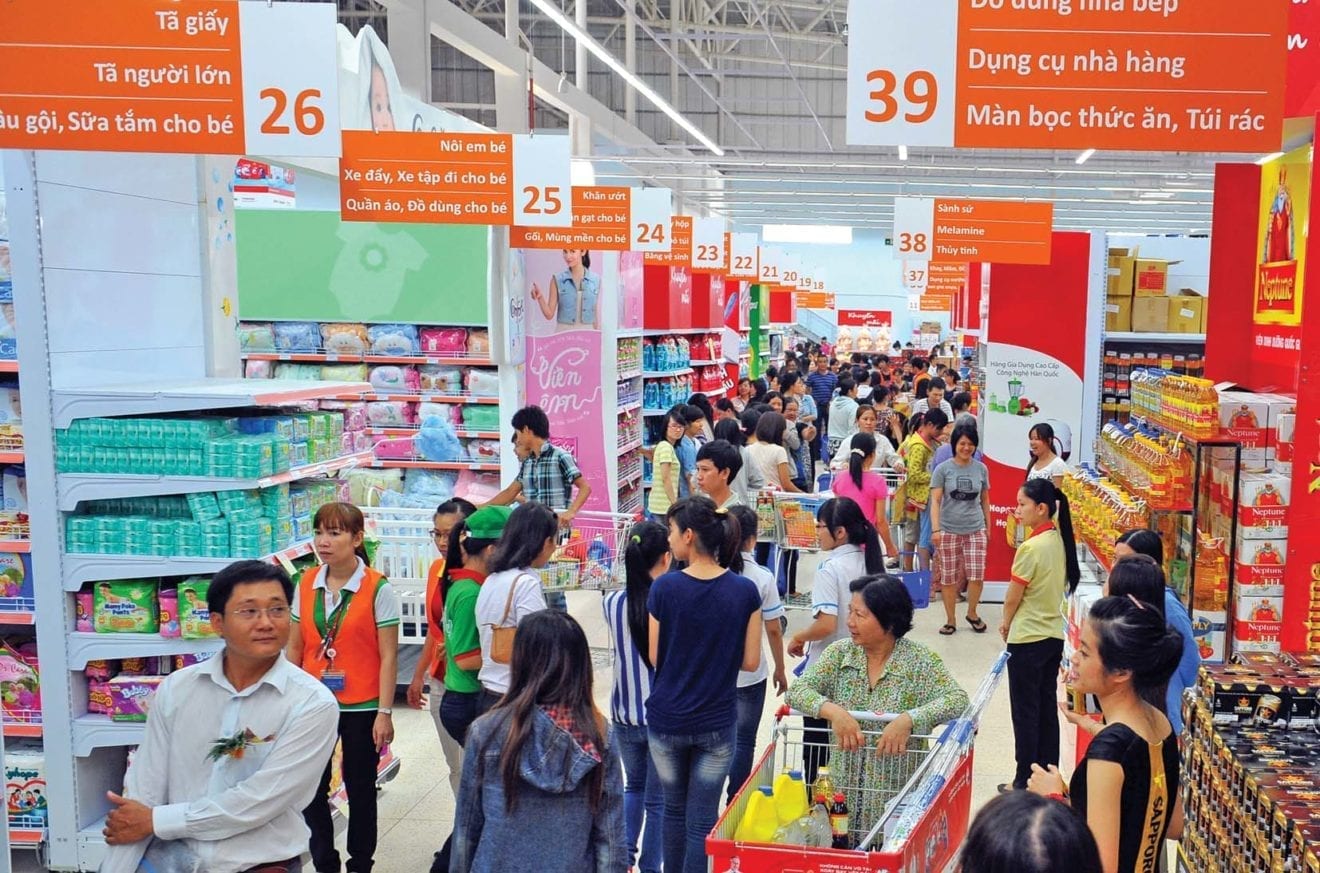
    Vietnamese consumer brands wrapped up a Bangkok retail show on September 20, chasing shelf space across Thailand. Two-way trade between the nations hit a record 22.1 billion dollars.

    Both governments want annual trade to reach 25 billion dollars. Hitting that target requires Vietnamese manufacturers to turn low-margin bulk crops into finished, branded goods for modern retail shelves.

    Thailand is Vietnam’s top trading partner in ASEAN, and Vietnam ranks second for Thailand. Proximity keeps shipping costs and transit times well below long-haul routes to Europe or North America. That makes Thai chains an accessible testing ground for regional packaged goods.

    Shifting from Bulk Crops to Packaged Goods

    Central Retail acts as the primary conduit through its Vietnamese Week exhibitions and sourcing networks. Central Retail vice president of Vietnam trade promotion Paul Le noted that suppliers are shifting away from basic raw crop exports. They are moving toward finished products with upgraded packaging, dedicated branding, and local regulatory certifications.

    Securing hypermarket shelf space does not guarantee sales velocity. Buyers demand that foreign suppliers fund their own on-ground marketing and understand price elasticity against established local brands. Suppliers must also align promotional calendars with regional holiday shopping cycles.

    “The handshake is only the first step. Businesses need to take responsibility for promoting their own products and making them visible in the target market. A product placed among thousands of others in a supermarket cannot attract consumers without proper marketing.”

    Provincial authorities in Vietnam are restructuring local supply chains around foreign supermarket specifications rather than domestic farm output. An Giang Province, an agricultural hub in the Mekong Delta, is aligning cooperatives with Central Retail. The goal is to establish consistent volume, commercial traceability, and international food safety standards before starting export runs.

    Local Adapters and Product Tailoring

    Trade officials in Da Nang curated specialized items for the Bangkok event, including packaged Ngoc Linh ginseng, instant Mi Quang noodle bowls, and roasted coffee. The city now subsidizes export-grade packaging design. This helps local processors meet Thai import rules on nutritional labelling and shelf life.

    Coffee roaster Ban Me Gold demonstrates how private labels manage regional segmentation. The company already ships to the United States and South Korea, and develops tailored variants for Japan, Dubai, and Malaysia. For Southeast Asian lines, it packages traditional metal drip filters with ground beans. It also tweaks roast profiles and packaging language for each market.

    Niche producers face a longer path through technical import barriers. Sinh Duoc Cooperative, a personal care maker based in Ninh Binh, spent a decade securing ASEAN cosmetic compliance, US FDA registration, and ISO 22000 food safety certifications. It finally presented herbal soap lines to Thai retail buyers this month.

    Cross-Border Distribution Realities

    Regional consumer goods flows are shifting structurally across Southeast Asia. Thai retail operators such as Central Retail and CP Group have spent billions acquiring store networks across Vietnam. That gives them bilateral use: they source Vietnamese specialty goods for Thai stores while filling Vietnamese aisles with Thai manufactured items.

    Suppliers relying solely on domestic distributors risk margin compression as modern retail expands into Tier 2 and Tier 3 Vietnamese cities. Partnering with cross-border supermarket chains provides volume scale. However, producers must absorb slotting fees, mandatory discounts, and strict return policies that eat into gross margins.

    Small-scale producers face real danger if they expand factory capacity without guaranteed re-orders. A seasonal promotion in Bangkok does not guarantee permanent listing status. Undercapitalized producers remain vulnerable if secondary sales lag behind local Thai incumbents.

    The Next Steps for Regional Trade

    Hanoi’s Ministry of Industry and Trade is steering its Go Global trade program toward digital marketplace integration and cross-border logistics partnerships. Bilateral discussions between Hanoi and Bangkok now focus on streamlining customs clearance and sanitary inspections for packaged food items to drive trade toward the 25 billion dollar milestone.

  • Suvarnabhumi Airport Adds 122 Automated Gates in Bangkok

    Suvarnabhumi Airport Adds 122 Automated Gates in Bangkok

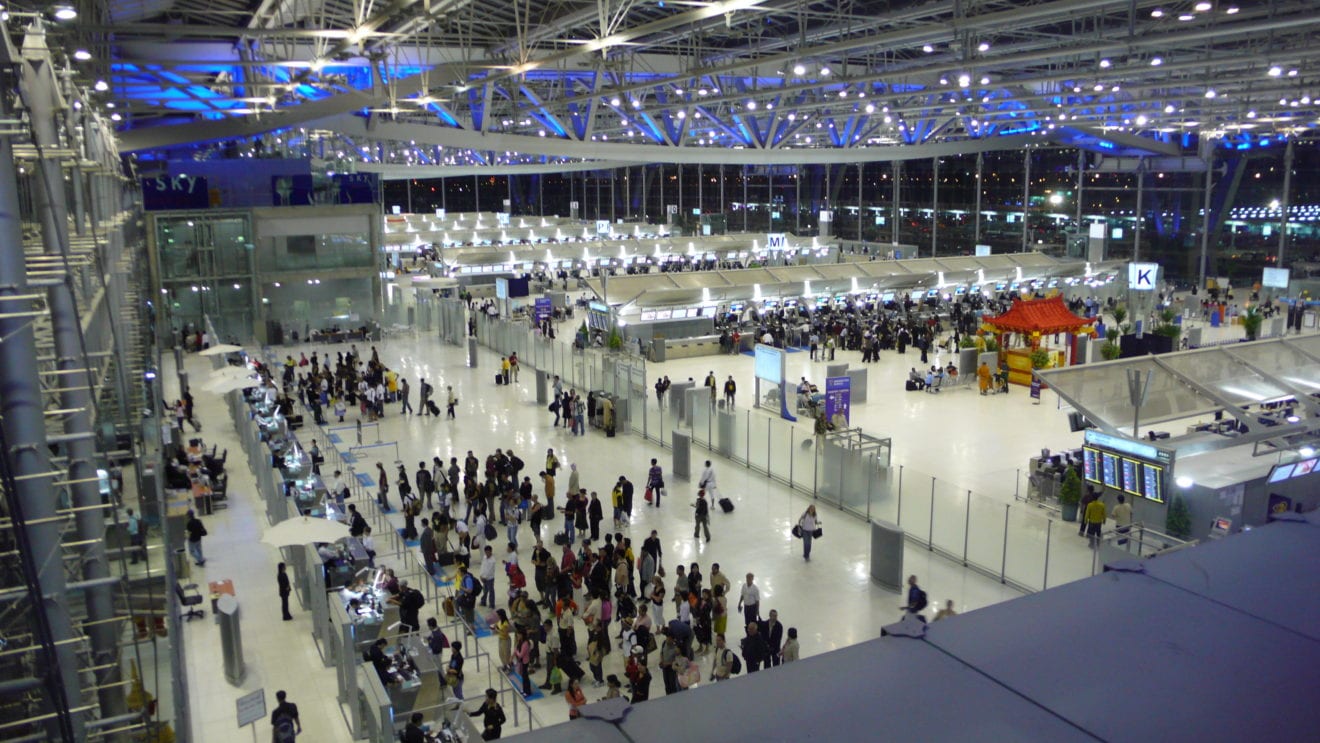
    Bangkok’s Suvarnabhumi Airport is installing 122 automated immigration gates for arriving and departing travelers to cut terminal congestion, airport director Kittipong Kittikachorn confirmed.

    The project lifts the gateway’s total automated clearance points from 106 to 228 gates. That extra capacity serves a hub that handled 59,626,075 passengers across the first 11 months of fiscal year 2026. Passenger volume rose 2.43 percent compared to the prior year.

    Expanding Automated Terminals

    Engineers are deploying the new gates across both departure and arrival corridors. Suvarnabhumi handled 346,905 commercial flights operated by 118 scheduled airlines during the 11-month period ending September 30. That is up 1.83 percent year on year. Terminal upgrades go beyond border control. The airport operator is adding over 200 device charging stations across waiting areas. Crews are also renovating core information desks, passenger restrooms, children’s zones, co-working spaces, and digital park seating.

    Hardware installation follows revised border clearance rules that expanded automated arrival gates to 33 nationalities, up from two. Returning visitors from approved jurisdictions bypass manual immigration booths. Those destinations include Singapore, Japan, South Korea, the United Kingdom, and the United States. First-time visitors must still complete manual biometric capture upon arrival. They gain automated gate access on subsequent trips.

    Commercial Impact on Transit Retail

    Shorter immigration lines shift how passengers spend time across Suvarnabhumi’s airside commercial space. Long 45-minute queues eat into retail spending. Discretionary time inside duty-free stores, restaurants, and specialty shops quickly disappears. Swift border checks convert standing lines into active foot traffic. That movement lifts average spending across airside concessions.

    Retailers now face changing foot traffic patterns rather than customs bottlenecks. Concessionaires depend on predictable passenger flow to secure sales before boarding calls. Brands that fail to capture these faster-moving travelers risk lower sales conversion. Dwell time can easily shift toward boarding lounges instead of shopping arcades.

    Shifting Airport Bottlenecks

    Regional hubs across Southeast Asia face similar processing pressures as passenger counts climb. Singapore’s Changi Airport and Kuala Lumpur International have deployed biometric and passport-free clearance to handle peak hours. Suvarnabhumi handles 140,000 to 150,000 arrivals daily during peak travel seasons. Hourly rushes bring several thousand travelers at once.

    Funneling 53 percent of inbound arrivals through automated lanes helps solve tight space limits inside the main immigration hall. Automated gates take up less floor space than manned booths. They boost passenger flow per square meter without requiring structural terminal expansions.

    Operational Milestones Ahead

    These equipment upgrades coincide with Suvarnabhumi entering its third decade of operations. Airport managers have reconfigured the immigration hall layout to ready the terminal for winter flight schedules. Staffing models have also shifted across peak operational shifts.

    Contractors will focus next on completing physical gate installations and connecting systems to national security databases before full fiscal year 2026 operational figures land in October.

  • Chanel Acquires France’s Oldest Shirtmaker Charvet

    Chanel Acquires France’s Oldest Shirtmaker Charvet

    French luxury fashion house Chanel acquired France’s oldest shirtmaker Charvet in July. Sibling co-directors Jean-Claude and Anne-Marie Colban continue to lead the heritage brand from its long-standing boutique on Place Vendôme in Paris, offering classic tailored shirts and ties.

    The move comes alongside milestone anniversaries and executive transitions across independent fashion labels. British brand YMC is celebrating 30 years since its first collection, with creative director Sage Toda-Nation directing design alongside co-founder Jimmy Collins after joining in 2024 following the death of co-founder Fraser Moss.

    Wholesale Networks and Direct Market Entry

    In retail, South London store Suntosons launched in 2025 under founder Keita Hiraoka, formerly of Beams Japan and Trunk, while in Southeast Asia, former Mall Group executives founded retail venue Friend Friend in summer 2025 inside Bangkok’s Emporium shopping mall.

    South Korean fashion exports have gained commercial traction across Tokyo and Shanghai, helped by consumer demand for unisex silhouettes and neutral palettes. Direct market entry allows brand owners to retain higher gross margins compared to pure wholesale distribution, which often discounts unsold seasonal inventory through third-party stockists.

    Mass Market Scale and Regional Supply Chains

    At the top of the market by volume, Fast Retailing’s Uniqlo is projecting annual sales of 3.9 trillion yen, equivalent to 20.8 billion euros, keeping pace with global fast-fashion operators Inditex and H&M Group. The Japanese retailer is using functional outerwear, including padded blousons with checked linings, to anchor seasonal volume across its Asian store network.

    Independent designers across the region are also integrating domestic textile manufacturing into global wholesale networks. Seoul-based designer Jiyong Kim, an LVMH Prize semi-finalist in 2024 who trained at Louis Vuitton and Lemaire, supplies Dover Street Market in Singapore and Paris, 10 Corso Como in Seoul, and GR8 in Tokyo with sun-weathered and light-responsive fabrics.

    Repurposing Mall Real Estate in Southeast Asia

    Retail formats in Southeast Asia are shifting space away from conventional department store layouts toward multi-use commercial hubs. In Bangkok, retail venture Friend Friend opened inside a converted car park at The Mall Group’s Emporium shopping complex at 622 Sukhumvit Road.

    Former Mall Group executives Suchada Peanpiriya, Worapun Sinakhom and Tanchanok Thitisaksakul established the venue in 2025, mixing workshops, food service and lifestyle merchandise. The floor plan stocks local ceramics from Bangkok’s Aoon Pottery alongside Sekisaka tableware from Japan and Kent hairbrushes from Britain, demonstrating how mall operators are converting underutilised square footage to drive foot traffic.

    Niche Manufacturing and Technical Commuter Lines

    Specialist Asian apparel makers are targeting functional categories to build export niches. In Japan’s Tokai region, Gifu-based commuter brand Ketta developed cycle-ready formalwear, adding cuff fasteners to suit trousers to prevent gear snags during urban commutes.

    Cross-border production partnerships are supporting this technical shift. Japanese label Comoli paired with Italian outerwear house Ten C, overseen by Federico Melchioli, to manufacture a nine-piece black collection blending Japanese flannel with humidity-responsive jersey textiles. In South London, former Beams Japan buyer Keita Hiraoka founded appointment-only showroom Suntosons in 2025, contracting garment factories in Japan to produce heavyweight denim fatigue jackets for European buyers.

    Commercial landlords and multi-brand buyers across Shanghai and Tokyo are now reviewing autumn order books as Recto finalises its opening retail locations in both territories.