Tag: bangkok

  • Punthai Coffee Signs Influencer for Five-Drink Matcha Menu in Thailand

    Punthai Coffee Signs Influencer for Five-Drink Matcha Menu in Thailand

    Thailand’s Punthai Coffee has signed social media creator Khun Noey as its first brand partner. Together, they will roll out a five-part matcha drink series across the chain’s network.

    That partnership runs through 2026 and builds on an earlier customisation campaign. It targets younger consumers and specialty tea drinkers in the country’s competitive beverage market.

    A Five-Recipe Rollout Across Stores and Delivery

    The chain will release five exclusive matcha beverages under the campaign banner “The Matcha That Noey Loves”. The first item, named Matcha Latte Rocky Mountain, went on sale on 15 October. It remains on menus through 31 December 2026 across physical outlets and delivery channels.

    This debut drink features two shots of matcha latte over lightly sweetened fresh milk and konjac jelly. Baristas finish the beverage with whipped cream, brownie chunks, crushed Oreo cookies and caramel syrup.

    Targeting High-Margin Custom Additions

    Chains across Southeast Asia lean heavily into dessert-style tea drinks to lift ticket sizes and draw younger foot traffic. Operators use layered toppings, jellies and branded confectioneries to justify premium price points over standard iced coffees.

    For store teams, building complex specialty drinks introduces kitchen friction during peak hours. Punthai is betting that creator-led recipes create enough volume and delivery demand to offset the added assembly time per cup.

    From Social Customisation to Official Menus

    The campaign follows the brand’s Punthai D.I.Y. Promotion, where customers shared their own drink combinations on social media. Turning user recipes into formal menu items gives the chain a low-cost testing ground for flavour trends before committing to seasonal supplies.

    Four additional drinks in the collaborative series will debut over the coming months ahead of the 31 December 2026 cutoff.

  • Pepsi-Cola Partners with 7-Eleven Thailand to Launch Lay’s Loaded DIY

    Pepsi-Cola Partners with 7-Eleven Thailand to Launch Lay’s Loaded DIY

    In October 2026, Pepsi-Cola (Thai) Trading partnered with 7-Eleven Thailand to launch Lay’s Loaded D.I.Y., selling customisable snack combinations across the convenience store network and digital channels.

    The promotion lets buyers take bags of chips and combine them with add-ons and toppings purchased directly in-store.

    How the in-store concept works

    Shoppers select participating base chip packets and add savoury ingredients to build custom snack bowls inside the store. The retail mechanic turns standard packaged goods into quick-prep food options without requiring dedicated kitchen equipment or extra staff behind the counter.

    Digital channels handle the same ordering flow. Customers can select their chip base and topping combinations directly through the 7-Eleven mobile application and order them via 7-Eleven Delivery for home drop-off.

    Influencer recipes drive app orders

    To establish baseline recipes, the campaign brought in four Thai key opinion leaders to develop signature combinations based on their personal flavour choices. These recipes serve as default menu items on the 7-Eleven application, giving shoppers direct templates rather than forcing them to invent combinations from scratch.

    Social sharing anchors the promotional push. By circulating specific topping formulas online, the brand aims to convert casual social media viewers into app-based delivery orders.

    Commercial shift for snack makers

    Packaged snack producers in Southeast Asia face stagnant volume growth in conventional shelf placements. Turning standard chip packets into assemble-at-home meals allows manufacturers to lift basket size without reformulating the underlying product.

    For convenience operators like CP All’s 7-Eleven, the mechanic drives cross-category sales. A single snack transaction now pulls in additional high-margin chilled toppings, sauces, and packaged side items from adjacent shelves.

    Earlier product experiments in Bangkok

    The campaign follows several product variations rolled out by PepsiCo in Thailand during 2026. The company introduced Lay’s Light with a 40 per cent sodium reduction in September, alongside a co-branded ice cream crunch stick developed with Nestlé Éxtreme Pop.

    Earlier in May 2026, the brand tested texture additions through Lay’s Max paired with crunchy crab sticks. The latest DIY promotion shifts that experimentation from factory packaging directly to the retail point of sale.

    What to track next

    Retail buyers are monitoring whether the DIY format generates repeatable basket additions beyond the initial social media campaign. The metric to watch is whether 7-Eleven expands the loaded snack concept to other savoury snack categories across its nationwide footprint.

  • AI Adoption Hits 71% Among Emerging Market Venture Firms but Core Integration Lags

    AI Adoption Hits 71% Among Emerging Market Venture Firms but Core Integration Lags

    Artificial intelligence adoption among venture capital and private equity-backed firms jumped to 71 per cent this year in Bangkok, up from 39 per cent a year earlier.

    The headline surge conceals narrow implementation, with only 17 per cent of surveyed companies embedding artificial intelligence into their core business operations.

    Data released by the International Finance Corporation at the IMF-World Bank Annual Meetings shows that more than half of adopting businesses still restrict deployments to isolated operational functions. The survey sampled 1,600 private equity and venture capital firms to evaluate how early-stage and portfolio enterprises deploy automated tools. Improved productivity ranked as the primary driver, cited by 54 per cent of respondents, yet operational bottlenecks persist across developing markets.

    Skills Shortages and Local Integration Bottlenecks

    Human capital constraints remain the primary hurdle to enterprise rollouts across emerging regions. More than 40 per cent of non-adopters identified acute skills shortages as their primary barrier, while broader institutional capacity deficits continue to stall deployments outside basic software tools.

    Enterprise operators in Southeast Asia and South Asia frequently encounter tools designed for Western data sets and cost structures. Without local tuning, generic generative platforms fail to handle regional dialects, local commercial registries, and fragmented banking APIs. The practical value for regional businesses depends on engineering lightweight, localized models rather than purchasing expensive enterprise subscriptions that internal teams cannot maintain.

    Cross-Border Payments and Merchant Infrastructure

    Fintech operators are focusing on targeted agents to resolve transaction delays for small and medium-sized enterprises. Cross-border payments and remittance channels across developing corridors remain plagued by settlement delays and excessive processing fees.

    Adeola Adewede, founder and chief executive of fintech platform Kredete, stated that autonomous AI agents configured for local language context and cost structures can transact on behalf of regional merchants across borders, lowering operating costs and speeding liquidity cycles.

    Medical Imaging and Regulatory Clearance

    Healthcare deployment demonstrates a similar pattern of targeted edge utility versus administrative obstruction. In India, medical imaging platform CARPL has deployed portable X-ray units powered by laptop-based AI models to screen populations for tuberculosis and breast cancer.

    CARPL founder and chief executive Vidur Mahajan noted that the platform maintains an ecosystem of more than 300 imaging applications for hospitals. However, ambiguous medical software regulations across emerging markets delay rollouts, prompting industry calls for regulators to streamline domestic approvals for diagnostic algorithms already certified in developed economies.

    On-Device Intelligence and Hardware Integration

    Hardware providers argue that long-term productivity gains require local processing rather than continuous cloud connections. Running machine learning models directly on laptops, vehicles, and connected hardware eliminates latency and lowers connectivity costs for small businesses.

    Veerabhan Kheterpal, co-founder and chief executive of semiconductor IP licensing company Quadric, noted that building intelligence directly onto devices allows systems to generate customized software adjustments in real time, expanding operational capacity for small enterprise operators.

    Commercial focus now shifts to whether portfolio companies can convert functional experiments into revenue-generating workflows before early investment capital runs dry.

  • Thailand’s Sponsor Enters Sports Nutrition with Energy Gel Launch

    Thailand’s Sponsor Enters Sports Nutrition with Energy Gel Launch

    TCP Group expanded its flagship Sponsor beverage brand into specialised sports nutrition in Thailand. It rolled out Sponsor Pro Energy Gel Plus for endurance athletes.

    The product release targets a domestic running sector that logged more than 1,500 organised race events across Thailand in 2025.

    Formulation and athlete targeting

    Each packet contains 120 calories alongside five electrolytes designed to maintain hydration under heavy exertion. TCP Group formulated the product with what it calls a Triple-Phase Energy system, blending multiple carbohydrate sources to regulate energy release during prolonged exercise. The recipe also incorporates ViNitrox, a proprietary grape and apple extract aimed at supporting physical endurance. Retail distribution begins with two options: Original and Watermelon Berry.

    Product development involved consultations with Thai athletes and sports nutritionists. Rather than relying solely on race sponsorships, the brand designed portable sachets for runners to consume before and during competition without carrying bulky bottles.

    Shifting from hydration to sports nutrition

    Entering the gel category shifts Sponsor from general sports hydration into high-margin functional sports nutrition. Energy gels command higher retail price points per gram than standard isotonic bottled drinks. That gives beverage makers better revenue density on convenience store shelves. For retailers like 7-Eleven and CJ Express in Thailand, stocking single-serve nutrition pouches near checkout counters creates incremental basket value from fitness consumers.

    This shift puts TCP Group in direct competition with imported endurance brands that historically controlled specialty running shops and cycling outlets across Southeast Asia. By using its vast domestic distribution network, Sponsor can place technical sports fuel in ordinary neighborhood outlets where international specialty labels rarely maintain shelf presence.

    Portfolio roadmap across regional markets

    Recent portfolio updates aim to widen Sponsor’s consumer base beyond heavy manual workers and casual sports players. In May 2023, TCP Group introduced Sponsor Go 0% Sugar to capture health-conscious shoppers who avoid sweetened functional drinks. The parent group expanded in May 2024 by pushing Sponsor, Ready and Warrior into overseas territories across India, Africa and the Middle East, before rolling out a Watermelon Berry beverage variant in April 2025.

    Retail buyers in Bangkok now await sell-through figures from early marathon activations this quarter to see whether endurance runners adopt the local gel over established Western sports nutrition imports.

  • Siam Piwat Takes 15,000Sqm Nextopia Model to UN Global Compact Summit

    Siam Piwat Takes 15,000Sqm Nextopia Model to UN Global Compact Summit

    Siam Piwat presented its 15,000-square-metre Nextopia sustainable retail format at the United Nations Global Compact Leaders Summit 2026 in New York.

    Group chief executive Chadatip Chutrakul detailed the commercial and environmental performance of the redevelopment, which opened at Siam Paragon in Bangkok in November 2025.

    Nextopia functions as a dedicated district within the mall that combines retail tenancies with circular-economy operations. The format uses renewable energy, reduces water and power consumption, and diverts commercial waste through on-site recycling systems.

    The Nextopia Footprint at Siam Paragon

    Siam Piwat designed the 15,000-square-metre space to test whether commercial retail floors can run on lower operating emissions without sacrificing tenant revenue. Since opening in November 2025, the zone has secured several international green certifications while cutting greenhouse gas output across its tenant footprint.

    Chutrakul framed the project as a working template for urban landlords managing dense commercial real estate in Southeast Asia. Addressing delegates at the UN summit, she argued that property developers must track social and ecological output alongside revenue per square metre.

    “True success goes beyond financial achievement. Business must create opportunities, enhance quality of life, and deliver lasting benefits for communities, society, and future generations,” said Chutrakul.

    Global Real Estate Recognition

    The UN presentation follows Chutrakul’s win at the Mapic Awards 2025, where she received the inaugural Pioneers of Places award. She was the only Asian executive in the inaugural cohort, joining European property heads including Maurice Bansay of Apsys, Philippe Journo of La Compagnie de Phalsbourg, Alexander Otto of ECE Group, and Alain Taravella of Altarea.

    That award recognised developers who altered city centres through large-scale place-making projects. Siam Piwat operates several of Bangkok’s highest-grossing shopping complexes, including Siam Paragon, Siam Center, Siam Discovery, and Iconsiam on the Chao Phraya River.

    Balancing Commercial Yield with Green Targets

    Landlords across Southeast Asia face stricter scrutiny from international luxury brands and institutional investors over carbon disclosures. Operators in Bangkok, Singapore, and Manila are refitting legacy retail floors to comply with multinational corporate sustainability mandates.

    The challenge for operators lies in managing capital expenditures during refits while maintaining footfall and retail sales productivity. By converting existing floor space inside Siam Paragon rather than building new structures from scratch, Siam Piwat reduced embodied carbon while testing tenant appetite for green-lease terms.

    Thai Retail Landlords on the Global Stage

    Bangkok remains one of Asia’s most contested retail real estate markets, where Siam Piwat competes directly with Central Pattana and The Mall Group for international luxury flagships and tourism traffic. The sector has increasingly shifted competition from gross leasable area to experiential architecture and environmental efficiency.

    Nextopia serves as the primary testing ground for Siam Piwat’s broader sustainability roadmap across its Bangkok portfolio. Investors and retail tenants will track upcoming annual operational reports to see whether resource savings at the Siam Paragon site match projected efficiency margins.

  • Calbee Launches POP LAYERS Snack Brand in Thailand Starting at 7-Eleven

    Calbee Launches POP LAYERS Snack Brand in Thailand Starting at 7-Eleven

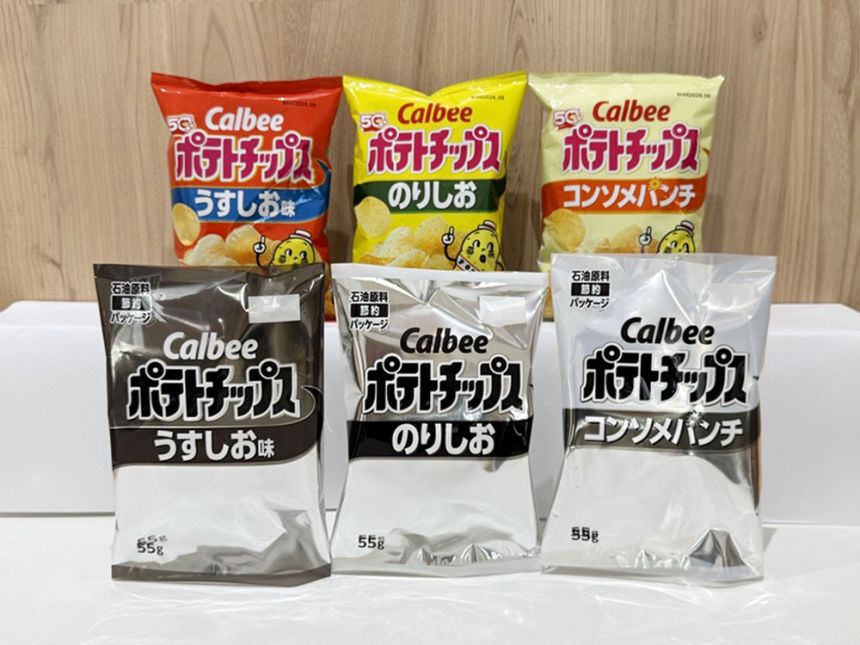
    Calbee launched POP LAYERS in Thailand in October 2026 as a new Asia-Oceania snack brand. It targets younger consumers with three multilayer corn chip flavours. Convenience store chain 7-Eleven secured exclusive initial rights to sell the lineup nationwide.

    Three varieties lead the rollout: Salt, Cheese, and BBQ. The BBQ flavour remains exclusive to 7-Eleven branches. Salt and Cheese will expand to other retail channels roughly four weeks after the debut.

    Production base in Indonesia powers regional export

    To develop POP LAYERS, Calbee adapted the production processes and recipe behind GuriBee, a four-layer corn snack made in Indonesia. PT. Calbee-Wings Food, a joint venture established in 2021 between Calbee and Indonesia’s Wings Group, expanded manufacturing capacity to supply overseas markets beyond its domestic Indonesian network.

    This approach alters Calbee’s traditional practice of exporting Japanese formulations into Southeast Asia. Local manufacturing in Indonesia allows the company to test textures and flavours against regional consumer taste profiles before distributing across neighbouring ASEAN territories.

    “POP LAYERS is a new brand originating in Indonesia developed to reach more consumers around the world. Beginning with Thailand, we aim to drive further growth overseas and strengthen our global business foundation.”

    Shifting competition in Thailand’s savoury snack market

    Thailand serves as the testbed because fabricated and extruded snacks continue to gain share in the country’s savoury snack segment. Urban shoppers show high trial rates for novel textures. That appetite creates shelf space for layered corn chips against standard potato crisps.

    Exclusive items like the 7-Eleven BBQ variant drive store foot traffic for retail partners. For Calbee, Indonesian manufacturing delivers a lower unit cost than shipping finished goods from domestic Japanese plants. That setup protects operating margins against currency swings.

    Overseas targets under 2035 corporate strategy

    The regional push fits into Calbee’s long-term business plan, titled Accelerate the Future. That strategy positions international business units as the central growth engine through 2035. The expansion aims to offset aging demographics and slower volume growth inside Japan.

    Earlier regional efforts brought several market-specific lines to Southeast Asia. These included localized Ebisen variations and healthier Frugra lines in Thailand, alongside recipe trials in Singapore. The Indonesian venture gives the group a dedicated regional manufacturing hub to run parallel product development.

    Next distribution steps across Asia-Oceania

    Supermarkets and hypermarkets in Thailand will receive the Salt and Cheese flavours in November 2026. Calbee then plans to roll out POP LAYERS into additional Asia-Oceania markets. Factory output at the Indonesian joint venture will determine the launch schedule across the region.

  • Thailand Plans Foreign Investment Push to Lift Economic Growth to 3%

    Thailand Plans Foreign Investment Push to Lift Economic Growth to 3%

    Thailand plans to lift economic growth to 3 per cent within three years by channeling foreign investment into data centres, semiconductors and electric vehicle manufacturing.

    The target comes after Southeast Asia’s second-largest economy grew at an annual average of just 2.34 per cent over the past five years, trailing the faster recoveries posted by regional neighbours.

    Thai Finance Minister Ekniti Nitithanprapas outlined the investment-led strategy ahead of Bangkok hosting the annual meetings of the International Monetary Fund and the World Bank next week. The government is directing capital incentives toward energy-heavy high-tech sectors while investing in renewable power to support incoming factories and server farms.

    Investment ratio drops after 1997 crisis

    Capital spending across the country has never fully regained the share of economic output it held before the 1997 Asian financial crisis, when Bangkok devalued the baht and sought an IMF bailout.

    “After the financial crisis, our investment-to-GDP has declined to around 22% to 23% at the moment. So that’s why our growth momentum has been so slow,” Ekniti said in an interview.

    Rebuilding that baseline forms the core of the current ministerial agenda, but the fiscal room for state stimulus remains constrained. Thailand’s public debt-to-GDP ratio is approaching the official statutory cap of 70 per cent, limiting direct government spending programmes.

    Central bank divergence and consumer debt

    The Ministry of Finance faces a more cautious assessment from the Bank of Thailand, which estimates the country’s potential growth rate at 2.7 per cent. The central bank projects that reaching even that lower expansion rate will take at least four years of structural adjustment.

    Commercial banks and store operators face immediate drag from elevated household debt levels that curb discretionary consumer spending across retail formats. Weaker tourist arrivals have compounded pressure on urban malls and hospitality venues that rely on foreign footfall to offset sluggish domestic purchases.

    Unresolved bilateral trade negotiations with Washington create further export friction for electronics and component suppliers looking to scale up production runs.

    Tech and electric vehicle supply chains

    Industrial developers across the Eastern Economic Corridor have pivoted land allocations toward clean energy infrastructure to accommodate overseas semiconductor and cloud infrastructure groups. These capital-intensive installations demand stable power supplies that traditional local grids cannot deliver without renewable additions.

    Automotive assemblers in Thailand must also transition established internal combustion engine lines to battery-powered vehicles without forfeiting their established regional export volumes. Japanese automakers that dominated local factory floors for decades now face direct competition from expanding Chinese electric vehicle brands establishing assembly hubs around Rayong and Chonburi.

    Outlook improves after February elections

    Credit rating agencies have recognized signs of political stability following the general elections held in February 2026. Fitch Ratings revised Thailand’s sovereign outlook to stable from negative, citing reduced deflationary pressures and greater policy predictability despite broader global energy shocks.

    External headwinds remain acute as global institutions warn that persistent energy volatility, record public debt loads and surging artificial intelligence capital requirements test emerging market fiscal buffers.

    Delegates gather at the Queen Sirikit National Convention Center next week for the IMF-World Bank meetings, where Thai officials will present their foreign investment roadmap to international lenders and corporate executives.

  • AI Could Offset Asia’s 25% Workforce Loss by 2050, IMF Says

    AI Could Offset Asia’s 25% Workforce Loss by 2050, IMF Says

    Artificial intelligence could help offset Asia’s shrinking workforce as populations age if adoption is scaled evenly across the region, the International Monetary Fund said on Monday.

    IMF Managing Director Kristalina Georgieva said at a book launch during meetings at the Queen Sirikit National Convention Center that AI is projected to lift growth in advanced Asia by 0.5 to 1 percentage point, more than offsetting demographic pressure if productivity is captured.

    The demographic drop in North Asia

    Countries including China, Japan and South Korea could lose nearly 25 percent of their working population between now and 2050, according to findings in the IMF book, though productivity gains from AI could offset that loss.

    IMF Managing Director Kristalina Georgieva presented the findings during the IMF and World Bank annual meetings at the Queen Sirikit National Convention Center. She identified demographics, regional trade integration and artificial intelligence as the three central shifts deciding Asia’s economic trajectory.

    AI is projected to lift up growth in advanced Asia, where the ageing populations are, somewhere between half a percentage and one percentage point… And what is amazing is that if the countries capture productivity and this growth, they will more than offset the demographic pressure

    Divergence between rich and emerging markets

    The gap between mature industrial economies and developing Southeast Asian nations creates an uneven playing field for artificial intelligence rollout. Wealthier hubs possess the computing infrastructure and capital required to automate white-collar tasks and industrial workflows quickly.

    Developing markets face different exposure levels. Krishna Srinivasan, director of the IMF Asia and Pacific department, warned that emerging economies have fewer automated jobs today but also lack the capital to capture software-driven productivity gains without targeted policy support.

    Supply chains and operational exposure

    For consumer goods manufacturers, retailers and logistics operators across Asia, the findings point to immediate operational choices. Supply chain networks that depend on cheap labour in aging hubs must substitute headcount with automated fulfilment, inventory forecasting and automated sorting.

    Retailers in Japan and South Korea already operate with automated store checkouts and robotic warehouse pickers to handle persistent staffing shortages. Expanding those systems into Chinese manufacturing corridors will determine whether factory gate prices stay stable as industrial payrolls shrink.

    Trade barriers and reform timelines

    Technology alone will not solve structural regional slowdowns without cross-border commerce reforms. Lowering non-tariff barriers and deepening trade pacts across Asia would expand regional gross domestic product by approximately 1.8 percent over the long term.

    Srinivasan noted that national workforce training programmes and regulatory reforms can accelerate enterprise adoption of artificial intelligence tools by a decade or more. Asian policymakers now face the task of drafting common digital standards and labour retraining budgets before the projected 2050 workforce contraction reaches its steepest curve.

  • Thai Car Plants Prepare to Restart as Flood Delays Ease in Chon Buri

    Thai Car Plants Prepare to Restart as Flood Delays Ease in Chon Buri

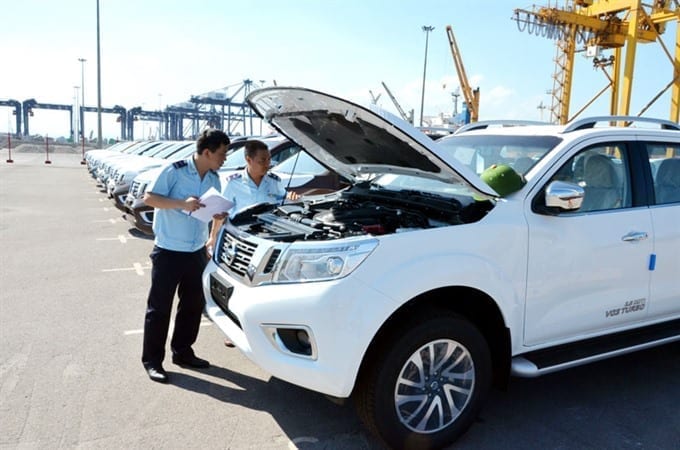
    Automakers across eastern Thailand will resume assembly operations on October 14 as component suppliers restore factory lines following late September floods in Chon Buri province. Major vehicle assembly plants had enough buffer inventory to maintain output until October 12 before parts shortages forced brief schedule adjustments.

    The recovery clears a bottleneck across Tier 2 and Tier 3 parts suppliers based inside the Amata City Chonburi Industrial Estate, protecting Thailand’s national target to produce 1.5 million vehicles in 2026.

    Supply Lines Clear in Chon Buri

    Floodwaters have now receded from the industrial corridors in Chon Buri, allowing parts manufacturers to bring technicians back to factory floors. Operations have not returned to full capacity immediately. Teams at dozens of small and medium-sized parts makers are inspecting machinery, rewiring electrical circuits, and reconfiguring logistics routes to move metal stampings, wiring harnesses, and sub-assemblies to assembly plants.

    Disruptions to regional road links briefly cut off parts deliveries from unflooded workshops to vehicle assembly plants across Rayong and Samut Prakan. The supply bottleneck temporarily hit factory schedules for Toyota, Isuzu, Ford, Nissan, and Honda. Assembly lines for battery electric vehicles escaped the disruption because their component supply chains rely on separate battery and motor fabrication lines.

    Combustion Engines Bear the Impact

    Traditional combustion vehicles absorbed almost all the downtime because their manufacturing footprints involve broad networks of domestic subcontractors. Missing a single bracket or fastener stops a finished vehicle from clearing the end of the line.

    Surapong Paisitpattanapong, advisor and spokesman for the Automotive Industry Club at the Federation of Thai Industries, pointed to the structural vulnerability of conventional platforms: An ICE vehicle contains more than 30,000 parts. If even a single component is missing, the vehicle cannot be delivered to customers.

    Assembly operations are structured around tight delivery windows with minimal warehouse holding costs. When water cut road access across parts of Chon Buri in late September, suppliers lost the ability to deliver sequential parts batches directly to factory bays. Carmakers weighed sourcing substitute parts directly from Japan before water levels dropped inside the industrial parks.

    Industrial Landlords Roll Out Rebates

    Industrial park operator Amata Corporation Plc is rolling out financial relief to keep tenants on schedule. The company introduced a 50 per cent reduction or waiver on industrial estate maintenance fees for one year. Factory operators will also receive a 50 per cent discount on utility bills, including industrial tap water, starting in October.

    Amata is also lowering water levels across drainage canals, running continuous drainage pumps, and tracking storm fronts across the eastern seaboard to keep runoff away from factory gates. Total industrial damage across flooded zones reached an estimated 6 billion baht, equal to roughly 178 million dollars, following heavy rainfall across 28 provinces.

    Export Schedules Hold Steady

    Thailand’s automotive sector is defending its role as Southeast Asia’s primary light vehicle assembly hub. The country locked in a total production volume of 1.5 million units for 2026. That plan allocates 950,000 vehicles for overseas export markets and 550,000 units for domestic retail buyers.

    The eastern seaboard assembly belt faced historic flooding risks during previous monsoon seasons, prompting heavy infrastructure investments in industrial drainage dykes. The rapid clearing of water at Amata City demonstrates that localized runoff can be drained before finished vehicle export schedules suffer long-term delivery cancellations.

    Parts makers will spend the coming two weeks running extra weekend shifts to replenish buffer stocks at assembly plants. Factory managers will watch export loading numbers at Laem Chabang port through the end of October to confirm that assembly lines have matched their standard output quotas.

  • Honda to Sell Thai-Built Mitsubishi Pickups in Southeast Asia by 2028

    Honda to Sell Thai-Built Mitsubishi Pickups in Southeast Asia by 2028

    Honda Motor will sell Thai-built Mitsubishi Triton pickup trucks under its own brand across Southeast Asia starting as early as 2028.

    The agreement represents Honda’s first vehicle rebadging arrangement in approximately three decades, putting the company back into commercial utility segments where it lacks dedicated platform architecture.

    Reviving rebadged supply in Thailand

    Under the arrangement, Mitsubishi Motors will manufacture the Triton utility vehicle at its production hub in Thailand, supplying finished units to Honda. Honda will apply its own badging and retail the pickup through its established distribution network in Southeast Asian markets and selected export destinations.

    Sourcing fully built vehicles from Mitsubishi spares Honda the heavy capital expenditure required to engineer a body-on-frame commercial truck platform from scratch. Mitsubishi maintains deep manufacturing scale in Thailand, where its Laem Chabang plant serves as a global export base for one-tonne pickups.

    Defending share against Chinese entrants

    Japanese automakers face intensifying pressure across Southeast Asia, where Chinese original equipment manufacturers have captured rapid market share in passenger electric vehicles. Expanding commercial and passenger vehicle catalogues helps traditional brands protect dealership throughput and service revenues across key territories such as Thailand, Indonesia and the Philippines.

    The risk sits in showroom differentiation. Selling an identical mechanical platform under two competing Japanese badges risks cannibalising existing Triton sales unless Honda targets distinct commercial fleet buyers or alters cosmetic styling and interior specifications.

    Pickup demand across regional showrooms

    One-tonne pickup trucks represent the largest single vehicle category in Thailand, functioning as both work vehicles and primary family transport. While Japanese brands have long controlled more than 80 percent of the commercial truck market in the region, shifts in fleet procurement and new competitive entries have forced legacy manufacturers to consolidate their supply networks.

    Honda has built its regional dominance on passenger sedans, hatchbacks and compact sport utility vehicles. Adding a robust pickup line fills an enduring gap in its commercial retail lineup across suburban and rural dealer networks throughout ASEAN.

    Supply roadmap to 2028 rollout

    Car manufacturers in Japan previously shared passenger and commercial models through original equipment manufacturing arrangements during the 1990s, but Honda largely abandoned cross-badging passenger models to focus on proprietary global architectures. This partnership with Mitsubishi reverses that independent approach in light of shifting regional economics.

    Both companies now face the task of finalising supply volumes, regional homologation schedules and market-specific styling changes ahead of the scheduled 2028 commercial rollout.

  • Toyota Thailand Extends Suspensions at 3 Plants to Oct 19

    Toyota Thailand Extends Suspensions at 3 Plants to Oct 19

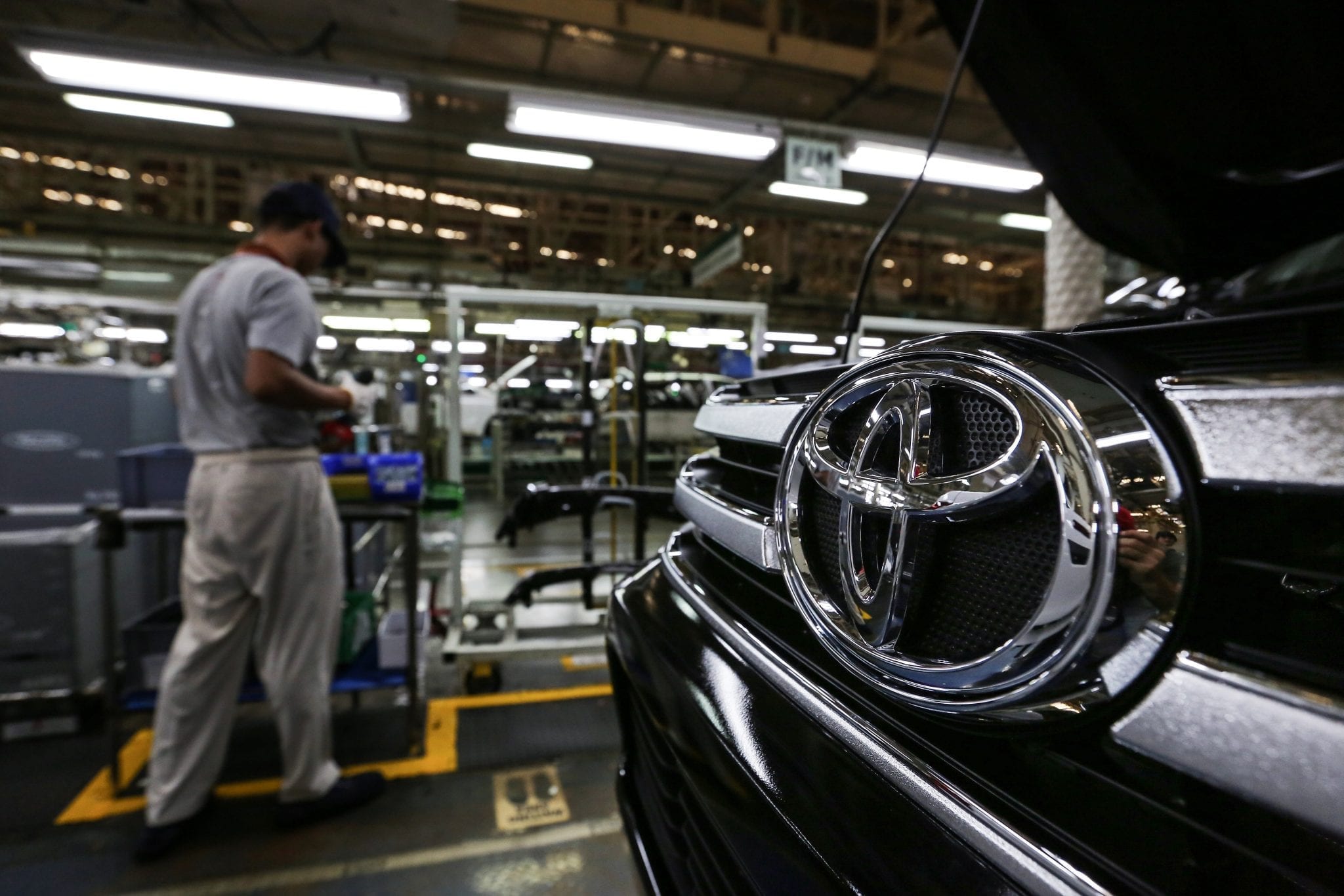
    Toyota Motor Thailand has extended production suspensions at its Samrong, Ban Pho and Gateway plants, with operations now expected to resume between Oct 14 and 19 as flooding continues to disrupt parts deliveries.

    The company initially suspended output at the three facilities from Oct 5 to 10 after flooding affected deliveries across Samut Prakan, Chachoengsao and Chon Buri provinces.

    Staggered restarts across manufacturing hubs

    In a statement released on Friday, the carmaker said production at the Samrong plant was projected to resume on Oct 14, followed by Gateway on Oct 16 and Ban Pho on Oct 19.

    Under the revised schedule, the Samrong plant will attempt to restart operations on October 14. Gateway follows on October 16. Ban Pho remains closed until October 19.

    Every restart date depends on water levels receding and parts vendors restoring shipments, Toyota stated. Dealerships have begun notifying retail buyers about delayed vehicle handovers.

    Supplier gridlock hits automotive corridor

    Disruptions tested Thailand’s tightly integrated just-in-time automotive supply chain. Heavy rains inundated central industrial clusters in late September, submerging transit corridors rather than destroying plant machinery outright.

    Roughly 10 component manufacturers across the country halted production after rising waters blocked workers from commuting. Other vendors avoided direct flooding but could not move finished inventory over submerged provincial highways.

    Total industrial damage from the floods reached 6 billion baht, or roughly 178 million dollars, according to the Federation of Thai Industries. While major vehicle plants held enough safety inventory to assemble cars through October 12, those buffer stocks have run dry.

    Supply chain strain across regional rivals

    Toyota is not the only assembler managing parts shortfalls in the corridor. Rival manufacturers including Isuzu, Honda, Ford and Nissan faced delivery delays as regional logistics networks seized up.

    The country serves as the primary export base for Japanese carmakers supplying Southeast Asia, Australia and the Middle East. Prolonged plant closures risk pinching vehicle inventory across regional dealership networks heading into the fourth quarter.

    If tier-one suppliers cannot restore operations once roads clear, assemblers will face steep air-freight bills. They must fly replacement components in from Japan to keep assembly lines running.

    Monsoon pressures on industrial infrastructure

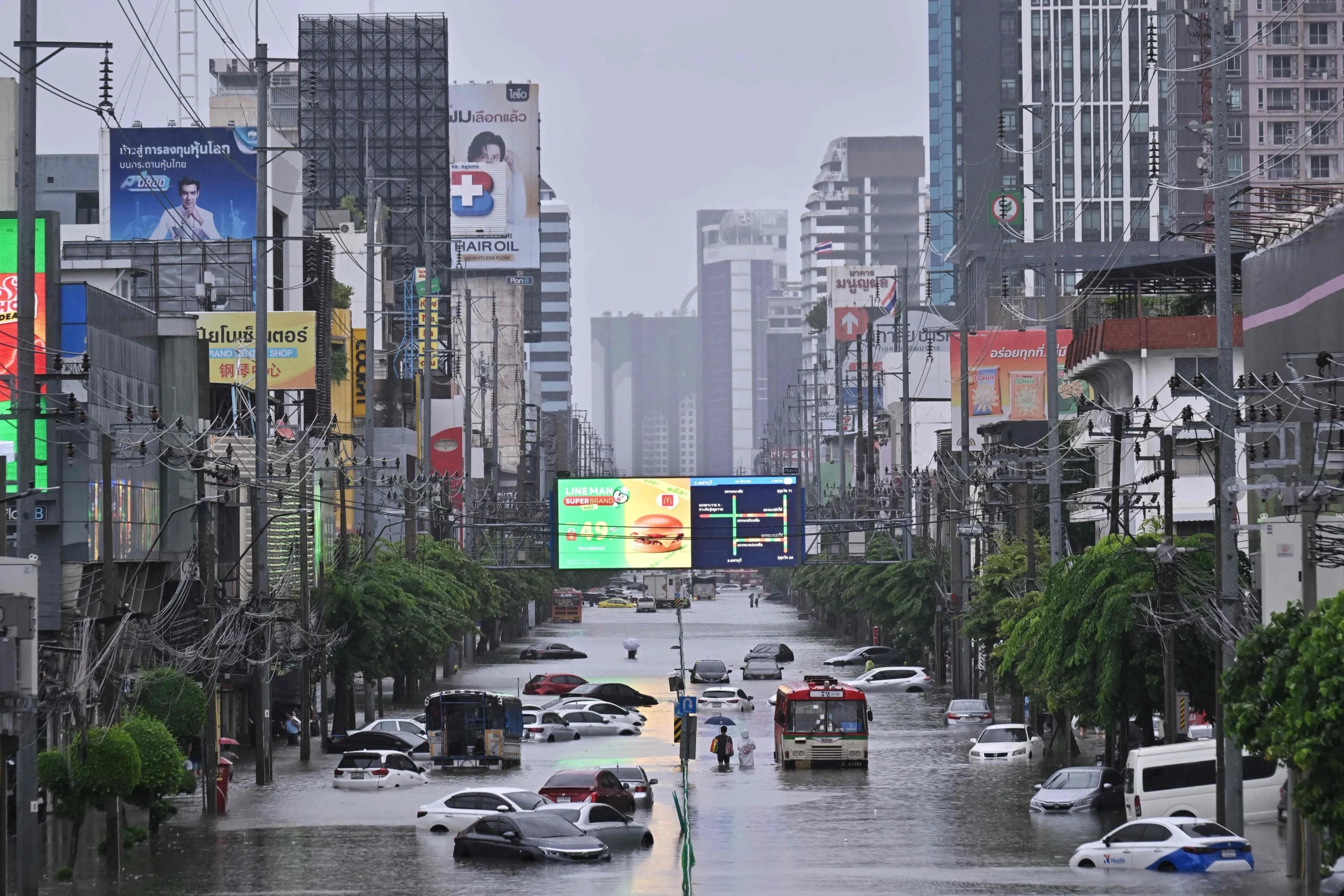
    Monsoon rainfall dumped nearly 300 millimetres of water over Bangkok in three days during late September, matching the capital’s typical monthly rainfall. Authorities declared disaster zones across 28 provinces as floodwaters spread southward through central manufacturing provinces.

    Government officials stepped in to inspect industrial parks, with Commerce Minister Suphajee Suthumpun visiting Toyota’s Samrong plant in Samut Prakan on October 7 to assess damage to transport links.

    Plant managers and suppliers now focus on clearing logistical bottlenecks before Samrong’s targeted October 14 restart date.

  • Novo Nordisk Introduces Higher-Dose Semaglutide in Thailand

    Novo Nordisk Introduces Higher-Dose Semaglutide in Thailand

    Novo Nordisk Pharma Thailand introduced a higher-dose semaglutide option on October 7. The treatment addresses type 2 diabetes and linked cardiovascular risks across the country.

    It targets an expanding patient base. Diabetes prevalence in Thailand climbed to 10.6 per cent in 2025, up from 9.5 per cent in the 2020 national survey.

    The Danish drugmaker presented the formulation to more than 500 Thai medical practitioners at an industry gathering. The therapy targets cardiovascular-kidney-metabolic syndrome. That condition links heart disease, renal impairment, and obesity in diabetes patients.

    Expanding Treatment Beyond Glycaemic Control

    Cardiovascular disease is the leading cause of death among Thai type 2 diabetes patients. Chronic kidney disease also affects up to 40 per cent of diagnosed patients. Diabetes remains the primary driver of end-stage renal failure nationwide.

    Doctors gain an extra clinical tool for weight management and organ protection alongside blood glucose reduction. Most Thai adults with type 2 diabetes are overweight or obese. This compounds their health risks.

    Distribution runs through state hospital tenders, private hospital networks, and licensed retail pharmacies across the Kingdom. The company has operated locally for more than four decades, supplying metabolic and chronic disease therapies through all three channels.

    Commercial Stakes in Southeast Asian Healthcare

    Demand for advanced glucagon-like peptide-1 receptor agonists has surged across Southeast Asia. Lifestyle illnesses now place heavy pressure on state healthcare funds. In Thailand, universal health coverage schemes face rising long-term costs from dialysis and acute cardiac interventions.

    Drug suppliers compete directly for formulary spots in private hospital groups and government procurement lists. Higher dosage strengths help manufacturers preserve revenue per patient. They also defend market share against emerging biosimilars and rival GLP-1 therapies entering Asian markets.

    Premium chronic therapies provide healthcare operators and pharmacy chains with steady prescription volumes. Affordability and public reimbursement access remain the main hurdles. Because of those limits, high-dose therapies rely largely on private payers and self-funded patients.

    Four Decades of Thai Market Presence

    Novo Nordisk established its formal presence in Thailand more than 40 years ago. It built distribution relationships with public teaching hospitals and private medical groups, later rolling out baseline semaglutide formulations across Southeast Asia after global clearances.

    Novo has been at the forefront of diabetes care for more than a century, and we recognise that type 2 diabetes is one of the most pressing public health challenges of our time. In Thailand, it is closely linked to CKM syndrome, conditions that place an enormous burden on families and on the Thai healthcare system.

    Next year, the pharmaceutical producer will hold clinical symposiums across provincial medical hubs. These sessions will train specialists on prescribing protocols for the higher dosage.

  • Chagee Adds Live Calorie Calculator to Mobile App in Thailand

    Chagee Adds Live Calorie Calculator to Mobile App in Thailand

    CHAGEE launched an in-app calorie calculator across Thailand on 5 October 2026. The tool gives beverage buyers real-time nutritional breakdowns for custom recipes starting from 4 calories per cup.

    It calculates instant shifts in calories, sugar, fat, protein, carbohydrates and caffeine. Values adjust whenever a customer changes cup sizes, switches between hot and iced preparations, or adjusts sugar levels.

    Real-time nutritional tracking in the ordering flow

    Customers access the tool directly inside the CHAGEE App by tapping the Calorie Calculator icon, picking a beverage category, and opening individual product specifications. The interface updates the total nutritional payload as options change before checkout. This removes guesswork from sweetened or dairy-based beverages.

    The release accompanies the chain’s “Sip Better, Feel Better” marketing push in the Thai market. Lowest-calorie options highlighted on the platform include Da Hong Pao, Osmanthus Green and Peach Oolong brewed teas starting at 4 calories. Milk tea options, including BO-YA Jasmine Green, Osmanthus Oolong and Da Hong Pao, start at 119 calories.

    “At CHAGEE, wellbeing is at the heart. That is why we are committed to providing transparent nutritional information. The ‘Calorie Calculator’ is more than just a tool that displays what is in your cup. It gives people the freedom to customize and choose beverages that best suit their individual needs and preferences, making every sip enjoyable while promoting their wellbeing every day.”

    Store promotions tied to athletic activity

    Alongside the digital rollout, CHAGEE Thailand introduced a physical activity promotion running from 5 to 11 October 2026. Customers receive tiered purchase incentives by showing recorded running or walking activity from smartwatches or tracking apps at store counters.

    A verified 5-kilometre log qualifies for a free drink size upgrade. A 10-kilometre distance yields a THB 30 discount, and a 15-kilometre log unlocks a buy-one-get-one voucher. The promotion applies across the network except at CHAGEE Mahanakhon 74 and Don Mueang Airport branches, with redemptions capped at three vouchers per person through the app.

    Pressure shifts across Southeast Asian tea retail

    Tea chains across Southeast Asia face stricter scrutiny over sugar content and caloric density. Regional regulators are examining beverage labelling standards while consumer habits change. Digital ingredient transparency allows premium tea operators to defend ticket sizes. It also counters perceptions that commercial milk tea is entirely indulgent.

    For mall landlords and competing beverage franchises, embedding health metrics directly into proprietary ordering apps shifts footfall toward operators with robust digital ecosystems. Brands lacking unified digital ordering and dynamic recipe databases face higher barriers in retaining health-oriented consumers.

    Expansion beyond regional milk tea benchmarks

    This Thai app update follows regional product variations across Southeast Asia, including brand collaborations and seasonal market entries in Malaysia and Indonesia. Building functional digital tools into the ordering loop deepens customer lock-in within the loyalty program.

    Under the broader promotional schedule running through 15 October 2026, CHAGEE is distributing double loyalty points on Mondays. The company is also offering 30 per cent discounts on second drinks within curated low-calorie bundles, and allowing CHA Members to redeem accumulated points for fitness and Pilates sessions.

  • Thai Floods Hit 4,500 Factories Causing 2.14 Billion Baht in Damage

    Thai Floods Hit 4,500 Factories Causing 2.14 Billion Baht in Damage

    Floods across Thailand damaged 4,523 factories in 55 provinces, generating an estimated 2.14 billion baht in losses, Industry Minister Varawut Silpa-archa said on Tuesday.

    Small and medium-sized enterprises bore the brunt of the disruptions, accounting for 4,113 of the flooded sites.

    Established industrial operators accounted for 316 damaged plants, while 94 community enterprises also suffered flood losses. The Industrial Estate Authority of Thailand reported that between 180 and 190 plants located within formal industrial estates took hits, accumulating between 1.7 billion and 1.8 billion baht in physical and operational damage.

    Breakdown Across Industrial Zones

    Industrial estate operators absorbed the vast majority of financial losses despite representing a smaller fraction of the total site count. The concentration of high-value machinery and automated production lines inside managed zones drove up the repair bill relative to dispersed workshops.

    For consumer goods manufacturers and regional supply networks, prolonged shutdowns at tier-two and tier-three SME suppliers create immediate component shortages. Production stoppages ripple directly into wholesale distribution channels across Southeast Asia when small packaging, plastic moulding, and parts fabricators go offline simultaneously.

    State Assistance and Debt Relief

    The Industry Ministry is preparing targeted financial relief for affected facilities. Officials plan to approach commercial lenders and state banks to secure debt moratoriums alongside concessional loans dedicated to site rehabilitation and equipment repairs.

    Factories that suffered complete operational shutdowns will receive prioritized state support. Industrial works inspectors are also rolling out mandatory post-flood safety guidelines to evaluate electrical grids and structural integrity before sites resume output.

    Supply Chain Risks and Recovery Steps

    Thailand’s manufacturing base remains vulnerable to seasonal monsoon surges that overwhelm drainage networks outside central industrial corridors. While major multinational plants inside ring-fenced estates have permanent flood barriers, peripheral SME supply clusters often lack dedicated dykes and pumping infrastructure.

    Commercial banks and ministry inspectors are now evaluating the 4,523 damaged facilities to determine exact capital requirements before loan packages roll out to affected operators.

  • Thailand Targets 25,000 Megawatts of Clean Power for Industrial and Data Demands

    Thailand Targets 25,000 Megawatts of Clean Power for Industrial and Data Demands

    Thailand must boost renewable electricity generation to between 65 percent and 80 percent by 2050 as expanding industrial operations and data centres demand roughly 25,000 megawatts of clean power.

    Green Investment Hub Chairman Kulit Sombatsiri delivered the capacity forecast at the ESG Symposium 2026 in Bangkok, warning that heavy reliance on imported energy leaves regional supply chains vulnerable to price shocks.

    The investment roadmap requires capital deployment across modernised power grids, virtual power plants, carbon capture utilisation and storage, and small modular nuclear reactors. Meeting the target demands public-private partnerships across energy producers, industrial consumers, and regulatory agencies to maintain grid stability without driving power tariffs higher for commercial users.

    Powering Industrial Expansion

    Thailand’s industrial base faces rising pressure from export markets to prove low-carbon production credentials. Heavy manufacturers and emerging data centre operators require dedicated green power contracts to fulfill global corporate net-zero pledges.

    SCG President and Chief Executive Officer Thammasak Sethaudom said Southeast Asian economies cannot afford to view decarbonisation as a trade-off against economic expansion. Regional operators must link green investments directly to cost reductions and factory floor efficiency rather than treating sustainability as a regulatory compliance burden.

    Supply Chain Pressures and Market Realities

    Large multinational brands and retailers sourcing out of Southeast Asia are tightening Scope 3 emissions reporting, shifting procurement orders toward suppliers that run on certified clean grids. Thai manufacturers that delay equipment upgrades risk exclusion from regional export networks.

    Payong Srivanich, co-chairman of the Joint Standing Committee on Commerce, Industry and Banking, said structural reform must address the informal economy and assist small and medium-sized suppliers. Without targeted financing, smaller vendors cannot afford the capital expenditure required to comply with international carbon standards, threatening supply continuity for major consumer goods producers.

    Industrial Execution at the Factory Level

    Dr. Ilham Kadri, chair of the executive committee of the World Business Council for Sustainable Development, pointed to the Saraburi Sandbox project in central Thailand as an operating model for industrial clusters. The platform links industrial plants, local farms, and logistics operators to turn agricultural waste into alternative industrial fuels and create revenue from carbon credits.

    “The AND matters because the old either-or framing has constrained too many decisions for too long and sometimes led to making big industrial mistakes.”

    Kadri stated that green transition projects must pass strict internal hurdle rates at investment committees before scaling across factory operations and regional retail distribution channels.

    Infrastructure Milestones Ahead

    Southeast Asian governments are coordinating regional investment frameworks to share cross-border power transmission and build integrated supply chains for solar photovoltaic systems, smart grids, and low-carbon construction materials.

    Thai energy authorities are scheduled to review regulatory structures for direct power purchase agreements and carbon accounting frameworks, establishing the commercial terms under which industrial operators and data centre developers can procure green electricity directly from private renewable generators.