Tag: bangkok

  • Thailand Unveils New 45% Tax on Vintage Cars: A Bold Move for Classic Car Enthusiasts

    Thailand Unveils New 45% Tax on Vintage Cars: A Bold Move for Classic Car Enthusiasts

    Thailand will introduce a 45% tax on imported vintage cars in fiscal year 2026, a strategic move projected to boost government revenue by an additional THB1-2 billion (US$31.4-62.9 million) annually.

    The regulations accompanying this tax will restrict these classic vehicles to use only on Saturdays, Sundays, and public holidays, although exceptions may be made for special events with prior police approval.

    Revving Up Vintage Car Culture

    Kulaya Tantitemit, the director-general of the Thai Excise Department, explained that the new tax aims to transform Thailand into a vibrant hub for vintage car exhibitions while also supporting the local car restoration industry. “We want Thailand to be the go-to destination for vintage enthusiasts,” Kulaya said, perhaps envisioning a future where restored beauties cruise down Bangkok’s streets like it’s 1955.

    Who’s Affected? The Details of the Tax

    This tax will specifically target vintage cars that are imported, with the initial classification declaring a vehicle must be at least 30 years old. Future regulations may provide further specifications on models and reference international pricing to ensure fairness. However, be advised: vintage motorbikes and cars already registered in Thailand will remain untouched by this levy.

    Revenues Surpassing Expectations

    The announcement comes on the heels of encouraging news from the Excise Department, which is optimistic about surpassing its revenue goals for the current fiscal year. For the first 11 months of fiscal year 2025, the department reported collections of THB489 billion, marking a 1.6% increase from the previous year.

    Questions & Answers

    What prompted Thailand to implement this new tax on vintage cars?
    The tax aims to boost government revenue while positioning Thailand as a key player in the vintage car exhibition scene and supporting the domestic car restoration industry.

    Who will be affected by the 45% tax on vintage cars?
    The tax specifically targets vintage cars imported into Thailand, defined as vehicles that are at least 30 years old. It will not apply to vintage motorbikes or vehicles already registered in the country.

    How much revenue is expected to be generated from this tax?
    The government expects the new tax to raise between THB1-2 billion (US$31.4-62.9 million) annually, significantly contributing to the national coffers.

  • Bangkok Set to Unveil Over 3,200 New Hotel Keys by End of 2025, Transforming Hospitality Landscape!

    Bangkok Set to Unveil Over 3,200 New Hotel Keys by End of 2025, Transforming Hospitality Landscape!

    According to a recent report from Knight Frank, Bangkok is entering the second half of 2025 amidst a complex mix of challenges and opportunities in its tourism and hospitality sector. The initial half of the year witnessed a noticeable dip in hotel occupancy, which fell by 3.7 percentage points to 75.1%. Despite this setback, average daily rates (ADR) showed only slight improvement, reaching THB 4,260. Now, all eyes are on how the market will accommodate the 3,283 new hotel rooms anticipated to debut by the end of the year, pushing the total new supply for 2025 beyond 5,100 keys—marking the most rapid annual growth since the pandemic’s onset.

    The report highlights a particularly significant hurdle: a marked decrease in Chinese tourist arrivals, which plummeted nearly 35% year-on-year in the first half of 2025. While China remains Thailand’s leading source of international visitors by volume, this decline has been felt acutely in Bangkok’s midscale and group-tour-oriented hotels.

    Interestingly, the outbound travel trends from China present a different narrative. In the early months of the year, Vietnam welcomed 2.7 million Chinese visitors, while Japan recorded 3.13 million. This indicates that the demand for outbound tourism is still robust, but Thailand is losing some of its competitive edge. Factors contributing to this shift include safety concerns, adverse media coverage, and changing preferences among travelers.

    In response, the Thai government is implementing various domestic stimulus measures, including the Co-Pay Thai Travel subsidies, the “Half-Price Thailand Travel” campaign, and new tax incentives aimed at boosting domestic tourism, especially during the typically slower off-peak seasons.

    Looking ahead, the latter half of the year will be crucial for a market-driven recovery, closely tied to increases in airline capacity. While growth in arrivals from India (+14.6%) and Russia (+11.1%) shines as a silver lining, momentum from other ASEAN markets remains moderate and insufficient to offset declines from China and South Korea.

    As the year progresses, revenue per available room (RevPAR) growth in the second half is expected to hinge on occupancy rates during busy months like November and December, spurred by year-end festivities and MICE (Meetings, Incentives, Conventions, and Exhibitions) demand. Still, pressure on average daily rates, particularly in the mid-tier segment, will likely continue as competition intensifies with the influx of new hotel openings. Ultimately, rate performance will depend increasingly on brand reputation, distribution strategies, and choice locations.

    In contrast, the luxury sector appears set to remain stable, buoyed by consistent interest from long-haul travelers and affluent regional visitors. Although growth in rates for high-end properties is expected to be moderate—with fierce competition among top-tier hotels—Bangkok’s attractive pricing compared to regional staples like Singapore, Hong Kong, and Tokyo could continue to lure experience-seeking travelers hunting for value.

    Questions & Answers

    How is Bangkok’s tourism market evolving as we move into the second half of 2025?
    The market faces a dip in Chinese tourist arrivals, leading to a drop in hotel occupancy rates. However, new hotel openings and government initiatives aim to stimulate domestic travel amidst a challenging environment.

    What measures is the Thai government taking to boost tourism?
    The government has introduced several domestic stimulus initiatives, including travel subsidies, a “Half-Price Thailand Travel” campaign, and new tax incentives, particularly aimed at increasing tourism during low seasons.

    Which markets are showing growth potential amidst these challenges?
    Growth from India and Russia is noteworthy, with increases of 14.6% and 11.1%, respectively. However, gains from these markets are currently not enough to counterbalance the significant declines in visitors from China and South Korea.

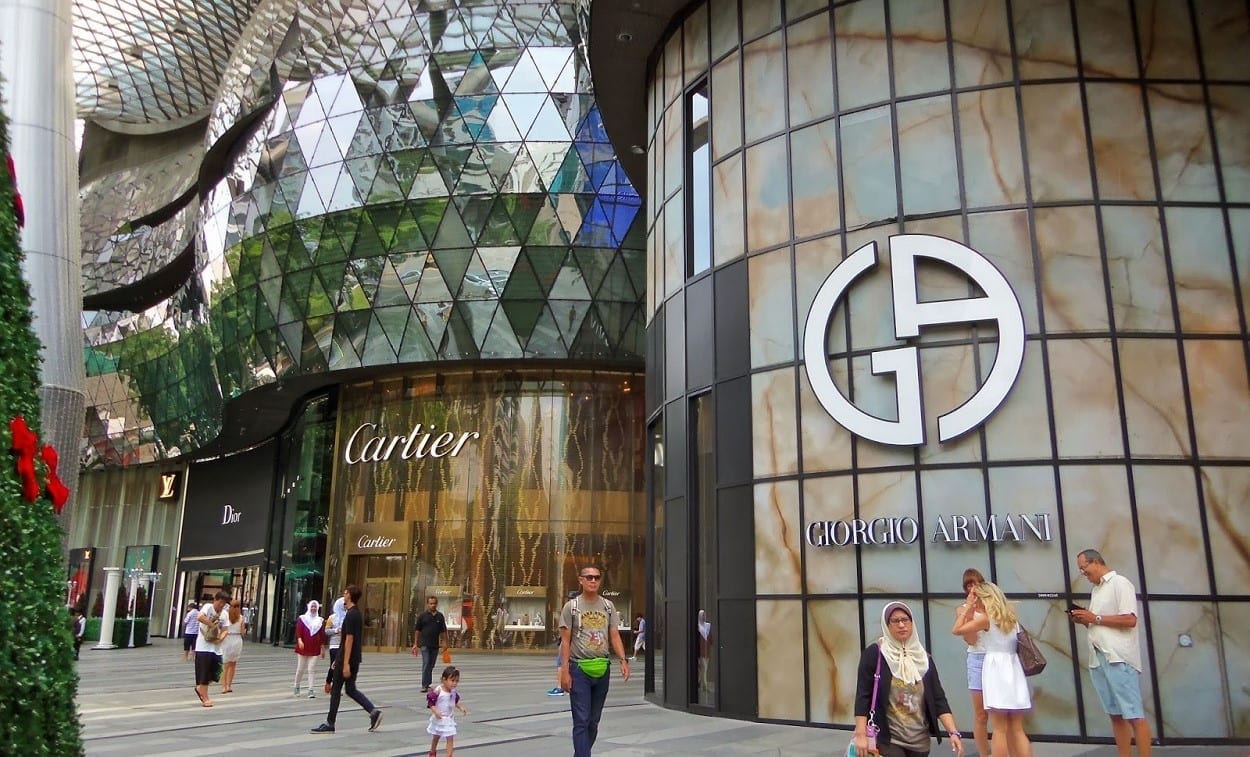
  • Dior Amplifies Luxury Retail Presence With Innovative Boutique In Bangkok’s Iconsiam

    Dior Amplifies Luxury Retail Presence With Innovative Boutique In Bangkok’s Iconsiam

    In a bold move that underscores the dynamic landscape of Asian retail, luxury fashion powerhouse Dior has announced plans to open a stunning new boutique in Bangkok’s prestigious Iconsiam shopping complex. Set to launch in early 2024, the new store will not only showcase Dior’s exquisite collections but also serve as a gathering place for fashion aficionados and tourists alike in the Thai capital.

    A New Landmark for Luxury Shopping

    Positioned on the banks of the Chao Phraya River, Iconsiam is already a hub of luxury and culture, drawing both locals and international visitors with its impressive range of high-end brands and artistic installations. Dior’s upcoming boutique will feature a design that harmonizes seamlessly with the complex’s contemporary architecture while paying homage to traditional Thai craftsmanship, reinforcing the brand’s commitment to cultural appreciation.

    Dior’s Personal Touch in Bangkok

    This new store is expected to provide a personalized shopping experience, complete with exclusive collections tailored for the Asian market. The boutique’s layout will invite customers to explore Dior’s iconic lines, ranging from haute couture to the latest handbags and accessories, all while enjoying a luxurious atmosphere that promises to seduce the senses. As an exciting twist, rumor has it that the opening could feature a surprise performance by a renowned artist, turning retail into a theatrical experience.

    Embracing the Asian Retail Renaissance

    Dior’s Bangkok foray is part of a broader strategy to deepen its roots in Asia, a region where luxury spending continues to flourish. Data indicates that Asian consumers are increasingly becoming the frontrunners in global luxury consumption, driven by an appetite for both brand heritage and modern innovation. With this move, Dior not only aims to capture a larger share of the market but also to provide a platform for cultural dialogue, showcasing how fashion can bridge borders.

    As the retail landscape continues to evolve, brands like Dior are embracing opportunities to not just sell, but also engage with their audience in meaningful ways. The buzz surrounding the store’s launch is palpable, and with it comes the promise of elevating Bangkok as a key player on the global luxury map.

    Questions & Answers

    What makes Iconsiam a prime location for the new Dior boutique?
    Iconsiam is positioned along the Chao Phraya River and is known for its luxurious ambiance, attracting both local shoppers and international tourists, making it an ideal site for high-end brands like Dior.

    What can customers expect from Dior’s new boutique in Bangkok?
    Customers can look forward to exclusive collections designed specifically for the Asian market, alongside a personalized shopping experience that merges luxury with cultural elements of Thailand.

    How does Dior’s expansion in Asia reflect broader retail trends?
    Dior’s expansion in Asia capitalizes on the region’s booming luxury market, where consumers increasingly desire both traditional brand heritage and innovative experiences, positioning themselves as key players in the global luxury scene.

  • Bangkok Welcomes Seven Exciting New Hotels in First Half of 2025!

    Bangkok Welcomes Seven Exciting New Hotels in First Half of 2025!

    Bangkok’s hotel market is seeing a shift as it navigates the complexities of 2025. According to a report from Knight Frank, average occupancy rates dipped to 75.1% in the first half of the year, marking a 3.7 percentage point decrease from the same period in 2024. While January and February started strong, both exceeding 81% occupancy, a steady decline followed, culminating in a mere 69.8% in June—the lowest monthly rate in over a year.

    Understanding the Trends Behind Occupancy Rates

    The declining performance reflects a combination of factors, including a rising supply of rooms, shorter average stays, and a greater influx of short-haul travelers whose demand typically yields lower returns. As recently unveiled by Knight Frank, several key indicators paint a fuller picture of the market’s current state.

    Average Daily Rates Provide a Mixed Outlook

    Despite the dip in occupancy, the Average Daily Rate (ADR) registered a notable increase of 3.3% year-to-date, climbing to THB 4,260 in the first half of 2025 from THB 4,121 in the same timeframe last year. January boasted the highest ADR, while May and June recorded the lowest. Some months exhibited stagnant or declining year-on-year comparisons, amplifying the impact of reduced occupancy on Revenue per Available Room (RevPAR), particularly during the second quarter.

    A Growing Supply of Accommodations

    The first half of 2025 also marked a surge in hotel supply, with seven new hotels introducing 1,906 keys. Noteworthy establishments included the Grande Centre Point Lumpini, featuring 512 keys, and Four Points by Sheraton with 333 keys. The hotel’s openings celebrated a diverse array of offerings, spanning luxury brands like Aman Nai Lert and Grande Centre Point to midscale options such as Queensland Hotel and The Quarter. Looking ahead, an additional 12 properties totaling 3,283 keys are set to debut in the latter half of the year, underscoring the accelerating growth of the market and intensifying competition.

    The Changing Landscape of Bangkok’s Hotel Footprint

    Many of the newly launched hotels are positioned within emerging or revitalized urban areas, reflecting a strategic decentralization of Bangkok’s hospitality scene. Brands like The Quarter and Queensland are actively expanding in the upper-midscale segment, while international players such as Radisson and Four Points continue to assert their presence. This dynamic indicates a robust confidence among global operators keen to tap into Bangkok’s evolving marketplace.

    The Future: Navigating Normalization Challenges

    As Bangkok’s hotel landscape transitions into a post-pandemic normalization phase, the environment is characterized by steady competition rather than dramatic recovery spikes. With ADR growth moderating and the supply pipeline expanding, operators may find themselves at a crossroads. The shift toward prioritizing volume over yield will necessitate refined segmentation strategies, enhanced digital distribution channels, and stronger loyalty programs to safeguard profitability as they move forward.

    Questions & Answers

    How has Bangkok’s hotel occupancy changed compared to last year?
    Occupancy rates have declined to 75.1% in the first half of 2025, down 3.7 percentage points from the same period in 2024, with June seeing the lowest performance rate of 69.8% in over a year.

    What notable trends are affecting Bangkok’s hotel market?
    Key trends include a surge in hotel supply, shorter average lengths of stay, and a predominance of short-haul travelers, reflecting a shift towards price sensitivity and increased competition.

    What does the future hold for hotel operators in Bangkok?
    Operators will likely need to focus on refining their segmentation strategies and enhancing loyalty programs to adapt to expanded supply and moderating ADR growth, all while ensuring profitability amidst an increasingly competitive landscape.

  • Thailand Considers Gold Trading Tax to Rein in Baht’s Surge: What It Means for Retail Investors

    Thailand Considers Gold Trading Tax to Rein in Baht’s Surge: What It Means for Retail Investors

    The Thai government is weighing a tax on physical gold trading as a strategy to temper the surging value of the baht, a move that could have significant repercussions for the country’s export and tourism sectors.

    Discussions are ongoing between the Bank of Thailand and the Ministry of Finance regarding a potential tax on gold transactions conducted online and settled in baht, according to sources familiar with the matter. However, the proposed tax may provide exemptions for gold traded in U.S. dollars, gold futures exchanges, or purchases made directly from bullion shops.

    Aiming to Curb Gold Exports

    The primary objective behind this tax initiative is twofold: to diminish gold exports and to raise the cost of gold ownership for Thai citizens. The demand for physical gold has surged impressively, with Thailand witnessing a staggering 69% increase in gold exports, amounting to THB254 billion (approximately US$8 billion) in the first seven months of 2025 compared to the same period last year.

    Monitoring Currency Risks

    In a recent meeting, the central bank engaged with representatives from the Thai Gold Traders Association, urging them to scrutinize bullion transactions settled in baht more closely. This call to vigilance aims to mitigate currency risks and thwart any illicit activities related to gold trading.

    The Baht’s Unabated Rise

    The baht has eclipsed other regional currencies this year, appreciating nearly 7% since January, as reported by The Nation. This rise has largely been fueled by a greater-than-expected current account surplus and soaring global gold prices. While it may make Thai gold gleam brighter, the stronger currency casts a shadow over the nation’s vital export and tourism industries, which jointly account for 70% of Thailand’s GDP.

    Industry Insights and Recommendations

    The Federation of Thai Industries has chimed in, suggesting the ideal baht exchange rate should hover between THB34-35 per U.S. dollar, rather than the current THB31-32. Additionally, they recommend that gold trading be excluded from current account calculations to lessen its impact on the baht’s valuation. Who would have thought that shiny gold bars could have a hand in steering the direction of a nation’s economy?

    Questions & Answers

    What is the Thai government’s proposed tax aimed at?
    The proposed tax on physical gold trading is intended to curb gold exports and increase the cost of gold ownership for Thais, thereby influencing the value of the baht.

    How much did Thailand’s gold exports increase in 2025?
    Gold exports from Thailand surged by 69%, reaching THB254 billion (approximately US$8 billion) in the first seven months of 2025 compared to the same period last year.

    What challenges does the stronger baht pose for Thailand?
    The appreciation of the baht presents challenges for the export and tourism sectors, which together constitute 70% of Thailand’s GDP, as a stronger currency can make Thai goods more expensive for foreign buyers.

  • Bangkok Sees Historic Decline in New Condominium Launches: Lowest Level in 15 Years

    Bangkok Sees Historic Decline in New Condominium Launches: Lowest Level in 15 Years

    Bangkok’s condominium market continued to feel the squeeze in the second quarter of 2025, with only two new projects launching and a mere 405 units introduced. This staggering figure marks the lowest level of new launches in 15 years, as reported by Knight Frank, underlining developers’ cautious approach in a climate laden with uncertainty.

    Market Mood: Cautious and Creased

    The subdued activity is attributed to multiple pressures weighing on the market, not least the psychological ramifications of a recent earthquake that has particularly affected completed projects with unsold units. As a result, ownership transfers saw a marked decline compared to the COVID-19 pandemic phase. Developers now find themselves extending timelines to clear their existing inventory, a move that inevitably incurs higher management costs.

    The Financial Tightrope Developers Walk

    Amid these challenging conditions, some developers are grappling with debt repayment issues that could threaten the overall financial health of the real estate sector. The report indicated that these strains might force price cuts or special sales strategies aimed at boosting revenue and managing cash flow effectively. While the challenges are mounting, many developers are not throwing in the towel; instead, they are employing adaptive strategies to weather the storm of 2025.

    A Steep Decline in Supply

    The ongoing trend highlights a decrease in supply, with Q2 2025 seeing the lowest number of condominium launches since 2020. All newly introduced units are situated in Bangkok’s northern suburbs, starkly contrasting the boom witnessed in Q2 2022 when the market surged to a staggering 15,164 units—its highest output in five years. Since then, the market has confronted a slowdown, particularly from Q3 2023 onward, where quarterly launches have frequently dipped below 8,000 units and even fell under 3,000 units at times.

    A Shift in Ownership Trends

    Compounding the slowdown, ownership transfers in Q2 2025 dropped to just 12,183 units—marking the lowest figure in over six years. This trend reflects a broader malaise in the market, punctuated by economic uncertainties and factors undermining buyer confidence, such as high household debt, soaring living costs, and tightening lending practices from financial institutions. As buyers retreat, the dynamics of the market shift from vibrant potential to an uphill climb.

    Questions & Answers

    What factors are influencing the slowdown in Bangkok’s condo market?
    Developers are facing a range of pressures, including a recent earthquake’s psychological impact, ongoing economic uncertainties, high household debt, and stricter mortgage lending criteria, all contributing to reduced buyer confidence.

    How does the current supply of new condos compare to previous years?
    The supply of new condominiums in Q2 2025 reached its lowest level in 15 years, with only 405 units launched, a significant downturn from the market peak in Q2 2022 when over 15,000 units became available.

    What strategies are developers implementing to cope with market challenges?
    Many developers are pivoting to proactive strategies, which may involve price reductions or special sales to stimulate sales and manage cash flow effectively as they navigate through ongoing market uncertainties.

  • Thailand’s NBTC Unveils Plan to Provide Free Spectrum for Private 5G Networks in Factories

    Thailand’s NBTC Unveils Plan to Provide Free Spectrum for Private 5G Networks in Factories

    The National Broadcasting and Telecommunications Commission (NBTC) of Thailand is stepping up its game in the race towards Thailand 4.0 by announcing a groundbreaking allocation of free spectrum aimed at factories and enterprises. This initiative is set to supercharge the country’s ambitions for technological advancement within its manufacturing sector.

    Free Spectrum for Enhanced Operations

    In a bold move, the NBTC plans to release 100 MHz of bandwidth in the 4,800 MHz band under a private network operator (PNO) license. This means that factories and enterprises can apply for allocation at no cost, so long as they utilize it to enhance their internal operations—a win-win for industry players eager to innovate.

    Boosting Industrial Capabilities through Collaboration

    NBTC Commissioner Somphop Purivigraipong detailed the vision behind this initiative, emphasizing that the allocation is tailored for factories looking to optimize their operations. “Factories can collaborate with equipment vendors or telecom companies to deploy solutions for 5G private network operations,” he noted, heralding a new era of connectivity and automation within Thailand’s industrial landscape.

    A Push Towards Private 5G Adoption

    This forward-thinking initiative is expected to catalyze the adoption of private 5G networks throughout Thailand’s manufacturing and enterprise sectors, paving the way for enhanced automation, operational efficiency, and comprehensive digital transformation. Imagine a bustling factory floor where every machine is interlinked, sharing data in real time—those visions are closer to reality than ever before.

    A Competitive Bidding Process

    While the free allocation caters to non-profit operations, enterprises eyeing the potential of private 5G for commercial purposes will still need to bid at auction for access to the 4,800 MHz band. Telecom operators can join in if they intend to function as PNOs; however, there are crucial stipulations—the licensees won’t be allowed to offer consumer mobile services or link the band with existing 2,600 MHz services. This strategic limitation underscores the NBTC’s commitment to fostering dedicated private networks.

    Unlocking Advanced Applications

    Despite limited mass-market 5G usage across Thailand—primarily leveraged for video streaming and as an add-on to 4G—there’s still a strong belief within the NBTC that private 5G networks hold the key to unlocking advanced applications like industrial IoT (IIoT), robotics, and real-time analytics. By granting spectrum access, the NBTC aims to not just elevate Thailand’s manufacturing game but to position the country as a frontrunner in industrial 5G adoption in Asia.

    Questions & Answers

    What is the purpose of the 4,800 MHz spectrum allocation?
    The 4,800 MHz spectrum allocation is primarily aimed at assisting factories and enterprises in optimizing their internal operations through the deployment of private 5G networks.

    How does this initiative support Thailand’s industrial ambitions?
    By granting free spectrum access, the NBTC hopes to drive the adoption of private 5G technology, enhancing automation, efficiency, and digital transformation across the country’s manufacturing sector.

    What are the restrictions placed on the use of the allocated spectrum?
    Enterprises that wish to use the spectrum for commercial purposes must bid at auction, and telecom operators cannot provide consumer mobile services or integrate it with existing 2,600 MHz services, ensuring a focused approach to private network development.

  • On Unveils Nature-inspired Flagship Store In Bangkok’s Iconsiam: A Blend Of Luxury Retail And Community Hub

    On Unveils Nature-inspired Flagship Store In Bangkok’s Iconsiam: A Blend Of Luxury Retail And Community Hub

    Swiss-based sportswear retailer, On, has proudly unveiled its new flagship store located within the luxurious confines of Bangkok’s prestigious IconSiam mall. This exciting venture was launched in collaboration with their Singaporean counterpart, Gill Capital.

    The store, an expansive area covering 826 square meters, takes its inspiration from the natural beauty of Khon Kaen’s Blue Spring. The interior is a harmonious blend of nature-inspired elements such as stone textures and fluid, curved designs, alongside state-of-the-art technological innovations.

    The centrepiece of the store is the “Magic Wall.” This interactive installation invites customers to explore a variety of footwear options, delve into the narratives behind the products, and learn about the brand’s proprietary CloudTec cushioning and Speedboard technology.

    Visitors will find the store segmented into distinct zones to cater to a wide array of activities. These dedicated sections include running, training, lifestyle, tennis and children’s wear, providing customers with an immersive journey through the full spectrum of the brand’s product offerings.

    In addition to serving as a retail destination, the new flagship store will also function as a community hub. The space will host a variety of events such as run clubs, workshops, and training sessions, fostering a sense of community among its patrons.

    Questions & Answers

    What is the inspiration behind the design of On’s new flagship store?
    The store’s design draws inspiration from Khon Kaen’s Blue Spring, merging natural stone textures and curved design with high-tech elements.

    What distinct zones can customers expect to find in the store?
    The store is segmented into zones for various activities, including running, training, lifestyle, tennis, and kids’ wear.

    What additional purpose will the new flagship store serve?
    Beyond a retail destination, the store will also function as a community hub, hosting run clubs, workshops, and training sessions.

  • Bangkok’s Real Estate Market Poised For Resilience Amid Economic Uncertainty

    Bangkok’s Real Estate Market Poised For Resilience Amid Economic Uncertainty

    According to a recent JLL report, six new projects are poised to make their debut in the Bangkok market by 2025, boasting an impressive average presales rate of 70%. However, most developers are adopting a conservative stance, prioritizing inventory clearance and delaying new project launches until market confidence sees a rebound.

    Market Dynamics: Rentals on the Rise

    “In the near term, rental rates are expected to surge due to high loan rejection rates, with renters increasingly leaning toward the security and flexibility that rentals provide,” the report elaborated. Despite the optimistic rental outlook, capital values are projected to rise more slowly, held back by cautious investor sentiment. Market yields are anticipated to stabilize at 5.2% through 2025, indicating a steady, albeit slow, growth trajectory.

    Quarterly Recovery in Luxury Condos

    Bangkok’s luxury condominium sector is witnessing a slight recovery, with the second quarter showing signs of resurgence, spurred by interest rate cuts and relaxed loan-to-value (LTV) measures. This bounce-back has allowed the market to return to pre-pandemic levels, although challenges remain from the economic downturn and reciprocal tariffs imposed by the US.

    Prime Apartments: A Hot Market

    Prime apartments are maintaining strong traction, with half of the total inventory achieving full occupancy during the last quarter. Vacancy rates have now fallen for two consecutive quarters, decreasing by 51 basis points to 4.2%, largely driven by corporate relocations.

    Economic Uncertainty and Its Effects

    Despite the emergence of positive trends, the luxury condominium inventory has remained steady at 72,500 units, with no new completions noted for the second quarter. Economic uncertainties have led buyers to postpone their decisions, prompting developers to be particularly prudent regarding future launches.

    Expansion of Prime Apartment Stock

    The prime apartment sector saw its stock grow to 4,700 units in Q2 2025, thanks to the addition of 39 Luxury Suites. This bolstered the Central East submarket’s status as the go-to location for prime living spaces in Bangkok.

    The Rental Market’s Continuing Surge

    Capital values have ticked up by 1.5% quarter-on-quarter, reflecting a moderate growth tempered by broader economic challenges. With demand soaring from both domestic and international renters, gross rents have risen to THB 757 per square meter per month, marking the thirteenth consecutive quarter of growth at an impressive 4.0%. This strong performance in the rental market has nudged market yields up to 5.2%, showing that sometimes economic upheaval can lead to surprising opportunities.

    Questions & Answers

    What is the average presales rate for new projects in Bangkok?
    The average presales rate for the expected six new projects by 2025 is 70%.

    How has the luxury condominium market in Bangkok performed recently?
    The luxury condominium market saw slight recovery in Q2, thanks to interest rate cuts and relaxed loan-to-value measures, bouncing back to pre-pandemic levels.

    What trends are emerging in the rental market?
    The rental market has experienced strong demand with gross rents growing for the thirteenth consecutive quarter, increasing by 4.0% to THB 757 per square meter per month.

  • Central Marketing Group Aveda Distribution Rights In Thailand, Enters High-end Haircare Market

    Central Marketing Group Aveda Distribution Rights In Thailand, Enters High-end Haircare Market

    Central Marketing Group (CMG), a division of Central Retail, has recently attained exclusive distribution rights for Aveda in Thailand, marking a significant step into the high-end haircare market.

    A Strategic Move

    This development resonates with the increasing demand for luxury beauty products in the market. CMG anticipates a surge in its beauty sales, projecting a growth rate exceeding 15% by the year’s end.

    Ty Chirathivat, CMG’s president, indicates that the premium beauty sector in Thailand has showcased robust growth, amounting to over THB 23.7 billion ($733.5 million), haircare products alone contribute more than THB 403 million ($12.5 million).

    “This is indicative of a notable shift in consumer behaviour towards a more comprehensive approach to self-care, where beauty and wellness are closely linked,” Chirathivat explains.

    Aveda: A Commitment to Environmental Responsibility

    Chirathivat adds that the inclusion of Aveda, renowned for its plant-based formulas, allows the retailer to cater to the evolving preferences of younger consumers. These consumers increasingly favor brands displaying a strong commitment to environmental responsibility.

    “Integrating Aveda into our product line fortifies CMG’s beauty segment. We aim to broaden both our physical and digital distribution channels, while initiating comprehensive marketing strategies encompassing brand activations and community involvement,” states Chirathivat.

    Aveda, currently a subsidiary of The Estee Lauder Companies, was founded in 1978 by Horst Rechelbacher. His pioneering concept of holistic beauty led to the creation of this brand, which specializes in botanical beauty products. The brand has gained recognition for its use of ethically sourced ingredients and support of sustainable initiatives.

    Launch Across Thailand

    CMG has introduced Aveda in 10 different locations throughout Thailand, which include Central Department Stores and Central Online, along with major shopping centers nationwide. This strategic placement is designed to bring Aveda’s products closer to the customers.

    Questions & Answers

    What does CMG’s acquisition of Aveda’s distribution rights signify?
    The acquisition marks the company’s entry into the premium haircare market, aligning with the increasing demand for luxury beauty products.

    Who is the founder of Aveda?
    Aveda was founded by Horst Rechelbacher in 1978.

    What kind of beauty products does Aveda specialize in?
    Aveda specializes in botanically-based beauty products, with a strong commitment to ethically sourced ingredients and sustainable initiatives.

  • Bangkok Set to Debut Two Exciting Office Projects by Year-End

    Bangkok Set to Debut Two Exciting Office Projects by Year-End

    In a significant development for Bangkok’s commercial landscape, two major office projects are set to reshape the city’s Grade A office market by the end of 2025, introducing an impressive 161,000 square meters of new stock. According to a recent report from JLL, this expansion is expected to bring the total office space in Bangkok to approximately 1.8 million square meters.

    Vacancy Rates on the Rise Amid Supply Surge

    As the market braces for an influx of new office space, the year-end vacancy rate is projected to hit a daunting 30%, surpassing earlier predictions. This spike in vacancies can be attributed to wavering business confidence and a steady stream of incoming supply.

    JLL highlights that the new and upcoming additions to the market are likely to drive rental growth, albeit against a backdrop of price sensitivity as occupiers closely monitor their expenses. The report also notes that capital values are expected to experience marginal compression, reflecting the cautious sentiment of investors navigating these uncertain times.

    Leasing Activity Slumps in Q2

    Bangkok’s prime office market recorded a net absorption of just 9,800 square meters in Q2 2025, a staggering decline of 42.9% from the previous quarter. This downturn signals a notable slowdown in leasing activity, with many tenants choosing to hold onto their current spaces rather than commit to new leases. The aftershocks of the recent earthquake appear to have further amplified this wait-and-see mentality among businesses.

    New leasing activity during this quarter was predominantly driven by newly completed projects like One Bangkok Tower 4 and Grande Centre Point Lumphini. In contrast, the broader market experienced only flat to minimal occupancy changes.

    New Supply Challenges Older Buildings

    Bangkok welcomed a new addition to its skyline with the completion of APAC Tower, which introduced an additional 32,400 square meters of space, achieving around 20% pre-commitment. The total prime office stock in the city has now reached 1,603,000 square meters. However, with this new supply, the prime vacancy rate has surged to 28.6%, reflecting an increase of 84 basis points quarter-over-quarter. This trend is expected to persist as older buildings struggle to compete with the appeal of new premium options.

    Rental Rates Show Slight Decline

    Amidst these shifts, prime gross rents in the Central Business Area (CBA) saw a slight decline of 0.4% quarter-over-quarter in Q2 2025, dipping to THB 1,025 per square meter. Prime net effective rents also experienced a downturn, falling by 0.3% to THB 784 per square meter per month. Average rent-free periods reached two months, which could be seen as a silver lining for tenants seeking favorable terms.

    In contrast, capital values have held steady compared to the previous quarter but have increased by 3.2% year-over-year, now sitting at THB 167,000 per square meter. This stability underscores the ongoing pressures linked to development costs, economic uncertainties, and the prevailing cautiousness among investors.

    Questions & Answers

    What are the expected impacts of the new office projects in Bangkok?
    The introduction of 161,000 square meters of office space is expected to escalate vacancy rates to around 30% by year-end, reflecting increased supply and softened business confidence.

    How did the leasing activity in Q2 2025 compare to previous quarters?
    Leasing activity saw a significant downturn, with net absorption dropping by 42.9% quarter-over-quarter, indicating a cautious approach from tenants following recent market disruptions.

    What trends are emerging in rental rates and capital values?
    Prime gross and net effective rents have slightly decreased, while capital values remain stable on a quarterly basis but have risen year-over-year, suggesting a complex market landscape for stakeholders.

  • True Corporation Unveils Cutting-Edge AI-Powered Self-Healing CODC System for Enhanced Retail Experience

    True Corporation Unveils Cutting-Edge AI-Powered Self-Healing CODC System for Enhanced Retail Experience

    True Corporation is making waves in network management with the rollout of its AI-CODC (Cell Outage Detection & Compensation) system, an innovative artificial intelligence-driven solution aimed at enhancing communication reliability along the tumultuous Thai-Cambodian border. This cutting-edge technology is designed to monitor and manage base station signals, ensuring that even in challenging conditions, residents can rely on seamless connectivity.

    The Power of Automation in Crisis Zones

    This self-operating system stands out by functioning in real time without requiring human intervention, a game changer in areas that are often inaccessible to network engineers due to ongoing conflicts. The AI-CODC system takes the reins, autonomously adjusting signals from nearby base stations to cover disruptions. This not only keeps communication channels open for residents, but also significantly mitigates risks for personnel working in dangerous environments.

    True Corporation’s mission goes beyond just maintaining performance in high-risk provinces; it’s about ensuring that service quality remains high despite geopolitical tensions. The company is steadfast in its dedication to delivering unbroken connectivity. “Providing uninterrupted service is our primary focus,” said Mr. Prathet Tankuranun, Chief Technology and Information Security Officer of True Corporation Plc. He emphasized the importance of the AI-CODC system in allowing the company to uphold reliable services even amid difficulties while safeguarding the welfare of its operational teams.

    Compliance and Community Care

    In addition to deploying advanced technology, True Corporation adheres to strict regulations set forth by the National Broadcasting and Telecommunications Commission (NBTC). The company has proactively dismantled towers, removed equipment, and adjusted the heights of some facilities to ensure that signals do not spill over Thailand’s borders. With a focus on expanding 5G and 4G capabilities, True is poised to keep communities connected, even in the face of crisis.

    As the digital landscape evolves, True Corporation remains a beacon of innovation, demonstrating that technology can indeed be a lifeline, even in the most uncertain times. Who knew AI could have such a compassionate side?

    Questions & Answers

    How does the AI-CODC system enhance connectivity in high-risk areas?
    The AI-CODC system automatically adjusts signals from nearby base stations to fill any coverage gaps, ensuring uninterrupted services in regions that are difficult to reach due to conflict.

    What measures is True Corporation taking to comply with national regulations?
    True Corporation has dismantled towers and modified facilities to prevent signals from extending beyond Thai borders, as mandated by the NBTC.

    Why is automated monitoring necessary in these regions?
    Automated monitoring allows for real-time adjustments to base station signals without human intervention, which is crucial for maintaining stability in areas that are unsafe for engineers to access.

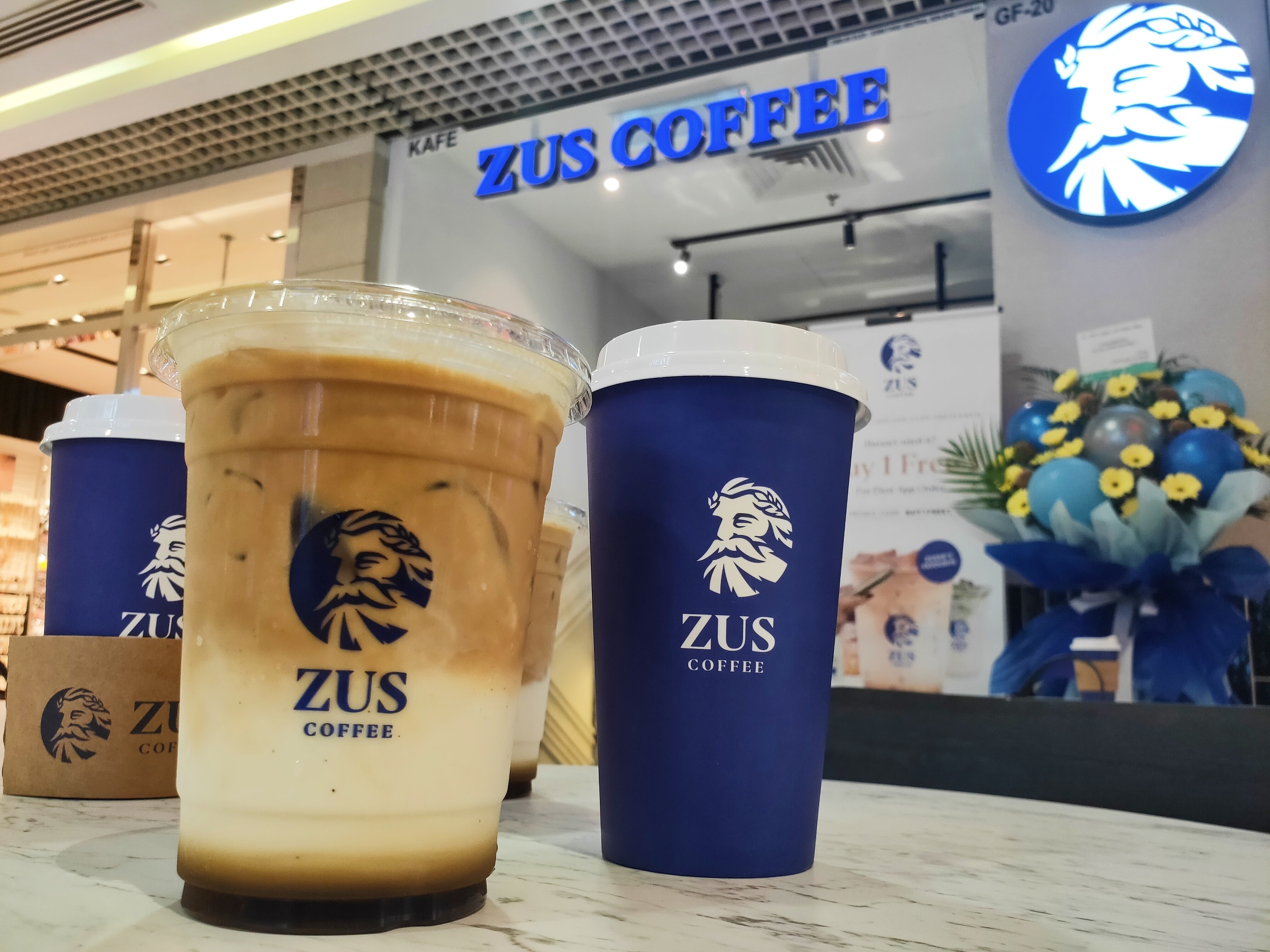
  • Zus Coffee’s Ambitious Expansion: 200 New Outlets Across Southeast Asia

    Zus Coffee’s Ambitious Expansion: 200 New Outlets Across Southeast Asia

    Zus Coffee, the well-established Malaysian chain, has announced its expansion into Thailand with the opening of two new outposts in Bangkok. This move marks a key stage in the brand’s previously stated intentions for regional growth.

    Expansion into Bangkok

    The two stores, located at Varnish Place Ari, a renowned lifestyle hub, and Baan Kampu Asoke on Sukhumvit 21 Road, were established in partnership with RSC, a prominent leasing firm.

    These Bangkok locations are just a fraction of Zus Coffee’s ambitious strategy to establish 200 new outlets throughout Southeast Asia within the year. As part of this growth plan, the company is aiming to unveil at least 107 new stores in its home country of Malaysia, approximately 80 in the Philippines, and six in Singapore. Additional expansion in Thailand, Brunei, and Indonesia is also on the horizon.

    About Zus Coffee

    Zus Coffee was founded in 2019 with a specific focus on offering budget-friendly specialty coffee. Since its inception, the company has experienced remarkable growth, mushrooming from 290 outlets in 2023 to over 700 locations in Malaysia.

    The company embarked on its international expansion in 2023, with the Philippines being the first overseas market where it launched operations.

    Questions & Answers

    When was Zus Coffee founded?
    Zus Coffee was established in 2019, specializing in affordable specialty coffee.

    What is Zus Coffee’s expansion plan for the year?
    Zus Coffee aims to open 200 new outlets across Southeast Asia this year. The plan includes launching at least 107 new stores in Malaysia, around 80 in the Philippines, and six in Singapore, with further expansion planned in Thailand, Brunei, and Indonesia.

    Where has Zus Coffee recently expanded to?
    Zus Coffee has recently expanded into Thailand, opening two new outlets in Bangkok.

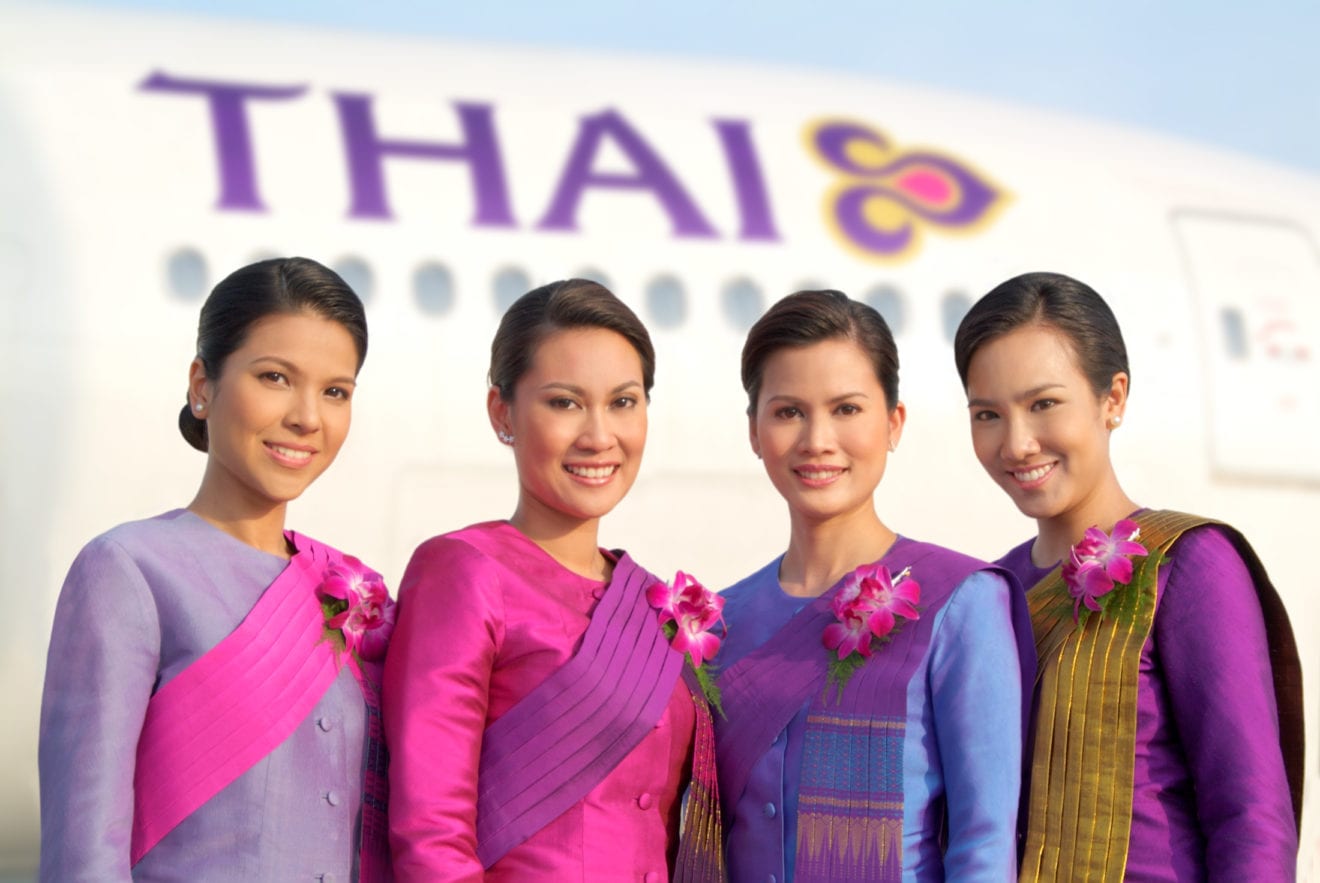
  • Thai Airways Expands Fleet with Airbus Aircraft to Seize New Travel Surge Opportunities

    Thai Airways Expands Fleet with Airbus Aircraft to Seize New Travel Surge Opportunities

    Thai Airways is embarking on an ambitious expansion, aiming to nearly double its fleet from 78 to 150 aircraft by 2033. The airline’s CEO, Chai Eamsiri, revealed in an interview that the company has struck a deal with Boeing for 45 787 Dreamliners, yet delivery has been postponed from mid-2027 to the end of that year.

    To fill the emerging capacity gap, Thai Airways is turning to Airbus, with the delivery of its first of 32 narrow-body A321neos set for November this year. By 2028, all of these aircraft will be in operation. This strategic blend of Boeing for long-haul operations and Airbus for regional routes underscores the airline’s goal of enhancing connectivity between Europe and the Asia-Pacific.

    These steps are part of a broader strategy for recovery, following a tumultuous period that forced Thai Airways to file for bankruptcy protection in 2020 after incurring significant losses from 2017 to 2019. The airline’s recovery has not been easy; it laid off half of its 30,000 staff and divested US$308 million in assets, while also relinquishing its state-owned status.

    After a five-year trading suspension, Thai Airways’ shares made a splash upon their resumption on August 4, skyrocketing over 200% on the Stock Exchange of Thailand, according to The Nation. Year-to-date, the shares have risen by 57%, marking a remarkable turnaround.

    Asadej Kongsiri, Director and Market Manager of the Stock Exchange of Thailand, hailed this return as a vital milestone, highlighting the adaptability and resilience of Thailand’s capital market.

    For the second quarter of this year, Thai Airways reported a core profit of BHT6.78 billion (US$209 million), with total revenue increasing by 1% year-on-year to BHT43.31 billion. Moreover, the airline is collaborating with Bangkok Airways for domestic flights, tapping into a promising synergy. “We carry passengers from Europe to Bangkok and connect their flights to Sukhothai and Koh Samui,” Chai elaborated, referring to some of Thailand’s most beloved travel hotspots.

    Despite these optimistic signs, Thailand’s foreign tourist arrivals have fallen to 16.6 million in the first half of 2025, down 4.6% year-on-year, largely due to a nearly 40% decline in visitors from China.

    Questions & Answers

    How is Thai Airways planning to expand its fleet?
    Thai Airways aims to expand its fleet from 78 to 150 aircraft by 2033, signing a deal with Boeing for 45 787 Dreamliners while also ordering 32 Airbus A321neos to strengthen regional capabilities.

    What recent challenges has the airline overcome?
    Thai Airways faced significant financial struggles, leading to bankruptcy protection in 2020, involving layoffs of half its workforce and asset sales, but it has since made a strong market comeback.

    What were the airline’s recent financial results?
    In the second quarter of this year, Thai Airways reported a core profit of BHT6.78 billion (US$209 million) and saw a 1% year-on-year increase in total revenue, indicating a promising recovery trajectory.

  • Etix Boosts Bangkok Campus to 28MW with New Data Center Expansion!

    Etix Boosts Bangkok Campus to 28MW with New Data Center Expansion!

    In a significant development for the Asian tech landscape, France-based data center operator Etix Everywhere has inaugurated its latest facility, BKK#2, in Bangkok, Thailand. This new addition boasts a robust capacity of 23 megawatts (MW), positioning it as a vital player in the region’s growing demand for data infrastructure.

    A Strategic Expansion in Bangkok

    Situated adjacent to the existing Etix BKK#1, which operates at 5MW, the new 16,000 square meter facility ramps up the combined power of the company’s Bangkok campus to a striking 28MW. This expansion is particularly crucial as the region increasingly embraces AI technologies, with the campus designed to accommodate up to 150kW per rack. In an exciting twist, the BKK#2 facility offers a trifecta of cooling options: air, liquid, and immersion, ensuring that it meets the diverse needs of modern computing.

    Meeting the Demand for Modern IT Solutions

    “The development of Etix BKK#1 has multiplied our capacity sixfold in just three years,” expressed Pierre Patris, Etix Everywhere’s CEO for Asia. “With 2 MW of capacity immediately available and the timely launch of BKK#2, we are in a powerful position to meet our customers’ needs.” Patris emphasized the strategic advantage of both facilities being neighbors, allowing customers to seamlessly leverage the same telecom ecosystem and expand within the same operational area, as if they were utilizing a single building.

    Commitment to Sustainability

    Beyond its ambitious technical capabilities, the Etix Bangkok campus is setting benchmarks for sustainability in data center operations. Targeting a Power Usage Effectiveness (PUE) of below 1.4, the facility incorporates on-site renewable energy sources and Battery Energy Storage Systems (BESS), ensuring that it not only meets current needs but is prepared for the future. Furthermore, the use of green concrete and steel reflects a commitment to significantly reducing embodied carbon, making it a beacon of eco-conscious design in the industry.

    Questions & Answers

    What is the significance of BKK#2’s launch in Bangkok?
    The launch represents a strategic expansion for Etix Everywhere, significantly boosting their capacity to meet rising demands for data infrastructure, particularly in AI applications.

    How do the facilities BKK#1 and BKK#2 benefit customers?
    Having both facilities in close proximity allows customers to enjoy a shared telecom ecosystem, facilitating growth and operational efficiency as if they were in one building.

    What sustainability measures are incorporated in the campus design?
    The Etix Bangkok campus aims for a PUE below 1.4 and integrates renewable energy sources, Battery Energy Storage Systems, and eco-friendly materials, underscoring its commitment to sustainability.