Tag: bangkok

  • Bangkok’s Thaniya Plaza to be refurbished for the first time in 30 years

    Bangkok’s Thaniya Plaza to be refurbished for the first time in 30 years

    Thai developer Thaniya Group plans to invest more than THB1 billion (US$33 million) on renovating Thaniya Plaza, its first major makeover project in 30 years.

    The project will cover the refurbishment of its exterior and interior design as well as the transformation of Thaniya Road, the company said in a statement.

    Located in the heart of the tourist precinct of Silom, Thaniya Plaza is a major drawcard for golfers, especially visitors from Japan and South Korea.

    “Thaniya Plaza will further strengthen our position as the well-known landmark on Silom Road and fulfill needs of people in the Silom area,” said Tasnawat Sombuntham, MD of Thaniya Group. “We are confident that we can cater to a need for business operators in terms of the customer traffic and the prime location in Bangkok’s CBD. We have also improved our space-rental services to align with today’s business landscape.”

    Thaniya Group chose a design concept emphasizing modern and green, based on public feedback suggesting there was a need for more green spaces in the Silom area. The 12,000sqm retail space spans four floors in two buildings connected by bridges. The landscape on the ground floor will be transformed to increase more green area and create a link between the two buildings.

    The first phase of the renovation will start in April with the work expected to be completed by early next year. During the renovation, the mall will continue to trade.

  • UOB Invests in Thai Fintech

    UOB Invests in Thai Fintech

    The funds will be invested into the Stellar Network, the blockchain technology underlying Lightnet’s platform, as well as to build a «next-generation financial mobility network.»

    Bangkok-based fintech Lightnet has raised $31.2 million in a Series A funding round led by UOB Venture Management, the private equity unit of UOB, the firm announced in a statement on Friday.

    Other backers include Seven Bank, Uni-President Asset Holdings, HashKey Capital, Hopeshine Ventures, Signum Capital, Du Capital and Hanwha Investment and Securities.

    According to its website, the company aims to disrupt the global remittance market by using smart contracts and distributed ledgers to replace the SWIFT system and underground banking. It is currently focusing on the millions of unbanked migrant workers in Southeast Asia, which rely on costly, slow, and fragmented services for cross-border remittances.

    Lightnet was co-founded by Chatchaval Jiaravanon – a family member of the Charoen Pokphand Group in Thailand – and tech entrepreneur and former investment banker Tridbodi Arunanondchai.

    «We project that within three years, Lightnet will facilitate over $50 billion worth of annual transactions through our industry-leading partner network,» Arunanondchai said.

  • Thailand Cannot Push Digital Banking with Central Bank Alone

    Thailand Cannot Push Digital Banking with Central Bank Alone

    Thailand hopes to match the rapidly rising global standards in digital banking but Bank of Thailand’s governor notes that it will take more than just the efforts of the central bank.

    Veerathai Santiprabhob said the central bank will look to launch electronic lending and other financial services this year through a collaboration with various parties. Though he did not disclose details, the BoT governor stressed that collaboration between government agencies is critical, according to a report.

    It cannot be the central bank alone, he said.

    Digital banking in Thailand is feeling the tailwinds, despite the lack of independent virtual lenders seen emerging in neighboring financial hubs. UOB was the latest reported entrant into the country with the launch last year of its first mobile-only bank, TMRW. Local lenders, too, are making digitalization inroads with one player reportedly reaping the success of applying gamification in its business.

    Although Thailand has digital banking ambitions, Veerathai is cognizant of the gap between its market and other rival players in Asia. He highlighted data from non-financial sources, an electronic identification system and a suitable regulatory framework as three key pillars required to build virtual banks.

    At this stage, Thailand might not have the ecosystem ready like in Singapore or Hong Kong, where the digital banking system is in better shape, he said.

    When we talk about digital banking licenses, we want to have a new financial services provider that can serve the currently underserved, meaning that you have to be able to meet the needs of people on the street, people from far, far away, Veerathai said.

    Whilst access to the unbanked market is undoubtedly an attractive proposition, Veerathai acknowledged the challenges required to evaluate borrowers’ creditworthiness due to insufficient data available.

    This can come from when customers use mobile phones, the way they conduct their business using the digital footprint ecosystem, he added.

  • Thailand’s Central Retail Group confirms IPO launch

    Thailand’s Central Retail Group confirms IPO launch

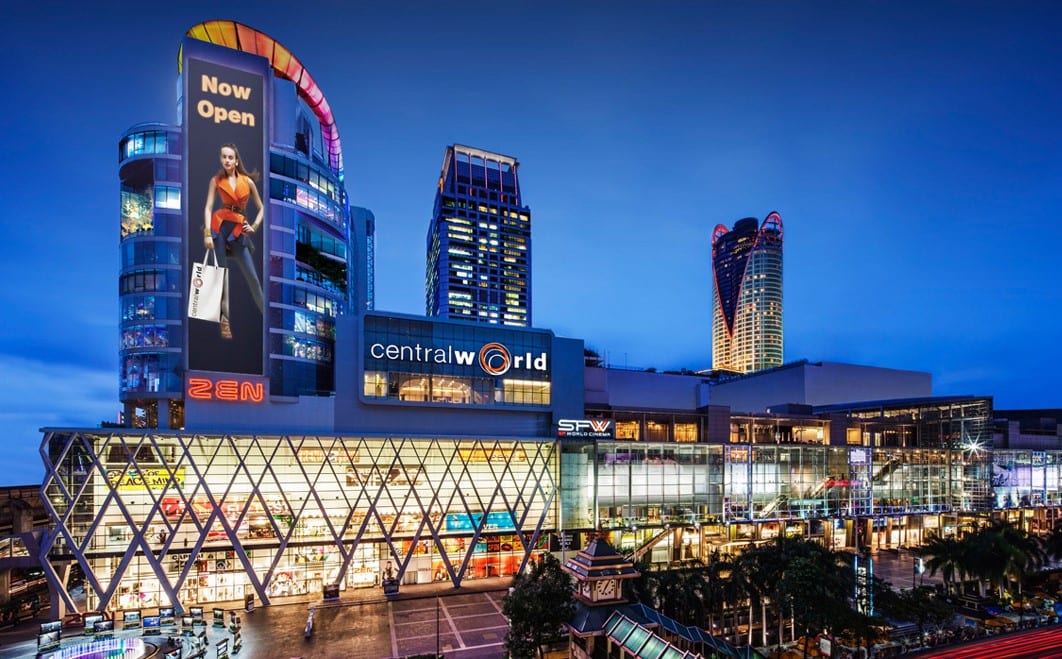
    Central Group subsidiary Central Retail Corporation, aims to raise up to THB81.1 billion (US$2.7 billion) in an initial public offering (IPO), which will be Thailand’s largest yet.

    Central Retail’s IPO price will range between THB40 to 48 per share. The company will sell up to 22.1 per cent of its stock or 1.69 billion shares with an overallotment option of 169 million shares. Investors can subscribe from February 6.

    Central Retail’s planned offering would be Thailand’s largest on record ahead of the BTS Rail Mass Transit Growth Fund, which raised US$2.1 billion in 2013.

    Funds raised will be used to expand its domestic and international businesses and to pay off debt, according to a spokesperson.

    As part of its listing plans, Central Group will delist its retail subsidiary Robinson PCL and offer a share swap to Robinson’s existing shareholders with no cash alternatives. The share swap will start in late January.

    Central Retail achieved sales of $3.46 billion in the six months to June. Some 43 per cent of that came via its food business, 34 per cent from fashion and the remainder from hardware.

  • Thai AirAsia X flies to Tbilisi

    Thai AirAsia X flies to Tbilisi

    Thai AirAsia X will operate six Christmas and New Year scheduled charter flights to Tbilisi Georgia from its home base Bangkok Don Mueang airport.

    Bookings are mainly generated by Thai outbound travel agents promoting tour packages to Georgia for the festive season. Flights will use an Airbus A330-300 with 377 seats.

    Based on Airlineroute timetable information, the first flight will take off 25 December from Don Mueang Airport at 1455 arriving in Tbilisi at 2040.

    The remaining five flights depart from 28 December to 6 January.

    According to a report in GT Georgia Today news service, Thai AirAsia X carried out two test flights in October before it was awarded a permit by Georgia’s  Ministry of Economy and Sustainable Development  on 27 November 27

    Wikipedia describes “Tbilisi the capital of the country of Georgia as a cobblestoned old town that reflects a long, complicated history, with periods under Persian and Russian rule. Its diverse architecture encompasses Eastern Orthodox churches, ornate art nouveau buildings and Soviet Modernist structures. Looming over it all are Narikala, a reconstructed 4th-century fortress, and Kartlis Deda, an iconic statue of the “Mother of Georgia.”

  • Thailand’s Nok Air seeks to raise $73.5mn from shareholders

    Thailand’s Nok Air seeks to raise $73.5mn from shareholders

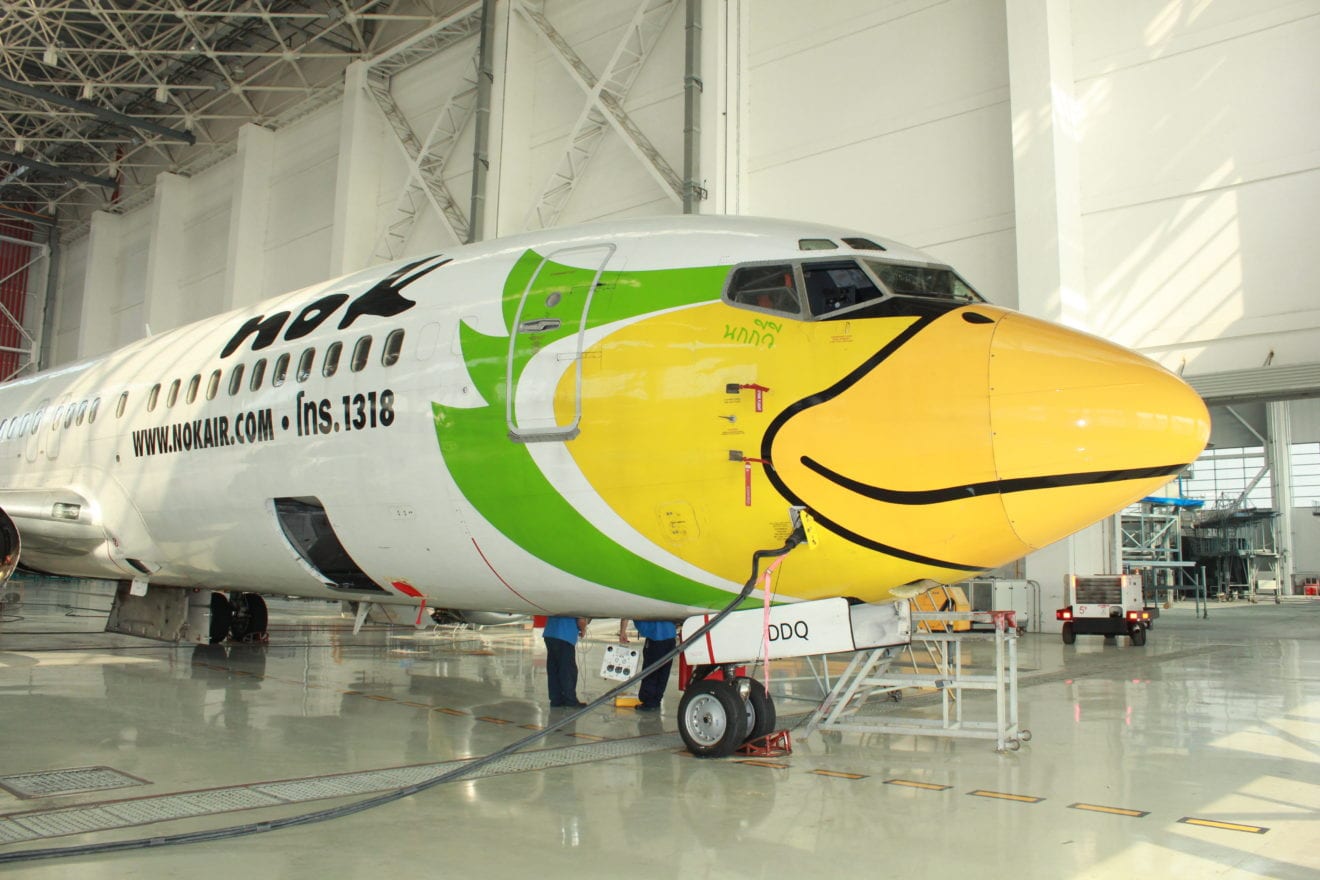
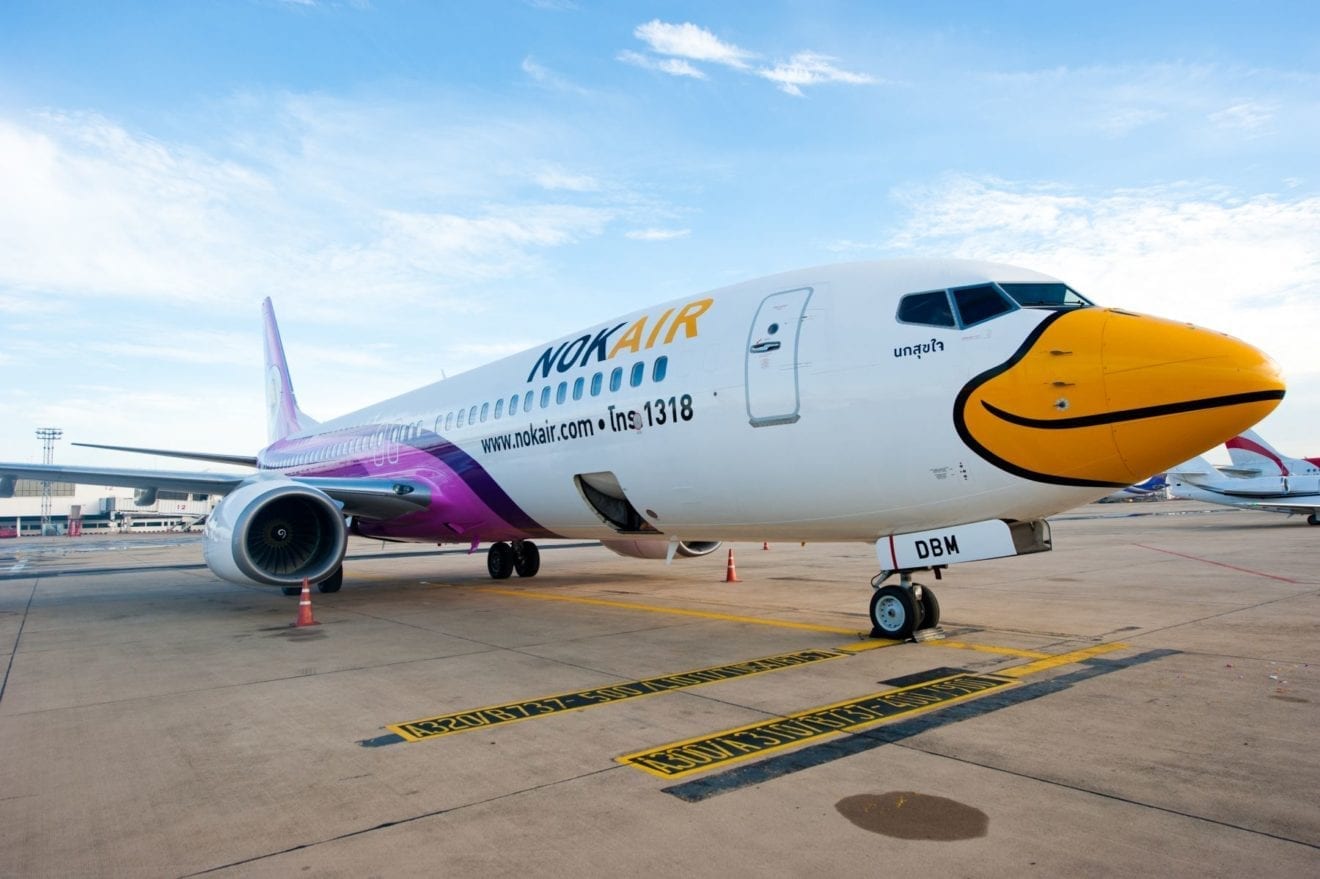
    Nok Air is seeking to raise THB2.22 billion bahts (USD73.5 million) from existing shareholders through a new share issuance, the Thai low-cost carrier said in a stock market filing.

    The Thai carrier’s Board of Directors proposed issuing 888,147,358 new shares nominally valued at THB1 (USD0.03) each. If the proposal is approved by an Extraordinary General Meeting on January 14, existing shareholders will be offered purchase rights to buy one new share per 3.5 existing shares. The purchase price has been set at THB2.5 (USD0.08) per share.

    The offering period will run from February 3 to February 7, 2020.

    Nok Air said it will allocate shares not taken up in the first round to any oversubscribing shareholders but it does not foresee allocating any shares to investors who are not shareholders at the moment.

    Simultaneously, the Board of Directors proposed decreasing the number of shares in circulation by 99,030,527 shares which were not sold during previous equity increases. This will result in a decrease of the total number of shares, equivalent to the registered capital, to 3,309,019,273 prior to the new issuance planned for early February.

    Nok Air is currently controlled by the Jurangkool family, with three of its family members controlling a combined 67.4% stake in the airline. Thai Airways International owns a 15.9% stake with the remainder held by small shareholders with less than 0.5% each.

  • Thai Union Group Increases stake in Thammachart Retail

    Thai Union Group Increases stake in Thammachart Retail

    Food business Thai Union Group has increased its shareholding in Thammachart Seafood Retail to 65 per cent in a move to capture a greater portion of the seafood industry in Thailand.

    The firm purchased its initial 25.1-per-cent shareholding in Thammachart last year to build on its existing strength in frozen seafood and food services.

    “Thammachart Seafood provides professional management services to leading Thai retailers for their seafood counters, handling fresh and frozen products at 190 locations throughout Thailand,” Thammachart Seafood Retail CEO Julian G Davies told The Nation.

    “This includes four food-and-beverage concepts at 18 locations, The Dock Seafood Bar, The Lobster Lab, Seafood Mahanakorn as well as management of the Ocean Bar. We opened our third business unit earlier this year, the seafood-focused food service business, and this currently supplies top-end hotels and restaurants including several Michelin-star restaurants in Bangkok,” said Davies.

    “Having Thai Union on board will help us realise our mission to be the customers’ first choice in seafood.”

    Thai Union is expected to cross over into the Laotian, Cambodian and Chinese markets following its domestic expansion phase.

  • Bangkok Bank Snaps Up Bank Permata

    Bangkok Bank Snaps Up Bank Permata

    Bangkok Bank emerges as the buyer of PT Bank Permata after Singapore’s DBS and OCBC reportedly backed out from bidding. Thailand’s second-largest lender Bangkok Bank bought Permata for about $2.7 billion to obtain a near 90 percent stake from Standard Chartered and PT Astra. The deal, which was advised by Morgan Stanley, was valued at 1.77 times Permata’s book value.

    According to a Bangkok Bank release, it found the acquisition attractive due to Permata’s «leading retail deposit franchise and best-in-class digital capabilities» with more than 300 branches in 60 cities in Indonesia.

    According to a filing, the acquisition is part of Bangkok Bank’s strategic transformation to become a regional lender, describing Indonesia as a «highly attractive and fast-growing market”.

    International expansion is our key strategy,» said Piti Sithi-Amnuai, chairman of Bangkok Bank. «Indonesia, in particular, is a key focus for us, as it is one of the fastest-growing major economies in Asia with highly attractive macroeconomic fundamentals, favorable demographics, and increasing ASEAN regional integration.

    Standard Chartered had signaled its intention to dispose of the stake in February, as it was no longer core to its strategy, and the funds raised from the sales could be used to further its share repurchase program which has already returned $1 billion.

  • Nok Air gets new staff and planes

    Nok Air gets new staff and planes

    Loss-ridden budget airline Nok Air is recruiting pilots and flight attendants and will acquire two new planes to serve high-season demand as its rehabilitation plan shows positive effects, its chief executive Wutthiphum Jurangkool said on Wednesday.

    He said that the airline’s recruitment of about 800 new pilots and flight attendants is evidence that its rehabilitation plan has been effectively implemented and has strengthened its financial status.

    Apart from staff recruitment, the airline would acquire two new aircraft to add to its 22-plane fleet by the end of the year.

    Mr Wutthiphum added that Nok Air will launch direct service between Bangkok (Don Mueang) and Hiroshima, Japan. It has increased domestic flight frequencies from three to four daily on the Don Mueang-Buri Ram route and from four to seven flights a week on the Chiang Mai-Ubon Ratchathani route.

    Nok Air’s passenger load factor stood at 88% in the first half this year, down from 91% year-on-year because of the reduction in aircraft numbers from 28 to 22, he said. The reduced fleet saw flight and passenger volume in the second quarter drop by 10.3% and 8.18 respectively.

    Nok Air reported a loss of 470 million baht in the second quarter, down from a loss of 742 million in the same period last year, and a net loss of 751 million for the first six months, down from a loss of 774 million year-on-year.

  • Big C reveals expansion plans at home and abroad

    Big C reveals expansion plans at home and abroad

    Thai supermarket business Big C is planning to spend THB6.5 billion (US$214 million) on expansion both domestically and internationally next year.

    While the majority of the funds earmarked for growth will go towards development within the brand’s home territory, THB500 million ($16.5 million) will be set aside for overseas expansion. The brand has just launched its first 8000sqm Big C in Cambodia, and has designs on a launch in Laos next year.

    The firm’s domestic thrust is focused on small retail outlets – branded Mini Big C – designed to facilitate its reach to more customers in Bangkok and beyond. It is also investigating 3000–5000sqm hypermarkets as a “town centre” concept.

    “We are committed to investing in Thailand next year because we are confident in the country’s economic foundation,” said Big C’s CEO Aswin Techajareonvikul. “From next year, we will pay more attention to expanding our retail business abroad, focusing on Cambodia, Laos, Myanmar and Vietnam, where the economies are strong.”

  • Bangkok’s Chatuchak Market head to Singapore

    Bangkok’s Chatuchak Market head to Singapore

    The world-famous Bangkok Chatuchak Market is set to open in Singapore, drawing an expected 600 Thai vendors.

    A 40,000sqft pop-up market will be open from February 4 to May 3 at The Grandstand on Turf Club Road. Between 30 and 50 Thai vendors will participate at the market each week on a rotational basis alongside local vendors, operating up to 272 stalls vending handicrafts, fashion and other items.

    It is the first time the Chatuchak Market has been convened outside of Thailand.

    Thai street food will be sold at the market for visitors seeking an authentic Chatuchak Market experience, complete with the snacks.

  • AirAsia birthday extend to Thailand

    AirAsia birthday extend to Thailand

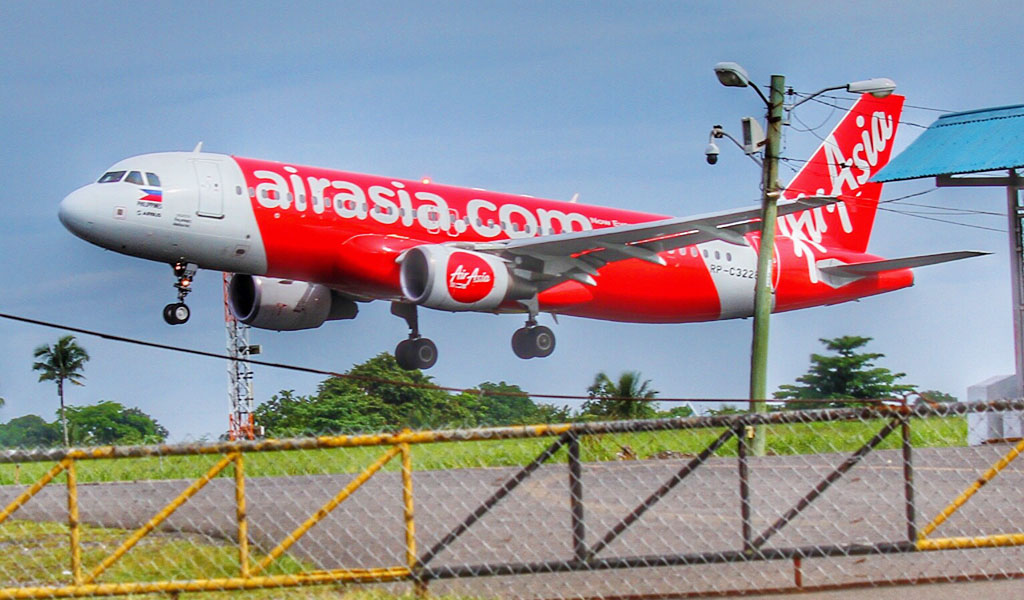
    Following on from the launch of low-fares and holiday deals in Kuala Lumpur earlier this week, Thai AirAsia is marking the group’s 18th birthday with more promotions.

    Promotional fares are as low as THB318 for BIG members and THB361 for a non-member on domestic routes from Bangkok to Ubon Ratchathani, Udon Thani, Chiang Mai, Phuket, Krabi, and Khon Kaen.

    On international routes, the deals include bargain fares to Can Tho, Danang, Ho Chi Minh, Macau, Jaipur and Shantou.

    A return flight plus a two-night hotel package has a starting price of THB1,999 per person.

    Other deals include 8% off all add-on baggage selections and an 8% discount on a comprehensive insurance plan.

    The special fares are available on airasia.com and the AirAsia mobile app until 1 December for travel from 27 April 2020 to 1 March 2021. All-in fares including taxes and fees

  • Gamified Banking in Thailand Driving Clients Inflows

    Gamified Banking in Thailand Driving Clients Inflows

    Gamification within Thai banking has proven to be a hit for fintech firm Meniga, which has seen the concept flourish enough to drive clients to top up savings to increase their «level».

    Meniga is focused on developing white-labeled digital user experiences focused on leveraging the power of analytics and transaction data.

    According to Meniga’s APAC head of sales, Kanika Mittal, it had partnered with a Thai financier to power an app that gamified deposits by «leveling up» customers as they saved more in a way akin to popular games like Age of Empire, where users build and upgrade their civilizations.

    When they begin, they are on level one. As they save more they can build a village before upgrading to a town, city and super city, Mittal explained. «The app has a total of 74 levels and it has proven so popular that customers called to increase the savings limit per day to advance.

    A key prerequisite for unlocking the value of transaction data for individual customers is aggregation. While the technology undoubtedly exists, an ecosystem needs to be formed and, in particular, regulations need to be in place to drive industry growth and form trust in the market.

    It is critical to provide consumers and market players a sense of security and safety when such personal data is being shared across banks,» she explained. «That is why regulations play a key role. If it is an organic market for open banking, there will always be hesitation for open banking that is not backed by a regulatory authority.

    Meniga was founded in Iceland within the ruins of the financial crisis when the nation had already seen the worst with three of the top four banks having collapsed. Out of all this chaos, the firm sought to raise awareness about how to manage finances better, not only due to the evident demand for such insights or expertise, but also because «it is the socially responsible thing to do,» Mittal said.

    Proof of its commitment to the value of social responsibility, the firm recently partnered with UN Climate Change to provide customers with data and insights about their impact to the environment. The partnership developed methods to calculate the carbon footprint of users entirely based on their transaction data and the type of products and services consumed.

    Such developments are win-win scenarios,» she added. «That is part of the fabric of this company, based on our roots, and we believe in it.

  • Siam Commercial Bank Partners Liquid Group

    Siam Commercial Bank Partners Liquid Group

    Siam Commercial Bank (SCB) and Liquid Group today announced a strategic partnership to enable cross-border QR payment acceptance in Singapore and Thailand.

    With the opening of the Singapore – Thailand corridor for QR payments, SCB will be acting as the sponsoring bank for all Thai banking applications that support cross-border QR payments. Customers will be able to pay for their purchases using their respective Thai QR payment apps at Liquid Group’s participating merchants in Singapore.

    One of SCB’s key business operation strategies is to have strong partners to create new capabilities to keep pace with drastic changes in consumer behavior around the world.  Partnership with a QR payment service provider such as Liquid Group will help provide more opportunities and better access to real-time and seamless global payment experiences for Thai customers going abroad and foreigners coming to Thailand, said Sopol Chattananant, Siam Commercial Bank WB Future Platform, Global Transaction Banking Services Division First Senior Vice President.

    The partnership will allow both players to spearhead cross-border interoperability for QR payments between Thai Mobile Banking Applications and Liquid Group’s network of regional payment apps. As the largest commercial bank in Thailand, SCB has a vast merchant base of approximately 1.0 million acceptance points across the country.

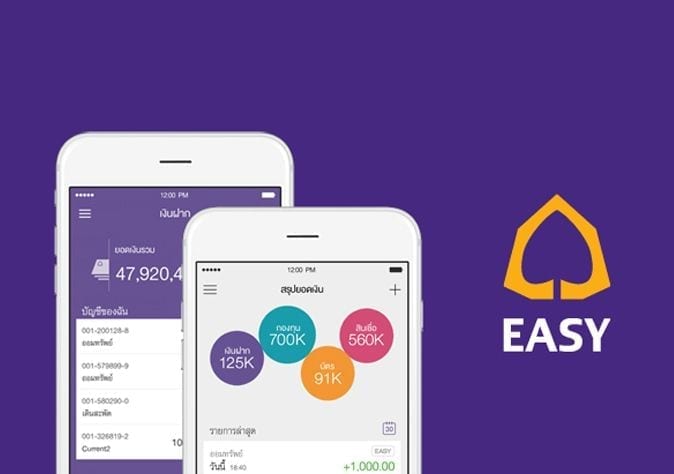
    In the initial stage, the service will enable Thai customers going to Singapore to use the SCB Easy Application and mobile banking applications of other banks with a cross-border payment feature to scan QR code for payments at shops located in Singapore’s Changi Airport before expanding to other locations.

    In the next stage, the service will allow Singaporean visitors to make payments using QR scanning in Thailand.  The Bank is confident that the partnership with Liquid Group will offer a real-time and seamless payment experience through a digital platform to truly meet the requirements of our mutual customers.

    Participating merchants in Singapore and Thailand can stand to generate additional revenue from the high volume of frequent travelers commuting between the two countries and their increased purchasing power, which is no longer limited to the amount of cash they carry but linked to the available credit in their wallet drawing from their deposit accounts.

  • Thailand’s Central Group invests in EU expansion

    Thailand’s Central Group invests in EU expansion

    Thailand’s Central Group has made three major overseas investments totaling US$662.7 million to build its presence in world-leading tourist destinations.

    The new investment properties are located in Vienna, Osaka and Turin.

    “Central Group continues to embark on our strategy to ride on the global tourism trend by developing high-quality flagship projects in major tourist cities,” said Central Group executive chairman and CEO Tos Chirathivat. “Our most recent investment of over 20 billion baht comprises three landmark projects: an iconic innovative luxury retail and hotel complex in Vienna; Centara’s first Centara Grand Hotel Osaka in Japan; and the relaunch of a completely refurbished Rinascente Department Store in Turin, Italy.”

    The 58,000sqm development in Vienna comprises a luxury department store, a luxury hotel with 150-165 keys, retail shops and upscale restaurants with a publicly accessible roof park.

    Design group OMA won an international design competition with its design concept “The Link”, which seamlessly connects the new building complex with the city surroundings via a series of public and commercial spaces. The project is a joint venture between Central and Austria’s Signa Group, and is due to open in 2023.

    Centara Grand Hotel Osaka is the first Centara-branded property in Japan, which will occupy a prime site in Osaka’s Namba district, the center of leisure tourism for the city and the wider Kansai region.

    The property will be built as a flagship five-star hotel located at the city center, with 515 rooms occupying a new 34-story tower overlooking Namba Parks. The top floors will include a lounge along with customizable space for meetings and events, plus a rooftop restaurant sky bar providing panoramic 360-degree views of Osaka.

    Centara Grand Hotel Osaka is a partnership between Centara Hotels & Resorts, Taisei Corporation and Kanden Realty & Development, and is scheduled to open in 2023.

    Thailand’s Central Group bought Rinascente Turin in 2017 and is now refurbishing and upgrading the store, nearly doubling the net selling space. A highlight of the renovation is the new accessories area featuring new collections by luxury brands such as Bottega Venetta, Burberry, Alexander McQueen and Marni.

    Central’s international investment and growth can be partly attributed to the strong Thai baht, which has appreciated substantially against most major currencies over the last few years. Last year, Central Group’s international operations – primarily in Vietnam, Europe and the Maldives – contributed around 30 percent of the group’s revenue. This share is expected to grow in the next five years with the new projects in the pipeline.

    “Thailand has a huge opportunity to drive domestic spending and tourism growth by lowering import duties and optimizing the foreign exchange rate,” said Tos. “Today, Thai import duties on major lifestyle categories are the highest in Asia, putting the country at a disadvantage as a shopping destination. If Thai baht depreciates and import duties are lowered, it will be more attractive for tourists to visit and shop here, and there will be less incentive for Thais to shop overseas.

    “Given the significant contribution to the country’s employment and GDP, a vibrant and thriving tourism and retail sector is key to driving Thailand’s healthy and sustainable economic growth overall,” he said.