Tag: bangkok

  • Paul & Shark Thailand opens store in duty-free mall

    Paul & Shark Thailand opens store in duty-free mall

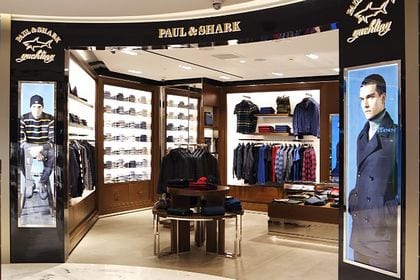
    Paul & Shark Thailand has opened a store at the Downtown Duty Free Mall in Rangnam Road, Bangkok.

    Run by King Power, the complex combines both international and local brand shopping with a hotel and theatre.

    Offering key pieces from the luxury Italian sportswear brand’s autumn/winter collection, the outlet follows the new Paul & Shark store concept characterised by high-tech steel, smoked glass and the brand’s signature blue.

    It is one of several stores the brand has opened this year, and comes in the final quarter of what the company says has been a successful year.

    It also opens in time for the Trinity Forum airport commercial revenues conference, which is being hosted at the King Power Pullman in Bangkok, “so we very much hope delegates will have the chance to see if for themselves”, says Paul & Shark worldwide travel retail director Catherine Bonelli.

  • Kerry Logistics Awarded Frost & Sullivan’s Asia Pacific Regional E-Commerce Logistics Service Provider of the Year

    Kerry Logistics Awarded Frost & Sullivan’s Asia Pacific Regional E-Commerce Logistics Service Provider of the Year

    Kerry Logistics is pleased to announce that its subsidiary, Kerry Express, has been named the Asia Pacific Regional E-Commerce Logistics Service Provider of the Year at the 2017 Frost & Sullivan Asia Pacific Best Practices Awards (‘the Awards’).

    Organised annually by global business consulting firm Frost & Sullivan, the Awards recognise best-in-class companies in the Asia Pacific for their outstanding achievements and performance in areas such as leadership, technological innovation, customer service, and strategic product development. The results were measured by industry analysts through in-depth interviews, analysis, and extensive secondary research to identify the best practices in each field. The selection of award recipients was based on a set of parameters including revenue growth, market share, leadership, and business strategy.

    “We are delighted to earn such a prestigious honour from Frost & Sullivan for our express operation,” said Alex Ng, Executive Director of Kerry Express. “We wish to thank Frost & Sullivan and the industry analysts for the recognition, and our express team for their hard work and support. The accolade is a testament to our dedication in providing reliable and cost-effective B2C/ C2C e-commerce solutions to some of the biggest e-retailers and small sellers on social media in the region. Leveraging the booming e-commerce and cross-border activities in Asia and across the globe, we will continue to focus on bringing innovative and flexible e-fulfilment solutions to our customers.”

    Kerry Logistics’ expansive express network covers Hong Kong, Taiwan, Thailand, Vietnam, Malaysia, and Cambodia. To further strengthen its service capability and coverage, Kerry Logistics formed a joint venture in 2017 Q2 with a local express operator in Indonesia to tap into the booming local express market. Singapore will be the next target for expansion.

  • Thai hotels booked up ahead of funeral of revered king

    Thai hotels booked up ahead of funeral of revered king

    The funeral will run for five days next week. Hotels in Bangkok’s bustling old town, home to a backpacker enclave favoured by foreign tourists, are booked up as Thailand prepares to host the lavish funeral of its revered King Bhumibol Adulyadej next week, the hotel association said on Monday.

    The funeral of King Bhumibol, who died on Oct. 13 last year after seven decades on the throne, will run for five days next week, with most events centering on the Grand Palace and Sanam Luang, a public square in the historic quarter.

    About 250,000 mourners are expected to attend the funeral, which will feature gold-tipped pavilions built for the occasion, and Oct. 26, the day of the cremation, has been declared a national holiday.

    “Many Thais wishing to attend the cremation feel it would be more convenient having a place to stay nearby, so most hotels have been booked out already,” Supawan Tanomkieatipume, president of the Thai Hotels Association, told Reuters.

    A Reuters survey of three hotels on the Khao San Road, the main artery of the Banglamphu backpacker area, found no rooms were available.

    “We are fully booked during the royal cremation,” said Preechaya Amngeun, 23, a guest services agent at the Ibis Styles Bangkok Khaosan Viengtai, part of French hotel group Accor .

    “Around 80 percent of the guests we have are Thais. The other 20 percent are foreign tourists.”

    Thailand’s tourism industry, which accounts for 12 percent of GDP, has been a rare bright spot for an economy that has struggled since a 2014 coup. It has weathered political turbulence and a major natural disaster over the past decade.

  • DHL gears up for logistics boost from Thailand’s Eastern Economic Corridor

    DHL gears up for logistics boost from Thailand’s Eastern Economic Corridor

    The development of Thailand’s Eastern Economic Corridor (EEC) is set to boost the country’s contract logistics sector.

    On Tuesday, Thailand’s ruling junta approved a plan to accelerate investment for the EEC project, which will see the region developed into a $45bn special economic zone by 2021.

    According to Kevin Burrell, chief executive of DHL Supply Chain’s Thailand Cluster, the EEC will attract a whole range of new investors to the country.

    He told that the next-generation automotive, smart electronics, affluent medical and wellness tourism, agriculture and biotechnology, food innovation, industrial and lifestyle robotics, aerospace, logistics and aviation, biofuel and biochemical, and medical services and healthcare were all industries set to see increased levels of activity.

    “I believe that the automotive, industrial, technology and healthcare and life sciences sectors will further drive contract logistics growth under the EEC program,” he added.

    According to the Thailand Board of Investment, the EEC spans 13,285 sq km across three provinces in eastern Thailand, Chachoengsao, Chonburi and Rayong.

    The plan is to turn the region into a key investment, technology and transportation hub via infrastructure improvements and by designating the area as special economic zone to attract foreign direct investment.

    “With the EEC, the Thai government is prioritising the creation of faster and more comprehensive routes between airports, ports, industrial clusters and urban centres throughout Thailand by developing high-speed and double-track railways,” explained Mr Burrell.

    High-speed rail will link the three main international airports, Don Mueang, Suvarnabhumi and U-Tapao, while double-track railways will connect key industrial zones such as Laem Chabang, Map Ta Phut and Sattahip Commercial Port. A new motorway will connect Bangkok to Rayong.

    Mr Burrell said the project would enhance South-east Asia’s broader logistics connectivity, so long as cross-border trade was allowed to flow smoothly.

    “The new rail network, when connected to neighbouring countries and deployed with efficiency and cost-effectiveness, should provide significant enhancements to logistics efficiency across the region. Coupled with the development of highways across Asia, it will provide a perfect platform for the efficient flow of goods.

    “What is still to be seen is border crossing harmonisation. What really needs to be developed is an efficient manner to allow vehicles to drive across borders with limited delays from customs processes.”

    DHL Supply Chain is to invest more than €70m to grow its regional footprint in Thailand, Vietnam, Cambodia and Myanmar by 2020. It plans new facilities, expanding its fleet of trucks and new technology to create an additional 5,000 jobs in the four countries.

    DHL recently completed a move to new premises in Bangkok’s business area. From there it has a nationwide network of 70 facilities, with combined warehouse space of 650,000sq metres and 10,000 employees.

    However, Mr Burrell added, finding suitable labour was becoming increasingly challenging, and as a result, greater warehouse automation would be deployed to fill the gap.

    “It becomes more and more difficult to find workers. That’s why we have opened our labour force to foreign labour. However, the regulations around foreign labour are understandably detailed and complicated. As a result, we have looked at alternatives to derive greater operational efficiencies and have started to deploy automation systems in some facilities.

    “Looking ahead, we see an ever-widening shortage of drivers for heavy goods vehicles. We feel it is essential to address this issue; one option is to allow foreign drivers to drive in Thailand, and an alternative is a government initiative to encourage development in this important space,” he said.
  • Deliveree raises cash for expansion

    Deliveree raises cash for expansion

    Thai-founded Deliveree has raised US$14.5 million in a series A funding round, the cash earmarked for further Southeast Asian expansion.

    Since its launch in Bangkok three years ago, Deliveree has moved into Manila (operating as Transportify) and Jakarta. It will now expand into other markets in the region, likely to include Malaysia.

    The concept links private drivers with businesses moving small parcels, tapping into the growing e-commerce economy, and is also moving into larger consignments, targeting online retailers receiving inventory prior to sale.

    The latest funding round was led by Gobi Partners, which has a stake in Deliveree’s rival GoGoVan. Asia Summit Capital and foundation shareholder Inspire Ventures also invested.

    “Over the past few years, there has been a substantial investment in small-parcel, last-mile

    consumer logistics,” said Deliveree CFO Gagan Singh.

    But, he said but the industry suffers from poor operating economics. He believes Deliveree’s technology is more easily scaled than that of rivals, like Hong Kong headquartered Lalamove and GoGoVan.

    Deliveree claims to have 15,000 vehicles on its roster.

  • ThaiBev acquires restaurant chain

    ThaiBev acquires restaurant chain

    Thai Beverage Public Co (ThaiBev) has bought a 76 per cent stake in Thailand restaurant chain Spice of Asia for THB114.5 million (US$3.4 million).
    Funding for the acquisition will come from internal resources, says the F&B giant.

    Spice of Asia has 10 restaurants under four brands – Cafe Chilli, Chilli Thai Restaurant, Eat Pot and Pot Ministry, serving Thai food and hotpot concepts. The acquired stake will be held by ThaiBev subsidiary Food of Asia.

  • Tesco Asia sales slump, profit soars

    Tesco Asia sales slump, profit soars

    Tesco Asia sales plummeted in the last half year – but profit soared by nearly a quarter.

    The UK headquartered supermarket operator, which operates Tesco Lotus in Thailand and Tesco in Malaysia – said in its trading statement that Asian operating profit before exceptional items was £141 million, up 24.8 per cent at constant exchange rates and 39.6 per cent at actual rates.

    “This improvement has been driven by refocusing on our core retail offer and significantly

    reducing the level of short-term promotional coupon activity. Furthermore, we have continued to focus on reducing our cost base as part of the group’s overall cost savings program and to help offset inflationary cost increases in the region.”

    Overall Tesco Asia sales fell by 6 per cent at constant exchange rates, with like-for-like sales falling 8.3 per cent.

    “The sales performance in Asia reflects our decision to withdraw from bulk selling activities in Thailand at the start of the financial year. Before this impact, underlying like-for-like sales in the region were down circa 2 per cent, largely as the result of a reduction in the level of short-term promotional couponing activity and the deflationary impact of lowering our food prices for customers. New store openings contributed 2.3 per cent to sales growth in Asia,” the company said.

    “Strong progress”

    Tesco CEO Dave Lewis hailed “strong progress” for the group as it reported an eightfold rise in overall first-half profits to £562 million and resumed dividend payments after a three-year hiatus.

    “Our offer is more competitive and more customers are shopping at Tesco. Today’s announcement that we are resuming our dividend reflects our confidence that we can build on our strong performance to date,” he said.

    “Market conditions have been challenging with inflationary pressure being felt throughout the half, but we have worked hard with our supplier partners to minimise price increases for customers.

    “Our overall sales inflation in the half was around 1 per cent less than the rest of the market, helping us become even more competitive.”

    However some analysts were a little more cautious in their assessments, suggesting the retail will soon have to raise its prices in the UK.

    Molly Johnson-Jones, senior retail analyst with GlobalData, said Tesco UK could not afford to maintain the 1 per cent inflation gap with its rivals and simultaneously reach its ambitious 3.5 – 4 per cent margin target and £1.5 billion cost savings goal by the 2020 year.

    “Tesco’s ability to maintain its price competitiveness will be challenged by cost inflation, which will continue through to 2019, and shelf-edge inflation, which will reach a peak of 2.9 per cent in the first half of 2019. Using our price tracker, we have seen that Tesco raised its prices circa 2 per cent during the first half, and we estimate that they are, therefore, absorbing about 1 per cent of cost inflation. At the moment, this ability to absorb cost inflation comes from the volume benefits that it has gained from suppliers.

    “We predict that Tesco’s prices will begin to increase towards 2019 as volume benefits from its supplier negotiations start to dissipate.”

  • Thai AirAsia adds two new destinations in India

    Thai AirAsia adds two new destinations in India

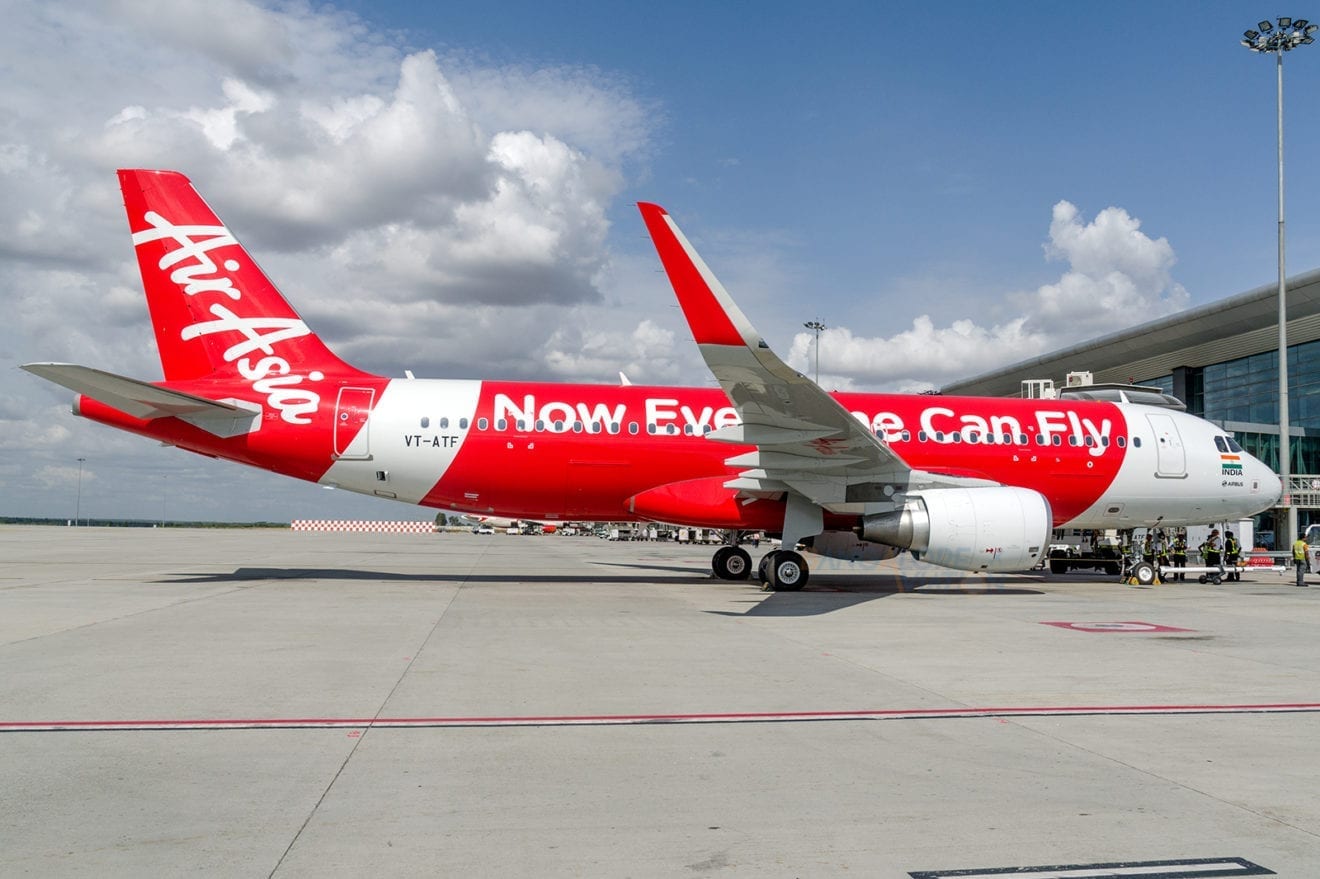
    Thai AirAsia commenced two new routes from Bangkok Don Mueang (DMK) to India. Flights from the Thai airport to Tiruchirappalli (TRZ) commenced on 28 September, followed by the inaugural service to Jaipur (JAI) on 29 September. Both routes will be served four times weekly by Thai AirAsia A320s. There is no competition on either route. The airline now serves six destinations in India from Don Mueang, accounting for 32 weekly flights.

  • Central Group buying Dean & Deluca rights outside US

    Central Group buying Dean & Deluca rights outside US

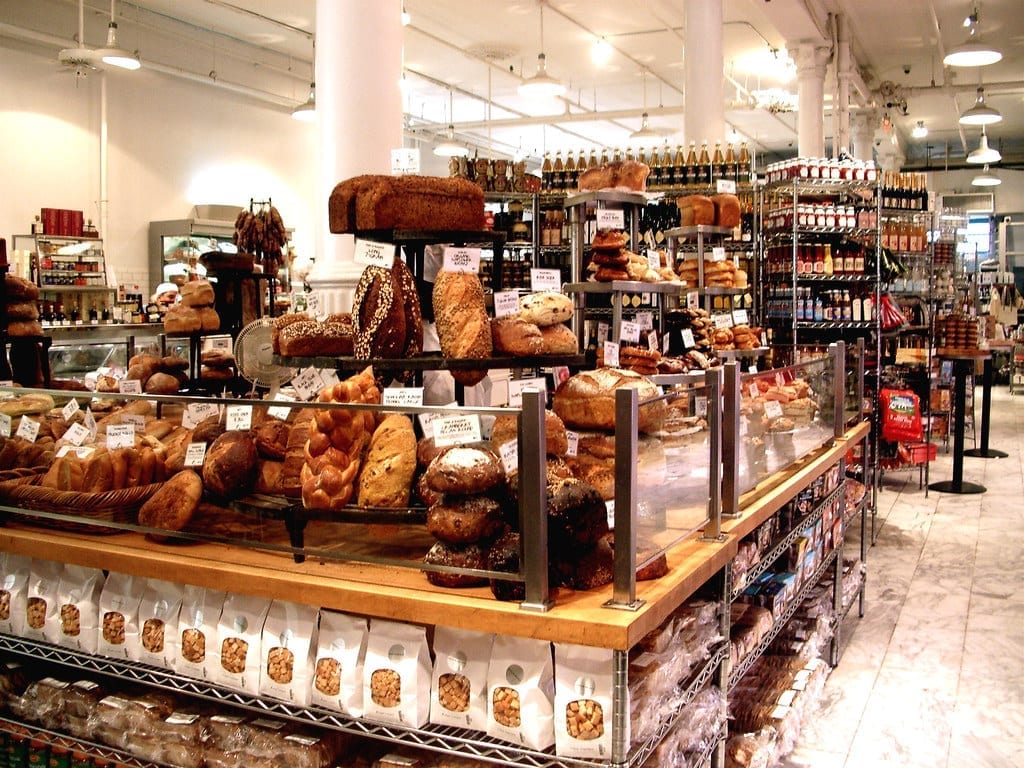
    Thailand’s Central Group is set to acquire the Dean & Deluca chain of deli-cafes outside the US from Thai luxury property developer Pace Development for US$50 million.

    The deal is in the due diligence process, says Pace, which acquired the chain through its subsidiary Pace Food Retail for $140 million in 2014. Dean & Deluca was founded in the US in 1977.

    Under the agreement, the Thai retail giant will be licensed to run and expand the business outside the US while Pace retains ownership of the brand, runs the chain in the US and owns the right to produce and distribute consumer products under the Dean & Deluca trademark.

    Pace CEO Sorapoj Techakraisri says Central Group has the financial resources, expertise and knowledge to handle the day-to-day business of the stores, logistics and licensee relationships.

    “Having Central as a partner will give Dean & Deluca healthy growth globally,” he says.

    Pace, which develops luxury residential properties, has reported operating losses for five consecutive quarters, reaching THB1.7 billion ($50.9 million) last quarter.

    Currently, the company is developing four projects worth THB34 billion in total, including the Ritz-Carlton Residences Bangkok.

    The original Dean & Deluca was an iconic delicatessen in New York which continues to trade to this day. In Thailand, Pace converted the concept into more of a cafe business, before expanding outside Thailand, including in the Middle East, Tokyo, Seoul, Singapore and the Philippines. It was pursuing an aggressive expansion strategy in Asia.

  • Bangkok Apple Store in planning

    Bangkok Apple Store in planning

    Multiple reports from Thailand tip the opening of the first Bangkok Apple Store in 2018.

    The move began as a rumour when recruitment advertisements appeared in the country seeking creative, expert, “genius”, managers, store leaders and business leader roles in what – based on similar advertising in other markets – could only mean a search for qualified staff for an official Apple store. Advertisements also invited applications for the two-year Apple Store Leader Program, according to MacRumors.com.

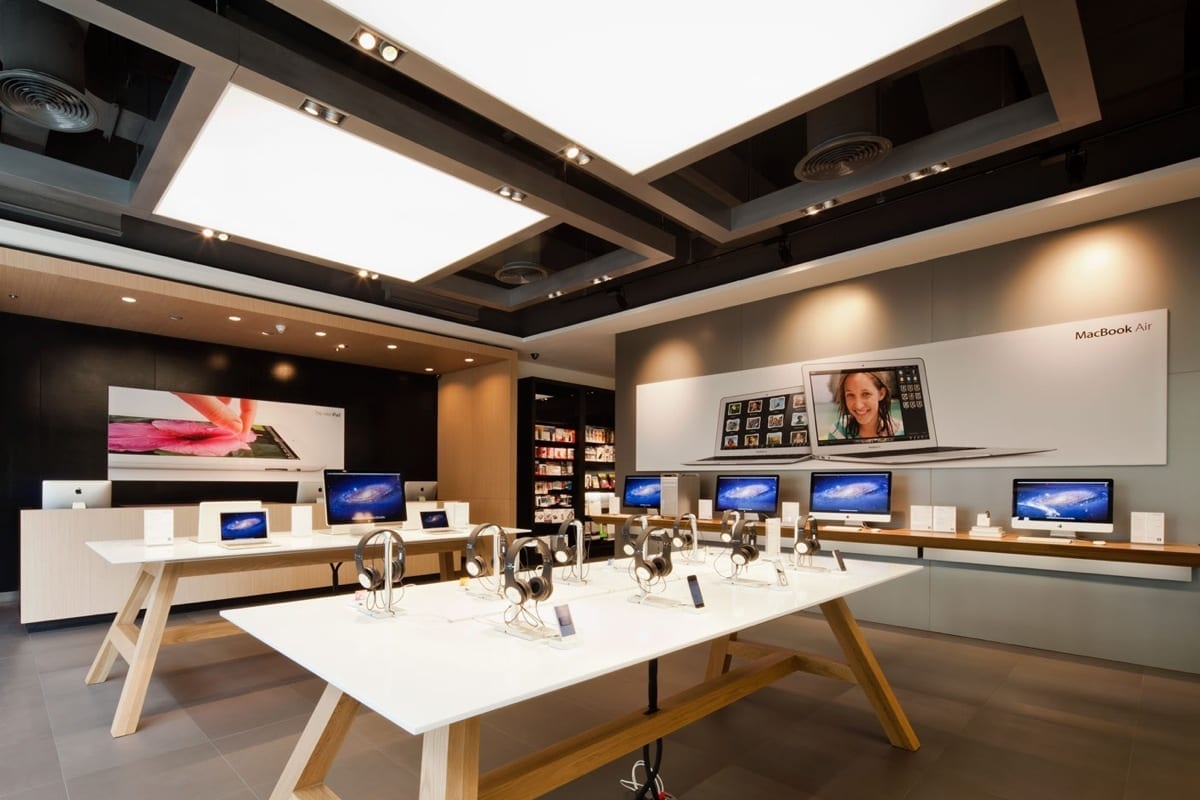
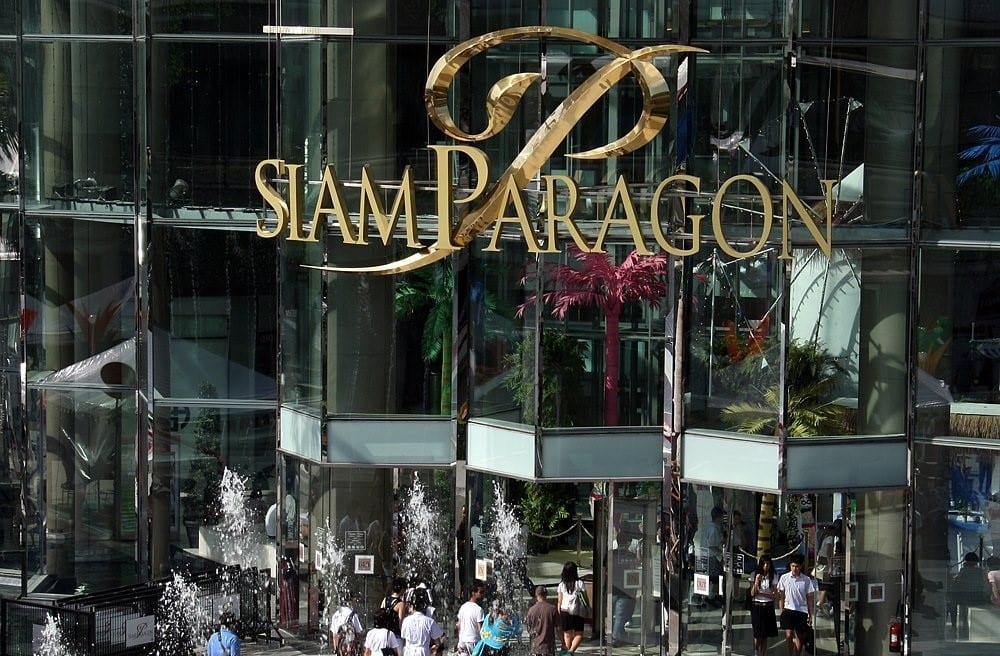
    The ads added credibility to rumours published in Thailand earlier this year which tipped the first Bangkok Apple Store would open at the IconSiam shopping centre, currently being built on the banks of the Chao Phraya River, by Siam Piwat, which also owns the Siam Paragon, Siam Discovery and Siam Center malls in the heart of Bangkok. Of those, only Siam Paragon would seem to have sufficient space to host a flagship Apple store, although it would lack the bold street frontage Apple prefers for its retail outlets. IconSiam will feature a row of two-story brand maisons which, while previously earmarked for luxury European fashion brands, could include a distinctive Apple store with bold frontage, such as that used in Apple’s Orchard Road store in Singapore, (pictured above), or its Hong Kong stores, one of which is built on an overpass spanning two buildings across a busy street.

    Apple is also working on its retail debut in Macau and Seoul in this part of the world, following the successful (but delayed) opening of the Singapore store in May.

  • Passion Delivery doubles offering in two months

    Passion Delivery doubles offering in two months

    Within two months, the number of suppliers and products trading through new Thailand online marketplace Passion Delivery has doubled.

    Directly connecting customers with local producers and importers of artisanal food and drink products, cookware and healthy lifestyle goods, the platform has increased its range from 600 products from 25 suppliers to more than 1200 products from 45 suppliers.

    Co-founder/CEO Ian Soo says the increased choice has inspired more than 1000 people to create accounts.

    “We always knew that people passionate about cooking want as much choice as possible,” says Soo. “Orders grow every month, proving this.”

    Passion Delivery is achieving an average basket size of more than THB2400 (US$70) an order.

    Soo, with wife Sara, founded the business in 2014 after being frustrated by the lack of availability of quality, locally produced food products and ingredients in Bangkok.

    “We’d seen a lot of great food and met some really passionate producers at local farmers’ markets,” says Sara Soo, “but we found it difficult, if not impossible, to find their products in shops. We thought that other people must share our frustration, so we created Passion Delivery.”

    It started as a specialist online order and delivery business from their home, offering just 25 products from three suppliers.

    Eventually, the marketplace was launched as a virtual shop window, connecting customers with suppliers, who fulfil and deliver the orders.

    Passion Delivery plans to expand the marketplace to 4000 products with 2500 customers by year-end.

  • Xiaomi to open Bangkok Mi store

    Xiaomi to open Bangkok Mi store

    A Bangkok Mi store has been announced, not long after the Chinese electronics brand Xiaomi launched in Thailand.

    The authorised Bangkok Mi store will open on October 8, in partnership with Fanslink, at Imperial World Samrong.

    Xiaomi is also strengthening its service network, entering into an after-sales support agreement with VST ECS, which has 10 outlets in Thailand.

    Senior VP with Xiaomi, Wang Xiang, said the brand is planning considerable presence in the country, expecting it to become a key regional market over time.

    “We are all very excited to have this momentum in Thailand and to continue bringing new products with great technology to the people at price points that provide outstanding value,” said Wang.

  • Paragon Shopping Centre merging tech and fashion

    Paragon Shopping Centre merging tech and fashion

    Paragon Shopping Centre on Orchard Road has branched into robotics and virtual reality for its latest fashion promotion.

    Shoppers can watch fashion runway shows projected onto the floor, and with virtual-reality goggles can have a 360-degree view of a fashion show in which mannequins morph into models.

    Using Samsung VR Gear, the experience was created by multimedia and fashion-design students from Raffles College of Higher Education. It features apparel and jewellery from 11 capsule collections, each created by a student from the school’s fashion-design course.

    Central to the display is a large robotic arm, typically used for precision engineering. It picks up and moves boxes containing fashion pieces such as bags and shoes, giving shoppers a 360-degree view of each item. The arm is on loan from automation firm Weltron Equipment.

    Running until October 1, the display features items from Moschino’s fall/winter collection. The next day, until October 15, athleisure collections take over the spotlight, featuring such brands as AX Exchange, Diesel, DKNY, Puma and Star360.

  • Online retail sales going strong in Thailand

    Online retail sales going strong in Thailand

    Thailand has seen an explosion of Internet shopping in recent years as consumers become more tech-savvy. If that is anything to go by, e-commerce in South-east Asia is taking off as well.

    Online retail sales in Thailand of everything, from washing machines and televisions to fish sauce, are growing more than 100 per cent, far outpacing purchases made at traditional stores, where sales are rising by about 10 per cent.

    That is down to a combination of stronger and faster Internet speeds in the country and the success of online merchants, such as Lazada.

    Thailand’s third-biggest mobile-phone company, Total Access Communication, estimates that Thais spend up to six hours a day on social media websites, including Facebook and YouTube.

    Thailand is the only country in South-east Asia that breaks down retail sales data into an online category, providing a useful guide of what e-commerce growth may be like in the region, according to Maybank Kim Eng.

    Bigger markets, such as China and South Korea, already have higher penetration rates of online retailing at 16 per cent and 18 per cent, respectively.

    That shows the potential for South-east Asia, where e-commerce sales could grow to 5 per cent to 10 per cent of overall retail purchases over the next five years, according to Maybank.

    Alibaba founder Jack Ma recently signed up to be a member of a government panel in Indonesia tasked with steering the e-commerce industry in South-east Asia’s most-populous nation. Macquarie Research estimates online retailing in the country can reach US$65 billion (S$88 billion) by 2020.

    The surge in e-commerce and a lack of official data means the health of the consumer in South-east Asia may be underestimated, according to Maybank. Tracking consumer patterns will involve more than just looking at official retail sales, it said.

  • Muji Thailand opens CentralWorld flagship

    Muji Thailand opens CentralWorld flagship

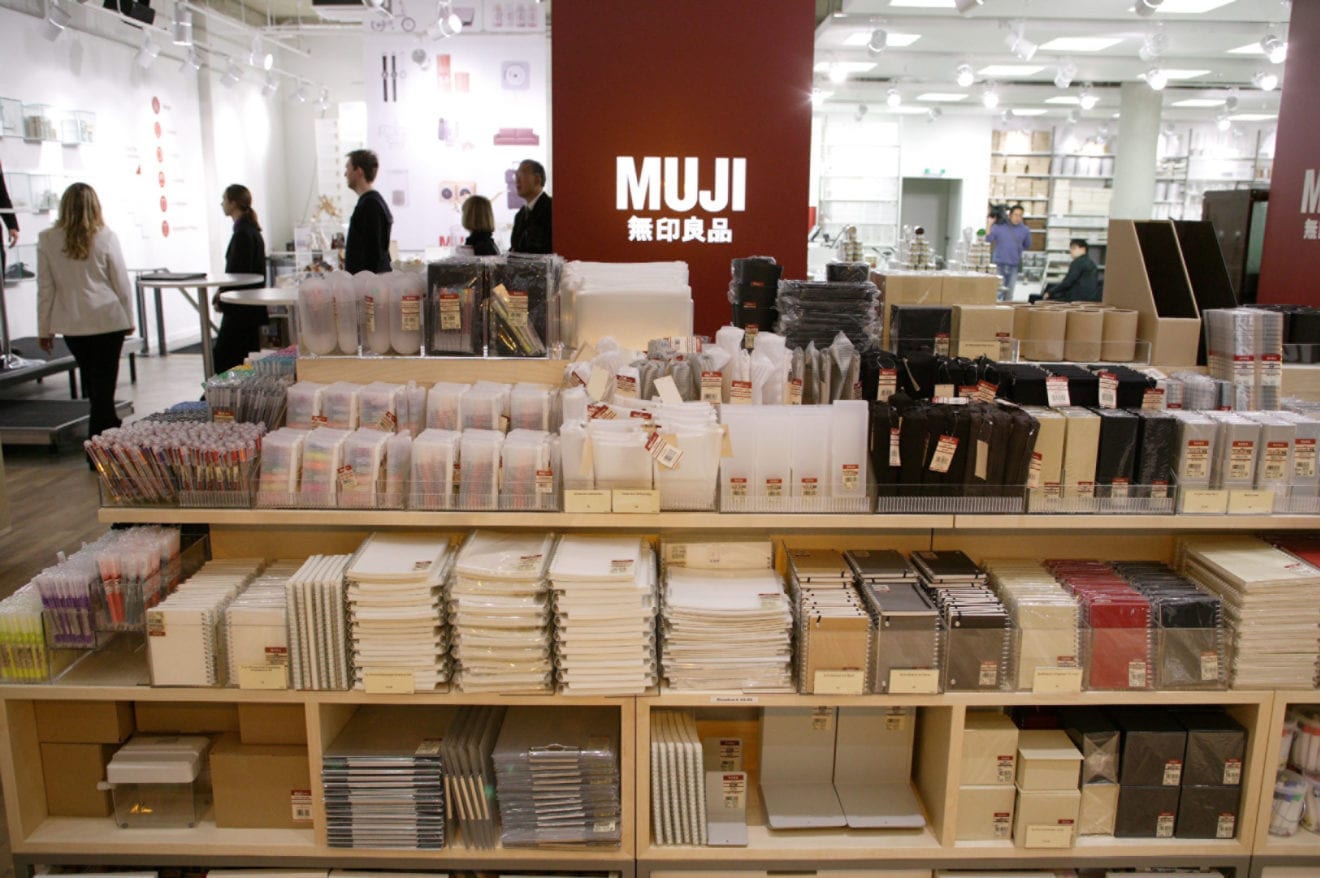
    After a decade in Bangkok, Muji Thailand has opened a flagship store at CentralWorld.

    Covering 1000sqm, it is the Japanese brand’s biggest outlet in Bangkok, offering for the first time clothing lines like Found Muji, which borrows materials and techniques from around the world, Muji Labo, which offers everyday basics in neutral colours, and ReMuji, which revives vintage garments through indigo dyeing techniques.

    There is also the first Green Space, a corner devoted to plants ideal for tiny indoor gardens. The store also offers the Muji basics of toiletries, stationery, kitchenware, clothing and bedding.

    Meanwhile, the What is Muji? exhibition at Central Embassy mall showcases Muji’s brand philosophy through a range of products. It continues until October 1.