Tag: bangkok

  • Ananda Development PCL unveils Q Chidlom-Phetchaburi

    Ananda Development PCL unveils Q Chidlom-Phetchaburi

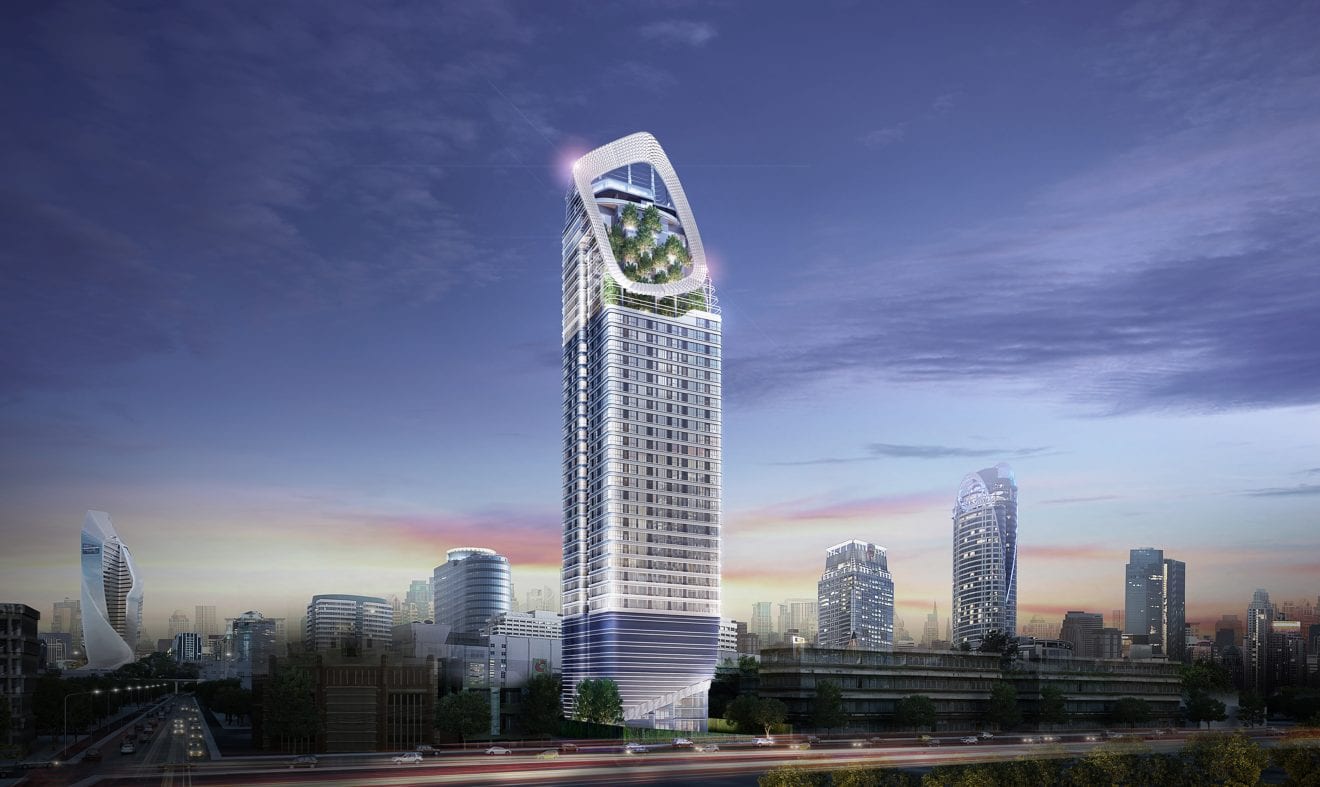
    Ananda Development Public Company Limited, Thailand’s leadingresidential condominium developer, is launching its latest project, “Q Chidlom-Phetchaburi”. Presales for the new condominium will take place during the weekend of 18th-19th September at the Park Lane Hotel in Hong Kong. With its exclusive facilities overlooking stunning cityscapes and spacious residential units, the high-rise condominium complex embodies the epitome of Bangkok’s urban living.

    Q Chidlom-Phetchaburi is a 42-story luxury lifestyle condominium which boasts 352 residential units. With a car park and lobby on the ground floor and exclusive residential facilities on the top 3 floors of the building, Q Chidlom-Phetchaburi caters to the needs of modern Asian investors who aspire for a higher quality of life. These amenities include a library and co-working space, a stylish social club, gardens, fitness centre, a swimming pool and separate Turkish Hot Tubs for men and women.

    Nestled in the heart of Bangkok’s downtown Chidlom District, residents at Q Chidlom-Phetchaburi will find themselves within easy reach of the city’s high-end shopping malls, including Siam Paragon, Central Embassy or Central Chidlom.

    Q Chidlom-Phetchaburi is the newest developmentunder brand Q by Ananda, which aims to create a brand new condo concept that seamlessly melds together personal life, work and play. Following its presale roadshow on 12th-16th August at the Siam Paragon shopping mall, Ananda launched its show unit in the Q Gallery near BTS Ratchathewi, where prospective buyers and the public can take a glimpse of what’s in store for the development.

    Chanond Ruangkritya, CEO of Ananda Development PCL states: “We, at Ananda Development PLC, are extremely proud to present our newest project Q Chidlom-Phetchaburi, which will set the benchmark for luxury lifestyle condominiums of the future.”

  • Central Pattana plans four new malls

    Central Pattana plans four new malls

    Thai shopping centre operator Central Pattana has announced plans for another four or five shopping malls to be completed by 2018.

    The company says it has allocated THB30 billion (US$838 million)  for the new properties – which it says are in addition to a raft of previously announced planned properties.

    Central Pattana is the listed property development subsidiary of Central Group which owns shopping centres the length and breadth of Thailand and in Italy, Germany and China.

    The new malls will be built in the capital city of Bangkok and in larger regional cities. It has already announced plans to build centres in Phuket, Nakhon Ratchasima and Nakhon Si Thammarat.

    “CPN still aims for further expansion in major economic cities, as well as locations with potential business both in Thailand and neighbouring countries to demonstrate its sustainable growth,” said CFO Naparat Sriwanvit.

    Besides its Thai plans, the company is proceeding with a Malaysian joint venture to open a shopping mall in Kuala Lumpur and it is conducting feasibility studies on entering Vietnam and Indonesia.

    Parent Central already operates a Central Department Store in the Indonesian capital of Jakarta and the group has assets including a joint venture electronics chain and a department store in Vietnam.

    CPN runs 26 shopping malls in Bangkok and in major provinces, including Hat Yai.

  • Hooters Bangkok to open this month

    Hooters Bangkok to open this month

    Hooters Bangkok opens its doors this week on Sukhumvit Soi 15, kickstarting a THB100 million (US$2.8 million) marketing campaign to raise brand awareness in the country.

    The Hooters Thailand franchise was secured by Destination Resorts, the company behind DoubleTree Resort by Hilton Phuket at Surin Beach, DusitD2 Phuket Resort, Sri Racha International Golf at Sri Racha Hills, Hard Rock Café Phuket at Patong Beach, Novotel Phuket Karon Beach Resort & Spa, Novotel Hua Hin Cha Am Beach Resort & Spa and the Swissotel Resort Phuket.

    It also operates the Four Points by Sheraton hotel on Bangkok’s Sukhumvit 15, where Hooters Bangkok is located, a 253 sqm, two storey bar to be officially opened on September 18.

    Since securing the franchise, Destination Resorts has opened its first restaurant in the holiday resort of Phuket and has a third under construction on Pattaya’s Beach Rd, a massive 810 sqm complex with 50 high definition televisions screening sport, two bars and two outdoor areas.

    Destination Resorts will open 30 Hooters restaurants across Southeast Asia in partnership with the American brand owner over five years. A fourth is planned for Samui next year.

  • Kumamon arrives in Thailand

    Kumamon arrives in Thailand

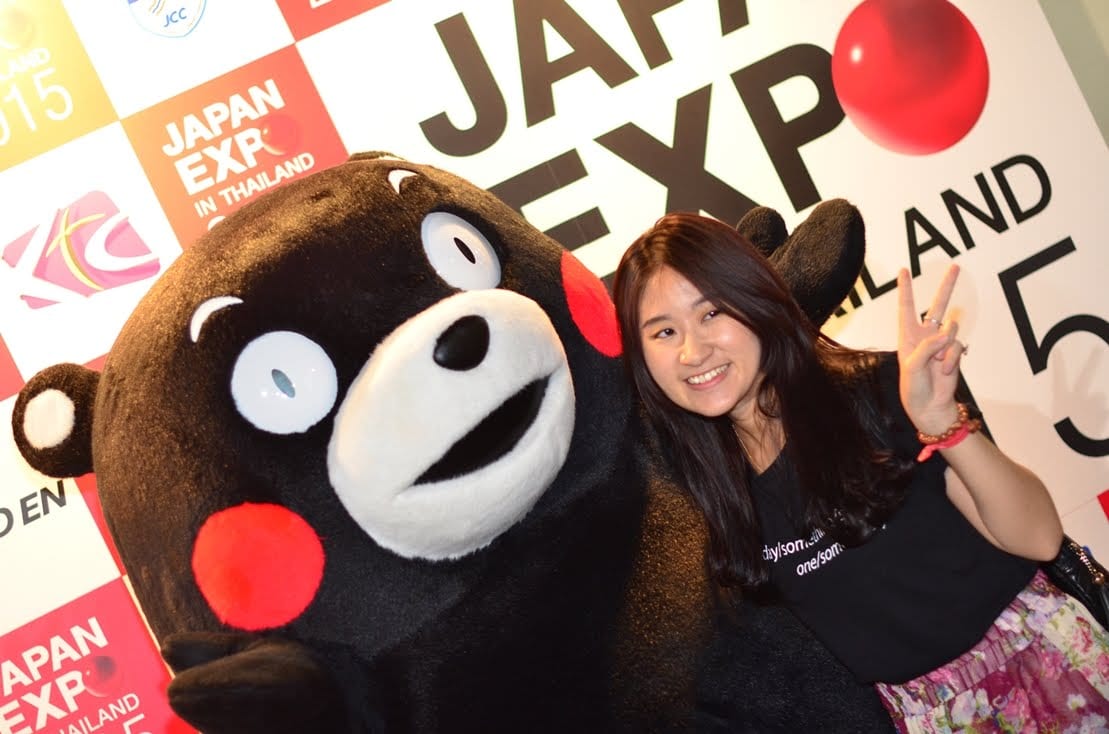
    The first official theme stores of Japanese bear character Kumamon have opened in Thailand’s capital city, Bangkok.

    Kumamon is a mascot created by the government of Kumamoto Prefecture in Japan. It was created in 2010 for a campaign called to draw tourists to the region after the Kyushu Shinkansen line opened. Now it has grown into an internationally-recognised character, especially in Southeast Asia where Japanese and Korean cartoon and animated characters, and fashion trends, are quickly adopted.

    The first Kumamon store opened on the third floor of Siam Paragon shopping centre, at B-Trends in late July. That was followed by a more recent opening at Studio B Trend in the Emporium shopping centre.

    The Thai rights to Kumamon have been acquired by ICC International, who invited Kumamon’s creators to visit Thailand during a recent trade fair.

    ICC says it plans to open more themed stores inside premium department stores in Bangkok and in other Thai provinces.

  • Tim Ho Wan Bangkok opens

    Tim Ho Wan Bangkok opens

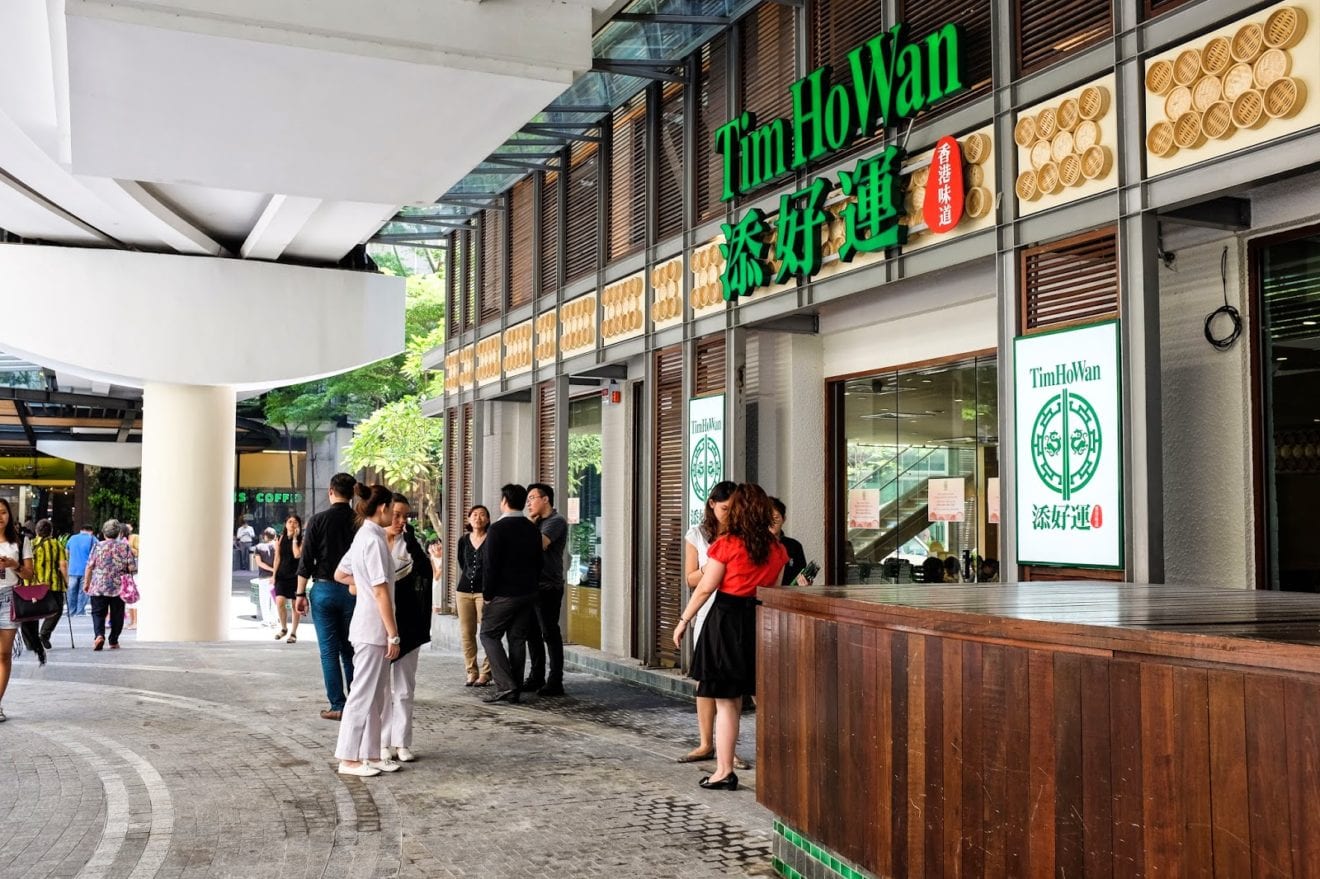
    Famous Hong Kong dim sum restaurant Tim Ho Wan has opened its first Thailand eatery – in downtown Bangkok.

    Tim Ho Wan Bangkok is located in the Terminal 21 shopping centre at Asoke. When it opened its doors this week it drew queues of hundreds of people eager to try the famous dim sum creations of founder Chef Mak.

    Affectionately referred to as “the world’s cheapest Michelin-starred restaurant”, Tim Ho Wan Bangkok is offering meals it says are even cheaper than at its original branch.

    The restaurant features a menu of 25 dim sum dishes, including the four most popular: baked bun with barbecue pork, pan fried radish cake, fluffy steamed egg cake and vermicelli roll with pig’s liver – all priced between 80 and 120 baht ($2.20 and $3.35).

    Chef Mak opened the first Tim Ho Wan in Mongkok in 2009, a small eatery with just 30 seats located in a virtual back alley. It was later awarded a one star Michelin rating.

    He launched the venture after turning his back on a career with a three star fine dining restaurant at the Four Seasons Hotel in Hong Kong called Lung King Heen.

  • Major makeover for Bangkok’s Silom

    Major makeover for Bangkok’s Silom

    A Thai developer has revealed plans to convert a prime corner site in Bangkok’s Silom district into a futuristic retail and office centre.

    Silom Center, on the corner of Silom and Rama 4, adjacent to the BTS Skytrain and underground MRT stations will be redeveloped by the third quarter of next year.

    The development is being undertaken by Property Perfect and We Retail PCL who believe that, once finished, the building will put the suburb on a par with Siam and Phloen Chit, both anchored by luxury malls and populated by luxury brands and high class eateries.

    The project will combine a retail mall and office space with new connections to the Sala Daeng BTS elevated walkway.

    The property developers also announced several other developments in Bangkok.

    The company is constructing the Sukhumvit Center in Nana which will feature a 30-storey high “six star” Hyatt Regency hotel and two levels of shopping space when it opens at the end of 2017.

    And in nearby Asoke the company plans to convert a Robinson department store located beneath the Westin Hotel into a retail centre branded Sukhumvit Center Asoke. That project will not be completed until late 2021, however.

  • International honour for Siam Center

    International honour for Siam Center

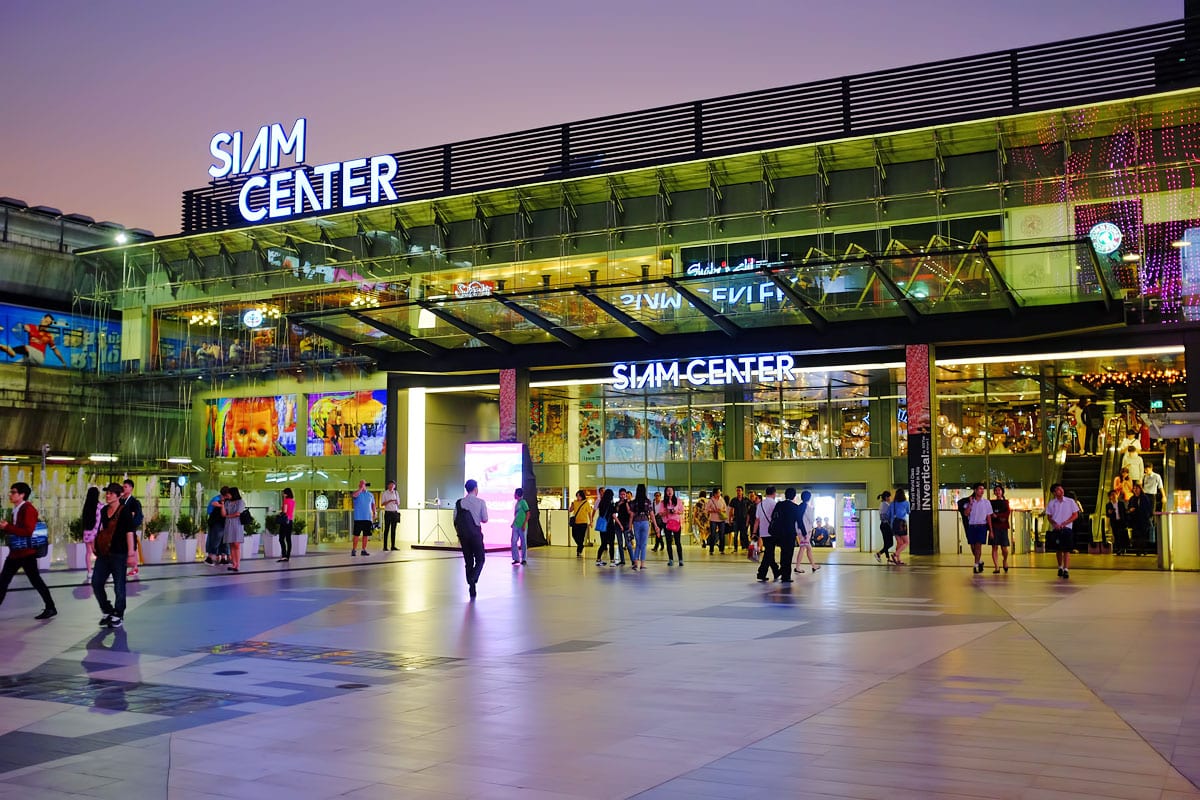
    Bangkok’s Siam Center has been chosen as one of world’s five best-designed retail centres by the International Council of Shopping Centers.

    Siam Center, owned and developed by Siam Piwat Co,  is one of five malls from around the world presented with the 2015 ICSC Viva Award in the ‘design and development’ category and is recognised for ‘most outstanding design’.  The award follows Siam Center’s selection in 2014 as a Gold Award Winner by the Asia Pacific Shopping Center Awards for its innovative new design.

    ICSC - Siam Center - Picture 1


    Siam Center completed a full-scale rejuvenation in 2013 with an investment in excess of Bht 1.8 billion (US$50.5 million) by Siam Piwat and 300 brand owners in the biggest collaborative initiative in retail development ever undertaken in Thailand.

    Siam Piwat CEO Chadatip Chutrakul said the company felt very honoured by the ICSC’s award.

    “ We want to help make Bangkok a top global shopping destination by being at the forefront of new ideas in the design of our properties.  Siam Center is one of the first lifestyle destinations in the world to pioneer a revolutionary new retail concept that involved collaboration between retail developer, retailers, and brand owners to create a consistent visual identity in the entire venue as well as concept shops which are all aligned with Siam Center’s distinctive look and mood,” she said.

    “That collaboration even extended to presenting visitors with a single promise: that, regardless of whichever store or restaurant they visited at Siam Center, they would experience something revolutionary and unexpected.”

    Chadatip said Siam Piwat decided to make a major investment in Siam Center in line with the evolution of retailing, “which is no longer just about retailing, but about providing extraordinary experiences in an arena where people can be inspired, excited and entertained”.

    “Siam Piwat’s strategy for success across all our properties is to be a thought-leader in retail development, always innovating, always being first, and always doing it at world-class standards as an ‘Icon of Innovation’,” she said.

    Chadatip, after its redevelopment Siam Center has measured a significant increases in visitors, in the number of visitors actually shopping, and in the average spend by each shopper.

    “Since the new concept was introduced, the number of people visiting Siam Center has increased by almost 12,000 people a day, as compared to the year before. And, of those people visiting Siam Center, the number of people who actually do some shopping at the venue has leapt by an incredible 34 per cent.

    “Beyond that, the average spending by shoppers has more than doubled and is now at almost Bht 3,000 ($84) per shopper, per visit. This reflects the success of the collaboration between retailers, brand owners and Siam Piwat to excite and inspire visitors,” she said.

    “Our success with Siam Center reinforces our conviction that thought-leadership will drive Siam Piwat’s success and our future growth will come from offering novel concepts as well as new retail and lifestyle ideas that are the first in Thailand, and some even in the world.”

  • aCommerce aims to pocket $30M series B for ecommerce logistics battle

    aCommerce aims to pocket $30M series B for ecommerce logistics battle

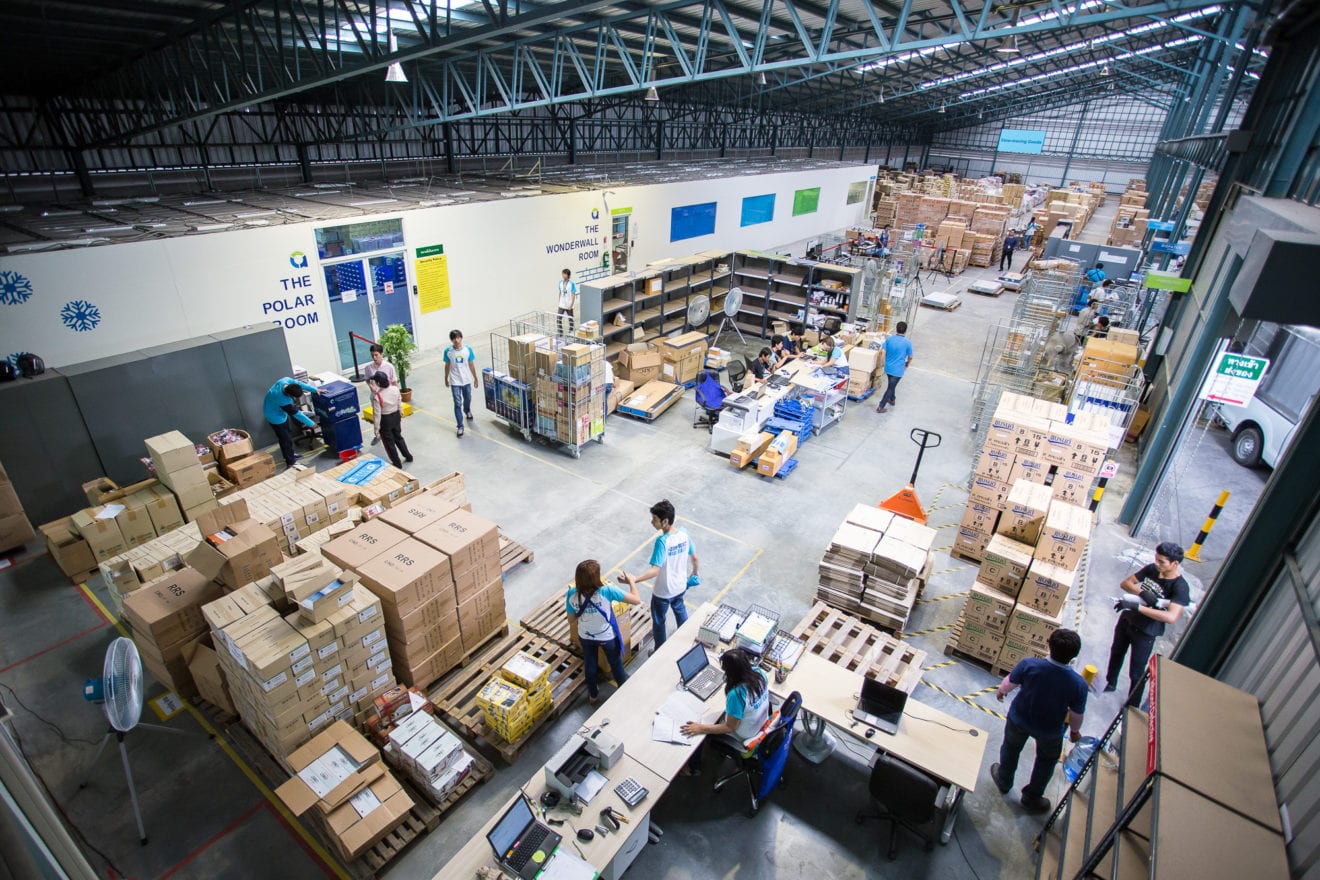
    After breaking records for a series A round in Southeast Asia, ecommerce logistics startup aCommerce is gearing up for a new milestone. The targeted deal size for the series B is US$30 million, group CEO Paul Srivorakul tells Tech in Asia.

    “We’re getting good interest from investors due to the strong team, [the] market opportunity, [our] ‘arms dealer’ business model, and the size of the funding round. US$30 million is a big enough size for private equity guys and attractive to a variety of venture capital firms,” Paul says.

    The Thailand-based startup nabbed US$10.7 million for series A followed by a bridge round of US$5 million.

    “Indonesia recently became aCommerce’s biggest regional operation, this month hitting 360 employees,” Paul says. He also hinted at further expansion in the country in the form of warehouses and an office space, depending on client needs.

    Asia Leaders Summit Paul Srivorakul

    Paul Srivorakul (standing up), co-founder and CEO of aCommerce Group and co-founder and executive chairman of Ardent Capital, at the Asia Leaders Summit in 2014

    aCommerce has been able to secure some of Indonesia’s hottest ecommerce brands as clients. Next to MatahariMall, which launched in August, aCommerce is also the fulfillment partner for MAPeMall (the ecommerce arm of Indonesia’s largest retailer, Mitra Adiperkasa), online fashion store Berrybenka, and several other brands like HP and L’Oreal.

    Ecommerce automation

    The startup offers end-to-end services for ecommerce clients. It doesn’t only handle warehousing and fulfillment – if necessary, it can assist the retailer in customer service, marketing, and building custom tech solutions. It comes as ecommerce booms across Southeast Asia. A 2013 study estimated the retail ecommerce market size in the top 6 ASEAN countries to be worth US$7 billion, while online sales still only represent less than one percent of the total retail market.

    Traditional retailers often choose to partner with companies like aCommerce because of complexities they face as they migrate their businesses online. Ecommerce sales opportunities are abundant but tricky, and retailers need to be aware of and manage multiple channels. At the same time, customer expectations are on the rise, creating demand for same-day deliveries and real-time support.

    aCommerce’s software solutions allow it to automate and optimize aspects of these processes. According to Snorre Larstad, who recently joined aCommerce Indonesia as its new CEO, the firm can even help clients make decisions on things like pricing and promotions, and help with fraud detection.

    The service also helps with cash-on-delivery (COD) payments. Though COD carries risk for the retailer and delivery company, Snorre believes it’s necessary to offer COD in Indonesia because buyers don’t trust online payments yet, and credit card penetration is low.

    Snorre Larstadt aCommerce

    Snorre Larstad, aCommerce Indonesia’s recently appointed CEO

    “Latest research shows credit card penetration at 3.2 percent of the 250 million population,” he says. “We expect that offering COD is going to be a precondition for future growth of ecommerce, and thereby our business volume, at least for the next two years.”

    No consolidation in sight

    Being an “arms dealer” in the growing online retail industry holds promise, but also requires patience, since growth is tied to the pace of the industry as a whole. That’s why it’s no surprise aCommerce plans to fill up its own war chest with a new round of funding.

    In the meantime, new startups are emerging to capture their slice of the market, often settling on specific niches and as such being more nimble than end-to-end solutions like aCommerce.

    One of them is Singaporean startup Ninja Van, which specializes in next day deliveries and parcel tracking and is getting ready to enter neighboring markets. It looks like Go-Jek, Indonesia’s Uber for motorbikes, has plans to offer a package delivery service of its own. It is already partnering with online marketplace Tokopedia for deliveries within the Jakarta area.

    Traditional logistics companies are also reacting to the opportunity. SingPost has established its own end-to-end ecommerce services provider, SPecommerce. At this point, it’s probably the only company in the region offering a similarly broad spectrum of ecommerce services as aCommerce.

    The support system for ecommerce is currently undergoing a similar diversification and fragmentation stage as the ecommerce industry itself. That’s normal in a growing industry, says Snorre.

    “With this boom [come] many more startups and a continued fragmented industry where multiple players will seek to position themselves for future growth. […] As the industry is growing and blooming, I don’t expect ecommerce in Indonesia to see significant consolidation or merger-and-acquisition processes over the next one or two years,” he adds.

    The real challenge for the industry may come from an unexpected place: established internet companies.

    “Google and Facebook are entering ecommerce. As such, [they] are likely to be real ecosystem game changers because they are massive in our markets and already control majority shares of the marketing spend and consumer time spent on mobile,” Snorre says.
    aCommerce offers end-to-end e-commerce solutions for startups, retailers, brands, and manufacturers in South East Asia.

  • Marimekko Asia continues expansion

    Marimekko Asia continues expansion

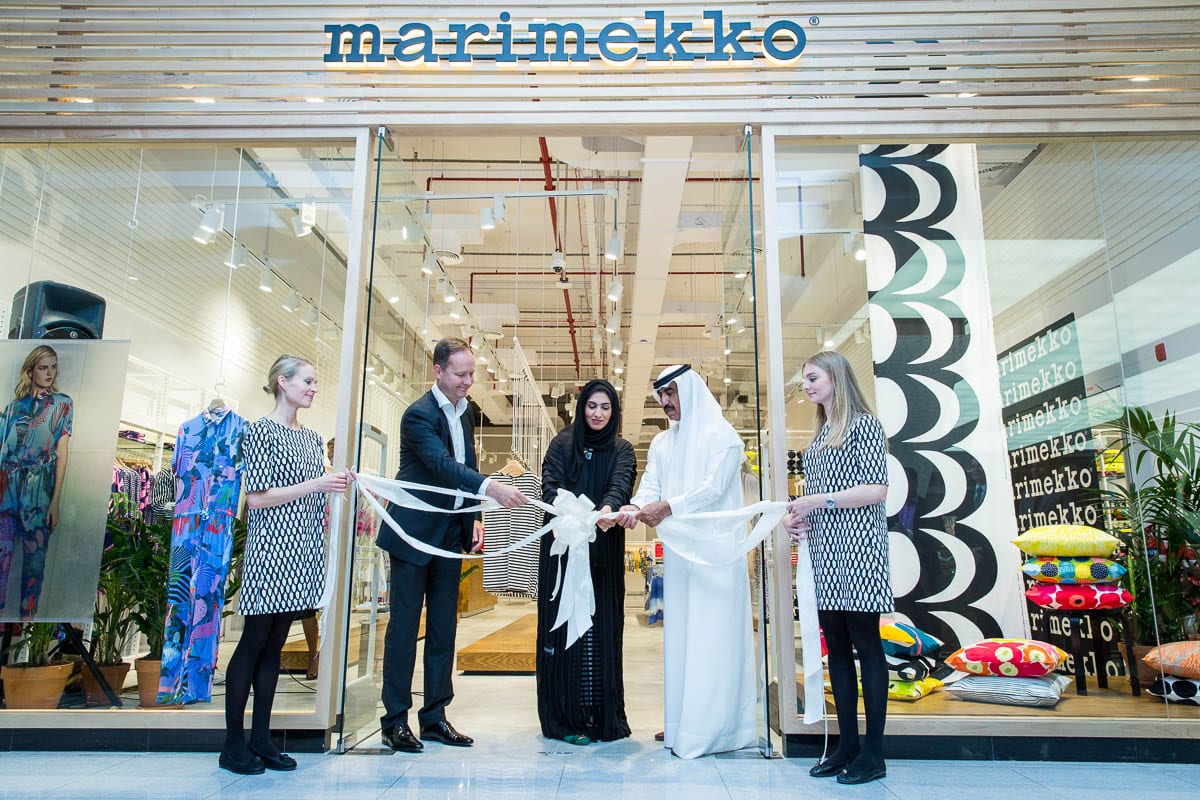
    Finnish homewares retailer Marimekko says it will stick to its Asia and Middle East expansion program despite declining profits.

    “We continue our expansion in line with our internationalisation strategy, particularly in the Asia-Pacific region,” said Marimekko president Tiina Alahuhta-Kasko.

    “This year, new markets have opened up in Bangkok and Singapore as well as Dubai in the Middle East. Deliveries to Japan and the rest of Asia were on a good level in the second quarter, although sales for the whole year are forecast to be lower than in 2014.”

    Marimekko has reported a net sales growth of six per cent globally in the six months to June 30, to euro 43.6 million, driven by new stores and the development of discount outlet stores and an online shop in Finland, together with the stronger US dollar.

    Besides building its Marimekko Asia operations, the company is focusing on its eCommecre offer.

    “The development of digital business is an important part of the current stage in our strategy,” explained Alahuhta-Kasko.

    “The trend in our online sales has continued to be positive and we will continue to focus on enhancing the customer experience to make it even more inspiring and more seamless between our online and offline stores. As part of this process, we are also updating our store and service concept.”

  • German giant buys Classic Fine Foods

    German giant buys Classic Fine Foods

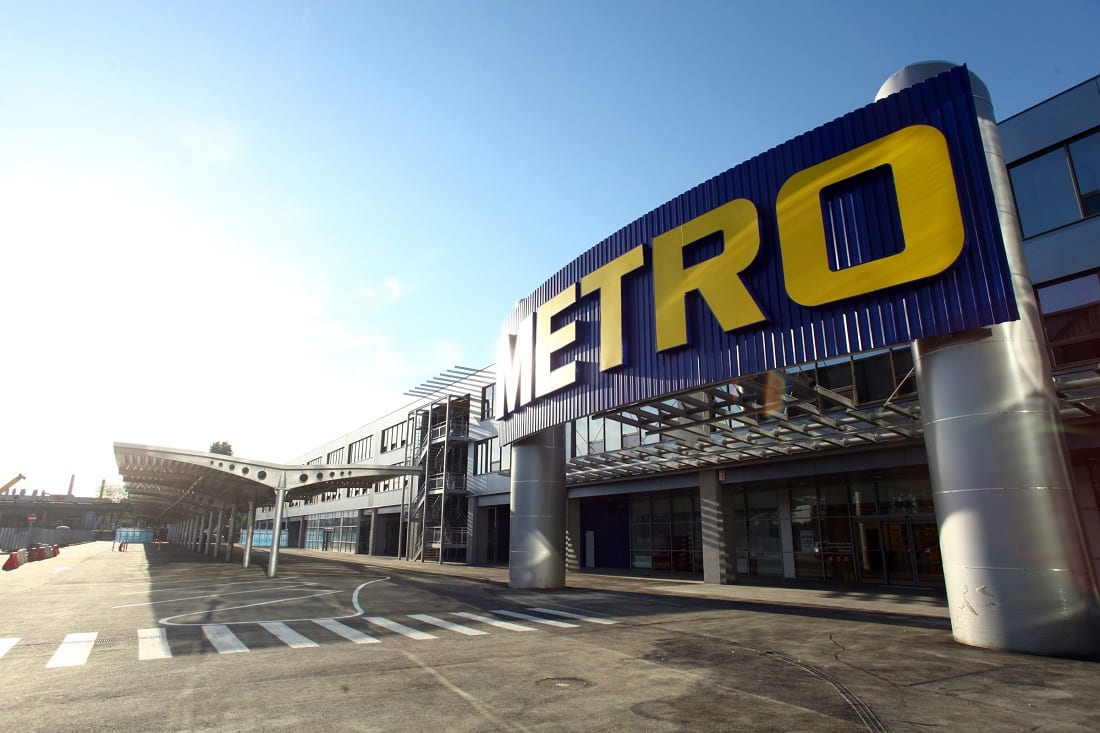
    German retailer Metro AG has paid $290 million to buy Singapore restaurant supplier Classic Fine Foods Group from private equity owned EQT.

    CFF operates in 25 cities, including Singapore, Dubai, Hong Kong, Bangkok, Kuala Lumpur, London, Ho Chi Minh City and Jakarta. The deal will expand Metro Cash & Carry’s presence from 26 countries to 36.

    Metro said in a statement the acquisition would strengthen its wholesale subsidiary Metro Cash & Carry by bolting on an experienced food service distribution arm.

    “It provides access to growth and value creation potential in the attractive premium foodservice distribution markets. The transaction covers the operations and all fixed assets of CFF for an enterprise value of $290 million plus an earn-out of up to $38 million depending on the EBITDA performance in 2015 to 2017,” the company said.

    “Metro Cash & Carry aims to strongly expand its FSD operations. With the acquisition of CFF we strengthen our value proposition and enlarge our wholesale market presence fuelling future sales and earnings growth“, said Olaf Koch, chairman of Metro AG’s management board.

    Pieter Boone, CEO of Metro Cash & Carry, added: “With Classic Fine Foods, we found the perfect partner to expand in high growth Asian FSD markets. CFF has a strong market position and a unique exposure to Asian mega cities and Middle East. CFF partners with some of the world’s most sought after fine food producers and has excellent customer relationships in the high margin premium Hotels, Restaurants and Caterers (HoReCa) segment. The acquisition boosts our FSD capabilities widening the services for our HoReCa customers.”

    CFF, founded in 1999, has its own distribution and warehousing network in the cities in which it operates. Metro says post- acquisition, CFF will remain largely independent, maintaining its own sourcing base and distribution network.

  • Tuk tuk centre stage in Jimmy Choo Bangkok concept store

    Tuk tuk centre stage in Jimmy Choo Bangkok concept store

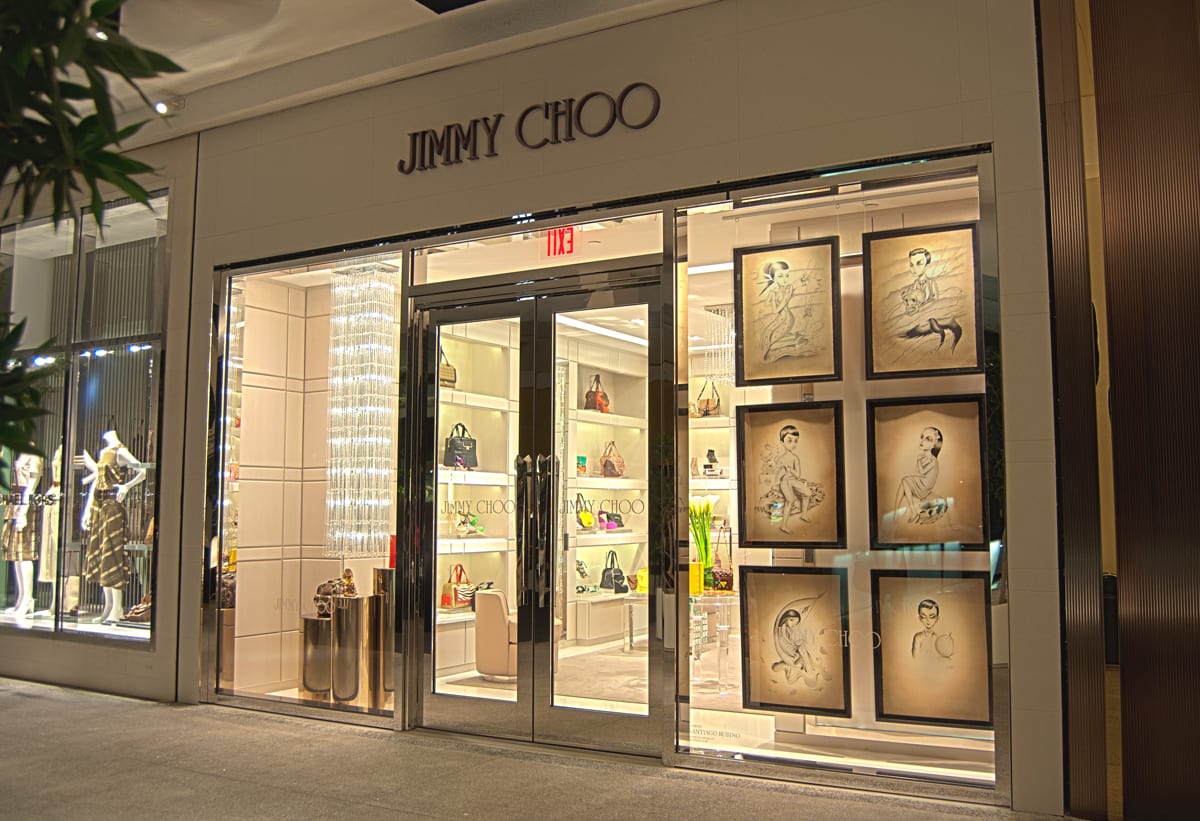
    Luxury shoe brand Jimmy Choo has marked the opening of its newest Bangkok store with the release of a ‘Candy bag’ featuring a tuk tuk.

    “Like the London Taxi, the tuk tuk is an icon of the city. It has a unique warmth and eccentric charm all of its own,” Jimmy Choo creative director Sandra Choi observed at the opening of the new store in the new EmQuartier upmarket shopping mall on Sukhumvit Rd.

    Jimmy Choo is releasing limited editions of the Candy bag to mark openings of a number of new stores around the globe – the Bangkok edition is the seventh, following Hawaii, Los Angeles, Dallas, Las Vegas, London and Toronto.

    Choi worked alongside David Collins Studio to design the new EmQuartier shop which features soft colour tones and contrasting shimmering surfaces.

    “I wanted our new space to be a luxurious environment that would combine the refined detail of a haute couture salon with the intimacy of a fantasy closet,” Choi said in an interview with The Nationnewspaper.

    The interior design includes satin gold, rose gold pink marble and mink velvets which blend with “oyster stone and mother of pearl chevron floor”.  Rounded glass pendants hanging from the ceiling add to the luxury feel.

  • Government thanks retail stores for maintaining prices of goods

    Government thanks retail stores for maintaining prices of goods

    The Thai government has expressed its gratitude toward store owners for keeping prices of every item at an affordable level until November this year.

    Deputy Spokesperson to the Prime Minister’s Office, Major General Sansern Keawkamnerd has revealed that the Ministry of Commerce has received cooperation from 205 retail stores across Thailand in not raising the prices of household goods and fresh food before November.

    Many food vendors have also been asked to sell at least one ready to eat meal at a maximum price of 25 baht until September this year.

    The Deputy Spokesperson said this is to help shoulder the cost of living for Thai people. He also added that stable fuel prices at present would continue to help keep commodity prices at a reasonable level.

  • Lotte to open Bangkok duty free store

    Lotte to open Bangkok duty free store

    South Korean conglomerate Lotte is to open a “major downtown duty free store” in Bangkok. Lotte has confirmed the new store will open in early 2016. The location has not yet been revealed.

    Retail News broke news of the plan last week, reporting the store would be a joint venture between Lotte Group and Lotte Holdings of Japan, with the Korean partner holding 80 per cent.

    “The opening in the Thai capital is part of an ambitious international strategy designed to bolster Lotte’s strong sector leadership in South Korea, the world’s biggest duty free market,”

    Lotte, the world’s third largest duty free retailer, is involved in a strident expansion program which has seen it open in Japan’s Kansai International Airport, at Guam, Singapore and Indonesia in recent years. It is targeting the fast growing legions of newly cashed up Asian consumers travelling regionally and spending increasing amounts on duty free goods at airports, and downtown department stores.

    Lotte is also planning to open its first downtown duty free store in Japan – located in the upmarket Ginza shopping district.

  • Fred Perry Newest Bangkok flagship

    Fred Perry Newest Bangkok flagship

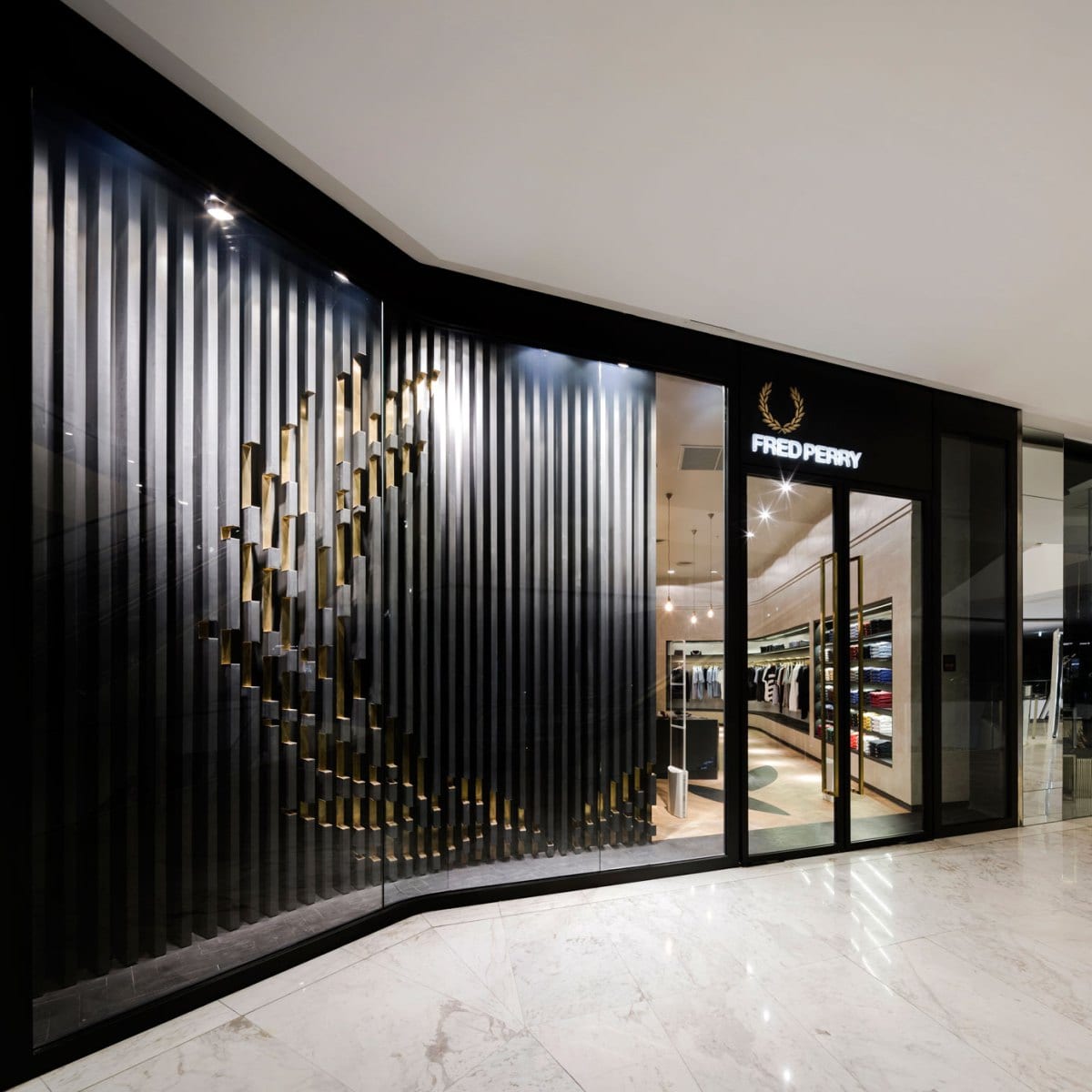
    BuckleyGrayYeoman has designed a new store concept for Fred Perry in Asia.

    The new Bangkok flagship is one of the star tenants of the newly opened EmQuartier shopping centre developed by The Mall Group.

    The store is the second BuckleyGrayYeoman designed in the Far East and the practice’s latest fitout in its tenure as Fred Perry’s Worldwide Retail Design Consultant.

    The Fred Perry Bangkok store in EmQuartier represents “a subtle development of the Fred Perry design language” developed by the architectural practice, which has resulted in “a contemporary and elegant boutique, designed to fit in with the selection of international luxury brands selected by the mall,” according to Paul White, director in charge of the project.

    “EmQuartier is an exciting new development for Bangkok that brings together a truly stellar collection of international retail brands. To match the tone of the development, we have successfully modified our core design strategy, creating a smart interior that aligns with the ethos of EmQuartier while retaining the definitive Fred Perry DNA,” said White.

    The store presents an open plan layout and sophisticated materials palette featuring concrete, black steel, timber and polished brass which contrasts with the wooden parquet flooring. A supersized signature Fred Perry laurel wreath logo has been drawn into the plan, influencing the shape and position of the seating and custom-made cabinets. In addition, BuckleyGrayYeoman  created a sense of luxury in the shopfront by using a striking ribbed black steel and brass strip wreath on a series of large scale artworks incorporating the Fred Perry laurel logo.

    Formed in 1997, BuckleyGrayYeoman is based in Shoreditch, London. Its past projects include Fashion Street in Shoreditch and 25 Soho Square in central London.

    BuckleyGrayYeoman has completed stores for Fred Perry in Cardiff, Westfield Stratford in London and now Munich.

  • GrabBike is officially launching in Bangkok

    GrabBike is officially launching in Bangkok

    GrabBike – a part of GrabTaxi – is an on-demand service for motorcycle taxis. GrabBike is officially launching in Bangkok on August 5th, which makes Thailand the third country on GrabBike’s expansion across Southeast Asia, after Vietnam and Indonesia. However the company itself, GrabTaxi, is no stranger to Thailand. Its regular taxi-hailing service has been around since October 2013.

    In Indonesia, GrabBike competes with a similar local service called Go-Jek., but as far as I know, GrabBike will be the first to offer app-based motorcycle hailing in Thailand. (Please correct me if I’m wrong.)

    GrabBike-Bangkok-launch

    Thailand vs. Indonesia

    There’s one key difference in the “motorcycle-taxi market” in Thailand vs. Indonesia:

    Most moto-taxis in Thailand are registered with the government, wear a yellow vest and have an ID card. I wonder if GrabBike will work in some form of partnership with them, and whether they got full government approval?

    In Indonesia, the legal status of services like GrabBike and Go-Jek is still debated. Motorcycle taxis have so far not been regulated in any way. And Go-Jek and GrabBike drivers are even getting bullied by motorcycle taxi drivers who prefer the old ways.

    We’ll report more on how the service is received in the “Big Mango” after the launch.