Tag: bangkok

  • Pokemon no-go in Thailand

    Pokemon no-go in Thailand

    Thailand’s Culture Minister has warned people against playing Pokemon Go, especially in religious and historic sites while the Tourism and Sports ministry is seeking to use the game to promote the very same.

    Culture Minister Veera Rojpojanarat said Pokemon Go had many potential dangers and players should not spend too much time on it, spend too much money or put themselves in danger.

    “As for entering Buddhist Monasteries or historic sites to catch the [Pokemon] dolls [sic], I know Thai people have the common sense to know what is proper and what it is not,” he said.

    This is in contrast to the Tourism and Sports Ministry which has jumped on board the Pokemon Go bandwagon, though it does seem to lack knowledge on how the game works.

    Last week, Pongpanu Svetarundra, permanent secretary of the Ministry of Sports and Tourism, announced that rare types of Pokemon would be placed at tourist destinations that the ministry wanted to promote.

    He also said that Pokestops (in game places that give out items when within 40 meters) would be placed at famous tourist destinations to attract Gen-Y trainers/travellers.

    Meanwhile the Election Commission of Thailand has warned Pokemon Trainers against attempting to catch Pokemon in polling stations as Thailand went to the polls yesterday in a referendum where they overwhelmingly approved a new military-entrenched constitution.

    Election Commissioner Somchai Srisutthiyakorn said it was illegal to enter polling stations to catch Pokemon. Again in a case of not knowing how the game mechanics work, Somchai said, “in occasions that rare Pokemons emerge in any polling station, please stop playing it near these stations.”

    A trainer can attempt to catch a wild pokemon if it appears within a range of about 100m without having to actually go to the point where it appears on the map.

    Elsewhere Islamic leaders in Kuala Lumpur said today that Muslims should avoid playing Pokemon Go because the popular mobile game was harmful and could “lead to gambling.”

    Mufti of Federal Territories Zulkifli Mohamad al-Bakri, in a statement on Friday (Aug 5) said that the ruling was made at the Federal Territories Islamic Legal Consultative Committee meeting on Aug 1.

    “After studying the opinions of religious scholars and the fatwa (edict) issued, we agreed that the edict has a basis and that Pokemon Go and all the Pokemon characters should be avoided as it can bring harm.

    “The game promoted a search for power and deities with certain powers which could lead to gambling,” he said. Iran has also banned Pokemon Go, but on security grounds.
  • Thailand’s Dtac calls for frequency act amendments

    Thailand’s Dtac calls for frequency act amendments

    Dtac’s new chief corporate affairs officer Paradai Theerathada gave evidence at the National Legislative Assembly committee on the new National Broadcasting and Telecommunications Act.

    Paradai joined Dtac from TMB (formerly Thai Military Bank) on June 26.

    Dtac has called for an early auction clause with the new licence taking effect the day after the old licence expires.

    This would solve the problem of uncertainty for operators and users alike who fear that their SIMs may be rendered dead after an auction.

    Paradai pointed out that without a provision for an early auction, Thailand has ended up with extension after extension in the name of consumer protection that benefits nobody. An early auction would also mean that the state gets the licence fees earlier too.

    Dtac also calls for the law to enable spectrum trading. The current draft only allows for spectrum sharing and spectrum leasing. Paradai said that spectrum trading would allow a new entrant to enter the market without waiting for an auction and would allow for a graceful exit with the spectrum sold off if need be.

    Paradai said that spectrum trading would keep incumbents on their toes and lead to better service as a new entrant with a better business plan could enter the market at any time.

    He said that rules would need to be put into place to prevent someone bidding for spectrum to sell off with no intention of operating a business.

    Finally Dtac reiterated its call for a clear spectrum roadmap going forth.

    Thailand still has an acute shortage of spectrum. Of the 1960 MHz of spectrum the ITU has earmarked for data by 2020, Thailand only has 320 MHz available today. Paradai called for clear, five year plans, open to the public so that operators can plan their investments in advance.

  • Thailand’s TOT and CAT won’t be merged

    Thailand’s ICT minister has insisted that there will not be a merger between the two state-owned operators TOT and CAT even as the companies are under pressure to consolidate their operations.

    Minister Uttama Savanaya has ruled out a merger on the grounds that the organizational structures of the two companies are incompatible.

    But he said the two companies will partly consolidate some of their similar core businesses to help avoid duplication of investment spending.

    Thailand’s State Enterprise Policy Commission has ordered both TOT and CAT to restructure to survive, terminating their unprofitable businesses and focusing on their core operations.

    Both are under pressure now that the nation has moved from a concession model – whereby private operators paid a share of their revenue to the state operators in exchange for use of spectrum assets – to the conventional licensing model.

    The commission has approved in-principal proposals involving consolidating the operators’ transmission, fiber, subsea cable network and internet data center operations.

    But Uttama said that other core areas of the two operators, including fixed broadband, mobility and network rental services, will remain separate.

    He noted that TOT and CAT will need to quickly adjust their organizational and business structures to ensure their survival. TOT has revealed it expects to face an operating loss of 1 billion baht in 2016.

  • Thailand retail growth predicted at 6%

    Thailand retail growth predicted at 6%

    Thailand’s retail market is expected to grow at a compound annual growth rate (CAGR) of more than 6 per cent from now until 2020.

    This was revealed in the latest market study by global technology research and advisory company Technavio.

    Its research report, Thailand Retail Market 2016-2020, offers an analysis of the market in terms of revenue and emerging trends, as well as forecasts for six major product segments – grocery, apparel and footwear, beauty and personal care, personal accessories, home and garden, and consumer electronics.

    Grocery

    Valued at US$103 billion last year, the grocery market in Thailand is forecast to reach $145 billion by 2020, growing at a CAGR of 6.92 per cent. The segment is largely driven by the modern retail sector, while increasing urbanisation and changing consumer lifestyles are playing a significant role in the market’s development.

    Supermarkets and convenience stores have shown the fastest year-on-year growth rates with 9.5 and 10.5 per cent respectively last year.

    “Even though hypermarkets offer attractive prices, consumers are increasingly preferring supermarkets for the convenience factor and the availability of a wide product range,” says Technavio lead retail goods expert Poonam Saini. “Unlike supermarkets, which are in urban zones, hypermarkets are generally in bordering areas, catering almost exclusively to nearby consumers.”

    Apparel and footwear

    The second-largest market segment last year, apparel and footwear is expected to reach $9.19 billion by 2020, growing at a CAGR of more than 3 per cent.

    Several foreign companies are competing with local companies in the segment, says the report. International brands have fair penetration rates, offering stylish designs and a wide product range through modern retail stores. Local brands have also been successful with their long-established presence along with customer loyalty and trust.

    “The popularity of the online channel is growing, and players are actively using social media sites such as Facebook and Instagram for promotional campaigns and marketing activities,” says Poonam.

    “Websites such as Zalora.com are becoming popular for apparel and footwear products, as these sites offer promotions and discounts.”

    Beauty and personal care

    One of the fastest-growing segments, beauty and personal care (BPC) is having more than 3 per cent CAGR and is expected to reach $5.53 billion by 2020. A continuous exposure to western beauty and grooming trends has helped maintain the growth of the market over the past few years.

    International BPC companies have a nearly 50 per cent share of the market, with comprehensive product portfolios and innovative products. Thai retailers are expanding and attracting new consumers, says the report, citing cosmetics brand Sephora, which opened two new stores in 2014 after entering the market late the previous year.

    Top vendors

    Technavio’s research analysts name five top vendors for Thailand in the report.

    Topping the list are supermarket Big C and retail conglomerate Central Group. Then follow CP All, which has a chain of 7-Eleven stores, and homewares stores Global House and Home.

    Other prominent vendors in the market are Adidas, Aeon, Isetan Mitsukoshi Holdings, Lazada, Nike, Sephora, Seven & I Holdings, Tesco, The Mall Group and WearYouWant.

    Technavio develops more than 2000 reports every year, covering more than 500 technologies across 80 countries. It has about 300 analysts globally.

  • AIS to offer family safety services

    AIS to offer family safety services

    Thai operetor AIS has awarded a contract to Gemalto covering the company’s LinqUs Mobile Protection solution.

    Gemalto will provide integrated sophisticated safety-checking features for digitally connected consumers, allowing mobile users to seek real-time location information and online protection for their loved ones.

    AIS expects to use the capability to enhance customer engagement by offering services aimed at keeping subscribers safe and connected to their families. Gemalto will also provide support services to AIS.

    Gemalto partners with iMobileMagic, a provider of cloud based family location and protection products, to offer a service which will allow users to receive real-time notifications when their kids, elderly or other relatives arrive, leave, or stray away from designated areas.

    Families can expect to be able to instantly locate their loved ones or send panic alerts during emergencies. Parents will have the additional ability to put restrictions on their children’s device usage.

    This cloud-connected mobile application, which runs on a wide range of devices and wearables, can help AIS customers to stay close to their families and even pets, in a simple and cost-effective way.

    “Safety and security are the key issues on everyone’s mind these days, and Gemalto’s LinqUs Mobile Protection solution allows us to meet the rapidly changing needs of our society, with lower cost of ownership,” said Titipong Khiewpaisal, SVP for consumer marketing and sales at AIS.

    “It is easy to deploy, scalable, and even available on wearables, making it easy for our customers to stay up to date with the status of their family members, anytime and anywhere,” he said.

  • Bangkok commerce group launches WeMall

    Bangkok commerce group launches WeMall

    Bangkok company Ascend Commerce has spent more than Bt300 million (US$8.555 million) branching into eCommerce by developing WeMall, which it hopes will feature more than 1000 brands next year.

    Ascend Group CEO Punnamas Vichitkulwongsa says the ASEAN eCommerce industry has outpaced the global growth rate. Thailand’s share of the $15 billion online retail market in the region is around $2 billion, with the country ranking fourth behind Singapore, Indonesia and Malaysia.

    appwemall

    Ascend GM Seubsakol Sakolsatayadorn says online shopping now accounts for 2.3 per cent of the total retail-market value in Thailand, with the growth rate for developed nations ranging between 10 and 12 per cent.

    He says WeMall will focus on end-to-end services and promote itself as the branded marketplace with trusted mechanics for online shoppers. The outlet offers two forms of partnerships, full-scale services and self-formulated services.

    “Brands can run their own online outlets via ready-to-use features. When the business climate turns increasingly competitive, they will be able to adjust their strategy in a timely manner.”

    WeMall has been running trial services for a month, during which it attracted more than 2 million visitors, and more than 60,000 products were sold and delivered.

    “In its pivotal phase,” says Seubsakol, “WeMall features more than 15,000 items from more than 1100 brands in nine main product categories: beauty and healthcare, home appliances, electronic devices, computers and laptops, lifestyle, mums/kids/babies, cellphones and tablets, and cameras and gadgets.”

  • Thailand’s big three cellcos oppose tariff caps

    Thailand’s big three cellcos oppose tariff caps

    Thailand’s three largest mobile operators – AIS, Dtac and True Move – have united to oppose current regulations capping tariffs for 3G and 4G services.

    The operators brought up their opposition a group discussion with regulator NBTC on Monday.

    Revising the regulations would encourage greater competition and stimulate the further development of mobile networks and services, the operators claimed.

    They have argued that existing caps have diminished the development of service packages, distorted price mechanisms and impeded the operation of an open and competitive market.

    Currently the NBTC caps the maximum 3G tariff at 0.82 baht ($0.02) per minute for voice service, 1.33 baht per SMS, 3.32 baht for MMS and 0.28 baht for data services. The equivalent 4G limits are 0.69 baht, 1.15 baht, 3.11 baht and 0.26 baht respectively.

    A representative for Dtac stated that other mobile markets with the same level of development as Thailand do not impose tariff caps, and noted that tariffs in Thailand are among the lowest in the ASEAN region.

  • Major museum to anchor IconSiam development

    Major museum to anchor IconSiam development

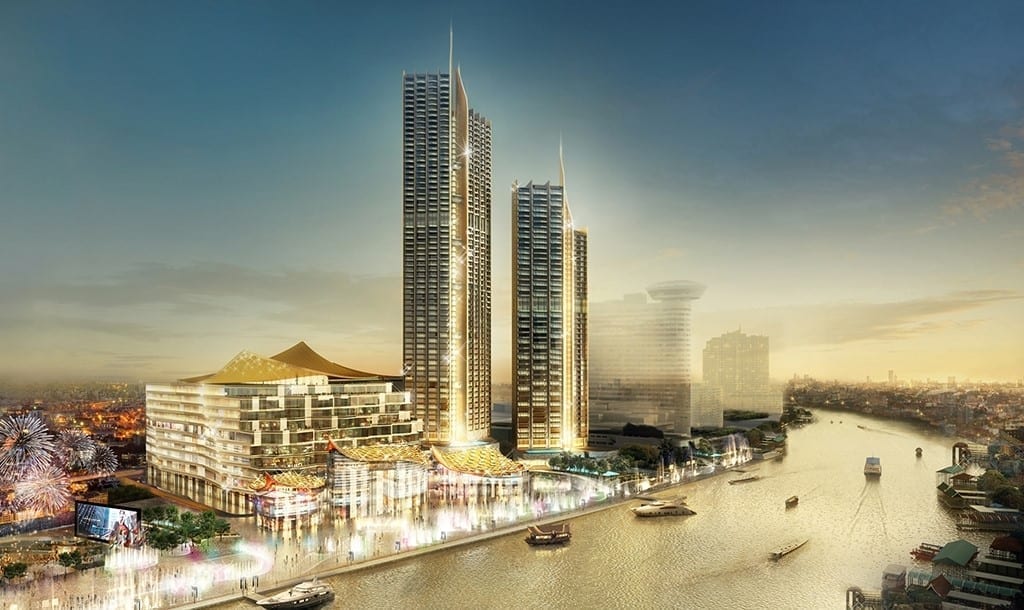
    Thailand’s first world-class museum is to be built as part of the massive IconSiam development on the banks of the Chao Phraya River in Bangkok.

    The Fine Arts Department of the Thai Ministry of Culture and IconSiam Co have signed a memorandum of understanding to mark their collaboration to preserve Thailand’s arts and cultural artifacts, to be displayed in the 8000 sqm IconSiam Heritage Museum.

    The museum, which will open in 2018, is set to become a space where different cultures interact as well as a major tourist attraction, according to a statement from IconSiam.

    “Local and foreign visitors will be able to witness the pride of Thailand and the elements that signify our national identity.”

    More than 500 retailers will be housed in two shopping malls being built in the IconSiam development, which also includes a hotel and luxury apartment complex. The US$1.538 billion (54 billion THB) project is scheduled to open in late 2017.

    heritage iconsiam


    The Fine Arts Department will be in charge of analysing, sourcing and preserving antiques and artifacts to be displayed in the National Heritage Gallery, one of the museum’s  three exhibition spaces.

    Vira Rojpojchanarat, Minister of Culture Ministry, described the collaboration as auspicious for the country.

    “The private sector will officially play an important role in helping the government support, promote and showcase Thai culture. This answers directly to the government’s public-private collaboration policy. The museum will communicate with Thai values to both locals and tourists, driving forward our admirable culture and national identity. The project will also push our identity and the creative cultural industry to an international level.”

    IconSiam director Chadatip Chutrakul said it is “the mission and ambition” of IconSiam to create a unique project that represents the admirable identity of Thailand from every aspect. “Our excellent indigenous wisdoms, intricate handicraft skills, architectural brilliance, our history, traditions, cultures etc, will be represented here.”

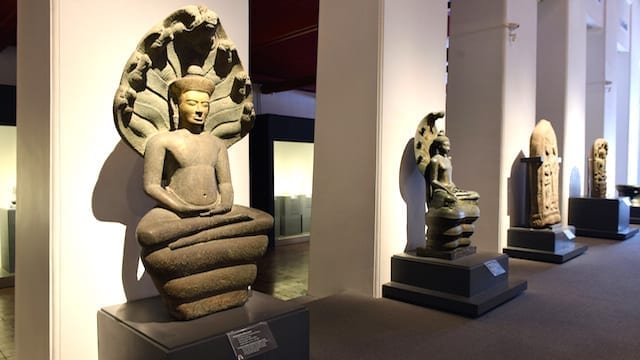
    The display of Thailand’s precious cultural heritage and historical treasures.

    The display of Thailand’s precious cultural heritage and historical treasures.

    IconSiam will invest more than THB 500 million (US$14 million) in the museum. “This investment, although great in number, is not a move that seek profit in return. We hope that this museum initiative will inspire other organisations to see the value and importance of museum which is a significant symbol of the country’s economic and social advancement,” said Chutrakul.

    Part of the museum’s earning from the National Heritage Gallery admission fee will be donated to the Archeology Foundation for future restorations of historical sites, artifacts and the National Museum.

    The other two exhibition spaces will be a Temporary Exhibition Gallery  featuring exhibitions from master artists and world class museums from all over the world, and the River Gallery, which will aim to present contemporary works from renowned local and international artists and host art related activities.

    Lord Cultural Resources, a global professional practice dedicated to creating cultural capital worldwide which has worked on museums such as France’s The Louvre and Spain’s Guggenheim Museum, Bilbao, is working with IconSiam on the project. The company also has experience working with Britain’s Tate Modern, The US’s Library of Congress’s security and filing systems as well as setting up exhibition models for Thailand Creative and Design Centre.

  • Siam Center Unleashed the Creativity in  “Siam Center Art Traction” Art Exhibition

    Siam Center Unleashed the Creativity in “Siam Center Art Traction” Art Exhibition

    Siam Center, the Ideopolis, sparks the creative ideas in “Siam Center Art Traction”, on the 1st and 2nd floor of Siam Center until July 2016. The exhibition displays a wide range of well-selected art pieces by several artists from various fields of art, such as world-renowned Malaysian artists Jun Ong, well-known Thai artists like Jitsing Somboon, Anon Pairot and Rukkit Kuanhawate, and young artists from four leading universities in Thailand. Last but not least, the art lovers will meet Mr. P Water, the art installation by Propaganda.

    Chanisa Kaewruen, Senior Deputy Managing Director for Marketing Events and Business Relations, Siam Piwat Co., Ltd., revealed that Siam Center has played the leading role as the center of arts, fashion, technology and lifestyle. It always seeks for the world-class work of art to inspire people. Now, Siam Center is hosting Siam Center Art Traction between June and July 2016 to display the masterpieces of famous artists in different fields. The exhibition starts with Jun Ong and his PLASTIC PARTITIONS, using mixed art to serve as the board of idea. It displays questions and let the visitors give comments by pressing the button on LED screen, which projects the different levels of brightness. When the visitor presses the button three times, the blinking light will appear. It means the visitor absolutely agrees with the question. If pressed twice, the button will show the still light, which means the visitor simply agrees. If pressed once, the button will project the dim light, which represents the visitor’s disagreement.

    11. Artpiece from Museum road selected by Jitsing Somboon

    Two more exhibitions are held to promote the talent of students from the leading universities. First, Jewelry Degree Showcase by Silpakorn University displays the theses of senior students of Jewelry Design Department, Faculty of Decorative Arts, Silpakorn University. Moreover, the art workshops are weekly conducted on cold enamel, wire bending, drawing, gold leaf covering, knitting, crochet, stamping letters on metal plate and making wool accessories respectively. This exhibition will take place until July 31, 2016, at the area connected to BTS on the 2nd floor of Siam Center. Live Design Functional Art Project by Silpakorn University exhibits the theses of the senior students of Applied Art Study, Faculty of Decorative Arts, Silpakorn University, between June 23 and July 31, 2016, on the 1st floor of Siam Center.

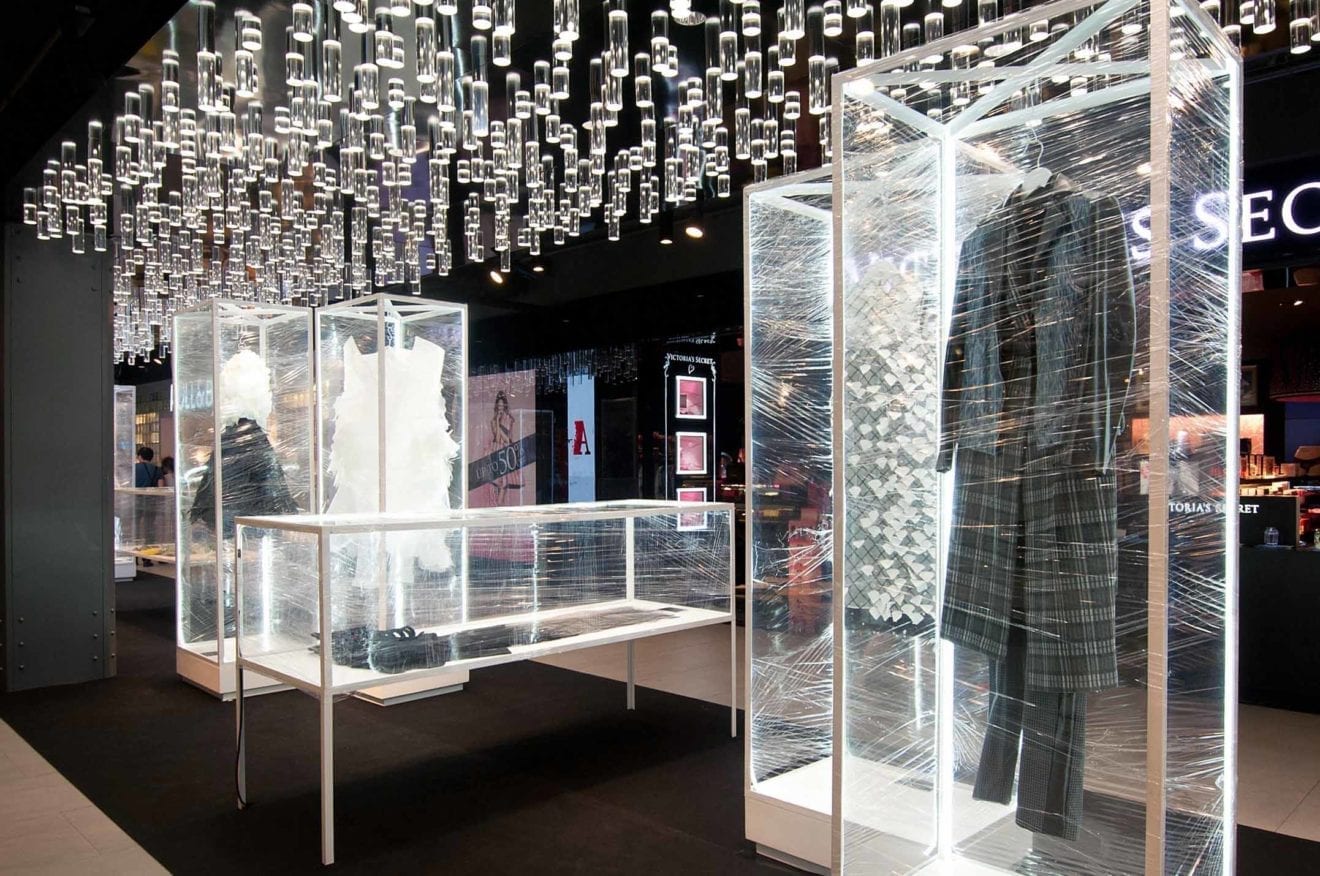
    Another must-visit exhibition is “Museum road selected by Jitsing Somboon”, which takes place until July 31, 2016, on the 1st floor of Siam Center. Jitsing Somboon, Creative Consultant of Greyhound, selected these impressive items from the fashion theses of senior students from four leading universities, namely Silpakorn University, Srinakharinwirot University, Rangsit University and Bangkok University. He admired the distinctiveness of these exhibits because they combined both old and new techniques. For the materials, some students selected the forgotten materials while others used new and bold materials to inspire the visitors. Therefore, the fashion items in this showcase were something beyond clothing. They were art objects displayed in one-sided glass cabinet covered with wrinkled plastic. He got this inspiration while taking a tour in museums and browsing through art pieces. That’s why he would like to reflect the value of the students’ work and their effort in an easily accessible way.

    In addition, Siam Center presents Art Installation by Rukkit Kuanhawate on the 1st floor of Siam Center and Donate It Forward by Anon Pairot, together with his partners, to encourage everyone in the society to do the good deeds. Moreover, the famous Mr. P by Propaganda comes back with his new look called Mr. P Water as an eye-catching art installation that welcomes everyone at Parc Paragon.

  • Bangkok retail show schedule announced

    Bangkok retail show schedule announced

    With Asian retail sales projected to reach more than $10 trillion by 2018 – twice the figures for North America – trends and developments will be discussed at a three-day Bangkok retail show in August.

    Regional sales are projected to be the fastest worldwide over the next five years, and China is expected to overtake the US as the world’s biggest retail market, according to a PWC report.

    At RetailEx ASEAN 2016, at Impact Exhibition & Convention Centre in Bangkok, Thailand, from August 25 to 27, the ASEAN Retail & Shopping Mall Summit will enable businesses, regional associations and stakeholders of the retail ecosystem to network and discuss trends.

    Over two days of the expo, the conference includes expert speakers covering such topics as industry trends, business modelling, branding avenues, and retail architecture and design.

    Features of the annual expo include the POS & Auto ID Congress, a VIP hosted buyer program and site tours. It is the largest in-store equipment and solutions expo in Southeast Asia, featuring more than 200 local and international exhibitors over 5000 sqm of exhibition space.

  • e-Biz Expo 2016 – Thailand’s largest exhibition and trade show on e-commerce, all aspects of e-Business and online technology

    e-Biz Expo 2016 – Thailand’s largest exhibition and trade show on e-commerce, all aspects of e-Business and online technology

    N.C.C Exhibition Organizer Company Limited or NEO, Thailand’s leading organizer of international trade and consumer exhibitions, is organizing the e-Biz Expo 2016, an exhibition dedicated exclusively to all aspects of e-Business and online  technology .

    Held for the second year, the theme of  e-Biz Expo 2016 is Digital in your Hand : Gateway To ASEAN e-Commerce & Digital Business, highlighting the importance of the digital economy. This year, the e-Biz Expo 2016 has received support from both the private and government sectors including the Ministry of Information and Communication Technology, the Department of Business Development, Ministry of Commerce, The Federation of Thai Industries (FTI), Electronic Transactions Development Agency (Public Organization) and Thai e-Commerce Association. Private sectors who have once again gathered this year to provide support to this event include Ascend Group, Kerry Express, Bank of Ayudhya Public Company Limited, Paypaid, Ready Planet , Chinese e-commerce giant Alibaba, and Facebook among others.

    Visitors will have the opportunity  to meet with more than 100 booths providing products and services from leading Thai online and IT companies, representing three essential elements of the online and commerce business: 1) e-Commerce & Cross-Border e-Commerce 2) e-Payment and 3) e-Logistic for Business.

    ssIn addition, this exhibition also features e-commerce seminars and workshops hosted by local and international speakers and experts, business matching activities, and the opportunity to network with people in the e-Commerce business.

    Guest speakers include Jerry Wu Zhu, Director of Alibaba.com Thailand market, Punnamas Vichitkulwongsa, CEO of  Ascend Group Co.,Ltd. and True Money Company Limited,  Ariya Banomyong,  Managing Director of LINE Thailand, Alex Ng, Director and GM of Kerry Express Thailand, President and Founder of  Thai Ecommerce Association Pawoot Pongvitayapanu and MD & Founder Rakuten TARAD.com, Ali A. Fancy, CEO ZALORA (Thailand) Ltd and  Rathiya Issarachaikul, Manager, small and medium business Facebook Thailand and many more.

    Entrance to e-Biz Expo 2016 is free. Tickets to attend seminars cost Baht 3500 for 2 days during June 10th-11th. Tickets at the door are Baht 3800, There will also be workshops on digital marketing and e-commerce which are free to attend.

  • King Power buys 39% stake in Thai Air Asia

    King Power buys 39% stake in Thai Air Asia

    King Power, the Thai duty-free conglomerate, has bought a US$225 million (S$305 million) stake in Thai Air Asia, the country’s largest budget airline.

    The purchase allows King Power’s billionaire owner Vichai Srivaddhanaprabha to further tap into Thailand’s booming tourism industry and expand beyond his duty-free and hotel portfolio.

    Thai Air Asia is 55 per cent owned by Asia Aviation, a Thai company, with the rest held by the Air Asia group founded by Malaysian entrepreneur Tony Fernandes.

    AirAsia Group Chief Executive Officer Tony Fernandes speaks during a press conference in Kuala Lumpur, Malaysia, Monday, Aug. 11, 2014. AirAsia launched its new "Premium Flex" services providing benefits to travellers.   (AP Photo/Vincent Thian)
    AirAsia Group Chief Executive Officer Tony Fernandes speaks during a press conference in Kuala Lumpur, Malaysia.

    King Power’s purchase of 39 per cent of Asia Aviation from its chief executive (CEO) Tassapon Bijleveld makes it the second largest shareholder of Thai Air Asia.

    Mr Bijleveld, who also serves as Thai Air Asia CEO, will keep 5 per cent of the shares and stay on as chief executive of Asia Aviation, King Power said in a statement yesterday, with the rest of Asia Aviation’s stock owned publicly.

    King Power CEO Aiyawatt Srivaddhanaprabha yesterday said the purchase represents new business opportunities.

    The group will join forces with Thai AirAsia to expand its distribution and retail business, he said.

    The King Power statement also said it was able to snap up the shares at a price “substantially lower” than the market rate because local airlines must legally be more than 50 per cent owned by Thais.

    “Given the restrictive nature of such rules, there are only a handful of Thai individuals who, realistically, would be interested in and could afford the purchase,” it said.

    Polo-loving Mr Vichai, 58, has carefully navigated Thailand’s treacherous political waters of recent years, while taking his King Power empire from strength to strength.

    He has built an estimated fortune of US$2.9 billion since establishing the firm in 1989 – starting with a single shop in Bangkok.

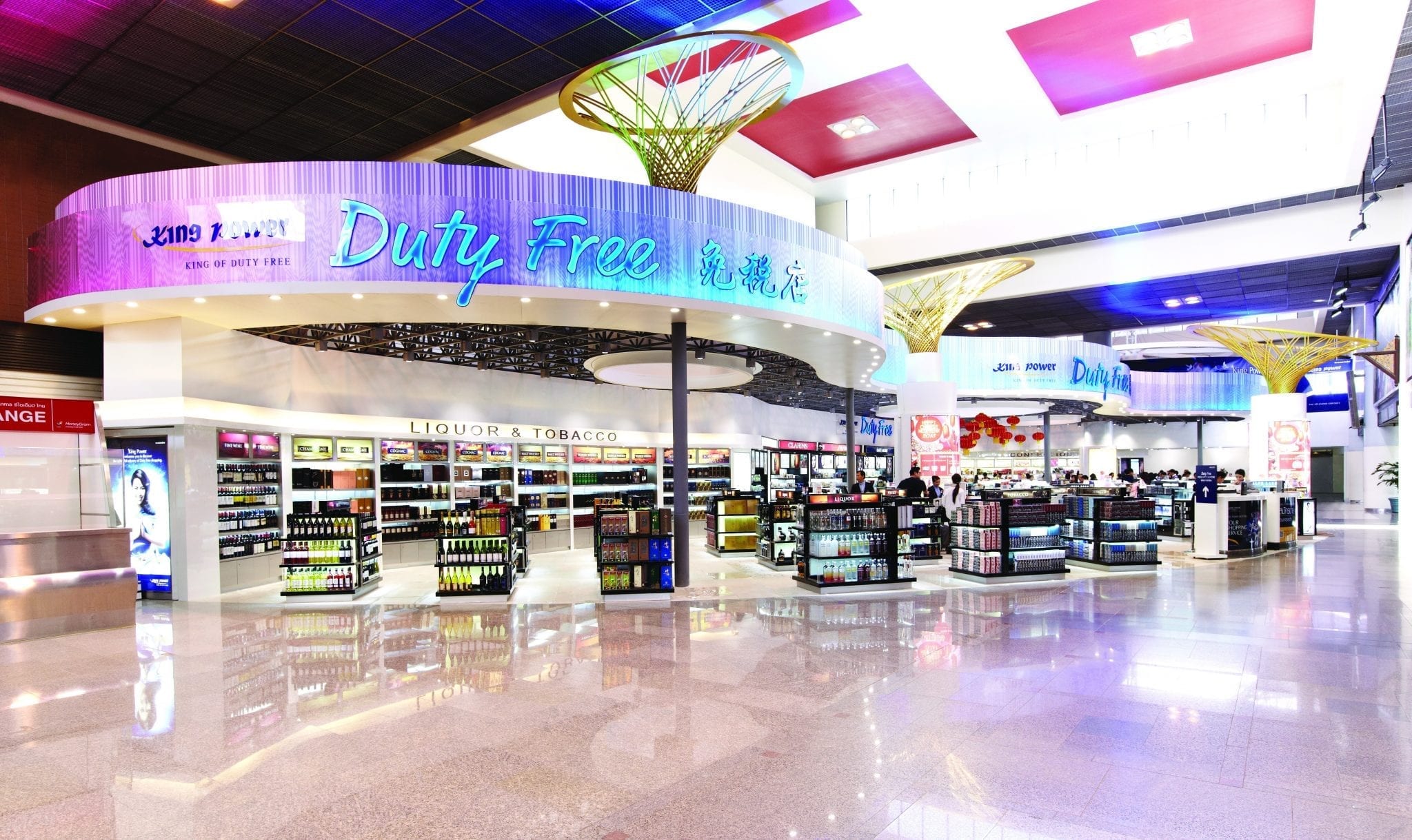
    He hit the jackpot in 2006 when King Power won a monopoly duty- free concession at Bangkok’s cavernous new Suvarnabhumi airport, and with it a captive market of tens of millions of travellers.

    He has since gone on to buy British football club Leicester City, which made history when it won this season’s Premier League.

    Last year, Thai Air Asia carried 14.8 million passengers, and it plans to serve 16.9 million this year. It has said it wants to expand in markets across South-east Asia, China and India.

    King Power said it plans to spend 12 billion baht (S$461.5 million) on buying the remaining 60 per cent of Asia Aviation.

    Mr Vichai’s group is required to make a mandatory offer for Asia Aviation shares it does not already own, the company said on Monday.

    Before the sale, the Thai management had a combined 45 per cent of Asia Aviation.


  • Pop-up restaurants add diversity to Bangkok’s retail market

    Pop-up restaurants add diversity to Bangkok’s retail market

    POP-UP restaurants are a growing trend in Bangkok shopping malls and in suburban main streets.

    These are temporary restaurants that can operate from any location where there are customers and that is safe for cooking and serving food.

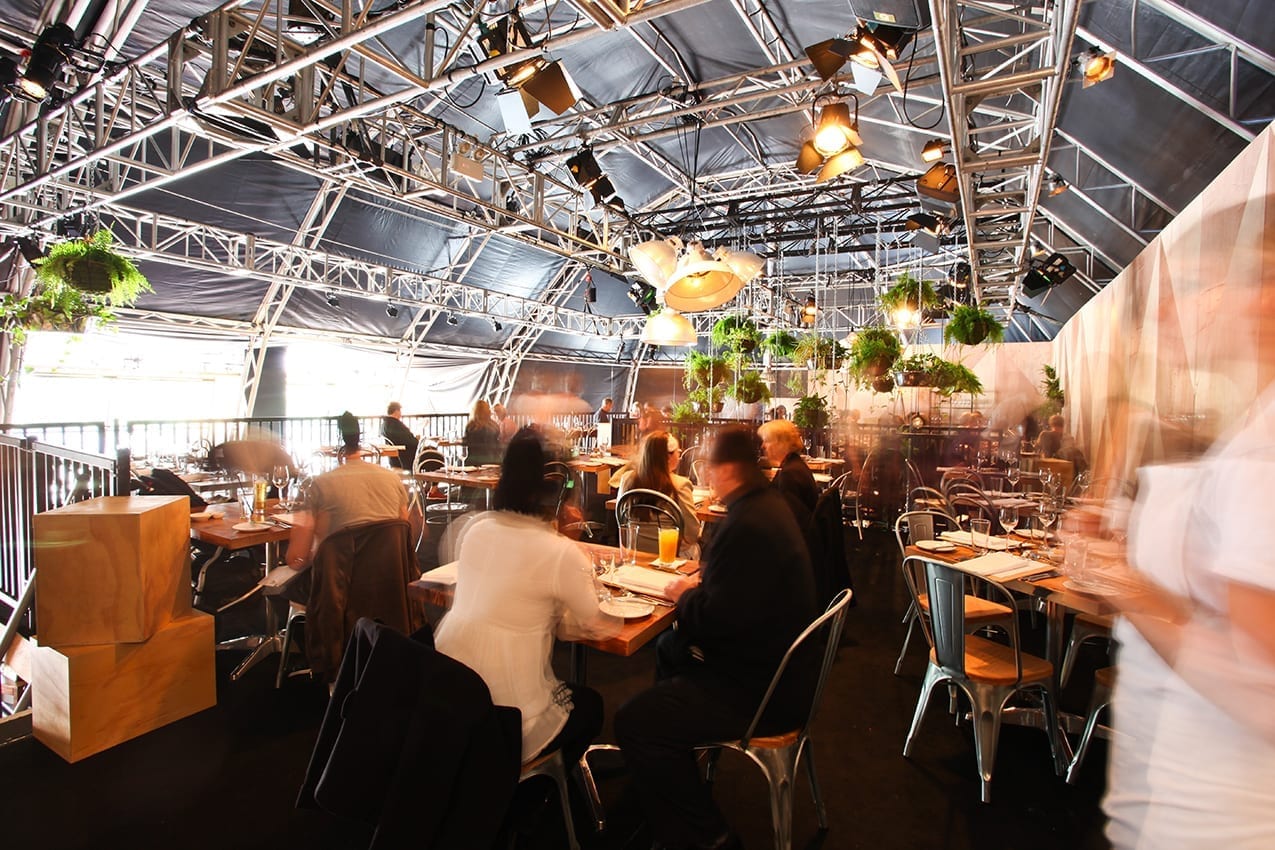
    While beer gardens operating during the cool season are probably the pop-up format that Thais are most familiar with, pop-up kitchens and food trucks are gaining popularity in Bangkok.

    The Mall Group recently introduced pop-up kitchens around its supermarkets. Patrons can buy fresh produce and ask for it to be cooked at these kitchens.

    Although seating is limited, the food fad has caught on and it is not surprising to find queues forming at these new eateries.

    Another trend that is transforming the street-food culture in Bangkok is the mobile food truck. Summer Street, which serves grilled seafood, and Daniel Thaiger’s burger truck are names that have gained a following.

    Potential patrons keep track of opening hours and the location of these trucks on social-media platforms – an indication that the digital age has fundamentally changed the way people dine and socialise.

    Pop-up restaurants can range from the simple to the ultra-high-end, but one thing they all have in common is the element of exclusivity.

    Because of their temporary nature, pop-ups intrinsically create a “moment in time” that cannot be replicated; this also ties in neatly with the experience trend and craving for new and exciting concepts.

    These food and beverage developments have given some of Thailand’s malls and retail streets a revival, adding diversity and vitality to the shopping experience and keeping people in the malls longer.

    The mobility of these pop-ups and food trucks means that empty spaces can be easily converted into food halls or markets, helping to breathe new life into sometimes derelict but architecturally exciting space, such as former factories, warehouses, office buildings and marketplaces that are in good locations.

    In Bangkok, mall operators have used car-park spaces to host food and culture festivals. Boosted by rising income levels and an insatiable demand for fresh culinary experiences, these food halls have become very popular.

    These pop-up restaurants because of their mobility and flexibility will continue to help mall operators pull in retail crowds even as they undergo renovations.

  • Radware opens new office in Thailand

    radwareRadware, a provider of cyber security and application delivery solutions, has opened its new office in Bangkok, Thailand.
    Located in the Ratchada area in Bangkok, the new office equips training and demonstration facilities, and will support Radware’s operation across Thailand.

    Radware works with clients in industry verticals such as telecoms, banking, Government, retail and manufacturing sectors.

    Radware Thailand office has also added additional resources, including the appointment of a new Enterprise Business Manager focusing on Banking and Government customers and a new Systems Engineer.

    Paul Coates, VP of South APAC, Radware, said: “Asia Pacific continues to be a strategic region for Radware, and building out a new infrastructure in Thailand allows us to provide even faster technical and sales supports to our valued customers in various industries.”

    Radware has 16 offices in Asia Pacific region: Australia, China, Hong Kong, India, Japan, Korea, Singapore, Taiwan and Thailand — to support its customers and partners.

  • CBRE Thailand: economy hits development

    CBRE Thailand: economy hits development

    Against an unfavorable economic backdrop, coupled with growing competition in the Bangkok retail market over the past couple of years, developers have been postponing projects, says property company CBRE Thailand in its retail market review for first quarter.

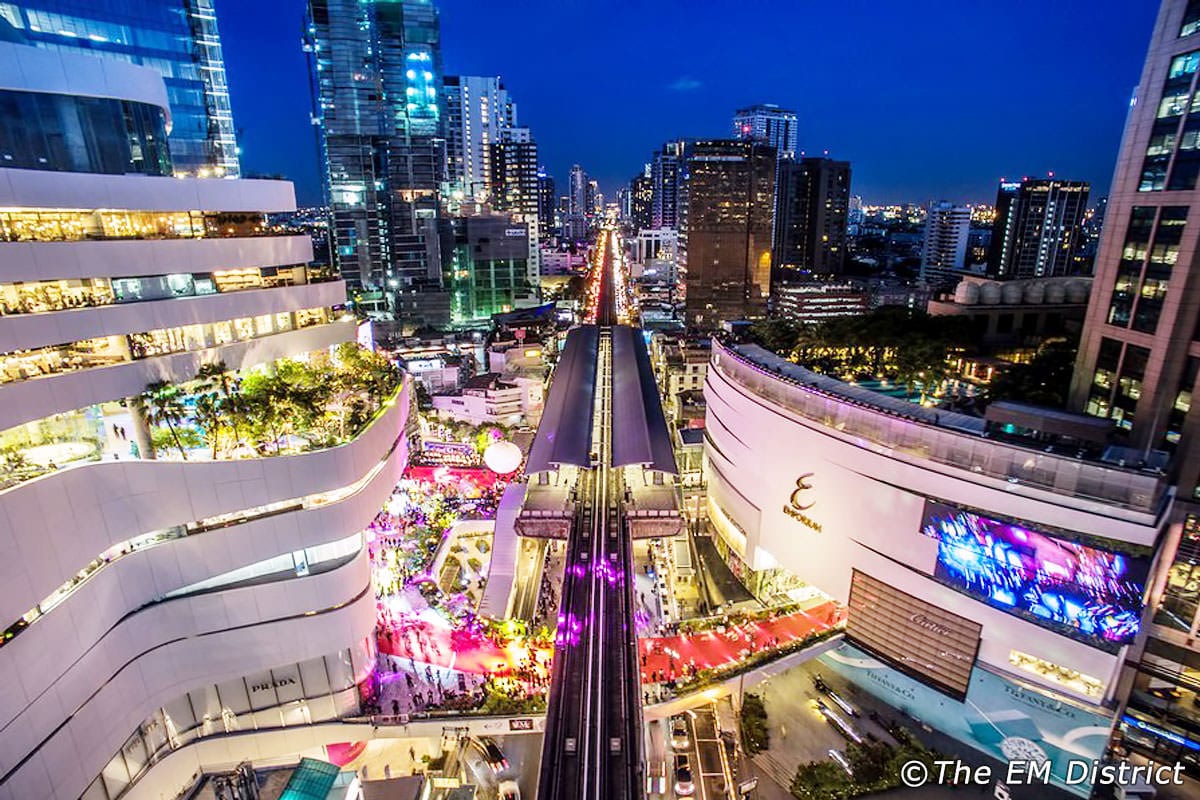
    Affected are mega-projects Bangkok Mall, Central M, EmSphere and Mega Rangsit.

    Instead, says the review, owners have been focusing on renovating and repositioning malls as well as selectively expanding upcountry.

    Newly completed retail supply in Bangkok has begun to slow down, with about 60,000 sqm coming onstream from nine retail developments in the first quarter. None of the projects were big scale, says the report, the largest being the Ratchadapisek Suam Lum Night Bazaar.

    Despite representing a small share of total retail sales, eCommerce has grown rapidly in Thailand over the past year, says the review, posing an up-and-coming risk to brick-and-mortar stores. This will spur growth in online shopping, forcing retail developers to create more attractions to lure consumers to their physical stores.

    “Looking forward, unless domestic demand recovers, we do not expect the delayed projects to start construction any time soon,” says the review. “With the combination of low future supply and the completion of refurbishment in major retail centres, we believe the occupancy rate will bottom out this year.

    “However, rental growth going forward is expected to be limited as competition remains fierce.”

    Meanwhile, domestic demand is still weak. The retail sales index in January, estimated by the Bank of Thailand, was at 200.7 points, increasing by only 0.02 per cent.

    Also, Thailand’s Consumer Confidence Index (CCI) dropped to 73.5 in March, the lowest level in five months, from 75.5 and 74.7 in January and February respectively.

    Thailand’s household debt level continues to be an issue at more than 80 per cent of total GDP, dragging down the spending power of consumers.

    Growing competition in the Bangkok retail market has seen several large-scale projects completed of the past year years, taking the total retail supply to 7.2 million sqm., up nearly 900,000 sqm from the figure in 2014.

    “Not all shopping centres will perform,” says the review, “and we have seen falling occupancy in some of the old or poorly managed malls.”

    First-quarter occupancy was at 92.9 per cent, down 0.3 percentage points from the previous quarter.

    Retail sales in central Bangkok have improved as international tourist numbers have grown, up about 15 per cent from last year.