Tag: bangkok

  • Titan Launches Thai Commemorative EDGE Wristwatch

    Titan Launches Thai Commemorative EDGE Wristwatch

    Titan Company Limited, the world’s fifth largest watchmaker and part of the Indian conglomerate giant TATA Group, is releasing a limited edition timepiece in Thailand created especially for the Thai market.

    Titan selected its Red Dot award-winning EDGE, the world’s slimmest wristwatch in the universe, to create the exclusive wristwatch, commemorating the timeless respect and honor for His Majesty the late King Bhumibol Adulyadej.

    The royal emblem marking the 70th Anniversary Celebrations of King Bhumibol Adulyadej’s Accession to the Throne is placed at 12 o’clock and the Thai numeral for nine at 9 o’clock. 

    The Titan Thai Commemorative EDGE wristwatch is available with a black, blue and brown dial and color-matched leather strap. The blue and brown dial watches are set in rose gold plated case while the black dial watch is set in a gold plated case, both of which gives this exclusive wristwatch an extra-special elegance and sophisticated quality. 

    With a total slimness of just 3.6 mm and a wafer-thin movement of 1.15mm, the Titan EDGE is a technological marvel. It is water resistant up to a depth of 30 meters. The classic hallmarks of the EDGE design include a scratch-resistant sapphire crystal glass front, stainless steel case and specially designed slim battery. 

    The inscription, “In Honor of His Majesty the King”, is engraved on the watch back as a tribute to the King, creating a wonderful memento for owners to treasure for years to come.

     “The intricate craftsmanship of the Titan EDGE, its timeless design and incredible innovation resonate with the Thai market,” said Sonia Yamdagni, Managing Director of Omni Co., Ltd., the sole distributor of Titan watches in Thailand. 

    “A sense of  tradition and appreciation for quality are valued and passed along from one generation to the next whilst moving toward a future of hope and success for the country and the Thai people; a symbol of the importance of finding time to give back to the nation and to others,” added Sonia.

    Titan watches are retailed in 32 countries worldwide. The Titan Thai Commemorative EDGE wristwatch, presented in an attractive velvet-lined wooden box, retails at THB 8,900 and is currently available at Central, Robinson and The Mall Group department stores nationwide, including Siam Paragon and Emporium in Bangkok.

  • AIS to invest $1.1b in 4G expansion

    AIS to invest $1.1b in 4G expansion

    Thai mobile market leader AIS plans to invest at least 40 billion baht ($1.12 billion) to expand its 4G network to improve take-up and performance.

    AIS has been spending heavily to deploy its 4G network and now expects to achieve 98% population coverage by the end of the year.

    But only around 25% of AIS’ 39.9 million strong subscriber base are 4G users, compared to 25.2 million for 3G.

    AIS aims to increase the percentage of 4G subscribers to 40% by the end of 2017. Take-up has been faster than initially expected, prompting the operator to raise its target.

    AIS launched 4G two years later than key rival TrueMove, but due to it 4G investment strategy has exceeded True’s 4G subscriptions and coverage, the report states.

    The operator is shoring up its network to be able to cope with heavy data usage and the ongoing erosion of voice and SMS usage. Roughly 22% of the company’s 60,000 base stations have been upgraded to 4G.

    This move forms part of a wider strategy aimed at transforming AIS into a fully integrated digital services provider by 2019.

  • Alibaba Looks to Tighten Its Hold on Thai Ecommerce

    Alibaba Looks to Tighten Its Hold on Thai Ecommerce

    Having established a dominant position in China, ecommerce giant Alibaba is setting its sights on expanding in Southeast Asia. Last week the Chinese firm inked a deal with the Thai government to speed the development of the country’s ecommerce sector.

    The agreement calls for ecommerce platform Lazada—the leading ecommerce site in Thailand—to provide ecommerce training to 30,000 small- and medium-sized Thai businesses. Alibaba acquired a controlling stake in Lazada earlier this year.

    The deal also calls for Alibaba to advise the country’s postal service, Thailand Post, on shipping and logistics.

    Ecommerce makes up just a tiny sliver of Thailand’s total retail sales (1.5%), but it is growing rapidly. eMarketer projects that ecommerce sales, excluding travel, will grow at a rate exceeding 15% annually over the next four years, reaching total $5.69 billion by 2020.

    While other large international ecommerce players like Rocket Internet and Rakuten have been pulling up stakes in Southeast Asia this year, Alibaba has dug in.

    Alibaba has the capital to outlast local competitors in order to gain market share, as well as deep experience handling payments and logistics problems in emerging markets. And it owns Lazada Thailand.

    But Alibaba faces two potentially significant challenges in Thailand. One is that Thailand still lags behind developed markets in terms of internet usage. eMarketer estimates only 49.8% of the population of Thailand uses the internet as of 2016. Markets that are still in the early stages of internet adoption tend to need time to grow into ecommerce.

    The second challenge for Alibaba is the other 800-pound gorilla in the global ecommerce sector: Amazon, the only competitor with the budget and will to battle Alibaba in a Southeast Asia turf war.

    Alibaba already competes with Amazon in India via two surrogates in which it holds sizable stakes: Paytm, a payment and ecommerce company, and marketplace Snapdeal. The battle shaping up in India is likely a harbinger of things to come in Southeast Asia, according to Pawoot (Pom) Pongvitayapanu, the CEO and founder of local Thai ecommerce marketplace Tarad.com. “I think in the next 10 years there will be a few very big ecommerce sites,” Pongvitayapanu said. “Alibaba or Amazon, they‘re going to control the world. That’s coming for sure.”

  • Thailand tourism breaks records and welcomes 30 millionth visitor to the kingdom

    Thailand tourism breaks records and welcomes 30 millionth visitor to the kingdom

    Mr. Yuthasak Supasorn, Governor of the Tourism Authority of Thailand (TAT) said, “This has been an amazing year for tourism in amazing Thailand as shown by the huge numbers of visitors. We have reached 30 million and the high season has only just kicked off. We know that more people will be coming to enjoy the cool weather and holiday festivities. Thailand has so much to offer the world and we know that the Thai people make every visitor feel as welcome as we made Ms. Huang Junyi feel today.”

    Ms. Huang Junyi receives a certificate naming her as “Thailand’s Luckiest Visitor – The Amazing, Smashing Success” from Mr. Yuthsak Supasorn, TAT Governor

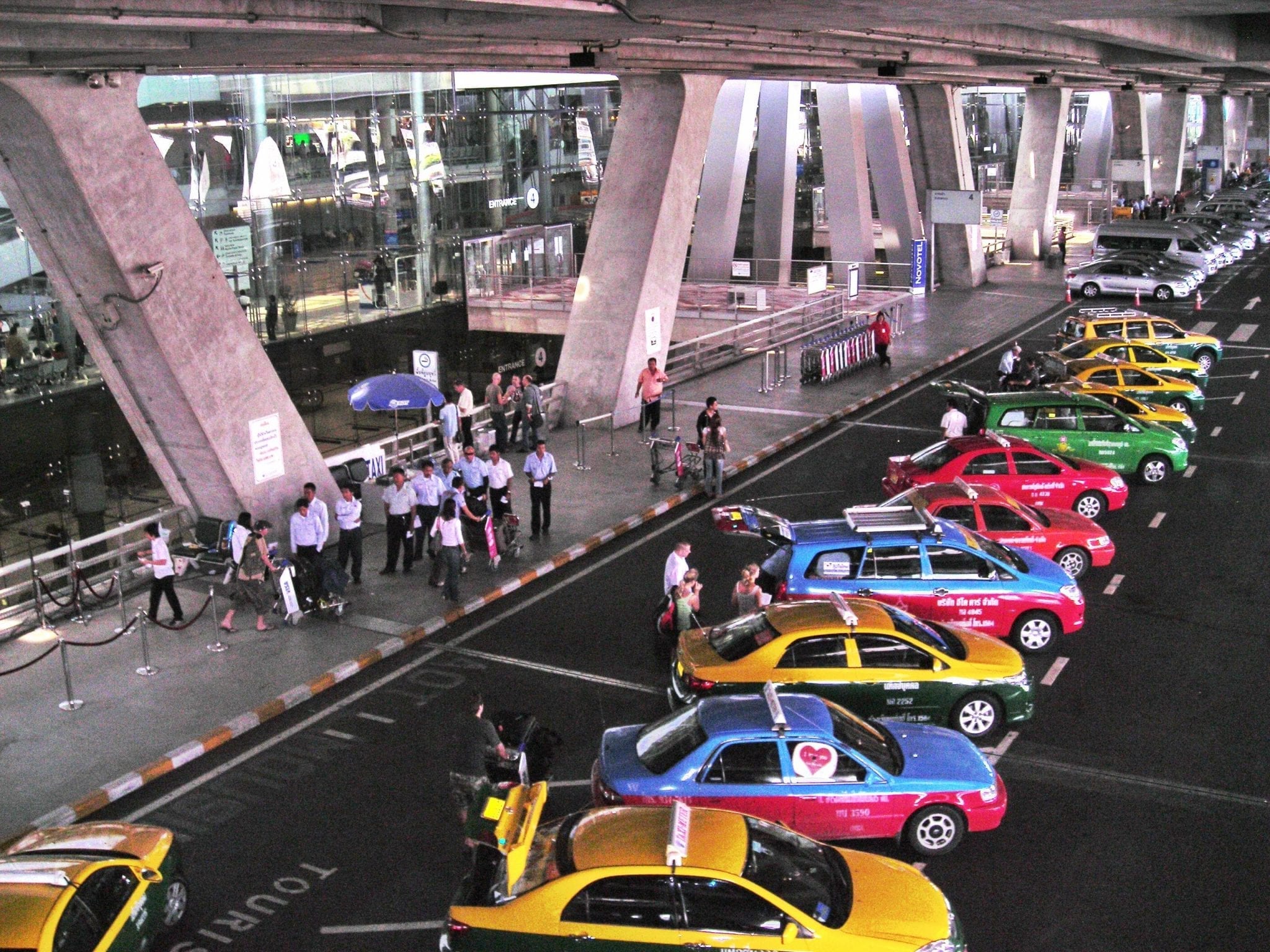
    Ms. Huang Junyi,“Thailand’s Luckiest Visitor – The Amazing, Smashing Success”, was greeted at Suvarnabhumi Airport with a fantastic welcoming ceremony co-hosted by the Tourism Authority of Thailand (TAT), Thai Airways International and True Corporation.

    Ms. Huang’s prize will be two economy-class return tickets to Thailand from her original destination, which are valid for a year. She will also be given a voucher for a five-night stay in one of Thailand’s luxury hotels in Bangkok, Pattaya or Hua Hin as well as a mobile phone with a 4G sim card and seven days of Internet usage and a certificate naming her as “Thailand’s Luckiest Visitor – The Amazing, Smashing Success” so that she can remember this day forever. The lucky 30 millionth visitor was also given an exclusive limousine transfer from the Airport to her accommodation in Bangkok.

    This is the second time that Ms. Huang Junyi has travelled to Thailand. During this trip, she will be spending 10 days in Bangkok and Pattaya.

    The “Thailand’s Luckiest Visitor” campaign was launched in 2015 to welcome and reward every millionth visitor to Thailand from June to December. The campaign was a great success and garnered interest from the public and media organisations across the world, boosting Thailand’s tourism sector and brand image. It has been brought back in 2016 to welcome the 30th and 31st million visitors and will continue till the end of 2016.

    In 2016, Thailand is projecting total international tourism revenue of 1.62 trillion Baht (USD 46 billion), representing a year-on-year increase of 11.68% over 2015.

    To boost tourism numbers, various initiatives have been put in place to encourage tourists to visit and spend. This includes the waiver of tourist visa fees for visitors from 19 countries from 1 December, 2016, to 28 February, 2017, and the price of visas issued on arrival will be halved. To encourage more domestic travel, a long New Year holiday of four days including 31 December, 2016, and 1 to 3 January, 2017, has been confirmed.

  • Thailand’s green material Industry and the green building trend

    Thailand’s green material Industry and the green building trend

    In the midst of today’s environmental movement, green buildings (buildings designed to be environmentally friendly through more efficient use of resources) are popping up more and more in Thailand.

    Using data from green building credentialing bodies like the U.S. Green Business Council (USGBC), which developed the Leading in Energy & Environment Design (LEED), and the Thai Green Building Institute (TGBI), which developed Thailand’s Rating of Energy and Environment Sustainability (TREES), EIC found that the number of certified green buildings and buildings in the process of accreditation in Thailand has risen substantially, increasing from six buildings in 2007 to 243 buildings in 2015.

    With EIC’s estimate of 294 green buildings in 2016, the average annual growth rate for green buildings in Thailand is 54%. Thailand’s green building area increased from 40 thousand square meters in 2007 to 4.3 million square meters in 2015, and it is estimated that it will reach 5.0 million square meters by the end of 2016, pushing average growth to 71% per year (Figure 1).

    Green buildings in Thailand consist of office buildings (around 40%), retail stores and shops (around 30%), and other structures such as factories, residential buildings, hotels, and schools (around 30%) (Figure 2).

    Although the costs of building green are higher than construction costs for conventional buildings, it is the benefits they offer that are responsible for the expansion of green structures today.

    The average cost of building green in Thailand is 20,700 baht per square meter, which is about 5.2% higher than the average conventional building cost of 19,700 baht per square meter (Figure 3).

    This is because building green involves more restrictions in choosing materials and in designing building systems, as well as additional fees for obtaining LEED or TREES credentials. However, owners can gain both monetary and non-monetary advantages from green buildings. Monetary benefits include a decrease in building management expenses like electricity and water costs that can be reduced by 10% or around 90 baht per square meter per year, and up to about 21% or 180 baht per square meter per year by the fifth year after the completion of the project (Figure 4). These numbers are comparable to the decrease in energy costs of  well-known green building Energy Complex.

    The Energy Complex building contains 192 thousand square meters of utility space and has reduced building management costs per year by about 28 million baht, or about 146 baht per square meter per year.  Another monetary advantage for green building owners is increased rents. Rents for green buildings are around 30% higher than those of conventional buildings in the same area, or about 230 baht per square meter per month (Figure 4). Non-monetary benefits include significantly higher worker productivity in green buildings compared to conventional buildings, deduced from sick day records and illnesses caused by sick building syndrome.

  • Thai Kasikornbank Eyes Regional Expansion, Plans 2nd Branch in Laos

    Thai Kasikornbank Eyes Regional Expansion, Plans 2nd Branch in Laos

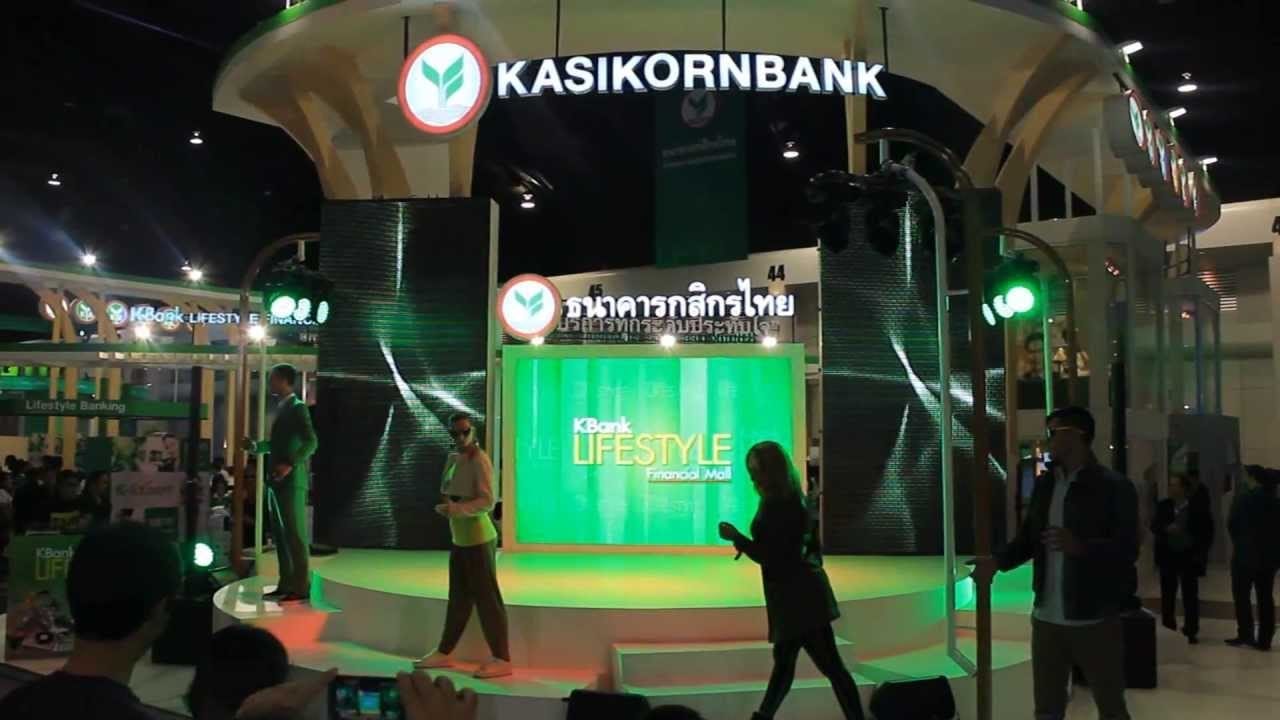
    Thailand’s Kasikornbank said on Tuesday (29/11) it plans to open a second branch in Laos and upgrade the status of its local bank in China in 2017 as part of a regional expansion.

    With assets of $68 billion, Thailand’s fourth-largest lender by assets is looking to open branches in Vietnam, Indonesia and Myanmar by 2018, Kasikornbank president Kattiya Indaravijaya said in a news conference.

    Loans and assets from foreign operations accounted for less than 5 percent of the bank’s current total loan portfolio, and the proportion is expected to gradually increase over the next few years, she added.

    Like other major Thai banks, Kasikornbank is looking to expand its business in fast-growing economies in Southeast Asia to help offset a slowdown in the domestic market.

    Kasikornbank is aiming at a loan growth of 4-6 percent in 2017 — assuming the Thai economy would grow 3.3 percent next year — and expected its non-performing loans to make up 3.3-3.4 percent of total loans, Kattiya said.

    In the first nine months, the bank’s loans grew 5 percent, versus a target of 6-7 percent for the whole of 2016, she said.

    The bank targets loan growth from retail clients at 5-7 percent next year when the number of it retail customers is expected to rise to 14.1 million, up 5-6 percent on year, the bank’s president said.

    Loan growth for large companies and small to medium sized firms is targeted at 4-6 percent next year, she said.

    Kasikornbank aimed to spend 4 billion baht on developing information technology (IT) next year to maintain its leading position in digital banking, the bank’s president in charge of IT, Teeranun Srihong, said.

  • Banana acquires 44 Bangkok outlets

    Banana acquires 44 Bangkok outlets

    A Bangkok IT store in a shopping mall in Bangkok. The stores will complete their transfer to Banana in the first quarter of 2017.

    Com7, the Bangkok-based IT chain store under the Banana brand, has taken over 44 BKK shops from Bangkok Telecom 999 for 184 million baht in a drive to accelerate its expansion into the mid- and entry-level segments.

    “This is our first acquisition for the purpose of pursuing growth,” said Sura Khanittaweekul, chief executive of Com7.

    The move is a reflection of how medium-sized IT retail chain stores in Thailand are trying to survive the hyper-competitive handset sales market.

    Small retail chains are being forced to close their shops because they cannot compete directly with cash-rich large stores.

    The process of transferring BKK’s shops will begin on Dec 1 and is expected to be completed in the first quarter of 2017, Mr Sura said.

    Com7 will operate the acquired 44 stores under the BKK brand, most of which are located in high-density areas. At least 10 BKK shops (out of the 44 acquired stores) compete directly with Com7.

    BKK Telecom 999 sold 44 branches out of its 80 shops.

    Mr Sura said the acquisition will enable Com7’s expansion strategy to grow faster, as the company need not build its own stores, which takes time and planning.

    The average size of a BKK shop is 30-70 square metres, while the average size of a Banana shop is 100 sq m.

    He said the acquisition of the BKK shops will enable Com7 to penetrated untapped mid- and entry-level markets, with handsets priced below 10,000 baht each.

    “Returns on the acquisition can be expected over the next 3-4 years,” Mr Sura said.

    Most Com7 branches are situated in prime locations in department stores serving premium customers with high purchasing power.

    Thailand’s smartphone market is quite mature. There is still an extensive demand in the mid-level handset segment in the replacement market.

    Com7 aims to expand its retail shops to 500 branches by 2017, up from 365.

    In August, Com7 launched bananastore.com to extend its sale channels online to capitalise on new-generation customers who lead the digital lifestyle trend.

    “We aim to have 1 billion baht in total sales revenue in 2017,” Mr Sura said.

    Com7 expects revenue to grow 10% to 17 billion baht this year. Of the total, 35% will come from sales of mobile phones, 30% from computers, 10% from tablets and the rest from accessories.

  • Spar to open 300 stores in Thailand

    Spar to open 300 stores in Thailand

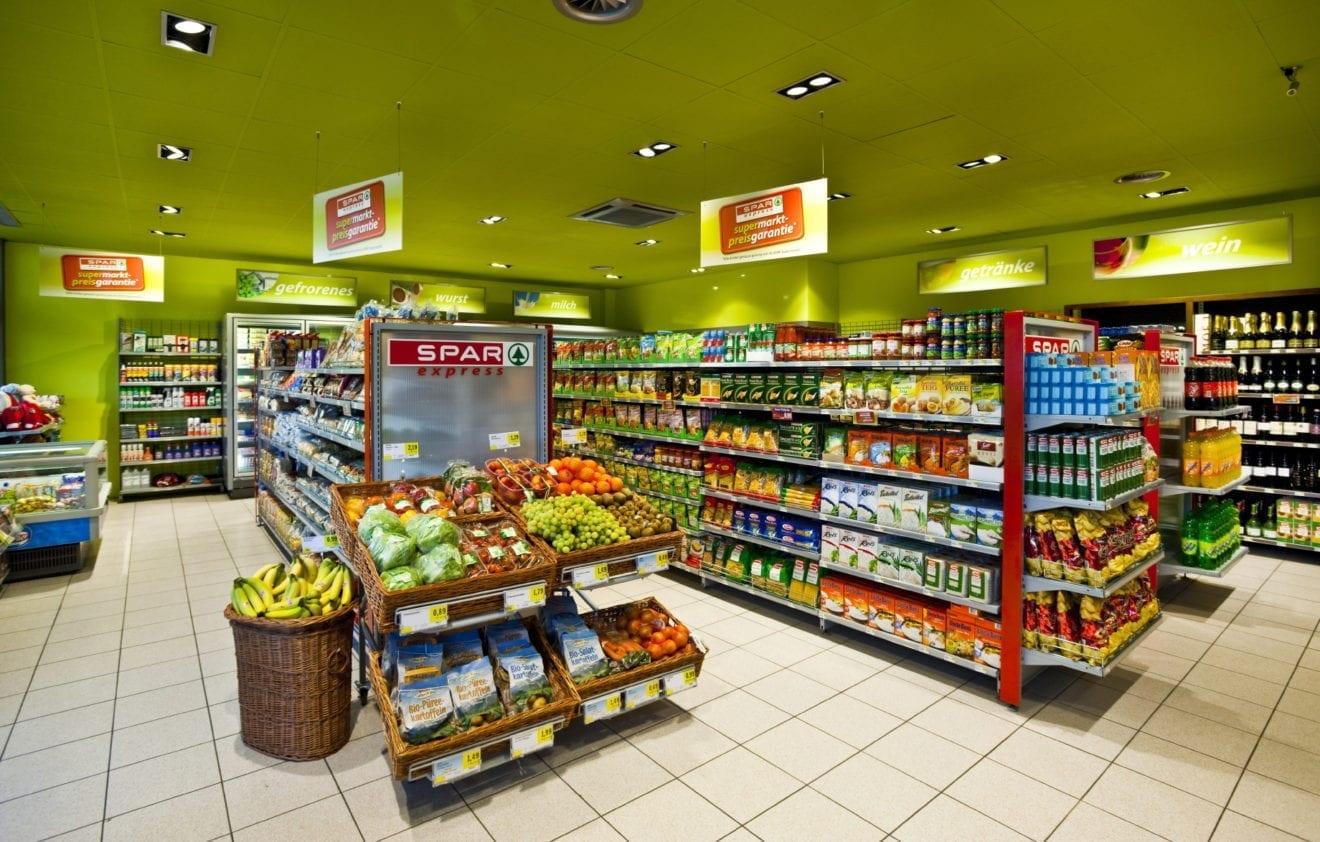
    Spar International and Bangchak Retail Company (BCR) have announced a new partnership to open 300 Spar stores in Thailand by 2020.

    The US$78.9m investment was announced on 28 November, with BCR to open seven new stores in 2016, and 50-80 new stores each year from 2017.

    “The launch of Spar in Thailand in partnership with BCR represents a significant and important step forward in Spar’s ongoing expansion into Asian markets,” Tobias Wasmuht, managing director of Spar International said at the official announcement of the new partnership. “It brings together our internationally tried and tested retail expertise particularly in convenience and supermarket formats with the extensive knowledge of the Thai market. The partnership is a true example of the Spar ethos in which through working together all shall benefit.”

    BCR managing director Viboon Wongsakul said the Thai company was exciting about the new offering for customers in Thailand.

    “We plan to bring local retailing to the next level and will dedicate the resources necessary to have a significant presence in the market in the shortest possible time-frame,” he said.

    The partnership will see both Spar and BCR focus on sourcing produce locally, with Spar International working on developing its own brand of products.

  • Thailand to adopt fingerprint registration for SIMs

    Thailand to adopt fingerprint registration for SIMs

    Thailand’s National Broadcasting and Telecommunications Commission (NBTC) has revealed plans to require all mobile operators to introduce an online fingerprint ID system for prepaid and postpaid mobile SIM registrations.

    The regulator has given a tentative deadline of February for operators to support mandatory fingerprint ID registration.

    NBTC officials told the publication that the system is designed to ensure greater security in mobile banking and reduce the risk of fraud as Thailand continues to transition to a cashless society.

    Around 14 million of Thailand’s 103 million mobile subscribers are already using mobile banking services, according to the report.

    According to the report, while the operators will be required to implement a fingerprint registration system to complement their existing mandatory SIM registration systems, mobile customers will not be required to submit their fingerprints. The fingerprints will be stored on an NBTC database server.

    The fingerprint system was developed by the Engineering Faculty of Kasetsart University, which won a tender to supply the system for 15 million baht ($421,000).

    Operators will be able to deduct the costs of implementing the system from their annual universal service obligation fee, which amounts to around 3.5% of operators’ total revenue.

  • Uncertainty Marks The Year End For Thailand

    Uncertainty Marks The Year End For Thailand

    The non-ceasing political disturbance and reigning uncertainty is dominating every aspect of life in Thailand since the King Bhumibol Adulyadej’s death on October 13. The Crown Prince Maha Vajiralongkorn is supposed to appear for an audition as a heir to the throne after he had been invited to become the next King by the parliament. The deeply divided society, depressed under the rule of the military junta, needs reconciliation.

    The macro view from the long-term perspective for Thailand is rather worrying, notwithstanding the country’s status of oil and gas producer. Its own natural resources are not proving to be large enough to count on to satisfy the growing domestic demand. The oil reserves are on the way to extinction, and the capacities of the robust gas production are not sufficient to compensate for overtaking consumption. Thailand has turned into a net gas importer and faces increasing reliance on oil imports as well.

    The import curve reflects an intermittent character of oil cargo inflows, it remains unclear they are at all affected by the event of the King’s passing followed by the mourning period.

    More than a half the crude shipments are originated in the Middle East, with zero contribution by Iran. Although it is predictable that in not so remote a future the once rogue member of OPEC will find its way to squeeze into the Thai market anyway.

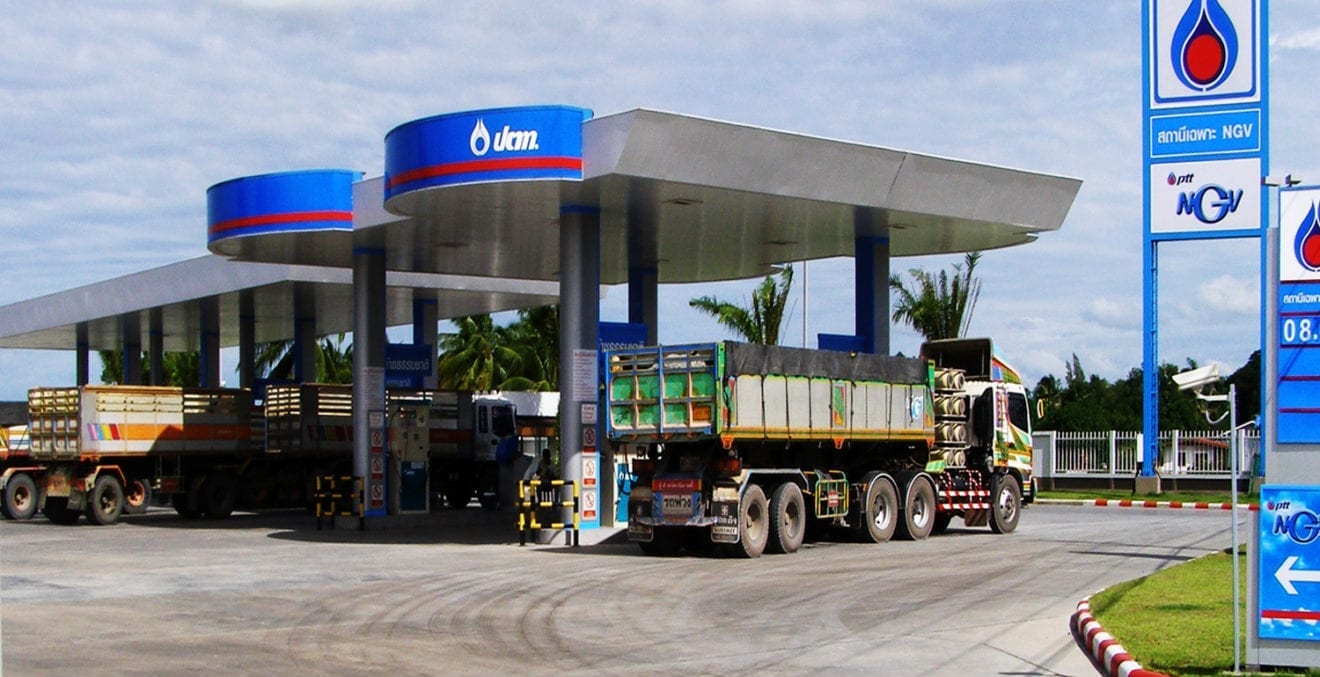
    The state-owned PTT and its refining unit Thai Oil have reported strong 3rd quarter profits, overshadowing the forecasts. Forex gains and favourable refining margins helped to reverse losses suffered in 2015.

    PTT is currently undergoing some restructuring splitting off its retail business unit, which is due to be renamed as PTT Oil and Retail Business Co Ltd (PTTTOR) to be listed eventually on the Stock Exchange of Thailand. The move is aimed to react to shrinking tolerance of fluent markets to inflexibility typical for inert government-controlled institutions.

    In the 1st quarter of 2017, Thai authorities were supposed to open for bids 29 onshore and offshore concessions for gas and oil production. But the first auction since 2007 was postponed again, and will be only completed in 2018. The existing contracts held by Chevron Corp and PTT Exploration and Production are due in 2022 and 2023, respectively.

    Previously, PTT announced plans to sign 15-year contracts with Royal Dutch Shell and BP to secure supplies of liquefied natural gas. The 5 million tons capacity of Map Ta Put LNG import terminal in the Gulf of Thailand will be doubled by March 2017. The current long-term deal with Qatar is ensuring some 2 million tons a year.

    More gas is being pumped in via the ASEAN pipeline from Thai-Malaysia joint offshore development area. This type of cooperation sets an example to follow in a region where territorial disputes have long been the cause of dormancy for many downstream projects.

    However, the Thai authorities will have to lose sleep over the challenging task to pursue the investors’ money. Any wrongdoing might provoke the capital outflow, then it will take a lot of effort to make the country attractive for investment again. To be updated soon.

  • Jamie’s Italian opens its first restaurant in Thailand at the ­renovated Siam Discovery

    Jamie’s Italian opens its first restaurant in Thailand at the ­renovated Siam Discovery

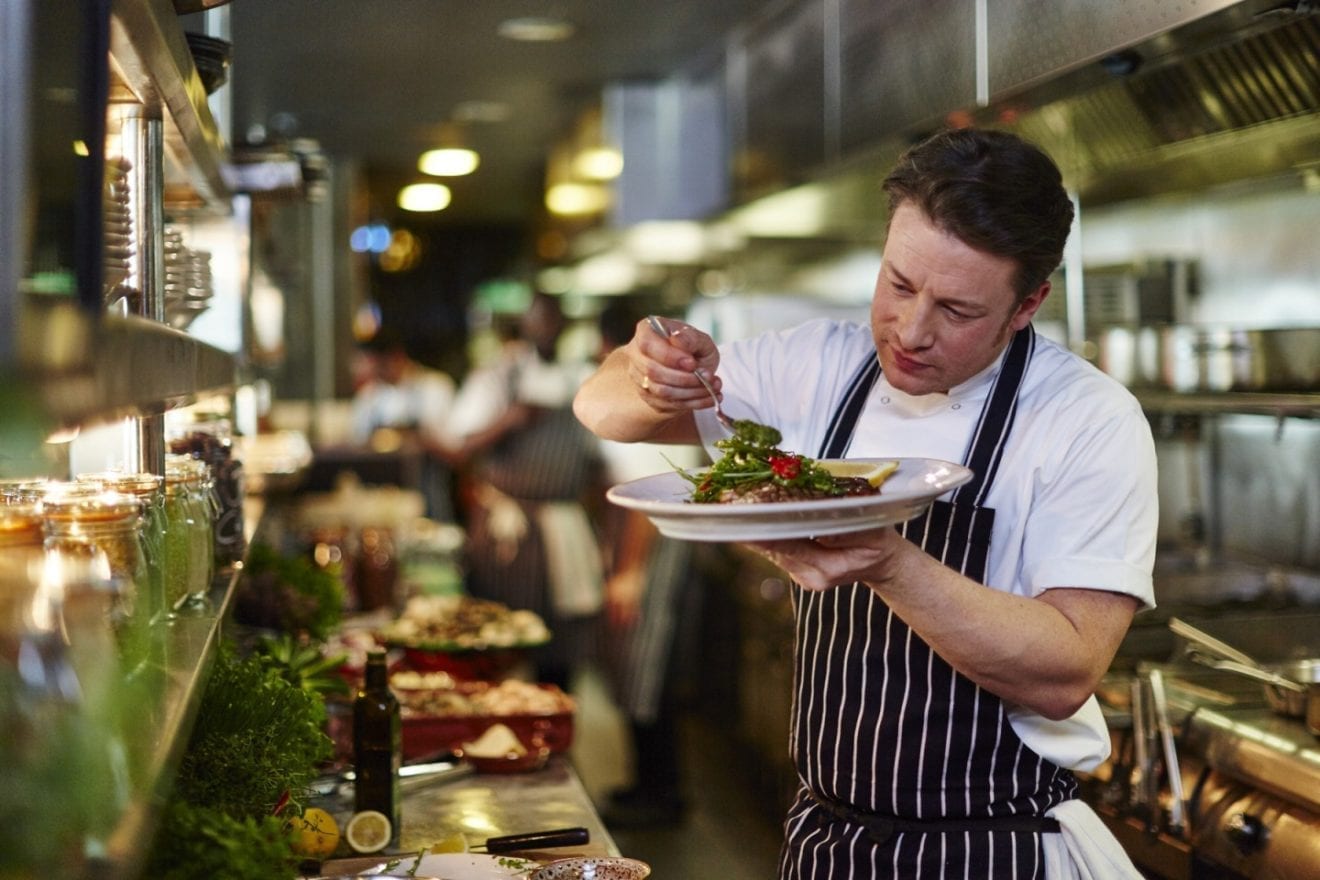
    Jamie’s Italian opens its first restaurant in Thailand at the newly ­renovated Siam Discovery, situated in the heart of Bangkok. This rustic Italian restaurant, serving delicious food at an affordable price, is proudly brought to you by Hotel Properties Limited and Siam Piwat.

    Jamie’s Italian began as a partnership between Jamie Oliver and his mentor, Gennaro Contaldo. The first restaurant opened in 2008 in Oxford and there are now 42 Jamie’s Italian outlets in the UK and over 25 internationally, including Australia, Dubai, Brazil and Singapore.

    As with all Jamie’s Italian outlets, the Siam Discovery restaurant will remain committed to sourcing only the best free-range, higher welfare meat and sustainable and ethically produced ingredients. All the recipes are Italian classics with a Jamie twist, including fresh pasta made on site every day. The restaurant will also work closely with fantastic Thai farmers and suppliers to showcase local produce.

    MENU HIGHLIGHTS

    Menu highlights at Jamie’s Italian Siam Discovery will include the famous antipasti planks, perfect for sharing. Placed on large wooden boards supported by tins of tomatoes, the impressive platter allows guests to pick from a wide selection of meats, cheeses, vegetables and pickles.

    All Jamie’s Italian restaurants serve fresh pasta made in the restaurant, every day. The Siam Discovery restaurant will feature a range of popular pasta dishes, including Gennaro’s Tagliatelle Bolognese, made to his recipe, Silky spaghetti carbonara and Fresh crab spaghetti. The prawn linguine is a Jamie’s Italian classic, loved worldwide.

    Also on offer will be beautiful artisan pizza dough, made by hand, and proved for hours before being hand ­stretched to create an irresistibly crisp base. The simple but classic Margherita, and Funghi, with seasonal mushrooms, are just a few of the pizzas on offer.

    A selection of Italian-inspired main courses is also on offer, including the Tuscan-style Chicken al mattone– chicken is cooked under a brick, ensuring that the chicken is pushed further against the grates of the grill, producing a smoky flavour, with an addictively crisp skin. The Jamie’s Italian burger, a signature main dish, and the Grilled pork chop served with crispy crackling, are also must-try dishes. For those looking for a lighter meal, the Classic super food salad is a super-fresh combination of avocado, roasted beets, mixed pulses & grains, broccolini, fennel, pomegranate & spicy seeds with harissa dressing & artisan ricotta.

    A favourite among families, Jamie’s Italian will also be bringing its award-winning kids’ menu to Thailand. Awarded the best kids’ menu in the UK by The SOIL Association in 2013, there’s a choice of 2 two sizes for different age groups, with all the meals nutritionally balanced. It comes with a viewfinder menu and colouring sheets to keep the kids entertained.

    If you love your Jamie’s Italian experience, don’t forget to take a bit home with you. Jamie’s Italian Siam Discovery will also stock a wide range of Jamie’s cook books and the restaurant’s signature napkins, as well as gifts, allowing you to recreate your Jamie’s Italian experience at home.

    THE INTERIOR

    Every Jamie’s Italian restaurant is designed to be easily accessible with a warm and comfortable feel and incorporates the personality of the city it’s in. Siam Discovery’s design takes inspiration from its location to create a friendly, neighborhood restaurant that the whole family can enjoy.

    With 184 covers, the restaurant will boast a tasteful mix of rustic, reclaimed timber refectory tables, industrial ­chic zinc tables and vintage upholstered lounge chairs, with monochromatic and hand­-painted floral tile flooring. To add warmth, the dining area will be illuminated with brass spotlights, vintage enamel shades and a textured glass chandelier.

    The creative use of space allows guests to view the open kitchen,  watch their antipasti planks being made before their eyes at the antipasti counter in the main dining room, or hang out for a pre or post- meal tipple at Jamie’s Bar.

    READY TO WELCOME YOU

    Welcoming you to the first Jamie’s Italian restaurant in Thailand is General Manager Sarah Smith, winner of the Jamie’s Italian International Rising Star award for 2015/2016. She has worked closely with Head Chef, Alex Barman and local staff to make sure that the new restaurant is ready to receive guests.

    Jamie Oliver said: “Taking Jamie’s Italian to Thailand is incredibly exciting for me. Bangkok is a vibrant and buzzing city with a great food scene and we can’t wait to be a part of it. We’ll be sourcing lots of beautiful, top-quality produce from fantastic local suppliers, and making food that we just know you’re going to love. Come down and visit soon!”

    For more information please visit our website www.jamiesitalian.co.th

     

  • GoSwiff Partners UnionPay International to Increase Mobile Transactions in Thailand

    GoSwiff Partners UnionPay International to Increase Mobile Transactions in Thailand

    GoSwiff, a global leader in digital payments, announced a partnership with UnionPay International (UPI), a global payment network, to enable merchants on Nimmanahaeminda Road in Chiang Mai to accept UnionPay cards. Using GoSwiff’s mobile point of sale (mPOS) solution, micro merchants can now accept and process secure PIN-based card transactions in Thailand.

    Merchants and shoppers on Nimmanahaeminda Road, a street popular with both locals and tourists visiting Chiang Mai, will reap significant advantages with the launch of mPOS. Merchants will benefit from the convenience of digital payments, while consumers can pay with their UnionPay cards, minimizing foreign exchange costs from ATM withdrawals and reducing the risk of carrying cash. All the banks within the UPI network can now connect to mPOS, and leverage NFC, HCE and PIN payments for the first time in Thailand.

     “We see great benefits in this partnership with GoSwiff in the Thai market,” said Wenhui Yang, General Manager, UnionPay International, Southeast Asia. “We are not only enabling small merchants to accept micro-payments securely, but also supporting our customers who prefer to pay with cards. With the help of our contactless mobile payment solution, we are confident this will lead to a wider adoption of cashless payments in Thailand and Southeast Asia alike.”

    On Nimmanahaeminda Road, small and mobile merchant stalls are not able yet to provide PIN-based card acceptance through regular electronic data capture platforms. There are constraints on telephone and electricity lines and investment requirements on the bank’s side.

    “Thailand has seen an enormous increase in mobile payment acceptance in recent years thanks to the very active approach from the banks to roll out mPOS services to their clients. The Bank of Thailand has encouraged all debit cards to include a PIN code, which will create even more interest from the merchants to use mPOS”, said Svyatoslav Garal, Head of Asia Pacific and CIS, GoSwiff. “We have implemented mobile payment solutions for banks and Mobile Network Operators across the globe and boosted electronic payments in the emerging markets. The payment ecosystem greatly benefits from our mPOS solution with UnionPay, as well as the expansion of payment acceptance locations, especially in countries where the card penetration is increasing.”

  • Airports of Thailand sees nine-month commercial revenue climb

    Airports of Thailand sees nine-month commercial revenue climb

    Airports of Thailand saw non-aeronautical revenue climb 21.34% to Bt3.83bn ($107m) in the first nine months of 2016, mainly as a consequence of an increasing number of flights and passengers.

    Revenue generated from duty-free sales increased by Bt934m, with the majority of non-aeronautical attributed to concession revenues. Non-aeronautical revenue represented also 43% of the total revenue share.

    Concession revenue represented Bt13.62bn in the nine months of 2016, up 16.1% year-on-year from the Bt11.73bn registered in the same period of 2015.

    Total revenues grew by Bt7.27bn up to September 30 this year, while generating net profit of Bt19.57bn, up Bt842m or 4.5% from the same period last year.

    Photo of AOT 2

    Photo of AOT

  • Grey Goose limited edition lands at Bangkok

    Grey Goose limited edition lands at Bangkok

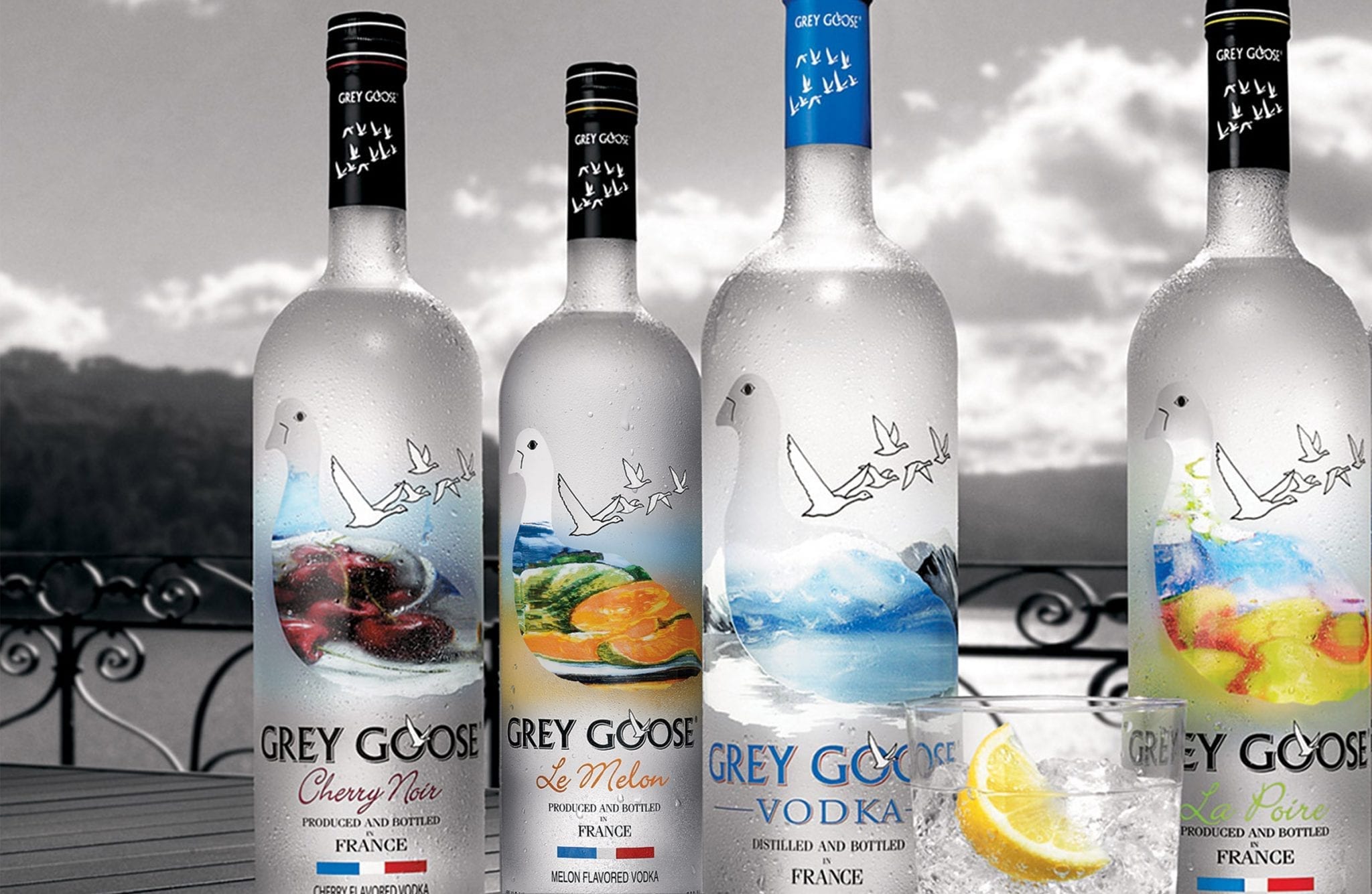
    Bacardi Global Travel Retail has entered into a two-month promotion with the King Power International Group Thailand, where the partners are selling a new GTR exclusive Bangkok Limited Edition gift-pack at Bangkok Suvarnabhumi Airport in the run up to Christmas.

    In a statement, Bacardi said: “Running in two prominent in-store locations from 1 November to 31 December 2016 with dedicated branded space and a strong focus on gifting, the shopper campaign will have high visibility to the large volume of passengers expected to depart through the airport in November and December.

    FULL RANGE IS BEING FEATURED

    “A specialist team of Grey Goose retail ambassadors will lead the interaction with shoppers to encourage conversion across the full range of Grey Goose vodka, including Grey Goose Interpreted by Ducasse and Grey Goose VX.”

    Grey Goose Bangkok KPIG2 Nov 2016This is the first promotion of its kind between Bacardi and KPIG at Bangkok.

    APPEALING TO THE SOUTH EAST ASIAN COCKTAIL TREND

    This represents Bacardi’s first major campaign at Suvarnabhumi Airport, with the company adding that Grey Goose is currently the best selling vodka brand and the fastest growing top five spirit brand in travel retail according to respected analysts, IWSR.

    “It’s very likely that our more discerning shoppers will have seen Grey Goose on the shelves of Bangkok’s finest cocktail bars and so there’s an instant synergy with this in-store promotion. Equally, there’s huge appeal to present this global brand to the growing number of Asian shoppers embracing the new trend of home cocktail-making.”Commenting on the event, Pichai Pitakchaisuk, Executive Vice President at King Power said: “We are very excited to bring Grey Goose to life in-store at a time when super-premium vodka is enjoying enormous popularity thanks in particular to the growing appeal of cocktails and white spirits in South East Asia.

    Adding his comments, Vinay Golikeri, Regional Director Asia Pacific and Middle East Africa, Bacardi Global Travel Retail said: “The bespoke Grey Goose Bangkok Limited Edition gift-pack is a GTR exclusive which we are proud to launch in partnership with King Power Thailand.

    “Based on past experience, Grey Goose is proven to drive sales where it is given the optimal space, range and activation and we are very excited about what this campaign will deliver with King Power in Bangkok.”

  • Tesco Thailand ‘not for sale’

    Tesco Thailand ‘not for sale’

    Tesco Thailand is not for sale, the parent company’s CEO Dave Lewis has committed during a visit to Bangkok. “I’m here to look at the expansion plans.”

    After Tesco UK sold off its Malaysian subsidiary in 2015 and its Turkish operation earlier this year, there was considerable speculation the Thai operation may also be divested as the embattled retailer repaid mounting debts and restored its balance sheet.

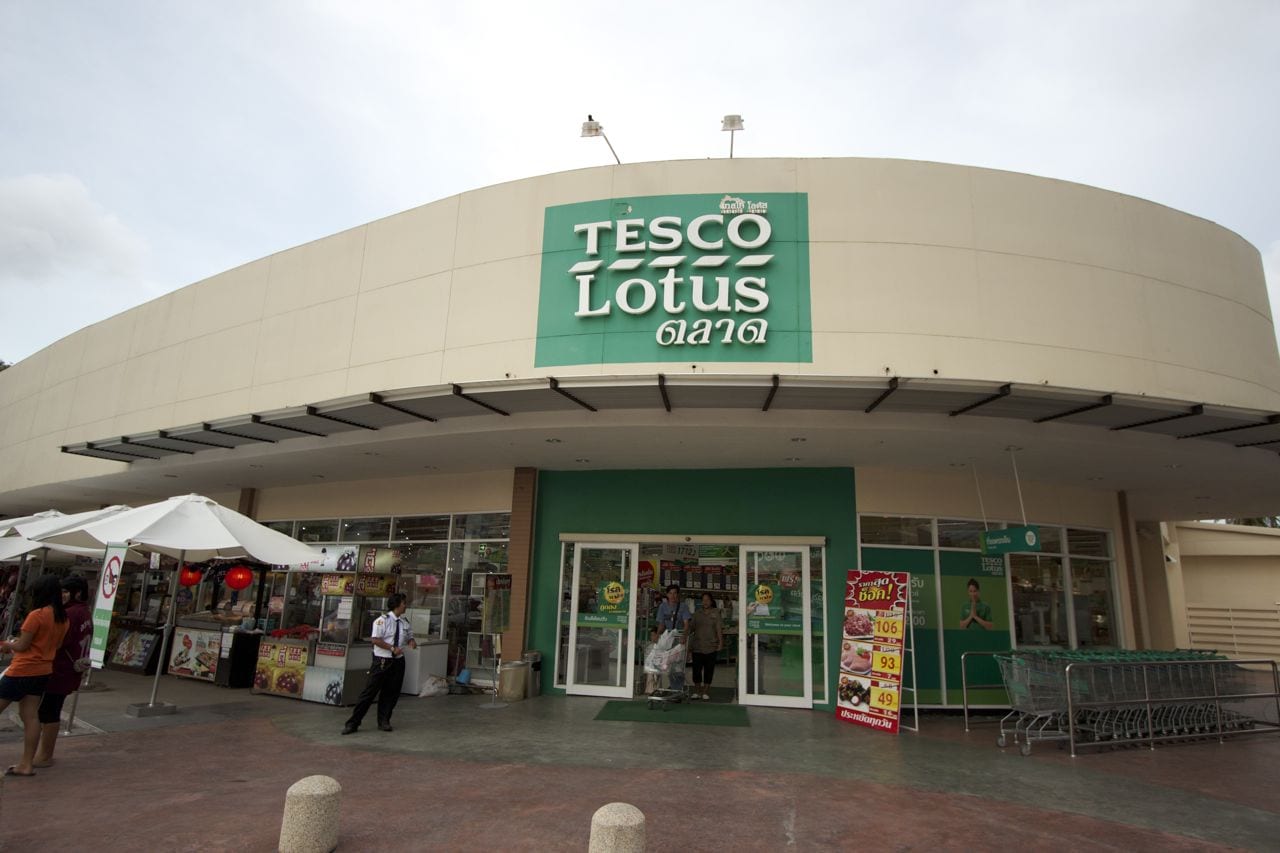
    But in recent quarters the company has reported improving sales and margins and the Tesco Lotus operation in Thailand – which now boasts 1800 outlets ranging from hypermarkets to convenience stores – performs strongly in the group’s remaining portfolio covering 11 markets.

    Lewis, on a visit to Thailand, says the company now plans to increase its investment in the country during the next few years and sees growing opportunities there.

    “What you will see over the next three to five years is continued investment,” Lewis said in an interview. “If anything, we have an opportunity to invest more now than in the past.”

    He categorically denied the chain may be sold.

    “I want to be very clear – our commitment to Southeast Asia, our commitment to Thailand is absolute and not changing. The business is not for sale.”

    Lewis said that Tesco wants to expand its store formats to serve as marketplaces for small businesses and communities.

    “If you look at the history of Tesco, this is how we built our business in the UK,” he said. “Our relationships with suppliers go back 50, 60, 70 years. They have grown as we have grown. So one of the things that we think we can do well is incubate and grow businesses.”