Retail News CRM

Tag: belgium

  • Emirates SkyCargo Expands into Belgium, Adds Liege to Global Freighter Network Amid Rising Cargo Demand

    Emirates SkyCargo Expands into Belgium, Adds Liege to Global Freighter Network Amid Rising Cargo Demand

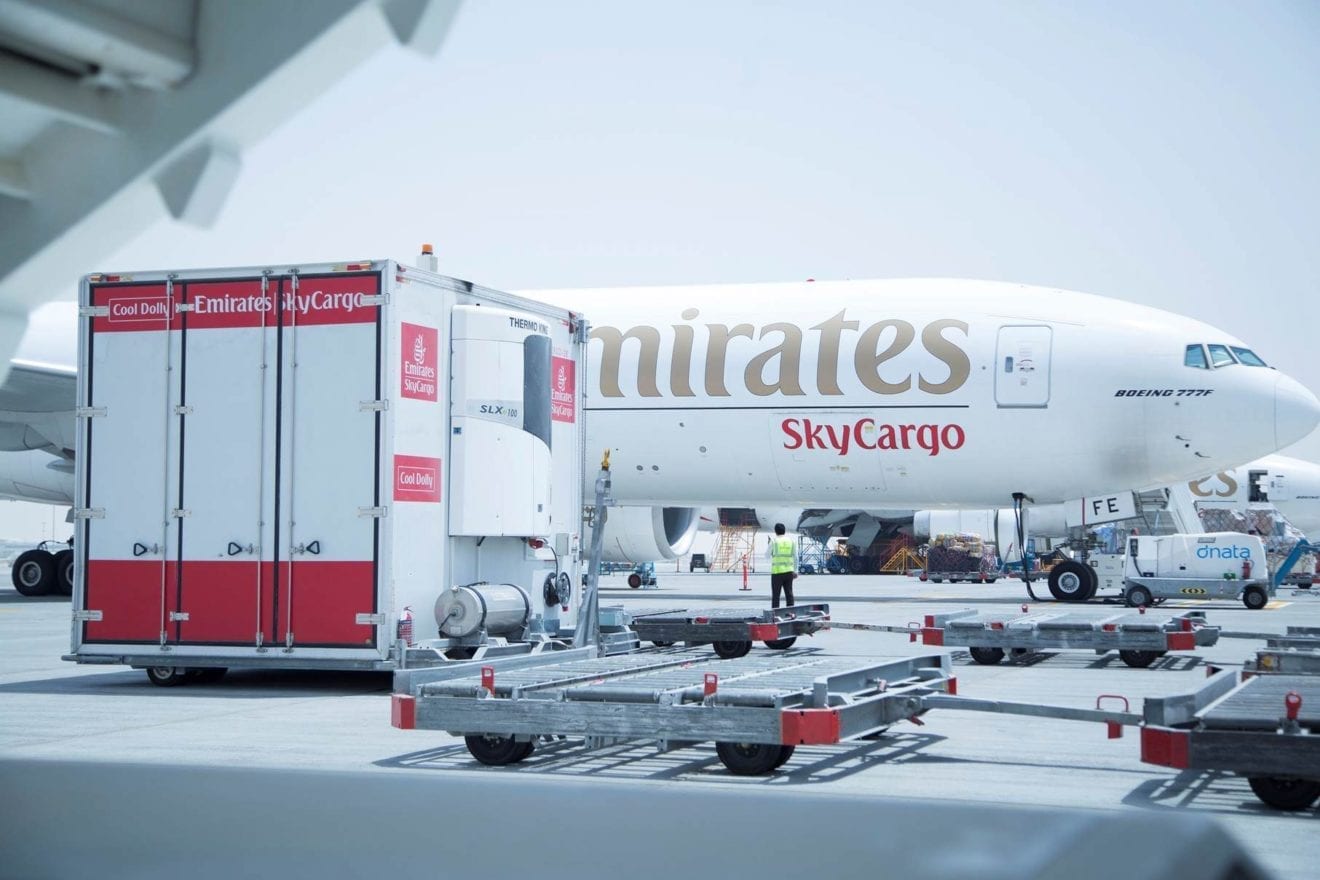
    Emirates SkyCargo, renowned for being the freight division of the largest international airline worldwide, has recently announced that Liege, Belgium (LGG) is the newest addition to its freighter network. A considerable enlargement of their network is planned throughout the next year, with Liege being the inaugural freighter destination for 2026.

    Strategic Location

    Liege Airport is strategically located within the Amsterdam-Paris-Frankfurt production ‘golden triangle’. Its prime location, combined with unmatched road connectivity, makes it one of the rapidly expanding cargo hubs globally. In 2025, the airport saw a 14% increase in cargo volumes. Over the past years, Emirates SkyCargo has utilized Liege Airport for sporadic freighters, transporting specialized items such as freshly cut flowers, e-commerce packages, and specific charters for horses headed for global competitions. With the continuing demand, the airline will now deploy five weekly freighters, enhancing cargo capacity by 500 tonnes each week to facilitate quick, reliable, and efficient movement of goods.

    Expanded Connections

    Among the five weekly freighters, three will provide connections between Liege, Chicago’s O’Hare International Airport, and Al Maktoum International Airport in Dubai. These connections will ensure the safe transportation of crucial, temperature-sensitive pharmaceutical products through a seamless and efficient cool chain. The remaining two freighters will commence in Hong Kong and transport e-commerce shipments to and via Liege.

    Khawla Abdulla, Vice President of Cargo Commercial for Europe, Emirates SkyCargo, highlights that establishing Liege as a permanent fixture in their freighter network is a strategic decision that enhances their European footprint and offers more connectivity for their global customers. She estimates considerable growth with the deployment of the five weekly freighters, considering the successful transportation of over 15,000 tonnes of cargo from Belgium in 2025. The high-quality infrastructure, freighter-first operations, and well-connected logistics at Liege Airport further support their aim to provide high-level service to Belgium and its neighboring countries.

    Torsten Wefers, Vice President Sales and Marketing, Liege Airport, expressed his honor at Emirates Sky Cargo’s decision to include Liege Airport in their global freighter network. He views this development as a testament to Liege Airport’s rising importance in the European air cargo industry and further strengthens its position as the largest European freighter hub.

    Continued Expansion

    Europe remains a vital and bustling region for Emirates SkyCargo, with 38 freighters and 538 passenger flights serving it weekly. The airline is planning further expansion, recently announcing the commencement of passenger operations to Helsinki, Finland, in October 2026. With a tentative delivery of up to 10 new Boeing 777Fs by December 2026, along with the continued delivery of passenger aircraft, Emirates SkyCargo is poised for growth and service to more destinations with its top-tier product and service.

    Questions & Answers

    What percentage increase in cargo volumes did Liege Airport see in 2025?
    The airport saw a 14% increase in cargo volumes in 2025.

    How many weekly freighters will Emirates SkyCargo deploy to Liege?
    Emirates SkyCargo plans to deploy five weekly freighters to Liege.

    What is the significance of adding Liege to Emirates SkyCargo’s freighter network?
    This strategic addition enhances the company’s European footprint, providing more connectivity for their global customers, and facilitating the efficient and reliable transportation of various goods.

  • Belgian Bakery Le Pain Quotidien Returns To India, Plans 100 Outlets By 2035

    Belgian Bakery Le Pain Quotidien Returns To India, Plans 100 Outlets By 2035

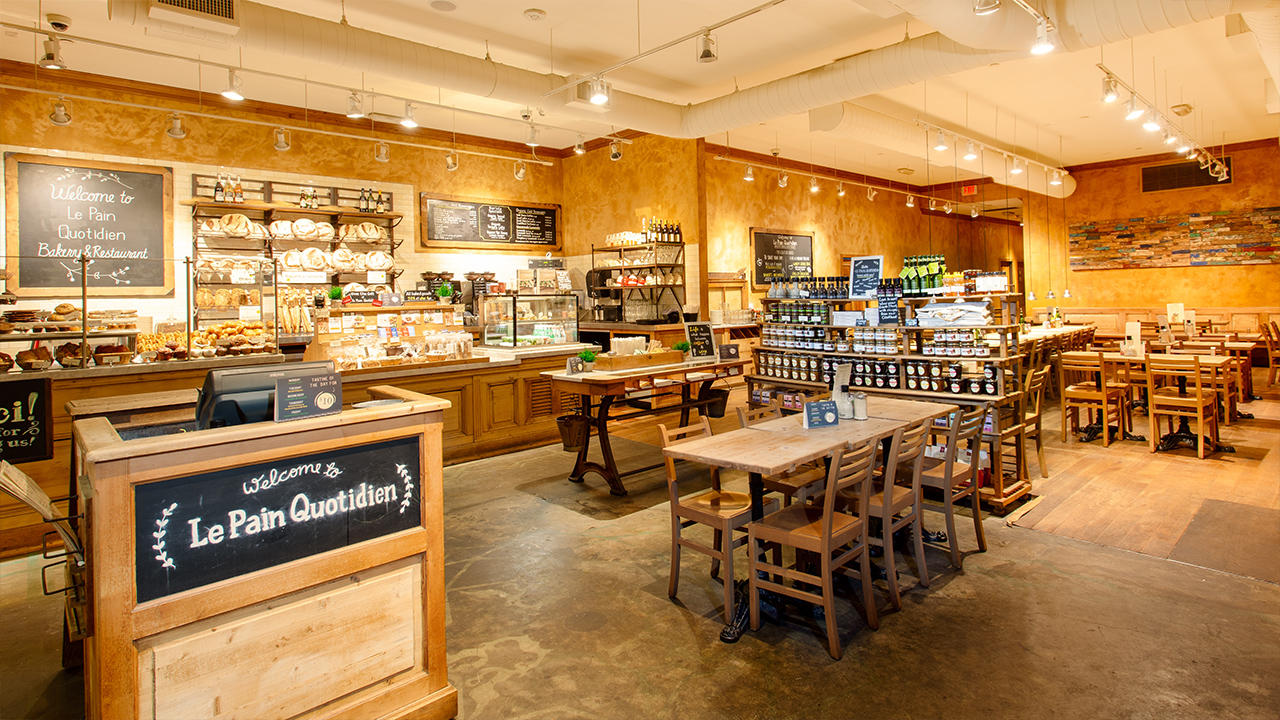
    Le Pain Quotidien, a renowned Belgian bakery-cafe chain, has made a comeback in the Indian market by establishing a fresh outlet in Palladium Mall, Mumbai. The brand’s return is facilitated through a master franchise agreement with Bake & Brew Private Limited.

    Le Pain Quotidien’s Location

    The latest store of Le Pain Quotidien is strategically positioned in the Gourmet Village zone of Palladium Mall. This zone is known for its assortment of local and international restaurants, some of which include Gold by Ice Cream Works, Burma Burma, and Kuuraku.

    Le Pain Quotidien, a name that translates to “the daily bread” in French, initially launched its venture in India in 2010. However, the brand withdrew from the Indian market during the pandemic in 2020.

    New Franchise Agreement

    In August last year, Le Pain Quotidien entered into a new franchise agreement with Bake & Brew. The arrangement has an ambitious target – to inaugurate upwards of 100 outlets across India by 2035.

    Le Pain Quotidien was first established in Brussels in 1990 by Alain Coumont. Today, the brand operates over 200 locations in 18 different countries.

    Future Expansion Plans

    Le Pain Quotidien has major expansion plans on the horizon. It aims to launch a second store in Mumbai by the close of this year, while other major cities are also in its crosshairs for expansion. The brand is particularly keen on tapping into travel and transit hubs.

    Questions & Answers

    What is Le Pain Quotidien’s expansion plan in India?
    Le Pain Quotidien plans to open more than 100 outlets across India by 2035 as a part of their franchise agreement with Bake & Brew. They also aim to open a second store in Mumbai by the end of this year.

    When did Le Pain Quotidien first launch in India and when did it exit?
    Le Pain Quotidien first launched in India in 2010 and withdrew from the market during the pandemic in 2020.

    What is Le Pain Quotidien’s focus area for its future expansion?
    Le Pain Quotidien intends to expand into major Indian cities, particularly focusing on travel and transit hubs.

  • Thai Airways selects ECS Group’s Aero Cargo Belgium to enhance cargo connectivity

    Thai Airways selects ECS Group’s Aero Cargo Belgium to enhance cargo connectivity

    ECS Group announced a new strategic partnership between its subsidiary Aero Cargo Belgium and Thai Airways, set to redefine cargo connectivity on essential routes between Europe and Asia.

    The agreement, which took effect on February 1st, focuses on the Brussels (BRU) to Bangkok (BKK) route, offering seamless transit options to destinations including Australia, Korea, India, Japan, Manila, and Singapore.

    Thai Airways operates daily flights using Boeing 787-800 aircraft, each providing a payload capacity of 15 tons. The airline will not only benefit from ECS Group’s in-house technology but also from the full deployment of CargoTech suite of digital tools.  This collaboration caters to a diverse range of cargo, with a particular focus on pharmaceuticals, ensuring reliable and efficient transport solutions for time-sensitive and specialized shipments.

    Jean Ceccaldi, CEO of ECS Group, commented: “ECS Group is proud to support this collaboration with Thai Airways, which reflects our commitment to building long-term, value-driven relationships with airlines. By enabling them to achieve operational excellence and deliver tailored solutions for their unique needs, we are setting a new standard for global connectivity and efficiency in the cargo industry.”

    “This agreement is a significant milestone for Aero Cargo Belgium,” added Bert Moortgat, Managing Director of Aero Cargo Belgium. “With daily flights and access to a network of vital destinations in Asia-Pacific, we are able to offer our customers unparalleled opportunities to connect their goods to global markets efficiently and reliably, particularly for high-value and sensitive commodities such as pharmaceuticals.”

    This partnership between Thai Airways and Aero Cargo Belgium marks a significant milestone in connecting Europe and Asia-Pacific with efficient and reliable cargo solutions. By combining Thai Airways’ extensive network with Aero Cargo Belgium’s expertise, the collaboration promises exceptional service and the strengthening of global trade routes for key industries.

  • Belgian brewery Rodenbach launches cherry-flavoured beer

    Belgian brewery Rodenbach launches cherry-flavoured beer

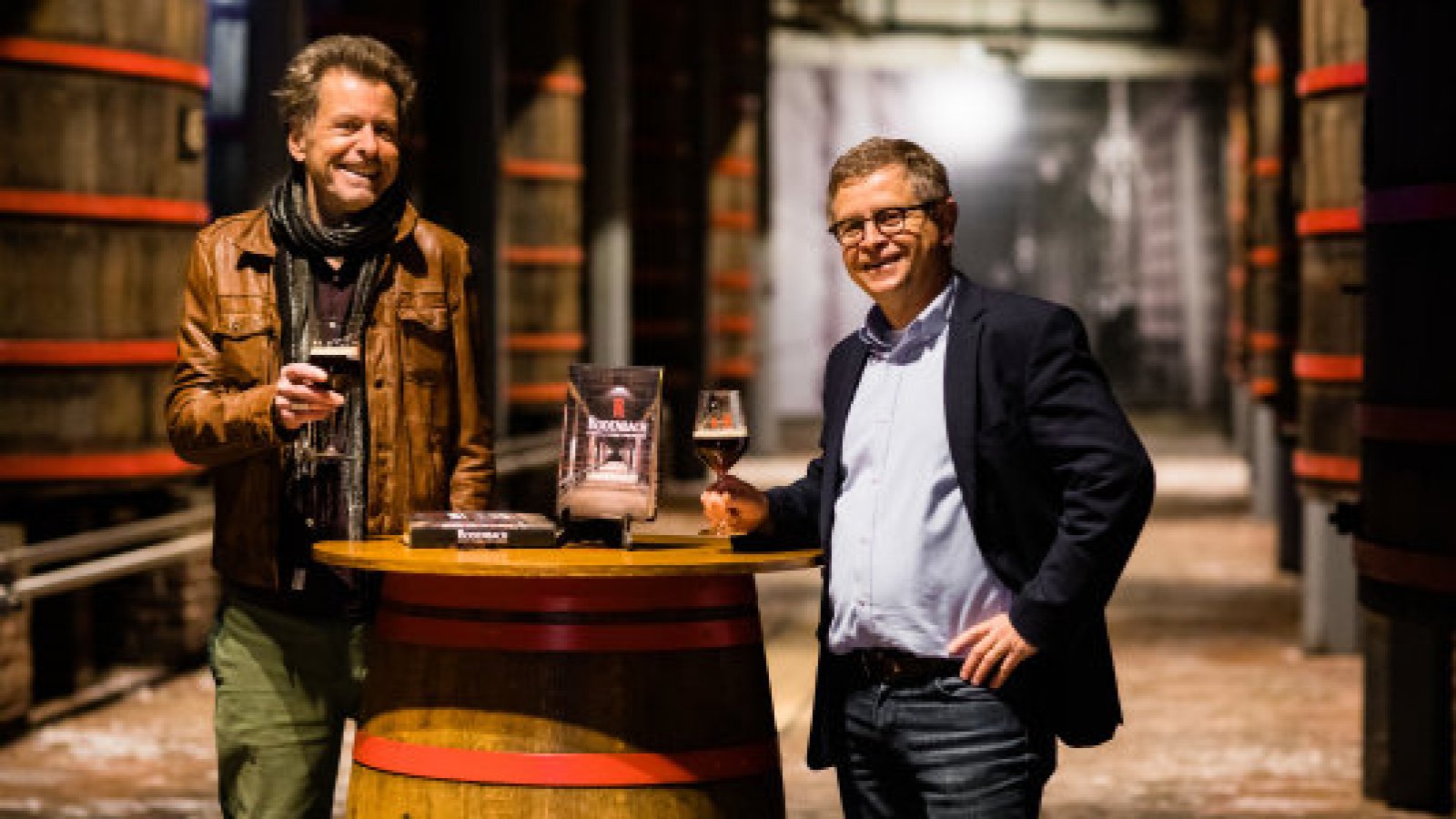
    Belgian craft brewery Rodenbach has made its cherry-flavoured craft beer, Fruitage, available in Australia.

    The beer is made from a blend of ripened and aged ale, young ale, and 7 per cent cherries, processed through “meticulous” fermentation.

    “The main fermentation and warm maturation occur with top-fermenting yeasts at ambient temperatures between 15 to 25 Celsius,” explained the brewery.

    “Secondary fermentation takes place over a two-year maturation period in oak casks, facilitated by bacterial flora and wild yeasts present in the oak.”

    These microorganisms initially produce organic acids, which are then transformed into fruity esters, giving Fruitage its distinct, vibrant taste.

    Rodenbach Fruitage is available in Dan Murphy’s and BWS stores nationwide at an RRP of $17 for a four-pack and $84.99 for a case.

  • Belgium toasts its beer riches with new visitor centre

    Belgium toasts its beer riches with new visitor centre

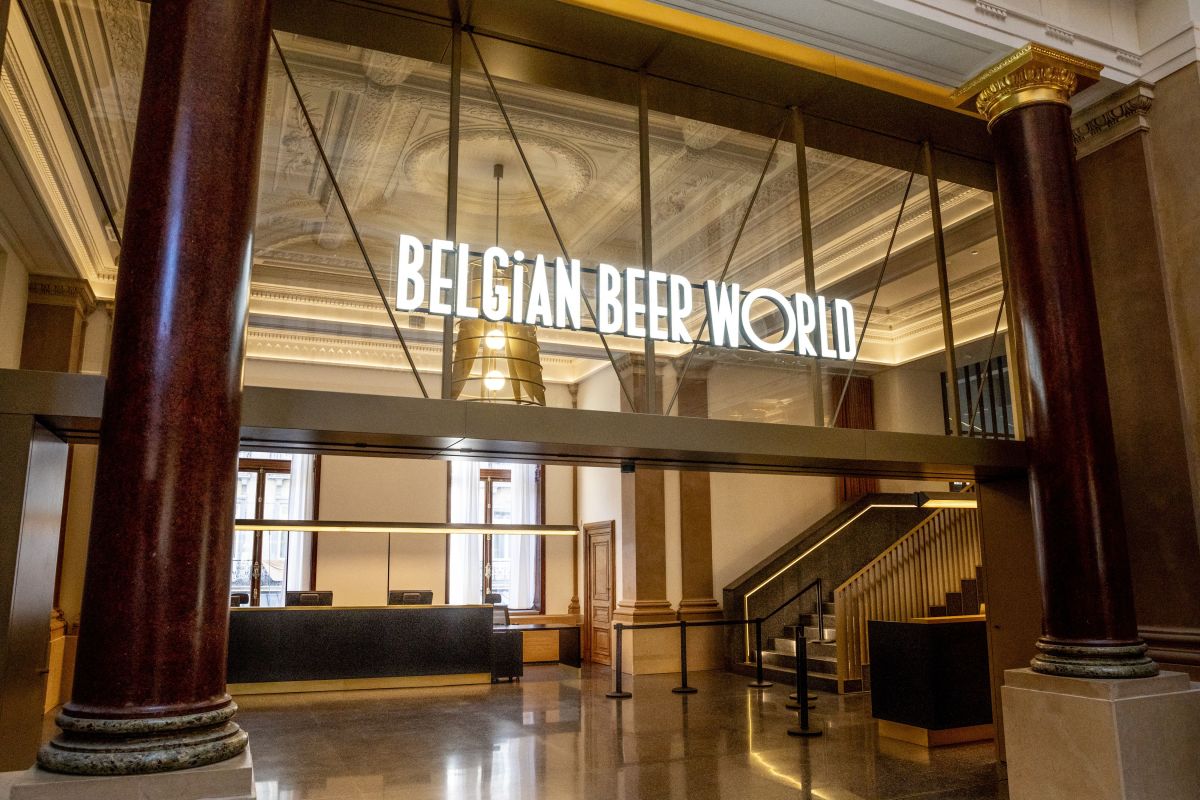
    Belgium is promoting its centuries of beer-making and 430 breweries with a new visitor centre in Brussels that recounts the history of Belgian production and aims to show what is unique about the country’s beer and beer culture.

    Belgian Beer World will open on Saturday in the neoclassical former Brussels Stock Exchange, renovated at a cost of $96.25 million.

    Visitors will learn about “Belgitude” – Belgian identity – and what distinguishes Belgian beer from others – such as the four different fermentation methods and the culture of each beer having its own branded glass.

    “In Belgium there’s more to it than the liquid in the glass,” said Krishan Maudgal, director of the Belgian Brewers Association.

    Belgium produces some 1,600 beers, and its beer culture secured a place on the UNESCO global list of traditions worthy of preservation in 2016.

    The new center shows production in the Middle Ages, when beer was a safe alternative to contaminated water, and hops were introduced as a preservative, and up to the modern day. The tour ends with a beer, suggested by a virtual barman, in the building’s rooftop terrace bar.

    Brussels already has a beer museum, but is unassuming, with old brewing equipment and some insight into beer-making.

    “It’s very typical of Belgium. We are too modest. We are someone who says ‘maybe it’s not necessary’,” said Brussels city Mayor Philippe Close, adding Dublin and Amsterdam were active in promoting their beer cultures.

    He said the center expected to welcome 300,000 visitors in its first year, with adult tickets costing 17 euros.

  • Tax break assists Belgian brewery to ‘Australianise’ its beers

    Tax break assists Belgian brewery to ‘Australianise’ its beers

    Queensland brewery Madocke Beer Brewing Co is set to brew its Belgian-style beer with Australian ingredients as part of a tax incentive program.

    The Research and Development (R&D) Tax Incentive program supports businesses that undertake R&D initiatives benefitting Australia, by providing a tax offset on eligible activities.

    It is administered by the Industry Innovation and Science Australia (IISA) and the Australian Taxation Office (ATO).

    The Gold Coast brewery – which predominantly produces traditional European-style beer – will now replace its European malts and hops with Australian ingredients.

    “So in our research and development claim that we did with the Australian government, we deliberately put forward that we are going to try to recreate traditional Belgian beers with Australian ingredients,” said Annelies Nijskens, Madocke’s co-founder and brewery manager said.

    “If we can change over more beers with Australian malts, it’s beneficial for Australian agriculture and the economy and the ecological footprint, which is very important these days.”

    The brewery began experimenting last year with Australian native honey to produce a Blonde beehive beer and a Belgian-style Blonde beer with Australian-grown Border Pale Malt from Barrett Burston Malting.

    The latter won the European-style ale category at this year’s Indies award.

    “Even though we are a Belgian-style brewery, we do not just bring everything in from Europe, we do try to work on Australian ingredients as well,” said Nijskens.

    Since ingredient sourcing and freight delays are ongoing problems facing businesses’ supply chains, the brewery aims to localize its source while helping the economy under this program.

  • Barry Callebaut expands NSW chocolate plant

    Barry Callebaut expands NSW chocolate plant

    Barry Callebaut has completed the expansion of its Campbellfield factory in Melbourne, after the 11,000 m2 site was acquired in 2020.

    The expansion will cater for local industrial food manufacturers with new production lines to increase the total operating capacity and its range of chocolate offerings. The range will now include liquid chocolate, compound, buttons and chips, in addition to the products already produced at the site such as coatings and fillings.

    “This factory expansion underlines Barry Callebaut’s ongoing commitment to Australia. The facility further strengthens our regional footprint in Asia–Pacific, producing safe and high-quality products. The move is in line with our ambition to locate production close to our customers,” said Jo Thys, President of the Asia Pacific region for Barry Callebaut.

    The factory will be equipped with chocolate refining and conching lines, which will enable the company to serve the Australian food industry from artisans to global manufacturers.

    “I am proud that our Gourmet chocolates have been brought into the country for many years now. Today, I am even prouder that our high quality ‘Made in Australia’ products are available in higher volumes, creating more chocolate happiness for our local consumers,” said Denis Convert, Managing Director Australia at Barry Callebaut.

    “With the expansion of our Campbellfield factory, we are well-positioned to become the leading chocolate manufacturer in Australia.”

  • Revolut Expands as a Bank

    Revolut Expands as a Bank

    Europe’s most valuable fintech has already amassed 18 million app users worldwide. Some of those are about to become bank customers.

    The London-headquartered neobank is launching as a bank in ten additional European markets, lifting the number of countries it operates in to 28, it said in a statement. The challenger bank can now protect client deposits up to 100,000 euros in Belgium, Denmark, Finland, Germany, Iceland, Lichtenstein, Luxembourg, Netherlands, Spain, and Sweden, using its European specialized banking license.

    In a few clicks clients from these countries will be able to upgrade to Revolut Bank from within the app, it said.

    Deposits will be secured by the Lithuanian State company deposit and investment insurance, it added.

    Over the past few years, Revolut’s rapid level of growth has added pressure on Swiss banks to boost their digital services. Since its inception in 2015 the company has attracted more than 18 million customers globally, it says on its website.

  • Uber To Halt App In Brussels, Belgium From Friday After Court Ruling

    Uber To Halt App In Brussels, Belgium From Friday After Court Ruling

    Uber Technologies Inc. said it would halt operations in Brussels from Nov. 26 after a court ruled that a 2015 ban on private individuals offering taxi services also applies to professional drivers.

    Uber said the decision by the Brussels Appeals Court on Wednesday will affect around 2,000 drivers, and it urged the Belgian government to quickly change taxi service laws.

  • Brussels Urges Volkswagen To Compensate All EU Dieselgate

    Brussels Urges Volkswagen To Compensate All EU Dieselgate

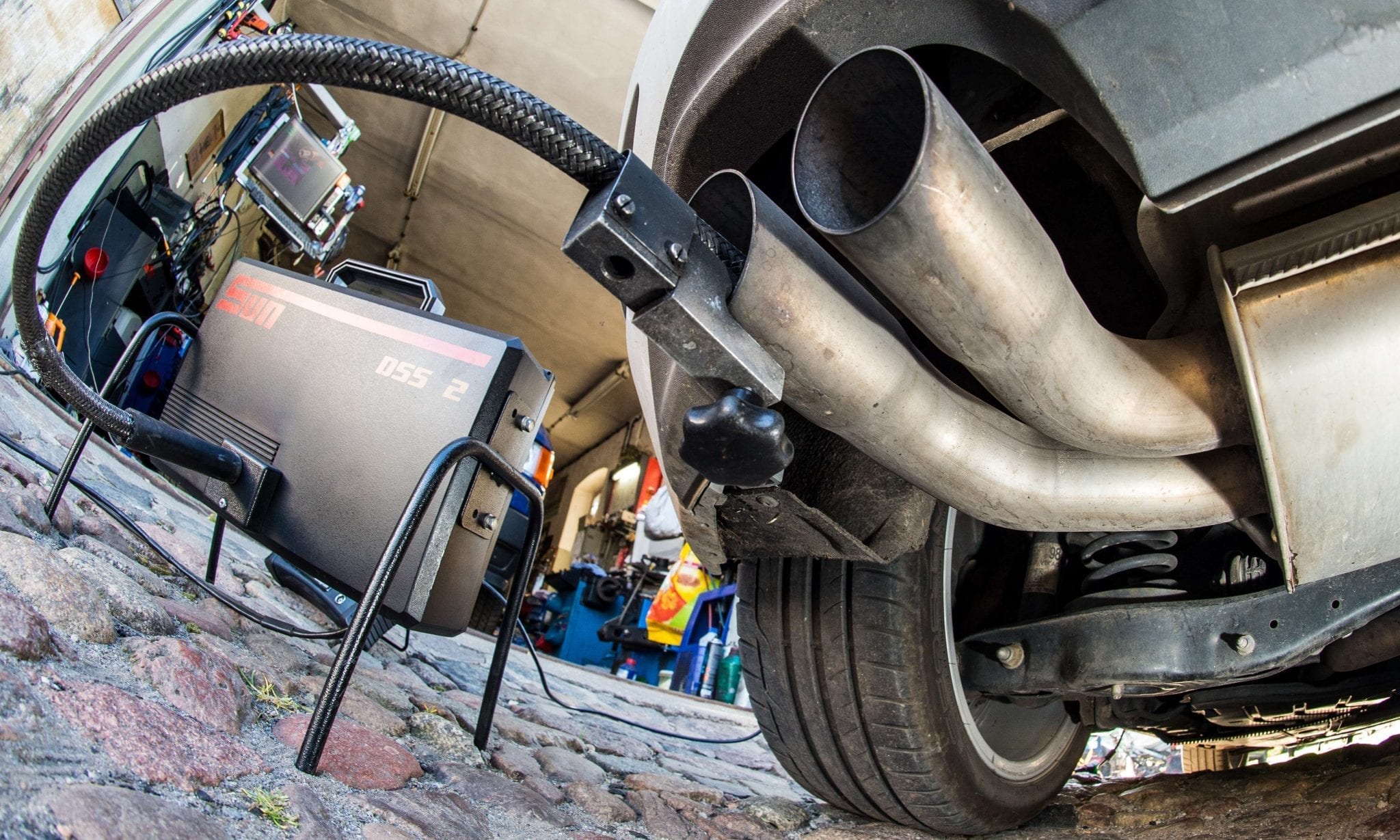
    Brussels on Tuesday called on Volkswagen to pay out all European consumers – and not just German ones – affected by the “Dieselgate” scandal in which the automaker tampered with vehicle emissions to cheat pollution tests.

    EU Justice Commissioner Didier Reynders said in a statement that VW “is not willing to work with consumer organisations to find appropriate solutions for consumers,” noting that it so far is only making payouts to German and US purchasers of its affected vehicles.

    “All consumers need to be compensated,” Reynders said.

  • Barry Callebaut names new MD for Australia and New Zealand

    Barry Callebaut names new MD for Australia and New Zealand

    Chocolate and cocoa products manufacturer Barry Callebaut Group has named Denis Convert as its new MD for ANZ.

    Convert will start his new role on August 1 and will be based in the GKC Foods office in Melbourne. As MD, he will oversee operations and sales teams in growing sales volume and expanding Barry Callebaut’s footprint in the region.

    “The appointment will steer Barry Callebaut’s further growth in Australia and New Zealand,” the company said in a statement.

    Barry Callebaut bought GKC Foods last year.

    Having joined the group in 2014 as VP of gourmet for Asia Pacific, Convert led sales and marketing teams in the region. Prior to Barry Callebaut, he held senior roles at Mars in Europe for 14 years.

  • Steel industry expected to recover this year

    Steel industry expected to recover this year

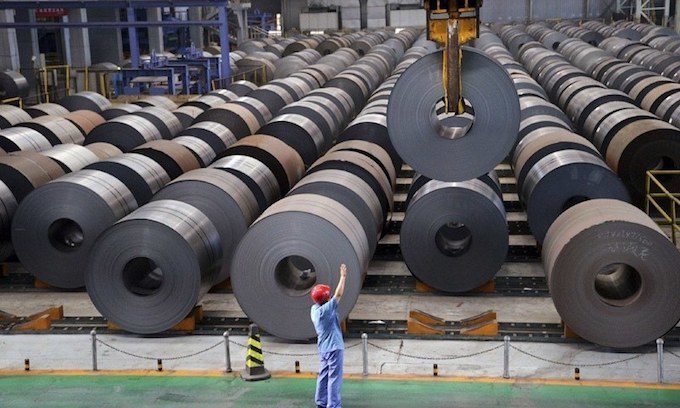
    Vietnam’s steel industry is expected to recover this year with rising export orders, thanks to improved global demand and surging domestic consumption.

    Market leader Hoa Phat Group last month exported over 12,000 tonnes of products, mostly cold-galvanized steel, to North and South America.

    This followed an export of 10,000 tonnes in January to Belgium and Spain.

    The company targets producing 300,000-400,000 tonnes of steel products this year, 30-40 percent of which are likely to be exported.

    Its competitor Hoa Sen Group last month set a new export record of 121,000 tonnes of galvanized steel worth more than $100 million. The group has a network of over 85 countries and territories, with main markets being the U.S, Mexico, Europe, and Southeast Asia.

    Vietnam’s steel industry is expected to see growth of 5-6 percent this year, with global demand set to rise by 4.1 percent thanks to a recovery in developed markets, according to the Vietnam Steel Association (VSA).

    Other drivers for growth include expectations of rising public investment in infrastructure, the recovery of the real estate market and more foreign direct investment, said VSA deputy chairman Trinh Khoi Nguyen.

    The industry started 2021 strongly, with a 61 percent year-on-year rise in production volume to 2.65 million tonnes.

    Domestic sales in the period rose 55 percent to 2.12 million tonnes, while exports rose 53 percent in value to $553 million.

    These figures indicate robust recovery prospects this year after VSA saw half of its members reporting plunging revenues last year, especially in the first and second quarter, due to Covid-19 impacts.

    However, trade officials have warned that rising safeguard measures could hurt the industry.

    Last month, Indonesia imposed an anti-dumping duty of 3.01-49.2 percent on Vietnam cold steel sheets.

    In January, Malaysia revised duties on cold-rolled coils of alloy and non-alloy steel from Vietnam to 7.42-33.7 percent for the period between January 24 and May 23.

    The U.S. and Canada have also slapped anti-dumping duties on Vietnam’s steel products in recent years.

    The Trade Remedies Authorities of Vietnam has advised local steelmakers to diversify their markets to avoid being punished with such duties.

    Nguyen Thi Thu Trang, director of the Vietnam Chamber of Commerce and Industry’s (VCCI) WTO Center, said that steel producers need to prepare themselves with knowledge of regulations on international safeguard measures and cooperate with other countries’ trade authorities to resolve issues.

  • Volvo Inaugurates Battery Assembly Line In Belgium

    Volvo Inaugurates Battery Assembly Line In Belgium

    Volvo Cars inaugurated a brand new battery assembly line at its Belgian manufacturing plant in Ghent, where it will start building its first fully electric car, the XC40 Recharge P8, later this year. The inauguration of the assembly line is in line with the company’s ambitious electrification strategy and its climate action plan. Ghent is one of two car manufacturing plants operated by Volvo Cars in Europe and has produced Volvos since 1965. It aims to reduce its lifecycle carbon footprint per car by 40 percent between 2018 and 2025, as the first step towards its goal of becoming a climate-neutral company by 2040.

    Over the next five years, Volvo Cars will launch a fully electric car every year, as it seeks to make all-electric cars 50 percent of global sales by 2025, with the rest hybrids. Recharge will be the overarching name for all chargeable Volvos with a fully electric or plug-in hybrid powertrain.

    The XC40 Recharge gets dual electric motors which are mounted on the front and rear axle that develop 402 bhp & 659 Nm

    Geert Bruyneel, head of global production operations, said “As the first of our plants to get a battery assembly line, Ghent plays a pioneering role as we continue to prepare our manufacturing network for electrification.”

    Earlier this year the company announced the planned construction of a battery assembly line at its US plant outside Charleston, South Carolina. Construction of that assembly line is expected to start soon. The company will also build battery electric vehicles at a Volvo-operated manufacturing plant in Luqiao, China, based on the CMA platform.

    Last year, Volvo Cars signed long-term supply agreements with two leading global battery suppliers, CATL of China and LG Chem of South Korea. The agreements cover the supply of batteries over the coming decade for next-generation Volvo and Polestar models, including the XC40 Recharge P8.

  • Thai Airways adds a sixth weekly flight between Brussels and Bangkok

    Thai Airways adds a sixth weekly flight between Brussels and Bangkok

    Thai Airways is very pleased to announce the launch of its 6th weekly non-stop flight Bangkok – Brussels  – Bangkok every Monday.

    As from 28th of October 2019, THAI will operate 6 non-stop flights per week on the route Brussels – Bangkok and return, all operated by Airbus A350-900 including Royal Silk Class (Business) and Economy Class.

    TG934 BKK 00:30 - 07:40 BRU A359 12-4567
    TG935 BRU 13:30 - 05:35+1 BRU A359 12-4567

    Tickets on the new Monday flight can be booked as from today via https://www.thaiairways.be or via any travel agent in Benelux.

  • Belgian fashion chain Jean Paul Knott to enter China

    Belgian fashion chain Jean Paul Knott to enter China

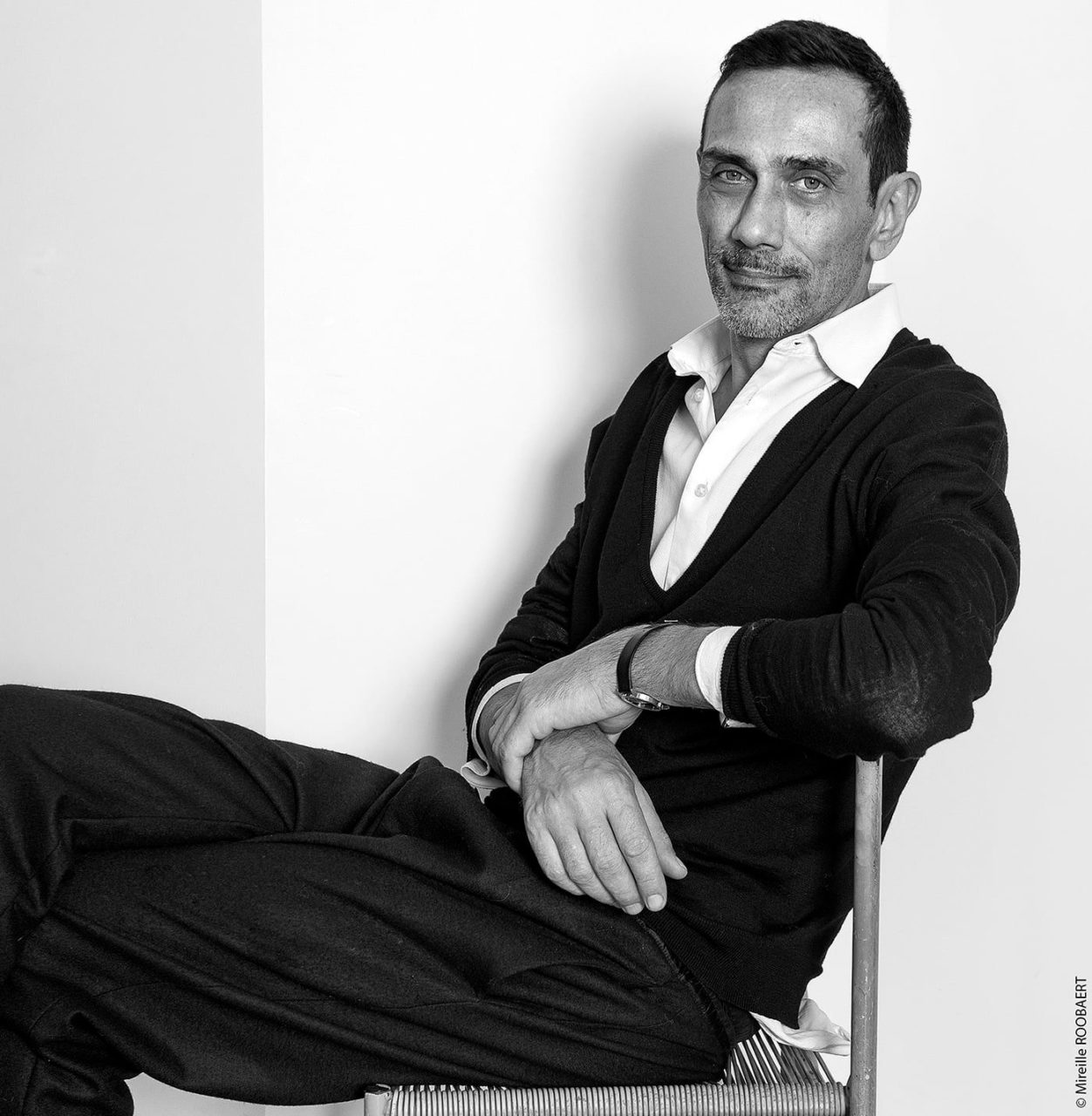
    Belgian designer brand Jean Paul Knott will open its first Chinese flagship in Beijing next month.

    The designer behind the eponymous label, which emphasises high-quality fabric and minimalist design, revealed the plans at a recent conference marking the brand’s 2019 Autumn/Winter collection, inspired by the classic French 1960s romantic film A Man and a Woman, and featuring a natural and smooth linear beauty of cuts and edits.

    In a dialogue with local fashion writer and translator Gu Chenxi, Knott revealed that he has refocused on the “design of the clothing itself” in an attempt to introduce a “new sincerity to the Chinese market”.

    At the conference, Knott introduced a creative artistic and visual immersive experience designed around brand’s signature blue element, representing “the infinite possibilities of Jean Paul Knott in China”, and featuring stills and clips from A Man and a Woman.

    Knott studied fashion design in New York and worked in Paris with legendary designer Yves Saint Laurent.