Tag: Bengaluru

  • Flipkart Minutes Reaches 1,000 Dark Stores Across India

    Flipkart Minutes Reaches 1,000 Dark Stores Across India

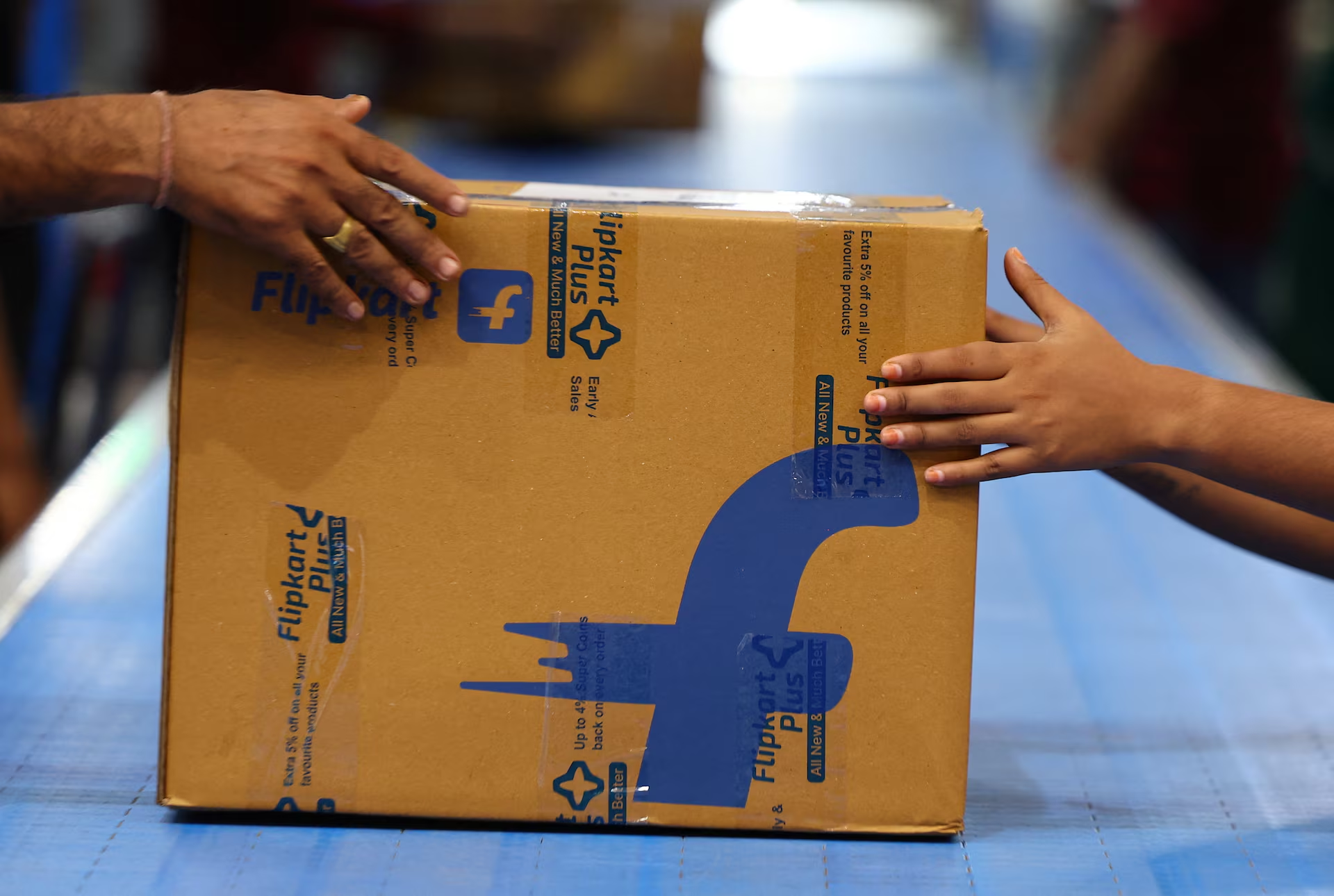
    Flipkart has expanded its quick commerce arm Minutes past 1,000 dark stores across 120 to 130 Indian cities. Dark stores operational for five to six months handle between 1,000 and 1,500 orders daily, according to research from investment bank UBS.

    Across the entire network, average daily volume sits at 800 to 1,000 orders per store. The rapid rollout has allowed the Walmart-backed e-commerce operator to challenge pure-play instant delivery platforms on order size and distribution density.

    Electronics Drive Higher Basket Values

    Excluding mobile phones, Minutes records a net order value of Rs 500 to Rs 530, matching Blinkit’s benchmark of Rs 518. When mobile devices are included, Minutes generates a higher average basket value than Blinkit, aided by Flipkart’s long-established vendor relationships and supply chains in consumer tech.

    The service has also helped Flipkart defend customer spending. In operational markets, between 40 and 45 per cent of existing Flipkart marketplace shoppers now use Minutes, recovering transaction volume previously lost to specialized instant delivery apps in fresh produce and personal care.

    Indian e-commerce platforms are increasingly using 10-minute delivery networks to shield high-margin categories from encroachment by grocery startups. While gross margins at Minutes trail Blinkit, per-order fulfillment costs have narrowed to match levels at Swiggy Instamart and Blinkit, though operational throughput is still catching up.

    Network Growth and Metro Demand

    Metropolitan areas generate 60 to 65 per cent of total orders on Minutes. North India accounts for just under one-third of overall volume, while southern cities are expanding quickly and eastern hubs such as Kolkata show strong adoption.

    Flipkart is planning to add roughly 1,000 more dark stores by the middle of next year. That expansion schedule aims to support peak demand ahead of the group’s annual Big Billion Days sale, provided backend warehouse construction keeps pace.

  • Indian Sneaker Brand Comet Raises $10.5 Million to Expand Retail Network

    Indian Sneaker Brand Comet Raises $10.5 Million to Expand Retail Network

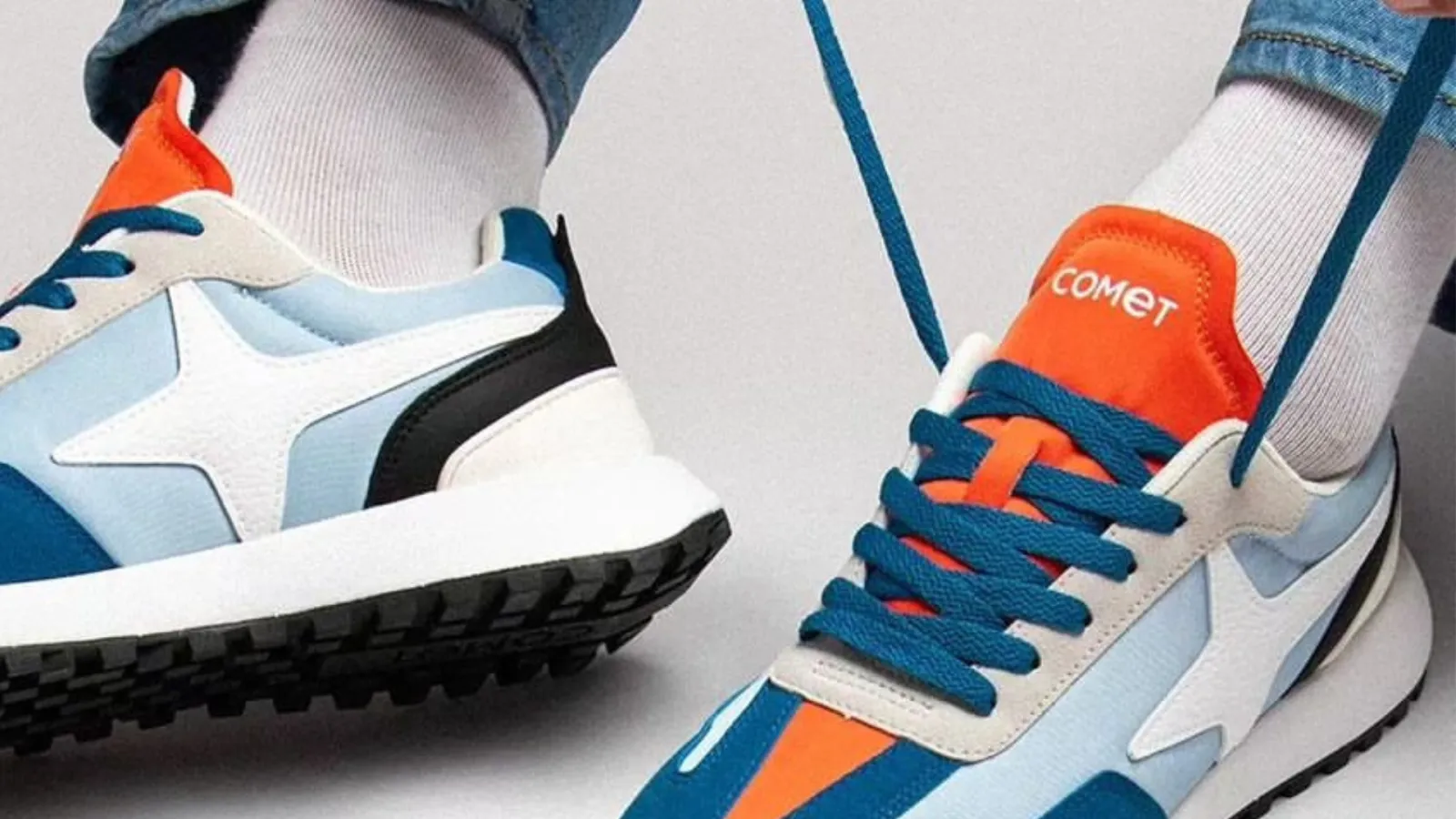
    Indian footwear brand Comet raised 10.5 million dollars in Series B funding led by global investment firm Verlinvest. The capital injection follows a ninefold revenue increase since the company’s prior round and will fund physical store rollout across India.

    Existing backers Elevation Capital and Nexus Venture Partners joined the round. Angel investors including Urban Company chief executive Abhiraj Singh Bhal, Snap Inc. Global chief business officer Ajit Mohan, and VegNonVeg co-founder Anand Ahuja also participated.

    Tooling and Product Development

    Comet allocates the fresh capital toward retail expansion, technology infrastructure, and in-house research and development. The shoemaker designs proprietary sole moulds and tooling internally rather than relying on off-the-shelf white-label outsoles, a choice that drives higher upfront capital expenditure per silhouette.

    “We want to continue pushing the boundaries of what an Indian footwear brand can build, which means investing deeply in sole technology, R&D and engineering,” co-founder Utkarsh Gupta said. The company spent twelve months engineering a women-specific model with bespoke sole tooling ahead of an upcoming market release.

    Footwear startups across South Asia face steep unit economics when trying to compete directly with global sportswear incumbents. Developing custom moulds costs tens of thousands of dollars per silhouette before a single production run ships, leaving little margin for inventory errors if consumer uptake falters.

    Retail Footprint and Expansion

    Physical stores provide direct access to street-level shoppers who still demand tactile trial for sizing and cushioning. Direct-to-consumer digital channels in India grapple with high return rates and customer acquisition costs, forcing domestic lifestyle labels into brick-and-mortar storefronts to secure stable cash flow.

    Landlords in top tier metros now allocate dedicated lifestyle wings to local challenger labels that pull younger foot traffic into shopping centres. Comet faces competition for prime high-street square footage against well-funded apparel and footwear peers rapidly securing leases in the same commercial corridors.

    Fundraising Track Record

    Founded in 2023, Comet previously raised 42.3 crore rupees in a Series A financing round led by Elevation Capital in 2024. The brand built its early presence around limited-run design drops and four core footwear models.

    The company reaches 10 operational stores this month. Management targets a portfolio of eight distinct footwear models by late next year while expanding the retail fleet to 20 stores across India by the close of fiscal 2027.

  • Swiggy Instamart Enlists 400 Partner Brands for Exclusive Assortment

    Swiggy Instamart Enlists 400 Partner Brands for Exclusive Assortment

    Swiggy Instamart partnered with more than 400 alternative brands to offer platform-exclusive pack sizes and cleaner product formulations across its Indian dark-store network.

    Datum Intelligence estimates Instamart held a 22 percent share of India’s quick-commerce sector in 2025, trailing market leader Blinkit at 47 percent and Zepto at 24 percent.

    Targeting Clean Formulations and Custom Packs

    Instamart launched the push under its ‘Switch to Better’ program, which started in June. The campaign guides online shoppers toward partner labels that manufacture preservative-free items or use cleaner ingredient lists.

    Suppliers are also developing custom pack sizes and distinct product variations built exclusively for Instamart. Those unique stock-keeping units make the platform’s catalog harder for competing rapid-delivery apps to replicate directly.

    Rivals Squeeze Delivery Differentiation

    India’s quick-commerce platforms previously competed almost entirely on delivery speed and basic grocery availability. With 10-minute drop-offs now standard across major metro areas, operators need product exclusivity to keep customers from toggling between rival apps for identical items.

    Established e-commerce operators are intensifying that pressure. Both Amazon India and Flipkart have expanded their own rapid-delivery setups, adding capital and warehouse density to an already crowded field.

    The next metric to monitor is whether dedicated SKU partnerships can help Instamart close the market-share gap with Zepto and Blinkit as new dark stores open across secondary cities.

  • FirstCry Targets 10 Percent Quick Deliveries to Lift Multichannel Sales

    FirstCry Targets 10 Percent Quick Deliveries to Lift Multichannel Sales

    FirstCry plans to route 10 per cent of its online orders through its rapid-delivery service FC Qwik after multichannel revenue in India rose 17.7 per cent in the first quarter.

    The retailer expanded the service from five cities in March to 12 cities by June, doubling quarterly quick-delivery shipments to 125,000 orders.

    Orders on FC Qwik arrive within two to three hours. Founder and chief executive Supam Maheshwari said the company intends to cut transit times further as the network expands into more urban markets. The service handles urgent replenishment goods like baby formula and diapers, but also ships bulky items including strollers, car seats and ethnic wear.

    Expanding RocketBees across Indian cities

    Deliveries rely on RocketBees, FirstCry’s internal logistics operation that grew from 62 to 72 cities over the past 15 months. The in-house network now handles more than half of the company’s online parcel volume, delivering a 20 per cent performance improvement over third-party couriers.

    The company built RocketBees on an asset-light model using leased vehicles for long-haul routes and local contractors for final deliveries. Maheshwari said managing parcel weights ranging from 10-gram diaper pins to 40-kilogram toy cars forced the retailer to build its own technology after struggling with third-party logistics providers.

    Specialist vertical retailers across Asia are increasingly building dedicated logistics instead of relying on horizontal quick-commerce apps or legacy parcel carriers. By fulfilling orders directly from local hubs and brick-and-mortar shops, FirstCry protects its product margins while defending against fast-delivery aggregators that stock narrower inventories.

    Balancing costs and physical store expansion

    Building the internal courier network and rapid-dispatch service added roughly 60 basis points to operational costs. Maheshwari expects unit costs to normalize once RocketBees captures between 70 per cent and 75 per cent of order volumes within each target city.

    Physical outlets remain central to the fulfillment model. Online orders accounted for 78 per cent of FirstCry’s gross business value in India during fiscal 2026, while physical retail generated 22 per cent. In the top 50 cities, shoppers using both store and digital channels drove 36 per cent of gross sales.

    Store-level gross merchandise value climbed 15 per cent year-on-year, and FirstCry is preparing to open between 90 and 100 physical stores during fiscal 2027.

  • Amazon Expands Quick Commerce Fashion Delivery to 300 Indian Cities

    Amazon Expands Quick Commerce Fashion Delivery to 300 Indian Cities

    Amazon plans to expand its Amazon Now quick delivery service for fashion to 300 cities across India. Orders on the platform doubled every quarter since launch, while Prime members who adopt the rapid option purchase three times more frequently.

    Micro-Fulfilment and Event Demand

    The service uses compact, technology-enabled micro-fulfilment centres placed close to residential clusters. Inventory algorithms position stock according to neighbourhood demand patterns rather than broad regional forecasts.

    Amazon is directing the rapid delivery network toward sudden, occasion-led purchases instead of planned wardrobe restocking. During the T20 World Cup, cricket jersey sales rose 2.5 times before match days and spiked eightfold on match days.

    Demographic Shift Toward Gen Z

    Younger shoppers are driving the platform’s fastest gains. Gen Z consumers now account for more than half of Amazon Fashion’s customer base in India, up from 30 per cent two years ago, with order volumes in Tier 2 and Tier 3 cities expanding at double the national pace.

    Premium labels now account for nearly 20 per cent of fashion spending on the platform and are expanding at twice the broader category rate. The company channels this traffic through its Gen Z portal SERVE, an influencer network of over 100,000 creators, and digital sizing tools including virtual try-on and Rufus.

    Across India, quick commerce operators such as Blinkit, Zepto, and Instamart have pushed aggressively into apparel and lifestyle items, forcing traditional e-commerce marketplaces to compress delivery windows from days to hours. Amazon is relying on its micro-hub density and Prime ecosystem to defend fashion market share against those dedicated hyper-local rivals.

    The company has not disclosed the completion schedule for the 300-city rollout, making the pace of micro-hub deployment the key operational figure to track across the country.

  • Fossil India Bets on Analogue Revival as Young Buyers Build Watch Wardrobes

    Fossil India Bets on Analogue Revival as Young Buyers Build Watch Wardrobes

    Fossil India is repositioning its product lineup toward premium analogue timepieces as younger domestic consumers buy multiple watches for different occasions rather than relying on a single device.

    The shift follows a rebound in traditional watch demand across India, aided by the proliferation of secondary wearables like smart rings that free up wrist space previously dominated by connected screens.

    Freeing wrist space for premium mechanicals

    Speaking at the ETRetail ShopFWD Summit in Bengaluru, Fossil India managing director Johnson Verghese said younger shoppers are researching models independently, entering the category earlier and curating separate watches for work, sports and evening social events. Fossil manages its own label alongside licensed fashion brands including Michael Kors, Emporio Armani and Diesel in the Indian market.

    To capture higher spending, the group introduced higher-priced mechanical models such as the racing-inspired X1 automatic watch, pricing it well above Fossil’s historic average in India. Verghese noted that buyers willingly paid the premium because of upgraded materials like ceramic and titanium, automatic movements and distinct visual design.

    Across Asia-Pacific markets, watchmakers face a dividing consumer base: entry-level connected fitness monitors on one side and design-led mechanical timepieces on the other. For accessible fashion watch brands, category growth depends on positioning the traditional watch as a personal accessory rather than a functional clock.

    Expanding retail footprint beyond metropolitan centres

    In-store services, particularly caseback engraving, have become central to conversion rates by turning purchases into personalised gifts and commemorative items. Verghese stressed that modern buyers research specifications online before testing weight and wrist fit in physical stores, making consistent pricing and stock data essential across both channels.

    Fossil India plans to direct its next store rollouts toward tier-II and tier-III cities, where quality retail space remains limited despite rising disposable incomes among first-time corporate workers.

  • Converse Unveils Mega Flagship Store in Bengaluru, Launches Converse By You Customisation Platform in India

    Converse Unveils Mega Flagship Store in Bengaluru, Launches Converse By You Customisation Platform in India

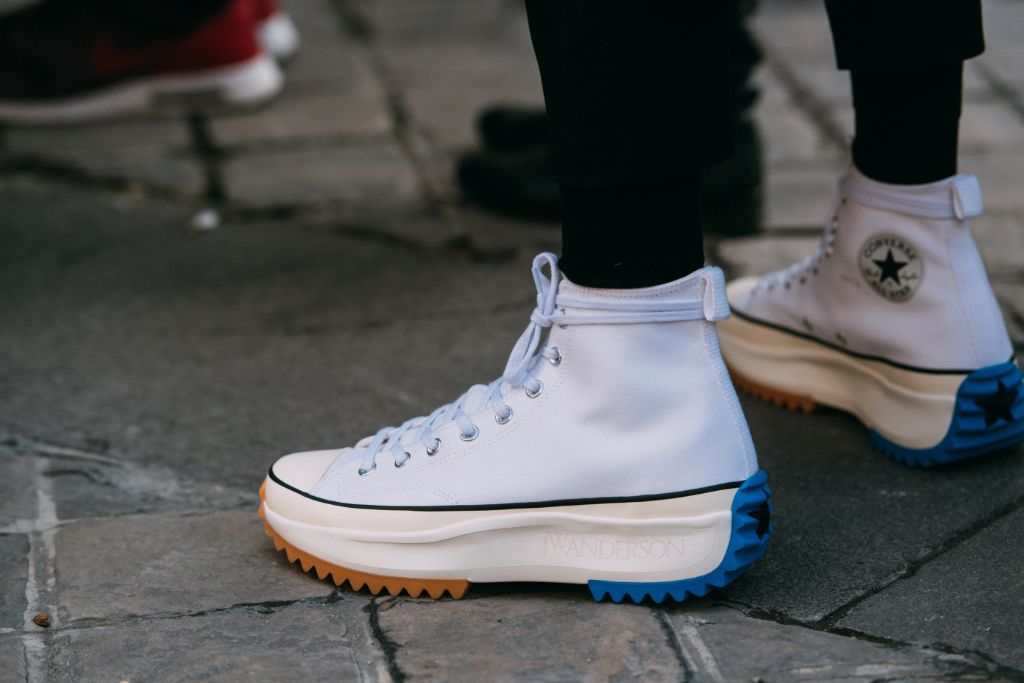
    Converse, the iconic American shoe company, has unveiled its largest flagship store in Bengaluru, India, located in the esteemed Phoenix Mall of Asia. This venture has been accomplished in collaboration with Bhaane Group and it marks a significant milestone for Converse as it introduces its global customisation platform, Converse By You, to the Indian market for the first time.

    A New Retail Experience

    The Converse By You platform grants customers the ability to add a personal touch to their purchases using an array of design elements, limited-edition patches, and artwork inspired by the local culture. This move underscores Converse’s commitment to offering an enhanced retail experience that is tailored to its customers’ preferences and the prevailing local trends.

    The new store goes beyond the conventional retail experience by seamlessly integrating elements of skateboarding, art, music, and youth culture to create an immersive atmosphere for customers. Noteworthy features of the store include ‘Play for Peace,’ an interactive skateboard installation designed by artist Ansh Kumar, and a grand mural by Bengaluru’s very own artist, Benson Diengdoh.

    Besides offering an innovative retail experience, the store also houses Converse’s staple footwear collections, such as the Chuck Taylor All Star and Chuck 70 ranges, as well as a selection of newer products.

    Converse’s Journey in India

    Converse, established in 1908 and a part of Nike Inc since 2003, launched its first standalone store in India in November 2024 through an exclusive collaboration involving franchise, wholesale, and e-commerce distribution with Bhaane Group. In addition to the newly minted flagship store in Bengaluru, Converse operates three other standalone stores across India, specifically in Mumbai, Chennai, and Kolkata.

    Questions & Answers

    What is the significance of the new Converse store in Bengaluru?
    This store is Converse’s largest flagship outlet in India and it introduces the Converse By You platform to the Indian market, allowing customers to personalise their purchases.

    What unique features does the new store offer?
    The store includes an interactive skateboard installation named ‘Play for Peace’ by artist Ansh Kumar, and a large mural by local artist Benson Diengdoh. The store also integrates elements of skateboarding, art, music, and youth culture to offer an immersive shopping experience.

    What are the key products available at the new store?
    The store offers Converse’s core footwear lines, including the Chuck Taylor All Star and Chuck 70 collections, as well as an assortment of newer product ranges.

  • Zen Diamond Expands Footprint In India With Two New Stores In Bengaluru

    Zen Diamond Expands Footprint In India With Two New Stores In Bengaluru

    Zen Diamond, a worldwide jewellery retailer, has broadened its reach in India by inaugurating two additional stores in Bengaluru. This decision follows the brand’s successful introduction in Mumbai in the previous year.

    Expansion into South India

    Zen Diamond’s expanded presence is marked by the establishment of new outlets at the Phoenix Mall of Asia and Phoenix Marketcity. These locations represent the company’s initial expansion in South India, an area of increasing interest for the business.

    Neil Sonawala, Managing Director of Zen Diamond, expressed enthusiasm about this development, saying, “The Indian market has always been highly valued by our brand. The positive response we received from our Mumbai outlets was remarkably encouraging. With the inauguration of our two additional stores in Bengaluru, we’re excited about introducing Zen Diamond’s tradition of superior craftsmanship to the southern region of India.”

    Store Design and Services

    The brand’s new locations will be distinguished by a sophisticated decor featuring subdued grey color schemes, fluted panels, and stucco textures. These elements have been chosen to accentuate the company’s premium jewellery collection.

    To bolster customer trust and assurance, Zen Diamond will also offer Natural Diamond Certification within India.

    Rituu Mehhta, the Centre Director of Phoenix Mall of Asia, praised the launch of the Zen Diamond stores, stating, “The introduction of a globally recognized brand like Zen Diamond significantly enhances our retail portfolio.”

    Global Presence

    Zen Diamond has a substantial international presence, operating over 450 stores worldwide. Alongside its primary jewellery offerings, the company also sells accessories, including watches, pens, ties, and gold coins.

    Questions & Answers

    What led to Zen Diamond’s expansion into South India?
    The positive feedback and success from the company’s ventures in Mumbai encouraged them to expand to other parts of India.

    What unique features can customers expect in the new Bengaluru stores?
    The Bengaluru stores will be distinguished by their refined grey palettes, fluted panels, and stucco textures, all aimed to enhance the brand’s luxurious jewellery collection.

    What steps is Zen Diamond taking to improve customer trust in India?
    To increase consumer trust and confidence, Zen Diamond will provide Natural Diamond Certification in India.

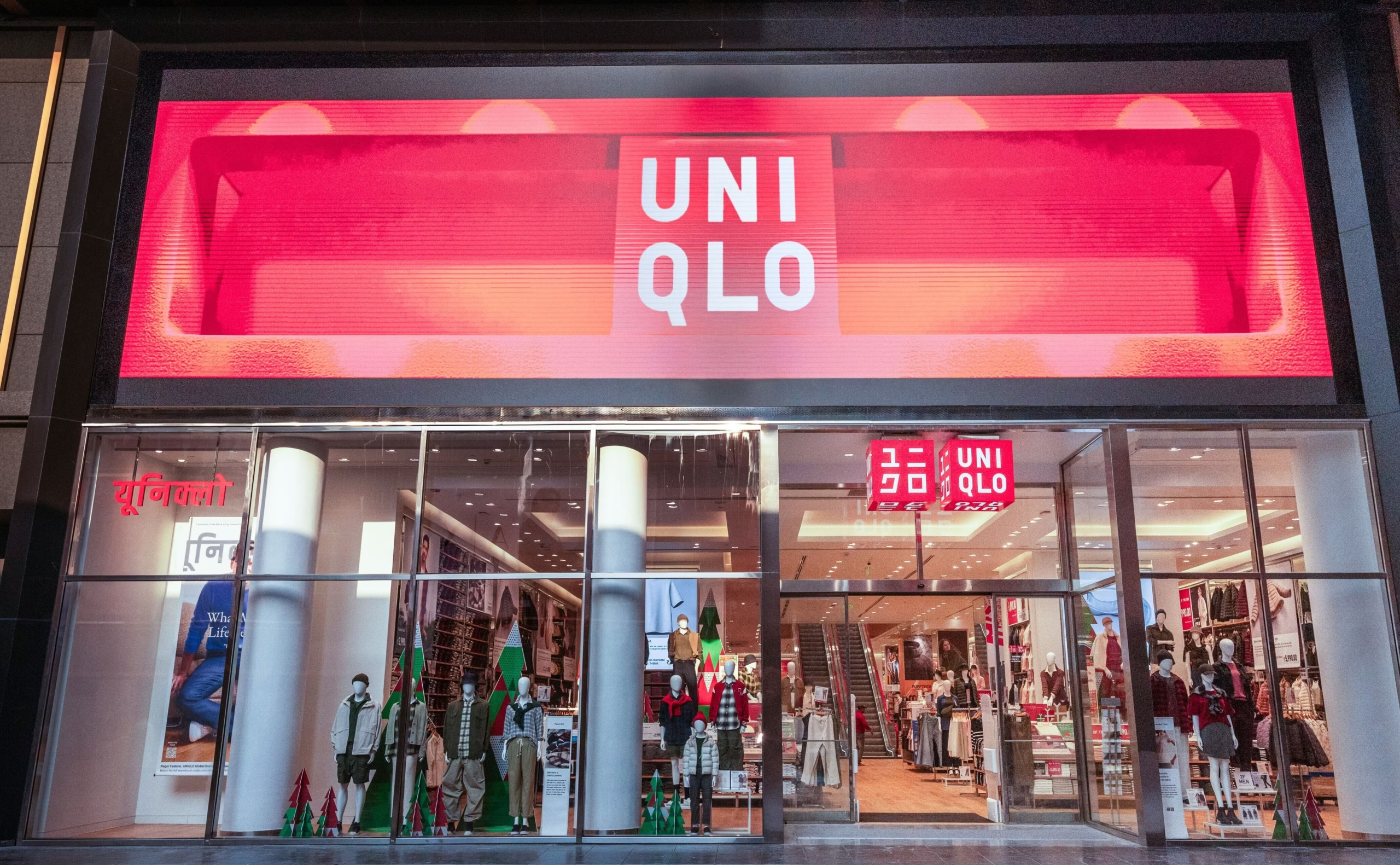
  • Uniqlo Set to Debut in South India with Exciting New Store in Bengaluru!

    Uniqlo Set to Debut in South India with Exciting New Store in Bengaluru!

    Retailers in Asia are facing a significant market shift as consumer spending trends evolve amid a changing economic landscape. With inflation and cautious consumer sentiment on the rise, businesses are strategizing to capture attention in an increasingly competitive environment.

    Adapting to Consumer Sentiment

    For many retailers, the focus is shifting from unconditional loyalty to a deeper understanding of consumer behavior. Brands are working tirelessly to adapt, employing data analytics to glean insights that go beyond the shopping cart. A recent survey revealed that 62% of consumers are now prioritizing value over brand allegiance, significantly impacting purchasing decisions across sectors.

    This newfound pragmatism has prompted retailers to reconsider promotional strategies, ensuring that discounts and offers align tightly with customer expectations. Some companies are even getting playful, testing quirky ad campaigns that resonate with younger audiences while remaining relatable—a refreshing departure from the usual marketing motifs.

    Investing in Sustainability

    Sustainability has taken a primary seat at the strategy table for numerous brands aiming to woo environmentally conscious shoppers. As greenwashing becomes a more serious issue, authentic commitment stands out. Retail giants are increasingly investing in sustainable supply chains and eco-friendly practices, with reports indicating a 25% uptick in consumer willingness to pay a premium for sustainable products.

    Brands like Uniqlo and Zara have rolled out extensive recycling programs, encouraging customers to return old garments while promoting a circular economy. The early adopters are seeing positive feedback, proving that a commitment to sustainability is not just a trend—it’s becoming a consumer expectation.

    Digital Transformation and E-Commerce Growth

    The pandemic hurled the retail sector into a digital renaissance, and now, e-commerce is not just a complementary channel but often the primary shopping avenue. Many brands are enhancing their online presence with immersive shopping experiences that merge practicality with engagement. Virtual try-ons and live-stream shopping events have become staples in the arsenal of savvy retailers, capturing the attention of a tech-savvy demographic yearning for connection.

    Moreover, social commerce is skyrocketing, with platforms like TikTok and Instagram evolving into marketplaces where sales can happen with a simple swipe. As the line between social interaction and shopping continues to blur, retailers are finding innovative ways to turn idle scrolling into spending.

    Understanding Regional Nuances

    It’s essential for retailers to recognize that Asia is not a monolith. Consumers in Southeast Asia have distinct tastes compared to their counterparts in East Asia, influenced by local cultures, economic conditions, and social dynamics. Brands that embrace these regional differences—by localizing products and marketing strategies—are often the ones that emerge victorious in this complex landscape.

    As retailers gear up for the future, the ability to blend tradition with innovation will be crucial. After all, in an age where consumer preferences can swing like a pendulum, agility may well be the most valuable asset.

    Questions & Answers

    How are retailers adapting to changing consumer sentiments in Asia?
    Retailers are focusing on understanding consumer behavior through data analytics and are shifting their promotional strategies to prioritize value, reflecting consumers’ increased price sensitivity.

    What role does sustainability play in modern retail strategies?
    Sustainability is becoming a key element for retailers, with many investing in eco-friendly practices and transparent supply chains to meet the expectations of environmentally conscious consumers.

    How is digital transformation impacting retail in Asia?
    Digital transformation has led to significant e-commerce growth, with brands enhancing online experiences through innovative technologies and social commerce, turning platforms into marketplaces.
  • Vietnam Airlines Launches New Routes, Connecting Travelers to India’s Thriving Tech Hubs

    Vietnam Airlines Launches New Routes, Connecting Travelers to India’s Thriving Tech Hubs

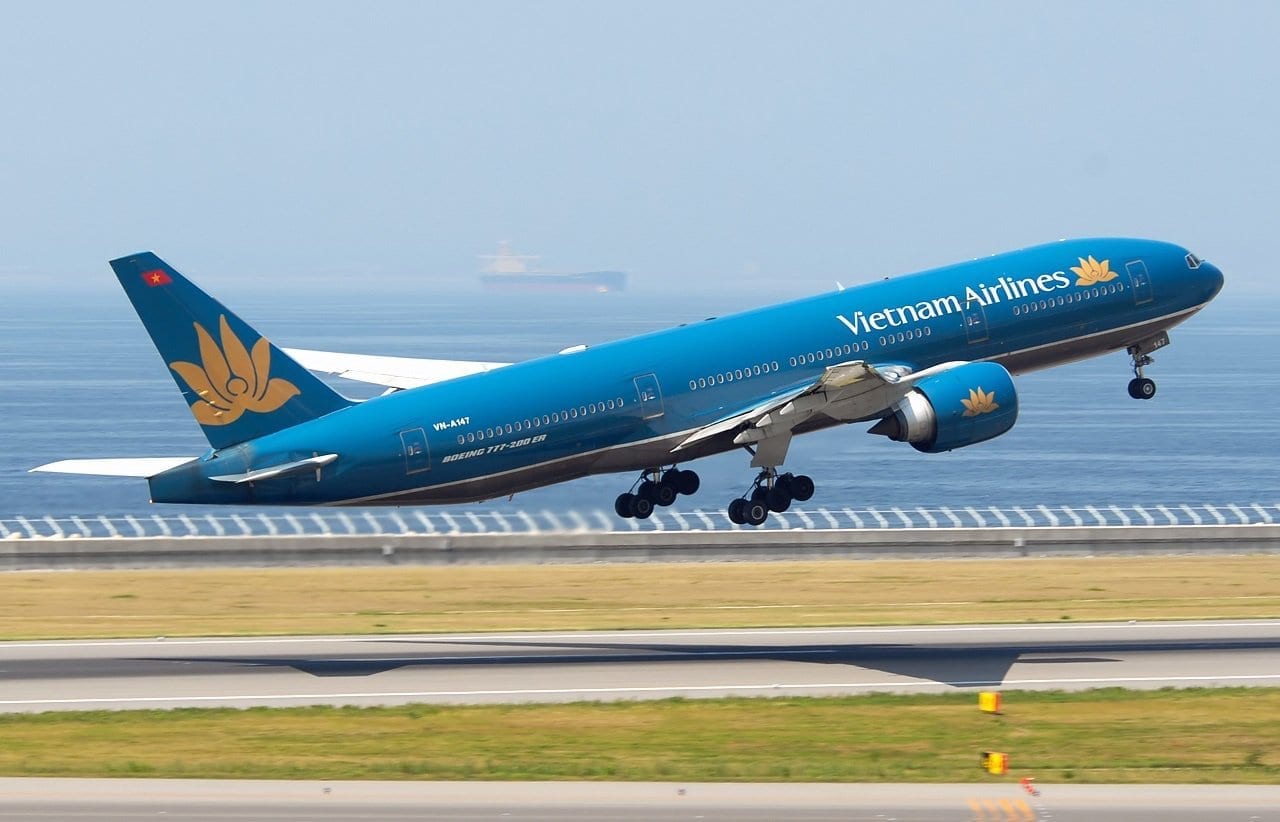
    National flag carrier Vietnam Airlines is soaring to new heights with the launch of a direct flight route connecting Hanoi to Bengaluru, India’s bustling tech hub. This new service will operate four times weekly, starting May 7, and is designed to accommodate the increasing demand driven by robust trade, tourism, and cooperation between the two nations.

    New Connections on the Horizon

    But that’s not all! On May 7, Vietnam Airlines will also initiate direct flights from Hanoi to Hyderabad, another pivotal tech center in India, with three weekly round-trips utilizing state-of-the-art Airbus A321 aircraft. The inaugural flight, VN983, took off from Hanoi on May 1, successfully transporting over 130 passengers to Bengaluru the same day. VN982, the return flight, departed Bengaluru that evening with over 160 travelers aboard, landing in Hanoi at 5:25 a.m. on May 2. Talk about a long night in the skies!

    Expanding Footprints in India

    With these latest additions, Vietnam Airlines now boasts services to four major Indian cities: New Delhi, Mumbai, Bengaluru, and Hyderabad, totaling six direct routes. This strategic expansion highlights Vietnam Airlines’ commitment to being a key connector between Vietnam and South Asia, as noted by Deputy General Director Dang Anh Tuan.

    India, with its rapidly growing aviation market and a population exceeding 1.4 billion, represents a significant opportunity for airlines like Vietnam Airlines. The increasing affluence of the Indian middle class further strengthens this connection, making travel between nations more accessible than ever. In the past few years, Vietnam Airlines has successfully operated over 3,200 flights and welcomed more than 511,700 passengers from India. Notably, Vietnam attracted over 500,000 Indian visitors in 2024, earning India a spot among its top 10 tourism markets.

    As Vietnam Airlines ventures into these tech-savvy territories, one can’t help but wonder: Are they also preparing for the next wave of IT moguls seeking sunshine and pho?

    Questions & Answers

    What cities are now connected by Vietnam Airlines in India?
    The carrier connects four major cities: New Delhi, Mumbai, Bengaluru, and Hyderabad.

    How often will flights operate on the new routes?
    The Bengaluru route will operate four times a week, while the Hyderabad route will have three weekly round-trips.

    What type of aircraft will be used for these new routes?
    Vietnam Airlines will utilize Airbus A321 aircraft for both newly launched routes.

  • Logistics Company Cogos To Add 2500 EVs To Its Fleet Over Next 24 Months

    Logistics Company Cogos To Add 2500 EVs To Its Fleet Over Next 24 Months

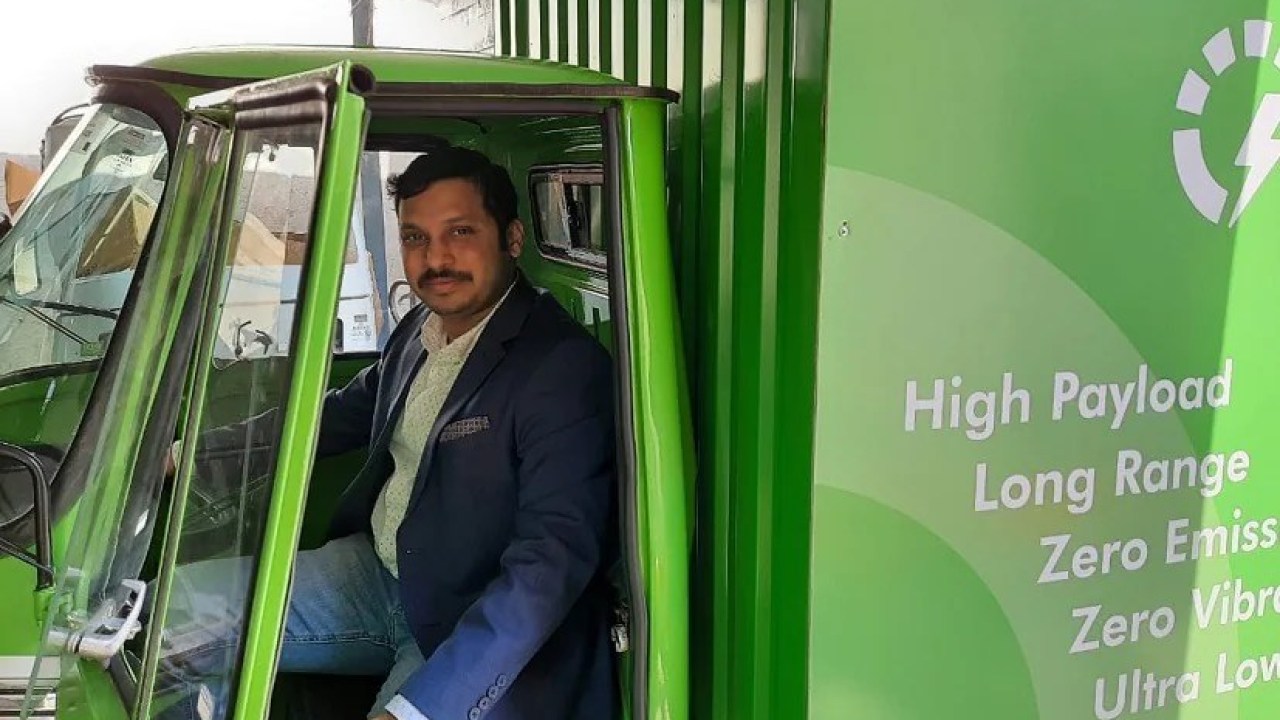
    Bengaluru-based logistics platform, Cogos, has announced that it will be adding 2500 electric vehicles (EV) to its delivery fleet across Bangalore, Hyderabad, Delhi, and Gujarat, and later in Maharashtra and Tamil Nadu. The company claims that it wants to reduce the carbon footprint of its fleet, and this move will help it achieve a reduction of 15000 tonnes of CO2 when running at full capacity, per year. The EVs will be added to the company’s fleet in a phased manner, over the next 24 months. Cogos has partnered with electric vehicle manufacturers like Altigreen, Mahindra, and Piaggio among others procure these EVs.

    Talking about the development, Prasad Sreeram, Co-founder and CEO, Cogos said, “It is important for us, as a logistics company, to focus not just on efficiency and cost, but also on sustainability. With this fleet augmentation of 2500 EVs, we are on track to achieve as much as 30 percent of our revenues from green technologies by 2023. We want to give customers a significant edge in efficient and responsible distribution and last-mile delivery solutions. EV is the future of mobility and city logistics have higher operating costs and lower traveling distances, hence are best suited for EV adoption for the logistics sector.”

    While currently, the company operates with three-wheeler commercial vehicles that have a payload capacity of 500 kgs, it is already working with the OEMs for four-wheeler EVs with a capacity of 1 tonne. The EVs will be used for the e-commerce, grocery, distribution, and mobility sector. Cognos has already entered into deployment agreements of 500+ vehicles for leading E-Com Enterprise and another 300+ with Food, FMCG, and Mobility enterprises.

    Cogos aims to strengthen the ecosystem by promoting EV ownership and creating a pool of fleet-owning entrepreneurs focused on sustainable growth. The company says that it will have a special focus on women empowerment through entrepreneurship and upskilling, along with evangelizing the benefits of EV to finance providers. To realize that, the company has entered into a tripartite agreement with the owner-operator and the financing entity, to support better financing for driver-partners. Cogos is also educating potential fleet owners on the benefits of EVs, like the fact that the cost of operating a commercial EV is only 50 paise per kilometer, which is multiple times lesser than fossil-fuel-based vehicles.

  • Volvo Cars India To Set Up Digital Technology Hub In Bengaluru

    Volvo Cars India To Set Up Digital Technology Hub In Bengaluru

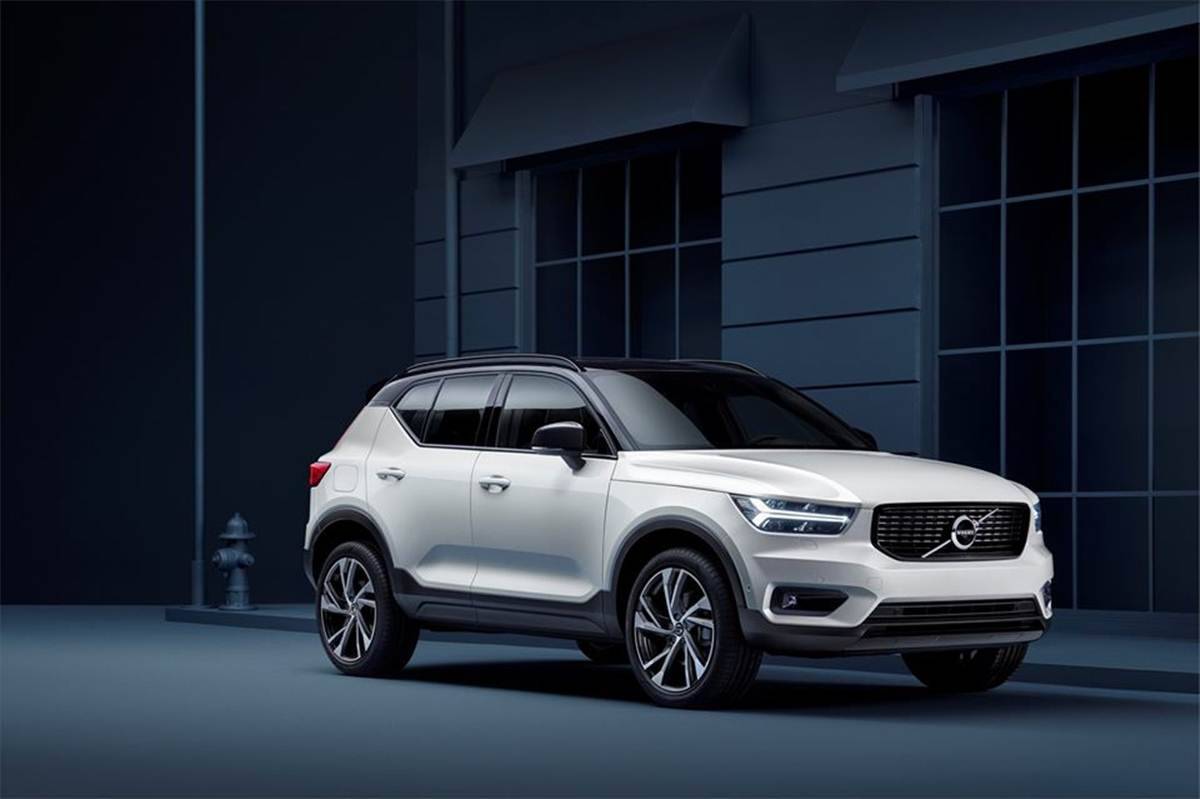
    Volvo Car India announced that it is expanding its Digital Technology Hub at Bangalore which will help strengthen its digital presence in India. The company has appointed Jonas Olsson as the Head of Digital Technology Hub with effect from June, 1 2021. Olsson comes from Volvo Group India, where he was HR Director Region APAC, and was part of the Group IT Leadership Team. His experience with Volvo Group IT spans over 20 years, with the past 15 years in India, and he has played an instrumental role in leading the set-up of Volvo Group’s IT-delivery center in Bengaluru.

    Volvo Cars India seeks to leverage on the talent available in the country, by being an attractive and inclusive employer and offering the value proposition to contribute to the organization’s journey of creating the cars of tomorrow.

    Jyoti Malhotra, Managing Director, Volvo Car India said, “Olsson’s rich experience will value add and strengthen Volvo Car India’s core strategy of going digital in all its customer offerings in the future. We welcome him in his new assignment and are confident that he will play a key role in strengthening our digital footprint in India”

  • Pitstop To Offer Doorstep Service For Electric Vehicles

    Pitstop To Offer Doorstep Service For Electric Vehicles

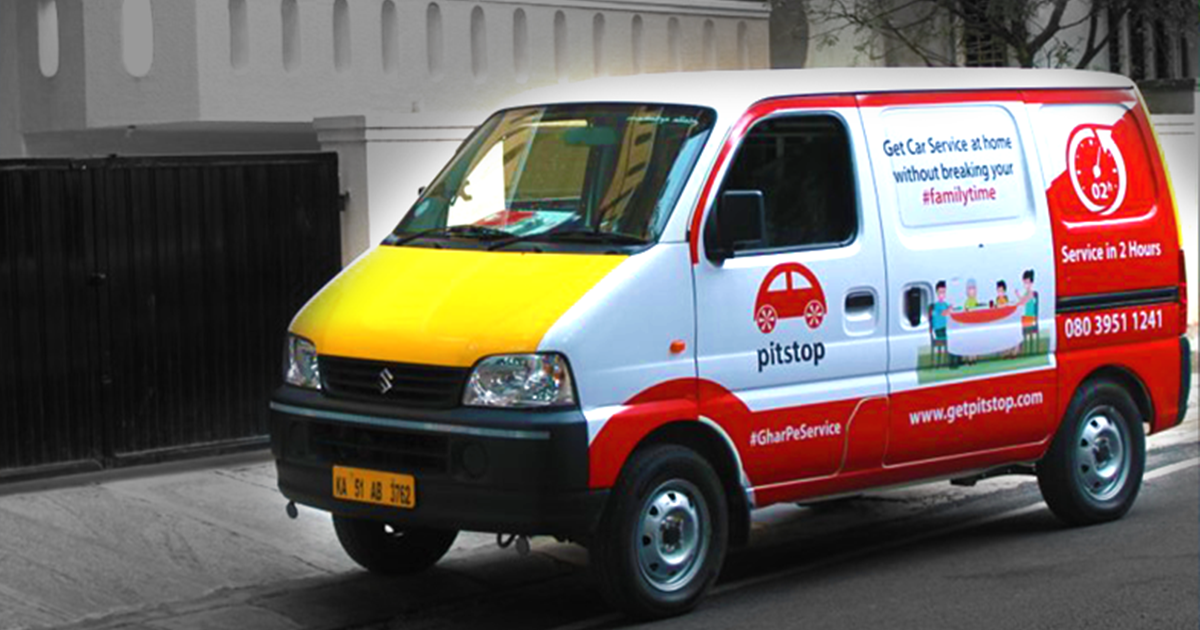
    Bengaluru-based car repair and service provider, Pitstop recently announced its foray into electric vehicle servicing. Quoting Mckinsey’s future of mobility report, Pitstop says that there is a growing demand for electric vehicles in India, especially electric two-wheelers, and the company seeks to provide EV servicing facilities at the customer’s doorstep for both two-wheelers and four-wheelers.

    Talking about the services the Pitstop aims to provide, the company’s Founder and CEO, Mihir Mohan said, “With the exception of body repair or modifications that include lifting, 80 to 85 percent of two-wheeler operation can be completed at the client’s doorstep.”

    Pitstop was started in 2015 began as a car washing company, however, now the company has become a multi-branded car servicing company with over 250 garages across India. The company says that by 2030, sales of two-wheeled electric vehicles are predicted to reach 8 to 9 million accounting for about 35 to 40 percent of all two-wheeled vehicles sold.

    Pitstop says that while more and more electric vehicles and charging infrastructures are coming up, the EV service market is still largely untapped and there is a lack of service network for repair. And that the area the company aims to focus on.

    Pitstop says that it has developed the ability to automate diagnosis with the use of sensors and scanners, and now, it is completely equipped to support electric vehicles. To that effect, the company aims to formalize and professionalize India’s $ 7 billion four-wheel-drive service industry.

  • Tesla To Set-up Operations In Bengaluru, Registers Indian Subsidiary

    Tesla To Set-up Operations In Bengaluru, Registers Indian Subsidiary

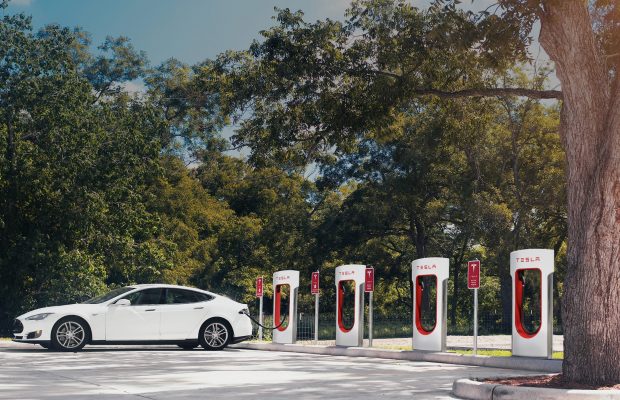
    The wait is nearly over as American electric carmaker Tesla is all set to set-up operations in India and zeroed down on Karnataka, as its preferred state to set-up its headquarters. The electric auto giant has registered its Indian subsidiary under the name ‘Tesla India Motors and Energy Private Ltd’, which was incorporated in Bengaluru on January 8, 2021. The company is expected to commence operations by June this year and the first product to be made available will be the Model 3 sedan, according to reports.

    According to the document filed with the Ministry of Corporate Affairs, Vaibhav Taneja, Venkatrangam Sreeram, and David Jon Feinstein have been named as directors. The company has been registered as a private unlisted company with an authorized capital of ₹ 15,00,000 and a paid-up capital of ₹ 100,000. The document also reiterates Tesla co-founder and CEO, Elon Musk’s tweet last year that said the automaker would enter India “next year for sure.

    India has been on Tesla’s radar since 2016 but plans did not materialize despite a number of speculations. It was also reported recently that state governments including Maharashtra, Andhra Pradesh, Tamil Nadu, and Karnataka had talks with the automaker to set-up operations in their region, while the company is also considering local partnerships. Reportedly, the Karnataka government has already offered a land parcel to Tesla in Tumkur, on the outskirts of Bengaluru, to set-up a manufacturing facility.

  • Xiaomi India plans 10,000 New Stores

    Xiaomi India plans 10,000 New Stores

    Xiaomi India will open 10,000 outlets in a bid to lock down its dominance over Samsung in the territory.

    The Chinese-headquartered company also announced last week that it expects 50 per cent of its business to be generated by trading offline by the end of this year.

    “About two years ago, we realised that while we had a 50 per cent share in online sales, our offline presence was negligible,” said Xiaomi VP and MD Manu Jain. “That’s when we started our offline expansion.”

    The firm opened in India as an online-only brand about five years ago. Its new “Mi Studio” retail format will join Xiaomi’s more than 6000 existing outlets in other categories, including Mi Homes, Mi Preferred Partners and Mi Stores.

    The firm opened 500 outlets in one day in India last October.

    Xiaomi is already ahead of Samsung in smartphone sales, with a 28.9 per cent share as of December last year, compared with Samsung’s 18.7 per cent.

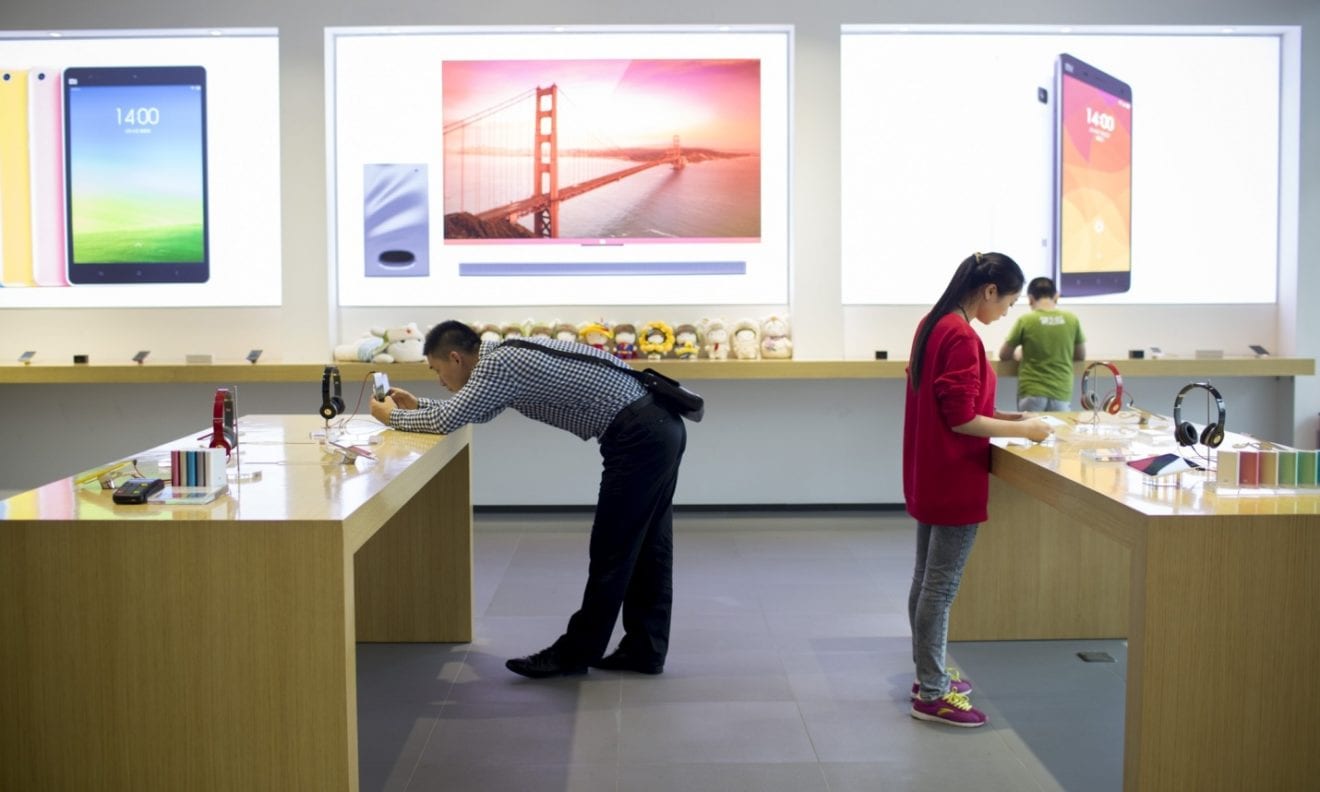
    “Mi Studios aim to offer premium brand experience in 50 top cities,” said Jain. “This format is an optimised version of Mi Homes replicating the same design and displaying modern, minimalist interiors.”

    Two of the new 400–600sqft Mi Studios outlets have already been set up in Bengaluru and Mumbai.

    Xiaomi has also recently entered the Romanian market with a new flagship Mi Store in Bucharest. The Mega Mall Bucharest outlet sells the full range of Xiaomi products, including smartphones, headsets, electric scooters, and home appliances.