Tag: Bengaluru

  • Nike to Open Bengaluru Campus by FY28 in Global Operating Overhaul

    Nike to Open Bengaluru Campus by FY28 in Global Operating Overhaul

    Nike Inc will open a corporate campus in Bengaluru by fiscal 2028. The facility will centralise operations across its Nike, Jordan and Converse brands in India.

    This build forms part of a global restructuring plan called Pace. The plan reconfigures the company into three geographic divisions and eliminates corporate roles starting in calendar year 2027.

    Full-time employees in India will transition to the Bengaluru campus in phases. The sportswear maker has not named the exact real estate site in the city, but plans to disclose the location in calendar year 2027. It will house operational, design and supply support teams servicing both the domestic Indian market and global production networks.

    Reorganising Asia management in Singapore

    Regional leadership is also shifting. Nike is merging Asia Pacific and Greater China into a single reporting segment called APGC, placing its executive leadership team in Singapore. Staff handling those functions from group headquarters in Beaverton, Oregon, will transfer to Singapore by fiscal 2028.

    Under the new structure, three units make up the business: the Americas, APGC, and EMEA. Consolidating Greater China and Asia Pacific under Singapore ends years of running China as a standalone reporting segment. The setup gives leadership a single management layer across Southeast Asian factories, fast-growing Indian retail markets, and the volatile Chinese consumer sector.

    Supply chain shifts and retail exposure

    For sportswear rivals, southern India has become an increasingly crowded battleground. German competitors Adidas and Puma expanded their franchise store networks and sourcing footprints across tier-one and tier-two Indian cities over the past three years. Operating a proprietary campus gives Nike direct control over product customization, vendor coordination and local merchandising rather than relying on decentralized regional desks.

    The corporate realignment carries execution risk. Merging China and Asia Pacific under one regional umbrella in Singapore risks diluting executive focus on mainland China, where domestic brands Anta and Li-Ning continue to take market share. Meanwhile, setting up dedicated infrastructure in Bengaluru increases fixed overhead while the parent group works to shift toward a variable cost model.

    Operating model overhaul

    An internal operational review launched more than a year ago to modernize logistics and speed up product creation led to the changes. Nike reported the strategic blueprint to staff in early October 2026, outlining corporate headcount cuts across legacy offices and the relocation of critical functions to Asian operational hubs.

    Company leaders framed the Indian expansion as a permanent capability build rather than a temporary shared-service deployment. “Bengaluru will play an increasingly important role in Nike’s future, and the new Nike campus reflects a long-term commitment to investing in the local marketplace and in capabilities that help us better serve athletes and consumers around the world,” said Venky Alagirisamy, Nike’s executive vice president and chief operating officer.

    Site selection and workforce milestones

    In calendar year 2027, Nike will reveal the specific site footprint and developer partner for the Bengaluru buildout. That announcement will coincide with formal employee consultation processes and individual notifications regarding corporate role cuts across the global organization.

  • Lightspeed Targets $250 Million for New India Fund Focused on Early-Stage AI

    Lightspeed Targets $250 Million for New India Fund Focused on Early-Stage AI

    Lightspeed is raising $250 million for a new early-stage venture fund in India. The firm is centering its regional deployment on artificial intelligence startups. Its new vehicle, Lightspeed India Partners V, has secured commitments for 80 per cent of that target capital.

    That $250 million target cuts the firm’s previous fund size in half. In 2022, Lightspeed raised $500 million for an India and Southeast Asia vehicle. The smaller pool reflects a market shift away from mega-funds toward tighter, faster deployment cycles.

    Capital calls will begin shortly. The firm plans to start investing from the new vehicle within two months, structuring it around an investment window of two and a half years. Final transactions from the existing fund will close before the new pool opens.

    Slashing fund size to tighten investment cycles

    Venture funds across Asia are recalibrating after years of chasing inflated valuations. By halving its corpus to $250 million from $500 million, Lightspeed is trading scale for speed. Smaller funds reduce pressure to write large cheques for late-stage consumer platforms that lack clear paths to profit.

    Instead, the capital goes to early technical teams where seed and Series A valuations remain manageable. For enterprise software developers and commercial software buyers across India, this directs venture cash toward localized machine learning applications instead of discount-driven consumer apps.

    Sovereign models and foundational backing

    Lightspeed has built an artificial intelligence portfolio globally, holding stakes in Anthropic, xAI and Databricks. In India, its flagship bet is Sarvam AI. The Indian large language model developer reached unicorn valuation following a $234 million funding round led by HCLTech.

    Sarvam AI also won government backing to develop sovereign artificial intelligence models. Backing domestic foundational infrastructure positions investors close to national digital architecture contracts. Still, model training costs and hardware shortages remain heavy operational risks for early-stage builders in the country.

    Aligning India with global deployment

    The firm is shifting its India fund onto the same fundraising cadence as its global funds for the first time. This change synchronizes an operation established nearly two decades ago with Silicon Valley headquarters. It streamlines how capital moves into Asia.

    Internal governance changes as a result. Indian founders pitching Lightspeed will now compete for allocation within the global sector framework, rather than pitching an isolated regional pool on a disconnected timetable.

    Capital deployment timeline and filings

    Regulatory records trace the preparation of the vehicle back several months. Lightspeed disclosed the fifth India fund in a United States Securities and Exchange Commission filing in late April without detailing the target amount. Market estimates had pointed to a corpus between $300 million and $350 million.

    The remaining 20 per cent of capital commitments will close as the firm wraps up investments from its 2022 fund. Initial term sheets from the $250 million vehicle are due before the end of the year.

  • L Catterton Buys $30 Million Minority Stake in Nandhana Foods

    L Catterton Buys $30 Million Minority Stake in Nandhana Foods

    L Catterton has acquired a minority stake in South Indian restaurant chain Nandhana Foods for $30 million this week.

    The cash injection gives the global consumer private equity firm a direct foothold in India’s regional casual dining market. Regional food service businesses across southern India have historically relied on internal cash flows and promoter capital to fund new locations. That pattern is breaking down as institutional investors seek scalable dining concepts with proven local demand.

    Capital deployment in regional dining

    Consumer appetites in tier-1 and tier-2 Indian metros continue to shift toward organized dining formats. Nandhana Foods built its brand identity around regional South Indian cuisine, catering to everyday lunch traffic and family dining. Securing $30 million in equity funding provides the balance sheet capacity required to expand kitchen footprints, secure premium retail real estate, and build out centralized supply chains.

    Institutional backing allows regional operators to compete directly with national multi-brand conglomerates. When well-funded private equity sponsors enter single-concept restaurant groups, the immediate focus turns to margin protection and real estate acquisition. Prime retail frontage across major South Indian commercial corridors commands rising rents, making external capital essential for multi-city expansion.

    Private equity playbook in Indian food service

    L Catterton has targeted consumer-facing food and lifestyle brands across Asia-Pacific to capture rising household discretionary spending. The firm looks for high-repeat transaction models with defensible regional loyalty. Fast-casual and specialized regional dining concepts offer clear unit economics, predictable inventory cycles, and steady cash generation compared to untested Western formats.

    Competition among private capital allocators in India has tightened around profitable consumer businesses. Global funds that previously backed digital consumer platforms are now directing capital into cash-generating physical retail and restaurant chains. Food service operators that control their supply relationships and maintain consistent kitchen standards represent defensive bets against broader market volatility.

    Operating risks and scaling discipline

    Scaling a regional dining chain beyond its home base presents operational friction. Standardizing recipes, managing bulk procurement of specialty ingredients, and maintaining identical service quality across dozens of outlets tests management teams. Expanding too fast across state borders often dilutes the brand equity that made the original footprint successful.

    Labor retention and kitchen staff training create additional cost pressures. As restaurant networks grow, operators must invest in central commissary hubs to keep unit costs manageable. Centralized production cuts kitchen square-footage requirements at retail outlets, lowering rental expenses while stabilizing gross margins.

    Valuation discipline and the road to liquidity

    Private equity investors enter minority positions with clear timetables for liquidity. For Nandhana Foods, bringing in a global investor sets an institutional governance framework and prepares the operating company for larger equity rounds or a public listing once network scale is achieved.

    The benchmark for this investment sits in how effectively the chain uses the $30 million check to open new doors without compressing unit-level operating margins. Industry attention now shifts to the company’s real estate pipeline across key southern metro hubs and the rollout speed of its next batch of restaurant locations.

  • Tommy Hilfiger Launches Dedicated E-Commerce Platform in India

    Tommy Hilfiger Launches Dedicated E-Commerce Platform in India

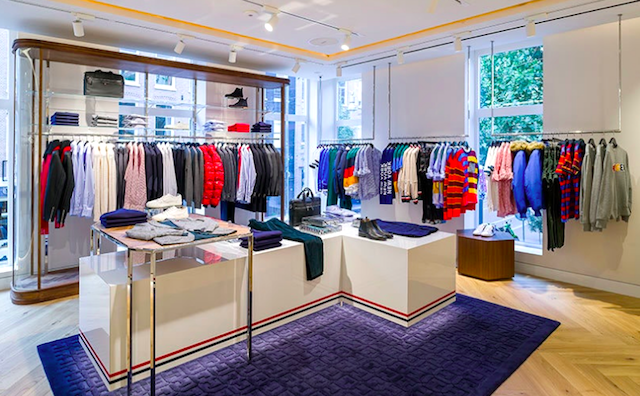
    Tommy Hilfiger launched its official India e-commerce website, in.tommy.com, this week, marking the brand’s first dedicated Tommy.com experience in the country.

    PVH Arvind Fashion Private Limited, the joint venture between PVH Corp and Arvind Fashions, operates the digital storefront alongside the brand’s physical retail network.

    Direct digital channel in India

    The new website gives Tommy Hilfiger direct control over 1 unified channel for customer data, catalog presentation, and promotional pricing in the Indian market. Shoppers gain access to the brand’s complete apparel, footwear, and accessories collections through a single proprietary digital hub.

    Local fulfillment routes through PVH Arvind Fashion’s domestic logistics infrastructure. Orders ship directly across Indian pin codes from warehouses that also supply the brand’s standalone brick-and-mortar stores.

    Shifting away from marketplace dependence

    Premium global apparel brands in India long relied on third-party marketplaces such as Myntra, Tata Cliq Luxury, and Ajio to build digital sales volume. Those platforms deliver footfall, but they compress wholesale margins and limit direct consumer engagement.

    Setting up a proprietary site shifts the economic equation for PVH Corp. Direct-to-consumer sales protect full-price sell-through rates and allow the operator to manage inventory clearance without diluting premium brand positioning.

    Joint venture operational footprint

    Arvind Fashions and PVH Corp have operated their Tommy Hilfiger partnership in India for two decades, building an extensive physical network in Tier 1 and Tier 2 metro hubs. The brand sells through hundreds of retail touchpoints across the country, including company-run stores, franchise doors, and department store shop-in-shops.

    Adding in.tommy.com unifies physical store loyalty programs with online accounts. Customers can access brand-specific promotions, cross-channel returns, and unified customer service through the JV’s centralized system.

    Execution targets and rollout

    Managing direct fulfillment across diverse Indian delivery zones requires tight inventory synchronization between central hubs and physical stores. PVH Arvind Fashion must maintain service speed against domestic e-commerce aggregators that offer same-day delivery in major metros.

    The joint venture will track online conversion rates, average order values, and repeat purchase frequencies as the platform scales across non-metro regions over the coming quarters.

  • Glance Adds True Fit Sizing Data to AI Shopping Platform Ahead of 2026 Holidays

    Glance Adds True Fit Sizing Data to AI Shopping Platform Ahead of 2026 Holidays

    Glance has partnered with sizing technology provider True Fit. The deal embeds fit intelligence into Glance’s AI shopping interface across 60 million connected screens ahead of the 2026 holiday shopping season.

    The system links Glance’s generative virtual try-on tools with True Fit’s transaction records. That database covers 91,000 apparel and footwear brands and more than $500 billion in purchase history. By combining visual simulations with verified purchase data, both firms aim to reduce return rates on agentic e-commerce platforms.

    Integrating Fit Models Into Lockscreen Discovery

    Online fashion retailers lose billions each year to sizing-related returns. According to True Fit customer data, more than 70 per cent of shoppers interacting with AI retail agents ask specifically about fit before buying.

    Glance pushes shopping recommendations across mobile lockscreens, connected televisions and desktop computers. Integrating True Fit sizing predictions allows the interface to suggest specific garment sizes alongside on-screen try-on previews. Shoppers no longer have to guess.

    “AI is moving more of the shopping decision into the conversation, so the agent has to resolve the questions that determine whether someone buys,” said Mansi Jain, chief operating officer at Glance. “In fashion, fit is one of those questions.”

    How the Dataset Operates

    True Fit builds its recommendation layer on two decades of transactional data. The archive spans 60 million individual products. It also tracks post-purchase behavior, including returns and repeat orders across hundreds of partner retailers.

    Computer vision models then pair that database with user photos to render garments on screen. The software cross-references user measurements against actual return histories for each garment cut. It narrows size options before routing the buyer to checkout.

    Agentic Commerce and Brand Adoption

    For fashion brands across Asia and Western markets, agentic systems replace traditional search-and-browse websites. Sizing errors create major friction when an AI interface autonomously assembles complete outfits for shoppers.

    Autonomous shopping software must convert browsing intent into keepable orders. Putting verified returns data directly into the discovery layer lifts conversion confidence for apparel labels. It also reduces fulfillment overhead from bracket purchasing, where shoppers buy multiple sizes intending to return the extras.

    Expansion Plans for 2027

    Operating as a core unit of India-based InMobi Group, Glance runs on more than 400 million devices globally. In September 2026, the platform expanded its agentic commerce footprint by linking with Mastercard Agent Connect to process direct payments.

    Following the holiday launch on Glance screens, True Fit will roll out the joint try-on software to its wider merchant network in 2027. Both companies will present the technical architecture at the RetailClub AI Festival in California on September 22.

  • Zomato and Blinkit Help 210,000 Delivery Partners Claim Rs 33.6 Crore

    Zomato and Blinkit Help 210,000 Delivery Partners Claim Rs 33.6 Crore

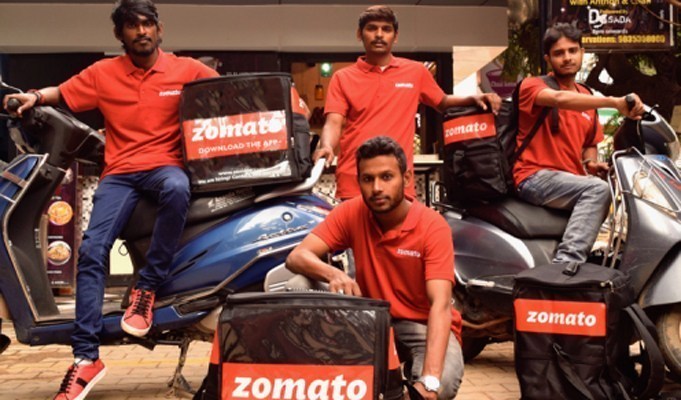
    Zomato and quick-commerce subsidiary Blinkit processed income tax returns for 210,000 delivery partners this year, recovering Rs 33.6 crore in tax refunds. Three out of four riders who used the service filed a return for the first time in their lives.

    Each delivery partner who completed the filing received an average refund of approximately Rs 1,600. The filings resolved tax deducted at source withheld at a standard rate of 1 per cent on platform payouts.

    Chatbot filings inside the partner app

    Filing took place entirely inside the Zomato and Blinkit delivery partner mobile applications. A dedicated chatbot guided riders through a automated process managed by an external tax service provider at a subsidised fee.

    The workflow removed manual paperwork and tax consultant visits, which previously prevented informal workers from claiming withheld earnings. Riders verified identity details and payout histories directly against tax records before submitting their forms.

    Credit history for gig workers

    Establishing an official tax record gives platform workers formal documentation that banks require for consumer loans, two-wheeler financing and rental agreements.

    “For many delivery partners, this may be their first experience with formal financial services,” said Aditya Mangla, CEO of Zomato. “The aim is to make that experience useful and accessible, and help delivery partners get easier access to credit and become more financially secure over time.”

    Platform retention and worker churn

    Fleet turnover remains the single largest operational cost for instant delivery operators across India. Zomato, Swiggy and Zepto compete constantly for riders across major metropolitan areas, where monthly churn routinely exceeds double digits.

    Value-added services such as tax recovery give platforms a retention tool that does not increase base delivery payouts. When riders recover withheld earnings directly through the company app, platforms build worker stickiness while positioning themselves as responsible employers ahead of pending gig-work labor regulations in states like Karnataka and Rajasthan.

    Tax deductions at source

    Indian tax regulations mandate e-commerce operators to deduct 1 per cent TDS on gross sales and contractor payouts. Most delivery workers earn below the basic taxable income exemption threshold, meaning the entire deducted balance is refundable upon filing an annual return.

    Unclaimed withholding balances previously stayed with the government when delivery personnel lacked the paperwork to submit formal claims. Zomato and Blinkit plan to maintain the automated tax integration for the upcoming assessment cycle as fleet sizes expand across tier-two and tier-three Indian cities.

  • India Backs Data Centers with Billions of Rupees Amid Job Concerns

    India Backs Data Centers with Billions of Rupees Amid Job Concerns

    India is pouring billions of rupees in incentives into data centers for the likes of Google and Amazon, even as the drive is not expected to directly create much employment.

    Industry reports show the country generates about 20 per cent of the world’s data but accounts for only 4 per cent of global data center capacity.

    State Subsidies and Tech Builders

    Key developments include a Google-Adani data center construction site in Vizag, Andhra Pradesh, seen on Aug. 3, alongside a Hewlett Packard Enterprise data center in Bengaluru pictured in May.

    These facilities require heavy capital expenditure for land acquisition, high-voltage electrical grid hookups, advanced cooling units, and high-end server racks. Yet once construction finishes, the facilities run on automated management software and minimal human supervision. A multi-megawatt campus that costs hundreds of millions of dollars to erect often requires fewer than 100 permanent technicians, security personnel, and facility managers.

    The Automation Reality in Digital Infrastructure

    For industrial real estate developers and infrastructure funds across Asia, the asset class offers reliable long-term yields backed by top-tier credit tenants. Power and land availability dictate project viability rather than access to deep labor pools. The economic return flows to landlords, power utilities, and equipment vendors rather than local payrolls.

    Retailers and enterprise software platforms across the region gain faster cloud compute speeds and lower network latency from local server farms. However, government planners expecting large-scale white-collar employment from data centers face a structural mismatch. The sector builds digital backbone capacity, not mass employment.

    Shifting Focus to Component Supply Chains

    Earlier policy frameworks treated digital infrastructure investments as equivalent to traditional technology services campuses that once absorbed thousands of engineering graduates. Experience across major Asian hubs from Singapore to Johor shows that high-density computing clusters generate indirect jobs primarily during site preparation and electrical civil works.

    State authorities are now monitoring whether downstream server assembly and electrical manufacturing can capture additional domestic value. The gap between India’s 20 per cent data generation share and its 4 per cent physical capacity ensures building will continue, with power procurement contracts serving as the next major performance metric.

  • Kushal’s Launches Silver Brand Anera Targeting Rs 25 Crore

    Kushal’s Launches Silver Brand Anera Targeting Rs 25 Crore

    Indian fashion jewellery retailer Kushal’s launched a standalone silver jewellery brand named Anera, targeting Rs 25 crore in first-year revenue across a new standalone retail network in southern India.

    The expansion commits the Bengaluru-based company to six initial high-street stores covering 2,500 to 3,000 square feet each, starting with a flagship location in Bengaluru on September 26.

    Five additional outlets will follow over the subsequent seven weeks across Bengaluru, Hyderabad, Coimbatore and Vijayawada. The initial footprint allocates two stores each to Bengaluru and Hyderabad, alongside single units in Coimbatore and Vijayawada. Founder Kalpesh Gulechha confirmed the brand will evaluate store unit economics across these four cities over a three to six-month test period before deploying capital toward a broader pan-India store opening programme.

    High-Street Stores and Metal Mix

    Silver accounts for a rapidly expanding share of the parent company’s existing merchandise mix. Contribution from the metal rose from between 2 and 3 per cent four to five years ago to between 15 and 18 per cent today, prompting management to separate the category from its traditional imitation fashion jewellery counters.

    Anera targets shoppers aged 25 to 45 with merchandise tailored for daily office wear, weddings, festive collections and self-gifting. The business model relies on converting younger buyers seeking design variety without committing to the higher price points commanded by gold.

    “We want to shift the conversation from the metal value to meaning, style, expression and emotion,” Gulechha said.

    The standalone retail format requires larger store footprints than typical fashion jewellery kiosks, opting for dedicated high-street frontage to build a premium atmosphere. That retail footprint increases fixed lease commitments, putting the onus on high sales density per square foot to justify standalone store viability.

    South Indian Test Bed

    Selecting Bengaluru, Hyderabad, Coimbatore and Vijayawada gives Kushal’s an immediate reading on regional appetite across tier-one and tier-two southern retail corridors. South India remains the country’s most active regional jewellery market, though organized competition in branded silver has expanded as apparel and lifestyle chains compete for the same discretionary spend.

    For high-street landlords, the entry of dedicated silver formats adds another commercial tenant category competing for ground-floor fashion frontage against traditional gold retail giants and beauty brands. The operational risk sits in managing inventory turnover across fast-moving fashion designs while silver raw material costs fluctuate.

    Before launching Anera, Kushal’s built its core business around costume and fashion jewellery retail, gradually increasing its fine silver assortment inside existing stores over the last half-decade. That shift laid the groundwork for carving out a separate retail brand once internal sales data demonstrated steady customer migration toward higher-ticket precious metal purchases.

    Management projected Anera’s annual revenue to reach Rs 65 crore in its second year. Performance metrics from the first six southern stores across the upcoming six-month trial window will determine the pace and geography of the brand’s national retail rollout.

  • Flipkart Minutes Reaches 1,000 Dark Stores Across India

    Flipkart Minutes Reaches 1,000 Dark Stores Across India

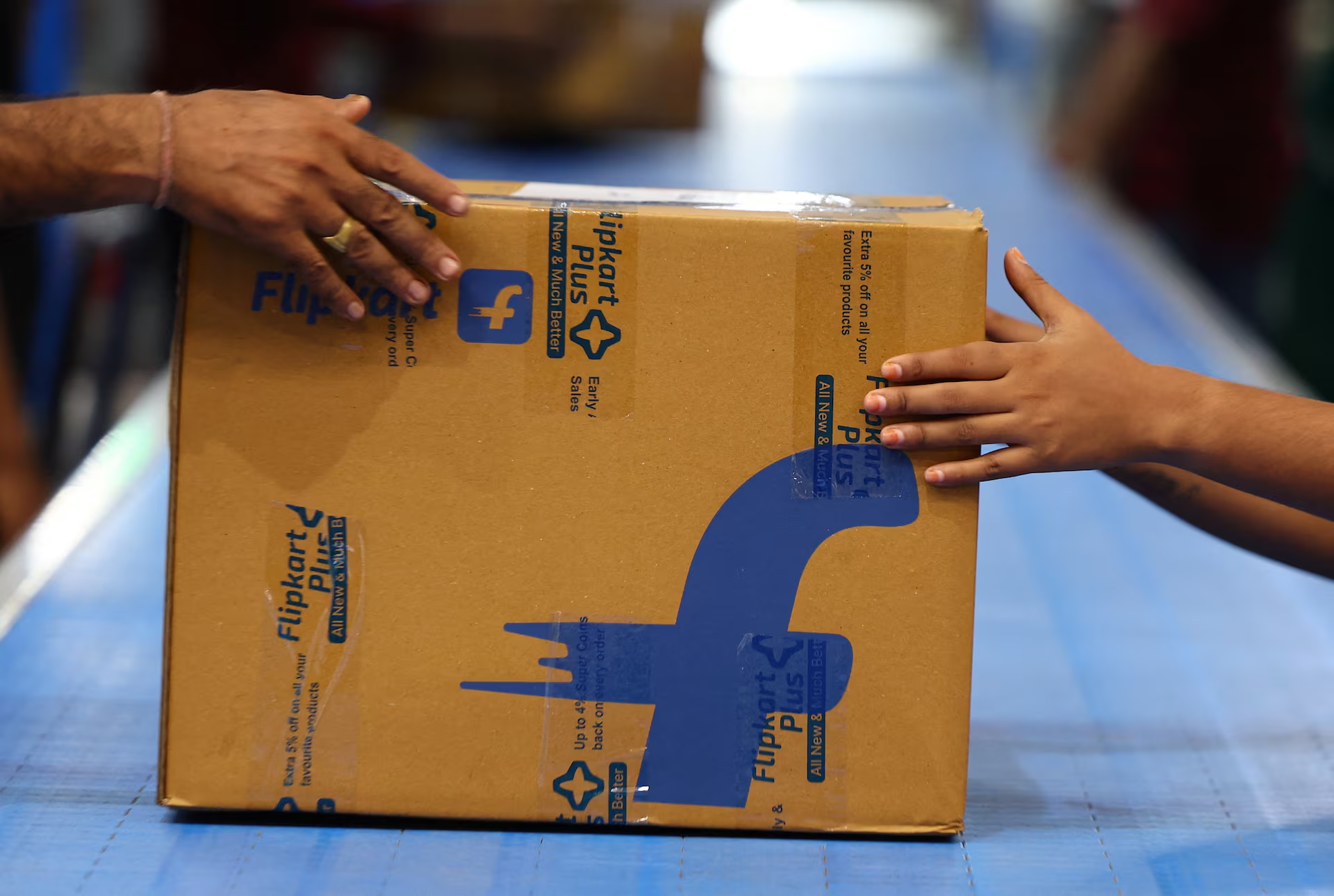
    Flipkart has expanded its quick commerce arm Minutes past 1,000 dark stores across 120 to 130 Indian cities. Dark stores operational for five to six months handle between 1,000 and 1,500 orders daily, according to research from investment bank UBS.

    Across the entire network, average daily volume sits at 800 to 1,000 orders per store. The rapid rollout has allowed the Walmart-backed e-commerce operator to challenge pure-play instant delivery platforms on order size and distribution density.

    Electronics Drive Higher Basket Values

    Excluding mobile phones, Minutes records a net order value of Rs 500 to Rs 530, matching Blinkit’s benchmark of Rs 518. When mobile devices are included, Minutes generates a higher average basket value than Blinkit, aided by Flipkart’s long-established vendor relationships and supply chains in consumer tech.

    The service has also helped Flipkart defend customer spending. In operational markets, between 40 and 45 per cent of existing Flipkart marketplace shoppers now use Minutes, recovering transaction volume previously lost to specialized instant delivery apps in fresh produce and personal care.

    Indian e-commerce platforms are increasingly using 10-minute delivery networks to shield high-margin categories from encroachment by grocery startups. While gross margins at Minutes trail Blinkit, per-order fulfillment costs have narrowed to match levels at Swiggy Instamart and Blinkit, though operational throughput is still catching up.

    Network Growth and Metro Demand

    Metropolitan areas generate 60 to 65 per cent of total orders on Minutes. North India accounts for just under one-third of overall volume, while southern cities are expanding quickly and eastern hubs such as Kolkata show strong adoption.

    Flipkart is planning to add roughly 1,000 more dark stores by the middle of next year. That expansion schedule aims to support peak demand ahead of the group’s annual Big Billion Days sale, provided backend warehouse construction keeps pace.

  • Indian Sneaker Brand Comet Raises $10.5 Million to Expand Retail Network

    Indian Sneaker Brand Comet Raises $10.5 Million to Expand Retail Network

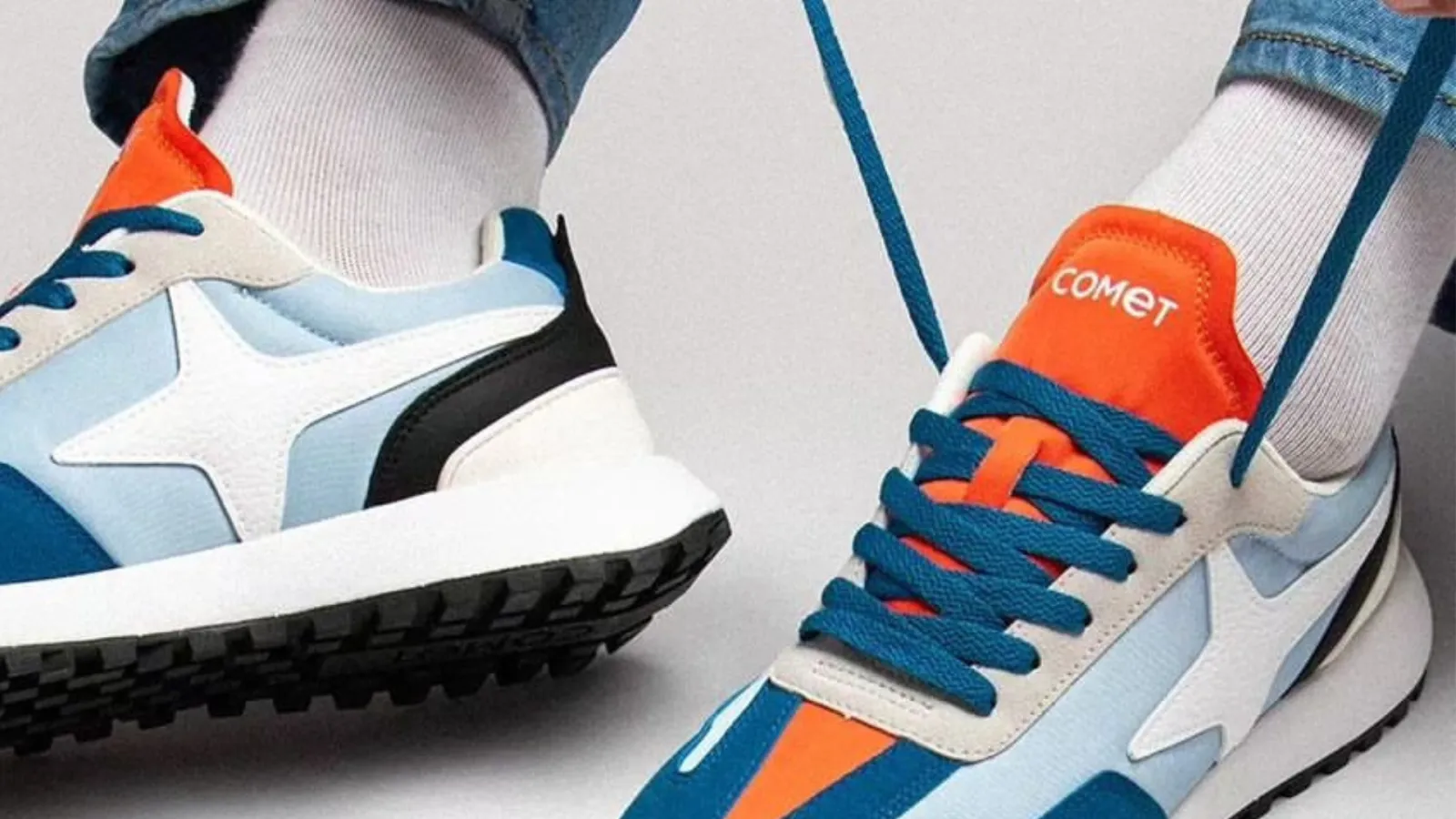
    Indian footwear brand Comet raised 10.5 million dollars in Series B funding led by global investment firm Verlinvest. The capital injection follows a ninefold revenue increase since the company’s prior round and will fund physical store rollout across India.

    Existing backers Elevation Capital and Nexus Venture Partners joined the round. Angel investors including Urban Company chief executive Abhiraj Singh Bhal, Snap Inc. Global chief business officer Ajit Mohan, and VegNonVeg co-founder Anand Ahuja also participated.

    Tooling and Product Development

    Comet allocates the fresh capital toward retail expansion, technology infrastructure, and in-house research and development. The shoemaker designs proprietary sole moulds and tooling internally rather than relying on off-the-shelf white-label outsoles, a choice that drives higher upfront capital expenditure per silhouette.

    “We want to continue pushing the boundaries of what an Indian footwear brand can build, which means investing deeply in sole technology, R&D and engineering,” co-founder Utkarsh Gupta said. The company spent twelve months engineering a women-specific model with bespoke sole tooling ahead of an upcoming market release.

    Footwear startups across South Asia face steep unit economics when trying to compete directly with global sportswear incumbents. Developing custom moulds costs tens of thousands of dollars per silhouette before a single production run ships, leaving little margin for inventory errors if consumer uptake falters.

    Retail Footprint and Expansion

    Physical stores provide direct access to street-level shoppers who still demand tactile trial for sizing and cushioning. Direct-to-consumer digital channels in India grapple with high return rates and customer acquisition costs, forcing domestic lifestyle labels into brick-and-mortar storefronts to secure stable cash flow.

    Landlords in top tier metros now allocate dedicated lifestyle wings to local challenger labels that pull younger foot traffic into shopping centres. Comet faces competition for prime high-street square footage against well-funded apparel and footwear peers rapidly securing leases in the same commercial corridors.

    Fundraising Track Record

    Founded in 2023, Comet previously raised 42.3 crore rupees in a Series A financing round led by Elevation Capital in 2024. The brand built its early presence around limited-run design drops and four core footwear models.

    The company reaches 10 operational stores this month. Management targets a portfolio of eight distinct footwear models by late next year while expanding the retail fleet to 20 stores across India by the close of fiscal 2027.

  • Swiggy Instamart Enlists 400 Partner Brands for Exclusive Assortment

    Swiggy Instamart Enlists 400 Partner Brands for Exclusive Assortment

    Swiggy Instamart partnered with more than 400 alternative brands to offer platform-exclusive pack sizes and cleaner product formulations across its Indian dark-store network.

    Datum Intelligence estimates Instamart held a 22 percent share of India’s quick-commerce sector in 2025, trailing market leader Blinkit at 47 percent and Zepto at 24 percent.

    Targeting Clean Formulations and Custom Packs

    Instamart launched the push under its ‘Switch to Better’ program, which started in June. The campaign guides online shoppers toward partner labels that manufacture preservative-free items or use cleaner ingredient lists.

    Suppliers are also developing custom pack sizes and distinct product variations built exclusively for Instamart. Those unique stock-keeping units make the platform’s catalog harder for competing rapid-delivery apps to replicate directly.

    Rivals Squeeze Delivery Differentiation

    India’s quick-commerce platforms previously competed almost entirely on delivery speed and basic grocery availability. With 10-minute drop-offs now standard across major metro areas, operators need product exclusivity to keep customers from toggling between rival apps for identical items.

    Established e-commerce operators are intensifying that pressure. Both Amazon India and Flipkart have expanded their own rapid-delivery setups, adding capital and warehouse density to an already crowded field.

    The next metric to monitor is whether dedicated SKU partnerships can help Instamart close the market-share gap with Zepto and Blinkit as new dark stores open across secondary cities.

  • FirstCry Targets 10 Percent Quick Deliveries to Lift Multichannel Sales

    FirstCry Targets 10 Percent Quick Deliveries to Lift Multichannel Sales

    FirstCry plans to route 10 per cent of its online orders through its rapid-delivery service FC Qwik after multichannel revenue in India rose 17.7 per cent in the first quarter.

    The retailer expanded the service from five cities in March to 12 cities by June, doubling quarterly quick-delivery shipments to 125,000 orders.

    Orders on FC Qwik arrive within two to three hours. Founder and chief executive Supam Maheshwari said the company intends to cut transit times further as the network expands into more urban markets. The service handles urgent replenishment goods like baby formula and diapers, but also ships bulky items including strollers, car seats and ethnic wear.

    Expanding RocketBees across Indian cities

    Deliveries rely on RocketBees, FirstCry’s internal logistics operation that grew from 62 to 72 cities over the past 15 months. The in-house network now handles more than half of the company’s online parcel volume, delivering a 20 per cent performance improvement over third-party couriers.

    The company built RocketBees on an asset-light model using leased vehicles for long-haul routes and local contractors for final deliveries. Maheshwari said managing parcel weights ranging from 10-gram diaper pins to 40-kilogram toy cars forced the retailer to build its own technology after struggling with third-party logistics providers.

    Specialist vertical retailers across Asia are increasingly building dedicated logistics instead of relying on horizontal quick-commerce apps or legacy parcel carriers. By fulfilling orders directly from local hubs and brick-and-mortar shops, FirstCry protects its product margins while defending against fast-delivery aggregators that stock narrower inventories.

    Balancing costs and physical store expansion

    Building the internal courier network and rapid-dispatch service added roughly 60 basis points to operational costs. Maheshwari expects unit costs to normalize once RocketBees captures between 70 per cent and 75 per cent of order volumes within each target city.

    Physical outlets remain central to the fulfillment model. Online orders accounted for 78 per cent of FirstCry’s gross business value in India during fiscal 2026, while physical retail generated 22 per cent. In the top 50 cities, shoppers using both store and digital channels drove 36 per cent of gross sales.

    Store-level gross merchandise value climbed 15 per cent year-on-year, and FirstCry is preparing to open between 90 and 100 physical stores during fiscal 2027.

  • Amazon Expands Quick Commerce Fashion Delivery to 300 Indian Cities

    Amazon Expands Quick Commerce Fashion Delivery to 300 Indian Cities

    Amazon plans to expand its Amazon Now quick delivery service for fashion to 300 cities across India. Orders on the platform doubled every quarter since launch, while Prime members who adopt the rapid option purchase three times more frequently.

    Micro-Fulfilment and Event Demand

    The service uses compact, technology-enabled micro-fulfilment centres placed close to residential clusters. Inventory algorithms position stock according to neighbourhood demand patterns rather than broad regional forecasts.

    Amazon is directing the rapid delivery network toward sudden, occasion-led purchases instead of planned wardrobe restocking. During the T20 World Cup, cricket jersey sales rose 2.5 times before match days and spiked eightfold on match days.

    Demographic Shift Toward Gen Z

    Younger shoppers are driving the platform’s fastest gains. Gen Z consumers now account for more than half of Amazon Fashion’s customer base in India, up from 30 per cent two years ago, with order volumes in Tier 2 and Tier 3 cities expanding at double the national pace.

    Premium labels now account for nearly 20 per cent of fashion spending on the platform and are expanding at twice the broader category rate. The company channels this traffic through its Gen Z portal SERVE, an influencer network of over 100,000 creators, and digital sizing tools including virtual try-on and Rufus.

    Across India, quick commerce operators such as Blinkit, Zepto, and Instamart have pushed aggressively into apparel and lifestyle items, forcing traditional e-commerce marketplaces to compress delivery windows from days to hours. Amazon is relying on its micro-hub density and Prime ecosystem to defend fashion market share against those dedicated hyper-local rivals.

    The company has not disclosed the completion schedule for the 300-city rollout, making the pace of micro-hub deployment the key operational figure to track across the country.

  • Fossil India Bets on Analogue Revival as Young Buyers Build Watch Wardrobes

    Fossil India Bets on Analogue Revival as Young Buyers Build Watch Wardrobes

    Fossil India is repositioning its product lineup toward premium analogue timepieces as younger domestic consumers buy multiple watches for different occasions rather than relying on a single device.

    The shift follows a rebound in traditional watch demand across India, aided by the proliferation of secondary wearables like smart rings that free up wrist space previously dominated by connected screens.

    Freeing wrist space for premium mechanicals

    Speaking at the ETRetail ShopFWD Summit in Bengaluru, Fossil India managing director Johnson Verghese said younger shoppers are researching models independently, entering the category earlier and curating separate watches for work, sports and evening social events. Fossil manages its own label alongside licensed fashion brands including Michael Kors, Emporio Armani and Diesel in the Indian market.

    To capture higher spending, the group introduced higher-priced mechanical models such as the racing-inspired X1 automatic watch, pricing it well above Fossil’s historic average in India. Verghese noted that buyers willingly paid the premium because of upgraded materials like ceramic and titanium, automatic movements and distinct visual design.

    Across Asia-Pacific markets, watchmakers face a dividing consumer base: entry-level connected fitness monitors on one side and design-led mechanical timepieces on the other. For accessible fashion watch brands, category growth depends on positioning the traditional watch as a personal accessory rather than a functional clock.

    Expanding retail footprint beyond metropolitan centres

    In-store services, particularly caseback engraving, have become central to conversion rates by turning purchases into personalised gifts and commemorative items. Verghese stressed that modern buyers research specifications online before testing weight and wrist fit in physical stores, making consistent pricing and stock data essential across both channels.

    Fossil India plans to direct its next store rollouts toward tier-II and tier-III cities, where quality retail space remains limited despite rising disposable incomes among first-time corporate workers.

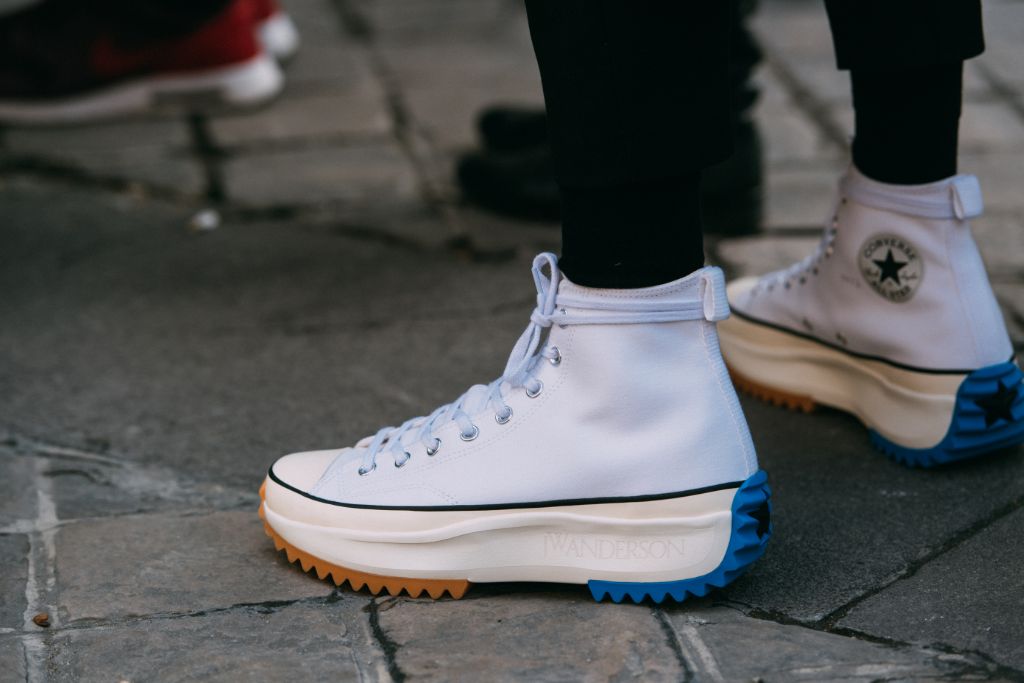
  • Converse Unveils Mega Flagship Store in Bengaluru, Launches Converse By You Customisation Platform in India

    Converse Unveils Mega Flagship Store in Bengaluru, Launches Converse By You Customisation Platform in India

    Converse, the iconic American shoe company, has unveiled its largest flagship store in Bengaluru, India, located in the esteemed Phoenix Mall of Asia. This venture has been accomplished in collaboration with Bhaane Group and it marks a significant milestone for Converse as it introduces its global customisation platform, Converse By You, to the Indian market for the first time.

    A New Retail Experience

    The Converse By You platform grants customers the ability to add a personal touch to their purchases using an array of design elements, limited-edition patches, and artwork inspired by the local culture. This move underscores Converse’s commitment to offering an enhanced retail experience that is tailored to its customers’ preferences and the prevailing local trends.

    The new store goes beyond the conventional retail experience by seamlessly integrating elements of skateboarding, art, music, and youth culture to create an immersive atmosphere for customers. Noteworthy features of the store include ‘Play for Peace,’ an interactive skateboard installation designed by artist Ansh Kumar, and a grand mural by Bengaluru’s very own artist, Benson Diengdoh.

    Besides offering an innovative retail experience, the store also houses Converse’s staple footwear collections, such as the Chuck Taylor All Star and Chuck 70 ranges, as well as a selection of newer products.

    Converse’s Journey in India

    Converse, established in 1908 and a part of Nike Inc since 2003, launched its first standalone store in India in November 2024 through an exclusive collaboration involving franchise, wholesale, and e-commerce distribution with Bhaane Group. In addition to the newly minted flagship store in Bengaluru, Converse operates three other standalone stores across India, specifically in Mumbai, Chennai, and Kolkata.

    Questions & Answers

    What is the significance of the new Converse store in Bengaluru?
    This store is Converse’s largest flagship outlet in India and it introduces the Converse By You platform to the Indian market, allowing customers to personalise their purchases.

    What unique features does the new store offer?
    The store includes an interactive skateboard installation named ‘Play for Peace’ by artist Ansh Kumar, and a large mural by local artist Benson Diengdoh. The store also integrates elements of skateboarding, art, music, and youth culture to offer an immersive shopping experience.

    What are the key products available at the new store?
    The store offers Converse’s core footwear lines, including the Chuck Taylor All Star and Chuck 70 collections, as well as an assortment of newer product ranges.