Tag: beverage

  • Honolulu Cafe debuts in Philippines

    Honolulu Cafe debuts in Philippines

    Hong Kong’s Honolulu Cafe has opened its first branch in Manila. Renowned for its signature egg tarts with 192 flakey pastry layers (no, we are not sure who counted them!), the cafe also serves its own house-blend of coffee. The new store opened last week, January 5, at the SM Aura shopping centre. Honolulu Cafe dates back to 1940 when it opened as an ice cream parlour. Nearly 80 years on, the company now has stores in Singapore, Malaysia and Taiwan as well.

    Besides egg tarts and coffee, the cafes serve Hong Kong-style stocking-strained milk tea, pastries, buns, Cantonese-style roast meat, and fried noodles. The new outlet is on the ground floor of the Bonifacio Global City shopping centre.

  • Omotesando Koffee Coffee Shop Opens in London

    Omotesando Koffee Coffee Shop Opens in London

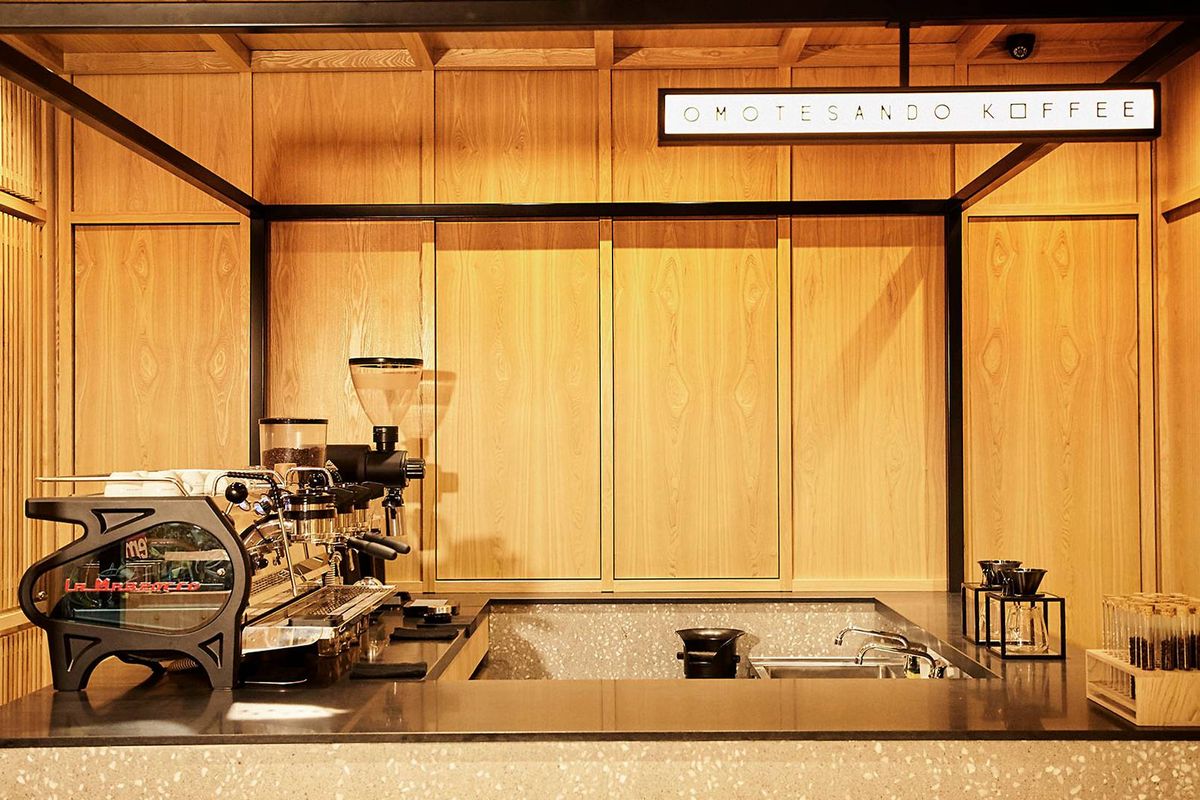
    Popular Japanese coffee shop Omotesando Koffee has opened in the central London district of Fitzrovia on Rathbone Square. Serving coffee in a manner inspired by Japanese tea ceremony, the cafe features a cubic bar design where each customer is served by a single barista in ritualistic fashion. The approach has inspired a cult following in the brand’s home territory, and has been followed by a sister brand in Tokyo that offers gourmet bean selections in cloth bags.

    While Omotesando’s original location has closed due to poor building maintenance, it reopened in Hong Kong in 2016, followed by launches in Tokyo and Singapore. The London location aims to provide a unique coffee experience in an otherwise generally homogeneous market.

  • Starbucks South Korea offers incentives using own cups

    Starbucks South Korea offers incentives using own cups

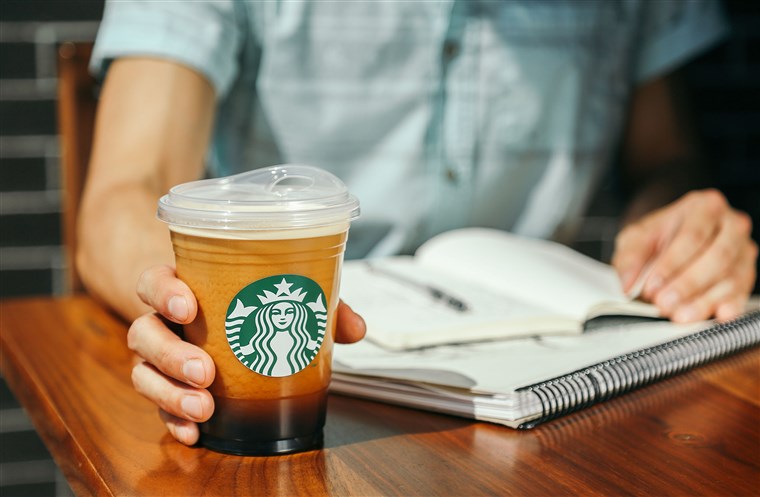
    Starbucks South Korea says the number of customers bringing their own cups to the store leapt 24 per cent in just one month. The boost is the result of its ‘Eco Bonus Star Program’ aimed at reducing waste and improving consumer awareness of sustainability issues. Through the Eco Bonus Star Program, customers of Starbucks South Korea can collect additional ‘stars’ – or bonus points – by bringing their own cups to cafes. The stars can be used for discounts and other benefits.

    Customers can choose to receive an immediate discount of 300 won (US27 cents) if they don’t want to collect stars.

    Starbucks said that, compared to 970,000 customers who brought their own cups in October, more than 1.21 million customers brought their own cups in December, the first full month of the program.

    Two-thirds of customers chose to save up stars, rather than receive the discount.

    “More than 1.81 million additional stars were given to customers just 50 days after the Eco Bonus Star program was implemented,” said Starbucks.

    “Gold members for My Starbucks can get a free drink for 12 stars, which also likely encouraged more customers to bring their own cups.”

    More than 8 million customers have brought their own cups this year, twice as many as last year.

  • Vietnam’s Sabeco, taxman at loggerheads

    Vietnam’s Sabeco, taxman at loggerheads

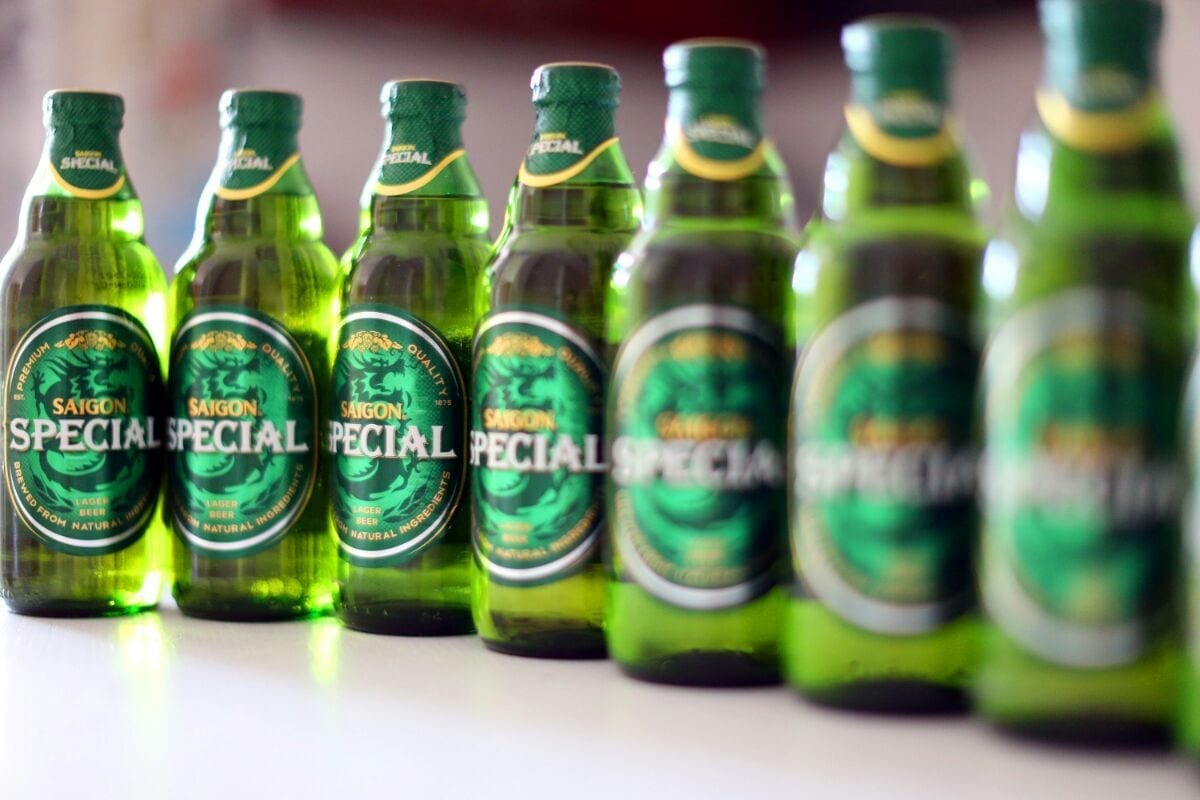
    HCMC tax authorities have failed to collect $135.73 million in taxes and fines, while brewer Sabeco has cried foul. The Tax Department of Ho Chi Minh City informed Vietnam’s largest brewer Sabeco on December 24 that it would withdraw VND3.1 trillion ($135.73 million) from the beer company’s bank account to collect overdue special sales tax from 2007 to 2015 and penalties for administrative violations.

    However, the move failed because there was no money left in Sabeco’s Vietcombank account.

    Le Duy Minh, deputy head of the department, said that his agency has temporarily blocked Sabeco’s Vietcombank account.

    “We have asked Sabeco to provide details of other bank accounts but it has not fulfilled that request,” he said.

    But Sabeco claims that it has not violated the law.

    Sabeco general director Neo Gim Siong Bennett said in a statement Sunday that Sabeco has not violated regulations on the declaration, calculation and payment of special sales tax.

    He said the enforcement action by the HCMC Tax Department was a violation of Vietnamese laws, as it was taken “without a valid administrative decision” and “contradicts with the very written guidance issued by the Ministry of Finance, General Department of Taxation and Tax Department of HCMC.”

    He said Sabeco’s “legitimate interests are being threatened by the inconsistent views among State authorities.”

    As Sabeco is set to meet with Prime Minister Nguyen Xuan Phuc, the tax department will await the meeting’s results before taking further steps, Minh said.

    Following Sabeco’s meeting with Prime Minister Nguyen Xuan Phuc on Wednesday, the latter has asked the tax department to defer its enforcement actions.

    Mai Tien Dung, Chairman of the Prime Minister Office said that government bodies are carefully examining the case as it involves “foreign factors.”

    In December 2017, Thai Beverage acquired a 53.59 percent stake in Sabeco from Vietnam’s Ministry of Industry and Trade for $4.84 billion through a local entity, Viet Beverage (VietBev).

    Sabeco, formally known as Saigon Beer Alcohol Beverage Corp, recorded revenues of VND25.5 trillion ($1.1 billion) in the first nine months 2018, meeting 70 percent of its annual target.

    It occupies approximately 42.8 percent of the domestic beer market, according to the Ho Chi Minh City Securities Corporation. It produced nearly 1.8 trillion litres of beer in 2017.

  • Starbucks to open two stores in Macau Airport

    Starbucks to open two stores in Macau Airport

    Starbucks has expressed interest in seeking further opportunities to expand within Macau.

  • Vietnam’s 2018 coffee exports at 1.88 mln tonnes, surges from last year

    Vietnam’s 2018 coffee exports at 1.88 mln tonnes, surges from last year

    Vietnam’s coffee export volumes for 2018 are expected to increase 20.1 percent from last year, while rice exports are estimated to rise 4.6 percent.

    Coffee

    Coffee exports from Vietnam will climb an estimated 20.1 percent this year to 1.88 million tonnes, equal to 31.37 million 60-kg bags, the General Statistics Office said in a report on Thursday.

    Coffee export revenue for Vietnam, the world’s biggest producer of the robusta bean, will edge up 1.2 percent to $3.54 billion in the year, the report said.

    December coffee exports were estimated at 160,000 tonnes, worth $287 million.

    Rice

    Rice exports in 2018 from Vietnam were forecast to rise 4.6 percent from last year to 6.09 million tonnes. Revenue from rice exports in the period was expected to grow 16 percent to $3.05 billion.

    December rice exports from Vietnam, the world’s third-largest shipper of the grain, were estimated at 450,000 tonnes, worth $220 million.

    Energy 

    Vietnam’s 2018 crude oil exports were seen plunging 39.5 percent from last year to an estimated 4.12 million tonnes. Crude oil export revenue in the year is expected to decline 21.2 percent to $2.27 billion.

    Oil product imports in the year were estimated at 11.35 million tonnes, falling 12.1 percent from the same period last year, while the value of product imports rose 7.8 percent to $7.61 billion.

    Vietnam’s 2018 liquefied petroleum gas imports were seen increasing 4.9 percent from last year to 1.43 million tonnes.

  • Yellow Tie Hospitality to bring Taiwan-based beverage brand Chachago in India

    Yellow Tie Hospitality to bring Taiwan-based beverage brand Chachago in India

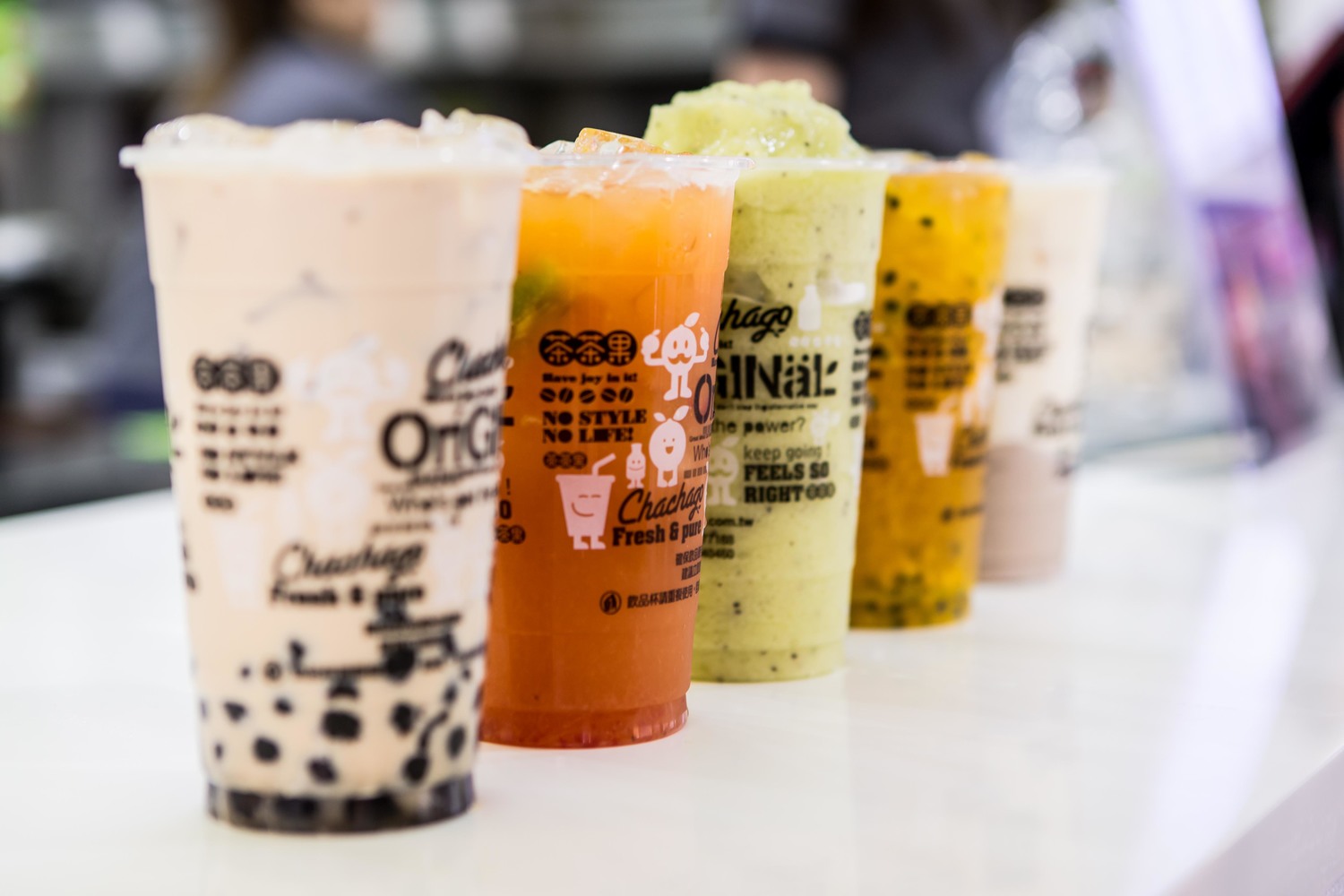
    Karan Tanna led Yellow Tie Hospitality, the leading food and beverage franchise management company, has tied up with Taiwan based beverage brand, Chachago to launch its first outlet in Bengaluru in January 2019. Yellow Tie has acquired the master franchise rights for the brand in India as well as UAE, Turkey, Kuwait, Lebanon, Jordan, Israel, Oman, Syria, Turkey, Iran, Iraq, Qatar, Bahrain & Afghanistan and plans to launch100 outlets in India by 2021, with an overall investment of USD 6 million in brand expansion and development in India.

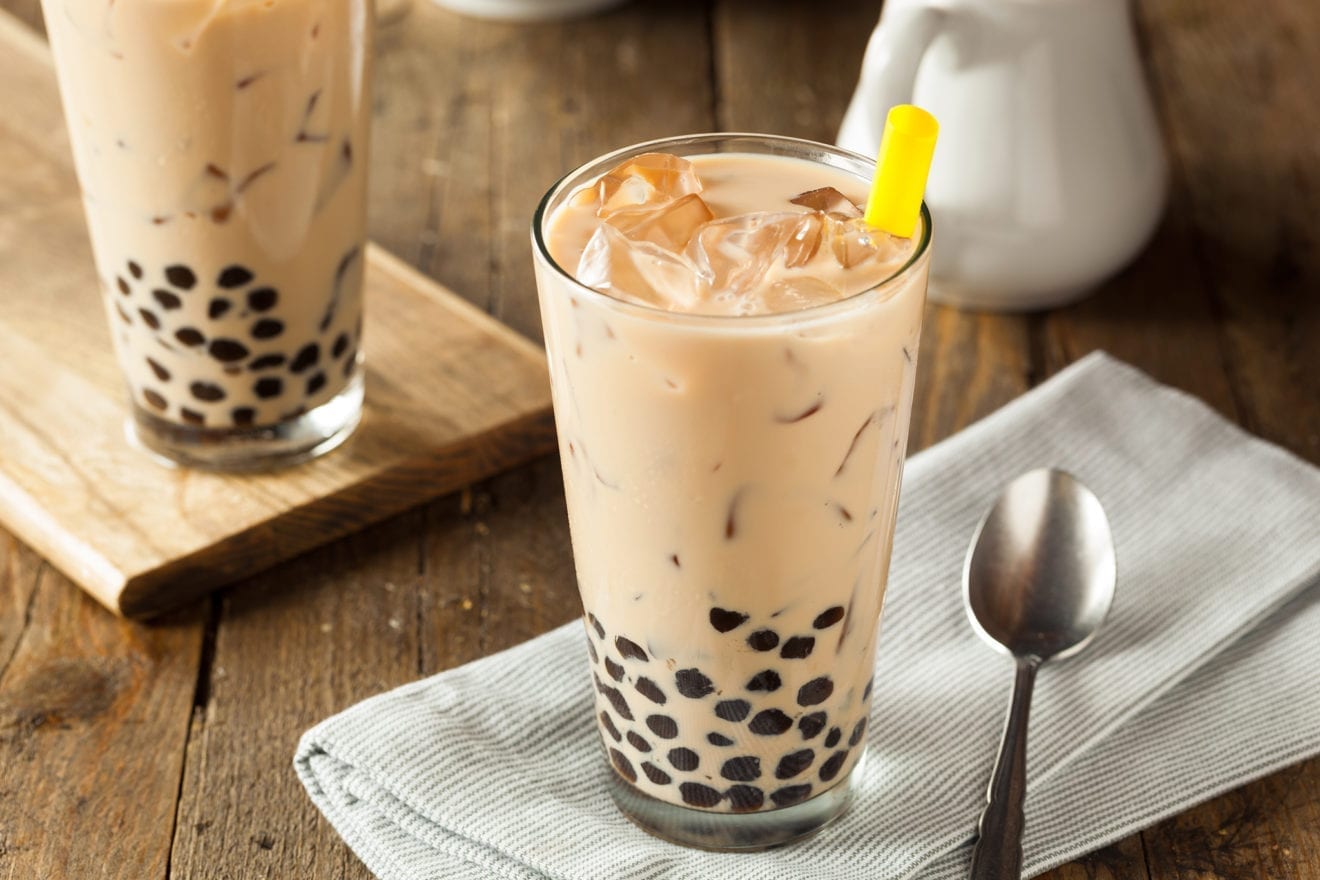
    Chachago is a Taiwanese beverage brand known for its aromatic and delicious varieties of Taiwanese milk tea, bubble teas, fruit-infused beverage, cheese-based beverages, milkshakes, and other specialty beverages and desserts. This is the first time the brand is entering India after having established its presence in countries like Taiwan, Canada, Australia, Hongkong, Vietnam, and Phillippines. A typical Chachago outlet will be in malls, high street, and educational institutions, and will spread over an area of 100 to 500 square feet and a capex of INR 20-40 lakh will be invested in building each outlet.

    Commenting on the launch Karan Tanna, Founder CEO of Yellow Tie Hospitality said: “Chachago is a specialty beverage brand originated in Taiwan, a country also known as the ‘House of Milk Tea’. We felt Indian consumers would connect with these specialty beverages, as there is a high demand for them in a tropical country like ours. It is a well-known fact that specialty beverages are a large and growing segment in the QSR category. As the market evolves, niche offerings are becoming more popular, giving us confidence that a brand like this will go down well with Indian consumers. Chachago is positioned very well with a gamut of products ranging in various teas, fruit infusions, and milkshakes. Chachago will be a one-stop-destination for premium beverages. We are very sure that the finest product development capability of Chachago in Taiwan combined with their experience of over three decades and optimized operation to give more throughput, will enable very quick growth for them in India”.

    He further added that there is a plan to turn Chachago into a 300 outlet chain by 2023 across the franchise geographies, “Going forward, the company is also looking for strong growth in countries outside India, by the second half of 2019; and by the year 2023, we are expecting the total outlets of Chachago to contribute approximate Rs 120 crore in annual revenue.”

    “We have tasted success in the very competitive Taiwanese market because of our own capability of using the most premium ingredients with optimized results. These ingredients are not only appreciated in Taiwan but also in other countries like Canada and Australia. We are very sure that with our experience and the expertise of Yellow Tie Hospitality, Chachago will be able to grow aggressively in a market which is the second highest competitive market in the world. We look forward to our presence in India”, said Hseih Yu Yin, Owner, Chachago.

    To further streamline the franchising process for Chachago, the company will go through a master franchise and multi-unit franchise route wherein franchise selection criteria will be based as per International brand standards. The potential franchise owner’s credibility will be audited by Yellow Tie Hospitality.

    Economic growth and social change on the Indian subcontinent are causing the beverage, dairy and liquid food industry to boom. Euromonitor International forecasted that all beverage sectors will grow at double-digit rates in the next four years, which Drink Technology India (DTI) will also benefit from.

  • Beer tax prioritized as foreign brands build market share

    Beer tax prioritized as foreign brands build market share

    The government is planning to overhaul the current cost-based alcohol-tax system to a quantity-based system, which may address concerns from local alcohol companies about cheap imported beer. According to the Ministry of Economy and Finance on Tuesday, current taxes on alcohol are based on costs, such as manufacturing or import prices. The government is currently working on a reform that will transition the system, established back in 1969, to a new one based on quantity, such as total volume or alcohol content.

    The initiative has been in the spotlight with Finance Minister Hong Nam-ki addressing the issue during his recent confirmation hearing.

    “[We] will consider a change next year without increasing prices,” said Hong. “[We] will consider strengthening the future competitiveness of the alcohol sector and the fairness of the alcohol-tax system as a whole.”

    The comments come as criticism mounts against importers that reportedly declare low import prices for foreign beer and maintain competitive or even cheaper prices than local beer.

    The tax base for local beer is based on the price of beer shipped out from distilleries, which includes costs for production and sales and a margin. For imported beers, the tax is calculated based on the import price paid by the importer and the customs duty. As importers can lower taxes by reporting low prices, foreign beers can maintain price competitiveness against local offerings.

    Local beer companies have argued against this cost-based tax system, saying it is a form of discrimination against Korean manufacturers.

    “The tax rates are identical, but because the tax base is high, there is a twofold difference,” said Kang Seong-tae, chairman of the Korea Alcohol & Liquor Industry Association at the annual National Assembly audit in October.

    The favorable tax system has allowed for the competitive pricing of imports and an increasing market share for foreign beers, rising to 16.7 percent last year from 4.9 percent in 2013.

    While the tax change may provide a level playing field, it raises concerns that widely popular promotions in which four beer cans are sold for 10,000 won ($8.89) may not survive the reform.

    The change, however, is unlikely to eliminate the promotions altogether.

    The government is considering a plan to introduce alcohol taxes of 850 won per one liter (33.8 ounces) of beer. The current average beer tax works out to roughly 850 won per liter, though it is calculated in a different way.

    When converting the current alcohol tax to an amount per liter based on figures by imported country from the Korea Customs Service, imported beers that are taxed higher than 850 won per liter include those from the United Kingdom at 1,194 won per liter on average; the Philippines at 1,032 won per liter; Ireland at 1,004 won per liter and Japan at 958 won per liter.

    Beers from these countries will likely attract a lower tax after the reform.

    Meanwhile, beer from countries that have lower average taxes per liter compared to the 850 won per liter standard will become more expensive. Beers from the Netherlands are currently taxed at 519 won per liter, Belgium 567 won per liter, the United States 654 won per liter and Germany and Denmark 735 won per liter.

    In general, premium imported beers have expensive import prices.

    With the introduction of a quantity-based system, taxes levied will become lower and the current promotions of four cans at 10,000 won will likely remain.

    However, promotions of six cans for 10,000 won will probably disappear as cheap imported beer will face higher taxes.

    “[We] will establish a reform plan for alcohol tax as early as the first half of next year by conducting research and gathering opinions,” said Kim Byung-gyu, director general of the Tax and Customs Office at the Finance Ministry. “[We] have an objective to ensure overall fairness in taxation and make changes without increasing the burden on the consumer.”
  • Saigonese spend $11.5 a month on convenient food and drinks

    Saigonese spend $11.5 a month on convenient food and drinks

    Each Saigon resident spends $11.5 on average per month on convenient foods and drinks, a consumer research firm says. The product groups most often chosen by consumers are non-alcoholic drinks, nutritional beverages, confectionery and snacks like instant noodles, sausages and pies, according to a study on Saigon consumers’ out-of-home (OOH) spending.

    The study was recently done by Kantar Worlpanel, an international company dealing in consumer knowledge and insights.

    On average, Saigon residents make around 8 or 9 out of home trips for these products a month.

    This study also shows that product selection and external spending patterns are clearly differentiated by gender. Women, especially students, often spend money on milk tea, while men and the seniors prefer coffee. Consumption of carbonated soft drinks, energy drinks and bottled water are highly skewed towards teenagers.

    Coffee shops and tea shops are the most popular places, chosen by 45 percent for those going out for OOH drinks, most of whom are aged 30-39. The remaining channels are convenience stores, restaurants, supermarkets, shopping malls and traditional channels such as markets and pavement shops.

    Previously, market research firm Decision Lab had published a report on spending trends of target groups born in 1995 and later (Generation Z). It is estimated that Vietnam has more than 14.4 million people in this age group, with above 56 percent of them having no income or earning less than VND3 million ($129.12) per month.

    Despite the modest income and large dependence relying on their families, average monthly OOH spending by this generation is VND892,400 ($38.41), almost four times that of the average Saigon resident, the report said.

    On average each month, the total amount spent by this age group on eating and drinking was nearly VND13 trillion ($559.56 million).

  • China’s cheese tea bakery Nayuki opens in Singapore

    China’s cheese tea bakery Nayuki opens in Singapore

    The cheese tea bakery, which draws inspiration from the Japanese philosophy of ‘Kaizen’ (a dedication to continuous improvement), opened to Singapore shoppers on December 8. Marking its debut international store opening, Nayuki has teamed up in a joint venture with BreadTalk Group for its officially opening in Vivocity.

    Vivocity store has been designed to reflect Nayuki’s philosophy: sophisticated and comfortable with seating and premium ingredients such as fresh fruit and tealeaves.

    “When it comes to shop design, we work with different designers, artists and some influential KOLs [key opinion leaders],” Peng Xin, Nayuki’s co-founder said in an interview.

    Singaporeans can now enjoy Nayuki’s signature “fruit tea and soft euro bread pairing” concept featuring the famous Supreme Cheese Strawberry tea and Strawberry fresh cream bread combo.

    In addition to the café’s breads and teas, the outlet also stocks cold brew teas, as well as selling an exclusive edition of its award-winning Alisan Mountain Dew Tea.

    Founded in Shenzhen, Nayuki was launched in 2015 from an appreciation of tea-drinking culture, something that has been known to China for centuries.

    To keep the tradition alive among the younger generation, Nayuki seeks to make tea drinking appealing through a stylish and modern tea concept, and effectively retailing it to millennials.

    And it’s proven successful. With over 100 stores across China across some 13 citie, Nayuki has garnered a cult following with celebrities and international lifestyle brands alike opting to partner with it.

    China is the largest market for tea drinking globally, with 13% of the world’s consumption taking place in China, according to Euromonitor. However, teeing up with BreadTalk Group and entering Singapore is the next step forward in global expansion, according to Peng.

    “Singapore is an important market. We chose Singapore to learn how to meet international standards – and then we can go global,” said Peng.

    Founded in 2000, the BreadTalk Group Limited is a Singaporean multinational food and beverage corporation headquartered in Paya Lebar, Singapore.


  • KKR to acquire significant stake in V3, TWG Tea

    KKR to acquire significant stake in V3, TWG Tea

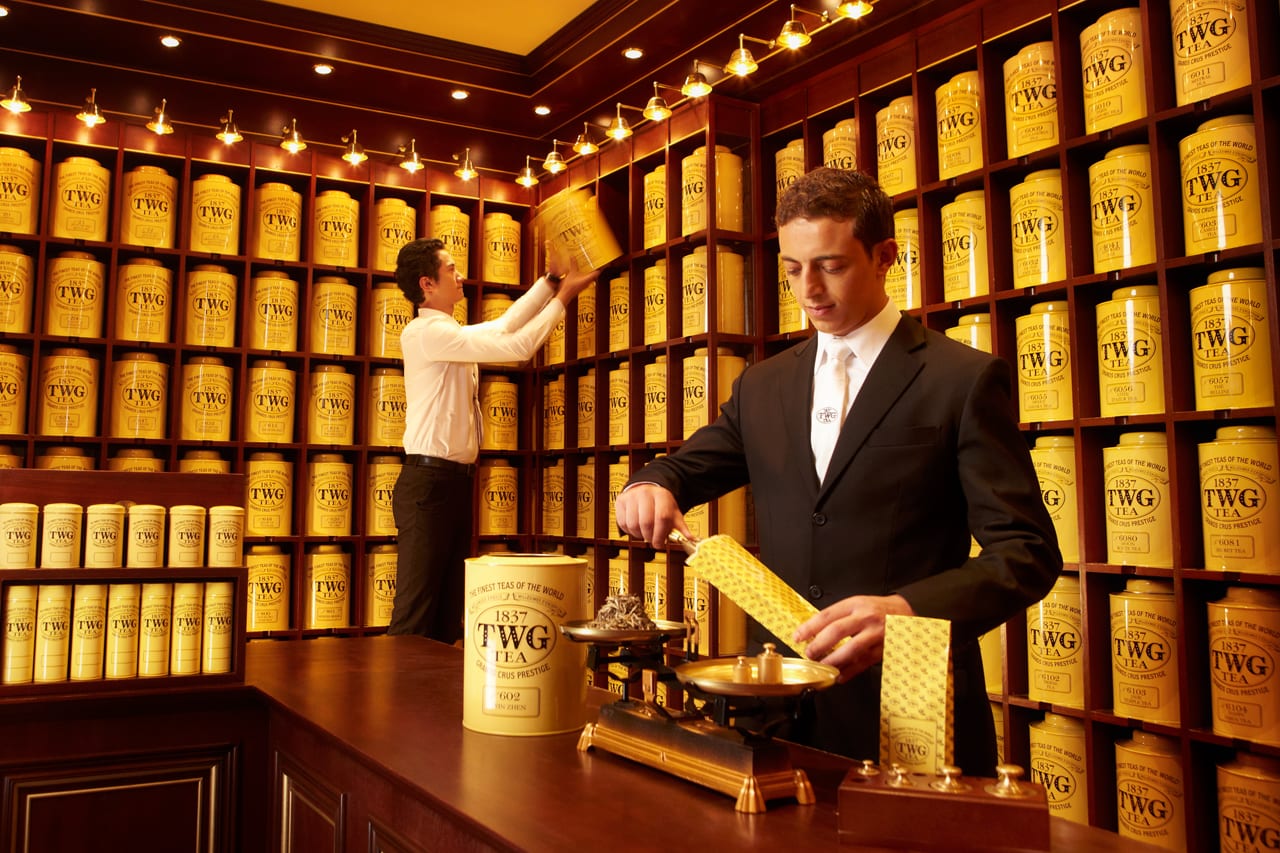
    Private equity company KKR is to invest as much as S$500 million (US$366 million) into V3, the parent of cafe chain TWG Tea and massage chair retailer Osim, to fund regional expansion. In a deal which mixes equity and financing, KKR will take an unspecified “significant stake” in V3, which is effectively valued at S$1.7 billion. V3 is the company which resulted from last year’s restructuring of once-listed Osim International after plans for an IPO were shelved.

    Keith Magnus, chairman of Evercore Asia, which advised V3 on the deal said that the investment by KKR represents a more than 50 per cent increase in enterprise value compared to when the group was taken private.

    “This is a phenomenal premium for [Ron] Sim,” said Magnus.

    Sim remains the chairman, chief executive and controlling shareholder of V3. Sim, who remains chairman, CEO and controlling shareholder of the business added in a statement: “I am extremely pleased to welcome KKR as a significant shareholder in V3. I am confident this investment will position the company for our next phase of growth, starting with the immediate expansion of TWG Tea in Japan and the US and of Osim in China.

    “We would also be looking into M&A opportunities that are earnings accretive.”

    V3 also owns the rights to retail GNC nutritional supplements in Singapore, Malaysia, the Philippines and Taiwan.

    Sim says V3’s revenue cleared S$600 million last year and profit was also up.

  • Niche market of coffee lover in Korea

    Niche market of coffee lover in Korea

    South Korea’s cafe market is notoriously crowded pushing some large players to the brink and suffering from price attacks from convenience store operators. Yet niche is still a nice place to be, judging by the experiences of a small Seoul startup.

    Two young entrepreneurs have shared their vision of launching a coffee franchise called That Coffee Roasters.

    Co-CEOs Chin Kyo-hwa and Lee Chang-hoon reported that redecorating their first coffee shop to appeal more to female customers was key to their initial success.

    According to Chin, low early revenues escalated after the change.

    “It took more than three years for our coffee shop to gain popularity,” he said. “The store’s monthly sales more than doubled in the past two months on the back of word-of-mouth online and the new interior design.

    “The store is tiny and small, but we hope to launch at least three more stores in less than five years in Seoul.”

    Chin and Lee also run a roastery factory in Guro, Seoul for direct sale to clients. While the business currently serves a small client base, the pair are already planning to expand operations as the company gains more traction.

  • Women can make or break Vietnam’s F&B industry

    Women can make or break Vietnam’s F&B industry

    With more women spending more on eating out, they have become linchpins of the F&B industry, a study indicates. A new survey by HCMC-based market research firm Decision Lab finds that female consumers can make or break the food and beverage industry of Vietnam.

    Average visits per capita by female consumers to the out of home food and beverage market has increased by 5 percent during last year, from 121 between the fourth quarter of 2016 and the third quarter last year to 128 between the fourth quarter last year and the third quarter this year.

    Women have also increased spending on almost all major food channels in Vietnam, namely full service restaurants (FSR), or sit down eateries where food is served directly to the customers’ table, and quick service restaurants (QSR), where table service is minimal and the typical fare is fast food, street food, convenience stores, canteens and bars.

    As a result, women’s contribution to the out of home market revenue has increased by a whopping 10 percent.

    Among the women themselves, the 15-34 year-old segment accounts for 82 percent of the visits in the out of home market, and more than half of those by white-collar workers. Students are also seen as the driving force of female visits at 25 percent.

    As such, Decision Lab points out that the growing influence of women on the foodservice market is real and the industry would be well advised to use female-friendly messages to increase the traffic.

    According to market research firm Vietnam Report (VR), Vietnamese spend more than a third of their income on food and beverages, topping education and utilities.

    VR said the food and drink market has become more exciting in recent years with the entry of technologies such as phone apps that allow users to find nearby restaurants and order deliveries.

    Food and beverages were two of the 10 most bought products online last year, it said, citing data from market research company Nielsen.

  • The ThickShake Factory eyes 1,000 plus outlets across India

    The ThickShake Factory eyes 1,000 plus outlets across India

    The ThickShake Factory, a premium thick shake brand that recently completed a century of being operational with more than 100 outlets in India, is planning to expand its footprint in Telangana, Tamil Nadu, Andhra Pradesh, Karnataka, Gujarat, Maharashtra and many more states in the coming few months.

    According to a ANI report: The brand, which brings the concept of running a cold dessert beverage quick service business (QSB) for the first time in the country, has won a number of accolades in the recent past, including ‘The Times Nightlife – Best Beverages, 2015 & 2018’, ‘Coca-Cola Golden Spoon Awards 2018’, ‘IMAGES, Most Admired Startup of the Year’, Best Shakes Parlour Award at ‘Indian Restaurant Awards 2018’, ‘Best Business Growth in F&B’, ‘Best Beverages Swiggy Award 2018’, ‘Franchisor of the Year Award, Franchise India 2016’, and many more.

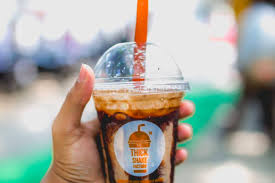
    The ThickShake Factory serves over 50 types of shakes with more than 40 topping/ mix-ins. It is famous for their ‘Shape your Shake’ feature where customers can choose what they want from the variety of toppings. The brand brings the best flavours in the form of not just ThickShakes, but a complete range of cold coffee varieties, slushies, chocolate and fruit-flavoured drinks.

    The ThickShake Factory has had an excellent journey and has only moved forward since the opening of its first outlet in 2013 with winning ‘Franchisor of the Year’ award twice, one in 2016 and the other in 2018 along with many other awards.

    The company has the vision to have over 1,000 outlets pan-India, along with a strong global presence and has created more than 300 jobs so far, mostly at the bottom of the pyramid and the lesser privileged sections of the society. Recognised as one of the fastest growing QSR chains in India, the company’s current business model is such that the outlets which are currently operational, most of them are franchise-operated and some are company operated.

    “With each day passing, we at The ThickShake Factory are only going ahead as there is no looking behind. We started with our first outlet in 2013 in Hyderabad and have come a long way from there with more than 100 outlets already. Our main focus is to provide the customers with the thickest and most delicious shakes and hence that’s the only thing in our menu. With over 50 types of shakes on the menu, we have something for everyone to suit their palate. We are excited to serve the tastiest and thickest ice cream based shakes in more cities across India,” M. Yeshwanth Nag, Founder of The ThickShake Factory said.

    The founders, M. Yeshwanth Nag and Ashwin Mocherla, were inspired by the global trend of growing appetite for sweet savouries and therefore brought the most appealing range of tastiest ‘Thick’ Shakes to India. The brand never ceases to impress with their heavenly ‘ThickShakes’ through its wide range of offerings.

  • Thai Beverage unit to bid for at least 25 percent of Sabeco

    Thai Beverage unit to bid for at least 25 percent of Sabeco

    A unit of Thai Beverage (TBEV.SI) has emerged as the only prospective bidder for state-owned shares in Sabeco (SAB.HM) that has declared that it could lead to it owning 25 percent or more of Vietnam’s biggest brewer, the Trade Ministry said on Monday.

    The auction of up to 54 percent of Sabeco worth at least $5 billion, in what is set to be Vietnam’s biggest privatization, offers brewers access to a fast-growing market with a youthful population and beer drinking culture.

    Investors who want shares that would lead to an ownership of 25 percent or more in Sabeco have to inform the local authorities and publicize the information a week before the auction date, which is set for December 18, according to the rules of the offer.

    Other brewing groups including Anheuser-Busch InBev and Kirin Holdings have been preparing to bid for a stake, people familiar with the matter have said.

    But the trade ministry said in a statement on its website that as of 1100 GMT on Monday the one prospective investor which has registered an interest in buying 25 percent or more of Sabeco that has publicized the information is Vietnam Beverage Company Limited.

    Vietnam Beverage Company Limited is owned by Vietnam F&B Alliance Investment Company, which is 49-percent owned by BeerCo Limited, an indirect but wholly-owned subsidiary of Thai Beverage, official documents about the companies showed.

    Foreign ownership in Sabeco is limited to 49 percent. That means overseas bidders can only bid for a minority stake of as much as 39 percent as foreign entities already own 10 percent.

    Lack of control and the unorthodox way in which the Sabeco stake is being sold could put off some possible bidders, bankers, investors and lawyers familiar with the matter said.

    The Vietnam trade ministry, which represents state shares in Sabeco, said foreign investors can link up with Vietnamese firms to buy shares in Sabeco, but have to comply with local laws and regulations.