Retail News CRM

Tag: beverage

  • Revolutionizing Beverage Discovery: Starbucks Tests ChatGPT for Personalized Drink Recommendations

    Revolutionizing Beverage Discovery: Starbucks Tests ChatGPT for Personalized Drink Recommendations

    Starbucks is testing an innovative feature, ChatGPT beta, which allows customers to explore and customize their drinks through interactive prompts. This latest feature, which was rolled out this week, provides consumers with personalized beverage recommendations based on their mood, preferences, or situations, with the optional use of image inputs to further tailor the suggestions.

    The ChatGPT tool signifies a shift from traditional menu browsing to a more user-friendly, intention-based interaction. The platform allows customers to customize their order, select a store, and initiate an order. The final checkout can be completed via either the Starbucks app or their website.

    Reimagining the Ordering Process

    The addition of the ChatGPT beta feature to the Starbucks digital ordering process reflects the company’s commitment to making online ordering more instinctive and emotionally engaging. The aim is to transform the beverage selection process into an enjoyable journey of discovery, rather than a mere transactional search.

    Paul Riedel, Senior Vice President of Digital and Loyalty for Starbucks, stated, “Our goal is to engage with customers at the point of inspiration and make it as simple as possible for them to find a beverage that resonates with them.” He further added, “The introduction of the Starbucks app into ChatGPT is a significant move towards making this a reality, in a manner that is uniquely Starbucks – welcoming, warm, and steeped in creativity.”

    Stages of Development

    Starbucks is presenting this beta version as an initial testing phase. The development and enhancement of this feature will rely heavily on feedback from users.

    Questions & Answers

    What is the purpose of the new ChatGPT beta feature launched by Starbucks?
    It allows customers to discover and customise their beverages based on their preferences, moods, or occasions through interactive prompts.

    How does Starbucks view the new feature?
    Starbucks views the new tool as a shift from conventional menu browsing to a more user-friendly, intention-based interaction. It aims to make digital ordering more instinctive and emotionally engaging.

    What will determine the further development of the ChatGPT beta feature?
    The further development and improvement of the ChatGPT beta feature will depend on the feedback received from its users.

  • Aussie Beverage Sector Toasts to a Profitable Summer Despite Economic Hurdles

    Aussie Beverage Sector Toasts to a Profitable Summer Despite Economic Hurdles

    Despite global economic instability and the strain of domestic living costs, Australia’s food and beverage manufacturers experienced a surge in revenue during last summer, according to the most recent Manufacturing Health Index published by Unleashed Software. This upturn in profits, especially during the holiday season, highlights the continued demand for premium Australian-made consumer goods.

    Boost in Manufacturing Sector

    The survey, which compiled data from over 500 local manufacturing companies spanning various sectors, including food and beverage, clothing and fashion, and construction, revealed a significant increase in average earnings for beverage manufacturers. The final quarter of the year saw an average revenue of $627,000, marking an almost $200,000 rise from the previous quarter. This peak in earnings is the highest ever reported since Unleashed Software began its data collection. Simultaneously, the gross profit margin also experienced a surge, climbing to 35.9% from 31.9% in the previous quarter and 27.8% in the same period of the prior year.

    In the food sector, the average revenue reached $709,831, slightly lower than the $733,000 recorded in the third quarter but significantly higher than the $546,229 reported in the same quarter of the previous year.

    Shifting Inventory Strategies

    The report also indicates that Australian manufacturers are modifying their inventory strategies to accommodate tightening supply cycles. While businesses in Australia are fine-tuning inventory levels, their counterparts in the UK and New Zealand are boosting restocking.

    Jarrod Adam, the head of product at Unleashed Software, explains that there is a noticeable shift towards just-in-time replenishment in Australia. Companies are not hoarding cash in inventory but are buying precisely what they need to meet immediate demand. The construction sector, in particular, shows a marked shift towards this inventory model.

    Adam further highlights the critical role of technology in enhancing productivity and managing these tighter cycles to prevent stock shortages during periods of heightened demand without compromising efficiency.

    The Continued Impact of Interest Rates and Energy Costs

    The manufacturing sector’s performance in the coming year is expected to be influenced significantly by interest rates. In February, the Reserve Bank of Australia (RBA) hiked the cash rate to 3.85%, marking the first increase since a period of consistent rate holding or reduction in 2025. The RBA anticipates inflation to top out at about 4.2% mid-year before settling back down to the 2.5% midpoint target by mid-2028.

    Rising energy costs might also lead to higher material and transportation expenses, exerting additional pressure on company margins. Modifications to shipping operations could potentially impact lead times. Despite these challenges, manufacturers are shifting their focus from cost management to the expansion of operations. Firms are increasingly employing automation and real-time data systems to manage purchasing cycles. While smaller companies may be more susceptible to global economic fluctuations, they may also be better positioned to adapt their operations swiftly.

    Questions & Answers

    What caused the rise in revenue for Australia’s food and beverage manufacturers during the previous summer?
    The increase in revenue for Australia’s food and beverage manufacturers during the previous summer was primarily due to the continued demand for high-quality, Australian-made consumer goods, despite global economic instability and domestic cost-of-living pressures.

    How are Australian manufacturers adjusting their inventory strategies?
    Australian manufacturers are modifying their inventory strategies to cope with tightening supply cycles. The shift towards just-in-time replenishment allows companies to avoid keeping cash tied up in inventory by purchasing precisely what they need to meet immediate demand.

    What factors are expected to influence the performance of the manufacturing sector in the future?
    The future performance of the manufacturing sector is expected to be significantly influenced by interest and energy rates. Rising energy costs might lead to higher material and transportation expenses, exerting additional pressure on company margins. Interest rates are also expected to remain a key factor, with the Reserve Bank of Australia recently increasing the cash rate.

  • Keurig Dr Pepper Hits Refresh on Profits: Beverage Giant’s Sales Surge Fueled by Popular Refreshment Brands

    Keurig Dr Pepper Hits Refresh on Profits: Beverage Giant’s Sales Surge Fueled by Popular Refreshment Brands

    In the last fiscal year, Keurig Dr Pepper experienced a surge in sales, primarily fueled by increased demand for its beverage products.

    Growth in Global Net Sales

    An 8.2% rise in the company’s global net sales was witnessed during the year ended December 31, reaching a total of $16.6 billion. On a constant-currency basis, sales saw a boost of 8.6%, spurred by a 4.8% expansion in volume/mix and a favourable net price realisation at 3.8%. The company’s acquisition of Ghost contributed to 3.8% of the volume/mix growth.

    Sales Increase in US Refreshment Beverages Segment

    The US refreshment beverages segment, which comprises brands like Dr Pepper, Canada Dry, Snapple, and 7Up, played a significant role in this increase. Sales in this segment soared by 11.9%, reaching $10.4 billion. This segment’s growth reflects its successful market share gains across carbonated soft drinks, energy drinks, and sports hydration, the company reported.

    Performance of US Coffee and International Segments

    The US coffee segment, housing brands such as Keurig, Green Mountain Coffee Roasters, and The Original Donut Shop, witnessed a slight increment in sales, moving up by 0.6% to $4 billion. This rise was largely due to increased K-Cup pods sales, which somewhat made up for the decrease in brewer sales.

    The company’s international sales also saw an improvement of 5.9%, reaching $2.2 billion (or 9.3% when adjusted for currency). This performance was led by high growth in key categories like mineral water in Mexico and single-serve coffee in Canada.

    Net Income Increase

    Keurig Dr Pepper’s GAAP net income went up by 44.3% to $2.1 billion, which included a favourable year-over-year impact of items affecting comparability. Adjusted net income also increased by 6.6% to $2.8 billion.

    CEO Tim Cofer commented on the company’s robust performance, stating that 2025 was another strong year for Keurig Dr Pepper. He praised the company’s ability to deliver on guidance, navigate the dynamic operating environment with agility, and execute well in the marketplace with innovative winning strategies and robust commercial brand activations.

    For FY26, the company anticipates a 4-6% rise in net sales.

    Changes in Board Chair Position

    Keurig Dr Pepper also announced the transition of the board chair role from Bob Gamgort to Pamela Patsley at the end of the first quarter. Patsley, a board member since 2018, currently serves as the lead independent director.

    Questions & Answers

    What contributed to the increase in Keurig Dr Pepper’s sales?
    The increase in sales can be attributed to higher demand for its beverage brands and the acquisition of Ghost, which contributed to volume/mix growth.

    How did the US coffee segment perform?
    The US coffee segment observed a slight increase in sales due to higher K-Cup pods sales, which partially offset lower brewer sales.

    What changes were announced in the company’s board?
    The company announced a transition in the board chair position from Bob Gamgort to Pamela Patsley, who currently serves as the lead independent director.

  • Revolutionizing the Beverage Industry: Kiwi Startup’s Innovative Tablet Drink Seeks to Curb Plastic Waste

    Revolutionizing the Beverage Industry: Kiwi Startup’s Innovative Tablet Drink Seeks to Curb Plastic Waste

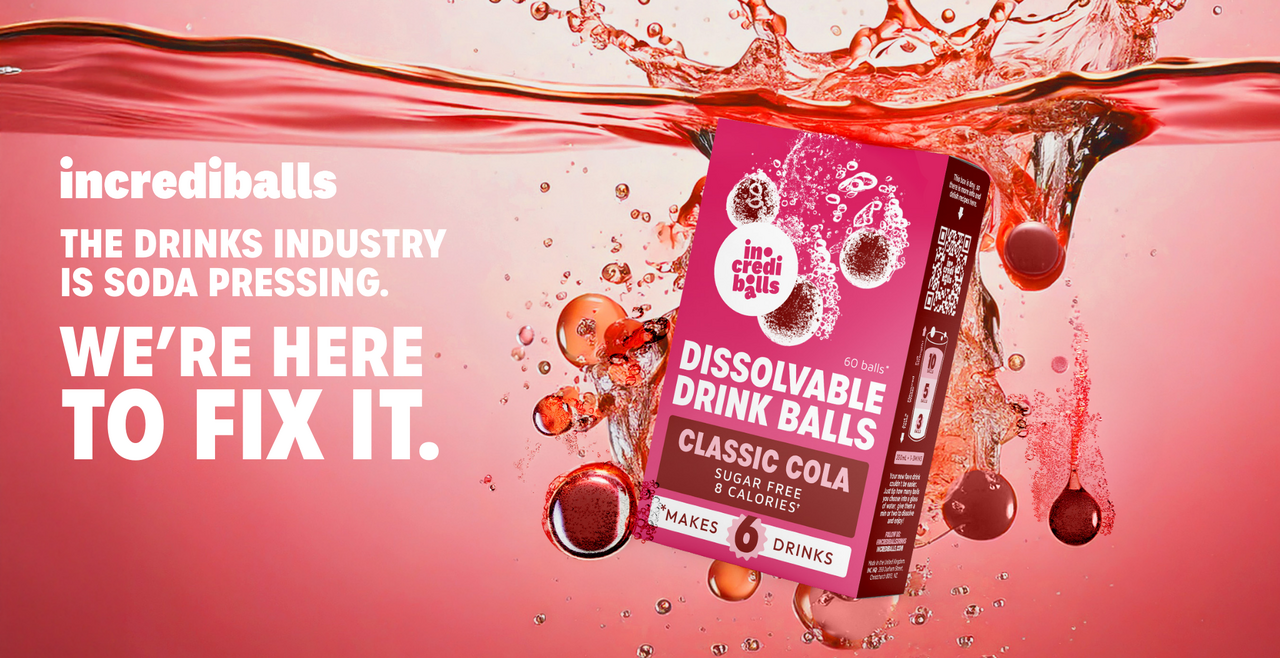
    A New Zealand-based startup, Incrediballs, is set to introduce a tablet-based beverage product, with the aim of minimizing plastic usage in the beverage industry. The product represents the commercial exploitation of a research endeavor that spanned seven years.

    Incrediball’s Innovative Concept

    Incrediballs specializes in the production of non-plastic effervescent drink tablets. The development of these tablets was spearheaded by Brianne West, founder and ex-CEO of Ethique, a personal care company. West’s departure from Ethique saw her utilizing a co-crystal stabilization method, a technology birthed at the University of Bradford, UK.

    The conventional effervescent tablets are inherently unstable, necessitating the use of plastic or metal packaging for protection against moisture and air, West explained. On a commercial scale, stabilizing these tablets is a challenge that even pharmaceutical companies grapple with.

    “The chemistry may seem straightforward but controlling it is no easy feat,” she said. “Our patented system encapsulates active ingredients such as citric acid and sodium bicarbonate with compounds like nicotinamide and creatine. This prevents the reaction from taking place until the tablet is completely immersed in water.”

    Upon dissolution, each tablet generates a 350ml beverage with no added sugar. By eliminating the need for bottled drinks, this format presents an alternative within the global soft drink market. The market, estimated to be worth $1.42 trillion, is responsible for generating around 583 billion single-use plastic bottles annually, with only about 10% of these bottles being recovered by recycling systems.

    An Eco-friendly Alternative to Bottled Drinks

    West, referring to data from the United Nations, stated that manufacturers are capable of producing approximately 20,000 PET bottles every second. Furthermore, single-use drink containers account for roughly 45% of litter in urban areas.

    Incrediballs’ tablets are packaged in a paper-based material that is certified for home composting and devoid of plastic laminates. The packaging can be composted or recycled. The company uses water-based inks and is exploring options for algae-derived alternatives.

    The development of Incrediballs incorporated feedback from over 15,000 subscribers and social media followers who participated in product testing. The company plans to extend their product line to include functional beverage formats that utilize ingredients sourced from New Zealand such as manuka, kawakawa, and kiwifruit extracts.

    Revolutionizing the Beverage Industry

    Incrediballs’ goal is to revolutionize the drink manufacturing, transportation, and sales sectors. However, the company’s focus is not merely to position its product as an environmental alternative. It has set ambitious targets to prevent the production of 50 million plastic bottles by 2030 and 300 million by 2050.

    From a logistical standpoint, the non-liquid, non-plastic format of the product decreases transport volume by over 99%, enabling higher product density per shipment. According to West, this shift has the potential to transform export economics by reducing logistics costs.

    In terms of financial aspirations, the company aims for a revenue of $1 million by the 2027 fiscal year, with long-term plans to establish an export business boasting an annual turnover of $1 billion.

    The initial four flavors of the product will be available for online orders beginning February 16. The company has already garnered interest from supermarkets and FMCG retailers in Australia and New Zealand.

    At first, the company’s focus will be on direct-to-consumer sales to establish brand positioning and gain customer insights. They also plan on partnering with select independent retailers for trial runs. Feedback from these early stages will be used to fine-tune aspects such as flavor, packaging, and usage prior to wider FMCG and export distribution.

    “We’re not aiming to be a niche or a travel product,” West said. “We want our presence felt on every beverage aisle.”

    Questions & Answers

    What is Incrediballs?
    Incrediballs is a New Zealand-based startup that specializes in the production of non-plastic effervescent drink tablets aimed at reducing plastic waste in the beverage industry.

    How does the Incrediballs tablet work?
    The Incrediballs tablet, when fully immersed in water, dissolves to produce a 350ml beverage. This eliminates the need for single-use plastic bottles.

    What are Incrediballs’ future plans?
    Apart from aiming to prevent the production of 50 million plastic bottles by 2030, Incrediballs also plans on extending their product line to functional beverage formats using locally sourced ingredients. The company aims to establish a strong brand presence in all beverage aisles, not just as a niche or travel product.
  • More Yogurt: Popular Chinese Beverage Chain Set to Debut in Singapore with Fresh-Made Treats

    More Yogurt: Popular Chinese Beverage Chain Set to Debut in Singapore with Fresh-Made Treats

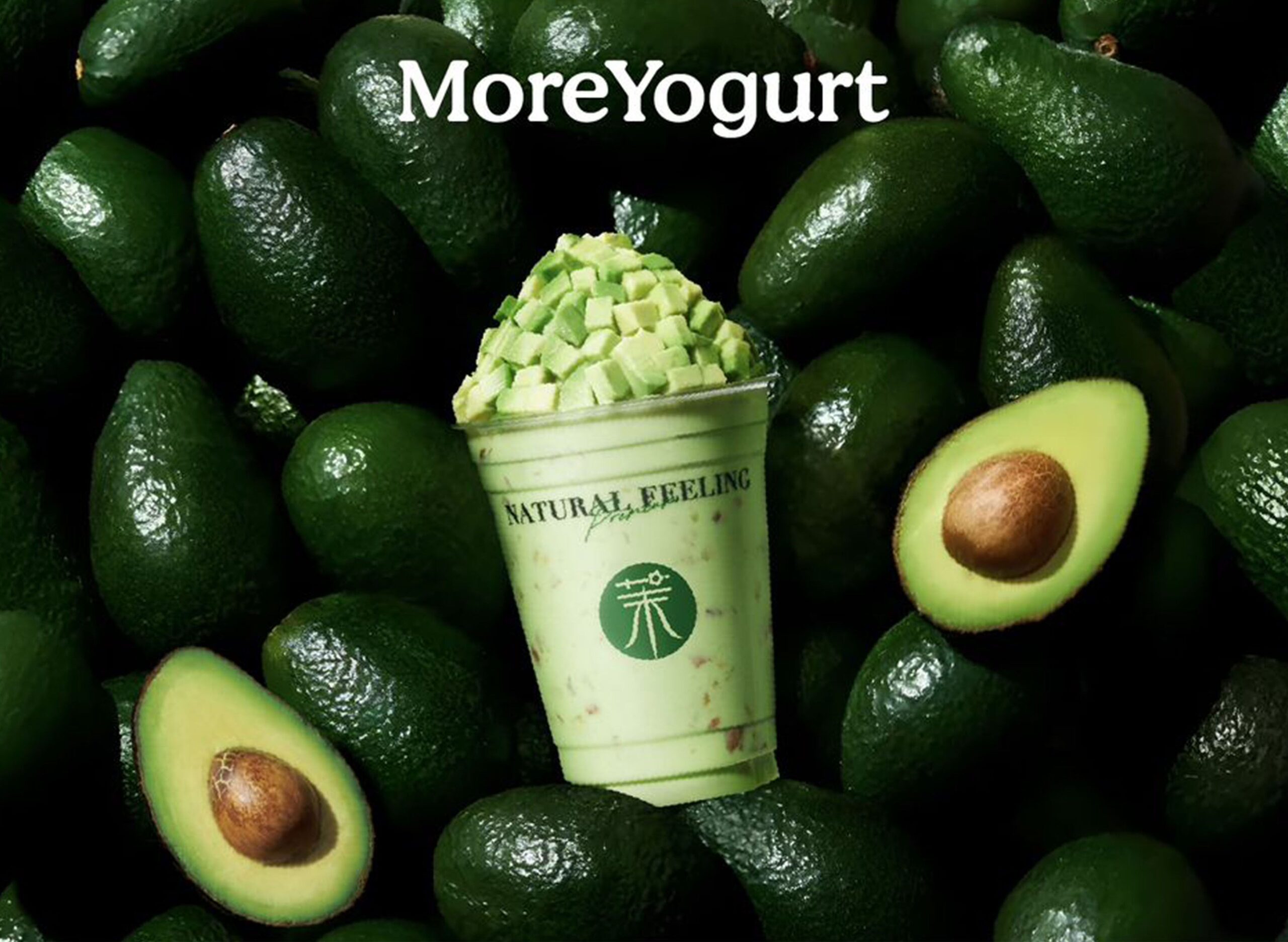
    China-based yogurt chain, More Yogurt, is set to make its entrance into the Singaporean market. The addition of a new outlet, opening on January 30, marks the latest in a series of expansion efforts. The company, which boasts annual sales of over 21 million cups, has chosen Suntec City as the strategic location for its first Singaporean store.

    More Yogurt is known for its innovative take on yogurt, offering a range of beverages prepared fresh daily in-store. Each drink comprises naturally fermented yogurt cultures, paired with an assortment of fresh fruits and nuts.

    As part of its introductory activities in Singapore, More Yogurt will be presenting the first 100 cups of yogurt free of charge on the day of its grand opening. This generous gesture aims to attract and engage new customers, providing them with a taste of More Yogurt’s unique offerings.

    Questions & Answers

    What is the unique selling point of More Yogurt?
    More Yogurt differentiates itself by providing fresh-made yogurt drinks, which are prepared in-store daily using naturally fermented yogurt cultures and a variety of fresh fruits and nuts.

    When and where is More Yogurt’s new Singaporean outlet opening?
    The new outlet in Singapore is set to open on January 30 at Suntec City.

    What is the introductory offer from More Yogurt in Singapore?
    As part of their launch in Singapore, More Yogurt will be giving away the first 100 cups of yogurt for free on the opening day.

  • Coca-Cola Partners with Return-It to Pilot Reverse Vending Machines: Taking Beverage Container Recycling to the Next Level in Australia

    Coca-Cola Partners with Return-It to Pilot Reverse Vending Machines: Taking Beverage Container Recycling to the Next Level in Australia

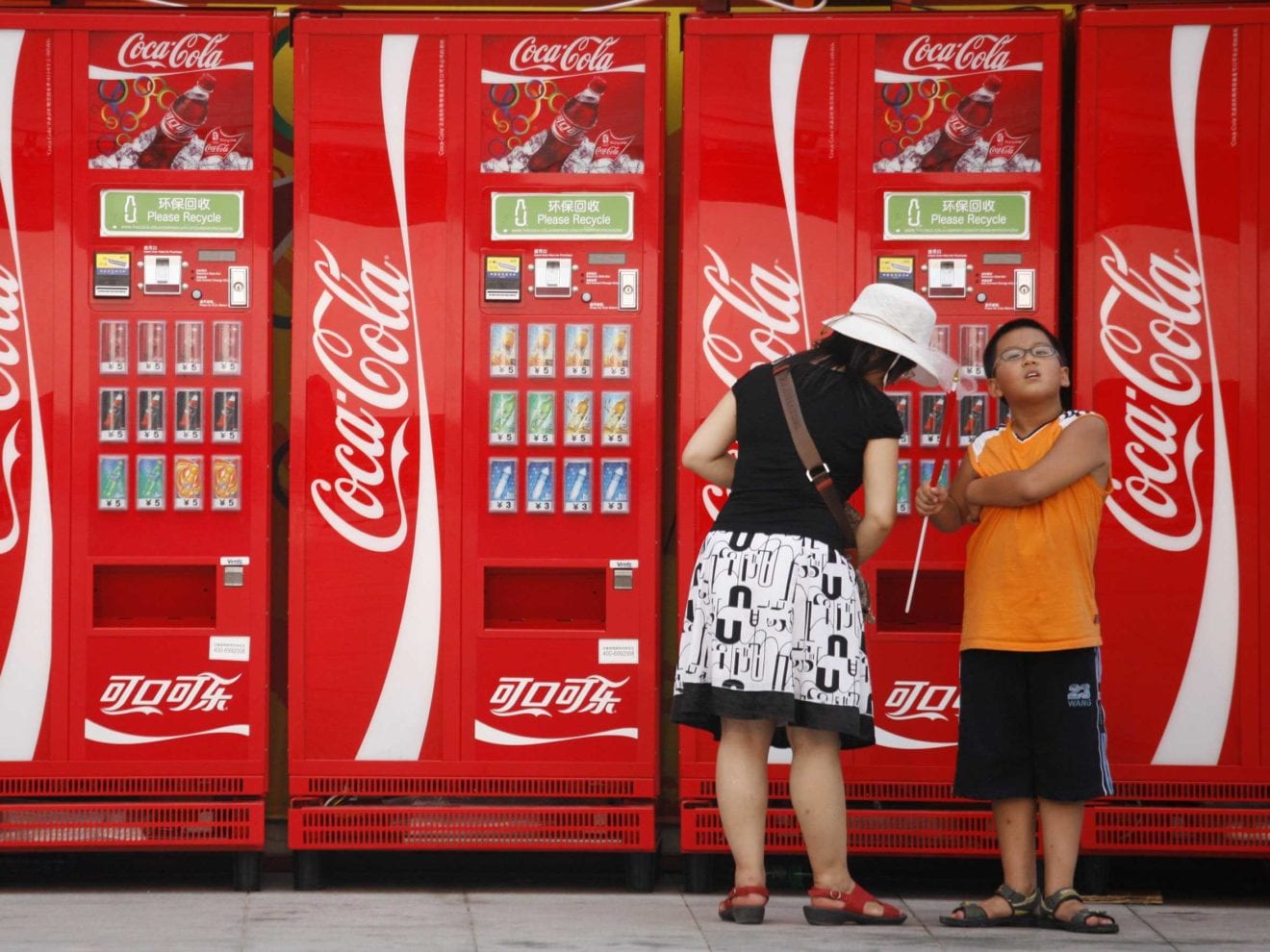
    Coca-Cola Europacific Partners (CCEP) Australia has initiated the introduction of reverse vending machines (RVMs) in its primary manufacturing facilities, commencing with its Moorabbin site in Victoria.

    What is a Reverse Vending Machine?

    A reverse vending machine is a sophisticated device designed to collect empty beverage containers. This includes plastic bottles, glass bottles, and aluminium cans, which are then funneled into the recycling process. Users are often rewarded for their recycling efforts, typically in the form of a deposit refund, voucher, or other incentives.

    CCEP Australia’s trial initiative is being carried out in collaboration with Return-It, the eastern zone network operator for Victoria’s Container Deposit Scheme (CDS Vic). The main goal of this venture is to make container recycling more accessible to the general public.

    Industry Partnerships Promote Recycling

    Orlando Rodriguez, the Managing Director for Australia at CCEP, expressed the company’s pride in making Coca-Cola in Moorabbin for over 65 years. He highlighted that with the installation of the reverse vending machine, consumers can now return their containers for recycling at the same location where their favourite beverages are produced.

    Marc Churchin, CEO of Return-It, emphasized that the collaboration highlights the crucial role of industry partnerships in advancing recycling efforts. He mentioned that the organization’s mission is to make recycling worthwhile by making it accessible, easy, and rewarding.

    Future Expansion Plans

    Beyond the Moorabbin facility, CCEP Australia has plans to expand the deployment of RVMs to other manufacturing locations across Australia. Rodriguez added that “the initiative reflects our long-standing support for Australia’s container deposit schemes and our commitment to investing in local recycling infrastructure. We want to ensure beverage containers are kept out of the environment.”

    Questions & Answers

    What is the function of a reverse vending machine?
    A reverse vending machine collects empty beverage containers, such as plastic bottles, glass bottles, and aluminium cans. These are then recycled, and users are incentivized for their participation in the form of deposit refunds, vouchers, or other rewards.

    What is the objective of CCEP’s initiative with Return-It?
    The primary goal is to make container recycling more accessible to the general public. This is achieved by installing reverse vending machines at locations where beverages are produced, enabling consumers to return their containers for recycling.

    What are Coca-Cola Europacific Partners’ (CCEP) future plans regarding reverse vending machines?
    CCEP plans to expand the rollout of reverse vending machines to more manufacturing locations across Australia. This reflects their ongoing support for local container deposit schemes and commitment to investing in local recycling infrastructure.

  • Pure Sports Nutrition Revolutionizes Athlete Recovery With New ‘race Recovery’ Product

    Pure Sports Nutrition Revolutionizes Athlete Recovery With New ‘race Recovery’ Product

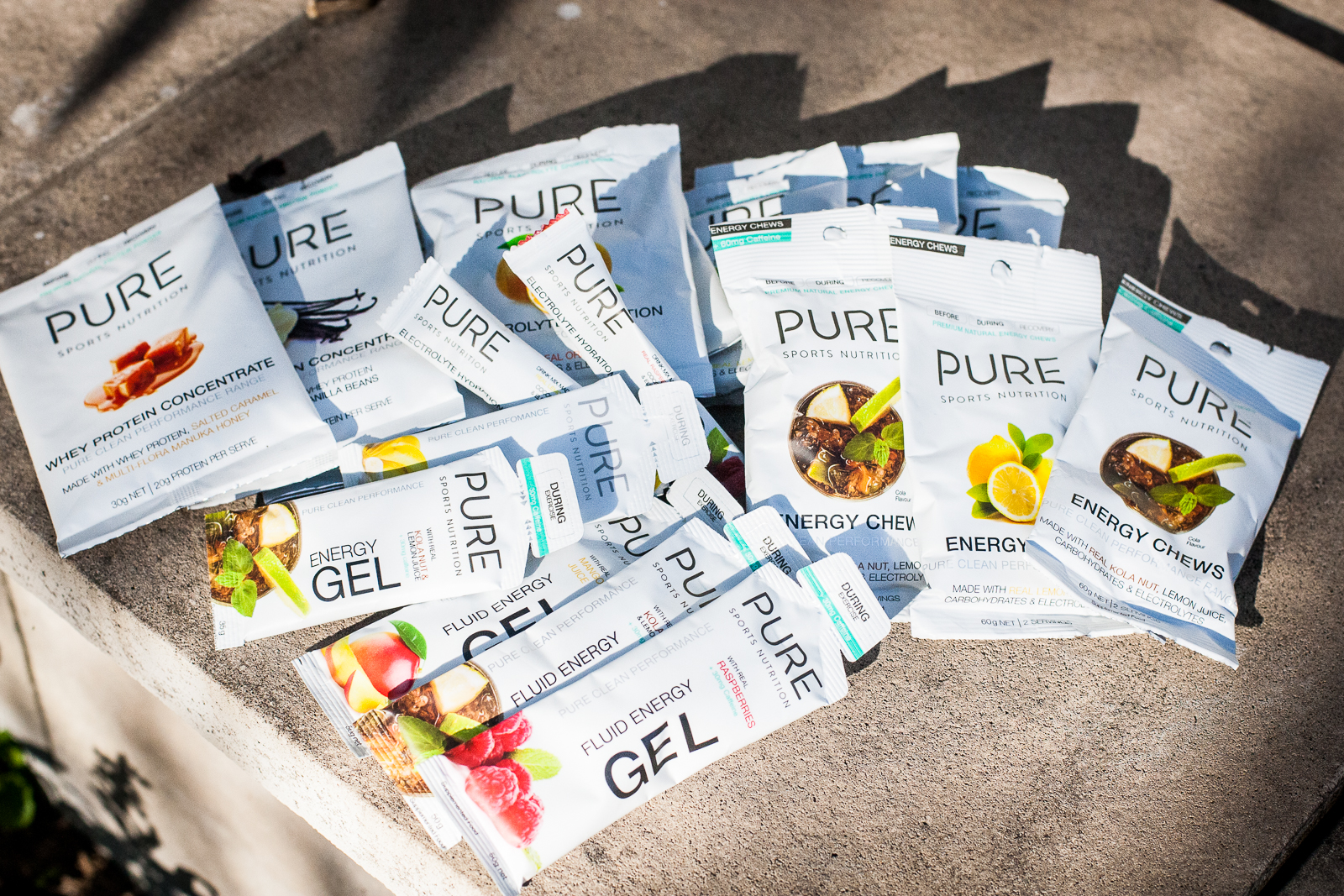
    Pure Sports Nutrition, a New Zealand-based company, has recently extended its Performance+ product line with the introduction of Race Recovery, a product specifically targeted at endurance athletes.

    Boosting Post-Exercise Recovery

    The company asserts that Race Recovery has been carefully designed to provide a comprehensive recovery solution following intense workouts or competitive sporting events. Each serving of Race Recovery boasts 29g of protein and 52g of carbohydrates.

    Marewa Sutherland, the co-founder and sports nutritionist of Pure Sports Nutrition, clarified that the carbohydrate-to-protein ratio in Race Recovery has been deliberately chosen to maximize the benefits during the crucial 30 to 60-minute window following exercise. During this period, recovery nourishment can significantly impact training outcomes.

    According to Sutherland, each component in Race Recovery plays a specific role, from replenishing carbohydrate and fluid levels to promoting gut health and mitochondrial function. She asserts that the formula approaches recovery from multiple angles, thus assisting athletes in becoming stronger, adapting quicker, and enhancing performance.

    About Pure Sports Nutrition

    Pure Sports Nutrition, which was founded in 2012, has made its mark with a variety of products including energy gels, electrolyte hydration powders, and functional foods.

    Race Recovery is now available in a select number of retailers including Aidstation, Active Health Clinic, Sole Motive Mr Vitamins, Nutrition Warehouse, WholeLife Pharmacy, and Healthfoods Pace Athletic. Pricing for Race Recovery is set at $11.99 for individual servings and $79.99 for multi-packs.

    Questions & Answers

    What is the new product launched by Pure Sports Nutrition?
    The new product is called Race Recovery, designed for endurance athletes to aid in their post-exercise recovery.

    What does each serving of Race Recovery contain?
    Each serving of Race Recovery contains 29g of protein and 52g of carbohydrates.

    Where can one purchase Race Recovery?
    Race Recovery is available in select retailers including Aidstation, Active Health Clinic, Sole Motive Mr Vitamins, Nutrition Warehouse, WholeLife Pharmacy, and Healthfoods Pace Athletic.

  • Kitkat Unveils Revolutionary Beverage Machine In Global Collaboration With Nestlé Professional

    Kitkat Unveils Revolutionary Beverage Machine In Global Collaboration With Nestlé Professional

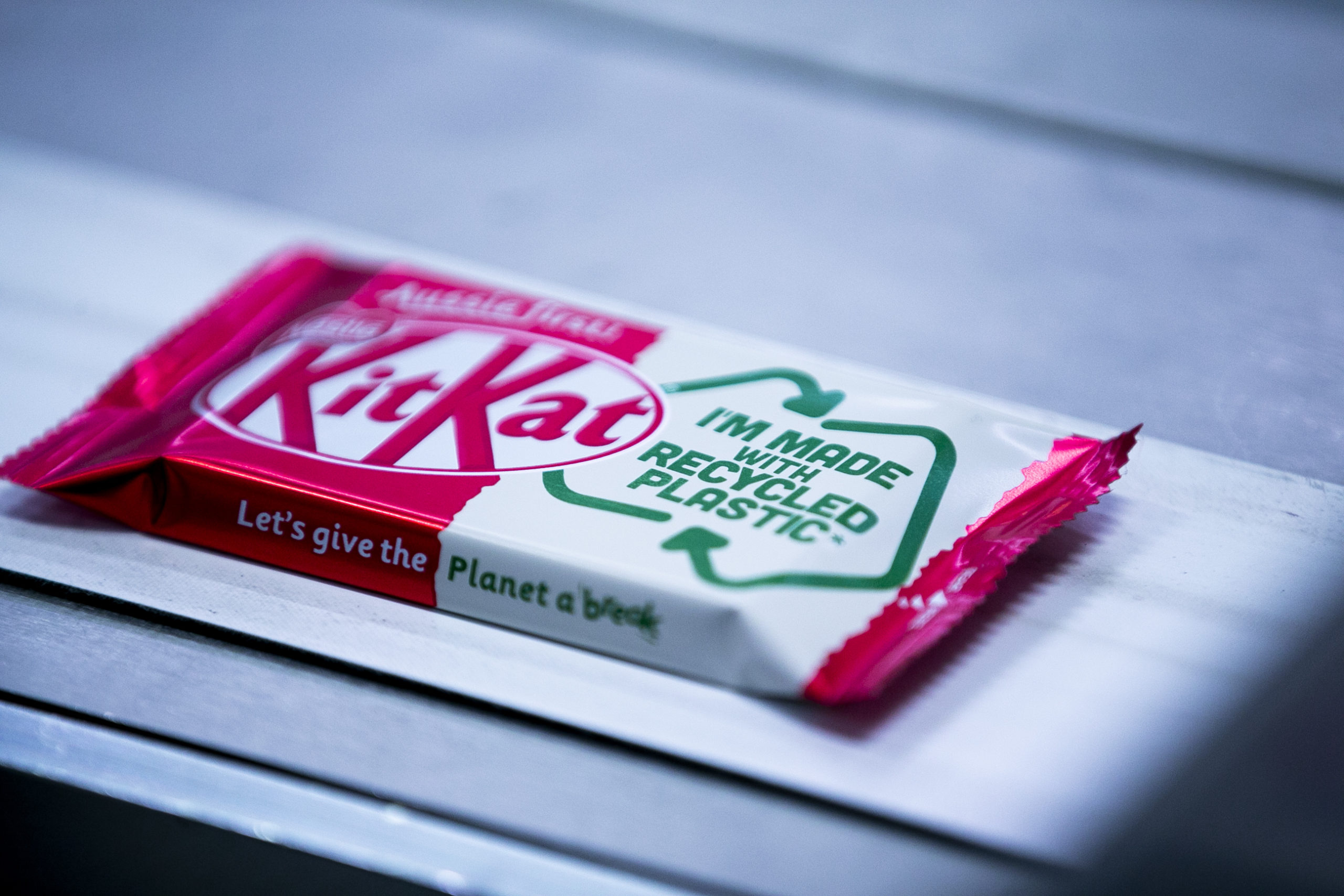
    In a recent collaboration with Nestlé Professional, KitKat has unveiled its inventive beverage machine on a global scale, enriching Nestlé’s vast food and beverage solutions portfolio. This innovative machinery provides an array of cocoa-infused beverage choices, featuring KitKat’s unique blend of crisp wafer and lush cocoa.

    The KitKat Beverage Machine

    The KitKat-themed beverage machine is a noteworthy addition to the Nescafé Fusion system. This comprehensive selection of coffee machines presents an assortment of personalized hot, cold, and iced beverages to cater to diverse customer preferences.

    Joe Aouad, the Global Head of Nestlé Professional’s beverage division, expressed optimism for the new offering. He stated, “The KitKat beverage will empower us to persistently back our operators across the globe, delivering the distinctive KitKat flavour in a convenient cup format.”

    Global Launch and Availability

    The pioneering KitKat Beverage product made its debut in Brazil. It will be accessible globally to Nestlé Professional beverage providers and professionals who supply to out-of-home locations. These locations include convenience stores, bakeries, healthcare facilities, and travel sites.

    KitKat’s Past Endeavors

    KitKat’s past efforts have resulted in an array of products, taking their brand beyond just a chocolate bar. These products range from confectionery items and ice creams to coffee mixes and cereals, all carrying the beloved KitKat taste.

    Questions & Answers

    What is the new KitKat beverage machine?
    The KitKat beverage machine is a result of a collaboration between KitKat and Nestlé Professional. It is designed to create an array of cocoa-infused beverages with components of KitKat’s signature crisp wafer and smooth cocoa.

    Where has the KitKat Beverage product been initially launched?
    The KitKat Beverage product was initially launched in Brazil and is planned for a global rollout.

    What type of locations can use the KitKat beverage machine?
    The KitKat beverage machine is designed for use in out-of-home locations such as convenience stores, bakeries, healthcare facilities, and travel sites.

  • Arkadia Revolutionizes Matcha With Innovative, Approachable Latte Line

    Arkadia Revolutionizes Matcha With Innovative, Approachable Latte Line

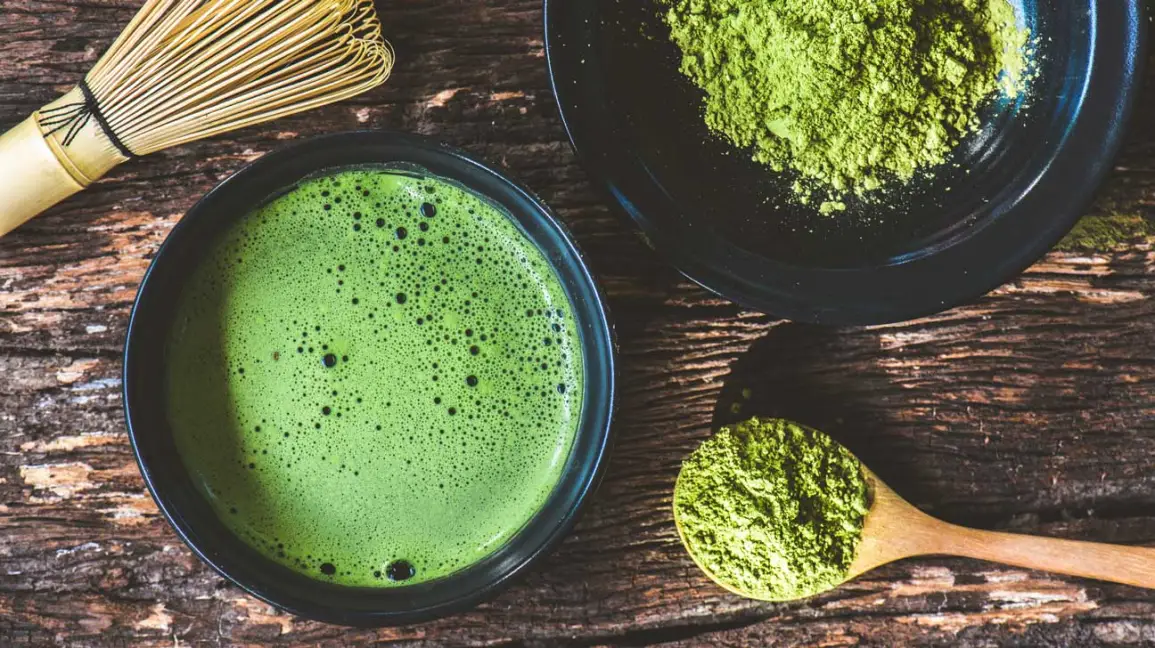
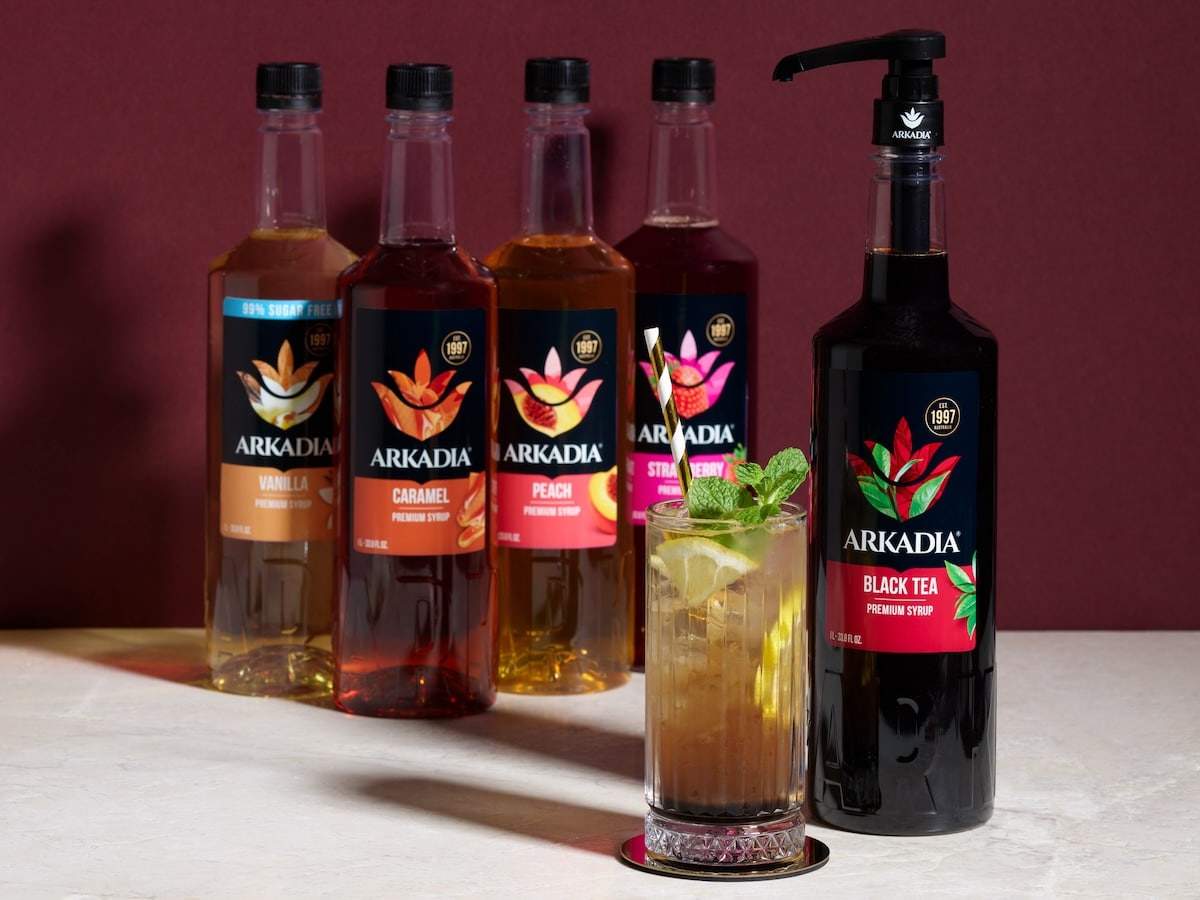
    Arkadia, an Australian beverage company, has recently launched a new Matcha Latte product line featuring two distinct flavors: Original and Strawberry. The Original flavor offers a rich, authentic matcha taste, while the Strawberry flavor introduces a refreshing fruity twist. Both of these beverage options are 99% fat-free when mixed with water and are free from artificial colors, sweeteners, and preservatives.

    A Fresh Approach to Matcha

    Ramona Culda, the head of brands at Maltra Foods, Arkadia’s parent company, explained that their new product line aims to present matcha in a more approachable manner. Matcha is often associated with a bitter or grassy taste, which can be off-putting for some. To combat this, Arkadia has developed a smooth, creamy version of the traditionally bitter tea that can be enjoyed at any time of day.

    Culda emphasizes, “We’ve created a blend that is incredibly sippable, with no compromise on flavor and definitely without the characteristic bitterness of matcha.”

    Availability and Pricing Details

    The Arkadia Matcha Latte range is available in 220g canisters and in packs of eight single-serve sachets. These products are priced at $7.50 and $0.95 respectively and can be purchased from Coles and Woolworths stores across the nation.

    Questions & Answers

    What flavors does the Arkadia Matcha Latte range include?
    The Arkadia Matcha Latte range includes two flavors: Original and Strawberry.

    How has Arkadia made matcha more approachable with their new product?
    Arkadia has created a smooth and creamy version of traditionally bitter matcha, making it a refreshing beverage that can be enjoyed at any time of day, while maintaining the authentic matcha flavor.

    Where can the Arkadia Matcha Latte range be purchased, and what is the cost?
    The Arkadia Matcha Latte range is available at Coles and Woolworths stores nationwide. The 220g canister is priced at $7.50, and the eight-pack of single-serve sachets costs $0.95.

  • Ribena Reveals Bold New Brand Identity: Striking Balance Between Heritage And Modernity

    Ribena Reveals Bold New Brand Identity: Striking Balance Between Heritage And Modernity

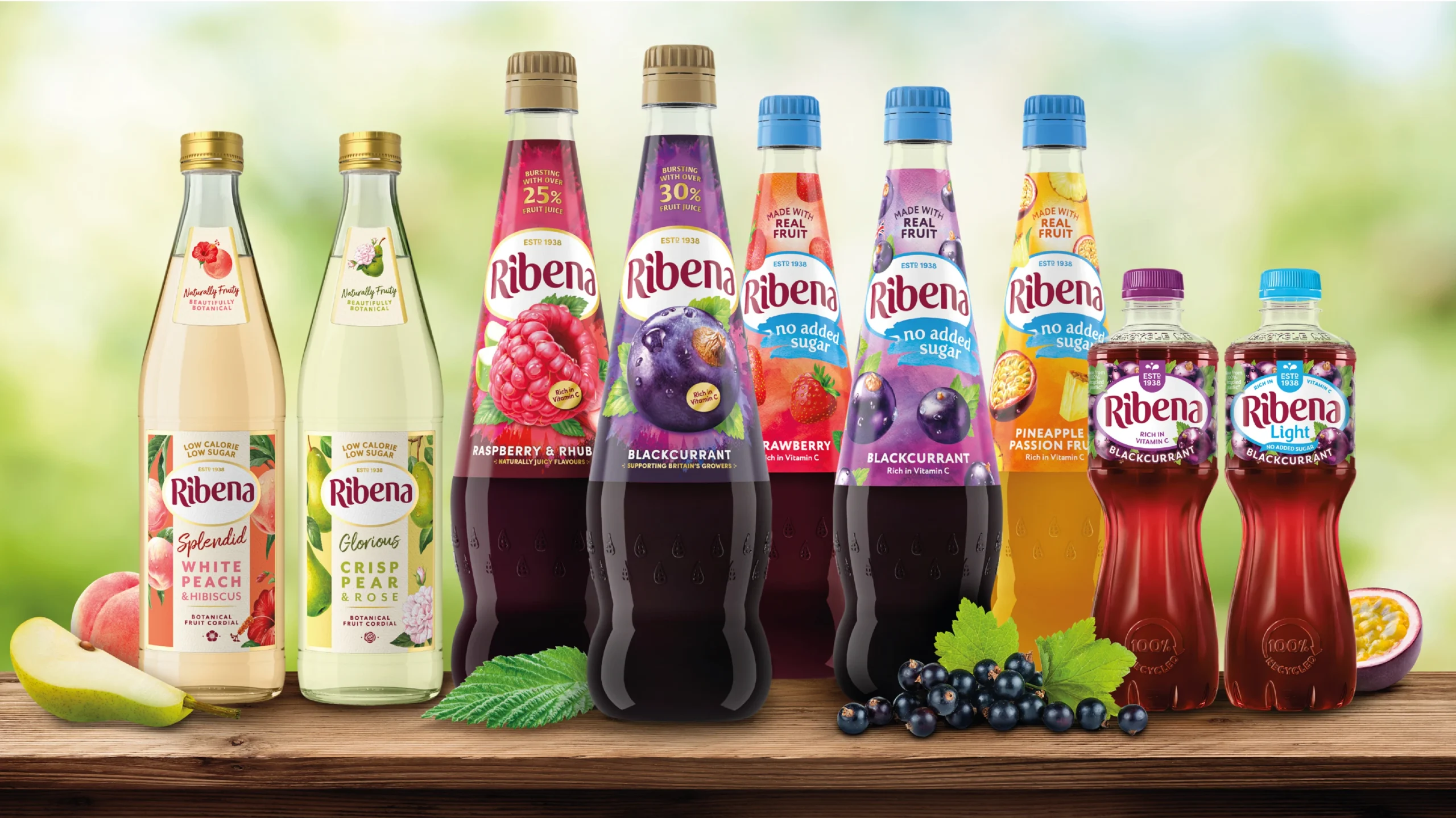
    Iconic beverage label Ribena has recently introduced a new brand identity, developed with help from the renowned creative team at Elmwood. With the aim of maintaining the brand’s familiarity while enhancing its shelf appeal, the revamped identity features a bold new logo while retaining key elements of its heritage.

    A New Twist to An Old Favorite

    The updated visual identity for Ribena features a reimagined logo where the traditional blackcurrant-colored wordmark is replaced by a bolder red hue. The curvature in the old lettering has been transformed into a more streamlined and clean baseline. The alterations also extend to the letterforms, which have been molded to look more “plump and juicy”, further emphasizing the brand’s fruity image.

    Striking the Balance Between The Old And The New

    Charlotte Distefano, Elmwood’s Creative Director, explained that their mission was to strike a balance between ‘familiar difference’. They observed that despite customers’ love for Ribena’s taste, the brand was often overlooked on store shelves. Therefore, the goal was to create a design that was immediately recognisable as Ribena, whilst boosting brand visibility and establishing a consistent look and feel.

    The Blend of Heritage and Modernity

    Key, heritage-linked elements, such as Ribena’s blackcurrants, have been retained in the rebranding, but are now subtly positioned in the background. A fresh “juicy droplet icon” has been introduced beneath the fruit, complemented by a vibrant purple backdrop and gold accents to further augment the brand’s aesthetic appeal.

    Elmwood confirmed that in trials, the refreshed packaging showed significant improvements across measures such as purchase intent, recall, and perceived taste, while still being easily identifiable as Ribena. Ribena, a company established in 1938, is currently held by Suntory Beverage & Food GB&I.

    Questions & Answers

    What are the key changes in Ribena’s new logo?
    The former blackcurrant-hued wordmark has been replaced by a bolder red logo and the curved old lettering has been simplified into a cleaner, straight baseline.

    What was the goal of Ribena’s redesign?
    The aim was to create an instantly recognisable yet distinctive design that enhanced the brand’s visibility and created a consistent look and feel.

    How has the reaction been to the new packaging?
    The new design performed well in trials, showing improvements in purchase intent, recall, and perceived taste, while maintaining its recognisability as Ribena.

  • Don’t Yell At Me starts selling in Hong Kong

    Don’t Yell At Me starts selling in Hong Kong

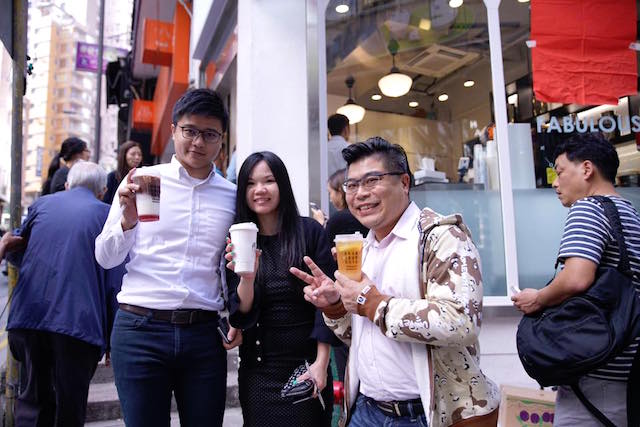
    Operations director Tony Wang said: “When people visit Don’t Yell At Me, we hope that they are not here just for our teas, but here for our message and the positivity. We hope that through our daily teas will inspire our customers so that they can carry this attitude forward no matter what they are facing.”

  • Bobby launches low-calorie prebiotic soft drinks

    Bobby launches low-calorie prebiotic soft drinks

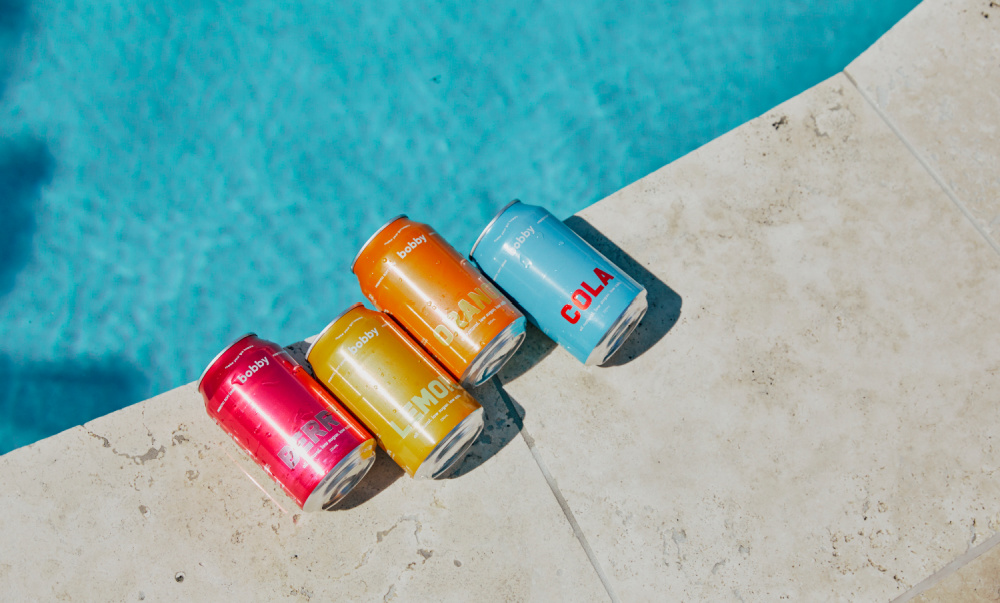
    Beverage company Bobby has launched low-calorie and low-sugar soft drinks in different flavors, added with prebiotics.

    The company claims each can contain 32 to 40 calories and that the beverage may aid digestion and boost good gut bacteria with the added prebiotics.

    “Our mission is to redefine what soft drink is to everyday Australians by offering a truly exceptional and enjoyable beverage that doesn’t compromise on health or taste,” said Kristian Johannsen, founder and MD at Bobby.

    Johannsen added that Bobby supports environmentally friendly practices, such as using recycled aluminum cans and cardboard slabs.

    “We’re here to make a difference in taste and sustainability. With each sip of Bobby, our customers can indulge guilt-free, knowing they are contributing to a company that genuinely cares about the impact it makes.”

    Bobby drinks are sold in Doctor Bobby, Vanilla Cola, and Lemon Lime flavors. Lemon Lime is exclusive to 7-Eleven, while Vanilla Cola and Doctor Bobby are available nationwide at 7-Eleven, independent retailers, and online.

  • Coca-Cola franchisee posts $236M revenue in Vietnam

    Coca-Cola franchisee posts $236M revenue in Vietnam

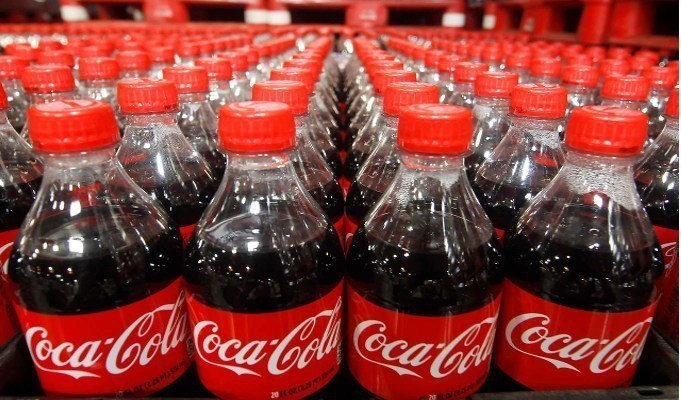
    Swire Coca-Cola, a franchisee of the Coca-Cola Company, recorded a revenue of US$236.32 million in the first six months in Vietnam.

    Its pre-tax profit was around $33.21 million in the period.

    Swire Coca-Cola is a partner of the Coca-Cola Company with a franchise to manufacture, market, and distribute products of the Coca-Cola Company in China, Cambodia, Vietnam, and the western U.S.

    Swire Coca-Cola entered the Southeast Asia market in July last year by purchasing the manufacturing line of Coca-Cola in Vietnam and Cambodia for over $1 billion.

    Leaders of Swire Coca-Cola considered the Vietnam purchase successful as it had made considerable contributions to the company, while its unit in Cambodia is posting a loss.

    Coca-Cola entered Vietnam in 1994, producing its beverage in three factories.

  • Starbucks closes third Vietnam outlet

    Starbucks closes third Vietnam outlet

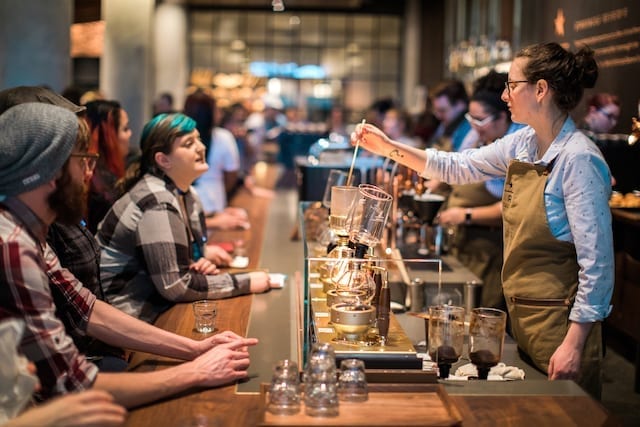
    Starbucks Vietnam will close its Hanoi outlet after eight years, following the closure of two locations in Vietnam last year. The Starbucks Lan Vien outlet in Hoan Kiem District will operate until June 30, the company said in a Facebook post. Last year, the coffee chain had closed another outlet in Hoan Kiem District and one in Ho Chi Minh City’s District 1.

    Patricia Marques, CEO of Starbucks Vietnam, said earlier this year that the company was finding it challenging to expand the number of outlets in Vietnam due to difficulties in negotiating rent prices.

    The company, however, will continue to expand in Vietnam by focusing on new urban areas where there is a lack of services, she added.

    She also said that in central districts, Starbucks has observed that customers tended to order more takeaways, so it was considering opening small takeaway outlets where customers can pick up their drink right away.

    Starbucks has 78 outlets nationwide, while its competitor Highlands Coffee’s has 500 and The Coffee House has 156.

    The Covid-19 pandemic has forced several food and beverage chains to close outlets amid plunging revenue.

    The Coffee House closed over 20 outlets last year, while Soya Garden shut down its last one in HCMC. Soya Garden still has eight outlets in Hanoi.

  • Hey! Kafe ramps up local expansion plan

    Hey! Kafe ramps up local expansion plan

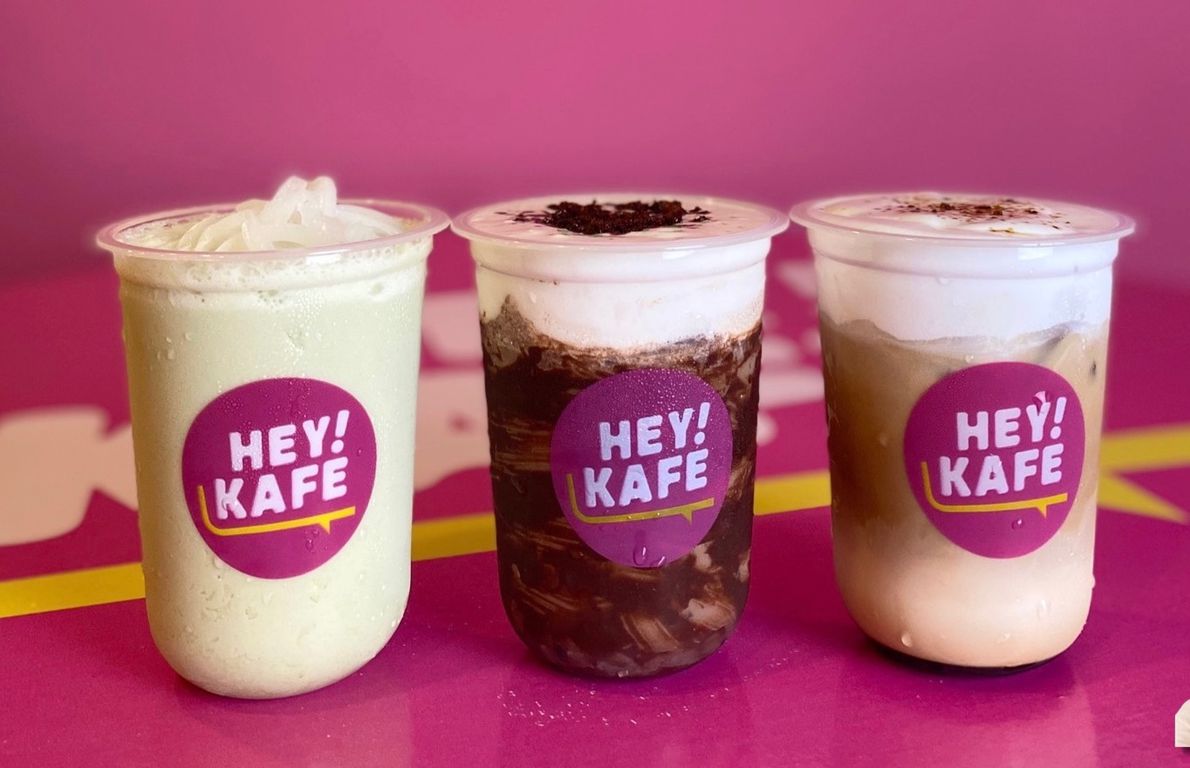
    Indonesia-based digitally-native beverage startup, Hey! Kafe, is expanding its local footprint with 300 stores by the end of next year.

    According to the company, the brand’s expansion plan will be supported by an asset-light model backed by technology. That means a majority of its outlets will be compact booths that minimize capital expenditure and facilitate Grab & Go delivery service.

    Online delivery orders are projected to account for 70 percent of the brand’s sales.

    Founded by Edward Djaja, who is also the founder of Seven Retail, Hey! Kafe has opened 60 stores across the country since its launch in June last year.

    Focusing on the product development process, Hey! Kafe tests more than 20 product concepts each month, targeting the young customer segment with more than 12,000 cups of beverages sold daily.

    “Here in Hey! Kafe, our north star metric is same-store sales growth, which enables the brand to achieve stellar unit economics,” said Djaja. “We are proud to say that our strategy has resulted in a payback period of under 12 months, which is a key milestone for us to scale rapidly in a sustainable manner in the coming years.”

    The beverage retailer is supported by several investors, including Trihill Capital, which backed the company in the seed round. Besides its expansion plan, Hey! Kafe also plans to launch an in-house mobile application next year.