Retail News CRM

Tag: beverage

  • Omotesando Koffee to open first Philippines cafe in Manila

    Omotesando Koffee to open first Philippines cafe in Manila

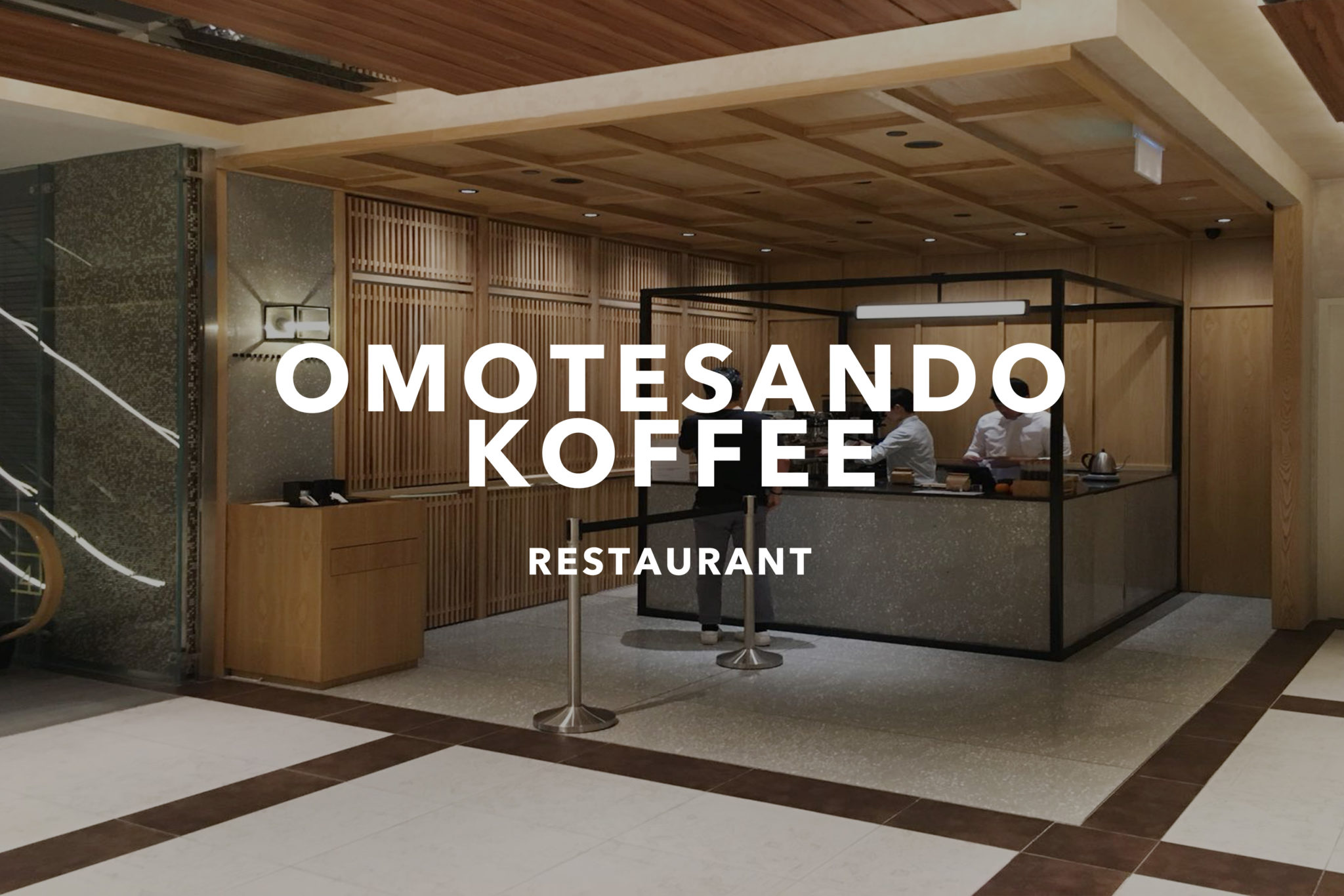
    Japanese coffee shop Omotesando Koffee is officially opening its first Metro Manila branch in Power Plant Mall, Makati City, tentatively slated for an August 2021 launch.

    The famous Zen-style, minimalist coffee shop from Tokyo will be brought into the Philippines by H&F Retail Concepts, the group behind luxury fashion brands Univers, Homme et Femme, Balenciaga, Comme des Garcons, and Fred Perry.

    David Ong, owner and head barista of The Curator and EDSA Beverage Design Group, will be helping out.

    “Well, the cat’s been out of the bag for a while now. This is just formalizing it further. The opening of the first branch is fast approaching, and we’re helping out a little bit,” Ong wrote on Instagram on Tuesday, June 1, posting a call-out for interested baristas to apply.

    According to Ong, two more Omotesando Manila locations will be opening this year, but the hiring process will be for this branch initially.

    News that Omotesando Koffee would open in Metro Manila first circulated late 2020, when the original brand’s Instagram page added “Manila” to a list of locations on their Instagram bio, alongside Tokyo, Hong Kong, Singapore, Bangkok, and London.

    Omotesando Koffee first opened as a humble pop-up shop in Omotesando Hills, Tokyo in 2011, growing in popularity for 5 years until it closed in December 2015 due to the “aging building” it was located in.

    They opened their first Hong Kong branch a year later, and expanded to cities around the world, including a re-opening in Shibuya, Tokyo as Koffee Mameya.
  • Starbucks opens its largest coffee store in Thailand

    Starbucks opens its largest coffee store in Thailand

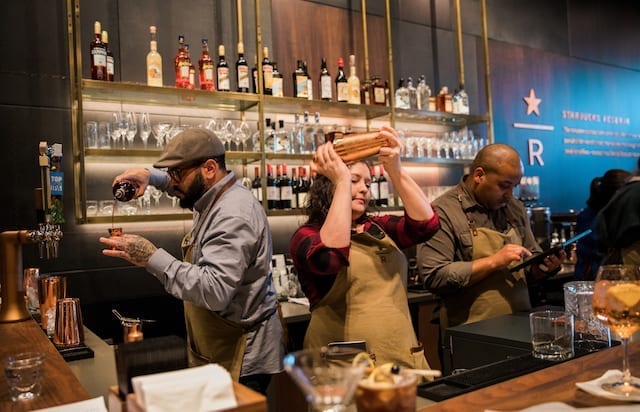
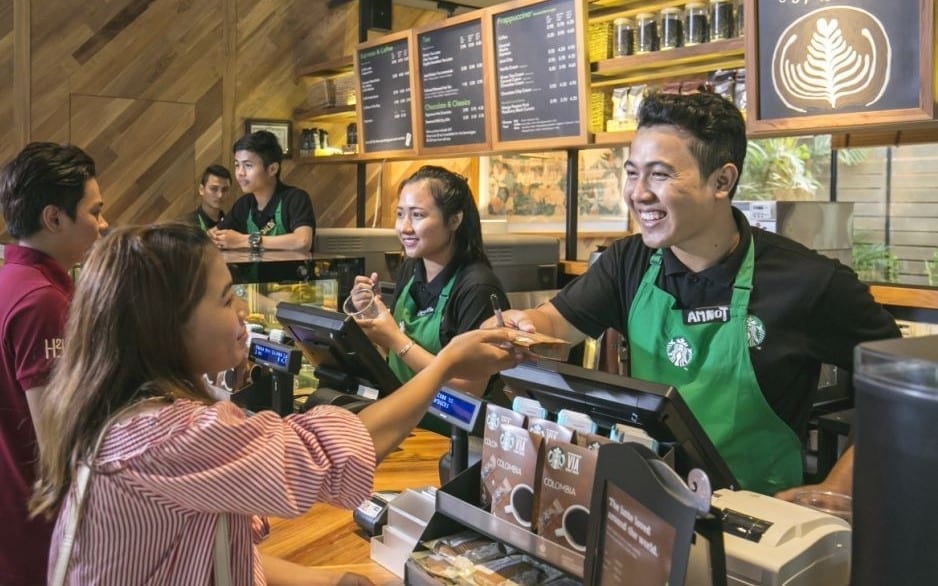
    Starbucks today celebrates 20 years of delivering the Starbucks Experience to customers throughout Thailand with the recently opened Central World store– its largest store in Bangkok. Located on the first floor of CentralWorld, the store features a Starbucks Reserve Bar and, for the first time in Asia, Starbucks® DRAFT beverages infused with nitrogen.

    Starbucks CentralWorld is Thailand’s largest Reserve Bar store composed of Starbucks traditional coffee bar as well as the Starbucks Reserve Bar, which invites customers to deepen their coffee knowledge. Featuring the Black Eagle espresso machine for unique, espresso-forward beverages and various brewing methods such as the Siphon, Chemex, and Pour Over, customers can taste Starbucks Reserve, small-lot coffees for a premium coffee experience specially-crafted by Starbucks Coffee Master partners (employees) whose passion and knowledge of coffee is highlighted by their black aprons.

    Starbucks DRAFT makes its Asia debut in the store on a four-tap system delivering Starbucks Cold Brew and nitrogen-infused Starbucks Cold Brew, tea and milk. This latest beverage innovation draws in customers with its velvety texture cascades from the taps causing a sensory experience to both taste and see. The Starbucks DRAFT counter, found on the first floor of the store, highlights select nitro beverages including Nitro Cold Brew, Nitro Peach Tea, Nitro Green Tea Latte, Nitro Caramel Macchiato and Nitro Flat White.

    “From the success of Starbucks Nitro Cold Brew coffee, we continue to search for beverage innovation to elevate the customer experience. Today, we are pleased to launch Starbucks® DRAFT, an innovative cold beverage offering a rich, creamy texture for each beverage.” says Nednapa Srisamai, managing director of Starbucks Coffee (Thailand) Ltd. “This is a new cold beverage experience not to be missed.”

    This beverage innovation is the first-of-its-kind in Starbucks across Asia further elevating the cold beverage experience. Starbucks® DRAFTis also available today at one location in the U.S.

    As customers enter the space for the first time, their eyes will be drawn to the high, gold ceiling inspired by the natural terraces where coffee is grown, paying homage to the landscapes of coffee-growing terrain. The ceiling begins the coffee journey for customers by inviting them to come in from the outside and move towards the central Starbucks Reserve bar where the aroma of coffee can be enjoyed all around.

    The 760 metre store has more than 230 seats and two large rooms is designed to host community events or small gatherings surrounded by locally-relevant art installations throughout the store. Local artists Rukkit Kuanhawate created a feature piece highlighting the various coffee growing regions through regional wildlife including, the Sumatran Tiger, Kenyan Elephant and Guatemalan Quetzal bird. Similarly, Irin (Ann) Ariyatanap and her team handpainted murals using drawings of coffee botanicals and Thai floral motifs alongside imagery of the Starbucks Reserve coffee silos found exclusively at the Reserve Roasteries.

    Continuing on the coffee journey, customers are delighted upon entering the store with wooden coffee scoops engraved with messages and colorful motifs describing the various parts of the coffee tree. Similarly, the walls of both meeting rooms serve as tribute to the bean-to-cup story through natural hemp woven art, hand painted ceramics and a floor-to-ceiling wood carving.

  • Afternoon Tea Tearoom opens first Hong Kong store

    Afternoon Tea Tearoom opens first Hong Kong store

    Japanese tearoom chain Afternoon Tea Tearoom will open its first branch in Hong Kong this Saturday to offer a Japanese-style casual afternoon tea experience in a tourist hotspot.

    The tearoom is located in K11 Musea in Tsim Sha Tsui and offers sweets and a variety of foods such as sandwiches and pasta, plus selected teas and drinks.

    The firm is offering a training program in Japan for the Hong Kong staff of its partner Tearoom (HK) Limited to learn the company’s concept, menu and way to serve customers.

    “Hong Kong is a culturally diverse society and people here are familiar with afternoon tea culture,” said Ivy Company, Sazaby League company president Ryuhei Tsukada.

    “We are grateful to have an opportunity to offer our quality sweets and foods in the city. Our Hong Kong team and Japan team will work together closely to provide the best services to customers, providing them with a rich but casual and relaxing afternoon tea experience.”

    “We are happy to see a popular Japanese brand join our dynamic food and beverage market,” said Investment Promotion associate director-general Dr Jimmy Chiang. “Hong Kong people love Japanese food culture, and I am confident Afternoon Tea Tearoom will draw a good following among food lovers who look for nothing but the best.”

  • Target launches food and beverage house brand Good & Gather in the US

    Target launches food and beverage house brand Good & Gather in the US

    Target US is launching its own in-house private-label food-and-beverage range, called Good & Gather.

    Described as “grounded in guest research”, the flagship brand is offering a range of food and beverage products focussed on taste, quality ingredients ease and value for money.

    Good & Gather will be available in stores and online on Target.com for same-day delivery from September 15.

    “Our guests are incredibly busy and want great-tasting food they can feel good about feeding their families,” said Target’s executive VP and president food & beverage Stephanie Lundquist. “We saw this as a huge opportunity for Target to help. So our team got to work on our most ambitious food undertaking yet, reimagining our owned food brands to serve up convenient, affordable options that don’t cut corners on quality or taste. Good & Gather is our way of helping even the most time-strapped families discover the everyday joy of food.”

    Good & Gather is Target’s largest own-brand launch yet. By the end of 2020, the company expects it will have more than 2000 food and beverage products under the label, including dairy, produce, ready-made pastas, meats, granola bars and sparkling water. The products are developed by Target’s internal team without artificial flavors and sweeteners, synthetic colors or high fructose corn syrup, and will be backed by a money-back guarantee.

    “Over the past few years, Target has been a master of own brand development,” said GlobalData Retail MD Neil Saunders, hailing the launch. “Its labels in everything from fashion to party goods have been well-conceived, nicely executed and, most importantly, have resonated with consumers.

    “They have also helped to differentiate Target from other retailers and have played a role in protecting margins as price comparison is more difficult with exclusive labels,” he said.

    As Target’s flagship food brand, Good & Gather will include a number of product extensions including kids, organic, seasonal and signature lines. Over time, the brand will phase out Target’s existing Archer Farms and Simply Balanced food brands and reduce the number of product offerings under the Market Pantry brand.

    The new own-brand launch builds on the company’s investments in its F&B business to enhance in-store presentation and assortment, increase product reliability and expand fulfillment options, such as same-day delivery.

    The new line also plays an important role in Target’s broader effort to reimagine its owned brand portfolio, further differentiating its assortment. Recent owned brand product launches include Everspring, Auden, Colsie and Cloud Island Essentials. By the end of the year, guests will be able to shop more than 25 new owned and exclusive brands.

  • Tealive parent Loob Holding eyes on IPO

    Tealive parent Loob Holding eyes on IPO

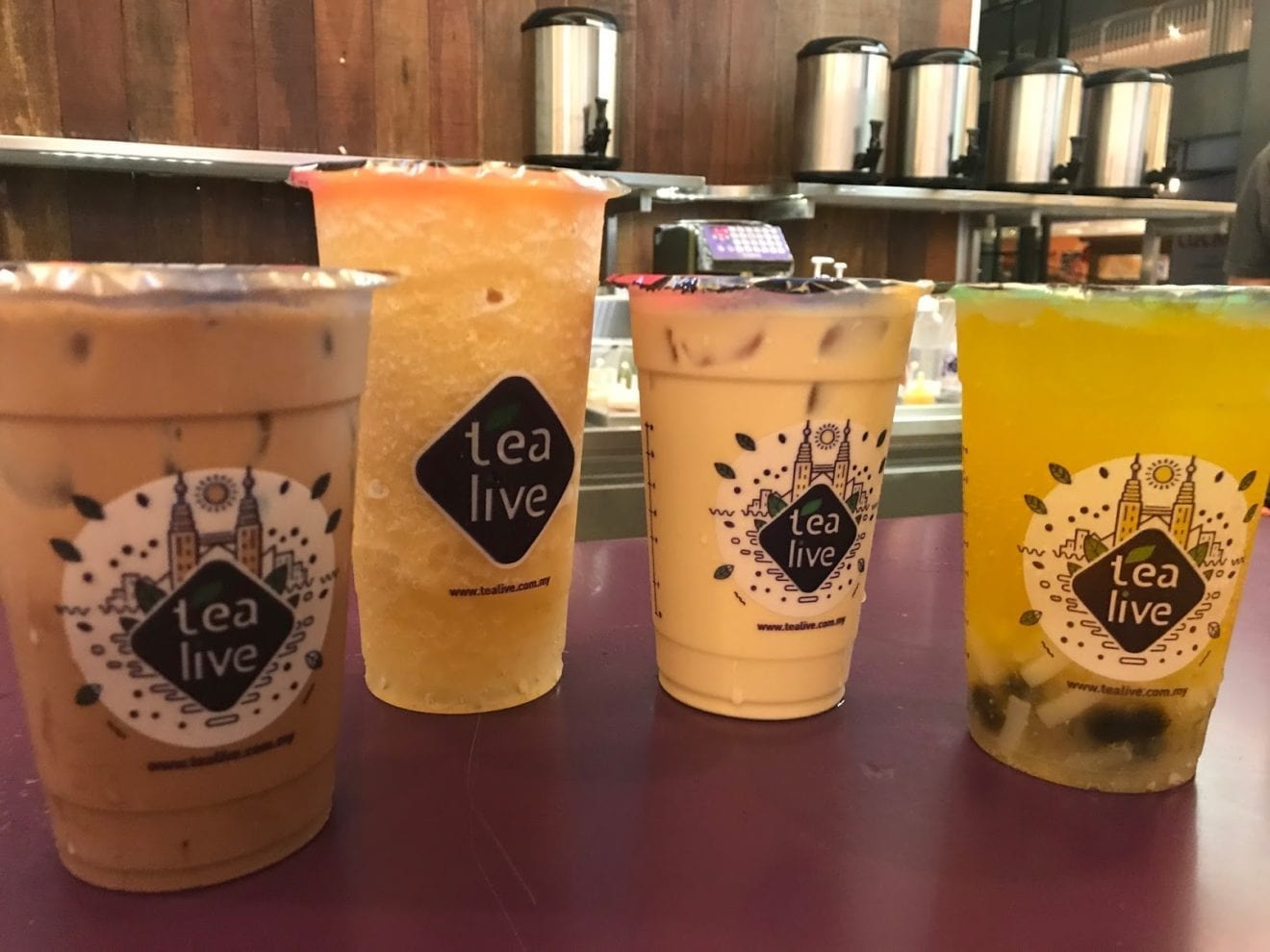
    Tealive parent Loob Holding, is planning an IPO to fund ‘aggressive expansion’. The company is looking to open 1000 Tealive stores in 15 countries by the end of next year.

    Along with another 150 new outlets in India by 2024.

    China is still its focus market, with 500 more outlets to come after first outlet opened last November.

    Tealive has more than 200 outlets in its home market, seven in Vietnam, two in China, and one in Australia. About one third of these are operated by franchisees.

    Loob Holding CEO Bryan Loo said the company is building relationships with potential business partners in Japan, Indonesia, Myanmar, Mongolia, and the UAE, while Singapore is also in its expansion plan.

    Apart from Tealive, Loob also runs F&B franchises in Malaysia, including Gindaco, Croissant Taiyaki, Define:food, Define:burgers and Ko Ko Kai.

  • BreadTalk buys out Thai partner

    BreadTalk buys out Thai partner

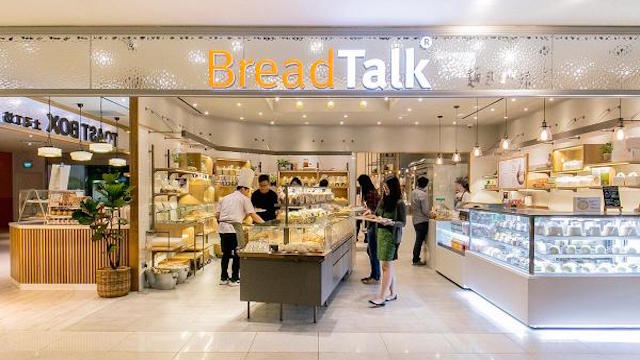
    Minor Group has sold its half share in BreadTalk Thailand to the bakery’s Singapore-listed owner.

    BreadTalk paid US$5.15 million for the stake, which Minor Group is expected to use to expand its other food and beverage brands in the kingdom, including The Coffee Club.

    The BreadTalk Thailand joint venture, called BTM Thailand, was set up in 2014.

    Minor Group’s other brands in Southeast Asia include ThaiExpress, Xin Wang Hong Kong Cafe, Swensens and the Pizza Restaurant Company.

  • Vietnamese beer sales now drive revenues for Sabeco’s new Thai owner

    Vietnamese beer sales now drive revenues for Sabeco’s new Thai owner

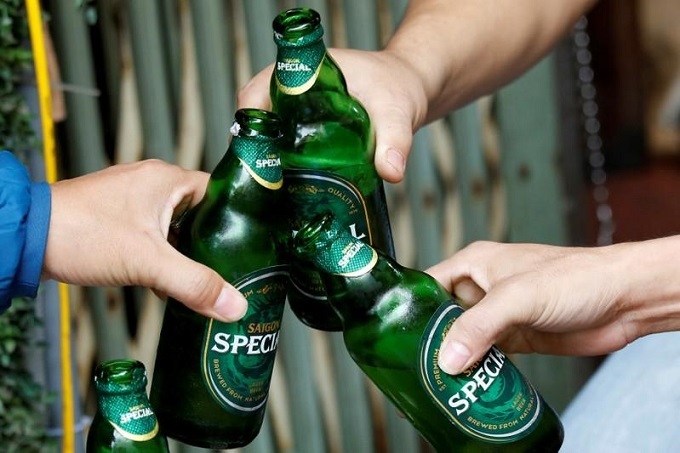
    Vietnamese brewery Sabeco has contributed 46 percent of the revenues of Thai parent ThaiBev in the first quarter of 2018-19. For the quarter ended December 31, 2018, it reported sales of VND13 trillion ($560.58 million) as ThaiBev announced net profits of VND5.54 trillion ($238.83 million) on total revenues of VND54.28 trillion ($2.34 billion), 35 percent and 60 percent up year-on-year.

    Beer products became its revenue driver for the first time with sales of VND24.84 trillion ($1.07 billion). Though spirits sales saw strong growth, their share of revenues dropped from 54 percent to 43 percent.

    In terms of sales by market, the group reported 52 billion baht ($1.66 billion) in Thailand, down to 71 percent from 96 percent last year. The other significant amount was Vietnam’s VND13 trillion or 23.9 percent.

    ThaiBev said while consumption in Southeast Asia is generally slowing, Sabeco has sustained impressive growth.

    Two months ago the Thai group became the majority shareholder in the Vietnamese brewer with a 53.59 percent stake following a debt-to-equity swap.

    It believes the acquisition of Sabeco would help its expansion in Vietnam, which has a youthful population, extensive distribution network and the strongest beer market growth in the region.

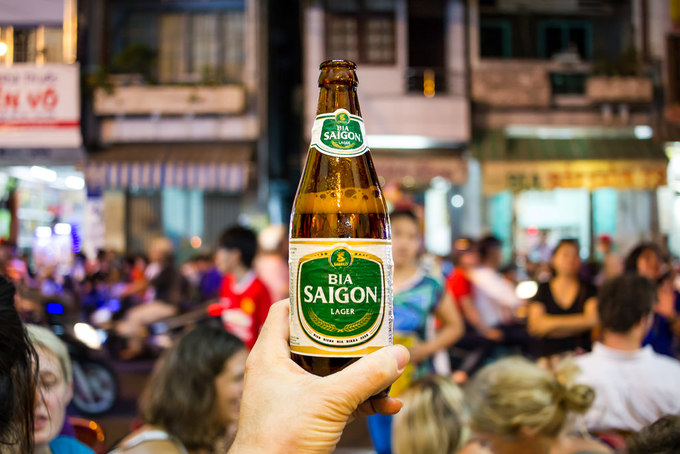
    Sabeco, formally known as Saigon Beer Alcohol Beverage Corp, reported a 5 percent rise in revenues last year to more than VND36 trillion ($1.56 billion).

    It has a 42.8 percent share of the Vietnamese beer market, according to the Ho Chi Minh City Securities Corporation.

    According to the Vietnam Beverage Association (VBA), the Vietnamese beer market is worth $3.4 billion.

    Securities company FPT Securities predicts the market will grow by 5-6 percent a year.

  • Heineken Malaysia 2018 net profit up 4.6%

    Heineken Malaysia 2018 net profit up 4.6%

    Heineken Malaysia Bhd, which posted a 4.6% jump in its net profit for the financial year ended Dec 31, 2018 (FY18), remains cautious about its outlook given the challenging environment due to intense competition, implementation of the sales & service tax (SST), and the continued presence of contraband beer in the market. In line with rising global commodity prices, the group also expects an increase in cost of operations including raw materials and packaging.

    Finance director Szilard Voros said how the group will perform in FY19 also depend on the market, adding that it will benefit if consumers remain optimistic and if efforts to curb illicit trade are stepped up.

    “But we remain cautious because SST was just introduced in September so that also comes with a lag… we also need to see how things settle down after Chinese New Year and see what is the normalised performance and if there’s a growth continuation,” he told reporters at a media and analyst briefing today after announcing the group’s financial results.

    Managing director Roland Bala (pix) said the external environment remains challenging. Amidst slowing global growth rates, currency volatility and uncertainty in the commodity markets, he said the group will need to adopt a cautious approach in cost management.

    “Moving forward, we will continue to invest in our core brands and leverage on our portfolio. As consumer taste profile changes, we will make bets on brands that we believe will have scale,” he added.

    Heineken’s net profit for the fourth quarter ended Dec 31, 2018 grew 6.8% to RM100 million compared with RM93.64 million in the same quarter last year due to higher revenue as well as efficient and effective management of commercial spend and overheads.

    Group revenue grew 12.3% to RM662.28 million as compared to RM589.96 million in the same quarter in 2017 mainly due to increase in sales volume driven by the flagship Tiger brand.

    For the full year period, net profit grew 4.6% to RM282.2 million from RM270.06 million a year ago, while revenue rose 8.3% to RM2.03 billion from RM1.87 billion.

    It has proposed a final dividend of 54 sen per share for the quarter under review, bringing the full-year dividend payout to 94 sen.

  • PepsiCo franchise rights to be acquired in South, West India

    PepsiCo franchise rights to be acquired in South, West India

    PepsiCo India’s bottling partner Varun Beverages Monday said its board has approved plans to acquire franchise rights of the beverages and snacks major in South and West regions. The board has approved the company’s intent to enter into a binding agreement with PepsiCo India Holdings to acquire franchise rights in the two regions for a national bottling, sales and distribution footprint in seven states and five UTs, Varun Beverages Ltd (VBL) said in a regulatory filing.

    According to a report, upon completion of these acquisitions, VBL will be a franchise of PepsiCo beverages business across 27 states and seven Union Territories (UTs), it added.

    “The proposed acquisitions are in line with the company’s strategy to expand into contiguous territories and will help to acquire greater scale, operational productivity and efficiency leading to higher revenues and profitable growth,” it said.

    VBL, however, did not disclose financial details of the proposed acquisitions.

    The company further said its board will meet on February 26 to consider raising of capital through Qualified Institutions Placement (QIP).

    Last year in January, VBL had entered into a pact with PepsiCo to sell and distribute the latter’s entire Tropicana range of juices along with Gatorade and Quaker Value-Added Dairy in North and East India.

    VBL already held manufacturing, sales and distribution rights for Tropicana Slice and Tropicana Frutz in the two regions.

    PepsiCo had then stated that North and East regions together accounted for 80 percent of the juice market in India and VBL’s contiguous reach would help it more than double the distribution reach in these states.

  • Carlsberg Malaysia declares highest ever dividend payout for FY18

    Carlsberg Malaysia declares highest ever dividend payout for FY18

    Carlsberg Brewery Malaysia Bhd has declared its highest dividend payment amounting to RM1 per share for the financial year ending Dec 31, 2018 (FY18) following a record performance for the year. Managing director Lars Lehmann said this is equivalent to a 110.3% payment of the group’s FY18 net profit, in line with its dividend policy to declare at least 75% of the group’s quarterly net profit and a special dividend in the event of surplus cash after considering future cash requirements.

    The group declared a fourth quarter (Q4) interim dividend of 16.6 sen per share. It also proposed a final interim dividend of 22.4 per share plus a special dividend of 9.3 sen amounting to 48.3 sen per share.

    Together with the interim dividends declared for the first nine months of FY18 amounting to 51.7 sen, the total dividends for FY18 amount to RM1 per share.

    Carlsberg’s Q418 net profit rose 34.9% to RM67.45 million from RM50.01 million a year ago thanks to strong sales in the Malaysian operations, higher profits from Carlsberg Singapore Pte Ltd as well as higher profit contribution from Lion Brewery (Ceylon) PLC.

    Revenue grew 22.3% to RM525.65 million compared with RM429.94 million in the previous year’s corresponding quarter.

    For FY18, the group’s net profit jumped 25.3% to RM277.15 million from RM221.17 million a year ago, while revenue grew 12.1% to RM1.98 billion from RM1.77 billion.

    Looking ahead, Carlsberg warned that rising prices for raw and packaging materials will see costs increasing 5%-10% if it is unable to mitigate such effects. Lehmann, however, stressed that the group is improving its efficiency.

    “There’s a bit of headwinds for increase in prices of raw materials like malt and packaging materials like cans that are not specific to Malaysia but globally. There’s a bad harvest in Australia for barley and the prices are going up,” he told a media and analyst briefing after announcing its FY18 financial results today.

    He added that the group will continue its focus and execution on the third year of SAIL’22 strategy in both Malaysia and Singapore, while areas of growth for FY19 are its premium brands like Connor’s, Somersby, 1664 Blanc and Asahi Super Dry.

  • Cola, sugar prices shoot up 10% in Korea

    Cola, sugar prices shoot up 10% in Korea

    Processed food prices rose in January, with soybean paste, sugar and cola all jumping up around 10 percent compared to a year earlier. The Korea Consumer Agency (KCA) said Monday that 18 of 26 major processed foods measured both in 2018 and 2019 cost more in January than the previous year. The highest price hikes on year included sugar at 11 percent, soybean paste at 9.8 percent and cola at 9.7 percent. Among processed grain foods, instant rice products rose the most, by 5.6 percent. Prices for cup ramyeon noodles, one of the country’s favorite snacks, rose 3.4 percent.

    The KCA releases prices for a basket of around 30 major processed food categories every month. The basket price data serves as a separate indicator of real price changes for consumers. Other tracked products include beer, coffee mix and curry.

    Compared to the previous month, the average basket price for January rose 0.2 percent to 122,686 won ($109) from 122,491 won. Soybean paste prices rose on month by 4.7 percent and curry by 1.4 percent. Average cola prices rose 6.0 percent from December. The soft drink’s price rose last month after two months of declines.

    The KCA reported that the basket’s price was most affordable from large retail stores compared to traditional markets, department stores and large-size supermarkets.

    Meanwhile, products that declined in price on year included cooking oil at minus 6.1 percent, orange juice at minus 5.3 percent and red pepper paste at minus 4.9 percent.

    The data comes as consumer prices for January rose by 0.8 percent from 2018, according to Statistics Korea. The consumer price index for “living necessity food” rose 2.6 percent last month from the previous year.

  • Starbucks Malaysia celebrates Reserve’s success

    Starbucks Malaysia celebrates Reserve’s success

    Starbucks Malaysia plans to open two or three of its premium Reserve concept stores annually. The brand’s eighth Starbucks Reserve store opened at the end of last month, a 5000sqft flagship at Berjaya Times Square, three years after the first outlet launched at The Gardens Mall.

    “We did not anticipate such a strong reception for the new concept store”, said Starbucks Malaysia & Brunei MD Sydney Quays. “We were surprised because a lot of people were interested to learn about coffee and the various ways of brewing.

    “This is what inspired us to open more Starbucks Reserve stores. The opening of the Starbucks Reserve Berjaya Times Square amplifies our passion for coffee and our ongoing commitment to continue providing unprecedented coffee experiences and knowledge to the Malaysian community, while fostering a culture of human connection”, he said.

    The new rollout schedule aims to cater to Starbucks’ loyal customers’ burgeoning interest in coffee. The brand is planning 30 Starbucks outlets per year including the Reserve venues, as well as regular stores, drive-thrus and small-format stores.

  • Habeco Vietnam reports another year of falling profits

    Habeco Vietnam reports another year of falling profits

    Habeco’s profits fell by 23 percent last year to VND667 billion ($28.71 million), the fourth straight year of decline. Hanoi Beer Alcohol and Beverage Corp, as it is formally known, one of Vietnam’s biggest brewers, also reported a 5 percent fall in revenues to VND9.4 trillion ($404.67 million). There was a sharp increase in operating expenses, especially cost of sales.

    After falling for four years profits are now less than half of the 2014 figure of VND1.44 trillion ($62.12 million).

    Habeco’s decline is contrary to the general growth trend as Vietnam remains one of Asia’s biggest beer consumers. According to Euromonitor statistics, while global beer consumption volume remains unchanged last year, the figure for Vietnam soared.

    According to data from the Vietnamese Beer, Alcohol and Beverages Association, on average a Vietnamese person drank nearly 45 liters of beer in 2017, an almost 50 percent jump in two years.

    Many securities firms believe that though Habeco still leads the beer market in the north, it faces challenges like changing consumer tastes and competitive pressure from foreign brands. It has only been able to maintain market share in the low-priced segment, ceding ground in the premium segment to brands such as Heineken, Saigon Beer (now a subsidiary of ThaiBev) and other foreign brands.

    Ban Viet Securities Company’s latest data shows Habeco’s share in the beer market has fallen continuously in the last six years, from nearly 20 percent in 2010 to 18 percent by the end of 2017.

    The reason for this is that the low-cost segment, its strength, is shrinking, said the securities company. The cheap beer segment now makes up of only 8 percent of the market compared to 14 percent seven years ago.

    Vietnam is famous for its beer drinking culture, and it is widely believed that business deals go more smoothly over a few drinks.

    The country is the biggest beer market in Southeast Asia, consuming nearly four billion liters in 2017. It spends on average $3.4 billion on alcohol each year, or $300 per capita, while spending on health averages $113 per person, according to the Ministry of Health.

  • Coca-Cola India launches grape based sparkling drink Colour

    Coca-Cola India launches grape based sparkling drink Colour

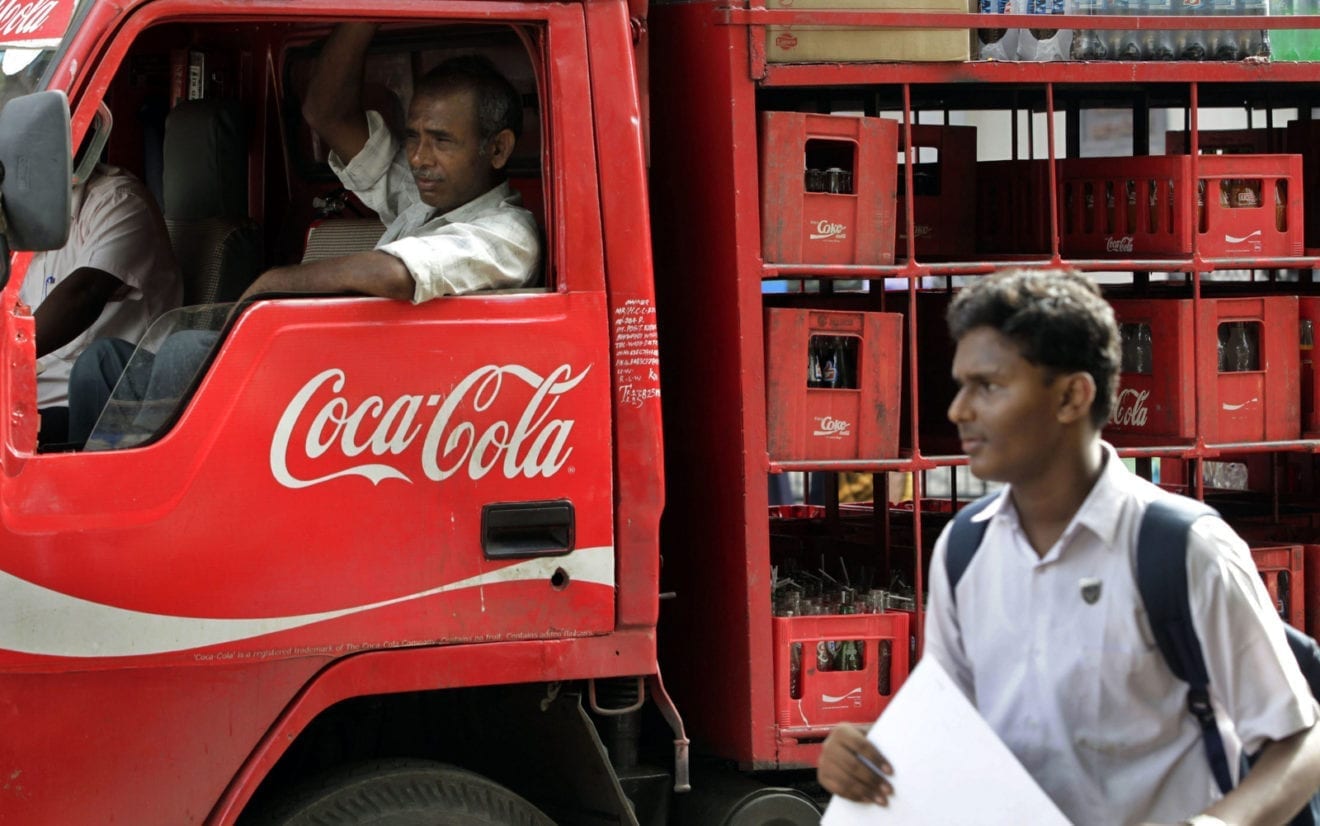
    Beverages major Coca-Cola India on Friday expanded its Minute Maid product range by launching a grape fruit based sparkling drink branded as Colour, said a top company official. People in Tamil Nadu towns and villages used to call soft drink ‘Colour’. Coca-Cola India has branded its new grape juice sparkler as ‘Colour’ to resonate with the local lingo.

    He also said the company would launch a new product in Andhra Pradesh that would be branded under a similar philosophy.

    “The new grape juice based Colour is launched here and will be focused on Tamilian population within India. The product is part of our strategy of expanding our fruit based beverages,” T.Krishnakumar, President, Coca-Cola India and South West Asia said.

    He said the company apart from focusing on its core products – carbonated drinks – also concentrates on launching products preferred in regional markets and also on expanding the ‘fruit circular economy’ – launching fruit based drinks made with domestically grown fruits.

    “The black grapes for the drink are sourced from grape farmers in South India,” Krishnakumar said.

    He did not agree that the new brand ‘Colour’ under the broader Minute Maid brand would reduce the latter’s brand equity. Minute Maid brand is known as a fruit based beverage brand.

    “We are expanding the products under the Minute Maid brand. The new product has 12 per cent grape juice content,” Krishnakumar said.

    According to Srideep Kesavan, Director-Juices, Coca-Cola India and South West Asia, research showed that grape juice was a fast moving product at fruit juice stalls in Tamil Nadu.

    Queried about cutting down on the sugar content in the company’s beverages, Krishnakumar said it will come down soon and a start has been made with the grape sparkler Colour with 9.5 grams of sugar.

    On the value of fruit pulp/products that Coca-Cola India would source under its ‘fruit circular economy’ he said the company had committed that a sum of Rs 5,000 crore would be spent on that head by 2023 and the company is in line with that commitment.

  • Vietnam’s largest brewery, foreign-owned, refuses to humor taxman

    Vietnam’s largest brewery, foreign-owned, refuses to humor taxman

    While Sabeco is still at loggerheads with the taxman over alleged back taxes of $135.73 million, it has not provisioned for it. Its 2018 accounts make no mention of the amount in dispute though the HCMC Tax Department has claimed it owes that in taxes and fines and even tried to seize the money from the company’s bank account. Vietnam’s largest brewer, Saigon Beer Alcohol Beverage Corporation (Sabeco), claims it has accurately declared and paid taxes based on guidance from the Ministry of Finance and tax authorities.

    A month ago the department said it would seize VND3.1 trillion ($135.73 million) from the brewery’s bank account for overdue special consumption tax payable between 2007 and 2015 and penalties for administrative violations. But there was reportedly no money in the account.

    Le Duy Minh, deputy head of the tax department, said the account has been temporarily blocked.

    “We have asked Sabeco to provide details of other bank accounts, but it has not fulfilled that request.”

    Sabeco general director Neo Gim Siong Bennett said in a statement on December 30 that Sabeco had not violated any tax regulations.

    Thus, the enforcement action by the tax department was a violation of Vietnamese laws since it was taken “without a valid administrative decision” and “contradicts the written guidance issued by the finance ministry, General Department of Taxation and the city department itself.”

    Speaking about the dispute, Prime Minister Nguyen Xuan Phuc earlier this month asked the tax authorities to desist from action and wait for related ministries and other agencies to come to a decision.

    Mai Tien Dung, Chairman of the Prime Minister’s Office said that government agencies are scrutinizing the case as it involves “foreign elements.”

    Sabeco’s revenues last year rose 5 percent to more than VND36 trillion ($1.56 billion) but higher expenses and falling profits at its joint venture and affiliate companies caused its profit after tax to fall by 11 percent to VND4.4 trillion ($191 million).

    In December 2017 Thai Beverage acquired a 53.59 percent stake in Sabeco from the Ministry of Industry and Trade for $4.84 billion through a local entity, Viet Beverage (VietBev).

    Sabeco now has a 42.8 percent of the beer market, according to the Ho Chi Minh City Securities Corporation. It produced nearly 1.85 billion liters of beer last year.