Tag: billion

  • Chinese Airlines Secure $17.8 Billion Airbus Deal to Boost Capacity and Modernize Fleets

    Chinese Airlines Secure $17.8 Billion Airbus Deal to Boost Capacity and Modernize Fleets

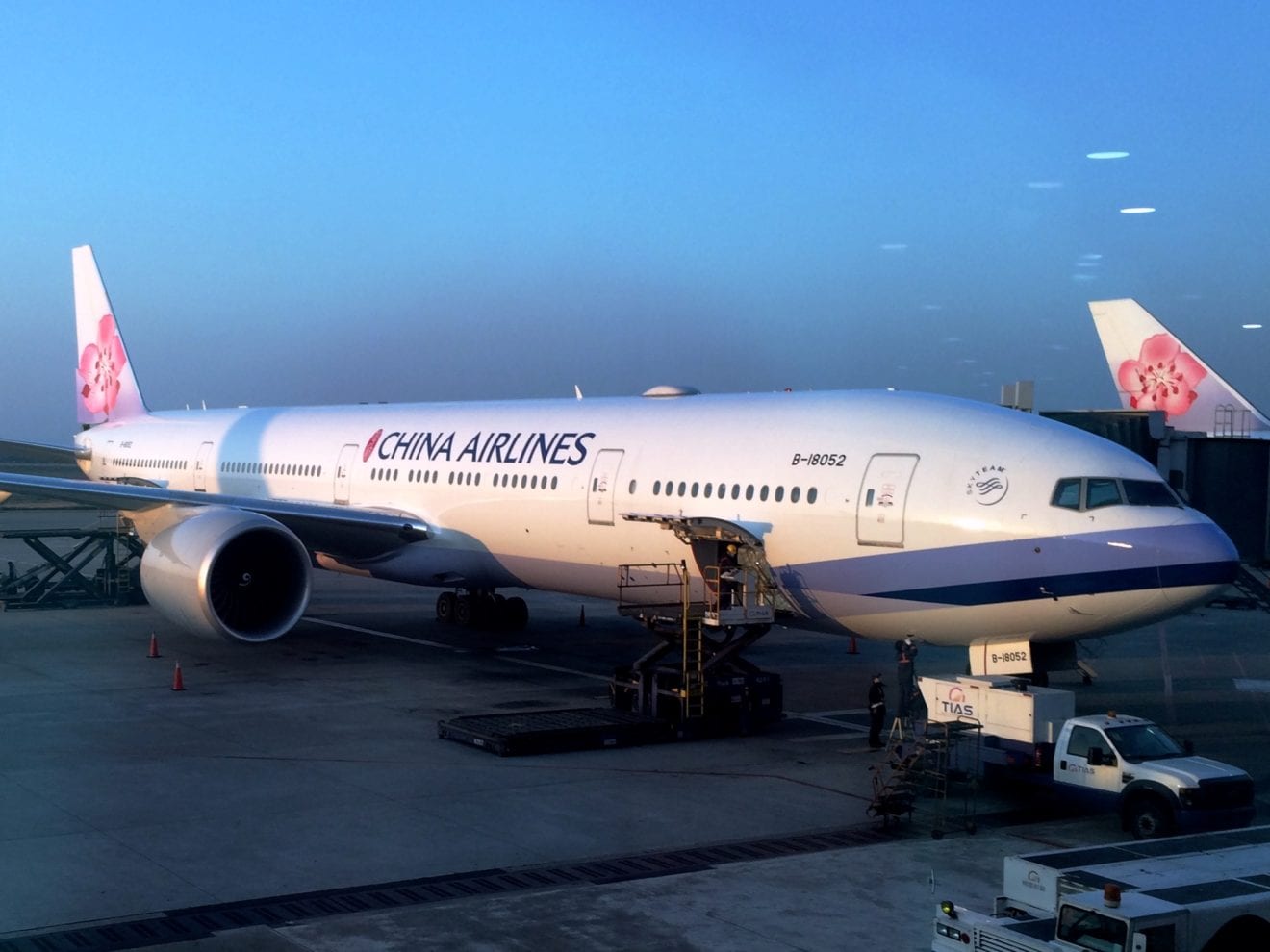
    Three major Chinese airline companies are set to acquire 95 aircraft from Airbus, in deals collectively valued at approximately $17.8 billion. This comes as part of a concerted effort by these airlines to expand their capacities and modernise their fleets with more fuel-efficient aircraft amidst the bourgeoning growth of China’s aviation market – the second-largest globally.

    Air China and its subsidiary Shenzhen Airlines have agreed to purchase 55 Airbus aircraft for a total value of $12.4 billion. Conversely, Hainan Airlines has independently agreed to buy 40 A320neo-family jets, with a list price of up to $5.4 billion.

    Air China will acquire 15 A350-900 wide-body jets, while Shenzhen Airlines will separately buy 40 narrow-body A320neo-family aircraft. The A350-900 jets, valued at roughly $6.09 billion, are set for delivery between 2030 and 2032. The 40 A320neo-family aircraft, worth approximately $6.35 billion, are slated for delivery between 2029 and 2032. Meanwhile, Hainan Airlines has scheduled the delivery of its 40 A320neo jets between 2028 to 2032.

    However, Air China has clarified that the actual transaction prices will be lower than the listed values, stating that Airbus has granted significant discounts in line with standard practice for large-scale aircraft orders.

    This surge of orders is indicative of the ongoing recovery and expansion of Chinese carriers post-pandemic, despite notable challenges. Recently, Air China reported a potential net loss of up to 2.6 billion yuan for the first half of this year, attributing the financial squeeze to rising fuel prices.

    Other Chinese carriers have also been investing in large orders with Airbus. Previous notable investments include those by China Eastern Airlines and China Southern Airlines, which have made substantial aircraft purchases in recent months.

    These new jets are predicted to increase the total capacity of the Air China group and Shenzhen Airlines by 7.1% and 4.3% respectively, based on their combined passenger and cargo capacity as of December 31, 2025. In addition, some of the new aircraft will replace older models set to be retired.

    Competition-wise, the A320neo family rivals the Boeing 737 MAX on medium-haul routes, while the A350-900 is favored for long-haul international services.

    According to the IATA World Air Transport Statistics, the U.S. remained the world’s largest aviation market last year with 890.1 million passengers, with China following closely at 776.1 million passengers.

    Questions & Answers

    What is the total value of the Airbus aircraft orders by the three Chinese airlines?
    The total list price of the 95 Airbus aircraft ordered by Air China, Shenzhen Airlines, and Hainan Airlines is approximately $17.8 billion.

    Which aircraft models are being purchased by the Chinese airlines from Airbus?
    The three airlines have agreed to purchase various models, with Air China acquiring 15 A350-900 wide-body jets and Shenzhen Airlines buying 40 narrow-body A320neo-family aircraft. Hainan Airlines will be purchasing 40 A320neo-family jets.

    How will these purchases affect the total capacity of the Air China group and Shenzhen Airlines?
    The acquisition of these new jets is expected to boost the total capacity of the Air China group by about 7.1% and Shenzhen Airlines by 4.3%, based on their combined passenger and cargo capacity as of December 31, 2025.

  • Shein’s IPO Dreams Tumble as EU E-commerce Fees Threaten $50 Billion Valuation Goal

    Shein’s IPO Dreams Tumble as EU E-commerce Fees Threaten $50 Billion Valuation Goal

    Shein, the fast-fashion retailer, is looking at a tough road ahead as it aims for a valuation of up to US$50 billion in its highly anticipated IPO in Hong Kong. This is mainly due to new fees imposed on e-commerce parcels in Europe, which are expected to negatively affect sales growth and profits. The proposed valuation is a significant drop from the $100 billion valuation that the company held in 2022, during a funding round when it initially considered a New York listing.

    The company generated global revenue exceeding $40 billion last year, alongside a net profit of nearly $2 billion, according to undisclosed sources. In comparison, the company’s 2024 filings in Singapore show $37 billion in revenue and a profit of $1.29 billion.

    Challenges Presented by New EU Fees

    The company’s growth trajectory this year is likely to face setbacks, following the European Union’s introduction of a €3 fee on low-value e-commerce imports. This measure is aimed at curbing what the EU believes to be unfair competition from China. Shein’s CEO, Sky Xu, will need to reassure investors that this is a temporary setback, with growth expected to rebound in 2027. A significant portion of Shein’s products are manufactured in China, and Europe accounts for a third of the company’s revenue.

    Eddie Tam, Chief Investment Officer at Central Asset Investments in Hong Kong, voiced his concerns about the company’s valuation, stating, “If its valuation is $40 billion, I think that’s still a bit expensive. But if it’s closer to $30 billion, maybe it looks more attractive,” He further added that the new European fees will significantly impact the company’s performance.

    Effects of Increased Fees on European Demand

    Before the imposition of the new fees, e-commerce parcels worth less than €150 (US$171.96) entered the European Union duty-free. Now, each parcel is subject to €3 fees per customs code, which means a parcel with five different items could be charged €15 in duties.

    One e-commerce industry analyst, Juozas Kaziukenas, noted the significant impact of the fee increase by stating, “If you’re used to buying €3 T-shirts on Shein, those are now double the price which is quite significant, even if they’re still cheaper than local alternatives.”

    To better navigate the new fee structure, Shein has been expanding warehouse space in Wroclaw, Poland, and shipping popular products to the EU in bulk. However, like its competitor Temu, the company has cut back advertising spending in Europe as it monitors consumer reactions to the price increases.

    Questions & Answers

    What is the primary challenge facing Shein’s upcoming IPO?
    The main challenge is the new fee imposed by the European Union on e-commerce imports, which is likely to affect the company’s sales growth and profits.

    How has Shein been preparing for the change in the European Union’s e-commerce fee structure?
    Shein has been expanding its warehouse space in Wroclaw, Poland, and shipping popular products to the EU in bulk. It has also reduced advertising spending in Europe.

    What was the valuation of Shein during its 2022 funding round, and how does it compare to the expected valuation in the upcoming IPO?
    During the 2022 funding round, Shein was valued at $100 billion. However, the company is seeking a valuation of $40 to $50 billion in the upcoming IPO, indicating a significant drop.

  • Uber’s $14.8 Billion Acquisition of Delivery Hero Bolsters Global Food Delivery Dominance

    Uber’s $14.8 Billion Acquisition of Delivery Hero Bolsters Global Food Delivery Dominance

    Uber, one of the leading global mobility and food delivery platforms, has confirmed its decision to acquire another significant player in the industry, Delivery Hero. The agreement, which values Delivery Hero at approximately €13.0 billion (US$14.8 billion), follows earlier disclosures by the latter about being in advanced talks with Uber amidst market rumors of a potential takeover.

    Uber’s proposal outlines a voluntary public takeover offer, which will see it pay Delivery Hero shareholders €41.50 per share in cash. This move will significantly broaden Uber’s global delivery operations through the integration of Delivery Hero’s portfolio of brands. These include Foodpanda, Glovo, Talabat, HungerStation, and PedidosYa. Consequently, the amalgamated businesses will operate in 99 markets, offering services in ride-hailing, food delivery, and quick commerce.

    Future Plans and Investments

    Niklas Östberg, the co-founder and CEO of Delivery Hero, has expressed his confidence in the acquisition. He asserts that the deal, along with Uber’s planned investment in Germany, highlights the appeal of the European tech ecosystem. Furthermore, he expresses the company’s intent to continue contributing to its growth.

    To ensure regulatory approval for the acquisition, Delivery Hero will divest its operations in 14 markets where it overlaps with Uber. The divestment will be done to investment firm SSW Partners before the transaction is finalised.

    Uber, for its part, has pledged to uphold Delivery Hero’s Berlin headquarters and its staff until at least the end of 2029. In addition, the company has promised to invest €2 billion in Germany by 2031.

    The transaction is anticipated to be concluded in the second half of 2027, subject to shareholder acceptance and regulatory approvals.

    Questions & Answers

    What is the value of the proposed acquisition of Delivery Hero by Uber?

    The deal values Delivery Hero at approximately €13.0 billion (US$14.8 billion).

    How will the acquisition expand Uber’s business?

    The acquisition will allow Uber to integrate Delivery Hero’s portfolio of brands, including Foodpanda, Glovo, Talabat, HungerStation, and PedidosYa. This will significantly expand Uber’s operations across 99 global markets.

    What commitments has Uber made towards Delivery Hero’s existing operations and workforce?

    Uber has committed to maintaining Delivery Hero’s Berlin headquarters and workforce until at least the end of 2029. It also plans to invest €2 billion in Germany by 2031.

  • Stripe and Advent Propose $53 Billion Deal to Acquire PayPal: A Giant Leap in Payments Industry

    Stripe and Advent Propose $53 Billion Deal to Acquire PayPal: A Giant Leap in Payments Industry

    In significant financial news, payment giant PayPal Holdings Inc has reportedly received a joint acquisition bid from payments provider Stripe and private equity powerhouse Advent International. The offer, which values PayPal at a staggering $53 billion USD, was allegedly initiated earlier this month.

    The proposed offer places PayPal’s share value at $60.50, marking an impressive increase of around 28% on PayPal’s closing share price last Tuesday. This proposal leverages approximately $50 billion in committed financing from banking institutions, according to insiders.

    Under the proposed agreement, Stripe and Advent International would retain co-ownership of PayPal, with each party securing an equal share. This arrangement ensures that PayPal would continue operating as a unified entity instead of facing potential fragmentation.

    However, it’s important to note that these discussions remain in the early stages, and there is no assurance that this preliminary approach will actualize into an official transaction. The individuals providing the information have chosen to remain anonymous due to the confidential nature of these ongoing negotiations. Official representatives from Advent, PayPal, and Stripe have yet to issue public comments on the subject.

    PayPal’s first-quarter performance reported a promising 7% increase in revenue, amounting to around $8.35 billion. This figure comfortably surpasses analysts’ predicted average of $8.05 billion. Furthermore, on a currency-neutral basis, total payment volumes experienced an 8% rise over the past year, totaling about $464 billion.

    Questions & Answers

    What is the proposed offer for PayPal’s shares?
    The joint acquisition bid by Stripe and Advent International is proposing a value of $60.50 per PayPal share.

    How is the proposed acquisition to be financed?
    The proposed acquisition is backed by approximately $50 billion in committed financing from banking institutions.

    What were PayPal’s first-quarter performance figures?
    PayPal reported a 7% increase in revenue in the first quarter, amounting to $8.35 billion. On a currency-neutral basis, total payment volumes saw an 8% rise over the past year, reaching approximately $464 billion.

  • Techcombank Leverages Digital Finance to Tap into Vietnams $100 Billion Infrastructure Nexus

    Techcombank Leverages Digital Finance to Tap into Vietnams $100 Billion Infrastructure Nexus

    Techcombank, Vietnam Technological and Commercial Joint Stock Bank, is strategizing to bridge global capital with Vietnam’s escalating investment needs. The bank is placing digital financial infrastructure at the forefront, seeing it as a pivotal factor for the country’s next economic growth stage.

    Techcombank is expressing its aspiration to be instrumental in channeling both local and global capital towards Vietnam’s economic progression. In furtherance of its goals, it co-hosted the Vietnam Financial Forum 2026 (VFF 2026) from July 9th to 10th in Danang. The forum attracted over 350 attendees, including policymakers and executives from domestic and international financial institutions and companies.

    Modernizing Vietnam’s Capital Markets

    The forum centered on the modernization of Vietnam’s capital markets, bolstering the country’s financial infrastructure, and enhancing corporate access to capital. The country’s government aims to achieve double-digit economic growth from 2026 through to 2030.

    Digital and green finance took center stage at the forum. Delegates deliberated on how new technologies and the digital transformation of the financial infrastructure could ease capital flow and bolster Vietnamese companies.

    Techcombank CEO, Jens Lottner, in his keynote speech, pointed out that the bank’s role goes beyond conventional financing. He stated, “We are constructing the digital infrastructure that allows capital, data, and financial services to flow smoothly through the economy.” The CEO also revealed Techcombank’s goal to be Vietnam’s most reliable financial platform and to help efficiently channel domestic and international capital into sectors generating sustainable economic value.

    $100 Billion Investment Goal

    The funding of Vietnam’s rapidly expanding infrastructure needs was a key focus of the forum. Techcombank executives and representatives of their partner ecosystem discussed potential areas for the next $100 billion investment. The conversations included infrastructure, energy, and industrial development, as well as tactics to draw capital from global institutional investors.

    Techcombank emphasized mechanisms for luring foreign investment and steering international capital towards strategic Vietnamese projects. Lottner mentioned that Techcombank is ready to share its experience in developing digital ecosystems and utilizing data and technology to connect citizens, companies, investors, and public services.

    Techcombank aims to contribute its financial resources, tech expertise, and global network to the development of a more modern and transparent financial ecosystem through its participation in the Vietnam Financial Forum. The bank currently services around 18 million retail and corporate clients and operates one of Vietnam’s top digital banking platforms.

    Questions & Answers

    What is Techcombank’s primary aim in Vietnam’s economic development?
    Techcombank aims to facilitate the efficient allocation of both domestic and international capital into sectors generating sustainable economic value, leveraging digital financial infrastructure.

    What were the key areas of focus at the Vietnam Financial Forum 2026?
    The forum focused on modernizing Vietnam’s capital markets, strengthening the country’s financial infrastructure, and improving corporate access to capital. Other areas of focus included digital finance, green finance, and the role of technology in facilitating capital flow.

    What is Techcombank’s strategy for meeting Vietnam’s growing infrastructure needs?
    Techcombank intends to attract and steer international capital towards strategic projects in Vietnam. It also aims to share its experience in developing digital ecosystems and using data and technology to connect various sectors, including citizens, companies, investors, and public services.

  • Frasers Group Boldly Bids $2.3 Billion for Complete Control of Hugo Boss

    Frasers Group Boldly Bids $2.3 Billion for Complete Control of Hugo Boss

    Frasers Group, a prominent UK retail corporation, recently unveiled an unexpected voluntary takeover bid for Hugo Boss. Their goal is to procure the remaining shares of the renowned German fashion brand and obtain complete ownership. Currently, Frasers Group possesses a 26.06% stake in Hugo Boss, and their proposal to acquire the unowned 73.94% stake stands at €38 per share in cash. This proposition elevates the total bid value to roughly US$2.3 billion.

    Frasers Group’s Confidence in Hugo Boss

    Frasers Group’s proposed takeover reflects its sustained assurance in Hugo Boss’s potential and facilitates possibilities for additional business investment. The company regards Hugo Boss as one of its most critical strategic brand associates. Furthermore, Frasers Group continues to back the growth strategy and management team of the fashion firm.

    However, Hugo Boss confirmed that it had received the unrequested bid and emphasized that the company had no prior involvement in coordinating the proposal. The fashion group’s management board and supervisory board will assess the proposal document once it is officially available. Subsequently, they will issue an informed viewpoint for the shareholders.

    The company also assured that it would keep its shareholders and the public updated about any future developments and the following steps as per the legal and regulatory stipulations.

    Frasers’ Association with Hugo Boss

    The affiliation between Frasers Group and Hugo Boss traces back to 2020. This was when Mike Ashley, the founder of Frasers, initiated an investment in the German fashion company. The group also secured representation on Hugo Boss’s supervisory board through its CEO, Michael Murray.

    Questions & Answers

    What is Frasers Group’s current stake in Hugo Boss?
    Frasers Group currently holds a 26.06% stake in Hugo Boss.

    What is the proposed offer per share by Frasers Group for the remaining stake in Hugo Boss?
    The proposed offer by Frasers Group for the remaining stake in Hugo Boss is €38 per share in cash.

    What is the history of the relationship between Frasers Group and Hugo Boss?
    The relationship between the two companies began in 2020 when Frasers Group’s founder, Mike Ashley, started investing in Hugo Boss. Additionally, Frasers Group has representation on Hugo Boss’s supervisory board through CEO Michael Murray.

  • Singapore Loses $7 Billion Annually due to Inefficient Cross-Border Payment Systems: Study

    Singapore Loses $7 Billion Annually due to Inefficient Cross-Border Payment Systems: Study

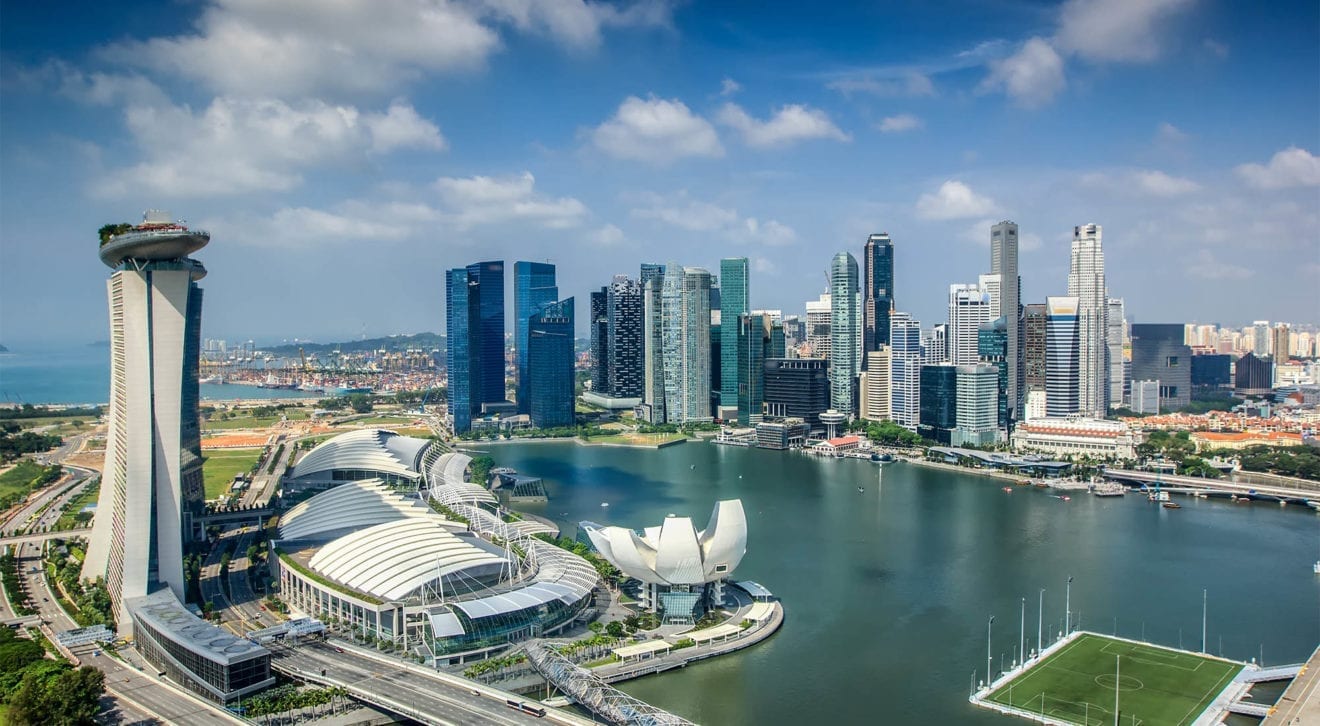
    The antiquated systems of cross-border payments are imposing a substantial financial burden on businesses in Singapore, confining billions of dollars in operational capital and diminishing economic efficiency. This is according to recent research conducted by the financial tech firm, Airwallex, and the Centre for Economics and Business Research (Cebr).

    The research suggests that Singaporean companies lose roughly $7 billion per year owing to inefficiencies inherent in the traditional global payment infrastructures. The losses mainly come from payment failures, foreign exchange spreads, correspondent banking fees, and slow settlement processes that plague a vast portion of the global business-to-business (B2B) payment realm.

    Airwallex has termed this occurrence as the “Global Growth Tariff,” defining it as the economic pullback instigated by outdated cross-border payment systems. The report estimates that globally, a staggering $330 billion in working capital is stalled within the financial system due to these inefficiencies, an amount that is roughly equivalent to 9 percent of the United Kingdom’s annual gross domestic product.

    The Business Capital Drain

    For Singapore, one of the most internationally linked trade and financial hubs globally, the impacts are especially notable. Businesses involved in cross-border operations encounter higher transaction costs, delayed access to funds, and increased administrative workloads, all of which can influence cash flow and investment decisions.

    According to the study, payment failures and manual repair measures account for about $420 million in annual costs for Singaporean businesses. When transactions fail to process automatically, companies often suffer additional operational expenses and delays as payments are manually fixed and resubmitted.

    Simultaneously, foreign exchange spreads and correspondent banking fees remain the dominant source of friction. As per the research, these costs annually account for roughly $6.3 billion in lost business capital worldwide.

    The report also emphasizes the impact of settlement delays. At any given time, about $220 million in working capital is essentially frozen in Singapore as businesses await the clearance of international transactions. This capital could otherwise be used for investments, recruitment, or daily business operations.

    The Push for Efficiency

    The report’s findings come at a time when businesses are under increasing pressure to optimize liquidity amid economic uncertainty, higher financing costs, and ongoing changes in global trade patterns.

    “Legacy payment systems are quietly depleting billions from businesses that can least afford it. Every dollar stuck in the system is a dollar not invested in growth,” said Firdevs Abacioglu, Head of Data Science and AI at Airwallex.

    The research was founded on an analysis of cross-border B2B payment volumes, payment failure rates, significant currency corridor foreign exchange costs, and international supplier and contractor payment settlement timelines.

    Liam Daly, Senior Economist at Cebr, stated that the findings spotlight the structural inefficiencies that persistently obstruct international commerce. He added that addressing these frictions would promote seamless international trade and free up capital for productive use.

    Questions & Answers

    What is the “Global Growth Tariff”?
    The Global Growth Tariff is a term coined by Airwallex, referring to the economic drag created by outdated cross-border payment systems.

    How much do payment failures and manual repair processes cost Singaporean businesses annually?
    Payment failures and manual repair processes cost around $420 million each year for Singaporean businesses.

    What is the estimated amount of working capital trapped within the financial system due to inefficiencies in cross-border payment systems?
    According to the report, around $330 billion in working capital is effectively trapped within the financial system due to these inefficiencies.

  • Chinese E-commerce Titan JD Eyes £2 Billion Acquisition of UKs The Very Group

    Chinese E-commerce Titan JD Eyes £2 Billion Acquisition of UKs The Very Group

    JD, the Chinese e-commerce titan, is reportedly considering a significant expansion within the UK market, with a potential £2 billion ($2.69 billion) acquisition bid for the British online retail platform, The Very Group.

    JD’s Expansive Strategy in the UK

    This move is the latest in a series of attempts by JD to strengthen its foothold in the UK market. Previously, the company had made a failed attempt to acquire the electricals group Currys and, in 2020, had withdrawn from negotiations aimed at acquiring Argos from Sainsbury’s. These activities indicate JD’s strong interest in expanding its operations in the UK, despite previous setbacks.

    Representatives from JD and The Very Group have refrained from commenting on these market speculations.

    The Very Group’s Recent Ownership Changes

    The owner of The Very Group, Carlyle, was reported earlier this year to be planning a £2 billion sale of the enterprise. This news came just a few months after Carlyle assumed ownership from the Barclay family, who had been long-time stakeholders in the business.

    Questions & Answers

    What is the estimated value of the deal between JD and The Very Group?
    The value of the potential deal is speculated to be around £2 billion ($2.69 billion).

    What other UK ventures has JD been involved in?
    In the past, JD has attempted to buy the electricals group Currys and also entered negotiations to acquire Argos from Sainsbury’s.

    Who is the current owner of The Very Group?
    The Very Group is currently owned by Carlyle, which took over from the Barclay family last year.

  • Central Pattana Propels $3 Billion Mixed-Use Expansion: Heralding a New Era of Urban Growth in Thailand

    Central Pattana Propels $3 Billion Mixed-Use Expansion: Heralding a New Era of Urban Growth in Thailand

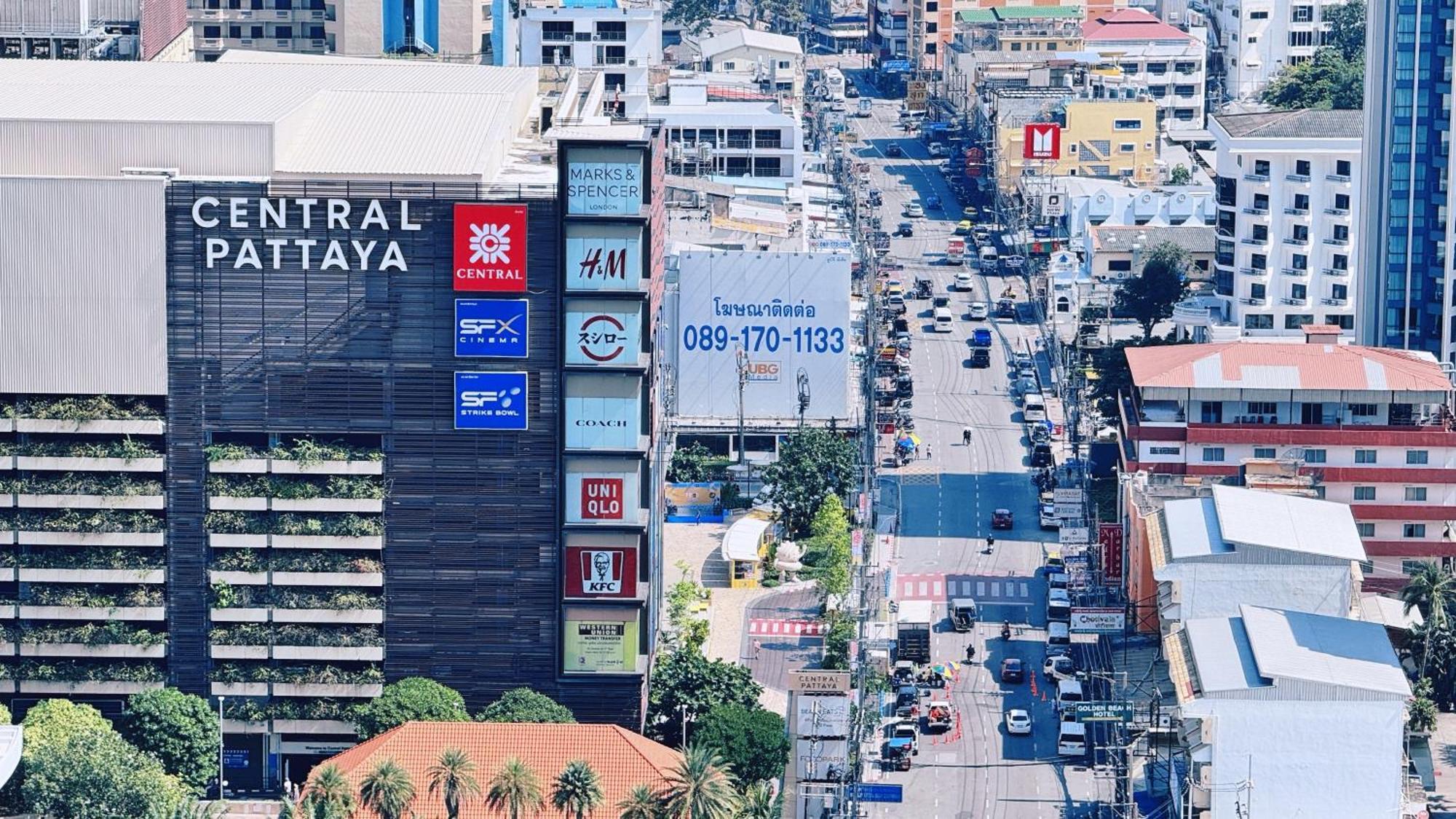
    Central Pattana, a leading retail and property development company, has unveiled ambitious plans to invest approximately $3 billion to broaden its mixed-use portfolio over the next five years.

    Central Pattana’s proposed projects are poised to offer an innovative blend of retail, residential, office, and public spaces. These projects are strategically designed to cater to both urban and regional growth corridors, maximising their reach and potential impact.

    Expansion Across Bangkok

    The expansion will focus on both established and emerging business districts within Bangkok. Prominent regions such as the ‘Super Core CBD’ near CentralWorld and Silom-Rama IV will be targeted, alongside burgeoning zones in Rama 9 and Ladprao-Phahonyothin.

    One of the cornerstone ventures of this ambitious expansion is a project aptly named the ‘City of the Future’. This project, planned to sprawl over approximately 120ha in northern Bangkok, aims to seamlessly integrate elements of sustainability, green spaces, and walkable urban design.

    CEO Wallaya Chirathivat states, “Our model continues to generate sustainable traffic, tenant sales and long-term asset value, while contributing to broader economic ecosystems.”

    Currently, Central Pattana manages a portfolio of 142 projects nationwide, drawing in more than 510 million visitors every year. By 2030, the company aspires to increase its mixed-use projects to 33, supporting over 1.5 million jobs and ensuring a consistent stream of rental income.

    In addition to its Bangkok projects, the company has also declared plans to expand Central Phuket. The emphasis will be on the development of the luxury zone and the addition of roughly 10,000sqm of leasable space. The first phase is slated for completion in the fourth quarter of this year.

    Questions & Answers

    What is the scope of Central Pattana’s investment plans over the next five years?
    Central Pattana intends to invest around $3 billion in the expansion of its mixed-use portfolio over the next five years.

    What does the ‘City of the Future’ project aim to achieve?
    The ‘City of the Future’ project aspires to integrate sustainability, green space, and walkable urban design into a large development in northern Bangkok.

    What are the expansion plans for Central Phuket?
    Central Pattana plans to expand Central Phuket by focusing on the luxury zone and adding approximately 10,000sqm of leasable space. The first phase of this expansion is set to open in the fourth quarter of this year.

  • Singapore Considers Classifying Blind Boxes as Gambling: Potential Impacts on the $11.38 Billion Industry

    Singapore Considers Classifying Blind Boxes as Gambling: Potential Impacts on the $11.38 Billion Industry

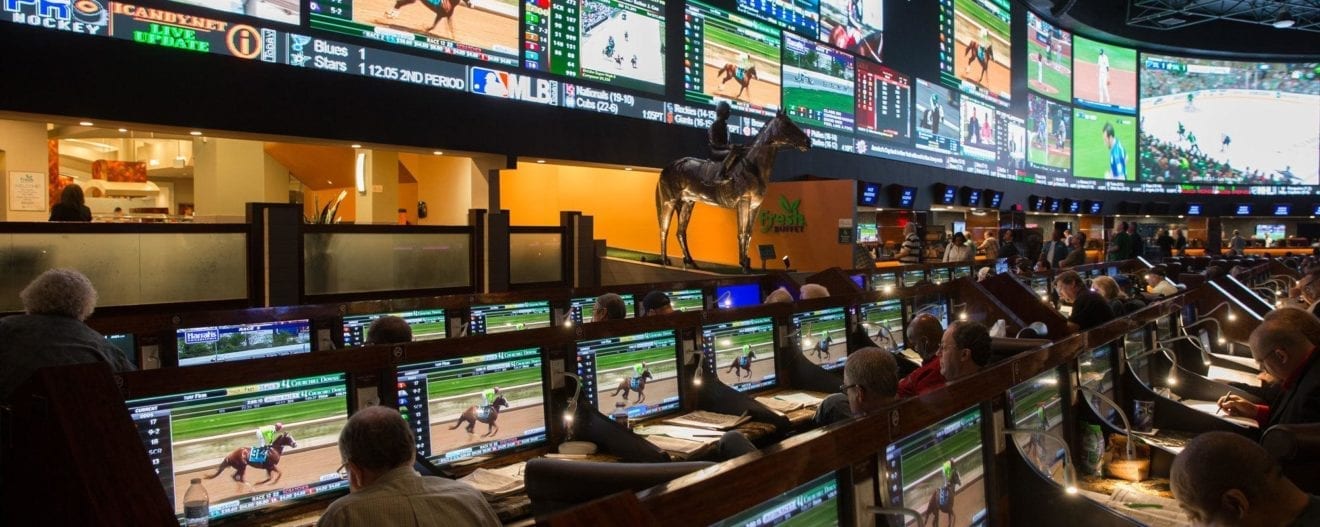
    Regulatory authorities in Singapore are currently evaluating whether blind boxes should be classified under the nation’s gambling laws, a decision that could profoundly influence the compliance mandates for retailers in the rapidly developing collectibles market.

    K Shanmugam, the Minister for Home Affairs and Law, stated that the Ministry of Home Affairs and the Gambling Regulatory Authority have examined the sale of blind boxes and are contemplating possible regulatory avenues.

    This evaluation comes on the heels of Singapore’s 2022 regulatory laws on mystery boxes. The authorities are contemplating initiatives like mandating probability disclosures and implementing measures to minimize risks of inducement. The primary focus appears to be on limited-edition figurines, as the government is considering the necessity of compulsory warning labels on blind box series, conveying the likelihood of consumers discovering the most rare items inside.

    In the meantime, the worldwide blind box industry, which was valued at US$11.38 billion in 2021, is projected to nearly double, hitting US$24.2 billion by 2033.

    The uncertainties remain regarding whether blind boxes could be formally incorporated into existing gambling laws or whether legislative amendments would be required.

    Blind boxes, which are sealed packages filled with random toys or figurines, have emerged as a powerful driver of foot traffic and recurring purchases for specialty retailers, toy stores, and mall kiosks. This business model primarily hinges on tiered rarity, with the allure of ‘secret’ or limited-edition variants prompting multiple purchases.

    For retailers, this review indicates potential alterations to product labeling, in-store advertising, and age-related regulations.

    Increased transparency requirements could potentially modify packaging norms and promotional strategies, particularly for businesses targeting youth-centric fan communities.

    Questions & Answers

    What is the current situation of blind boxes in Singapore?
    Singapore’s regulatory authorities are assessing whether blind boxes – sealed packages with random toys or figurines – should be classified under the nation’s gambling legislation, which could potentially change the compliance requirements for many businesses.

    What are the potential changes retailers could face?
    Retailers may need to adjust their product labeling, in-store marketing, and age-related regulations. They might also have to change their packaging norms and promotional strategies, especially those targeting youth-centric fan communities.

    What is the projected growth of the global blind box market?
    The global blind box market, valued at US$11.38 billion in 2021, is expected to almost double, reaching an estimated valuation of US$24.2 billion by 2033.

  • 21Shares Shakes Things Up: New Leadership Structure Amidst $11 Billion Crypto Assets Management

    21Shares Shakes Things Up: New Leadership Structure Amidst $11 Billion Crypto Assets Management

    21Shares, a well-known firm that specializes in exchange-traded products (ETPs) tied to cryptocurrency assets, recently unveiled some major changes in its leadership structure. Having recently been taken over by a U.S. broker, the company currently oversees more than $11 billion in assets.

    Adrian Fritz’s Promotion

    With a tenure of four years, Adrian Fritz, who held the position of Global Head of Research, has ascended to the role of Chief Investment Strategist. In this new leadership role, Fritz will pivot his concentration towards sales and capital markets. As Vice President and Chief Investment Strategist, Fritz’s obligations will comprise of directing the company’s global investment strategy. This involves enhancing market predictions, portfolio evaluations, and the asset allocation strategy in digital assets.

    Eliézer Ndinga to Lead Research

    The leadership baton for the five-member research team has been passed to Eliézer Ndinga, the former Head of Strategy at 21Shares since April 2020.

    Ndinga, who originally founded the research team, served in this role for over three years. He held the position of Vice President, Head of Strategy at 21.co in New York City from December 2023 onwards. Ndinga will now resume his duties from the company’s headquarters in Zurich.

    Questions & Answers

    Who has been promoted to the role of Chief Investment Strategist at 21Shares?
    Adrian Fritz, who previously served as the Global Head of Research for the firm, has been promoted to the role of Chief Investment Strategist.

    Who will succeed Adrian Fritz as the head of the research team at 21Shares?
    Eliézer Ndinga, the former Head of Strategy at the company, will now lead the research team.

    What are the new roles and responsibilities of Adrian Fritz and Eliézer Ndinga?
    As the Chief Investment Strategist, Adrian Fritz will oversee the company’s global investment strategy, improve market forecasts, portfolio assessments, and manage the asset allocation strategy in digital assets. Eliézer Ndinga, on the other hand, will lead the research team from the company’s headquarters in Zurich.

  • Korea Secures $9 Billion in Cloud and AI Investments from Global Tech Giants at APEC Summit

    Korea Secures $9 Billion in Cloud and AI Investments from Global Tech Giants at APEC Summit

    During the APEC Global Investment Partnership event, which was held in conjunction with the APEC CEO Summit in Gyeongju, an announcement was made that underscores the determination of Seoul to lure high-value investment into the areas of digital infrastructure and advanced manufacturing. This is part of Seoul’s drive to expedite its aspirations in the field of artificial intelligence (AI).

    Investments in South Korean Digital Infrastructure

    Matt Garman, the CEO of Amazon Web Services (AWS), disclosed a plan to invest $5 billion by 2031 in order to expand the company’s cloud data centers and enhance its AI competencies in South Korea. He pointed out that South Korea is swiftly becoming a hub of AI innovation in Asia, and the continuous investments by AWS reveal their faith in South Korea’s technological ecosystem. He also believes that these investments will bolster South Korea’s place in the global AI economy.

    President Lee Jae Myung of South Korea, who met with Garman during the event, expressed his approval of AWS’s investment, deeming it a crucial aspect of Seoul’s AI strategy. His endorsement comes on the heels of AWS’s announcement of their $4 billion AI data center project in Ulsan earlier this year. President Lee is confident that this collaboration with AWS will stimulate Korea’s AI ecosystem and solidify their mutual path to prosperity.

    Investments from Other Multinational Corporations

    Additionally, six other multinational companies, namely Renault, Amkor Technology, Corning, Air Liquide, Siemens Healthineers, and Umicore, also communicated their new investment commitments. Renault Korea is set to transform existing production lines for the manufacture of electric vehicles, designating Korea as one of its five global strategic hubs. Siemens Healthineers has plans to construct a new 9,917-square-meter facility in Pohang for the production of components for cardiovascular ultrasound systems. Amkor Technology is preparing to extend its semiconductor packaging operations, while Umicore has intentions to build a cathode materials plant to cater to Korea’s rapidly expanding battery supply chain.

    As per the Ministry of Trade, Industry, and Energy of Korea, approximately $660 million of the declared amount is to be immediately registered as foreign direct investment.

    Korea’s Leadership in AI Development

    President Lee, during his keynote speech at the APEC CEO Summit, expressed Korea’s intention to propose an AI Initiative at the upcoming APEC leaders’ meeting, advocating for inclusive and cooperative AI development in the Asia-Pacific region. He envisions a future where AI is accessible to all, hopeful that this vision will become the new standard for APEC. This places Korea in a leadership position in the Asia-Pacific region in terms of digital transformation and ethical AI governance.

    The APEC CEO Summit, organized by the Korea Chamber of Commerce and Industry (KCCI), saw a record turnout of 1,700 business and political leaders, the largest in the summit’s 30-year history. The summit boasted the attendance of top executives and heads of state, including U.S. President Donald Trump, NVIDIA CEO, Jensen Huang, and several Asia-Pacific leaders.

    The summit was represented by the chairmen of Korea’s biggest conglomerates, including Samsung, Hyundai, LG, SK Group, and POSCO, reinforcing the country’s pivotal role in shaping the region’s technological future. The summit’s sessions over the three days centered around AI, digital currencies, supply chain resilience, green transition, and economic cooperation.

    Questions & Answers

    What was the primary focus of the APEC Global Investment Partnership event?
    The event was centered around Seoul’s efforts to attract high-value investments in digital infrastructure and advanced manufacturing to accelerate its AI ambitions.

    What is AWS’s planned investment in South Korea?
    AWS announced a plan to invest $5 billion by 2031 to expand its cloud data centers and boost its AI capabilities in South Korea.

    How are other multinational corporations contributing to South Korea’s AI strategy?
    Six multinational corporations have committed to new investments in South Korea. These include Renault’s conversion of production lines to electric vehicle manufacturing, Siemens Healthineers’ construction of a new facility for cardiovascular ultrasound systems, and Amkor Technology’s expansion of semiconductor packaging operations.

  • HSBC Amplifies Asian Venture Ecosystem with $1.5 Billion Innovation Banking Hub in Singapore

    HSBC Amplifies Asian Venture Ecosystem with $1.5 Billion Innovation Banking Hub in Singapore

    HSBC is making a significant stride into the Singaporean market with the establishment of its Innovation Banking division. This move is marked by a considerable investment of $1.5 billion, aimed at promoting rapid expansion firms and improving the local venture ecosystem.

    Services and Leadership

    The department is structured to cater to venture-supported enterprises and investors by offering specialized products and sector knowledge. Additionally, it will provide access to the vast global network of HSBC. Neil Falconer, freshly appointed as the Head of Innovation Banking in Singapore, will lead a committed team to assist current clients and broaden coverage. Concurrently, he will maintain his role in managing the Consumer, Healthcare, and TMT sectors within the International Mid-Market segment of HSBC.

    Establishment of Credit Solutions Team

    In line with the new initiative, HSBC has also founded a Credit Solutions team. Shaun Sakhrani, the Head of Credit Solutions for Singapore and the Asia Head of Platform Lending, will lead this team. The group will offer a range of financial structures to Innovation Banking clients, including venture debt and platform finance.

    Singapore, A New Addition to HSBC’s Innovation Banking

    HSBC’s Innovation Banking launch in Singapore marks the third expansion within the Asia-Pacific region in the current year. This addition bolsters its presence across the globe, joining branches in the US, UK, Australia, New Zealand, Israel, Continental Europe, India, Hong Kong, and mainland China.

    Since its launch in 2023, HSBC’s Innovation Banking has witnessed a remarkable growth in its clientele, with an increase of nearly 60 percent. The bank now boasts of a robust team of over 900 innovation finance experts with a global connection.

    In Singapore, HSBC has been backing new-economy businesses since 2021, achieving double-digit revenue growth and supporting companies such as Atome Financial, Glife Technologies, and Tickled Media.

    Singapore: A Thriving Start-Up Hub

    Singapore houses over 4,000 start-ups and flaunts a pulsating network of accelerators, incubators, and investors. As Gilbert Ng, Head of Banking – Singapore, Corporate and Institutional Banking at HSBC, stated, the city-state is an attractive hub for the start-up ecosystem in Asia-Pacific.

    Questions & Answers

    What is the main aim of HSBC’s Innovation Banking division in Singapore?
    The division aims to support high-growth companies and enhance the venture ecosystem in the region.

    Who will lead the newly established Credit Solutions team?
    Shaun Sakhrani, the Head of Credit Solutions for Singapore and the Asia Head of Platform Lending, will lead the Credit Solutions team.

    How has HSBC’s Innovation Banking grown since its launch?
    Since its inception in 2023, the client base of HSBC’s Innovation Banking has grown by nearly 60 percent. It now includes more than 900 globally connected innovation finance experts.

  • Fonterra Farmer Shareholders Green-Light $4.22 Billion Consumer Division Sale to Lactalis

    Fonterra Farmer Shareholders Green-Light $4.22 Billion Consumer Division Sale to Lactalis

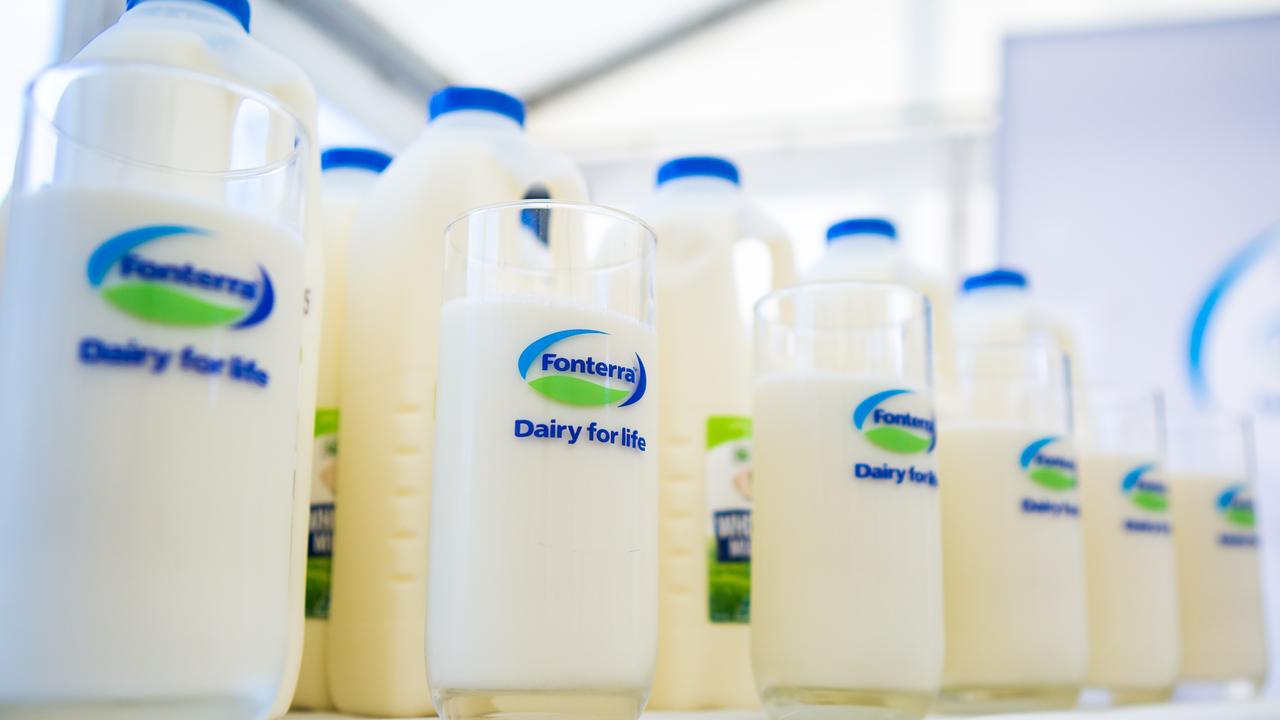
    Fonterra’s farmer shareholders have granted approval for the company’s proposal to divest its consumer products division. The Mainland Group and its associated businesses are set to be sold to Lactalis for a sum of $4.22 billion.

    High Support for Divestment

    A resounding 88.47% of farmer shareholders voted in support of this divestment decision in a special virtual meeting. The company asserts that this level of shareholder support exemplifies one of the core principles that sets Fonterra apart from other processors in the market.

    Fonterra Chairman Peter McBride voiced his appreciation for the active participation of the farmer shareholders throughout the decision-making process. Since the exploration of divestment options was initiated in May of the previous year, and especially over the past few weeks when the full details were made available, there has been a significant uptick in discussion and engagement from the farmers.

    McBride commented on the strategic implications of the divestment, stating, “We have thoroughly examined our strategic context, our strengths, and the way we create value for our farmer owners as a cooperative. This divestment will result in a more simplified and focused business, the value of which cannot be overstated.”

    To approve the sale, Fonterra required more than half of the total votes, a condition that was met with ease due to the high percentage of votes supporting the divestment.

    Final Steps and Future Investments

    The divestment process of Mainland Group’s business from Fonterra is now pending regulatory approvals. These approvals are currently underway, and the completion of the transaction is expected to occur in the first half of the coming year.

    In addition, Fonterra has revealed plans to make a significant investment in its dairy operations. The company intends to allot NZ$75 million ($66 million) towards expanding butter production at its Clandeboye site located in South Canterbury.

    Questions & Answers

    What percentage of Fonterra’s farmer shareholders voted in favour of the divestment?
    Approximately 88.47% of Fonterra’s farmer shareholders voted in favour of the divestment.

    What will the divestment result in for Fonterra?
    The divestment will lead to a more simplified and focused business for Fonterra.

    What significant investment has Fonterra planned following the divestment?
    Fonterra has planned to invest NZ$75 million ($66 million) in expanding butter production at its Clandeboye site in South Canterbury.

  • Boyu Capital Poised to Secure $4 Billion Stake in Starbucks China, Boosting Brand’s Asian Market Footprint

    Boyu Capital Poised to Secure $4 Billion Stake in Starbucks China, Boosting Brand’s Asian Market Footprint

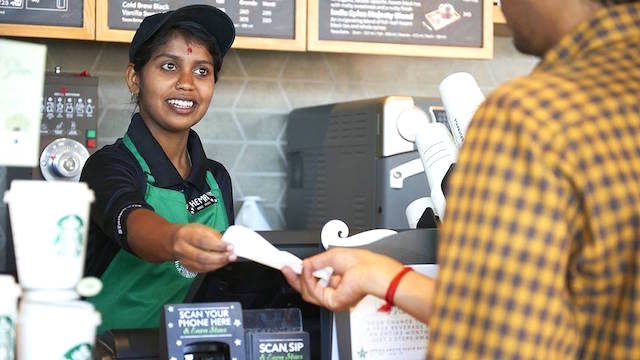
    Boyu Capital, a private equity firm from China, is leading the race to acquire a majority stake in Starbucks’ China operations, a deal that could potentially value the unit at over US$4 billion.

    Boyu Capital remains in the bid after the final contender, Carlyle Group, chose to withdraw. Key partners from both companies travelled to the U.S. to engage in final discussions with the Seattle-based coffee chain.

    Starbucks’ Stake in China

    After the sale is finalized, it’s expected that Starbucks will retain a substantial minority stake in its China operations. The company expressed that it has received strong interest from numerous high-quality partners, all of whom have faith in the long-term growth potential for Starbucks in China.

    The company is currently assessing bids from five contenders, though it declined to comment further. Starbucks China was valued at roughly $4 billion by the bidders who submitted binding offers, which is approximately ten times its core earnings.

    Starbucks’ Future Plans

    Starbucks CEO, Brian Niccol, previously indicated that the anticipated valuation of the China business would exceed $10 billion, factoring in the upfront investment from a potential partner, Starbucks’ retained stake in the China business, and future royalty payments.

    There is also the possibility of other parties, such as internet companies, joining the discussions as limited partners to assist in funding the deal.

    Competition and Sales

    Starbucks’ decision to divest in China comes amidst fierce competition from local coffee chains that have gained market share by offering less expensive products during an economic slowdown that has altered consumer behavior.

    In response to these challenges, Starbucks has implemented strategies such as lowering prices for selected non-coffee beverages in China and increasing the introduction of new, localized products.

    Sales in comparable stores in China increased by 2% in the quarter that ended on June 29, following a quarter with no growth. Starbucks’ earnings for the fourth quarter and the 2025 fiscal year will be reported on October 29.

    Questions & Answers

    Who is the frontrunner to buy a controlling stake in Starbucks’ China business?
    Boyu Capital, a private equity firm from China, is leading the race to acquire a controlling stake in Starbucks’ China operations.

    What is the potential value of Starbucks’ China unit?
    The deal to acquire the majority stake in Starbucks’ China operations could potentially value the unit at over US$4 billion.

    What strategies has Starbucks implemented in response to increasing competition in China?
    Starbucks has lowered prices for selected non-coffee beverages in China and increased the introduction of new, localized products to counter the competition.