Tag: Blackberry

  • BlackBerry seeks to settle suit accusing it of fraudulently pumping up BlackBerry 10 demand

    BlackBerry seeks to settle suit accusing it of fraudulently pumping up BlackBerry 10 demand

    BlackBerry is no longer in the business of designing and building smartphones and developing apps for them. The company is seeking to settle a lawsuit that claimed BlackBerry committed fraud by pumping up the profitability of its defunct BlackBerry 10 line of phones. Today, a federal judge in Manhattan federal court, at BlackBerry’s request, adjourned a trial so that a preliminary settlement could be negotiated for the class action suit.

    Jury selection was to start tomorrow. Any settlement between BlackBerry and the class will need approval from U.S. District Judge Colleen McMahon. BlackBerry 10 was based on a whole new operating system called QNX which was developed by a company called QNX Software Systems which BlackBerry bought in 2010.

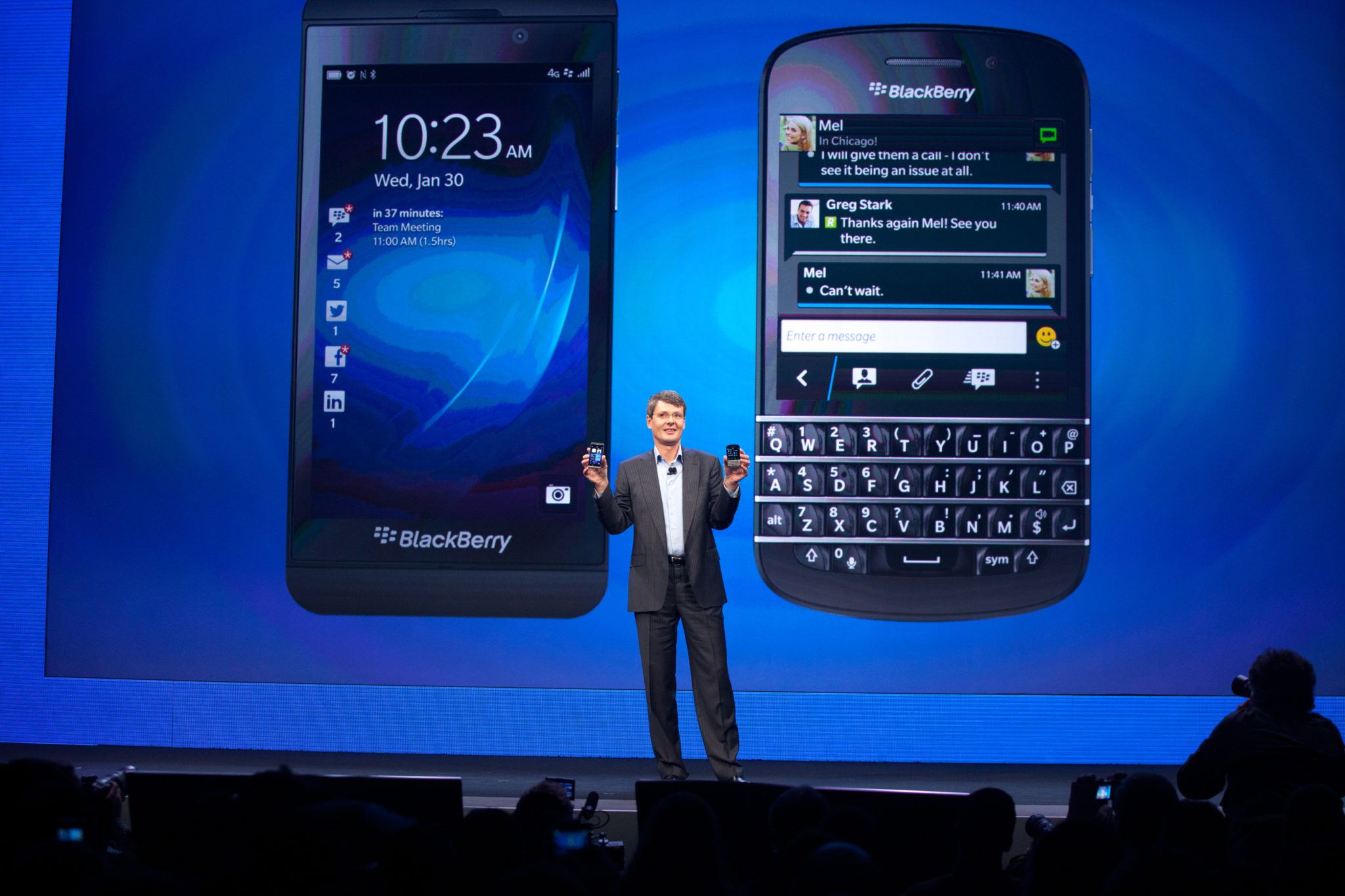
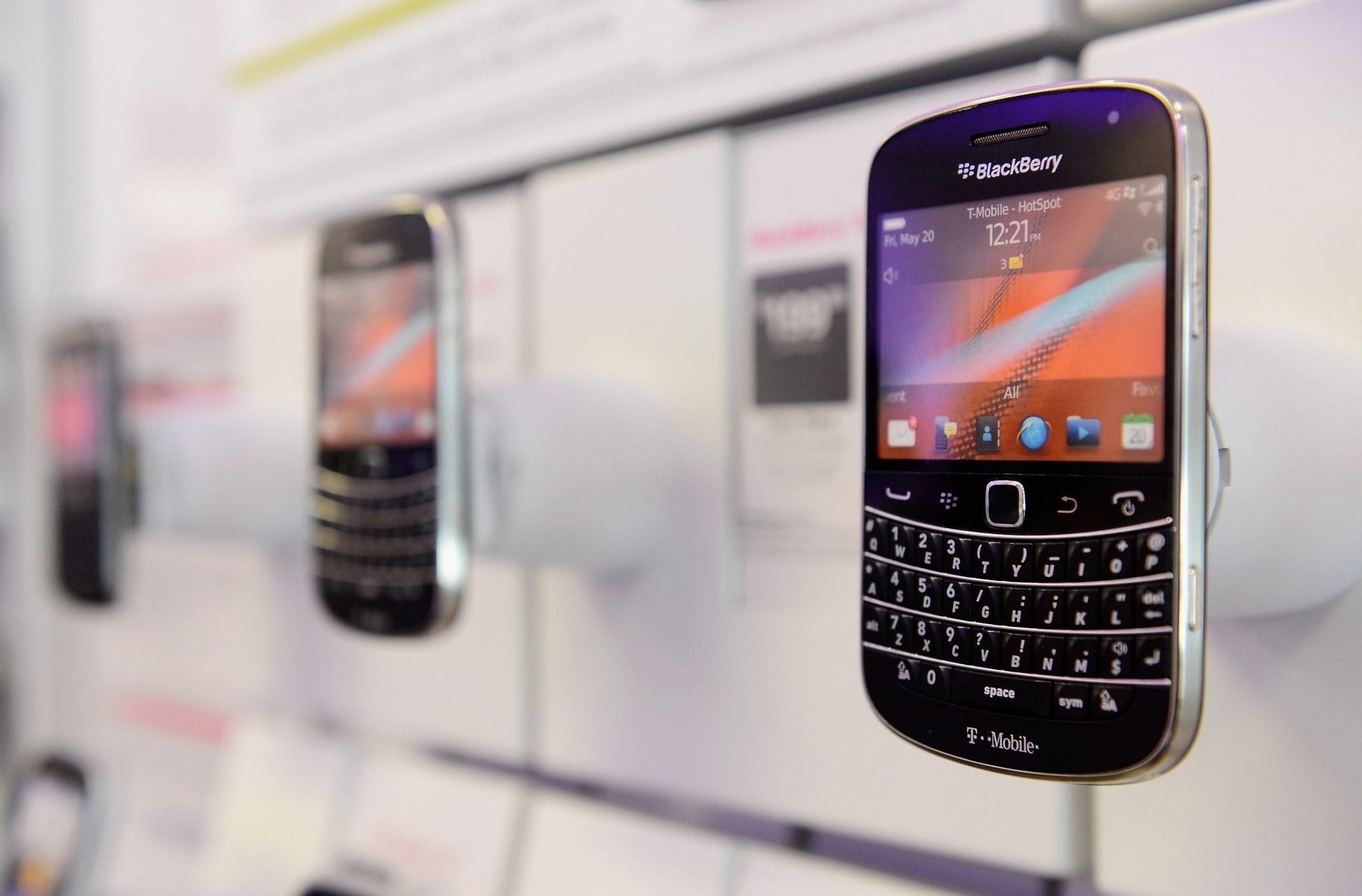
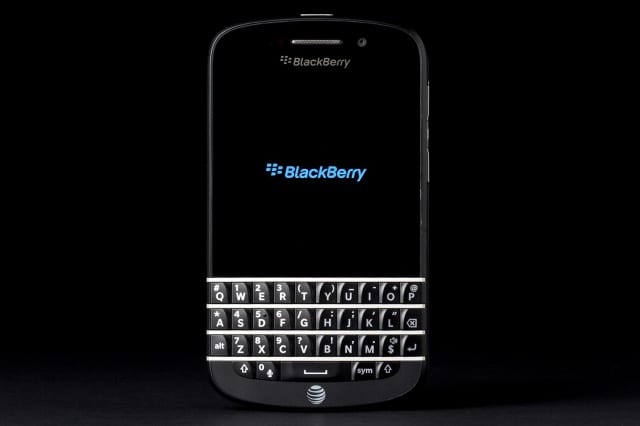
    BlackBerry considered this a chance to reboot its smartphone line. It brought in a new CEO (Thorsten Heins) and changed the name of the parent company from Research in Motion to BlackBerry. The firm released several BlackBerry 10 models including the Z10, a 4.2-inch touchscreen phone without a physical QWERTY. Perhaps the most interesting BlackBerry 10 model was the Passport which was the size of a, well, passport.

    The Passport was equipped with a 4.5-inch display, a wider than normal QWERTY keyboard with a square 1440 x 1440 resolution. It had a physical QWERTY that also made use of the touchscreen for secondary keys, punctuation, and numbers. This phone might have worked had BlackBerry moved to Android earlier instead of stubbornly holding on to its own operating system.

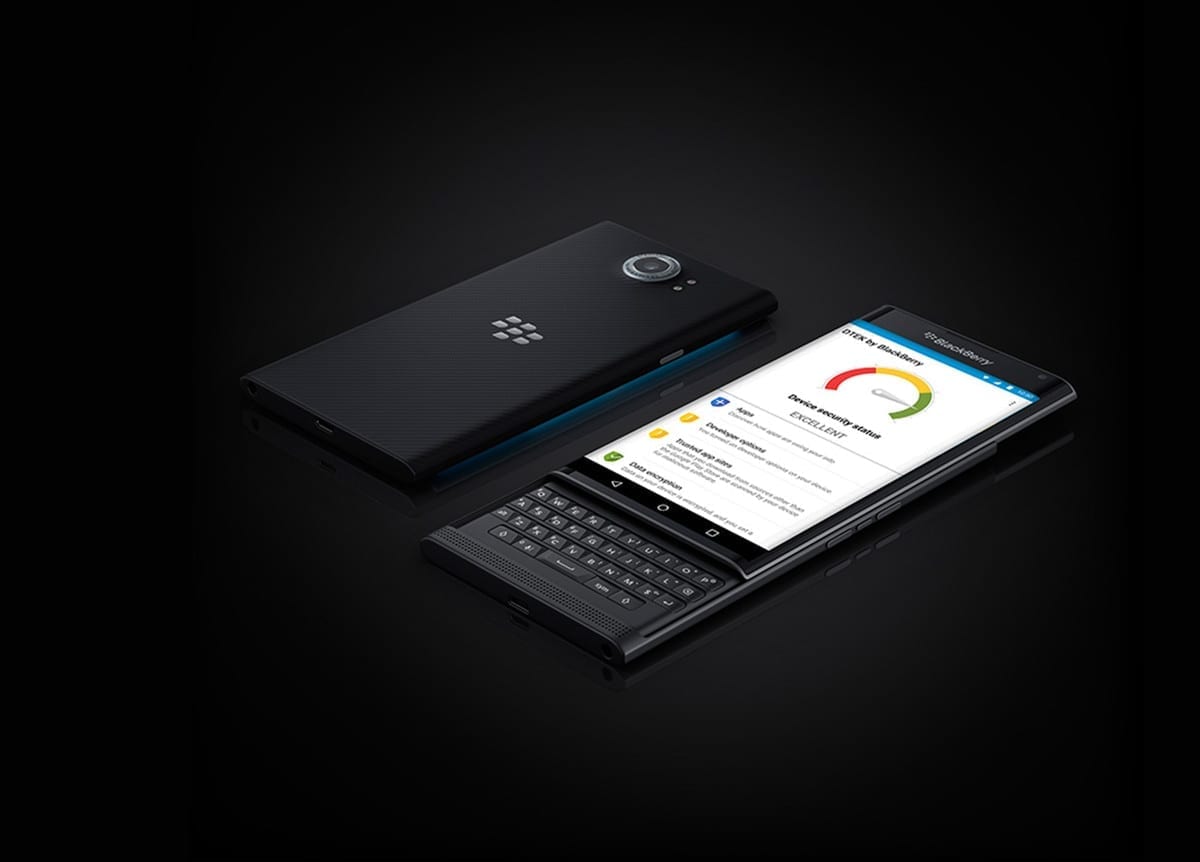
    In fact, BlackBerry 10 was a decent OS but did not have a fully stocked app storefront which led BlackBerry to finally give up and use Android on the BlackBerry Priv, a phone with a vertically sliding physical QWERTY keyboard.

    The lawsuit accuses BlackBerry of misleading stockholders by failing to reveal the true sales prospects for the BlackBerry 10 line which members of the class claim led to an overinflated BlackBerry stock price. Other defendants in the class action include former Chief Executive Officer Thorsten Heins, former Chief Financial Officer Brian Bidulka, and former Chief Legal Officer Steve Zipperstein.

    BlackBerry eventually licensed its name and software to Chinese manufacturer TCL who almost made a go of it by releasing the BlackBerry KeyOne, Key2, and Key2 LE. But TCL stopped making BlackBerry phones in August 2020 when its license with BlackBerry expired. That same month, a company called OnwardMobility announced that it had signed a licensing partnership with BlackBerry for the first 5G ‘Berry.

    The new phone was supposed to be introduced in 2021, but no device was ever introduced. Behind the scenes, it was obvious that BlackBerry CEO John Chen, who had been receiving compliments for turning the company into a successful cybersecurity software provider, had no desire to return to the smartphone business. BlackBerry sold off its remaining smartphone assets (including patents) for $600 million.

    Less than three weeks after announcing the sell-off of its remaining smartphone assets, OnwardMobility confirmed the rumors that had been spreading: it would not release a new 5G BlackBerry and such a device would probably never be produced.

    The decision by the judge to adjourn the trial to allow BlackBerry to negotiate a settlement is not unusual. Reuters cited a study by Cornerstone Research which states that from 1997 to 2021 less than 1% of federal securities class actions cases ended up going to trial. Instead, the vast majority of such actions ended up settled or dismissed.

    BlackBerry currently is valued at close to $4 billion, a far cry from the close to $80 billion that the company was worth in 2008 when it still was one of the top smartphone manufacturers in the world. BlackBerry management’s failure to take the iPhone seriously as a threat and its stubborn refusal to make Android phones until it was too late are major reasons behind the decline and fall of the company in the smartphone space.

  • BlackBerry and Amazon Team Up On Vehicle Data And Software Platform

    BlackBerry and Amazon Team Up On Vehicle Data And Software Platform

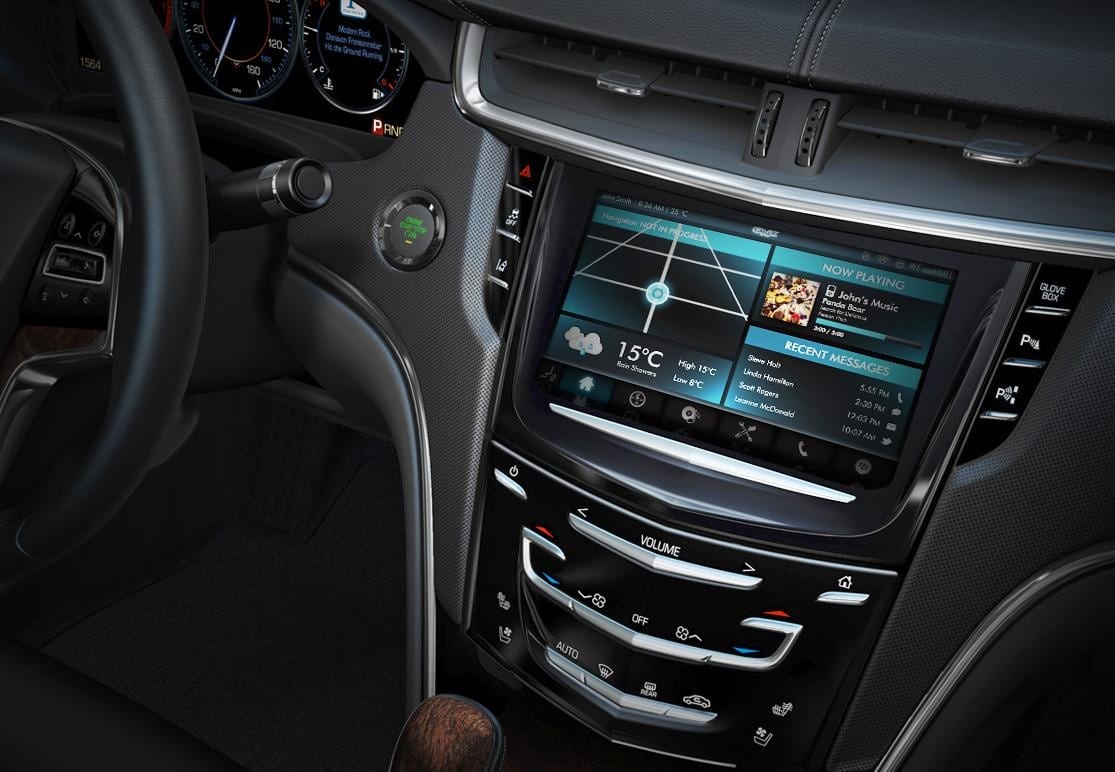
    Canadian technology specialist BlackBerry and e-commerce titan Amazon have developed a cloud-based software platform designed to help automakers and suppliers standardize vehicle data and speed deployment of new revenue-generating features and services, the companies said on Tuesday.

    BlackBerry and Amazon Web Services (AWS) said the new intelligent vehicle data platform, called IVY, will compress the time to build, deploy and monetize in-vehicle applications and connected services across multiple brands and models, making it easier for automakers to collaborate with a wider pool of developers to accelerate the development of apps and services.

    Carmakers have been reluctant so far to share with outside technology providers much of the data generated by their vehicles. IVY is designed to complement and run simultaneously with new digital vehicle architectures developed by Volkswagen, General Motors and others.

    The platform is built on BlackBerry’s QNX, a vehicle operating system in 175 million vehicles worldwide, according to John Wall, head of BlackBerry Technology Solutions.

    “The biggest challenge that most carmakers have in getting applications in the vehicle or monetizing their data is that there is no standardized way to access the data,” Wall said.

    One goal of BlackBerry and AWS is to establish IVY as a standard platform across the auto industry, as Apple and Google have done in mobile phones through their iOS and Android platforms.

    Without that standardization, Wall said, automakers “can’t really establish an ecosystem” or leverage the broader community of app developers. IVY is expected to be installed on the first production vehicles in the model year 2023, said AWS executive Sarah Cooper. BlackBerry and Amazon declined to say which companies will be the first to use IVY.

  • Blackberries May be Coming Back to Banking

    Blackberries May be Coming Back to Banking

    The banker’s best-loved gadget may be making a return from the dead – thanks in part to the pandemic sending millions of workers into work-from-home arrangements.

    Blackberry smartphones were phased out at banks years ago – Credit Suisse’s finance chief David Mathers was openly unhappy about his boss, Tidjane Thiam, taking his away in 2017. The brand has been left for dead several times after Blackberry left the phone business in 2016.

    Now, a Texan technology start-up plans to roll it out again, on an Android operating system with 5G connectivity, by next June, it said in a statement. The company, Onwardmobility, inked a pact with BlackBerry as well as a Foxconn subsidiary to offer the device in North America and Europe.

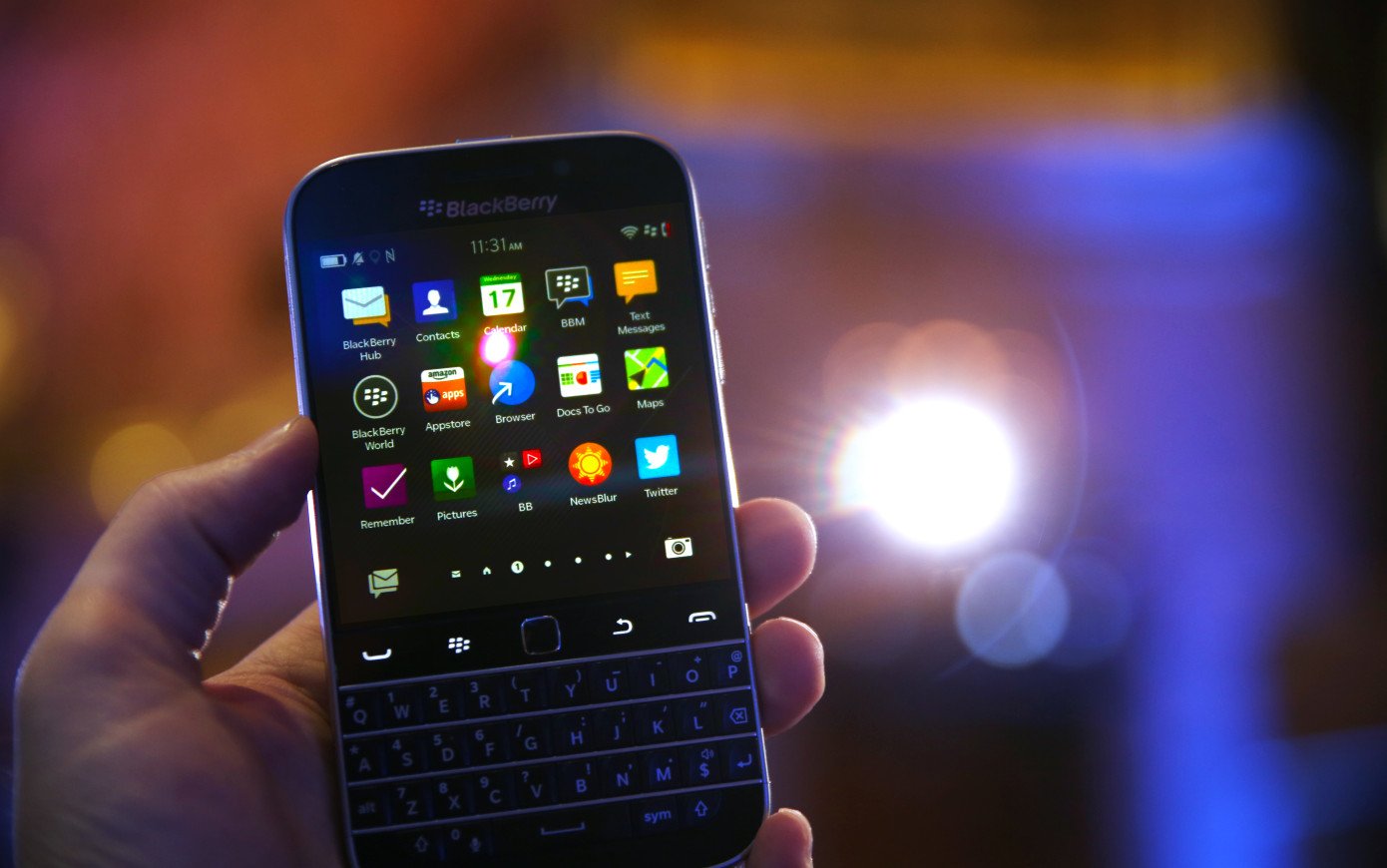
    The key draw of Blackberry – a physical keyboard – endeared it to bankers (as well as journalists) – so much so that it was colloquially known as a Crackberry. Blackberry, the company, licensed the brand out to TCL, but the Chinese provider abandoned it earlier this year.

    By that time, financial service firms had decommissioned the technology (after prying them from the reluctant hands of bankers like Mathers). First manufactured by Research in Motion (RIM), the Blackberry was gradually eclipsed by Apple’s iPhone, launched in 2007. Efforts to reinvent with Blackberry with features like a touchscreen, or without the physical keyboard, foundered.

    Blackberry gave up its own software in favor of Android, but ended up ditching phones altogether in favor of security software. The move relegated the Blackberry to zombie status, something Onwardmobility wants to change.

    Enterprise professionals are eager for secure 5G devices that enable productivity, without sacrificing the user experience, Onward CEO Peter Franklin said. The company hopes the increasing number of office staff working from home and cybersecurity needs will spur demand for the devices.

  • BlackBerry To Offer Cybersecurity For Future Jaguar Land Rover Model

    BlackBerry To Offer Cybersecurity For Future Jaguar Land Rover Model

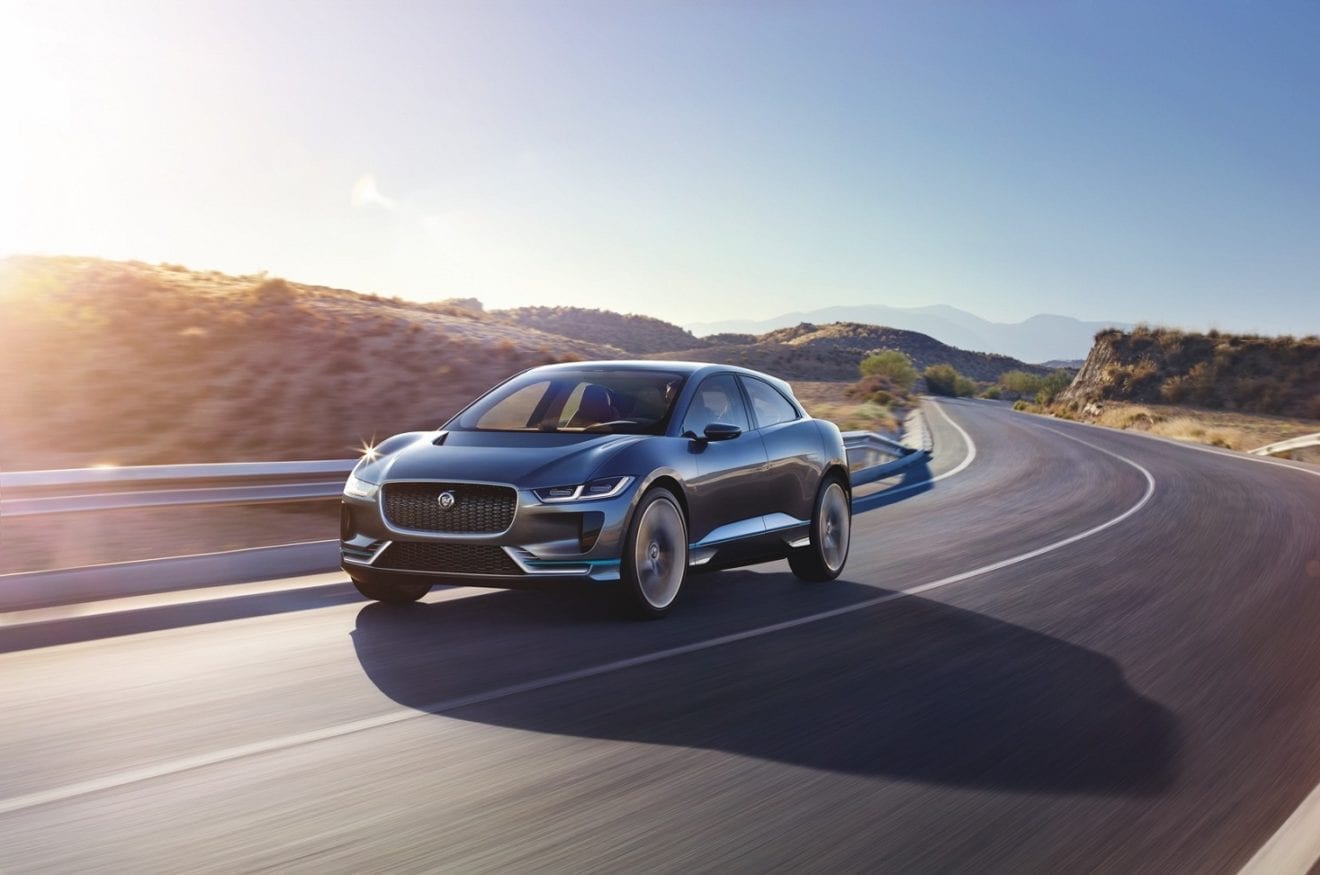
    Jaguar Land Rover and technology firm BlackBerry today announced the expansion of the companies’ corporate partnership to develop next-generation intelligent vehicles for the carmaker. As part of the extended collaboration, the BlackBerry, a trusted security software and services company, will help JLR develop future-ready vehicle safety technology for the automotive market. The company will share its Artificial Intelligence and Machine Learning technologies like – BlackBerry QNX and BlackBerry Cylance, to develop vehicle safety systems, with a range of capabilities like – predictive software maintenance and cybersecurity threat protection.

    For instance, the BlackBerry QNX, an integrating software will be used to help develop Jaguar Land Rover’s next-generation vehicle architecture, making it safer. On the other hand, its consultants and security testing technology, BlackBerry Cybersecurity Consulting services will help identify security vulnerabilities in connected and autonomous vehicles, across the full software library used in a vehicle.

    Speaking about the partnership Ralf D Speth, Jaguar Land Rover CEO, said “Jaguar Land Rover and BlackBerry share a common objective in bringing the most intelligent vehicles to reality. I am delighted that our partnership with BlackBerry continues to go from strength-to-strength, a company whose technology innovations uniquely address the expanding safety needs of the automotive industry.”

    As for John Chen, Executive Chairman & CEO, BlackBerry, he said, “BlackBerry is a trusted partner of the automotive industry because of our heritage and innovations in secure communications. We are pleased to be Jaguar Land Rover’s chosen partner for safety-certified technology, as we advance Artificial Intelligence and Machine Learning technologies to transform automotive safety.”

  • Consumer version of BBM closing in May

    Consumer version of BBM closing in May

    BBM, considered the first messaging service designed for mobile users, will be closing its doors to consumers on May 31st. A note sent to BBM members says that it is “Time to say goodbye.” First used internally by employees of BlackBerry parent Research In Motion, BlackBerry Messenger, as the service was originally called, was publicly launched on August 1st, 2005. For many, it was the main reason to purchase a BlackBerry device.
    With BlackBerry becoming irrelevant in the smartphone market and other messaging apps launching, then BlackBerry CEO Thorsten Heins announced in May 2013 that BBM would be made available to iOS and Android users later that summer. After some false starts (including a fake listing in the Google Play Store, and a leaked version), BBM for Android and iOS was officially released on October 21st, 2013.
    BlackBerry continued trying to play catch up by adding new features to the app including stickers. But outside of Indonesia, where it remains the top mobile messaging app, BBM was considered an afterthought compared to other, more popular apps.
    Three years ago, Indonesia based Emtek acquired the licensing rights to BBM for a six-year period. As part of the $207 million deal, BBM’s servers were moved from Canada to Asia.  While Emtek had the rights to the consumer version of the service, BlackBerry continued to run the enterprise version of BBM. And today, BlackBerry said that it is immediately making BBM Enterprise (BBMe) available to individuals through the Google Play Store and Apple App Store.  The service will be free for 12 months; after that period of time, a six-month subscription will cost $2.49.
    In its press release issued this morning, BlackBerry noted that it is offering BBMe to individuals out of respect for loyal BBM users. The company noted that it was not under any contractual obligation to do this.
  • Sony Mobile insists the end is not near after it closes a smartphone plant

    Sony Mobile insists the end is not near after it closes a smartphone plant

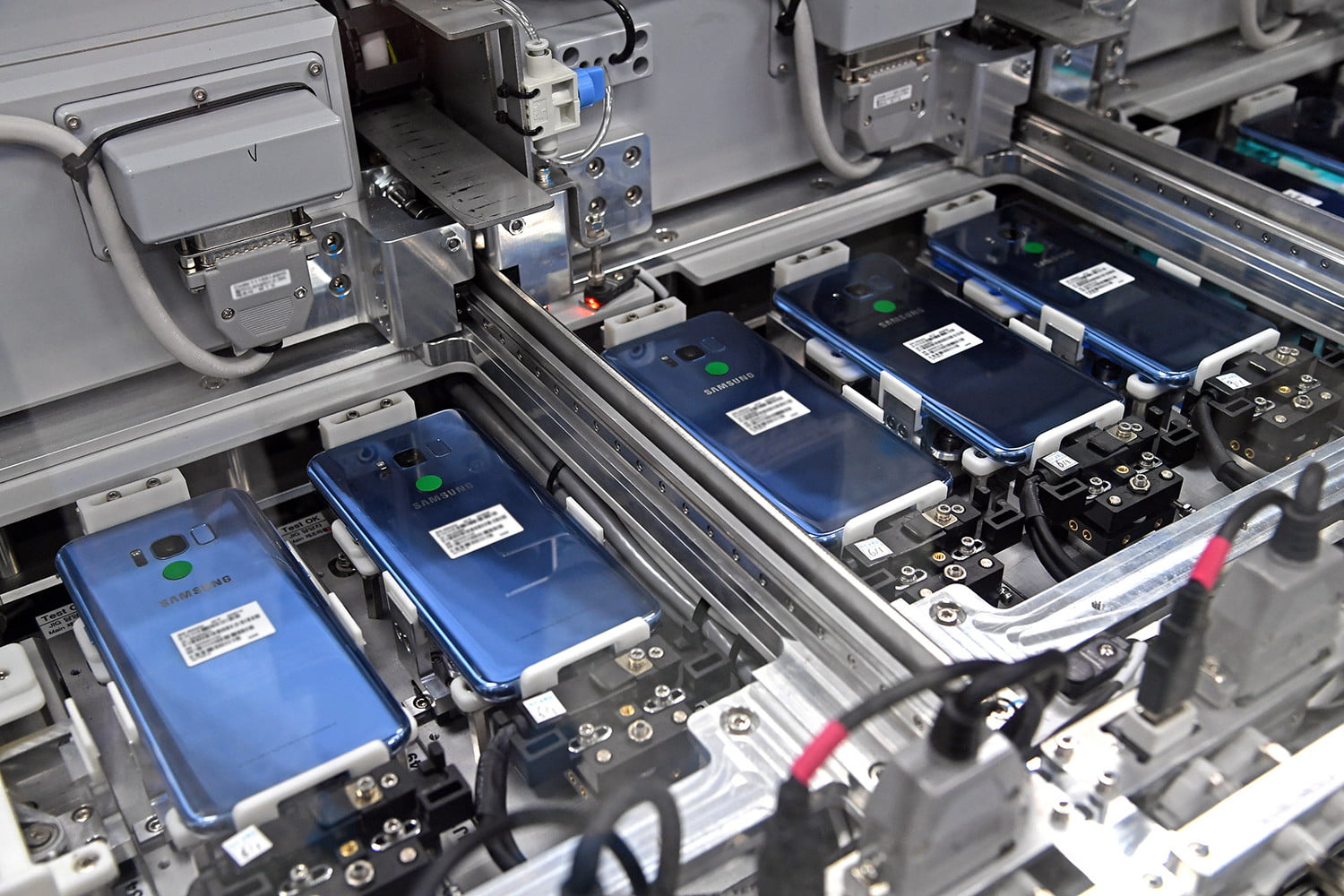
    While Sony’s fall from grace in the global mobile industry hasn’t been as dramatic as those suffered by Nokia, BlackBerry, and even HTC, it’s more than obvious the Japan-based tech and entertainment behemoth needs to do something about its smartphone division. Unfortunately, as the company’s various attempts at revising and transforming the Xperia portfolio over the last few years have failed to turn a profit, the time has come for more drastic austerity measures.

    After laying off 200 employees in Europe to cut costs across a number of mobile business areas, Sony has confirmed long-rumored plans to close an entire factory in China earlier today. The Beijing plant will reportedly cease all smartphone manufacturing activities in “the next few days”, although Sony does intend to “shift production” to a different factory in Thailand in a move expected to greatly contribute to reducing expenses by around 50 percent.

    The ultimate goal is to make the smartphone division profitable again as early as 2020 after years and years of bleeding serious money, but it remains to be seen how much of a mobile business Sony will be left with when that happens. According to the latest official estimates, yearly Xperia shipments are down to as little as 6.5 million units. To put that number into perspective, Samsung’s Galaxy S10 lineup was projected to hit 10 million global unit sales in just its first month of availability.

    Of course, Sony has repeatedly claimed in the past year or so it has no intention to abandon the smartphone market on the eve of a 5G revolution. Once again, the company is highlighting its strategic measures are simply meant to strengthen the business rather than killing it piece by piece. And while it’s definitely not unprecedented to see a major smartphone vendor cut its Chinese costs, it remains unclear exactly how much of Sony’s Bejing operations will “shift” to Thailand.

    Either way, this probably won’t impact the Xperia 1 launch or even the rumored Xperia 2. What comes next, however, is anyone’s guess.

  • Sarment Holdings, Blackberry join to deliver security for luxury customer

    Sarment Holdings, Blackberry join to deliver security for luxury customer

    Sarment Holding Limited is pleased to announce that it is partnering with BlackBerry to co-develop KEYYES CHAT, a highly-encrypted messaging application to provide identity and overall data security management for Sarment’s rapidly growing ultra-high, and high-net worth user base. The development of KEYYES CHAT will be in conjunction with a series of other security-focused applications which are anticipated to be launched starting in 2019.

    The KEYYES CHAT application has been developed with the BlackBerry Spark Communications Services SDK, which provides end-to-end encrypted chat, voice, video and data transfer functionality. It includes FIPS-validated, app-level, AES 256-bit encryption to ensure data is always protected on a device, across the mobile network and into the enterprise infrastructure.

    “Working in collaboration with BlackBerry was an obvious choice for Sarment, given they have long been regarded as a global leader in secured data and communications. Integrating this technology into Sarment’s digital ecosystem KEYYES is one of the steps we are taking to continue to provide our communities with useful tools they can trust. We started with bookings, purchases, deliveries and now we are adding communication to solve the issue of privacy and data security for our growing user-base. By leveraging BlackBerry’s Spark Communications Services SDK communication technology, KEYYES CHAT users can feel confident that their data and privacy are certifiably secured,” said Will Beattie, Chief Technology Officer of Sarment Group.

    In 2018, Sarment launched a unique offering which has quickly garnered the attention of the luxury industry by migrating its network of consumers and luxury brand partners into a unique digital ecosystem named KEYYES. ​KEYYES works as a curator, service provider and experience planner. Users discover expert insights, purchase curated goods and make bookings at featured lifestyle venues like restaurants, bars, art galleries, spas, wellness retreats, fashion houses, private clubs, automotive showrooms and designer’s workshops. KEYYES is currently available in 5 cities in Asia and the Company is targeting to be in over 20 additional cities worldwide in the next 3 years.

    KEYYES CHAT will be integrated in KEYYES App but will also be available to the general public in a lighter format with the same level of end-to-end encrypted security. It will give users the possibility to discover and be informed about KEYYES world if they are not yet a member.

    “We are extremely excited to be working with BlackBerry to address the cyber security and overall privacy of our users, and look forward to growing the breadth of our technology and specific application portfolio together in the coming months and years,” said Quentin Chiarugi, CEO of Sarment Group. “Sarment plans to migrate all its employees’ communications and its partners using KEYYES CHAT as the only communication tool when the application is launched. We want to showcase to our corporate partners how valuable KEYYES can be for their own employees and their customers.”

    “As more and more of our private lives are shared and conducted online, the need for secure communications is critical,” said ​Alex Thurber, SVP and GM of Mobility Solutions, BlackBerry. “KEYYES delivers a useful service for high-net worth individuals, whose data may be of value to those with malicious intent, and being able to trust in the integrity of the chat system will be a primary decision-making factor for them in considering the service. With the BlackBerry Spark Communications SDK, KEYYES CHAT will allow seamless communication between members, partners and employees while protecting the privacy and security of its users.”

  • BlackBerry to secure operations centers for G7 Summit

    BlackBerry to secure operations centers for G7 Summit

    BlackBerry is collaborating with the government of Canada to modernize their operations centers during international ministerial meetings and the 2018 G7 Summit.

    Using BlackBerry AtHoc, a crisis communication platform that includes AtHoc Alert for mass notification and AtHoc Collect for field reports, the operations centers are able to efficiently mobilize and secure the flow of critical information by delivering updates to targeted lists of recipients in real-time.

    “We are honored that the government of Canada has chosen BlackBerry to support their operations,” BlackBerry AtHoc SVP and GM Sanjay Saini said.

    “Whether in times of crisis or during a high-profile event like the G7 Summit, reliable and secure communications are crucial. BlackBerry AtHoc technology enables real-time information exchange across organizations, their people and devices, providing them with the necessary details to make informed and safety-critical decisions.”

    Additionally, BlackBerry is one of the companies that has been selected to demonstrate its innovative solutions at the 2018 G7 Innovation Showcase.

    Many G7 government departments and agencies, including the Parliament of Canada, US Department of Homeland Security, US Department of Defense and New Zealand Parliamentary Service, use BlackBerry security software.

  • Smartphone brand BlackBerry Starts opening stores in China

    Smartphone brand BlackBerry Starts opening stores in China

    BlackBerry Star shops have opened in Shanghai and Nanjing.

    They aim to offer a new retail experience for users of the smartphone brand with in-store displays, training and after-sales support.

    Blackberry Mobile global business unit GM Alain Lejeune, who is also senior VP of TCL Communications, attended the opening of both stores, which attracted the phone’s fans from the community.

    He says fan interaction plays a key role in BlackBerry Mobile’s strategy in the Chinese market, along with product experience and delivery.

    More BlackBerry Star shops are scheduled to open across China.

  • BlackBerry to provide software for Jaguar Land Rover EVs

    BlackBerry to provide software for Jaguar Land Rover EVs

    BlackBerry Ltd and Tata Motors Ltd’s Jaguar Land Rover (JLR) said on Thursday they reached a licensing agreement to use the Canadian company’s software in the luxury car brand’s next-generation electric vehicles.

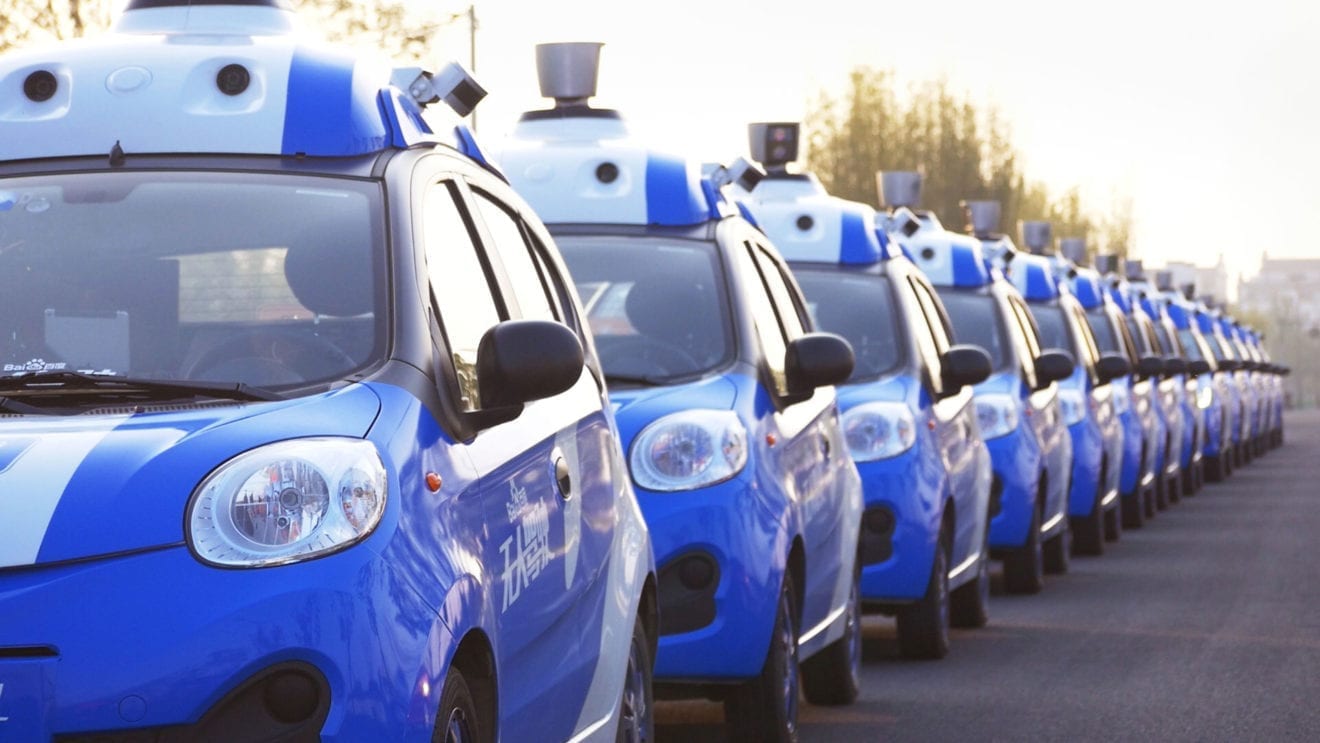
    BlackBerry will provide its infotainment and security software to JLR, in the Canadian firm’s latest licensing deal for its autonomous-driving technology after similar agreements with Qualcomm Inc, Baidu Inc and Aptiv Plc.

    BlackBerry’s QNX unit, which makes software for computer systems on cars and has long been used to run car infotainment consoles, is expected to start generating revenue in 2019.

    Its Certicom unit focuses on security technology and serves customers such as IBM Corp, General Electric Co, and Continental Airlines.

    JLR, which was bought by the Tata group in 2008, said last year that all its new cars would be available in an electric or hybrid version from 2020.

    Britain’s biggest carmaker said in January it would open a software engineering centre in Ireland to work on advanced automated driving and electrification technologies.

  • BlackBerry software to be used in Baidu’s self-driving platform

    BlackBerry software to be used in Baidu’s self-driving platform

    BlackBerry said on Wednesday it will collaborate with Chinese internet search firm Baidu Inc to tap the fast-growing autonomous vehicle market.

    BlackBerry, which has developed software QNX Hypervisor 2.0 to run complex computer systems in vehicles, said Baidu will use its software for its self-driving open platform, Apollo.

    “By integrating the BlackBerry QNX OS with the Apollo platform, we will enable carmakers to leap from prototype to production systems,” said Li Zhenyu, general manager of Baidu’s intelligent driving division.

    The automotive industry is one of the fastest-growing segments of the technology market, as automakers race to add more features toward building self-driving cars.

    As part of the agreement, BlackBerry and Baidu will also integrate Baidu’s smartphone integration software for connected cars and its AI system to run on the BlackBerry QNX Platform, the Canadian software maker said.

    U.S.-listed shares of BlackBerry were up 4 percent at $12.50 in premarket trade.

  • BlackBerry working with automakers on anti-hack tool

    BlackBerry working with automakers on anti-hack tool

    BlackBerry is working with at least two automakers to develop a security service that would remotely scan vehicles for computer viruses and tell drivers to pull over if they were in critical danger, according to a financial analyst.

    The service, which would also be able to install security patches to an idle car, is being tested by luxury automakers Aston Martin and Range Rover, Macquarie analyst Gus Papageorgiou said in a note to clients sent late on Monday.

    Auto security is among several areas that BlackBerry is betting will boost its revenue after the Canadian company lost its dominance of the smartphone market to Apple Inc and others over the past decade.

    John Wall, the head of BlackBerry’s QNX division, and company spokeswoman Sarah McKinney both declined to comment.

    Matthew Clarke, a spokesman for Aston Martin, said in an email he was not aware of the company testing such a product. Representatives with Range Rover’s parent company, Jaguar Land Rover, could not be reached for comment.

    The service could be launched as early as next year, generating about $10 a month per vehicle for BlackBerry, according to Papageorgiou, who has followed BlackBerry for more than 15 years.

    Vehicles increasingly rely on dozens of computers that connect to each other as well as the internet, mobile networks and Bluetooth communications systems that make them vulnerable to remote hacks.

    “Although a connected, more software-centric automobile offers tremendous advantages to consumers, it also opens the doors to hackers,” Papageorgiou wrote in his note.

    Automaker interest in cyber security has risen dramatically since 2015, when two hacking experts uncovered vulnerabilities in Fiat Chrysler vehicles that led to a U.S. recall of 1.4 million autos.

    BlackBerry shares rose 5.3 percent to close at C$13.84 after touching C$14.15, the highest since March 2015.

  • BlackBerry has no plans to move BBM servers to Indonesia

    BlackBerry has no plans to move BBM servers to Indonesia

    Back in June, BlackBerry announced a new partnership with Indonesia-based Emtek to help expand the consumer BBM business. Since then, several inaccurate articles have come out about who now owns BBM and most recently, several outlets published articles noting that BlackBerry would be moving BBM server(s) to Indonesia. Looking to clear the air surrounding that information, BlackBerry COO Marty Beard, has taken to the Inside BlackBerry blog to lay out the situation accordingly.

    In June, we struck a partnership with Indonesia’s leading media company, Emtek, to license the rights to develop and offer cross-platform BBM.

    The goal was to better serve our many BBM users, and, in particular, our 60 million monthly active users in Indonesia, by working with a trusted partner who we know can accelerate the delivery of new features and services for BBM. That goal has been more than met – see all of the new security features, mobile shopping offerings, mobile games, and more that have become available on BBM in the last several months.

    However, we’ve read some inaccurate press reports that tell a different story and we want to bring the facts to light. First of all, let’s be clear. BlackBerry owns 100% of BBM. We have merely licensed the rights to the Android, iOS and Windows Phone versions of BBM to a newly formed subsidiary of Emtek named Creative Media. BlackBerry maintains direct control over the BBOS and BlackBerry 10 versions of BBM, as well as BBM Enterprise (formerly BBM Protected).

    Businesses running BBM Enterprise for the ultimate in high-security mobile communications can remain confident that there will be no changes, disruptions or degradation of their service. It is also important to note that there are NO plans to move any BBM infrastructure, including BBM servers located in Canada and the U.S., to Indonesia, contrary to what the Head of Creative Media apparently communicated to the media.

    BlackBerry and Emtek are 100% aligned on their vision to advance BBM for consumers and on making sure our many Indonesian users continue to have the best experience possible. We remain extremely committed to Indonesia and our fans there. To that end, we have ensured that Indonesian consumers will have ready access to our handsets through our partnership with PT BB Merah Putih..

  • BlackBerry, TCL sign smartphone licensing agreement

    BlackBerry, TCL sign smartphone licensing agreement

    BlackBerry has agreed to license its brand to China-based handset manufacturer TCL Communications.

    The companies entered a licensing agreement last week which will allow TCL to design, manufacture and distribute BlackBerry-branded phones globally going forward. The devices made by TCL will be coupled with BlackBerry’s security software and service suite.

    “BlackBerry will continue to control and develop its security and software solutions, serve its customers and maintain trusted BlackBerry security software, while TCL will manage all sales and distribution and serve as a global distributor of new BlackBerry-branded mobile devices along with dedicated sales teams,” the company said on Thursday.

    The agreement is the struggling Canadian smartphone maker’s first licensing deal since its announcement to transition to a software company.

    BlackBerry said in September that it would stop producing its smartphone hardware and concentrate on software, a decision which followed a year-long review of the potential profitability of the company’s hardware business by CEO John Chen.

    The new agreement will give TCL, the fourth-largest handset maker in North America, the right to make and sell BlackBerry-branded smartphones in all countries except India, Sri Lanka, Nepal, Bangladesh and Indonesia, where BlackBerry has already struck local licensing deals.

    Prior to this licensing deal, BlackBerry launched two smartphones – the Android-based DTEK50 and DTEK60 – in September and November respectively, which were made under an agreement with TCL.

    Industry watchers said this deal might be a boost for BlackBerry from a short-term financial standpoint by reducing BlackBerry’s operating risk, working capital requirements and potential R&D spend which would have otherwise gone into designing new phones.

    While the deal has an upside, it also exposes BlackBerry to a different kind of a security risk that might drive security-conscious consumers away from the brand and eventually hurt sales.

  • BlackBerry launches branded smartphone in Hong Kong

    BlackBerry launches branded smartphone in Hong Kong

    BlackBerry has launched a new branded smartphone, the Android-based DTEK60, in Hong Kong.

    The DTEK60 is the second device in the DTEK series of Android smartphones. BlackBerry launched the DTEK50TM in Hong Kong in September.

    In line with BlackBerry’s decision to stop producing its own smartphone hardware, as announced in September, the device was manufactured and partly designed by China’s TCL. BlackBerry is providing its enterprise messaging and security software.

    The DTEK60 includes a fingerprint sensor for unlocking the devices and authorizing purchases, an intelligent keyboard designed to learn from users to increase accuracy and speed, the BlackBerry Hub for consolidating messages and a customizable convenience key providing quick access to commonly-used applications.

    The device has a 5.5” Quad HD display, an 8 megapix front and 21 megapixel rear camera and a battery life that supports up to 24 hours of mixed use.

    It comes preloaded with BlackBerry’s full suite of enterprise mobility management and secure productivity solutions, and supports advanced security features including a secure boot process, Android OS hardening and full disk encryption.

    “With the DTEK60, BlackBerry continues to focus on our strengths: state-of-the-art software and security solutions. When you see our logo it means security, from our class-leading enterprise software to devices secured by BlackBerry software,” BlackBerry COO Ralph Pini said.