Tag: Blackberry

  • BlackBerry responds to ‘made in Indonesia’ regulations

    BlackBerry responds to ‘made in Indonesia’ regulations

    BlackBerry’s decision to license software and outsource handset production globally represents a win for the Canadian company’s biggest market, Indonesia, which is seeking a larger share of the smartphone value chain.

    BlackBerry’s new venture signed last month with an affiliate of PT Telekomunikasi Indonesia, the country’s largest wireless carrier, will see its Indonesian partner produce, promote and distribute all BlackBerry-brand devices in Indonesia.

    The venture comes as international phone vendors gear up to comply with the latest “made in Indonesia” regulations to tap growth in what is poised to become the world’s fourth-largest smartphone market by 2020, with total annual sales of nearly $US1 billion ($1.31bn) by then, according to research firm Euromonitor International.

    Adopted in July, the latest rules give producers more options when it comes to meeting next year’s 30 per cent quota for “local content” — which previously focused on local manufacturing but can now include software or investment — in their 4G-enabled tablets and smartphones sold in Indonesia, up from 20 per cent this year. The requirement will rise to 40 per cent in 2018.

    BlackBerry’s joint venture was “created in support of the Indonesian government’s effort to promote manufacturing of locally sourced products”, said Ralph Pini, general manager of devices at the Waterloo, Ontario-based firm, which said last month it would stop making phones and focus on software.

    Indonesia is a crucial market for BlackBerry. Its BBM messaging service is the top messaging platform in the country of 250 million people with nearly 60 million monthly active users as of June, BlackBerry said. WhatsApp and Facebook Messenger trail with about 50 million active users for each app, according to estimates from Britain-based social media consultancy We Are Social.

    In 2012, Indonesia introduced regulations requiring importers of mobile phones to set up assembly plants in the country by the end of 2015. In September 2014, the government issued regulations requiring all 4G devices sold in Indonesia to include at least 30 per cent locally-sourced components by 2017.

    Analysts say the more-flexible regulations passed in July make it easier for handset makers to meet requirements, given that they allow the quota to be reached via other options in addition to manufacturing.
  • BlackBerry Phones Will Live On for Die-Hard Fans in Indonesia

    BlackBerry Phones Will Live On for Die-Hard Fans in Indonesia

    BlackBerry Ltd. may have decided to stop making its iconic handsets, but that doesn’t mean the gadgets will disappear, especially in places where they’re still popular. Case in point: an Indonesian wireless company is already hatching plans to introduce its own version of the keyboard-equipped smartphone for those who can’t live without the device.

    PT Tiphone Mobile Indonesia Tbk, an affiliate of operator PT Telekomunikasi Indonesia Persero Tbk, has struck the first deal with BlackBerry to form a local joint venture called PT BB Merah Putih to make its devices in Indonesia. While the Canadian company is shifting its focus to software, Indonesia remains one of BlackBerry’s biggest markets. BlackBerry in the past launched dedicated phones and apps for the Indonesian market, home to 240 million people.

    Under the preliminary deal, Blackberry phones will be manufactured at a factory owned by a subsidiary of Tiphone Mobile for domestic sales, said Tan Lie Pin, Tiphone’s chief executive officer. Another local company is in talks to join the venture and details are being negotiated, she said in an interview.

    “More than six million people still use BlackBerry in Indonesia and we believe that BlackBerry can still grow in the Indonesian market,” Tan said. “We are very optimistic and excited.”

    BlackBerry CEO John Chen said this week the company would stop making phones and focus its attention on the more profitable and growing software business. The company plans to negotiate manufacturing agreements with multiple overseas partners. While Tan said Tiphone will manufacture phones for the Indonesian market, discussions on the venture are continuing with BlackBerry.

    BlackBerry’s popularity in Indonesia stems from its hugely popular instant-messaging app, BlackBerry Messenger, known as BBM. Many Indonesians still stick to BBM in order to connect with their curated groups of friends and family, even though some of them no longer use BlackBerry devices.

    BBM for iOS and Android devices ranked No. 1 in terms of downloads among chat apps in Indonesia in August, ahead of rival WhatsApp and Line, according to market researcher App Annie. Emtek Group, one of Indonesia’s biggest media and technology companies, signed a licensing agreement with BlackBerry in June in order to bring video content onto BBM and begin developing new applications and services for the messaging app.

  • BlackBerry still exceedingly popular in Indonesia

    BlackBerry still exceedingly popular in Indonesia

    BlackBerry may have decided to stop designing its iconic handsets in-house, but that doesn’t mean the gadgets will disappear, especially in places where they’re still popular.

    A case in point is the Indonesian wireless company that is already hatching plans to introduce its own version of the keyboard-equipped smartphone for those who can’t live without the device.

    PT Tiphone Mobile Indonesia Tbk, an affiliate of operator PT Telekomunikasi Indonesia Persero Tbk, has struck the first deal with BlackBerry to form a local joint venture called PT BB Merah Putih to make its devices in Indonesia.

    While the BlackBerry is shifting its focus to software, Indonesia remains one of the Waterloo company’s biggest markets. BlackBerry in the past launched dedicated phones and apps for the Indonesian market, home to 240 million people.

    Under the preliminary deal, BlackBerry phones will be manufactured at a factory owned by a subsidiary of Tiphone Mobile for domestic sales, said Tan Lie Pin, Tiphone’s chief executive officer. Another local company is in talks to join the venture and details are being negotiated, she said.

    “More than six million people still use BlackBerry in Indonesia and we believe that BlackBerry can still grow in the Indonesian market,” Tan said. “We are very optimistic and excited.”

    BlackBerry CEO John Chen said Wednesday that the company would stop designing phones and focus its attention on the more profitable and growing software business.

    The company plans to negotiate manufacturing agreements with multiple overseas partners. While Tan said Tiphone will manufacture phones for the Indonesian market, discussions on the venture are continuing with BlackBerry.

    BlackBerry’s popularity in Indonesia stems from its hugely popular instant-messaging app, BlackBerry Messenger, known as BBM. Many Indonesians still stick to BBM in order to connect with their curated groups of friends and family, even though some of them no longer use BlackBerry devices.

    BBM for iOS and Android devices ranked No. 1 in terms of downloads among chat apps in Indonesia in August, ahead of rival WhatsApp and Line, according to market researcher App Annie.

    Emtek Group, one of Indonesia’s biggest media and technology companies, signed a licensing agreement with BlackBerry in June in order to bring video content onto BBM and begin developing new applications and services for the messaging app.

  • BlackBerry exits hardware business

    BlackBerry exits hardware business

    BlackBerry has announced it will no longer design its own smartphones in house, concentrating on software while outsourcing hardware development to partners.

    After 14 years as a smartphone manufacture, BlackBerry has implicitly raised the white flag against rivals including Apple and Samsung.

    The company aims to drive efficiency by concentrating on its enterprise software. The decision follows a year-long review of the potential profitability of the company’s hardware business by CEO John Chen.

    BlackBerry sold just 400,000 smartphones in the second quarter. The vendor’s plan to turn around its hardware operations involved designing an Android phone with the distinctive BlackBerry physical keyboard, but this plan failed due to a high price tag limiting the device’s mass-market appeal.

    BlackBerry has also announced its first deal under its new software licensing model, covering the Indonesian market, where BlackBerry smartphones are disproportionately popular.

    The company has entered an agreement with newly-formed joint venture PT BB Merah Putih to license BlackBerry software and services for the production of BlackBerry-branded handsets for the Indonesian market.

    The devices will use BlackBerry’s Android software and applications. The joint venture is being led by a subsidiary of Indonesia’s largest mobile operator PT Telkom.

    “BlackBerry is no longer just about the smartphone, but the smart in the phone. Working with trusted partners to extend the reach and availability of our secure mobility software remains a key focus for the Mobility Solutions unit and this joint venture is just one of our next steps in making our software licensing strategy successful,” Chen said.

    “BB Merah Putih is comprised of companies with extensive background in providing innovative mobile services to their customers, making the newly formed joint venture the perfect partner to offer trusted BlackBerry secure mobile software that is available exclusively to Indonesian customers.”

  • BlackBerry launches BlackBerry Hub+ for Android

    BlackBerry launches BlackBerry Hub+ for Android

    BlackBerry has launched a software licensing program for its Mobility Solutions business. The vendor has introduced the BlackBerry Hub+ for Android 6.0 Marshmallow smartphones.

    The company’s Mobility Solutions unit manages the BlackBerry smartphone business and development of device software offerings that includes making BlackBerry 10 software features accessible on other platforms.

    BlackBerry Hub+ for Android is a suite of applications that includes the BlackBerry Hub, calendar, contacts, notes, tasks, device search, launcher and password keeper applications for Android smartphones.

    Key features include a unified inbox (Hub), calendar, Password Keeper, Contacts, Tasks, Device Search, Notes, and Launcher.

    The vendor is offering the hub as a free trial on any Android device running 6.0 Marshmallow, and will subsequrently offer the applications for free under an ad-supported model or ad-free for 99 cents per month with the addition of new features.

    “An important initiative of the Mobility Solutions unit is a software strategy that combines BlackBerry’s strength in security, engineering savvy and device experience. The result – the ability to extend the best of BlackBerry’s secure communications and productivity features to any Android M consumer, enterprise or government customer,” said Ralph Pini, Chief Operating Officer and General Manager, Mobility Solutions, BlackBerry.

    “Our customers have always raved about the unique experience of our proprietary productivity apps such as the BlackBerry Hub, calendar and contacts, amongst others. I’m excited that we’re now able to offer these amazing features to all Android users that demand the most out of their smartphones.”

  • BlackBerry finds partner in Indonesia’s Emtek

    BlackBerry finds partner in Indonesia’s Emtek

    An Indonesian media conglomerate on Monday announced a partnership with BlackBerry in which it will help the Canadian company bring more functionality to its BBM messaging app.

    Elang Mahkota Teknologi, known as the Emtek Group, owns two national TV stations, online news portals and production houses. It also has invested in numerous startups. The partnership will enable Emtek to bring these properties’ content to BBM users, as well as develop new BBM applications and services through a licensing agreement. The content maker will pay BlackBerry an estimated $207 million in licensing fees over six years through a Singapore subsidiary.

    “We wanted to continue to offer our users even more with the most content-rich media and new services such as e-commerce, video, music and games,” said John Chen, BlackBerry’s executive chairman and CEO.

    The deal follows a trend in which messaging apps are morphing into platforms that offer a range of services. BBM has 60 million monthly active users in Indonesia, more than anywhere else in the world. Currently, the app has about 90 million monthly active users around the world.

    KMK Online, an Emtek digital content maker, will set up an office in Toronto so it can work closely with BlackBerry.

    Emtek has been stepping up efforts to generate revenue from its content via online platforms. In 2015, the company consolidated its production and distribution divisions. Earlier this year, it invested in Malaysia-based online video streaming service iFlix, which later launched services in Indonesia.

    “We see significant opportunity to grow the consumer BBM business globally and are excited to invest in research and development to further advance BBM,” Emtek CEO Alvin Sariaatmadja said in a press release.

    BlackBerry’s handset business has found itself left behind in the smartphone age and is now trying to focus on software.

  • BlackBerry upgrades Priv to Android 6.0

    BlackBerry upgrades Priv to Android 6.0

    BlackBerry has released the Android 6.0 Marshmallow (Android M) operating system for Priv, its first smartphone fully powered by Android.

    Priv with Android M is coming soon to major carriers offering the smartphone. Existing Priv users will be able to upgrade to Android M by downloading the software update on their device.

    Android M on Priv promises users more ways to improve their mobile security by providing new opportunities to monitor and control privacy with its unique DTEK app.

    Users will obtain greater productivity through enhancements to the BlackBerry keyboard, BlackBerry Hub, BlackBerry launcher and battery performance. Updates to the BlackBerry camera will foster their creativity.

    The BlackBerry Keyboard has been updated to provide better predictive typing, accuracy, and control. And there are customized notifications to better organise apps and manage productivity with a touch of a button.

    When Priv is at rest, Doze automatically puts the device into a sleep state to increase standby battery life. The App Standby feature will keep infrequently used apps from impacting the battery life.

    “Priv by BlackBerry is the most secure Android device in the market and we continue to find ways to further enhance users’ security and privacy by adding new features with the Marshmallow operating system update,” said John Chen, executive chairman and CEO of BlackBerry.

    Building on BlackBerry’s legacy of security and keeping customer data private, DTEK by BlackBerry has been updated to empower users with more ways to monitor and control their privacy – better protecting PRIV from malware, hacks and data breaches.

    Features include customized personal data permissions. DTEK gives the power back to users to control what to share and when. Users can turn permissions off at any time and still continue to use the app.

    With, improved notification settings, users will only be shown notification controls for sensors that a given app has specifically requested access to. For example, if an application does not request microphone it will not appear in the list.

  • BlackBerry launches security consulting practice

    BlackBerry launches security consulting practice

    BlackBerry Limited has launched a new Professional Cybersecurity Services practice to offer organizations new consulting services, tools and best practices.

    The new practice will address strategic security; technical security; automotive and IoT security; and detection, testing and analysis.

    As part of the new initiative, BlackBerry recently acquired UK-based Encription Limited, which brings years of cybersecurity consulting experience to the organization. The acquisition of Encription was completed last month.

    Encription’s offers span both software security and hardware capabilities, as well as penetration testing – mimicking the techniques of malicious hackers to ensure organizations are aware of cyber risks posed by criminal hackers and how to address them.

    Cybersecurity is a persistent and increasing business risk for organizations that depend on mobile endpoints that connect through networked and cloud-enabled platforms. It is estimated that data breaches currently cost the global economy more than $400 billion every year.

    Some industry sectors, such as automotive, are being forced to grapple with cybersecurity threats for the first time as cars become more connected, intelligent and self-sufficient.

    Cybersecurity consulting is currently estimated to be a $16.5 billion annual global business that is forecast to grow to $23 billion per annum by 2019.

  • BlackBerry’s Priv Arrives in Hong Kong

    BlackBerry’s Priv Arrives in Hong Kong

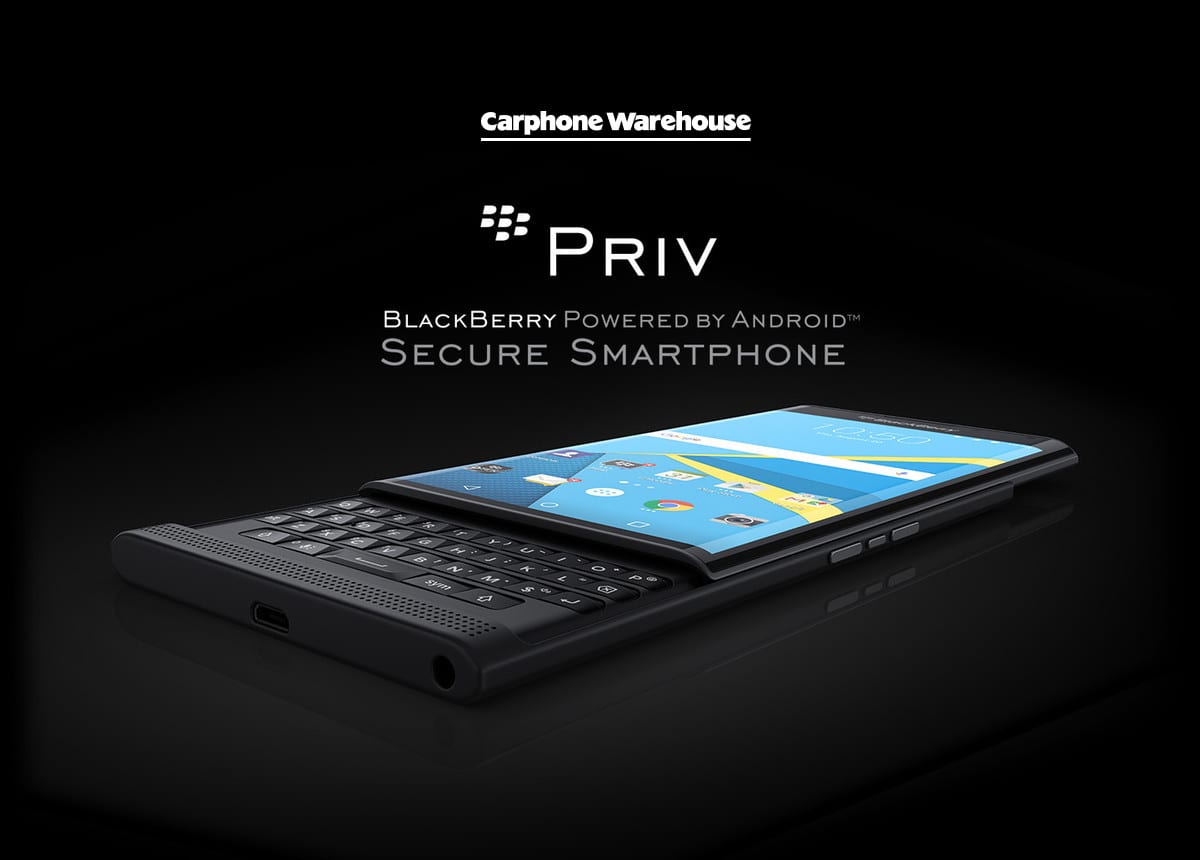
     BlackBerry Ltd’s first Android-based smartphone, Priv, is coming to Hong Kong, according to a company release. Priv is expected to be formally available in retail stores in Hong Kong starting mid this month. In Hong Kong, Priv will be available at a price starting from HK$6,488. The device costs $700 in the U.S.

    BlackBerry Ltd’s Priv is set to officially launch in Hong Kong in the coming days. Powered by Alphabet Inc’s Android, BlackBerry presents Priv as a productivity tool that also doesn’t compromise on security or privacy. BlackBerry will sell Priv at HK$6,488 in Hong Kong as it targets to reclaim lost share of the smartphone market in Asia. The device is sold in the U.S. at $700 and is initially supported by AT&T Inc.

    Priv is a dramatic departure from BlackBerry’s hardware tradition. The smartphone not only runs a foreign operating system (Android), but also features dual keyboard whereby one is virtual and the other is a traditional physical keyboard. According to BlackBerry, the physical keyboard is perfect for fast and accurate typing, which is why power professionals would love the device.

    As a productivity tool, Priv gives users access to more than a million apps on Alphabet’s Google Play.

    Hardware built encryption

    Physical keyboard for productivity is only one of the key distinguishing features of Priv. BlackBerry has also improved security in the device by building encryption into the hardware. Most mobile security features are software-based. However, with heightened risks of hacking, building security into the device chips is expected to become popular. Speculations recently swirled that Alphabet was considering making custom chips for Android phones and it is believed the strategy is aimed at bringing device security to the chip level.

    In the case of Priv, BlackBerry has not only build encryption keys into the hardware, but also guarantees secure boot to ensure that nothing catches you unawares.

    Specs
    BlackBerry Ltd’s Priv spots 5.4-inch AMOLED display that renders resolution of 2560×1440 pixels. The device is powered by Qualcomm, Inc.’s Snapdragon 808 processor. Priv ships with 32GB of internal storage that is expandable up to 2TB through microSD card. The smartphone comes with 18MP camera at the back.

    The productivity nature of BlackBerry’s Priv is reinforced by a 3410 mAh battery capable of delivery 22.5 hours of usage.

  • BlackBerry Passport Silver Edition Now Available in Hong Kong

    BlackBerry Passport Silver Edition Now Available in Hong Kong

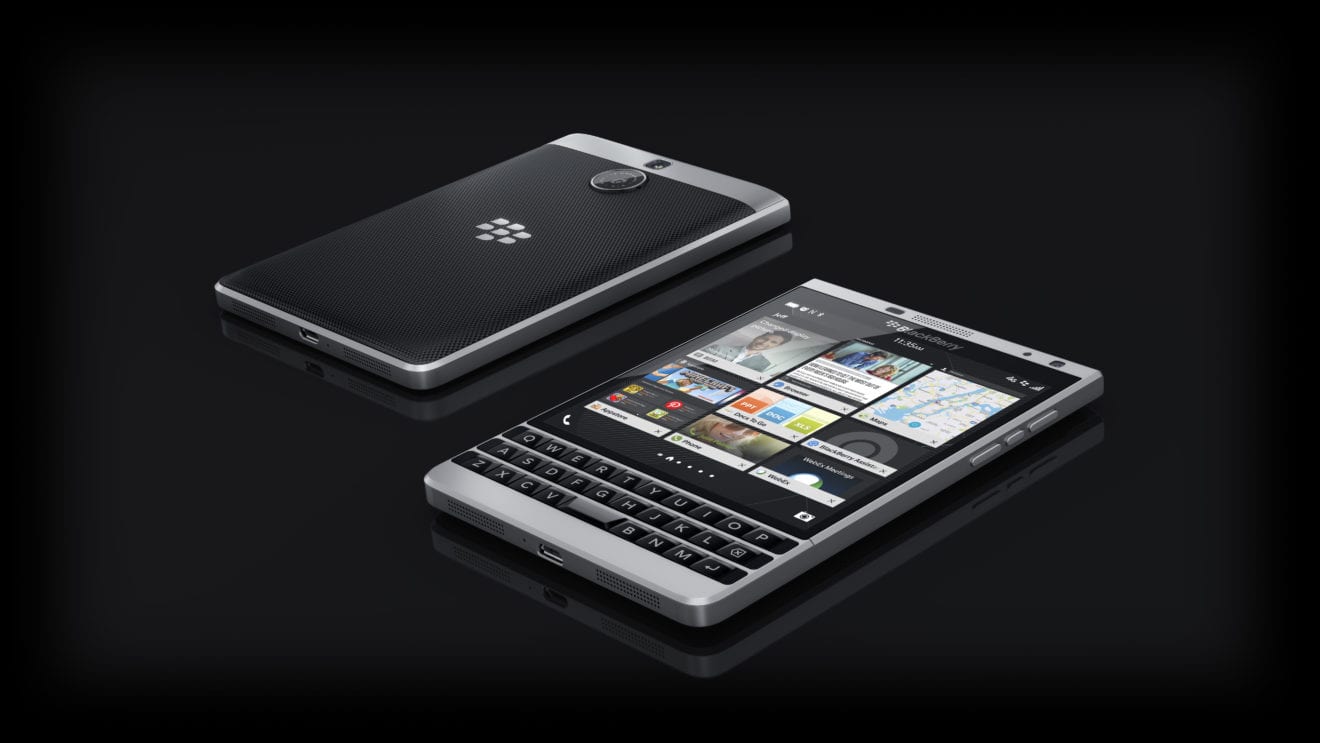
    BlackBerry Limited on September 2 announced the beginning of sales of the BlackBerry Passport Silver Edition in Hong Kong. From last week (September 2nd, 2015), customers in Hong Kong are able to purchase the new BlackBerry Passport Silver Edition, a premium device built for business professionals who want a smartphone with the mobile tools they need to get things done – without sacrificing style or portability.

    The BlackBerry Passport Silver Edition is in a class all its own, featuring a stunning silver finish with refined, curved corners, large square touch screen display and reinforced stainless steel frame for extra strength and durability. An essential business tool, the device delivers the same productivity enjoyed by other BlackBerry Passport products, as well as an updated QWERTY touch-enabled keyboard, battery power that lasts more than a full day of mixed use, and BlackBerry 10 OS 10.3.2, according to BlackBerry.

    “The new BlackBerry Passport Silver Edition combines cutting-edge technology with purposeful, globally recognized design,” said Gallant Leon, Managing Director, North Asia at BlackBerry. “It brings together BlackBerry’s latest OS platform, enhanced productivity features, and a refined industrial design based on customer and user feedback to deliver an unmatched experience for professionals who value precision and focus.”

    Inspired by actual passports, the universal symbol of mobility, the size and form factor of BlackBerry Passport Silver Edition is portable enough to easily tuck into pockets and use wherever you go. Key features of the device include:

    Large High-Resolution Square Screen –The BlackBerry Passport includes a 4.5” square screen, 1440×1440 pixel (453 dpi) HD display and Corning Gorilla Glass 3 for added strength.

    Innovative BlackBerry Keyboard – The BlackBerry Passport’s revolutionary keyboard brings innovation to input with a responsive touch surface like a trackpad that lets you perform many touch functions directly on the keyboard. Scroll web pages, flick to type or slide along the keys to move the cursor, leaving the full screen space for viewing.

    BlackBerry 10 OS 10.3.2 – The BlackBerry Passport comes preloaded with the new BlackBerry 10.3.2 operating system, including features such as BlackBerry Assistant and Amazon Appstore.

    Best-in-Class Battery Life – The 3450 mAh battery is the largest among the top selling smartphones and phablets and, when tested against a very active user, provides up to 30 hours of mixed use – BlackBerry’s  best battery power to date.

    Dual app storefronts preloaded for access to a huge selection of apps for work and play:

    BlackBerry World – BlackBerry World offers essential business and productivity apps for professionals looking to drive efficient communications and collaboration including Box, Evernote, Cisco WebEx Meetings and Documents to Go.

    Amazon Appstore – Discover and download popular Android apps and games through the Amazon Appstore including Candy Crush Saga, Pinterest, SoundCloud, Kindle and Amazon Shopping.

    BlackBerry Assistant – The BlackBerry Assistant is BlackBerry’s first digital assistant and can be used with voice and text commands to help users manage work and personal email, contacts, calendar and other native BlackBerry 10 applications. BlackBerry Assistant intelligently determines how to respond based on how the user interacts with it – if you type, it responds silently, if you speak, it speaks back and if you activate over Bluetooth, it speaks back with additional context because it assumes you might not have access to the screen.

    BlackBerry Blend – BlackBerry Blend 1.2 brings a new refreshed UI and additional functionality and is now available for all BlackBerry 10 smartphones. BlackBerry Blend brings messaging and content on your BlackBerry smartphone to your computer or tablet. Get instant message notifications, read and respond to your work and personal email, BBM and text messages, and access your documents, calendar, contacts and media in real time on whatever device you are on, powered by your BlackBerry.  BlackBerry Blend works across multiple operating systems including Mac, Windows, iOS and Android.

    Premium Components – The device is built for the most demanding user with durable materials mixed with top-of-the-line technology, including a Quad Core 2.2 GHZ Processor, 3 GB RAM, 13 MP OIS rear camera and 32 GB memory expandable with a Micro SD card up to 128 GB.

    BlackBerry Natural Sound – BlackBerry Passport comes with powerful speakers and a quad microphone system that delivers a high-quality listening experience. BlackBerry Natural Sound Technology is built in to adapt Wi-Fi and cellular call sound depending upon phone position and background noise, automatically adjusting volume so you don’t have to.

    The BlackBerry Passport Silver Edition is available from September 2nd 2015, through Broadway Photo Supply Ltd, Fortress, Hong Kong Suning, Chung Yuen Electrical Co., Ltd and other authorized retailers; and through operator partners 3 Hong Kong and SmarTone Mobile Communications Limited, at a recommended retail price of HK$5,388.

  • Users Can Pay Instantly Through BlackBerry ‘s BBM Money In Indonesia

    Users Can Pay Instantly Through BlackBerry ‘s BBM Money In Indonesia

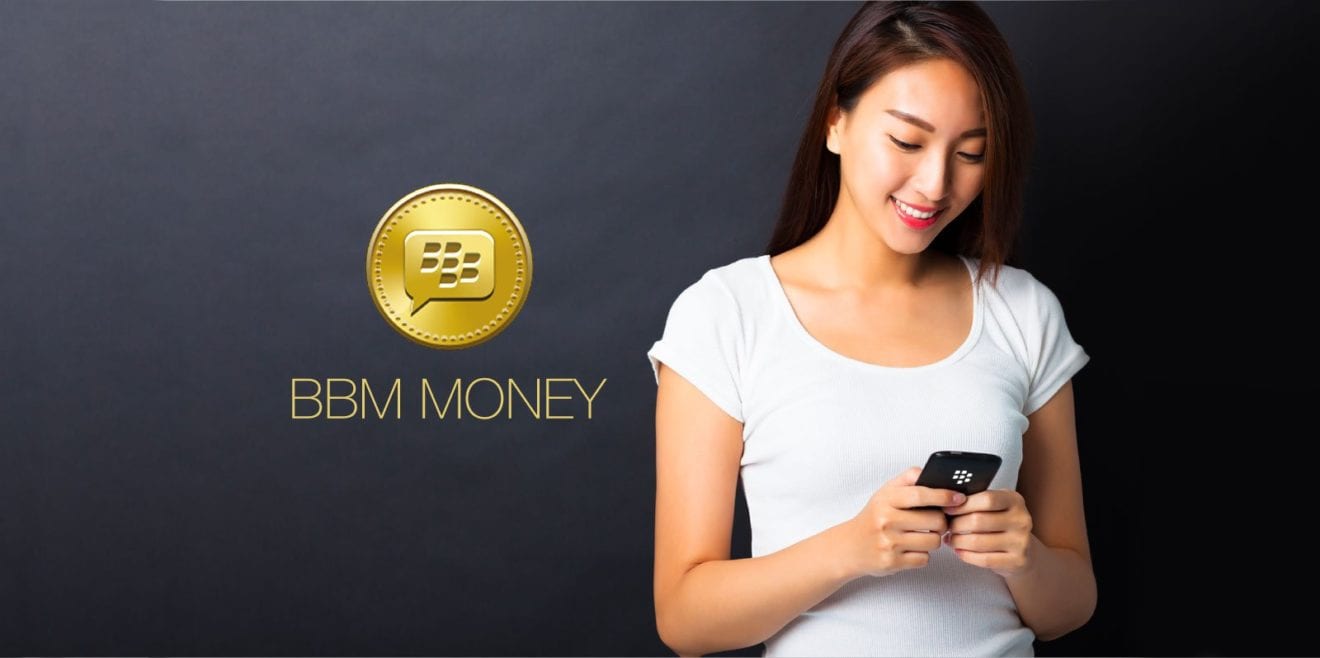
    Blackberry disclosed that its users in Indonesia will be able to pay for goods, as well as, services through online and in stores instantly with the help of BBM money. The users need not have to bother where they bank and use it. The move comes on the heels of the company holding an event last week to provide an update to media, iOS, Android, and BlackBerry communities in the country.

    All Platforms

    BlackBerry Ltd indicated that the app could be used on all major platforms to make payments from mobile. The company said that BBM Money is an app that merges directly with BBM account of a customer, which enables users in Indonesia to pay in real-time with the help of its platform with which its BBM platform is familiar and comfortable with. The move strengthens the firm’s expertise, as well as, a legacy in respect of security and privacy.

    The company said that in Indonesia, BBM is the most popular messaging app, especially on devices running Android OS. BlackBerry believes there are three  favorable trends for making the country an obvious choice for the launch of a mobile money service.

    Booming E-Commerce

    BlackBerry Ltd (NASDAQ:BBRY) said that e-commerce is not only booming but also growing at a faster rate globally though behind China. Also, the 250 million people are witnessing a rapid development of economic activity in the country.

    The second trend is in respect of smartphone penetration, which reached 20%. The adoption rate is considered highest in the world. Also, mobile messaging appears to be common in Indonesia. Aside from these, the first experience of the Internet is from a smartphone for most of the citizens in the country. As a result, there exists a tremendous opportunity for innovative and entrepreneurial online retail startups. That is set to draw the attention of fresh customers through the smartphones. That is exactly where the company’s mobile channels and mobile ad platform will play a crucial role.

    Fewer People With Cards

    The last and the third trend pointed out by smartphone inventor is the fewer number of people having access to traditional bank account. Also, only 11% of the citizens have debit cards while credit card holders account for only 3% in the country. That suggests that there are more users of BBM than the card users. As a result, its mobile payment service is more useful for those without access to a bank account or credit or debit card. That is because its service is integrated with the mobile messaging service, which the citizens love very much.

    BlackBerry Ltd said that it is working with some of the retailers to accept instant mobile payments through BBM money to celebrate Ramadan. That is a busiest buying season in any year in Indonesia.

  • BlackBerry Targeting Local Retailers In Indonesia

    BlackBerry Targeting Local Retailers In Indonesia

    BlackBerry Ltd (NASDAQ:BBRY) (TSE:BB) is now relying heavily on its mobile application services as it struggles with its device business in Indonesia, which is one of the most important consumer market for the company. The Canadian smartphone manufacturer is seeking to monetize the application services in the region

    Indonesia holds big potential for BlackBerry

    Matthew Talbot, senior vice president for emerging sales at BlackBerry Ltd (NASDAQ:BBRY) (TSE:BB), told that the Jakarta Post that the company had plans of approaching the brick and mortar retailers and e-commerce players for partnerships. Talbot said Thursday that these partnerships will help the company in monetizing their services.

    Talbot said both, the virtual shop of BlackBerry and BlackBerry’s e-money application dubbed BlackBerry Messenger Money (BBM Money), were used for advertising by e-commerce marketplaces Qoo10, Tokopedia and Elevenia. The executive, further, informed that globally advertisement requests received by the company per day were noted at 300 million in December last day, and in January this figure went up to an average of 400 million.

    “There’s a good opportunity to bring more and more merchants to the table as there is a large volume of retailers that are emerging in Indonesia,” he said, adding that Indonesia was the second-fastest growing e-commerce market after China. Internet penetration in the country is estimated to reach 55% by 2017 as informed by financial services company UBS, adding that there has been exponential growth in the e-commerce of Indonesia in recent years. An e-commerce provider Vela Asia said that the e-commerce market in Indonesia was calculated at $8 billion in 2013 and by 2016, it is forecasted to grow to $25 billion.

    Not BlackBerry devices, but BBM popular

    BlackBerry Ltd (NASDAQ:BBRY) (TSE:BB) has lost its smartphone share in the country to global competitors that include Apple, Samsung and LG. However, the case is not the same with the messaging application, BBM, and it remains the most popular in the country. BBM is used by 80% of the smartphone users in the country for 23 minutes a day, says a report from Nielsen, released last year.

    Competing chat apps, WhatsApp and Line, are being used by way less number of smartphone users. The time spent on the apps on the daily basis being six and five minutes, and the number of smartphone users using the apps was 57% and 30% respectively, according to the study.

  • BlackBerry lays off employees to be worthwhile

    BlackBerry lays off employees to be worthwhile

    BLACKBERRY is shedding an unspecified variety of staff around the globe because the struggling smartphone vendor tries to make its gadget enterprise worthwhile.

    The Canadian firm, based mostly in Waterloo, Ontario, stated the cuts will impression these engaged on the software program, hardware and purposes aspect of the enterprise.

    “As the corporate strikes into its subsequent stage of the turnaround, our intention is to reallocate assets in methods that may greatest allow us to capitalize on progress alternatives whereas driving towards sustainable profitability throughout all sides of our enterprise,” BlackBerry stated in a press release on Saturday.

    A spokeswoman declined to offer further details about the cuts.

    BlackBerry employs 7,000 individuals globally.

    BlackBerry, which solely a decade in the past was a titan within the smartphone enterprise, has been pressured into a serious reorganization focusing extra on software program and providers since being overtaken out there for cellular units.

    An IDC survey confirmed BlackBerry took simply zero.four % of worldwide smartphone gross sales in 2014.

    “Certainly one of our priorities is making our system enterprise worthwhile,” BlackBerry stated. “On the similar time, we should develop software program and licensing revenues.

  • BlackBerry QNX hops on Singapore public buses

    BlackBerry QNX hops on Singapore public buses

    BlackBerry’s QNX Software Systems says its platform has been deployed in Singapore’s public buses and also will be expanded to Thailand and the Philippines.

    According to the BlackBerry subsidiary, which develops OSes and embedded software tools, its QNX Neutrino OS is supporting a fare collection system that includes automatic gates, ticketing machines, and on-board bus equipment,

    Originally created by systems integrator MSI Global, the software system had been deployed in more than 4,800 public buses in Singapore. MSI specializes in land transport software development, with customers in regional and global markets, and is a subsidiary of Singapore’s Land Transport Authority (LTA).

    It implemented QNX Neutrino OS for better performance and security, as well as to support new fare products, BlackBerry said. It added that the platform supported multitasking of multiple subsystems and web technologies that provided advanced graphic capabilities, such as HTML5, allowing MSI to create a more intuitive user interface.

    Silvester Prakasam, MSI’s fare system business unit head, said in a statement Thursday: “MSI’s experience with QNX Neutrino has been very favorable and we will continue to leverage the same secure OS for our future projects… With QNX Neutrino, we were able to create a design that is fast and reliable, yet affordable to customers in cost-sensitive regions.”

    “Embedded systems today need a comprehensive OS platform that encompasses everything from Web technologies and advanced graphics to security, connectivity, and high reliability,” said QNX COO John Wall.

    BlackBerry Leap launches in Singapore

    In a separate statement Thursday, BlackBerry said its BlackBerry Leap handset would be available in Singapore from May 23. The device is the company’s first full touchscreen offering and targeted at the mass market of “young power professionals”.

    BlackBerry’s managing director of Singapore, Cameron Vernest, said: “With an all-touch screen, the BlackBerry Leap rounds out our portfolio of BlackBerry 10 devices, offering an affordable choice to mobile professionals who require a smartphone that safeguards sensitive communications and keeps them productive.”

    The handset runs the latest BlackBerry 10.3.1 OS and features a 5-inch HD display. It will be available via the enterprise sales teams for Singapore’s three mobile operators–M1, StarHub, and Singtel–as well as M1 retail shops, BlackBerry said.