Tag: boeing

  • FedEx Adds Four Weekly China-US Cargo Flights for AI Hardware

    FedEx Adds Four Weekly China-US Cargo Flights for AI Hardware

    FedEx has added four weekly Boeing 777 freighter flights connecting Shanghai and Guangzhou with its United States hubs, expanding transpacific capacity for semiconductors and artificial intelligence infrastructure.

    Three flights depart Shanghai with a scheduled stop in Osaka before flying to Anchorage and Memphis, while a fourth flight operates from Guangzhou to the same American transfer points.

    The express carrier confirmed the extra air cargo space on November 9, explicitly designating the routes for advanced industrial manufacturing, chip components, computing infrastructure and high-end cross-border e-commerce.

    Routing Through Japan’s Component Belt

    Inserting Osaka into the Shanghai rotation reflects the dense interdependency of East Asian technology manufacturing. Japanese suppliers provide essential semiconductor fabrication equipment and chemicals, meaning freighters can consolidate sub-assemblies before crossing the Pacific.

    Air transport commands premium rates over ocean freight, yet high-value processors and server racks demand rapid delivery schedules that maritime shipping cannot match. For suppliers and logistics planners, dedicating long-range widebody aircraft to specific technology corridors shortens transit cycles between manufacturing centers and American integration hubs.

    Physical Cargo Defies Equity Jitters

    Financial markets pulled back sharply from artificial intelligence shares last week following concerns over potential policy limits on data center construction in the United States. Physical freight volumes tell a different story.

    Carriers do not fuel Boeing 777 freighters on speculation. Increasing scheduled capacity between Chinese assembly plants and American distribution bases demonstrates that hardware procurement orders remain fully funded on factory floors.

    Export Momentum Ahead of Bilateral Talks

    Chinese outbound trade figures for October projected exports to climb roughly one-third in dollar terms compared to the prior year, driven largely by global procurement of specialized electronics. That outbound volume delivers critical revenue to integrated air freight operators while keeping cargo yields firm.

    Trade balances and advanced technology access also frame diplomatic talks between US President Donald Trump and Chinese President Xi Jinping at the Asia-Pacific Economic Cooperation meeting in Shenzhen in mid-November.

    Official customs figures released on Tuesday will verify whether air-eligible technology shipments kept pace with cargo allocations.
  • Biman Signs Deals to Buy 35 Aircraft from Boeing and Airbus

    Biman Signs Deals to Buy 35 Aircraft from Boeing and Airbus

    Biman Bangladesh Airlines has signed agreements to buy 35 aircraft, splitting orders between 25 Boeing and 10 Airbus jets to expand beyond its existing fleet of 19 planes.

    The procurement accelerated even as former Civil Aviation and Tourism Minister Afroza Khanam urged an integrated revenue assessment on April 22, just eight days before Biman agreed to purchase 14 Boeing jets.

    Biman added 11 more Boeing aircraft on September 23 and signed for 10 Airbus planes on October 7, while facing unpaid claims exceeding Tk 7,000 crore from CAAB and Padma Oil.

    Outstanding Dues and Sovereign Risk

    The rapid acquisition pipeline contrasts sharply with Biman’s accumulated domestic balance-sheet arrears. The Civil Aviation Authority of Bangladesh (CAAB) holds Tk 5,842.91 crore in outstanding dues and surcharges against the airline as of August, while state-owned Padma Oil reported an additional Tk 1,232.71 crore in unpaid jet fuel bills.

    State authorities intend for Biman to finance the purchases through operating cash flow with the government acting as guarantor. Default on those obligations would shift payment liabilities directly to public finances, an exposure compounded by the absence of published route-by-route viability audits.

    “The real burden will be in the end borne by the taxpayers of the country,” said Dr Iftekharuzzaman, executive director of Transparency International Bangladesh, citing the absence of financial disclosures and procurement clarity.

    Fleet Strategy and Consultant Reviews

    Fleet planning took place after commercial commitments were already executed. Biman issued a tender on October 25 seeking external consultants to evaluate fleet integration, route profitability, aircraft retirements, and funding structures, setting a submission deadline of November 6.

    The procedural sequence reversed standard airline procurement. Former Civil Aviation and Tourism Minister Afroza Khanam had directed the airline on April 22 to compile an integrated operating plan based on route revenues before acquiring aircraft, eight days before Biman signed its first binding contract for 14 Boeing planes. On November 1, Bangladesh’s parliamentary standing committee requested full documentation on the procurement process and historical commercial assessments.

    Biman stated that commercial evaluations followed internal rules and governance approvals. The carrier maintained that bringing in third-party advisers would support long-term operational planning rather than compensate for internal technical gaps, though it declined to confirm whether a comprehensive network plan covering all 35 jets existed prior to signing.

    Airport Monopoly Terms at Dhaka

    Airport operating restrictions negotiated in parallel with the fleet expansion will alter the aviation market across the capital. A draft operating agreement with a Japanese consortium managing Dhaka’s Hazrat Shahjalal International Airport includes a 15-year restriction on competing commercial airport operations within a 100-kilometre radius.

    Civil Aviation Minister M Rashiduzzaman Millat confirmed that the government accepted the 100-kilometre zoning condition, maintaining that an additional commercial facility near the capital is unnecessary. The restriction locks regional traffic into a single hub even as CAAB projects passenger traffic at Hazrat Shahjalal International Airport will reach 33 million travelers annually by 2045, exceeding its planned terminal handling capacity of 24 million passengers.

    The consultant evaluating Biman’s fleet integration, route economics, and financing structures is scheduled to submit its final assessment on February 15, 2027.

  • Biman Bangladesh Negotiates Purchase of 10 Airbus Aircraft

    Biman Bangladesh Negotiates Purchase of 10 Airbus Aircraft

    Negotiations over a proposed purchase of 10 Airbus aircraft by Biman Bangladesh Airlines are ongoing, French Ambassador to Bangladesh Jean-Marc Séré-Charlet confirmed at a discussion in Dhaka.

    The carrier is preparing agreements for 21 additional aircraft, comprising 11 Boeing jets and 10 Airbus planes, including four A350-900s and six A321neos, following a September 16 report by The Daily Star.

    “Biman has chosen Airbus for technical reasons, not for political reasons,” Séré-Charlet said at the event organised by the Diplomatic Correspondents Association, Bangladesh.

    Fleet split across two manufacturers

    Historically, Biman has relied on Boeing for its long-haul operations. Splitting the new intake between Boeing and Airbus creates a dual-supplier structure. This setup balances delivery slots and preserves operational flexibility. The carrier is now drafting agreements for 21 total aircraft to replace aging planes and open new international routes.

    European diplomats continue to push for access in Bangladesh’s state procurement processes. Séré-Charlet noted France expects a fair operating environment for European companies competing against American planemakers in the country.

    Widebody and narrowbody balance

    Under the Airbus plan, four long-range A350-900 widebodies join six A321neo narrowbodies. The twin-aisle A350s will fly high-density routes to Europe and the Middle East, serving steady Bangladeshi diaspora traffic. Meanwhile, the A321neos will handle medium-haul regional flights across Asia.

    Operating a dual fleet increases overhead for maintenance tooling, spare parts inventories and pilot type ratings. Even so, airlines across South and Southeast Asia accept these complexities. Doing so hedges against single-manufacturer production delays.

    Shifting regional fleet dynamics

    Carriers across South Asia are overhauling their order books to capture growing outbound passenger and cargo demand. Regional competitors have already placed large multi-year orders for modern twinjets. Biman now faces direct pressure from Gulf carriers and regional airlines flying latest-generation widebodies into Dhaka.

    Securing modern delivery slots improves seat economics and reduces fuel burn per available seat kilometer. It also shields Biman from fuel price volatility on high-frequency labor-migration routes across the Gulf.

    What happens next for Dhaka procurement

    Biman began drafting the technical frameworks for the 21-aircraft intake in September. Government approval and financing terms are required before the airline can convert the commitments into firm purchase contracts.

    Delivery timetables and engine selections will hinge on ministerial sign-offs in Dhaka as trade talks wrap up between Bangladesh, European suppliers and US manufacturers.

  • Boeing Veteran Michael Vu Soars to Vice Chairman Role at FLC Group, Eyes Aviation Revamp

    Boeing Veteran Michael Vu Soars to Vice Chairman Role at FLC Group, Eyes Aviation Revamp

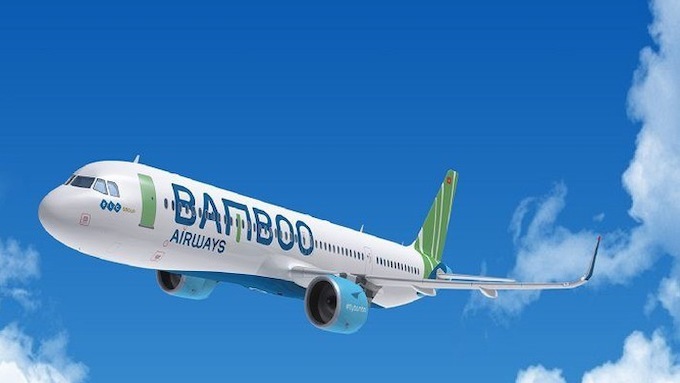
    FLC Group, the parent company of Bamboo Airways, has appointed former Boeing Vietnam country director, Michael Vu, as vice chairman. Vu formally assumed his position on Saturday, as announced by FLC, and will supervise the group’s aviation business and airport infrastructure investments.

    In his new position, Vu will work in conjunction with FLC’s board and executive management to develop strategic plans, grow the group’s international partnership network, and engage with investment resources.

    Michael Vu’s Background and Role

    With over four decades of professional experience in the aviation industry, Vu is well-positioned for this leadership role. He is a graduate of the Wharton School at the University of Pennsylvania and has held several distinguished positions. These include chairman of the U.S.-ASEAN Business Council, co-chair of the Vietnam Business Forum, chairman of AmCham Hanoi, and leadership roles in numerous multinational corporations.

    FLC has stated that Vu’s appointment aligns with the group’s strategy to attract top executives with strong leadership abilities and international experience. This decision is expected to bolster the firm’s leadership team and pave the way for its long-term developmental objectives.

    Challenges Facing Bamboo Airways

    Vu steps into his role at a challenging time for Bamboo Airways, which has recently faced considerable operational disruptions, including a drastic reduction in its fleet size and consistent flight delays and cancellations.

    On July 28, the airline expressed an apology to passengers for frequent adjustments and cancellations of flights, launching a dedicated portal to manage refund requests. Although, the majority of flights listed on the airline’s booking website currently display a “no flights available” status beginning next month.

    In September 2025, FLC reacquired Bamboo Airways after selling it to a consortium of private investors. The airline subsequently expanded its fleet to eight planes during Q1 of this year.

    Questions & Answers

    What is Michael Vu’s role in FLC Group?
    Michael Vu, former country director of Boeing Vietnam, has been appointed as vice chairman of FLC Group. He will oversee the group’s aviation business and airport infrastructure investment activities.

    What are the challenges currently facing Bamboo Airways?
    Bamboo Airways has recently been dealing with significant operational disruptions, including a sharp reduction in its fleet size and persistent flight delays and cancellations.

    What is the strategy behind Vu’s appointment?
    The appointment of Vu is part of FLC’s strategy to attract executives with strong management capabilities and extensive international experience. The move aims to strengthen the company’s leadership capacity and lay the foundation for its long-term development goals.

  • Lucio Tans Sky-High Ambitions: Philippine Airlines to Boost Fleet with 20 Boeing Dreamliners

    Lucio Tans Sky-High Ambitions: Philippine Airlines to Boost Fleet with 20 Boeing Dreamliners

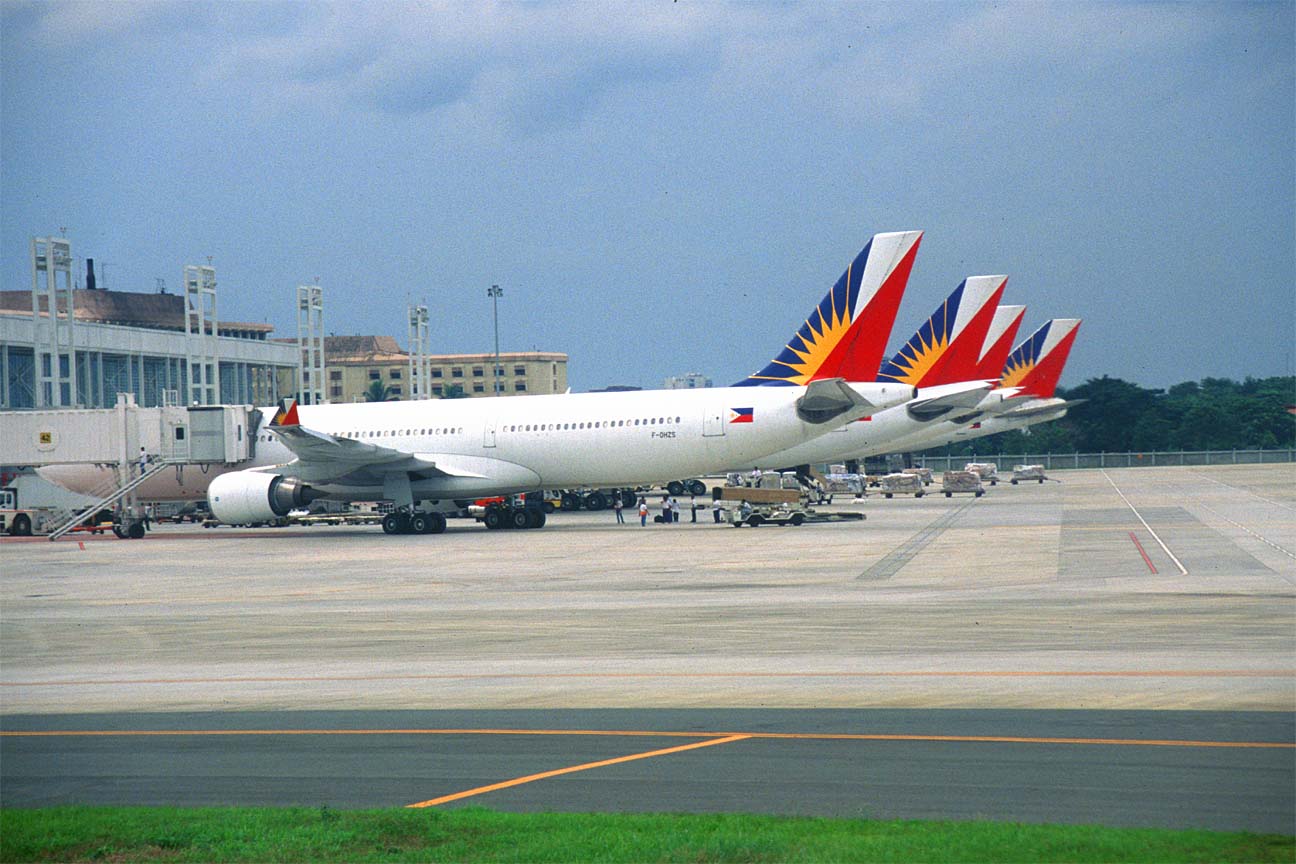
    Philippine Airlines, under the leadership of banking and tobacco magnate Lucio Tan, intends to acquire up to 20 Boeing 787-10 Dreamliner jets as the company upgrades its fleet in response to increased demand in air travel. The national airline has committed to purchasing at least 15 Dreamliners, with the option to buy another five, as stipulated in a preliminary agreement established in the United Kingdom.

    A Historic Purchase for Philippine Airlines

    The new order represents Philippine Airlines’ initial acquisition of Boeing aircraft in nearly 20 years, with delivery slated between 2031 and 2034. While the financial details of the agreement were not disclosed, the overall deal could potentially exceed $7.1 billion based on listed prices. A single Dreamliner typically ranges from $150 million to $200 million, even though its list price can reach a peak of $355 million.

    The procurement follows Philippine Airlines’ successful fundraising of $300 million from its inaugural bond sale after emerging from Chapter 11 bankruptcy in the U.S. in December 2021. The generated funding will contribute to the rejuvenation and expansion of the 85-year-old airline’s fleet.

    Lucio Tan III, president of PAL Holdings, the airline’s parent company, said, “This investment exemplifies our faith in the future of Philippine Airlines and the projected growth of air travel.” He added, “The Boeing 787-10 will augment our medium and longhaul fleet, enabling us to offer an enhanced travel experience for our passengers while improving operational efficiency.”

    A Broader Strategy for Efficiency and Sustainability

    The acquisition of the 787 Dreamliners is part of a larger plan to build a more efficient, sustainable, and competitive airline. The new aircraft will be powered by GE Aerospace’s GEnx-1B engines. Philippine Airlines, which boasts a fleet of over 80 aircraft, provides service to various destinations across the Philippines and 40 international routes in Asia, North America, Australia, and the Middle East.

    Since 2024, the airline has been actively expanding and upgrading its fleet, following a record profit in 2023 spurred by a post-pandemic travel surge. In December, the airline also added five Airbus A320 aircraft to its fleet.

    In addition to aviation, Tan’s business portfolio extends to banking, beer, spirits, tobacco, and real estate through his publicly traded LT Group. His net worth is estimated to be $2.9 billion.

    This purchase also represents a significant win for Boeing, which has also recently secured orders for 100 aircraft from leasing company SMBC and 28 jets from Riyadh Air.

    Questions & Answers

    What is the significance of this purchase by Philippine Airlines?
    This is the first time in nearly two decades that Philippine Airlines has placed an order for Boeing aircraft, marking a significant milestone in the company’s fleet upgrade strategy.

    How will this acquisition benefit Philippine Airlines?
    The acquisition of the Boeing 787-10 Dreamliner aircraft is expected to enhance operational efficiency and the overall travel experience for passengers, particularly for medium and long-haul flights.

    What are Lucio Tan’s other business interests besides aviation?
    Apart from aviation, Lucio Tan’s business interests span across various sectors, including banking, beer, spirits, tobacco, and real estate through his publicly listed LT Group.

  • Vietnam Airlines and Sun PhuQuoc Airways Ink Historic $30B Deal for 90 Boeing Aircraft

    Vietnam Airlines and Sun PhuQuoc Airways Ink Historic $30B Deal for 90 Boeing Aircraft

    Vietnam Airlines and Sun PhuQuoc Airways have entered into a significant agreement to acquire a total of 90 Boeing aircraft in a deal estimated to be worth over US$30 billion. The high-profile contract signing event was held in Washington, D.C., with the participation of Vietnam’s Party General Secretary To Lam and his official delegation.

    Purchases by Vietnam Airlines

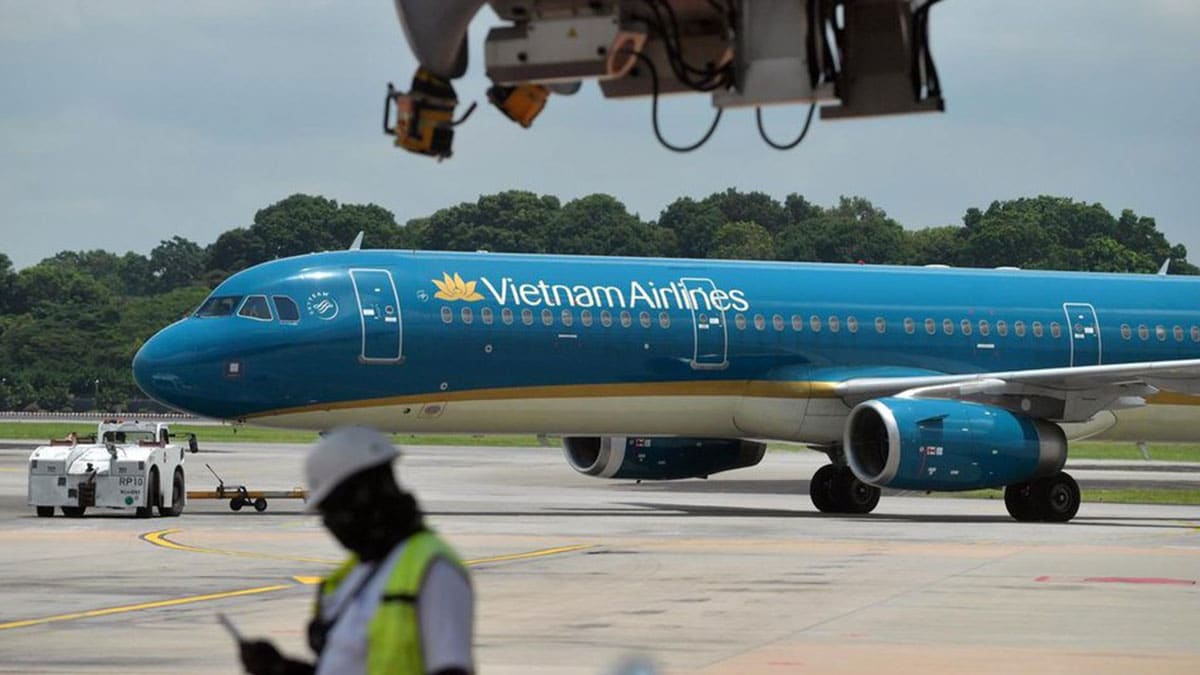
    Vietnam Airlines aims to enrich its fleet with the addition of 50 Boeing 737-8 planes, a purchase valued at $8.1 billion. The carrier has planned the procurement timeline between 2030 and 2032. The airline’s strategic intent behind this acquisition is to leverage the new aircraft on its domestic routes as well as for reaching various destinations across Asia.

    Boeing’s best-selling aircraft, the 737-8, comes with a seating capacity of up to 200 passengers and a flight range of 6,570 km. This makes it an ideal choice for the airline’s regional and medium-haul routes.

    Purchases by Sun PhuQuoc Airways

    Sun PhuQuoc Airways, on the other hand, plans to invest $22.5 billion in purchasing 40 Boeing 787-9 Dreamliner aircraft. The 787-9 is a long-haul, wide-body aircraft with a flight range exceeding 14,000 km and the capability to seat 290 passengers.

    At present, Vietnam Airlines is the sole operator in the country of wide-body aircraft. Sun PhuQuoc Airways, having started its operations in the last quarter of 2025, has received its eighth narrow-body aircraft recently and is poised to acquire two more Airbus planes by the end of this month.

    The country’s largest private airline, Vietjet Air, also secured strategic partnerships during this event. These partnerships involve deals worth more than $6.3 billion with leading U.S. financial institutions and corporations.

    Questions & Answers

    What is the value of the Boeing aircraft purchase agreement between Vietnam Airlines and Sun PhuQuoc Airways?

    The total value of the agreement is estimated at over US$30 billion.

    How many aircraft does Vietnam Airlines plan to buy and for what purpose?

    Vietnam Airlines plans to buy 50 Boeing 737-8 planes, costing $8.1 billion, to operate on domestic and Asian routes.

    What type of aircraft does Sun PhuQuoc Airways intend to acquire?

    Sun PhuQuoc Airways intends to purchase 40 Boeing 787-9 Dreamliner aircraft, which are long-haul, wide-body planes.

  • DHL Aviation Strengthens Economic Growth in Africa with Two New Boeing 737s in Lagos

    DHL Aviation Strengthens Economic Growth in Africa with Two New Boeing 737s in Lagos

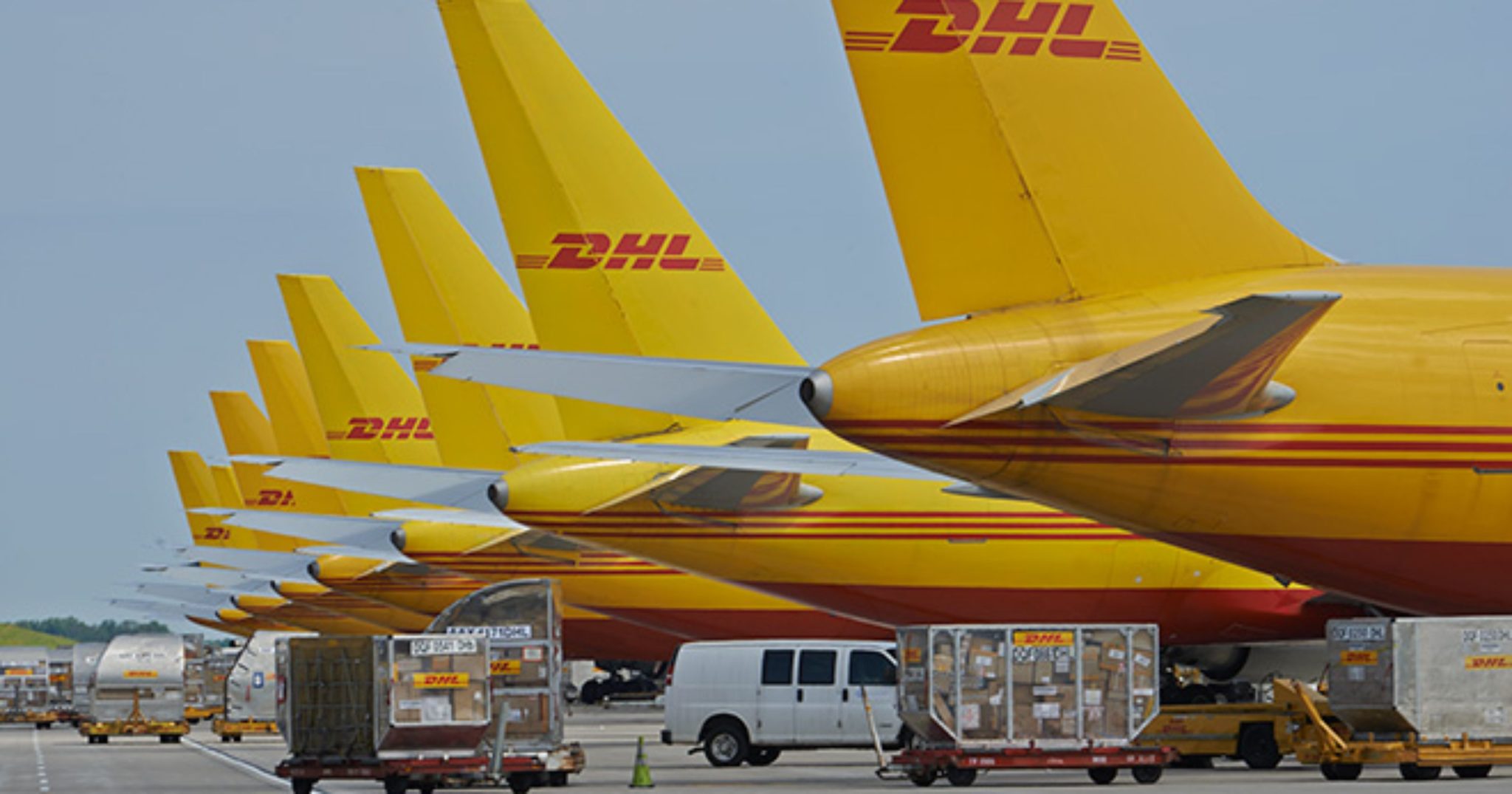
    DHL Aviation recently debuted two fully branded Boeing 737-400 aircraft at Murtala Muhammed International Airport in Lagos, marking a significant step forward in the company’s ongoing enhancement of Sub-Saharan Africa’s (SSA) logistics infrastructure. The increase in air transport capacity is set to bolster transit times, augment delivery predictability, and widen DHL’s scope to support businesses throughout West Africa and beyond.

    Air Network Expansion in Sub-Saharan Africa

    As the sole logistics provider with a dedicated air network in SSA, DHL is persistently extending its aviation uplift capacity to accommodate the increasing demands of West African businesses. The industries driving this growth comprise e-commerce, perishable goods, energy, and life sciences & healthcare.

    The African Continental Free Trade Area has ushered in a period of expanding commerce across the continent. Consequently, businesses are seeking reliable transit times and consistent delivery performance. The two exclusive aircraft will be incorporated into DHL Aviation’s African air network, fortifying connections on pivotal Africa-Europe and Africa-Asia trade lanes, said Anthony Beckley, VP Operations and Aviation at DHL Express SSA.

    Sustainable Growth and Digitalisation

    DHL’s investment in aviation capacity aligns with the company’s wider commitment to sustainable growth. DHL is proactively fostering digitalisation through AI-enhanced route optimisation and digital customs tools. Furthermore, the company is currently trialling renewable energy and alternative fuel projects across its facilities to aid its long-term environmental objectives.

    The latest investment further solidifies DHL Express’s standing as the go-to logistics partner for businesses aiming to expand their footprint in regional and global value chains, commented Riaan Vorster, Aviation Senior Director at DHL Aviation SSA.

    Questions & Answers

    What impact will DHL Aviation’s investment have on Sub-Saharan Africa’s logistics infrastructure?
    The investment, which includes two fully branded Boeing 737-400 aircraft, will improve transit times, enhance delivery predictability, and enable DHL to better support businesses across West Africa and beyond.

    Why is DHL expanding its aviation uplift in Sub-Saharan Africa?
    DHL is responding to the growing demand from West African businesses across key sectors, including e-commerce, perishables, energy, and life sciences & healthcare.

    How does DHL’s latest investment align with its broader commitments?
    By increasing its aviation capacity, DHL is demonstrating its commitment to sustainable growth. The company is also advancing digitalisation efforts through AI-enabled route optimisation and digital customs tools and piloting renewable energy and alternative fuel projects to support long-term environmental goals.

  • SpaceX, Netflix, Boeing to join ‘biggest-ever’ US business mission to Vietnam

    SpaceX, Netflix, Boeing to join ‘biggest-ever’ US business mission to Vietnam

    SpaceX, Netflix and Boeing are among the companies joining the “biggest-ever” U.S. business mission to Vietnam next week to discuss investment and sales opportunities in the booming Southeast Asian nation, the organizer said.

    More than 50 companies, including defense, pharmaceutical and tech firms, will participate in the mission organized by the US-ASEAN Business Council, an industry body, according to a list seen by Reuters.

    The delegation is a sign of rising interest in the global manufacturing hub, which is benefiting from a shift away from China amid Sino-U.S. trade friction.

    Vietnam, with a population of 100 million people, also has a rapidly-growing consumer market as its middle class expands.

    “This is the biggest-ever mission in Vietnam,” said Vu Tu Thanh, the US-ASEAN Business Council’s representative in the country, noting that the body had been organizing these events for three decades.

    Streaming giant Netflix, which Reuters last month reported was planning to open an office in Vietnam, is among the companies joining the trip. Netflix did not respond to a request for comment.

    Aerospace manufacturers Boeing, Lockheed Martin and Bell will hold meetings with state-owned Vietnamese defense procurement companies, Thanh told Reuters, adding that it was the first time in about a decade that security firms had decided to join the annual mission to Vietnam.

    In December, the same companies held talks with Vietnamese government officials about the possible sale of helicopters and drones, as the country seeks new suppliers.

    “Helicopters is one of the things the companies hope to sell to the Vietnamese,” Thanh said, although he cautioned that defense deals took time to be completed and no immediate breakthrough was expected.

    Boeing said in a statement that its discussions with officials would focus on its growing partnership with Vietnam and ways to strengthen the country’s aviation and defense capabilities.

    Lockheed Martin and Bell did not respond to requests for comment.

    The majority of the companies joining the business mission already have a business or manufacturing presence in Vietnam, including Apple, Coca-Cola and PepsiCo, Thanh said, with some planning to expand it.

    Participants will have meetings with Vietnam’s top political and regulatory leadership, including with Prime Minister Pham Minh Chinh.

    Thanh said some companies were interested in Vietnam as a manufacturing hub and in providing services to increasingly wealthy consumers at a time when economic growth reached more than 8% last year.

    Among them is SpaceX, which is looking to sell its satellite internet services to Vietnam and other countries in the region, Thanh said. SpaceX did not respond to a request for comment.

    The mission will also include semiconductors companies, pharmaceutical giants Pfizer and Johnson & Johnson, medical device maker Abbott, financial firms Visa and Citibank, internet and cloud companies Meta and Amazon Web Services, the list showed.

  • Boeing wants to expand Vietnam operations

    Boeing wants to expand Vietnam operations

    One of the world’s leading aircraft manufacturers, Boeing, says it wants to develop its supply chain Vietnam by making more domestic businesses its suppliers.

    At the Boeing Aerospace Industry Forum held in Hanoi Thursday, Michael Nguyen, general director of Boeing Vietnam, said that in the next 30 years, experts believe Southeast Asia would need 4,000 planes. Vietnam is in a leading position to be part of satisfying such a demand, he said.

    Boeing would like to become a strategic supplier for Vietnam, he added.

    The aircraft maker currently has seven suppliers based in Vietnam, but there is only one Vietnamese company among them. In the long run, Boeing would like to directly work with Vietnamese suppliers as it is currently working with mainly South Korean or Japanese partners, Nguyen said.

    “We really want to directly work with Vietnamese companies, but domestic businesses need to learn to walk before they can run. We really want to help Vietnamese businesses to walk fast and run fast,” Nguyen said, adding that Boeing would like to cooperate with universities to train their personnel in the sciences.

    Craig Abler, Boeing director of supply chain Asia, said he had introduced to Vietnamese partners the Boeing’s criteria, including product quality and delivery time, to become a supplier for Boeing. The firm would also visit potential factories and have teams develop suppliers in Vietnam, he said.

    Nguyen said all Boeing planes have parts made in Vietnam, such as doors or door handlers. But the American giant believes Vietnamese workers and experts can grow even more and produce other components with the right guidance, so it would like to expand its operations in Vietnam.

    Do Nhat Hoang, head of the Foreign Investment Agency under the Ministry of Planning and Investment, requested Boeing and other U.S. companies to continue with cooperation initiatives, investments and technological transfer with Vietnam regarding fields like infrastructure and production, among other areas.

    He also wished that Boeing looks into developing a training center for pilots, experts and engineers in aerospace, not to mention aircraft production facilities in Vietnam.

    Boeing has been operating in Vietnam since 1995. Since then, the firm has made several contributions to Vietnamese aviation, including technical assistance in defense and commercial aviation.

  • Vietnam considers lifting Boeing 737 Max ban

    Vietnam considers lifting Boeing 737 Max ban

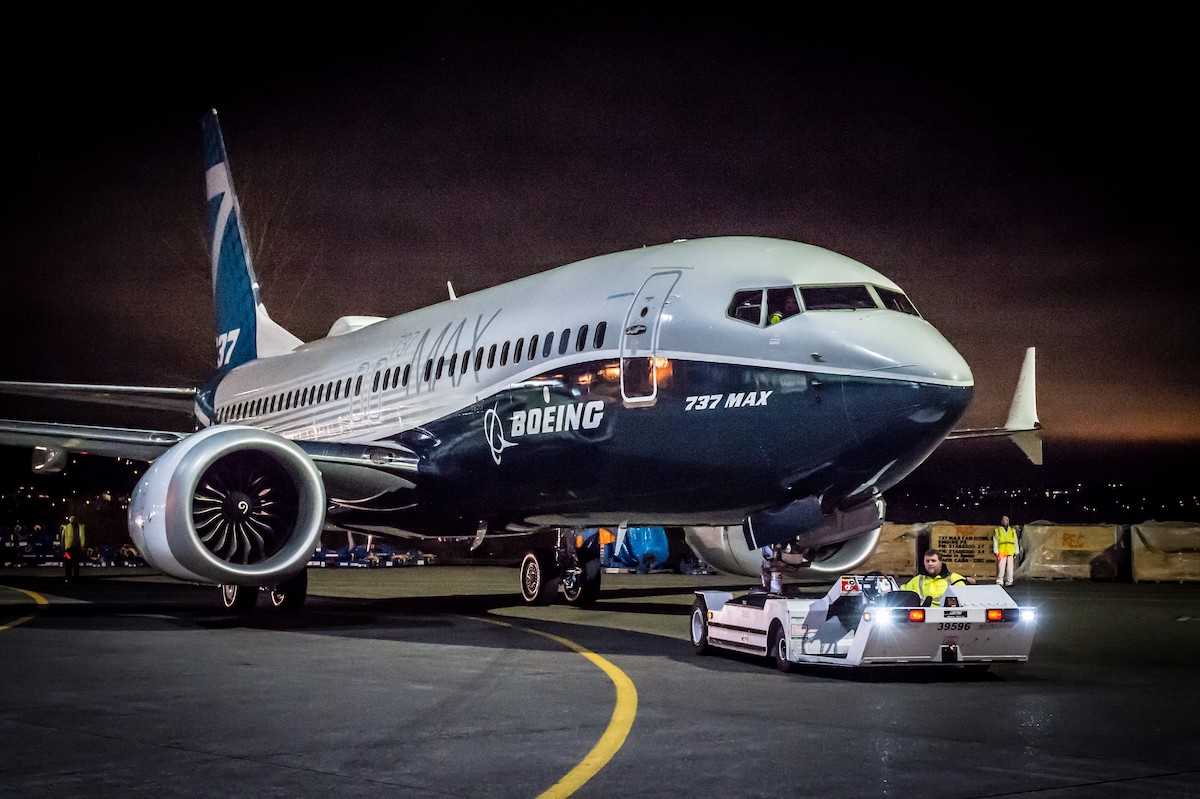
    The Civil Aviation Authority of Vietnam has proposed that the Boeing 737 Max aircraft be allowed to operate and imported to the country after a ban of over two years.

    The CAAV petitioned the Ministry of Transport to consider greenlighting the aircraft after 178 out of 195 global aviation authorities had lifted the ban on the jet.

    Over 360 Boeing 737 Max aircraft of 35 airlines have resumed service, it said.

    As of Sept.15, the aircraft has operated over 150,000 flights with over 370,000 hours of safe performance.

    Vietnam in April allowed the Boeing 737 Max to pass through its airspace, two years after it was grounded worldwide in March 2019 after 346 people were killed in two crashes in the space of a few months in Indonesia and Ethiopia.

  • Vietnam’s Bamboo Airways to sign $2 bln deal with GE for engines on Boeing jets

    Vietnam’s Bamboo Airways to sign $2 bln deal with GE for engines on Boeing jets

    Vietnam’s Bamboo Airways will sign a deal valued at nearly $2 billion with General Electric to purchase GEnx engines to power Boeing 787-9 Dreamliner aircraft, the airline said on Tuesday.

    The GEnx engines, due to be delivered in 2022, will be used on the airline’s wide-body Dreamliner fleet to operate planned non-stop routes between Vietnam and the United States, the company said.

    “This new signing agreement will be an important milestone for the airline to expand its transcontinental flight network, connecting Vietnam with medium- and long-range markets,” the statement said.

    The airline said it will open a representative office in the United States and sign agreements with San Francisco International Airport and Los Angeles International Airport this week, paving the way for its first test of a non-stop flight between the countries on Thursday.

    Bamboo said it aims to finalise procedures for non-stop commercial flights to the United Sates early next year, pending government approvals.

    Bamboo said it is also seeking to expand its international flight network and open more routes to Australia, the United Kingdom and Germany, using its Boeing 787-9 Dreamliner aircraft.

  • Vietnam allows Boeing 737 Max to enter its airspace again

    Vietnam allows Boeing 737 Max to enter its airspace again

    Vietnam’s Transport Ministry has allowed the Boeing 737 Max aircraft to pass through the country’s airspace after two years.

    The decision was taken following a proposal made by the Civil Aviation Authority of Vietnam (CAAV) last month, citing Boeing’s efforts to address technical issues of the aircraft and assessments by aviation authorities in the U.S. and Europe.

    However, the ministry has ordered CAAV to continue monitoring related issues and updating itself with information from peers in China, Australia, and Russia, countries that have not yet opened up their airspace for this aircraft model.

    The ministry also said that after these countries lift their respective bans on the aircraft and if it meets Vietnamese regulations, the CAAV can report it for the ministry to consider permission for the aircraft to operate in and be imported into Vietnam.

    The U.S. allowed the Boeing 737 Max to resume operations in December and Europe did so in January.

    The Boeing 737 Max aircraft was grounded worldwide in March 2019 after 346 people were killed in two crashes in the space of a few months in Indonesia and Ethiopia.

  • Garuda Indonesia Cancels 49 Boeing 737 MAX Orders

    Garuda Indonesia Cancels 49 Boeing 737 MAX Orders

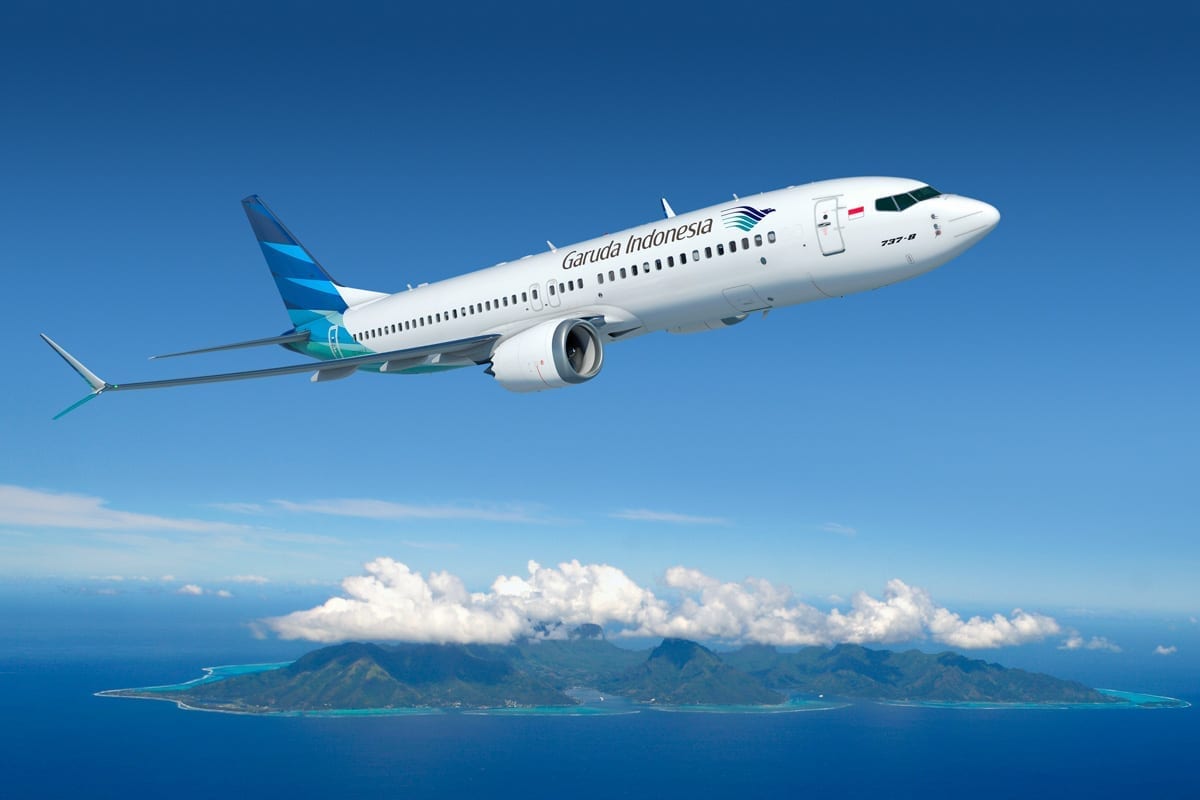
    Breaking news coming from Jakarta that Garuda Indonesia has canceled their order for 49 Boeing 737 MAX placed a few years ago. This comes after two disastrous 737 MAX crashes and a worldwide grounding of the aircraft for safety reasons. Garuda operates over 70 737NG aircraft. As such, the 737 MAX was a natural addition to the fleet and part of the 737NG replacement plan. At face value, Garuda’s order was worth $4.9 billion.

    Garuda made the following comments upon ordering the 737 MAX:

    The Cancellation

    Garuda Indonesia’s President Director, Gusti Ngurah Askhara Danadiputra, announced the cancellation on Thursday, March 21st. In his comments, he specifically stated that the 737 MAX 8 suffered from bad publicity that spooked travelers from choosing the 737 MAX 8. Specifically, Garuda Indonesia believes there is no longer passenger confidence in the aircraft, so they are cancelling their order.

    This isn’t a major issue for Garuda Indonesia since they only have one 737 MAX 8. Depending on how long the groundings of MAX aircraft last, Garuda could find a new buyer or lessor for that specific aircraft. They could also sell it back to Boeing as part of a deal. Garuda Indonesia is already an Airbus customer. They operate both the A330-200 and 300 widebodies. In addition, Garuda Indonesia has 14 A330-900s on order.

    Cancelling the 737 MAX leaves Garuda with few options for sourcing a narrowbody replacement for their 737-800s. Russia is working on an alternative, however, it seems like Garuda will need an established plane with passenger confidence. In addition, based of Garuda Indonesia’s original order, they will probably go for a fuel efficient plane that carry a similar number of passengers.

    This makes the A320neo the most likely option for Garuda Indonesia. On an order for 50 aircraft, Garuda will probably get some discounts from Airbus that would make the delayed entry, any cancellation fees with Boeing, and increased maintenance and training costs worth it if passengers will still fly with them.

    The A320neo, however, would not be entirely out of place in Garuda’s fleet. Garuda Indonesia operates a low-cost arm called Citilink. Citilink flies over 50 A320/A320neo family aircraft.

    Overall

    In the grand scheme of things, Garuda Indonesia is not a major 737 MAX customer.  Norwegian, SpiceJet, Ryanair, Jet Airways, Lion Air, Flydubai, and Southwest all have over 100 737 MAX aircraft on order. However, if Garuda Indonesia is expressing concern about the 737 MAX, it is likely that other airlines are also concerned about their 737 MAX fleet and orders.

  • Vietjet not operating any flights with Boeing 737 MAX aircrafts

    Vietjet not operating any flights with Boeing 737 MAX aircrafts

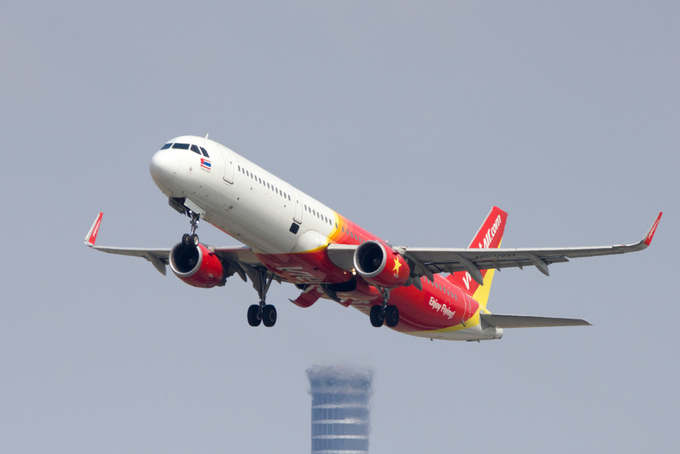
    Vietjet does not operate any flights with Boeing 737 MAX aircraft. We are currently operating with a fleet entirely composed of new Airbus aircraft from the A320 family aircraft. The average age of our fleet is 2.82 years. We are also using latest generation of Airbus aircraft, A320-A321 neo.

    Furthermore, Vietjet’s operations meet the highest international standards with regard to safety and maintenance. In particular, we have complied with all of the regulations and met the latest standards which have been set out by the European Aviation Safety Agency (EASA), the Federal Aviation Administration of the United States (FAA) and the Civil Aviation Authority of Vietnam (CAAV), including the approval of aircraft type for our operation.

    The safety for passengers is always Vietjet’s highest priority. Now we are closely monitoring the Boeing 737 MAX case and our decisions related to these aircraft will be made after the official conclusions and guidelines of the world’s aviation authorities and the CAAV. We are doing this to ensure the development of our modern fleet and to meet the highest quality and safety standards. Vietjet has well managed our fleet so far and our transport business plans are unchanged.

  • Major aviation deals inked as US, Vietnam presidents meet

    Major aviation deals inked as US, Vietnam presidents meet

    Three major aviation deals were signed Wednesday in the presence of Vietnamese and U.S. presidents Nguyen Phu Trong and Donald Trump. Budget airline Vietjet signed with U.S. airplane manufacturer Boeing Company a deal to buy 100 new narrow-body 737 MAX airplanes worth $12.7 billion, according to the manufacturer’s list prices.

    “The deal is an important move for us to meet our international flight network expansion plan with a higher capacity,” Vietjet president and CEO Nguyen Thi Phuong Thao said.

    Vietjet also finalised a $5.3 billion long-term engine support agreement with General Electric for the LEAP-1B engines in its fleet.

    New airline Bamboo Airways also inked a deal with Boeing for 10 wide-body 787-9 Dreamliners worth almost $3 billion.

    The carrier, owned by property and leisure company FLC Group, had placed a provisional order last year for 20 Boeing 787 jets worth $5.6 billion at list prices.

    The new deal brings the total number of Boeing 787 that Bamboo Airways has ordered to 30, worth total value of almost $8.6 billion. First aircraft are expected to be delivered in the third quarter of next year.

    Bamboo Airways is preparing to launch flights to the U.S. from late 2019 or early 2020, after Vietnam earlier this month received a Category 1 rating from the U.S, allowing local airlines to operate direct flights to the U.S.

    “Direct flights between the two countries will not only push tourism activities, but also further facilitate bilateral trade and investment,” FLC president Trinh Van Quyet said in a statement.

    Bamboo Airways is also considering the purchase of 25 narrow-body Boeing 737 MAX worth $2.5 billion, the statement said.

    Vietnam Airlines signed a $300-million for strategic partnership deal in aviation information technology with U.S.-based technology company Sabre Corporation.

    The deal is expected to help the state-owned Vietnamese airline increase IT applications in flight management and passenger service.

    Sabre has been cooperating with Vietnam airlines for over 20 years. Last year, they had signed a $400-million aviation technology application deal.

    Vietnam’s aviation sector has been booming in recent years. Local airlines served almost 50 million passengers last year, up 10.1 percent from 2017, according to the Civil Aviation Authority of Vietnam.