Retail News CRM

Tag: bonds

  • Citi Strengthens Bonds with Vietnam: A New Era of Financial Growth and Digital Transformation

    Citi Strengthens Bonds with Vietnam: A New Era of Financial Growth and Digital Transformation

    Catherine Simmons, a significant figure in the U.S.-ASEAN Business Council, shared her insights following a recent delegation visit to Hanoi. Simmons discussed the importance of the visit, the financial sector’s key messages, and Citi’s future forecasts for Vietnam.

    Assessing the Importance of the Delegation Visit

    Simmons classified the visit as both relevant and substantive. It provided the first opportunity for a public-private dialogue between the freshly appointed Vietnamese government and the U.S. business community, allowing for an early engagement to reaffirm the private sector’s commitment to Vietnam’s ongoing development.

    The visit saw the participation of 52 U.S. companies and 120 delegates, showcasing the strong and growing interest in Vietnam. Not only is Vietnam perceived as a strategic supply chain hub and a domestic market with a population over 100 million, but it’s also viewed as a key long-term growth opportunity in the region.

    As for Citi, the delegation visit provided an excellent opportunity to strengthen its relationship with policymakers and reinforce its long-standing commitment to Vietnam.

    Key Takeaways from the Dialogue with Vietnamese Government

    During the discussions, the financial services industry – represented by Citi, ClearOne, Manulife, Warburg Pincus, Mastercard, and Visa – highlighted the importance of a modern, connected, and robust financial system for economic infrastructure. They expressed their support for Vietnam’s initiatives to further digital transformation, regulatory modernization, and innovation in both public and private sectors.

    The group also urged for ongoing consultations with industry stakeholders as Vietnam formulates laws and policies that will impact the financial markets. They showed their readiness to offer technical expertise and practical solutions to issues concerning settlement infrastructure, payments interoperability, cross-border data flows, and alignment with international standards.

    These issues are crucial to Vietnam at this time as the country is at a critical development stage. As it integrates deeper into the global markets, it will need a more advanced financial infrastructure to sustain increasing investment flows, broader capital market participation, and the evolving needs of a rapidly changing digital economy.

    Questions & Answers

    What was the Vietnamese government’s reaction to the delegation’s recommendations?
    The Vietnamese Prime Minister, Le Minh Hung, assured that the government is committed to rapid and sustainable growth. He emphasized that science, technology, innovation, and digital transformation are at the core of their development strategy and called on ministries and agencies to address the issues raised by the delegation promptly.

    What does this visit signify for Citi’s future in Vietnam?
    The visit gave Citi an opportunity to strengthen its relationships with various government ministries and agencies in Vietnam. In addition to providing financial services, the bank contributes to policy dialogue, supports market development, and facilitates connections to global capital and trade flows. Citi views Vietnam as a strategically important market with significant opportunities to support the country’s growth as reforms continue.

    What is the potential impact of the delegation’s visit on the U.S.-Vietnam relations?
    The delegation’s visit signifies an important step towards strengthening U.S.-Vietnam relations. Its success has laid the groundwork for continued engagement between policymakers and the business community, reflecting Vietnam’s clear ambition to modernize and strengthen economic competitiveness.

  • UBS Set to Appeal Crucial Court Ruling on Credit Suisse AT1 Bonds: A Challenge to Ensure Credibility and Recovery

    UBS Set to Appeal Crucial Court Ruling on Credit Suisse AT1 Bonds: A Challenge to Ensure Credibility and Recovery

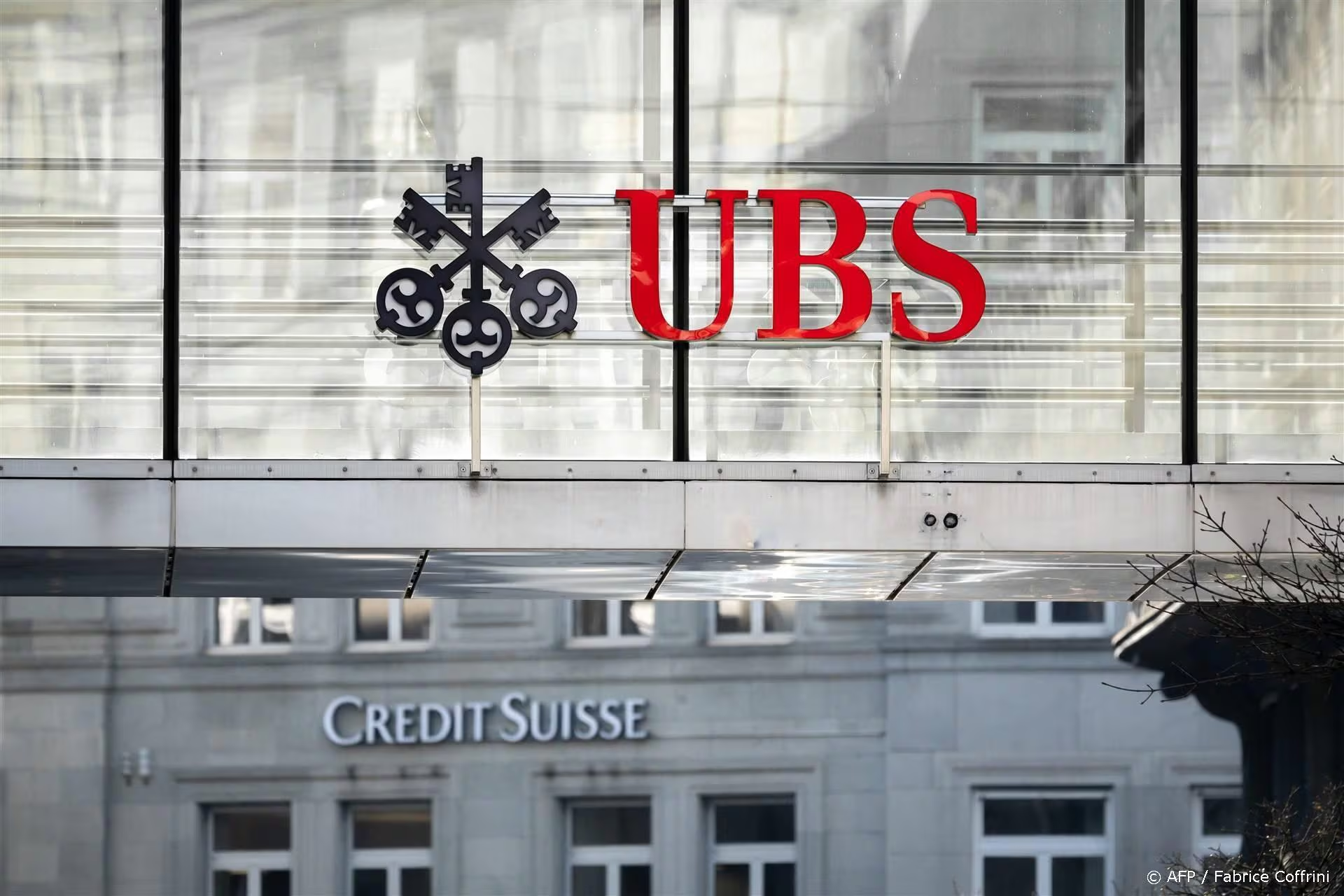
    The Swiss Federal Administrative Court’s partial ruling on October 13, 2025, sparked controversy over the legal legitimacy of deeming Credit Suisse’s AT1 bonds valueless. This occurred subsequent to an appeal lodged by Swiss financial regulator, Finma. Now, UBS has publicly announced its intention to file a similar appeal.

    UBS Announces Appeal

    UBS made a public announcement in tandem with the release of its third-quarter results for the year 2025. The bank expressed its decision to challenge the Federal Administrative Court’s partial ruling in the AT1 litigation. The bank stated that the appeal aims to ensure the court considers their perspective on the significant facts relating to the acquisition. Further, UBS conveyed that filing an appeal is necessary to maintain the credibility of AT1 instruments, given their crucial role in the resolution and recovery of banks.

    Crucial Component of the Rescue Package

    UBS underscored that writing off Credit Suisse’s AT1 instruments was a pivotal part of the rescue package. The bank expressed its belief that the write-off complied with the contractual terms of the AT1 instruments and the applicable law. UBS also maintained that Finma’s decision was within legal bounds.

    UBS further made reference to the conclusions drawn by the Parliamentary Inquiry Commission (PUK). PUK had declared that Credit Suisse would have been insolvent without the aid from the rescue package. They would have been incapable of continuing operations after Monday, March 20, 2023.

    Inadequate Ruling

    The Federal Administrative Court had concluded in October that the legal grounds for Finma’s decision to declare Credit Suisse’s AT1 bonds valueless were insufficient. Finma had already challenged the decision at the Federal Supreme Court, and UBS has now decided to do the same.

    Questions & Answers

    Why has UBS decided to appeal the partial ruling of the Federal Administrative Court?
    UBS intends to appeal the ruling to ensure that their viewpoint on the key facts concerning the acquisition is considered by the court. Additionally, they believe that an appeal is necessary to uphold the credibility of AT1 instruments, given the significant role they play in the recovery and resolution of banks.

    What was UBS’s stance on the write-down of Credit Suisse’s AT1 instruments?
    UBS has emphasized that the write-down of Credit Suisse’s AT1 instruments was a fundamental part of the rescue package. The bank believes that the write-down was in line with the contractual terms of the AT1 instruments and the law, asserting that Finma’s decision was lawful.

    What did the Parliamentary Inquiry Commission conclude about Credit Suisse’s situation?
    The Parliamentary Inquiry Commission concluded that without the rescue package, Credit Suisse would have become insolvent and would not have been able to continue operations beyond March 20, 2023.

  • Exploring Barriers to the Growth of Green Bonds in India’s Eco-Friendly Investment Landscape

    Exploring Barriers to the Growth of Green Bonds in India’s Eco-Friendly Investment Landscape

    The trajectory of India’s green bonds is expected to climb steadily as the nation pushes towards a low-carbon economy. However, a new analysis from the Institute of Energy Economics and Financial Analysis (IEEFA) unveils a constellation of challenges that could throw a wrench in this optimistic outlook.

    Obstacles Looming Over Green Financing

    In their latest briefing note, IEEFA identifies several hurdles that threaten to stifle the scalability of green bonds, which are vital for financing sustainable projects. Labanya Prakash Jena, a sustainable finance consultant at IEEFA and co-author of the analysis, emphasizes the need for robust monitoring and reporting mechanisms. Without these, greenwashing becomes more prevalent, potentially undermining the very purpose of green bonds.

    The landscape is further complicated by inconsistent definitions, verification processes, and reporting standards for green bonds in various jurisdictions. While frameworks like the Green Bond Principles from the International Capital Market Association and the Climate Bonds Standard aim to create consistency, Jena’s collaborator, Vandana Vuppuluri, noted that their interpretation can vary widely from one market to another.

    The Cost Conundrum

    Another significant barrier is the high cost associated with issuing green bonds. This financial burden has resulted in an uneven playing field, largely favoring well-resourced corporations and sovereign entities. “It’s crucial to recognize that the green bond market remains relatively small compared to the broader bond market,” Jena states. “This limitation restricts investment opportunities and casts a long shadow on transparency, as securing consistent post-issuance reports about environmental impacts can deter potential investors.”

    While green bonds are not a panacea for climate issues, Vuppuluri insists they hold essential value in financing a transition to a low-carbon future. “Success relies on how well market dynamics, regulatory frameworks, and stakeholder commitment coalesce around environmental objectives,” she asserts. And remember, as challenging as the road ahead may seem, a little creativity can often turn obstacles into stepping stones—just ask any aspiring entrepreneur navigating the bustling streets of Delhi!

    Questions & Answers

    What are the main challenges facing India’s green bond market?
    The key challenges include a lack of robust monitoring and reporting mechanisms, inconsistent definitions and regulations across jurisdictions, and the high cost of issuing green bonds, which limits participation to well-resourced entities.

    How do varying frameworks affect the green bond market?
    While frameworks like the Green Bond Principles and the Climate Bonds Standard exist to establish coherence, their interpretation can differ significantly across markets, leading to confusion and inconsistency in green bond issuance.

    What role do green bonds play in battling climate change?
    Although they are not a standalone solution, green bonds are critical for financing initiatives that support a transition to a low-carbon economy, with their success contingent on effective regulation and stakeholder commitment to environmental goals.

  • Vietnam stocks slip as Asian shares subdued

    Vietnam stocks slip as Asian shares subdued

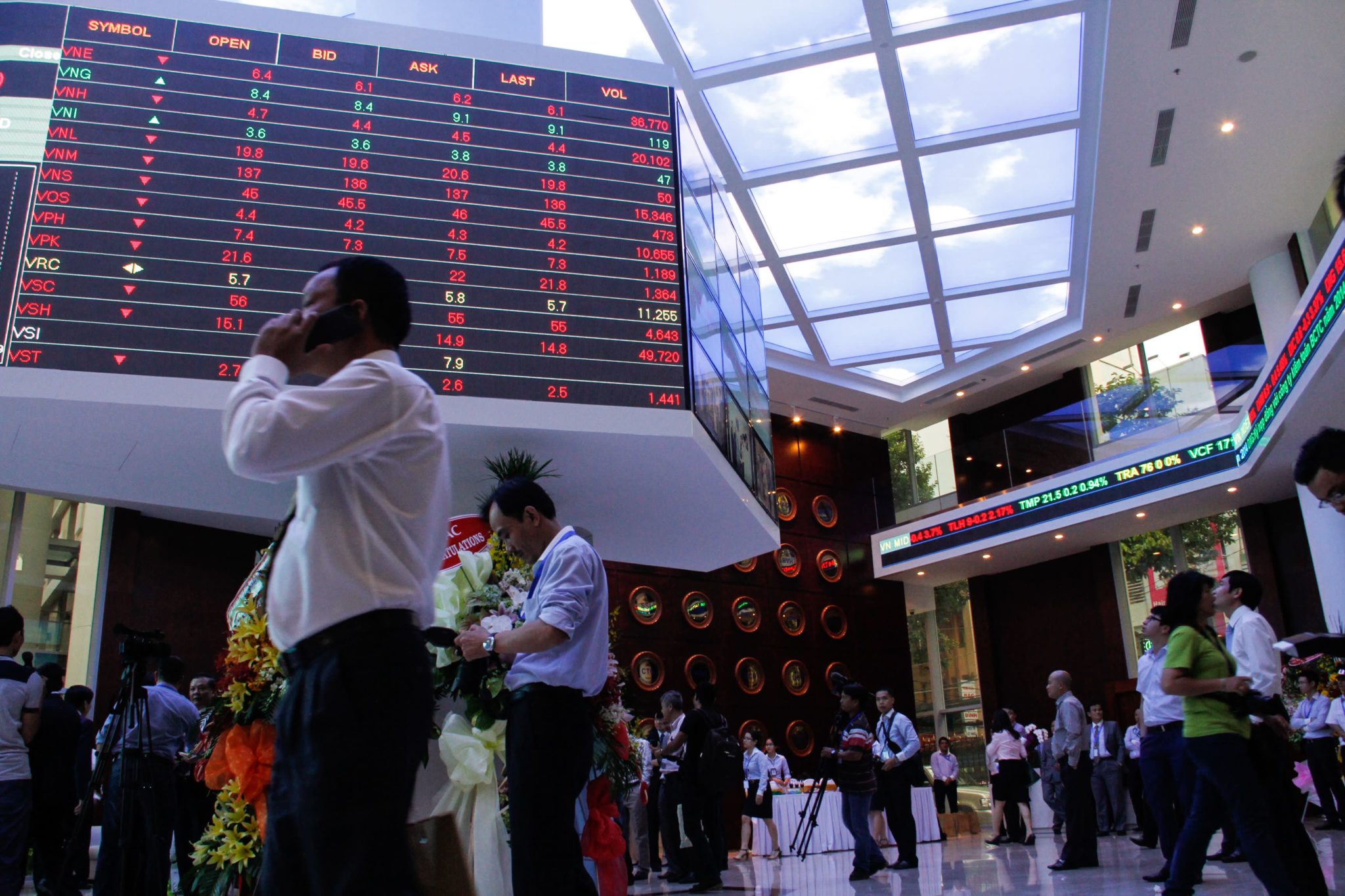
    Vietnam’s benchmark VN-Index fell 0.59% to 1,268.21 points Thursday as other Asian markets were little changed.

    The index closed 7.59 points lower after dropping 8.07 points in the previous session.

    Trading on the Ho Chi Minh Stock Exchange increased by 6% to VND16.59 trillion (US$671 million).

    GVR of Vietnam Rubber Group plunged 2.3%, followed by PLX of fuel distributor Petrolimex, down 2%.

    FPT of IT giant FPT Corporation and MBB of lender MB both fell 1.8%.

    Three blue chips gained, led by VHM of property giant Vinhomes, up 2.9%, and VIC of private conglomerate Vingroup, up 2.4%.

    Foreign investors were net sellers to the tune of VND684 billion, mainly selling FPT and HPG of steelmaker Hoa Phat Group.

    The HNX-Index for stocks on the Hanoi Stock Exchange, home to mid and small caps, fell 0.50%, while the UPCoM-Index for the Unlisted Public Companies Market went down 0.30%.

    Asian shares were subdued on Thursday, with Japanese stocks sliding to their lowest in three weeks as investors sought safety, pushing the yen to a one-month high while U.S. economic worries boosted prospects for the Federal Reserve to cut rates.

    Amid the fragile sentiment, Japan’s benchmark Nikkei slid more than 1% to its lowest in three weeks, while stocks in tech-heavy Taiwan and South Korean stood slightly higher on the day, giving up earlier gains.

    The MSCI’s broadest index of Asia-Pacific shares outside Japan up 0.25%, subdued after having tumbled nearly 3% during a three-day losing streak. The index had risen more than 0.6% but gave up those gains.

  • Sole bond issuance recorded in October

    Sole bond issuance recorded in October

    Only one private bond issuance was recorded in October, indicating that companies remain reluctant to mobilize cash using this channel after recent arrests of alleged fraudsters.

    Nui Phao Mining Company under the Masan Group was the only corporate bond issuer last month with a batch of VND210 billion ($8.45 million) with a five-year maturity.

    This is very unusual as banks and property developers have been the biggest bond issuers in Vietnam for several years now.

    Financial data provider FiinRatings said in a report that the rising interest rates, tightened bond regulations and recent violations in the market have restrained companies from mobilizing cash through bonds.

    The alleged violations of An Dong Investment Group and other companies like property developer Tan Hoang Minh, as well as the arrests of their leaders, have raised red flags for businesses.

    They are now buying back the bonds they have issued. Last month, VND5.8 trillion worth of bonds was bought back.

    Banks accounted for 53% of the buyback value, followed by property developers at nearly 22%.

    The buyback has helped ease payment pressure on companies this year as they only have VND21.85 trillion worth of bonds set to mature after November 15.

    But next year, the value of bonds set to mature will be high, at VND119.05 trillion, and in 2024 it will be VND111.81 trillion.

    FiinRatings analysts expect more debt restructuring moves to be carried out soon. Some of the methods being used are an extension of debt payment with new coupon rates, converting the bonds to long-term loan contracts with new interest rates, or converting them into property units.

    “This is a positive signal for the current liquidity issues on the market as it helps reduce the payment burden in the short term for bond issuers,” they say.

    With mobilizing capital domestically proving very difficult, companies are seeking international loans.

    Ten major loans have been recorded recently with a total value of $1.92 billion, including that of the Masan Group ($600 million), VPBank ($500 million) and SeABank ($200 million).

  • DBS Launches Digital Bond Marketplace

    DBS Launches Digital Bond Marketplace

    The bank is launching a marketplace that for issuers to directly issue their own bonds connect with investors.

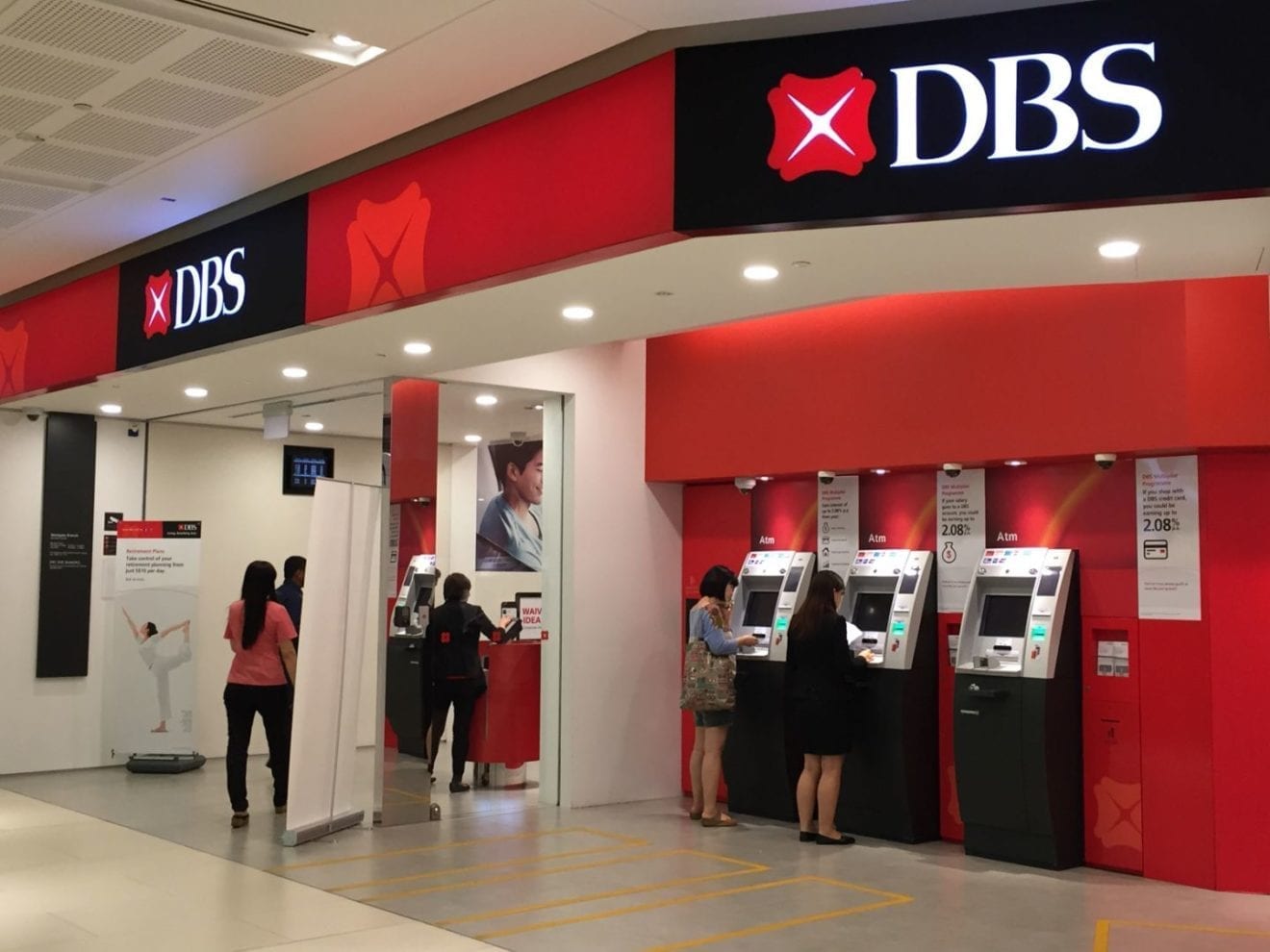
    DBS is launching the Fixed Income Exchange (FIX) to digitalize and make the bond issuance process more efficient, the bank announced on Tuesday in a statement.

    FIX allows issuers to directly issue bonds to the marketplace, and fully digitalizes and automates issuance-related documentation. It also supports issuers in generating digital bond-ready transactions, which can be listed and traded on the DBS Digital Exchange (DDEx).

    Keppel Corporation is the first corporate issuer on the platform, with a $1 billion Euro-Commercial Paper Programme.

    With FIX, DBS said it hopes to make capital markets access more time and cost-efficient, while also developing the breadth and depth of Asian bond markets at a faster pace.

    The time is ripe for traditional ways of bond origination to make way for a more digital approach, to do what has been aspired for so long – by taking the first step towards the creation of an independent platform that allows bond issuers efficient and effective direct access to the market place and bond investors, Clifford Lee, global head of fixed income at DBS, said in the announcement.

    Just last week, domestic rival UOB piloted the digital issuance of its latest bond offering on exchange-operated digital asset issuance platform Marketnode, a joint venture between Singapore Exchange and Temasek.

  • Vietjet raises $43.6 mln from bonds

    Vietjet raises $43.6 mln from bonds

    Budget airline Vietjet has raised VND1 trillion ($43.61 million) from a domestic company to expand operations amid the Covid-19 pandemic.

    The bonds are without collateral with a maturity of five years starting from May 24.

    Revenues in the first quarter fell 56 percent year-on-year to VND4.05 trillion. In the same period, the company reaped post-tax profit of VND123.32 billion.

    The profit came from its other investment to make up for the loss in its main business that is taking hits from social distancing.

    It managed to lower operating costs by half and sales and administration costs by 39 percent.

  • DBS Obtains Bond Settlement Agent License in China

    DBS Obtains Bond Settlement Agent License in China

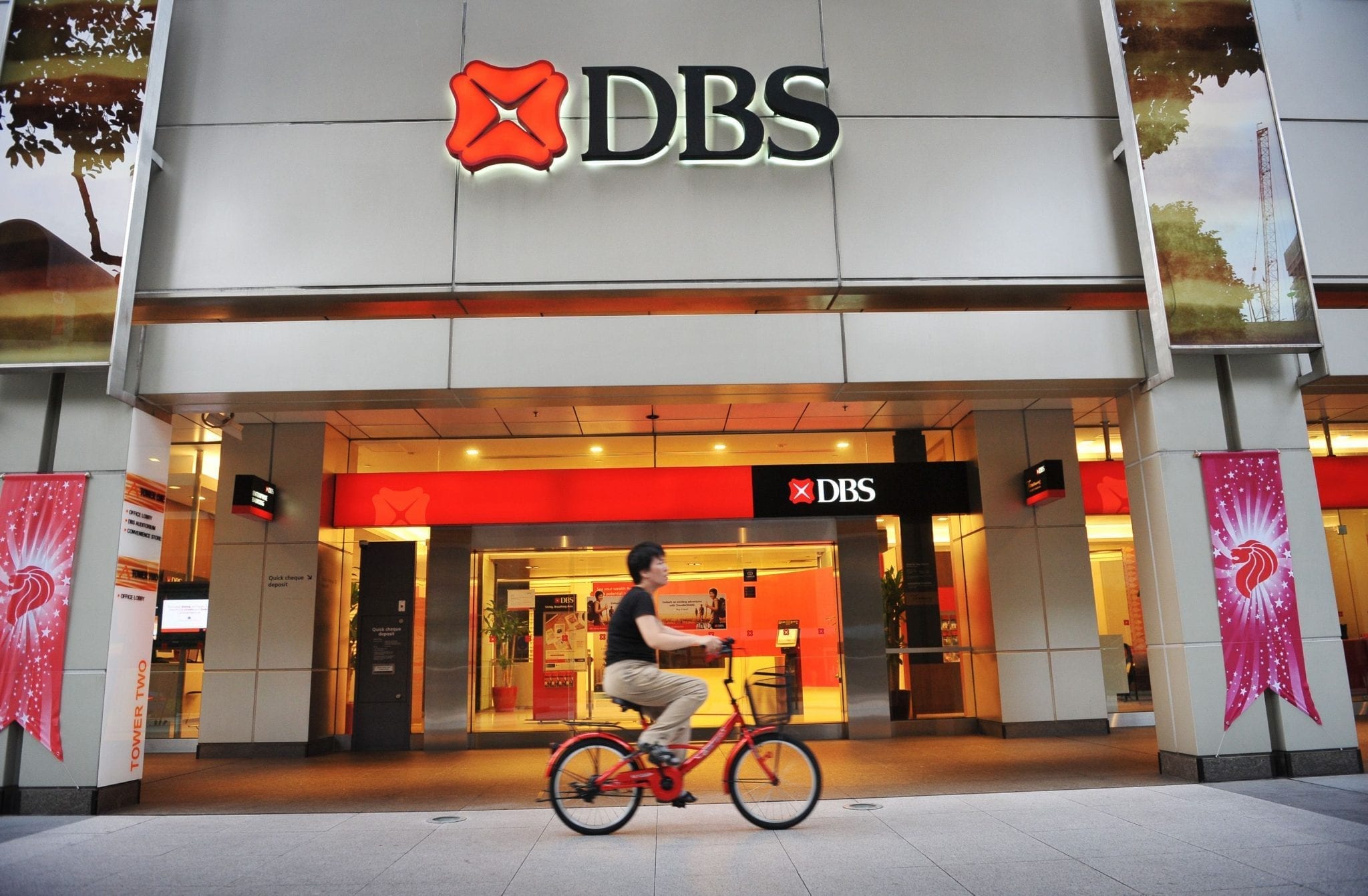
    DBS Bank (China) announced that it received a Bond Settlement Agent license in the China Interbank Bond Market, making it the first and only Singapore bank to be granted such a license.

    DBS Bank (China) has received a Bond Settlement Agent license from the People’s Bank of China to act as a bond settlement agent in the China Interbank Bond Market, the lender said in a statement on Tuesday. Prior to the license, DBS China has been involved in the China bond market as Trial Bond Market Maker in the China interbank bond market for years.

    This license will enable DBS China to serve overseas investors who are interested in the China bond market because from now on, we can provide the bond settlement or custody services to them.

    The China bond market is the largest in Asia and the second-largest in the world and is of significant interest to international investors. With the license, we look forward to introducing more overseas customers to the China bond market and providing our comprehensive service to international institutional investors said Neil Ge, CEO of DBS China in the statement.

    China’s onshore bond market worth was 88 trillion yuan ($13.12 trillion) in February last year, according to the country’s central bank. Since last April, the phased inclusion of Chinese sovereign bonds and debt sold by three key state-owned policy banks into the Bloomberg Barclays Global Aggregate Index has attracted a new group of investors into China’s domestic bonds.

    Up to then, inflows have been dominated by central banks and sovereign wealth funds. With the inclusion of China bonds into such indices, private-sector managers following the index would be looking to join the market.

  • ICBC Singapore Issues Bank’s First Green Bond

    ICBC Singapore Issues Bank’s First Green Bond

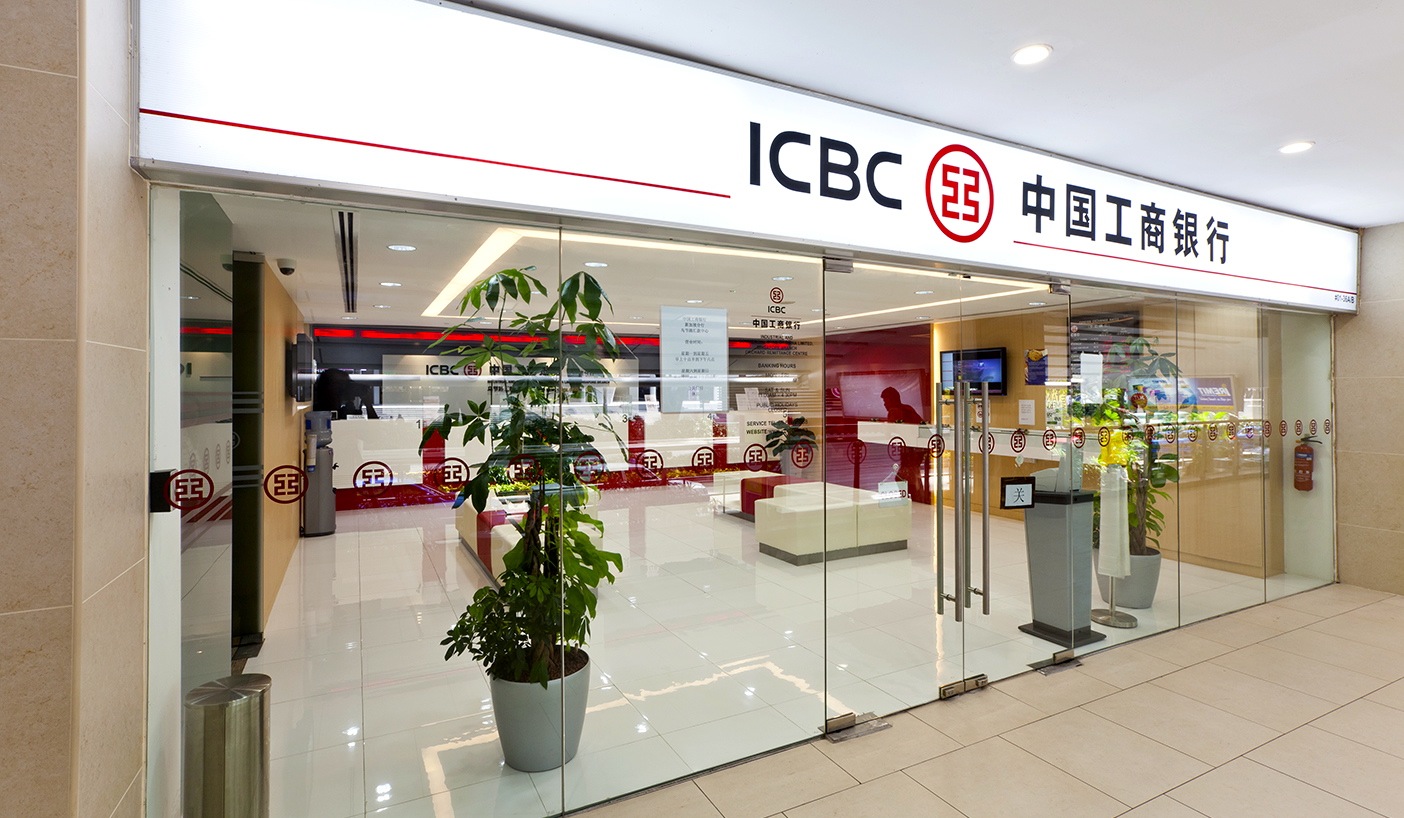
    State-owned bank offers green Silk Road bond in three currencies one week after a similar exercise by rival Bank of China. Acting through its Singapore branch, the Industrial and Commercial Bank of China (ICBC), the world’s biggest bank by assets, has issued its first green bond offering in three currencies totalling $2.2 billion equivalent, Reuters reported on Wednesday.

    The U.S. dollar-denominated tranche includes $900 million three-year floating rate notes priced at three-month Libor plus 72 basis points and $600 million five-year floating rate notes priced at three-month Libor plus 83 basis points. They received over $2.4 billion and $1.5 billion in orders respectively, with Asia buying 92 percent of the deal and the rest coming from EMEA in both cases, according to Reuters.

    The 1 billion yuan ($149 million) three-year tranche was priced at 3.3 percent. The 500 million euro tranche received over 1.8 billion euros in orders.

    DBS Bank was the only Singapore bank among the issue’s joint global coordinators, which also include ICBC, Credit Agricole, HSBC and Standard Chartered Bank. DBS was also the joint book runner and joint lead manager of the issue. There were 22 underwriters for the bond issue, which intends to support green projects under China’s Belt and Road Initiative.

    According to Clifford Lee, DBS Bank head of fixed income, said that ICBC Singapore’s successful issuance of its first green bond is underpinned by its commitment to financing sustainable development along the Belt and Road, «The Business Times» reported.

    A week before, Bank of China raised $3.8 billion equivalent across five currencies and eight tranches from its fifth Silk Road bond offering.

  • UOB Prices First Panda Bond

    UOB Prices First Panda Bond

    United Overseas Bank announced it has priced Singapore’s first Panda Bond at 3.49 percent, one of the lowest rates among all Panda bonds. The Singapore based lender UOB said that its three-year, 2 billion renminbi (S$404 million) offering garnered strong demand with a subscription rate of 2.7 times from asset managers and commercial bank investors across Asia. Thirty-eight percent was placed to China’s onshore investors and 62 percent to international offshore investors.

    «Our participation in China’s onshore debt market, one of the largest globally, enables us to grow our presence in China as the country continues to liberalize the renminbi and its financial markets. Further, through this offering, we can diversify our funding sources and continue to tap the increased connectivity between China and ASEAN arising from the Belt and Road Initiative to serve our customers’ needs,» said Wee Ee Cheong, CEO of UOB, said in a media statement.

  • Foreign flows into Asian bonds turn positive, Malaysia leads

    Foreign flows into Asian bonds turn positive, Malaysia leads

    Foreign flows into Asian bonds turned positive in October, in stark contrast to the sharp outflows faced by equity markets due to slowing earnings and concerns over trade. Data from central banks and bond market associations showed overseas investors bought a net US$2.24 billion (RM9.4 billion) in Malaysian, Thai, Indonesian, South Korean and Indian bonds in the last month. That compared with net outflows of US$2.46 billion in September.

    Malaysia’s bond market led the region with inflows of US$1.8 billion in October, the highest in 2018. At the end of last month, foreign ownership of Malaysian government securities rose to 40.7% from 39.5% in September, the data showed.

    Thailand and Indonesian bond markets also attracted foreign money of US$1.07 billion and US$886 million, respectively.

    “Thailand’s large current account surplus and growth recovery have boosted the perception of Thai debt as a relative safe haven in the region,” said Khoon Goh, Singapore-based head of Asia research for ANZ Banking Group in a note.

  • Vietinbank successfully issues bonds at low interest rate

    Vietinbank successfully issues bonds at low interest rate

    Vietnam Joint Stock Commercial Bank for Industry and Trade (Vietinbank) announced it successfully issued non-convertible five-year bonds worth VNĐ2 trillion (US$88.1 million) at annual interest rate of 5.8 per cent.

    Compared with the interest rates of other bond issued recently, the 5.8 per cent rate is considered the lowest rate. It is even lower than the interest rate of 7 per cent per year applicable for deposits of over three years in Vietinbank.

    Previously, in December 2016, Vietinbank also issued 10-year bonds worth VNĐ2.9 trillion at interest rate of 7.5 per cent in the first five years.

    Vietinbank reported a high profit of VNĐ8.25 trillion in 2016, 4 per cent higher than the target set at the bank’s general meeting of shareholders.

    As of December 31, 2016, the bank’s total merged assets were estimated at VNĐ947 trillion, up 22 per cent from the previous year.

    Also in 2016, the bank’s total outstanding loans were VNĐ720 trillion, a year-on-year rise of 18 per cent, while total mobilised capital reached VNĐ862 trillion, up 21 per cent. By the end of 2016, the bank continued to effectively manage the quality of assets with bad debt ratio of less than 1 per cent.

    The bank in 2017 has set a target of a 15-17 per cent rise in total assets and an 18 per cent increase in outstanding credit.

  • UOB Indonesia offers Rp 1.1 trillion in bonds to strengthen lending

    UOB Indonesia offers Rp 1.1 trillion in bonds to strengthen lending

    United Overseas Bank (UOB) Indonesia plans to issue Rp 1.1 trillion (US$84.5 million) in bonds in November. The issuance hopes to raise cash to support the bank’s lending capacity next year.

    UOB Indonesia president director Kevin Lam said Rp 1 trillion in proceeds would come from the senior bond while the remaining Rp 100 billion would come from the subordinated bond. Both will be offered from Nov. 17 until Nov. 22.

    “The bond will enable us to maintain solid funding as we help our customers seize business opportunities arising from increased infrastructure development and consumer demand,” he said during a public expose in Jakarta on Wednesday.

    The senior bond is divided into three series with a buy-back option, he further explained.

    Series A is offered with 370 days of maturity and a 7.4 percent coupon rate per annum. Series B will mature in 3 years with an 8.25 percent coupon rate. Series C will have a 5-year tenor with a coupon rate of 8.5 percent.

    Meanwhile, the subordinated bond has a 7-year tenor with a 10 percent coupon rate. All the coupons will be paid every three months.

    In the first half of 2016, UOB Indonesia saw its interest income increase by 22.32 percent year-on-year (yoy) to Rp 1.73 trillion.

    Net profits rose by 86.81 percent yoy to Rp 281.69 billion.

  • SM Prime’s P10B Retail Bonds Priced at 4.2005%

    SM Prime’s P10B Retail Bonds Priced at 4.2005%

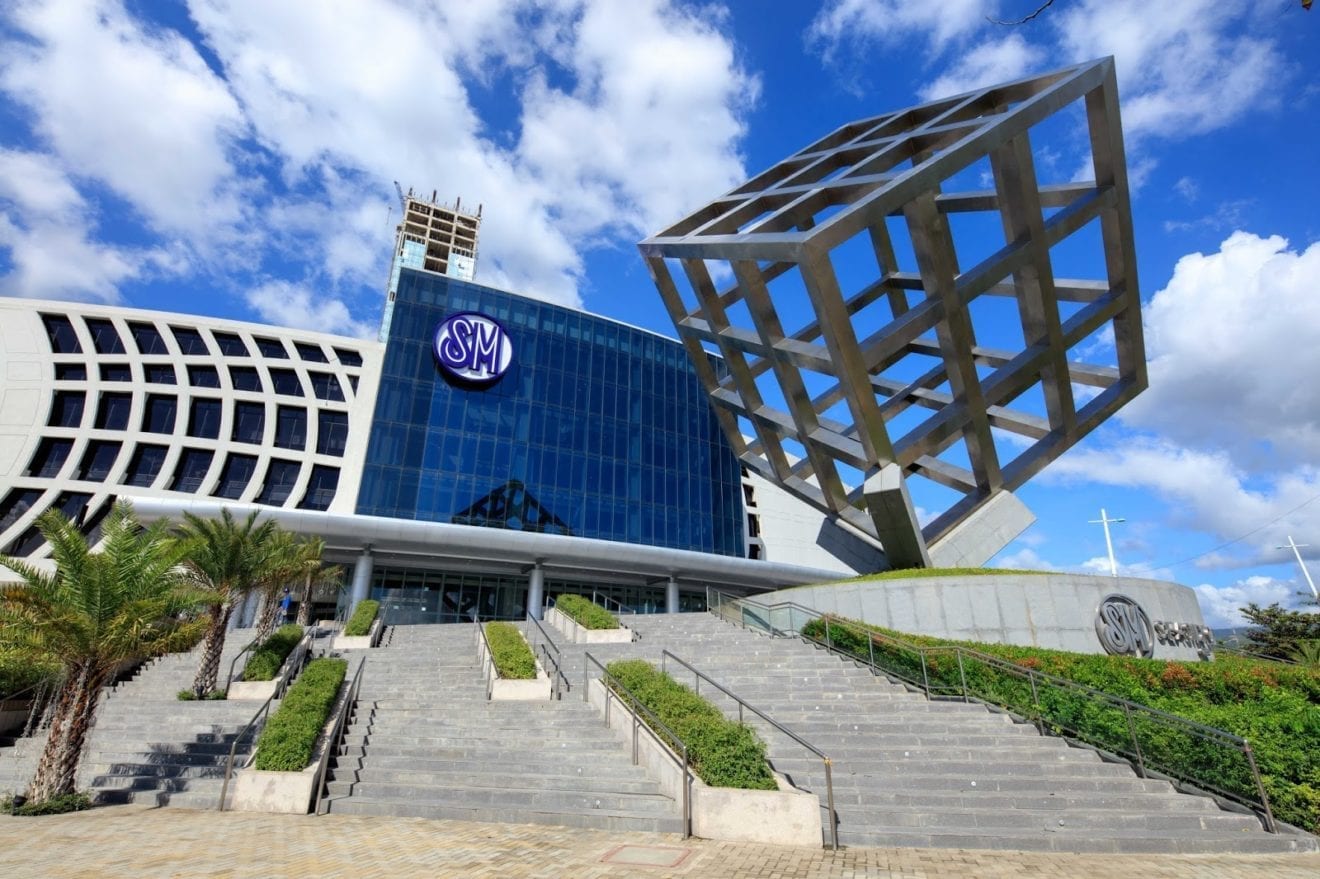
    SM Prime Holdings, Inc. has set the interest rate for its Peso-denominated Series F, 10-year retail bonds at 4.2005% per annum.

    SM Prime will issue an aggregate principal amount of Php10.0 billion of the Series F bonds, which will be offered to investors through underwriters from July 13 to 19, 2016.

    The retail bonds will be issued on July 26, 2016. According to the underwriters, SM Prime received a strong demand for the retail bonds.

    The SM Prime bonds have been rated PRS Aaa by Philippine Rating Services Corporation (PhilRatings), the highest rating assigned by PhilRatings.

    Obligations rated PRS Aaa are of the highest quality with minimal credit risk, and denotes that the Issuer’s repayment capacity is extremely strong.

    This series of SM Prime bonds is the third offering of Peso-denominated retail bonds to the public.

    “The retail bond to be issued will sustain SM Prime’s development roadmap, which is geared towards provincial expansions mostly allotted on malls and offices developments. We remain optimistic on the huge growth potential in the provinces where large areas remain unserved.” SM Prime President Hans T. Sy said.

    The SM Prime bonds’ joint issue managers, joint lead underwriters and joint bookrunners are BDO Capital & Investment Corporation, BPI Capital Corporation, China Bank Capital Corporation and First Metro Investment Corporation.

    East West Banking Corporation, PNB Capital and Investment Corporation and United Coconut Planters Bank are participating underwriters for the bond issue.

    SM Prime remains committed to its role as a catalyst for economic growth, delivering innovative and sustainable lifestyle cities, thereby enriching the quality of life of millions of people.

    SM Prime Holdings, Inc’s stock was up 3.89% in today’s trading at the Philippine Stock Exchange.

    SPMH ended the day with a trade price of P29.40 a share, up P1.10 from the previous day’s trading.

    A total of 41 million SMPH shares, with a total value of P1.19 billion, exchanged hand today.

  • Hong Kong stocks extend sell-off as banking giant HSBC tumbles to 7-year low

    Hong Kong stocks extend sell-off as banking giant HSBC tumbles to 7-year low

    Hong Kong stocks closed at their lowest level since mid-2012 on Friday, extending steep declines from the previous day in a holiday shortened week, as index heavyweight HSBC tumbled to a seven-year low after the company decided to scrap a pay freeze plan aimed at cutting costs due to staff protests.

    The Hang Seng Index was down 1.2 per cent or 226.22 points at 18,319.58, the lowest close since June 2012. The index fell 3.9 per cent on Thursday after returning from the three-day Lunar New Year break, posting the worst loss to start a Chinese new year since 1994.

    For the week, it was down 5 per cent.

    So far this year, the Hang Seng Index has plunged more than 16 per cent, already more than doubling the annual loss of 7.2 per cent it rang up in 2015.

    The Hang Seng China Enterprises Index, or the H-shares index, settled 2 per cent lower at 7,505.37.

    Sino-British banking giant HSBC Holdings, one of the most-widely held stocks by Hong Kong retail investors, tumbled 2.7 per cent to HK$48.1, the worst level it has seen since April 2009.

    HSBC’s chief executive Stuart Gulliver wrote Thursday in a memo that the company would drop a pay freeze announced recently to cut costs, following feedback from its employees.

    Gulliver said the company would use the cash from the 2016 bonus pool to fund the pay rises, while also expressing his concerns for the bank’s revenue outlook in 2016 due to uncertainty around the global growth outlook and the interest rate environment.

    Among other market movers, Asian life insurer AIA Insurance fell 2.4 per cent to HK$37.25, and Chinese online major Tencent Holdings dropped 1.9 per cent to HK$133.3.

    Ben Kwong Man-bun, executive director and head of research of KGI Asia, said the Hong Kong market lacked clear direction and was taking its cue from hobbled overseas markets.

    “The global equity market is still under selling pressure. It’s because of the fearful sentiment of investors. They prefer to hold cash rather than assets,” Kwong said.

    The broader weakness in regional markets also added to the selling pressure on Hong Kong stocks. Japan’s Nikkei Average finished below 15,000 for the first time in 16 months, down 4.8 per cent at 14,952.6, as the yen, a traditional safe-haven currency, soared against the US dollar.

    On Thursday, global stocks entered a bear market, as the MSCI All-Country World Index, a gauge of global stock markets, had fallen more than 20 per cent from its most recent high in May 2015. US and European equities both took a hard hit, spurred by heavy selling in the banking sector on worries negative interest rates and low economic growth could hurt banks’ earnings.

    Going forward, analysts said stock markets still face a battery of threats ranging from slow growth, interest rate uncertainty, emerging market turmoil and heightened bad loan risks.

    “The global economy is really weak. Even after they did quantitative easing, it seems the central banks have failed to stop the slowdown,” Kwong said.

    However, Macau casino stocks bucked the weak trend, after Wynn Macau reported its operating revenues dropped by a less-than-expected 37 per cent in the fourth quarter of fiscal 2015. Shares of Wynn Macau jumped 3.6 per cent to HK$7.77, rival Galaxy Entertainment climbed 3.1 per cent to HK$23.25, and Sands China advanced 2 per cent to HK$24.75.

    Offshore oil producer CNOOC also recovered 0.4 per cent to HK$7.48 after crude futures bounced back in international markets.

    Chinese stock markets were still closed for the holiday on Friday and will reopen on Monday.

    However, some analysts expressed concerns A-shares may catch up with the global stock rout and fall sharply when they start trading next week.

    “It’s concerning,” said Li Tao, an analyst for Citic Securities. “The external markets were quite volatile during the Chinese new year break, particularly in the US, where stocks continued falling. The depressed state of the global economy may have a negative impact on the A-shares market.”